Angela Rayner Promises Investigation Into ‘Vile Islamophobic’ Newspaper Briefing

Jacob King – PA Images via Getty Images

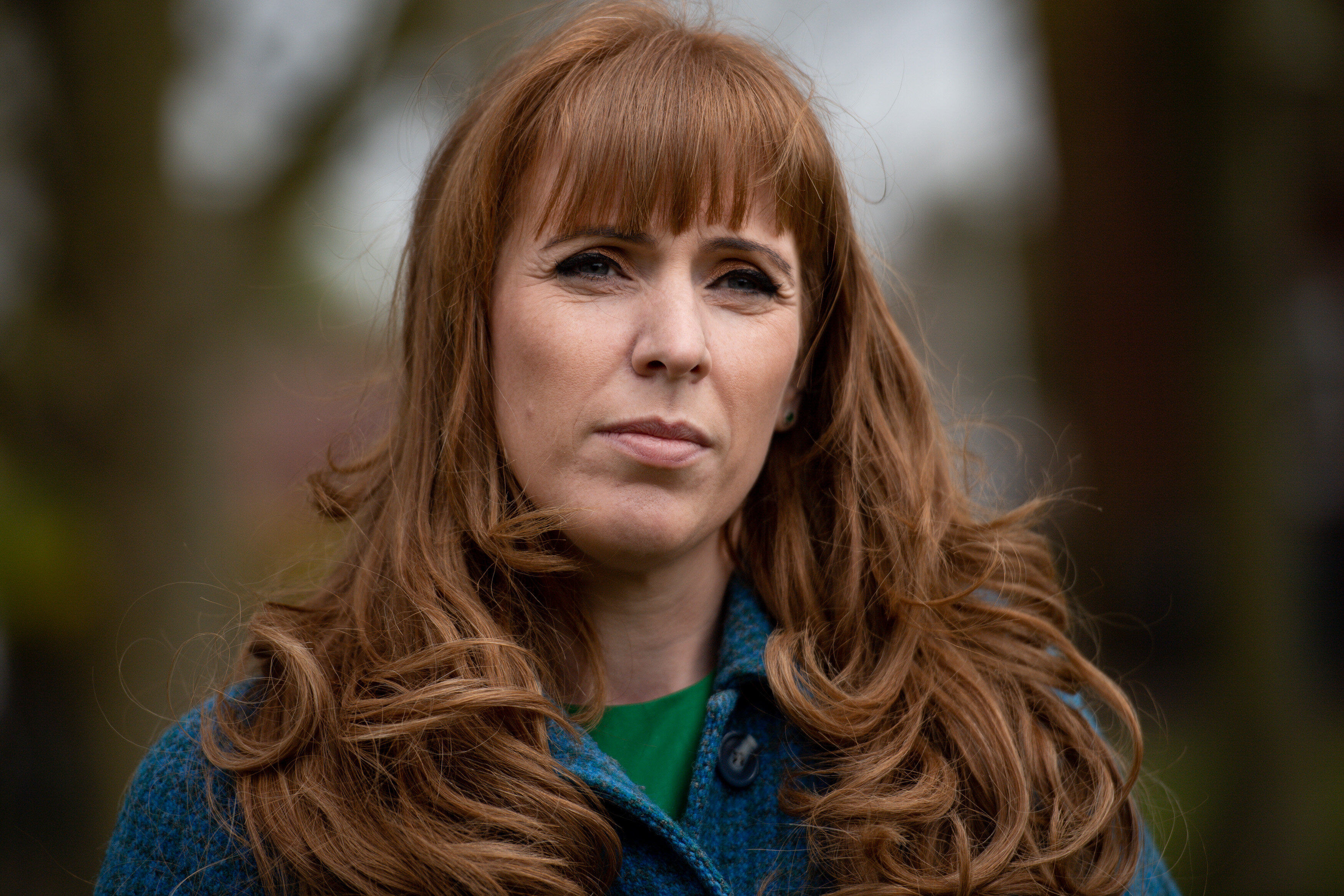
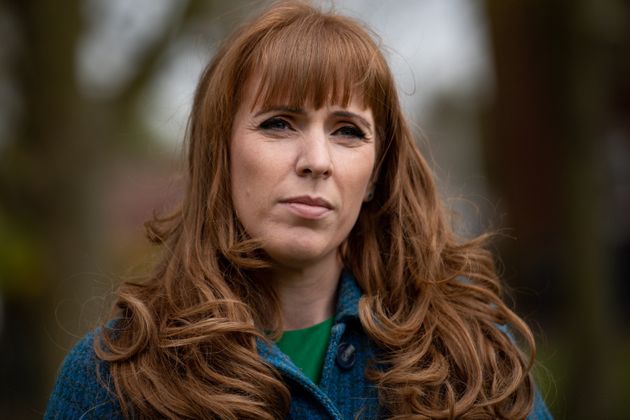
Labour’s deputy leader has said an investigation will be launched into who made a “completely unacceptable” claim anti-Semitism among Muslim voters was costing the party votes.

The Mail on Sunday quoted a “senior Labour official” as having said Labour was “haemorrhaging votes among Muslim voters” in the run-up to the Batley and Spen by-election on July 1.

“The reason for that is what Keir [Starmer] has been doing on anti-Semitism.” the source told the newspaper.

“Nobody really wants to talk about it, but that’s the main factor. He challenged [Jeremy] Corbyn on it, and there’s been a backlash among certain sections of the community.”

Angela Rayner said in response: “I want to make clear publicly that these comments that are being attributed to a member of Labour Party staff in a newspaper today are not a Labour Party response or statement, are completely unacceptable and are not condoned or sanctioned in any way by the party.

“Anybody who has made these comments should and will be dealt with in line with our independent disciplinary procedures, which I have no role in as deputy leader.”

The Labour Muslim Network also condemned the “patently vile, Islamophobic briefing”.

“This racism needs to be challenged urgently and publicly by the Labour leadership and the party as a whole,” the group said.

“There can be no hiding behind the anonymity of the source and briefing.”

Share Button

Matt Hancock ‘Isn’t Useless At All’, Says Justice Secretary Robert Buckland

Anadolu Agency via Getty Images

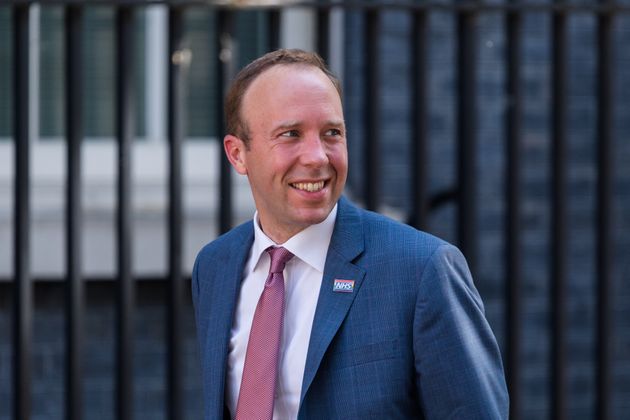
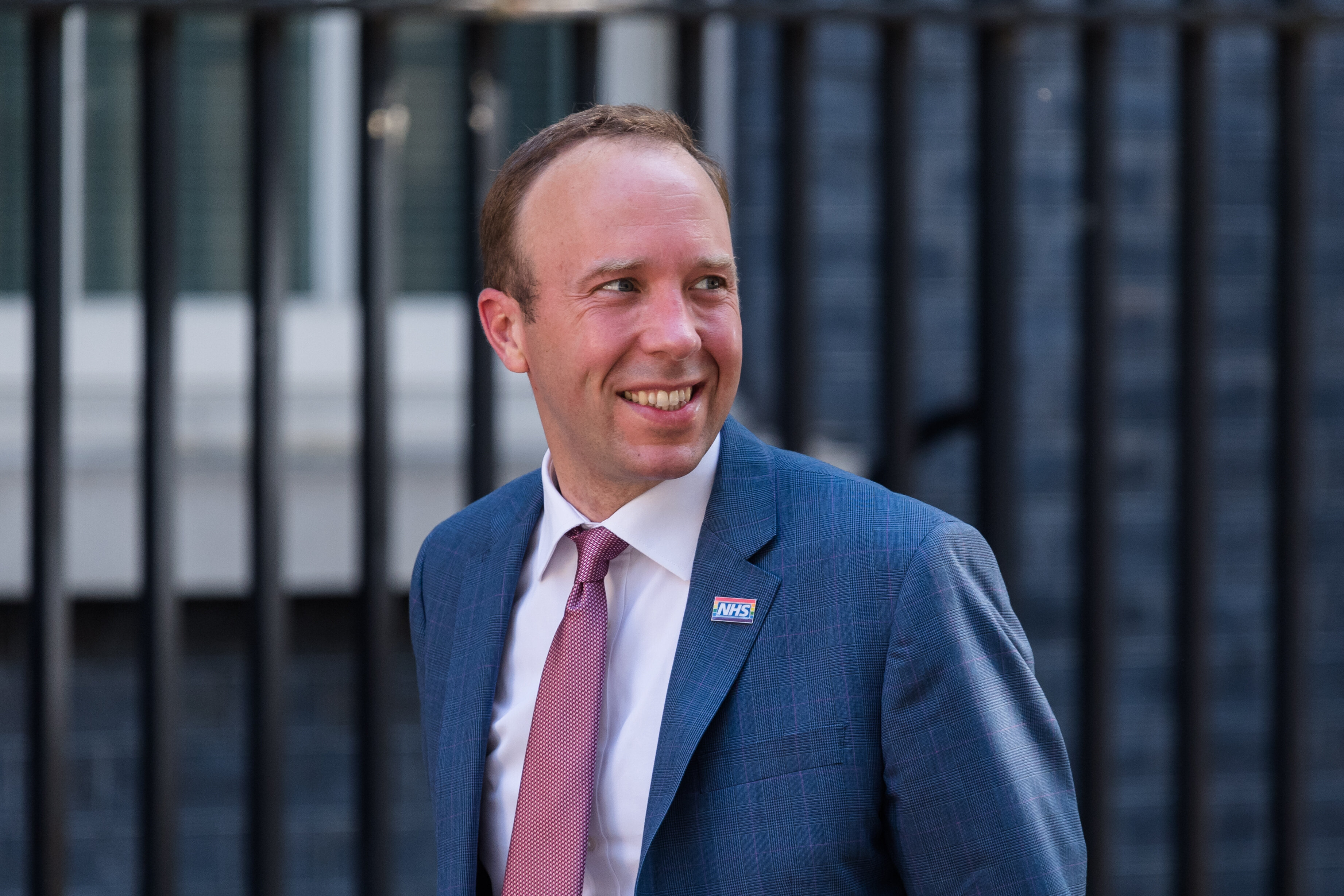
Matt Hancock “isn’t useless at all”, justice secretary Robert Buckland has said.

Dominic Cummings, Boris Johnson’s former chief adviser, last week revealed a series of WhatsApp messages between himself and the prime minister.

One exchange included Johnson describing Hancock as “totally f****** hopeless” while discussing testing early in the coronavirus pandemic.

Speaking to Sky News’ Trevor Phillips on Sunday, Buckland said Hancock was “a most useful and dynamic health secretary who enjoys our full support”.

Asked “just how useless” Hancock was, the justice secretary said: ”He isn’t useless at all. 

“I’ve known him for many years and I’ve seen him step up to the plate throughout this crisis, working tirelessly on our behalf to make sure that our response to Covid, the health service response, the health response was as vigorous as possible. 

“It’s been a huge challenge for him, a huge challenge for all of us but to bandy around words like that I think does nobody any service at all.”

John Bercow, the former Commons Speaker who has defected from the Conservative Party to Labour, also gave Phillips his view of Hancock.

“Well I think it would be fair for me to say that I would buy Matt at my valuation and sell him at his and realise a healthy profit in the process,” the former Tory MP told Phillips.

Share Button

Cheryl Reveals The Reason Why Fans Might Not See As Much Of Her After Return To Spotlight

Cheryl has only just returned to the spotlight, but fans shouldn’t expect to see as much of her as they did before. 

The ex-Girls Aloud singer has said she will not go back to being as busy, as she no longer has the energy to do things that “make her feel stressed or nervous”. 

Speaking to Marie Claire, the former X Factor judge said: “I’m not doing that to myself again. I’m only going to do stuff that makes me truly happy.

“I think life falls into place when you focus on that intent. Only happiness. Only authenticity. I won’t spend time on anything that makes me feel stressed or nervous. I haven’t got the energy.”

Karwai Tang via Getty Images

Cheryl pictured in 2019

Cheryl revealed that the pandemic had helped her to learn a “really valuable lesson” in evaluating what is important. 

She continued: “It’s not worth it. The pandemic actually taught us that. You speak to people now and they don’t want to go back to their normal lives. 

“I think we’ve learnt a really valuable lesson, as horrible and tragic and despicable as it was, and it brought a lot of awareness and self reflection, for the better. It’s about what’s important, and what makes you happy, and what makes you miserable.”

Cheryl, who is a parent to four-year-old son Bear with ex Liam Payne, returned to social media earlier this month after a year-long break, revealing she was working on a new project. 

She has since been announced as an ambassador for supplements brand Feel.

SOPA Images via Getty Images

Cheryl said that she will not go back to being as busy

Prior to her showbiz break, Cheryl has served as a judge on the The Greatest Dancer, which was axed by the BBC after two series last year. 

Her last solo release came in 2019, having previously hit the top spot with singles like Fight For This Love and Call My Name. 

Cheryl served as an X Factor judge from 2008 to 2010 and then again from 2014 to 2015. 

It had been reported that Simon Cowell was keen to work with Cheryl on the ITV talent show again should it return from its current hiatus in 2022. 

Share Button

Helen Mirren Makes Iconic Chat Show Appearance From Her Bathtub, But Encounters One Bubbly Problem

Over 15 months into the pandemic, we are all officially sick of Zoom calls, so you can’t blame Helen Mirren for killing two birds with one stone as she dialled in to a US talk show from her bath. 

The actor appeared on The Tonight Show With Jimmy Fallon on Thursday evening live and direct from her tub, telling the host it was her “favourite place in the world”. 

A shocked Jimmy told her she had the honour of being his first guest ever to appear from their bath. 

“That’s the brilliant thing about Zoom,” she said. “I was thinking, why not be in the place that you love to sit and chat to people? I love having a chat to my husband while I’m sitting in the bath, so why not do it to the whole of America?”

However, Helen encountered one big problem. 

“I’m running out of bubbles!” she said. “You were chatting away and I was waiting and my bubbles were going down.”

The soapy location was not the only iconic thing from Helen’s interview, though. 

She also shared a video of her shooing away a bear that was trying to make its way onto her porch. 

Helen previously recounted her meeting with the bear during an interview with US comedian Marc Maron on his podcast WTF.

She also revealed she’d learned how to react when faced with a bear “looking aggressively at you” and “hunching its back like it is about to charge” from a pamphlet.

Dame Helen explained: “They said you make yourself look as big as possible, if you can grab a stick, make yourself look big and then it literally said and then shout, ‘Bad bear, bad bear!’”

Share Button

Lorraine Kelly Has A Prediction About Piers Morgan And Good Morning Britain

Lorraine Kelly has said she has “no doubt” Piers Morgan will be back on Good Morning Britain.

The ITV presenter has spoken out amid speculation Piers could return to the channel’s breakfast show after making an abrupt exit earlier this year. 

Speaking to The Sun, Lorraine said: “He will be back in some shape or form, I have no doubt. I know nothing, but never count him out of anything.

ITV/Shutterstock

 Lorraine Kelly and Piers Morgan

Shutterstock/ITV

Piers Morgan on what would prove to be his penultimate episode of Good Morning Britain in March

Despite Piers’ controversial public profile, Lorraine maintains he is actually a big softie.

She said: “I have a lot of time for him. He’s very kind to me. He goes crazy when I say this – he doesn’t like me doing it – but he’s actually a really nice guy.

“He says to me ‘will you stop saying that I’m a nice person because it’s very bad for my brand’. That makes me want to do it even more!”

Share Button

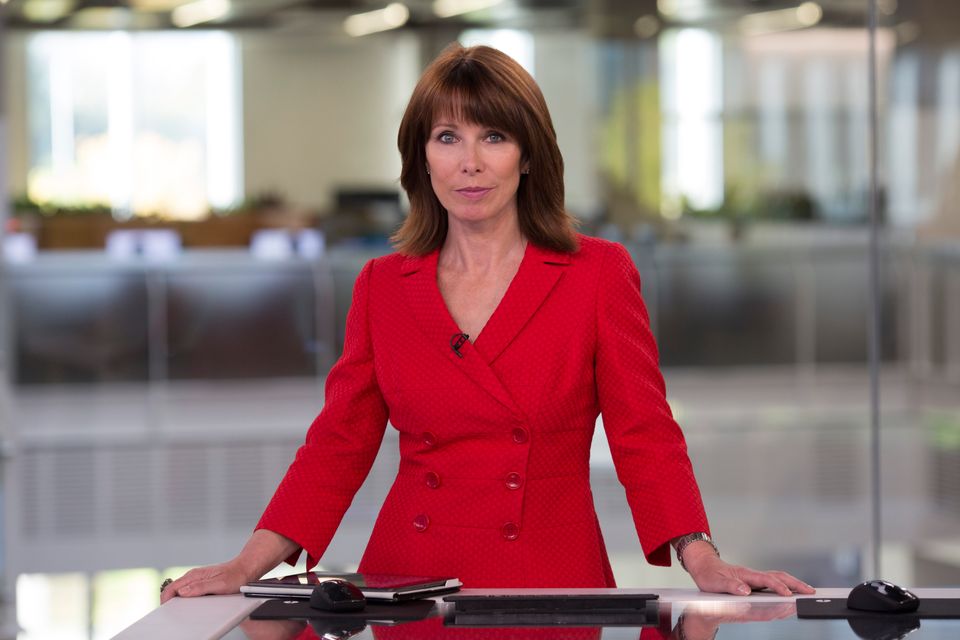
Sky News’ Kay Burley Says She Was An ‘Idiot’ Over Covid Rule Breach

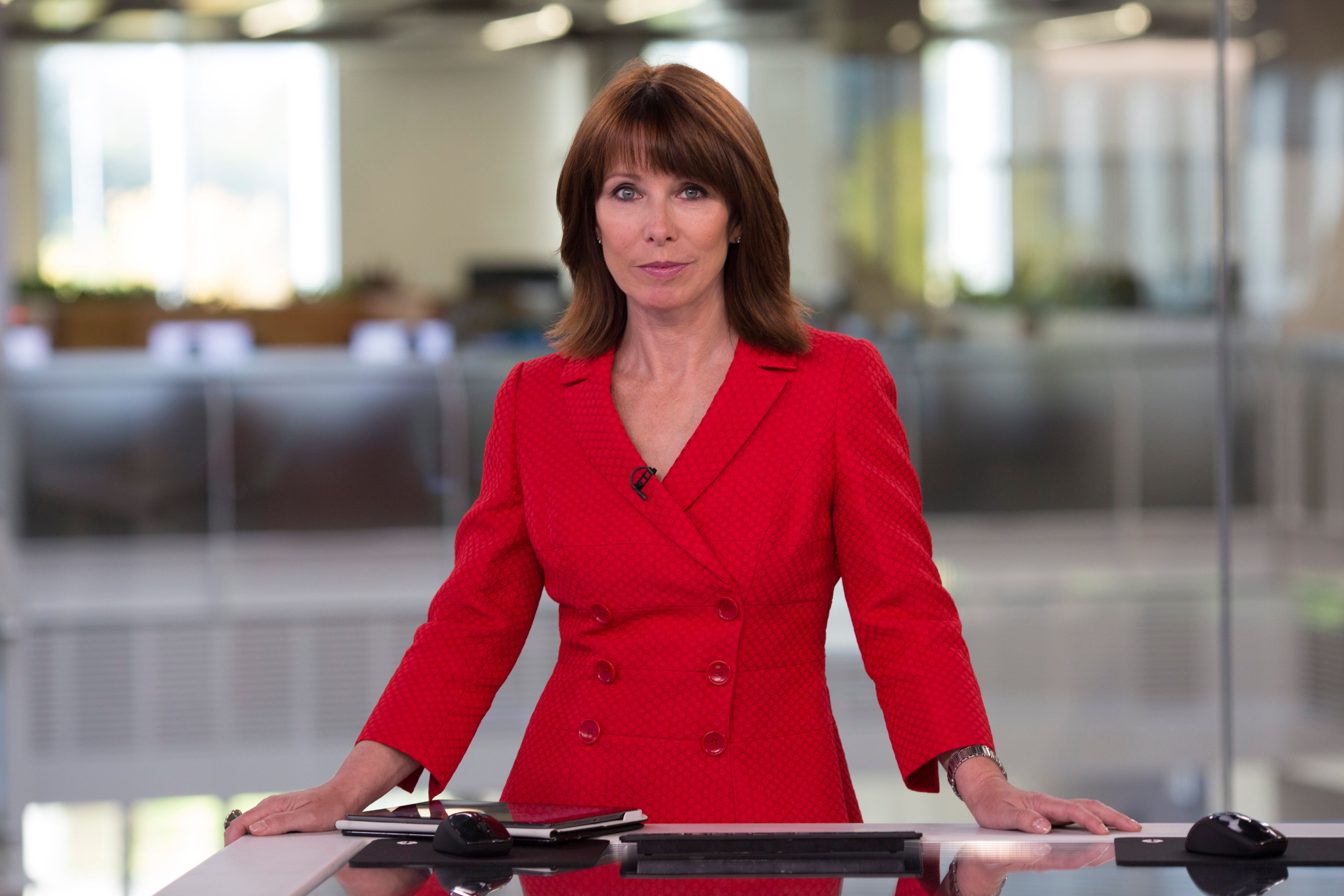
She said: “I thought I was Covid-compliant. I wasn’t. I made a mistake.

“I was an idiot and I let myself and my viewers down. I’m sorry for what I did and for any heartache I caused the loyal friends with me at the time.

“I was appropriately sanctioned.”

She added: “I paid for my mistake; quite rightly. My viewers told me how frustrated they were with me and they were right to do so.

“With time, the mood music changed and my viewers wanted me back.” 

Burley had celebrated her birthday with a rule-breaking gathering in London in December, while the capital was under Tier 2 restrictions.

The presenter, who has been with Sky News since its inception in 1989, apologised at the time, tweeting: “It doesn’t matter that I thought I was Covid-compliant on a recent social event. The fact is I was wrong, I made a big mistake, and I am sorry.”

Political editor Beth Rigby and north of England correspondent Inzamam Rashid were also taken off air for three months after attending their colleague’s 60th birthday party.

Following an internal review in December, Sky News found that “a small number of staff attended a social event in London” where Covid-19 guidelines were breached.

It said: “All those involved regret the incident and have apologised. Everyone at Sky News is expected to comply with the rules and the company takes breaches like this very seriously indeed.”

Burley returned to her breakfast slot on Sky News earlier this month. 

Share Button

Does Chesham And Amersham Show The Political Tectonic Plates Are Shifting?

On the day of the Chesham and Amersham by-election on Thursday, one voter couldn’t quite believe just who was captured on the video on their ‘Ring’ doorbell. Theresa May, the former prime minister, was door-knocking in a last-ditch attempt to get the vote out. It looked desperate and it was.

In fact, May was already well known to the electorate precisely because her face had been plastered all over election leaflets. But she wasn’t on Tory campaign material, she was quoted on Lib Dem leaflets for her opposition to the planning reforms proposed by Boris Johnson. This was a 2021 redux of the 2017 classic, ‘the Maybot wot lost it’, but in a very different way.

It was those controversial planning reforms to build more homes without local consent, plus a vehement opposition to the HS2 rail line (embodied by building works currently causing road chaos in the seat), that created an overall narrative that the Conservatives were going to rip up the Chilterns countryside.

Add in the much bigger picture of Johnson’s constant focus on the ‘red wall’ of northern seats and the Lib Dems’ spectacular success was in sending a message that this seat was sick of being “taken for granted”. In that sense, and perhaps the only sense, the Home Counties upset mirrored Labour’s Hartlepool defeat a few weeks ago.

So in many ways, there were almost textbook conditions for a Lib Dem by-election upset. The seat was so close to London, a mere Metropolitan Line tube ride away, the party could easily flood it with activists. In HS2 and planning, there were two perfectly local issues to exploit. Crucially, this was also a classic sleeper operation, a LibDem ‘quiet revolt’ with the party deliberately not shouting about its progress to avoid alerting the sleepy Tories.

All the old tricks were deployed too. One Labour figure whose mother lives in the seat confided she’d told him how nice it was the Lib Dem candidate had actually sent her a personal, hand-written letter (even though it was pro-forma, and cleverly printed to look hand-written). Getting a candidate in place early, hiding the party’s national support for HS2, all worked.

Moreover, the Tory campaign was as inept as the Lib Dems’ was impressive. One Tory MP told me how the party had been far too slow to get a candidate, had produced ‘insipid’ leaflets (“Where was the image of the PM getting his vaccine jab? Nowhere.”) and crazily focused on swing voters rather than its core vote. Despite May’s last minute doorknocks, I was told the Tories didn’t even have tellers at polling stations for large parts of the day.

As one shrewd Lib Dem old hand told me, the genius of the party’s campaign was it managed to both attract the younger more liberal voters forced out of London by expensive house prices AND the older NIMBYs who don’t want the extra housing needed to support even more of these newcomers.

And while this was in many ways a classic, localised by-election win, the Lib Dems are hoping that they can capitalise more broadly in the south. It’s certainly true that anger over planning was a factor in the party capturing other seats in the local elections (there were literal ‘disgusted of Tunbridge Wells’ vote shifts over the issue in May)

But are the tectonic plates of our politics shifting? Well, the demographic shifts of an influx of younger, graduate class to Tory seats are reflected in other seats across the south. Some in Labour firmly believe that while they should shout more about successes in places like Peterborough, West of England and Worthing in May, the fact is in parliamentary seats it’s the Lib Dems who can capitalise most.

As one Labour insider put it to me, the long term trends are good but in the short term the number of marginal winnable seats for 2023/4 in the north and midlands far outweigh the potential gains of the odd upset like Canterbury. Others in the party see it as a comforting fantasy to believe that a hipster coffee shop appearing in a Tory town somehow signals a revolution.

Labour polled its lowest ever vote share of any by-election, with just 1.6% of the vote, but those around Keir Starmer were utterly relaxed, seeing that as the inevitable squeeze of tactical voting (it’s worth pointing out that under Corbyn, Richmond Park saw a lower vote score for Labour than membership of the local Labour party, precisely because voting Lib Dem removes a Tory).

“Keir didn’t go to Amersham and Chesham, we didn’t pour resources into it. We absolutely stepped back, actively said we are not keen to engage in this. So we stepped back and allowed that squeeze message to work,” one source said. If the party does the same at the next general election in seats where the Libs are the main challenger, it would simply be repeating the Blair-Ashdown tactics of 1997.

For some around Starmer, the big, tantalising prize after Chesham is that it shows not only are voters less tied than ever to party loyalty but also that the Tories can be routed if Labour isn’t seen by southern voters as a threatening presence in No.10.

I remember joining Johnson on the campaign trail in south west London in 2015 and he correctly predicted the anti-Lib Dem landslides in seats like Ed Davey’s and Vince Cable’s, partly because of a fear that Ed Miliband would ally with Alex Salmond.

Older Lib Dem-Tory switchers are at heart liberal conservatives but they are still conservatives. As academic Paula Surridge points out today, Tory Remain voters had a tremendously low opinion of Jeremy Corbyn.

Some Starmer supporters believe that’s the main reason he can never allow  himself to be depicted as ‘Miliband-lite’, let alone ‘Corbyn-lite’. He may currently have major problems with clarity for what he stands for (which have to be solved), but Starmer’s huge asset to date has been that he doesn’t scare those southern horses.

Johnson’s two biggest problems are complacency and confusion. Today, he appeared in west Yorkshire, clearly having anticipated a cakewalk victory in Chesham that he could use to help him in Batley and Spen. The date of the Batley by-election, July 1, was clearly also designed to be a victory lap after June 21’s unlocking. So much for complacency.

As for confusion, the PM today also started talking once more about uniting and levelling up because “that’s what One nation Conservatism is all about”. That unity message was certainly his line the morning after the 2019 election, but within days he squandered it with endless culture wars on the BBC, political reporters, the judiciary, even cuts to overseas aid.

One Nationism has instead been replaced by Two Nationism, and his messages to the ‘red wall’ have often conflicted with ‘blue wall’ values. It’s not just Labour that has difficulty keeping a working class and middle class voter coalition together.

Batley (which I’ll write more about soon) is a very different seat from Chesham. Still, some Tories think one read-across is they chose their candidate too late and are still failing to target the right voters. Starmer has a brilliantly local candidate, but faces ‘headwinds’ still from the vaccine rollout and George Galloway’s targeting Asian voters. 

The biggest lesson for both Starmer and Johnson is that it’s only by trying to unify the country, not split it into different groups or regions or coloured walls, that politicians can win big majorities. In a first past the post election system, that remains more important than demographic shifts or tweaks to campaigns. Oh, and never take your base for granted.

Share Button

Tory MP Charged With Sexually Assaulting 15 Year-Old Boy

Richard Townshend/UK Parliament

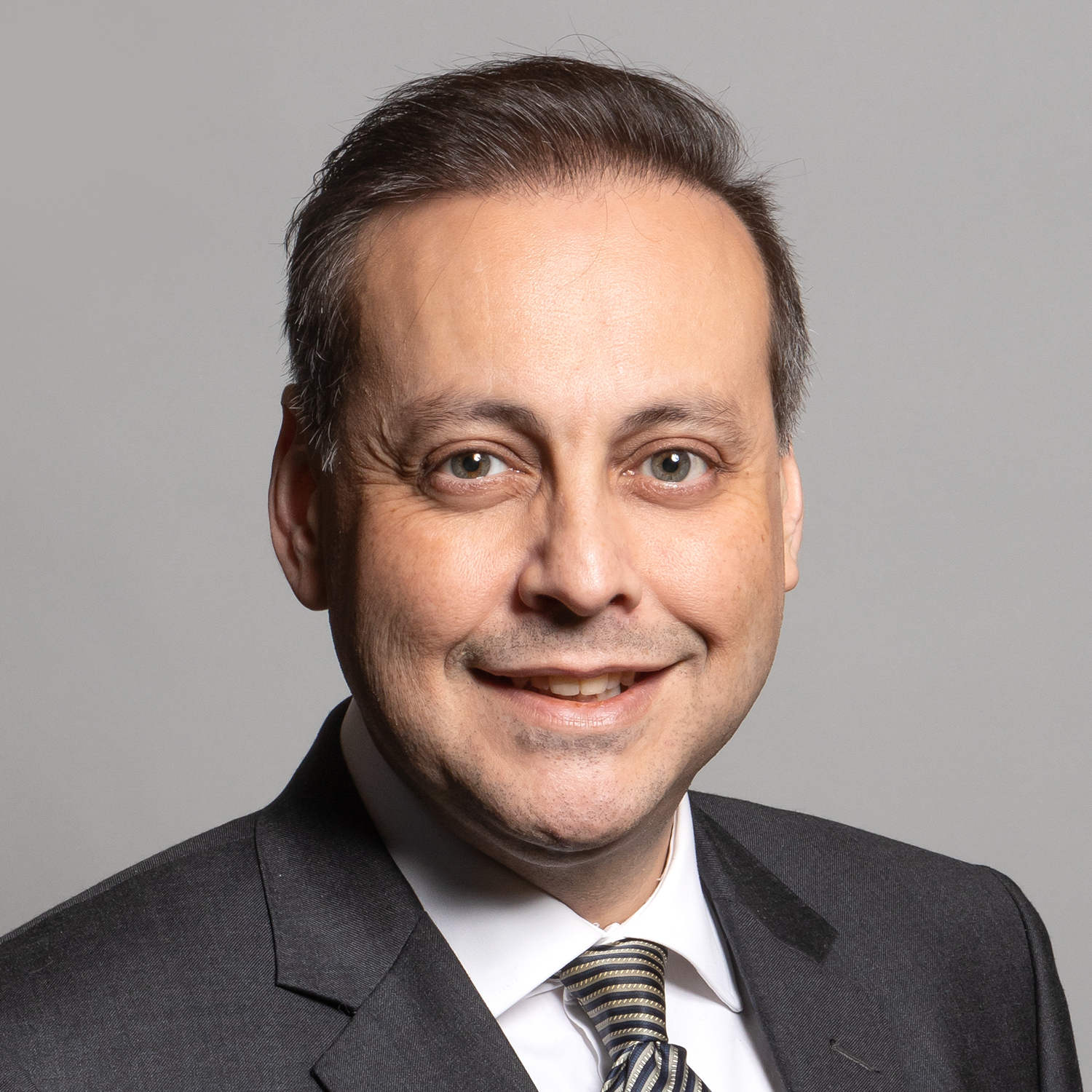
Imran Ahmad Khan, Conservative MP for Wakefield

A Tory MP has been charged with sexually assaulting a 15 year-old boy in 2008.

Imran Ahmad Khan, 47, the Conservative MP for Wakefield, West Yorkshire, is alleged to have groped the teenager in Staffordshire.

He was named on Friday after reporting restrictions were lifted and is now facing trial on a single count of sexual assault against the teenager, who cannot be identified because he is an alleged victim of a sexual offence in 2008.

Khan, who was elected at the 2019 general election, pleaded not guilty while appearing at Westminster Magistrates’ Court via video link from his lawyers’ office.

He now faces trial at the Old Bailey on July 15 at 9.30am, and was granted unconditional bail.

Khan was stripped of the Tory whip.

It is understood that he has not visited the parliamentary estate since the charge.

A Tory whips spokesperson said: “Imran Ahmed Khan has had the whip suspended.

“As there is an ongoing court case we will not be commenting further.” 

The Crown Prosecution Service said it made the decision to charge after reviewing a file of evidence from Staffordshire Police.

Stressing the need for a fair trial, Rosemary Ainslie of the CPS said: “It is extremely important that there should be no reporting, commentary or sharing of information online which could in any way prejudice these proceedings.”

Khan’s lawyer David Janes said in a statement: “The requisition against our client Imran Khan MP relates to a sole allegation of touching which was allegedly sexual, on a single occasion, said to have taken place in… 2008.

“Our client is shocked that he has been requisitioned with this alleged offence. He strenuously denies the accusation and it will be vigorously defended.”

In a statement released on Friday, Khan said: “It is true that an accusation has been made against me.

“May I make it clear from the outset that the allegation, which is from over 13 years ago, is denied in the strongest terms.

“This matter is deeply distressing to me and I, of course, take it extremely seriously.

“To be accused of doing something I did not do is shocking, destabilising and traumatic. I am innocent.

“Those, like me, who are falsely accused of such actions are in the difficult position of having to endure damaging and painful speculation until the case is concluded.

“I ask for privacy as I work to clear my name.”

Share Button

PM’s Planning Reforms In ‘Tatters’ After By-Election Defeat, Tory Rebel Says

Boris Johnson’s planning reforms have been left in “tatters” following the Tories’ humiliating by-election defeat in Chesham and Amersham, a veteran MP has said.

Sir Roger Gale told HuffPost UK the defeat was a “wake up call” for the prime minister amid a significant backbench rebellion over the plans, which MPs fear would concentrate house building in the party’s southern heartlands.

The Liberal Democrats took the Buckinghamshire seat for the first time in its history, winning a majority of 8,028 over the Tories on a stunning 25% swing.

The party focused heavily on the planning reforms in leaflets the seat, quoting Tory rebels including Theresa May attacking the policy.

The defeat has now intensified the rebellion, as MPs fear the pattern could be repeated across so-called “blue wall” southern traditional Tory seats.

Gale said that on Tory WhatsApp groups on Friday “the only thing anybody is talking about is planning”.

“The common theme is ‘me too, me too, me too’ – right across the south of England,” he told HuffPost UK.

“They are worried about the policy.

“But of course they’ve got an eye on their reelection chances.”

Johnson on Friday stressed that there has been “misunderstanding” about the reforms, insisting the government would not build on green belt land.

“What we want is sensible plans to allow development on brownfield sites,” he said. 

“We’re not going to build on green belt sites, we’re not going to build all over the countryside.”

But Gale said the rebels were concerned about building on greenfield sites like agricultural land, stressing: “We’re not talking about green belt.”

He backed calls for the government to instead focus on building houses on brownfield sites, empty commercial properties, and forcing developers to build on around a million unused planning consents.

On the upcoming planning bill, he said: “My personal view is: the policy is in tatters.

“They’ve got to wake up and smell the coffee.”

It came as leading rebel Bob Seely said the by-election result was “the start of a significant push-back from communities on planning”.

“Relentless housing targets – very often the wrong housing in the wrong areas – just feeds the hamster wheel of planning doom,” he told the BBC.

“We need a better way of doing things. 

“We want to work with government to make this a success.  

“But more of them same will be political suicide, and, as Winston Churchill said, the problem with political suicides is that you live to regret them.”

Johnson is facing fresh rebellion over planning after MPs on his own side last year effectively killed off a so-called “mutant algorithm”, which would have dramatically increased house-building in southern Tory cities and shires.

But the PM is believed to think home ownership is key to cementing the party’s gains in the so-called “red wall” in the north and Midlands and returned with fresh proposals to overhaul planning in last month’s Queen’s Speech.

The government has said it wants to speed up the planning process to deliver new homes and infrastructure more quickly, at the same time as protecting the environment, as part of efforts to hit Johnson’s target of building 300,000 homes a year by the mid-2020s.

But Tory rebels and countryside campaigners have warned that the bill will divide places into areas earmarked for either growth or protection, and that growth areas would undermine local democracy and give developers a green light to build on rural land.

Share Button

Will Rishi Sunak Realise That Covid Isolation Is Just As Vital As Vaccination?

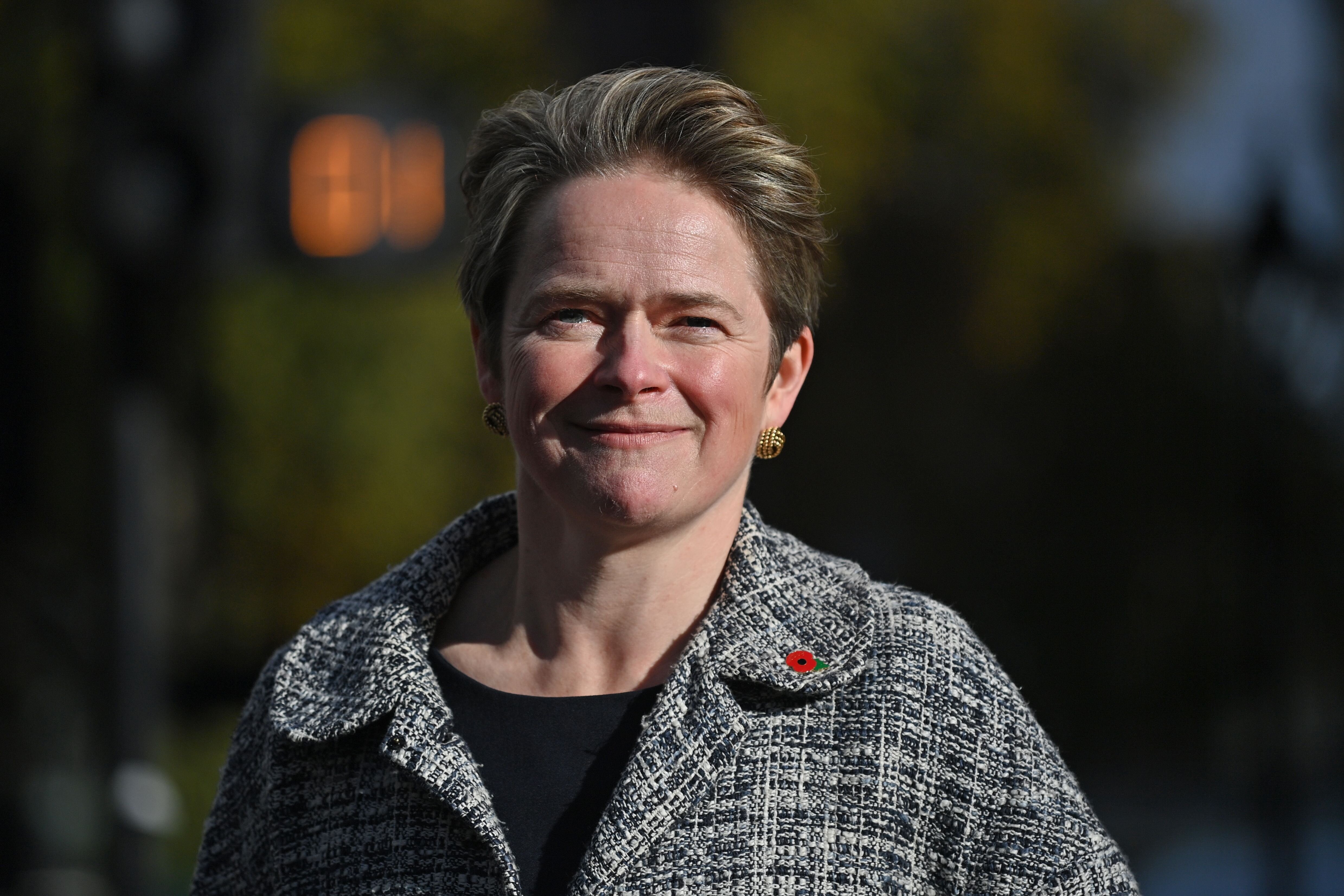
When it emerged today that Dido Harding had indeed applied for the top job to run NHS England, the verdict from Labour’s Justin Madders was drier than the Sahara.

“I would hope that all candidates’ applications are judged on the basis of their recent performance in public sector roles, which in her case speaks for itself,” the shadow health minister said. “Failing which, Dominic Cummings WhatsApp ought to provide a candid assessment.”

Trying to replace NHS chief exec Sir Simon Stevens is certainly a bold move by the former head of Test and Trace. The litany of failures is well documented, but it’s worth a swift recap of some. The Commons Public Accounts committee said there was “no clear evidence” her organisation had cut Covid rates despite its huge cost (£22bn last year, £37bn over two years).

Former Treasury permanent secretary Nick Macpherson said Test and Trace “wins the prize for the most wasteful and inept public spending programme of all time”. The National Audit Office discovered the DHSC’s business case for the spending last year was “the avoidance of a second national lockdown”. (Narrator: a second, and third, national lockdown took place).

Harding is characteristically unabashed, however. She recently told Radio 4’s Woman’s Hour that her “one regret” was that the expectations for the service were “set too high”. She suggested that the big mistake at its conception was the hope that “testing and tracing and isolating, on its own, would stop the course of the disease”.

Part of the problem, almost certain to be highlighted in the forthcoming “lessons learned” report by the joint health and tech committees inquiry, was the lack of local expertise in contact tracing. While testing capacity was hugely expanded, much of that progress was undermined if each person’s contacts were not being tracked down quickly or effectively enough.

Yet the real clue to the problem lay in the organisation’s very name. It was always ‘Test and Trace’, never ‘Test, Trace and Isolate’. And all the tests in the world, and all the contact tracing in the world, count for nothing if at the end of the process there are large chunks of people failing to stay at home in self-quarantine.

As Jeremy Hunt has pointed out, there was such an obsession about the numbers of tests done per day that the government failed to focus on the metric that mattered: how many potentially infectious people were isolating. At times, the proportion of those who were not doing so was upto 40%.

To be fair to Harding, she eventually grasped this and admitted in February that perhaps as many as 20,000 people a day were ignoring calls to isolate. There are lots of reasons, from boredom to lack of shopping and childcare, for people breaking 10-day isolation. But lack of cash is certainly a key one, as many in public health will attest.

The Tory peer did manage to get some more state support, notably in offering £500 isolation payments for people on low incomes, often administered locally. But as with most means testing, the take up is far less than it would be if there was a universal, across the board, salary replacement system.

And the blame for that may ultimately lie with chancellor Rishi Sunak. When a flat-rate payment was floated earlier this year, the Treasury ruled it out on the grounds that the cost would be too high because of the sheer numbers who were getting Covid. That ignored both just how dynamic the situation was (the cost reduces as cases reduce) and also the huge savings to the public purse achieved by avoiding lengthy lockdowns.

This whole issue reignited today when Politico revealed emails from senior civil servants complaining that the furlough scheme was being used to help those temporarily off work because of Covid isolation. The most telling line, written in January at the height of the third wave, was this: “Incentive payments are too low to incentivise employees to take tests due to risk of loss of income.”

Even aside from using furlough more flexibly to cope with illness, the chancellor has refused repeated requests to increase statutory sick pay (the UK has one of the lowest rates in Europe).

That seems to be partly because of a fear (possibly misplaced given the government’s majority) that such a hike could not be reversed in future. Yet the sums needed for isolation payments are minor compared to the £37bn earmarked for Test and Trace.

Of course, surge testing still matters (and Test and Trace should get credit for its ability to help councils rapidly boost testing). So too does surge vaccination, although as Blackburn’s public health director today pointed out, jabbing the over-12s is desperately needed particularly in areas with high Asian populations, many of them young.

But it’s the lack of a surge in sick pay that is perhaps the most baffling part of the government’s response. With vaccine protection taking two weeks, getting the infected to swiftly stay at home arguably matters more even than getting them jabbed.

And with Chris Whitty warning today of an “exit wave” that will follow the July 19 unlocking, and “winter surge” later this year, the need for higher levels of self-isolation is as pressing as ever.

The economic risks of further possible lockdowns ought to be enough to prompt a rethink on isolation payments from Sunak, before he’s inevitably urged to do so by the parliamentary inquiry.

If not, he may just gift Keir Starmer the present he desperately needs to tie both No.10 and No.11 in a joint enterprise on Covid failures.

Share Button