HuffPost is part of Verizon Media. Verizon Media and our partners need your consent to access your device and use your data (including location) to understand your interests, and provide and measure personalised ads. Verizon Media will also provide you with personalised ads on partner products. Learn more.
How Verizon Media and our partners bring you better ad experiences
To give you a better overall experience, we want to provide relevant ads that are more useful to you. For example, when you search for a film, we use your search information and location to show the most relevant cinemas near you. We also use this information to show you ads for similar films you may like in the future. Like Verizon Media, our partners may also show you ads that they think match your interests.
HuffPost is part of Verizon Media. Verizon Media and our partners need your consent to access your device and use your data (including location) to understand your interests, and provide and measure personalised ads. Verizon Media will also provide you with personalised ads on partner products. Learn more.
How Verizon Media and our partners bring you better ad experiences
To give you a better overall experience, we want to provide relevant ads that are more useful to you. For example, when you search for a film, we use your search information and location to show the most relevant cinemas near you. We also use this information to show you ads for similar films you may like in the future. Like Verizon Media, our partners may also show you ads that they think match your interests.
HuffPost is part of Verizon Media. Verizon Media and our partners need your consent to access your device and use your data (including location) to understand your interests, and provide and measure personalised ads. Verizon Media will also provide you with personalised ads on partner products. Learn more.
How Verizon Media and our partners bring you better ad experiences
To give you a better overall experience, we want to provide relevant ads that are more useful to you. For example, when you search for a film, we use your search information and location to show the most relevant cinemas near you. We also use this information to show you ads for similar films you may like in the future. Like Verizon Media, our partners may also show you ads that they think match your interests.
Fluoride is a naturally occurring mineral that helps build strong teeth and prevent cavities.
For more than 70 years, most of the tap water in America has contained small amounts of fluoride to reduce tooth decay. The Centers for Disease Control and Prevention (CDC) say that fluoridated water has reduced tooth decay by about 25 percent.
Fluoride treatments may offer even more significant benefits to protect teeth. These treatments can be beneficial to people at risk of tooth decay but may not be right for everyone.
In this article, we look at the benefits and side effects of fluoride and fluoride treatment, as well as treatment recommendations.
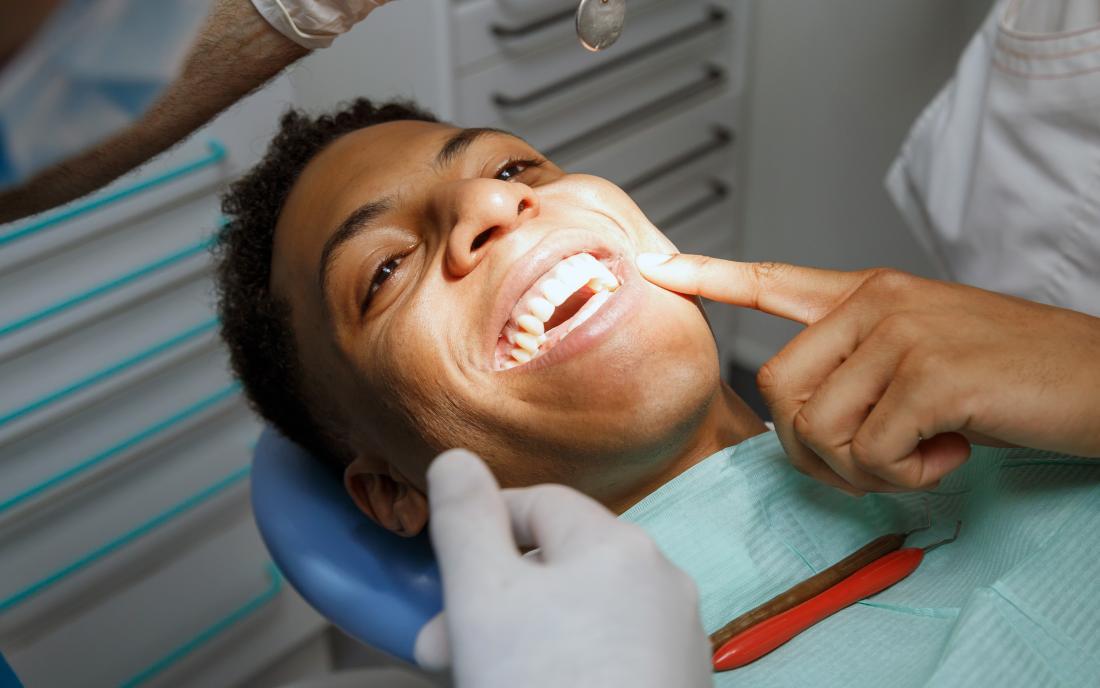
Share on PinterestA person at risk of tooth decay may benefit from fluoride treatment.
Fluoride treatments are typically professional treatments containing a high concentration of fluoride that a dentist or hygienist will apply to a person’s teeth to improve health and reduce the risk of cavities. These in-office treatments may take the form of a solution, gel, foam, or varnish.
There are also some high-concentration fluoride treatments that people can use at home but only under the specific direction of a dentist.
The fluoride dentists use in these treatments is similar to the fluoride in toothpaste. However, the treatment contains much higher doses and may offer more rapid benefits.
It helps the body better use minerals, such as calcium and phosphate. The teeth reabsorb these minerals to repair weak tooth enamel.
It joins into the tooth structure when teeth are developing to strengthen the enamel of the teeth, making them less vulnerable to bacteria and cavities for life.
It slows or even reverses the development of cavities by harming bacteria that cause cavities.
When taken together, these benefits may help to:
reduce the risk of cavities
slow the growth of cavities
delay the need for expensive dental work
prolong the life of baby teeth
reduce the amount of time and money a person has to spend at the dentist
By preventing cavities and slowing the growth of bacteria, fluoride treatment may also:
Fluoride treatments can improve oral health, which, according to the World Health Organization (WHO), is a major predictor of overall health. Poor oral health can cause a range of other health conditions, including cardiovascular disease.
Some natural health advocates have expressed concern about fluoride at high doses. They also argue that fluoride is not safe for children, and even that fluoridated water may be dangerous.
However, it is a myth that fluoride treatments or fluoridated water cause widespread harm, although some people may experience some side effects, including;
Tooth discoloration
The most common side effect of fluoride is tooth discoloration.
Fluorosis is a condition that causes white streaks or other discoloration on the teeth. Fluorosis happens when a child ingests too much fluoride while their baby and adult teeth are developing under the gums. A child can develop fluorosis from birth to 8 years of age.
Discoloration is more common among young children who consume too much fluoride, either because they take fluoride supplements or swallow toothpaste.
The United States Public Health Service have set guidelines for the amount of fluoride that community drinking water should contain to help prevent tooth decay and minimize the risk of dental fluorosis. This level currently stands at 0.7 milligrams of fluoride per liter (mg/l) of water.
Experts recommend that even children who are too young to spit the toothpaste out themselves should use fluoridated toothpaste.
The American Academy of Pediatric Dentistry (AAPD) recommend that parents or caregivers use a minuscule amount of fluoridated toothpaste as soon as the child’s first tooth erupts. This protects a child’s teeth from cavities but does not put them at risk for fluorosis if the child accidentally swallows the toothpaste.
Allergies or irritation
A person may have an allergic reaction to fluoride or experience skin irritation, though these reactions are rare.
Toxic effects
Fluoride can be toxic if a person applies it incorrectly or at very high doses. However, this is unusual.
The American Dental Association (ADA) recommend the use of professional fluoride varnish on children under 6 years old. Fluoride varnish is the preferred option for young children, as they tend to swallow foams or gels, which may cause nausea and vomiting.
The CDC and the ADA recommend that frequent exposure to small amounts of fluoride every day is the best for reducing the risk of dental cavities for all ages.
For most people, this means drinking tap water with optimal fluoride levels and brushing teeth twice a day with fluoridated toothpaste. For children and adults who may be at a higher risk of cavities, fluoride treatments can provide extra benefits.
Children
Dental cavities are the most common chronic childhood disease, five times more common than asthma.
The American Academy of Pediatrics (AAP) recommend fluoride treatment for all children as soon as their teeth begin to grow to prevent decay, pain, and future dental infections.
Dentists or doctors should repeat fluoride treatment every 3–6 months, depending on a child’s risk of cavities.
To reduce the risk of overexposure to fluoride, dentists also recommend the following:
Caregivers should brush children’s teeth with a small amount of fluoride toothpaste to reduce decay and minimize fluorosis risk. For children under 3 years of age, use no more than a smear or rice-sized amount of fluoridated toothpaste. For children aged 3–6, use a pea-sized amount of fluoride toothpaste.
Always supervise a child’s brushing to ensure they use the right amount of toothpaste, and try to get them to spit out most it if they can.
Children under 6 years old should not use at-home fluoride rinses, such as mouthwash, since they may swallow too much fluoride.
Adults
Fluoride recommendations for adults vary. Different studies have investigated a range of concentrations, doses, and frequencies of treatment.
If a person is at a moderate-to-high risk of developing tooth decay, professional fluoride treatment can help. Experts recommend that people at high risk of cavities get professional fluoride treatments twice a year.
People should discuss the risks and benefits of fluoride treatment with their dentists. It is essential to consider all sources of fluoride, including fluoridated toothpaste and mouthwash.
People who live in areas where the water does not contain fluoride may gain more significant benefits from regular fluoride treatments.
A sizeable body of evidence from randomized controlled trials, which are the gold standard of scientific studies, has established the benefits of topical fluoride treatments for preventing decay.
One systematic review reports that fluoride treatments, such as fluoride varnish, have a substantial effect on preventing cavities in both primary and permanent teeth.
Fluoride treatments are safe for most people. Even when there are side effects, those effects are usually minimal compared to the benefits. Most of the harm is likely to come from swallowing very high amounts of fluoride.
This does not mean that all fluoride treatments are safe for all people at all times. People with cavities or at risk of tooth decay should discuss their concerns with a dentist they trust.
If you buy something through a link on this page, we may earn a small commission. How this works.
A balanced diet and healthful lifestyle that includes enough sleep should be sufficient to give most people the energy that they need for their daily activities. However, athletes push their bodies to peak performance, so these individuals may need an energy boost.
In this article, we provide information on six vitamins and supplements that can help athletes beat fatigue and perform at their best.
Share on PinterestA number of of vitamins and supplements may provide athletes with an added energy boost.
B vitamins are vital for releasing energy in the body as they aid the metabolism of carbohydrates, fats, and proteins.
Although being deficient in one or several B vitamins can affect how well a person can exercise, there is little evidence to suggest that unnecessarily taking supplements will improve performance.
As a result, it is best to see a doctor to undergo testing before choosing to take a B vitamin supplement.
Female athletes may be at risk for deficiencies in B vitamins, which include:
Having a vitamin B-12 deficiency can make people feel weak and tired. As vitamin B-12 primarily occurs in animal products, vegans and vegetarians are more likely to develop a deficiency in this vitamin.
Iron deficiency is common in athletes and can affect performance, according to some research.
While it can occur in males, this deficiency is more common in females, especially those in endurance sports. A Swiss review found that the rate of iron deficiency among teenage female athletes was up to 52%.
Additional research found that low iron levels can cause many adverse symptoms in female athletes, including reducing endurance and increasing the amount of energy that the body uses.
The authors suggested that people could take supplements to reduce these effects, but only if dietary changes could not meet their needs. They also note that people following vegetarian or vegan diets should take extra care to ensure that they meet their required daily intake of iron, as plant-based iron is less available to the body.
People should speak to a doctor before taking iron supplements and be sure to request a blood test to check their iron levels. Taking too much iron can cause uncomfortable and even dangerous side effects.
Those with sufficient iron do not need to take a supplement.
Calcium and vitamin D help the body build and maintain healthy bones, teeth, and muscles. These vitamins can help athletes maintain muscle mass and reduce the risk of injuries, such as bone fractures.
Calcium is available in many foods, including:
dairy products, such as milk and yogurt
fortified nondairy milks, such as soy milk
dark green vegetables
fish with soft bones, including sardines and salmon
Studies have shown an association between low levels of coenzyme Q10 and increased fatigue. Coenzyme Q10 is an enzyme in the mitochondria, which are the parts of cells that generate energy.
Experts have linked some conditions with lower levels of coenzyme Q10 in the body, including:
Research has shown that coenzyme Q10 may improve both physical performance and “subjective fatigue” in healthy people engaging in physical activity.
The authors of a 2014 review stated that studies have consistently associated low levels of coenzyme Q10 with fatigue. However, they noted that the results were difficult to interpret, as research papers vary in their definition of fatigue.
The research on whether coenzyme Q10 supplementation is useful for athletes has produced mixed results. For example, a 2012 study of moderately trained men found no evidence that it benefitted their exercise capacity.
Some athletes use creatine because it is a legal nutritional aid for sports performance. People can get creatine from red meat and seafood, but it is also available as a supplement.
Research has shown that supplementing with creatine can increase muscle mass and improve strength when a person combines it with strength training.
Older adults may also be able to use creatine to increase their lean muscle mass and muscle strength.
Commercial supplements often combine creatine with other substances. Researchers have found that a creatine supplement that also contained caffeine, taurine, and amino acids helped athletes feel focused and increased the time that it took for them to feel exhausted.
It is important to note that some of the funding for this study came from companies that make supplements and other products.
Ashwagandha is an Ayurvedic herb. A 2015 study explored the effects of ashwagandha on endurance in healthy athletic men and women.
People who received the root extract of ashwagandha had a significant increase in physical endurance after 8 and 12 weeks of treatment compared with the participants receiving a placebo.
Another study tested the effects of ashwagandha on the endurance of elite cyclists. After 8 weeks of treatment, the cyclists taking ashwagandha took longer to feel exhausted doing a treadmill test than the cyclists who received a placebo.
Vitamins and supplements can be a safe way for athletes to try to improve their performance, but more research is necessary to determine the effectiveness of some supplements.
It is crucial to speak to a doctor before starting to take any new vitamins or other supplements. These substances can interact with other medications that a person might be taking.
Taking too much of some supplements, such as iron, can cause adverse side effects. Also, some vitamins may be ineffective unless a person has an existing deficiency. A doctor can test for vitamin deficiencies and advise on how to correct them if necessary.
People who feel as though they have low energy despite exercising regularly may wish to consider other aspects of their routine before taking supplements. Eating a balanced, nutritious diet and getting enough sleep may also boost athletic performance.
Athletes following vegetarian and vegan diets may need to take particular care to ensure that they are obtaining enough of the above nutrients through their diet.
SHOP FOR VITAMINS AND SUPPLEMENTS
All of the products in this article are available in health food stores and online.
We picked linked items based on the quality of products, and list the pros and cons of each to help you determine which will work best for you. We partner with some of the companies that sell these products, which means Healthline UK and our partners may receive a portion of revenues if you make a purchase using a link(s) above.
HuffPost is part of Verizon Media. Verizon Media and our partners need your consent to access your device and use your data (including location) to understand your interests, and provide and measure personalised ads. Verizon Media will also provide you with personalised ads on partner products. Learn more.
How Verizon Media and our partners bring you better ad experiences
To give you a better overall experience, we want to provide relevant ads that are more useful to you. For example, when you search for a film, we use your search information and location to show the most relevant cinemas near you. We also use this information to show you ads for similar films you may like in the future. Like Verizon Media, our partners may also show you ads that they think match your interests.
People typically associate acne with blackheads, whiteheads, red bumps, pustules, or cystic lesions, all of which may cause pain and irritation. People who experience itchy acne may, therefore, question whether this is normal.
Although people do not generally regard acne as an itchy condition, some individuals may occasionally experience itching or a sensation that causes them to pick at their acne. Usually, the itchiness is due to another skin condition that may also resemble acne. These skin conditions are rarely serious, but they can be bothersome.
It is important to determine the cause of the itching as scratching can damage the skin, resulting in infection and scarring.
In this article, we look at the causes of itchy acne and ways to relieve the itch. We also discuss similar conditions and their treatments.
Share on PinterestThe ingredients in some acne treatments may cause itching.
Some evidence suggests that many people with acne experience itching. In one 2008 study, 70% of people with acne reported some itching. Another 2008 study found that that mild-to-moderate itching was common among teenagers with acne.
Factors other than acne itself — such as the side effects of medication or acne products — can cause itching or make itching worse. Also, different forms of acne may be more or less likely to itch. The following sections discuss these causes and risk factors.
A side effect of acne treatments
Many ingredients that are effective in clearing acne can also cause dry skin and itchiness as a side effect. Salicylic acid, benzoyl peroxide, and retinoids can all cause dryness, peeling, and itching in some people. These symptoms are usually due to the development of mild irritant contact dermatitis.
In some cases, the dryness and itching may resolve with time and proper moisturizing. However, some people may need to reduce the frequency of use or strength of the product.
People who use prescription retinoids, including tretinoin, may find that starting at a lower strength and gradually increasing it over time can help alleviate some of the itching and dryness. A dermatologist can help a person determine what strength is right for them.
In addition, using the product less frequently can help alleviate any itching, peeling, and dryness. Using the product once a day or every other day and gradually increasing the frequency may allow the skin to adapt to it, which can help reduce itching.
Using moisturizer alongside the treatment may also help.
Dermatologists often recommend that people use gentle cleansers while undergoing acne treatment. Using harsh cleansers can make dryness and irritation worse.
An allergic reaction to acne products
Some people may be allergic to an active ingredient, preservative, or thickening agent in an acne treatment product. As a result, they may find that using it causes some mild itching, swelling, or burning. This response to an allergen is called allergic contact dermatitis, and it is different than irritant contact dermatitis.
Although the allergic reaction is usually not serious, a person should stop using the product if they suspect that they are allergic to it.
The American Academy of Dermatology (AAD) say that severe allergic reactions to acne products are very rare. However, any signs of a severe systemic allergic reaction require a person to seek immediate medical attention. These signs include:
Cystic acne is a severe form of acne that produces cysts deep under the skin. These may appear as painful lumps or very large and red eruptions on the skin. Cystic acne may sometimes cause an itching or tingling sensation.
Some people may find that applying warm or cold compresses directly to the cyst provides relief. However, it is best to avoid applying excessive amounts of acne products on top of the cyst as this may cause more dryness and make irritation and itching worse.
A dermatologist may treat cystic acne with prescription-strength creams, antibiotics, or other medications. In many cases, cystic acne requires treatment with isotretinoin.
Bacterial folliculitis
An acne-like breakout that itches may not be acne at all. According to the AAD, some types of folliculitis may look similar to acne and cause itching.
Folliculitis is an inflammation of the hair follicles, and it is often due to bacteria infecting the follicles. It can cause small, round pimple-like eruptions on hair follicles, and the eruptions may itch.
Staphylococcus aureus is a type of bacterium that may cause bacterial folliculitis. Irritation or inflammation of the hair follicles can allow bacteria inside to cause red bumps. Bacterial folliculitis has a range of causes and risk factors, including:
wearing tight clothing, especially in hot and humid conditions or when exercising
shaving, waxing, or plucking hair
People can help prevent folliculitis by:
changing out of wet or tight clothing after exercising
using a clean, sharp razor for shaving
avoiding using hot tubs that are not well-maintained
The AAD say that warm compresses can help bring relief from bacterial folliculitis. Keeping the skin clean and dry is also beneficial. A topical benzoyl peroxide wash — 10% for the body or 4% for the face — can often be effective in treating and preventing bacterial folliculitis. However, people should take care when using it as it can bleach fabric and hair.
If the folliculitis does not go away with these remedies, the person should see a dermatologist. The dermatologist may order a test called a bacterial culture and, if necessary, prescribe antibiotics.
Pityrosporum folliculitis
Certain types of fungus can also cause folliculitis. A type of yeast called pityrosporum may produce an itchy, acne-like rash.
Pityrosporum folliculitis may cause red or pink pimple-like bumps to appear on the chest, shoulders, and back. It may be difficult to identify because it looks like acne, but it does not respond well to acne treatments. A characteristic difference between the two conditions is that pityrosporum folliculitis is often very itchy, whereas acne is not.
The American Osteopathic College of Dermatology say that pityrosporum folliculitis happens when there is an overgrowth of yeast on the skin. Possible causes of this overgrowth include:
wearing synthetic clothing that does not allow the skin to breathe
Antibacterial products will not treat pityrosporum folliculitis, but some people may find that using antifungal skin products can help. These products include treatments for dandruff, or seborrheic dermatitis, which also occurs as a result of yeast overgrowth.
In addition, a person may find that pityrosporum folliculitis gets better if they keep the skin clean and dry and wear breathable clothing. If the bumps and itching do not go away with these measures, the person should see a dermatologist.
It is best not to ignore acne or rashes that itch. Itching is usually a sign that the skin has become irritated, inflamed, or too dry.
Sometimes, a person can treat itchy acne with one or more of the following home treatments.
Be gentle to skin
If dry skin is causing the itching, switching skin care products can often help.
Many acne products contain irritating or overly drying ingredients. A person should look for cleansers and acne treatment products that are gentle on the skin, which will be those without fragrance, alcohol, harsh scrubs, or very high strength active ingredients. Using these can help keep the skin from drying out and becoming itchy.
A person may also find that applying a noncomedogenic, oil-free moisturizer on top of acne treatments or during different times of the day can help combat dryness and itching.
Avoid scratching or picking pimples
Scratching, picking, or popping pimples can lead to skin damage and permanent scars.
Protect the skin from the sun
Sunlight can damage skin, leading to sunburn and raising the risk of skin cancer. Sunburn can also cause skin peeling and itching.
If a person is using acne treatments, they may need to be even more careful about sun exposure. The AAD state that using acne treatments can make a person more sensitive to sunlight.
To protect the skin, people can wear a broad-spectrum sunscreen of at least SPF 30 and seek shade between the hours of 10 a.m. and 4 p.m.
Get treatment for cystic acne
Cystic acne is not only painful and itchy, but it can also cause permanent scarring and emotional stress.
Cystic acne is very unlikely to clear up with over-the-counter acne treatments. A person should see a dermatologist as soon as possible so that they can begin effective treatment and minimize any chance of permanent scarring.
Try antifungal products on itchy body acne
If itchy acne on the back or chest is not resolving with acne treatments, a person can try applying an antifungal shampoo or skin care product, such as a dandruff shampoo, to the breakout. If the pimples are pityrosporum folliculitis, this may provide relief from itching and help clear up the bumps.
HuffPost is part of Verizon Media. Verizon Media and our partners need your consent to access your device and use your data (including location) to understand your interests, and provide and measure personalised ads. Verizon Media will also provide you with personalised ads on partner products. Learn more.
How Verizon Media and our partners bring you better ad experiences
To give you a better overall experience, we want to provide relevant ads that are more useful to you. For example, when you search for a film, we use your search information and location to show the most relevant cinemas near you. We also use this information to show you ads for similar films you may like in the future. Like Verizon Media, our partners may also show you ads that they think match your interests.
Black tongue is a harmless and temporary oral condition. Despite its name, black tongue does not always cause the tongue to turn black. In fact, the primary symptom is that the tongue appears hairy with visible growths.
Black tongue usually occurs due to a buildup of the protein keratin on the tongue’s surface.
However, an overgrowth of bacteria or fungi within the mouth can also cause the tongue to appear black. Black tongue is temporary and tends to clear up without treatment.
Read on to find out more about the causes of black tongue. We also outline some home remedies and treatments that may help clear black tongue and prevent its recurrence.
There are two main types of black tongue: black hairy tongue and pseudo-black hairy tongue. Each has a different cause, which the following sections will cover in more detail.
Black hairy tongue
Share on PinterestA buildup of the protein keratin may cause a black tongue.
The skin of the tongue is covered in a protein called keratin.
Normally, keratin sheds when skin cells shed. Sometimes, however, keratin accumulates on the tongue. This can cause the tongue to look black and discolored. Doctors refer to this as black hairy tongue.
The following factors increase the risk of keratin building up on the tongue:
This refers to a black, furry tongue resulting from a fungal infection, a bacterial infection, or another oral disease.
Black tongue may cause different symptoms depending on its underlying cause.
Black tongue does not always cause the tongue to turn black. Instead, the primary symptom is that the tongue looks hairy due to the presence of long, thread-like growths.
People with black tongue usually do not experience any other symptoms. However, some people may experience the following:
a discolored tongue that is black, brown, gray, or yellow
Black tongue is harmless. However, it can indicate that a person is at risk of developing an oral health issue.
Maintaining good oral hygiene can help clear black tongue. People can try:
regularly brushing the tongue with a fluoride toothpaste
using a tongue scraper to remove plaque, bacteria, and other debris from the tongue
rinsing the mouth with warm salt water to improve cleanliness and reduce bad tastes and odors
brushing the tongue after every meal, and not eating after brushing at night
applying baking soda or hydrogen peroxide to the tongue
drinking plenty of water to help keep the mouth clean
eating more raw fruits and vegetables, which can help clean the tongue
If black tongue does not clear on its own within a few days, a person should seek medical treatment.
A doctor or dentist may recommend the following treatments for a person who presents with a black tongue:
Antibiotics: These medications will help treat bacterial infections of the tongue.
Switching medications: A person who develops black tongue as a result of antibiotic use may need to switch antibiotics.
Antifungal treatment: These medications can help treat fungal causes of a black tongue.
Other medications or supplements:Anecdotal evidence suggests that certain medications — including salicylic acid, retinoids, and B complex vitamins — may ease symptoms of black tongue. However, people should not use these treatments without first talking to a doctor.
Surgical treatment: If other treatment options do not work, a doctor or dentist can perform a procedure to remove the long, thread-like growths on the tongue. This clipping procedure is safe and effective. However, black tongue may return following the procedure.
Black tongue can be alarming, but it is not a medical emergency.
It is safe to wait a few days and try some home remedies before seeing a doctor or dentist. However, people should seek help from a healthcare provider if their symptoms persist or worsen.
Sometimes, black tongue occurs with other symptoms of an oral health problem, such as:
People should see a doctor or dentist as soon as possible if their black tongue is accompanied by any of the following symptoms:
pain
swelling
visibly damaged teeth
Noticing a black tongue can be alarming, but it is not a sign of a serious illness. In some cases, however, it can indicate that a person needs to improve their oral hygiene.
It is generally safe to wait a few days before seeking treatment for a black tongue. In the meantime, people can try home remedies such as tongue brushing or scraping and saltwater rinses.
A person should see a doctor or dentist if their symptoms persist or worsen, or if they are accompanied by pain and swelling. The doctor or dentist will work to diagnose the cause of black tongue and will provide appropriate medical treatments.