Speedboat Killer Jack Shepherd Lands In UK After 10 Months On The Run

HuffPost is part of Oath. Oath and our partners need your consent to access your device and use your data (including location) to understand your interests, and provide and measure personalised ads. Oath will also provide you with personalised ads on partner products. Learn more.

Select ‘OK’ to continue and allow Oath and our partners to use your data, or select ‘Manage options’ to view your choices.

Share Button

First Picture Of Theresa May Enjoying Brexit Negotiations Emerges

HuffPost is part of Oath. Oath and our partners need your consent to access your device and use your data (including location) to understand your interests, and provide and measure personalised ads. Oath will also provide you with personalised ads on partner products. Learn more.

Select ‘OK’ to continue and allow Oath and our partners to use your data, or select ‘Manage options’ to view your choices.

Share Button

Top 6 remedies for dry skin on the face

Some people are more prone than others to dry skin on the face. Gentle treatments and home remedies can relieve dry facial skin and prevent it from coming back.

People may experience dry skin on their face as a result of many factors, including changes in temperature or humidity, using soaps with harsh chemicals, and skin conditions, such as eczema.

In most cases, people can get rid of dry skin using home remedies and over-the-counter (OTC) treatments.

In this article, we look at why some people experience dry skin on their face and discuss treatments and home remedies.

What causes it?

Woman using a moisturizer for dry skin on face
A person can moisturize daily to treat dry skin on their face.

The skin naturally produces an oil called sebum. When the skin produces too much oil, this can lead to pimples. However, having some sebum on the skin is important for keeping it hydrated and protecting the cells from infection.

Skin that is not creating or replenishing enough sebum can become dry.

Dry skin can be itchy, and it may look flaky and bumpy or have red patches. Dehydrated skin lacks water and appears dull or rough.

Some potential causes of dry or dehydrated skin on the face include:

  • cold weather
  • dry air
  • exposure to harsh chemicals in soaps or other products
  • washing the skin excessively
  • unbalanced skin pH
  • skin conditions, such as atopic dermatitis, seborrheic dermatitis, and psoriasis
  • diabetes
  • hypothyroidism
  • smoking
  • spending too much time in direct sunlight

People can treat dry skin using several different methods. The best treatment option will depend on the cause of someone’s dry skin and its severity. Treatments also vary among different skin types, which can be normal, dry, oily, or combination.

1. Moisturize daily

Moisturizers, ointments, and creams improve the skin’s natural barrier function, which promotes water retention.

Moisturizing overnight can provide extra benefits. A person can apply moisturizer to their face before bed and wash it off with a gentle cleanser in the morning.

Many different moisturizers are available to purchase. It can take some trial and error for a person to find the best one for their skin type.

Gentle, face-friendly moisturizers often contain the following beneficial ingredients:

  • hyaluronic acid
  • ceramides
  • colloidal oatmeal

Some moisturizers and other skin care products contain drying agents that can make dry skin worse. In general, people should avoid products that contain:

  • alcohols
  • artificial fragrances or colors
  • dioxane
  • petrolatum or petroleum

Some people may prefer to use natural moisturizers to help relieve dry skin on the face. These include:

Coconut oil and shea butter contain natural oils. Some people with normal, oily, or combination skin types may experience breakouts after using these products.

2. Use a gentle cleanser

Soaps that contain fragrances, colors, and other chemicals can irritate and dry out the skin. It is generally better to opt for mild, fragrance-free cleansers or facial soaps and to avoid products that contain alcohols, artificial colors, and plastics.

Ingredients to avoid include:

  • sodium lauryl sulfate (SLS)
  • those that derive from mineral oil, including petroleum and paraffin
  • parabens
  • diethanolamine (DEA)
  • monoethanolamine (MEA)
  • triethanolamine (TEA)

3. Exfoliate to remove excess dry skin

Woman washing her face with an exfoliator for dry skin on face
A person can remove excess dry skin by exfoliating.

The skin naturally makes new cells and sheds old cells, typically replacing itself within about a month.

When dead skin cells become stuck on the surface, people may notice dry patches and clogged pores.

Exfoliating helps remove dead skin cells, which can reduce dry patches and improve the skin’s overall texture.

Exfoliators can be either mechanical or chemical.

Mechanical exfoliators

Mechanical exfoliators include:

  • cleansing brushes
  • exfoliating washcloths
  • facial scrubs

This form of exfoliation works by physically removing dead cells from the surface of the skin.

Chemical exfoliators

Although they sound harsh, many people consider chemical exfoliators to be gentle alternatives to mechanical exfoliators.

Chemical exfoliators include alpha-hydroxy acids (AHAs) and beta-hydroxy acids (BHAs).

AHAs dissolve dead cells on the surface of the skin while BHAs penetrate the deeper layers of the skin to remove dead cells from pores. Both AHAs and BHAs increase cellular turnover, which helps keep the skin soft and supple.

How to use exfoliators

People can use mechanical and chemical exfoliators alone or in combination.

A recent small-scale study examined the effects of combining an AHA-containing chemical peel with mechanical exfoliation. The authors observed that the combination treatment led to more significant improvements in hydration and skin elasticity than the chemical peel alone.

However, it is important to note that overusing these products can make dry skin worse. People using an exfoliator for the first time should test it on a small area of their face and wait a few days to see how their skin reacts before using it more extensively.

A person should avoid exfoliating every day as this can irritate and dry out the skin. Applying a good moisturizer immediately after exfoliating will help lock in moisture.

4. Practice better bathing habits

It is best to use warm, not hot, water when bathing or washing the face because hot water can strip the skin of its natural oils.

Spending too much time in water can remove sebum from the skin. The American Academy of Dermatology recommend limiting showers and baths to 5–10 minutes or less to help heal dry skin.

After bathing or washing the face, people should immediately apply a moisturizer to help lock in moisture.

5. Use a humidifier

Constantly running air conditioning (AC) and central heating units indoors removes moisture from the air and the skin.

A person with dry facial skin may wish to try limiting their use of AC and heating or start using a humidifier to add some moisture to the air indoors.

6. Medication

A skincare specialist, known as a dermatologist, or another healthcare professional may prescribe a topical ointment or cream for people who have skin conditions or those who have dehydrated skin that does not respond to conventional treatments.

The type of medication will vary depending on the cause of the dry skin. Medications commonly contain hydrocortisone, a steroid that helps keep the skin hydrated.

Prevention

using sunscreen on the face
Wearing sunscreen every day can prevent dry skin on the face.

People can use the following tips to prevent dry skin on their face:

  • washing the face daily with a gentle cleanser
  • wearing sunscreen every day
  • applying moisturizer after bathing or washing the face
  • using warm, not hot, water when washing the face and bathing
  • staying hydrated by drinking plenty of water
  • limiting caffeine intake
  • limiting time in direct sunlight
  • avoiding artificial tanning
  • using a humidifier
  • quitting smoking, if necessary

Outlook

Environmental and lifestyle factors can contribute to the development of dry skin on the face. People can manage and prevent dry skin on this part of the body by using gentle treatments and home remedies.

If dry skin does not improve or it worsens, a person can see their doctor or dermatologist. People with dry skin that does not respond to OTC treatments or home remedies may benefit from using a prescription-strength cream or ointment.

Share Button

Headaches 101: Know your type

Mayo Clinic does not endorse companies or products. Advertising revenue supports our not-for-profit mission.

Advertising & Sponsorship

Mayo Clinic Marketplace

Check out these best-sellers and special offers on books and newsletters from Mayo Clinic.

Share Button

Donald Trump Is Using A Batman Theme Tune In His New And Very, Very Dramatic Video

HuffPost is part of Oath. Oath and our partners need your consent to access your device and use your data (including location) to understand your interests, and provide and measure personalised ads. Oath will also provide you with personalised ads on partner products. Learn more.

Select ‘OK’ to continue and allow Oath and our partners to use your data, or select ‘Manage options’ to view your choices.

Share Button

The DUP Are Mocking Theresa May’s Latest Brexit Bid With Oliver Twist Memes

HuffPost is part of Oath. Oath and our partners need your consent to access your device and use your data (including location) to understand your interests, and provide and measure personalised ads. Oath will also provide you with personalised ads on partner products. Learn more.

Select ‘OK’ to continue and allow Oath and our partners to use your data, or select ‘Manage options’ to view your choices.

Share Button

Grenfell Families Are Still Living In Hotels Nearly 2 Years After The Fire

HuffPost is part of Oath. Oath and our partners need your consent to access your device and use your data (including location) to understand your interests, and provide and measure personalised ads. Oath will also provide you with personalised ads on partner products. Learn more.

Select ‘OK’ to continue and allow Oath and our partners to use your data, or select ‘Manage options’ to view your choices.

Share Button

Best remedies for dry skin on the feet

Having dry, rough, or cracked skin on the feet is common. The feet have fewer oil glands than other areas of the body, and they experience daily wear and tear. People can relieve dry skin on the feet using some simple home remedies.

Dry skin often appears on the heels and sides of the feet and between the toes. It may make the affected area feel itchy, tight, and even painful. Although this may be irritating, it is rarely harmful.

Simple foot soaks, moisturizers, and regular exfoliation can reduce dry skin on the feet, remove areas of dead skin and calluses, and prevent them from returning.

In this article, we look at the causes and treatment of dry, cracked, or scaly skin on the feet.

Causes

Person sitting on bed with bare feet applying lotion or cream to dry skin
Regularly applying moisturizer to the feet can help prevent dry skin.

The following everyday factors may cause dry skin on the feet:

  • A lack of moisture. Dry, cracked, and flaking skin is especially common on the heel and sole because these areas have fewer oil glands than skin elsewhere on the body.
  • Irritation. Standing for too long or wearing poorly fitting shoes can put constant pressure on specific areas of the feet or cause friction of the skin. As a result, these areas of the feet may become dry, calloused, or cracked.
  • Heat and humidity. Closed shoes, such as sneakers and boots, create an extremely hot and humid environment for the feet. Heat and humidity draw moisture from the skin, which can lead to dry, thick, or cracked areas on the feet.
  • Soaps. Soaps and body washes that contain harsh chemicals or irritants can strip moisture from the skin. Failing to wash excess soap off the feet can also cause these problems.
  • Aging. Over time, the skin loses its ability to retain water, becoming thinner and less plump. Older people may be more likely to experience dry skin as a result of the natural aging process.
  • Medications. Certain medications, including diuretics, can cause dry skin on the feet.

Dry skin on the feet may also occur as a result of a medical condition, such as:

  • Athlete’s foot. Athlete’s foot is a fungal infection that causes a scaly rash between the toes and underneath the foot.
  • Eczema. Eczema refers to a group of conditions that cause skin inflammation. People can develop eczema anywhere on their bodies. Common symptoms of eczema include dry, crusty, or itchy patches of skin.
  • Psoriasis. Psoriasis is a chronic autoimmune condition that causes thick, scaly patches of skin. People can develop psoriatic patches almost anywhere on their body, including their feet.
  • Hypothyroidism. People with hypothyroidism may develop extremely dry feet because their thyroid gland cannot regulate the sweat glands in the feet, which can lead them to become dry.
  • Diabetes. Living with uncontrolled diabetes may result in damage to the peripheral nerves, which is called neuropathy. Neuropathy can affect the nerves that regulate oil and moisture in the feet, which can cause the feet to become dry or cracked.

Treatments and remedies

Dead cells on the surface of the skin naturally fall off, and new cells take their place. When a person does not remove the buildup of dead skin cells, they can form thick, flaky patches on the feet.

Over time, dry areas can become thick or cracked, especially on the heels. Cracked heels make the feet vulnerable to infection, while thick calluses can make walking difficult or uncomfortable.

In the following section, we discuss five of the best ways to treat dry skin and remove dead skin from the feet.

1. Exfoliate

Exfoliation involves removing dead surface-layer skin using either a physical or chemical exfoliator.

Physical exfoliators include:

  • foot scrubs
  • body brushes
  • electronic callus removers

People can buy foot scrubs or make their own at home by mixing honey, warm water, and sugar.

Chemical exfoliators take the form of lotions or thin liquids. They contain ingredients that dissolve dead cells on the surface of the skin, such as glycolic acid, lactic acid, and alpha-hydroxy acid.

Foot peels are popular chemical exfoliators that manufacturers have designed specifically for the feet. Some foot peels contain artificial fragrances and alcohols that can irritate sensitive skin, so it is important to check the list of ingredients for any potential allergens or irritants before buying a foot peel.

For a gentler foot peel, people can use chemical exfoliators that the label describes as being suitable for facial use.

People can choose between brands of exfoliating product online:

2. Foot soak

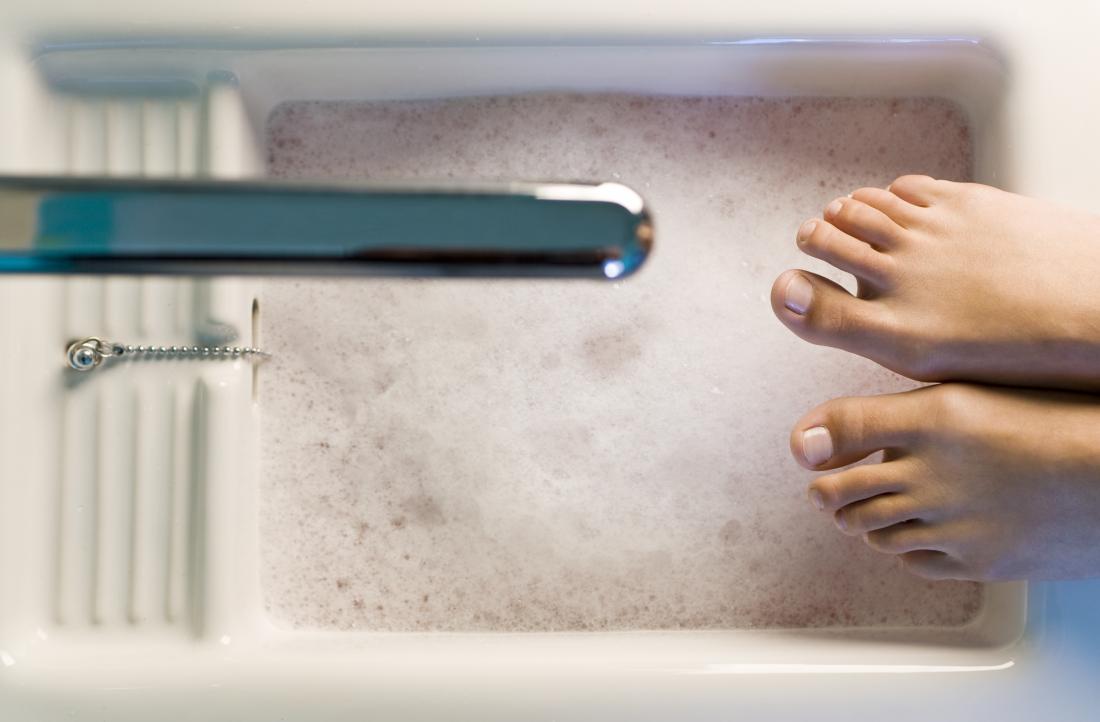
Person having foot spa soak
A person can add different ingredients, such as oatmeal or Epsom salt, to a foot soak.

Soaking the feet in warm water helps soothe and loosen dry skin while improving blood circulation to the feet, which can help prevent dry skin in the future.

Adding a small amount of vinegar to a foot soak may help treat mild forms of athlete’s foot. Vinegar has powerful antimicrobial properties that may help disinfect the feet and even eliminate foot odor.

Learn more about vinegar foot soaks here.

Other beneficial ingredients to consider adding to a foot soak include:

  • Epsom salt
  • honey
  • oatmeal
  • lemon juice
  • peppermint essential oil

3. Pumice stone or foot file

People can use a pumice stone or metal foot file to remove dry skin and calluses from the feet.

They can do this by following the steps below:

  1. Soak the feet in warm water to soften the dead skin.
  2. Wet the pumice stone or foot file with warm water.
  3. Gently rub the pumice stone or foot file over the dead skin or callus. Use circular motions with a pumice stone and gentle back-and-forth motions with a foot file.
  4. Rinse the dead skin off the feet. Repeat step three as necessary.
  5. Pat the feet dry with a clean towel.
  6. Moisturize the feet with cream, lotion, or oil.

People can buy pumice stones in drug stores or choose between brands online.

4. Moisturize

Regularly moisturizing the feet will help reduce existing dry skin and prevent new dry skin from accumulating. Moisturizing the feet after using an exfoliator or a pumice stone will help the skin lock in moisture.

It is best to avoid lotions, creams, and moisturizers that contain alcohol, added fragrances, and artificial colors as these ingredients can worsen dry skin.

Instead, a person should look for products that contain:

  • humectants, such as urea, aloe, and hyaluronic acid
  • emollients, which include plant-based butter and oil
  • occlusives, such as petrolatum, lanolin, and coconut oil

5. Wear moisturizing socks to bed

For extra hydration, a person can try using moisturizing gel-lined socks. These are available to purchase online, or people can create their own.

Gel-lined socks contain natural oils and vitamins that help hydrate and repair dry skin on the feet. The individual just needs to slip on a pair and wear them around the house for a few hours. Afterward, they can place the socks in the washing machine and let them air-dry.

People can get similar results using their usual moisturizer and a good pair of cotton socks. At bedtime, they can apply a generous amount of moisturizer to the feet before slipping on a pair of breathable, cotton socks. In the morning, they should remove the socks and rinse the feet.

Prevention

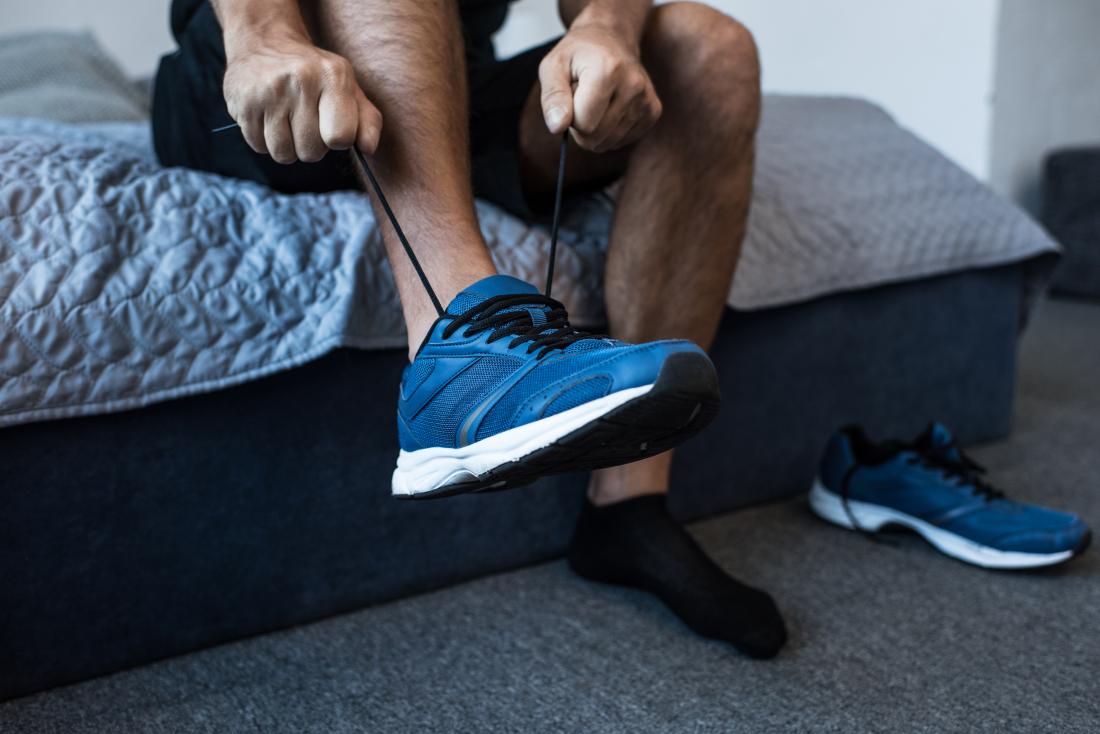
Wearing shoes that fit properly can support healthy feet.

People can use the following tips to help prevent dry skin on their feet:

  • practicing proper foot hygiene, which includes thoroughly cleaning the feet, removing dead skin, and keeping the skin hydrated with a good moisturizer
  • avoiding lotions, soaps, and body washes that contain alcohol, added fragrances and colors, and other potential irritants
  • using warm, rather than hot, water for showers, baths, and foot soaks
  • wearing shoes that fit correctly
  • instead of vigorously rubbing the feet after a shower, gently patting them dry with a clean towel

Summary

Wearing the wrong shoes or spending too much time standing can result in dry, itchy feet and areas of irritated or scaly skin. Without treatment, dry skin can thicken and crack open, leaving the feet vulnerable to infection.

People can use pumice stones, exfoliators, and foot soaks to remove dry skin from their feet at home. Regularly applying moisturizer and removing dead skin will help keep the feet healthy and hydrated.

Certain medical conditions, such as eczema, hypothyroidism, and diabetes, can cause very dry skin on the feet.

People who have severely dry skin on their feet might want to consider contacting a specialist foot doctor called a podiatrist or another healthcare professional to discuss possible treatment options.

Share Button

Want whiter teeth?

Mayo Clinic does not endorse companies or products. Advertising revenue supports our not-for-profit mission.

Advertising & Sponsorship

Mayo Clinic Marketplace

Check out these best-sellers and special offers on books and newsletters from Mayo Clinic.

Share Button

Brexit Delay Bill Becomes Law As MPs And Peers Rush Through Yvette Cooper Move To Stop No-Deal

HuffPost is part of Oath. Oath and our partners need your consent to access your device and use your data (including location) to understand your interests, and provide and measure personalised ads. Oath will also provide you with personalised ads on partner products. Learn more.

Select ‘OK’ to continue and allow Oath and our partners to use your data, or select ‘Manage options’ to view your choices.

Share Button