Listen to the Screams

By being vegan for as long as I have (and vegetarian a few years before that), about 5000 fewer animals were harmed and killed by my lifestyle.

But since I blogged about this aspect of my lifestyle (including writing my longest article ever, called How to Be Vegan), I’ve since influenced hundreds (if not thousands) more people to try vegetarianism or veganism for months or years or to adopt such a lifestyle permanently. So the combined impact of going vegan and publicly sharing what I learned is likely beyond 1,000,000 animals by now. That’s based mainly on feedback people have shared with me over the years.

And then since many of those people I influenced have also influenced others in similar ways, some of them very actively, the total ripples are probably somewhere in the millions of animals… and still going.

Maybe this impact is a drop in the bucket relative to the 50 billion animals killed for food each year, but one drop can still create ripples. And of course we could identify more ripples such as the resource savings like water and electricity, the reduction in emissions, etc.

When we create a change for personal reasons, we often don’t see how far the ripples of personal change will extend beyond ourselves.

And similarly, when we don’t change ourselves, we don’t get to see the positive ripples that could have come into existence, if only we’d taken a few more steps.

What’s most personally meaningful to me about this aspect of my lifestyle, however, is the internal shift it created within me and some other ripples created by that shift.

What many people don’t realize is that if I hadn’t gone vegan more than 2 decades ago, I wouldn’t have started my personal development blog 15 years ago. I wouldn’t have written articles in an effort to be helpful. I wouldn’t have cared enough to do something like that. Doing this kind of work takes way more heart energy than I used to have. The voice of caring just wasn’t loud enough or strong enough to motivate this much action or this long of a commitment.

My sense of caring about people is inextricably linked to caring about animals. What may seem counter-intuitive though is that I also care more about non-vegans than I used to. You might think that the opposite would be true. Wouldn’t going vegan make me feel more disconnected from non-vegans? After all, such people hurt animals, which I care about.

As a vegan I feel more emotional pain than I use to. But I also feel more love and connection than I used to. They come as a package deal.

When someone hurts animals, for food or otherwise, I feel the pain of that. It stings my heart. When I’m at my best, I don’t try to numb myself to such feelings. I allow them to have their say. I see those feelings as important. They remind me that I care. I remember what it was like not to care about such things and to feel no sting at all, and I have no desire to return to such an existence. I like having stronger feelings of caring and connection, and I accept that a heightened sensitivity to violence is part of that.

Caring is difficult but also beautiful. Truth be told, seeing ripples that reduce the number of animals harmed and killed doesn’t do much for me motivationally. Maybe it’s nice karmically, but I feel the most alignment juice from the heightened sense of caring.

Going vegan many years ago seems to have created some kind of permanent shift in my vibe that I can’t undo – and wouldn’t want to undo. One of the scariest things to me in life would be to return to a state of emotional numbness and to forget what it feels like to care a lot.

Even though it can be hard, I like being sensitive to the pain of other beings. I like that I can sense the vibes of suffering, like a radio transmission that never turns off. Those signals are so much louder and clearer than they once were. There is a lot of suffering in the world, and a lot more of it is coming from animals than humans. As much as we can point to human suffering, we’d need to hurt and kill 7x the planet’s human population every year just to match what animals are going through. And we’d have to achieve that population through a massive increase in rape to match the forced reproduction those animals endure.

If you’re sensitive to vibes, turn your heart towards human suffering and listen for a while. Then turn your heart towards animal suffering, and notice how that signal sounds. When I do this, I certainly feel some sorrow on the human side. The animal side is overwhelmingly sad though; I can’t listen to it for more than 30 seconds without crying.

It may sound odd to label this sensitivity as beautiful, but somehow it just seems accurate. Because of our ears, we may be disturbed by unpleasant noise now and then, but isn’t it worth the price if it means we can hear beautiful music and communicate with each other?

So many of my articles were written from a desire to be helpful, often because I picked up a signal of human sadness, struggle, stuckness, or confusion – or even curiosity or wonder. Somehow those signals are just so loud and clear most of the time. All I have to do is listen, and the writing and speaking takes care of itself. When the heart is aligned, the brain does what it’s supposed to do.

So many issues that I struggled with in the past just seemed to resolve themselves when I listened more with my heart instead of always trying to plan, strategize, and force things with my head. The voice of caring provides such a beautiful form of guidance. So much clarity flows from the simplicity of caring.

When I think back to my pre-vegan days, it feels like a time of darkness. I just had no idea how emotionally numb I was back then… and how vibrationally unaware and insensitive I was. I couldn’t even fathom what more was eventually going to be possible. What I now label as numbness or darkness, back then I would have simply called feeling normal or neutral. I had no idea how quiet my “normal” world was back then.

Today what I consider normal is to feel an abundance of vibrational and emotional signals. These signals are always flowing, circulating, and broadcasting. People want help. Animals want even more help.

One of the strongest human signals I hear these days is a desire to feel connected. I sense so much loneliness, aloneness, and disconnection. Many people have become so numb and desensitized, yet they still yearn for something more – something they can’t even define. Some part of them wants to be embraced by love, connection, healing, understanding, acceptance, appreciation, and acknowledgement. Even though the world is more connected than ever tech-wise, today’s outlets are letting people down on the emotional side. It’s ironic that the more connected we become, the less connected many people feel.

I think part of the solution is to listen more to pain… not just your own pain but the pain signals that are constantly being broadcast. Pain signals are usually louder than pleasure, joy, and delight. Happiness purrs while pain screams.

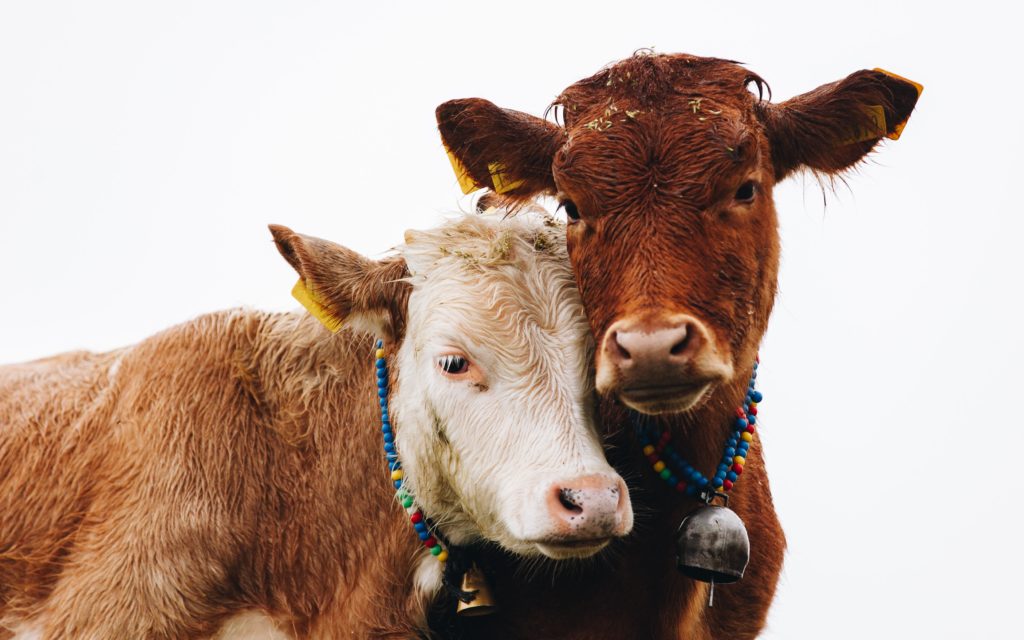
If you want to hear the loudest pain signals on earth, go within, tune into your heart, and then listen with your heart to the signals being broadcast by animals right now. Listen to the 23 billion chickens on the planet right now… or the 1 billion cows… or the 780 million pigs. Listen to the ones that are slated for your consumption if you feel entitled to some of their bodies. Can you hear what they’re broadcasting? What do you sense when you tune in and just listen for a while?

Sensitivity to pain is also sensitivity to so much more – love, beauty, inspiration, creativity, fun, and so many other frequencies that make this life precious and worthwhile.

It’s easy to find conscious people with a variety of dietary lifestyles, vegan or non-vegan alike. But where I tend to see mostly agreement is in terms of how animals are currently being treated by humans. It’s hard to find people who consciously agree with our current practices.

If you consciously choose to continue participating in the treatment of animals as products, I suggest that you stay tuned into their pain. If you’re going to continue opting in, I think it’s wiser and more beneficial to you to feel the hurt and the pain as opposed to numbing yourself. Feel the ripples you’re supporting. Invite and accept the future pain of the thousands of animals who have yet to be hurt and killed from your actions. Feel the ongoing rapes and forced pregnancies to spawn these animals. Don’t run from this reality. Don’t tune out from it. Don’t try to pretend that this pain isn’t real. These are loud signals. Listen to them and tune in.

Listen whenever you purchase animal products. Listen while you cook. Listen with every bite. Let these signals have their say. Let them speak to you honestly and directly. Hear the screams again and again and again.

And each day, choose consciously what you’ll eat and how you’ll live.

I know… it takes courage to do this. It’s a growth experience, regardless of where you land afterwards.

If you can listen to the screams each time and still maintain your current lifestyle, then great – you’re aligned. If you can listen to the screams and feel compelled to change your lifestyle, also great… you can create the alignment you desire. But if you can only maintain your lifestyle by tuning out or trying to numb yourself to the reality and the ripples, that’s a glaring misalignment to address, wouldn’t you say? If you’re going to participate in the flow of hurting, raping, and killing animals, then do so consciously. Don’t go dark or numb just because you dislike the screams. If you’re okay with contributing to ripples of suffering, them the screams should serve as a palatable sauce that makes your meals richer and more meaningful. This can be your way of honoring the thousands of animals who sacrifice their lives for you. Don’t discount or diminish their pain. Appreciate what they’ve done for you because of the high price they repeatedly pay to appear on your plate.

If you’re going to contribute to the screams, then appreciate the screams. If an animal had to give its life or its milk or eggs to please your palate, don’t you think those animals deserve some appreciation at the very the least? When you tune into the screams, beam back your best vibrational thank you.

If you consciously choose to prey on the weak, appreciate the weakness that empowers you to do so. Consciously own the part of you that feels aligned with thoroughly dominating other living beings.

If you can do that, you need never be fearful of vegans. You can stand firm and simply own what you’ve decided is right for you. You ought to be able to make statements such as these:

  • I feel aligned with dominating weaker beings and placing their lives in service to me.
  • I feel aligned with the efficient breeding, feeding, and killing of animals for my benefit.
  • I feel aligned with contributing to the pain of animals.
  • The pain that animals endure enhances the appreciation of my meals.

If such statements feel misaligned to you and you can’t see yourself embracing such an attitude, you’ve got some realignment work to do. And of course if you can embrace such attitudes, they’ll create similar ripples throughout your human relationships as well.

In short, if you’re going to cause pain, it’s important to love the pain you’re causing. Consciously acknowledge, accept, and embrace the pain as an honest and authentic part of your lifestyle. That pain is real. That pain happens every day. Stay aligned with the truth.

Generating pain is a normal and routine part of the package of treating animals as products. If you think it’s okay to treat animals as products, then get yourself aligned with contributing to ongoing ripples of pain. And listen to the screams since that’s part of your truth.

If you don’t listen to the screams of the world, you won’t be sensitive to the real depths of joy and connection either.


Share Button

Coronavirus: More Britons evacuated from Wuhan on French flight

The 11 Britons will spend two weeks in quarantine on the Wirral, with others who arrived from Wuhan.

Share Button

Coronavirus: First death outside China reported in Philippines

A 44-year-old Chinese man has died after travelling to the Philippines from the city of Wuhan.

Share Button

Health24.com | Diets rich in fruits, veggies could lower your odds for Alzheimer’s

Older adults who regularly consume a group of antioxidants called flavonols may have a decreased risk of developing Alzheimer’s disease, a new study suggests.

The compounds exist in many fruits and vegetables, with the richest sources including green vegetables like kale, spinach and broccoli, apples and tea.

Plenty of fruits and vegetables

The researchers found that of over 900 older adults they followed for six years, the one-fifth with the highest flavonol intake were 48% less likely to develop Alzheimer’s than the one-fifth with the lowest intake.

The findings do not prove the antioxidants are a magic bullet against dementia, the researchers stressed. But they add to evidence that a healthy diet – including plenty of fruits and vegetables – may help protect the ageing brain.

While studies have linked healthy eating habits to a lower risk of mental decline, the new findings get closer to one potential reason, according to lead researcher Dr Thomas Holland.

“We’ve understood that fruits and vegetables are great for our health. We wanted to focus more on the ‘why,'” said Holland, of Rush University in Chicago.

Flavonols are known to act as antioxidants and fight inflammation, and animal research has suggested particular brain benefits: In lab mice engineered to have a “model” of Alzheimer’s, flavonols can curb the buildup of abnormal protein deposits in the brain, and improve memory and learning abilities.

In past research, the Rush team has found that an eating pattern they dubbed the “MIND diet” is related to a lower risk of memory decline and Alzheimer’s in older adults.

Leafy greens and berries

They describe the diet as a hybrid of the traditional Mediterranean diet and the DASH diet (Dietary Approaches to Stop Hypertension) – both of which can lower the risks of heart disease and stroke.

The MIND diet emphasises fruits and vegetables – leafy greens and berries, in particular – as well as fibre-rich grains, nuts, beans, olive oil, fish and poultry. It discourages red meat, butter, sweets and highly processed foods.

The new findings, according to Holland, give further support to that type of eating pattern.

For the study, published online in Neurology, the researchers followed 921 older adults in an ongoing project looking at ageing and memory.

At the outset, they were 81 years old, on average, and answered questions on their diet, other lifestyle habits and medical history. Each year, they underwent neurological evaluations to spot signs of dementia.

Over six years, 220 study participants were diagnosed with probable Alzheimer’s. The risk, it turned out, was 48% lower for the one-fifth with the highest flavonol intake, versus the one-fifth with the lowest.

15mg each day

People largely got their flavonols from kale, spinach, broccoli, apples, pears, beans, tomatoes, tea, olive oil and wine. And the 20% percent with the highest intake consumed 15 milligrams (mg) a day, on average – three times more than people with the lowest flavonol intake, the findings showed.

According to Holland, it doesn’t take a full-fledged vegetarian diet to reach the 15mg mark each day: Half a cup of cooked leafy greens (or one cup of raw), a half-cup of berries, and a half-cup of other cooked vegetables should do it.

Of course, there may be other differences between older adults who eat lots of veggies and those who don’t. In this study, people with a high flavonol intake were more educated and more likely to exercise, for example.

But that did not explain their lower Alzheimer’s risk, the researchers found. Nor did factors like overall diet, body weight or depression symptoms.

That said, no one is suggesting people should focus on flavonols alone.

Dr Steven DeKosky is deputy director of the McKnight Brain Institute at the University of Florida, in Gainesville. He said, “This disease is complex, and there’s no one thing that will prevent it.”

It’s like a symphony

Nor is there any evidence that flavonol supplements curb Alzheimer’s risk, stressed DeKosky, who is also a fellow with the American Academy of Neurology.

“But we do think there are things you can do to decrease your risk,” he said.

Studies have linked a number of lifestyle factors to a relatively lower risk of developing dementia – including a healthy diet, regular exercise, staying socially active, and challenging yourself with mentally stimulating activities.

But while studies do statistical adjustments to try to isolate an effect of one thing – like flavonol intake – in the real world, it’s overall lifestyle that’s key, DeKosky said.

“It’s not one thing in isolation,” he said. “It’s more like a symphony.”

Image credit: iStock

Share Button

Health24.com | 7 common allergy triggers in the workplace

Coughing, sneezing, feeling congested and unable to concentrate at the office? This might all be due to common allergy triggers at work.

Not only can your allergy symptoms affect your job if you were unable to get a good night’s sleep because of a stuffy nose, but you can also be affected by the things surrounding you at work.

Is it an allergy or an irritation?

Allergens can be found in anything from food to dust and are harmless, except when the immune system doesn’t “agree” with them and fights them. This causes a reaction when the body has an inflammatory reaction after coming into contact with an allergen.

Allergic rhinitis occurs when there is inflammation in the nose caused by allergy.

On the other hand, non-allergic rhinitis is caused by things that simply irritate the lining of the nose, without an allergic reaction.

It is important to note that a trigger (such as dust) can be an allergen or irritant and that the symptoms can be very similar.

Allergies can be diagnosed and ruled out through a blood test or skin prick test, and the best way to pinpoint what’s causing your symptoms would be to monitor exactly when they occur at work. Here are common triggers that may cause sneezes and sniffles in an office:

1. Cosmetics such as perfumes, aerosols or hairspray

We understand that body odour is frowned upon in the workplace, but unfortunately taking care of the problem can literally make your colleagues ill. Strong, concentrated perfumes can trigger hay fever symptoms and even migraines.

2. Dust and dander

That construction site next to your office building, or any renovations done in your own building can wreak havoc on your nasal passages. But dust is not only caused by heavy construction – dense carpets, curtains, upholstery or too many ornaments on a desk can also collect dust.

Ensure that your work surface is clean and dust-free at all times and speak up if an open-plan space needs vacuuming.

And while we are not necessarily bringing our furry friends to work, Kittie’s fur may involuntarily trigger your colleagues’ allergies if you’re not careful. Carry a lint roller with you and be mindful of others when giving your animals one last hug in the morning.

3. Pollen

Pollen is a big trigger of allergies, whether you work inside or outdoors. When you work on a construction site, in a garden or near busy roads, you can easily be exposed to pollen. But even when you’re confined to an office, pollen can travel indoors on the soles of shoes and cling to hair or coats.

You can’t avoid going to work altogether, but you can find out when the pollen count will be at its highest and take it from there. Limit pollen exposure by keeping windows closed when pollen levels are at their highest. When you work outside, wear sunglasses and a protective mask or buff.

4. Cleaning products

Industrial cleaning products and air fresheners used in office kitchens and bathrooms can release volatile organic compounds into the air that can trigger allergy symptoms. Be proactive and ask maintenance about the cleaning products used in your workspace.

5. Exhaust fumes

If you work outdoors near a busy highway, exhaust fumes can also trigger allergies.

But even if you work in an office, your daily commute can expose you to exhaust fumes that can trigger allergies.

A few years ago, a study published in the journal Allergy, Asthma & Immunology Research and mentioned in a Health24 article discussed the effect of traffic-related air pollution on asthma and respiratory allergies in young children. While there is a clear link between the prevalence of asthma and allergies in children living near main roads, they’re not the only ones affected by traffic-related air pollution – grown-ups buckling up every day are just as susceptible.

The best way to alleviate the effect of fumes is to wear a protective mask or buff when working outdoors, or to keep your windows closed and the ventilation inside your car in working order.

6. Cigarette smoke

The effect of second-hand smoke has been studied for decades. Research suggests that there could be a link between second-hand smoke and rhinosinusitis. If smokers are allowed to smoke freely outside the building and you walk through a waft of smoke, you may be exposed to second-hand smoke.

In South Africa especially, according to the World Health Organization, more than a third of South Africans could be exposed to dangerous levels of second-hand smoke. 

If you are smoking, start planning your strategy to quit. And if you suffer from allergies, limit your time spent outside with smoking colleagues.

 7. The air conditioner (sort of)

Some of us will not be able to survive the scorching summer months without air conditioning, but it may cause some of your allergy symptoms, even though it’s not an allergen itself.

Health24’s enviro-health expert, Olivia Rose-Innes, stated in a previous article that air conditioning can harbour mould spores that can aggravate symptoms in some people. But that doesn’t mean that the air conditioner is a physical allergen.

Dr Adrian Morris, Health24’s in-house allergy expert, says although there might be a connection between air conditioning and one’s health, one cannot be allergic to air-conditioning systems.

“You can’t be allergic to air conditioning; it’s a machine that cools air just like your fridge, but it can dry the nose and aggravate sinus issues.”

Ensure that air conditioners in your office space are serviced regularly to keep them free of mould spores and dust.  

As the pollen problem worsens, precise and expanded monitoring becomes even more essential. And here’s how you can help.

Amid the highest recorded pollen counts in history, Health24 will be bringing you exclusive weekly pollen count updates courtesy of the UCT Lung Institute’s Allergy and Immunology Unit.

Image credit: iStock

Share Button

Health24.com | The damage of vaccine misinformation

An examination of vaccination trends in Denmark shows just how damaging vaccine misinformation can be.

From 2013 to 2016, negative information about the HPV (human papillomavirus) vaccine spread widely through Danish media outlets. As a result, thousands of girls did not receive the vaccine.

Misinformation scare

For the study, researchers from the University of North Carolina at Chapel Hill looked at four different time periods to study HPV vaccination rates in Denmark: the vaccine reaching uptake levels of other vaccines (2009); beginning of negative media information on the vaccine (2013); widespread negative media coverage (2015), and a national campaign to assure the public about the vaccine’s safety (2017-2019).

They found that after the misinformation scare, there was a 50% drop in vaccinations, and about 26 000 Danish girls were unvaccinated. From this, an estimated 180 avoidable cases of cervical cancer and 45 deaths are expected, researchers said.

“Denmark is a good case study to see how a country deals with vaccine misinformation,” said study author Peter R. Hansen, a professor of economics at UNC. “By using anecdotal stories, media can create a false equivalence between outrageous claims and scientific facts.”

So, how effective was the subsequent campaign to correct the misinformation and promote vaccination?

The 2017 initiative slightly increased vaccination uptake, but the numbers are still below the level before the misinformation wildfire. The study highlights the difficulty of undoing the damage of misinformation.

Unsubstantiated safety concerns

“Recovery has been slow and costly,” Hansen said in a university news release. “Resources are being used to combat misinformation instead of being used for health care benefits.”

HPV vaccinations are safe and can prevent up to 90% of cervical cancers. Girls are urged to receive the vaccine between 11 and 12 years of age, when it is most effective.

“The main threat to the resilience of vaccination programmes globally is vaccine misinformation,” said researcher Noah Brewer, a UNC professor of health behaviour. “When there’s a large drop in vaccination coverage, it’s almost always because there’s an unproven vaccine safety scare. … This has happened in several other countries, and all were due to unsubstantiated safety concerns.”

The findings were published recently in the journal Vaccine.

Image credit: iStock

Share Button

Coronavirus: UK patient is University of York student

The university says the risk of the infection being passed on to other people on campus is “low”.

Share Button

Health24.com | After stroke, an ‘astounding’ risk of heart problems

Women and men have a much higher risk of dangerous heart problems soon after their first stroke compared to people without stroke, even if they don’t have obvious underlying heart disease, a study has found.

Researchers investigated data on more than 93 000 people age 66 or older in Ontario, Canada. The group included more than 12 000 women and 9 500 men who had an ischaemic stroke, the most common type.

Shared risk factors

None of the subjects had apparent heart disease. But after having a first stroke, the risk of having a major heart incident – such as a heart attack, heart failure or cardiovascular death – 30 days later was 25 times higher in women and 23 times higher in men.

One year after a stroke, men and women still had twice the risk of a major cardiac event compared to their peers who had not had a stroke, found the study, published in the American Heart Association journal Stroke.

“We already knew that patients with stroke have more frequent cardiovascular complications than other people,” said lead author Dr Luciano Sposato, an associate professor and head of the stroke programme at the Schulich School of Medicine and Dentistry at Western University in London, Ontario.

Doctors had suspected the connection was related to risk factors shared between heart disease and stroke, such as hypertension, diabetes or smoking.

But seeing the connection in people without underlying heart disease suggests other mechanisms are involved and need more research, Sposato said.

Level of risk ‘astounding’

Although the study found no differences in post-stroke risk between women and men, previous studies have shown men are eight times more likely than women to have hidden heart disease, Sposato said. That suggests different mechanisms might be at work in men than in women, he said.

Dr Cheryl Bushnell, professor of neurology at Wake Forest School of Medicine and vice chair of research at Wake Forest Baptist Health in North Carolina, called the level of risk uncovered by the study “astounding”.

It means those who treat stroke patients need to emphasise follow-up care even more than they do now, said Bushnell, who was not involved in the new research.

The nature of the study limited what could be extrapolated about the links between stroke and heart risks, she said, and further research would be helpful.

Speculating about those possible links, Sposato said the heart and brain share deep neurological connections. Previous research shows brain damage from strokes and other causes can lead to heart damage.

Another way of preventing cardiovascular events

Sposato, in fact, contributed to a 2019 study in rats showing a stroke in a part of the brain known as the insular cortex led to inflammation and other fibrosis in the heart.

“So now we know for sure that there’s a clear relationship between stroke and new heart disease, but we don’t know how it happens,” he said. If scientists could unlock the ways a stroke triggers heart problems, it could eventually lead to new ideas for how to prevent them.

Meanwhile, he said, health care providers should be aware of the risk and “very actively” watch for coronary symptoms or hidden heart disease in people who recently had strokes, “because that might be another way of preventing cardiovascular events.”

Image credit: iStock

Share Button

Peanut allergy drug approved by the US FDA

The drug is aimed at protecting against accidental exposure, but may cause a fatal reaction.

Share Button

Coronavirus: US and Australia close borders to Chinese arrivals

The US and Australia are among the countries that have implemented rare travel restrictions.

Share Button