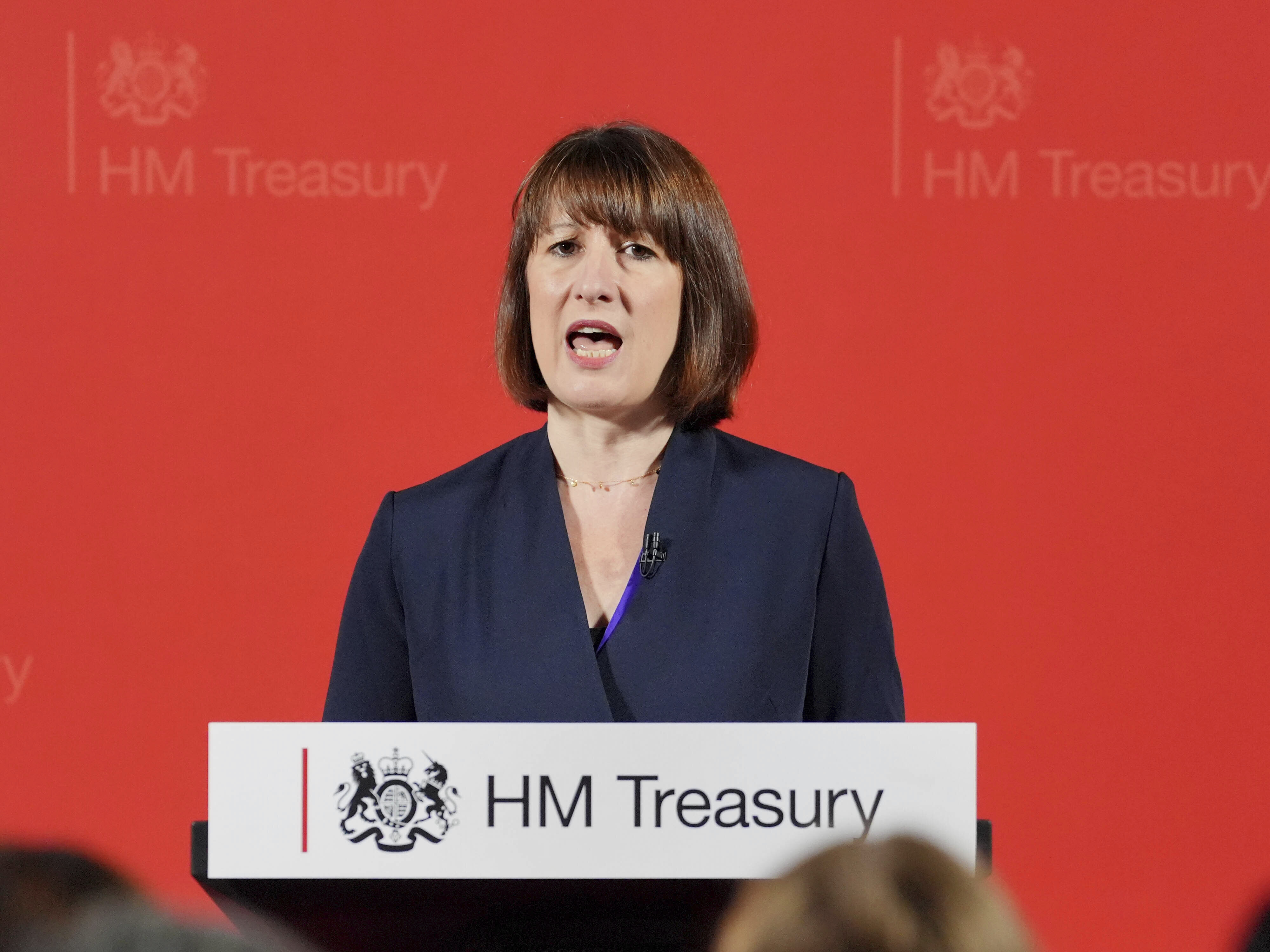
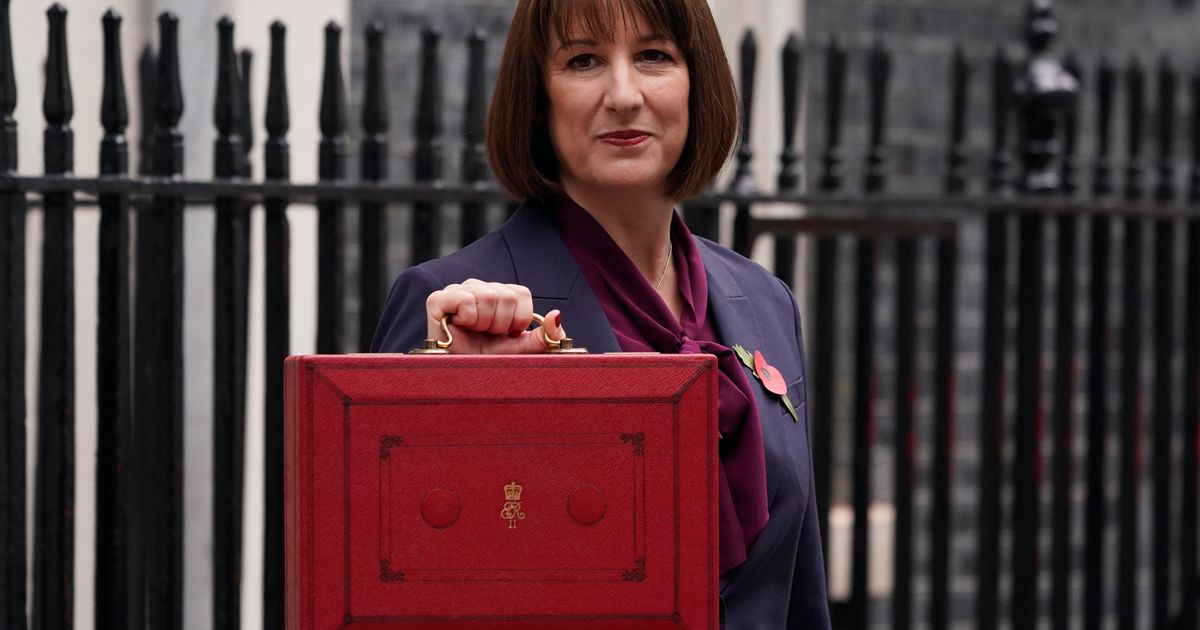
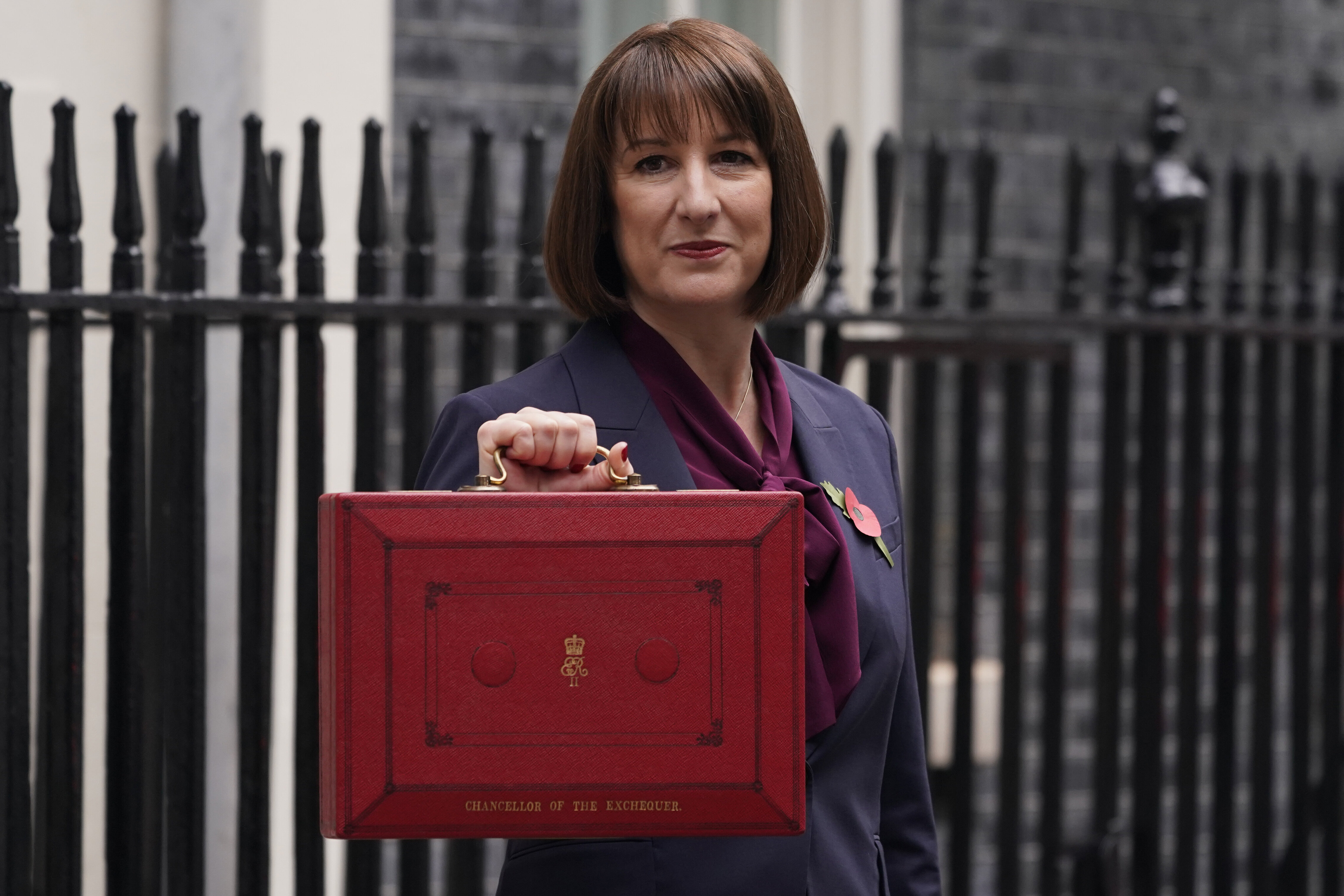
Rachel Reeves has been dealt yet another blow as businesses warned the UK economy is “headed for the worst of all worlds” in 2025.
A survey by the Confederation of British Industry found firms expected to reduce both output and hiring at the start of the New Year.
Advertisement
They said the chancellor’s decision to hike employers’ National Insurance in the Budget in October was one of the reasons for the slump in confidence.
Meanwhile, the Office for National Statistics revealed this morning that the economy flatlined between July and September – Labour’s first three months in power – having previously said it had grown by 0.1%.
Alpesh Paleja, the CBI’s interim deputy chief economist, said: “There is little festive cheer in our latest surveys, which suggest that the economy is headed for the worst of all worlds – firms expect to reduce both output and hiring, and price growth expectations are getting firmer.
Advertisement
“Businesses continue to cite the impact of measures announced in the Budget – particularly the rise in employer NICs – exacerbating an already tepid demand environment.
“As we head into 2025, firms are looking to the government to boost confidence and to give them a reason to invest, whether that’s long overdue moves to reform the apprenticeship levy, supporting the health of the workforce through increased occupational health incentives or a reform of business rates.
“In the longer term, businesses will be looking to the industrial strategy to provide the stability and certainty which can unlock innovation and investment – and provide that much-needed growth for the economy which can deliver prosperity for firms and households alike.”
Advertisement
The CBI survey is yet more grim news for Reeves and prime minister Keir Starmer, who have pledged that Labour will have the fastest growing economy in the G7 by the time of the next election.
Lasy week the ONS said gross domestic product (GDP) actually fell by 0.1% in October, just as it did in September, raising fears that the UK could be heading for recession in 2025.
Meanwhile, inflation increased to 2.6%, and the Bank of England governor Andrew Bailey said “uncertainty” caused by the Budget meant interest rates will stay higher for longer.
Advertisement
Shadow business secretary Andrew Griffith said: “Since taking office, the Chancellor has made this country a hostile climate for aspiration, for investment and for growth. Rachel Reeves’s tax-raising spree and trash-talking her economic inheritance are literally killing businesses and jobs.
“If there is a recession – and based on these CBI expectations that seems increasingly likely – it will be one made in Downing Street.
“Labour needs to urgently change course before the damage they are doing becomes even greater.”
Responding to the ONS revising down economic growth between July and September, Reeves said: “The challenge we face to fix our economy and properly fund our public finances after 15 years of neglect is huge. But this is only fuelling our fire to deliver for working people.”
The UK economy unexpectedly shrunk again in October in a huge blow for Rachel Reeves.
Figures released on Friday morning by the Office for National Statistics showed gross domestic product (GDP) fell by 0.1%, just as it had done in September.
Labour has made growing the economy its number one priority.
But the ONS data showed the construction sector shrank by 0.4% and the production sector fell by 0.6%.
Advertisement
Reeves said: “We are determined to deliver economic growth as higher growth means increased living standards for everyone, everywhere. This is what our plan for change is all about.
“While the figures this month are disappointing, we have put in place policies to deliver long term economic growth.
“We have put public finances back on a stable footing, capped the rate of corporation tax at the lowest level in the G7, established a £70 billion national wealth fund to drive growth in our towns and cities, launched a 10 year infrastructure strategy and are creating pension mega funds to boost investment in British businesses, infrastructure and clean energy.”
Advertisement
Shadow chancellor Mel Stride said: “It is no wonder businesses are sounding the alarm. This fall in growth shows the stark impact of the Chancellor’s decisions and continually talking down the economy.
“Labour were left the fastest growing economy in the G7 but because of their decisions growth is now under serious pressure. The impact will be felt by families through higher taxes, fewer jobs, higher prices and higher interest rates.”
Lib Dem Treasury spokesperson Daisy Cooper said: “This unexpected fall in GDP shows why it’s so disappointing that the Budget missed so many opportunities and made so many self-defeating decisions.
“Small businesses are the engine of our economy and drive growth. Yet this government has decided to burden them with more costs.
“If the government wants to turn these figures around then they should realise their mistake and reverse their NICs hike on small business.”
The government will not U-turn on controversial changes to inheritance tax rules for farmers, No.10 has confirmed.
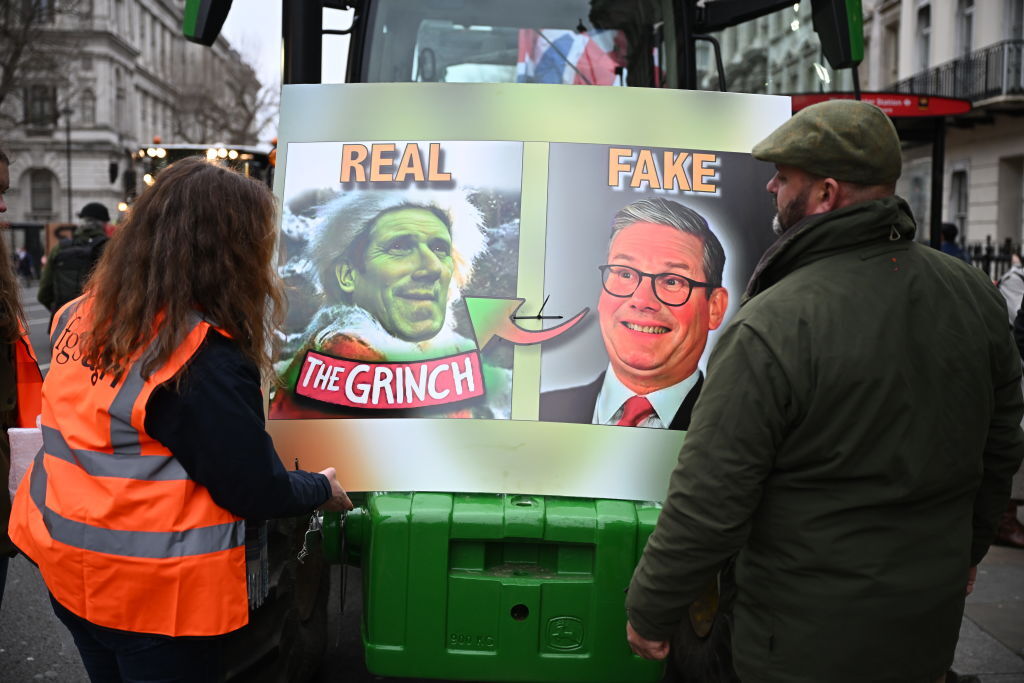
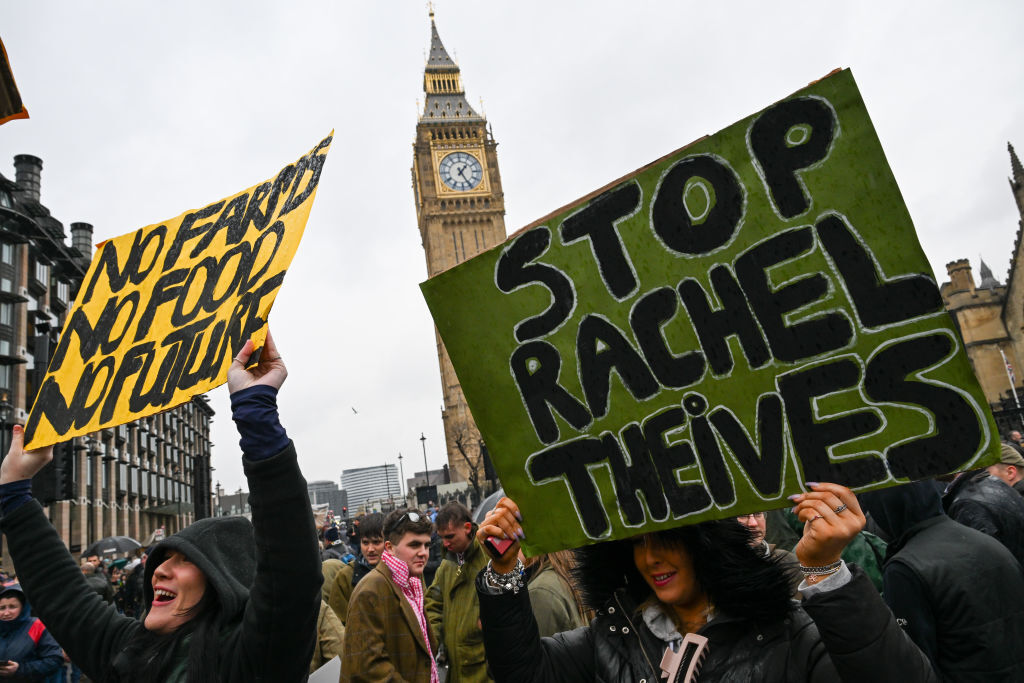

Keir Starmer’s official spokesman ruled out any climbdown as thousands of farmers, many of them driving tractors, once again descended on Westminster to protest against the policy.
Advertisement
Some of the placards on display read “No farmers, no food” and “Starmer Farmer Harmer”.
Rachel Reeves announced in the Budget that farms worth more than £1 million will become liable for the charge, albeit at the reduced rate of 20%.
Farmers’ leaders have warned that the move – which ministers say is necessary to help fill a £22 billion financial black hole left by the Tories – will put many farms out of business.
But asked if there could be a re-think on the inheritance tax changes, the PM’s spokesman said: “No. We have been clear that we understand the strength of feeling about the changes, but we are clear that this will only affect a small number of estates.
“Three-quarters of estates will be unaffected by these changes. But the government’s commitment to farmers is steadfast.”
Advertisement
He said the Budget had also seen the government pledge £5 billion-worth of support for farmers “which is already starting to land in farmers’ pockets”.
The spokesman added: “We recognise the strength of feeling, but we are committed to supporting our farmers, delivering rural economic growth and boosting Britain’s food security.”
Tom Bradshaw, the head of the National Farmers Union, had earlier told MPs that he feared some elderly farmers could commit suicide as a result of the policy.
If a farm is passed on to another family member, it is not subject to inheritance tax if the original owner lives for another seven years.
But giving evidence to the rural affairs committee, Bradshaw broke down in tears as he said: “Those people who are either in ill health or don’t believe they are going to be able to live for seven years may well decide that they shouldn’t be here on April 26.
Advertisement
“No policy should ever be published that has that unintended side-effect.”
NFU president Tom Bradshaw reduced to tears in describing the human impact of family farm tax proposals during an Efra committee session today. “People (farmers) in ill health or who don’t believe they will live for seven years may well decide they shouldn’t be here on April 26. pic.twitter.com/veQJuPhb2k
Vladimir Putin has banned 15 cabinet ministers from entering Russia over the UK’s ongoing support for Ukraine.
Angela Rayner, Yvette Cooper and Rachel Reeves are among those unable to enter the country from now on, the Russian foreign ministry announced.
Advertisement
However, prime minister Keir Starmer is not included.
In a lengthy statement, the Kremlin hit out at the “incessant aggressive anti-Russian rhetoric of the British authorities”.
The foreign ministry also condemned “the illegitimate unilateral restrictions systematically introduced by London against our country, as well as the thoughtless policy of the leadership of this country to support the neo-Nazi Kyiv regime, pursuing purely selfish geopolitical interests and leading to a senseless prolongation of the Ukrainian conflict”.
They added: “Russophobic policies, which combine attempts to discredit Russia’s actions and isolate it in the international arena, the dissemination of disinformation about our country, including in the context of a special military operation, coupled with military support for the Ukrainian armed forces, bordering on the direct involvement of Great Britain in the conflict with all the accompanying escalation risks, indicate London’s attitude towards further systemic confrontation with respect to Russia.
“Moscow once again emphasises the futility of such a course and calls on London to abandon it in favour of mutually respectful and constructive interaction for the sake of security and stability in the world.
Advertisement
“As a response to the hostile actions of the British side, a decision was made to include a number of representatives of the political establishment, the military bloc, high-tech enterprises, and the British journalistic corps who have demonstrated themselves in the anti-Russian field on the Russian ‘stop list’.”
The other cabinet members who have been banned are Shabana Mahmood, Pat McFadden, Ed Milliband, Wes Streeting, Steve Reed, Johnathan Reynolds, Liz Kendall, Jo Stevens, Bridget Phillipson, Hillary Benn, Lucy Powell and Angela Smith.
Junior defence minister Maria Eagle is also banned, as are Labour MPs Derek Twigg and Gurinder Josan, plus Tory MP Andrew Snowden.
Journalists Tom Ball and Dan Woodland are also banned, as is RAF commanding officer Keith Bissett, Ministry of Defence adviser Ben Judah and a number of businessmen and women.
According to friends, Rachel Reeves is maintaining her sense of humour as she endures growing criticism of the decisions she has taken since becoming chancellor in July. She is certainly going to need it in the years ahead.
In barely four months, Reeves has managed to anger millions of pensioners, Britain’s farmers and some of the country’s biggest employers as she seeks to repair the public finances.
Advertisement
It seems that voters have noticed. Polling by Savanta seen by HuffPost UK found that the chancellor’s approval ratings have plummeted since the election, while Labour’s lead over the Tories on who is most trusted to run the economy has fallen dramatically.
However, Reeves seems determined not to row back on any of the controversial decisions she has taken in the past four months.
She had hardly got her feet under her desk at the Treasury before she announced that the winter fuel payment, previously a universal benefit for every OAP in the country, would instead be means tested.
At a stroke, 10 million pensioners were told they would no longer receive it – a move which the Department for Work and Pensions admitted this week will push 100,000 of them into relative poverty.
Advertisement
Reeves justified the decision by saying Labour had to make a start on filling a £22 billion black hole left by the last Tory government, but that did not shield her from the political backlash which followed.
Undeterred, she doubled down in the Budget last month, closing a loophole which saw farmers exempted from inheritance tax, while hiking the employers’ rate of National Insurance.
The unpopularity of those decisions was shown in the past week, with thousands of farmers protesting on Whitehall, while some of the UK’s biggest companies putting their names to a letter warning that the NI changes will cost jobs and push up prices.
But despite the criticism, there is no indication from the top of government that any U-turns are on the cards.
A Labour source: “Rachel promised at the election she would be an iron chancellor that would put the economy back on track – and that’s exactly what she is doing.
Advertisement
“We have always said that there would be tough decisions to clean up the mess we inherited, including the £22 billion black hole in the nation’s finances. If we duck those tough decisions we will be doing precisely what the Conservatives did: party first, country second.
“But Rachel is equally clear about the prize on offer: a Britain that is better off. That’s why the Budget was all about delivering for working people: fixing the NHS, rebuilding Britain and protecting people’s payslips from higher taxes.”
Farmers protest during a demonstration against inheritance tax changes on Tuesday.
Bloomberg via Bloomberg via Getty Images
Another senior insider told HuffPost UK: “Rachel is patient, shrewd and has confidence in herself and the people around her.
“People shouldn’t mistake her calmness and that rational approach for a lack of ambition for the government and the country, or an unwillingness to be bold.
Advertisement
“She had a shaky start with the winter fuel payment announcement but she’s learned from it that presentation and follow-up is key, which is why the Budget was so well-managed at every stage.
“Undoubtedly there will be choppy waters ahead, but I couldn’t think of anyone better to be at the helm to steer the government and the country through.”
Nevertheless, there are some in government who despair at Reeves’ determination not to plot a difference course, regardless of the political headwinds she is facing.
They point out that previous chancellor, such as Gordon Brown, Nigel Lawson and Philip Hammond, all showed a willingness to change their minds when the situation demanded it.
Reeves’ decision to put Darren Jones, the chief secretary to the Treasury, in charge of the “phase one” spending review outlining departmental budgets for the next 12 months, has also drawn criticism.
Advertisement
HuffPost UK has been told that Jones’ “high-handed” manner in one-to-one meetings when outlining where the axe would need to fall angered virtually all of his cabinet colleagues.
“You will not find a single minister, with the possible exception of Wes [Streeting], who has a good word to say about him,” said one senior figure.
It is essential, government sources say, that Reeves herself is at the helm of the three-year spending review which is still to come, rather than her deputy.
Some in cabinet are also worried at the apparent lack of an overarching strategy for achieving the economic growth which is meant to be the government’s number one mission.
At a recent cabinet meeting where it was discussed, there was surprise that science innovation and technology secretary Peter Kyle, and business secretary Jonathan Reynolds, were given star billing.
Advertisement
“It seemed very thin,” said one minister. “There wasn’t a lot that seemed different from what the Tories have been doing for the last 10 years.”
Support for Reeves in government remains strong, however, and there is no doubt that she has the full confidence of her next door neighbour, the prime minister.
One ally said making so many unpopular decisions in her first few months in government was smart politically and economically.
“This is year one and people need to be reminded of that,” he said. “This is the first year of what will be a long parliament and it will undoubtedly be the most difficult year.
“They’re having to make difficult decisions and they’re determined that that is the right thing to do for the economy, but also politically it is the right strategy because you’ve got to do the difficult stuff now, right at the beginning, if you want to see an economic and political recovery in four years’ time.”
Advertisement
Former Labour MP Michael Dugher, one of Reeves’ closest friends in politics, said: “She gets called the iron chancellor because she is seen as someone who is very tough and firm to deal with, and determined to get the public finances back in shape and create economic stability.
“But what she really needs is an iron skin because she is very much on the front line of the receiving end of a lot of the attacks on the government – whether it’s from Conservatives who still haven’t got over losing the election, or from the Left, who think Labour leaders as there to betray them.”
It is undoubtedly the case, however, that many more unpopular decisions will need to be taken by Reeves between now and the next election in four years’ time.
Having already burned through so much political capital, the pressure on her to bend will only increase if growth remains anaemic and the opinion polls do not improve.
How she responds will determine whether the iron chancellor tag is a deserved one or not.
Labour’s lead over the Tories on which party is best placed to run the economy has plummeted since the election, HuffPost UK can reveal.
Polling by Savanta shows that just 38% of the public now back Labour over the Conservatives, down from 50% in July.
Advertisement
At the same time, the proportion of the public who prefer the Tories has gone up from 28% to 33%.
That means Labour’s lead has fallen from 22 points to five points in just four months.
The poll also found that Labour’s lead over the Tories on dealing with the cost of living has gone from 28 points to nine points over the same period, while the party’s lead on taxation has fallen from 16 points to just two points.
The findings are another blow for chancellor Rachel Reeves, who has come under fire over a series of controversial decisions she has taken since the election.
They include taking the winter fuel payment off 10 million pensioners, imposing inheritance tax on farms worth more than £1 million and hiking the rate of National Insurance paid by employers.
Reeves’ own personal approval ratings have also fallen from plus seven at the end of July to minus 18, the Savanta poll found.
Advertisement
Chris Hopkins, the pollsters’ political research director, said Labour’s advantage on the economy had “all but faded away since the election”.
“The Conservatives haven’t made up that much ground on the economy, taxation and cost of living, but many voters no longer think that Labour are the most trusted on these issues,” he said.
“Reeves would no doubt argue that she is being forced to take difficult decisions because of the inheritance left to her by her Conservative predecessors. While the public do have sympathy for that point of view, I think it’s fair to say they were expecting more from Labour.”
Some of Britain’s biggest businesses have warned Rachel Reeves that her Budget will lead to “inevitable” job losses and higher prices in the shops.
More than 70 retailers, including Greggs, Amazon UK, Tesco and Sainsbury’s, condemned the “sheer costs” associated with the chancellor’s decision to hike employers’ National Insurance.
Advertisement
It is estimated the move, which will see the NI rate increase and bring down the threshold at which it must be paid, will raise an extra £25,7 billion for the Treasury.
Reeves said it was necessary to help fill a £22 billion black hole in the public finances left by the previous Tory government.
But in a letter to the chancellor, organised by the British Retail Consortium, the firms said: “We appreciate government’s focus on improving the fiscal situation and investing in public services; we also recognise the role businesses have in supporting this.
“But, the sheer scale of new costs and the speed with which they occur create a cumulative burden that will make job losses inevitable, and higher prices a certainty.”
Advertisement
Other major companies who put their names to the letter included Aldi, Boots, Lidl, JD Sports, Primark and Morrisons.
A Treasury spokesperson said: “With our public services crumbling and an inherited £22bn fiscal black hole from the previous government, we had to make difficult choices to fix the foundations of the country and restore desperately needed economic stability to allow businesses to thrive.
“By doing this, more than half of employers will either see a cut or no change in their National Insurance bills, there will be £22.6bn more for the NHS and workers’ payslips will be protected from higher tax.
“This government is committed to delivering economic growth by boosting investment and rebuilding Britain.”
The business backlash comes as farmers prepare to protest in Westminster at changes to inheritance tax which they say will cost them millions of pounds and put many out of business.
Advertisement
However, the chancellor has insisted there will be no U-turn on the policy, telling them: “The reforms to agricultural property relief ensure that wealthier estates and the most valuable farms pay their fair share to invest in our schools and health services that farmers and families in rural communities rely on.”
Rachel Reeves has warned farmers preparing to take part in a mass anti-government protest that there will be no U-turn on controversial changes to inheritance tax rules.
The chancellor announced in last month’s Budget that farms worth more than £1 million which are handed down to a family member after the owner dies will be subject to 20% inheritance tax rather than zero, as is the case at present.
Advertisement
Farmers say that will put many of them out of business, and will make their feelings known at a lobby of MPs in Westminster on Tuesday, which has been organised by the National Farmers’ Union.
Thousands more are expected to join a separate rally in Whitehall.
Celebrities including TV presenter and farmer Jeremy Clarkson – who told The Times in 2021 that avoiding inheritance tax was “critical” in his decision to buy land – are expected to join the rally.
But in a joint-statement with rural affairs secretary Steve Reed ahead of the demos, Reeves said: “With public services crumbling and a £22 billion fiscal hole that this government inherited, we have taken difficult decisions.
“The reforms to agricultural property relief ensure that wealthier estates and the most valuable farms pay their fair share to invest in our schools and health services that farmers and families in rural communities rely on.”
Advertisement
The pair said farmers were “the backbone of Britain”, and said the government is investing £5 billion into farming over the next two years.
But NFU president Tom Bradshaw said: “There’s a complete disillusionment and distrust, and feeling of betrayal, that [the government] doesn’t understand food production or even want to understand food production.
“Farmers are cross, they’re worried, they feel they’ve nothing to lose, I don’t know where this ends. I don’t believe the government have any choice but to rethink this policy.”
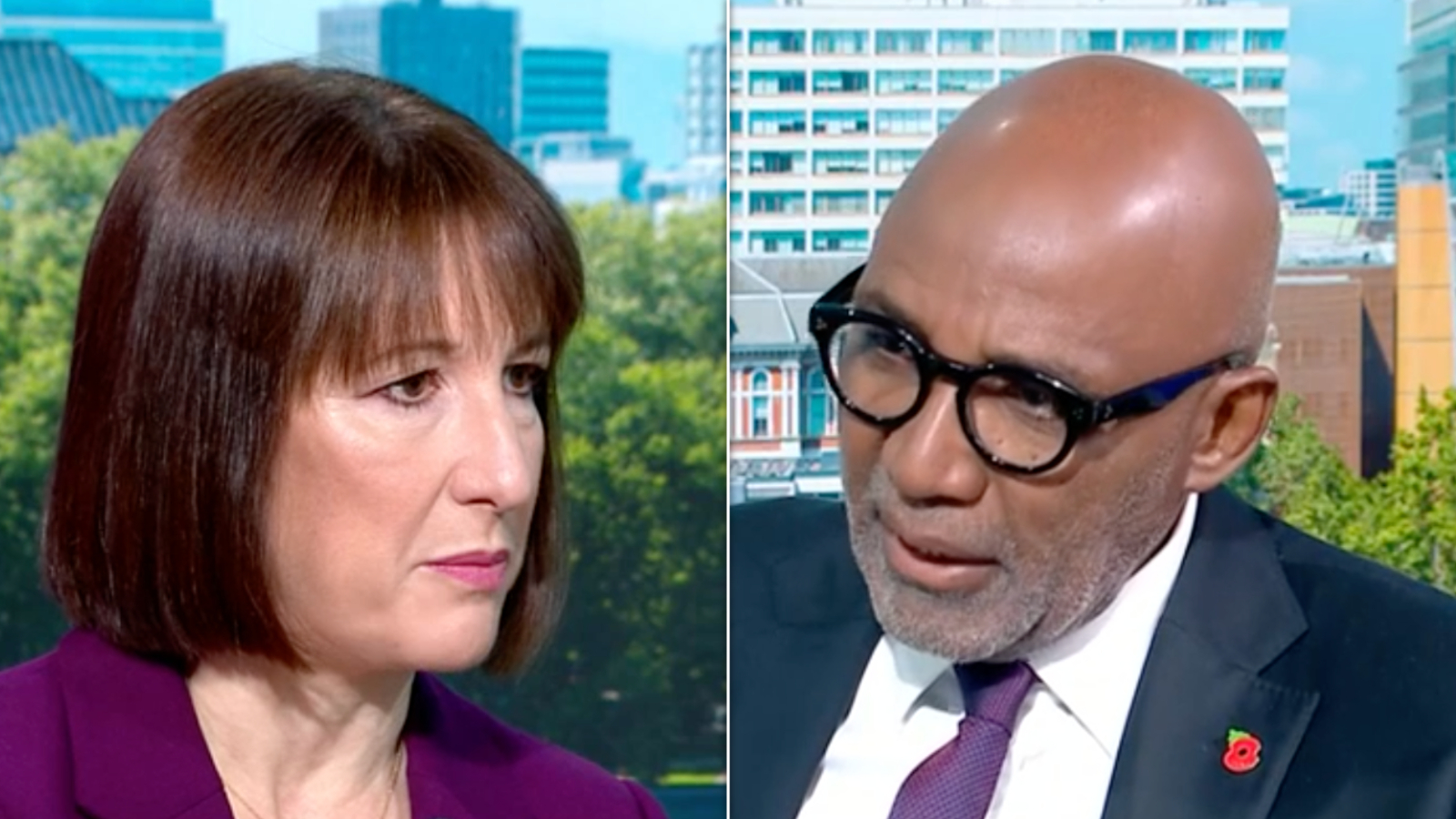
Trevor Phillips asked the chancellor why “a reasonable person would believe a single word you say” in future.
Advertisement
Reeves was shown a video of her from June 11, three weeks before the general election, where she said: “I don’t need to become chancellor to know what a mess the government have made of public finances, of public services and the fact that the tax burden is at its highest level in 70 years.
“We don’t need higher taxes, what we need is growth and I don’t want to, and I have no plan to increase any taxes beyond what we have already set out.”
But last Wednesday, she announced £40 billion worth of tax rises, partly to fill the £22bn “black hole” Labour says it was left by the last Tory government.
Phillips told her: “You specifically said you already knew everything you needed to know, yet on Wednesday you raised taxes by £40 billion.
Advertisement
“Why would a reasonable person believe a single word that you say in the next 15 minutes and that you’ll stick to it?”
Reeves replied: “I was wrong on June 11. I didn’t know everything, because when I arrived at the Treasury on July 5, I was taken into a room by the senior officials and they set out the huge black hole in the public finances, beyond which anybody knew about at the time of the general election.
“The previous government hid it from the country, hid it from parliament and indeed they hid it from the official independent forecaster, the Office for Budget Responsibility.
“And so when I went into that Budget last week I had to put our public finances back onto a firm trajectory because we saw in the previous parliament what happens when government loses control of the public finances, and the first commitment we made in our manifesto was to bring stability back to the economy.”
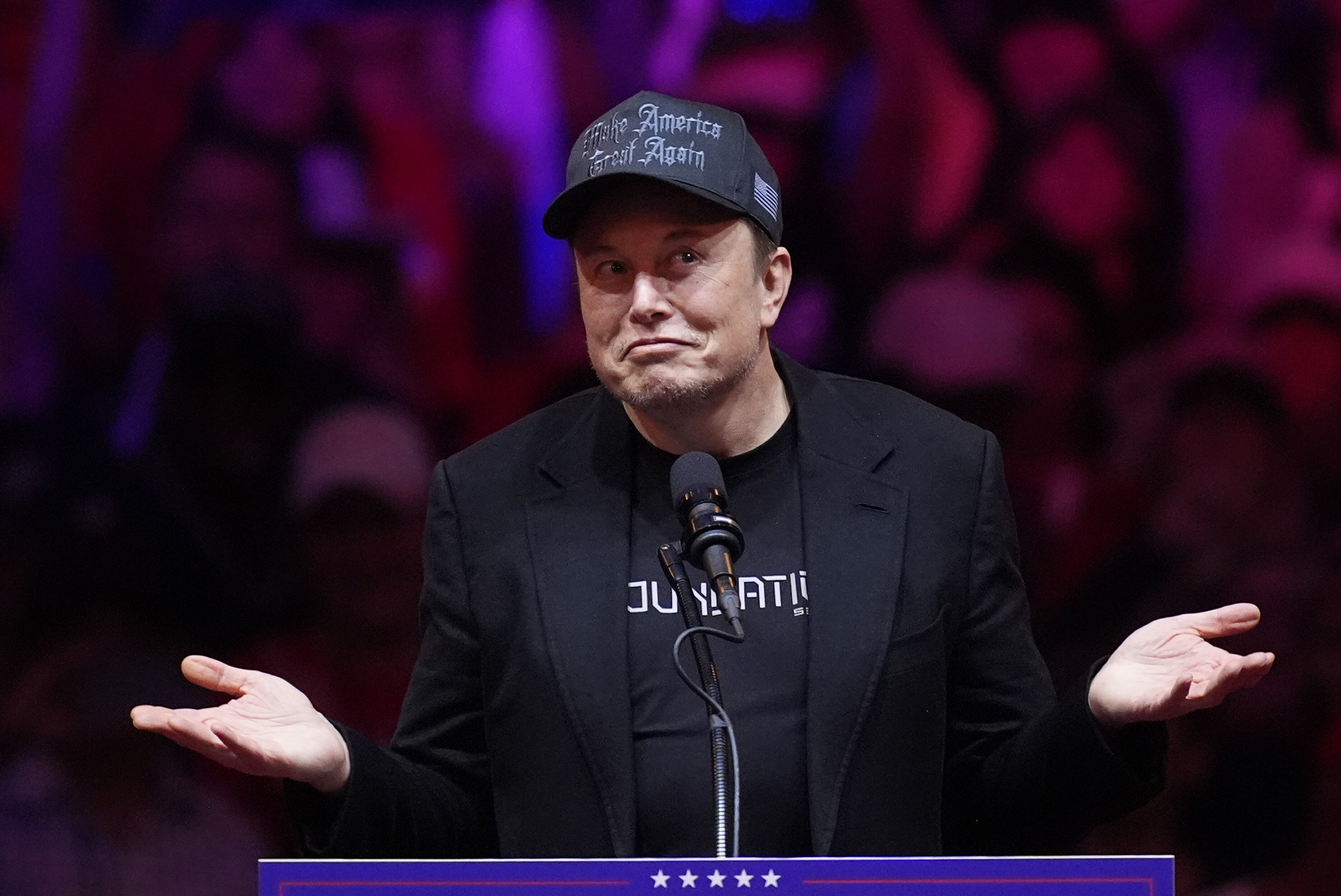
Elon Musk has reignited his feud with Keir Starmer by becoming an unlikely champion of Britain’s farmers.
The X owner has taken issue with changes to inheritance tax rules set out in the Budget last Wednesday by Rachel Reeves.
Under the new measures, farms worth more than £1 million will become liable for the tax for the first time when their owner dies.
Responding to a post on X criticising the new policy, Musk wrote: “We should leave the farmers alone. We farmers immense gratitude for making the food on our tables!”
In the summer, the prime minister slapped down the billionaire tech boss for claiming “civil war is inevitable” in the UK in the wake of the far-right riots which have taken place across the country in the past week.
The PM’s official spokesman said: “There’s no justification for comments like that and what we’ve seen in this country is organised illegal thuggery which has no place on our streets or online.”
But responding to a video posted on X by Starmer in which he said the government “will not tolerate attacks on mosques or on Muslim communities”, Musk replied: “Shouldn’t you be concerned about attacks on all communities?”