Labour’s Tax Rises Will ‘Largely’ Fall On Working People, Leading Economists Say

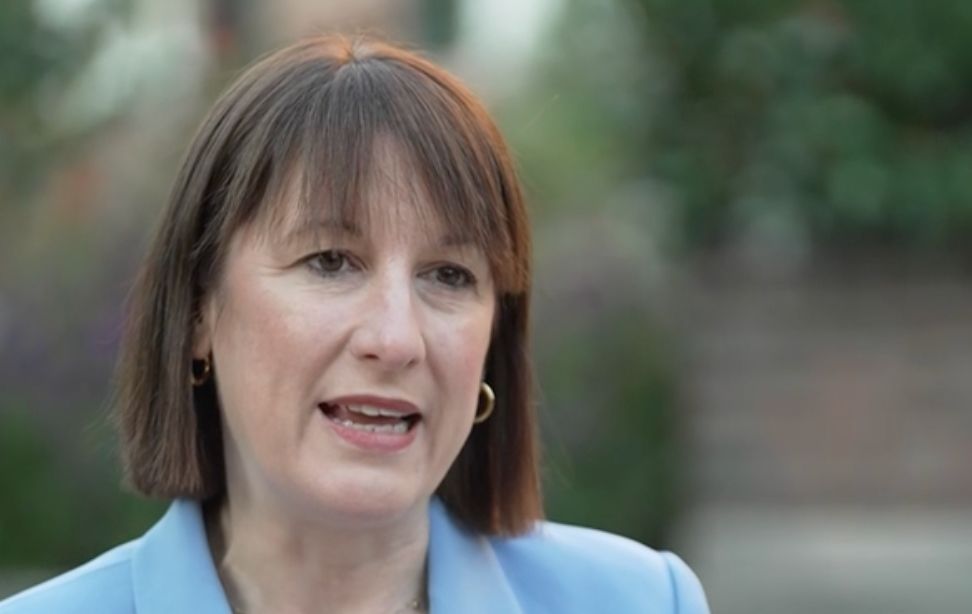
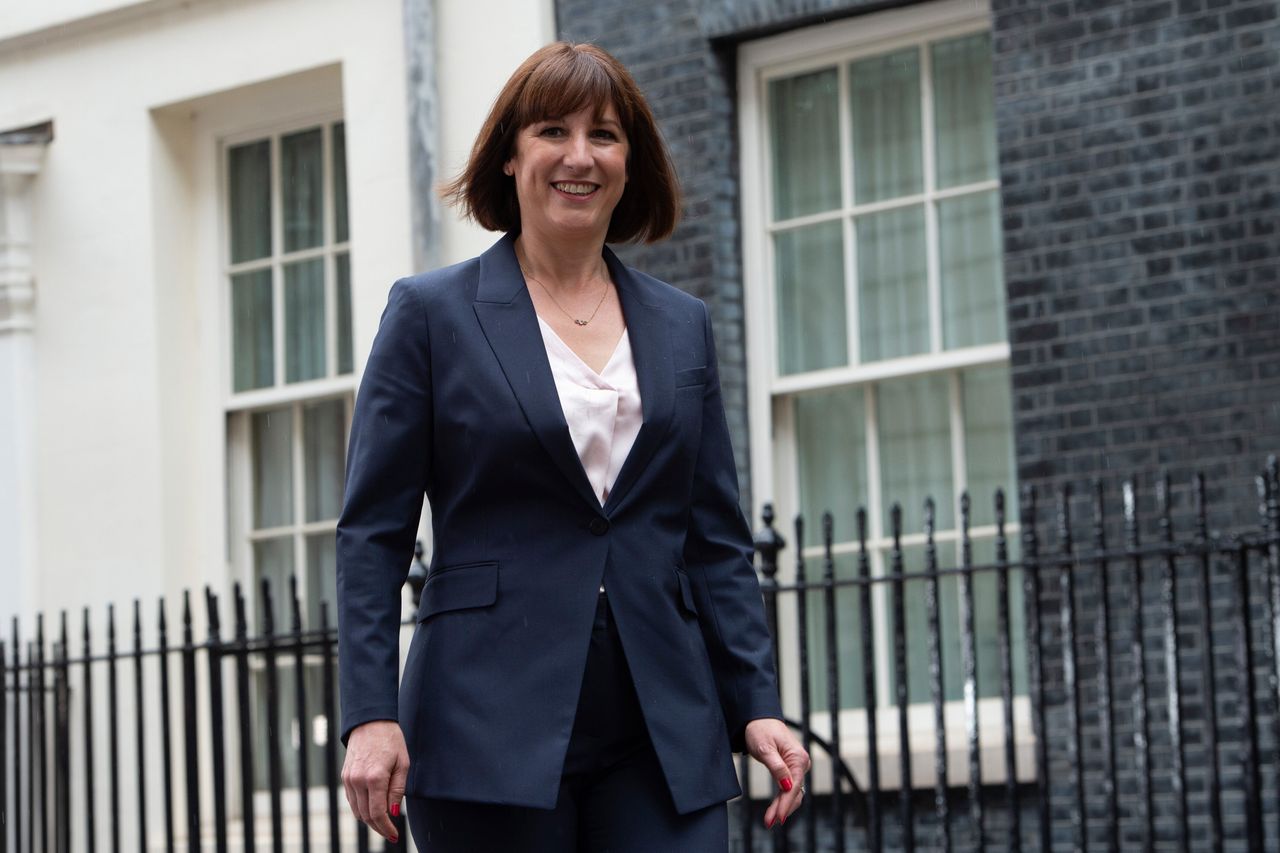
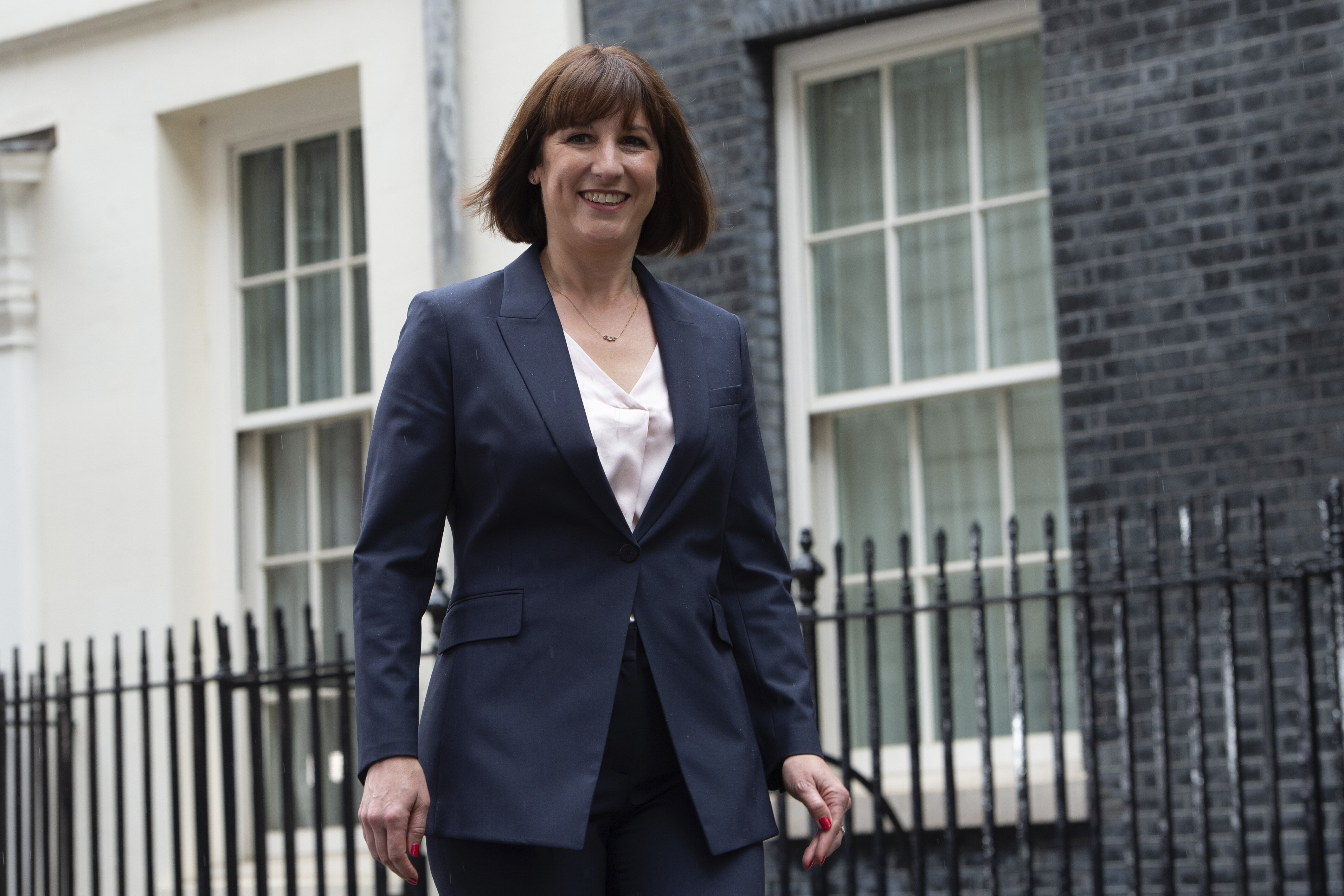
Working people will end up paying for Rachel Reeves’ huge tax hike, according to a leading think tank.

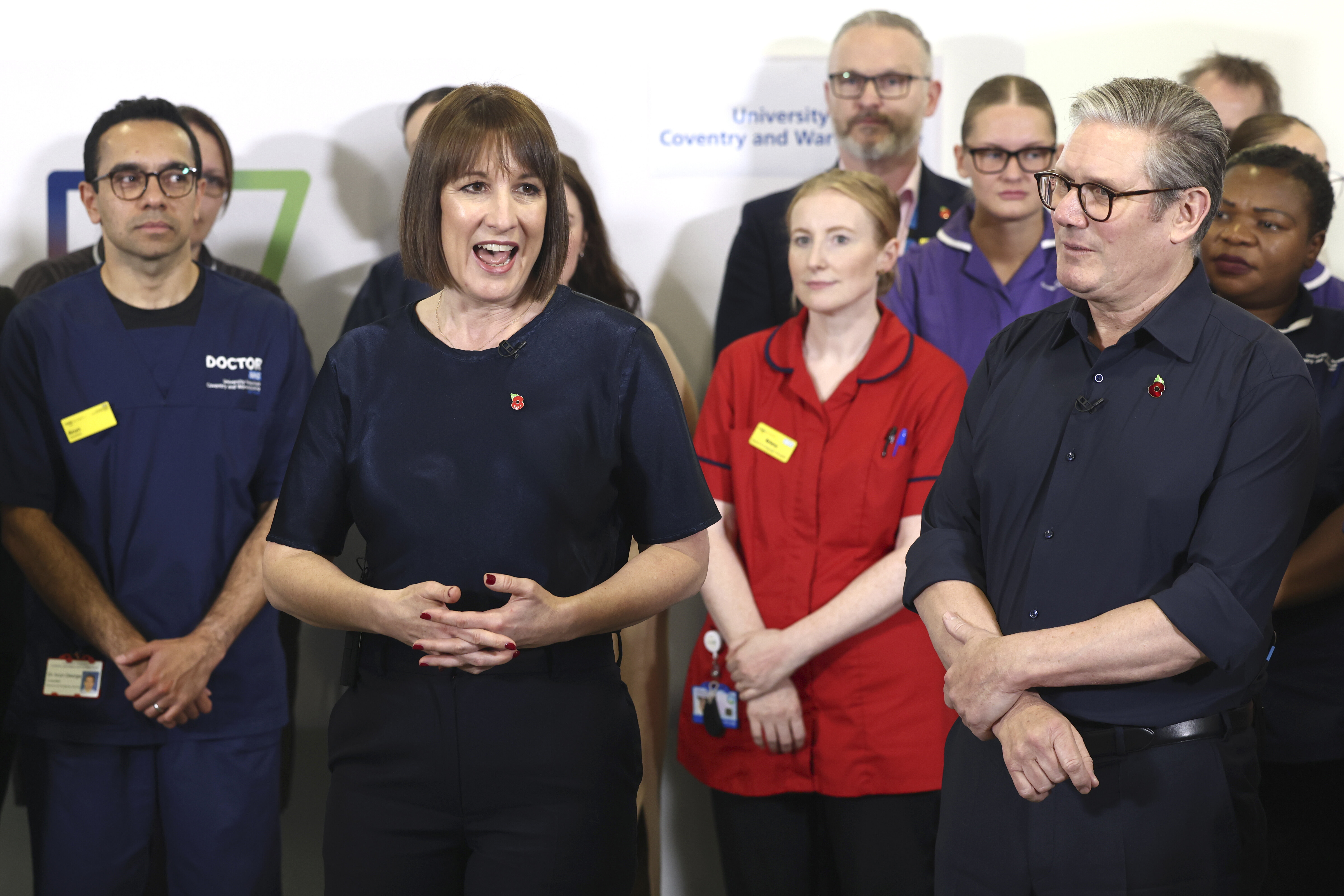
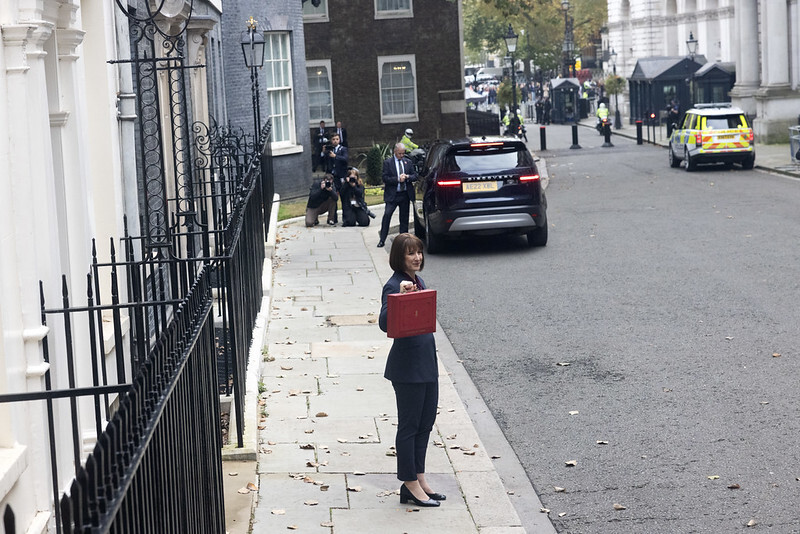
The chancellor unveiled a plan to raise a record-breaking £40bn in her Budget today, but maintained that she had stuck to her promise not to bring back austerity.

Labour also claims to have honoured their manifesto pledge not to increase taxes for “working people”.

Although that exact definition is still not clear, the government said they would not put up the income tax, VAT or National Insurance that they pay.

However, Reeves did raise the NI rate paid by for employers to 15% from April next year.

According to the Office for Budget Responsibility, three-quarters of the impact of that will be felt by employees through lower wage rises.

Institute for Fiscal Studies (IFS) director Paul Johnson said: “Somebody will pay for the higher taxes – largely working people.”

Johnson also issued a warning about the way the chancellor had “front-loaded” the government’s spending plans over the next five years.

“A government splashing the cash in the short term and promising to be more austere in future? Stop me if you think you’ve heard this one before,” he said.

He added: “The challenge will be to make sure the money is spent well enough to make those costs worth bearing.”

Accountancy outsourcing specialists Advancetrack said the increase to employers’ NICs is a “big blow to UK businesses of all sizes who are already grappling with a range of escalating costs”.

Meanwhile, accountancy firm Menzies LLP warned that this Budget was focused on “quick fixes rather than meaningful reform”.

European Movement UK CEO and former Lib Dem minister, Sir Nick Harvey, suggested there was something missing from the Budget: Brexit.

“The chancellor can tinker around the edges, but addressing the economic damage done by Brexit must become a priority,” he said.

Social mobility charity Sutton Trust thought it was educational support that was lacking from the Budget, saying: “The government has clearly identified the need to increase the national minimum wage due to cost of living pressures, so why does student maintenance remain inadequate?”

Meanwhile, Generation Rent’s chief executive Ben Twomey said: “The lack of clear support for the half of renters who don’t have savings and are really struggling is a big concern.”

Resolution Foundation’s interim chief executive Mike Brewer said the Budget engages with the country’s economic challenges – but it’s only the “first step of what will be needed”.

Share Button

How Brits Are ‘Bracing Themselves’ For The Budget As Rachel Reeves Looks To Raise £40 Billion

It is not an overstatement to say that this week’s Budget is likely to be the most consequential event of this parliament.

Every decision the government makes between now and the next general election, for good or ill, will be influenced in some way by what Rachel Reeves announces at lunchtime on Wednesday. No pressure then, chancellor.

This is what we know so far. The Budget – called ‘Fixing The Foundations To Deliver Change’ – seeks to raise £40 billion, the vast majority of it through tax rises plus some spending cuts, including £3 billion from the welfare bill.

With Labour having promised not to increase taxes on “working people” before the election, income tax, VAT and the employees’ rate of National Insurance are all off-limits.

That means Reeves has her eyes on inheritance tax, capital gains tax, pension allowances and – most controversially – the employers’ rate of NI to help her balance the books.

A Treasury source told HuffPost UK: “We are dealing with the £22 billion hole in the public finances left by the Tories, and it’s worth stressing that is this year, next year, the year after that and the year after that. It’s a huge problem and we’ve got to address it.

“What we are doing is resetting the public finances and putting them on a firmer footing.

“We’re also acutely aware that we were elected on a platform of change. People voted to change things and for things to get a little bit better. So there will be more money for the NHS to cut waiting lists and more money for long-term investments like building schools, roads and other infrastructure.”

To that end, the chancellor announced on Thursday that she is changing the way the government measures debt, thereby allowing her to borrow an extra £50bn while still sticking to her pledge to bring overall debt down.

That money will be ploughed into public services which, Reeves claims, the Tories were planning to starve of the funds they need.

However, a poll carried out by Savanta and seen by HuffPost UK will make for worrying reading for the chancellor as she puts the finishing touches to her Budget speech in No.11 this weekend.

It shows that 48% of voters believe she should prioritise cutting taxes, compared to 43% who would rather see more money for public services.

However, more than half (55%) say it is more important for the government to invest in public services, with 32% saying it should be cut.

Meanwhile, just 20% of people believe the Budget will have a positive impact, with older people particularly gloomy about what it will mean for them – a result, most likely, of the row over the means testing of the winter fuel allowance.

A total of 80% of of over-55s think it will have a negative impact on their finances, compared to just 6% who believe it will be positive.

Those aged between 18 and 34 are more optimistic, however, with 40% thinking the Budget will be positive for them, with 28% taking the opposite view.

Even Labour supporters appear to be dreading Wednesday, with 41% of those who voted for the party in July believing it will be negative for them, compared to 33% who think it will be positive.

Emma Levin, associate director at Savanta, said: “Significant swathes of the electorate are bracing themselves for Labour’s first budget in 15 years.

“In particular older people appear nervous, amid rumours of many wealth taxes rises, compared to a relatively sanguine younger population.

“Concerningly for Rachel Reeves, even Labour voters think the Budget is going to have a negative impact on their lives. This may be exactly the mood music Labour HQ is going for ahead of a ‘painful budget’, but it’s clear the public want investment in public services as a priority.”

Nevertheless, allies of the chancellor remain confident that the measures announced in the Budget will eventually pay off both economically and politically.

One said: “It will be an honest Budget. Rachel will be very clear that we’re not going to be able to fix 14 years of failure in one Budget.

“This is a 10-year project. She’s having to make difficult decisions now to deliver long-term growth and prosperity.”

With the new Tory leader being announced just three days later, senior Labour figures also see the Budget as effectively the start of the next general election campaign.

“It will set out the clear divide for the whole parliament,” one Treasury source told HuffPost UK.

“Do we either do nothing, stick with the status quo, continue with more austerity, more cuts and more decline, or do we change and do things differently, asking those with the broadest shoulders to pay a bit more tax and start investing in long-term projects?

“This is where it will start to get difficult for the Tories.”

Share Button

Rachel Reeves Gives Herself Billions To Spend By Changing The Government’s Debt Rules

Rachel Reeves has unveiled plans to spend billions of pounds on the UK’s infrastructure after changing the way the government measures debt.

In a major shift in policy ahead of next week’s Budget, the chancellor said the move would allow her to “begin to fix the NHS and start to rebuild our economy”.

She also confirmed that taxes will go up to fund the government’s day-to-day spending commitments – and that areas like the welfare budget will face cuts.

Labour’s election manifesto promised that debt would be falling as a share of the economy at the end of five years.

By changing the way that government debt is measured, Reeves hopes to release an extra £50 billion to spend on long-term projects.

The chancellor said: “My fiscal rules will do two things. The first and most important: my stability rule will mean that day-to-day spending will be matched by revenues.

“Given the state of the public finances and the need to invest in our public services, this rule will bite hardest.

“Alongside tough decisions on spending and welfare, that means taxes will need to rise to ensure this rule is met. I will always protect working people when I make these choices, while taking a balanced approach.”

She added: “My second fiscal rule, the investment rule, will get debt falling as a proportion of our economy.

“That will make space for increased investment in the fabric of our economy, and ensure we don’t see the falls in public sector investment that were planned under the last government.”

Reeves also told ITV News: “Our second rule, our investment rule, will change the way in which we measure government debt so we take into account our assets, not just the costs of investment.”

But Jeremy Hunt said civil servants had warned him against such a move when he was chancellor because of the risks it posed to economic stability.

He said: “The consistent advice I received from Treasury officials was always that increasing borrowing meant interest rates would be higher for longer – and punish families with mortgages.

“What’s even more remarkable is that the chancellor hasn’t seen fit to announce this major change to the fiscal rules to parliament. The markets are watching.”

A Labour spokesperson said: “Labour will not take any lectures from the Tories on how to run the economy. It was Liz Truss and the Conservatives that crashed the economy, which sent mortgages soaring and left the British people worse off.

“Jeremy Hunt and the Tories should be apologising to country for the economic mess they left – with a £22 billion blackhole in the public finances and public services on their knees.”

“Labour’s Budget will fix the foundations of our economy and deliver the change people voted for.”

Share Button

Exclusive: Labour Ministers’ Popularity In ‘Freefall’ As Make-Or-Break Budget Looms

It was, according to one Labour MP, a “barnstormer” of a speech.

Pat McFadden, the Chancellor of the Duchy of Lancaster and the most powerful man in the country you’ve probably never heard of, was addressing the Parliamentary Labour Party in Committee Room 14 last Monday.

Not noted for his rousing oratory, the slightly-built, taciturn Glaswegian had decided that it was necessary to reassure those colleagues beginning to worry that being in government is not all that it was cracked up to be.

“Stability is underpriced in politics,” McFadden told them. “Having a stable government with a big majority has sent a powerful signal around the world.

“Don’t believe for a moment any notion of equivalence between recent headlines and the billions lost in Covid fraud, VIP lanes, lockdown parties in No.10 and the degradation of standards under the Tories.”

He then went on to list the things the Labour government has done in its first three months in office, before telling them that the upcoming Budget will have investment at its heart.

“That’s how we modernise the country, make people better off and generate wealth for public services,” McFadden said.

“Compare that to the Tory leadership election, where they are doubling down on arguments that had seen them lose, preaching to the choir not the public, with nothing to say about the economy, living standards, public services or the future.”

One newly-elected MP in attendance told HuffPost UK that McFadden had clearly wanted to “put some steel in our spines”.

However, he said there was no disguising the hidden message in the Cabinet Office minister’s address to his troops.

“He was telling us that things are going to get worse before they get better,” the MP said. “It felt a bit like we were being pushed off the top of a ski slope, which is fine until you take off and realise there’s nothing between you and the ground.”

Rachel Reeves will stand up at the Despatch Box on October 30 and explain how she plans to raise £40 billion by putting up taxes and slashing the welfare bill.

That would be a tough enough sell at the best of times, but polling by Savanta, seen by HuffPost UK, shows that the popularity of Keir Starmer and his top team is now in “freefall”.

The prime minister himself has seen his personal approval ratings plummet from plus 10 immediately after Labour’s landslide election victory to minus 17 today.

The last time he was that unpopular was back in 2021, in the wake of the disastrous Hartlepool by-election, which Labour lost to the Tories.

Reeves, meanwhile, is now the most unpopular member of the cabinet, with an approval rating of minus 19 (compared to plus 4 on July 5).

The poll also makes grim reading for deputy PM Angela Rayner (approval rating minus 15), David Lammy (minus 13), Yvette Cooper (minus 11) and Wes Streeting (minus 10).

Chris Hopkins, Savanta’s political research director, said: “The prime minister and his senior cabinet minister’s favourability ratings are in freefall, according to our research.

“Starmer’s popularity among the public hasn’t been this low in a Savanta poll since May 2021 – the nadir of his leadership, which he has since shared that he considered resigning at the time.

“This should be particularly concerning to Starmer and his colleagues, ahead of what already feels like a premiership-defining Budget from Rachel Reeves.

“She will do so with the lowest favourability ratings since Savanta began tracking this with the public. This is a real drop for the chancellor, who used to be one of the most popular members of the cabinet.”

All eyes will be on Rachel Reeves on October 30.

via Associated Press

The findings will do little to improve the mood among an already-fractious cabinet.

Rayner, transport secretary Louise Haigh and justice secretary Shabana Mahmood have all written to the PM complaining about the huge cuts to their departmental budgets being sought by the chancellor.

That in turn has sparked its own backlash, with one cabinet minister telling HuffPost UK that his colleagues were “defending the severe Tory legacy”.

Another senior government figure said: “There’s no problem with people lobbying for money. It’s their job to do that.

“But if they are too public about it, it will backfire on them because if they don’t get more money they will look weak.”

A separate poll by the More in Common think-tank did provide a glimmer of hope for the prime minister and his chancellor, however.

It showed that around one-third of voters are not opposed to Reeves’ apparent plan to increase the employers’ rate of National Insurance.

Tory claims that this would break a Labour manifesto commitment also appear to have fallen on deaf ears, with only 34% of the public agreeing.

Luke Tryl, More in Common’s UK director, told HuffPost UK: “With only a third of voters saying they’d oppose a rise in employers’ National Insurance, for now at least it seems like raising the tax would be some low-hanging fruit for Labour as they seek to put together a Budget that balances the books without a return to austerity.”

But unless Reeves produces the mother of all rabbits out of her hat, there is unlikely to be much for the public to cheer on October 30.

The decision to remove the winter fuel allowance from millions of pensioners, taken shortly after the election, remains a running sore among voters.

One MP said: “It’s not costing us support, but it is costing us the loyalty of voters, and that’s even more dangerous.”

Pat McFadden may have to produce a few more barnstormers in the coming years to soothe Labour’s increasingly worried MPs.

Share Button

Unearthed Video Of Rachel Reeves Laying Into Tory Tax Hike Returns To Haunt Her Ahead Of Budget

An unearthed video of Rachel Reeves laying into the Tories for putting up National Insurance has come back to haunt the chancellor.

She and Keir Starmer have both repeatedly refused to rule out increasing the NI rate paid by employers in the forthcoming Budget.

But speaking in the Commons in 2021, Reeves, who was then shadow chancellor, said: “It is so worrying that at this crucial time, the prime minister and chancellor concocted a new jobs tax to arrive in the spring.

“Despite all of their election promises to cut National Insurance contributions, they’re actually raising them against the strong advice of business and trades unions.

“The Conservative government’s actions will make each new recruit more expensive and increase the costs to business.

“The decision to saddle employers and workers with a job tax takes money out of people’s pockets when our economic recovery is not yet established or secure, and only adds to the pressure on businesses after a testing year and a half.”

Labour’s election manifesto said: ”[We] will not increase taxes on working people, which is why we will not increase National Insurance, the basic, higher, or additional rates of income tax, or VAT.”

However, speaking on Monday, Reeves insisted that putting up the employers’ rate of NI would not break that pledge.

She said: “We are going to need to sort of close that gap between what government is spending and bringing in through tax receipts. But we are going to be a government that sticks to our manifesto commitments, including that one.”

Asked directly on Monday whether it would break the manifesto promise, the prime minister told the BBC: “It was very clear from the manifesto that what we were saying was we’re not going to raise tax for working people. And it wasn’t just the manifesto, we said it repeatedly in the campaign, and we intend to keep the promises that we made in our manifesto.”

Meanwhile, the chancellor today dropped another huge hint that taxes will rise in the Budget on October 30.

She told a cabinet meeting that “there would have to be difficult decisions on spending, welfare, and tax”.

A Labour spokesperson said: “The chancellor told cabinet the Budget would focus on putting the public finances on a strong footing and being honest with the British people about the scale of the challenge.”

Share Button

Major U-Turn As Keir Starmer Says He Will No Longer Accept Clothes From Donors

Keir Starmer will no longer accept clothes from Labour donors, party sources have confirmed.

The decision is a major U-turn by the prime minister, who had defended accepting thousands of pounds worth of suits and glasses from Lord Alli.

Chancellor Rachel Reeves and deputy prime minister Angela Rayner will also no longer accept clothes as gifts, senior Labour figures confirmed.

Starmer has come in for fierce criticism after it emerged Lord Alli, a Labour peer and millionaire, had given him £16,435 of work clothing and glasses worth £2,400 before the election, as well as £5,000-worth of clothes for the PM’s wife, Victoria.

Asked about it earlier this week, the prime minister insisted that the donations had been within the rules and properly declared – but dodged questions on why he had not paid for his own clothes.

He said: “It’s very important to me that the rules are followed. I’ve always said that. I said that before the election, I’ve reinforced it after the election.

“And that’s why, shortly after the election, my team reached out for advice on what declaration should be made so it’s in accordance with the rules. They then sought out for further advice more recently, as a result of which they made the relevant declarations.”

It was also revealed on Friday that Rayner had received clothing worth £3,500 from Lord Alli, while Reeves has accepted donations of £7,500 from another Labour supporter, Juliet Rosenfeld, to pay for clothing.

HuffPost UK understands that Starmer, Rayner and Reeves have all now agreed to pay for their own clothes in future.

The move is an attempt by Labour to finally draw a line under the controversy as the party gathers in Liverpool for its annual conference.

Share Button

How ‘Distraught’ Labour MPs Plan To Punish Rachel Reeves Over Winter Fuel Payment Cuts

On May 1, Keir Starmer could not have been clearer about his position on whether or not every pensioner should continue to receive the winter fuel payment from the government.

Scrapping it, the then leader of the opposition made clear to the House of Commons, was a very bad thing.

So concerned was he at the prospect of the Tories doing it, he asked Rishi Sunak at PMQs that day: “Will the prime minister now rule out taking pensioners’ winter fuel payments off them to help fund his £46 billion black hole?”

How PM Starmer must now regret that particular line of attack.

Within days of entering government two months ago, chancellor Rachel Reeves decided to means test the hitherto universal benefit, meaning only those on pension credit would continue to receive it, with 10 million OAPs missing out.

Reeves blamed the £22 billion “black hole” in the nation’s finances – that Labour insist they inherited from the Tories – for the need to find savings where they can in order to balance the books.

Nevertheless, it has created a huge political problem for the new government which could result in Starmer suffering his largest backbench rebellion yet.

Under mounting pressure from MPs, Commons leader Lucy Powell announced that a parliamentary vote on the controversial cut will take place on Tuesday.

That is the same Lucy Powell who was sent out onto the airwaves last weekend to suggest that had the Chancellor not take the decision she had, there would have been a run on the pound and the economy would have crashed.

Some in government are baffled that Reeves has chosen to take up to £300 off millions of OAPs – many of them on incomes of barely £11,500 a year – the first signature decision of her time in office.

One senior source told HuffPost UK: “I keep waiting for some sensible person to say ‘right, how do we get out of this hole we’re fallen into on this policy’ as opposed to, for some reason, making it a test of our political and economic credibility.”

Another insider said: “This is a problem on the doorstep, but they have to see it through now.”

So far, 10 Labour MPs have signed a Commons motion calling on the Treasury to think again, but some senior party figures believe as many as 20 could end up rebelling.

That would easily beat the seven rebels who defied the PM and voted to scrap the two-child benefit cap barely a fortnight after the general election – and were stripped of the Labour whip for their trouble.

HuffPost UK understands there are currently no plans to impose the same sanction on any MPs who vote against the government on Tuesday.

Among the signatories to the rebel motion tabled by Labour MP Neil Duncan-Jordan is former shadow cabinet member Rachael Maskell, who told HuffPost UK she and her Labour colleagues were “deeply concerned” at the government’s approach.

“I’ve spoken to so many MPs who are really distraught about these measures,” she said. “Some have literally been in tears at the prospects of their elderly constituents not getting their winter fuel payments.

“I’ve read letters myself and been in tears. One recently widowed constituent told me they are just above the income threshold so they no longer qualify for the payment and are really fearful for the winter. This isn’t about macro-economics, this is about real lives.”

The Treasury has launched a campaign urging the 800,000 pensioners who qualify for pension credit but don’t claim it, to do so.

But Maskell said that even once you have completed the lengthy application form, it takes nine weeks to process the claim.

“To keep old people warm and well they need to have enough money to pay the bills and this needs to be the focus now,” she said. “We have said we will protect the NHS, so we don’t need more old people in hospital beds this winter.

“Old people can’t retain heat, putting them at greater risk of stroke, heart attack and hypothermia. That would put a greater demand on the NHS, and It will be [health secretary] Wes Streeting who will have to stand before the country and explain why – and I don’t want him to have to do that.”

The York Central MP wants the chancellor to delay her plans to cut the winter fuel payment until next year, and use that time to establish a better system for targeting the benefit at those who need it.

Caroline Abrahams, charity director at Age UK, said, “many older people are very frightened about how they will manage this winter” when the payment is removed.

The charity estimates that around one million old people living near the poverty line, but who are not poor enough to receive pension credit, will “really struggle” this winter as a result of the chancellor’s decision.

Abrahams said: “The government is not disputing that millions of pensioners on low and modest incomes will lose their winter fuel payment under their plans and they have no credible answer when asked about the plight of all those whose tiny occupational pensions take them above the pension credit line.

“It is for these reasons that they should pause this policy so it can be fully considered as part of the government spending review in the spring.”

Downing Street sources have told HuffPost UK that the government has no plans to U-turn, or offer any concessions to the rebels, ahead of Tuesday’s vote.

They pointed to the extra £421 million which was announced last week for the household support fund, and the fact that the pensions triple lock means the state pension will increase by £400 each year as proof that the government is acting to help those on the lowest incomes.

A cabinet minister defended the government’s position, and insisted that the chancellor had actually chosen the least worst option.

“We know it’s difficult but we can see how bad the public finances are,” they told HuffPost UK. ”It was pretty clear that there was going to be a major economic shock in the markets had we not taken immediate action on this.

“The choice the Treasury had was to either keep the pension triple lock or means test the winter fuel allowance. That makes it quite an easy choice.

“The politics are tough, but we have to show voters that we’ve been left with this dreadful inheritance and that’s the real difficulty we’ve got. There are no palatable choices here.

“We’re asking the public and the pensioners to give us a bit of time to sort this mess out.”

Nevertheless, Tuesday’s vote promises to be extremely uncomfortable for Starmer and Reeves.

And with a brutal Budget coming at the end of October, the PM seems certain to make good on his promise that “things will get worse before they get better”.

Share Button

Liz Truss Says She Is A ‘Victim’ Of An Attempt ‘To Sabotage My Administration’

Liz Truss has described herself as a “victim” of “sabotage” almost two years after her party kicked her out of 10 Downing Street.

The former prime minister lost her job after just 49 days in office once she unveiled £45bn of unfunded tax cuts in her mini-Budget, a move which sent the markets into turmoil.

She also lost her seat in the general election last month.

But speaking to The Daily Telegraph’s podcast, the Daily T earlier this week, Truss once again refused to accept responsibility for her fiscal policies.

Explaining why her radical plans to reduce taxes had to be dropped so suddenly in 2022, she said: “I knew, and I was directly threatened with this, that there could potentially be a meltdown in terms of the government not being able to fund its own debt.”

“And I couldn’t risk that,” she said, saying that was “more important to me than me keeping my job”.

She said “powerful people” including the governor of the Bank of England Andrew Bailey and members of the Tory Party “undermined me”.

Truss continued: “For the good of the country, I had to remove myself from office.

“That doesn’t mean I think they were right to do that.

“I was the victim, frankly, of an attempt to sabotage my administration by people who didn’t agree with my policies.

“That was the issue, and what I am saying – and why I am speaking out now – is unless we fix that accountability problem we have in Britain, is we are not going to be able to get proper conservative policies, like lower taxes, supply-side reform, and cutting the size of government.

“Because we have institutions that do not believe in those policies and are prepared to sabotage a government that tries to implement them.”

Truss then said, “I am not responsible for people’s mortgages going up,” – and blamed the Bank of England instead, as the independent institution is responsible for the country’s monetary policies.

It’s worth noting the Bank actually had to intervene to stabilise the pensions market after the mini-Budget.

Truss has tried to repeatedly to redeem her reputation in recent months.

She even slammed the current government after civil servants named her in the official briefing notes for the King’s Speech last month.

Her name was subsequently removed from the notes on the gov.uk website – but that has not stopped Labour politicians from criticising her.

Chancellor Rachel Reeves blamed the economic struggles of the UK on Truss’s premiership on Thursday.

Speaking after the Bank of England finally lowered interest rates for the first time in four years, she maintained that the British economy’s foundations are still unsteady.

Reeves said: “Millions of people are still paying higher mortgage rates after the Conservatives’ mini-Budget less than two years ago that sent interest rates and mortgage rates soaring.”

<div class="js-react-hydrator" data-component-name="Twitter" data-component-id="5548" data-component-props="{"itemType":"rich","index":24,"contentIndexByType":1,"contentListType":"embed","code":"

Rachel Reeves, \"Homeowners will welcome this cut in interest rate\"

\"But millions of people are still paying higher mortgage rates after the Conservative Liz Truss and Kwasi Kwarteng budget less than two years ago that sent interest rate and mortgage rates soaring\"

\"I have been… pic.twitter.com/DOSB2wnB4c

— Farrukh (@implausibleblog) August 1, 2024

","type":"rich","meta":{"author":"Farrukh","author_url":"https://twitter.com/implausibleblog","cache_age":86400,"description":"Rachel Reeves, \"Homeowners will welcome this cut in interest rate\"\"But millions of people are still paying higher mortgage rates after the Conservative Liz Truss and Kwasi Kwarteng budget less than two years ago that sent interest rate and mortgage rates soaring\"\"I have been… pic.twitter.com/DOSB2wnB4c— Farrukh (@implausibleblog) August 1, 2024\n\n\n","options":{"_hide_media":{"label":"Hide photos, videos, and cards","value":false},"_maxwidth":{"label":"Adjust width","placeholder":"220-550, in px","value":""},"_theme":{"value":"","values":{"dark":"Use dark theme"}}},"provider_name":"Twitter","title":"Farrukh on Twitter / X","type":"rich","url":"https://twitter.com/implausibleblog/status/1818990737880494160","version":"1.0"},"flags":[],"enhancements":{},"fullBleed":false,"options":{"theme":"news","device":"desktop","editionInfo":{"id":"uk","name":"U.K.","link":"https://www.huffingtonpost.co.uk","locale":"en_GB"},"originalEdition":"uk","isMapi":false,"isAmp":false,"isVideoEntry":false,"isEntry":true,"isMt":false,"entryId":"66ab8cdfe4b050952a6fd0ae","entryPermalink":"https://www.huffingtonpost.co.uk/entry/truss-says-she-is-a-victim-of-attempt-to-sabotage-her-premiership_uk_66ab8cdfe4b050952a6fd0ae","entryTagsList":"conservative-party,liz-truss,rachel-reeves,mini-budget","sectionSlug":"politics","deptSlug":null,"sectionRedirectUrl":null,"subcategories":"","isWide":false,"headerOverride":null,"noVideoAds":false,"disableFloat":false,"isNative":false,"commercialVideo":{"provider":"custom","site_and_category":"uk.politics","package":null},"isHighline":false,"vidibleConfigValues":{"cid":"60afc140cf94592c45d7390c","disabledWithMapiEntries":false,"overrides":{"all":"60b8e525cdd90620331baaf4"},"whitelisted":["56c5f12ee4b03a39c93c9439","56c6056ee4b01f2b7e1b5f35","59bfee7f9e451049f87f550b","5acccbaac269d609ef44c529","570278d2e4b070ff77b98217","57027b4be4b070ff77b98d5c","56fe95c4e4b0041c4242016b","570279cfe4b06d08e3629954","5ba9e8821c2e65639162ccf1","5bcd9904821576674bc55ced","5d076ca127f25f504327c72e","5b35266b158f855373e28256","5ebac2e8abddfb04f877dff2","60b8e525cdd90620331baaf4","60b64354b171b7444beaff4d","60d0d8e09340d7032ad0fb1a","60d0d90f9340d7032ad0fbeb","60d0d9949340d7032ad0fed3","60d0d9f99340d7032ad10113","60d0daa69340d7032ad104cf","60d0de02b627221e9d819408"],"playlists":{"default":"57bc306888d2ff1a7f6b5579","news":"56c6dbcee4b04edee8beb49c","politics":"56c6dbcee4b04edee8beb49c","entertainment":"56c6e7f2e4b0983aa64c60fc","tech":"56c6f70ae4b043c5bdcaebf9","parents":"56cc65c2e4b0239099455b42","lifestyle":"56cc66a9e4b01f81ef94e98c"},"playerUpdates":{"56c6056ee4b01f2b7e1b5f35":"60b8e525cdd90620331baaf4","56c5f12ee4b03a39c93c9439":"60d0d8e09340d7032ad0fb1a","59bfee7f9e451049f87f550b":"60d0d90f9340d7032ad0fbeb","5acccbaac269d609ef44c529":"60d0d9949340d7032ad0fed3","5bcd9904821576674bc55ced":"60d0d9f99340d7032ad10113","5d076ca127f25f504327c72e":"60d0daa69340d7032ad104cf","5ebac2e8abddfb04f877dff2":"60d0de02b627221e9d819408"}},"connatixConfigValues":{"defaultPlayer":"8b034f64-513c-4987-b16f-42d6008f7feb","clickToPlayPlayer":"5a777b9b-81fe-41a6-8302-59e9953ee8a2","videoPagePlayer":"19654b65-409c-4b38-90db-80cbdea02cf4"},"topConnatixThumnbailSrc":"data:image/png;base64,iVBORw0KGgoAAAANSUhEUgAAAAEAAAABCAQAAAC1HAwCAAAAC0lEQVR42mNkYAAAAAYAAjCB0C8AAAAASUVORK5CYII=","customAmpComponents":[],"ampAssetsUrl":"https://amp.assets.huffpost.com","videoTraits":null,"positionInUnitCounts":{"buzz_head":{"count":0},"buzz_body":{"count":0},"buzz_bottom":{"count":0}},"positionInSubUnitCounts":{"article_body":{"count":12},"blog_summary":{"count":0},"before_you_go_content":{"count":0}},"connatixCountsHelper":{"count":0},"buzzfeedTracking":{"context_page_id":"66ab8cdfe4b050952a6fd0ae","context_page_type":"buzz","destination":"huffpost","mode":"desktop","page_edition":"en-uk"},"tags":[{"name":"conservative party","slug":"conservative-party","links":{"relativeLink":"news/conservative-party","permalink":"https://www.huffingtonpost.co.uk/news/conservative-party","mobileWebLink":"https://www.huffingtonpost.co.uk/news/conservative-party"},"relegenceId":3696340,"section":{"title":"Politics","slug":"politics"},"topic":{"title":"Conservative Party","slug":"conservative-party","overridesSectionLabel":false},"url":"https://www.huffingtonpost.co.uk/news/conservative-party/"},{"name":"liz truss","slug":"liz-truss","links":{"relativeLink":"news/liz-truss","permalink":"https://www.huffingtonpost.co.uk/news/liz-truss","mobileWebLink":"https://www.huffingtonpost.co.uk/news/liz-truss"},"url":"https://www.huffingtonpost.co.uk/news/liz-truss/"},{"name":"rachel reeves","slug":"rachel-reeves","links":{"relativeLink":"news/rachel-reeves","permalink":"https://www.huffingtonpost.co.uk/news/rachel-reeves","mobileWebLink":"https://www.huffingtonpost.co.uk/news/rachel-reeves"},"url":"https://www.huffingtonpost.co.uk/news/rachel-reeves/"},{"name":"mini budget","slug":"mini-budget","links":{"relativeLink":"news/mini-budget","permalink":"https://www.huffingtonpost.co.uk/news/mini-budget","mobileWebLink":"https://www.huffingtonpost.co.uk/news/mini-budget"},"url":"https://www.huffingtonpost.co.uk/news/mini-budget/"}],"isLiveblogLive":null,"cetUnit":"buzz_body","bodyAds":["

\r\n\r\n HPGam.cmd.push(function(){\r\n\t\treturn HPGam.render(\"inline-1\", \"entry_paragraph_1\", false, false);\r\n });\r\n\r\n","

\r\n\r\n HPGam.cmd.push(function(){\r\n\t\treturn HPGam.render(\"inline\", \"entry_paragraph_2\", false, false);\r\n });\r\n\r\n","

\r\n\r\n HPGam.cmd.push(function(){\r\n\t\treturn HPGam.render(\"inline-2\", \"entry_paragraph_3\", false, false);\r\n });\r\n\r\n","

\r\n\r\n HPGam.cmd.push(function(){\r\n\t\treturn HPGam.render(\"inline-infinite\", \"repeating_dynamic_display\", false, false);\r\n });\r\n\r\n"],"adCount":0},"isCollectionEmbed":false}”>

Rachel Reeves, “Homeowners will welcome this cut in interest rate”

“But millions of people are still paying higher mortgage rates after the Conservative Liz Truss and Kwasi Kwarteng budget less than two years ago that sent interest rate and mortgage rates soaring”

“I have been… pic.twitter.com/DOSB2wnB4c

— Farrukh (@implausibleblog) August 1, 2024

Share Button