One Month On From Russia’s Invasion Of Ukraine, Here’s Where The War Stands

For weeks there had been warnings, but many serious people could not believe it: Russia would never invade neighbouring Ukraine. Would they?

Then, on February 24, it happened. Tanks and soldiers streamed across the border, scenes more reminiscent of the Second World War than the remote cyber warfare that modern conflict was supposed to be dominated by.

The capital, Kyiv, was targetted. But Vladamir Putin appears to have under-estimated heavily-armed Ukrainian soldiers and volunteers, and Russia’s lightning strike appears to be nothing of the sort. A month on, here’s where the war stands.

What has happened in Ukraine?

As Putin’s frustration has grown, so has the brutality of Russian forces – killing civilians as well as soldiers and repeatedly accused of war crimes. But in the month since Moscow launched its invasion of Ukraine, Russian troops have met stiff resistance and failed to capture any major city.

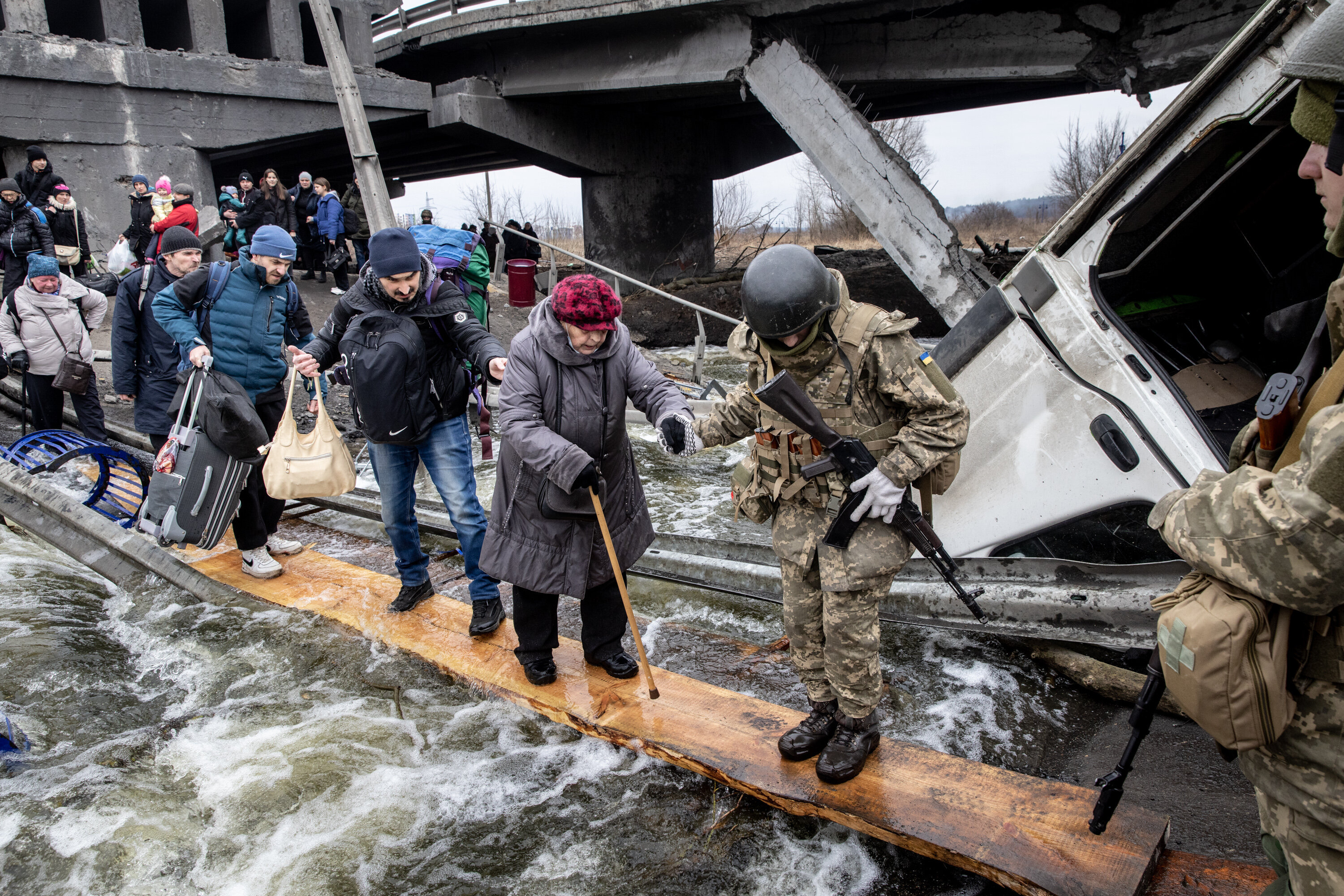
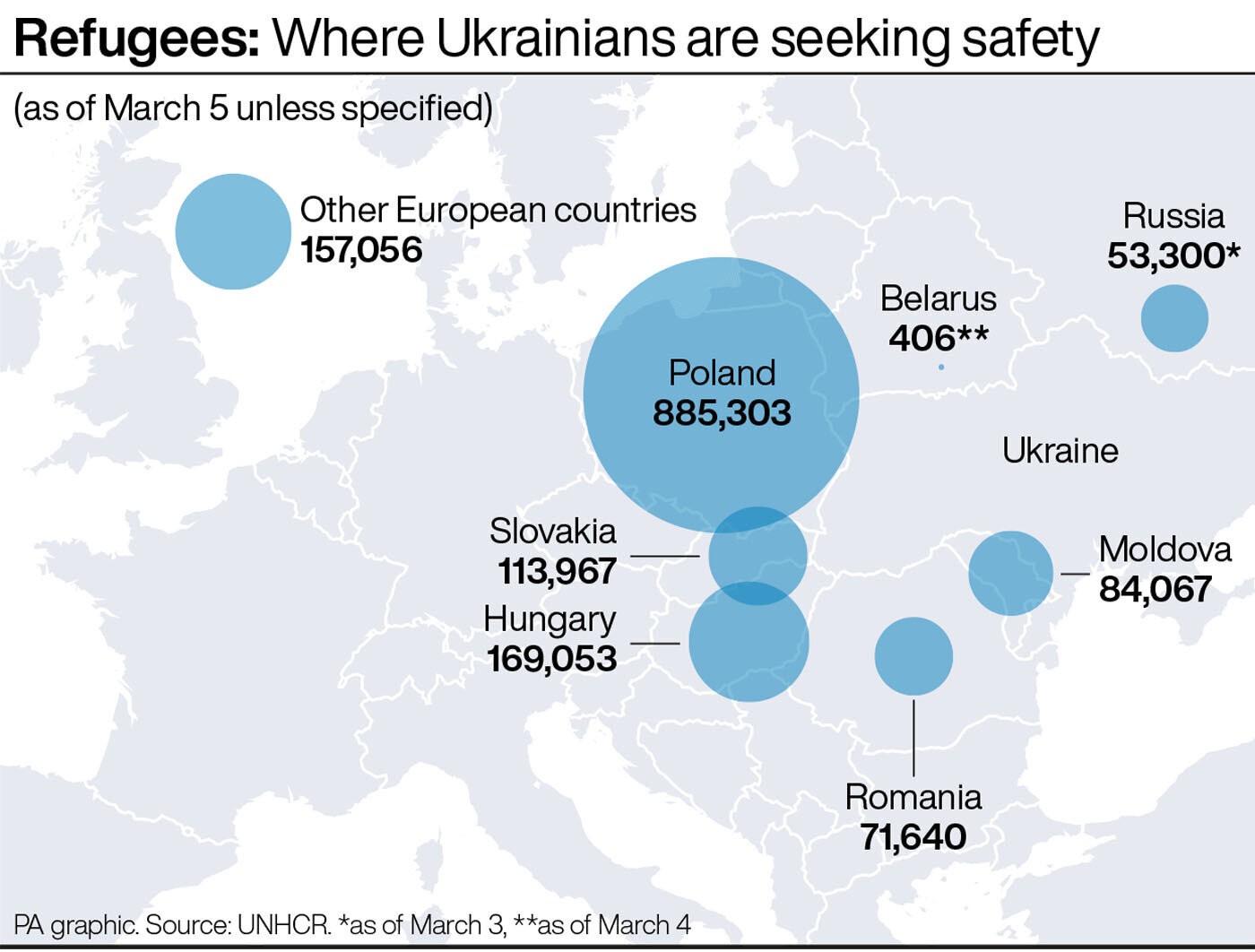
They have instead been bombarding and encircling cities, laying waste to residential areas and driving around a quarter of Ukraine’s 44 million people from their homes. More than 3.7 million of them have fled abroad, half to neighbouring Poland.

Ukraine cities have been flattened by Putin in a manner similar to the way he destroyed the Chechen capital Grozny at the turn of the century. Among them is the besieged city of Mariupol, where authorities on Friday said about 300 people died in a Russian airstrike earlier this month on a theatre where hundreds of people were sheltering.

Mariupol, a city of 400,000 before the war, has been among the worst hit by the Russian bombardment. Tens of thousands of people are still believed to be trapped with little access to food, power or heat.

The cities of Chernihiv, Kharkiv and Sumy in the east have also endured devastating bombardment. The United Nations said it had confirmed 1,081 civilian deaths and 1,707 injuries in Ukraine since the February 24 invasion, adding that the real toll was likely higher.

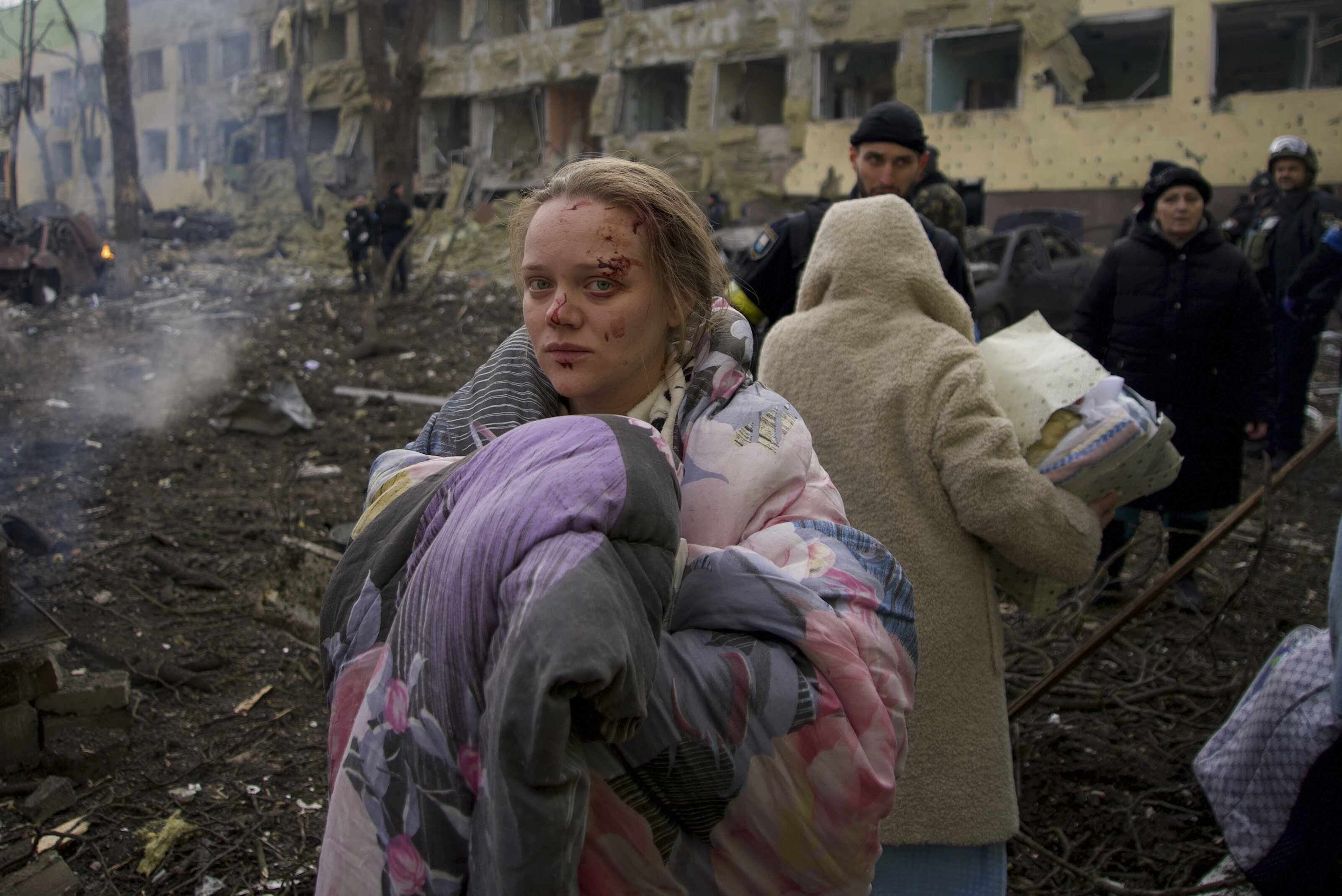
<img class="img-sized__img landscape" loading="lazy" alt="Mariana Vishegirskaya stands outside a maternity hospital that was damaged by shelling in Mariupol, Ukraine.” width=”720″ height=”480″ src=”https://www.wellnessmaster.com/wp-content/uploads/2022/03/one-month-on-from-russias-invasion-of-ukraine-heres-where-the-war-stands-4.jpg”>
Mariana Vishegirskaya stands outside a maternity hospital that was damaged by shelling in Mariupol, Ukraine.

Mstyslav Chernov via AP

The rise of Volodymyr Zelenskyy

Now cutting a familiar figure the world over – rallying his people from fortified bunkers, unshaven in olive-coloured T-shirt – little was known about Volodymyr Zelenskyy outside his homeland a month ago.

The former TV comic and actor has become the symbol of Ukraine’s resistance, deploying his oratory and presentational skills on social media and in defiant speeches.

The 44-year-old’s wartime leadership has even been compared to Winston Churchill by British politicians. Boris Johnson, who has written a book on Churchill, said: “I think that president Zelenskyy has proved to be a quite remarkable leader of his people – he’s rallied them and he’s been their voice. He knows, as Churchill said of himself, he may not have been the lion but he’s been privileged to give the roar.”
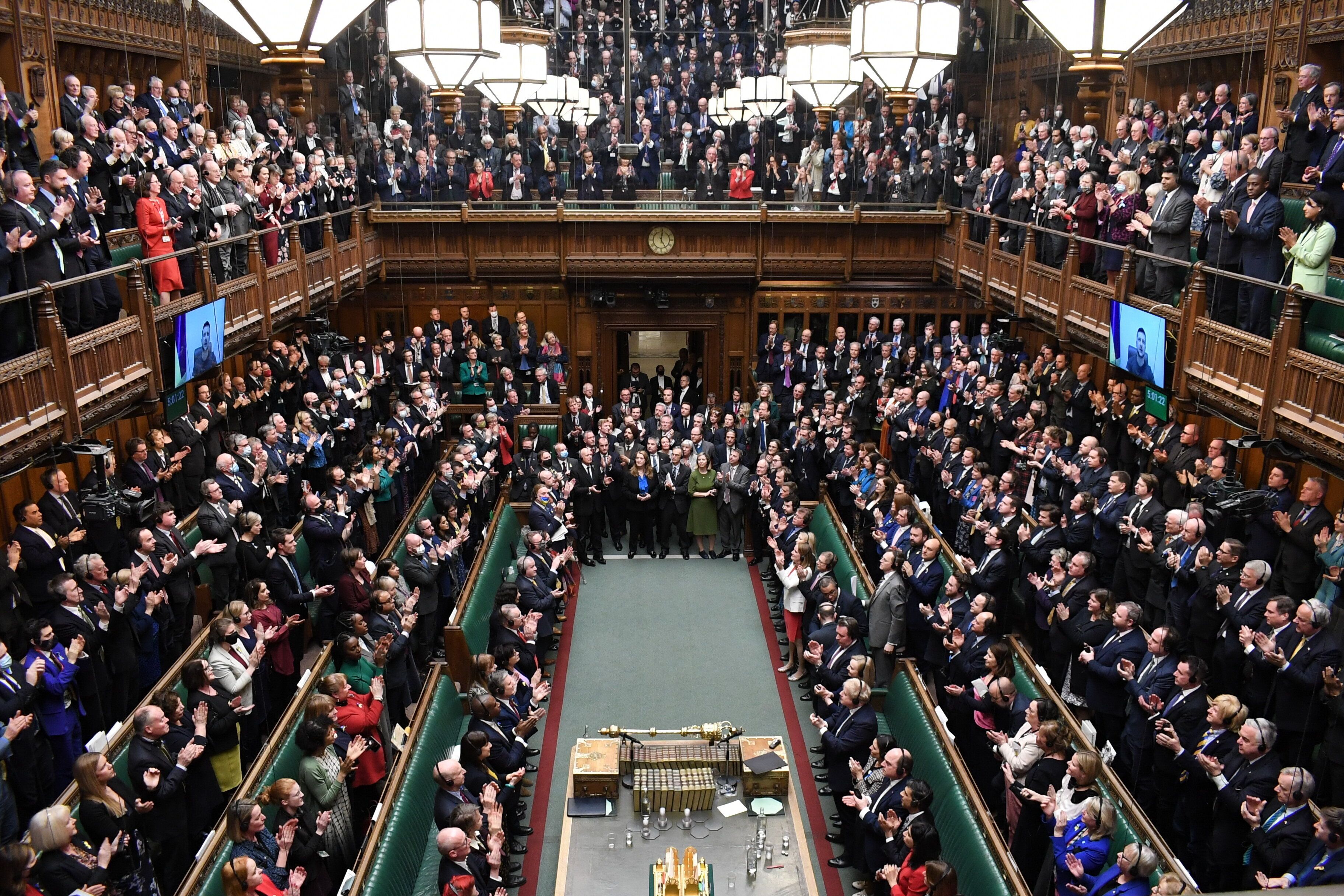
The UK parliament giving a standing ovation after to Volodymyr Zelenskyy.

UK Parliament/Jessica Taylor via PA Media

Zelenskyy’s leadership help explain the massive support from Western allies by way of “defensive” artillery. But he has been frustrated. His biggest request since the outbreak of war – a so-called no-fly zone to prevent bombings from Putin’s planes – has been rejected time and again, with the US and its allies fearing the move would trigger a wider world war with Russia.

Russia struggling

Russia’s invasion remains largely frustrated by the dogged resistance of Ukrainians, and there are signs Putin could be scaling back his ambitions.

On Friday, the defence ministry said that having accomplished the “first phase” of their military operations, Russian forces would concentrate on “liberating” the Donbas region which is part-held by Moscow-backed separatist rebels.

Western officials said it was a recognition that Russian forces were overstretched and may have to “pause” operations around Kyiv and other cities while they focus on the east of the country.

Russia’s defence ministry said 1,351 Russian soldiers had been killed 3,825 wounded, the Interfax news agency reported. Ukraine says 15,000 Russian soldiers have died.

PA Graphics via PA Graphics/Press Association Images

What is the West doing?

Western powers have been urged to step up military support for the Ukrainian forces. But, since Ukraine is not a member of Nato, the US, the UK and its allies are limited in what they can do.

The military alliance called the North Atlantic Treaty Organisation – or Nato – and its 30 member nations are bound by Article 5 of its constitution. They agree to mutual defence – military action – in response to an enemy attack. The principle goes: “An attack against one ally is considered as an attack against all allies.”

Nato is anxious about further escalating tensions between the world’s two biggest nuclear powers – the US and Russia – and edging everyone closer to the “World War III” scenario many fear.


But the region is on edge. On Friday, US president Joe Biden visited Poland – which is a Nato member and shares a border with Ukraine – to underscore his commitment to the country. The US has said that it will defend “every inch” of Nato territory, and Warsaw is keen to see even more US troops stationed on the alliance’s eastern flank.

<img class="img-sized__img landscape" loading="lazy" alt="Joe Biden meets service members from the 82nd Airborne Division in the city of Rzeszow in southeastern Poland, around 62 miles from the border with Ukraine.” width=”720″ height=”518″ src=”https://www.wellnessmaster.com/wp-content/uploads/2022/03/one-month-on-from-russias-invasion-of-ukraine-heres-where-the-war-stands-7.jpg”>
Joe Biden meets service members from the 82nd Airborne Division in the city of Rzeszow in southeastern Poland, around 62 miles from the border with Ukraine.

BRENDAN SMIALOWSKI via Getty Images

How does it end?

Four rounds of peace talks between Russia and Ukraine have yet to result in anything close to a diplomatic resolution.

Russia wants legal assurances that Ukraine will never join Nato, and for Ukraine to take a so-called neutral status and change its constitution to guarantee this.

The Kremlin has also demanded that Ukraine acknowledges Crimea, which Putin annexed in 2014, as Russian territory. It also wants recognition of the independence of pro-Russian separatists in Donetsk and Luhansk in Ukraine’s eastern industrial heartland of Donbas. The conflict in the region, which has claimed at least 14,000 lives, was Russia’s fabricated pretext to invade Ukraine last month.

Ukraine is seeking a ceasefire and a troop withdrawal. It has said it is willing to negotiate, but not to surrender or accept any ultimatums.

Ukraine has said it is prepared to accept security guarantees that stop short of joining Nato – a compromise on its part. But giving up the Crimea and the Donbas could be a bridge too far, and gaining that territory now seems to be Putin’s over-riding objective. Stalemate could beckon.

Share Button

Putin Tries To Stoke Culture Wars By Citing JK Rowling Being ‘Cancelled’

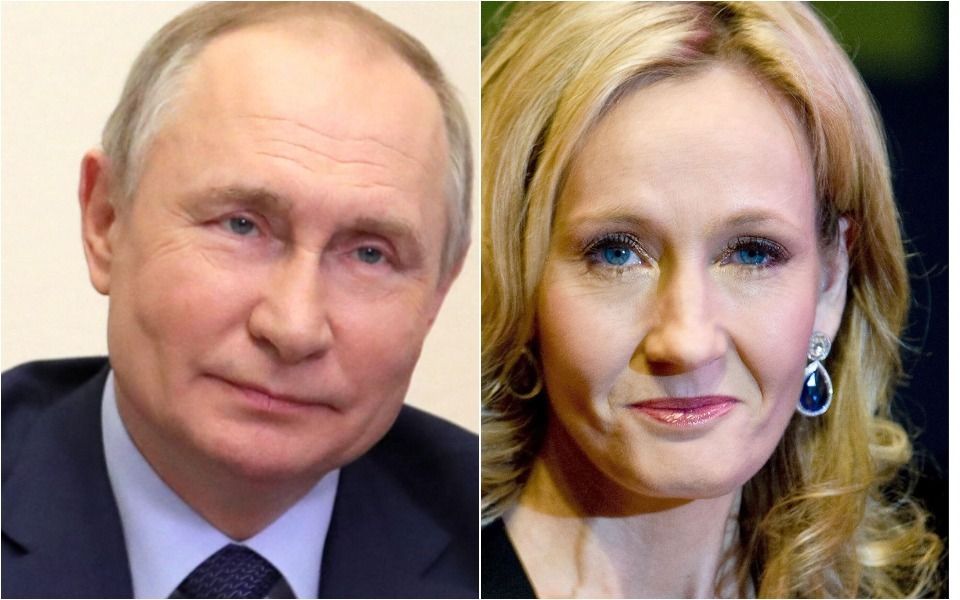
Russian president Vladimir Putin has been accused of a thinly-veiled attempt to divide the West by claiming his country was being victimised by “cancel culture” after its invasion of Ukraine.

Putin likened the world’s condemnation of Russia to the backlash that Harry Potter author JK Rowling received for controversial comments about the transgender community. Rowling was “cancelled”, Putin said, “just because she didn’t satisfy the demands of gender rights”, according to an interpreter’s translation.

He also claimed Western countries were trying to cancel the works of composers Tchaikovsky, Shostakovich and Rachmaninoff.

On Twitter, Rowling responded to Putin’s suggestion, and shared an article about incarcerated Kremlin critic Alexei Navalny.

She wrote: “Critiques of Western cancel culture are possibly not best made by those currently slaughtering civilians for the crime of resistance, or who jail and poison their critics.”

The writer also shared the hashtag #IStandWithUkraine.

Liberal Deocrat MP and ex-leader Tim Farron led the chorus urging people to avoid “amplifying (Russian) propaganda just because they affirm things that you already think”.

In a subsequent tweet, Rowling detailed the work her Lumos charity is doing in Ukraine.

“Children trapped in orphanages and other institutions are exceptionally vulnerable right now,” she said.

“Thank you so, so much to everyone who has already donated to Lumos’s Ukraine appeal.”

Rowling said she was personally matching all donations to the Lumos emergency appeal up to £1 million.

Putin is reported as saying: “They cancelled Joanne Rowling recently, the children’s author.

“Her books are published all over the world. Just because she did not satisfy the demands of gender rights.

“They are trying to cancel our country. I am talking about the progressive discrimination of everything to do with Russia – this trend that is unfolding in a number of Western states.”

Rowling in June 2020 wrote an essay explaining how she was partly motivated to speak about transgender issues because of her experience of domestic abuse and sexual assault.

Critics have accused the writer of being transphobic, an allegation she strongly denies.

Her critics have included Harry Potter stars Daniel Radcliffe, Emma Watson and Rupert Grint.

But other commentators, including journalist Owen Jones, argued Putin was not be especially sophisticated.

Share Button

William And Kate ‘Benefitting From Blood, Tears And Sweat Of Slaves’

<img class="img-sized__img landscape" loading="lazy" alt="Prince William and his wife Catherine step off the plane upon arrival at the Norman Manley International Airport in Kingston as they visit Jamaica.” width=”720″ height=”538″ src=”https://www.wellnessmaster.com/wp-content/uploads/2022/03/william-and-kate-benefitting-from-blood-tears-and-sweat-of-slaves-2.jpg”>
Prince William and his wife Catherine step off the plane upon arrival at the Norman Manley International Airport in Kingston as they visit Jamaica.

RICARDO MAKYN via Getty Images

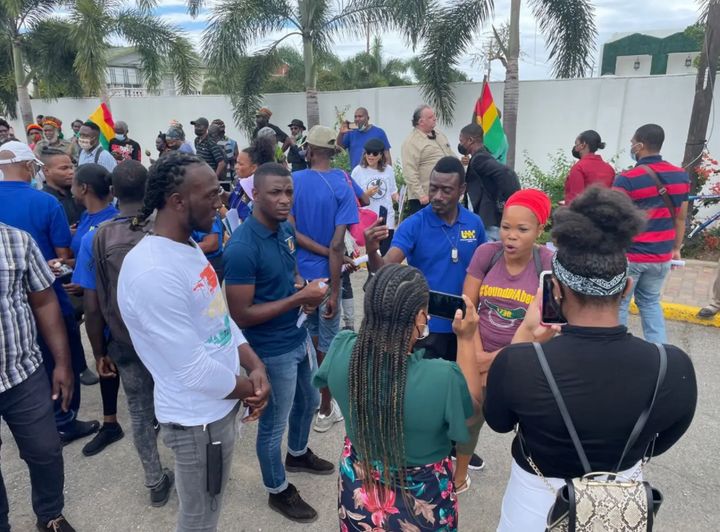
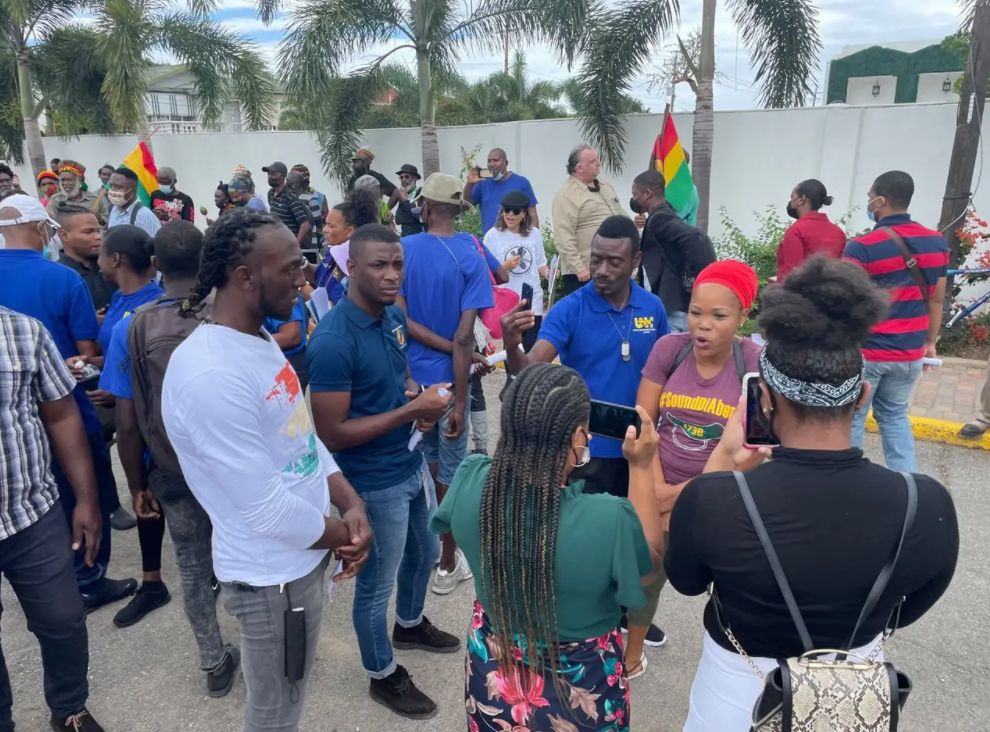
Prince William and his wife Kate Middleton have been accused of benefitting from the “blood, tears and sweat” of slaves as they arrived in Jamaica to be met by a protest calling for reparations from the British monarchy.

The Duke and Duchess of Cambridge will celebrate the culture and history of the island where there have been calls from politicians in recent years for Jamaica to drop the Queen as head of state and become a republic, and for a formal acknowledgement of slavery.

Anti-colonial sentiment has been growing across the Caribbean against the background of the Black Lives Matter movement, which has inspired many around the globe to campaign for equality.

Protesters gathered outside the British High Commission in Jamaican capital Kingston, with one placard held by a little girl reading: “Kings, Queens and Princesses and Princes belong in fairytales not in Jamaica!”

A royal source said the duke was aware of the protests and was expected to acknowledge the issue of slavery in a speech on Wednesday night during a dinner hosted by the Governor General of Jamaica.

Protesters gather in Kingston

Advocates Network/PA

Opal Adisa, a Jamaican human rights advocate who helped organise the demonstration, also called for an apology, saying: “Kate and William are beneficiaries, so they are, in fact, complicit because they are positioned to benefit specifically from our ancestors, and we’re not benefitting from our ancestors.

“The luxury and the lifestyle that they have had and that they continue to have, traipsing all over the world for free with no expense, that is a result of my great, great grandmother and grandfather, their blood and tears and sweat.”

The Advocates Network coalition of Jamaican politicians, business leaders, doctors and musicians wrote an open letter detailing 60 reasons why the monarchy should compensate Jamaica, to mark the country’s 60th anniversary of independence.

Adisa said an apology would be the “first step towards healing and reconciliation”.

She added: “You know, we don’t have anything personally against Kate and Prince William, and even the Queen, for that matter, but we’re simply saying you’ve done wrong, and it is way past time that you admit that you’ve done wrong and when you do, redressing it.”

In contrast to the angry scenes, the couple posted videos on social media of them diving in the waters off Belize among sharks following a private invitation by the country’s government to see conservation work to preserve the world’s second-largest barrier reef.

The footage was released a few hours before the couple arrived in Jamaica, where Mark Golding, the opposition leader, reportedly intends to tell the royals many Jamaicans want an apology from the monarchy for its role in transporting humans from Africa to the Caribbean.

As they stepped from the Voyager ministerial jet the couple received an official but warm welcome to Jamaica, but it was the blustery conditions that had the duchess clutching onto her flowing dress in case it was whipped up by gust.

While the duke took the salute from a guard of honour formed by Jamaica Defence Force troops, the duchess stood nearby under a marquee that shook in the wind as she held onto the hem of her yellow maxi-gown by Roxsana.

She laughed with a dignitary standing next to her as she battled the conditions ahead of their trip to Trench Town, the Kingston neighbourhood where reggae great Bob Marley grew up.

The royal couple were the subject of protests in Belize. the first stop of their Caribbean tour, with opposition to a royal tour of a chocolate farm forcing the event to be cancelled and hastily arranged at another site.

Golding has been invited to a royal event in his St Andrew South constituency and the Governor Generals’ dinner where William will give his speech.

He told The Gleaner, a national Jamaican newspaper: “I would hope that I get the opportunity during the events that I will be attending to have that dialogue with them and to bring it to their attention in a courteous and respectful way that this is the view held by many Jamaicans.”

The leader of the People’s National Party added: “And that I think it would be helpful both to the Royal family and Jamaica for them to consider this as a means of starting to move forward to a new future.”

The Prince of Wales addressed the “appalling atrocity of slavery”, describing it as something “which forever stains our history” last November when he attended the ceremony marking Barbados’ historic transition to a republic.

The British royal family were involved in the transportation and selling of people for profit for centuries with Elizabeth I becoming involved in the lucrative dealings of John Hawkins, one of Britain’s first slave traders in the 16th century.

When his first adventure proved successful and his ships returned laden with goods she supported his future expeditions by providing vessels to carry the human cargo.

The connections between the royal family and slavery continued with Charles II who encouraged the expansion of the slave trade.

He granted a charter to a group of men, the Royal Adventurers, who later became the Royal African Company and the monarch and the Duke of York invested their private funds in the venture.

Share Button

Ukrainian Media Sounds The Alarm On Missing Photojournalist Maks Levin

A Ukrainian war journalist who has worked for several local and international media outlets has been missing for over a week, according to his friends, colleagues and multiple Ukrainian publications.

Maks Levin is a photojournalist and documentary filmmaker who disappeared while working on the front lines near Kyiv, his friend and colleague Markiian Lyseiko said on Tuesday. On March 13, Levin apparently drove in his own car to photograph the fighting in the Vyshhorod district — an area facing intense Russian violence.

The journalist reportedly left his car near the village of Guta-Mezhigirska and went south toward the village of Moschchun. His last communication was apparently from that morning, after which his phone went offline. Levin “may have been injured or captured by Russian troops,” Lyseiko said.

“Me, I will stay on the front line as long as I am physically able,” Levin told VICE in an interview published on March 9. “These soldiers are my friends.”

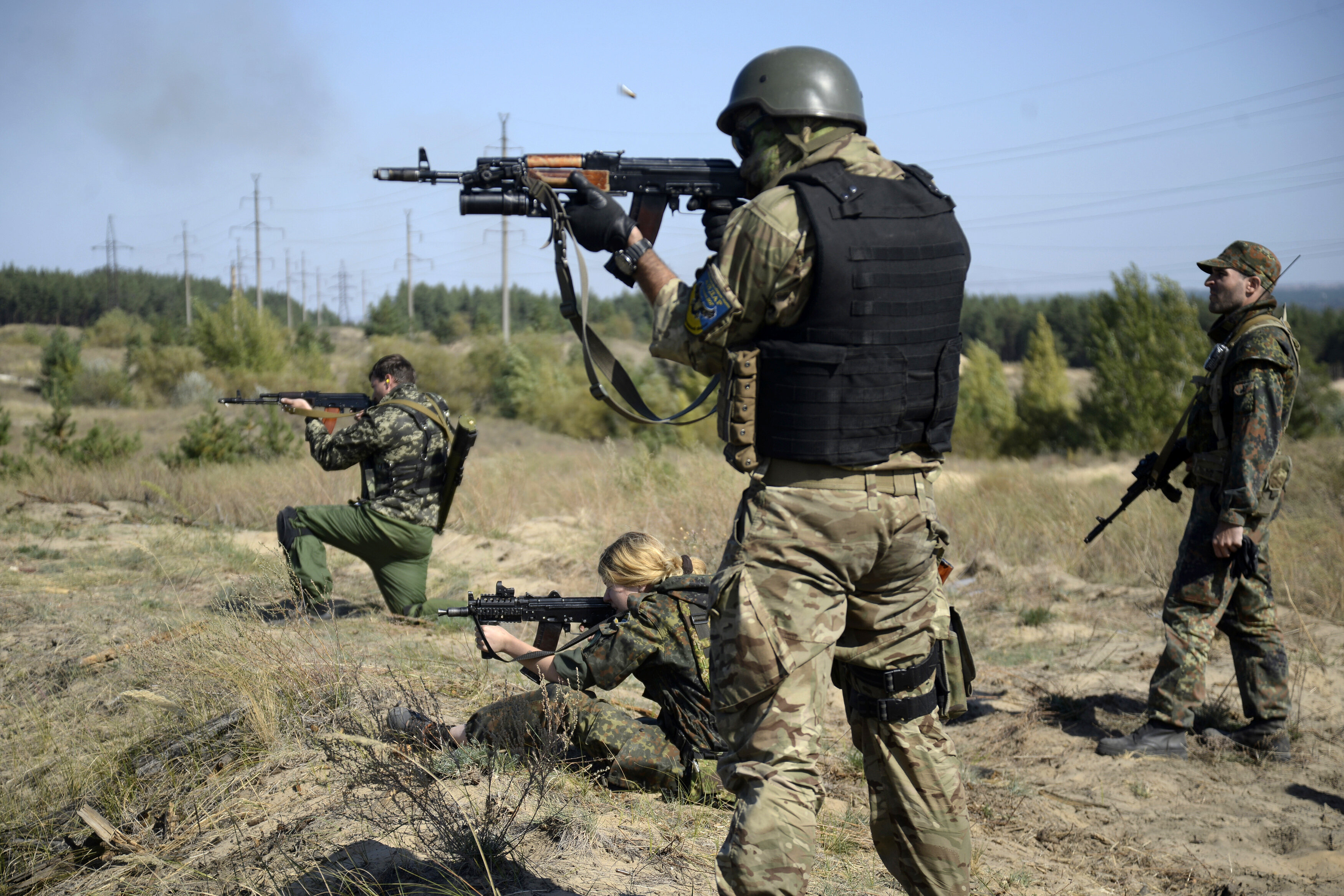
Ukrainian soldiers practice shooting during a military drill in the village of Schastya, near the eastern Ukrainian town of Luhansk, on Sept. 20, 2014. The journalist who took this photo, Maks Levin, has been missing since March 13, 2022, when he was covering the Russian invasion of Ukraine in an area near Kyiv.

Maks Levin via Reuters

Levin has been covering war in Ukraine since the 2014 revolution and the fight with Russian-backed separatists in the Donetsk region in the east. He and Lyseiko were on the front lines covering the Battle of Ilovaisk in August 2014, which became one of the largest military operations in Ukraine and a turning point in Russia’s war with the independent country.

During the battle, 400 Ukrainians who were promised a safe corridor out of the city were slaughtered. Despite being injured, Levin was one of four journalists who managed to escape. He and Lyseiko later created the documentary “After Ilovaisk.”

“The war has affected me personally: in October 2014, Viktor Gurnyak, my good friend, colleague, and volunteer of the Aidar Battalion was killed in a battle at the 31st checkpoint. There were guys in Ilovaisk that I became friends with, some of whom died or went missing,” Levin said of his experience on the front lines.

“We still keep connections with so many people who survived the battle. This story united us forever. And now it is my inner obligation to tell about Ilovaisk survivors.”

Levin was born in Kyiv and has worked with Ukrainian publications like LB.ua and Hromadske, as well as international outlets like Reuters, BBC and The Associated Press. His photos have been published in media ranging from TIME to Ukraine Crisis Media Center to The Moscow Times. He’s also shot projects for organizations like the United Nations, the World Health Organization and UNICEF.

“Max has four children, boys,” Levin’s friend and fellow Ukrainian journalist Tetiana Bezruk tweeted. “Max, we are praying for you and we hope you are alive and in touch.”

Lyseiko has asked the public to contact him with any information on Levin’s whereabouts.

“We are deeply concerned about the disappearance of Ukrainian journalist Maks Levin, and call on anyone with information on his whereabouts to come forward immediately,” said Gulnoza Said, an official with the Committee to Protect Journalists.

“Far too many journalists have gone missing while covering Russia’s invasion of Ukraine, and all parties to the conflict should ensure that the press can work safely and without fear of abduction.”

Levin is the latest journalist in Ukraine to either go missing or be killed. Yevhenii Sakun died March 1, Brent Renaud died March 13, and Pierre Zakrzewski and Oleksandra Kuvshynova both died March 14.

Oleg Baturyn and Victoria Roschina both disappeared on March 12. Russian occupiers released Baturyn on Sunday and Roschina on Monday. Roschina was forced to release a video saying Russian troops saved her life.

“The Russians were hunting us down. They had a list of names, including ours, and they were closing in,” wrote Mstyslav Chernov and Evgeniy Maloletka, who were the only remaining international journalists in the bombarded city of Mariupol. The two AP journalists escaped on March 15.

Share Button

Nazanin Zaghari-Ratcliffe Praised For ‘Speaking Her Mind’ After ‘Vile’ Twitter Attacks

Nazanin Zaghari-Ratcliffe has been praised for “speaking her mind” after some “vile” Twitter attacks were launched following her criticism of the government.

On Monday, the charity worker was outspoken about Conservative ministers for taking six years to secure her release from prison in Iran.

The mother-of-one said she was let down by successive foreign secretaries before she was finally freed last week.

Speaking at a press conference in the House of Commons, Zaghari-Ratcliffe said she disagreed with her husband, Richard, who had thanked the government for finally reaching a deal over a £400 million debt owed to Iran by the UK over an order for Chieftain tanks more than 40 years ago.

The British-Iranian said there had been five different foreign secretaries over the course of her six years in jail.

“That is unprecedented given the politics of the UK,” she said. “I love you Richard, respect whatever you believe, but I was told many, many times that ‘Oh we’re going to get you home’. That never happened.”

She said this resulted in her finding it difficult to place trust in them, adding: “How many foreign secretaries does it take for someone to come home? Five?

“What’s happened now should have happened six years ago.”

Following the press conference, the word “ungrateful” trended on Twitter – which appears to have largely been driven by anonymous accounts.

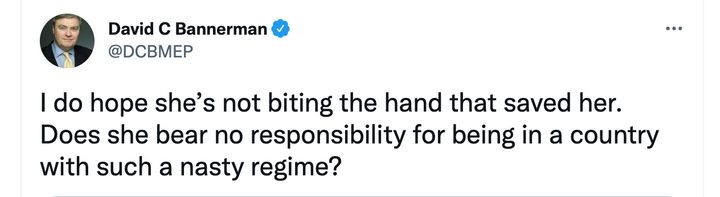
But David Bannerman, a former Conservative MEP for the East of England, and a one-time deputy leader of the UK Independence Party, was among the verified Twitter users to weigh in. He wrote: “I do hope she’s not biting the hand that saved her. Does she bear no responsibility for being in a country with such a nasty regime?”

.

He also retweeted an anonymous account which said: “The words you’re desperately searching for are ‘many thanks to the British government and taxpayers for paying the £400 million ransom…’”

Many negative tweets can be found in the replies to a post by Sky News which said: “Nazanin Zaghari-Ratcliffe has disagreed with her husband who thanked the foreign secretary for securing her release, saying that her release ‘should have happened six years ago’.’

But the attacks on Zaghari-Ratcliffe appeared to be far outstripped by those praising the 43-year-old.

Channel 4 News host Cathy Newman wrote: “Ridiculous (but sadly predictable) that people are cross with Nazanin for speaking her mind. She was plenty grateful for being released (and spent quite some time exhaustively thanking people) but justifiably angry that she lost six precious years in jail. Wouldn’t you be?”

Television presenter Gabby Logan said: “People (some men) really don’t like women speaking their truth. Tough.”

On April 3, 2016, the mother-of-one was detained by the Iranian Revolutionary Guard at Imam Khomeini airport after a holiday visit to Iran where she showed her daughter Gabriella to her parents.

Gabriella, now 7, was just 22 months old when her mother was arrested on trumped up charges of plotting against the regime – which she has always denied.

The charity worker was sentenced to five years in the notorious Evin Prison and was detained in Iran ever since.

While Nazanin’s release appears now to have hinged on the repayment of the historic debt, the government long dismissed this was the case – despite husband Richard Ratcliffe telling ministers otherwise.

“Nazanin’s interrogators told her five or six months into her arrest that they were astonished that this had lasted so long,” Ratcliffe insisted.

Despite current foreign secretary Liz Truss latterly acknowledging the link, foreign office minister James Cleverly told the commons only in March last year that historic debts between the two countries are “unrelated” to Nazanin’s detention.

Share Button

Everton-Newcastle: Why Protester Was Tied To Goalpost During Match

Everton’s crunch Premier League clash with Newcastle on Thursday was held up for six minutes when a protester tied himself to one of the goalposts.

The man, who was wearing a T-shirt supporting a group called Just Stop Oil, entered the Goodison Park pitch early in the second half and attached himself to a post by wrapping something around his neck.

The match had to be stopped while security attempted to remove him. The man was eventually cut free using a pair of bolt cutters and was led from the ground, to boos from the crowd, by police.

Just Stop Oil were quick to claim responsibility for the stunt, issuing a statement via Facebook which read: “This evening, Louis, a 21-year-old supporter of Just Stop Oil, locked on to the goalpost at Goodison Park wearing a Just Stop Oil T-shirt, causing the referee to briefly stop play.”

The environmental group’s statement went on to criticise the government’s policy on North Sea oil.

The environmental group’s statement went on to criticise the Government’s policy on North Sea oil.

The incident comes after an apparent attempt by the same group to disrupt Wednesday’s game between Arsenal and Liverpool but on that occasion a protester did not make it to the pitch.

Share Button

‘No War’: Protester Storms Russian State-Run TV During Main Evening Broadcast

The main evening news programme on Russia’s state-run television was interrupted by a protester holding a poster against the war in Ukraine.

“NO WAR,” the sign read in English. Then, in Russian below: “Stop the war. Don’t believe the propaganda. They are lying to you.”

The rare rare anti-war protest on Channel One – behind the show’s anchor – was brief as the feed abruptly changed cameras.

The OVD-Info website, which monitors political arrests, posted a video in which Ovsyannikova identified herself as an employee of Channel One and spoke against the war.

“What is going on now is a crime,” she said. “Russia is an aggressor country and Vladimir Putin is solely responsible for that aggression.”

“Unfortunately, I’ve spent many of the last few years working for Channel One, doing Kremlin propaganda, and I’m deeply ashamed of this,” she said, according to a translation. “Ashamed that I allowed lies to come from the TV screen. Ashamed that I allowed the zombification of the Russian people.”

“We Russians are thinking and intelligent people,” she added. “It’s in our power alone to stop all this madness. Go protest. Don’t be afraid of anything. They can’t lock us all away.”

Share Button

Ukraine Rejects Russia’s Proposed Humanitarian Corridors As ‘Completely Immoral’

Russia has announced new “humanitarian corridors” to provide safe passage for Ukrainian civilians fleeing the invasion instigated by Vladimir Putin.

But the limited ceasefire was dismissed by Ukraine and Western allies as an immoral stunt, as the escape routes would only take displaced people to Russia and its ally Belarus.

What are humanitarian corridors?

A humanitarian corridor is a temporary pause of armed conflict, agreed by both sides, to allow food and medical aid to be brought to a warzone, or for civilians to evacuate.

These demilitarised zones are in most cases negotiated by the United Nations, and are seen as vital to avoiding a humanitarian catastrophe, especially when international law is breached by the shelling of civilians.

Humanitarian corridors have been used since the mid-20th century. During the so-called Kindertransport from 1938 to 1939, Jewish children were evacuated to the UK from areas under Nazi control. They were also created during the siege of Sarajevo, Bosnia, in the 1990s and the 2018 evacuation of Ghouta, Syria.

Access is typically limited to neutral parties, such as the UN or aid organisations including the Red Cross.

What has been proposed?

The Russian invasion has pushed 1.5 million people to flee the country, creating what the head of the UN refugee agency called “the fastest-growing refugee crisis in Europe since World War II”.

Two planned evacuation operations from Mariupol and the nearby city of Volnovakha have failed over the last two days as the sides accused each other of failing to stop shooting and shelling.

In Mariupol alone, Ukrainian authorities have said they planned to evacuate over 200,000 civilians, or half of the city’s population.

Ahead of a third round of talks between Russia and Ukraine planned for Monday, Moscow said it would open six humanitarian corridors – passages would open for civilians from the capital of Kyiv, the southern port city of Mariupol, and the cities of Kharkiv and Sumy.

But Ukraine rejected the plan given the proposed routes led into Russian or Belarusian territory. These are unlikely destinations for many Ukrainians who would prefer to head towards countries on the western and southern borders. Belarus is a key ally of Putin and served as a launching ground for the invasion.

Where Ukrainians are seeking safety.

PA Graphics via PA Graphics/Press Association Images

According to maps published by the RIA news agency, the corridor from Kyiv will lead to Belarus, and civilians from Kharkiv will only have a corridor leading to Russia. Corridors from Mariupol and Sumy will lead both to other Ukrainian cities and to Russia.

What has Russia said?

The Russian taskforce said the new pledge for humanitarian corridors was announced at the request of French president Emmanuel Macron, who spoke to Putin on Sunday. Macron’s office said he asked for a broader end to military operations in Ukraine and protections for civilians.

“Attempts by the Ukrainian side to deceive Russia and the whole civilised world…are useless this time,” the Russian defence ministry said after announcing the corridors.

What has Ukraine said?

Ukrainian deputy prime minister Irina Vereshchuk called the proposed evacuation routes to Russia and Belarus “unacceptable”. “Our people won’t go to Belarus and to Russia,” she told a news briefing, claiming that Russia was seeking to manipulate Macron’s sincere desire to help.

Macron criticised the proposal as a case of “cynicism”. “I don’t know many Ukrainians who want to seek refuge in Russia. That’s hypocrisy,” he said.

A spokesperson for Ukrainian president Volodymyr Zelenskyy said the Russian proposal was “completely immoral”. “They are citizens of Ukraine, they should have the right to evacuate to the territory of Ukraine,” the spokesperson said.

The Ukrainian government is proposing eight humanitarian corridors, including from Mariupol, that would allow civilians to travel to the western regions of Ukraine where there is no Russian shelling.

The Russian proposal was reminiscent of similar ones in Syria. In 2016, a joint Russian and Syrian proposal to set up humanitarian corridors out of besieged opposition-held eastern Aleppo was criticised on humanitarian grounds.

Human rights activists said the tactic, coupled by brutal sieges, effectively gave residents a choice between fleeing into the arms of their attackers or dying under bombardment.

Share Button

Whitechapel Fire: Woman Rescued After Blaze At 22-Storey Building In East London

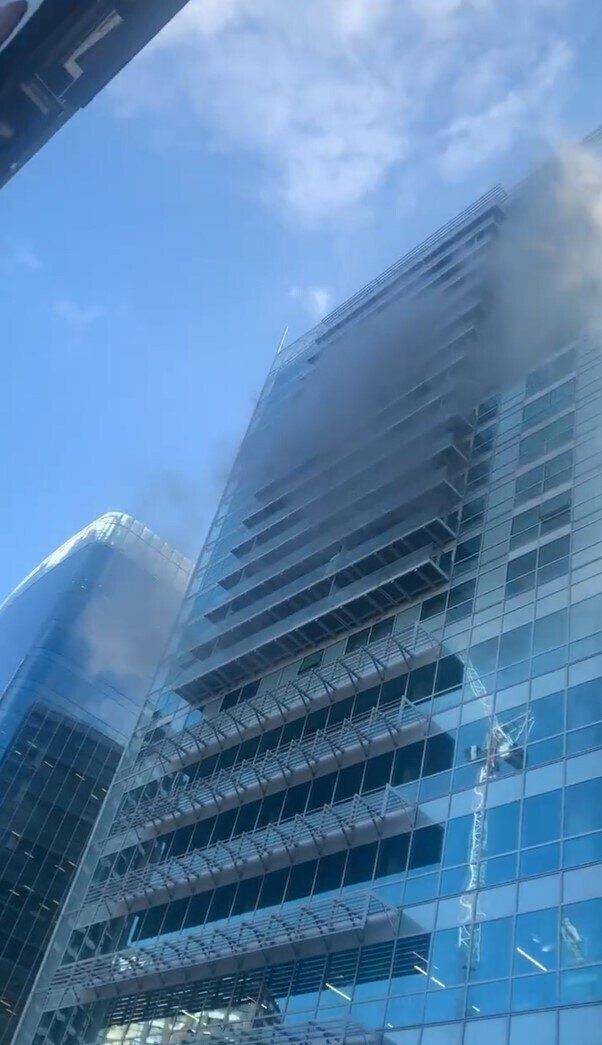
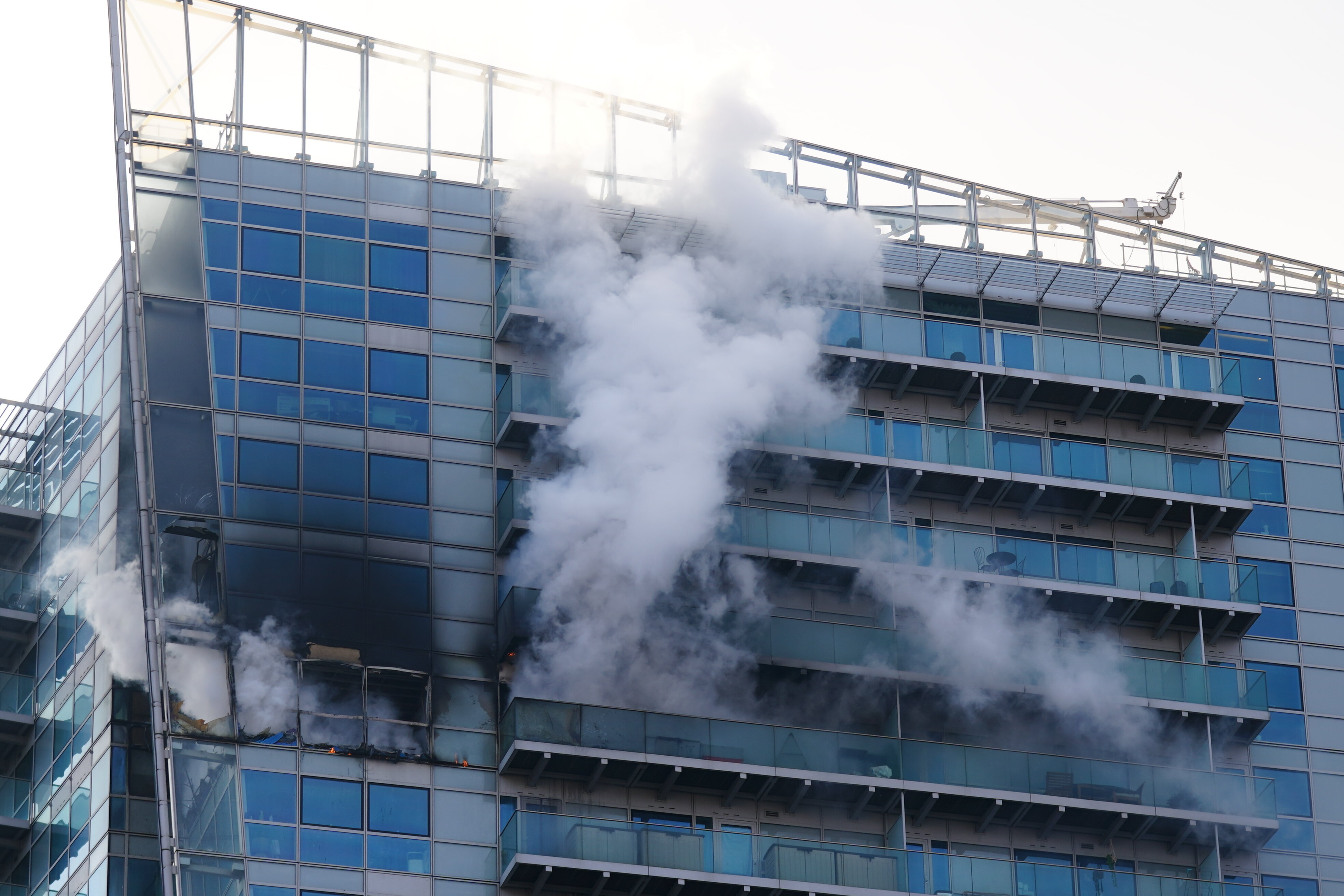
A fire broke out at 22-storey building in east London – with footage from the scene showing bright orange flames burning through a floor of the building as debris falls off the side.

London Fire Brigade said they were called to the Relay Building in Whitechapel High Street shortly before 4pm on Monday after a fire started in a 17th-floor flat.

At least 20 fire engines and 125 firefighters tackled the blaze, which could be seen for miles as social media captured glass panels falling to the ground.

The brigade said a woman was trapped by the blaze and firefighters rescued her by using a fire escape hood.

It also took one patient to hospital and crews checked a small number of people at the scene.

Screengrab taken from footage posted on Twitter by Alexander Best of a fire which has broken out in a block of flats in east London.

Alexander Best via PA Media

Speaking to residents who had gathered at The Corner cafe on Whitechapel Road following the fire, Richard Tapp, borough commander at Tower Hamlets said the building was “structurally sound”.

He told the residents that the fire was “all but extinguished” but debris like glass was still unstable.

London Ambulance Service spokesperson said: “We were called at 4:07pm today to reports of a fire at a high-rise building on Whitechapel High Street.

“We sent an ambulance crew, an incident response officer, a team leader in a fast response car and members of our hazardous area response team.”

London mayor Sadiq Khan said he was in “close contact” with London Fire Brigade’s Commissioner Andy Roe.

David Zambrana via PA Media

Lynn Ling, a London School of Economics student from China – who lives on the 20th floor with her husband Yuri, said the whole incident has been “very scary”.

Ling, who was wearing a silver security blanket because she forgot her coat in the scramble to evacuate, told the PA news agency that she was alerted to the fire by a friend who FaceTimed her from the street at about 4:30pm.

She said: “I did not hear an alarm.

“I think there was a fire alarm on the ground floor but I could not hear it clearly on the 20th.

“I went out of my door but I found there was smoke in the corridor so I went downstairs.

“I forgot to take my coat.

“It was very scary.”

She added that a fireman in the 19th floor was knocking on people’s doors to tell them to leave.

“He said: ‘Don’t be scared’.

“They were trying to protect us.” she added.

Share Button

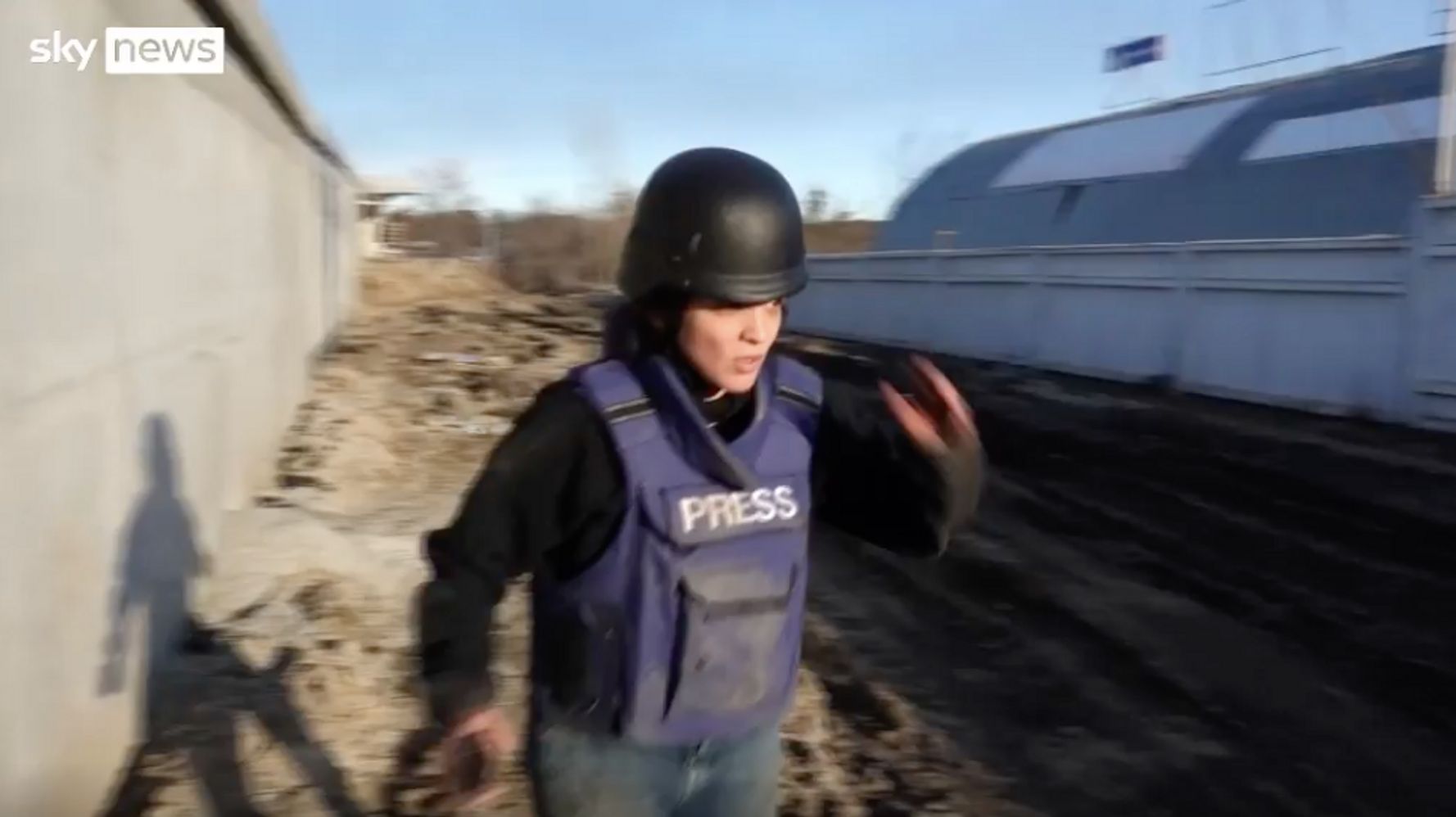
Sky News Journalists Share Video Of Violent Ambush In Ukraine

Harrowing footage shows the moment Sky News journalists came under fire from Russian forces in Ukraine earlier this week.

Veteran Sky News foreign correspondent Stuart Ramsay and his team of four others were attacked Monday while driving in a vehicle near the capital of Kyiv. Video shows the moment the team’s car was fired upon.

The attackers were Russian saboteurs targeting fleeing civilians, Ramsay reported.

“It’s a professional ambush,” Ramsay says in narration over the video. “The bullets just don’t miss.”

As the car takes fire, the journalists make a run for it down an embankment.

Camera operator Richie Mockler, who continued to film even as bullets pierced the vehicle he was in, took two rounds to his body armor. All five journalists were able to make their escape and are back in the U.K.

“We were lucky,” Ramsay says in the video. “Thousands of Ukrainians are not. And every day, this war gets worse here.”

Share Button