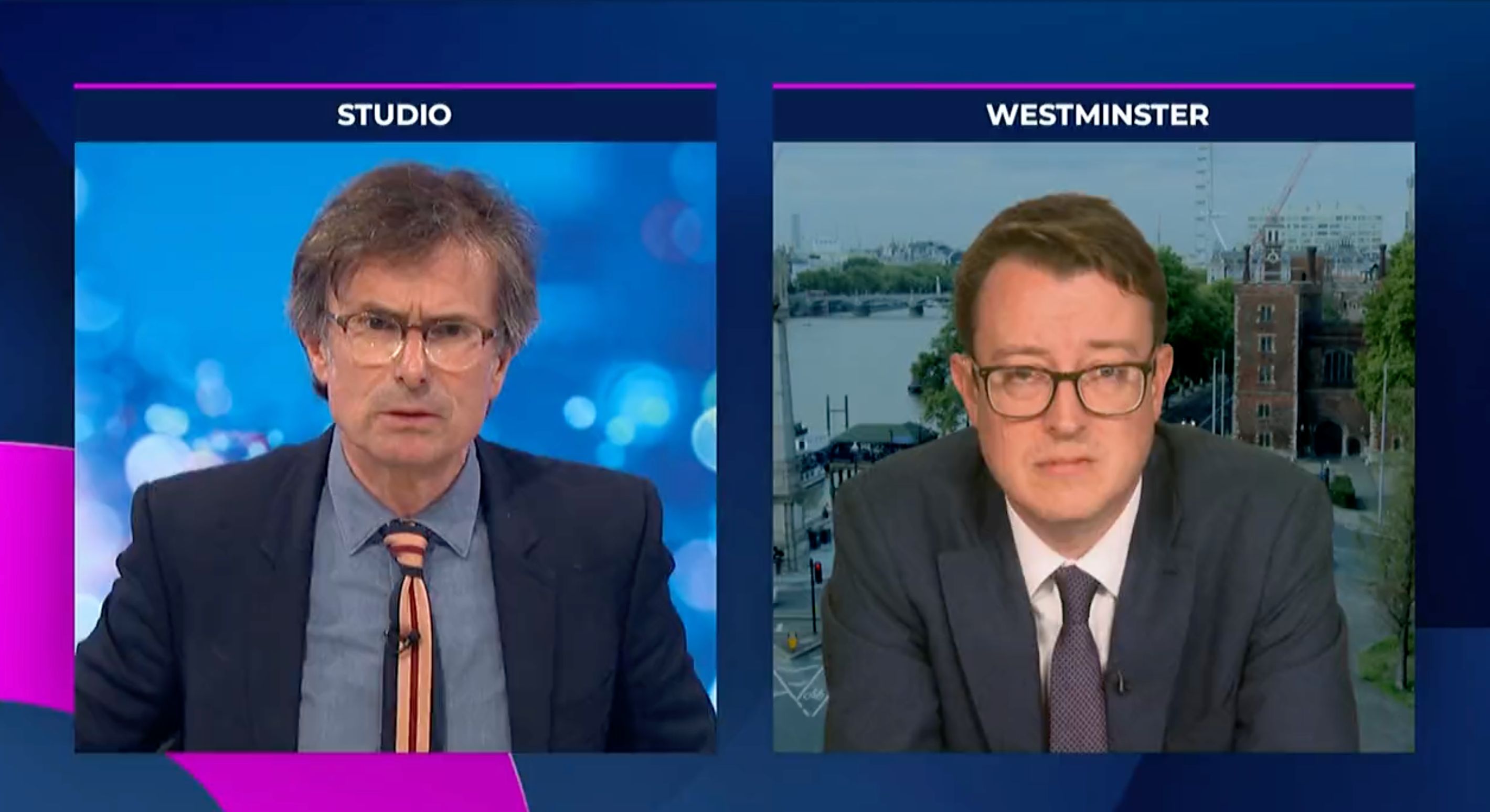
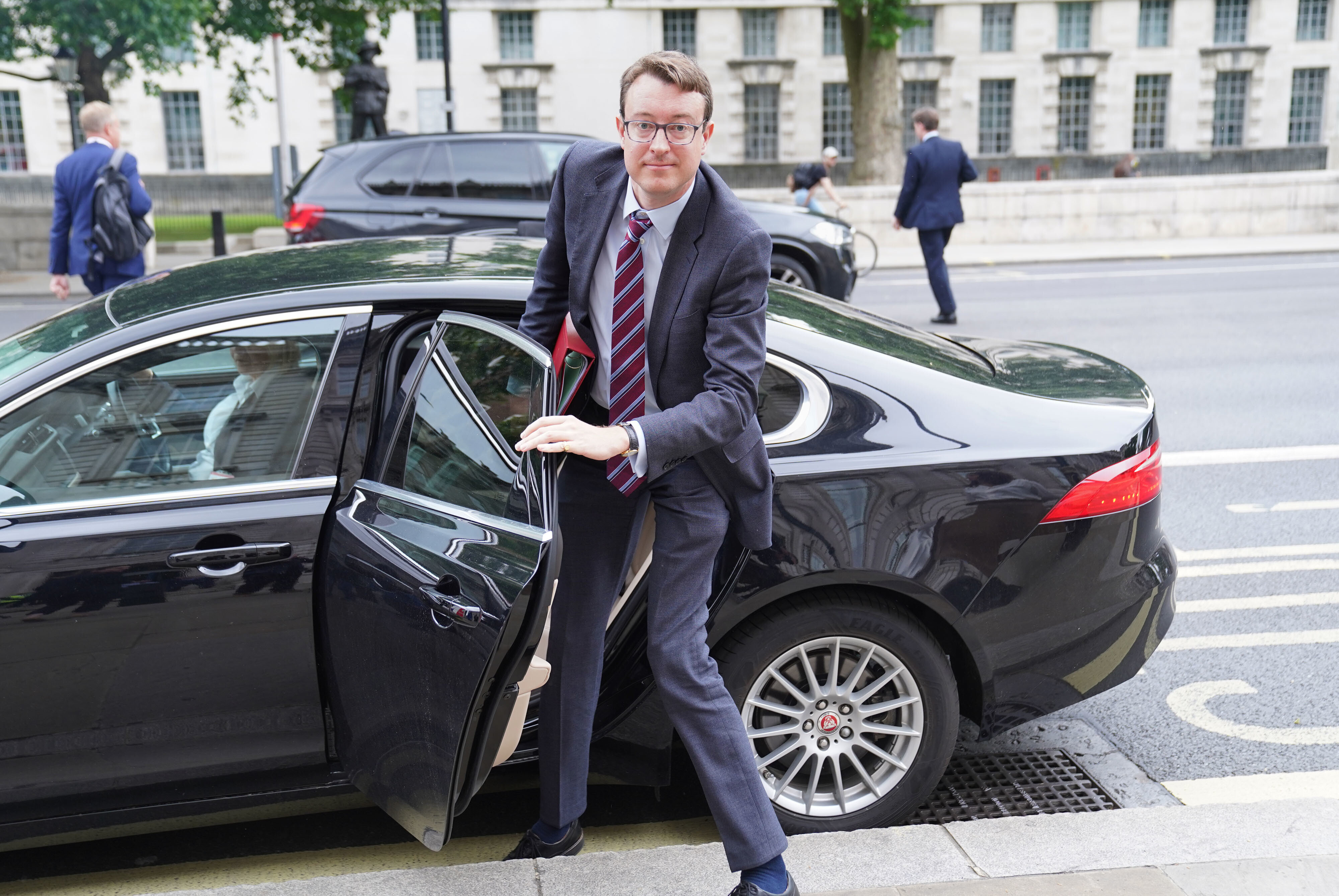
A cabinet minister and close Liz Truss ally has argued that the Conservatives have not had a “clear run” in power over the last decade.
Appearing on ITV’s Peston programme, levelling up secretary Simon Clarke, a former top Treasury minister, said that no Conservative government “has had a clear run at events over the entire course of the last decade, it has been one crisis after another”.
Advertisement
Critics pointed to the fall-out from the Brexit referendum – which saw off two Tory prime ministers – as at least one self-inflicted crisis, and how tackling big events is the nature of governance.
Other disruption since the Tories came to power in 2010 includes the Cameron-Osborne austerity programme, the Covid-19 pandemic and Russia’s invasion of Ukraine.
His comment appeared to be a justification for moving to an “unashamedly pro-growth policy” under the Truss premiership.
Advertisement
Clarke added: “What Liz is saying is that we need to accept that we may not get back to normal, that if you like, that the world is in an extraordinary state of affairs at the moment and that being so, that we just need to press on and govern, frankly, as we want to be remembered – as a government that makes things better for people.
“And clearly as secretary of state for levelling up, my focus is on life chances, and on spreading opportunity. I’m delighted that we’re moving to an unashamedly pro-growth policy.”
Clarke also admitted the government’s economic policy is not “risk-free” as he said that the Tories wanted to go back to the growth rates seen before the financial crash in 2008, when Labour was in power.
At the the mini-budget on Friday, chancellor Kwasi Kwarteng is expected to put into practice many of the tax-cutting promises made by Truss during the Tory leadership campaign.
As well as reversing the hike in national insurance contributions and scrapping a planned increase in corporation tax, which Truss has promised, it has been reported he will cut stamp duty in a further attempt to drive growth.
Advertisement
Levelling up secretary Simon Clarke: “No Conservative government has had a clear run at events over the entire course of the last decade, it has been one crisis after another.”
It’s fascinating how the default setting of UK politics (including from Simon Clarke, a Leaver!) is to talk about 2016 as a point of crisis. https://t.co/3ve7yQAm80
Complete opposite was true before Covid (in 2020). They wanted Brexit debate and, meanwhile, we had access to some of the cheapest credit in history…and we built virtually nothing.
The 2010s will be remembered for appallingly poor governance – likely without precedent. https://t.co/0aEBBrwRNi
On plans to lift the cap on bankers’ bonuses while millions feel the squeeze of the cost-of-living crisis, Clarke also said this would help level up “because there would be more revenue for the exchequer”.
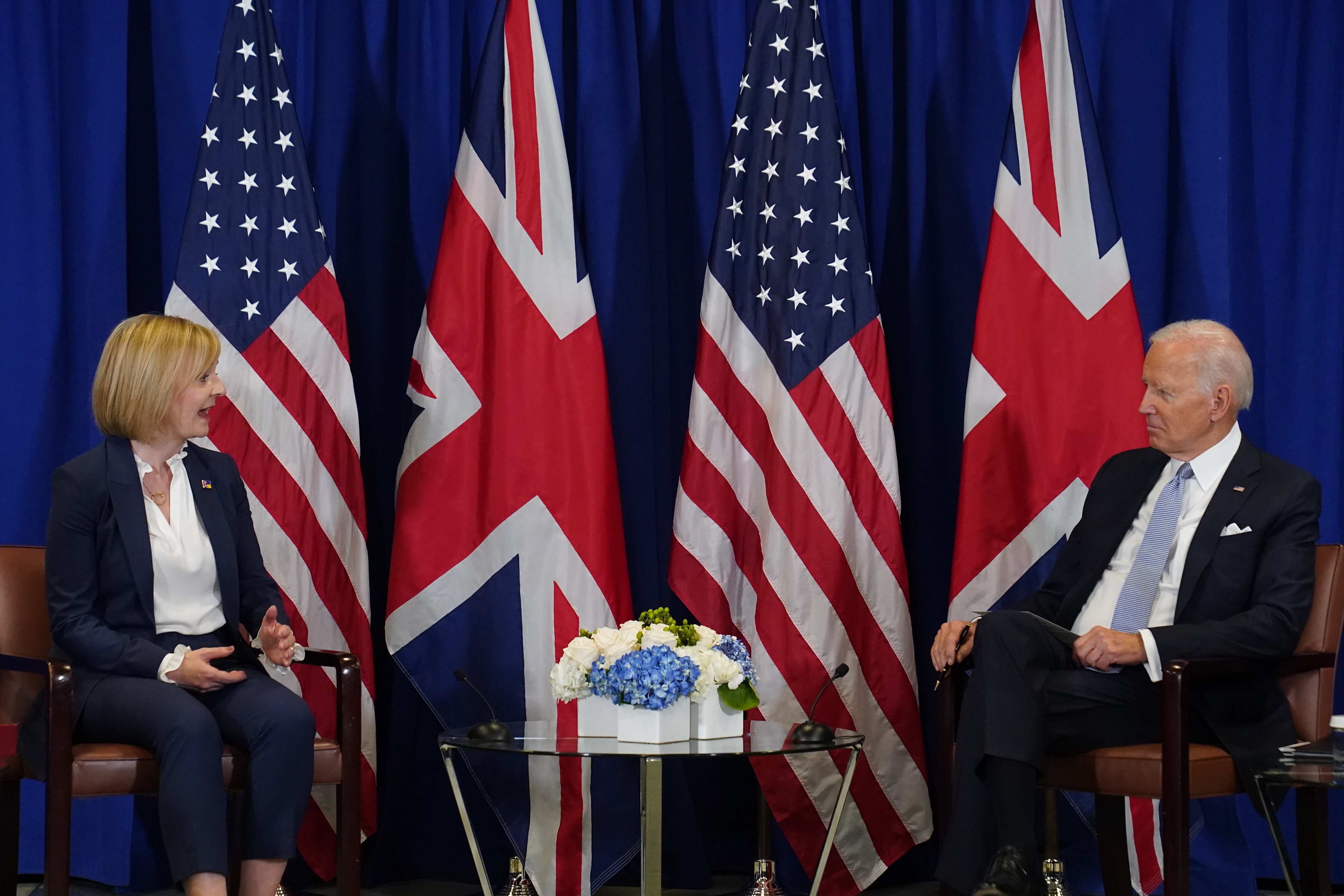
US president Joe Biden has told Liz Truss the UK is “our closest ally in the world”, despite sharp disagreements between the leaders of the two countries.
Ahead of a one-to-one meeting at the United Nations General Assembly in New York, Biden and the new UK prime ministers spoke to reporters before sitting down to talks centring on the Russian invasion of Ukraine and the energy crisis it has provoked.
Advertisement
Though Biden’s words were reassuring, the president told Truss he is “looking forward to hearing what’s on your mind” about the row over the Northern Ireland Protocol, which prevents a hard border on the island of Ireland, underlining tensions over post-Brexit arrangements.
The prime minister sought to reassure the US president by telling him how she would be explaining how the Good Friday Agreement that brought peace to the island would be upheld.
Biden and Truss were meeting after the president sent a tweet just as the PM was discussing her economic policy, which said he was “sick and tired of trickle-down economics”.
“It has never worked,” he said.
The comments underlined the differences between the two leaders’ stances after Truss made clear her economic agenda had the trickle-down theory – tax cuts for the wealthy and corporations will benefit everyone – at its heart.
Advertisement
The prime minister’s official spokesman said it was “ludicrous” to suggest Biden was criticising UK policy, arguing each country is facing different economic challenges.
The prime minister is pushing ahead with the controversial Northern Ireland Protocol Bill which the EU and other critics say will breach international law by suspending elements of the agreement.
There have also been suggestions she could unilaterally trigger Article 16 of the protocol, to override parts of the agreement brokered as part of the Brexit divorce deal.
In opening marks at the top of their meeting, the US president told Truss: “We are both committed to protecting the Good Friday Agreement of Northern Ireland.
“And I’m looking forward to hearing what’s on your mind.”
He congratulated her on becoming prime minister, adding: “I look forward to working closely with you. You’re our closest ally in the world and there’s a lot we can continue to do together.”
Advertisement
Truss told the president the UK and the US are “steadfast allies” as she thanked him for his support following the death of the Queen.
“Of course I’m looking forward to discussing the Belfast Good Friday Agreement and how we make sure that’s upheld into the future,” she added.
Biden said their “full agenda” for the meeting includes Ukraine’s defence against Vladimir Putin’s invasion, China and preventing Iran from obtaining nuclear weapons.
“We also want to talk about energy, which understandably is of significant consequence to all of Europe and the United Kingdom in particular,” he added.
US national security adviser Jake Sullivan made it clear Biden would discuss the protocol “in some detail” with Truss.
Advertisement
Sullivan told reporters the president “will encourage the UK and the European Union to work out an effective outcome that ensures there is no threat to the fundamental principles of the Good Friday Agreement”.
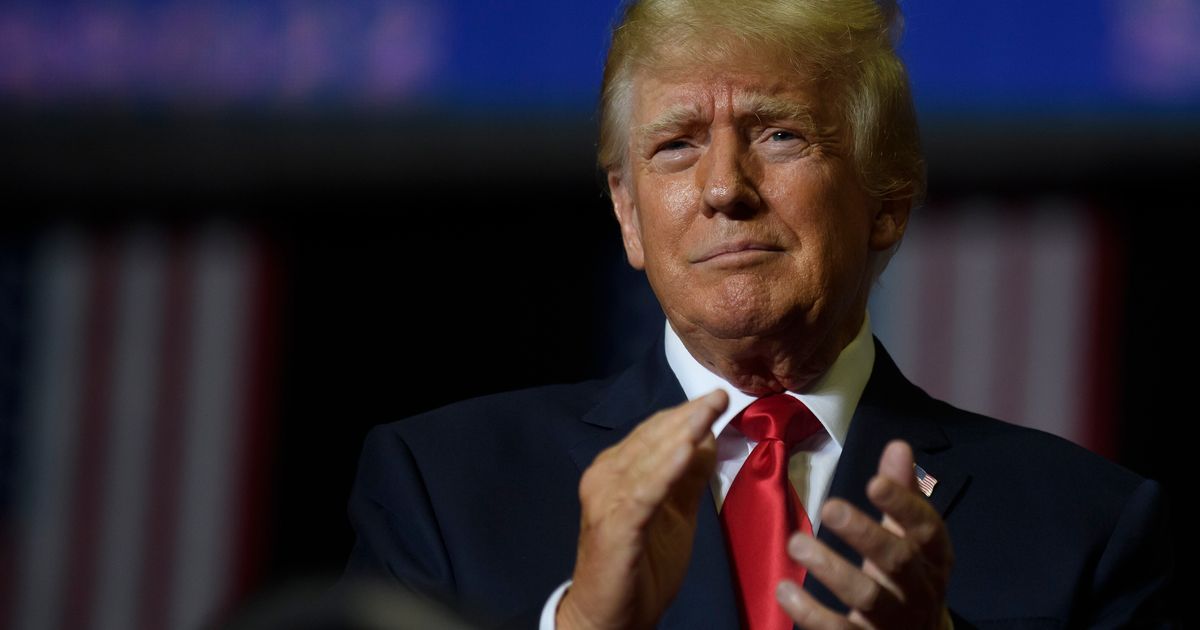
New York attorney general Letitia James announced Wednesday that she has filed a civil lawsuit against former president Donald Trump and his three eldest children over his long-running alleged tax-dodging scheme.
James hopes to convince a court to take steps to bar Trump, Donald Trump Jr, Ivanka Trump and Eric Trump from conducting business in the state of New York, along with making them pay a financial penalty and limiting access to loans.
Advertisement
“Donald Trump falsely inflated his net worth by billions of dollars to unjustly enrich himself and to cheat the system, thereby cheating all of us,” James said at a press conference outlining Trump’s alleged misconduct.
Prosecutors in New York have been looking into Trump’s real estate business practices for several years following reports that he routinely undervalued and overvalued assets to avoid paying his fair share of taxes. James said that “a comprehensive three-year investigation” involved millions of documents and interviews with 65 witnesses.
Her office is also making criminal referrals to federal prosecutors and the IRS, believing the Trumps to have violated federal law.
By shifting the valuation of his assets, Trump was allegedly able to convince banks to lend money to the Trump Organization on more favourable terms, to secure more favorable insurance arrangements and to pay lower taxes.
Advertisement
“White collar financial crime is not a victimless crime. When the well-connected break the law to take in more money than they are entitled to, it reduces resources to working people, to regular people, to small businesses and to all taxpayers,” she said.
James gave several examples: One asset in New York had been listed as being worth over 60 times what an appraiser had valued it. Mar-a-Lago, Trump’s South Florida golf resort, was estimated to be worth $75 million, but James said it had been “valued as high as $739 million” on documents her office reviewed.
“All told, we uncovered more than 200 examples of false and misleading asset valuations that were used on his statements,” James said, calling the pattern an “astounding” one.
She added: “It was a scheme that by its very nature became more profitable over time.”
The hefty lawsuit is around 280 pages long and contains details on 23 assets that were misvalued at various times.
Trump and his eldest children had all been deposed as part of James’ investigation, although Trump invoked his Fifth Amendment right to avoid self-incrimination more than 400 times.
So, as the country comes out of this period of national mourning, here’s a list of essential news stories you might have missed altogether over the last 11 days.
1. Community tensions soar in Leicester
Leicester is famous for its multicultural population, but a spate of clashes in recent weeks has shaken the city to its core.
Violence first broke out after the India vs Pakistan cricket match a month ago, on Sunday, August 28, and more scuffles followed in the next few weeks.
Advertisement
But, locals claim that the tensions began rising long before the match, with members of both the local Hindu and Muslim communities allegedly squaring up against one another, although the exact cause is still unclear.
The tensions seemed to come to a head on the night of September 17, when around 200 people – mainly masked or hooded men – gathered for an unauthorised protests in the east of the city.
All local officers available were called to the scene, and a stand-off followed, with police having to separate rival groups as they threw bottles at one another.
Police officers were even diverted from the Queen’s funeral in London to provide back up to the force in Leicestershire. They made 47 arrests in total and 16 officers were injured in the violence on Saturday night alone.
Claudia Webb, independent MP for Leicester East, said tensions had been simmering for “months”, and has previously claimed that some social media accounts were “preying on this unease” by “spreading misinformation”.
Advertisement
In a Twitter post, she wrote: “There are reports of incitement to hate being targeted at those of Muslim and Hindu faith, which is being shared on social media to cause fear.
“Places like Facebook and via WhatsApp designed to ‘entrap’ members of the local community to attend a protest, sparked by hate.”
She claimed such posts were “designed to provoke additional clashes and to cause disharmony and distrust”.
This weekend we have seen unacceptable hate-driven violence.
Ours is a community of deep faith. Our unique cultural diversity is our strength.
Right-wing fascism and toxic extremism have no place in a civil society. Our communities in Leicester stand united against it.
Mayor of Leicester Sir Peter Soulsby has said these recent events have left him “baffled”, while Labour MP for Leicester South, Jonathan Ashworth, said the troubles were a “dark episode” where he and residents “rightly pride ourselves on celebrating our diversity”.
Advertisement
Extremists, territorial rivalries and the influence of people from outside the city have all been blamed for supposedly inciting violence.
Webb also warned on Tuesday that the violence could spread beyond Leicester without central government intervention.
The Hindu and Muslim communities in Leicester released a joint statement two days after the violence at the weekend, saying: “We are from one family. We settled here in this city together, we fought the racists together, we build it up together. The recent violence is not who we are as a city.”
The Indian government has also released a statement, strongly condemning the violence.
“We have strongly taken up this matter with the UK authorities and have sought immediate action against those involved in these attacks.”
Advertisement
2. Mahsa Amini’s death
Protests have broken out across Iran’s capital Tehran, following the death of Mahsa Amini, a 22-year-old woman, last Friday.
She had been in a coma for three days after “morality” police held her for supposedly breaking hijab rules. She was detained outside a Tehran metro station, as part of the police’s clampdown on clothing.
Witnesses said officers beat her inside a police van which later took her to a detention centre, although police brigadier-general Hossein Rahimi dismissed such claims as “cowardly accusations”.
Police also claimed that Amini had suffered from “sudden heart failure” while at the detention centre where she was to be “educated” with other women.
Mahsa Amini, 22 yr old Iranian woman has passed away after being severely beaten by Iran’s “morality” police for improper veiling. Meanwhile, Iran w/its notorious brand of gender apartheid was elected in 2021 by the UN to its Commission on Women’s Rights.#MahsaAmini#مهساامینیpic.twitter.com/nVqZC7xngW
The authorities later released footage showing a woman they claim is Amini talking to a female official, who had tried to reach for her clothing. Amini then holds her head with her hands and falls to the floor.
The police, who described her death as “unfortunate”, said that Amini had “previous physical problems”, but her father denied such a claim, and claimed the CCTV footage is edited.
In protest to Amini’s death and the strict regime of Iran, women have since been seen removing their headscarves and cutting their hair while shouting “death to the dictator”, in what is believed to be a reference to the country’s supreme leader, Ayatollah Ali Khamenei.
Demonstrations in Tehran and western Iran over the weekend reportedly led to the death of two people during a clash with riot police.
Protests in Saqez, a western part of Iran, led security forces to allegedly open fire on a crowd as they tried to move towards the local governor’s office.
Advertisement
Further demonstrators took place in Kurdistan’s capita, Sanandaj. Amini was an ethnic Kurd from Saqez.
Waving headscarves in #Iran’s protests is a brave act of defiance by women who are fed up of 44 yrs of suppression & abuse. Today, they are leading the protests. I’ve heard many mothers joined their daughters today to shout their anger and to say: enough is enough… #Mahsa_Aminipic.twitter.com/EddK4gnU0F
A devastating storm, Hurricane Fiona, has swept across parts of the Caribbean in recent weeks – and it doesn’t look like it’s going to slow down any time soon.
Residents on the Turks and Caicos Islands were urged to seek shelter on Tuesday, after Fiona had already wrecked havoc in Puerto Rico and the Dominican Republic. The hurricane is expected to reach the southern Bahamas too, and the eastern Bahamas by Wednesday.
In Puerto Rico, the storm killed at least three people and caused significant flooding with more than 75cm of rain falling.
Advertisement
It also caused a total blackout which isn’t expected to be fixed any time soon, especially as the territory is still struggling with its power grid after the brutal category 5 storm, Hurricane Maria, which knocked out 80% of power lines in 2017.
The weather in the US territory was still chaotic on Monday, with frequent lightning and rain. Torrential rain and wind then hit the Dominican Republic too, and it now seems to be building up in power.
The category 2 storm is expected to become a category 3 with winds beyond 111mph, which will make it the first “major hurricane” of the 2022 season, according to the National Hurricane Centre. By the time it reaches the eastern Bahamas, it could be category 4.
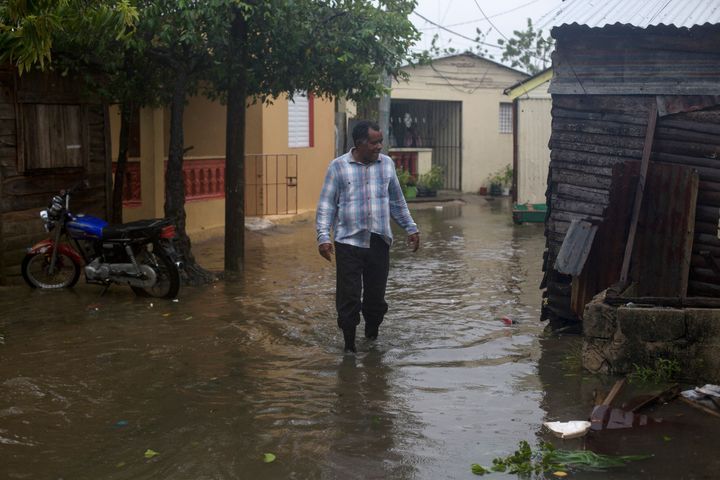
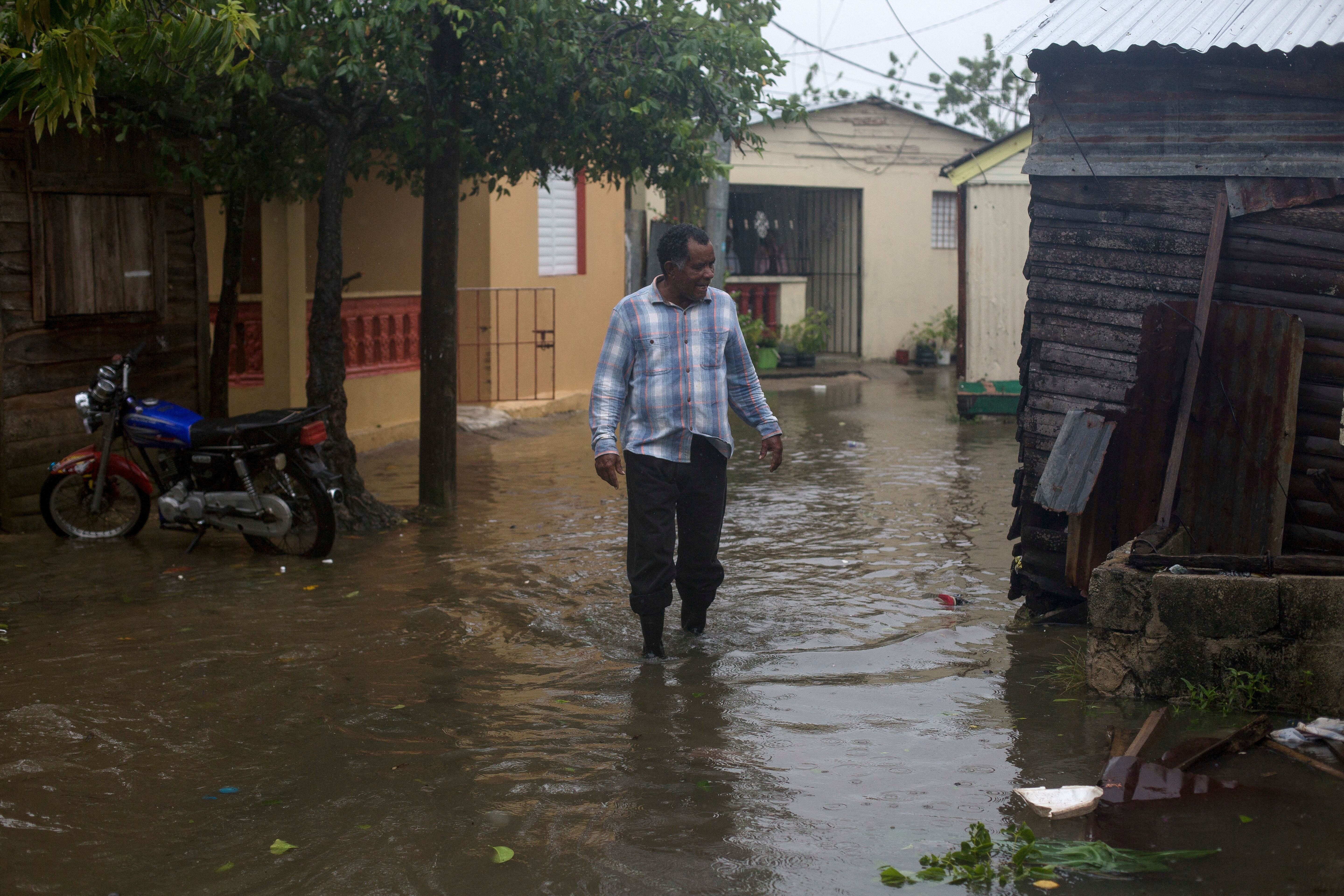
A man wades through a flooded street in Nagua, Dominican Republic, on September 19
ERIKA SANTELICES via Getty Images
4. Typhoon Nanmadol
At least two people were killed as record winds and rain hit the west of Japan on Monday.
Prime minister Fumio Kishida even delayed his flight to New York for the UN General Assembly so that he could look at the damage of the 14th typhoon Japan has faced this season.
Advertisement
There was major landfall near Kagoshima city on Sunday, before it hit the islands of Kyusha and Honshu, while rivers overflowed and roofs were ripped off by the strong wind.
“We need to remain highly vigilant for heavy rains, gales, high waves and storm surges,” a Japanese Meteorological Agency official said, according to Reuters news agency. At least 115 people have been reported injured and around 340,000 households lost power.
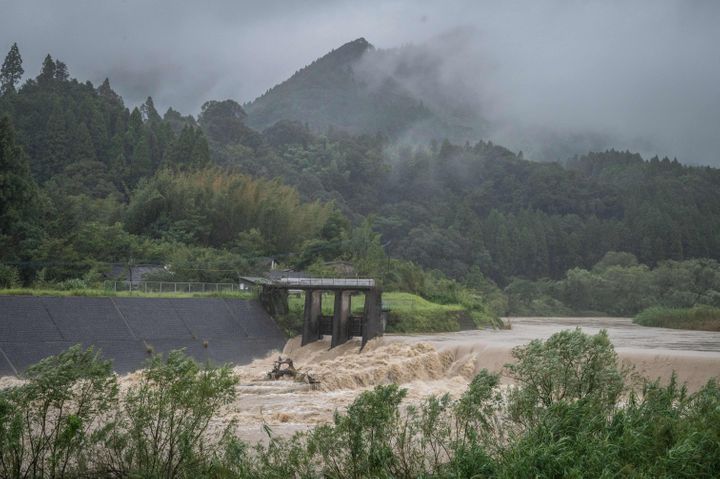
Water flowing along the Sendai River in the wake of Typhoon Nanmadol in Ebino, September 19
YUICHI YAMAZAKI via Getty Images
5. Putin moves submarines away from Crimea – but nuclear fears continue
Russian president Vladimir Putin has allegedly moved the country’s submarines away from the annexed peninsula Crimea.
As Crimea was seized by Russia in 2014 (and seen by some as the start of Russia’s war against Ukraine), it was thought to be secured under Moscow’s rule.
Advertisement
But, as the UK’s defence ministry tweeted on Tuesday, Russia’s Black Sea Fleet “has almost certainly relocated” its submarines from Crimea to southern Russia.
The officials explained: “This is highly likely due to the recent change in the local security threat level in the face of increased Ukrainian long-range strike capability. In the last two months, the fleet headquarters and its main naval aviation airfield have been attacked.
“Guaranteeing the Black Sea Fleet’s Crimea basing was likely one of Russian president Vladimir Putin’s motivations for annexing the peninsula in 2014. Base security has now been directly undermined by Russia’s continued aggression against Ukraine.”
“The occupiers are clearly in a panic,” Ukrainian president Volodymyr Zelenskyy claimed on Monday.
Russia has also sparked fears of a nuclear war once again, after a missile exploded less than 900 feet from reactors of the South Ukraine Nuclear Power Plant, the second largest nuclear plant in the country.
Advertisement
This is separate to the worries around the Zaporizhzhia power plant, which sits on the frontline of the fight between Ukraine and Russia.
The South Ukraine plant is far from the frontline, but the attack demonstrates the extent of Russia’s reach (if it did indeed come from Moscow).
Still, there was no damage to safety equipment, and the exact source of the explosion could not be independently confirmed.
Last night russian terrorists attempted to strike the South Ukraine Nuclear Power Plant in the Mykolaiv region. A missile fell 300 meters from the plant. kremlin’s nuclear terrorism continues. russia is the threat to the whole world. pic.twitter.com/aWhz8yNXWp
On the anniversary of two other significant earthquakes, dating back to 1985 and 2017, Mexico was hit by yet another earthquake which killed at least two people.
Advertisement
The National Autonomous University of Mexico said there is no scientific explanation for why all three quakes would happen on the same day.
A 7.6 magnitude hit western Mexico on Monday, knocking out power and leaving people in Mexico City desperately seeking safety.
Hospitals were damaged, and other buildings collapsed onto the people within.
The US Pacific Tsunami Warning Centre also issued a warning for coastal areas, saying waves reaching up to three metres above the tide level were possible.
The September 19, 1985 earthquake killed thousands, and more than 350 died in September 19, 2017.
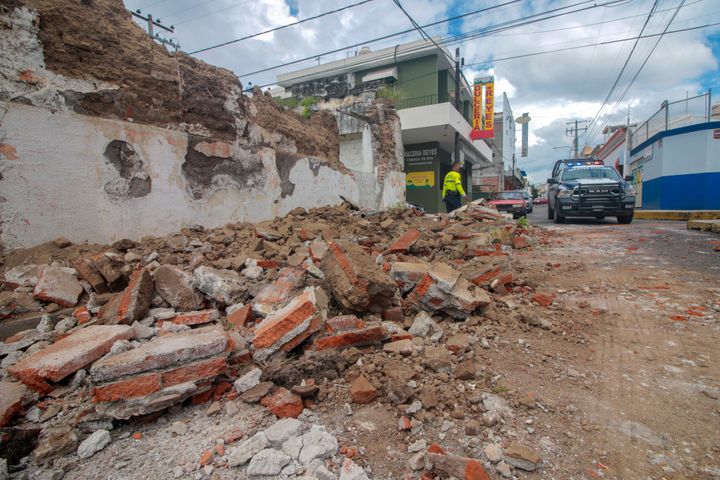
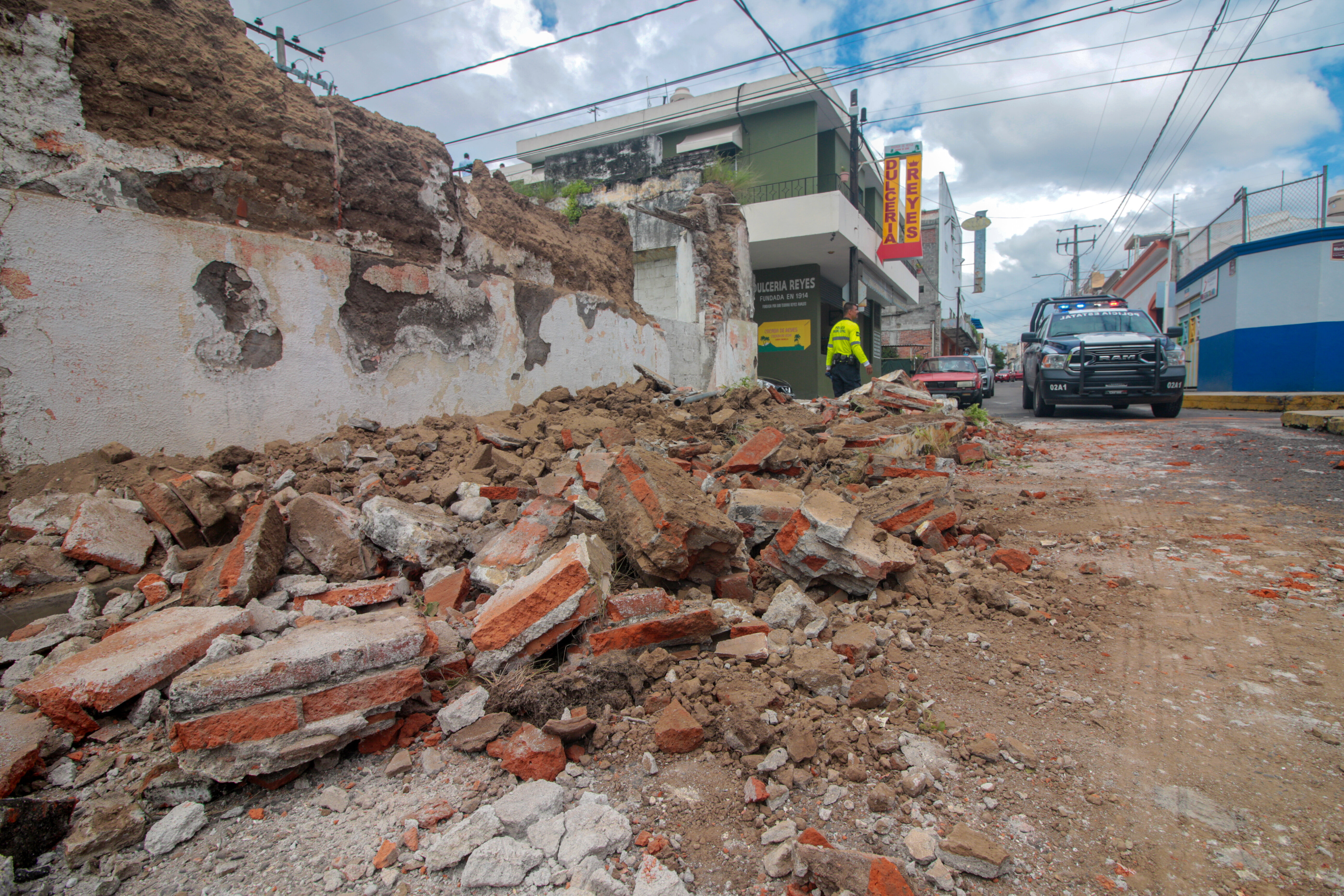
A view of damaged buildings aftermath of 7.6 magnitude earthquake in Colima, Mexico, on September 19.
New prime minister Liz Truss had offered her the chance to retain her digital, culture, media and sport brief, but she decided to leave the government amid speculation she could be made a peer in Johnson’s resignation honours list.
Dorries had earned a large Twitter following thanks her pugnacious approach to defending her political views.
Attacking the multi-millionaire former chancellor’s expensive wardrobe, Dorries tweeted: “Liz Truss will be travelling the country wearing her earrings which cost circa £4.50 from Claire’s Accessories.
“Meanwhile…Rishi visits Teeside in Prada shoes worth £450 and sported £3,500 bespoke suit as he prepared for crunch leadership vote.”
It forced her Tory colleague Angela Richardson MP to respond: “FFS Nadine! Muted.”
Although others believe it may be linked to her impending elevation to the House of Lords.
Nadine Dorries has deleted her Twitter. Wonder if she was concerned it would affect any vetting by the House of Lords Appointments Commission… pic.twitter.com/rfcCCfBiEc
Not to rain on the parade, but it’s possible that Nadine Dorries has deleted her Twitter account in order to prevent the House of Lords Appointment Committee from scrutinising the unhinged bile she routinely posted.
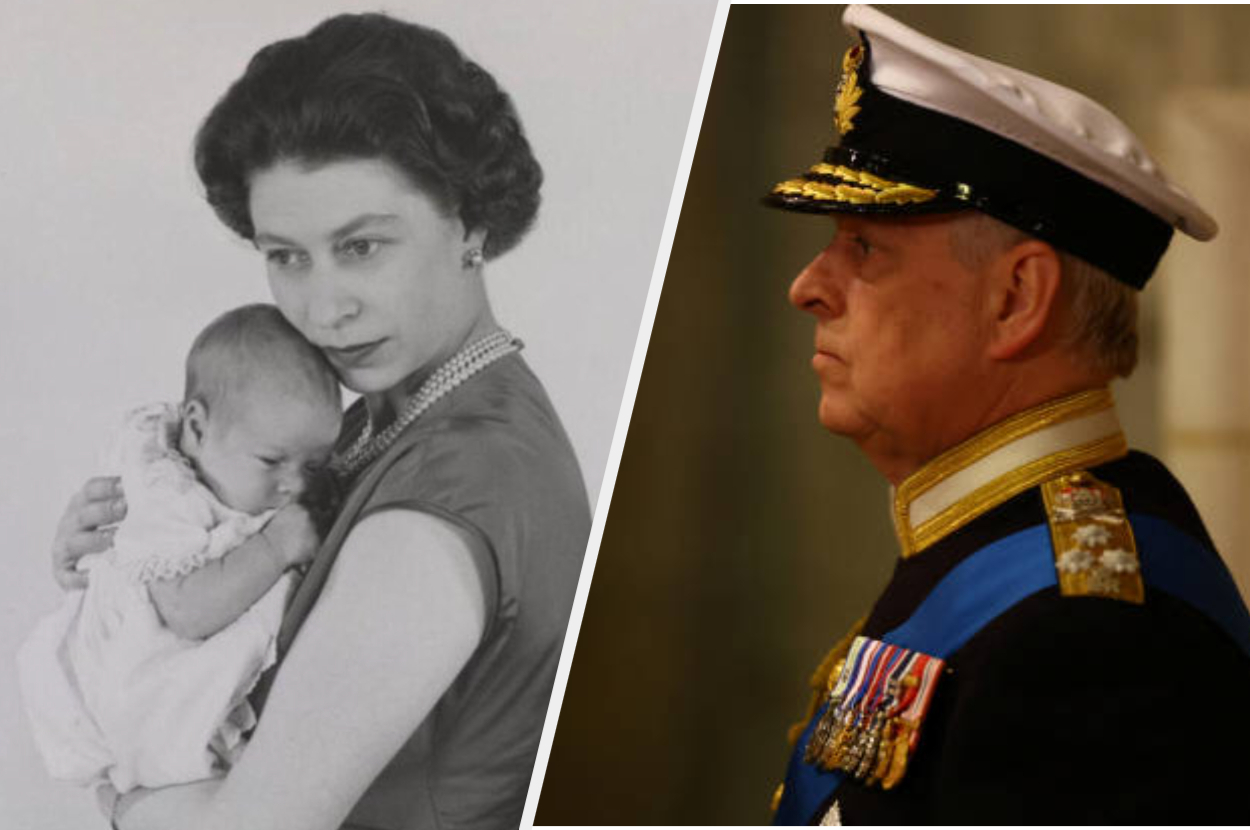
Prince Andrew has paid tribute to the Queen, saying he will “treasure forever” her “love, compassion and care”.
The Duke of York, who stepped down from public life in 2019 over his friendship with paedophile billionaire Jeffrey Epstein, said he would miss the Queen’s “insights, advice and humour”.
Advertisement
He described his late mother as “Mummy, Mother, Your Majesty, three in one” and said it had been an “honour and privilege” to serve her.
In his tribute, Andrew said: “Mummy, your love for a son, your compassion, your care, your confidence I will treasure forever.
“I have found your knowledge and wisdom infinite, with no boundary or containment.
“I will miss your insights, advice and humour.
“As our book of experiences closes, another opens, and I will forever hold you close to my heart with my deepest love and gratitude, and I will tread gladly into the next with you as my guide.
“God Save The King.”
Prince Andrew’s appearance during the 10 days of national mourning has caused unease for some due to the nature of his decision to step back from public life.
Advertisement
Earlier this year, the Duke of York paid millions to settle a civil sexual assault case against Virginia Giuffre, who accused the prince of sexually assaulting her when she was 17 after she was trafficked by Epstein.
Prince Andrew denied the claims and said he had never met Guiffre.
Ahead of the legal settlement, the Queen stripped her son of all of his honorary military roles, including Colonel of the Grenadier Guards. He also gave up his HRH style.
Due to the fact that he is no longer a working royal, the Duke of York is no longer permitted to wear uniform during the ceremonial events marking the Queen.
Earlier in the week, he wore a morning suit while marching behind his mother’s coffin.
On Monday a man was arrested and charged with breach of the peace for “shouting abuse” at Prince Andrew during the procession carrying the Queen’s coffin down the Royal Mile in Edinburgh.
Advertisement
Videos on social media showed a man shouting at the duke as he walked behind the hearse on Monday, before being dragged to the ground by two bystanders.
The man was subsequently arrested and was released by police on an undertaking to appear at court at a later date.
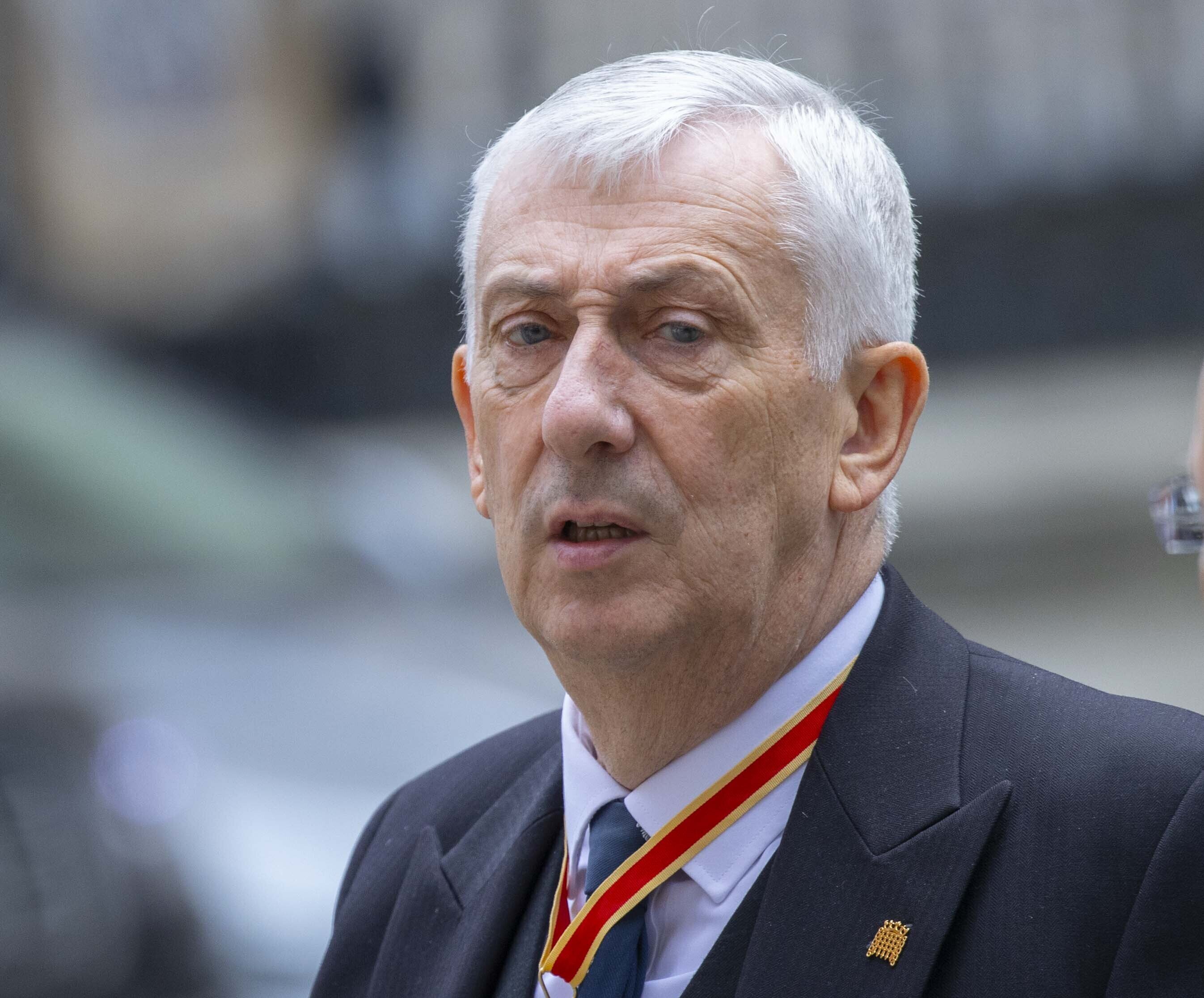
Commons Speaker Sir Lindsay Hoyle has said a political row with China should not “overshadow” the Queen’s state funeral, which he described as the “most important event the world will ever see”.
Hoyle made the comment after he denied he had been “leant on” to allow Chinese officials to attend the Queen’s lying-in-state at Westminster Hall.
Advertisement
Politico reported earlier in the week that thegroup from Beijing had been refused permission by the Commons authorities to attend the lying-in-state after Hoyle intervened.
There have been tensions between Westminster and China ever since the country imposed sanctions on MPs who have spoken out against the alleged human rights abuses against the Uyghur people in Xinjiang.
Initially it was understood that a Chinese delegation would be able to attend the funeral but that they would not be permitted access to the lying-in-state.
However, there has been confusion after a parliamentary spokesman said on Saturday that foreign representatives “invited to attend the state funeral in Westminster Abbey are also invited to attend the lying in state”.
Advertisement
It led to Iain Duncan Smith, one of the MPs sanctioned by China, claiming in the Telegraph that the “establishment” had “leant” on Hoyle to force him to admit a Chinese delegation into Westminster Hall.
“It’s clear and obvious that the establishment leant on the Speakers to give way,” he told the newspaper.
“The people that win at the end of the day, are the Chinese Communist party which is a brutal, dictatorial and anti-human rights organisation and all we’ve done is given them another victory.
“It looks like appeasement is back, alive and well in the British establishment.”
But today Hoyle denied that he had been “leant” on and said the Chinese ambassador and accredited officials remain barred from the House of Commons.
Hoyle told BBC’s Sunday With Laura Kuenssberg: “Nobody has been leaning on me at all. Far from it.
“My view remains the same, that we would not welcome a reception in parliament. And that’s when I stopped the ambassador and accredited Chinese from coming into the House of Commons.
Advertisement
“So let’s be clear, to hold a reception in the House of Commons when MPs and a peer has been sanctioned is not acceptable. My view remains the same and nothing has changed.
“The sanction against those accredited officials remains in place and will remain so.”
Trying to take the heat out the row, Hoyle said: “We should not allow anything to overshadow the most important event the world will ever see — and that’s the funeral of her Majesty”.
He added: “The passing of her Majesty has brought people together, so we shouldn’t be distracted by others, and I think that’s the problem that we’re seeing.
“People always want a different story and a different angle. What I want to do is keep focused — this is about the royal family, this is about their grief, this is about the people of this country coming together to pay their respects.”
In a letter to Hoyle and Lord Speaker, Lord McFall, Tim Loughton and Iain Duncan Smith said it was “extraordinary” that Chinese representatives had received an invitation.
The letter read: “Given that the United Kingdom parliament has voted to recognise the genocide committed by the Chinese government against the Uyghur people it is extraordinary that the architects of that genocide should be treated in any more favourable way than those countries who have been barred.”
Last September, Hoyle and Lord McFall blocked the Chinese ambassador to the UK, Zheng Zeguang, from visiting parliament.
At the time Hoyle argued that it would not be “appropriate” for the ambassador to meet at the Commons while seven British parliamentarians remain sanctioned.
Advertisement
It is understood the Chinese ambassador is still not welcome in parliament.
Chinese president Xi Jinping is not scheduled to attend the Westminster Abbey service on Monday and will instead send his deputy, Wang Qishan, instead.
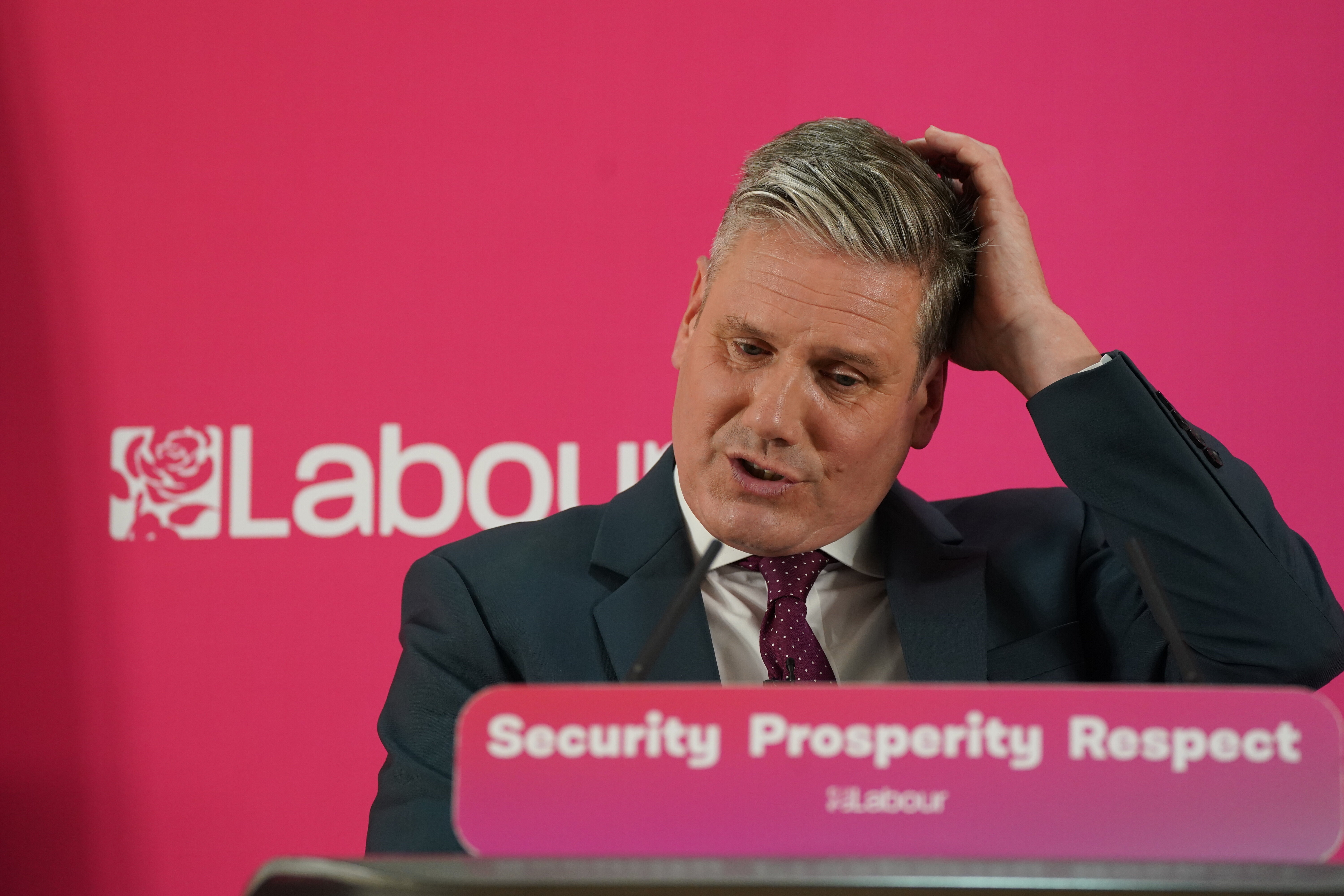
The investigation into whether Keir Starmer and Angela Rayner broke Covid laws cost taxpayers £101,000, it has emerged.
A team of nine officers from Durham Constabulary’s major crime team – who normally work on cases like serious sexual assaults and murders – worked a total of 3,203 hours on the so-called “beergate” probe.
Durham Constabularly initially dismissed claims that Starmer had breached anti-Covid laws by eating a curry and drinking beer with Labour staff in the constituency office of City of Durham MP Mary Foy on April 30, 2021.
But they re-opened their investigation earlier this year under pressure from the Conservatives.
Starmer had said he was “confident no rules were broken” and that there was “no equivalence” between the accusations levied at him and the partygate scandal that contributed to Boris Johnson’s downfall.
In a major political gamble, both he and Rayner stated that they would stand down from their posts if they received fixed penalty notices from the police.
Durham Constabulary said their investigation found that the event was “reasonably necessary work” and therefore allowed under the rules.
Advertisement
A Freedom of Information request by the NationalWorld website revealed the cost to the public purse of the police probe.
The nine officers involved in the investigation were a detective superintendent, a detective inspector, a detective sergeant and six detective constables. Two other police staff members also took part.
In a statement after he was cleared, Starmer said: “I’ve always said no rules were broken when I was in Durham.
“The police have completed their investigation and agreed: there is no case to answer.
“For me, this was always a matter of principle. Honesty and integrity matter. You will always get that from me.”
Liz Truss has been criticised for the “unwise and unconstitutional” sacking of a top civil servant.
Tom Scholar was axed as the permanent secretary at the Treasury on Kwasi Kwarteng’s first day as chancellor.
He said Kwarteng had decided it was time for “new leadership” but that he would be “cheering on from the sidelines” in future.
Advertisement
However, the move has been criticised for former senior members of the civil service.
Sir Simon McDonald, the former permanent under-secretary at the Foreign Office, said “parliament needs to act”.
He tweeted: “Cabinet ministers sacking permanent secretaries on their 1st day in office is unwise & unconstitutional but the government has discovered it can do what it wants with the civil service, which has no power to resist.
“The retired complain, but so what? Parliament needs to act.”
Cabinet ministers sacking permanent secretaries on their 1st day in office is unwise & unconstitutional but the government has discovered it can do what it wants with the civil service, which has no power to resist. The retired complain, but so what? Parliament needs to act. https://t.co/GA8kfIISzS
He was responding to a letter in The Times by Sir David Normington, who was permanent secretary at the Home Office between 2006 and 2010.
Advertisement
He said: “The sad fact is that in sacking Sir Tom Scholar, one of the ablest civil servants of his generation, the prime minister and chancellor have sent a clear message to the civil service that they are not interested in impartial advice and intend to surround themselves with ‘yes’ men and women.
“That is a sure route to bad decision-making and weak government.”
Scholar’s sacking came after Truss made clear during the Tory leadership contest that she wanted to challenge the Treasury “orthodoxy” on how to run the economy.
Kwarteng will next week use a mini-budget to unveil the government’s plan to slash taxes to boost economic growth.
When Queen Elizabeth II visited the Republic of Ireland in 2011, it was a moment of sensitivity and reconciliation, signalling the seismic shift towards longer-lasting peace between Ireland and the UK.
Beginning her speech in Irish, the Queen made every effort to unify two countries with a difficult and complex history.
Advertisement
“With the benefit of historical hindsight, we can all see things which we would wish had been done differently or not at all,” she told guests at a state dinner in Dublin Castle.
However, in this week of her death, as King Charles III ascends the British throne, the relationship between our islands, among those north and south of the Irish border, remains fractious.
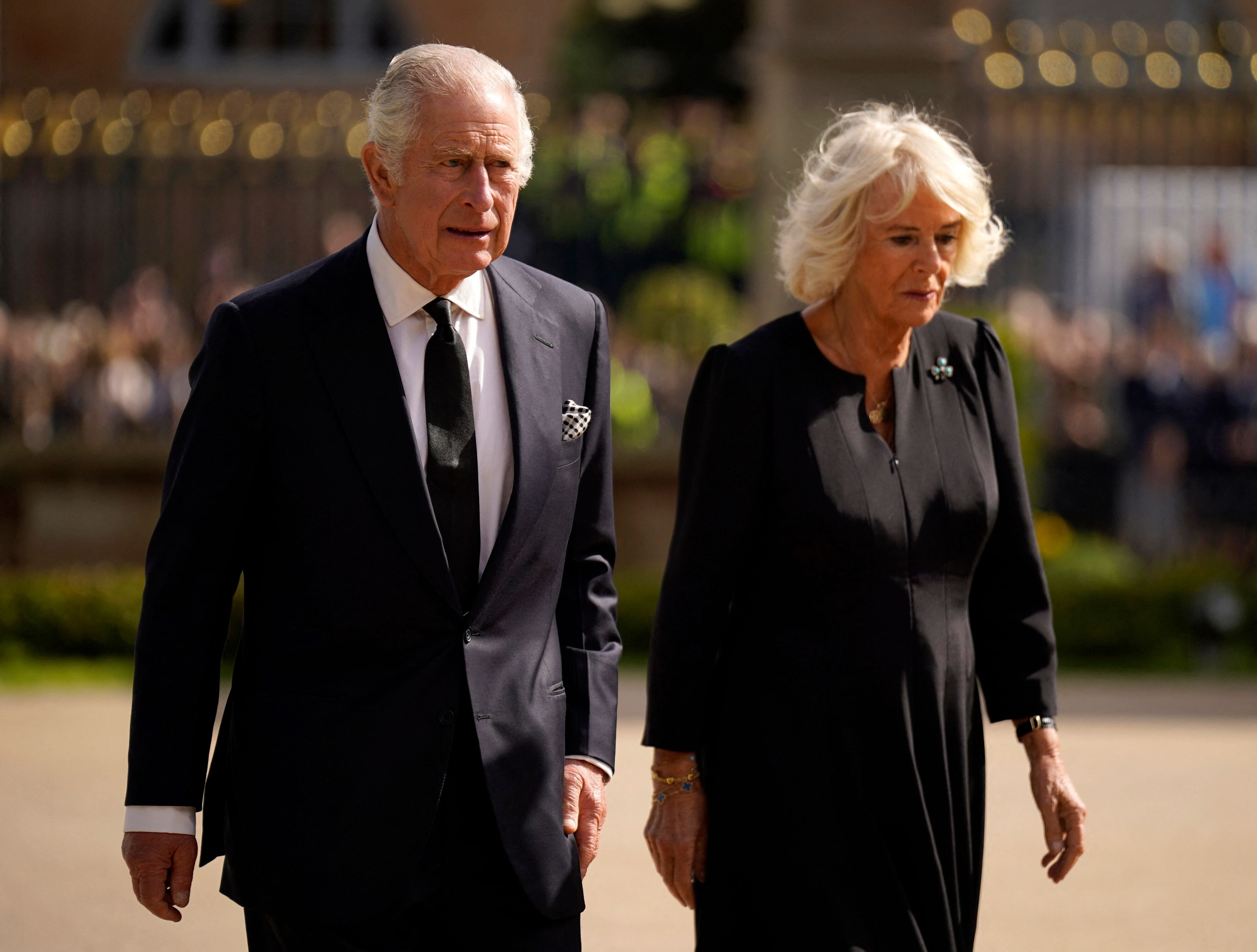
As the King arrived at his official residence of Hillsborough Castle near Belfast on Tuesday – his fortieth trip to Northern Ireland – former Irish Taoiseach John Bruton told Sky News, “in many ways, intergovernmental relations between Britain and Ireland are much, much worse now, than they were when the Queen visited in [2011], and that needs to be repaired by the two governments”.
Brexit has maimed relations across the UK, but in particular has dug up dormant hostilities between communities in Northern Ireland.
Advertisement
King Charles arrives not only mourning his mother – a uniting figure within the UK by many accounts – but in the wake of sustained political tensions between the Republic and the UK over its land border and trade impacts arising from Brexit.
Despite this, the response among political parties to the sudden passing of the Queen has been one of particular sympathy and sensitivity – for the most part.
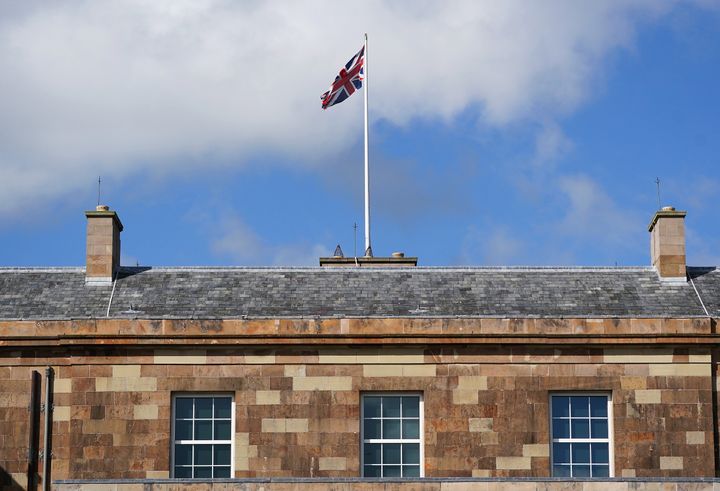
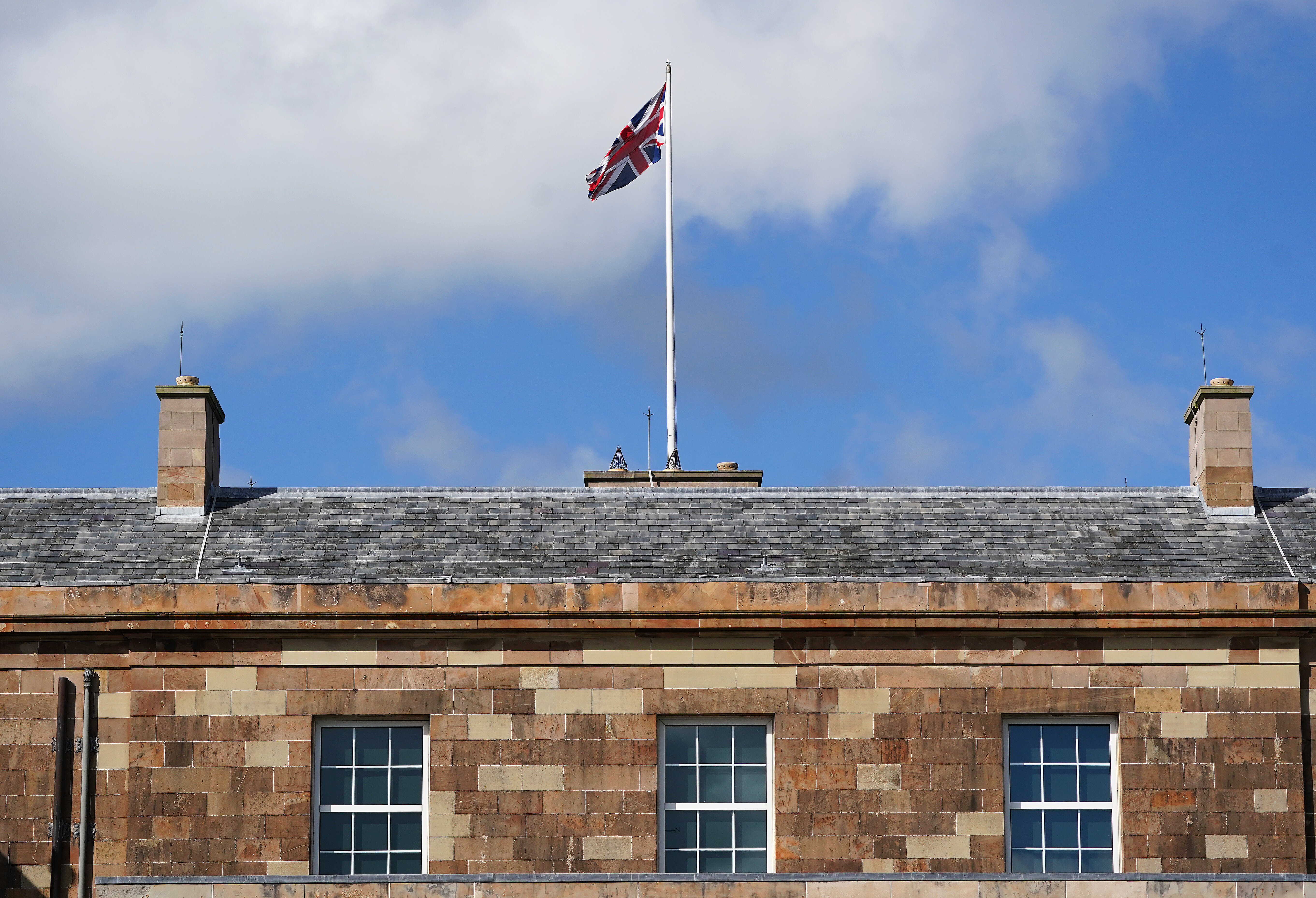
The Union Jack flies at full mast at Hillsborough Castle, Belfast, after the Proclamation of Accession of King Charles III.
Brian Lawless – PA Images via Getty Images
On the Queen’s passing, Taoiseach Micheál Martin recalled “the warmth of the welcome she received from the public in Cork during her walkabout” in 2011.
Sinn Féin, which for many years during the Troubles was considered the political wing of the Irish Republican Army, sent “sincere condolences” to the King and party figures plan to attend events during the 10 days of mourning. Party president Mary Lou McDonald said she was “a powerful advocate and ally of those who believe in peace and reconciliation”.
Advertisement
However, the party stayed clear of Hillsborough Castle on Sunday for the proclamation of the King’s accession.
Ms McDonald said she did not attend as the ceremony was “intended for those whose political allegiance is to the British Crown”, and many senior party figures in Northern Ireland attended a rally in Belfast for victims of the Troubles instead.
No surprise there, though a far cry from past hostilities.
A notable outlier in the Republic was the left-wing People Before Profit party, who waited barely a day after the Queen’s passing to call for an end to monarchy.
While that’s not an unpopular sentiment in the Republic, and certainly among Republican communities in Northern Ireland, the reaction outside the political gauntlet has been less celebratory than you might expect – despite the Fenian blood running through our veins.
Advertisement
Monarchists in the Republic are few and far between, not least while we still live in the shadow of 800 years of British oppression – but while some like to joke about the Queen’s death – football hooligans chanting “Lizzy’s in a box” come to mind – her death has undoubtedly caused some upset.
Britain’s influence – and impact – on Ireland goes much further than Brexit ruining the fun for everyone. A cultural fascination with the royals has bled through the border over the years via British media. You’re unlikely to see many a Union Jack south of the border, but there is a palpable sense of loss for the woman who has been an influential figure on the world stage for 70 years.
Are there memes? Yes, Irish Twitter has been full of them and no column has enough lines to explain why the Queen might be reincarnated in the (misreported) birth of Trisha Paytas’s baby.
But underneath this social media frenzy, and the ability of Twitter to throw up jokes on just about any tragedy, is what can only be described as ambivalence towards the monarchy – particularly among young people.
Despite a respect for the duties the Queen carried out, there’s a quiet agnosticism about the institution that leaves many bewildered by the sense of grief washing over Britons in recent days.
Advertisement
But while King Charles ascends at a time of complex feelings about the Crown across the UK, not least among the Black community, he remains fiercely popular among Unionists in Northern Ireland.
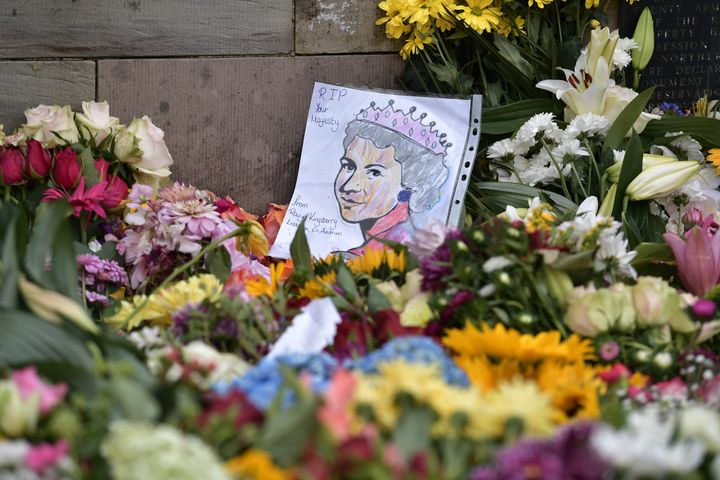
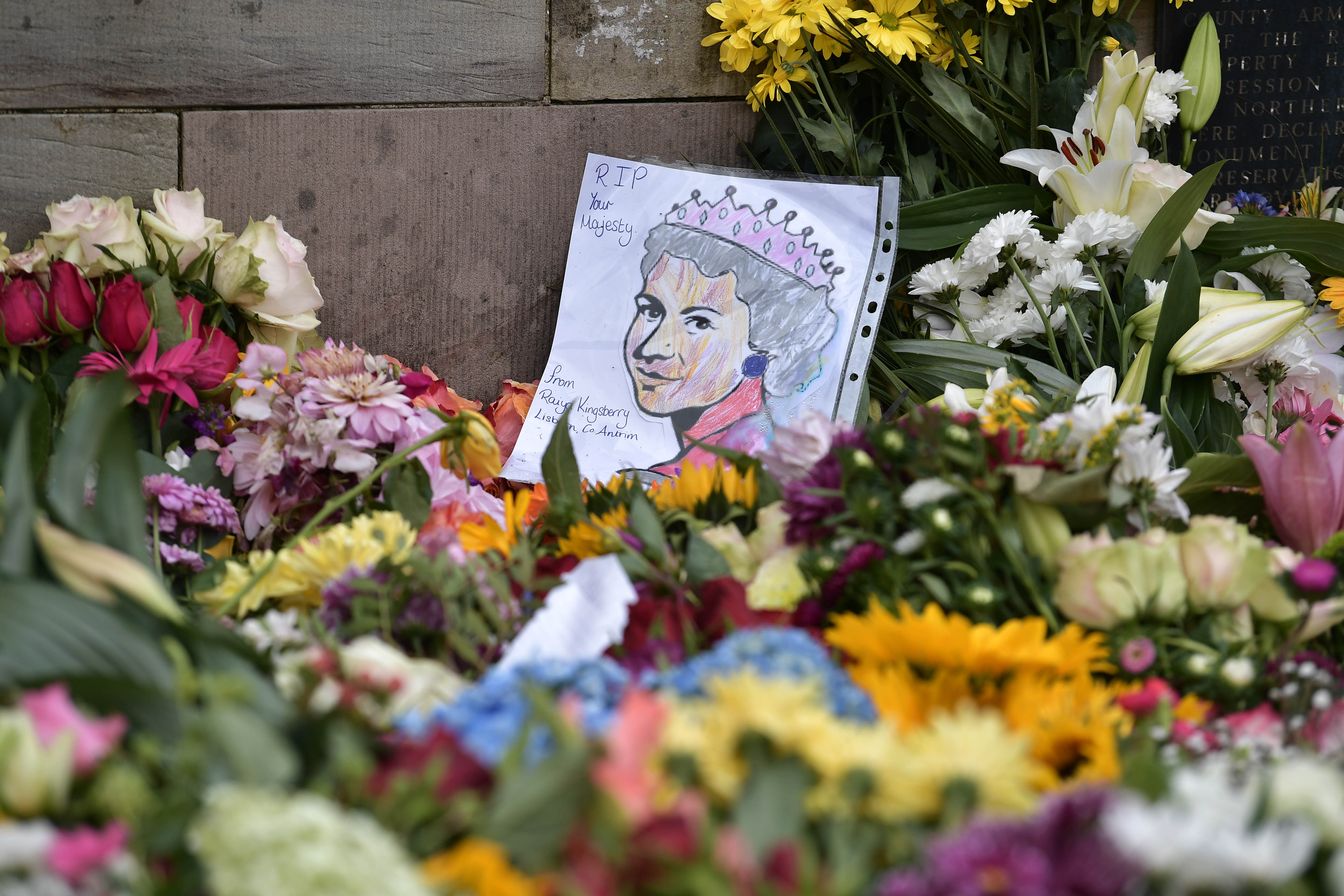
Floral tributes left for the Queen outside Hillsborough Castle during the King’s visit.
Charles McQuillan via Getty Images
The meadow of flowers that greeted his arrival at Hillsborough on Tuesday reflects the devotion many have for the Queen – and their new King. A sea of smiling spectators, many of whom arrived after dawn to get a good spot, shouted “long live the King” as he entered his official residence.
“[King Charles] is a unifying figure among Irish people in the sense he is highly regarded in the Republic of Ireland,” Mr Bruton told Sky News.
“But also, as you can see, very highly regarded in Northern Ireland. Obviously there are divides in Northern Ireland where part of the community… doesn’t have quite the same attitude towards the Union.”
Advertisement
Obviously indeed. The reaction in the Republican community seems more akin to Glaswegians after Margaret Thatcher died. No more need be said.
And while there has been political consensus through the 1998 Good Friday Agreement, there’s hasn’t been a reconciliation between the two communities, Mr Bruton said.
“There is quite a deep level of polarisation in Northern Ireland, but I think the King, personally, can help create an atmosphere in which reconciliation becomes more possible.”
And Charles himself? Speaking at Hillsborough Castle on Tuesday, the King said that with the “shining example” of his mother’s duty to Northern Ireland, and “with God’s help, I take up my new duties resolved to seek the welfare of all the inhabitants of Northern Ireland”.
Ireland waits with bated breath to see if King Charles will indeed foster unity on this island – if, that is, people are listening to him at all.
Advertisement
Conor Capplis is a journalist with the Irish Examiner based in Cork.