Jacob Rees-Mogg Defends Boris Johnson’s Plan To Cull 91,000 Civil Service Jobs

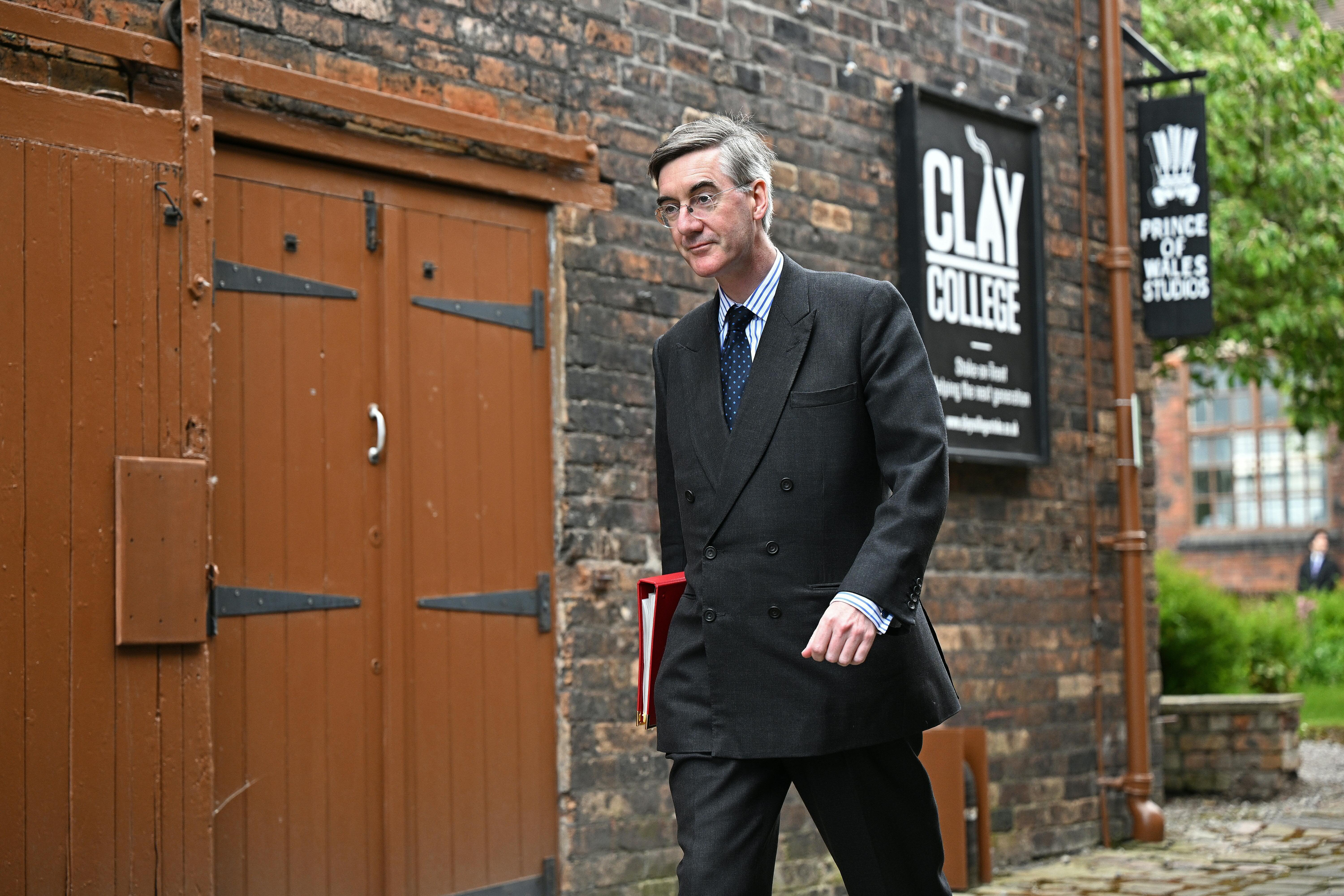
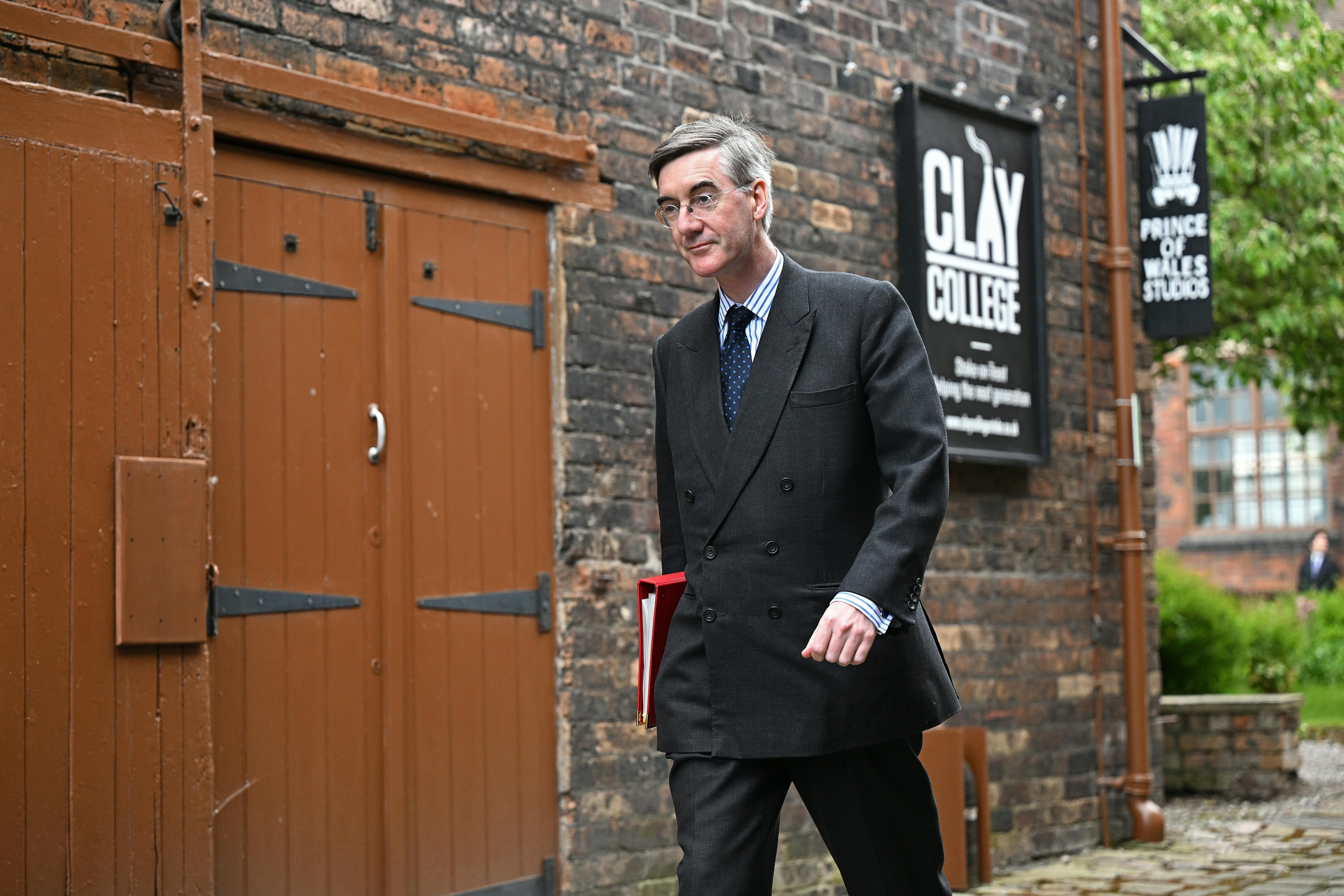
Jacob Rees-Mogg has defended Boris Johnson’s plans to slash the number of civil servants by 91,000.

The government efficiency minister said the government wanted to bring the Whitehall headcount back to where it was in 2016.

He said the extra staff were brought in to help deal with the pandemic and the “aftermath of Brexit”.

Rees-Mogg told Sky News: “I know it sounds eye-catching but it’s just getting back to the civil service we had in 2016… since then we’ve had to take on people for specific tasks.

“So dealing with the aftermath of Brexit and dealing with Covid, so there’s been a reason for that increase, but we’re now trying to get back to normal.”

The minister said there was currently too much “duplication” in Whitehall, and insisted most of the jobs could be lost by not replacing the 38,000 civil servants who leave the government every year.

He said: “What I’ve seen within the Cabinet Office, which is where I work and bear in mind each secretary of state will be responsible for is or her own department, is that there’s duplication within government, so you have a communications department and then you have within another department some people doing communications.

“So it’s trying to ensure that you use the resources that you’ve got rather than duplicating it bit by bit.”

Asked why the cuts were not being described as a return to austerity, he said: “I don’t think it is because what is being done is getting back to the efficiency levels we had in 2016.”

Rees-Mogg has previously angered civil servants by leaving notes on the desks of those not in the office in an attempt to discourage working from home.

They read: “Sorry you were out when I visited. I look forward to seeing you in the office very soon. Wish every good wish.”

The drive has been branded “vindictive” by Dave Penman, the general secretary of the FDA representing senior civil servants, who said ministers were out of step with practice in the private sector.

Share Button

Women’s Mistrust In The Met Runs Deep: Here’s What The New Commissioner Has To Do to Fix It

Applications have now closed for the role of Met Police commissioner, and whoever takes the role will need to work hard to win back the trust women lost during Cressida Dick’s reign.

The outgoing commissioner acknowledged this, prior to her departure saying: “We know a precious bond has been broken and I am committed to rebuilding the trust and confidence of all Londoners.”

Winning back this trust won’t be easy, but it is vital. Victims of crime need to have absolute trust and faith in those to whom they will tell their story. Already fewer than one in six women report rape, as they fear the police won’t do anything about it.

But the lack of trust goes much deeper than a fear that interaction with police will result in lack of action: The horrific case of Sarah Everard, raped and murdered by serving Met police officer Wayne Couzens, has left women afraid.

While it has always been the approach of police forces to label criminality by police officers as the work of “bad apples”, the litany of ignored incidents by a man nicknamed ‘the rapist’ by colleagues speaks of an organisation with little regard for women’s safety.

Couzens had joined the Met from the Civil Nuclear Constabulary before being assigned to the Parliamentary and Diplomatic Protection (PaDP) branch, but had not undergone enhanced vetting nor gone through the mandatory two-year probation period with the Met before joining the PaDP.

There were at least three allegations of indecent exposure filed against him. Radio presenter Emma B also came forward to say that she had attempted to report Couzens in 2008, after he flashed her in an alley in Greenwich, but that the Police had laughed at her.

We now need to know that police vetting will be stepped up and that behaviour such as that displayed by Couzens will not be tolerated. Indeed, it would not be in most work places.

Even within Sarah’s case there are more examples of deeply disturbing police behaviour.

An officer who had been a part of the search was suspended from duties after sharing an inappropriate graphic on social media, five officers were placed under investigation for sharing grossly offensive material with Couzens before he killed Sarah and several officers gave character references supportive of Couzens during his sentencing hearing.

Several female officers told the press that they did not feel as if they could report concerning behaviour by male colleagues. So another question that needs answering from all applicants for the commissioner job is how they will root out this behaviour, rid the Met of this hugely offensive culture and make sure anyone reporting concerning actions – including other police staff — is protected.

If female police officers feel unsafe making reports to colleagues, it is hard to see how other women could possibly feel able to.

The sharing of offensive material appears epidemic by Met police officers. Last December two Met police constables who took photos of the bodies of murdered sisters of Nicole Smallman and Bibaa Henry and shared the images on WhatsApp groups were jailed for 33 months.

Meanwhile, officers at Charing Cross police station were found to have joked about rape and exchanged offensive social media messages.

In April, responding to the IOCP investigation into the Charing Cross police station, the police said they would have a zero-tolerance approach to misogyny. Yet, of the 14 officers investigated, nine are still serving, while another is working as a contractor in a staff role. I am not sure this sounds like “zero tolerance”.

Talk about organisational cultural change is easy – finding ways and implementing them is much harder. But women and girls simply cannot be safe whilst misogyny is allowed to be part of the Met’s culture.

Like women across the capital, I look forward to hearing the new commissioner’s plans for fundamental change.

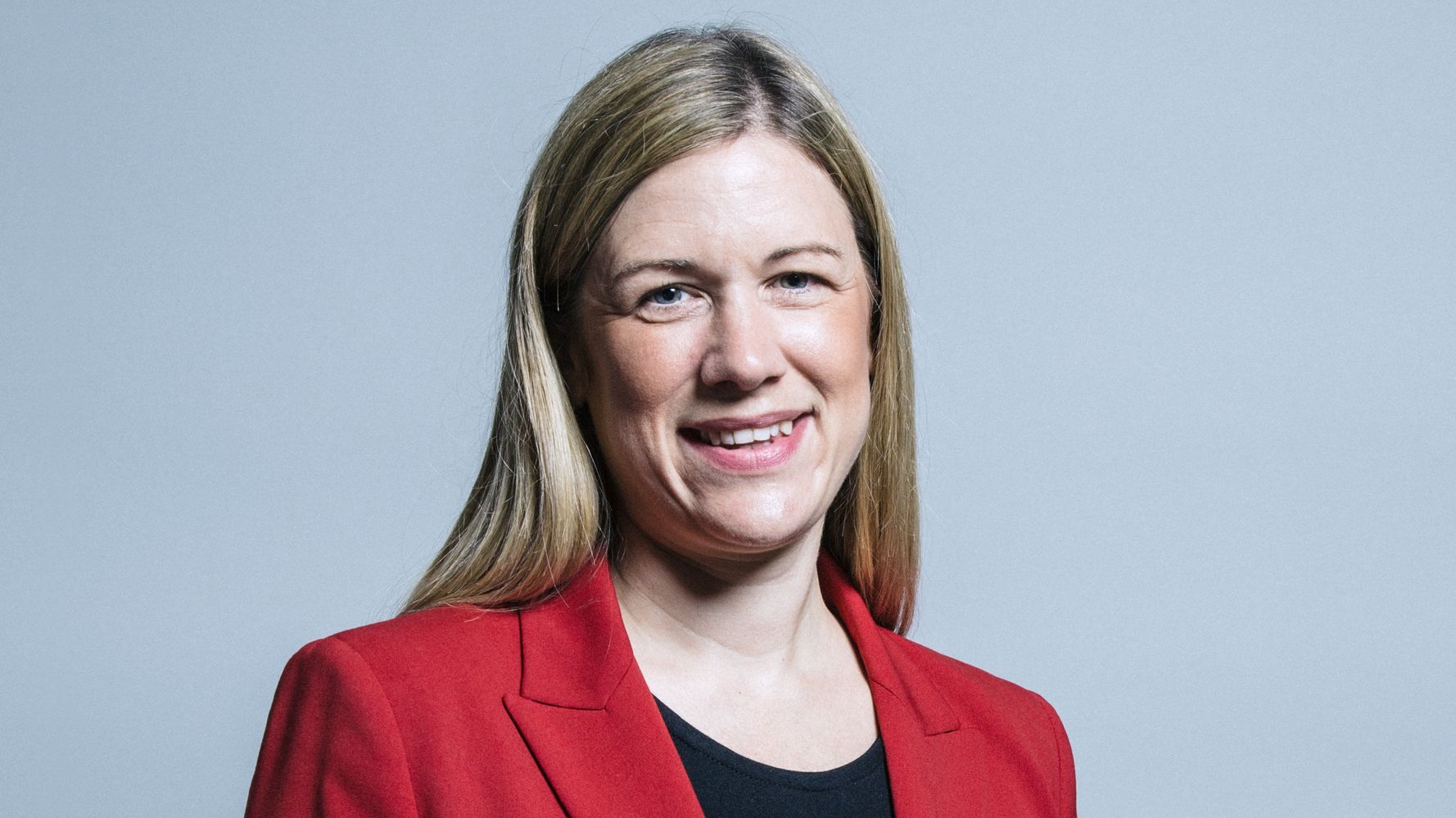
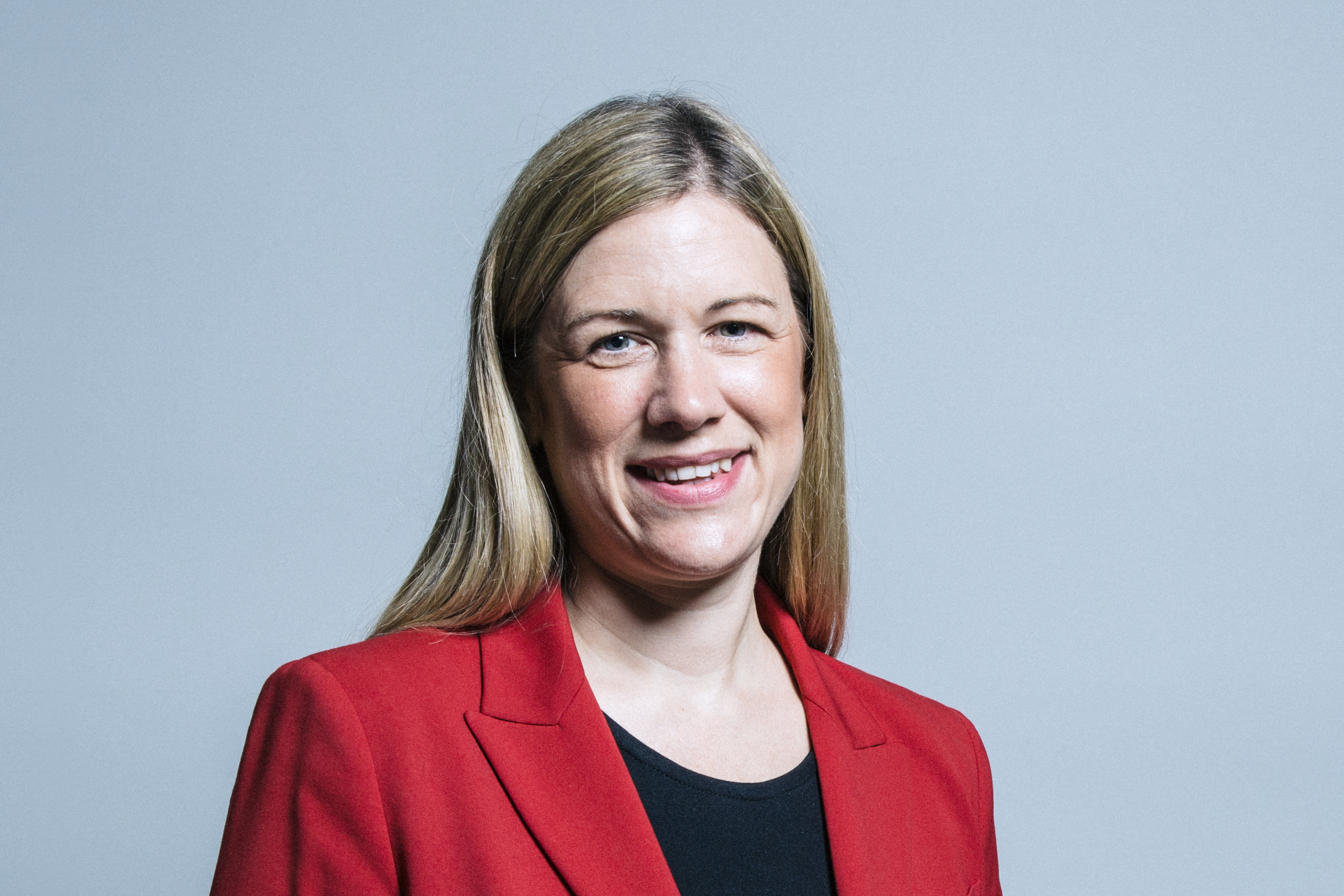
Ellie Reeves is Labour’s shadow minister for justice and the MP for Lewisham West and Penge.

Share Button

Exclusive: Labour Accused Of Blocking Corbyn Supporter From Crunch By-Election

In response to the report, Corbyn said allegations about anti-Jewish racism on his watch had been “dramatically overstated” by his political opponents.

Corbyn was reinstated as a Labour member in November 2020 but he still does not have the party whip, meaning he sits as an independent MP.

Hemingway told HuffPost UK: “I’m a committed anti-racist and I think anti-Semitism is a scourge that should be eradicated.

“I’ve never hid the fact that I supported Jeremy Corbyn for leader and I voted for Rebecca Long-Bailey to be deputy…but I have always respected Keir’s right to lead the party.”

Hemingway also pointed out that as soon as the EHRC report was published he called for the party to adopt the IHRA definition of anti-Semitism in full.

HuffPost UK understands that Loto wants either Kate Dearden, who works for the Community union, or Simon Lightwood, a former staffer for ex-Wakefield MP Mary Creagh, to be the party’s by-election candidate.

Both are known to have supported Remain in the EU referendum, which some local sources say may be a disadvantage in a seat that voted to leave the EU by 66.3 per cent.

When Dearden confirmed via Twitter that she was standing in the by-election, her post was retweeted by Deborah Mattinson, Starmer’s director of strategy. The retweet was later undone.

Other candidates who have confirmed they want to stand for Labour in Wakefield include Sam Howarth, who used to work for Starmer’s ex-political secretary Jenny Chapman, and who now works for Dan Jarvis MP.

Wakefield councillor Michael Graham has also confirmed he is seeking the Labour nomination, as is law student Jakob Williamson.

One Labour insider told HuffPost UK: “Loto have seen Jack’s tweets and they are not happy.

“They are going to put it down to two names: Kate and Simon. And they are going to keep Jack off.”

A local source said: “The most important thing is that we have a candidate that can withstand a by-election.

“You’ve got to have a candidate that is fireproof.

“Keir Starmer simply cannot afford to lose this — end of. He’s got to win, and he’s got to be very, very careful that he gets the right candidate.

“Keir is trying to put out a particular image and he cannot afford to take any risks.”

A Labour source with knowledge of the region said there was a perception within the local constituency Labour party (CLP) that the candidate shortlist would be a stitch-up.

“The CLP are convinced that their local choices are going to be blocked,” they said.

“It’s pretty clear that the leaders’ office want Dearden, and a screen grab of Deborah Mattinson retweeting her launch has spread like wild fire as proof of that.

“Locally there’s a feeling that the higher ups have made their mind up of who is acceptable and who isn’t.

“Everyone is really worried that it’ll be a shortlist of non local people foisted on us so we have to choose the lesser of the evils not who we really want.

“Kate is not from Wakefield and doesn’t know the membership. There’s going to be a big push back against anyone seen as being parachuted in.

“It’s not the sort of place that will take kindly to it.”

A local party member added: “The CLP have made it clear they want someone who has a genuine connection to the area and not someone who has been flown in.”

The NEC drew up its longlist on Wednesday, with shortlisting and interviews taking place on Thursday.

Hustings will be held on Sunday May 15, when local members will choose the candidate.

A Labour Party spokesperson said: “Working people in Wakefield have been badly let down by Boris Johnson’s Conservatives, who ignored serious allegations of child sexual assault against their paedophile former MP Imran Ahmad Khan before his election.

“Wakefield deserves better and our selection process is now underway.

“Party members in the constituency will consider a shortlist in the coming days and be able to choose the Labour candidate to be Wakefield’s new MP.”

Labour lost Wakefield to the Tories by 3,358 votes at the 2019 general election after holding the seat since 1932.

Imrad Ahmad Khan tendered his resignation on May 3, three weeks after he was found guilty of sexually assaulting a 15-year-old boy.

A date for the by-election has yet to be announced.

Share Button

No Emergency Budget For Cost Of Living Crisis, Michael Gove Says

However, sources close to Sunak quickly made clear that they knew nothing about it, and insisted no new measures were due before the autumn.

Gove suggested commentators were “chasing their own tails” and told Sky News: “There won’t be an emergency budget. It is sometimes the case that the words from a prime minister or minister are overinterpreted.

“The prime minister is right. We will be saying more and doing more in order to help people with the cost-of-living challenge we face at the moment, but that doesn’t amount to an emergency budget. It is part of the work of government.

“Last night the prime minister convened a group of ministers – we have all done work on some of the things we could do to help. Those policy initiatives will be announced by individual departments in due course as they are worked up.

“It is part of the process for a government that is always and everywhere thinking of how we can help and how we can provide support, both short term and long term.”

Lib Dem Treasury spokesperson Christine Jardine described the issue as a “complete shambles.”

She added: “Millions of families and pensioners are struggling to get by. They need more help now before things get even worse in the autumn.

“Instead all we get from this Conservative government is chaos and confusion.

“An emergency budget is needed now to cut taxes for ordinary families while taxing the super profits of oil and gas companies. That would be the fair and right thing to do.”

Johnson made his comments in a debate on the Queen’s Speech, which contained 38 bills but no immediate plans for dealing with the cost of living crisis.

He said: “My right honourable friend the Chancellor and I will be saying more about this in the days to come.

“But at the same time as we help people, we need the legislative firepower to fix the underlying problems in energy supply, in housing, in infrastructure and in skills which are driving up costs for families across the country.

“And this Queen’s Speech takes those issues head on. And above all, we are tackling the economic challenges with the best solution of all and that is an ever growing number of high wage, high skill jobs. Jobs, jobs, jobs.”

An ally of the Chancellor told HuffPost UK there were “no announcements as far as we are aware”.

They added: “Rishi has always been clear that we would set out plans for support on energy bills for autumn when we know what the [energy] price cap is going to be – but we’re not there yet.”

Share Button

UK Elections 2022: 5 Takeaways As Tories Suffer ‘Shattering Night’

1. Boris GONE-son?: Tories in trouble

Make no bones about it, the Conservative Party has lost more than 400 seats and that is not good. For all the talk of a mid-term protest vote against the governing party, the Tories had already been duffed-up the last time the councils were contested four years ago, so hundreds more councillors going on a like-for-like basis should not be glossed over.

It’s telling the gloss that Boris Johnson’s outriders are painting with focuses on Labour’s lack of gains, not its own deficit. But there was scathing criticism from within the party, including this damning tweet from ex-MP and former Theresa May adviser Gavin Barwell, who called it a “wake up call”.

But, with Johnson facing a leadership challenge if 53 Tory MPs demand a vote of no confidence, there was little sign they were more prepared to wield the axe. With most critics in Westminster keeping their heads down, it was left it to grassroots Tories to speak out.

John Mallinson, leader of Carlisle City Council, hit out after Labour took control of the new Cumberland authority which will replace it, saying: “I think it is not just partygate, there is the integrity issue. Basically I just don’t feel people any longer have the confidence that the prime minister can be relied upon to tell the truth.”

Johnson himself said it had been a “mixed set of results” for the Tories. “It is mid-term,” he said, sticking to the script.

As the losses notched up, and edged towards 500 seats, a Labour Party spokesperson said: “This is a shattering result for the Conservatives.

“Boris Johnson was on the ballot paper and the British public has rejected him.

“The question every decent Conservative will be asking themselves is how much further are they willing fall for a man who never fails to put his own interest above his councillors, his MPs, his party, and his country.”

Next stop: tricky by-elections in Tiverton and Honiton and Wakefield.

2. Keir, there, everywhere: Labour’s contrasting fortunes

Labour’s performance is open to interpretation, and interpret is what commentators have spent much of the last 12 hours doing.

There were the headline grabbing wins in London – flagship Tory councils Wandsworth, Westminster and Barnet fell – and a majority on the newly-created council in Cumberland, which Labour leader Keir Starmer said showed his party could win anywhere. The traditional county-wide authority includes ‘Workington Man’, a voter demographic that gets pollsters very excited in terms of who might win a general election.

There’s also something happening for Labour on the coast – it took control of Southampton and Worthing – and the “sea wall” appears to have entered the political lexicon, joining the “red wall” and “blue wall” stolen from US politics.

But Labour has gained 252 councils seats – a reflection of the party not pocketing all the Conservative losses. The Tories were briefing how Labour has gone backwards in Sunderland, Tyneside, Hartlepool, Nuneaton, Sandwell and Amber Valley – former heartlands areas in the north and midlands that will be essential to getting back into power in Westminster.

But it’s progress. An analysis for the BBC by Professor Sir John Curtice calculated that if the whole country had been voting Labour would have gained 35% of the vote – five points ahead of the Tories on 30% – the party’s biggest lead in local elections for a decade.

Starmer, who is now facing a fresh “beergate” investigation, proclaimed clear evidence of a Labour revival following its crushing defeat in the 2019 general election. “This is a big turning point for us,” he told cheering supporters in Barnet. “We’ve sent a message to the prime minister: Britain deserves better.”

3. Ravey Davey: The Lib Dem ‘comeback’

The toxicity surrounding the Liberal Democrats following five years of power sharing with the Conservatives, and hiking tuition fees, seems to be a fading memory. Ed Davey’s party have compounded the success in recent Westminster by-elections by taking Hull council and the newly-created Somerset unitary authority. Other wins included Westmorland and Furness and dislodging the Tories in West Oxfordshire.

The party has gained 189 seats, which in part explains why Labour’s haul looks meagre. The Green Party, too, made substantial progress – gaining 81 councillors.

The “third party” success raises questions over splitting the “progressive” vote three ways, and whether that would let the Tories back in at a general election by default. Expect to hear more talk about electoral pacts and “lending” votes.

“What began as a tremor in Chesham and Amersham, became an earthquake in North Shropshire, and is now an almighty shockwave that will bring this Conservative government tumbling down,” Davey said.

4. One love: The SNP march on in Scotland

Scotland is increasingly a one-party nation. The SNP claimed its 11th successive national victory, and the number of councillors it boasts has risen in every ballot since 2004.

Perhaps more interesting was the race for second place. After years of decline, Labour has made gains and leap-frogged the Conservatives, whose strong performances under Ruth Davidson have gone in reverse now the former party leader in Scotland has left the stage.

Improvements in Scotland – coupled with the Lib Dems nibbling away at the Tories in southern England – is part of a complicated route back to Westminster power for Labour.

Scottish Tory leader Douglas Ross described the results as “very disappointing”, adding that Johnson “can’t ignore the message” from voters.

He said: “The Conservatives lost Westminster Council last night, that’s a council that even in the peak Labour years under Tony Blair the party held on to, so there’s been a very strong message from the public to the prime minister and to the party.”

The actual big story?: Sinn Fein closes in on history

While the local elections in England, Scotland and Wales make for good sport for armchair analysts, they may not lead to anything of substance changing. But Northern Ireland’s ballot could lead to a seismic shift for the whole of the United Kingdom.

Sinn Fein is on the brink of political history if it emerges as the largest party in Northern Ireland following Assembly elections.

After years of lagging behind its rival the Democratic Unionist Party, with whom it shares power, the nationalist party has now emerged on top with the potential to change the political landscape.

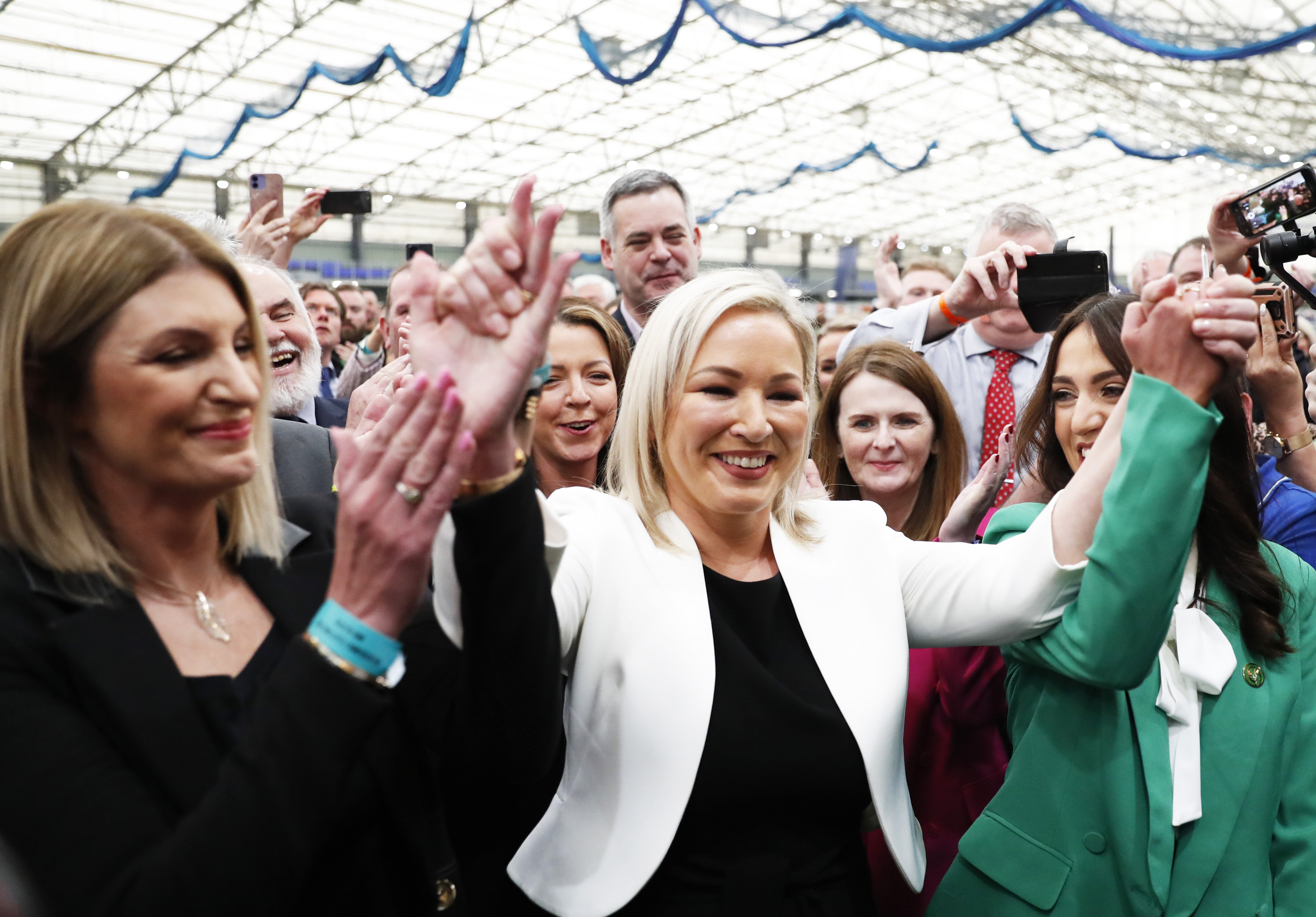
<img class="img-sized__img landscape" loading="lazy" alt="Sinn Fein’s Michelle O’Neill, centre, reacts with party colleagues after being elected in Mid Ulster at the Medow Bank election count centre in Magherafelt, Northern Ireland.” width=”720″ height=”501″ src=”https://www.wellnessmaster.com/wp-content/uploads/2022/05/uk-elections-2022-5-takeaways-as-tories-suffer-shattering-night-2.jpg”>
Sinn Fein’s Michelle O’Neill, centre, reacts with party colleagues after being elected in Mid Ulster at the Medow Bank election count centre in Magherafelt, Northern Ireland.

via Associated Press

With counting for the 90 Stormont seats continuing on Friday evening, the republican party had won 16 seats, well ahead of the Alliance on four and the DUP and UUP on three.

Sinn Fein’s position as the largest party would means a poll on the reunification of Ireland is far more likely – and the debate around Northern Ireland withdrawing from the United Kingdom of England, Scotland and Wales would intensify.

Share Button

Tory Council Leader Calls For Boris Johnson To Go After Labour Wins Cumberland

A Conservative council leader has said Tory MPs should try to oust Boris Johnson after his party suffered a humiliating defeat in a local election.

Conservative leader of Carlisle City Council, John Mallinson, vented his frustration after Labour picked up control of the new Cumberland authority after Thursday’s round voting.

The Tories lost 14 seats on the council in north west England, while Labour gained 12 and took overall control.

Mallinson, who will see the council he led replaced by the new Cumberland authority, told the BBC that he had “lost some very good colleagues” in the election, and had found it “difficult to drag the debate back to local issues” while campaigning because of partygate and the cost-of-living crisis.

Mallinson said: “I don’t think it was helping to get comments from people like George Eustice talking about people using value brands to ease their shopping bills. That just seems to have come over very patronising.”

He added: “I think it is not just partygate, there is the integrity issue. Basically I just don’t feel people any longer have the confidence that the prime minister can be relied upon to tell the truth.”

Asked if he thought Conservative MPs should oust the PM, Mallinson said: “That would be my preference, yes.”

On Sky News, he said: “(Johnson) must shoulder a lot of the blame. I have been canvassing in rural areas over the last few weeks and it’s been the one issue that people have brought up time and time again. Partygate, the cost of living crisis, the feel that the government were not in touch … and sadly I have to say the prime minister cannot be relied upon to necessarily to be telling the truth.”

He added: “I think he should consider his position now.”

When asked whether the areas three Tory MPs in the region should attempt to oust Johnson, he replied: “I call upon them to do what they think is right.”

Meanwhile, Johnson’s Tories face losing control of a flagship London authority to Labour – but there was a mixed picture for Keir Starmer’s party outside the capital.

Wandsworth, which has been a Conservative authority for more than 40 years, looks set to fall to Labour, with the Tories fearing other boroughs will also be lost.

But outside London, the Liberal Democrats won Hull from Labour, while the Greens also picked up seats in contests around England.

Council seats are up for grabs in Scotland, Wales and many parts of England, while there are elections to Stormont in Northern Ireland.

Votes were only being counted in some of the English contests overnight, including key authorities in the capital.

Share Button

‘Buy Value Brands,’ Minister Tells Families Struggling With Cost Of Living

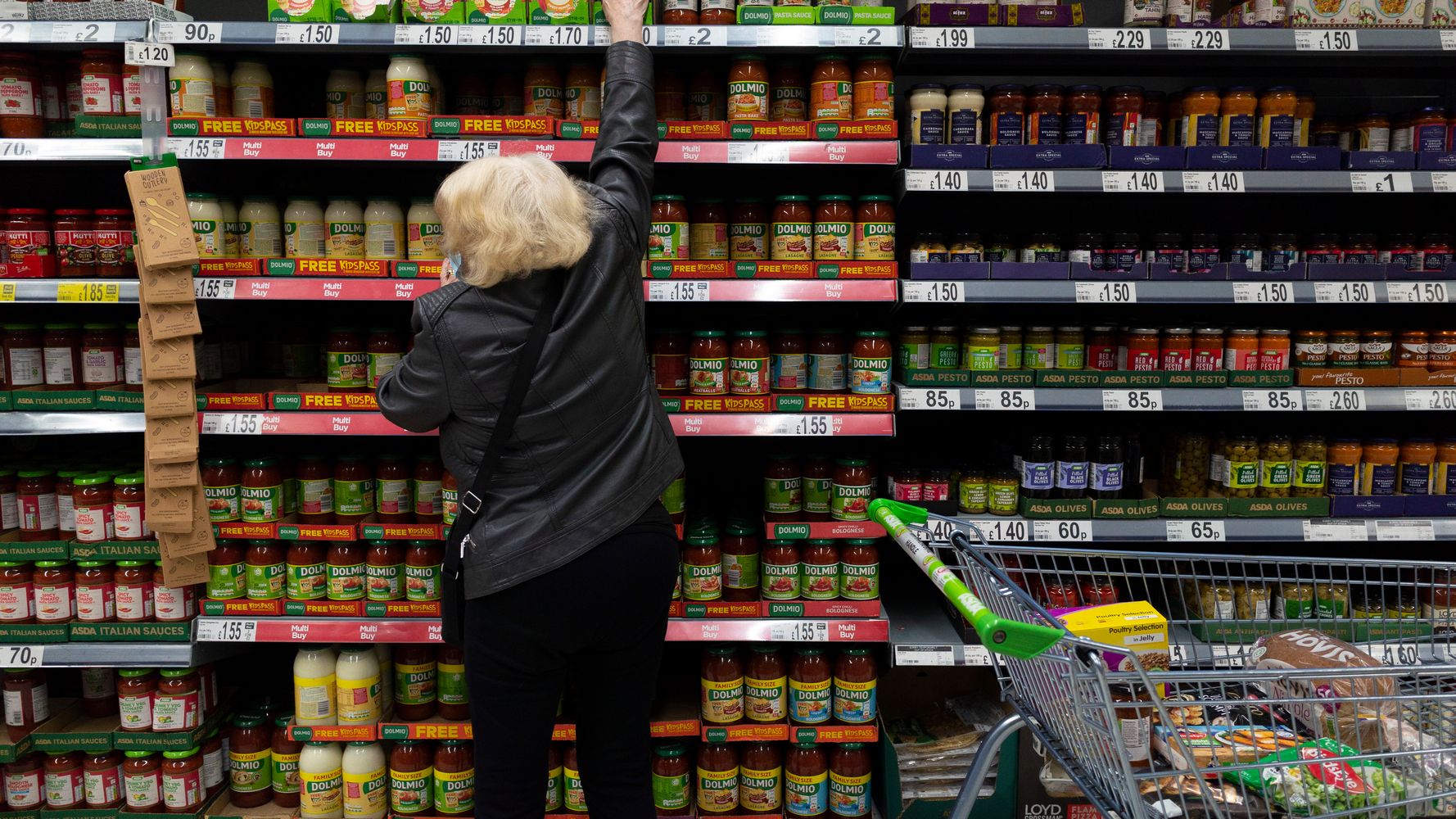
Families struggling with the cost of living crisis should consider buying value products, a cabinet minister said today.

George Eustice said that by going for cheaper “value” goods, families can “contain and manage their household budget”.

The environment secretary said household spending on food in the UK was “the lowest in Europe” but sharp rises in other costs “adds to household pressures”.

He made the comments as shop prices increased at their fastest rate in more than a decade last month, according to the British Retail Consortium.

Asked what his advice was to people who want a Sunday roast with a chicken but cannot afford it, Eustice told Sky News: “Generally speaking, what people find is by going for some of the value brands rather than own-branded products – they can actually contain and manage their household budget.

“It will undoubtedly put a pressure on household budgets and, of course, it comes on top of those high gas prices as well.”

He said rising fertiliser and feed costs had hit the farming industry, partly as a result of soaring energy prices.

Eustice said the better news was that the UK has a “very competitive” retail market with 10 big supermarkets and the four main ones competing “very aggressively”.

He said this meant they competed to keep costs down on everyday value items such as spaghetti.

Eustice added: “Where it gets harder is on things like chicken and poultry, and some fresh produce, where those increased feed costs do end up getting passed through the system because these people work on wafer-thin margins and they have to pass that cost through.”

Shop prices are up 2.7 per cent on last year marking their highest rate of inflation since September 2011, figures show.

The impact of rising energy prices and the conflict in Ukraine continued to feed through into April’s retail prices, with no sign of them abating, according to the BRC-NielsenIQ Shop Price Index.

Global food prices have also reached record highs, seeing a 13 per cent rise on last month alone, and even higher for cooking oils and cereals amid warnings that they will place further upward pressure on UK food prices as they filter through the supply chain over coming months.

Non-food products, particularly furniture, electricals and books, have seen the highest rate of inflation since records began in 2006, accelerating to 2.2 per cent in April from 1.5 per cent in March, exacerbated by disruption at the world’s largest seaport, following Shanghai’s recent lockdown.

British Retail Consortium chief executive Helen Dickinson said: “Retailers will continue to do all they can to keep prices down and deliver value for their customers by limiting price rises and expanding their value ranges, but this will put pressure on them to find cost-savings elsewhere.

“Unfortunately, customers should brace themselves for further price rises and a bumpy road ahead.”

Share Button

‘I Was Regularly Touched Up By Senior MPs,’ Says Labour’s Chris Bryant

Labour MP Chris Bryant has told how he was “regularly touched up” by older colleagues in parliament.

The senior MP said he felt he could not report it because he did not want to “end up being part of the story”.

The Commons Standards Committee chair said he was targeted by “older, senior” men.

His comments come after MPs’ conduct was called into question amid a number of sexual misconduct allegations.

Bryant told LBC Radio: “I remember when I came in, in 2001, I was regularly touched up by older, senior gay – well, they weren’t out but – MPs.

“I never felt I was able to report it because you end up being part of the story, and that’s the last thing you want.

“And I think a lot of women have been through that.”

Bryant said he could think of four MPs but he did not name them, adding: “I was shocked at the time…none of them are out of course. I think that now if anybody would do that I would be absolutely robust.

“I would a call the person out immediately and I would make a complaint.”

Calls are growing for a shake-up of Westminster’s culture in the wake of sexual misconduct claims.

Tory MP Neil Parish stood down over the weekend after he was allegedly seen by two female MPs watching pornography on his phone in the House of Commons chamber.

Separately, there are reports that 56 MPs are currently facing sexual misconduct investigations, including three cabinet ministers and two shadow cabinet ministers.

The Sunday Times has also outlined a number of claims against MPs today, including a senior MP accused of repeatedly licking the faces of male researchers in parliamentary bars.

Other allegations include a female Tory MP who was sent an explicit photograph, known as a “dick pic”, by a male colleague and another MP repeatedly warned about his use of prostitutes, according to sources.

Meanwhile, the Mail on Sunday outlined fresh claims that a senior Conservative MP pestered a female staff member for “sexual favours”.

The allegations were so serious that party bosses were advised to take them “straight to the police”, according to the paper.

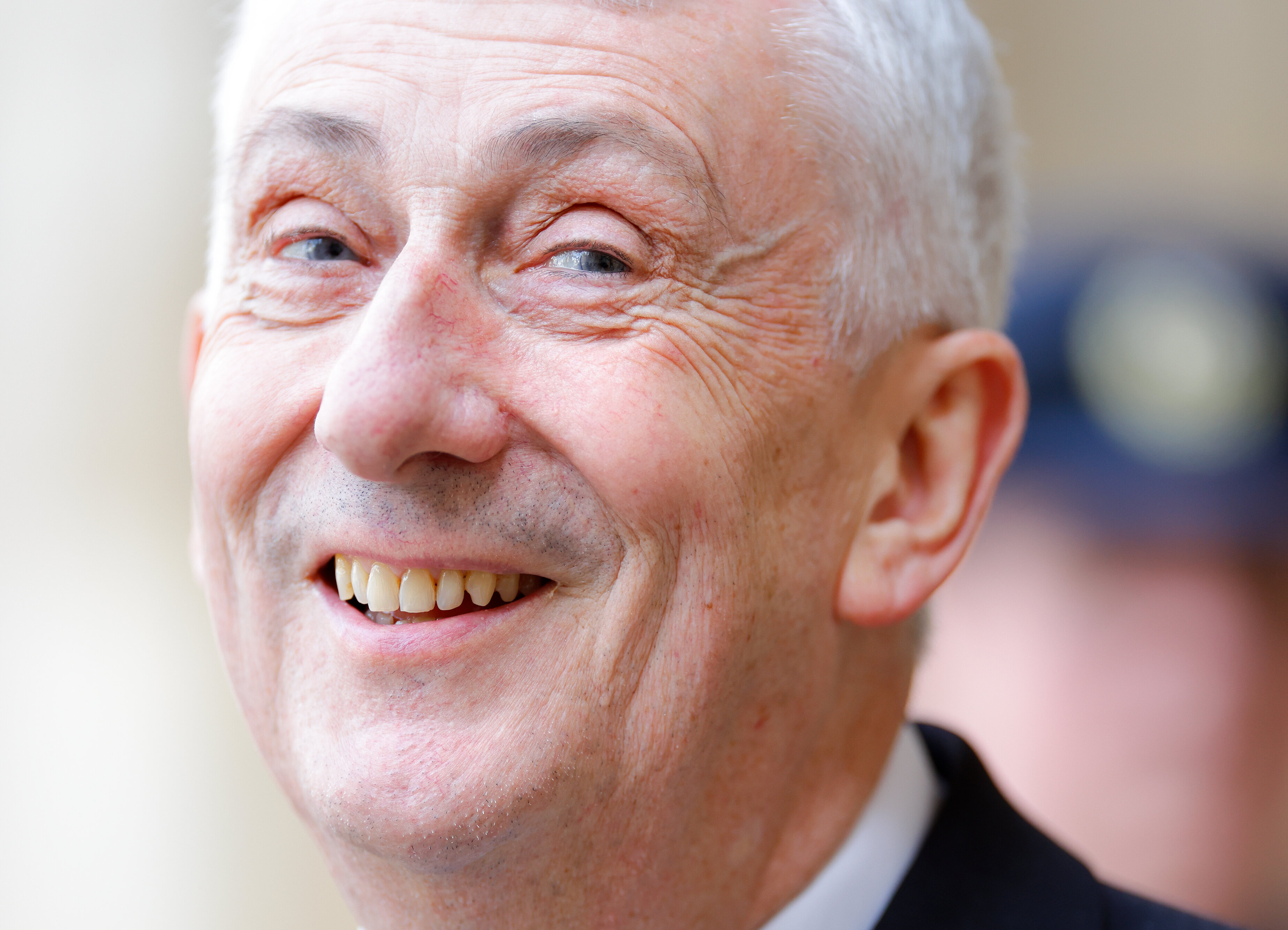
The Speaker of the House of Commons Sir Lindsay Hoyle is calling for a review of current working practices in Parliament.

He said a review is “needed urgently” to examine the current structure whereby MPs employ their staff directly.

Share Button

Speaker Calls For Review Of Parliament’s Work Practices After Sexual Misconduct Claims

The Speaker of the House of Commons is calling for a review of current working practices in Parliament.

Sir Lindsay Hoyle said a review is “needed urgently” to examine the current structure whereby MPs employ their staff directly.

It follows a spate of allegations by MPs and staff of bullying and sexual misconduct across the parliamentary estate.

Hoyle’s office said he was working with political parties and house authorities to establish a “Speaker’s Conference” as soon as possible to consider the problems.

Made up of MPs, the committee would review current working practices and conditions, take expert advice and consider if there is a case for change.

Sir Lindsay said: “I take recent allegations of bullying and sexual impropriety, comments and advances very seriously, which is why it is time we reviewed our working practices, particularly whether it is right that individual MPs are the employers of their staff.

“The question is: should someone else – or an outside body – employ the staff, as long as the MP has the right to choose them?”

The mechanism was last used in 2008 to provide advice on parliamentary representation and requires both the government and house to approve it.

Hoyle hopes the conference will reach cross-party agreement and make recommendations to the house on a case for change.

Meanwhile, Dame Andrea Leadsom, the former leader of the House of Commons, has called for the creation of a human resources service.

It comes after Tory MP Neil Parish stood down after he was allegedly seen by two female MPs watching pornography on his phone in the House of Commons chamber.

It prompted senior Tory MP Caroline Nokes to say her party is institutionally sexist and that there was a culture of “male entitlement” in the party.

Separately, there are reports that 56 MPs are currently facing sexual misconduct investigations, including three cabinet ministers and two shadow cabinet ministers.

The Sunday Times has also outlined a number of claims against MPs today, including a senior MP accused of repeatedly licking the faces of male researchers in parliamentary bars.

Other allegations include a female Tory MP who was sent an explicit photograph, known as a “dick pic”, by a male colleague and another MP repeatedly warned about his use of prostitutes, according to sources.

Share Button

Keir Starmer Under Pressure To Capitalise on Tory Woes As Voters Go To The Polls

The received Westminster wisdom is that the local elections are do-or-die for Boris Johnson.

After months of awful headlines about partygate, and with the mood among Tory MPs once again turning fractious, a bad night for the Conservatives next Thursday may well be the trigger for a move to unseat the prime minister.

What is less discussed, however, is how the elections are also a key test for Keir Starmer and whether he has what it takes to lead Labour to victory at the general election in two years’ time.

With a new poll yesterday giving Labour a nine-point lead over the Conservatives, expectations are high that the party is set to make sweeping gains on Thursday.

But Starmer’s internal detractors are looking for any signs that the party is stalling to confirm their suspicions that he is failing to seal the deal with voters.

Here, HuffPost UK assesses where the main parties are ahead of a crucial night on May 5.

The State Of The Parties

A total of 6,812 council seats in England, Wales and Scotland are up for grabs on Thursday.

In addition, there are also mayoral elections in South Yorkshire, Hackney, Lewisham, Newham, Tower Hamlets, Watford and Croydon, as well as the Northern Ireland Assembly election.

In England, the Tories are defending 1,404 seats, Labour 2,222 and the Lib Dems 517. The rest are held by independents.

In Wales, Labour hold 462 council seats, with Plaid Cymru on 208, the Conservatives on 197 and the Lib Dems on 59. More than 300 seats are held by independents.

And in Scotland, the SNP have 432 seats, with the Tories second on 277, Labour on 262 and the Lib Dems on 67. Nearly 200 of Scottish councillors are independents.

What’s At Stake?

An awful lot more than which parties will be responsible for your bin collections for the next four years.

With a general election expected in 2024, this is likely to be the last big electoral test that Labour and the Tories will face before then.

As such, it will act as an important barometer of the national mood and indicate which parties, if any, are starting to build up momentum as the general election draws nearer.

Johnson needs to prove to his restive MPs that he is still the election winning-machine who delivered an 80-seat majority in 2019, and that the damage done to his reputation by partygate is not terminal.

The stakes are arguably even higher for Starmer who, two years after becoming Labour leader, has still to convince the public that he has what it takes to lead the country.

Is Starmer’s Labour Working?

While Labour has established a consistent poll lead in recent months, there remains a strong suspicion that it owes more to the public’s dissatisfaction with the Conservatives than any great enthusiasm for the Starmer project.

HuffPost UK revealed this week that the Labour leader is facing internal pressure to show voters how the party would tackle the cost of living crisis rather than focusing on the partygate scandal.

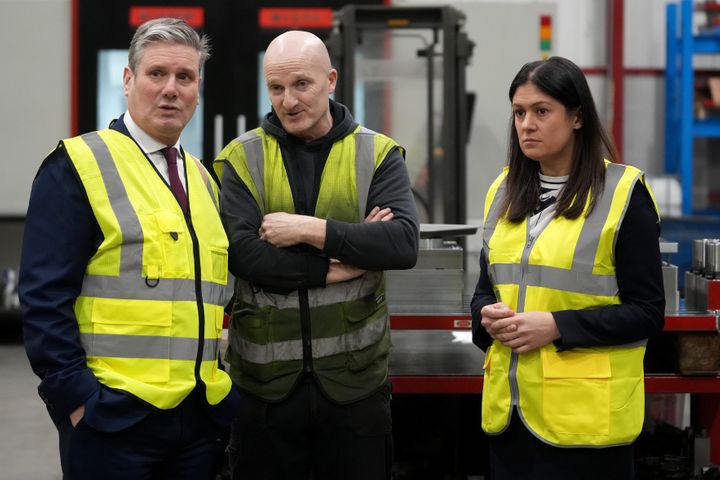
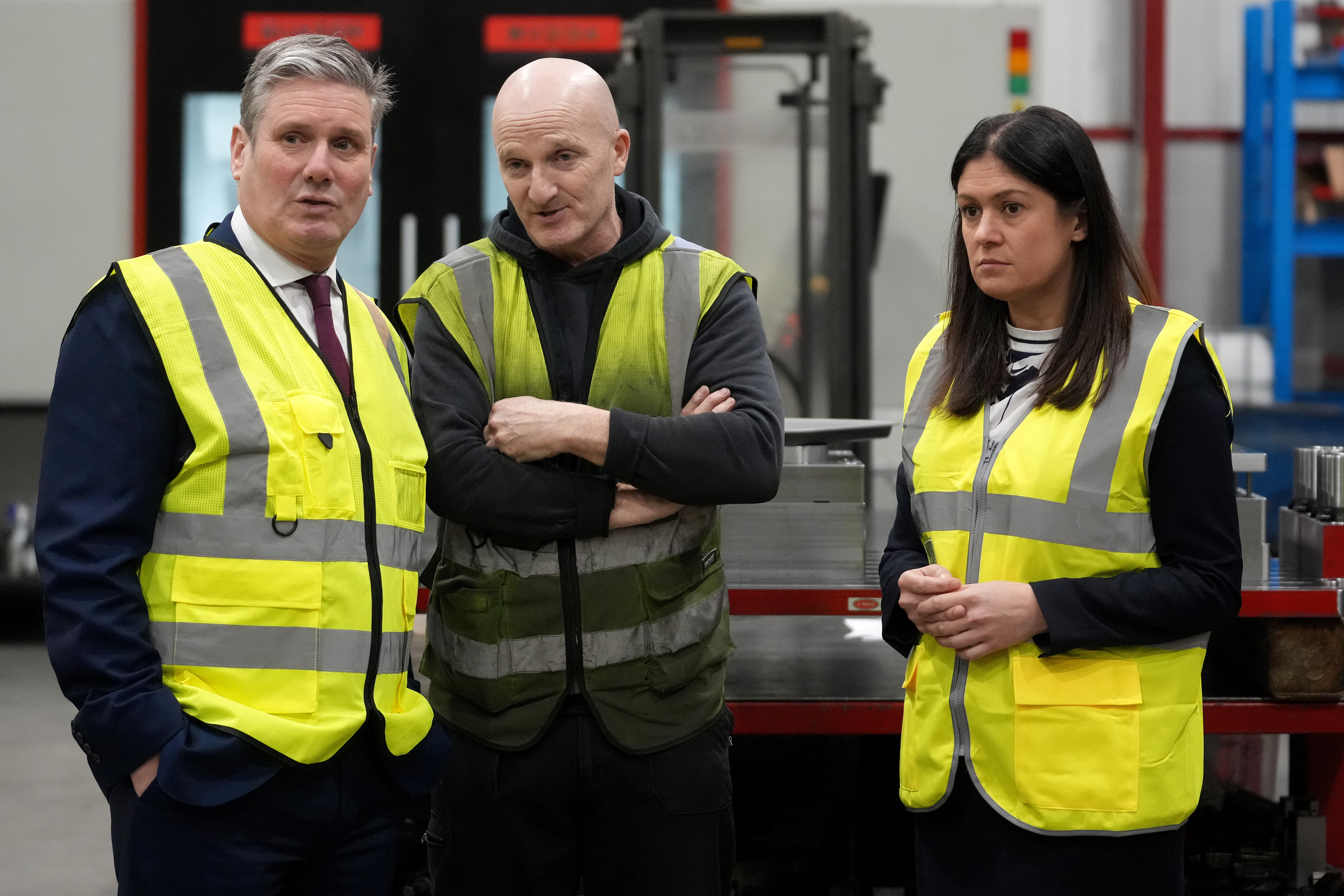
At a shadow cabinet meeting, communities spokesperson Lisa Nandy said Labour risked looking “out of touch” at a time when families across the country are struggling to make ends meet.

One senior frontbencher said: “Lisa’s not alone on this. There was strong agreement in the room to focus on the cost of living.”

It’s clear, therefore, that Starmer’s critics will be scrutinising Thursday’s results to try and assess whether the public support the leader’s strategy or are yet to be convinced.

Lisa Nandy has questioned Keir Starmer's strategy
Lisa Nandy has questioned Keir Starmer’s strategy

Christopher Furlong via Getty Images

What Does Success Look Like?

The main problem facing Labour is that the last time these council seats were up for grabs four years ago, the party did very well, making it harder for them to make sweeping gains this time around.

That said, a failure to pick up a significant number of council seats, and at least show progress in the Red Wall areas the party needs to win back if it’s to stand any chance of winning in 2024, will constitute a disappointing evening for Starmer.

“It’s a strange set of elections,” said one Starmer ally. “2018 was a bad night for the Tories and a very, very good one for Labour.

“So another bad night for the Tories and a good night for us isn’t going to result in a lot of exciting change.”

As polling gurus Colin Rallings and Michael Thrasher summed up the situation in a recent article: ”[Labour] will do well to avoid making standing still rather than picking up gains seem rather underwhelming when the post-mortem takes place.

“For the Conservatives, by contrast, the less dramatic the results, the more they can claim not to be suffering traditional ‘mid-term blues’.”

Labour sources are attempting to play down the prospect of the party seizing totemic Tory councils like Westminster and Wandsworth, but they admit that winning back Barnet is a distinct possibility.

Beating the Tories into second place behind the SNP is also essential if the party is to have any hope of re-establishing an electoral foothold in its former Scottish heartland.

Just as important as winning more council seats, insiders say, are signs of progress in seats currently held by the Tories in England and the SNP north of the border.

“We are also tracking where we are in about about 50-70 constituencies that would put us in government at a general election, so we will be keeping an eye on them on Thursday,” said a Labour source. “Places like Stevenage, Wakefield, Bury and Glasgow.

“We need to beat the Tories and SNP in them.”

The Tory View

Unsurprisingly, the Conservatives are keen to raise the bar as high as possible for what would constitute a good night for Labour in the hope they will come nowhere near clearing it.

One Tory source told HuffPost UK: “Labour are obviously saying how difficult it’s going to be to improve on 2018, but the reality is they are ahead in the polls and so should be doing well.

“It’s going to be very difficult for us in certain places, especially central London and in places like Wandsworth, Westminster and Kensington and Chelsea, where the demographics are turning against us.

“Outer London is a bit better, but things are also going to be difficult in the affluent south – places like Surrey and West Oxfordshire, where Labour are doing well.”

Significantly, however, the Tories are more confident of holding off Labour in the Red Wall, where partygate is not the major political issue many at Westminster believe it is.

“The question for Labour is whether they can make adequate progress in the places they lost in 2019 and need to win back next time,” the source said.

“While those voters are bothered about partygate, they’re more concerned with bread and butter issues such as the cost of living. They’re pissed off with the PM about partygate, but they also like what we did on vaccines and furlough.”

Winning Here?

Like Labour, the Lib Dems performed well in 2018, making further progress more difficult this time around.

“What we’re really looking to is consolidate the gains we made in places like South Cambridgeshire, Richmond and Kingston,” a source told HuffPost UK. “If we hold our ground and edge forward a little in other areas, it should spook a few Tory MPs.”

These include Stephen Hammond in Wimbledon, where the Lib Dems launched their local election campaign. The party also wants to make progress in Wokingham, where the local MP is one Dominic Raab.

The source added: “The big picture is we’re going after the Conservatives and laying the groundwork for the next election.”

The Pestminster Factor

In the past week alone, unnamed Tory MPs have smeared Angela Rayner by accusing her of using her legs to distract Boris Johnson, while another has been suspended by the party for allegedly watching porn in the Commons.

The timing could hardly have been worse for the Conservatives. Will voters use their ballots to register their disgust at the latest examples of Tory sleaze? Keir Starmer and Labour certainly hope so.

Share Button