Don’t Lose Money Buying A Used Car – This History Checker Reveals Hidden Costs

We hope you love the products we recommend! All of them were independently selected by our editors. Just so you know, HuffPost UK may collect a share of sales or other compensation from the links on this page if you decide to shop from them. Oh, and FYI — prices are accurate and items in stock as of time of publication.

Buying a car is expensive. Between finance, dealership fees, road tax, maintenance, and insurance, choosing a new vehicle can be a costly decision.

With the price of new cars on the rise, it makes sense that more people are opting to buy used cars each year. Over 7.8 million used cars were bought in the UK in 2025, up 2.15% from the previous year and this is only projected to rise.

And while investing in a second hand car can save you thousands of pounds, it can also come with stratospheric hidden costs if you don’t properly investigate its past.

With the cost of new cars constantly fluctuating, and electronic vehicles being introduced into the market, it can be difficult to know whether you’re getting a fair deal on a used car.

As well as figuring out the fair price of a car, there is also its safety to consider.

Dishonest dealers can disguise themselves as private sellers to avoid having to be responsible for faulty cars, or those that have been written off by insurance.

If we learnt anything from Roald Dahl’s Mr Wormwood, it’s that there is also a risk that the mileage displayed on a car isn’t genuine.

In fact, one in 11 cars checked by HPI Check has a discrepancy with its mileage. This can not only reduce a car’s safety, but can lead to costly repairs further down the road.

And, we know what you’re thinking: it’s unlikely you’ll fall for a scam. But one in three cars run through HPI check has something to hide.

So to avoid being hit with unwanted bills and legal disputes down the line, using a car history check service can give you peace of mind.

To make sure you’re not gambling on whether the seller has been truthful about the history of your car, HPI check investigates everything you need to be aware of when buying a used car.

The HPI check covers:

  • If the car is reported as stolen
  • If the car is an insurance write-off
  • Whether there’s an outstanding loan or finance agreement on the car
  • The number of its previous owners
  • If the DVLA has marked the car as scrapped
  • If the logbook is legitimate
  • Mileage discrepancies
  • How many number plate changes the car has had.

This will reveal whether or not you’ll be the rightful owner of your new car, and uncover if it has a dangerous past you need to be aware of.

The HPI check will also help you investigate if the car you want to buy is roadworthy, which will help you learn the true market value of the car and negotiate a fair deal with the seller.

According to one HPI check reviewer, the service saved him money and a long journey. “I saw the car I wanted, checked it through the HPI check website, and how relieved I was that I did check its history,” he said.

“It was an insurance write-off and the mileage was incorrect. It saved me from a very bad situation and having a conman making my life a misery. Money well spent.”

But it’s not just money you could save: using HPI check could also give you the confidence to navigate buying a used car in future, and save you the stress of dealing with a faulty one.

Another reviewer said: “We used HPI check because we trusted their information on a used car that we wanted to purchase. In the world of used cars this proved to be invaluable advice, we would recommend anyone thinking of buying a quality used car to use this service.”


Share Button

The 1 Thing You Should Never, Ever Do If Your Car Is Hydroplaning

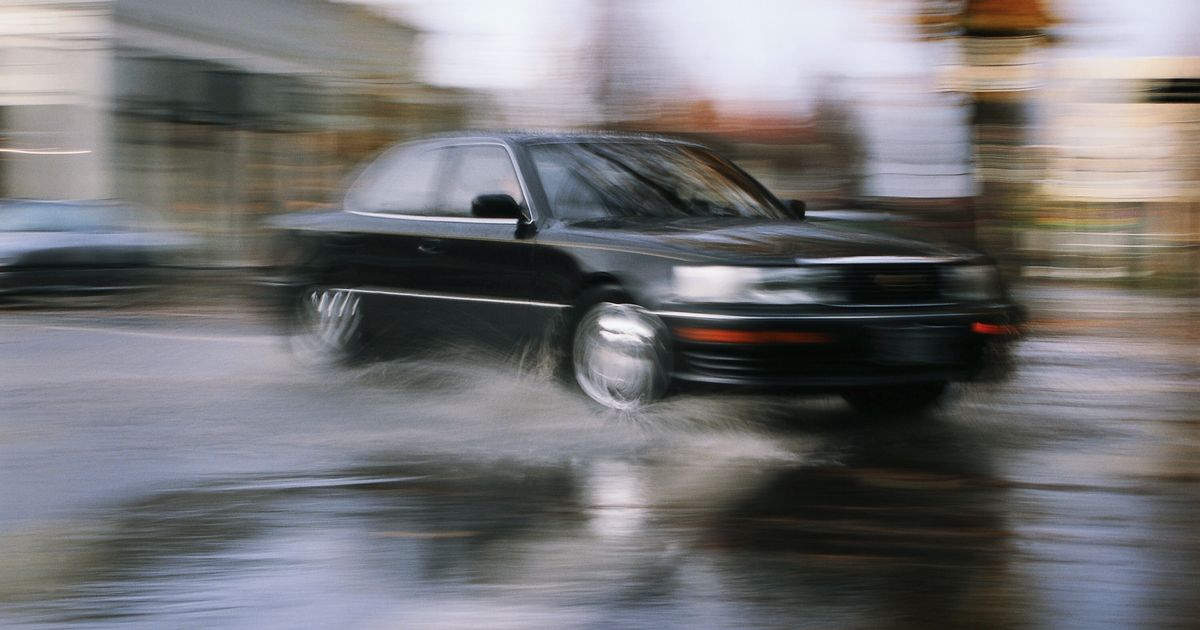
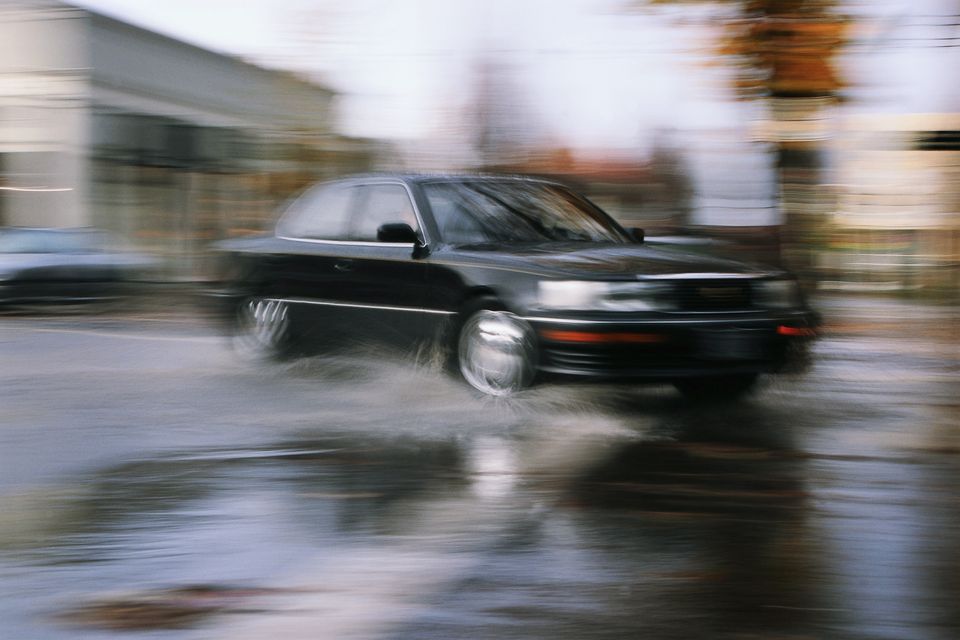
On rainy days, hydroplaning —when you drive over enough water that your car’s tires lose traction with the road, and you lose the power to steer, brake and accelerate — is every driver’s worst fear.

“It’s like being a boat. Your tires are completely not in contact with the asphalt,” explained Mike Thomas, a driving instructor for 27 years and co-founder of AllGood Driving School in Northern California. “You’re at the mercy of whatever position your car is going to be in when your tires hit the pavement again. It’s very scary.”

No driver wants to be in this position. But if the worst comes to pass and one of your tires — or all of them! — is hydroplaning, there’s one thing you can do to not make things worse.

The biggest mistake is panicking and slamming the brakes.

When your car is skidding out of your control, it’s normal to feel afraid. Just remember to stay calm. Keep a firm grip on your steering wheel and slowly take your foot off of the accelerator without braking until your tires regain traction.

The big mistake is a sudden movement like jerking your wheel or slamming the brakes.

In a video demonstration, Ryan Pszczolkowski, tire program manager for Consumer Reports, walks through why you do not want to make a sudden hard turn:

<div class="js-react-hydrator" data-component-name="YouTube" data-component-id="234" data-component-props="{"itemType":"video","index":9,"contentIndexByType":1,"contentListType":"embed","code":"

","type":"video","meta":{"author":"Consumer Reports","author_url":"https://www.youtube.com/channel/UCOClvgLYa7g75eIaTdwj_vg","cache_age":86400,"description":"Hyrdroplaning is one of the scariest experiences a driver will face. Consumer Reports experts reveal how to regain control of your wheels.\n\nCheck out https://www.ConsumerReports.org for the latest reviews, tips, and recommendations and subscribe to our YouTube Channel: http://bit.ly/1Nlb1Ez \n\nFollow Us on Social:\nFacebook: http://on.fb.me/1IQ2w5q\nTwitter: http://bit.ly/1Yf5Fh2\nPinterest: http://bit.ly/1P37mM9\nInstagram: http://bit.ly/1I49Bzo\nGoogle+: http://bit.ly/1Md3gfQ","options":{"_cc_load_policy":{"label":"Closed captions","value":false},"_end":{"label":"End on","placeholder":"ex.: 11, 1m10s","value":""},"_start":{"label":"Start from","placeholder":"ex.: 11, 1m10s","value":""},"click_to_play":{"label":"Hold load & play until clicked","value":false}},"provider_name":"YouTube","thumbnail_height":720,"thumbnail_url":"https://i.ytimg.com/vi/aMPBPSyJ0H8/maxresdefault.jpg","thumbnail_width":1280,"title":"Hydroplaning | Consumer Reports","type":"video","url":"https://www.youtube.com/watch?v=aMPBPSyJ0H8","version":"1.0"},"flags":[],"enhancements":{},"fullBleed":false,"options":{"theme":"life","device":"desktop","editionInfo":{"id":"uk","name":"U.K.","link":"https://www.huffingtonpost.co.uk","locale":"en_GB"},"originalEdition":"uk","isMapi":false,"isAmp":false,"isVideoEntry":false,"isEntry":true,"isMt":false,"entryId":"66bf2a09e4b0d9d5eb7daa83","entryPermalink":"https://www.huffingtonpost.co.uk/entry/the-1-thing-you-should-never-ever-do-if-your-car-is-hydroplaning_uk_66bf2a09e4b0d9d5eb7daa83","entryTagsList":"cars,driving,@evergreen,@widget-imported","sectionSlug":"lifestyle","deptSlug":null,"sectionRedirectUrl":null,"subcategories":"","isWide":false,"headerOverride":null,"noVideoAds":false,"disableFloat":false,"isNative":false,"commercialVideo":{"provider":"custom","site_and_category":"uk.lifestyle","package":null},"isHighline":false,"vidibleConfigValues":{"cid":"60afc140cf94592c45d7390c","disabledWithMapiEntries":false,"overrides":{"all":"60b8e525cdd90620331baaf4"},"whitelisted":["56c5f12ee4b03a39c93c9439","56c6056ee4b01f2b7e1b5f35","59bfee7f9e451049f87f550b","5acccbaac269d609ef44c529","570278d2e4b070ff77b98217","57027b4be4b070ff77b98d5c","56fe95c4e4b0041c4242016b","570279cfe4b06d08e3629954","5ba9e8821c2e65639162ccf1","5bcd9904821576674bc55ced","5d076ca127f25f504327c72e","5b35266b158f855373e28256","5ebac2e8abddfb04f877dff2","60b8e525cdd90620331baaf4","60b64354b171b7444beaff4d","60d0d8e09340d7032ad0fb1a","60d0d90f9340d7032ad0fbeb","60d0d9949340d7032ad0fed3","60d0d9f99340d7032ad10113","60d0daa69340d7032ad104cf","60d0de02b627221e9d819408"],"playlists":{"default":"57bc306888d2ff1a7f6b5579","news":"56c6dbcee4b04edee8beb49c","politics":"56c6dbcee4b04edee8beb49c","entertainment":"56c6e7f2e4b0983aa64c60fc","tech":"56c6f70ae4b043c5bdcaebf9","parents":"56cc65c2e4b0239099455b42","lifestyle":"56cc66a9e4b01f81ef94e98c"},"playerUpdates":{"56c6056ee4b01f2b7e1b5f35":"60b8e525cdd90620331baaf4","56c5f12ee4b03a39c93c9439":"60d0d8e09340d7032ad0fb1a","59bfee7f9e451049f87f550b":"60d0d90f9340d7032ad0fbeb","5acccbaac269d609ef44c529":"60d0d9949340d7032ad0fed3","5bcd9904821576674bc55ced":"60d0d9f99340d7032ad10113","5d076ca127f25f504327c72e":"60d0daa69340d7032ad104cf","5ebac2e8abddfb04f877dff2":"60d0de02b627221e9d819408"}},"connatixConfigValues":{"defaultPlayer":"8b034f64-513c-4987-b16f-42d6008f7feb","clickToPlayPlayer":"5a777b9b-81fe-41a6-8302-59e9953ee8a2","videoPagePlayer":"19654b65-409c-4b38-90db-80cbdea02cf4"},"topConnatixThumnbailSrc":"data:image/png;base64,iVBORw0KGgoAAAANSUhEUgAAAAEAAAABCAQAAAC1HAwCAAAAC0lEQVR42mNkYAAAAAYAAjCB0C8AAAAASUVORK5CYII=","customAmpComponents":[],"ampAssetsUrl":"https://amp.assets.huffpost.com","videoTraits":null,"positionInUnitCounts":{"buzz_head":{"count":0},"buzz_body":{"count":0},"buzz_bottom":{"count":0}},"positionInSubUnitCounts":{"article_body":{"count":4},"blog_summary":{"count":0},"before_you_go_content":{"count":0}},"connatixCountsHelper":{"count":0},"buzzfeedTracking":{"context_page_id":"66bf2a09e4b0d9d5eb7daa83","context_page_type":"buzz","destination":"huffpost","mode":"desktop","page_edition":"en-uk"},"tags":[{"name":"Cars","slug":"cars","links":{"relativeLink":"news/cars","permalink":"https://www.huffingtonpost.co.uk/news/cars","mobileWebLink":"https://www.huffingtonpost.co.uk/news/cars"},"section":{"title":"Tech","slug":"tech"},"topic":{"title":"Cars","slug":"cars","overridesSectionLabel":false},"url":"https://www.huffingtonpost.co.uk/news/cars/"},{"name":"driving","slug":"driving","links":{"relativeLink":"news/driving","permalink":"https://www.huffingtonpost.co.uk/news/driving","mobileWebLink":"https://www.huffingtonpost.co.uk/news/driving"},"url":"https://www.huffingtonpost.co.uk/news/driving/"}],"isLiveblogLive":null,"cetUnit":"buzz_body","bodyAds":["

\r\n\r\n HPGam.cmd.push(function(){\r\n\t\treturn HPGam.render(\"inline-1\", \"entry_paragraph_1\", false, false);\r\n });\r\n\r\n","

\r\n\r\n HPGam.cmd.push(function(){\r\n\t\treturn HPGam.render(\"inline\", \"entry_paragraph_2\", false, false);\r\n });\r\n\r\n","

\r\n\r\n HPGam.cmd.push(function(){\r\n\t\treturn HPGam.render(\"inline-2\", \"entry_paragraph_3\", false, false);\r\n });\r\n\r\n","

\r\n\r\n HPGam.cmd.push(function(){\r\n\t\treturn HPGam.render(\"inline-infinite\", \"repeating_dynamic_display\", false, false);\r\n });\r\n\r\n"],"adCount":0},"isCollectionEmbed":false}”>

“As we get back onto dry asphalt, you have your wheels turned. Now all of a sudden, we have grip and the car lurches to the left, which is why you don’t want to turn,” Pszczolkowski explains to a reporter, as they drive in a hydroplaning car.

The goal is to get traction back underneath your tires as soon as possible. That means not taking your hands off the wheel and staying alert.

If one of your rear tires starts hydroplaning and slides your car to the right, turn into the skid and turn right to try to reestablish traction, said Steve Frank, co-owner of Pinellas Driving School in Florida.

“You’re basically stopping the car from spinning around,” he said.

Braking hard is not only useless when hydroplaning ― it may cause your brakes to lock up, which will not be helpful when you do regain control over your tires.

“If you lock up your brakes, and you’re going a little bit sideways and then you hit the pavement again … you could flip over,” Thomas said.

There are a few steps you should take to reduce hydroplaning.

If your car is hydroplaning, there is little you can do until your tires re-establish traction, which is why experts say it’s best to avoid ever being in that position. Here’s what you should be doing to lower your odds of hydroplaning:

Monitor your tire pressure.

Properly inflated tires with good tread depth are the “number-one way” to avoid hydroplaning, Frank said.

It’s harder for water to get through the grooves of a bald, under-inflated tire. So don’t ignore any warnings from your tire pressure monitoring system, Frank said.

Be extra careful in the beginning of storms.

You have a greater chance of hydroplaning in the first minutes of a storm than in the thick of it, especially if it has not rained in some time.

“It’s more slippery after it first starts raining than after it’s been raining for a while,” Frank said, because all of the oil and grease that’s been left on the road from cars will float on top of water and make the surface especially slick.

Don’t drive quickly in storms ― and don’t drive at all in flood conditions.

Driving slowly in hazardous conditions like storms gives you more “time to not have to react quickly to things” by braking or turning hard, Frank said.

And avoid driving over standing water or puddles if you can help it, because underneath that little puddle might be a “gigantic pothole.”

Some storms may mean it’s better to not drive at all. A road flooded with running water can be especially dangerous.

“People often underestimate the power of rushing water,” the National Highway Traffic Safety Administration explains on its website. “It only takes 12 inches of rushing water to carry away most cars, and just two feet of rushing water can carry away most trucks and SUVs.”

No one wants to experience hydroplaning, but if you do, you won’t have time to frantically look up an answer on what to do. Staying calm is the best first step.

Share Button