In a huge study analysing the self-reported pain data of over 6 million people has found that women experience more pain on average than men do in 11 body parts.
Speaking to Medical News Today, author Matt Fillingim, PhD, a postdoctoral researcher at McGill University in Montreal, Canada said: “The difference probably reflects a combination of biological and social factors, including sex hormones, immune function, nervous-system pain processing, stress, reproductive burdens, occupational exposures, healthcare use, and differences in how symptoms are reported.”
The sharpest increases in self-reported pain tend to occur before the age of 55
Advertisement
The areas where women reported more pain than men
According to the study, women experience more pain in the head, face, neck and shoulder area, hand and wrist area, elbows, foot and ankle sites, the knees, the chest, the back, abdominal area, and the hips. The highest prevalence was for back pain, at 40%.
Shuchita Garg, MD, an associate professor of clinical medicine in the Department of Anesthesia/Division of Chronic Pain, and the medical director of the University of Cincinnati Medical Center Pain Clinic commented on the findings.
She said: “The reasons why women have a higher prevalence of pain are complicated and include biological, hormonal, and psychosocial elements, the greatest differences being found in the case of facial and abdominal pain, headaches as well as in instances of severe symptoms.
Advertisement
“The differences are greatest in the case of migraine, temporomandibular, and visceral pain — conditions which correspond with the reproductive years. It is believed that pubertal development and sex hormones cause the difference between adolescent boys and girls.”
Interestingly, pain across all the studied anatomical sites, across genders, increased in prevalence most rapidly before the age of 55.
It’s worth noting that men are less likely to report pain
While this report offers damning facts about the pain women experience, it’s also worth noting that in the UK at least, men are less likely to report pain or get much-needed treatment for symptoms than women are.
Advertisement
According to the Department of Health and Social Care: “Evidence shows that across the NHS Health Check, a cardiovascular disease prevention programme, men are less likely to attend a health check (45.3%) compared with women (54.7%).
“As a result, fewer men than women are provided with the necessary advice, signposting and onward referral available through the NHS Health Check to manage and reduce their risk of heart attack, stroke and related conditions, such as type 2 diabetes, kidney disease and some forms of dementia.”
If you are experiencing pain, seek treatment
If you are experiencing chronic or unexplained pain, speak to your GP or pharmacist for support. There is no shame in getting the treatment that you need and it could even prevent worsening of symptoms.
Advertisement
Dr Karan Rajan, an NHS surgeon advises being as specific as possible when explaining your symptoms, explaining that instead of saying something like “I get dizzy a lot”, you should instead go into detail with phrasing such as “I get dizzy when I stand up, especially in the morning. It’s worse after eating or after I’ve been sitting for a long period of time.”
If there are times that your pain is worse or anything that exacerbates it, be sure to note this to your GP.
Research into menopause and perimenopause is vastly improving. This means that while we may have always associated mood swings and hot flushes with these life changes, we have learned that they can actually fundamentally change the body.
While this is very hopeful for future generations of women, a new survey conducted by Holland and Barrett in partnership with Menopause Mandate has found that 46% of women are still having perimenopause and menopause symptoms dismissed by other women.
Additionally, the research found an age disparity with younger women entering perimenopause feeling the most isolated. Over half (51% of 30–44-year-olds have reported symptom doubt, compared to 40 per cent of those aged 55 or over.
Advertisement
Women are dedicating an average of 2.3 hours a week to ‘menopause admin’
Beyond managing their symptoms, women are dedicating on average over two hours a week to menopause admin. This includes:
Menopause comes with a range of symptoms including difficulty concentrating, electric shocks on the skin, vaginal atrophy and recurring urinary tract infections (UTIs).
A full range of potential menopause symptoms can be found on The Menopause Charity’s website but it’s fair to say, we are likely dismissing one another’s symptoms because we simply don’t know the extent of the changes menopause can bring.
Laura Biggs, Founding Director at Menopause Mandate, comments: “Perimenopause and menopause can affect women in very different ways, and symptoms can change over time. It’s so important that women know what they might experience and can find help and support when they need it.
Advertisement
“Since launching in 2022, the Menopause Mandate nurse helpline has offered free advice from trained professionals.”
I first saw the suggestion on TikTok, but it’s also on Instagram and X (formerly Twitter). In response to people who say they’d go vegan but love cheese too much to do so, plant-based creators have a simple response: “Then go vegan, except for cheese,” TikTokers like @Maggieeatsvegan advise.
Of course, cheese doesn’t actually fit into a vegan diet. But we know that eating more plant-based foods is good for both us and the planet, and that cutting down on meat and dairy consumption, but not eliminating it altogether, could still lower our bowel cancer risk and help us to meet sustainability goals.
“Vegan but cheese” might not feel like a 100% perfect answer. However, it’s a lot better than doing nothing.
Advertisement
And speaking to HuffPost UK, BACP-certified therapists Susie Masterson and Eve Menzes Cunningham said there are lessons to be learned here when setting other goals, too.
“An all-or-nothing mindset is actually quite punitive”
Menzes Cunningham, who is vegan herself, said she “LOVES” the vegan but cheese theory as a way to approach personal goals. She added that a lot of her clients have an “all or nothing” mindset regarding their aspirations, which might actually hold them back.
“Focusing on… the direction you want to move in rather than [the] fraction of [your goal] that isn’t for you at the moment… is still a huge move,” she advised.
Advertisement
For instance, the therapist explained, she ate food outside of her usual vegan diet a couple of Christmases ago. Menzes Cunningham said her younger self might have gone back to eating meat, having seen this apparent “lapse” as a total failure – but accepting it as a “human” mistake made returning to her established eating habits easier.
Masterson agreed, saying: “Goal setting is less about achieving an outcome and more about the process of working towards something. Anticipation and quests produce dopamine, which helps us feel good about ourselves and keep[s us] motivated”.
She called our obsession with perfection quite “punitive”, adding: “I’ve met so many people who have goals: marathon, house, kids, and they feel empty.
Advertisement
“Because the goals don’t mean anything to them. They were for other people or for social media. Goals are not stamps to collect.”
Being kinder to yourself could make you more resilient
A review of studies previously found that self-compassion – treating yourself as you would a friend – is linked to more success and better relationships.
Menzes Cunningham says she often reminds clients of toddlers, who naturally want to grow and improve without being yelled at to crawl or walk, when advising them on how to engage with self-talk.
Advertisement
“Remind yourself that you’re human, notice what else is going on in your life, see what additional supports you might be able to put in place” when aiming for a goal, she said.
“Recognise that progress is soooo much better than perfection (which doesn’t exist!)”.
Masterson, meanwhile, ended: “Scientists don’t fail; they learn and pivot. In sports we get injured, but that doesn’t mean we stop training or conditioning.
“I always recommend setting intentions rather than goals. To find a rhythm and practice that enhances our lives, rather than constantly looking for another peak to climb.”
For many women, perimenopause, or the period that leads up to menopause, begins in their 40s. This happens when your body is getting ready to stop having periods for good.
Often, the process changes your menstrual cycle. It can make your periods irregular, longer, or shorter. And it can lead to heavier periods, too.
Here, HuffPost UK spoke to Dr Ghazala Aziz-Scott, a specialist in women’s health at the Marion Gluck Clinic, to work out why this happens, what’s normal, and when you should speak to a GP.
Advertisement
Why do some people’s periods get heavier in their 40s?
During this decade, Dr Aziz-Scott explained that the amount of progesterone women produce during the second half of their menstrual cycle (the luteal phase) can decline.
Meanwhile, some women actually start to produce more oestrogen in perimenopause.
Progesterone “is a hormone that stabilises the endometrial lining and oestrogen has the opposite effect of stimulating the endometrial lining,” the doctor stated.
If your progesterone declines while your oestrogen rises, you might become what Dr Aziz-Scott calls “oestrogen dominant”.
Advertisement
This “imbalance leads to the endometrial lining being less stable and a greater blood loss”. Some people don’t ovulate at all for certain menstrual cycles during perimenopause (anovulation), which can also make periods heavier.
What is normal for periods in perimenopause?
Irregular ovulation and changes to hormones in our pituitary gland, like FSH (follicle-stimulating hormone) and LH (luteinising hormone), can make periods “erratic”, the expert advised.
The perimenopause “can go on for many years, with initially the odd anovulatory cycle to periods of amenorrhoea [having no periods at all] for several months,” she continued.
Advertisement
“Perimenopausal periods tend to be closer together, and much heavier; for example, a 28-day cycle might be 22 days. Periods can be clotty, and flooding may occur”.
But this can vary from woman to woman. Some might find that they see a sudden stop to their periods, “and it is also very common to have several months of no periods and experience spotting or very light bleeds”.
How can I make periods in menopause easier?
Eating well, including consuming more cruciferous vegetables (like broccoli and cabbage), milled flax seeds, and “a wide variety of colourful fruit and vegetables” might go some way towards balancing oestrogen dominance, the specialist said.
Advertisement
Hormonal treatments, including those which include progesterone or the Mirena coil, are “popular” among those with very heavy periods, she added.
“If periods are very heavy, medications such as mefenamic acid and tranexamic acid can reduce the blood flow while menstruating, as one of the common patterns of perimenopause is iron deficiency anaemia due to the heavy blood loss,” Dr Aziz-Scott told us.
In some cases, “a small dose of synthetic progesterone directly onto the lining of the womb [can] make periods much lighter or disappear altogether, restoring quality of life and decreasing the risk of anaemia”.
Advertisement
But in general, she added, you should speak to your doctor to work out what’s going on with your hormones.
When should I see a GP about heavy periods in my 40s?
The NHS said that you should see your doctor if you notice any menopause or perimenopause symptoms for the first time and want to know what you can do about them.
And Dr Aziz-Scott shared that you should speak to your GP if your periods are affecting your quality of life – you might also want to go for “education and reassurance about what is going on in your body”.
Advertisement
Sometimes, your doctor may prescribe appropriate treatments like mefenamic acid.
“It is also helpful to discuss any symptoms you may be experiencing and how to manage these,” the expert ended.
“Iron deficiency anaemia is a very common occurrence, and many women don’t realise this until they are really feeling unwell, with low energy, weakness and even breathlessness. So if you do have very heavy periods, checking your haemoglobin and iron levels is very important.”
These days, for many couples,doggy style has become the default alternative to missionary, even among those who consider themselves sexually adventurous.
For manycouples who aren’t acrobats, it can feel like there are only two choices: missionary or doggy. I don’t know about you, but I’m not holding myself up in aplank for several minutes, and there’s no chance my partner is lifting me against a wall.
The good news? There are plenty of sex positions that sit comfortably in between. If you’ve found yourself stuck in the doggy rut, it might be time to switch things up.
Advertisement
1. Sideways 69
The 69 position has essentially become a punchline at this point, but the two-sided oral position is one to behold. And it doesn’t have to be as demanding as the classic version.
“Traditional 69 can get surprisingly athletic,” explained Lisa Opel, sex educator at MYLO, a brand that sells intimate wellness and pleasure products.
“Turning onto your sides keeps the simultaneous oral but means nobody has to hold themselves up like they are midway through a core workout. Hands and toys are easy to bring in too. And if one person gets so distracted by receiving that they forget what they were doing, just roll with it, you’ve accidentally transitioned into oral or Pillow Princess, which is hardly a tragedy.”
Advertisement
2. The Lazy Susan
A lot of standing sex positions look fun, but seem like they’d wreak havoc on your joints and send blood rushing to your head. The lazy Susan, also known as the couch surfer, is the low-key antidote to all those wild, acrobatic positions. It’s convenient for a quickie, especially if you’re already hanging out in the living room.
The receiving partner bends over the arm of a couch while the giving partner enters them from behind. The receiver can grind against the firm-but-cushy arm for multiple forms of stimulation with minimal effort.
This position can also be applied to beds, and comes recommended by Bryony Lees, sex educator at sextoys.co.uk.
Advertisement
“One partner lies comfortably towards the edge of the bed while the other stays beside it,” Lees shared. “It changes up the angle without too much hassle, and you can use a pillow underneath the hips if you want more elevation.”
Looking to take this position up a notch? Have the receiver cross their ankles, which can engage their pelvic floor and gluteal muscles more tightly around the giving partner’s penis or dildo.
3. Lazy Doggy
All the perks of doggy style, without the effort. Once you go lazy doggy, you may have very little motivation to get back up. It’s essentially the same position, just lying down. Lisa Finn, a sex educator at Babeland, is always recommending this one.
Advertisement
“One of my most recommended positions is actually a riff on doggy, since there’s no arguing that the perks of doggy style sex are something that a lot of partners understandably seek out,” Finn explained.
“Lazy doggy (or assisted doggy) is a ‘hit-it-from-the-back’ position like doggy style, but instead of the receiving partner being on all fours, they’re lying over a positioning pillow or something else that props up their core, like the arm of a couch. Having yourself propped up on a positioning pillow allows the hips to open more, giving easier and deeper access for the person penetrating, as well as better angles for G-spot or prostate stimulation for the receiver.”
Finn continues: “Unlike standard doggy, in lazy doggy your weight is supported by the pillow underneath you, which means you don’t have to worry about using your arms to prop yourself up, which can be difficult to sustain on a soft surface like a mattress. Not having to worry about supporting your weight can allow you to really relax and focus on sensation, rather than balance.”
Advertisement
4. Grinding The Corn
Georgina Vass, a relationship and sex therapist, recommends the coital alignment technique (CAT), also known by its rather more entertaining name: “grinding the corn.”
“Coital alignment technique, or ‘grinding the corn,’ is a variation of the missionary position designed to optimise the likelihood of the female, or bottom, partner achieving orgasm through clitoral stimulation,” she explained.
“Rather than the standard in-and-out motion of missionary, the position uses a slow, controlled rocking, or ‘grinding,’ motion.
Advertisement
“The idea is that most of the clitoris lies beneath the surface in a wishbone shape. If the partner on top applies pressure to the vulva of the partner below, the unseen parts of the clitoris can be stimulated, potentially helping the bottom partner reach orgasm.
“To try CAT, start in the missionary position. The top partner then shifts their body slightly forward – their chest may end up closer to the other partner’s face. The bottom partner stays in the usual missionary position, with their legs open. Both partners should be pelvis-to-pelvis, with the penis or toy angled downward.
“Once the penis or toy is partially inserted, both partners can move away from the familiar in-and-out motion and instead ‘grind’ against each other using a rhythmic rocking movement.”
Advertisement
Illustration: HuffPost; Photo: Getty Images
You don’t have to have hinges to do all these positions.
5. The Hot Seat
If you like spooning, there are plenty of ways to switch up this lazy position.
The big spoon sits on the edge of the bed or a chair – which can be a great option if you have back issues – while the little spoon sits on top, facing away. The position offers some serious G-spot stimulation, along with the rear-entry angle that keeps so many of us coming back to doggy style.
But unlike doggy style, seated spooning gives the receiving partner much more control. They can easily adjust the depth and speed of penetration using their legs, making it a comfortable option for anyone who wants to stay in control without having to do all the work.
Advertisement
“If you’re usually having sex lying down, switching to a seated position can instantly make things feel exciting and fresh,” Finn explained. “The classic spooning position is already great for G-spot/prostate stimulation, and sitting gives the receiving partner even more control of the angle to find what feels best by leaning forward or back.”
6. Mutual Masturbation
There’s something inherently sexy about watching a partner touch themselves, and Tara Suwinyattichaiporn (also known as Dr. Tara), an intimacy and relationships expert and co-host of Celebs Go Dating, thinks it’s a low-stakes way to spice up your sex life. She wants us to try mutual masturbation the next time we have the urge to fall back on doggy style.
“This position involves partners lying next to each other and engaging in self-pleasure, either manually or with toys,” Suwinyattichaiporn explained.
Advertisement
“This is an amazing position for low effort while still involving each other’s sexual energy and orgasming together, which can be very bonding. Bonus points if partners can also engage with each other physically – for example, giving the male partner a few hand strokes or kissing. The male partner can kiss and lick the nipples while both engage in self-pleasure. Spicy, fun, easy and no penetration needed for orgasm.”
7. Face-Off
The best sex sometimes happens off the bed. Don’t worry, we won’t make you risk rug burn for a good orgasm. How about bringing a chair into the mix? It’s time to face off with your partner.
“One partner sits on the edge of the bed or on a sturdy chair while the other straddles them, facing towards them,” Opel explained. “The receiving partner gets plenty of control over depth and rhythm without needing a full squat or endless leg strength. You get kissing, eye contact if that’s your thing, and lots of access for hands. It works just as well for strap-on sex, which makes it easy to adapt across different bodies and couples.”
Advertisement
And if there happens to be a mirror beside you both, all the better.
8. The Velvet Spoon
Kate Moyle, a psychosexual therapist for LELO, the sexual wellness brand, is a big fan of switching up existing positions. Step aside, spooning – it’s time for the velvet spoon.
“A slower, less active position doesn’t necessarily have to mean boring, and spooning is a position with gentle but great versatility,” Moyle explained.
“Partners lie side by side, facing the same way, with the penetrating partner positioned behind. While it’s a non-facing position, it still offers a sense of intimacy and closeness, particularly as you can easily adapt it with neck kissing. The neck is one of the most popular non-genital erogenous zones due to its high density of nerve endings, which makes it very sensitive.”
Advertisement
Moyle continued, “You can also add other forms of simultaneous stimulation, such as nipple play and clitoral stimulation, either manually by either partner or by introducing a sex toy. A wand-style toy or bullet vibrator are good options for this, as they can be held by either partner or positioned and held by the thighs of the front partner. Another option would be a small finger vibrator, which can again be worn by either partner.
“A good water-based lubricant is also the perfect addition for clitoral play with either hands or a vibrator.”
9. Free-Hand Spooning
Ally Iseman, a relationship coach certified by the International Coaching Federation, wants you to level up your spooning with some hands-on action.
Advertisement
“Lie on your sides facing the same way, with the receiving partner’s back tucked against the penetrating partner’s chest,” she said. “The receiver slides their top knee forward toward their chest to open up the angle. Enter from behind, then trade thrusting for a slow, deep, synchronised rocking motion that keeps your hips pressed together. Use a belt to lasso your hips together if you’re both open to a little bondage, too.”
“In this position, you both have a hand free, so one of you can put it to the clitoris or hand the job over to a small vibrator,” she continued. “Or the receiving partner can guide the penetrating partner’s free hand wherever they want it along their torso, chest, hips, or neck, like that scene in the movie ‘Ghost.’
“Spooning keeps the rear-entry angle people love about doggy and gives the clitoris its seat back at the table. Nobody is holding up their own body weight, and nobody is watching your face for a reaction. A watched pot never boils, and a watched vulva rarely orgasms. Orgasm needs enough physical stimulation and enough psychological safety for the body to surrender. The ‘boring’ positions are often the ones that deliver both.”
Advertisement
10. The Sledge
“If you’re looking to switch things up, The Sledge can be a fun one to explore together,” explained April Maria, sexologist and sex educator at the sex toy brand Hot Octopuss. “It’s very similar to the missionary position; however, the top partner turns and lies in the other direction.”
“This position is not only easy to achieve and doesn’t require any bending or flexibility, but it also gives plenty of control over the movement, pace, and extra accessibility to the genitals. Both partners can use their hands to add extra touch to areas such as the clitoris, testicles, perineum and anus.”
Now for the logistics of this sleigh ride. “One partner lies on the bed with their legs slightly separated,” Maria explained. “The other partner sits on top, facing away, stretches their legs to their partner’s shoulders, and rests their chest on their partner’s legs.”
Advertisement
11. The Lotus
“The Lotus sounds much fancier than it actually is,” Lees explained. “One partner sits down while the other straddles them face-to-face. Being this close also makes it easy to add other kinds of stimulation at the same time, and combining different sensations can be great if orgasm is the goal.”
This position not only offers great grinding potential, but is extremely intimate. You get to have your bodies pressed flush together. Even without penetration, we recommend this position for the added sensations and intimacy.
12. Pillow-Supported Missionary
The most boring sex positions can get a complete makeover with one simple accessory. Sometimes that’s a bullet vibrator or a pair of handcuffs. Other times, it’s just a pillow.
Advertisement
“Sometimes all you need is a pillow,” Lees explained. “Placing one underneath the hips during missionary slightly changes the angle of the pelvis, which can make it easier to find the position that feels best for you. Once you’ve found that sweet spot, you can keep the angle and rhythm consistent rather than constantly readjusting, which can be really helpful when you’re trying to build toward orgasm.”
You can buy a pillow designed specifically for sex, or simply use one you already have. We’d recommend changing the pillowcase afterward, though.
13. Butterfly
The butterfly is a surprisingly low-effort position that adds extra intimacy and pleasure without requiring Olympic-level flexibility.
Advertisement
“Butterfly is a great pick if you’re into deeper penetration,” Finn shared. “With the penetrating partner standing, they can find a deeper angle, while positioning the receiving partner at the edge of the bed opens the hips for even more access.”
In this position, the receiving partner lies on their back at the edge of a bed or other sturdy surface, while the penetrating partner stands or kneels between their legs. The penetrating partner does most of the work, while the receiving partner can adjust their legs for comfort or to change the angle of stimulation.
Finn continued, “Since the receiving partner is lying down and doesn’t need their arms to support their weight, their hands are open to be able to touch themselves – or are available to be tied up, like with a set of bed restraints. And because of the angle, butterfly makes eye contact easy, which can be a major bonus if you like seeing your partner’s reactions and watching each other as you play.”
Advertisement
14. Snow Angel
Despite the frosty name, this position can even be a great option during a heatwave, since you’re not pressed up against each other the whole time.
The snow angel takes inspiration from the classic missionary position but gives it a bit of an upside-down twist. The receiver lies flat on their back while the giver lies the other way around, face down. Think of it as 69, but with your genitals positioned together rather than at each other’s faces.
The receiver then wraps their legs around the giver’s back to elevate their pelvis for better penetration. They’ll be very much in the driving seat when it comes to thrusting, while the giver can hold onto their butt to help control the motion. There should also be some nice clitoral grinding in the process.
Advertisement
“The snow angel position provides an angle of entry that’s much different than most other positions, which provides a really unique sensation with each thrust,” Finn explained. “The position also allows for plenty of body-to-body contact, which is great if you like grinding or more pressure against the clit during sex. And unlike with most penetrative positions, the receiving partner is the one that gets a front-row view of their partner’s butt, giving plenty of opportunity to bring some back door stimulation into the mix. Use fingers or a toy to stimulate around the rim or to explore some penetration/prostate play, or simply squeeze, slap, or spank their cheeks as you play.”
First, that resulted in my overnight cocoa chia oat breakfast. And recently, it gave life to my new quick-fix “marry me” butter bean recipe, too (my ingredients offered 9g of fibre a serving without bread and is perfect for a speedy dinner or lunch).
The base is simple
TikTok’s viral “marry me” chicken recipe is actually older than you might think ― it’s a variation of “Tuscan”-style recipes (Mary Berry used the method before it got its catchy name).
Advertisement
The idea is simple: cook a tomato sauce around a protein and then add some form of dairy at the end to round it out.
“Marry me” recipes often use sundried, rather than regular, tomatoes for an added flavour punch. The result is a moreish, deep flavour that tricks you into thinking you’ve spent hours cooking out tomatoes.
Let’s round that up to £2 a person (my recipe fed two).
Here’s how it’s made
Ingredients (for 2)
400g tin butter beans
4 cloves garlic
Small onion, finely diced
1 tablespoon oil (any is fine, though from the sundried tomato jar is best)
About 4 sun-dried tomatoes, diced
Half a teaspoon of chilli flakes
1 teaspoon oregano
Fresh basil, chopped
75g cream cheese
50g grated parmesan
Salt
Pepper
Crusty bread (optional)
Instructions
Heat the pan to medium, and place the oil in it once hot. Place the finely-chopped shallots in oil along with a half teaspoon of salt once shimmering and keep simmering until translucent (about seven minutes).
Add the chopped garlic and sun-dried tomatoes along with the chilli flakes and oregano and fry off for a minute or until fragrant, then pour in the butter beans with their water.
Continue cooking for another 5 minutes or until the sauce begins to become jammy and thick.
Add the cream cheese, Parmesan, pepper, and salt to taste at the end, stirring until well combined (do this off the heat).
Serve and cover with chopped basil leaves. Eat with crusty bread if preferred.
If you’ve noticed more scam calls and increasingly convincing phishing emails recently, you’re not alone. The UK National Cybersecurity Centre (NCC) itself has said that “scams are getting smarter, and some even fool the experts”.
AI tools and voice cloning (where fraudsters use clips of someone’s voice to mimic a loved one on the phone) might make your online life feel increasingly fraught.
Advertisement
But what if you’ve already selected it by accident? Here, cybersecurity experts share their advice on what to do next.
General advice if you’ve clicked on a suspicious link
Tomas Stamulis, the chief security officer at digital privacy company Surfshark, said that you shouldn’t assume the worst if you’ve clicked on a suspicious link – though you should “act quickly”. In fact, all the experts we spoke to said speed matters here.
“Close the page straight away and avoid entering any personal information, passwords or payment details. If anything has downloaded or been installed, disconnect the device from the internet and run a full malware scan,” he added.
Advertisement
Neil Bayliss, director of IT support experts Hubtel IT, agreed that you should act immediately, but stressed you shouldn’t panic. “Scammers often count on you panicking and losing your ability to think rationally,” he explained.
And Stephen Bailey, director of client delivery at global cyber security company NCC Group, told us: “One of the biggest mistakes people make is delaying because they’re worried about admitting they clicked a link or opened an attachment.”
Both in your workplace or on a personal device, “taking action quickly can limit the damage and make it much harder for an attacker to gain further access”.
Advertisement
If you used, or think you might have used, a work account or device when entering your card details, contact your company’s IT team too, both Bailey and Bayliss shared.
What if I opened a link and shared my password?
Stamulis said that if you did enter some login details, change them from a “clean” device – not the one on which you received the scam email, text or call.
Start with your email address, he added, as access to your email can give hackers a path to other services via password changes. Stamulis advised using unique passwords and two-factor authentication.
Advertisement
Keep an eye on your bank, email, and “other important accounts for unfamiliar logins, password changes, or transactions over the following days and weeks,” he continued.
“Be particularly vigilant about unexpected calls, texts or emails offering to help with the issue, as scammers can use the situation to pose as a trusted company or support service and try to gather more information from you.”
What if I opened a link and shared financial details?
You should call your bank at once if you shared any financial information like your card or account details, stated Bayliss. “Make sure you use its official website or app, or call the contact number on the back of your card,” he said.
Advertisement
All the experts we spoke to said scammers might use the aftermath of a data breach to get more financial information from you, too.
Maybe your initial click on the link didn’t lead to any information they could use to directly draw money from your account.
But people should be very cautious of any unsolicited requests for credentials, financial information, or urgent action. “Instead, verify information through official channels and trusted sources before taking any action,” stated Bailey.
Advertisement
How can I report scam links?
Stamulis said that if the scam came via email, report it to your email provider and the National Cyber Security Centre. Don’t click on the link again, and don’t reply to the scammers.
You can also “forward suspicious emails to report@phishing.gov.uk and suspicious text messages to 7726 free of charge,” Bayliss said.
You can also report scam calls to 7726, per Ofcom. Just select the phone number that called you (don’t dial it), copy it and paste into a SMS message to 7726.
Advertisement
How can I spot scam links going forward?
“There used to be quite common signs of a scam such as spelling mistakes or suspicious-looking links, but some criminals use AI tools to create convincing and polished messages,” suggested Bayliss.
Scams have gotten more “sophisticated” but one giveaway can be a sense of urgency.
If you receive a message or call that tells you you need to take immediate action, like resetting a password or following a link, consider it suspicious.
Bayliss warned: “Don’t let yourself become pressured or lose sight of clear red flags.”
And Stamulis said you should “treat unexpected contact with caution, avoid clicking links in messages and go to the relevant website or app independently”.
Advertisement
“It is also worth changing any reused passwords, enabling two-factor authentication and keeping an eye out for unusual account activity or unexpected password-reset requests,” he said.
But after picking up my first Dorothy Whipple book recently, I had my first true “how have I never heard of her?” double-take. That’s not just because of how much I enjoyed her writing, but also because she used to be a bestseller – and is now all but forgotten.
Who is Dorothy Whipple?
Born in 1893 in Blackburn, Lancashire, she was the daughter of an architect.
She finished the first of her eight successful novels in 1927, when she was 34. But Dr Cynthia Johnston, a Senior Lecturer in the History of the Book at the School of Advanced Study, University of London who is working on a biography of the interwar writer, said she’d caught the writing bug early.
Advertisement
Aged just 12, she started publishing work in The Blackburn Telegraph under its “children’s corner”.
Two of her “immensely popular” novels (They Knew Mr Knight and They Were Sisters) got turned into feature films, and many were Book Society Choices or Recommendations.
","type":"video","meta":{"author":"Lucky Dip Cinema","author_url":"https://www.youtube.com/channel/UCsA04N7MFz4kwd35atB–hw","cache_age":86400,"description":"A 1945 British melodrama film directed by Arthur Crabtree for Gainsborough Pictures and starring James Mason and Phyllis Calvert.\nThe film focuses on the lives of three sisters; Lucy (Phyllis Calvert), Vera (Anne Crawford) and Charlotte (Dulcie Gray). It opens at a dance in 1919, establishing their personalities and following them through courtship and marriage. While the sisters remain close to one another, their characters and paths through life are very different.","options":{"_cc_load_policy":{"label":"Closed captions","value":false},"_end":{"label":"End on","placeholder":"ex.: 11, 1m10s","value":""},"_start":{"label":"Start from","placeholder":"ex.: 11, 1m10s","value":""}},"provider_name":"YouTube","thumbnail_height":360,"thumbnail_url":"https://i.ytimg.com/vi/Qla1qdRwKak/hqdefault.jpg","thumbnail_width":480,"title":"They Were Sisters (1945)","type":"video","url":"https://www.youtube.com/watch?v=Qla1qdRwKak","version":"1.0"},"flags":[],"enhancements":{},"fullBleed":false,"options":{"theme":"life","device":"desktop","editionInfo":{"id":"uk","name":"U.K.","link":"https://www.huffingtonpost.co.uk","locale":"en_GB"},"originalEdition":"uk","isMapi":false,"isAmp":false,"isMobile":false,"isAdsFree":false,"isVideoEntry":false,"isEntry":true,"isMt":false,"entryId":"6abf59e8e4b0e84f83801ca0","entryPermalink":"https://www.huffingtonpost.co.uk/entry/dorothy-whipple-austen-why-to-read_uk_6abf59e8e4b0e84f83801ca0","entryTagsList":"evergreen,books,reading,austen","sectionSlug":"lifestyle","deptSlug":null,"sectionRedirectUrl":null,"subcategories":"","isWide":false,"isShopping":false,"headerOverride":null,"noVideoAds":false,"disableFloat":false,"isNative":false,"commercialVideo":{"provider":"custom","site_and_category":"uk.lifestyle","package":null},"isHighline":false,"vidibleConfigValues":{"cid":"60afc140cf94592c45d7390c","disabledWithMapiEntries":false,"overrides":{"all":"60b8e525cdd90620331baaf4"},"whitelisted":["56c5f12ee4b03a39c93c9439","56c6056ee4b01f2b7e1b5f35","59bfee7f9e451049f87f550b","5acccbaac269d609ef44c529","570278d2e4b070ff77b98217","57027b4be4b070ff77b98d5c","56fe95c4e4b0041c4242016b","570279cfe4b06d08e3629954","5ba9e8821c2e65639162ccf1","5bcd9904821576674bc55ced","5d076ca127f25f504327c72e","5b35266b158f855373e28256","5ebac2e8abddfb04f877dff2","60b8e525cdd90620331baaf4","60b64354b171b7444beaff4d","60d0d8e09340d7032ad0fb1a","60d0d90f9340d7032ad0fbeb","60d0d9949340d7032ad0fed3","60d0d9f99340d7032ad10113","60d0daa69340d7032ad104cf","60d0de02b627221e9d819408"],"playlists":{"default":"57bc306888d2ff1a7f6b5579","news":"56c6dbcee4b04edee8beb49c","politics":"56c6dbcee4b04edee8beb49c","entertainment":"56c6e7f2e4b0983aa64c60fc","tech":"56c6f70ae4b043c5bdcaebf9","parents":"56cc65c2e4b0239099455b42","lifestyle":"56cc66a9e4b01f81ef94e98c"},"playerUpdates":{"56c6056ee4b01f2b7e1b5f35":"60b8e525cdd90620331baaf4","56c5f12ee4b03a39c93c9439":"60d0d8e09340d7032ad0fb1a","59bfee7f9e451049f87f550b":"60d0d90f9340d7032ad0fbeb","5acccbaac269d609ef44c529":"60d0d9949340d7032ad0fed3","5bcd9904821576674bc55ced":"60d0d9f99340d7032ad10113","5d076ca127f25f504327c72e":"60d0daa69340d7032ad104cf","5ebac2e8abddfb04f877dff2":"60d0de02b627221e9d819408"}},"connatixConfigValues":{"defaultPlayer":"16b0ecc6-802c-4120-845f-e90629812c4d","clickToPlayPlayer":"823ac03a-0f7e-4bcb-8521-a5b091ae948d","videoPagePlayer":"05041ada-93f7-4e86-9208-e03a5b19311b","defaultPlaylist":"2e062669-71b4-41df-b17a-df6b1616bc8f"},"topConnatixThumnbailSrc":"data:image/png;base64,iVBORw0KGgoAAAANSUhEUgAAAAEAAAABCAQAAAC1HAwCAAAAC0lEQVR42mNkYAAAAAYAAjCB0C8AAAAASUVORK5CYII=","customAmpComponents":[],"ampAssetsUrl":"https://amp.assets.huffpost.com","videoTraits":null,"positionInUnitCounts":{"buzz_head":{"count":0},"buzz_body":{"count":0},"buzz_bottom":{"count":0}},"positionInSubUnitCounts":{"article_body":{"count":9},"blog_summary":{"count":0},"before_you_go_content":{"count":0}},"connatixCountsHelper":{"count":0},"buzzfeedTracking":{"context_page_id":"6abf59e8e4b0e84f83801ca0","context_page_type":"buzz","destination":"huffpost","mode":"desktop","page_edition":"en-uk"},"tags":[{"name":"evergreen","slug":"evergreen","links":{"relativeLink":"news/evergreen","permalink":"https://www.huffingtonpost.co.uk/news/evergreen","mobileWebLink":"https://www.huffingtonpost.co.uk/news/evergreen"},"url":"https://www.huffingtonpost.co.uk/news/evergreen/"},{"name":"books","slug":"books","links":{"relativeLink":"news/books","permalink":"https://www.huffingtonpost.co.uk/news/books","mobileWebLink":"https://www.huffingtonpost.co.uk/news/books"},"relegenceSubjectId":978205,"url":"https://www.huffingtonpost.co.uk/news/books/"},{"name":"reading","slug":"reading","links":{"relativeLink":"news/reading","permalink":"https://www.huffingtonpost.co.uk/news/reading","mobileWebLink":"https://www.huffingtonpost.co.uk/news/reading"},"url":"https://www.huffingtonpost.co.uk/news/reading/"},{"name":"austen","slug":"austen","links":{"relativeLink":"news/austen","permalink":"https://www.huffingtonpost.co.uk/news/austen","mobileWebLink":"https://www.huffingtonpost.co.uk/news/austen"},"url":"https://www.huffingtonpost.co.uk/news/austen/"}],"isLiveblogLive":null,"isLiveblog":false,"isLiveblogSlidePage":false,"signInUrl":"https://login.huffpost.com/login?dest=https%3A%2F%2Fwww.huffpost.com%2Fentry%2Fdorothy-whipple-austen-why-to-read_uk_6abf59e8e4b0e84f83801ca0%3Fhp_auth_done%3D1","cetUnit":"buzz_body","enableExcoPlayer":true,"enableIncontentPlayer":false,"bodyAds":["
This success came even though she lacked some of the social connections her contemporaries made in universities like Oxford.
Advertisement
Partner in Austen publishing firm, John Murray, Ronald Barnes, the Third Lord Gorrell, helped to secure her success: he published her second book High Wages, after rejections, and suggested she was quite like Austen.
This book was one of her many hits. Dorothy’s last novel, Someone At A Distance, however, was somewhat critically ignored.
Amy Glover / HuffPost UK
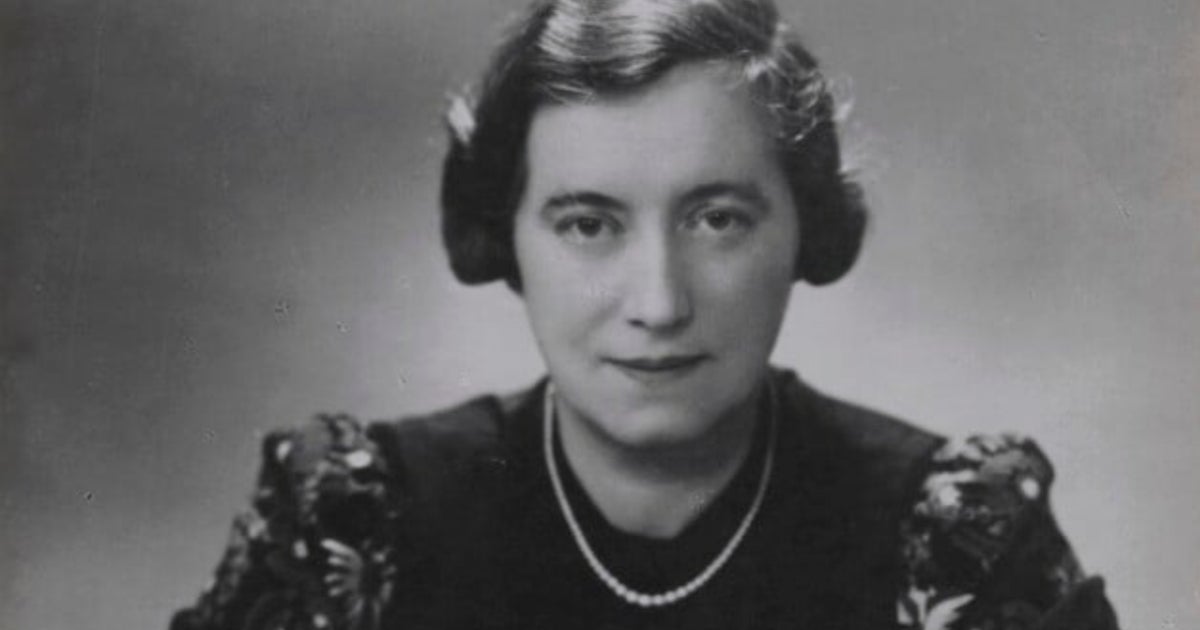
Dorothy Whipple
Advertisement
What books has Dorothy Whipple written?
Her titles are:
Young Anne (1927)
Greenbanks (1932)
High Wages (1932)
They Knew Mr. Knight (1934)
The Priory (1939)
They Were Sisters (1943)
Because Of The Lockwoods (1949)
Every Good Deed (1950)
Someone at a Distance (1953)
Tale of Very Little Tortoise (1962)
The Smallest Tortoise of All (1964)
Little Hedgehog (1965)
Mrs. Puss and That Kitten (1967).
Why should I read Dorothy Whipple?
Speaking to HuffPost UK, Dr Johnston said: “I find her subjects and writing to be compelling and realistic. She has the elusive quality of ‘umputdownableness’, although she always said she was much better at character than plot.
“She is certainly ‘proto-feminist’, and her contemporary readers certainly recognised that in her writing. Readers identified with her characters; there is a realism to the novels that may have led readers both male and female to feel that these books spoke to their lived experiences.”
Advertisement
My first Whipple book, A Stranger at a Distance, was filled with the domestic politics and wry humour I loved as a long-time Austen reader. It was also more explicit about the work of running a house: it is clear who does all the planning and hard graft, and who sacrifices in a nuclear family.
Whipple “has a following (which apparently includes Queen Camilla), but I would argue that she is largely ‘forgotten’ by those who aren’t part of the Persephone catchment, as lovely as those readers are,” Dr Johnston added.
Publisher Persephone Books has released multiple editions of the author’s work (it’s how both Dr Johnston and I first encountered the writer).
Advertisement
Perhaps it’s time she was more widely recognised.
“Last year I gave a talk then held a discussion with sixth formers at Blackburn Central Library (where Whipple was from),” Dr Johnston recalled.
“We read a few of the short stories, and they absolutely loved them. So many of the female readers identified with [the] feelings of the young protagonists. I thought it was such a shame that this author, who still spoke so strongly to modern teenage readers, should be unknown to them, especially in her hometown.”
I’m already a huge fan, and can’t wait to get stuck into more of her novels.
If you’re wondering where to begin, the professor said: “I would start at the very beginning and read all eight novels, but not too quickly!
Advertisement
“My favourite is probably Greenbanks, but They Were Sisters is an astonishing proto-feminist work”.
Wherever you start, we doubt you’ll be able to stop.
My friend has been frustrated lately about the emotional labour she has to carry every day in her relationship by reminding her partner to stay connected with his friends and maintain his social life – and she isn’t the first person I’ve heard this from.
A lot of my friends have confided in the past about how they’re tired of being a nanny for their male partner’s social life.
There’s actually a word for this – it’s called “mankeeping”. The term describes the invisible emotional and organisational labour partners can take on to help their male partners maintain friendships and social lives.
Advertisement
It can be as simple as reminding him to text a friend, suggesting plans or organising the social calendar.
Steven, the boyfriend of one of my frustrated friends, has seen this dynamic play out in his own relationship as well as among his own friends. He told me that one friend’s wife recently messaged him to arrange a visit after the couple had welcomed twins. Steven and his friend had been talking about getting together for months, but somehow the plan never quite materialised.
“We had mentioned it to each other and said we’d probably ask our partners but it never really came into fruition,” he said.
Advertisement
It was only when his friend’s wife reached out and told him that “his friend would really appreciate a visit” that Steven actually made it happen.
Steven’s girlfriend is equally perplexed as to why a woman had to step in to get it done. “This is ridiculous! They need to be nanny-ed for their social life,” she said.
Janina Steinmetz via Getty Images
If you’re the social organizer in your couple, you might be mankeeping.
Advertisement
Victoria Wren, a BACP-accredited therapist from BetterHelp, an online therapy platform, said these patterns become particularly clear in the stories she hears from clients after major life changes.
She said many people only discover how robust their friendships are when they suddenly need them, whether after leaving a long-term relationship or receiving difficult health news.
One of the clients she remembers was a man who had lost his wife. In the aftermath, he was dealing with the challenge of rebuilding his social life as an adult. He joined a pilgrimage walking group.
Advertisement
“He came to feel he was part of a community of walkers, some of whom he had walked with and spent time getting to know and others he was yet to meet,” she said. The feeling of warmth and connection stayed with him between walks. “He felt he had found a tribe of like-minded people, and this helped sustain him in his day-to-day life, where the rawness of grief was still very present.”
She has also heard from clients who feel isolated after the end of a long-term relationship, only to realise that their former partner had been an important link connecting them to their wider social world. The lesson, she said, is that men need to actively invest in the friendships they want to be able to rely on.
Laurence Houde, a men’s dating and relationship coach, has seen how easily a relationship can become a man’s entire social world.
Advertisement
One recent client, she said, had a “strong tendency to people-please in relationships and put the woman he was with on a pedestal. He had spent so much time prioritising his ex and the relationship that, when it ended, he realised he had lost himself along the way.” His relationship had slowly become his life without him realising it.
Houde has also seen the more direct version of mankeeping. In one case, a woman became “the social organiser for the couple. She was the one arranging dinners with his friends, planning parties, reminding him to call people and sometimes having to push him to go see his own friends.” Without really intending to, she was maintaining parts of his social life for him.
Licensed psychotherapist Jack Worthy, a faculty member with Gestalt Associates in New York, has seen this dynamic play out with men in his practice, particularly when relationships end and they realise which friendships they have allowed to lapse.
Advertisement
“I have seen guys finish a breakup and realise they’ve neglected their close friendships and over-indexed on their girl’s friend group,” he said.
Worthy connects this dynamic to what he calls “overfunctioning”, when one partner takes responsibility for managing another adult’s life, and cautions that it can become unpaid relationship labour.
“Say your partner begins to neglect his health. He eats like shit. Stops exercising. Sleep schedule goes to hell. It’s encouraging to say, ‘Hey, you’re normally so careful with your body. But you haven’t been to the gym this month. Are you all right?’ It’s another to sign up your partner for exercise classes, cook his meals, throw away his snacks. In the second scenario, you’re taking responsibility for his life,” Worthy said.
Advertisement
To avoid finding yourself in the same situation, Wren suggests treating friendship as something that needs its own care and attention.
“Friendships can be built at any stage in life through consistent intention, attention and effort,” she said. That can be as simple as reaching out to someone you trust and suggesting a coffee or a walk. She also recommends asking yourself, “Who could I feel comfortable calling if I was genuinely struggling?” The answer can reveal the difference between a social circle and a support network.
Now, we’re due for what NASA calls “one of the most beautiful [meteor] showers of the year”: the Orionids.
Here’s what those are, as well as when and where you’ll be able to see them.
What is the Orionid meteor shower?
As with all meteor showers, it’s not that the comets are “shooting” towards us.
The Earth sometimes passes through the debris of comets (in this case, comet Halley) in its journey around the sun. This is also the source of spring’s Eta Aquariid meteor shower.
Advertisement
When some of this space rubble enters our atmosphere, it compresses and superheats the air surrounding it. That leads to a glowing “head” and, sometimes, a streaking “tail” that stargazers will recognise as part of a meteor shower.
Fortunately for those who love the show, the Orionids move particularly quickly (about 41 metres a second). That leaves especially bright, long-lasting tails.
Per NASA, they can sometimes remain visible for several seconds and even minutes.
Not just that, but “the Orionids are also framed by some of the brightest stars in the night sky, which lend a spectacular backdrop for these showy meteors”.
Advertisement
All in all, it’s set to be a pretty stunning display.
When will the Orionid meteor shower start?
It’s set to begin on Thursday 2 October 2026, and is expected to last until about 7 November.
But some periods will be brighter and more beautiful than others.
The shower will “peak” on 21 October, though Royal Museums Greenwich explained, “there is a broad maximum lasting about a week roughly centred on that date”.
Where can I see it?
The less light pollution, the better. If you can get away from the city and other bright locations, do.
The broader the view you have of the sky, the more meteors you might see. High points are therefore a good option.
Advertisement
Expect the best viewing conditions, weather-wise, in southern and eastern parts of England. Though Northern Ireland and Scotland might face showery conditions, the skies should be relatively clear between rainfall, too.
You might “struggle” more in Wales, the Midlands and Northern England, the BBC added, due to a slow-moving cloudy weather front.
How can I see the Orionid meteor shower in 2026?
Go outside in the wee hours and get comfortable. Sleeping bags and outdoor chairs can help to keep you warm, and the darker the sky is, the more visible the meteors can be.
Advertisement
You can see these brilliant meteors with the naked eye – no special equipment is needed.