Young Brits Groomed And Killed Because System Fails Them – Damning Report Finds

Thousands of young people are being groomed, harmed and “even killed” because systems are failing them, a scathing report has found.

Primary school children are running drugs for gangs and teenagers are heading up county lines operations, according to the former children’s commissioner.

Anne Longfield is now calling on the government to create “Sure Start Plus” – a national plan to stop teenagers getting involved in gangs and violence.

Her report, Hidden In Plain Sight, warns of a crisis putting hundreds of thousands of children at risk in England.

Younger children are being targeted by gangs as well as children from typically middle class backgrounds, with social media used to lure them.

Former children's commissioner for England Anne Longfield.
Former children’s commissioner for England Anne Longfield.

Russell Sach/Children’s Commissioner for England via PA Media

The report said a combination of Covid, a cost-of-living crisis, and any return to austerity would be a “gift” to those who exploit children.

Longfield, who heads up the Commission on Young Lives, said: “There are parts of our country where the state is completely failing in its duty to protect vulnerable children from the ongoing epidemic of county lines, criminal exploitation, and serious violence.”

She described a housing estate where residents were being “terrorised” by a gang of drug dealing 14 year olds who wear balaclavas and “dish out acts of violence”.

“They carried knives and other weapons, which in turn was encouraging other young people in the area to carry knives for protection,” her foreword said.

“What is happening on this estate may sound like an extreme example, but it is far from unique.

“Speak to youth workers in our towns and cities and they will tell you their own horror stories: of young people being chased in broad daylight by other teenagers waving machetes, of homes where the young people involved in the drugs trade are the main breadwinner in the family, of communities where organised criminals seek out and groom very vulnerable children who have fallen through gaps in the care, health, or education systems, almost with impunity.”

She said there were parts of the country where the state was “completely failing” in its duty to protect vulnerable children.

“So often these are already the most marginalised families. So often they are black, brown and minority ethnic. So often they are poor.”

However, she said the epidemic of country lines was not limited to inner cities, adding: “I have heard countless examples of children from suburban, middle-class England being groomed by criminals.”

Government figures covering 2021-22 show there were 11,600 instances where gangs were a factor and 10,140 instances where child criminal exploitation was a factor in assessments of children in need – which the commission believes is the tip of the iceberg.

Estimates suggest there could be as many as 200,000 children in England aged 11 to 17 who are vulnerable to serious violence.

Those most at risk are teenagers growing up in poverty, in deprived areas, and they are disproportionately from black, brown and minority ethnic backgrounds.

The commission warned that social care, education, family support, and children’s mental health systems were failing thousands of vulnerable teenagers and costing billions.

They said Sure Start Plus programmes could be partly financed by the millions of pounds recovered from the proceeds of crime every year.

They would initially be placed in the areas of greatest need and bring local services together to provide bespoke services for families and children who need it.

They are named after the New Labour “Sure Start” programme aimed at giving children the best start in life that was then scrapped by the Tory government.

The Commission suggested a one off £1 billion children and young people’s mental health recovery programme, part-financed by a levy on social media companies and mobile phone providers.

And they also called for the government to hold regular Cobra meetings to tackle the scourge of serious violence.

Labour’s shadow education secretary, Bridget Phillipson, said the Conservatives were failing children.

“12 years of Conservative neglect has eroded the systems that keep children safe and that put young people on the path to fulfilling futures, blighting lives and costing taxpayers in the process,” she said.

HuffPost UK contacted the department for education for comment.

Share Button

How Likely Is A General Election Now?

As the largest party in the Commons, this leader will also become the prime minister – despite not being elected by the general public, but by Tory MPs and the approximately 160,000 Tory members.

Liz Truss will remain in place until her successor is announced, hopefully by Friday, October 28.

But, as the Tories go through yet another change of hands, many are calling for the vote to go back to the public via a general election, while online petitions for the cause are growing.

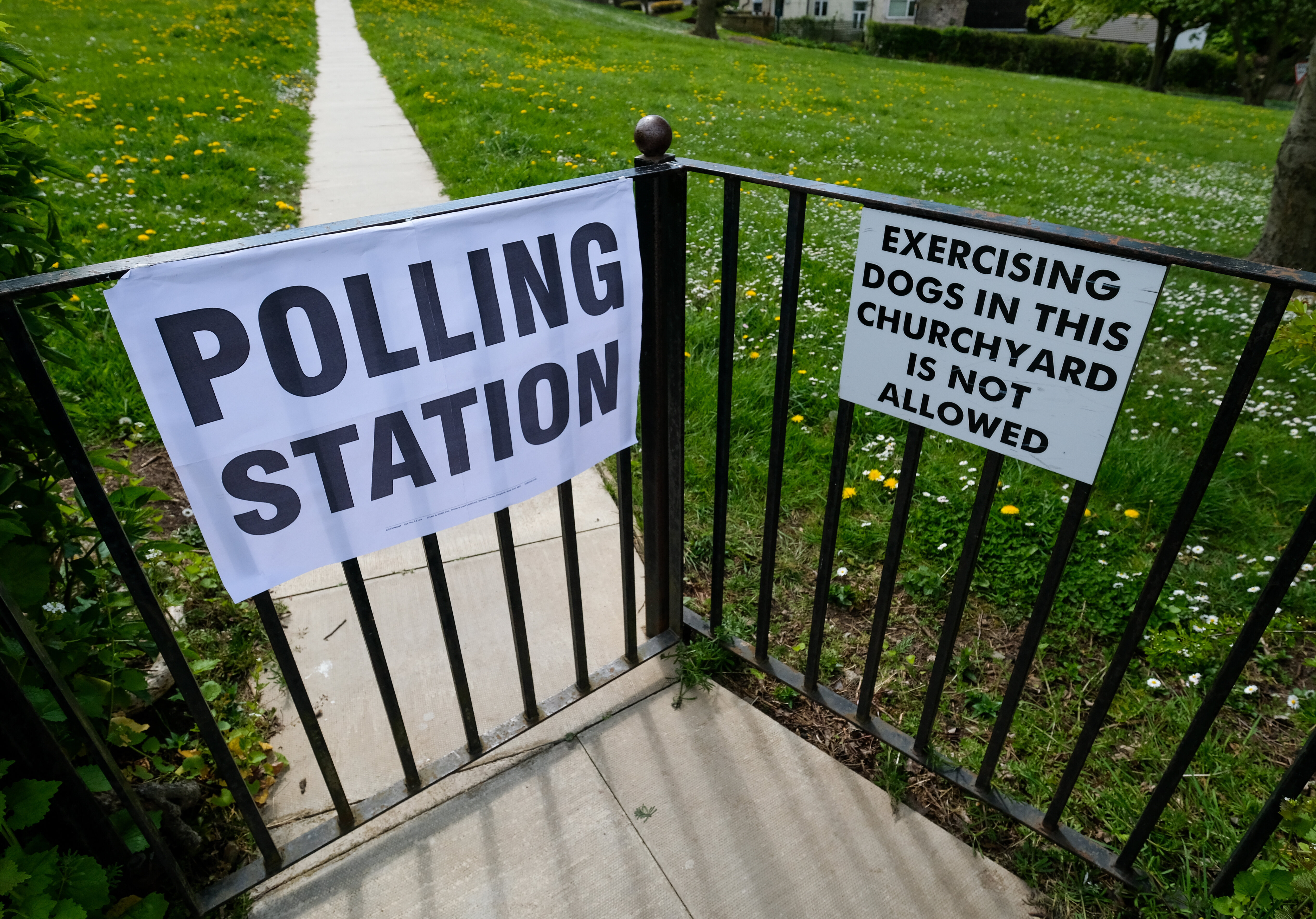
But just how likely is it that the electorate can go back to the polling stations early?

When would the next election be, without intervention?

Unless an announcement is made, the next general election is not set to happen for a while. That’s because Boris Johnson called the last snap general election in December 2019 and each term is five years’ long.

This is counted from the day the new parliament first met, so parliament would next be automatically dissolved on Tuesday, December 17, 2024.

Twenty-five days of polling would follow, meaning the last possible date for people to hit the ballot boxes would be Tuesday, January 24, 2025.

Elections are typically held on a Thursday so the public can find out who won on the Friday and a cabinet can be appointed over the weekend, but this is not a fixed rule.

Why do people want another general election?

Having another leader of the Conservative party – and potentially a third person standing leading the Tories in one term – is not a constitutional issue, and has happened before.

A prime minister was replaced twice without a general election being called in the 20th Century. Winston Churchill became prime minister after two other PMs resigned – there was no general election for him until 1945, due to the Second World War.

A similar situation occurred between 1900 and 1906.

Gordon Brown also did not call an early election when he took over from Labour PM Tony Blair in 2007, waiting until 2010 to call the public to vote. Theresa May entered Downing Street in 2016, but didn’t call an election until the following year and Johnson waited around six months before he dissolved parliament.

This is because each one of them wanted to shore up their mandate from the public, but were keen to establish themselves in office first.

But now, the leading party have been in power for 12 years and, with another leader entering No.10, many of the public feel disenfranchised.

How do you call a general election?

A prime minister usually has to call an early election.

While the power was handed to the House of Commons between 2011 and 2019, the Tories gave it back to the PM with a new law called the Dissolution and Calling of Parliament Act 2022.

The prime minister would have to make a “request” to the King to dissolve parliament (and as a constitutional monarch, the King could not reject it) and a polling day would be organised for 25 working days later.

All MPs lose their status once parliament is closed and have to campaign for re-election.

Labour cannot force a general election.

As the main party of the opposition, it can call a no-confidence vote against the government. But, some members of the Conservatives – as the majority party – would then have to vote against their own government, so it’s pretty unlikely to actually happen. The Tories currently have a majority of 71 seats, and probably wouldn’t want to lose it.

The King could technically invite somebody else to form a government, someone who would win a vote of confidence in the Commons. However, that hasn’t happened since King George V asked Ramsay MacDonald to create a government in January 1924, after Stanley Baldwin lost a vote in January 1924.

Who wants an early election?

Many on the opposition benches want to call a general election early, especially as an Opinium poll found voters have swung in the Labour Party’s favour, with a 39-point lead – adding up to a whopping 411 seats.

The Conservatives have dropped to a historic low in the opinion polls with Truss’s favourability dropping to -70 among the public according to YouGov.

The same data company also found that 63% of respondents want an early general election.

Labour leader Sir Keir Starmer said shortly after the resignation of Truss that his party have a manifesto ready “whenever an election is called”.

He said: “This is not just a soap opera at the top of the Tory party – it’s doing huge damage to the reputation of our country.

“We need a general election so the public can have their say on this utter chaos.

“There’s a manifesto that is going to be ready whenever an election is called,”

Lib Dem leader Sir Ed Davey spoke to BBC Breakfast on Friday and said the Conservatives have shown “they’re unfit to govern”, and that “we need to get rid of them”.

“I think the Conservative MPs now need to do their patriotic duty and work with the opposition parties to get that general election so that British people can have their say,” he continued.

SNP leader and Scotland’s First Minister Nicola Sturgeon has also said it was a “democratic imperative” for the next PM to call a general election.

Welsh party, Plaid Cymru, and the Green Party have called for an immediate general election too.

According to YouGov, just 19% of voters would back the Conservatives if a general election was held right now.

Share Button

Labour Holds Huge 36-Point Poll Lead Amid Tory Turmoil

The Labour Party has opened up a 36-point poll lead over the Conservatives, according to new research, against the backdrop of the crumbling Tory administration.

A survey by Redfield and Wilton Strategies suggests it is the biggest advantage for any party since October 1997.

The poll has Labour on 56% (up three points since October 13), while the Tories were down four points on 20%, the Liberal Democrats were on 11%, the Green Party on 5%, SNP 4% and Reform 2%.

Including the 19% who did not know which way they would vote, the Labour lead was 31 points, with Keir Starmer’s party on 47% and the Tories on 16%.

The pollster surveyed 2,000 eligible voters in Great Britain on Sunday.

Elsewhere, an Opinium poll published on Sunday projected a landslide general election win for the Labour Party, if voters headed to the ballot box now.

Their victory would be so large it would echo the party’s historic 1997 win.

With more than 10,000 respondents answering the survey between 26 and 30 September – weeks before Truss was forced to sack her chancellor over the chaos – Opinium found the Tories would lose 219 seats in total, leaving it with just 137 seats.

Many high-profile Conservatives would lose their seats, too, including the new chancellor Hunt, levelling up secretary Simon Clarke, business secretary Jacob Rees-Mogg and health secretary Therese Coffey, among other ministers.

Former prime minister Boris Johnson would also lose his seat, and the Tories would lose their majorities in all 45 out of 45 of its seats in the “red wall” in the north of England.

Meanwhile a separate Deltapoll survey showed Labour was 32-points ahead.

Last month, a YouGov poll showed Labour had surged to an astonishing 33-point lead over the Tories – the first polling analysis to give the party a lead comparable to the late 1990s and Tony Blair sweeping to power.

It comes as Liz Truss is battling to save her premiership after chancellor Jeremy Hunt warned that “eye-wateringly difficult” decisions were needed as he tore up her economic strategy.

Hunt scaled back the energy support package and ditched “almost all” the tax cuts announced by his predecessor Kwasi Kwarteng less than a month ago, as he tried to restore economic stability after weeks of turmoil on the financial markets.

Truss became prime minister after winning the Tory leadership contest on the back of promises to dramatically cut tax, and the wholesale abandonment of the policies has left her fighting for her job after just six weeks.

She sat next to her new chancellor in the Commons, staring straight ahead as he ditched huge chunks of her plan.

After around 30 minutes, she walked out without having said a word.

Share Button

Trade Union Boss Criticises Unite General Secretary Over Keir Starmer Attack

A trade union boss has hit out at the general secretary of Unite over her criticism of Keir Starmer.

Paddy Lillis, the general secretary of Usdaw, said Sharon Graham should train her fire on the Tory government rather than the Labour leader.

Graham has been an outspoken critic of Starmer, and yesterday told him to “get a spine” and “stick up for workers”.

She also previously criticised the Labour leader’s decision to sack Sam Tarry from the party’s frontbench after he appeared on a picket line.

But Lillis told Radio Four’s World At One programme that a “degree of silence” was needed from his fellow trade union boss.

Asked what he thought of her criticisms of Starmer, he said: “I don’t think it is fair, I think it’s actually unfair.

“I think Keir Starmer has demonstrated time and time again that he’s on the side of workers. He understands the industrial action that’s taking place at the minute.

“We have seen over 12/13 years now of wage stagnation across the economy from the 2008/2009 financial tsunami and we’ve seen employers squeeze employees and squeeze wages down. We need to be, as a trade union and Labour movement, putting the blame squarely where it belongs, and that’s with this Tory government, who have been missing in action.”

Lillis added: “Anyone that’s doing the Labour Party down isn’t doing us a favour.

“If you look over history, we’ve had six Labour prime ministers in our history and each time we turn on each other.

“This is a shadow cabinet that’s worked with the trade union leaders to come up with an employment rights green paper, looking at what they will introduce in power. So to turn round and say Keir Starmer’s not supportive of workers is not true.

“I think there’s a degree of silence needed sometimes and let the Labour leadership get on with taking the fight to the Tories and holding them to account for what’s wrong in this country.”

HuffPost UK revealed how Starmer has put Labour on a war footing in case the new prime minister – who will be announced in a week’s time – calls a snap election.

Share Button

Union Leader Tells Keir Starmer To ‘Get A Spine’ And ‘Stick Up For’ Workers

Labour needs to “get a spine” and stand up for working people, the general secretary of the Unite union has said.

Sharon Graham told Keir Starmer he is more likely to win the next election if he did more to back workers seeking pay rises as employers make big profits.

“There isn’t really a very strong voice for workers in parliament currently,” she told BBC Radio 4′s Broadcasting House on Sunday.

“It is more likely they (Labour) would get elected more if they spoke up for workers more.”

“I think that if they came out now strongly and said `hang on a second, these abhorrent profits that are going on and what’s happening with the cost of living, this is what we think should happen’ – then I think they would very much get elected.

“From my point of view, I think we are doing Labour a favour actually by saying `look, get a spine, stick up for workers’. Graham told the programme “you cannot defend workers by being silent”.

Starmer has been under pressure from unions and Labour’s left to do more to show support for striking workers across the country.

Starmer has said Labour needs to move away from being a “party of protest” and instead act like a “government in waiting” with an emphasis on negotiating with unions.

Speaking this morning, Pat McFadden, Labour’s shadow chief secretary to the Treasury, said he did not support a general strike but understands why people are pressing for pay increases.

“Our call on government ministers would be to stop being an absent government and to help resolve these disputes to ensure that people get a decent pay rise, but to do that around the negotiating table,” he told Sky News.

“Nobody wants to see industrial action but it is understandable why people at work want a decent pay rise given the inflationary pressures that they’re feeling right now.”

Share Button

Labour Membership Down By 130,000 From Corbyn-Era Peak

Labour lost 91,000 members in 2021, the party’s latest accounts show.

The accounts, published by the Electoral Commission, said the party’s membership fell from 523,332 at the end of 2020 to 432,213 in a year.

Membership peaked in recent years at 564,443 in 2017 at the height of the Jeremy Corbyn-inspired membership boom. It had fallen to 518,659 by 2018.

The party also ended the year with a financial deficit of more than £5 million.

The figures were described by Momentum as “alarming”, as the pro-Corbyn left-wing pressure group pointed the finger of blame at Keir Starmer’s leadership.

Income from membership fees dropped from £19.3 million to £16.2 million in 2021, though last year’s fees were comparable with 2017 and 2018 levels.

The party treasurer’s report described 2021 as a “difficult and demanding year”, with redundancy pay-offs to cut costs in the long term contributing to the loss.

“Party finances do remain challenging with pressure on income coinciding with increasing costs,” the report said.

The size of Labour’s deficit went up from £1 million to £5.2 million.

The report continued: “The one-off cost of the voluntary severance scheme contributed to the deficit result which required the allocation of cash reserves to fund. For the avoidance of doubt, the Party remains debt free.”

But the report also said there had been a return to more normal operations after Covid, and a Labour spokesman said the party was “on track to returning to a firm financial footing”.

In 2021, the party raised nearly £10 million in donations, including from members, supporters, major donors and unions, up from £5.7 million a year earlier.

Commercial income increased by £2.5 million in 2021.

Labour’s income was also significantly higher than the Conservative Party’s last year, raising nearly £46 million compared with the Tories’ £32 million.

A Labour spokesman said: “Thanks to Keir Starmer’s firm leadership and clear commitment to taking Labour back into power, the party is on track to returning to a firm financial footing – with commercial income and donations rising significantly.”

But Momentum blamed Starmer’s failure to stand by the 10 policy pledges made during the 2019 leadership campaign and his stance towards trade unions for the exodus of members.

The group tweeted: “These figures are alarming.

“Keir Starmer’s pledge-breaking & factional approach have prompted an exodus of members and a financial crisis for the Party.

“Yet the Leadership has welcomed these departures while alienating Labour’s affiliated trade unions.”

Share Button

Analysis: Why Is Labour Failing To Capitalise On The Gaping Hole In Government?

There is a huge vacuum at the heart of government as the Conservative Party tears itself apart over Boris Johnson’s replacement.

It is a government mired in scandal, weary after 12 years in power and looking increasingly out of touch in a cost of living crisis.

The prime minister and chancellor were both on holiday when the Bank of England made its gloomy forecast that Britain faces a recession and soaring inflation.

But as outriders for Liz Truss and Rishi Sunak fight like rats in a sack, where is the Labour Party?

Conservative Leadership hopeful Liz Truss.

Ian Forsyth via Getty Images

Keir Starmer is said to be on holiday right now, but that shouldn’t stop the party launching fierce interventions and bright ideas.

Holidays are important but isn’t winning elections even more important? Especially given their criticism of the Tories being “missing in action”.

In this brutal game of chess, surely any ruthless political strategist would see that now was an opportune moment to strike.

Certainly, the Labour Party has been describing itself as a “government in waiting” in recent statements. Now would be a good time for frontbenchers to show they can act like one.

But we have heard more from Lib Dem leader Ed Davey and ex-Labour prime minister Gordon Brown in the last 24-hours than we have from Labour all week.

And let’s not forget money saving expert Martin Lewis who has long been at the front clobbering the government over the cost of living crisis.

Within a few weeks the next prime minister will be appointed, the narrative will shift and there will likely be a cessation in Tory infighting as MPs row in behind their new leader.

Once in power, the new PM will have the machinery of government at their disposal and will turn their sights on the electorate at large.

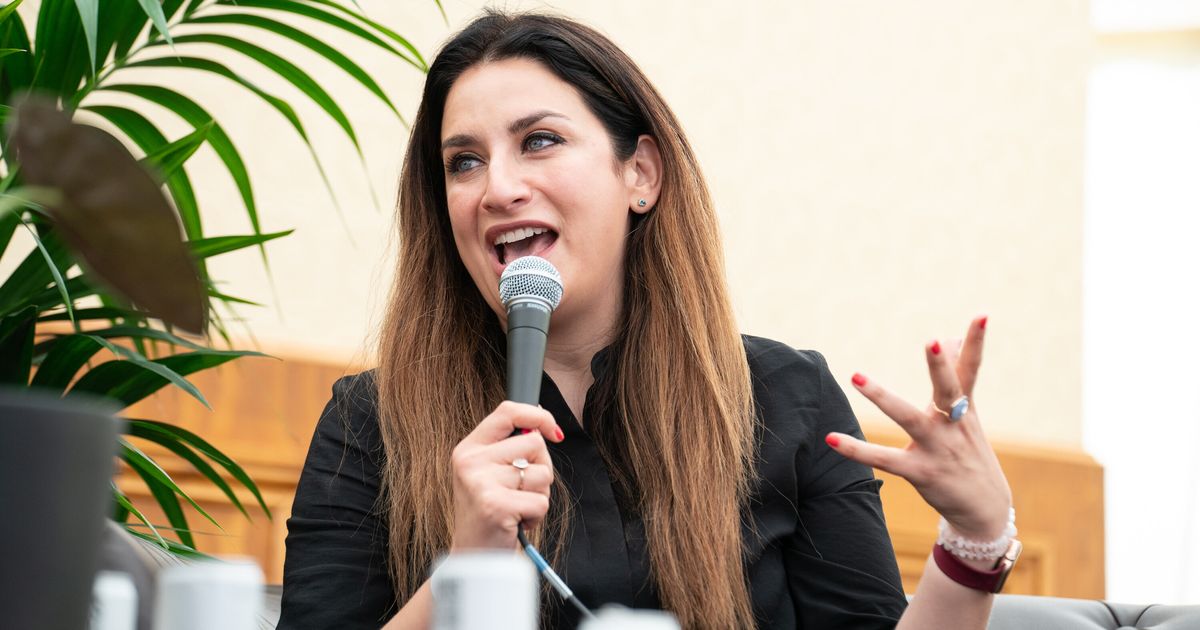
Labour leader Sir Keir Starmer with Shadow Culture secretary, Lucy Powell (left) and Shadow Chancellor, Rachel Reeves.

Stefan Rousseau – PA Images via Getty Images

The public might just decide that “well it’s a new government, a new crisis so maybe let’s give them one more shot”.

Heck, it’s worked before. The Conservatives are the party who have managed to reinvent themselves time and again over the last decade in order to stay in power.

Labour will have fewer opportunities to get their messages across as the country hurtles towards the next general election.

In fact, Labour keep calling for an early election. Are they even ready for it?

Of course you can’t expect Labour to make up policies on the hoof, the Tories might even nick their ideas [again] and let’s not even go there on Labour’s decision making processes.

However, after the government relied on so-called “red meat” policies to keep its head above water, the public is now begging for proper solutions.

Perhaps now is the perfect window of opportunity for Labour to show some leg, instead of descending into their own bouts of infighting (see Sam Tarry).

Scotland aside, the political pendulum will one day swing back to Labour, but the speed at which it swings depends on a number of factors.

Pundits joke about who would want to be in government at this dire time. But if you don’t want to rule, why are you in this game at all?

It might be silly season but there’s nothing funny about the news that millions of families face soaring bills and being plunged into poverty.

Labour has been suffering from a lack of confidence since its devastating 2019 defeat.

But they have been handed a political gift in the form of a Tory leadership race – they should start weaponising it now.

Share Button

Keir Starmer Facing Leadership Crisis Over Labour Frontbenchers Picket Lines Ban

Keir Starmer is facing a leadership crisis over his decision to ban Labour frontbenchers from appearing on picket lines, HuffPost UK has learned.

Allies say it is “a dangerous moment” for the party leader after the edict was challenged by several shadow ministers.

The decision to let shadow levelling up secretary Lisa Nandy attend a picket line in her Wigan constituency last Monday has also angered senior party figures.

One shadow cabinet member said: “People think the policy of not going on picket lines was cack-handed and not thought through.

“They didn’t have a clear idea of what they were going to do when frontbenchers broke the instruction.”

The leader’s office sent an email to members of the shadow cabinet in June ordering them to tell their teams not to join pro-strike demonstrations held during that month’s train strikes.

But some frontbenchers – including Labour whip Navendu Mishra – openly defied the instruction.

The row erupted again last month when shadow transport minister Sam Tarry was sacked after appearing on an RMT picket line.

However, Starmer said he was axed from the frontbench for doing a round of broadcast interviews without permission and “making up policy on the hoof”.

It is understood that Nandy – who was beaten to the leadership by Starmer in 2020 – informed Sam White, Starmer’s chief of staff, in advance that she would be meeting striking members of the Communication Workers Union on a picket line in Wigan.

A source close to Nandy said: “She went down to show her support for constituents campaigning for better pay and conditions at a really tough time, as you’d expect.”

But HuffPost UK understands the decision to allow her to go ahead with the picket line visit has baffled senior party figures.

One senior MP said: “She says she rang Sam White, who told her she could go to the picket line. The big question for him is why did he not say don’t do it?”

It is understood that White, as well as Starmer, were both on holiday when the row over Nandy’s picket line appearance erupted.

A Labour source said: “Nobody forced Keir to choose this issue as the big test of his authority, but he did and his authority has been tested by junior frontbenchers and his opponent in the last leadership election and he is not doing anything about it.

“His office was floundering in terms of its response. It was a total shit show.

“Then when people are trying to get to the bottom of what’s going on, no-one is around to deal with it.”

A source close to Starmer said the policy banning shadow ministers from going on picket lines “has not changed”.

They added: “In Sam’s defence, it’s not illogical for the chief of staff to take holiday the same time as the leader.”

Nandy’s team’s version of events is also disputed by figures close to Starmer, who say they were surprised to see pictures of her on the CWU picket line appear on social media last Monday.

But with the general election less than two years away, and a crunch party conference in Liverpool next month, Labour insiders say the issue has severely damaged Starmer’s authority.

Nandy’s team’s version of events is also disputed by figures close to Starmer, who say they were surprised to see pictures of her on the CWU picket line appear on social media last Monday.

But with the general election less than two years away, and a crunch party conference in Liverpool next month, Labour insiders say the issue has severely damaged Starmer’s authority.

“I think it’s a dangerous moment for Keir,” said one MP. “The whole thing is just a mess and I don’t see it being resolved. It will be cast a very long shadow and has the potential trial to derail conference.”

Share Button

Tory Leadership Race Is Giving Us A ‘Wealth Of Material’, Labour Party Says

Labour today said the bitter Tory leadership race was providing them with a “wealth of material” ahead of the next election.

Shabana Mahmood, Labour’s national campaign coordinator, said they would “fulsomely” take advantage of the Tories “trashing their own record”.

She described both Rishi Sunak and Liz Truss as “continuity Johnson” and said she was “happy” to face either at the next general election.

The MP for Birmingham Ladywood said she will be able to tell voters on the doorstep to just listen to the Tories criticising their own record.

In an exclusive interview with HuffPost UK, Mahmood said: “They are giving us a wealth of material, we are obviously using some now and we’ll have plans for more later as the contest progresses and as we gear up for the next general election – whenever that might be.

“We would prefer an earlier election because Rishi Sunak and Liz Truss are proving every day that they are just more of the same.

“Neither has the answers that the country needs to move forward post-pandemic, neither has the answers on the economy.

“They are just brutally exposing – not just each other – but 12 years of Tory government that has led us to this moment.

“As far as we’re concerned bring on an early general election. As soon as this contest is done they should seek a fresh mandate.”

The vicious battle for No.10 has even prompted Tory grandees to warn the Conservatives they risk being called the “nasty party” again and losing the next election.

“I’ll be able to say to people on the doorstep ‘you don’t have to take my word for it anymore folks just listen to them’. The trashing of their own record, I think that you’d expect us to take advantage of that which we will be doing so fulsomely.”

– Shabana Mahmood

Earlier in the contest Truss and Sunak pulled out of a Sky News debate amid concerns about the damage they were doing to the party’s reputation, forcing the other candidates to follow suit.

But, despite warnings, the unedifying public slanging match has continued between the final candidates and their campaign teams.

Asked if she thought Tory infighting would help Labour win the next election, Mahmood said: “We’re going to be ready for that election whenever it comes.”

However, she said it was on the Labour Party to persuade the public to switch their votes and that they had to show the public they had “changed” and had the answers on the economy and cost of living crisis.

“The Tories are doing an even better job of trashing their own record than we could do or get a hearing on,” she added.

“They’re taking primetime broadcast slots to tear lumps out of each other.”

Labour Party deputy leader Angela Rayner, leader Keir Starmer and national campaign coordinator Shabana Mahmood.

JUSTIN TALLIS via Getty Images

Mahmood said the “vicious infighting” brought back memories of some of Labour’s rowing in recent years.

But she added: “The public never appreciates it and they never reward it at the polls either.

“The Labour Party learnt that lesson in the hardest of ways in 2019, we don’t propose to go there again.”

Mahmood said just pointing to the Tories would not be enough and they did not take the electorate for fools: “We know we’ve got to win their trust back.”

She said Labour was earning the right to be heard again, adding: “It’s on us to seal the deal with the electorate.”

Lord Fowler, who served under Margaret Thatcher and is now a crossbench peer, described Monday night’s BBC debate as “a bad night for the Conservatives”.

He told Times Radio the only people who might have been happy with the outcome would have been the Labour Party, adding: “They’ve got enough clips from that programme to last them through to the next election.”

Yesterday culture secretary Nadine Dorries, who is backing Truss, criticised Sunak for wearing a £3,500 suit and £450 Prada shoes.

Dorries said Truss “will be travelling the country wearing her earrings which cost circa £4.50 from Claire’s Accessories”.

The comments prompted veterans minister Johnny Mercer to warn that the party was putting success at the next election in jeopardy.

“The puerile nature of this leadership contest is embarrassing,” he said. “Time to raise the standards.”

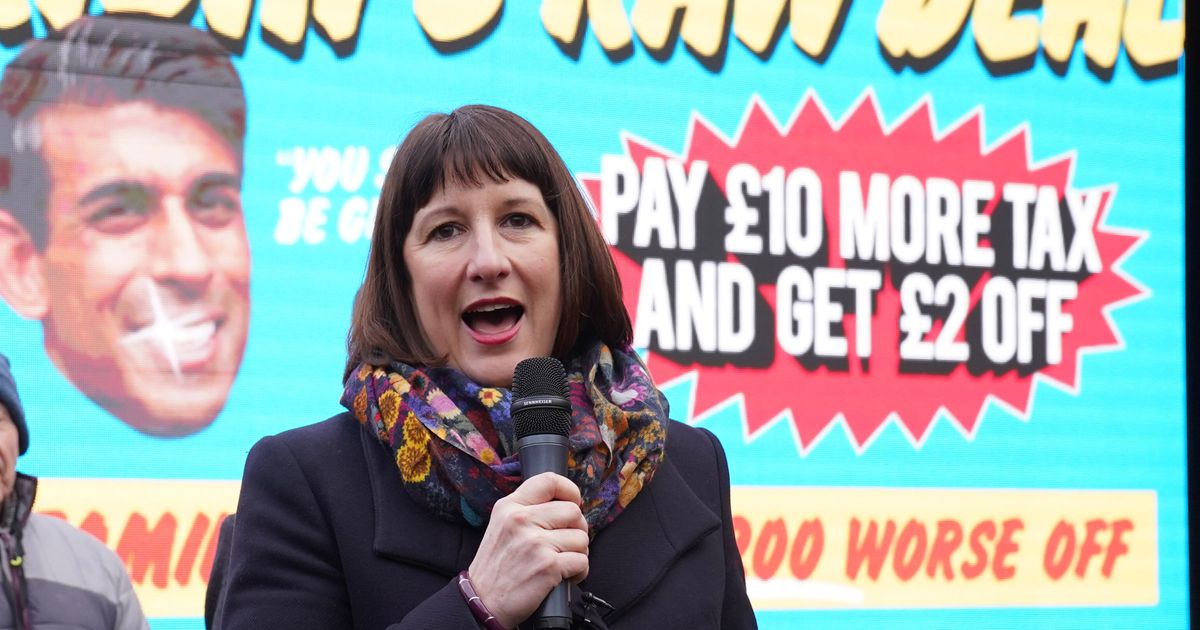
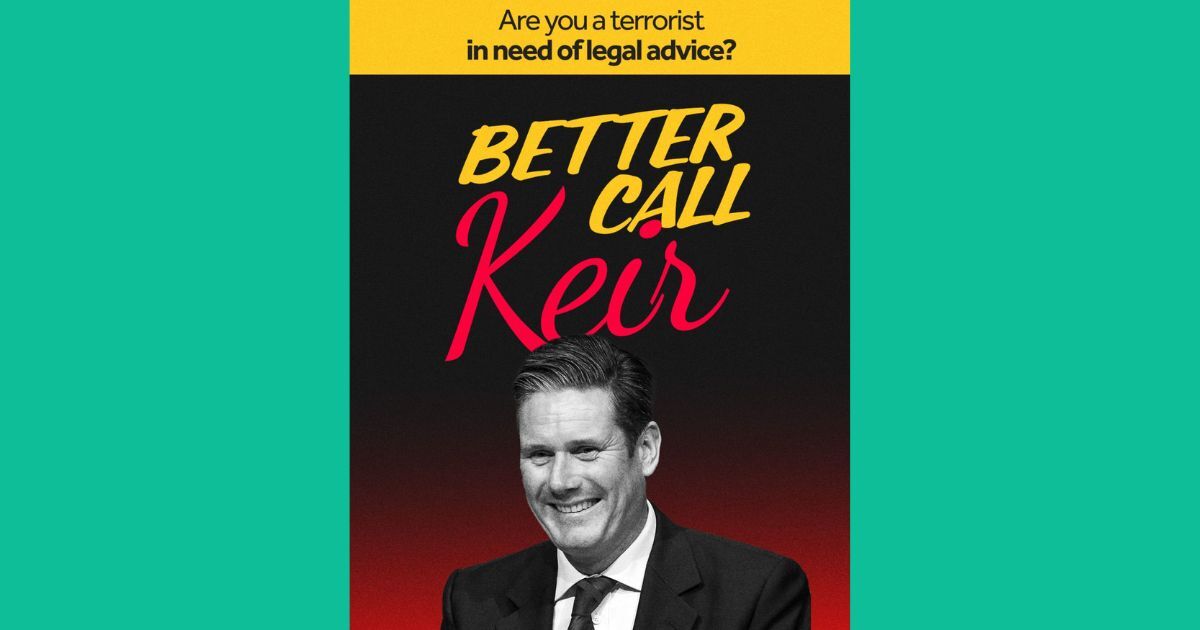
The Labour party is already weaponising quotes, viral clips and images from the Tory leadership debates on their social media accounts.

They include a “Tory leadership bingo” card that cites “shaking the magic money tree” and “Thatcherite cosplay”.

They also created an advert in which they spliced together clips of Tory leadership candidates tearing strips off of each other over their record in government.

“All your bills, every week, every month, they’re going up and up and up,” Sunak says in one part of the video.

“Under your plans, we are predicted to have a recession,” Truss tells Sunak in another clip.

Labour leader Keir Starmer even quoted leadership candidates at Boris Johnson during their final prime minister’s questions.

He said: “She [Liz Truss] also said the former chancellor’s 15 tax rises are leading the country into recession and [Penny Mordaunt] was even more scathing.

“She said ‘our public services are in a desperate state, we can’t continue with what we’ve been doing because it clearly isn’t working’.

“Has the prime minister told her who’s been running our public services for the last 12 years?”

Last night’s showdown saw the two rivals trash each other’s economic plans and Sunak even accused by allies of Truss of “mansplaining”.

Sunak claimed there is “nothing Conservative” about Truss’s approach to cutting taxes and pumping up borrowing, arguing it would give the party “absolutely no chance” of winning the next election.

Foreign secretary Truss, in turn, suggested her rival would lead the country into a recession and criticised him for increasing taxes to the “highest rate in 70 years”.

During the debate a spokesman for Truss told The Times that Sunak was not fit for office, adding: “His aggressive mansplaining and shouty private school behaviour is desperate, unbecoming and is a gift to Labour.”

Share Button

Keir Starmer ‘Pragmatic’ About Nationalisation Amid Confusion Over Labour’s Stance

Keir Starmer has said he is “pragmatic” about the question of public ownership of rail, energy and water companies, amid confusion over Labour’s stance.

The Labour leader used a speech in Liverpool on Monday to say the priority for the next Labour government would be to “reboot” the economy with a focus on “growth, growth, growth”.

He was challenged about his view on nationalising utilities after shadow chancellor Rachel Reeves earlier said mass nationalisation was not compatible with the party’s new “fiscal rules” to control public spending.

“I take a pragmatic approach rather than an ideological one, I agree with what Rachel Reeves said this morning,” Starmer said.

Speaking to BBC Radio 4′s Today programme on Monday, Reeves was asked if the party had abandoned previous plans to nationalise water, energy and train companies if it wins power.

“They were a commitment in a manifesto that secured our worst results since 1935,” she said.

“To be spending billions of pounds on nationalising things, that just doesn’t stack up against our fiscal rules.”

Reeves added: “We have scrapped the 2019 manifesto. That is not the starting point.”

But a Labour spokesperson later said Reeves’ comments had been misinterpreted.

“We are pragmatic about public ownership as long as it sits within our fiscal rules – a point Rachel was underlining in the interview by referencing this framework,” they said.

“For example, we know there is a positive role for rail in public ownership.”

Labour’s shadow transport secretary Louise Haigh tweeted: “Labour is committed to public ownership of rail and putting the public back in control of our bus network to drive down prices, improve services and meet net zero.”

And shadow transport minister Sam Tarry added: “Just to be absolutely 100% crystal clear – this is the Labour Party position on the public ownership of rail.”

Jeremy Corbyn’s 2019 general election manifesto promised to “bring rail, mail, water and energy” and “the broadband-relevant parts of BT” into public ownership.

Starmer has faced accusations from his opponents on the left of the party that he campaigned for the leadership by promising to introduce leftwing policies before shifting to the right after he won.

The Labour leader has said “the slate is wiped clean” as Labour gears up for the next election.

“What we’ve done with the last manifesto is put it to one side. We’re starting from scratch,” he said last month.

Share Button