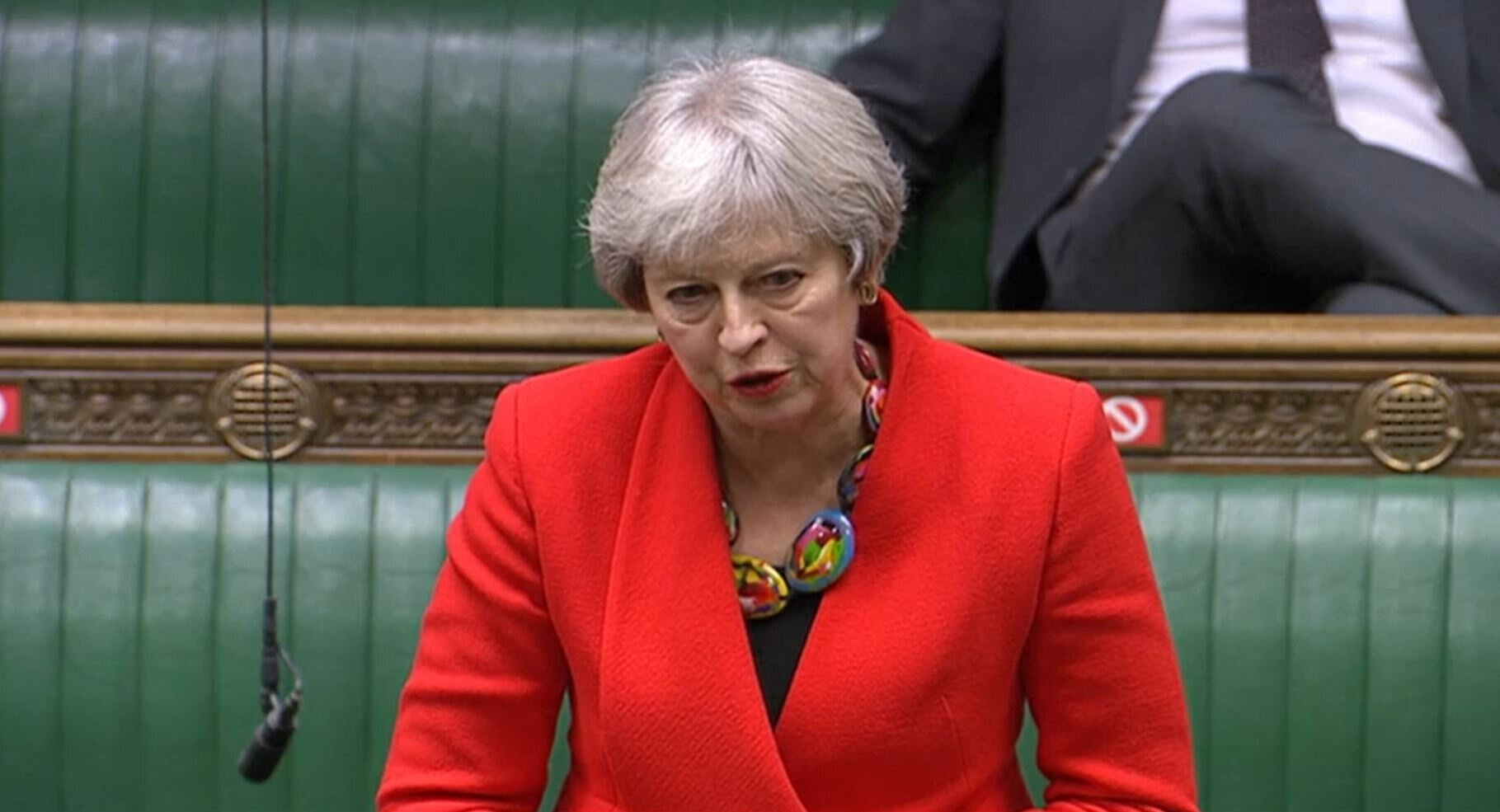
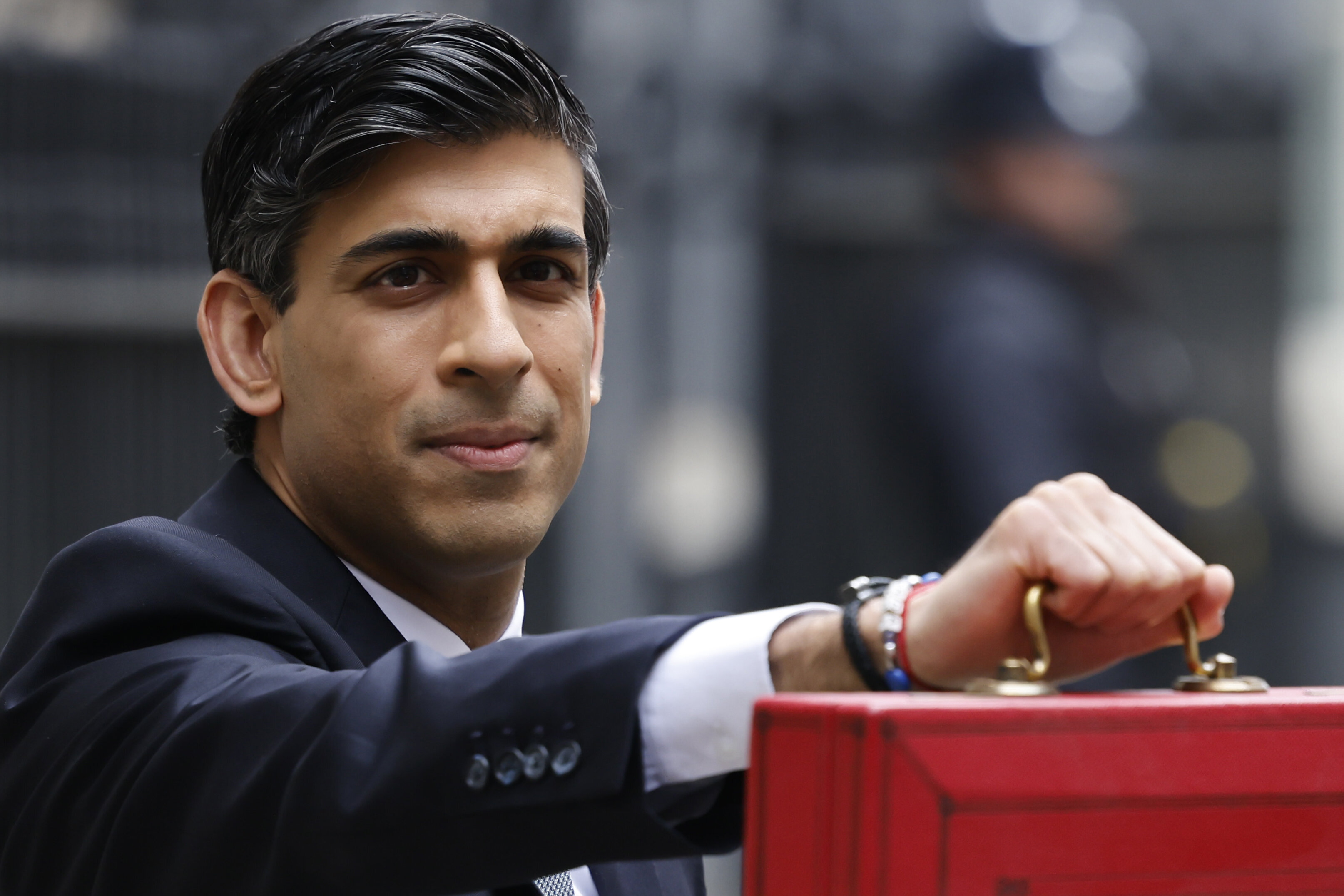
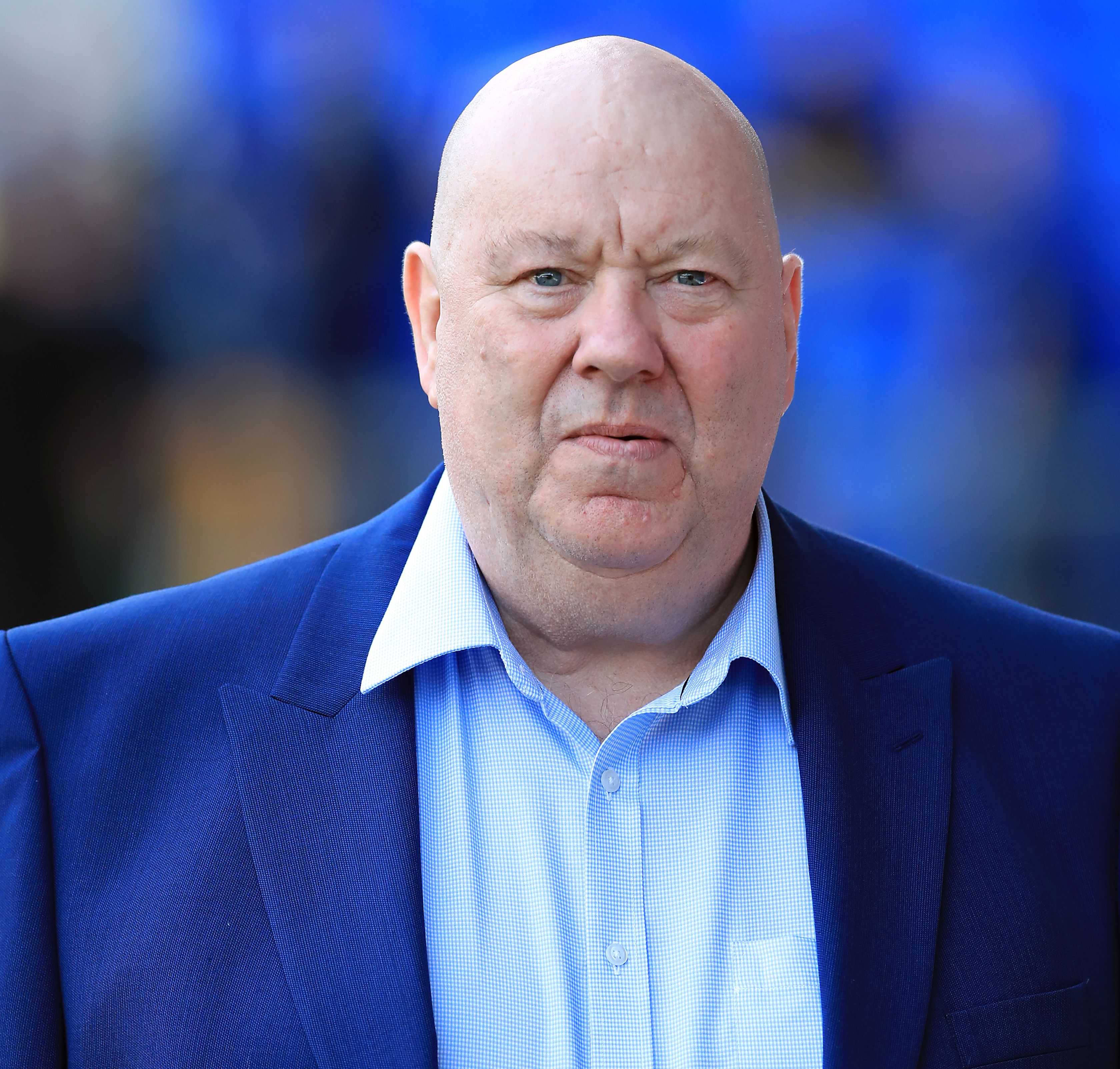
Richard Townshend/UK ParliamentImran Ahmad Khan, Conservative MP for Wakefield
A Tory MP has been charged with sexually assaulting a 15 year-old boy in 2008.
Imran Ahmad Khan, 47, the Conservative MP for Wakefield, West Yorkshire, is alleged to have groped the teenager in Staffordshire.
He was named on Friday after reporting restrictions were lifted and is now facing trial on a single count of sexual assault against the teenager, who cannot be identified because he is an alleged victim of a sexual offence in 2008.
Khan, who was elected at the 2019 general election, pleaded not guilty while appearing at Westminster Magistrates’ Court via video link from his lawyers’ office.
He now faces trial at the Old Bailey on July 15 at 9.30am, and was granted unconditional bail.
Khan was stripped of the Tory whip.
It is understood that he has not visited the parliamentary estate since the charge.
A Tory whips spokesperson said: “Imran Ahmed Khan has had the whip suspended.
“As there is an ongoing court case we will not be commenting further.”
The Crown Prosecution Service said it made the decision to charge after reviewing a file of evidence from Staffordshire Police.
Stressing the need for a fair trial, Rosemary Ainslie of the CPS said: “It is extremely important that there should be no reporting, commentary or sharing of information online which could in any way prejudice these proceedings.”
Khan’s lawyer David Janes said in a statement: “The requisition against our client Imran Khan MP relates to a sole allegation of touching which was allegedly sexual, on a single occasion, said to have taken place in… 2008.
“Our client is shocked that he has been requisitioned with this alleged offence. He strenuously denies the accusation and it will be vigorously defended.”
In a statement released on Friday, Khan said: “It is true that an accusation has been made against me.
“May I make it clear from the outset that the allegation, which is from over 13 years ago, is denied in the strongest terms.
“This matter is deeply distressing to me and I, of course, take it extremely seriously.
“To be accused of doing something I did not do is shocking, destabilising and traumatic. I am innocent.
“Those, like me, who are falsely accused of such actions are in the difficult position of having to endure damaging and painful speculation until the case is concluded.
Boris Johnson’s planning reforms have been left in “tatters” following the Tories’ humiliating by-election defeat in Chesham and Amersham, a veteran MP has said.
Sir Roger Gale told HuffPost UK the defeat was a “wake up call” for the prime minister amid a significant backbench rebellion over the plans, which MPs fear would concentrate house building in the party’s southern heartlands.
The Liberal Democrats took the Buckinghamshire seat for the first time in its history, winning a majority of 8,028 over the Tories on a stunning 25% swing.
The party focused heavily on the planning reforms in leaflets the seat, quoting Tory rebels including Theresa May attacking the policy.
Here it is. The anti-planning reform leaflet the Libs were handing out during the Chesham by-election.
Quotes from Theresa May (pictured) and IDS criticising the reforms. (One Tory MP who visited a dozen times told me these ‘cut through’) pic.twitter.com/MmSSq0W44S
The defeat has now intensified the rebellion, as MPs fear the pattern could be repeated across so-called “blue wall” southern traditional Tory seats.
Gale said that on Tory WhatsApp groups on Friday “the only thing anybody is talking about is planning”.
“The common theme is ‘me too, me too, me too’ – right across the south of England,” he told HuffPost UK.
“They are worried about the policy.
“But of course they’ve got an eye on their reelection chances.”
Johnson on Friday stressed that there has been “misunderstanding” about the reforms, insisting the government would not build on green belt land.
“What we want is sensible plans to allow development on brownfield sites,” he said.
“We’re not going to build on green belt sites, we’re not going to build all over the countryside.”
But Gale said the rebels were concerned about building on greenfield sites like agricultural land, stressing: “We’re not talking about green belt.”
He backed calls for the government to instead focus on building houses on brownfield sites, empty commercial properties, and forcing developers to build on around a million unused planning consents.
On the upcoming planning bill, he said: “My personal view is: the policy is in tatters.
“They’ve got to wake up and smell the coffee.”
It came as leading rebel Bob Seely said the by-election result was “the start of a significant push-back from communities on planning”.
“Relentless housing targets – very often the wrong housing in the wrong areas – just feeds the hamster wheel of planning doom,” he told the BBC.
“We need a better way of doing things.
“We want to work with government to make this a success.
“But more of them same will be political suicide, and, as Winston Churchill said, the problem with political suicides is that you live to regret them.”
Johnson is facing fresh rebellion over planning after MPs on his own side last year effectively killed off a so-called “mutant algorithm”, which would have dramatically increased house-building in southern Tory cities and shires.
But the PM is believed to think home ownership is key to cementing the party’s gains in the so-called “red wall” in the north and Midlands and returned with fresh proposals to overhaul planning in last month’s Queen’s Speech.
The government has said it wants to speed up the planning process to deliver new homes and infrastructure more quickly, at the same time as protecting the environment, as part of efforts to hit Johnson’s target of building 300,000 homes a year by the mid-2020s.
But Tory rebels and countryside campaigners have warned that the bill will divide places into areas earmarked for either growth or protection, and that growth areas would undermine local democracy and give developers a green light to build on rural land.
The Tory former PM said the spending cut would damage the UK’s global reputation and make it more difficult to achieve a deal at the Cop26 climate summit in Glasgow this year.
Johnson is refusing to give MPs a vote on his decision to slash aid spending from the legally mandated 0.7% of national income to 0.5%, with Tory rebels believing they have a clear majority to reverse the cut.
The prime minister has also rejected pleas from Commons Speaker Lindsay Hoyle to allow MPs to vote on the decision.
In an emergency debate on Tuesday just two days before the G7 summit of world leaders, Tory rebels criticised the government over the cut and how it has handled the row.
May said the global fund to end modern slavery, an issue key to her prime ministerial legacy, was having its funding cut by 80% as a result of the government’s policy.
She also argued that slashing spending would run counter to Britain’s interests and “have a devastating impact on the poorest in the world and it will damage the UK”.
On the impact on the UK’s world standing, she said: “They (people) listen to us because of what we do, they listen to us because of how we put our values into practice.
“The damage it does to our reputation means that it will be far harder for us as a country to argue for change that we want internationally, that is across the board, including at Cop26 and also including setting out and putting into place the ambitions of the integrated review.
“I only hope that modern slavery is still there on the G7 agenda as it has been in the past.”
Former international development secretary Andrew Mitchell, who is leading the rebellion, told MPs the aid spending cut was an “unethical and unlawful betrayal”.
He said: “The way the government is behaving strikes at the heart of our parliament.
“It is precisely because the government fears they would lose that they are not calling one (a vote). That is not democracy.
“I want to argue to the House this afternoon that what the government is doing is unethical, possibly illegal, and certainly breaks our promise.
“It’s not proper and it’s fundamentally un-British and we shouldn’t behave in this way.”
Mitchell also repeated his insistence that trying to win favour in so-called “red wall” working class areas by cutting overseas aid spending was “very patronising” to those voters.
The cut also breaks a pledge to keep the 0.7% target in the 2019 Tory general election manifesto, which helped propel Johnson to an 80-seat parliamentary majority.
“All 650 of us in this House elected at the last election promised to stand by the 0.7%,” Mitchell said.
Responding for the government, Treasury minister Steve Barclay said the cuts were needed given the huge scale of government borrowing to pay for Covid support measures such as the furlough scheme.
He questioned how the rebels proposed raising the £4.3bn required to reverse the cut.
“Leaving the next generation vulnerable to the degree of fiscal threat that would be entailed with a high debt level is not itself morally sound,” Barclay said.
“At the same time, loading ourselves with more debt now might well damage our ability to spend on aid later.”
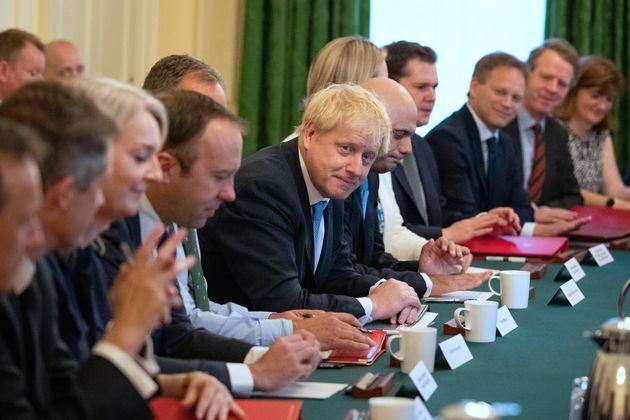
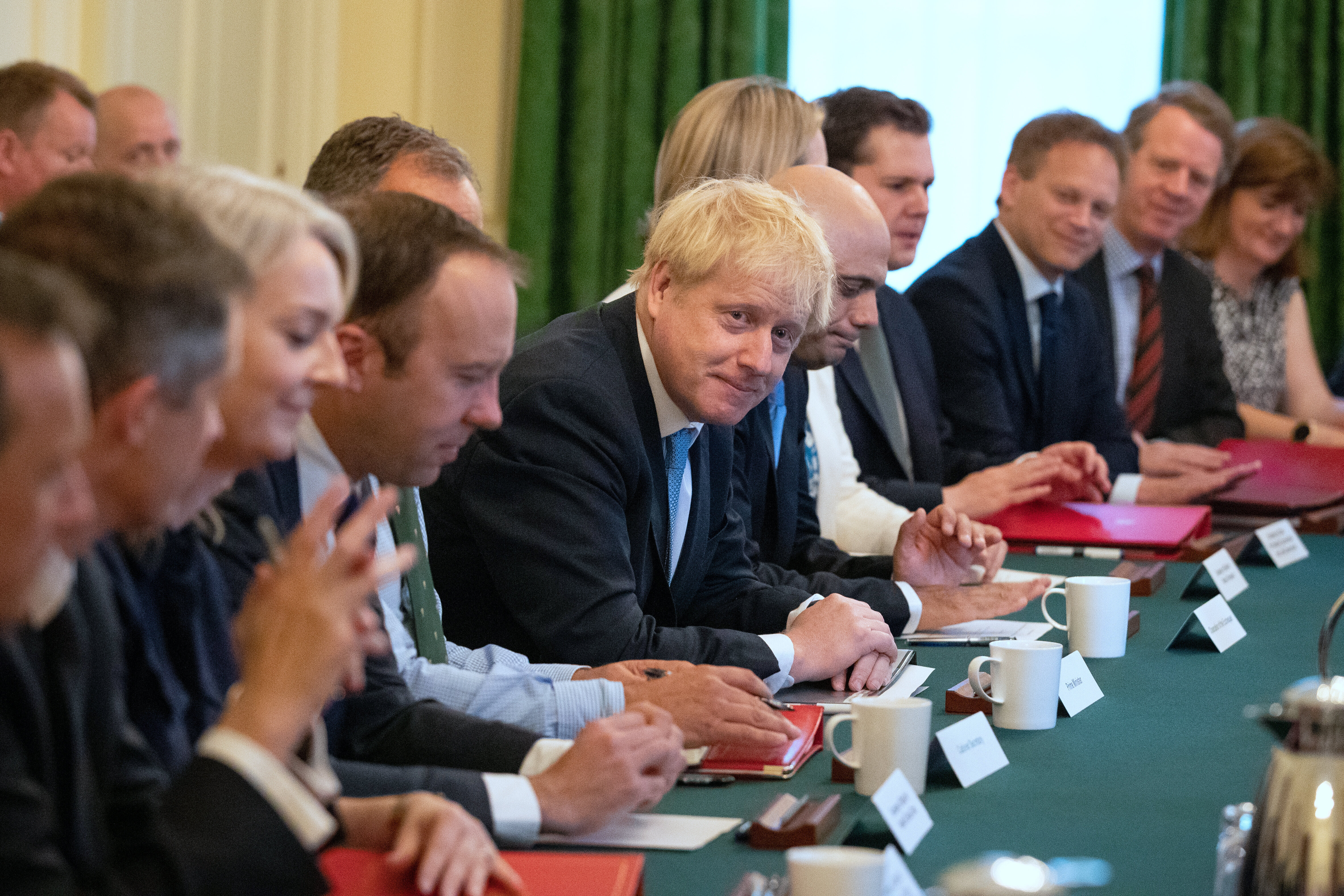
Like the rain this May, rumours about a Cabinet reshuffle never really go away, but they do at times intensify.
This appears to be one of those times, as HuffPost UK understands that officials are on alert for Boris Johnson changing his top team as early as next week.
The BBC and Sky News heard similar on Friday morning, prompting No.10 to strongly play down suggestions of a reshuffle to distract from Dominic Cummings’ appearance before a committee of MPs next Wednesday.
Johnson’s former top aide is threatening to steal the headlines with some bombshell revelations on the government’s handling of the pandemic.
But the prime minister’s press secretary has stressed: “There are no plans for a reshuffle”.
However, like outdoor drinkers caught out without a brolly, Westminster hacks cannot avoid the sudden storm of speculation.
So at the risk of looking like a pedestrian drenched by a car speeding through a puddle, i.e. silly, here’s what might happen when Johnson does decide to rejig his team.
Aaron Chown – PA Images via Getty Images
While there may be “no plans” for a reshuffle next week, Times Radio’s Tom Newton Dunn reported this week that environment secretary George Eustice was digging in so hard against tariff-free meat imports from Australia that it risked becoming a resignation matter for him.
That said, the PM appears to be leaning towards Eustice’s opponent in the Cabinet row, trade secretary Liz Truss, and Eustice has not yet quit.
However, if he does, that could be the catalyst for a wider shake-up of Johnson’s team.
And even if Eustice does not resign, he is seen as “quite an easy person to get rid of” and “not on the green agenda” the government is now pushing, according to one source.
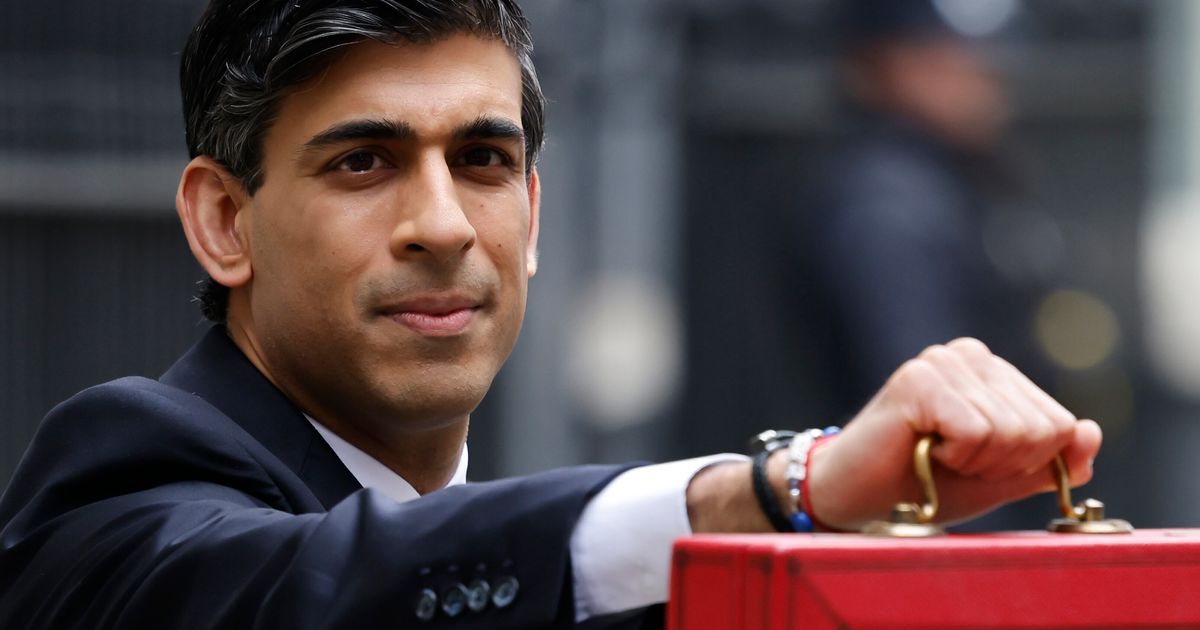
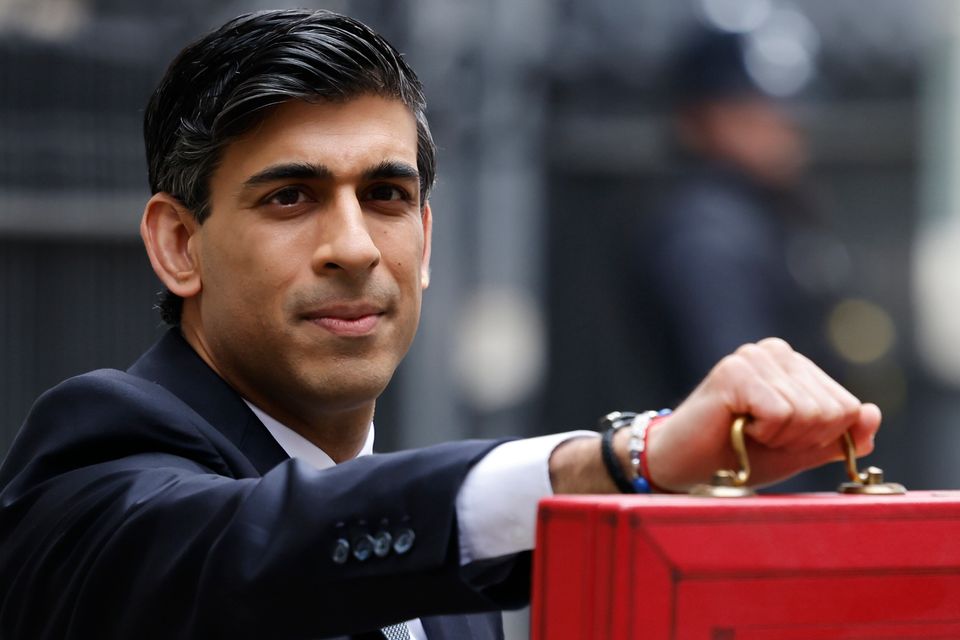
If the reshuffle does go ahead, it appears that the great offices of state will not change with chancellor Rishi Sunak, foreign secretary Dominic Raab and home secretary Priti Patel all widely seen as safe in their positions.
Patel seems likely to keep her job despite becoming embroiled in a scandal over her alleged bullying of officials, as she is a useful figure to shore up the Tories’ right wing.
As one insider puts it: “That woman has staying power and she knows what her brand is, and do you want to piss off Iain Duncan Smith and all that crowd?
“Who else is Boris going to put there, if it’s all about the red wall?”
That is likely to make the central figures of any upcoming reshuffle Michael Gove and Matt Hancock.
Not the most popular in No.10 or among Tory lockdown-sceptics, Hancock has long been seen as under threat, although backbench MPs tell me they appreciate how much he makes himself available to answer their questions, or record video messages for their constituents.
But if the health secretary is moved, many insiders are tipping Gove to take over, believing his problem-solving policy brain is perfectly suited to finally tackling the thorny issue of social care reform.
One Tory source also insists that Gove has moved on from the education secretary who battled “the blob” alongside Cummings to become a more consensual figure who got onside with lawyers as justice secretary and farmers as environment secretary – a skill that will be vital if he is given the task of driving through huge changes to social care.
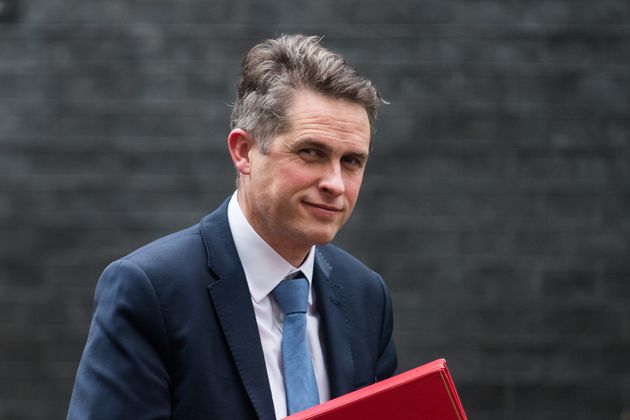
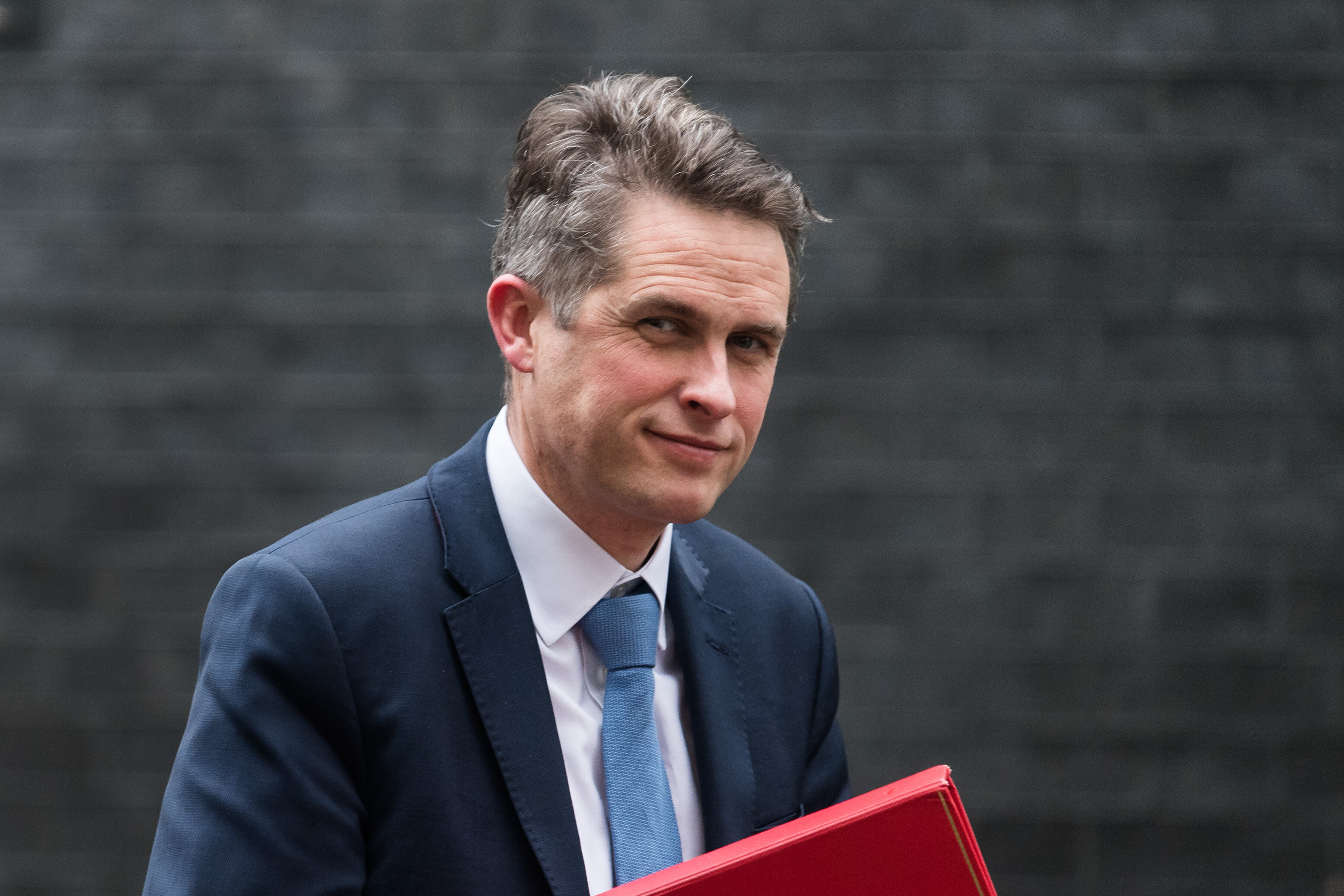
Barcroft Media via Getty ImagesEducation secretary Gavin Williamson is likely to be moved
Gavin Williamson meanwhile is almost certain to be moved from his education secretary job following the exams fiasco and other mis-steps.
But Johnson is still said to be “pretty loyal to Gavin” due to the key role he played in his Tory leadership campaign and has been telling people inside No.10 that “Gavin is not leaving Cabinet”.
“This implication of that is: even the PM seems to be saying he’s probably leaving his post,” a source said.
“I just don’t know how you do a reshuffle that seems to anyone fair unless Gavin is gone.”
He could go back to chief whip, a role he performed successfully in the past, replacing Mark Spencer who could be in line for a promotion.
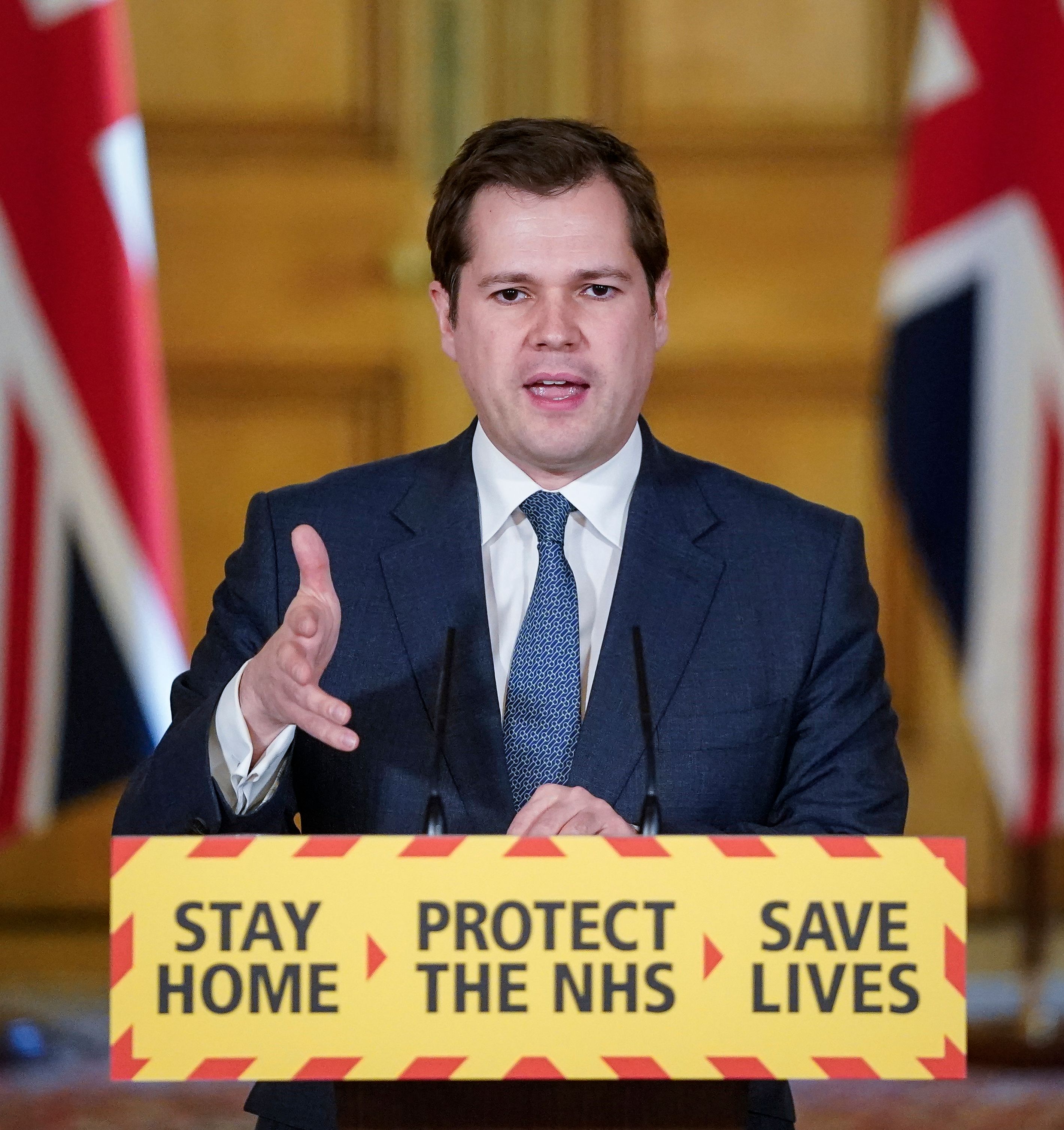
Controversial communities secretary Robert Jenrick could be saved by virtue of being an ally of Sunak.
But Scotland secretary Alister Jack is thought to be at risk, with Andrew Bowie potentially in line for the job as a younger, more dynamic figure to take the independence fight to the SNP.
Sajid Javid is meanwhile tipped for a comeback, although Johnson may struggle to find a role senior enough for the former chancellor, who quit the government last year in a row with Downing Street over sharing a team of special advisers.
Kit Malthouse, a long-time ally of Johnson who worked under him at London City Hall, is also being widely tipped for a promotion.
And Anne-Marie Trevelyan could return to the Cabinet after she was effectively made redundant when her department for international development was subsumed by the Foreign Office, with Johnson thought to be keen to boost the number of women in Cabinet.
The reshuffle could be most interesting in the junior roles where Johnson will be looking to improve and diversify the pipeline of talent to the Cabinet.
Tory figures mention new MPs Laura Trott, Clare Coutinho and Saqib Bhatti as “the shining stars” of the 2019 intake who could be brought on the payroll.
But several sources question the wisdom of carrying out a reshuffle next week, with July seen as a more likely date, while the traditional wargaming whiteboard has not yet been erected on the walls inside Downing Street.
“If you do it at the beginning of holidays then you send everyone away and they’ve got the chance to feel better in Tuscany don’t they?’ one MP says. “I don’t get why you’d do it before the end of July, I can’t see an incentive.”
Whatever happens next week, at some point sooner rather than later Johnson is going to have to decide which of his ministers to leave high and dry.
Boris Johnson should “manage expectations” on how long it will take to complete his plan to “level up” left behind communities across the UK, a Tory MP has said.
Kevin Hollinrake, who is Michael Gove’s parliamentary private secretary, said the economic gap between the north and the south-east was comparable to the disparity between East and West Germany before reunification.
He told HuffPost UK’s Commons People podcast that, as in Germany, it would take 30 years to complete the levelling up agenda, which was front and centre in the Queen’s Speech this week but is still posing questions about how the prime minister sees it progressing and how its success can be measured.
Hollinrake suggested that average wages in different regions could be a reasonable measure of the success of levelling up, but warned that it was “dangerous measuring outcomes rather than opportunities”.
The Thirsk and Malton MP also stressed that levelling up was a “huge task” that could take decades to be completed.
Ian Forsyth via Getty ImagesJohnson visits Hartlepool, where the Tories toppled Labour in a by-election last week and a target area for ‘levelling up’ policies
He told Commons People: “Levelling up is really exciting, it’s a big ambition, it’s a huge task.
“The economy disparity between London and the south-east and the north-east in relative terms is as big as it was between East and West Germany prior to reunification – two-and-a-half times – a phenomenally big gap.
“So this is going to take three decades to resolve it, that’s what it took Germany and they haven’t narrowed it completely yet.
“It’s going to take three decades and – two trillion dollars Germany spent on narrowing that gap, we’ve got to be in it for the long haul.”
Hollinrake went on: “I think it’s important to manage expectations, that this isn’t going to happen overnight.
“There are some things you can do really quickly – so yes building a road, a railway or a railway station takes a while to have an economic effect.
“But other things can happen more quickly, such as relocation of civil service jobs – Treasury north coming to Darlington, Cabinet Office going to Glasgow, Michael Gove was there this week, you’ve got the UK Investment Bank coming to Leeds.
“So things can happen pretty quickly and that’s all there now, or just about being put in place now.
“Freeports as well, these tax-free zones will attract a lot of private sector investment.”
One of the quickest ways to deliver on levelling up would be reform of the tax system, Hollinrake suggested.
“There’s some things in-built in the tax system that aren’t particularly fair, council tax is one of them for example. There’s a proportionately higher burden on parts of the country,” he said.
“Very expensive properties in London for example pay a fraction of the council tax we pay in a much smaller house in the north, it just can’t be fair.
“There’s ways you can do things like that, I’m not going to pre-empt what the chancellor might do.
“Business rates I think again are due for reform.
“There are lots of different things we could do to make it a fair and more level playing field, which would then encourage investment in different parts of the country.”
Hollinrake suggested there may be value in measuring the success of levelling up by looking at average wages across regions.
But he stressed that ultimately the agenda’s success should be judged by how much it creates equality of opportunity across regions.
Asked how the success of levelling up should be measured, he said: “Average wages, for example, would be a good measure that we should use.
“But it’s very dangerous measuring outcomes rather than opportunities because clearly not everybody makes the best of their opportunities and it’s got to be about the individual as well as the state.
“In fact, it’s much more about the individual than the state.
“For me, you create a fair and level playing field, a stable framework that encourages investment, and things like infrastructure are really important to do that as well as the tax breaks, and then let people get on with it.”
Most of the results are now in and the parties are now conducting their post-mortems of the “super Thursday” local elections.
The Tories were the big winners in England, gaining control of 13 councils and adding 240 councillors, at the time of writing when 140 of 143 councils had declared.
Labour meanwhile had a terrible election, losing control of eight councils as the party shed 318 councillors, prompting Keir Starmer to embark on a shadow cabinet reshuffle.
But with elections of metro mayors across England, and for the Scottish and Welsh parliaments also taking place, the full picture is more complex.
With the help of YouGov’s Patrick English and Tory polling expert Lord Hayward, here are the five key things you need to know:
1. Labour turmoil in the ‘red wall’
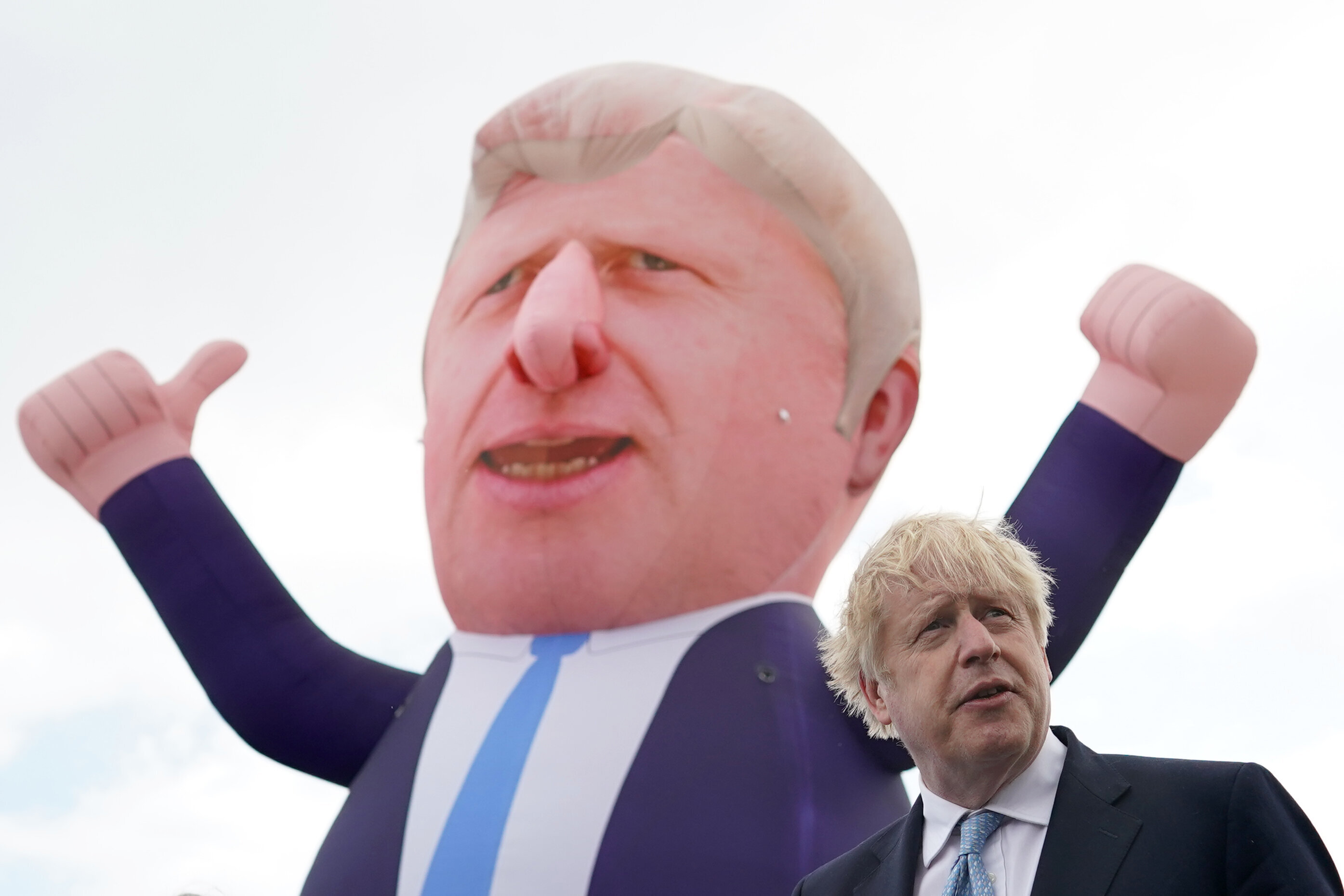
Owen Humphreys – PA Images via Getty ImagesBoris Johnson in front of a giant inflatable of himself as he meets and newly elected Tory MP Jill Mortimer at Jacksons Wharf in Hartlepool
There were bitter recriminations in Labour after it lost a slew of council seats and the crunch by-election in the so-called “red wall” seat of Hartlepool, which the party had held since the constituency’s inception in the 1970s.
Labour also lost control Durham, the county of the miners’ gala and a previous bastion of support for the party, and endured “staggeringly bad” losses in the likes of Rotherham, according to Hayward.
English says these losses to the Tories in working class Leave-voting areas are a continuation of the realignment of British politics that followed the Brexit vote in 2016.
And they are a stinging indictment of Starmer’s strategy to win back ex-Labour Brexit supporters who deserted the party for the Tories en masse in the 2019 general election and handed Boris Johnson a huge parliamentary majority.
The Labour leader is now facing an internal battle for Labour’s future, as he prepares to embark on a shadow cabinet reshuffle to refresh his top team amid a backlash over the sacking of his deputy Angela Rayner from her party chair job.
Plenty are now also asking whether Labour can ever recover, or whether the party is finished as an electoral force.
2. Glimmers of hope?
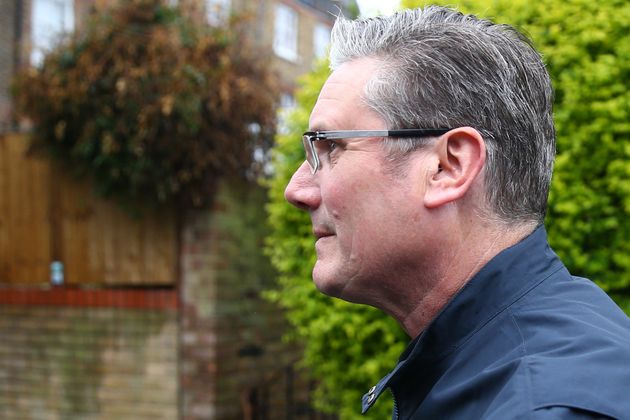
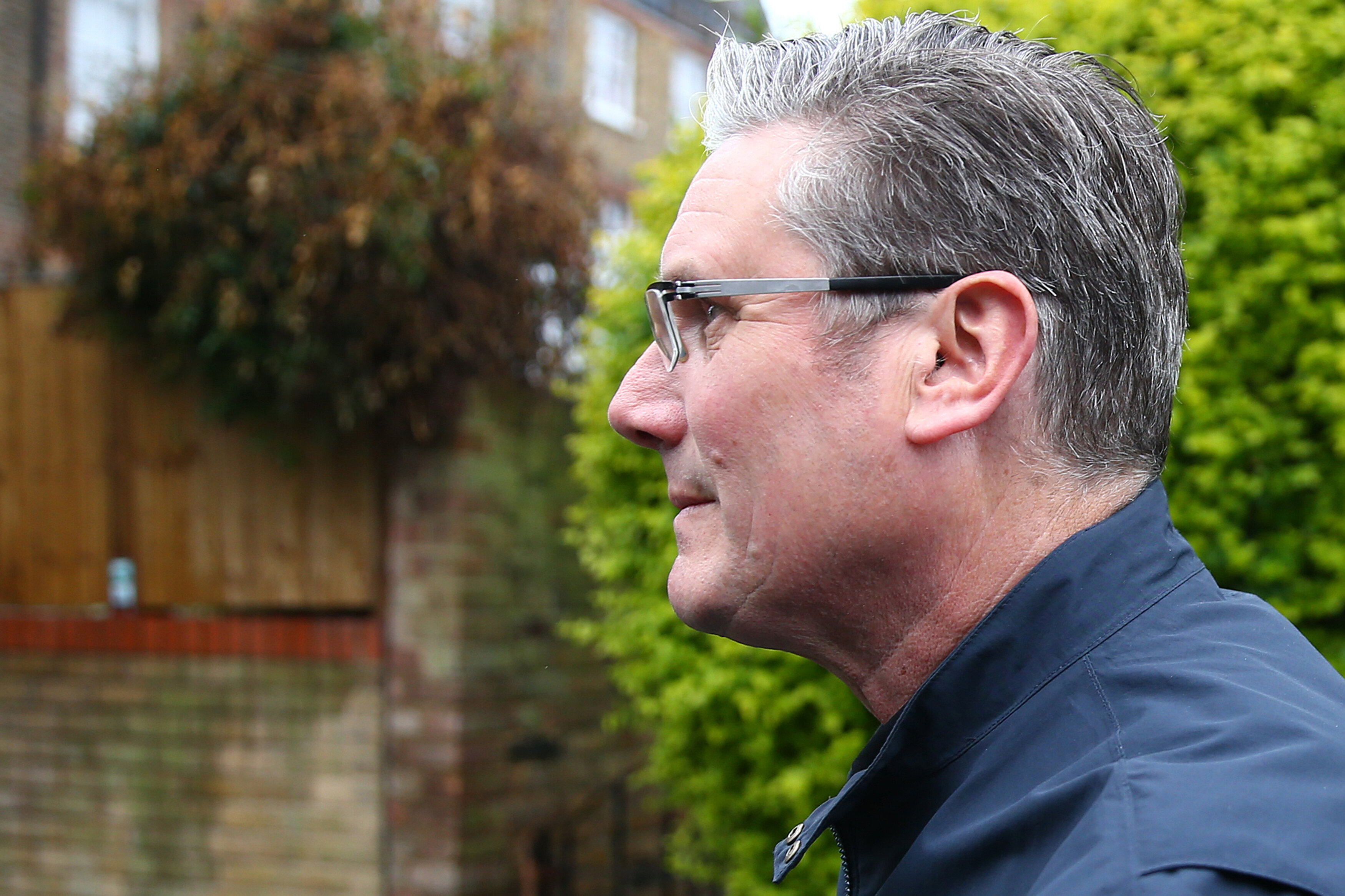
Hollie Adams via Getty ImagesStarmer leaves home on Saturday morning
There were small glimmers of hope for Labour, with the party performing well in Wales where it secured an effective majority and “stemmed the tide of Leave voters flooding away to the Conservatives”, according to English.
The party also did well in so-called “blue wall” traditionally Tory seats, but which voted Remain in 2016 and are now beginning to turn to Labour.
Starmer is likely to be pleased with Labour taking the West of England and Cambridgeshire and Peterborough mayoralties.
And there were signs of a “Brighton effect” stretching out across the south coast as Labour took a swathe of seats on Worthing council, according to Hayward.
Starmer’s party even won a county council seat from the Tories in Chipping Norton, in the affluent Cotswold area where former prime minister David Cameron lives.
Labour can at least begin making up ground on the Tories thanks to these types of university-educated, Remain voters, as voters continue to turn British politics on its head.
But “in terms of the mathematics there are not enough blue wall areas to gain a majority in a general election, absolutely not”, English says.
“If Keir Starmer is looking for silver linings, he got beaten 5-2,” the pollster adds.
“Okay, you got hammered, but you scored two goals.”
3. Green surge
💚 We’re seeing huge swings to the Greens all over the country.
🌍 It’s time for new and bold ideas. It’s time for change.
Labour supporters may want to look away now, because they have another problem with the Greens enjoying a good day across England.
The party has 14 seats on Bristol council, with the city still counting remaining areas, helped push Sheffield into no overall control following the long-running tree-felling row, and has done well in the suburban home counties.
Hayward says this is “a problem” for Labour as the Greens are “showing signs of being able to do well in towns and cities as the alternative [to Labour]”.
English meanwhile talks of a “pincer movement” with Labour losing seats to both the Greens and the Liberal Democrats.
But the Greens are also appealing to different kinds of voters, and have taken more seats from the Tories than Labour, according to English.
“They are winning seats off everyone all over the country, including in places where Labour couldn’t even dream of winning,” he says.
“And they are building these coalitions of voters who are very different types.
“It would be really daft to think that they are just young, hippy, liberal voters and old tree huggers who vote for them, it’s not.”
4. High profile Tory mayors dig in
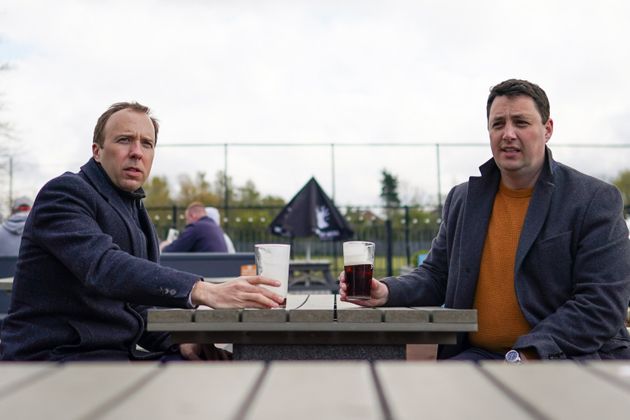
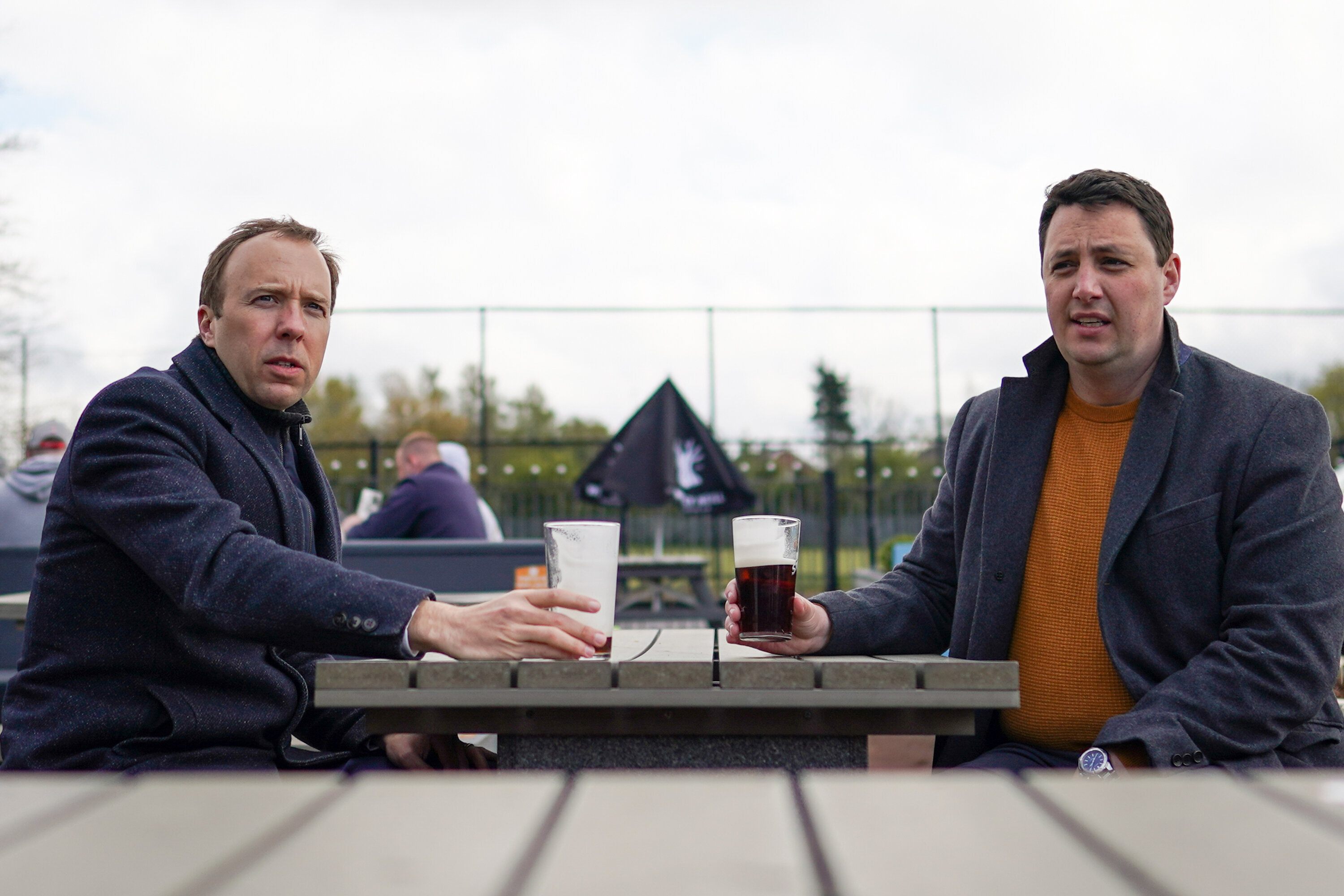
Ian Forsyth via Getty ImagesRe-elected Tees Valley mayor Ben Houchen with health secretary Matt Hancock
While Labour looked set to win 11 of the 13 mayoralties being contested in cities and metropolitan regions across England, the party’s heavy defeats in former strongholds in the West Midlands and Tees Valley provided more evidence of the Brexit alignment.
Andy Street was re-elected in the West Midlands with more than 48% of the vote, embarrassing Labour challenger Liam Byrne, who suggested he could win easily.
And Ben Houchen’s thumping victory in Tees Valley with 73% of the vote inspired Johnson to reportedly leave a voice note for the current toast of the Tory Party saying: “You’re just showing off now with that majority”.
English says: “Is it because the Conservatives are flooding money into these places so the mayors can campaign on it? “Or you could flip it around, and the Conservatives would say that’s just evidence the mayors have done a bloody good job, securing money for their areas.
“There are general incumbency effects as well – once you’ve got a mayor in there and they have done a good job, they are going to get rewarded.”
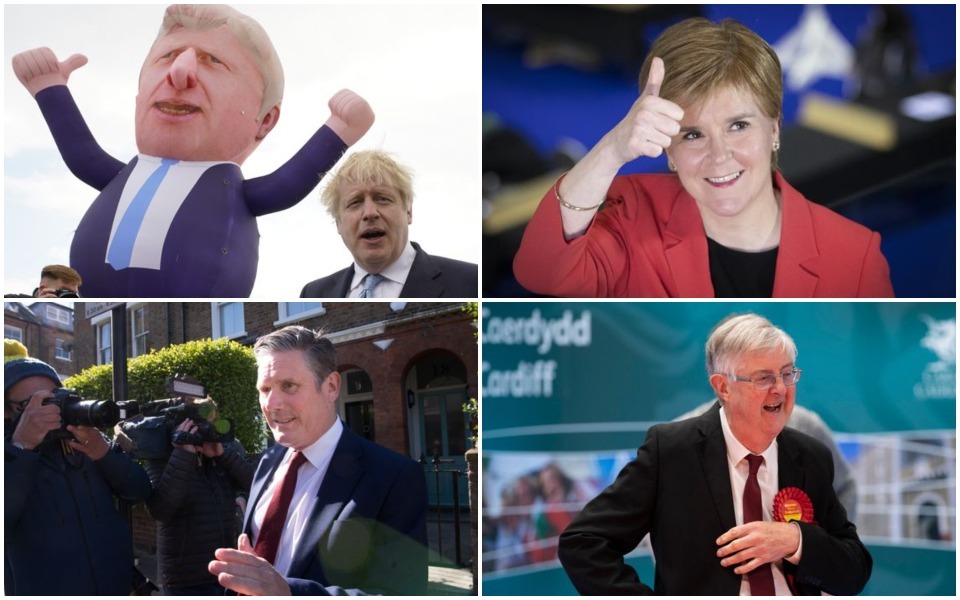
Perhaps the most significant result of them all was north of the border, where Nicola Sturgeon’s SNP fell just short of the overall majority that would have made her calls for a second independence referendum even more difficult to ignore.
However, there is a majority in Holyrood for another referendum, thanks to the pro-independence Greens picking up eight seats to add to the SNP’s 64.
In response, there are signs that the UK government’s position on a referendum may be softening slightly.
Cabinet Office minister Michael Gove made clear on Sunday that now was not the time for an independence vote, with the UK recovering from coronavirus.
But he pointedly refused to say the Westminster government would go to the Supreme Court to block referendum legislation from Holyrood, and stopped short of an outright rejection of another vote in an interview with ITV Scotland.
The election watchdog must carry out its investigation into who funded Boris Johnson’s Downing Street flat refurbishment quickly or risk the perception that it is “playing politics”, a senior Tory has said.
Tom Tugendhat told HuffPost UK’s Commons People podcast that the Electoral Commission must prove to be “regulators who are not only independent but are seen to be independent”.
The watchdog has said it is satisfied that “there are reasonable grounds to suspect that an offence or offences may have occurred” relating to the funding of the refurbishment of the No.11 flat.
No.10 has refused to say whether Johnson sought an initial loan or donation to cover a reported £58,000-worth of renovations to his residence in No. 11, which he shares with partner Carrie Symonds and their baby son Wilfred.
Political donations have to be declared to ensure there are no questions or concerns over politicians or parties being unduly influenced by those giving them money.
Tugendhat urged the commission to bring forward any evidence it has of wrongdoing quickly, or to drop the probe.
It comes after the watchdog took more than a year between launching an investigation into Tory spending in the 2015 general election and publishing its findings, although that appeared to be a much wider case.
Tugendhat told Commons People the commission was an organisation that has “really not always covered itself in glory”.
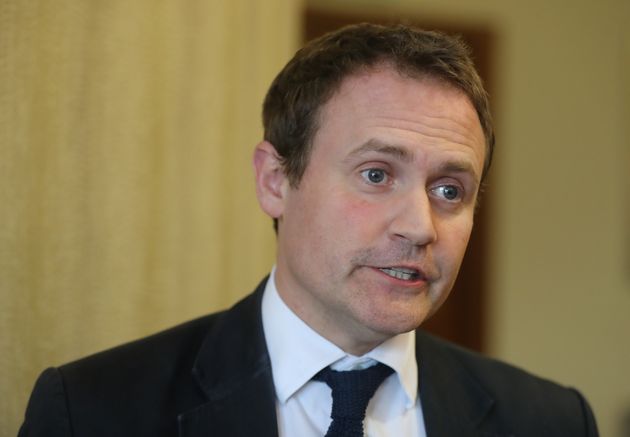
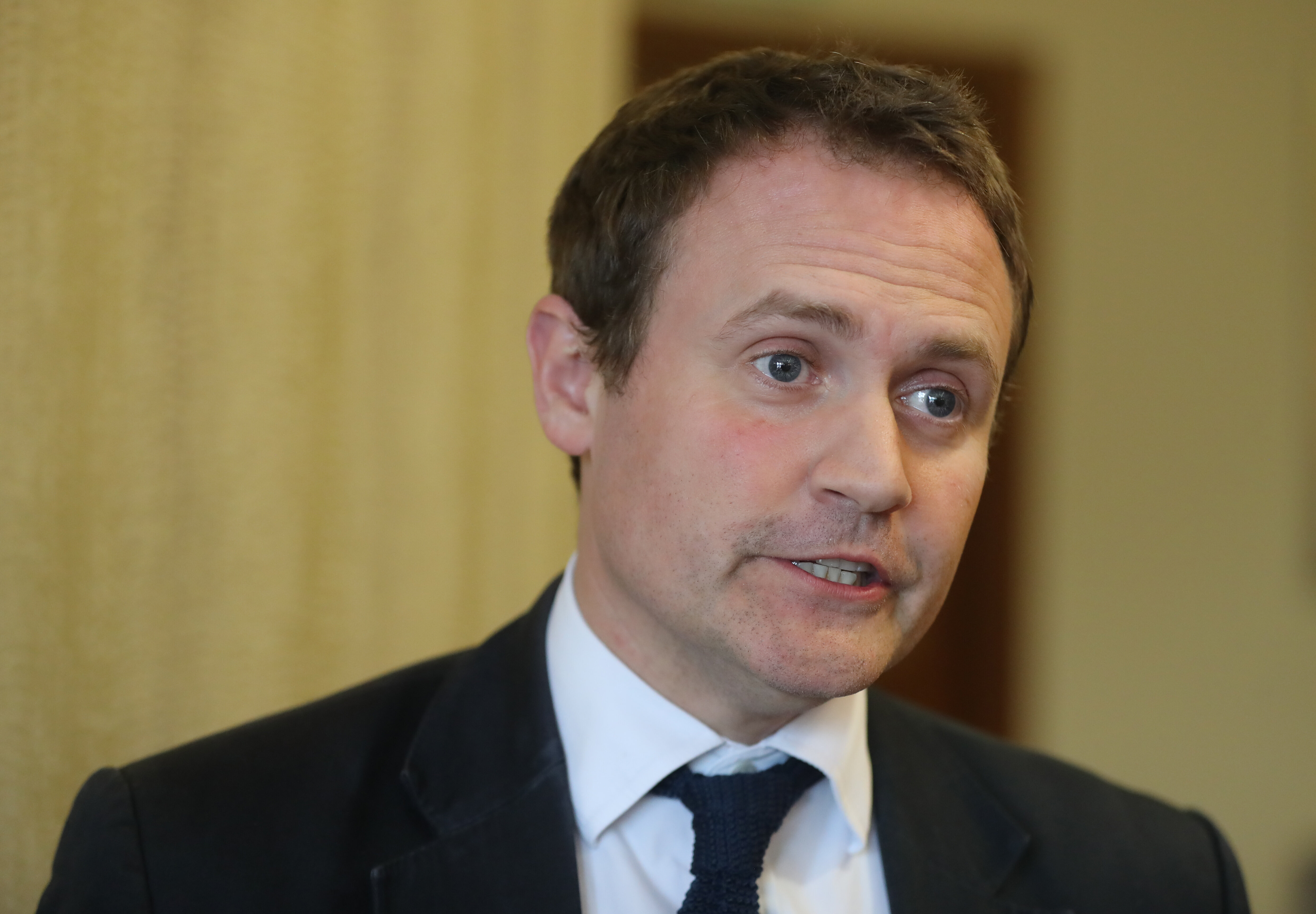
Niall Carson – PA Images via Getty ImagesTory MP and Commons foreign affairs committee chair Tom Tugendhat
Addressing the watchdog’s assessment that an offence may have been committed, he went on: “It is a certain challenge but I hope very much that if they are making statements like that then they will stand them up quickly.”
Tugendhat added: “I’m not in charge of this and the Electoral Commission is an independent organisation and they will have to do what they have to do.
“But if they are going to drag it out then it will begin to look like they are playing politics with it and that would be a great shame.
“Because what we need to have is independent regulators who are not only independent but are seen to be independent.
“So if they’ve got evidence, fine, bring it forward, publish, and if you don’t, drop it.”
The Commons foreign affairs committee chair was also asked whether he believes Johnson’s denial that he said in autumn that he would rather see “bodies piled high” than order another lockdown, and also the PM’s statements about the flat.
Tugendhat replied: “I think we’ve got to take the prime minister at his word.
“We all know what he’s like, he hasn’t changed in 25-30 years.
“None of this is a surprise.”
Asked how Johnson has been in those 25-30 years, the MP replied: “He’s been somebody who expresses himself with bonomie and with a certain lightness and that’s what we’re seeing.”
Tugendhat also said Tory candidates gearing up for next week’s local elections would rather be speaking about policy issues than the various allegations against Johnson.
“I’ve been speaking to a lot of candidates who would wish that the focus was on what they were trying to achieve for their communities, of course they do,” he said.
“And I sympathise with them, because there’s a lot of people who have worked extremely hard for four years who are trying to explain to their friends and neighbours exactly what they are going to do over the next four and that’s what really matters.”
Earlier, Johnson said he would “comply” with the Electoral Commission inquiry.
“I don’t think there is anything to see here, or worry about,” he told reporters.
TOLGA AKMEN via Getty ImagesFounder and former leader of the anti-Islam English Defence League (EDL), Stephen Yaxley-Lennon, aka Tommy Robinson, arrives at the Old Bailey, London’s Central Criminal Court, in central London on July 5, 2019
The Conservatives have been urged to expel a local election candidate who “endorsed” far-right leader Tommy Robinson, real name Stephen Yaxley-Lennon, on social media.
The Tories were also asked to explain whether it was “incompetence or malice” that led to the candidate being readmitted to the party after reportedly resigning in 2018 when the post was first flagged with the party’s central office.
In the Facebook post first reported by the Lancashire Telegraph, Andrew Walker, a Tory candidate for Blackburn with Darwen Council, appeared to share a “meme” featuring a photo of Robinson which was headlined: “Tommy Robinson has done nothing but expose the truth behind radical Islam.”
Above the post, Walker wrote: “Cant be easy preaching what we all think !!!” [sic]
The Lancashire Telegraph also published screenshots showing Walker had once said on Facebook that “stabbing [Jeremy] Corbyn would get you knighted in my book”.
Labour deputy leader Angela Rayner urged the Conservatives to “reassure the public” that far-right supporters are not standing for the party in local elections.
“The Conservatives must explain whether it was incompetence or malice that led them to not only readmit this person into the party but then to select him as a candidate,” she told HuffPost UK.
“They must also set out what steps they are taking to reassure the public that no other far right […] supporters are standing for them in the local elections.”
Rayner said the Tories were facing “serious questions” over a “failure to tackle racism in their party”, pointing out that its inquiry into Islamophobia has still not published a report and in any case was “watered down before it even began”.
Anti-racism campaigners Hope Not Hate also raised concerns over the Islamophobia report and said there was no doubt that “endorsing” a convicted criminal like Yaxley-Lennon was “utterly unacceptable”.
The English Defence League (EDL) founder is currently being sued for libel by a Syrian teenager Jamal Hijazi, 17, over comments he made when the boy was attacked at his Huddersfield school in October 2018.
In 2019, Robinson was jailed for contempt of court after live-streaming on Facebook a video that featured defendants in a sexual exploitation trial and put the case at risk of collapse.
In the past, he has been convicted of assault occasioning actual bodily harm, mortgage fraud and travelling on another man’s passport to the United States, among other offences.
A Hope Not Hate spokesperson said: “During the Conservative Party leadership contest, Boris Johnson and all other candidates committed to holding a specific inquiry into Islamophobia affecting the party. Many months later and that commitment has been watered down, we’re still waiting for the results of the resulting Singh inquiry, and we still have Conservative Party candidates sharing far-right memes and hatred against Muslims.
“In this day and age, no one can be in any doubt about the far-right rabble rouser ‘Tommy Robinson’, a multiply convicted violent criminal and fraudster, and it’s utterly unacceptable for any member of a political party – yet alone the party of government – to be enthusiastically endorsing his extremism.
“The Conservative Party must remove this candidate immediately, and expedite publishing the results of the inquiry into prejudice in the party.”
Walker’s election agent for the Darwen South seat said they could not comment as the matter is under investigation by Tory central office.
HuffPost UK has contacted Tory central office for comment.
Rishi Sunak’s role in the Greensill lobbying scandal will be investigated by MPs.
The cross-party Commons Treasury committee will examine the response by the chancellor and his team to lobbying from David Cameron, who tried to secure Covid rescue funding for Greensill Capital.
The former prime minister, who was working as an adviser to the firm, last year repeatedly sent text messages to Sunak to try to secure support through the government’s Covid Corporate Financing Facility (CCFF).
It came as Commons public administration committee chair William Wraggg said Cameron’s activities were “tasteless, slapdash and unbecoming”, and said his group of MPs would also be “giving these matters proper consideration”, suggesting a separate inquiry could be launched.
Text messages released last week following a Freedom of Information request revealed Sunak eventually rebuffed Cameron’s demands, but only after he “pushed” officials to explore an alternative plan that could have helped Greensill.
Greensill has now collapsed into insolvency, rendering Cameron’s reported millions of share options worthless.
The Treasury committee said its inquiry would “focus on the regulatory lessons from the failure of Greensill Capital and the appropriateness of [the] Treasury’s response to lobbying in relation to Greensill Capital”.
Conservative MP Mel Stride, who chairs the committee, said: “The Treasury committee had previously decided to carefully consider these issues as part of its regular and upcoming evidence sessions with HM Treasury and its associated bodies, including the Financial Conduct Authority and Bank of England.
“In addition to this, we have now decided to take a closer look by launching an inquiry to investigate the issues that fall within our remit. We will publish further details when we launch the inquiry officially next week.”
Earlier, Tory MPs voted down Labour plans to set up a wider-ranging new committee to investigate the Greensill scandal, and the wider lobbying rules.
Shadow Cabinet Office minister Rachel Reeves argued a bigger probe was needed and that Boris Johnson’s proposed review was “wholly inadequate” as it was being led by a “good friend” of the Tory government in City lawyer Nigel Boardman.
It came after Keir Starmer said the row over Cameron’s lobbying marked the “return of Tory sleaze”.
The Labour leader said financier Lex Greensill was brought into the government as an adviser by Cameron, before then hiring the former prime minister to act as a lobbyist contacting Cabinet ministers including Sunak and health secretary Matt Hancock.
The row has intensified this week after it emerged that the former head of civil service procurement, Bill Crothers, became an adviser to Greensill Capital while still working as a civil servant, in a move approved by the Cabinet Office.
Responding at PMQs, Johnson said he shared the “widespread concern about some of the stuff that we’re reading at the moment”.
“I do think it is a good idea in principle that top civil servants should be able to engage with business and should have experience of the private sector,” Johnson said.
“When I look at the accounts I’m reading to date, it’s not clear that those boundaries had been properly understood and I’ve asked for a proper independent review of the arrangements that we have to be conducted by Nigel Boardman, and he will be reporting in June.”
Downing Street meanwhile defended Boardman, describing him as a “distinguished legal expert”.
“He was asked to lead this review independently. He has been asked to do it thoroughly and promptly and we trust him to do that,” Johnson’s official spokesperson told reporters.
Andrew ParsonsPACommunities secretary Robert Jenrick
Whitehall commissioners look set to take over running parts of Liverpool City Council as a corruption probe into the town hall continues.
Communities secretary Robert Jenrick announced the proposal after a report by local government inspector Max Caller uncovered a “serious breakdown of governance” at the authority.
The report, published on Wednesday, followed five arrests, including that of elected mayor Joe Anderson on suspicion of conspiracy to commit bribery and witness intimidation.
Jenrick told MPs the council was “failing to comply” with its commitment to taxpayers and inspectors had uncovered “a worrying lack of record-keeping” and the “awarding of dubious contracts”.
The minister said the report was “not a verdict” on the authority’s staff, but that evidence of an “overall atmosphere of intimidation” had been found.
Jenrick said he was writing to the council to outline an intervention package “centred on putting in place commissioners who I will appoint” to run aspects of the council for three years.
He told the Commons: “I am also proposing that the council will, under the oversight of the commissioners, prepare and implement an improvement plan.”
Outlining a “deeply concerning picture of mismanagement, breakdown of scrutiny and accountability” at the council, he said: “As a whole, the report is unequivocal – that Liverpool City Council has failed in numerous respects to comply with its best value duty.
“It concludes that the council consistently failed to meet its statutory and managerial responsibilities and that the pervasive culture appeared to be rule avoidance.
“It further concludes that changes need to be radical, delivered at pace, and there was no confidence that the council itself would be able to implement these to any sensible timescale.
“There may also be further issues of which we are not yet aware, and the report is careful not to speak to matters that might compromise the ongoing police investigation.”
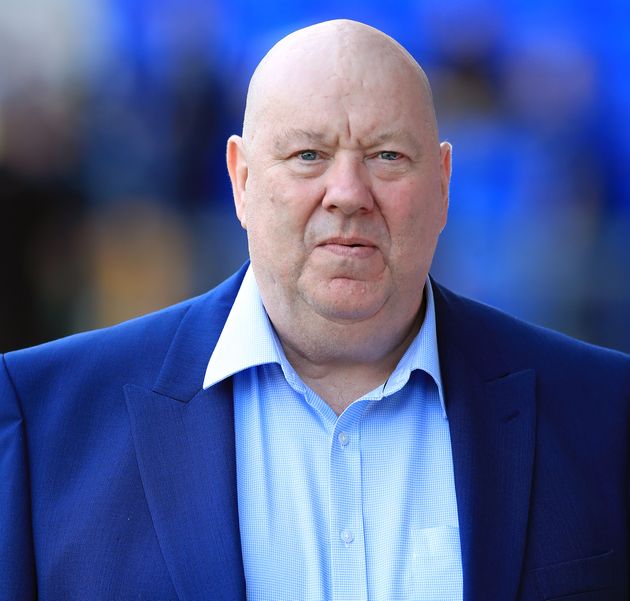
Peter ByrnePAThe Mayor of Liverpool Joe Anderson has been suspended from the Labour Party
The council’s director of regeneration, Nick Kavanagh, was also arrested as part of the police probe into building and development contracts in the city, and this week it was confirmed he had been dismissed from his role at the authority.
In a statement to the Liverpool Echo, he said he intended to clear his name at a tribunal.
Anderson, 63, has also denied any wrongdoing.
Merseyside Police said all suspects remain under investigation but bail has not been extended.
Jenrick said a programme of “cultural change” is expected to ensure members and officers “understand their roles”, adding he hopes Liverpool City Council will “take the lead in the path to improvement”.
He said: “Given the gravity of the inspection findings, I must consider what would happen if the council fails to deliver the necessary changes at the necessary speed.
“I’m consequently proposing to direct the transfer of all executive functions associated with regeneration, highways and property management at the authority to the commissioners. These are for use should the council not satisfy the commissioners in their improvement processes.
“I hope it won’t be necessary for the commissioners to use these powers, but they must be – in my view – empowered to do so to deliver the reforms that are required.”
Jenrick said he is proposing Liverpool City Council will move to “whole council” elections from 2023, along with a proposal for a reduced number of councillors elected on single member wards.
He said he expects to receive representations in response to the report by May 24 and the forthcoming elections will proceed as planned in May.
Responding to Jenrick, shadow communities secretary Steve Reed said it was wrong to characterise the move as a “Tory takeover” of Liverpool.
He told the Commons: “This report raises grave and serious concerns about decision-making in key functions of Liverpool City Council. All councils are under an obligation to meet their best-value duty to ensure value for money at all times. In these respects, Liverpool City Council has been found severely wanting. Labour, both here and our leadership at the city council, accept this report in full.
“The council will respond to (Jenrick’s) letter in detail but we support his intention to appoint commissioners, not at this stage to run the council, as he says, but to advise and support elected representatives in strengthening the council’s systems. This is a measured and appropriate approach.
“I want to reassure people in Liverpool that this does not mean Government ministers are coming in to run their city directly. This is not, as some would put it, a Tory takeover.
Liverpool has become a byword for anti-Tory sentiment – the city last had a Conservative MP 38 years ago and its last Conservative councillor lost his seat 23 years ago.
Derek Hatton, who was a member of Labour’s Militant faction and deputy mayor of the city council in the 1980s, said on Twitter: “Today could see the most outrageous and politically corrupt front to local democracy any of [us] have ever witnessed.
“Even in the ’80s Thatcher stopped short of imposing commissioners […] after she threw 47 of us out, local elections allowed 47 new Labour councillors to be then elected.”
Tom Crone, leader of the city’s Green Party group, said on Twitter: “If the government takes over Liverpool Council, that would be a disaster for the city. That we are even talking about it is a shocking indictment of this Labour administration.”
The focus of Caller’s investigation is on property management, regeneration, highways, contracts and planning at the council over the past five years.
Local elections, including a vote to elect Anderson’s successor, are due to take place in May.