Health24.com | Coronavirus morning update: Cigarette ban ‘failing’, lockdown criticism, and what the virus looks like

WHAT’S HAPPENING IN SA

Cases update: 

The latest number of confirmed cases is 14 355.

According to the latest update, 261 deaths have been recorded in the country.

There have now been 6 478 recoveries.

Of significance, according to Health Minister Zweli Mkhize, is that the country’s recovery rate is 42.4%, above the global average of 38% – while the mortality rate in SA is 1.8%, below the global average of 6.6%

So far, 439 559 tests have been conducted, with more than 18 000 new tests.

READ MORE | All the confirmed cases of coronavirus in SA

Latest news:

The ban on cigarette sales is failing in what it set out to do – and rather than stopping smokers from smoking, it could be setting up an illicit market for survival well beyond the coronavirus outbreak, a new study has found.

The study, by University of Cape Town researchers Corne van Walbeek, Samantha Filby and Kirsten van der Zee, is titled Lighting up the illicit market: Smokers’ responses to the cigarette sales ban in South Africa, and is based on a survey among 16 000 respondents.

“Our findings suggest that the ban on cigarettes is failing on what it was supposed to do,” the authors write.

“While the original intention of the ban was to support public health, the current disadvantages of the ban may well outweigh the advantages. Smokers are buying cigarettes in large quantities despite the lockdown, and unusual brands are becoming prevalent.”

The ban also does not make “economic sense”, they argue.

“While one should not exaggerate the revenue potential of excise taxes on tobacco products, since it contributes only 1% of total government revenue, it does not make economic sense to not collect this revenue.

“The current sales ban is feeding an illicit market that will be increasingly difficult to eradicate when the lockdown and the Covid-19 crisis is over. It was an error to continue with the cigarette sales ban into Level 4 lockdown.

“The government should lift the ban on cigarette sales as soon as possible.”

READ MORE | Cigarette ban is ‘failing’, can create lasting illicit market – study

The government’s phased exit from the lockdown is nonsensical and unscientific, says one of the top scientists advising it.  

Dr Glenda Gray, a member of the Ministerial Advisory Committee (MAC) and chairperson of the South African Medical Research Council (SAMRC), said the lockdown should be eradicated completely, and that non-pharmaceutical interventions (NPI), such as handwashing, wearing masks, social distancing and prohibitions on gatherings, should be put in place.   

According to Gray: 

• Malnutrition cases were being seen in hospitals.

• The month-to-month phasing-out of the lockdown has no basis in science.

• Many lockdown regulations were seemingly thumb sucks.

The government needed to reflect on its decisions and admit it had made mistakes because the nature of the pandemic was always changing, she said.  

READ MORE | Unscientific and nonsensical: Top scientist slams government’s lockdown strategy

At the beginning of May, South Africa entered Level 4, the second phase of its National Covid-19 lockdown. Some regulations setting out what people may and may not do under level 4 have been controversial and government has been criticised from various of quarters.

President Cyril Ramaphosa addressed the nation on Wednesday evening (13 May) and admitted that the government has at times “fallen short” of the country’s expectation.

“Some of the actions we have taken have been unclear, some have been contradictory, and some have been poorly explained. Implementation has sometimes been slow, and enforcement has sometimes been inconsistent and too harsh,” he said.

Ramaphosa also indicated that some regulations may change in the coming days and that most of the country should be on a level 3 lockdown by the end of May.

Spotlight spoke to six health experts about the rationale behind some of the most controversial of the current regulations

READ MORE | Covid-19: Some health experts critical of lockdown regulations

A major women’s organisation has written to the United Nations Women, pleading for it to order the Department of Social Development to stay away from soup kitchens and non-profit organisations (NPOs) in the country.

Founding member of 1000Women1Voice, Tina Thiart, said in a statement that the organisation had written to executive director of the UN Women, Phumzile Mlambo-Ngcuka, complaining about the department’s proposal to control and accredit soup kitchens.

Thiart claimed that many women’s organisations had already started soup kitchens, mobilised funding, solicited food donations, recruited volunteers and had already served thousands of meals to vulnerable communities. 

“The department now proposes to control, manage and determine who can run a soup kitchen. It wants to centralise donations. We say no. Keep your hands off our soup kitchens. We as communities and non-profit organisations will decide how and when we provide food. We demand the department to stop,” Thiart said. 

READ MORE | ‘Hands off our soup kitchens’: UN Women asked to help stop govt interference in NPO work in SA

WHAT’S HAPPENING IN THE REST OF THE WORLD 

Cases update:

For the latest global data, follow this interactive map from Johns Hopkins University & Medicine.

Late on Saturday night, positive cases worldwide were more than 4.6 million, while deaths were more than 310 000.

The United States had the most cases in the world – more than 1.45 million, as well as the most deaths – more than 88 000.

READ MORE | All the confirmed cases worldwide

Latest news:

China has confirmed that it had ordered unauthorised laboratories to destroy samples of the new coronavirus but insisted that it was due to “biosafety reasons”.

The announcement comes after Secretary of State Mike Pompeo has repeatedly said that China refused to give virus samples taken from patients infected with Covid-19 in late December last year and that officials had destroyed early samples, according to South China Morning Post.

Liu Dengfeng, an official with the Chinese National Health Commission’s science and education department, said in a Beijing briefing on Friday that the samples were destroyed to “prevent the risk to laboratory biological safety and prevent secondary disasters caused by unidentified pathogens.”

He insisted that this was not done to cover-up or hide samples from other countries, but was done strictly for biosafety reasons.”The remarks made by some US officials were taken out of context and intended to confuse,” Liu said.

READ MORE | China says it destroyed early samples of the novel coronavirus, but says it was for ‘biosafety reasons’

President Cyril Ramaphosa addressed the nation on Wednesday evening (13 May) and admitted that the government has at times “fallen short” of the country’s expectation.

“Some of the actions we have taken have been unclear, some have been contradictory, and some have been poorly explained. Implementation has sometimes been slow, and enforcement has sometimes been inconsistent and too harsh,” he said.

Ramaphosa also indicated that some regulations may change in the coming days and that most of the country should be on a level 3 lockdown by the end of May.

Spotlight spoke to six health experts about the rationale behind some of the most controversial of the current regulations.

Professor Landon Myer, Director and Head of the School of Public Health & Family Medicine at the University of Cape Town, stressed that there are no clear right answers.

“The clear driver of all the problems, is that we don’t know enough about the epidemiology of the virus to know exactly what is going to be the most effective strategies,” he said.

READ MORE | Covid-19: Some health experts critical of lockdown regulations

The new coronavirus, named SARS-CoV-2, received its name for its crown-like spikes on its surface which can be seen under a microscope. 

However, according to a news release by EurekAlert, scientists from the biomedical visualisation studio, Visual Science, have recently created a three-dimensional (3D) model of the virus at atomic resolution, which allows for the incredible ability to view individual atoms. 

To create an accurate model, the team of scientists and CGI specialists used the latest scientific research that looks at the structure of coronaviruses, and communicated with virologists currently working with SARS-CoV-2. 

Apart from their recent model, they also previously created models of Ebola, HIV, Zika and flu viruses. 

Their HIV virion model was awarded first place at the 2010 Science and Engineering Visualization Challenge (SEVC), according to EurekAlert.

READ MORE | SEE: This is what the coronavirus looks like at an atomic level – according to a 3D model

The new coronavirus isn’t just attacking the lungs: New research shows it’s causing harm to the gastrointestinal tract, especially in more advanced cases of Covid-19.

A variety of imaging scans performed on hospitalised Covid-19 patients showed bowel abnormalities, according to a study published online on 11 May in Radiology. Many of the effects were severe and linked with clots and impairment of blood flow.

“Some findings were typical of bowel ischaemia, or dying bowel, and in those who had surgery we saw small vessel clots beside areas of dead bowel,” said study lead author Dr Rajesh Bhayana, who works in the department of radiology at Massachusetts General Hospital in Boston.

“Patients in the ICU can have bowel ischaemia for other reasons, but we know Covid-19 can lead to clotting and small vessel injury, so bowel might also be affected by this,” Bhayana explained in a journal news release.

One expert unconnected to the new study said the findings aren’t surprising.

“Our emerging understanding of Covid-19 has found the disease to have multisystem involvement including the nervous, cardiac, vascular [excess clotting] and finally the digestive systems, among others,” said Dr Sherif Andrawes. 

He directs endoscopy in the division of gastroenterology and haematology at Staten Island University in New York City.

READ MORE | Studies show Covid-19 can infect and harm digestive organs

HEALTH TIPS (as recommended by the NICD and WHO)

• Maintain physical distancing – stay at least one metre away from somebody who is coughing or sneezing

• Practise frequent hand-washing, especially after direct contact with ill people or their environment

• Avoid touching your eyes, nose and mouth, as your hands touch many surfaces and could potentially transfer the virus

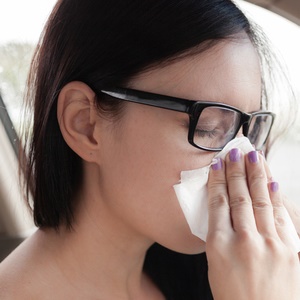
• Practise respiratory hygiene – cover your mouth with your bent elbow or tissue when you cough or sneeze. Remember to dispose the tissue immediately after use.

READ MORE: Coronavirus 101 

Image credit: Getty Images

Share Button

Health24.com | WATCH | Your breakfast may be causing you stress

The information on Health24 is for educational purposes only, and is not intended as medical advice, diagnosis or treatment. If you are experiencing symptoms or need health advice, please consult a healthcare professional. See additional information.

Share Button

Coronavirus and dementia: ‘I’m scared to go out after lockdown’

Some people with dementia say they have lost confidence.

Share Button

Coronavirus: Imaging equipment ‘woefully underfunded’

Specialists who carry out scans say capacity will struggle to meet demand due to a lack of machines.

Share Button

Being Stimulant-Free

I like being 100% stimulant free – no coffee, caffeinated tea, chocolate, caffeinated soda, etc.

This means no decaf either since decaf still contains some caffeine.

I base this on lots of personal experimentation. I’ve gone some years of my life with no stimulants, and I’ve also gone for long stretches consuming coffee daily. The two modes of living are notably different.

Caffeine tends to make me obsess more over trivialities and lose focus on big picture goals. I see this pattern in other coffee drinkers often – lots of busywork type of thinking on low criticality items. It seems to make some people have a harder time focusing on long-term projects and avoiding short-term distractions.

When I consume coffee daily, I’ll check email more often. I’ll spend more time on social media. I’ll web surf more. I’ll invest in minor tasks that don’t need to be done. I’ll spend more time organizing and reorganizing instead of moving the needle forward on big projects. I’ll open more loops than I close. I’ll feel extra busy but have less to show for it.

Stimulants always drain me eventually, especially after months of daily use. That’s true even for a single espresso shot or a single cup of green tea per day. It always leads to adrenal exhaustion, and then I need to take at least several weeks off. I know I’m at this point when I can’t seem to make good progress on bigger projects, and I can tell that my mind is becoming too chaotic. I might spend 8 hours at my desk and get 90 minutes of important work done.

I love the taste of coffee, and it’s delightful to drink a cup of it, but I’ve learned that I can’t really have an occasional relationship with it if I want to function at my best. It’s way too addictive for me. If I have even a small amount, I risk slipping into the pattern of having it daily for months.

I’ve learned that it’s best to avoid chocolate too (including cacao) because chocolate is a gateway drug back to coffee. Same goes for green tea. So while I have enjoyed those in the past, I feel safer steering clear of them. I like how my brain works better when not under the influence of stimulants.

I’ve also learned not to trust my addicted brain. It has many tricks for luring me back in.

It’s just one piece of chocolate.

What if you just had a decaf or a half-caf?

You could just have a small amount?

You’re traveling, so why not indulge a little?

Hey, it’s free!

Coffee is so nice for socializing.

It’s Costa Rican coffee!

It’s 100% Kona!

The addicted brain can be downright evil sometimes.

When my mind is stimulant-free, it feels more chill. The volume of mental chatter is much quieter. I don’t feel like a rodent in a maze sniffing for the cheese constantly. It’s way easier to relax into bigger projects and stick with them with good discipline. I become much better at closing loops, and I become more discerning and careful about opening new ones.

My stimulant-free brain is more disciplined. It’s easier to get up before dawn. It’s easier to maintain good habits like exercise. And I feel fewer cravings for processed foods that go so well with coffee.

The most reliable brain booster is cardio exercise. I love the effects of that way better than coffee. Exercise rebalances my thinking while coffee tends to unbalance me. This morning I went for a 90-minute hill run, starting at 4:45am. That was a stimulating challenge, but it doesn’t create the crashing like coffee does. I feel a sense of accomplishment from running that I don’t get from finishing a cup of bean juice.

Whenever I detox from coffee, it takes about a week. It’s not too difficult to quit, but it’s way easier to slip back into addiction. I usually have mild headaches and extra fatigue on days 2-4, and then on days 5 and 6, I typically have to deal with feelings of dread and paranoia. The emotional detox is worse than the physical detox. Those feelings always pass though, and then around day 7, I start remembering how nice it feels to be caffeine-free. I remark at how calm and relaxed my mind feels.

If I want something hot to drink, I go with herbal tea. Lately I’ve been enjoying mint tea a lot.

Stimulants can too easily mask a lack of natural stimulation in our work and goals. Coffee can cover up underwhelming goals by making them seem more stimulating than they are. If you drop coffee, you may need to face that your goals and life path are duller than you’d like. Coffee hides that emotional truth from you.

Coffee can also do this in a relationship. If your relationship is underwhelming, you can drink more coffee to avoid dealing with that emotional truth. Having another cup is easier than facing the truth about your feelings.

When I drink coffee, my awareness narrows. Without coffee I feel like a much broader spectrum of my awareness comes back online again. I feel more connected to more parts of the world. I notice nature more. I hear the birds tweeting as the sun rises. And I notice the sunrise itself. Here’s a pic I took while running this morning:

Sunrise run

When I’m caffeine-free, I become more aware of just how boring and circular social media is. I see it as more distraction than stimulation, so I spend less time on it. I become more attuned to bigger creative projects and interesting challenges. I seek stimulation through goals and challenges that appeal to me. I get more excited about the path I’m on.

I like having a stimulating life, but I’d rather get it from stimulating goals and projects instead of taking drugs. I like the emotional honesty of that. If my life is under-stimulating, I want to be able to feel that, so I can take corrective action. I don’t want to drown those feelings under espresso shots. I want to feel and experience the true reality of life.

Share Button

Coronavirus test results waits ‘undermining confidence’

The Royal College of GPs says the government should focus on its testing strategy rather than targets.

Share Button

Health24.com | WATCH | Do humans cause their own allergies?

The information provided does not constitute a diagnosis of your condition. You should consult a medical practitioner or other appropriate health care professional for a physical exmanication, diagnosis and formal advice. Health24 and the expert accept no responsibility or liability for any damage or personal harm you may suffer resulting from making use of this content.

Share Button

Coronavirus: A third of hospital patients develop dangerous blood clots

The virus appears to be making people’s blood much more sticky, medical experts say.

Share Button

Health24.com | Studies show Covid-19 can infect and harm digestive organs

The new coronavirus isn’t just attacking the lungs: New research shows it’s causing harm to the gastrointestinal tract, especially in more advanced cases of Covid-19.

A variety of imaging scans performed on hospitalised Covid-19 patients showed bowel abnormalities, according to a study published online on 11 May in Radiology. Many of the effects were severe and linked with clots and impairment of blood flow.

“Some findings were typical of bowel ischaemia, or dying bowel, and in those who had surgery we saw small vessel clots beside areas of dead bowel,” said study lead author Dr Rajesh Bhayana, who works in the department of radiology at Massachusetts General Hospital in Boston.

“Patients in the ICU can have bowel ischaemia for other reasons, but we know Covid-19 can lead to clotting and small vessel injury, so bowel might also be affected by this,” Bhayana explained in a journal news release.

Multisystem involvement

One expert unconnected to the new study said the findings aren’t surprising.

“Our emerging understanding of Covid-19 has found the disease to have multisystem involvement including the nervous, cardiac, vascular [excess clotting] and finally the digestive systems, among others,” said Dr Sherif Andrawes. He directs endoscopy in the division of gastroenterology and haematology at Staten Island University in New York City.

“It seems that this disease is intricate, in the sense that it can involve multiorgan systems, rather than being a disease of the respiratory system solely,” Andrawes said.

In fact, a study published online on 13 May in the journal Science Immunology has found evidence that SARS-CoV-2, the virus behind Covid-19, can infect the human digestive system.

Researchers led by Siyuan Ding of Washington University School of Medicine in St. Louis, said their findings “highlight the intestine as a potential site of SARS-CoV-2 replication, which may contribute to local and systemic illness and overall disease progression”.

That seems to be borne out by the Boston study.

Preliminary study

That research included 412 Covid-19 patients who were hospitalised between 27 March and 10 April. They averaged 57 years of age, and 134 of them underwent abdominal imaging, including 137 radiographs, 44 ultrasounds, 42 CT scans, and one MRI.

Abnormalities of the bowel wall (intestines and colon) were detected on 31% of CT scans and were more common among patients in intensive care than in other patients, the findings showed.

Bowel abnormalities included thickening and ischaemia – restricted blood flow due to a clot. Surgery was conducted in four patients with bowel abnormalities detected on scans, and it revealed an unusual yellow discolouration of the bowel in three patients, plus bowel infarction (“dead bowel,” caused by reduction in blood supply) in two.

The researchers said possible explanations for bowel abnormalities in Covid-19 patients include direct infection by the new coronavirus; clots arising in small vessels that supply the bowel with blood; or what’s known as “nonocclusive mesenteric ischaemia” – a condition caused by inadequate blood supply to the intestines.

“Our study is preliminary, and more work is needed to understand the cause of bowel findings in these patients,” Bhayana cautioned in a journal news release.

For his part, Andrawes agreed that severe gastrointestinal symptoms are appearing in some Covid-19 patients.

Life-threatening bowel issues

“Patients with predominantly respiratory symptoms may also have mild symptoms of nausea, vomiting and diarrhoea,” he said. But in the new study, “a subgroup of Covid-19 patients was found to have more involvement of the gastrointestinal tract with intense symptoms of nausea, vomiting and diarrhoea leading to dehydration and less severe upper respiratory symptoms,” Andrawes said, and their stool also tested positive for traces of the new coronavirus.

In some cases of Covid-19, gastrointestinal issues may even arise before the respiratory tract is affected.

So, “patients with new-onset of digestive symptoms after possible contact with Covid-19 or connection with a Covid-19 case should be investigated for Covid-19 illness, even in the absence of the more common upper respiratory symptoms of cough, fever and shortness of breath,” Andrawes advised.

Dr David Bernstein is chief of hepatology at the Northwell Health’s Sandra Atlas Bass Center for Liver Diseases in Manhasset, New York. Reading over the new study, he said that it’s “concerning” that patients are developing life-threatening bowel issues, probably due to clots within the bowel that are cutting off the organ’s blood supply.

This should “remind Covid-19 health care providers about the critical use of anticoagulant therapy early on in the disease, in an effort to prevent life-threatening complications such as bowel ischaemia and pulmonary embolism [clots],” Bernstein said.

Image credit: Getty Images

Share Button

Health24.com | Covid-19: Some health experts critical of lockdown regulations

At the beginning of May, South Africa entered Level 4, the second phase of its National Covid-19 lockdown. Some regulations setting out what people may and may not do under level 4 have been controversial and government has been criticised from various of quarters.

President Cyril Ramaphosa addressed the nation on Wednesday evening (13 May) and admitted that the government has at times “fallen short” of the country’s expectation.

“Some of the actions we have taken have been unclear, some have been contradictory, and some have been poorly explained. Implementation has sometimes been slow, and enforcement has sometimes been inconsistent and too harsh,” he said.

Ramaphosa also indicated that some regulations may change in the coming days and that most of the country should be on a level 3 lockdown by the end of May.

Spotlight spoke to six health experts about the rationale behind some of the most controversial of the current regulations.

‘In retrospect, everything will look obvious’

Professor Landon Myer, Director and Head of the School of Public Health & Family Medicine at the University of Cape Town, stressed that there are no clear right answers.

“The clear driver of all the problems, is that we don’t know enough about the epidemiology of the virus to know exactly what is going to be the most effective strategies,” he said.

“So, the government is having to make decisions with imperfect insight.”

“In retrospect everything will look obvious, that some things were right, and some things were wrong… That doesn’t mean I agree with everything, but I think that it is important to note that,” said Myer. 

Professor Shaheen Mehtar, a retired professor of Infection Control and former chair of the Infection Control Africa Network, told Spotlight that the recent regulations were all based on evidence.

“The ones (regulations) that have emerged in the last month or so are all evidence based… there isn’t any one (regulation) that is pointless,” she said.

Mehtar is on the Ministerial Advisory Committee on Covid-19 chaired by Professor Salim Abdool Karim. However, Mehtar agreed that there are things that can be improved and added to the regulations.

“We need to strengthen the infection control side of things. We need to strengthen the role of the infection prevention committees at health care facility levels,” she said.

Clarity and accountability

Russell Rensburg, director of the Rural Health Advocacy Project (RHAP) expressed concern about the lack of clarity on what process the government is following when it makes decisions.

“What we should be focusing on is what is government’s process and how can it be improved. Because at the moment we’re in uncharted territory… How do they achieve decisions as a collective? How do they record dissenting views? On what basis do they pass the regulations?” Rensburg asked.  

Shafrudeen Amod, a health law expert and infectious disease scholar from KwaZulu-Natal, has similar concerns.“I think there are ways to make it better. I feel like there hasn’t been a lot of thought that has gone into some of these regulations.

“For me the lack of accountability (from government), as a scientist and a person in law, I would like to interrogate… There is also a lack in transparency in terms of how these regulations come about,” Amod said.

“Who advises? Why are they afraid to put out the scientific advice that was given? Are we just copying and pasting from other countries? I’d like to interrogate the science… it hasn’t been held up to scrutiny.” 

Different levels of lockdown for different provinces

The country’s Risk Adjusted Strategy allows for different municipalities and districts to be under different levels of lockdown.  

“I don’t see how it would work. It’s going to be very difficult. I can see people trying to escape from one area to another… especially when people are desperate. You are going to do anything so that you can feed your children,” said Prof Susan Goldstein.

Goldstein is a medical doctor, public health specialist, and deputy director at PRICELESS SA (a unit of the South African Medical Research Council).

 “I think it’s very logical thinking in a scientific way, but it’s very unhuman(sic). They haven’t really been able to predict how ordinary people will react to this. That may just be because their consultation hasn’t been engaging enough,” Goldstein said. 

Curfew and exercise

The new 20:00 to 05:00 curfew and the three hour exercise window (06:00 to 09:00) were also common concerns raised by the experts. “There are a number of issues that are problematic,” said Goldstein.

“There seems to be no reasons for a curfew. It is totally unclear to me why, if we didn’t have a curfew before, we have one now,” she said.“(Then) there’s the exercise issue. So, you’re allowed out for three hours, which means that everybody who is going to be exercising is going to be doing it within those three hours. Which seems contrary to not having crowds, or big numbers of people,” Goldstein said.

Amod also had questions.“The curfew itself, I don’t see the sense in it. There’s no legal or scientific justification for it. Once again, was that an arbitrary time chosen? Was there an economic reason or a scientific reason for it?” Amod asked.

“The word curfew, [also] puts a negative connotation on what the government is trying to do.”Dr Kerrin Begg, a Public Health Medicine Specialist and member of the College of Public Health Medicine Guidance task team, was similarly perplexed by the exercise regulations.

“The one that didn’t really make sense, but what I suspect has more to do with enforcement issues, is limiting exercise between 6am and 9am,” she said.

When asked if the crowds exercising could increase chances of transmission, Begg said that the risk is still relatively small if people were simply walking past one another.

“Obviously it’s worrying seeing lots of people on the (Sea Point) promenade, but I think the risk is still reasonably small, given you are actually walking past people rather than standing still at a music festival or something,” she said. 

Questions about implementation

“The practical implementation of them (the regulations) from a healthcare perspective is problematic,” Amod said pointing to the example of the regulations on safety protocols for workplaces and public transport.

“I have to say from the regulations that the government has abdicated their responsibility to the population and made it totally the employer’s responsibility to monitor the staff. They’re saying, ‘if you want to stay open, you take total responsibility for monitoring the staff, monitoring people, and sending them for testing’,” Amod said.

“When we look at basic transportation issues… is it realistic to expect that people should be wearing masks while using public transport? (Many of) these people can barely afford to live above the breadline,” he noted. 

“No disrespect but it is an unregulated industry, (particularly) the taxi industry Who bears the cost or the responsibility? If the taxi owners or drivers have to provide masks, make sure the vehicle is sanitised, obviously it is going to affect the price of transportation,” Amod said.

The ban on cigarette sales

The continued ban on the sale of cigarettes under level 4 has been controversial. So far the evidence regarding the impact of smoking on Covid-19 has been inconclusive.

“I think there is scope to question it (the smoking ban) from the Covid-19 perspective. Whether or not selling or restricting tobacco improves our response to the Covid epidemic, I’m not sure. We do have a sense that smoking and SARS-CoV-2 don’t go well together,” Myer said.

“Whether or not stopping people from smoking immediately actually improves someone’s chances with the virus, I’m not sure.”

Keeping schools closed

Another point of concern, among many, is the move towards re-opening schools by the Department of Basic Education.According to Begg, evidence about school closures due to COVID-19 has been emerging thanks to studies in other countries. 

Begg said the evidence suggests that “from an epidemic point of view and from managing the COVID-19 epidemic, that school closures don’t make a huge difference in managing the epidemic”. “Other measures related to physical distancing have a far bigger impact on controlling the epidemic than school closures do,” she said. 

“The other piece of evidence that we’ve looked at is ‘are children spreaders?’(and) if school closures aren’t helping, will opening schools make it worse? And the evidence shows that is not the case,” Begg said.

Begg and her team have been investigating the feasibility of opening schools and provided guidelines for how to do so safely. “At this point, the harm of keeping schools closed, in terms of psycho-social wellbeing and physical wellbeing… The harm of staying closed, probably outweighs the harm or potential harm of returning to school,” she said. 

*This article was produced by Spotlight – health journalism in the public interest. Sign up for our newsletter and stay informed.

Image credit: Getty Images

Share Button