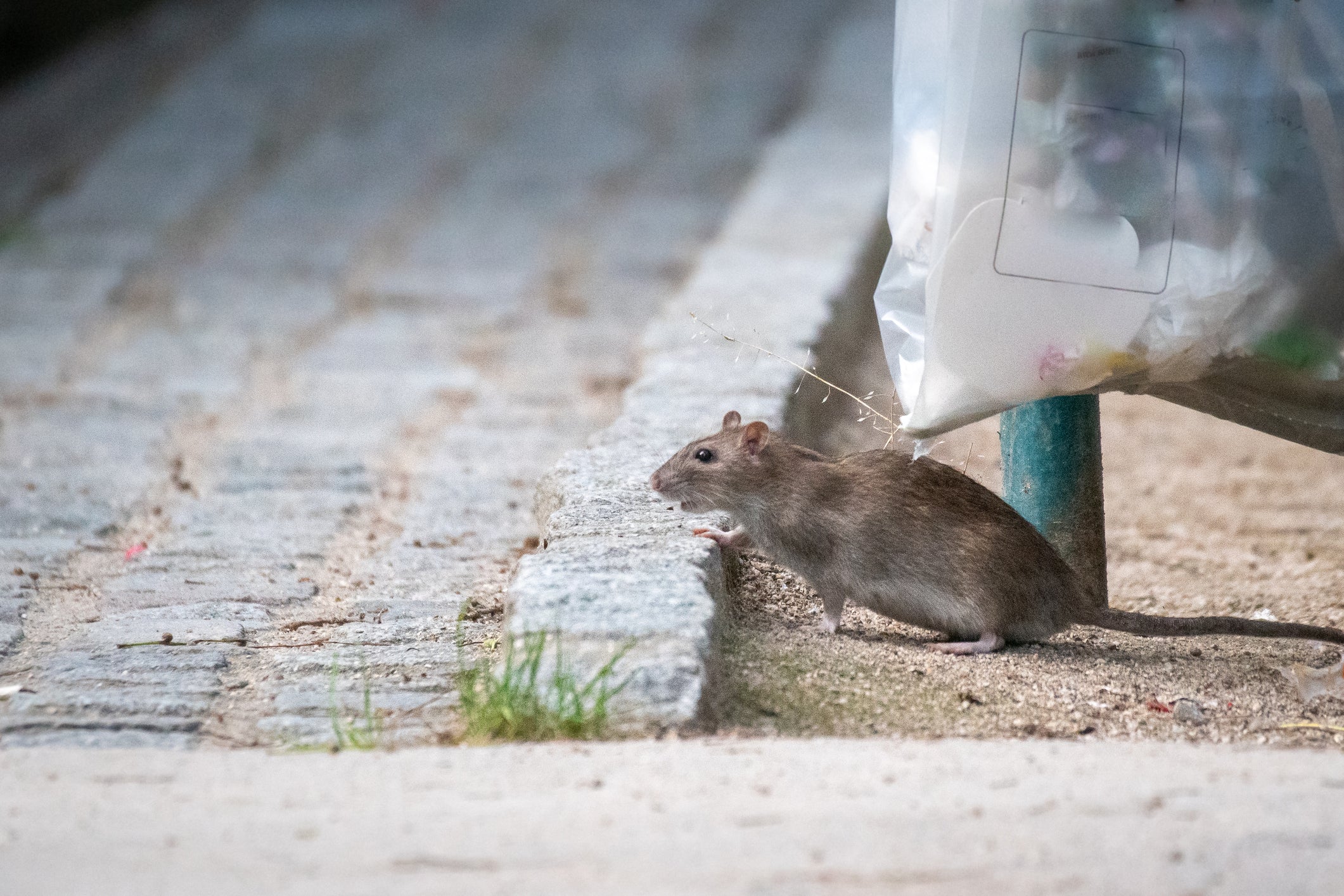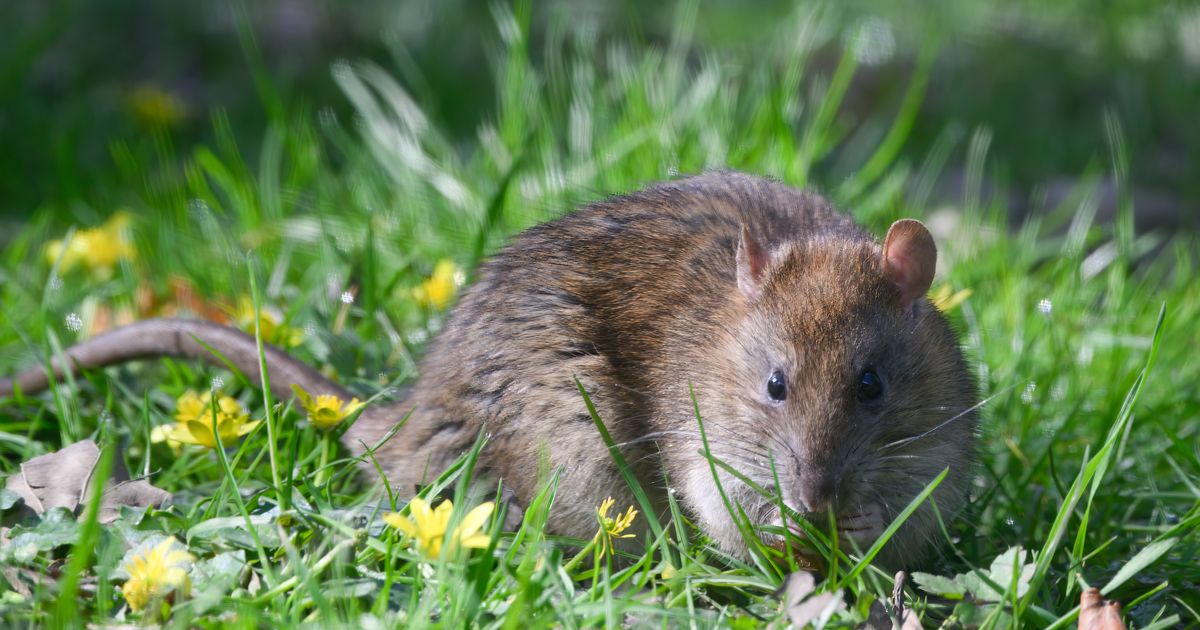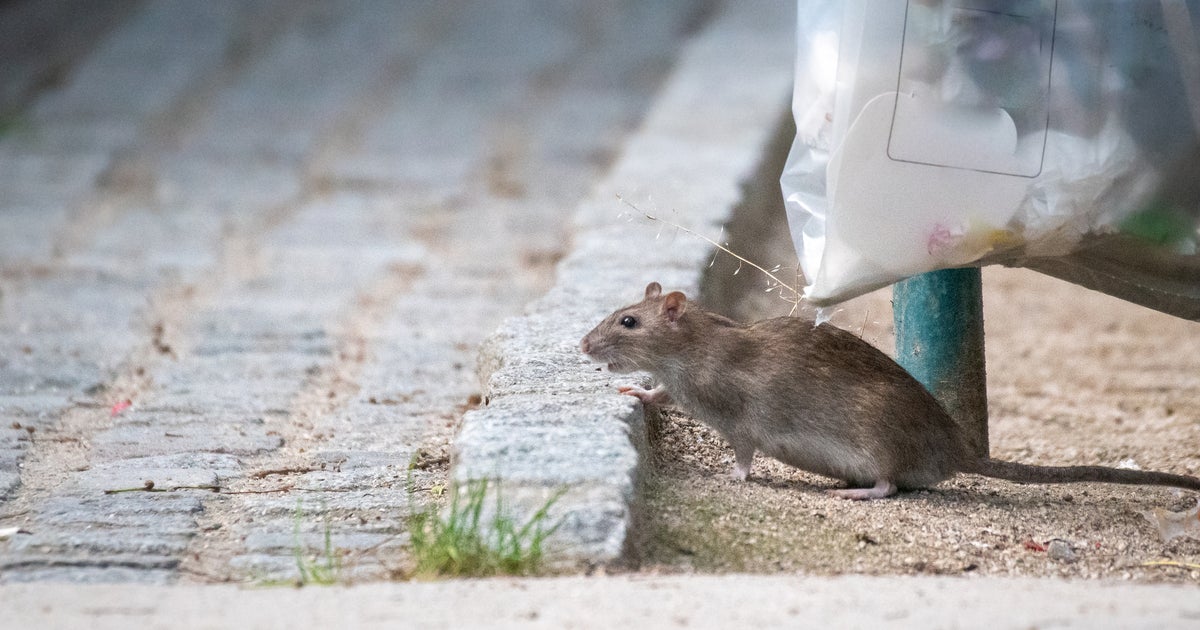
I wasn’t expecting to read a headline about cat-sized rats while eating my lunch today – but here we are.
According to news reports, a massive rat “the size of a cat” was discovered in a person’s home in Teesside (the Mirror actually went one step further and likened it to a dog in size). The rodent was said to be a whopping 56cm long.
Advertisement
Meanwhile Birmingham, which has been impacted by bin strikes for weeks on end that have seen bags of waste piled high in residential areas, is also witnessing feline-sized rodents.
One resident Kim Blakeman told the BBC: “The rats are huge – they are like small cats and their tails are really chunky.”
Advertisement
So, are rats getting bigger?
Pest controller David Parnell suggested the cat-sized rat found in Teesside is not a one off. “The rats are getting bigger, bolder and harder to deal with,” he wrote in a piece for the Independent.
He suggested the possible increase in size we’re witnessing is due to genetics, but also what rats are eating – namely, takeaways and processed food that people are “carelessly” chucking out.
Leaving bin bags in streets is giving rats – who can easily chew through wires, so a bag won’t phase them – a free ticket to an all-you-can-eat buffet. But it’s not just that that’s causing the problem.
Advertisement
“The UK has created a perfect storm for rats: poor waste management, exploding takeaway culture, weak sewer infrastructure and water companies failing to maintain ageing systems,” Parnell said, suggesting rats have even crept up water pipes into people’s toilet bowls.
But Niall Gallagher, the British Pest Control Association (BPCA)’s technical manager, suggested “generally, there’s no evidence that rats are getting physically bigger on average”.
That said, every year a pest professional is bound to stumble across an “outlier”.
He told HuffPost UK: “A typical rat measures around 9 inches long (not including tail). With the proper environmental conditions, such as easy access to an open water source, food source and safe harbourage from predators, they have been known to grow to larger sizes of around 17 inches!”
Advertisement
How to keep rats away
Rat populations peak from August to October, so chances are you might catch a glimpse of one in the coming months. (Although hopefully they won’t be cat-sized.)
If you do want to keep them out of your home and garden, follow this advice:
1. Get rid of food and water sources
Don’t leave your BBQ leftovers out in the garden (even the bones). Clear away and wash food bowls and plates once they’ve been used.
Rats will eat “almost anything”, said Miroslav Radov, owner of garage clearance company Rainbow Rubbish removals. “Therefore, ensuring that you have eliminated any food or water sources that they could feed off is crucial.”
Advertisement
He added that if there’s no available food source, “rats will be less likely to reproduce, which can aid in ensuring that rat numbers don’t multiply in your property”.
2. Inspect your home for entry points
Despite growing to large sizes, rats can squeeze through very small holes (we’re talking a 15mm gap), so now’s the time to scout around for any entry points that a rat could sneak through – and seal them up.
Gallagher advises people to “plug any gaps around pipes, cables, near doors and windows with mesh or wire wool and quick-drying cement”.
Advertisement
“Check that inspection covers for drains are in good repair and securely closed, and that any disused pipes are sealed off,” he added.
3. Keep clutter to a minimum
While eliminating food sources and sealing entry points are crucial to keeping rats away, so too is minimising clutter in your home and garden, said Radov. This is because piles of junk can serve as a great hiding, (or worse) nesting, place for rats.
Gallagher said overgrown patches of weeds, piles of wood and debris can provide nesting sites and routes of travel for rats. He also advised to “trim back overhanging branches or climbing plants” as these can provide routes into higher roof spaces for rats, mice and squirrels.
Advertisement
4. Get a decent dustbin with a lid that stays on
Rats love rubbish, so if your dustbin lid is prone to blowing off in the faintest breeze, it’s time to sort it, as Gallagher said: “Rubbish bins should have a securely fitting lid which is kept closed at all times. Any food waste should be bagged before going into an outside bin to avoid attracting pests.”
5. Call for backup
If you do have a rat inside your home, it’s time to call an expert. In the event of an infestation taking hold, BPCA recommends contacting one of its members for help via bpca.org.uk/find.
Best of luck!