We’re on our third heatwave of the year, and this one’s looking extra-long. That means gardeners might be facing browning grass, drying potted plants, and wilting flowers.
Still, though your first instinct might be to spring into action when you see your plants stressed, some gardening tasks are best left ’til after the hot spell. Watering your grass, for instance, might not be necessary, even if it’s browning – and it could go against your area’s current hosepipe rules.
Advertisement
Here are three activities to put on pause for now:
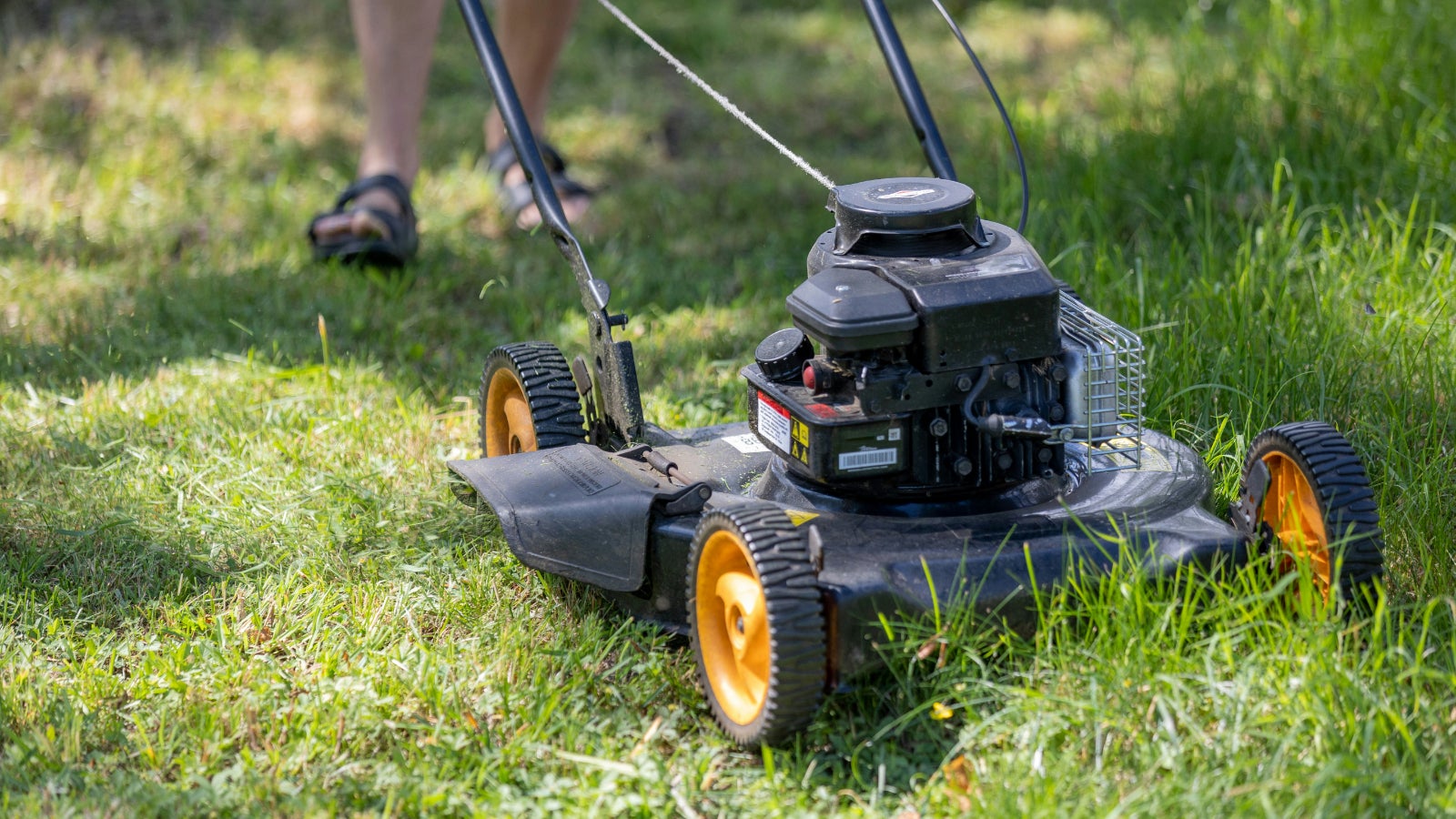
1) Mowing
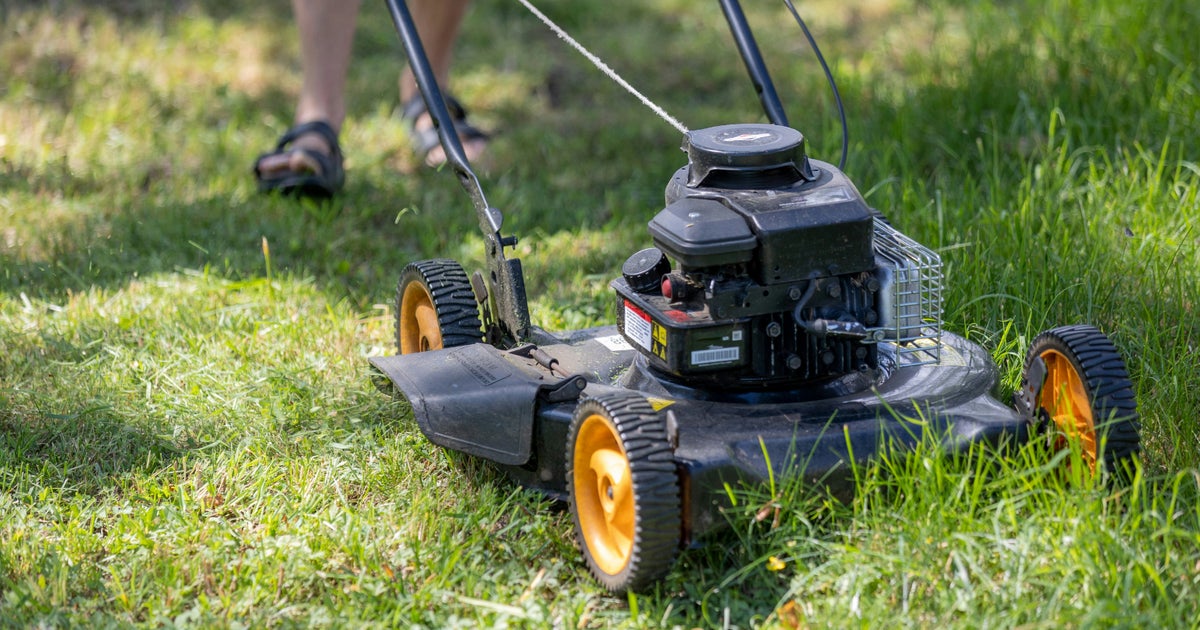
Speaking to Gardening Etc., Chris Bonnett of GardeningExpress.co.uk said that it’s important to “avoid mowing the lawn during extreme heat, as the lawn will be trying to recover from the heat or a potential drought”.
Grass that grows in very hot conditions often struggles to form healthy roots, meaning the added stress of mowing might damage it further.
Advertisement
Additionally, even though it might look unhealthy, even scorched grass has its protective place in your backyard.
It works as a sort of canopy for your lawn, protecting it from the extreme, drying heat of the sun.
2) Fertilising
When plants’ leaves curl and brown, you might be tempted to fertilise them, the University of California Agriculture and Natural Resources’ page reads.
But a heatwave is probably one of the worst times to do so.
“Your urge may be to whack off the dead parts and give the plant a shot of fertiliser. Hold on!” they said.
Advertisement
“The dead part can protect the living part from further burning. Refrain from fertilizing until temperatures drop below 90 [°F, or 32°C] during the daytime… Fertiliser pushes the plant to grow, stressing the plant even more.”
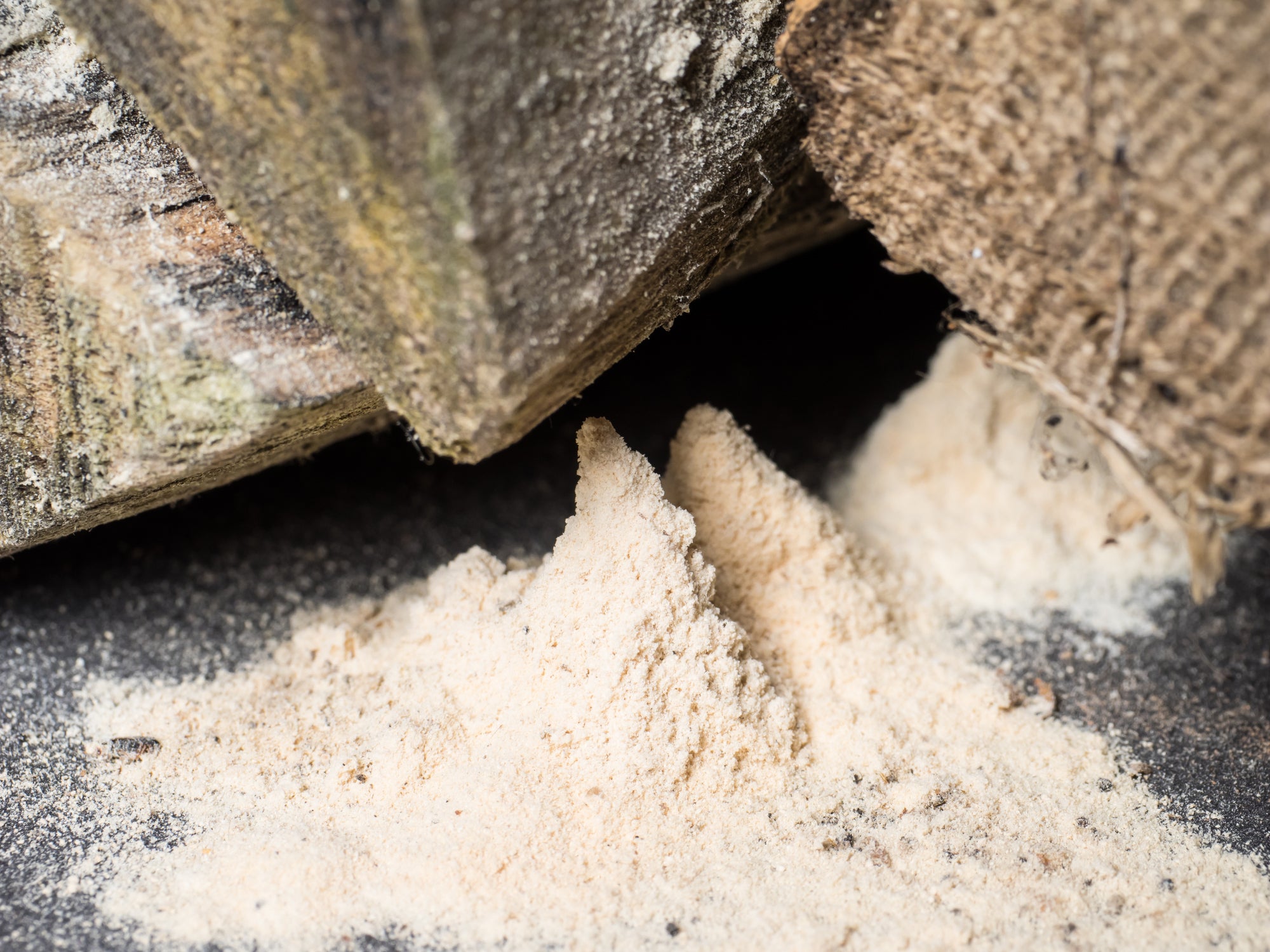
3) Aerating soil
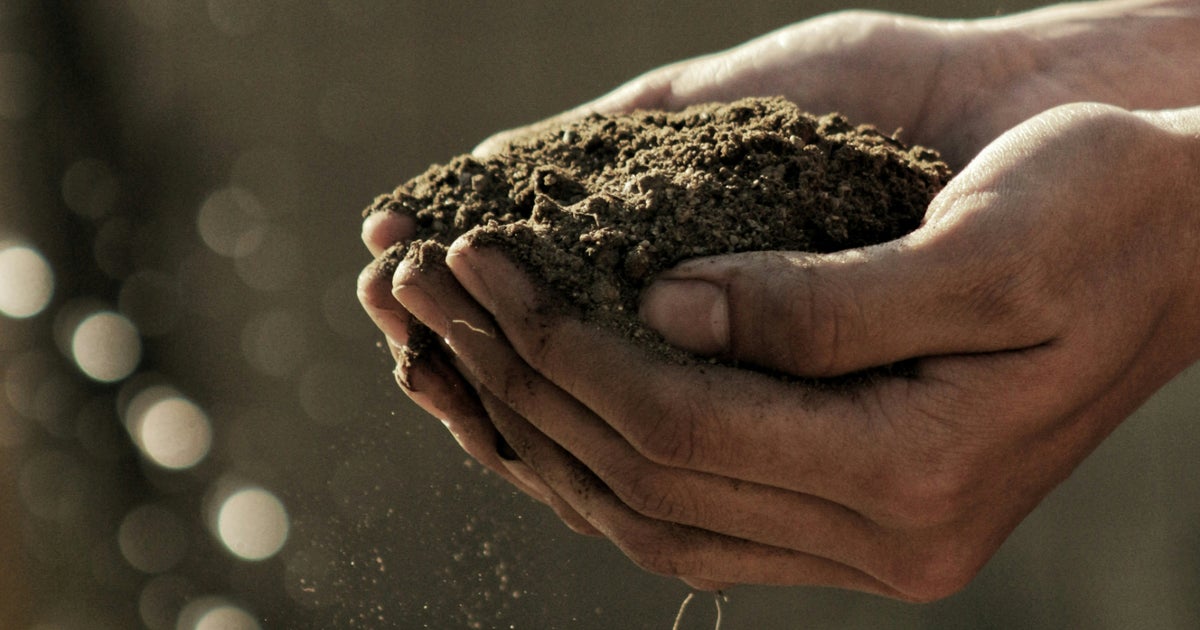
Aerating soil every two to three years is generally a good idea – it can improve drainage and give roots access to more of those sweet, sweet nutrients.
But experts generally recommend waiting until autumn to do the job.
Luke Newnes, a gardening expert at Hillarys, told Ideal Home: “During a heatwave, your lawn is already working hard just to cope with the stress of high temperatures and dry conditions.
Advertisement
“Creating hundreds of small holes in the soil can increase moisture loss and make it even harder for the grass to recover when it’s already under pressure. Most lawns simply don’t have the energy reserves to bounce back properly in those conditions.”
As if you needed any more reason to hang your gardening gloves up in these punishing temps…