What have you given up since becoming a parent?
It might be precious time spent with your newborn – the UK’s paternity leave is the worst in Europe forcing many dads back to work before they’re ready. It might be career progression, a pay rise or even your job (85% of women leave the full-time workforce within three years of having their first child).
It might be your savings or any extra income you are forced to make in order to pay for full-time childcare, which can range from £60 to £100 per day (government help with these costs is applicable to some, not all).
Advertisement
A new study on fatherhood from Equimundo, which polled 8,000 parents and caregivers across 16 countries, found fathers value care more than ever – but are increasingly stretched to breaking point.
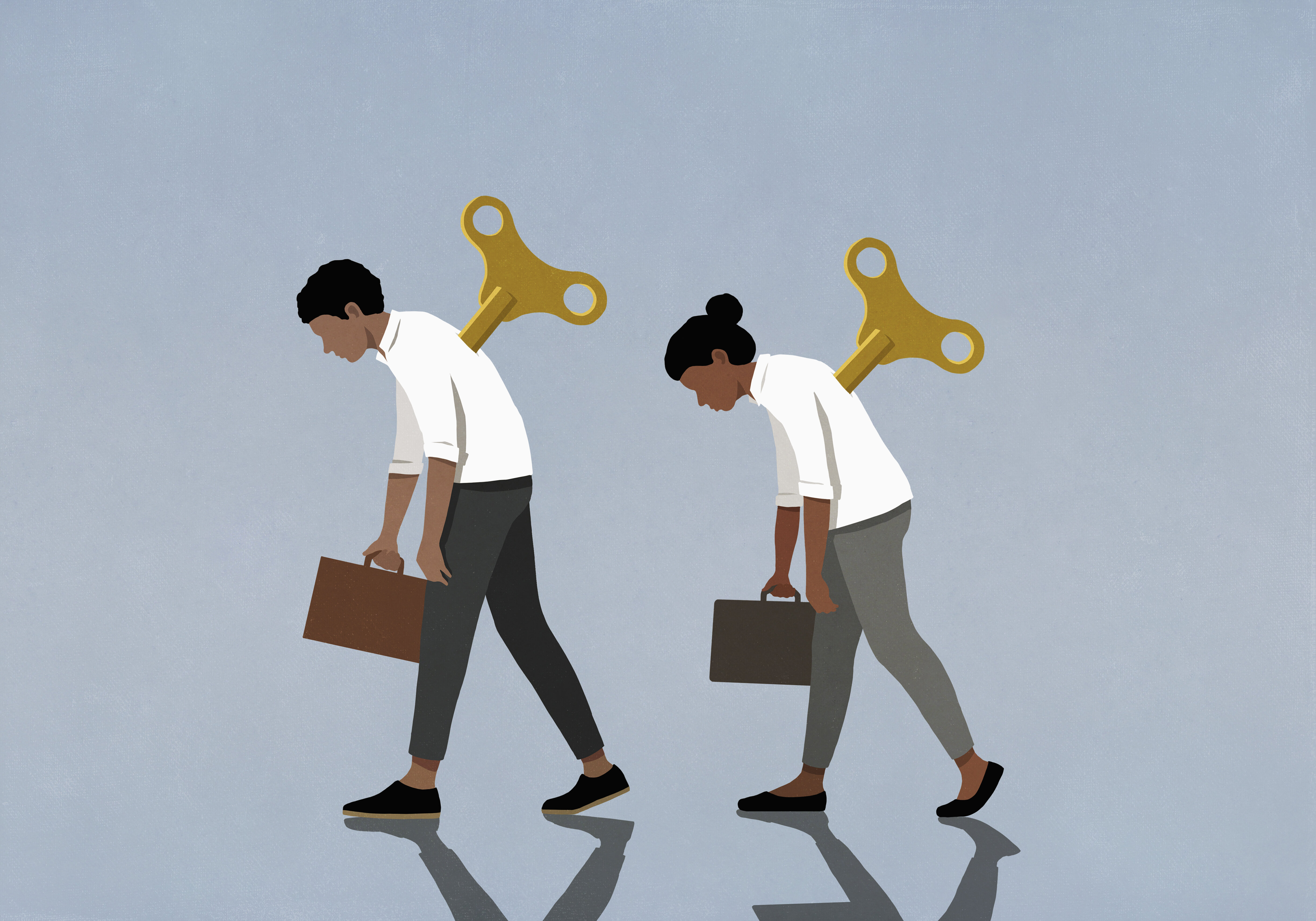
The study found parents don’t have the time, resources, or support to care for their families without constant strain, which it dubbed a “crisis”.
Savings (and safety nets) are drained, hours are cut to work around the school day (four out of five parents said their employer won’t allow flexible working), job security hangs in the balance, and study and leisure time quietly disappears.
Advertisement
Malte Mueller via Getty Images
The sacrifices parents make
The report’s “sacrifice scorecard” asked the world’s mums and dads what they have had to give up in order to care for their loved ones.
It found parents are making six to eight separate sacrifices to provide care for their children.
One in four had to refinance their homes to pay for care services, one in three turned down a professional advancement to provide care, almost two-thirds worked overtime to bring home extra pay, and half took on a second or third job to increase their income.
Advertisement
It’s no wonder then that three in four dads, and four in five mums, are losing sleep over their financial future.
The report highlighted how these sacrifices can also fuel increased anxiety, suicidal thoughts, and higher alcohol consumption. It noted fathers have higher odds than mothers of falling into the high-distress group, with younger dads most at risk.
Its authors summarised that fathers want to be present and active in the daily lives of their children, but are held back by norms and policies that haven’t caught up – and it’s placing great strain on families.
Advertisement
Elliott Rae, founder of Parenting Out Loud and Equal Parenting Week, said the sacrifices dads are having to make, per the new research, tell “a new version of the same story that we have heard” from mums over the years.
“This isn’t about competition between the sexes; it’s about recognising that both parents are continually having to make sacrifices because of societal structures that make parenting in the UK akin to the ‘wipe out’ obstacle course tryouts,” he said.
“Unequal parenting leave means that mums are set up as the primary carer and dads are set up as the chief provider, and both parents then struggle to excel in each other’s lanes.
Advertisement
“We need to set parents up as equals from the get-go by levelling up paternity leave, and then we need to instil flexible working practices that allow mothers to work to their full potential instead of making themselves smaller in order to ‘have it all’ and dads to be able to be the present dads that they want to be.”
Gary Barker, president and CEO of Equimundo, responded that while “men are doing more of the care work and finding meaning and happiness in doing so”, families everywhere “face enormous challenges to provide basic care”.
He called on men to “demand and advocate for the care services we all need”.
Lee Chambers, founder of Male Allies UK, wants to see changes to policies that better support parents.
Advertisement
“The problem is we’re asking dads to be providers first and then telling them they need to do 50:50 childcare too. They want to do it, they want to be there, but there’s still a huge pressure to work like you don’t have kids,” he said.
“The reality is something has to give and without policies in place to support dads to be dads, they end up taking a hit as a family, both financially and mentally.
“We need to create balance – put structures in place that enable mums to work without getting paid less than dads for doing so, and we need to enable dads to be dads by giving them time off to bond and care for their children.
Advertisement
“We need to close the gaps if we want any hope of reaching equality at work and home.”