
WellnessMaster

Get The Latest News on Holistic Wellness

WellnessMaster

Comparing face coverings in controlling expired particles

Laboratory tests of surgical and N95 masks by researchers at the University of California, Davis, show that they do cut down the amount of aerosolized particles emitted during breathing, talking and coughing. Tests of homemade cloth face coverings, however, show that the fabric itself releases a large amount of fibers into the air, underscoring the importance of washing them. The work is published Sept. 24 in Scientific Reports.

As the COVID-19 pandemic continues, the use of masks and other face coverings has emerged as an important tool alongside contact tracing and isolation, hand-washing and social distancing to reduce the spread of coronavirus. The CDC and the World Health Organization endorse the use of face coverings, and masks or face coverings are required by many state and local governments, including the state of California.

The goal of wearing face coverings is to prevent people who are infected with COVID-19 but asymptomatic from transmitting the virus to others. But while evidence shows that face coverings generally reduce the spread of airborne particles, there is limited information on how well they compare with each other.

Sima Asadi, a graduate student working with Professor William Ristenpart in the UC Davis Department of Chemical Engineering, and colleagues at UC Davis and Icahn School of Medicine at Mount Sinai, New York, set up experiments to measure the flow of particles from volunteers wearing masks while they performed “expiratory activities” including breathing, talking, coughing and moving their jaw as if chewing gum.

Asadi and Ristenpart have previously studied how people emit small particles, or aerosols, during speech. These particles are small enough to float through the air over a considerable distance, but large enough to carry viruses such as influenza or coronavirus. They have found that a fraction of people are “superemitters” who give off many more particles than average.

The 10 volunteers sat in front of a funnel in a laminar flow cabinet. The funnel drew air from in front of their faces into a device that measured the size and number of particles exhaled. They wore either no mask, a medical-grade surgical mask, two types of N95 mask (vented or not), a homemade paper mask or homemade one- or two-layer cloth mask made from a cotton T-shirt according to CDC directions.

Up to 90 percent of particles blocked

The tests only measured outward transmission — whether the masks could block an infected person from giving off particles that might carry viruses.

Without a mask, talking (reading a passage of text) gave off about 10 times more particles than simple breathing. Forced coughing produced a variable amount of particles. One of the volunteers in the study was a superemitter who consistently produced nearly 100 times as many particles as the others when coughing.

In all the test scenarios, surgical and N95 masks blocked as much as 90 percent of particles, compared to not wearing a mask. Face coverings also reduced airborne particles from the superemitter.

Homemade cotton masks actually produced more particles than not wearing a mask. These appeared to be tiny fibers released from the fabric. Because the cotton masks produced particles themselves, it’s difficult to tell if they also blocked exhaled particles. They did seem to at least reduce the number of larger particles.

The results confirm that masks and face coverings are effective in reducing the spread of airborne particles, Ristenpart said, and also the importance of regularly washing cloth masks.

Additional co-authors on the study are Christopher Cappa, Santiago Barreda and Anthony Wexler at UC Davis; and Nicole Bouvier, Icahn School of Medicine at Mount Sinai, New York. It was supported by a grant from the National Institute of Allergy and Infectious Diseases of the National Institutes of Health.

Story Source:

Materials provided by University of California – Davis. Original written by Andy Fell. Note: Content may be edited for style and length.


Share Button

What new research reveals about rude workplace emails

With the advent of the coronavirus pandemic and remote work on the rise, the sheer volume of email exchanges has skyrocketed. Electronic communication is efficient, but it’s also distant and detached, and often can be rude.

Two studies led by a University of Illinois Chicago researcher show that dealing with rude emails at work can create lingering stress and take a toll on your well-being and family life.

The research, published by the Journal of Occupational Health Psychology, suggests impolite emails can have a negative effect on work responsibilities, productivity, and can even be linked to insomnia at night, which further relate to negative emotions the next morning.

“Given the prevalent use of emails in the workplace, it is reasonable to conclude this problem is becoming an increasing concern,” said lead author Zhenyu Yuan, assistant professor of managerial studies in the College of Business Administration.

In the first study, Yuan and his co-authors surveyed 233 working employees in the U.S. about their impolite email experiences and collected their appraisals. In the second study, researchers conducted a diary study to examine the spillover effects of email rudeness on well-being, including employees’ trouble falling and staying asleep.

There are two forms of email rudeness, Yuan notes. Active email rudeness — demeaning or derogatory remarks from the sender made about the recipient — suggests to the recipient that the sender has mistreated him or her. By comparison, passive email rudeness — such as ignoring a request or opinion from the sender — makes it difficult to know whether the receiver simply forgot to answer the email or actually intended to ignore it.

“Because emails are securely stored, people may have a tendency to revisit a disturbing email or constantly check for a response that they requested, which may only aggravate the distress of email rudeness,” Yuan explained.

To mitigate this stress, the researchers urge employees to “psychologically detach” from a stressful workday after receiving rude emails. The best option is to unplug from work after-hours. Whenever possible, managers also should set clear and reasonable expectations regarding email communications.

“It should be noted that efforts to address email rudeness should not be interpreted as the same as creating pressure for employees and managers to always check their email and respond to emails (i.e., telepressure),” Yuan concluded.

“On the contrary, setting clear and reasonable communications norms can prove effective in addressing both.”

Study co-authors include YoungAh Park, School of Labor and Employment Relations, University of Illinois at Urbana-Champaign; and Michael Sliter, O.E. Strategies, Inc., Broadview Heights, Ohio.

The study was supported in part by a pilot project research training grant from the Heartland Center for Occupational Health and Safety at the University of Iowa (2015-2016). The Heartland Center was supported by training grant No. T42OH008491 from the Centers for Disease Control and Prevention/National Institute for Occupational Safety and Health.

Story Source:

Materials provided by University of Illinois at Chicago. Note: Content may be edited for style and length.

Share Button

Research challenges conventional wisdom about key autism trait

A new study into the causes of sensorimotor impairments prevalent among autistic people could pave the way for better treatment and management in the future, say psychologists.

Publishing findings in the leading journal BRAIN, the scientists from the universities of Exeter and Bath present fresh evidence that sensorimotor difficulties associated with autism are likely caused by a number of complex and precise neurobiological processes, including differences in the way autistic people perceive the world around them.

Common sensorimotor features associated with autism can include sensory overload and impaired hand-eye coordination but also general clumsiness. In addition to the well-documented challenges traditionally associated with autism — notably in social communication and interaction, and restricted and repetitive patterns of behaviours — these impairments represent a major hurdle for individuals and typically will last throughout their lives.

Yet, despite this, surprisingly little is known about the origins or mechanisms underlying these behavioural traits and their specific impacts on an individual’s quality of life. For this study researchers used state-of-the-art mobile eye-tracking and motion capture technology to understand more about the causes of these difficulties and how they might be better managed.

Enlisting over 150 people both with and without autism, they tested a number of processes and mechanisms associated with sensorimotor difficulties. Most significantly, they found that many processes that were previously thought to underpin these movement difficulties in autism actually do not appear to be impaired. The research is part of a South West Doctoral Training Partnership studentship in affiliation with the ESRC and was led by Tom Arthur — a PhD student at both the universities of Exeter and Bath.

He explains: “This study looked at how individuals control their hand-eye movements when picking up and lifting things — anyone who’s lifted an empty suitcase they thought was full of clothes will know that we usually do this in a very predictive way.

“Our results showed that autistic people lift new objects in just as predictive a way as non-autistic people. These findings go against many existing research theories, and indicate that previous conclusions in the field may have been a bit too broad or simplistic. This is important, because many daily living skills and behaviours depend on an individual’s ability to predict the world and act upon their prior expectations.”

Co-author Dr Gavin Buckingham from the Department of Sport and Health Sciences at the University of Exeter added: “It is increasingly clear that sensory and movement-based difficulties are core characteristics of autism that have implications for most autistic people’s lives. However, there is currently a real lack of scientific understanding about these features and an absence of evidence-based interventions for managing these daily living difficulties.”

Professor Mark Brosnan, Director of the Centre for Applied Autism Research at the University of Bath, said: “By advancing our understanding of the challenges that autistic people experience when trying to predict an unpredictable world, this research will have great implications for practice. Already the team are exploring the practical implications of this research within Virtual Reality Environments.”

It is hoped such work could form the basis of future teaching and coaching interventions that aim to combat autism-related sensorimotor difficulties.

Autism is a neurodevelopmental condition which is diagnosed in 1-2% of individuals typically on the basis of persistent difficulties with social communication and interaction and / or restricted and repetitive patterns of behaviours, activities or interests. In addition, sensorimotor impairments are considered as ‘cardinal’ features of autism.

Story Source:

Materials provided by University of Bath. Note: Content may be edited for style and length.

Share Button

How earthquake swarms arise

Earthquakes can be abrupt bursts of home-crumbling, ground-buckling energy when slices of the planet’s crust long held in place by friction suddenly slip and lurch.

“We typically think of the plates on either side of a fault moving, deforming, building up stresses and then: Boom, an earthquake happens,” said Stanford University geophysicist Eric Dunham.

But deeper down, these blocks of rock can slide steadily past one another, creeping along cracks in Earth’s crust at about the rate that your fingernails grow.

A boundary exists between the lower, creeping part of the fault, and the upper portion that may stand locked for centuries at a stretch. For decades, scientists have puzzled over what controls this boundary, its movements and its relationship with big earthquakes. Chief among the unknowns is how fluid and pressure migrate along faults, and how that causes faults to slip.

A new physics-based fault simulator developed by Dunham and colleagues provides some answers. The model shows how fluids ascending by fits and starts gradually weaken the fault. In the decades leading up to big earthquakes, they seem to propel the boundary, or locking depth, a mile or two upward.

Migrating swarms

The research, published Sept. 24 in Nature Communications, also suggests that as pulses of high-pressure fluids draw closer to the surface, they can trigger earthquake swarms — strings of quakes clustered in a local area, usually over a week or so. Shaking from these seismic swarms is often too subtle for people to notice, but not always: A swarm near the southern end of the San Andreas Fault in California in August 2020, for example, produced a magnitude-4.6 quake strong enough to rattle surrounding cities.

Each of the earthquakes in a swarm has its own aftershock sequence, as opposed to one large mainshock followed by many aftershocks. “An earthquake swarm often involves migration of these events along a fault in some direction, horizontally or vertically,” explained Dunham, senior author of the paper and an associate professor of geophysics at Stanford’s School of Earth, Energy & Environmental Sciences (Stanford Earth).

The simulator maps out how this migration works. Whereas much of the advanced earthquake modeling of the last 20 years has focused on the role of friction in unlocking faults, the new work accounts for interactions between fluid and pressure in the fault zone using a simplified, two-dimensional model of a fault that cuts vertically through Earth’s entire crust, similar to the San Andreas Fault in California.

“Through computational modeling, we were able to tease out some of the root causes for fault behavior,” said lead author Weiqiang Zhu, a graduate student in geophysics at Stanford. “We found the ebb and flow of pressure around a fault may play an even bigger role than friction in dictating its strength.”

Underground valves

Faults in Earth’s crust are always saturated with fluids — mostly water, but water in a state that blurs distinctions between liquid and gas. Some of these fluids originate in Earth’s belly and migrate upwards; some come from above when rainfall seeps in or energy developers inject fluids as part of oil, gas or geothermal projects. “Increases in the pressure of that fluid can push out on the walls of the fault, and make it easier for the fault to slide,” Dunham said. “Or, if the pressure decreases, that creates a suction that pulls the walls together and inhibits sliding.”

For decades, studies of rocks unearthed from fault zones have revealed telltale cracks, mineral-filled veins and other signs that pressure can fluctuate wildly during and between big quakes, leading geologists to theorize that water and other fluids play an important role in triggering earthquakes and influencing when the biggest temblors strike. “The rocks themselves are telling us this is an important process,” Dunham said.

More recently, scientists have documented that fluid injection related to energy operations can lead to earthquake swarms. Seismologists have linked oil and gas wastewater disposal wells, for example, to a dramatic increase in earthquakes in parts of Oklahoma starting around 2009. And they’ve found that earthquake swarms migrate along faults faster or slower in different environments, whether it’s underneath a volcano, around a geothermal operation or within oil and gas reservoirs, possibly because of wide variation in fluid production rates, Dunham explained. But modeling had yet to untangle the web of physical mechanisms behind the observed patterns.

Dunham and Zhu’s work builds on a concept of faults as valves, which geologists first put forth in the 1990s. “The idea is that fluids ascend along faults intermittently, even if those fluids are being released or injected at a steady, constant rate,” Dunham explained. In the decades to thousands of years between large earthquakes, mineral deposition and other chemical processes seal the fault zone.

With the fault valve closed, fluid accumulates and pressure builds, weakening the fault and forcing it to slip. Sometimes this movement is too slight to generate ground shaking, but it’s enough to fracture the rock and open the valve, allowing fluids to resume their ascent.

The new modeling shows for the first time that as these pulses travel upward along the fault, they can create earthquake swarms. “The concept of a fault valve, and intermittent release of fluids, is an old idea,” Dunham said. “But the occurrence of earthquake swarms in our simulations of fault valving was completely unexpected.”

Predictions, and their limits

The model makes quantitative predictions about how quickly a pulse of high-pressure fluids migrates along the fault, opens up pores, causes the fault to slip and triggers certain phenomena: changes in the locking depth, in some cases, and imperceptibly slow fault movements or clusters of small earthquakes in others. Those predictions can then be tested against the actual seismicity along a fault — in other words, when and where small or slow-motion earthquakes end up occurring.

For instance, one set of simulations, in which the fault was set to seal up and halt fluid migration within three or four months, predicted a little more than an inch of slip along the fault right around the locking depth over the course of a year, with the cycle repeating every few years. This particular simulation closely matches patterns of so-called slow-slip events observed in New Zealand and Japan — a sign that the underlying processes and mathematical relationships built into the algorithm are on target. Meanwhile, simulations with sealing dragged out over years caused the locking depth to rise as pressure pulses climbed upward.

Changes in the locking depth can be estimated from GPS measurements of the deformation of Earth’s surface. Yet the technology is not an earthquake predictor, Dunham said. That would require more complete knowledge of the processes that influence fault slip, as well as information about the particular fault’s geometry, stress, rock composition and fluid pressure, he explained, “at a level of detail that is simply impossible, given that most of the action is happening many miles underground.”

Rather, the model offers a way to understand processes: how changes in fluid pressure cause faults to slip; how sliding and slip of a fault breaks up the rock and makes it more permeable; and how that increased porosity allows fluids to flow more easily.

In the future, this understanding could help to inform assessments of risk related to injecting fluids into the Earth. According to Dunham, “The lessons that we learn about how fluid flow couples with frictional sliding are applicable to naturally occurring earthquakes as well as induced earthquakes that are happening in oil and gas reservoirs.”

This research was supported by the National Science Foundation and the Southern California Earthquake Center.

Share Button

Covid vaccine: Trial of new coronavirus vaccine starts in UK

It is only the second vaccine to enter large scale trials in the UK and early signs suggest it can trigger an immune response.

Share Button

Relax Into Being

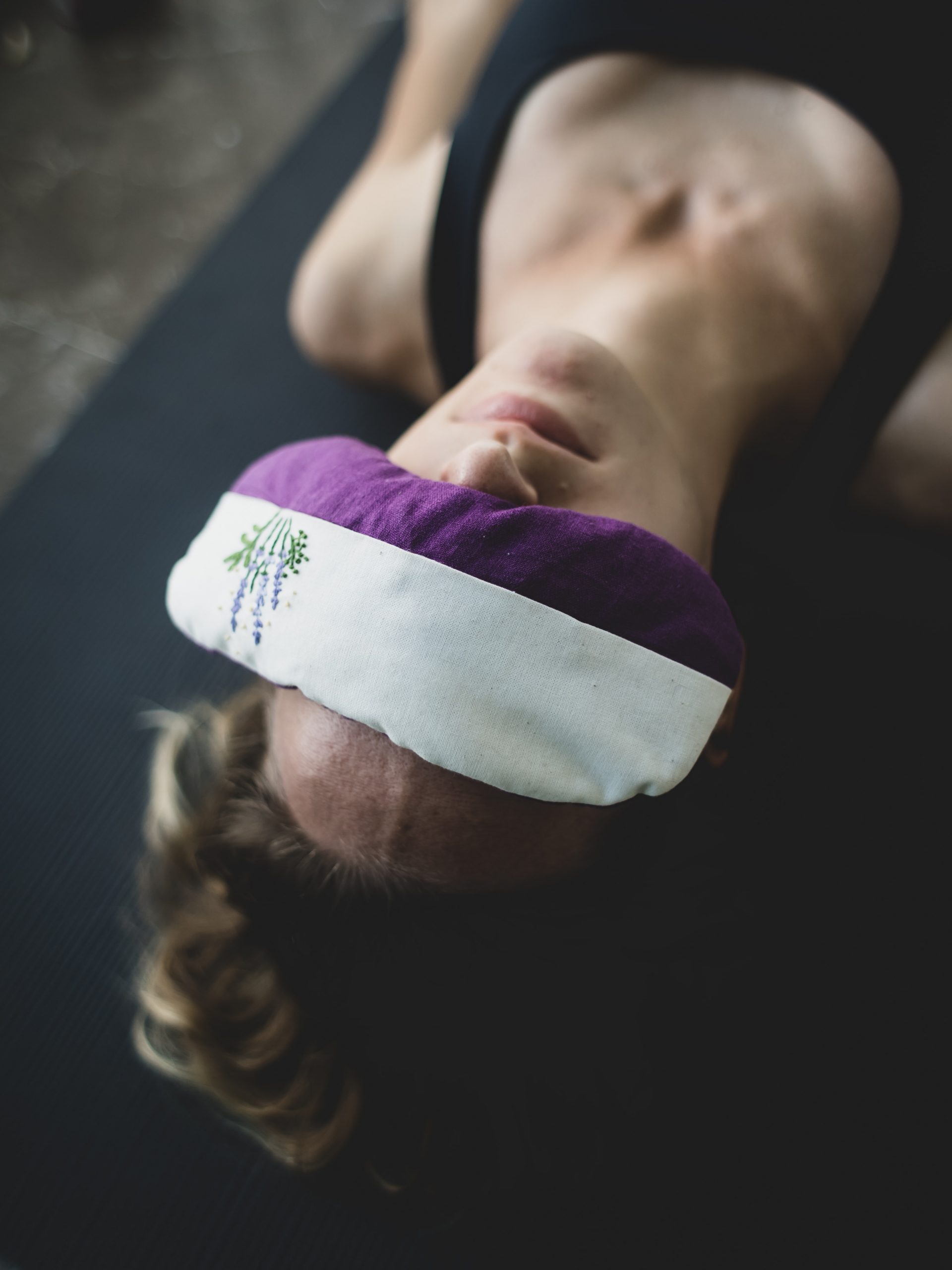
A few nights ago, I did a 30-minute yoga session before dinner. While lying in Savasana (corpse pose) at the end of it, I reveled in a delightful sense of beingness. This was a good reminder to set aside doingness and to fully relax into just being now and then.

When you relax into being, you experience existence without any need for doing. Breathing in stillness feels effortless and automatic. In this state you can enjoy the feeling of connectedness to life without having to think about it. You can set aside all stress and worry. Sometimes it feels marvelous to be like a puddle on the floor without a care in the world.

Time seems to pause while in the state of beingness. Even though the seconds still pass by, you needn’t attach any meaning to the passage of time.

When I spend time being and then re-engage with doing, the doing feels lighter and easier. I bring some of that puddleness back with me, which makes me feel more relaxed and attention. It’s easier to focus because my mind has been cleared, so it has plenty of capacity. I feel emotionally refreshed as well, so it’s easy to feel motivated.

How often do you just relax into being? Often enough to enjoy a nice balance with doing? Or has too much doing been wearing you down?

If you could use more beingness, try 20-30 minutes of yoga to relax your body, and then let yourself sink into Savasana for as long as you want. Enjoy the experience of being a puddle on the floor, and revel in how good that feels. When you’re ready to return to the world of doing, notice the lightness that comes with you.

Share Button

Lizzo says body positivity has become too ‘commercialised’ and ‘cool’

Pop star Lizzo says the movement has been hijacked by those who don’t need to benefit from it.

Share Button

Have a sprain? Get some R.I.C.E.

If you have a minor sprain, you can probably treat it at home with R.I.C.E., which stands for rest, ice, compress and elevate. Rest the injured area, but don’t avoid all activity. Ice the area as soon as possible after the injury. Compress the area with an elastic wrap or bandage. Elevate the injured limb above your heart whenever possible to limit swelling. As the pain and swelling improve, gently begin using the injured area. Over-the-counter pain relievers, such as ibuprofen and acetaminophen, may be helpful to manage pain during the healing process.

Sept. 25, 2020

.

Share Button

Loneliness levels high during COVID-19 lockdown

During the initial phase of COVID-19 lockdown, rates of loneliness among people in the UK were high and were associated with a number of social and health factors, according to a new study published this week in the open-access journal PLOS ONE by Jenny Groarke of Queen’s University Belfast, UK, and colleagues.

Loneliness is a significant public health issue and is associated with worse physical and mental health as well as increased mortality risk. Systematic review findings recommend that interventions addressing loneliness should focus on individuals who are socially isolated. However, researchers have lacked a comprehensive understanding of how vulnerability to loneliness might be different in the context of a pandemic.

In the new study, researchers used an online survey to collect data about UK adults during the initial phase of COVID-19 lockdown in the country, from March 23 to April 24, 2020. 1,964 eligible participants responded to the survey, answering questions about loneliness, sociodemographic factors, health, and their status in relation to COVID-19. Participants were aged 18 to 87 years old (average 37.11), were mostly white (92.7%), female (70.4%), not religious (57.5%) and the majority were employed (71.9%).

The overall prevalence of loneliness, defined as having a high score on the loneliness scale (ie., a score of 7 or higher out of 9), was over a quarter of respondents: 26.6%. In the week prior to completing the survey, 49% to 70% of respondents reported feeling isolated, left out or lacking companionship. Risk factors for loneliness were being in a younger age group (aOR: 4.67 — 5.31), being separated or divorced (OR: 2.29), meeting clinical criteria for depression (OR: 1.74), greater emotion regulation difficulties (OR: 1.04), and poor-quality sleep due to the COVID-19 crisis (OR: 1.30). Higher levels of social support (OR: 0.92), being married/co-habiting (OR: 0.35) and living with a greater number of adults (OR: 0.87) were protective factors.

The authors hope that these findings can inform support strategies and help to target those most vulnerable to loneliness during the pandemic.

Groarke adds: “We found that rates of loneliness during the early stages of the UK lockdown were high. Our results suggest that supports and interventions to reduce loneliness should prioritise young people, those with mental health symptoms, and people who are socially isolated. Supports aimed at improving emotion regulation, sleep quality and increasing social support could reduce the impact of physical distancing regulations on mental health outcomes.”

Story Source:

Materials provided by PLOS. Note: Content may be edited for style and length.
Share Button

Driven by climate, more frequent, severe wildfires in Cascade Range reshape forests

In recent years — and 2020 is no exception — parts of the Pacific Northwest that are typically too wet to burn are experiencing more frequent, severe and larger wildfires due to changes in climate. New research from Portland State University found that while the increased wildfire activity is causing widespread changes in the structure and composition of these mid-to-high elevation forests, the new landscapes are also likely more resilient to projected upward trends in future fire activity and climate conditions.

The study, led by PSU graduate student Sebastian Busby, examined temperate forests that burned expansively, severely and repeatedly between 2003 and 2015 in the central Cascade Range of Oregon and Washington. On Mt. Adams, these wildfires included the 2008 Cold Springs, 2012 Cascade Creek and 2015 Cougar Creek fires. On Mt. Jefferson, the wildfires included the 2003 Booth and Bear Butte Complex, 2007 Warm Springs Area Lightning Complex and 2014 Bear Butte 2 fires. Some areas Busby studied have burned again this summer as part of the Lionshead fire in the Mt. Jefferson area.

Busby said that historically, wet and cool climate limited fire events in these humid forest environments to an interval of 50 to 200-plus years. But climate change has led to warmer winters, reduced mountain snowpack and longer, drier summers and fire seasons. The time between repeated wildfire events in this study was less than 12 years.

“These forests are drying out earlier in the year, making them more vulnerable to frequent, severe and larger wildfires,” Busby said. “Because these forests have not historically burned very often, they’re composed of high densities of tree species that are not well-adapted to frequent and very large severe fires.”

True firs were the dominant conifer tree species across the study areas, but post-fire tree regeneration was generally very poor due to a lack of live mature trees remaining after the fires to reseed the forest.

The burned areas, however, did support the establishment of pines at a low density, which are functionally better adapted to fire. The findings suggest that in the near term, these forests may transition from a dense fir-dominated conifer forest into a patchy, low-density, pine-dominated forest that will likely lack the fuel connectivity conducive to crown fires. Busby said that while widespread forest composition change and forest cover loss may be alarming, the results indicate that the altered structure and composition are likely to be more resilient in the face of future fire and climate conditions, such as drought and heatwave events.

“From an ecological point of view, these reburned forests are going to have a greater abundance of tree species that are better adapted to fire and potentially have less flammable forest structure overall,” he said. “Now, in these post-reburned forests that are growing in a warmer and drier world, it will be up to us to decide whether we let future fires burn or not.”

If forest managers and other stakeholders choose to suppress them, they risk returning these forests to their historical dense structures, which thrived in cool and wet climates. However, under ongoing warming conditions, this alternative might increase the likelihood of severe and expansive fires in the future, negatively impacting human life, property, and natural resources.

“Wildfires are a natural ecological process on these landscapes and have been for thousands of years,” Busby said. “Wildfire can be a great catalyst for change, but that change doesn’t have to be entirely negative. We must learn to co-exist with wildfires, use them effectively, and embrace the positive elements they bring to our regional forests and ecosystems.”

The findings are published in the journal Ecosphere. Busby’s co-authors are Andrés Holz, associate professor of geography at PSU, and Kevan Moffett, assistant professor of environmental hydrology at Washington State University-Vancouver.

Story Source:

Materials provided by Portland State University. Original written by Cristina Rojas. Note: Content may be edited for style and length.

Share Button
✕
smartphone

FREE
VIEW