Fad weight loss strategies don’t work well and can be harmful, says NHS England’s top doctor.


Fad weight loss strategies don’t work well and can be harmful, says NHS England’s top doctor.
Macmillan Cancer Support says patients feel that doctors and nurses are overstretched.
The year of treating the untreatable: 2019 breakthroughs that could transform medicine.
The simultaneous use of antibodies based on two differing mechanisms of action leads to a more effective destruction of tumors. This has been demonstrated by a study in animal models by medical oncologists and scientists at the University of Basel that has been published in the scientific journal PNAS. Patients who do not respond to current immunotherapy options could benefit most from this new treatment.
In recent years, immunotherapies against cancer have raised great hopes. These novel therapies recruit the body’s immune system to destroy cancerous tissue. An antibody that activates the CD40 receptor on the surface of immune cells and thus stimulates the production of natural killer T-cells showed a promising effect in preclinical studies.
However, in subsequent clinical trials, the success of the CD40 antibody fell far short of expectations — less than 20% of patients responded. The research group Cancer Immunology at the University of Basel has now shown in animal models that the effect of the anti-CD40 antibody can be increased significantly by combining it with two other antibodies that attach to tumor blood vessels.
Open the way to the tumor
The starting point for the study was the observation that the administration of anti-CD40 antibodies leads to an increase in killer T-cells as intended — but these can then only be detected in the peripheral areas and not in the interior of the tumor. The researchers suspected that this was due to the nature of the tumor’s blood vessels.
“Normally, the blood vessels of a tumor are leaky or stunted. Therefore, there is no good way for killer T-cells to get inside,” says study leader Dr. Abhishek Kashyap. “Our hypothesis was that the killer cells are able to invade the tumor and destroy it only if there are enough healthy blood vessels.”
Therefore, they combined the anti-CD40 antibody with two other anti-angiogenic antibodies that are able to stabilize the tumor blood vessels. One of the anti-angiogenetic antibodies is already approved for cancer therapy under the name Avastin, while the other is still in clinical development. All antibodies were provided by Roche.
New combination destroys tumor tissue
The researchers then tested this new combination of antibodies in several animal models for different types of cancer, such as colorectal, breast and skin cancer. As expected, the combination of the three antibodies significantly improved tumor tissue destruction in all cancers.
A more detailed analysis also showed that this success was based on the predicted mechanism: the addition of the two anti-angiogenetic antibodies ensured the tumors had more intact blood vessels. Unexpectedly, however, the investigations also showed that the antibody combination very effectively strengthens the immune system in several ways; for example, through a better penetration of the tumor by killer cells and by promoting a tumor-hostile inflammatory reaction in the tumor microenvironment.
“Our results illustrate how important it is to understand the biology of tumors,” says Kashyap. He believes that patients with ‘cold’ tumors — tumors that do not respond well to immunotherapy — could benefit most from this new combination. “The anti-angiogenetic antibodies may make the ‘cold’ tumors ‘hot’, so that immunotherapy functions better.” In the meantime, several early clinical trials of similar therapies in humans are underway.
Cooperation strengthens results
According to Kashyap, the strength of the study lies not only in the large effects measured, but also in the fact that several different laboratories achieved the same results. The experiments were carried out at the University Hospital of Basel, EPFL and the Roche Innovation Center Zurich.
This is also confirmed by Alfred Zippelius, Professor of Translational Oncology at the University of Basel and senior author of the study: “The innovative and translational potential of this work is the result of a close and excellent collaboration between applied and basic research, between the University of Basel and EPFL, and between academia and industry.”
Story Source:
Materials provided by University of Basel. Note: Content may be edited for style and length.
Life as we know it requires phosphorus. It’s one of the six main chemical elements of life, it forms the backbone of DNA and RNA molecules, acts as the main currency for energy in all cells and anchors the lipids that separate cells from their surrounding environment.
But how did a lifeless environment on the early Earth supply this key ingredient?
“For 50 years, what’s called ‘the phosphate problem,’ has plagued studies on the origin of life,” said first author Jonathan Toner, a University of Washington research assistant professor of Earth and space sciences.
The problem is that chemical reactions that make the building blocks of living things need a lot of phosphorus, but phosphorus is scarce. A new UW study, published Dec. 30 in the Proceedings of the National Academy of Sciences, finds an answer to this problem in certain types of lakes.
The study focuses on carbonate-rich lakes, which form in dry environments within depressions that funnel water draining from the surrounding landscape. Because of high evaporation rates, the lake waters concentrate into salty and alkaline, or high-pH, solutions. Such lakes, also known as alkaline or soda lakes, are found on all seven continents.
The researchers first looked at phosphorus measurements in existing carbonate-rich lakes, including Mono Lake in California, Lake Magadi in Kenya and Lonar Lake in India.
While the exact concentration depends on where the samples were taken and during what season, the researchers found that carbonate-rich lakes have up to 50,000 times phosphorus levels found in seawater, rivers and other types of lakes. Such high concentrations point to the existence of some common, natural mechanism that accumulates phosphorus in these lakes.
Today these carbonate-rich lakes are biologically rich and support life ranging from microbes to Lake Magadi’s famous flocks of flamingoes. These living things affect the lake chemistry. So researchers did lab experiments with bottles of carbonate-rich water at different chemical compositions to understand how the lakes accumulate phosphorus, and how high phosphorus concentrations could get in a lifeless environment.
The reason these waters have high phosphorus is their carbonate content. In most lakes, calcium, which is much more abundant on Earth, binds to phosphorus to make solid calcium phosphate minerals, which life can’t access. But in carbonate-rich waters, the carbonate outcompetes phosphate to bind with calcium, leaving some of the phosphate unattached. Lab tests that combined ingredients at different concentrations show that calcium binds to carbonate and leaves the phosphate freely available in the water.
“It’s a straightforward idea, which is its appeal,” Toner said. “It solves the phosphate problem in an elegant and plausible way.”
Phosphate levels could climb even higher, to a million times levels in seawater, when lake waters evaporate during dry seasons, along shorelines, or in pools separated from the main body of the lake.
“The extremely high phosphate levels in these lakes and ponds would have driven reactions that put phosphorus into the molecular building blocks of RNA, proteins, and fats, all of which were needed to get life going,” said co-author David Catling, a UW professor of Earth & space sciences.
The carbon dioxide-rich air on the early Earth, some four billion years ago, would have been ideal for creating such lakes and allowing them to reach maximum levels of phosphorus. Carbonate-rich lakes tend to form in atmospheres with high carbon dioxide. Plus, carbon dioxide dissolves in water to create acid conditions that efficiently release phosphorus from rocks.
“The early Earth was a volcanically active place, so you would have had lots of fresh volcanic rock reacting with carbon dioxide and supplying carbonate and phosphorus to lakes,” Toner said. “The early Earth could have hosted many carbonate-rich lakes, which would have had high enough phosphorus concentrations to get life started.”
Another recent study by the two authors showed that these types of lakes can also provide abundant cyanide to support the formation of amino acids and nucleotides, the building blocks of proteins, DNA and RNA. Before then researchers had struggled to find a natural environment with enough cyanide to support an origin of life. Cyanide is poisonous to humans, but not to primitive microbes, and is critical for the kind of chemistry that readily makes the building blocks of life.
The research was funded by the Simons Foundation’s Collaboration on the Origins of Life.

Losing weight might be a powerful weapon against breast cancer, a new study suggests.
“Our results suggest that even a modest amount of sustained weight loss is associated with lower breast cancer risk for women over 50,” said study author Lauren Teras, a senior principal scientist with the Behavioral and Epidemiology Research Group at the American Cancer Society (ACS).
“These findings may be a strong motivator for the two-thirds of American women who are overweight to lose some of that weight. Even if you gain weight after age 50, it is not too late to lower your risk of breast cancer,” Teras said in an ACS news release.
“Perhaps women that lost weight made a conscious effort to live a healthier lifestyle overall, which may have included a healthy diet, more exercise and less drinking, all of which contribute to a lower risk of cancer,” said Dr Stephanie Bernik, chief of breast surgery at Mount Sinai West in New York City. “In the United States, where obesity is the norm, hopefully studies like this will help women understand the importance of healthy living.”
Teras’ team analysed data from more than 180 000 US women, 50 and older, who took part in 10 studies. Their weight was assessed periodically over about 10 years: at study enrolment; about five years later; and again about four years later.
Women with sustained weight loss had a lower risk of breast cancer than those whose weight remained the same. The more weight a woman lost, the lower her risk of breast cancer.
Compared to women whose weight remained stable, those who lost between roughly four and 10 pounds had a 13% lower risk of breast cancer. Those who lost between 10 and 20 pounds had a 16% lower risk, and those who lost 20 pounds or more had a 26% lower risk.
The researchers also found that women who lost 20 pounds or more and gained some, but not all, of that weight back had a lower risk of breast cancer than those whose weight remained stable, according to the study published in the Journal of the National Cancer Institute.
The reduced breast cancer risk associated with sustained weight loss was seen only among women who weren’t using hormone replacement therapy.
Overweight and obesity is a known risk factor for breast cancer in older women, but it hasn’t been clear whether losing weight can reduce the risk, the researchers noted. Still, the study only showed an association between the two.
Image credit: iStock

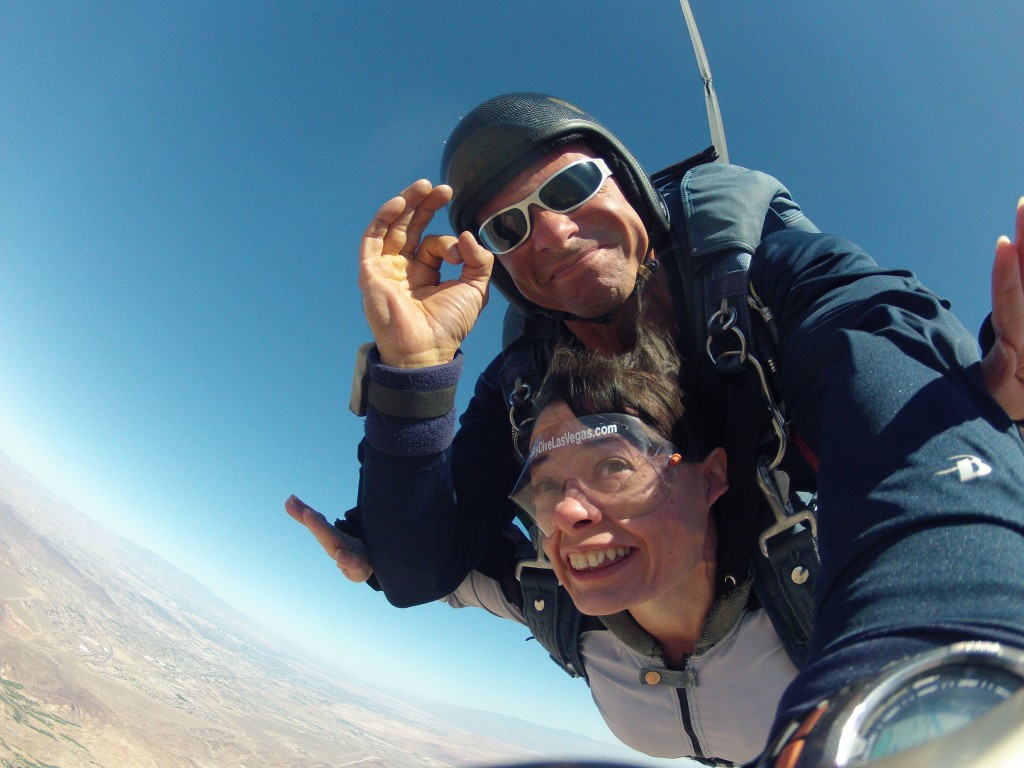
Do you ever feel that your character is too hesitant and self-censoring? Maybe you get an idea to take action or to share something, and then another voice pops in your head and talks you out of it.
Perhaps you straddle the fence for a while, pondering whether it’s wiser to take action or hold back, and much of the time you hold back. Perhaps you start to take action and then undo or delete what you’ve done because of that voice chiming with objections like these:
These are the voices of suppression, and we all have them to one degree or another. Unfortunately if we don’t train these neural subnets well enough, then we’ll end up suppressing too much and leaving a lot of potential value untapped. It’s hard to improve our results if we aren’t taking enough inspired action.
Here’s the problem with self-censoring. While sometimes it may indeed be wise to hold our tongues, if we do it too often, then we strengthen the mental patterns related to suppression, and this training will spill over into other areas too.
When you suppress your ideas for self-expression, such suppression won’t be compartmentalized to just those few thoughts. You’ll be training your mind to get better at suppression all around. This can keep you trapped – in a job you dislike, a misaligned relationship, and habits that don’t serve you.
If your life isn’t awesome yet, one major cause is that you’re self-suppressing and self-censoring way too much. How are you supposed to improve your results when you hold back so much?
You may think about moving on and taking a risk. You may get an idea to stretch yourself and step into what feels more aligned. And then the voice of suppression kicks in and talks you out of it. And so you remain in your current situation, and another year of your life slips away. The passage of time isn’t kind when you overdo suppression.
The best intention of hesitation to prevent you from making a mistake. Hesitation aims to keep you safe. It tries to reduce the damage your character takes, especially physical, social, and financial damage.
But not all mistakes are equal. Some mistakes are fantastic learning experiences. Mistakes are very often stepping stones to successes. You’re really not going to succeed much unless you make a lot of mistakes.
Hesitation keeps us trapped in our comfort zones because sticking with the familiar seems like the safer bet. Exploring outside our comfort zones seems riskier.
Unfortunately hesitation lies to you. It tempts you with promises of a safe and comfortable life, but what it really delivers is stagnation and decline. And that’s because while you stand still, the world will keep changing faster and faster while you continue aging, eventually leaving you with the impression that you’ve fallen behind. You have indeed fallen behind because this is a world of action.
So many people enter their senior years with piles of regrets about the opportunities they missed. They allowed their inspired ideas to be overruled again and again by the voice of suppression. Don’t less than happen to you if you can prevent it.
Hesitation also lies when it promises that you can revisit an idea later, once you’ve had more time to think it over, research it, or discuss it. But in reality such delays will usually kill good ideas from being implemented at all. You’ll either end up trapped in circular thought about the idea, or you’ll eventually forget about the idea altogether. Either way you never make it through the committed action phase. Sound familiar?
The best intention of immediate action is for you to capture a reward quickly. This impulse aims to increase your gains.
But something else happens when you lean towards action more and more. You get into the flow of acting on your ideas sooner and faster. You train your action pathways to become more dominant. You ride waves of massive creativity and self-expression as the voice of self-suppression fades into the background.
Living in action mode for extended periods is marvelous. It’s a feeling of being awake and alive. It’s stimulating and fun – if you get the balance right.
You can still take breaks and enjoy plenty of time off, and during your time off, you can make quick decisions regarding what to do for fun, relaxation, and renewal. You can enjoy the flow of action during work, rest, and play.
My favorite way to travel is to just pick a place and go. It’s super fun to have a destination pop into my mind one day and then to be in that new place within a day or two, sometimes within a matter of hours if I can get there fast enough.
One friend got off a plane at an airport, then used some method to pick a random destination to travel to next. It turned out to be the same city and country he just left, so he hopped on a flight back there and had more amazing adventures. That might sound a bit crazy, but ask yourself this: Which style of action will create the best memories?
Do you think that my friend is going to regret his airport bouncing when he’s older? I seriously doubt it. Today he has a cool story to tell. Years from now he’ll have a delightful collection of memories.
When was the last time you had an idea to go travel to a certain place? And what happened next? You probably told yourself that it would be cool someday. Why not go right now, as quickly as you can arrange transportation and a place to stay? You do realize that you could be there with a day or two most likely, right? Why not now? Ah yes… those pesky suppression subnets will offer up plenty of objections. And yet you could still make the trip happen right now, if only your action subnets were strong enough.
When you think about taking action, especially in big and meaningful ways, just ask yourself:
Do I want the memories of doing this? Or do I want the memory of skipping this?
These questions give me great clarity on some tricky decisions. To be honest sometimes the answer that pops out really pushes me outside of my comfort zone. Sometimes it becomes obvious that I’d treasure the memories that would flow from taking action, even when the journey looks a bit scary or uncomfortable. And then I have the thought: Damn… I think I need to do this.
When you’re thinking about taking action, especially to express yourself in some way, initially you may get an emotional response – perhaps fear, worry, or anxiety – and those feelings can throw you off balance.
One thing I like to do when I feel unbalanced by emotion is to grab three sheets of blank paper and a pen, and then I write out my thoughts and feelings as they arise until all three pages are full. This takes about 45 minutes and is well worth the time investment. It helps to move the energy through the emotional brain into the logical brain. It processes the feelings well enough that I can think clearly about the problem, situation, or opportunity. Using pen and paper (instead of typing) slows me down and provides more thinking time as I write, so the processing feels more thorough. I recommend this method if you struggle with distracting thoughts or feelings and want to feel mentally clear and sharp again. It’s a nice way to restore balance.
I know that if I lean too far in the direction of self-suppression, it will lead to boredom and stagnation. I’ll end up feeling trapped or stuck because I’m not taking enough action. It’s a feeling of being stifled. Sometimes it feels like I’m falling behind, and the world is passing me by.
If I lean too far towards impulsivity though, which I’ve done before, it creates excessive stress because my actions are too random and chaotic. This was the kind of imbalance that got me arrested four times when I was 18-19 years old. I’d do or say whatever crazy idea popped into my mind, illegal or otherwise.
Eventually I learned to balance these modes of thinking more deliberately. I love the stimulation of being in the flow of action, but I don’t need random stimulation from chaotic action. What helps to create the right balance is setting ambitious goals, consciously choosing my own personal growth challenges, and aligning my life with core values and a sense of purpose. This provides a big picture compass for the action and suppression circuits.
To create the right long-term balance, you must deliberately invite discomfort by stretching beyond your comfort zone again and again. You have to keep encouraging the action circuits, so you don’t over-suppress yourself.
Here’s a recent example of how I mentally handled a situation by leaning into action when the self-suppression circuitry was also active.
Yesterday an idea popped into my mind, which was to create a Facebook group for the upcoming Stature course launch. I thought this might make the launch more fun and social for those who want to feel more connected to like-minded people who are deciding if they want to do this particular deep dive. Since hundreds of people signed up for each of our previous courses during their launches, I could expect that hundreds will also be interested in our newest deep dive course. And I have seen evidence that some of these people would love to connect with that launch energy more directly.
This wasn’t a new idea. It had also popped into my mind now and then over the previous weeks. But each time it came up, another part of my mind suppressed the idea. Not right now… I’m too busy… Maybe for the next launch… I’ll need to research this first… Many of my readers don’t like Facebook… We don’t really need this… I can add this to a list of ideas to think about later…
Suppression will usually come up with some logical sounding objections to an idea, and those objections will tend to halt further thinking. Objections let you off the hook and give you the impression that delaying is best. An objection is really a block to deeper rational thought though.
So I tabled that idea for a while. But this recurring suppression combined with some other recent suppressions may me feel like I was slipping too far into suppression mode, and I recognize the risk of being in that mode for too long. So I decided it was time to swing the pendulum the opposite way and to encourage my mind to take more action.
I want to play a more action-oriented character for 2020, so I need to calibrate my thinking to stimulate more action and to suppress suppression. This led me to commit to what I shared in the 365-Day Challenges article. I intend to blog every day of 2020.
Swinging the pendulum like this rewards and activates the action subnets and while suppressing the suppression subnets. Consequently, it makes me feel more action-oriented each day.
Since committing to this challenge, my days are even richer in inspired action. I’m doing a better job of acting on ideas immediately as they arise. I feel inspired and energized to keep taking more action, which is a great feeling to have as we head into a new launch.
Yesterday the same idea to create a Facebook group for the launch popped into my mind, but this time my thought patterns were different. Because I’d been stimulating my action circuits with the blogging commitment, I’d shifted my inner mental balance. I still heard those hesitant thoughts come up, but they weren’t nearly as present and powerful as the stimulating voice of action.
Think about how this works. Since I actually started my blogging challenge on December 24th, I’ve already gone a week down this path. Each day I still perceive the suppression circuits activating, but they can’t come up with a viable reason why I shouldn’t blog each day, certainly nothing strong enough to counteract the public commitment I’ve made. So now that voice of suppression sounds really weak feeble when it tries to object, and it surrenders quickly: Oh never mind… go ahead and write. This voice gets quieter and quieter each day while the voice is action is growing louder and crisper.
Consequently, within a very short time after having that idea popped into my head yesterday, I asked Rachelle if she could look into setting up such a group and make it happen that same day. She agreed. But then a short time later, I felt that this was still a trick of suppression. Was delegating this actually faster or just another delay tactic? I thought: How long could it take to create a Facebook group? I Googled how to do it and saw that it was pretty simple. Then I just did it immediately. The group was created and open within a few minutes. It was simpler than I expected.
Next I had the thought that I should began inviting people to join. And of course I still heard the suppressing thoughts arise in response: Should I carefully check over the group settings first? Shouldn’t Rachelle and I go over the admin stuff first to make sure we know what we’re doing?
But again, the voice of action was louder because I’d been training it to become so. It squashed suppression’s feeble delay tactics, and I immediately began inviting people to join the group, such as by announcing it in a News post.
It hasn’t even been 24 hours yet, and we already have 177 people in the group – with more joining every hour. So that’s great to see. If I had suppressed the idea, it would be zero since the group wouldn’t exist. Now we already have more than enough people to make it interesting and worthwhile.
Note that by taking immediate action instead of suppressing an idea, I’ve also gained a new skill. I now know how to create an administrate a Facebook group, which I didn’t know how to do 24 hours ago. If it goes well for this launch, we could create such groups for other launches as a way of making them more social.
I also intend to do some Facebook Lives (live interactive video chats) in the new group. I’ve never done this before either, despite having known about them for years. Why continue to suppress this idea when taking action would be more fun and growth-oriented?
You’re of course welcome to join our new Facebook group if you’re interested in the new character sculpting deep dive, which will launch on January 1st. You’ll find the group at facebook.com/groups/stature. How many members does it have now?
Balancing your action and suppression circuits is a lifelong challenge. It’s good to accept this, so you can consciously think about which way you need to train your character next. It’s pointless to beat yourself up for becoming imbalanced one way or the other. Imbalances will happen. See this as an invitation to retrain your character to create the balance you desire.
Look back on your past year. Did you take enough inspired action? Or did you feel that suppression was the main voice of that year? Were your decisions too impulsive and chaotic? Did you create enough cherished memories?
What do you want for 2020? Do you want a calmer, more controlled, and more suppressed year? Or do you want more bold action and self-expression? Do you want more introspection and reflection? Or do you want this to be a year of action and results?
From interacting with my readers recently, I learned that most of them felt that 2019 was too stunted relative to their desires. They want to shift the balance towards more action and bolder self-expression for 2020 and beyond. They want to step up and stretch beyond their comfort zones and censor themselves less. They want to sculpt themselves into more action-oriented characters.
Yet they also want to be gentler towards themselves and others. They like kindness and compassion and don’t want their self-expression to come across as overly harsh and judgmental. The idea of gentle fierceness resonates with many of them.
This is doable, but it isn’t easy. Hence the reason we’re taking this on in the form of a new deep dive together.
Realize that if your 2019 was disappointing, your 2020 will likely be disappointing too unless you deliberately step outside of your comfort zone. I’m doing this too because I want my 2020 to be a more action-oriented year. By the time Valentine’s Day comes up, I’ll already have written more articles for 2020 than I did for all of 2019. This year I expect to write, record, and publish more than I have in any year of my life. So I need to train myself to favor action over suppression. This is partly due to curiosity. I really want to know what it’s like to live for a full year as this kind of character. What will it be like to make creative expression a bigger part of my reality than ever before?
I think it sounds fun and stimulating, even though it isn’t comfortable. I’m deliberately setting myself up for a less comfortable year because I think the character sculpting effect will be worth it, not to mention all the ripples this creates for other people as well. Notice how this plugs back into values and purpose – that’s our compass here.
If you want to train yourself into a more action-oriented character as well, I invite you to do whatever it takes to commit yourself to that this year. Make a commitment that deliberately exits your comfort zone and enters the growth zone. Don’t let another year of self-suppression and self-censoring slip through your fingers. Find your voice this year.

Time is of the essence when you’re having a heart attack.
But one in five Americans can’t name the three most common symptoms of a heart attack, making it more likely they won’t promptly respond to the life-threatening health crisis, a new study reports.
“More than 20% were unaware of the common symptoms of a heart attack,” said senior researcher Dr Khurram Nasir, a preventive cardiology specialist at Houston Methodist DeBakey Heart and Vascular Center. “The more likely you are unaware of the symptoms, the less likely you would be calling EMS [emergency medical services] in response to a perceived heart attack.”
For this study, Nasir and his colleagues analysed responses to the 2017 National Health Interview Survey, an annual federal survey of adults across the United States.
People were asked to name the symptoms related to a heart attack, which are:
Only about half of adults surveyed were aware of all five symptoms, the researchers found, while about 6% were not aware of a single sign of heart attack.
A fifth of those surveyed could not name the three most common symptoms: chest pain, shortness of breath, and pain in the arms or shoulders.
“It’s definitely a wake-up call for the major stakeholders, like the American Heart Association [AHA] and the CDC [US Centers for Disease Control and Prevention],” Nasir said. “We need to make a substantial effort to improve the awareness of heart attack symptoms.”
The groups most likely to be ill-informed regarding heart attack symptoms were men, minority and ethnic groups, people with lower education and lower socioeconomic status, and the uninsured, Nasir said.
Part of the problem might be that doctors and health experts aren’t communicating these symptoms in kitchen-table language, said American Heart Association spokeswoman Dr Nieca Goldberg.
For example, people might not understand that “most cardiac chest discomfort is a tightness or pressure in the setting of a heart attack. It’s a very constricting feeling – a feeling as though there’s an elephant on your chest,” said Goldberg, a cardiologist with NYU Langone Medical Associates in New York City.
Another example is shortness of breath, which could be described as “real difficulty breathing, as though you’ve ran a marathon but you haven’t moved,” Goldberg said. “It’s really severe. You might not even be able to talk.”
Patients with symptoms this severe should be calling for emergency help immediately, Goldberg said.
“In the setting of a heart attack, you should be calling 911 and not wasting time looking up your symptoms on a computer,” she said.
However, folks should also know that the same symptoms that are so overwhelming when the heart attack strikes can crop up in lesser fashion weeks or months before the crisis, Goldberg added.
“Several weeks before, people might have similar symptoms but they’re less intense and they ignore them,” Goldberg said. “The idea is to recognise symptoms when they first start and call your doctor then, and sometimes with clogged arteries they actually occur in a less intense way weeks before.”
Patients who notice these symptoms when they’re more subtle can avoid a heart attack and a trip to the ER by seeing their doctor, who can refer them to a specialist and schedule them for a procedure to reopen clogged arteries, Goldberg said.
Despite the general lack of awareness, Nasir said there are signs in this survey data showing that public health campaigns can have an impact on people’s knowledge of heart attack symptoms.
He noted that most recent informational campaigns related to heart attack have focused on women, such as the AHA’s “Go Red for Women” initiative.
“We found women were nearly 10% more likely to be aware of all these symptoms than men,” Nasir said. “It could be a reflection of the successful outreach of this campaign.”
The new study was published online in JAMA Network Open.
Image credit: iStock

A systematic review and meta-analysis led by St. Michael’s Hospital of Unity Health Toronto found children who drank whole milk had 40 per cent lower odds of being overweight or obese compared with children who consumed reduced-fat milk.
The research, published in The American Journal of Clinical Nutrition, analyzed 28 studies from seven countries that explored the relationship between children drinking cow’s milk and the risk of being overweight or obese. None of the studies — which involved a total almost 21,000 children between the ages of one and 18 years old — showed that kids who drank reduced-fat milk had a lower risk of being overweight or obese. Eighteen of the 28 studies suggested children who drank whole milk were less likely to be overweight or obese.
The findings challenge Canadian and international guidelines that recommend children consume reduced-fat cow milk instead of whole milk starting at age two to reduce the risk of obesity.
“The majority of children in Canada and the United States consume cow’s milk on a daily basis and it is a major contributor of dietary fat for many children,” said Dr. Jonathon Maguire, lead author of the review and a pediatrician at St. Michael’s Hospital.
“In our review, children following the current recommendation of switching to reduced-fat milk at age two were not leaner than those consuming whole milk.”
Dr. Maguire, who is also a scientist at the MAP Centre for Urban Health Solutions, next hopes to establish the cause and effect of whole milk and lower risk of obesity in a randomized controlled trial.
“All of the studies we examined were observational studies, meaning that we cannot be sure if whole milk caused the lower risk of overweight or obesity. Whole milk may have been related to other factors which lowered the risk of overweight or obesity,” Dr. Maguire said.
“A randomized controlled trial would help to establish cause and effect but none were found in the literature.”
Story Source:
Materials provided by St. Michael’s Hospital. Original written by Jennifer Stranges. Note: Content may be edited for style and length.
Many people under 60 who develop stomach cancer have a “genetically and clinically distinct” disease, new Mayo Clinic research has discovered. Compared to stomach cancer in older adults, this new, early onset form often grows and spreads more quickly, has a worse prognosis, and is more resistant to traditional chemotherapy treatments, the study finds. The research was published recently in the journal Surgery.
While rates of stomach cancer in older patients have been declining for decades, this early onset cancer is increasing and now makes up more than 30% of stomach cancer diagnoses.
“I think this is an alarming trend, as stomach cancer is a devastating disease,” says senior author Travis Grotz, M.D., a Mayo Clinic surgical oncologist. “There is little awareness in the U.S. of the signs and symptoms of stomach cancer, and many younger patients may be diagnosed late — when treatment is less effective.”
The research team studied 75,225 cases using several cancer databases to review stomach cancer statistics from 1973 to 2015. Today, the average age of someone diagnosed with stomach cancer is 68, but people in their 30s, 40s and 50s are more at risk than they used to be.
Although there’s no clear cutoff age for the definition of early onset and late-onset stomach cancer, the researchers found the distinctions held true whether they used an age cutoff of 60, 50 or 40 years. The researchers found that the incidence of late-onset stomach cancer decreased by 1.8% annually during the study period, while the early onset disease decreased by 1.9% annually from 1973 to 1995 and then increased by 1.5% through 2013. The proportion of early onset gastric cancer has doubled from 18% of all cases in 1995 to now more than 30% of all gastric cancer cases.
“Typically, we see stomach cancer being diagnosed in patients in their 70s, but increasingly we are seeing 30- to 50-year-old patients being diagnosed,” Dr. Grotz says.
The increased rate of the early onset disease is not from earlier detection or screening, Dr. Grotz adds. “There is no universal screening for stomach cancer, and the younger patients actually presented with later-stage disease than the older patients,” he says.
In addition to being more deadly, early onset stomach cancer is also genetically and molecularly distinct, researchers found. Furthermore, traditional risk factors for developing stomach cancer among older Americans, such as smoking tobacco, did not appear to correlate with its early onset counterpart.
“Hopefully, studies like this will raise awareness and increase physician suspicion of stomach cancer, particularly in younger patients,” Dr. Grotz says. Younger patients who feel full before finishing a meal, or have reflux, abdominal pain, unintentional weight loss and difficulty eating should see their health care provider, he adds.
Stomach cancer is the 16th most common cancer in the U.S., according to the American Cancer Society. It has a five-year survival rate of 31.5%, and there will be an estimated 27,510 new cases in 2019, according to the National Cancer Institute. The World Health Organization reports that cancer was the second leading cause of death globally in 2018 and that stomach cancer was the third most common cause of cancer death that year.
Next the research team hopes to better identify risk factors for early onset stomach cancer using the Rochester Epidemiology Project and potentially other large databases.
Story Source:
Materials provided by Mayo Clinic. Original written by Adam Harringa. Note: Content may be edited for style and length.
