Children commonly face new, worsening health problems months after critical illness from sepsis

Even months after critical illness for sepsis, children are at risk for new or worsening medical conditions, a study suggests.

One in five children in a national cohort either developed or experienced progressing disease within six months of leaving the intensive care unit for sepsis, according to the research in JAMA Pediatrics.

Researchers compared data from 5,150 children who received ICU care for sepsis to 96,361 who experienced critical illness from other conditions. Those with sepsis were more likely to later experience chronic respiratory failure, problems requiring nutritional dependence and chronic kidney disease. Children in both groups were also at risk of developing a seizure disorder.

“Children who survive severe sepsis are at risk of long-term health consequences that impact their quality of life and future health needs,” said lead author Erin Carlton, M.D., MSc., a pediatric intensivist at University of Michigan Health C.S. Mott Children’s Hospital.

Not all children who recover from critical illness from sepsis are impacted equally, the study suggests. Those with pre-existing illnesses were three times more likely to experience new or worsening disease.

Meanwhile, younger children — particularly those under age one — were twice as likely to require supplemental nutrition, such as needing a feeding tube, or develop a new seizure condition such as epilepsy, than older children.

Every year, 70,000 children in the U.S. are hospitalized with sepsis, a life-threatening condition that occurs when a body’s response to infection goes into overdrive, causing damage to vital organs. It is a leading cause of death among children and newborns.

“Many children who require critical care for sepsis have debilitating physical, cognitive or emotional challenges long after recovery,” Carlton said. “Our findings suggest a need for improved follow up care focused on identifying and treating new or worsening medical conditions.”

Story Source:

Materials provided by Michigan Medicine – University of Michigan. Original written by Beata Mostafavi. Note: Content may be edited for style and length.

Share Button

Public responds to NHS amber alert over donor blood stocks

More than 10,000 appointments have been booked in the past 24 hours.

Share Button

Krishnan Guru-Murthy Issues Hilarious ‘Non-Apology’ After Guest Says ‘B******s’ On Channel 4 News

Krishnan Guru-Murthy brought Wednesday’s edition of Channel 4 News to a hilarious end after a guest used some choice language during the broadcast.

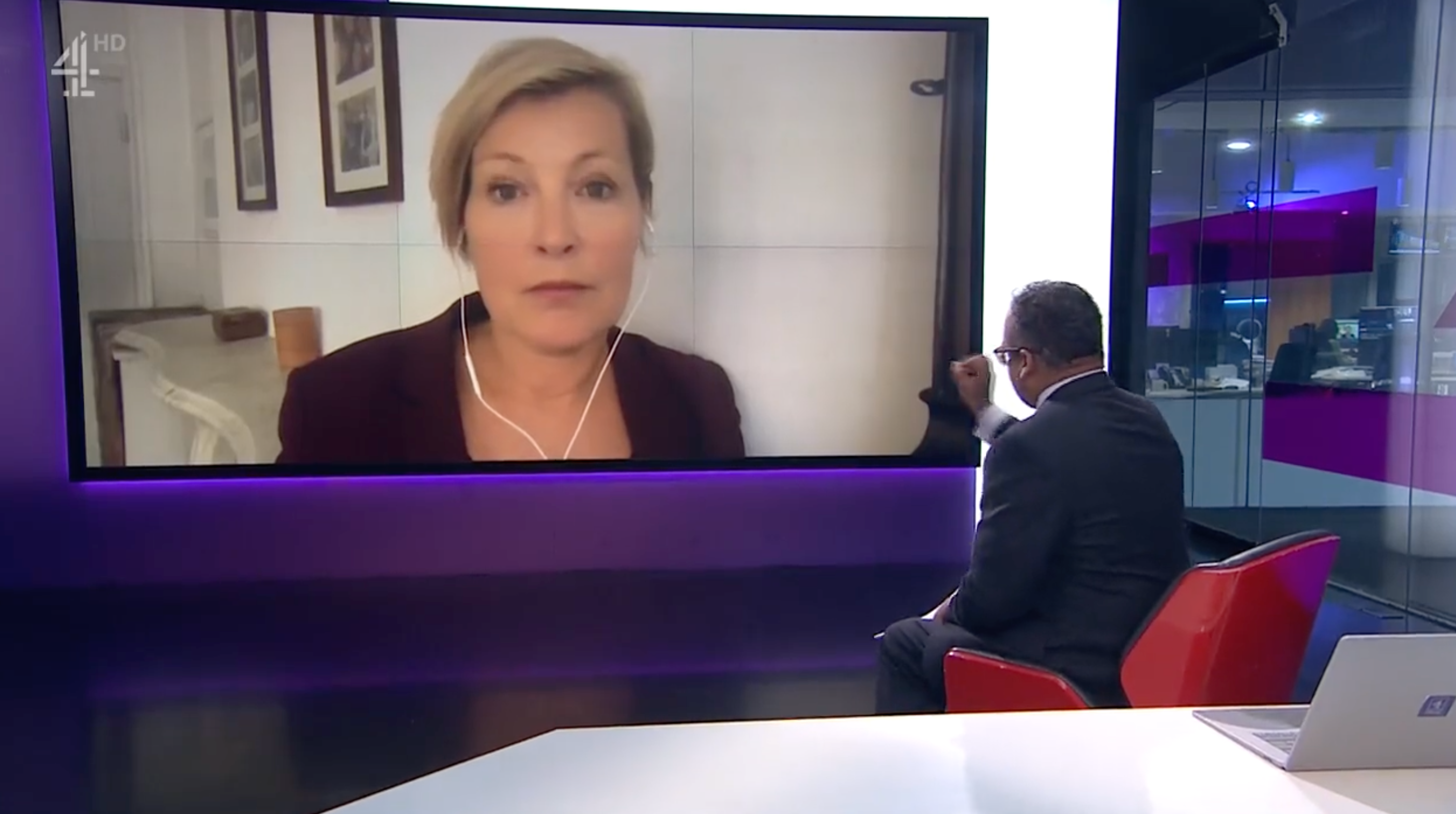
As part of the live show, Krishnan interviewed journalist Gillian Tett about cabinet minister Jacob Rees-Mogg after he claimed that the recently-announced mini-budget was not responsible for the market turmoil in the UK.

She responded: “To use a non-technical term, that is pretty much bollocks.”

“I think for the most part it really was the budget and the way it was delivered and the message inside, which sparked the beginning of the crisis,” Gillian added.

As the show drew to a close, Krishnan responded to Gillian’s use of the term “bollocks”, revealing he’d done some quick Googling to decipher whether or not it was inappropriate.

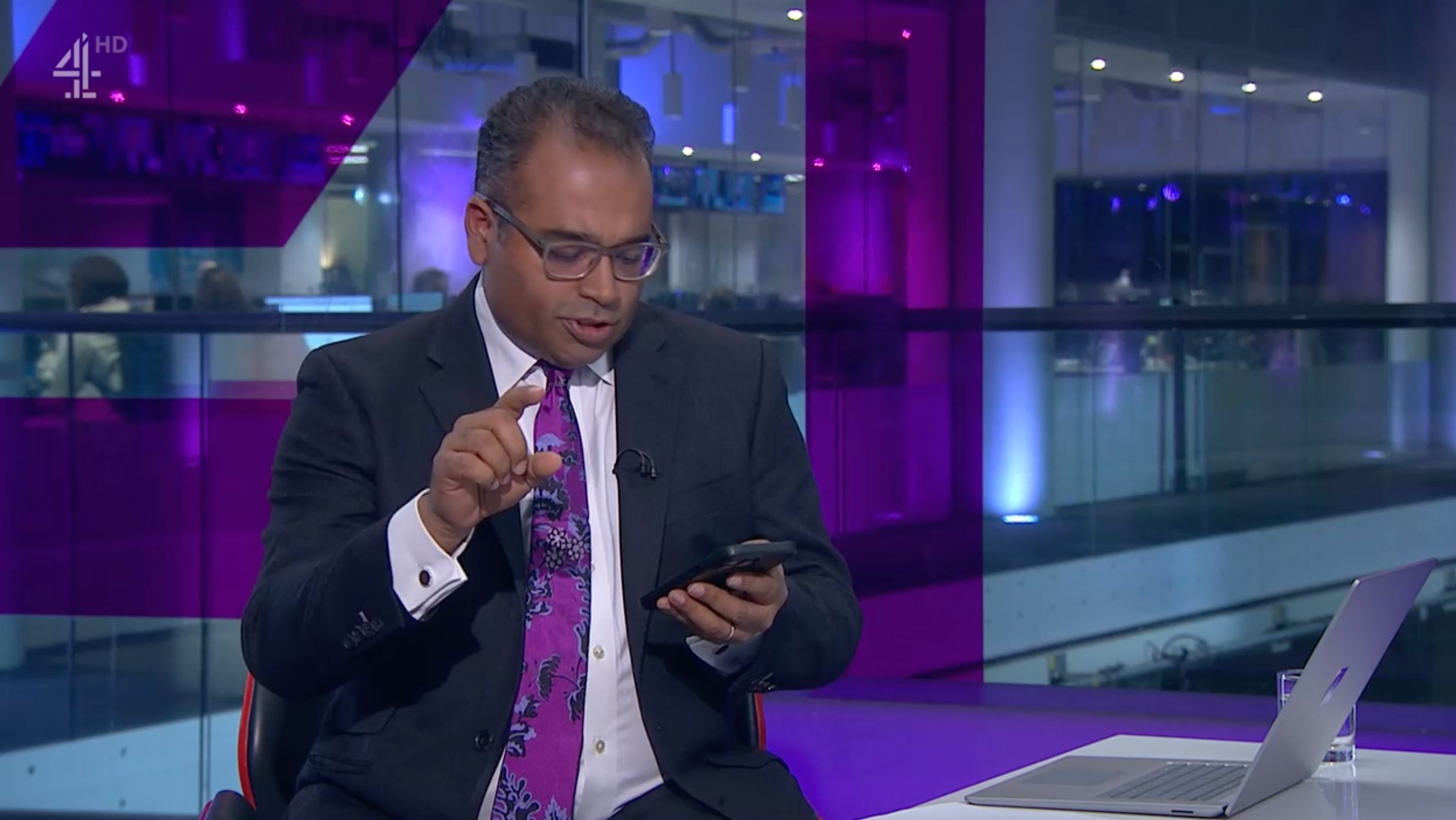
Krishnan Guru-Murthy in the Channel 4 News studio

“Before we go, I’ve had time to clarify whether that word Gillian Tett used to describe Jacob Rees Mogg’s explanation was within the rules,” he told viewers, smart-phone in hand.

“And on the Ofcom regulator website, it describes [the word] as ‘medium language, potentially unacceptable, less problematic when used to mean nonsense’.”

However, Krishnan then added that Channel 4 did technically have cause to apologise for a somewhat unexpected reason.

“I should, however, apologise to people who are relying on subtitles, for whom it was spelled ‘bullocks’,” he added, before concluding: “That’s all for tonight.”

Krishnan’s comments certainly raised a smile among viewers, as the clip quickly began doing the rounds on social media:

Channel 4 News airs every weekday at 7pm.

Share Button

Fewer ops being done as NHS waiting list hits seven million

Surgeons left frustrated as lack of beds and staff mean operating theatres are going unused.

Share Button

‘Speaking about the 22 babies I lost is seen as taboo’

Imtiaz Fazil, who had 17 miscarriages and saw five children die, says she wants more discussion about loss.

Share Button

Over-50s set to be invited for Covid booster and flu jab in England

About 12 million more people will be able to book their winter vaccinations from Friday.

Share Button

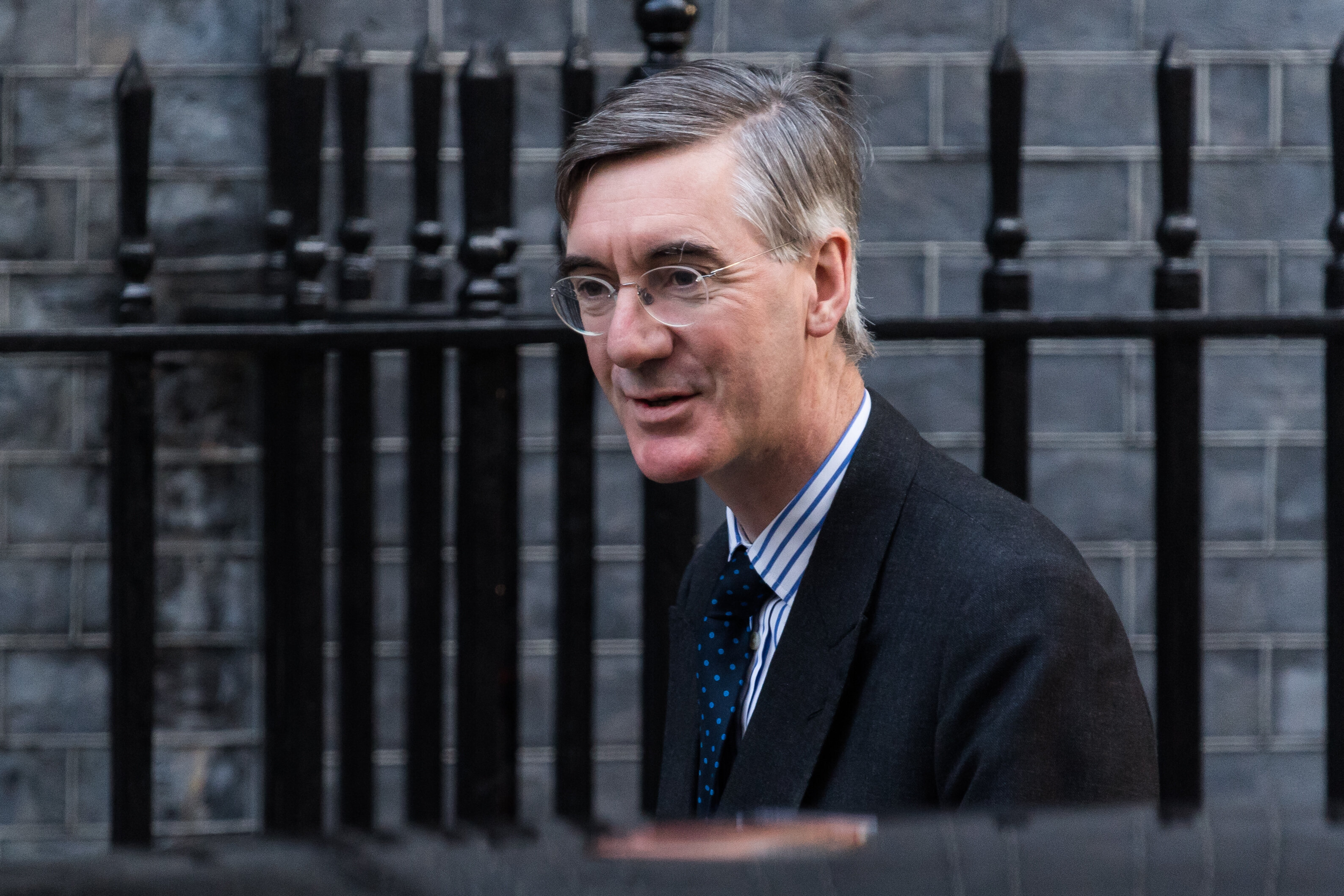
Jacob Rees-Mogg Suggests Kwarteng Could Ignore OBR While Trashing Watchdog

Jacob Rees-Mogg has taken aim at the independent fiscal watchdog that analyses government budgets despite the huge market unrest.

On the day the pound plunged again, the business secretary trashed Office for Budget Responsibility (OBR) forecasting and even suggested chancellor Kwasi Kwarteng could ignore them if they were overly negative.

OBR assessments of the UK economy will accompany the chancellor’s plan to pay for his economic measures and reduce debt on October 31.

A lack of such forecasts during last month’s seismic mini-budget are thought to have contributed to the recent chaos in financial markets – with the cost of government borrowing soaring and the Bank of England forced to intervene.

In a pre-recorded interview on ITV’s Peston, the cabinet minister said: “Let’s see what the Office for Budget Responsibility has to say rather than guessing what it may say.

“But its record of forecasting accurately hasn’t been enormously good.

“So, the job of chancellors is to make decisions in the round rather than to assume that there is any individual forecaster who will hit the nail on the head…

“There are other sources of information. The OBR is not the only organisation that is able to give forecasts.”

His comments are unlikely to reassure investors seeking a firm commitment from the Government to get the nation’s finances under control.

Rees-Mogg also lashed out at the International Monetary Fund (IMF) after it called for the UK’s economic support package to be more targeted and for fiscal policy to be tightened.

He said: “I think the IMF is wrong on both counts. I think it’s particularly wrong on energy, and frankly doesn’t know what it’s talking about…

“The IMF is not holy writ and the IMF likes having a pop at the UK for its own particular reasons. I’m afraid I would never lose too much sleep about the IMF.”

Earlier, the senior Conservative accused Today programme presenter Mishal Husain of failing to meet the BBC’s impartiality standards after she suggested the mini-budget had unleashed the market turmoil.

Rees-Mogg sought to claim that the Bank of England’s decisions on interest rates had caused the turbulence, rather than Kwarteng’s plans to borrow more to fund tax cuts.

Labour’s shadow chief secretary to the Treasury Pat McFadden said: “Even now, Tory cabinet ministers do not appear to have learned lessons since their disastrous mini budget.

“The more they publicly trash economic institutions like the OBR, the more they undermine market confidence in their plans and their management of the UK economy.

“The Tories are out of control and working people are being made to pay the price with higher mortgage payments.”

Financial experts have roundly rejected the business secretary’s analysis that interest rates were to blame for the market turmoil.

Gillian Tett, Financial Times US editor-at-large, told Channel 4 News: “To use a non-technical term, that’s pretty much bollocks.”

Share Button

A Financial Times Journalist’s Takedown Of The Government’s Excuse For Chaos Is Truly Brilliant

A Financial Times journalist has offered a withering assessment of the government’s suggestion that the Bank of England is to blame for the recent chaos in the markets.

On Tuesday, business secretary Jacob Rees-Mogg suggested the central bank’s failure to raise interest rates in line with the US was driving the financial turmoil rather than chancellor Kwasi Kwarteng’s mini-budget.

But Gillian Tett, the FT journalist who made her name for her prescient commentary on the 2008 financial crash, has said – bluntly – that this was really not the case.

Appearing on Channel 4 News, and asked for a verdict, Tett said: “To use a non-technical term, that is pretty much bullocks.

“I think for the most part it really was the budget and the way it was delivered and the message inside, which sparked the beginning of the crisis.

“The Bank of England certainly is to blame for not having prepared for these kinds of dislocations. The British pension funds appear to have been somewhat asleep at the wheel in terms of their risk management systems.

“But at the end of day, the spark that lit this fire was very much the budget announcement.”

Earlier, Rees-Mogg argued the market response was “much more to do with interest rates than it is to do with a minor part of fiscal policy”.

On September 22 the Bank’s Monetary Policy Committee (MPC) raised rates by 0.5 percentage points to 2.25%, but the day before the Federal Reserve raised rates by 0.75 percentage points.

But economists insisted that the government’s decision to increase borrowing without any plan to balance the books was a major factor.

The cost of government borrowing increased on Wednesday while sterling fell against the euro and dollar in the latest signs of market turbulence.

Share Button

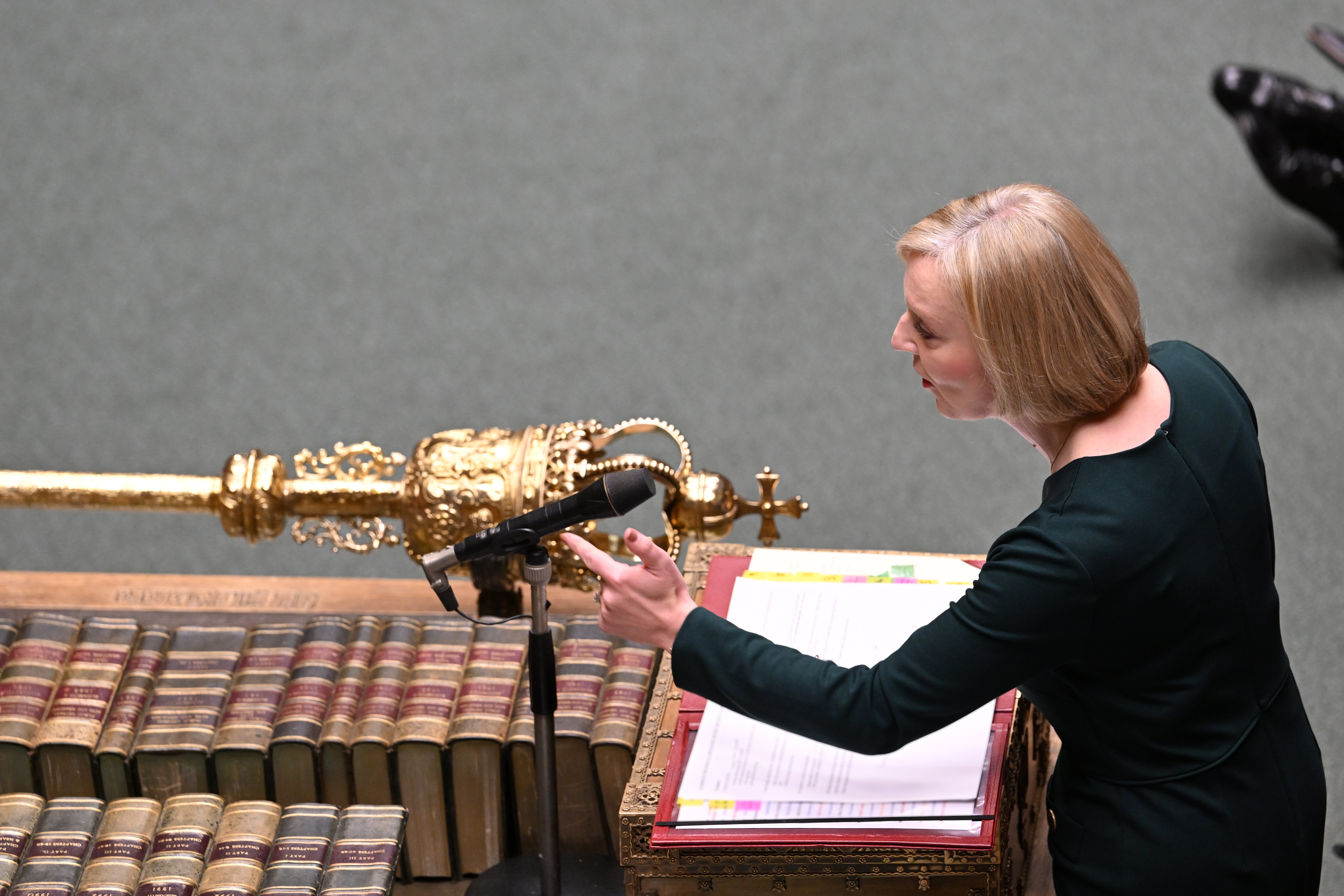
Tory MPs Attack ‘Wooden’ Liz Truss After Disastrous Commons Showdown

Liz Truss has been savaged by Tory MPs after a disastrous meeting with her backbenchers.

In a bid to win over her mutinous MPs, Truss on Wednesday evening addressed the Tory backbench 1922 Committee, including high-profile critics Michael Gove and Grant Shapps.

But one MP described her performance as “crap” while another told HuffPost UK she was “wooden”.

The showdown in Commitee Room 14 of the House of Commons came as the economic chaos sparked by Kwasi Kwarteng’s mini-budget continued.

Truss told the MPs present that the government’s energy price guarantee would protect households and businesses from soaring bills this winter.

She called on her colleagues to “highlight the devastation that would have been caused to small business had we not acted”.

But her attempts to win over her own MPs failed, with one telling HuffPost UK that almost all of the questions she was asked were critical of the government.

One said: “She was crap and the atmosphere was pretty flat in the room. Even the whips couldn’t be bothered getting people to ask supportive questions.”

One backbencher said her remaining supporters were “libertarian Jihadists who are wrecking the party”.

Former minister Robert Halfon, the Tory MP for Harlow, told Truss she had “trashed blue collar conservatism” by weakening the government’s commitment to affordable housing and lifting the cap on bankers’ bonuses.

Another MP said: “I would say it was worse than anything Theresa May ever faced when she was leader.

“What was really noticeable was the failure of the whips to organise a Praetorian guard of supporters around her. There was only one mildly supportive question and the rest were hostile.

“There was clapping on tables when the government’s policies were criticised and groans when the PM was giving an answer on interest rates and saying they were going up around the world. Try telling that to voters who are seeing their mortgages go up.”

The MP added: “She was wooden, cardboard, lacking in empathy. It’s very bleak.

“It felt very sombre and the mood was a bit like ’what’s going to happen next to bring this to a conclusion?”

The meeting capped another difficult day for the prime minister after she endured a tough prime minister’s questions in which she stunned MPs by declaring she would not impose any spending cuts to pay for the government’s tax giveaways.

Share Button

Black people more likely to develop dementia, large study finds

A mix of factors are at play and greater awareness is needed, the researchers say.

Share Button