After A Week Of Outbursts And A Very Public U-Turn, Is Nigel Farage Starting To Crack Under Pressure?

Nigel Farage has not had an easy few days.

Fresh from Reform’s loss to the Greens in the Gorton and Denton by-election, the party waded head-first into debates around the UK’s involvement – or lack thereof – in Donald Trump’s war against Iran.

The party leader initially insisted Britain should “do all we can” to support the operation, saying: “The gloves need to come off, we need to accept that we are part of this with the Americans and the Israelis.”

Some senior party members, like his deputy Richard Tice and Reform mayor of Greater Lincolnshire Andrea Jenkyns, quickly backed him.

But top Tory defector Robert Jenrick, now Reform’s Treasury spokesperson, said it was not necessary for Britain to join the bombing – exposing clear splits in the party’s position.

Then, in a major U-turn on Tuesday, Farage told reporters: “If we can’t even defend Cyprus, let’s not get ourselves involved in another foreign war.”

Farage’s sudden change of heart followed a spike in global oil prices, sparking fears of higher mortgage rates, petrol prices and inflation.

Polls indicated a majority (59%) of Brits did not support joining the war, either.

During the same press conference, Farage also hit out at Sky News’ Beth Rigby, after she pointed out that Reform councils have not delivered on their promise to cut council tax.

He angrily shouted: “Wrong, wrong, wrong, wrong, wrong! Never once in the county campaign, including here in Derbyshire, did I ever say we would cut council tax.”

Farage insisted that Reform’s “national literature” called for an overall cut to taxes, not to council taxes.

And on Friday, he adopted a more defeatist tone, saying he wished his party “hadn’t bothered” to take minority control of the bankrupt Worcestershire Council Council.

Reform had to hike council tax by almost 9% in the area, one of the largest increases in the area’s history, to balance the books.

To rub salt in the wound, just seven days ago, Labour beat Reform with its first council by-election gain in almost a year in Durham County Council.

Farage somehow found time to fight with pollsters, too.

He attacked YouGov after the company’s surveys suggested his party had lower public support compared to other polls.

He claimed it is “plainly deceptive” that more is not known about their methods and called for transparency around modelling assumptions.

It’s worth noting that YouGov’s latest poll put the party on 23%, still four percentage points above the Conservatives.

More In Common’s director Luke Tryl called the attacks on YouGov “unwarranted and unfair”.

Writing on X, he said: “They’re a gold standard in our business, have a great track record and the rest of the industry learns so much from them. Sometimes pollsters get different results from each other, that’s a good thing [and] shows we aren’t herding!”

When approached by HuffPost UK, Reform rebuffed claims this week has been stressful, pointing out they are polling at 30% nationally according to More In Common.

A source pointed out they had three sold out rallies this week with thousands of attendees and deployed the “lowest council tax rises in the country” with an average of 4.32%.

The party claimed it had managed to get greater transparency from YouGov, too.

But questions remain around the way Farage has reacted to scrutiny this week,

Savanta’s political director, Chris Hopkins, told HuffPost UK that Farage was reading off “the Trumpian playbook” by “reacting with hostility to scrutiny and blaming everyone but himself for his party’s fall in momentum in the opinion polls”.

The pollster added: “This week he’s even turned his ire directly towards us pollsters where, not for the first time, he publicly challenges polling figures that he doesn’t seem to like.”

Current predictions suggest Reform is on course to win the most seats when voters next head to the polls, though it is still expected to be shy of an overall majority.

Farage will therefore be under a microscope in the run-up to the next general election.

Hopkins said: “The longer Reform stay at the forefront of British politics, the greater the scrutiny on Farage will be, and if his temperament is being questioned now, years away from a general election, it’ll be interesting to see how he’ll react to supporter expectation and the bright lights of an election campaign.”

The pollster warned that there is also a “general sentiment” that Reform may have peaked after more than a year leading the polls.

“The major challenge for Farage and his party will be to still be sitting atop of the pile when the music stops, especially when so much can change so quickly in British politics,” he said.

A Labour insider said it was clear that “Farage can’t deal with the pressure”.

They added: “The wheels have well and truly fallen off the bandwagon this week, the cracks are beginning to show.”

A Green Party source also said: “Reform were able to play on easy mode, presenting themselves as outsiders to a failing Labour government but the mask has slipped.”

It took years for Farage to assert himself within mainstream politics.

He has managed to hold a confident lead in the polls for more than a year, winning over voters on his promise to offer something different from the “establishment” parties.

But, with a general election expected to still be three years away, can the Reform leader keep his cool – and hold his growing party together – in that time?

Share Button

Peaky Blinders: The Immortal Man Interview

We spoke to the Peaky Blinders: The Immortal Man cast about the new film! Join Cillian Murphy, Rebecca Ferguson, Tim Roth and Steven Knight as they discuss Tommy Shelby’s legacy, how amazing the film set was and having input on the soundtrack.

Share Button

‘My hotel bill is £12,000’: British holidaymakers stranded by Iran war

Flights are restricted due to the conflict leaving people stuck running up bills for rooms and food.

Share Button

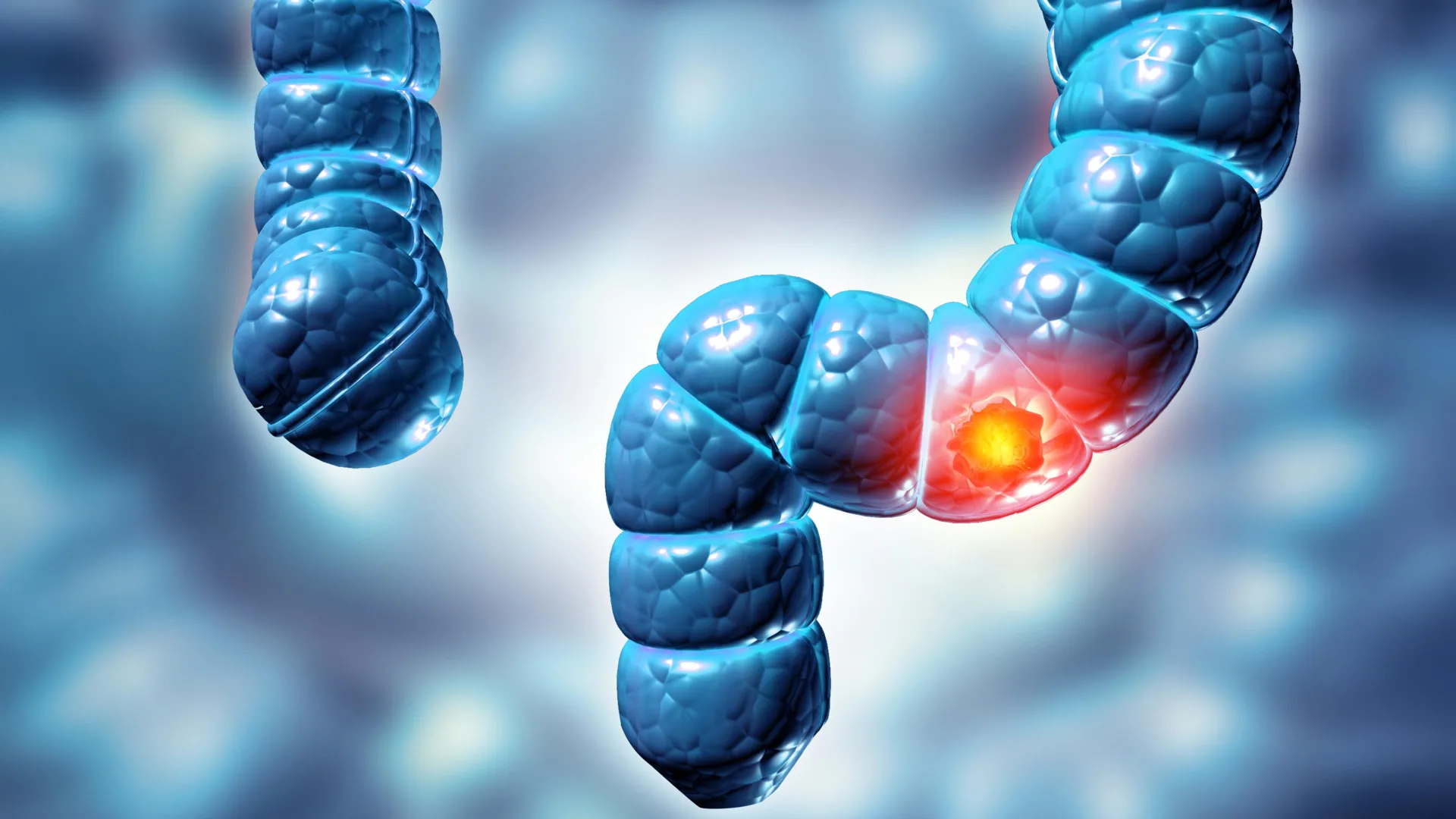
Study finds two types of colon polyps can raise bowel cancer risk fivefold

Researchers from Flinders University and Flinders Medical Centre have identified an important connection between two common types of bowel polyps and a greater risk of cancer. Their findings appear in the journal Clinical Gastroenterology and Hepatology (CGH).

Bowel cancer, also known as colorectal cancer, is a major health concern. In Australia it ranks as the second leading cause of cancer death and the fourth most frequently diagnosed cancer.

Many colorectal cancers begin as polyps, which are growths that develop on the inner lining of the bowel. These growths are usually benign and cause no immediate harm. However, two specific types of polyps, — adenomas and serrated polyps — have the potential to develop into cancer over time.

Colonoscopy Study Reveals Fivefold Increase in Risk

To better understand this risk, researchers reviewed more than 8,400 colonoscopy records. The analysis showed that people who had both adenomas and serrated polyps faced a much higher likelihood of developing advanced precancerous changes. In fact, the risk was up to five times greater compared with people who had only one type of polyp.

“Polyps are common and usually harmless, but when both types appear together — what we call synchronous lesions — the risk of serious bowel disease or cancer rises sharply,” says Dr. Molla Wassie, lead author and researcher at the FHMRI Bowel Health Service.

The researchers also found that this combination may be more widespread than previously believed. Nearly half of patients who had serrated polyps were also found to have adenomas.

Separate Cancer Pathways May Occur at the Same Time

“This is one of the largest studies of its kind,” says Dr. Wassie.

“Our findings support growing international evidence that these two types of polyps may represent separate cancer pathways that can be active at the same time — making early detection and regular monitoring even more important.”

The study also suggests that serrated polyps may develop into cancer more quickly than adenomas. This highlights the importance of screening strategies and follow up colonoscopy schedules that reflect differences between polyp types.

Why Regular Colonoscopy Screening Matters

“Polyps become more common as we age, but the key is catching and removing them early,” says Dr. Wassie.

“If you’ve had both types of polyps, it’s especially important to stay on top of your colonoscopy schedule.”

People over age 45 or those with a family history of bowel disease are encouraged to speak with their GP or visit the National Bowel Cancer Screening Program to learn about available screening options.

The Southern Cooperative Program for the Prevention of Colorectal Cancer program (SCOOP) was first funded by the National Demonstration Hospitals Program Phase 3. Dr. Wassie is supported by a NHMRC Investigator Grant (#2009050).

Share Button

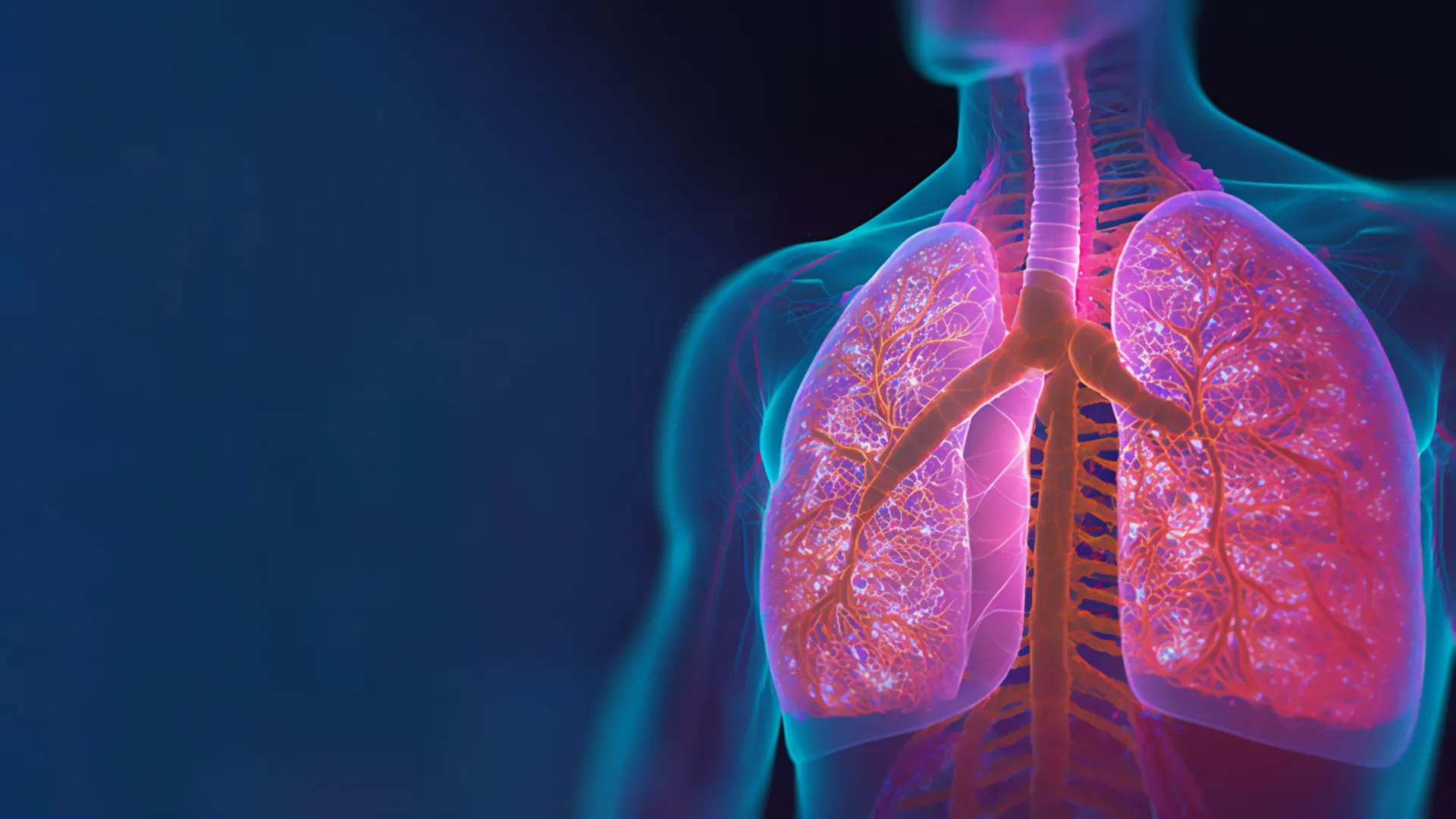
Severe COVID or flu may raise lung cancer risk years later

Serious cases of COVID-19 and influenza may do more than cause short term illness. New research from UVA Health’s Beirne B. Carter Center for Immunology Research and the UVA Comprehensive Cancer Center suggests that severe viral infections can create conditions in the lungs that help cancer develop and progress more quickly. The study also found that vaccination can prevent many of these harmful effects.

Researchers led by UVA School of Medicine scientist Jie Sun, PhD, discovered that severe respiratory infections can alter immune cells in the lungs in ways that support tumor growth months or even years later. Based on these findings, the scientists recommend that doctors closely watch patients who recover from severe COVID, flu, or pneumonia so lung cancer can be detected early, when treatment is most effective.

“A bad case of COVID or flu can leave the lungs in a long-lasting ‘inflamed’ state that makes it easier for cancer to take hold later,” said Sun, co-director of UVA’s Carter Center and a member of UVA’s Division of Infectious Diseases and International Health. “The encouraging news is that vaccination largely prevents those harmful changes for cancer growth in the lung.”

Severe Respiratory Infections and Long Term Lung Damage

Respiratory illnesses such as influenza and COVID are among the most common sources of lung injury. However, scientists have not fully understood how this type of damage might influence cancer risk years later. To explore this question, Sun and his team studied the effects of severe lung infections in both laboratory mice and human patients.

The findings were striking. Mice that experienced severe lung infections were more likely to develop lung cancer later and were also more likely to die from the disease. When the researchers analyzed patient data, they found a similar pattern. People who had previously been hospitalized with COVID-19 showed a higher rate of lung cancer diagnoses.

The analysis revealed a 1.24-fold increase in lung cancer incidence among patients who had been hospitalized for COVID-19. This elevated risk was seen regardless of whether the individuals smoked or had other medical conditions, which doctors refer to as “comorbidities.”

“These findings have important immediate implications for how we monitor patients after severe respiratory viral infection,” said Jeffrey Sturek, MD, PhD, a UVA physician-scientist who collaborated on the study. “We’ve known for a long time that things like smoking increase the risk for lung cancer. The results from this study suggest that we may need to think about severe respiratory viral infection similarly. For example, in some patients who are at high risk for lung cancer based on smoking history, we recommend close monitoring with routine screening CT scans of the lungs to catch cancer early. In future studies, we may want to consider a similar approach after severe respiratory viral infection.”

Immune Changes That Create a Pro Tumor Environment

Experiments in mice helped the researchers uncover why severe infections may increase cancer risk. The team observed major changes in immune cells known as neutrophils and macrophages, which normally help defend the lungs.

After severe infection, some neutrophils began behaving abnormally and contributed to a persistent inflammatory environment described as “pro-tumor,” meaning it supports cancer growth. The scientists also found significant changes in epithelial cells that line the lungs and the tiny air sacs responsible for breathing.

Vaccination May Protect the Lungs

The study also produced encouraging findings about prevention. Prior vaccination appeared to block many of the lung changes linked to cancer development. Vaccines help the immune system respond more effectively to infections, which reduces how severe the illness becomes.

The researchers observed the increased cancer risk mainly in people who had severe COVID-19. Individuals who experienced only mild infections did not show this elevated risk and actually had a slight decrease in lung cancer incidence.

Even so, the scientists warn that many people who survived severe COVID-19 or other serious respiratory infections could face a higher risk of lung cancer in the future.

“With tens of millions of people globally experiencing long-term pulmonary [COVID-19] sequelae, these findings carry significant implications for clinical care,” the researchers wrote in their scientific paper. “Individuals recovering from severe viral pneumonia, particularly those with smoking history, may benefit from enhanced lung cancer surveillance, and preventing severe infection through vaccination may confer indirect cancer protection benefits.”

Implications for Early Detection and Treatment

Sun and his colleagues hope their work will help doctors better identify patients who may face an increased risk of lung cancer after severe respiratory infections. Earlier detection could allow treatment to begin sooner and improve patient outcomes.

The team also believes their findings could guide the development of new strategies to prevent or treat lung cancer linked to prior lung infections.

“Our goal is to help doctors identify who may be at higher risk of lung cancer after a severe infection, and develop targeted ways to prevent and treat lung cancer after prior pneumonia,” Sun said. “We also believe that vaccines don’t just prevent acute hospitalization after contracting the virus. They may also reduce the long-term fallout of severe infection, including the kind of immune scarring that can increase cancer risk.”

Advancing Biomedical Research at UVA

Improving the understanding and treatment of complex diseases is a central mission of UVA’s Paul and Diane Manning Institute of Biotechnology. The institute focuses on accelerating innovative research like Sun’s work and helping translate laboratory discoveries into new treatments more quickly.

UVA’s Beirne B. Carter Center for Immunology Research (CIC) was established through the generosity of Beirne B. Carter, and the Beirne Carter Foundation continues to support its research efforts. Scientists at CIC study infections, cancer, cardiovascular disease, chronic lung conditions, the microbiome, and autoimmune disorders to develop new therapies and cures.

The UVA Comprehensive Cancer Center is one of only 57 cancer centers in the United States to receive the National Cancer Center’s “comprehensive” designation, recognizing excellence in patient care and advanced cancer research.

Findings Published in Cell

Sun and his collaborators published their findings in the scientific journal Cell. The research team included Wei Qian, Xiaoqin Wei, Andrew J. Barros, Xiangyu Ye, Haibo Zhang, Qing Yu, Samuel P. Young, Eric V Yeatts, Yury Park, Chaofan Li, Sijie Hao, Gislane Almeida-Santos, Jinyi Tang, Harish Narasimhan, Nicole A Kirk, Valeria Molinary, Ying Li, Li Li, Bimal N. Desai, Peter Chen, Kwon-Sik Park, Anny Xiaobo, Jeffrey M. Sturek, Wei Chen, In Su Cheon and Sun.

Funding for the research came from the National Institutes of Health, grants AI147394, AG069264, AI112844, HL170961, AI176171, AG090337, R01HL179312, F31HL170746, T32AI007496, T32CA009109, R01AI155808 and R01HL162783; a UVA Comprehensive Cancer Center Collaborative Grant, U01CA224293; a UVA Pinn Scholar Award; a UVA Shannon Fellowship; a UVA Comprehensive Cancer Center Lung TRT Pilot Grant; an American Lung Association Catalyst Grant, T32GM139787-01; and a UVA Parsons-Weber-Parsons Fellowship.

Share Button

AI toys for children misread emotions and respond inappropriately, researchers warn

In first study of its kind, Cambridge researchers found AI toys could misread some children’s emotions.

Share Button

Woman with rare blood feels ‘honoured’ to donate

A woman whose blood is so rare that it is frozen for up to three decades feels “very special”.

Share Button

Woman found out she had terminal brain cancer after suitcase fell on her head

Lauren Macpherson was travelling home from a festival in London when her life changed forever.

Share Button

GPs tell BBC they’ve NEVER refused sick note for mental health

BBC News sent a questionnaire to more than 5,000 GPs in England.

Share Button

Putin’s ‘Hidden Hand’ Likely Aiding Iran In Its War Against Donald Trump, UK Says

Vladimir Putin’s “hidden hand” may be helping Iran respond to its ongoing war against Donald Trump and Israel, according to the UK’s defence secretary.

John Healey was speaking from the UK’s military headquarters in London hours after drones hit a base used by western forces in Iraq.

He said British officers told him drone pilots from Iran and Iranian proxies were adopting tactics “from the Russians”, and telling them how to fly them.

Iran has been supplying Russia with Shahed drones – long-range weapons Moscow has regularly deployed against Ukraine – for years.

The chief of joint operations, Lt Gen Nick Perry, told the defence secretary that it looked like Russia had advised its allies to fly the drones at a much lower height, making them more effective when hitting targets.

That had “proven problematic” according to Perry, because the drones were rapidly becoming Iran’s most effective weapon in its fight against the US and Israel.

Healey said: “I think no one will be surprised to believe that Putin’s hidden hand is behind some of the Iranian tactics and potentially, potentially some of their capabilities as well.”

He added: “The one world leader that is benefitting from sky-high oil prices at the moment is Putin because it helps him with a fresh supply of funds for his brutal war in Ukraine.”

A UK counter-drone team shot down two of the drones targeting a base in Erbil last night. No British casualties have been reported.

Meanwhile, Trump announced on Monday that he would “take sanctions off” some countries until the Strait of Hormuz is up and ready again.

While he did not specify which countries he was referring to, Trump’s declaration came shortly after he had a lengthy chat with the Russian autocrat – who has been trapped under heavy trade sanctions ever since invading Ukraine in 2022.

Tehran has effectively closed the strait of Hormuz, which carries a fifth of the world’s oil supply, by targeting ships on waterway.

Healey discussed the closure of the strait with the E5 of European defence ministers, and warned there were “clearer and clearer” reports that Iran was trying to mine the waterway.

Share Button