Ozzy Osbourne, ‘Prince Of Darkness’ Dies Age 76

Black Sabbath frontman and godfather of metal Ozzy Osbourne has died ‘surrounded by love’ at the age of 76, according to a statement from his family.

The singer-songwriter had recently reunited with his Black Sabbath bandmates Tony Iommi, Geezer Butler and Butler for the first time in 20 years for a special farewell show titled Back to the Beginning.

As he performed – sitting in a throne – earlier this month at his hometown Birmingham’s Villa Park, Ozzy told fans: “I’ve been laid up for six years, and you’ve got no idea how I feel.

“Thank you from the bottom of my heart.”

The heavy metal star’s family shared in a statement this evening (July 22 2025): “It is with more sadness than mere words can convey that we have to report that our beloved Ozzy Osbourne has passed away this morning.

“He was with his family and surrounded by love. We ask everyone to respect our family privacy at this time.

“Sharon, Jack, Kelly, Aimee and Louis.”

Ozzy was diagnosed with Parkinson’s disease in 2019 and in recent years had undergone numerous surgeries on his spine.

He cancelled a UK and Europe tour in 2003 due to being “physically weak”, following “three operations, stem cell treatments, endless physical therapy sessions, and most recently groundbreaking Cybernics (HAL) treatment.”

Born John Michael Osbourne on December 3 1948, Ozzy grew up in a working-class family near Birmingham, England. He struggled in school from a young age, in part due to his dyslexia, and eventually dropped out at the age of 15.

But when he first heard “She Loves You” by The Beatles, he felt he had found his calling. “It was just magic,” he said. “It was like being hit by a bolt of lightning.”

“It changed my life forever, and at that point I knew what I wanted to do with my life,” he continued. “I never knew it would turn out the way it did ― it turned out way bigger than my wildest expectations ― but I knew that I wanted to be the singer in a band.”

Share Button

Five-day doctor strike will go ahead, says BMA

Union rejects plea by health secretary to call off strikes in England and continue talks.

Share Button

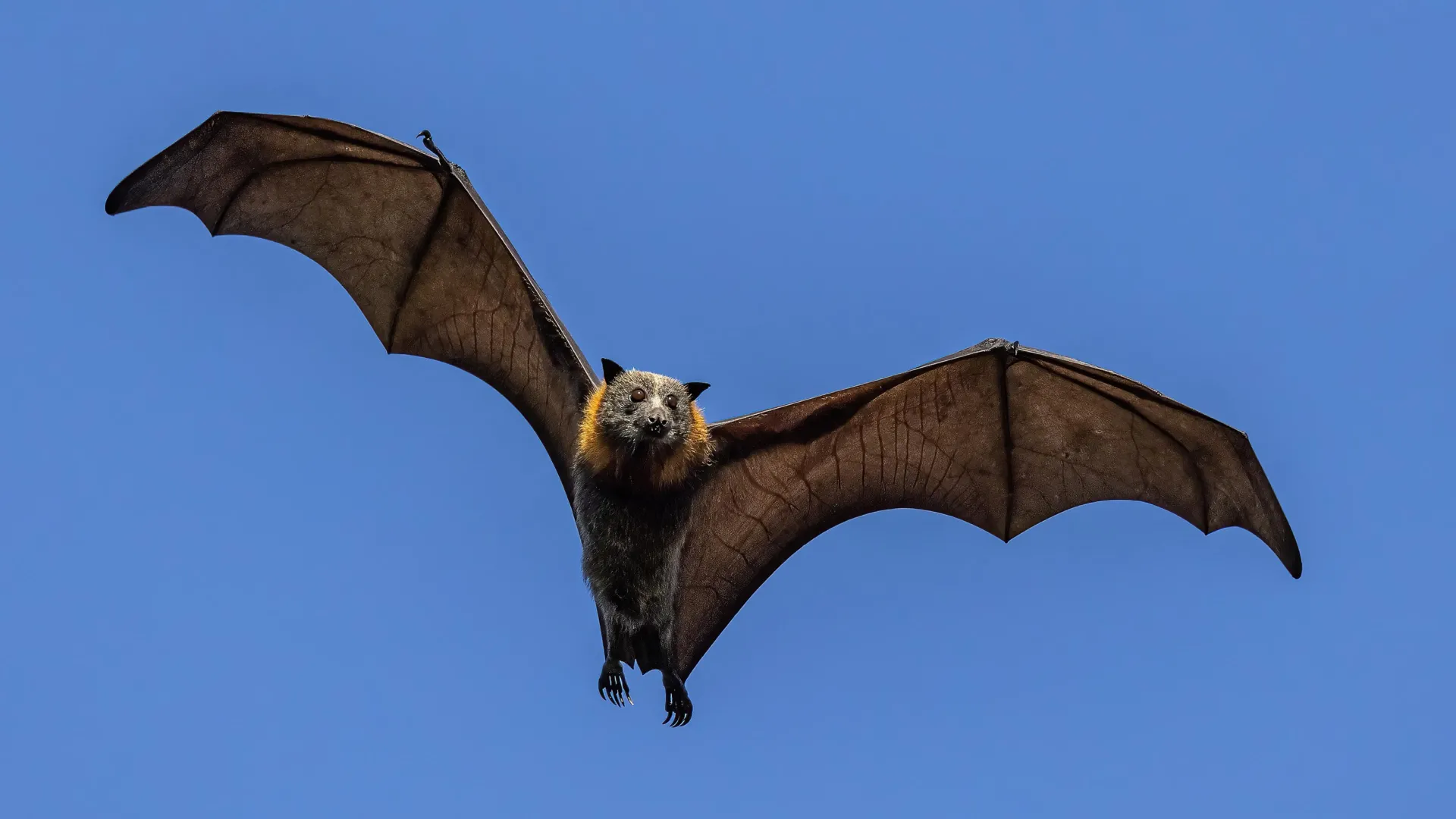
Teen bats are spawning new viruses—here’s why scientists are paying close attention

New research by the University of Sydney offers important insights into how and when new coronavirus variants arise in bats.

Bats are beneficial to our ecosystems and economy but, as habitat destruction and environmental stressors put them in closer proximity to humans, disease risks can emerge. The research, published in Nature Communications on July 17, offers an approach to anticipating the emergence of coronaviruses. It found young bats are infected more frequently and could be a key source of viral spillover into other species. The study also reveals the dynamics of coronaviruses circulating in Australian bats, which pose no known risk to humans.

Endemic in bat populations, most coronaviruses never infect humans. When they do, as with the SARS, COVID-19 and MERS outbreaks, they typically spill over from bats via a bridging animal host.

“Coronaviruses tend not to be of major concern to bats,” said Dr Alison Peel from the University’s School of Veterinary Science, who led the study. “But they can behave differently if they spill over to new species.”

In one of the most comprehensive single studies of its type, the researchers collected more than 2,500 faecal samples, via which bats shed coronaviruses, over three years. Samples were taken from black flying foxes and grey-headed flying foxes at five roost sites across Australia’s eastern seaboard.

Viral testing of the samples showed coronaviruses were most prevalent in young bats between March and July, when they were weaning and approaching maturity. This was consistent across the three-year study. Particularly notable was the high proportion of bats infected with multiple coronaviruses at once.

“We were surprised by that high rate of co-infection among juveniles and subadults,” Dr Peel said. “Co-infection presents the opportunity for a single cell to become infected with multiple viruses, an important natural precursor to the generation of new strains.”

The six coronaviruses detected in the study were nobecoviruses, a subclass which does not jump to humans. Three of these were new. They were useful to analyse because they pose minimal risk to people but are the evolutionary cousins of sarbecoviruses, so-called SARS-like viruses which are more prone to spill across to other species. Understanding the evolution of nobecoviruses offers parallel insights into the evolution of more dangerous coronaviruses.

“We safely tracked how and when coronaviruses circulated naturally in bat populations. Using genomics to track infections to individual animals,” Dr John-Sebastian Eden, a study co-author from the Westmead Insitute for Medical Research and the University’s Faculty of Medicine and Health.

“The results offer a model for scientists looking to understand coronavirus emergence and future risks in bat populations around the world. By focusing on co-infections in young bats during certain periods, researchers might better predict the natural evolution and emergence of riskier coronaviruses before they pose a risk to human health.”

Dr Peel said more research is needed to understand why young bats are more susceptible to infection and co-infection.

“It could be the result of newly weaned animals whose immune systems are still developing or the stress faced by teenage bats looking for a mate for the first time,” she said.

The changing environment could also be a factor.

“We know from previous research on other viruses that habitat loss caused by encroaching human populations and food shortages can create stress in bats that weakens immunity and makes them susceptible to infections. It will be important to find out if that’s also the case for coronaviruses.”

Dr Peel and Dr Eden’s research began in 2020, as the COVID-19 pandemic took hold. It built on earlier research into the spread of Hendra virus, which also originates in bats.

“It’s rare to see this scale and depth of data in virological research, even among human viruses,” said Dr Peel. “The gathering of samples from both individual bats and beneath roosts, and the tracking of individual strains across multiple sites and years, provides a strong foundation for ongoing research into the role of environmental stress on coronavirus emergence.”

Share Button

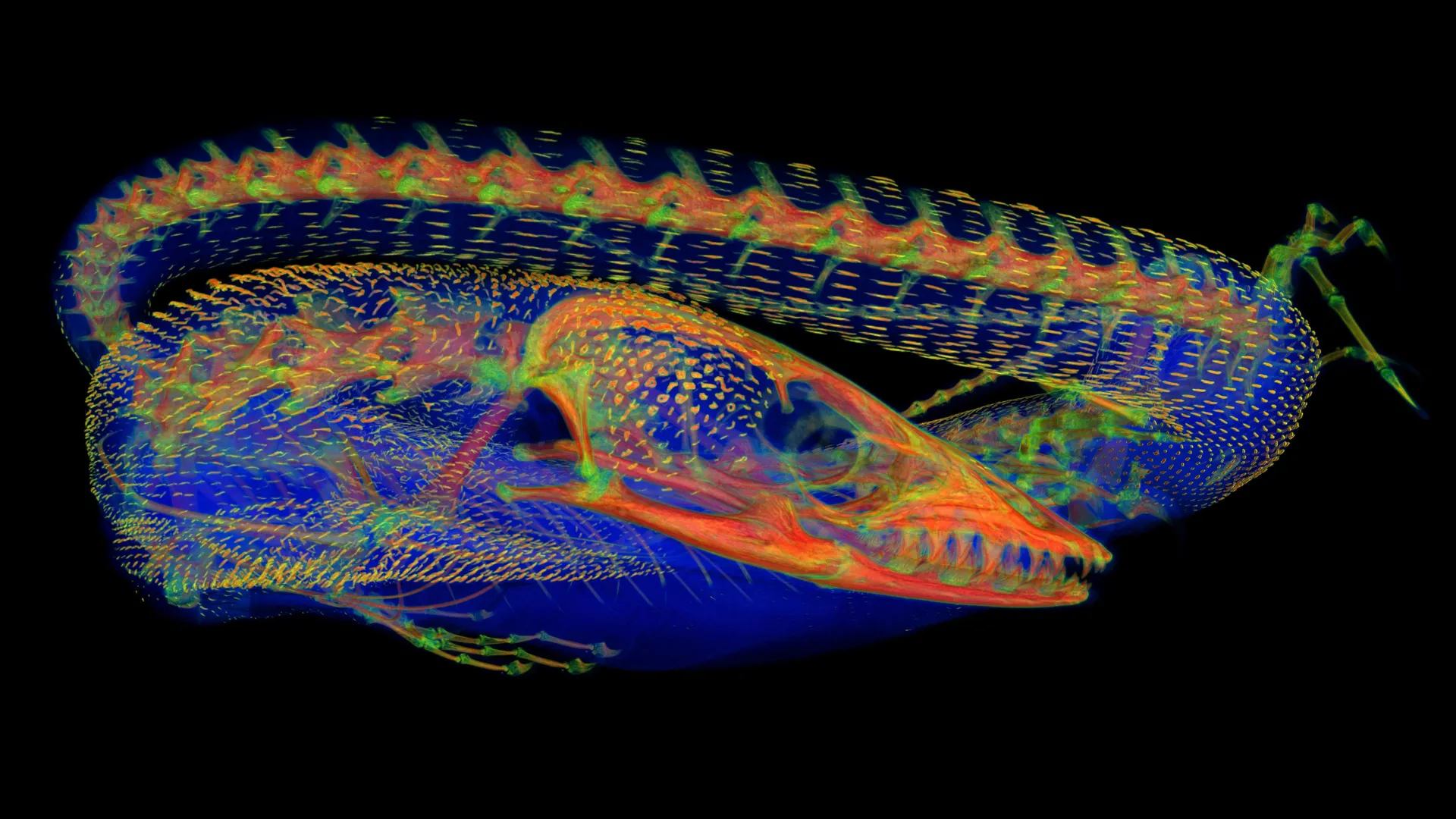
Beneath the scales: The secret bone armor that helped lizards survive Australia

Beneath the scales of Australia’s iconic monitor lizards (commonly known as goannas), scientists have discovered an unexpected secret: a hidden layer of bony skin structures known as osteoderms. These structures, which have been long overlooked, may hold the key to understanding how these ancient reptiles not only survived but thrived in one of the world’s harshest environments.

The findings, published on July 21 in the prestigious Zoological Journal of the Linnean Society, mark the first large-scale global study of osteoderms in lizards and snakes. The international collaboration brought together researchers from Australia, Europe and the United States, who used cutting-edge micro-CT scanning to examine nearly 2,000 reptile specimens from major museum collections including those held at Museums Victoria’s Research Institute.

‘We were astonished to find osteoderms in 29 Australo-Papuan monitor lizard species that had never been documented before,’ said Roy Ebel, lead author and researcher at Museums Victoria Research Institute and the Australian National University. ‘It’s a fivefold increase in known cases among goannas.’

Osteoderms are most commonly known from crocodiles, armadillos, and even some dinosaurs like Stegosaurus. But their function has remained something of an evolutionary mystery. While they may provide protection, scientists now suspect they may also support heat regulation, mobility and calcium storage during reproduction.

This new research reveals that osteoderms are far more widespread in lizards than previously thought, occurring in nearly half of all lizard species worldwide – an 85% increase on earlier estimates.

At the heart of this discovery lies the power of museum collections. Scientific institutions like Museums Victoria Research Institute play a critical role in preserving biodiversity through time, enabling researchers to study species long after they were collected. Many of the specimens used in this study were decades, and in some cases over 120 years old, but advances in imaging technology enabled scientists to uncover new insights without harming the original material. These collections are not just archives, they’re active tools for scientific discovery.

‘What’s so exciting about this finding is that it reshapes what we thought we knew about reptile evolution,’ said Dr Jane Melville, Museums Victoria Research Institute Senior Curator of Terrestrial Vertebrates. ‘It suggests that these skin bones may have evolved in response to environmental pressures as lizards adapted to Australia’s challenging landscapes.’

Until now, the presence of osteoderms in monitor lizards was considered rare and mostly confined to the famed Komodo dragon. But the discovery of their widespread presence across Australo-Papuan goannas opens up new questions about how these lizards adapted, survived and diversified across the continent.

This landmark study not only tells a new chapter in the story of Australia’s goannas, it provides a powerful new dataset for exploring how skin, structure, and survival have intertwined across millions of years of evolution.

Share Button

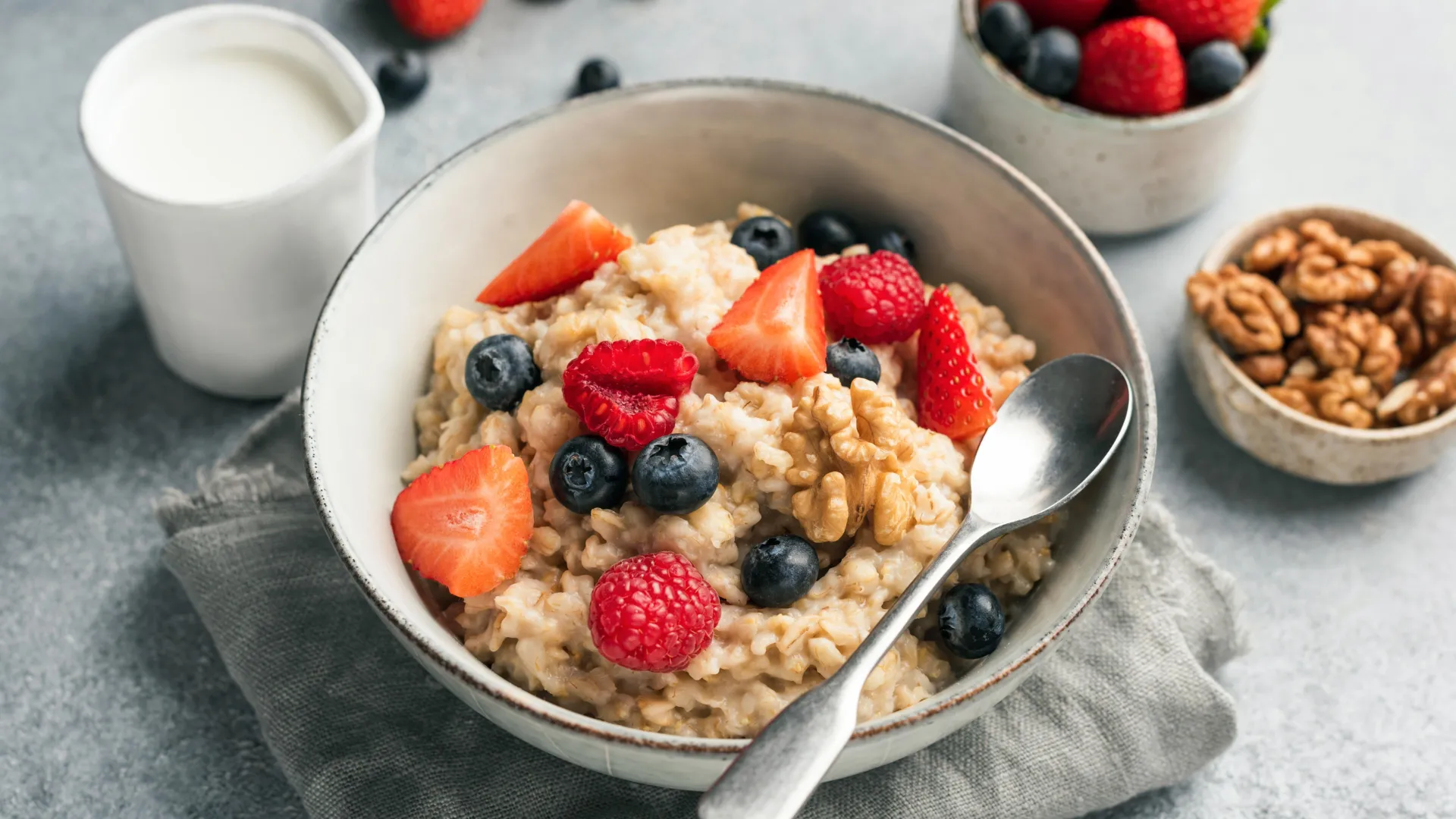
This oat discovery could change your breakfast—and the future of plant-based food

New University of South Australia research is providing evidence of biological triggers of oil production in oats, a discovery that will help processing and potentially drive further demand for Australian-grown oats.

While Australia is the world’s second-largest exporter of oats, high oil content in oat grains creates challenges during milling, reducing processing efficiency and limiting product innovation – particularly in high-demand sectors like oat flour and plant-based proteins.

Researchers from the University of South Australia, the South Australian Research and Development Institute (SARDI), and the University of Adelaide are collaborating on research designed to better understand the biological processes responsible for oil synthesis in oat grains.

In this study, two contemporary varieties of oats were examined using spatial imaging techniques to track oil build-up during grain development. Researchers then applied ‘omics’ technologies – lipidomics and proteomics – to analyse lipid and protein expression, which provided key insights into the biological mechanisms involved in the actual formation of the grain, including those relating to oil synthesis.

The UniSA findings have provided further evidence of the mechanisms that underlie the amount of oil in an oat grain. These findings will help to guide future breeding efforts for naturally lower-oil oat varieties, improving milling yields and creating new value-added opportunities across the oat supply chain.

UniSA PhD candidate, Darren Lau, says that current oil removal methods are inefficient and that low-oil breeding programs will aid industry growth.

“While oil can be removed from partially milled oat flakes – using supercritical carbon dioxide prior to further milling – this approach is laborious and expensive,” he says.

“Breeding low-oil oat varieties is a cost-effective approach but requires further understanding of oil production in oats. This is where our research is critical.

“Our analysis has identified several key enzymes that are involved in oil synthesis which could be genetically manipulated to lower oil content of oat grains.

“Reducing oil content could also unlock new opportunities in sectors like oat flour and alternative proteins, which could significantly strengthen Australia’s position in the market.”

The economic potential of these opportunities is reflected in the quantity of oats exported globally. For example, in 2022 twenty-six million metric tonnes of oats were produced worldwide, ranking them seventh among cereals in production quantity.

Lowering oil content in oat grains will enhance processing and product versatility, positioning them alongside traditional cereal staples like barley, maize, wheat, and rice, and further driving industry growth.

The UniSA findings are being used by the Grains Research and Development Corporation (GRDC) oat grain quality consortium to improve suitability for milling and food/beverage ingredient development. Additional research is continuing within the consortium that will build on the study’s findings to further inform breeding efforts aimed at reducing oil content in oats.

“The consortia are currently working on a larger and more diverse oat cohort to further investigate molecular markers and nutrient partitioning of oil in oats,” Lau says.

“The consortia are also investigating one of the key enzymes validated in this study to determine whether manipulating or removing it can lower oil content, and how that affects the growth of the plant.”

SARDI Project Lead Dr Janine Croser, says the study’s findings provide further evidence of key pathways involved in oat oil biosynthesis.

“This research provides important insights into the biological mechanisms underlying varietal differences of oil production in developing oat grains,” Dr Croser says.

“We expect that the development of low-oil lines will improve efficiencies in the flour milling process and potentially lead to novel uses for oats.

“With demand for plant-based foods on the rise, we anticipate the oat grain quality consortium research will help put Australia at the forefront of oat innovation – supporting growers, processors, and exporters alike.”

The full paper, Proteomic and lipidomic analyses reveal novel molecular insights into oat (Avena sativa L.) lipid regulation and crosstalk with starch synthesis during grain development, is available online.

Share Button

‘Substantial changes’ on infected blood payouts

The announcement comes two weeks after a heavily critical report into payments to thousands of victims.

Share Button

NHS bosses putting patients at risk in strike, says BMA

Union unhappy as NHS England aims to keep non-urgent services running during five-day walkout.

Share Button

‘As a GP I felt I had to work during my cancer scare’

Emily Jones ignored medical advice to work as she said patients wouldn’t have been seen otherwise

Share Button

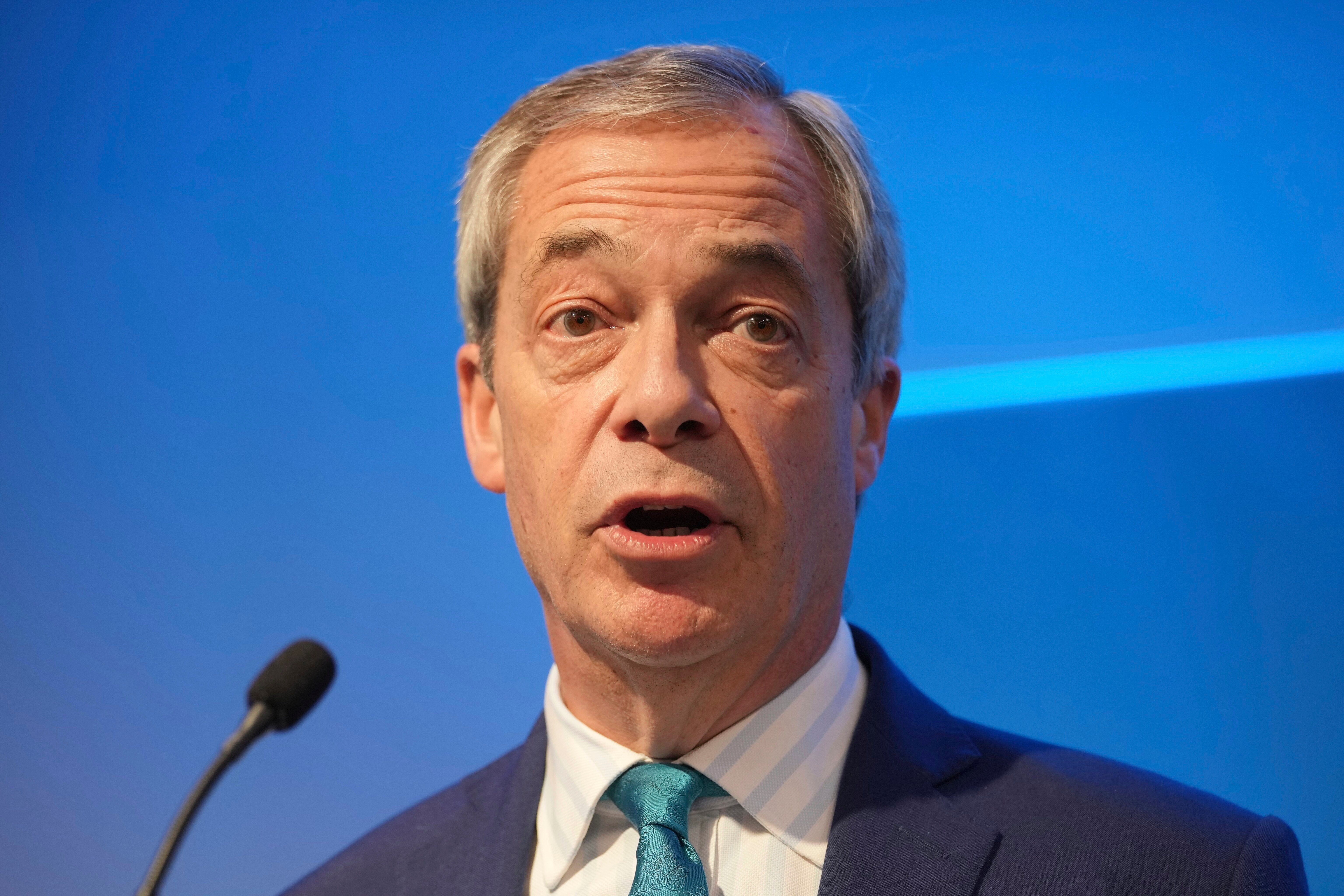
How Does Farage Want To Protect The UK From ‘Collapse’? By Sending Prisoners To El Salvador, Of Course

Nigel Farage has a brand new plan to help save Britain from “societal collapse”, apparently.

In a press conference, the Reform UK leader declared his party would cut crime in half amid a rise of alleged “lawlessness” in Britain.

As his party continues to lead in the polls, here’s the £17.4bn vision he set out for how Reform would manage criminals if it were to win the next general election – including the rather bizarre figures who inspire him…

Utilising other countries – like El Salvador

Farage suggested sending British prisoners overseas to countries like El Salvador in Central America to complete their sentences.

This is one of the arguments Reform has presented as part of the argument in favour of leaving the European Convention on Human Rights.

Farage told the media today: “We can send some of our worst violent criminals overseas to serve their terms.

“If that means that [child murderer] Ian Huntley goes to El Salvador…our attitude is so be it.”

When reminded that the detainees in El Salvador have questionable human rights – they are isolated, do not have access to significant legal recourse and held in concerning conditions – Farage quickly backtracked, calling it an “an extreme example.”

Reform UK MP Sarah Pochin then jumped in: “If they [offenders] lose some human rights about family visiting or whatever else it might be, Sky News in the cell. then it’s a good thing, because it’s about time we got tougher with these people.”

But veteran broadcaster Andrew Neil still slammed the idea on Times Radio, saying: “I don’t like his idea of sending prisoners to El Salvador, to some godforsaken hellhole, we’re a civilised nation we shouldn’t be doing that.”

<div class="js-react-hydrator" data-component-name="Twitter" data-component-id="8423" data-component-props="{"itemType":"rich","index":15,"contentIndexByType":1,"contentListType":"embed","code":"

\"I don’t like his idea of sending prisoners to El Salvador, to some godforsaken hellhole.”

Nigel Farage’s proposal to send prisoners to El Salvador is inhumane for a “civilised nation” like Britain, says @AFNeil. pic.twitter.com/gbC3Zn0nqb

— Times Radio (@TimesRadio) July 21, 2025

","type":"rich","meta":{"author":"Times Radio","author_url":"https://twitter.com/TimesRadio","cache_age":86400,"description":"\"I don’t like his idea of sending prisoners to El Salvador, to some godforsaken hellhole.”Nigel Farage’s proposal to send prisoners to El Salvador is inhumane for a “civilised nation” like Britain, says @AFNeil. pic.twitter.com/gbC3Zn0nqb— Times Radio (@TimesRadio) July 21, 2025\n\n\n","options":{"_hide_media":{"label":"Hide photos, videos, and cards","value":false},"_maxwidth":{"label":"Adjust width","placeholder":"220-550, in px","value":""},"_theme":{"value":"","values":{"dark":"Use dark theme"}}},"provider_name":"Twitter","thumbnail_height":1080,"thumbnail_url":"https://pbs.twimg.com/amplify_video_thumb/1947264326970036224/img/IGgDuZq7LOvIY1_N.jpg:large","thumbnail_width":1920,"title":"Times Radio on Twitter / X","type":"rich","url":"https://twitter.com/TimesRadio/status/1947264655652466957","version":"1.0"},"flags":[],"enhancements":{},"fullBleed":false,"options":{"theme":"news","device":"desktop","editionInfo":{"id":"uk","name":"U.K.","link":"https://www.huffingtonpost.co.uk","locale":"en_GB"},"originalEdition":"uk","isMapi":false,"isAmp":false,"isAdsFree":false,"isVideoEntry":false,"isEntry":true,"isMt":false,"entryId":"687e2a5be4b09c4b75ea74f6","entryPermalink":"https://www.huffingtonpost.co.uk/entry/how-does-farage-want-to-protect-uk-from-societal-collapse_uk_687e2a5be4b09c4b75ea74f6","entryTagsList":"nigel-farage,labour,reform-uk","sectionSlug":"politics","deptSlug":null,"sectionRedirectUrl":null,"subcategories":"","isWide":false,"isShopping":false,"headerOverride":null,"noVideoAds":false,"disableFloat":false,"isNative":false,"commercialVideo":{"provider":"custom","site_and_category":"uk.politics","package":null},"isHighline":false,"vidibleConfigValues":{"cid":"60afc140cf94592c45d7390c","disabledWithMapiEntries":false,"overrides":{"all":"60b8e525cdd90620331baaf4"},"whitelisted":["56c5f12ee4b03a39c93c9439","56c6056ee4b01f2b7e1b5f35","59bfee7f9e451049f87f550b","5acccbaac269d609ef44c529","570278d2e4b070ff77b98217","57027b4be4b070ff77b98d5c","56fe95c4e4b0041c4242016b","570279cfe4b06d08e3629954","5ba9e8821c2e65639162ccf1","5bcd9904821576674bc55ced","5d076ca127f25f504327c72e","5b35266b158f855373e28256","5ebac2e8abddfb04f877dff2","60b8e525cdd90620331baaf4","60b64354b171b7444beaff4d","60d0d8e09340d7032ad0fb1a","60d0d90f9340d7032ad0fbeb","60d0d9949340d7032ad0fed3","60d0d9f99340d7032ad10113","60d0daa69340d7032ad104cf","60d0de02b627221e9d819408"],"playlists":{"default":"57bc306888d2ff1a7f6b5579","news":"56c6dbcee4b04edee8beb49c","politics":"56c6dbcee4b04edee8beb49c","entertainment":"56c6e7f2e4b0983aa64c60fc","tech":"56c6f70ae4b043c5bdcaebf9","parents":"56cc65c2e4b0239099455b42","lifestyle":"56cc66a9e4b01f81ef94e98c"},"playerUpdates":{"56c6056ee4b01f2b7e1b5f35":"60b8e525cdd90620331baaf4","56c5f12ee4b03a39c93c9439":"60d0d8e09340d7032ad0fb1a","59bfee7f9e451049f87f550b":"60d0d90f9340d7032ad0fbeb","5acccbaac269d609ef44c529":"60d0d9949340d7032ad0fed3","5bcd9904821576674bc55ced":"60d0d9f99340d7032ad10113","5d076ca127f25f504327c72e":"60d0daa69340d7032ad104cf","5ebac2e8abddfb04f877dff2":"60d0de02b627221e9d819408"}},"connatixConfigValues":{"defaultPlayer":"16b0ecc6-802c-4120-845f-e90629812c4d","clickToPlayPlayer":"823ac03a-0f7e-4bcb-8521-a5b091ae948d","videoPagePlayer":"05041ada-93f7-4e86-9208-e03a5b19311b","defaultPlaylist":"2e062669-71b4-41df-b17a-df6b1616bc8f"},"topConnatixThumnbailSrc":"data:image/png;base64,iVBORw0KGgoAAAANSUhEUgAAAAEAAAABCAQAAAC1HAwCAAAAC0lEQVR42mNkYAAAAAYAAjCB0C8AAAAASUVORK5CYII=","customAmpComponents":[],"ampAssetsUrl":"https://amp.assets.huffpost.com","videoTraits":null,"positionInUnitCounts":{"buzz_head":{"count":0},"buzz_body":{"count":0},"buzz_bottom":{"count":0}},"positionInSubUnitCounts":{"article_body":{"count":9},"blog_summary":{"count":0},"before_you_go_content":{"count":0}},"connatixCountsHelper":{"count":0},"buzzfeedTracking":{"context_page_id":"687e2a5be4b09c4b75ea74f6","context_page_type":"buzz","destination":"huffpost","mode":"desktop","page_edition":"en-uk"},"tags":[{"name":"nigel farage","slug":"nigel-farage","links":{"relativeLink":"news/nigel-farage","permalink":"https://www.huffingtonpost.co.uk/news/nigel-farage","mobileWebLink":"https://www.huffingtonpost.co.uk/news/nigel-farage"},"relegenceId":3592238,"url":"https://www.huffingtonpost.co.uk/news/nigel-farage/"},{"name":"labour","slug":"labour","links":{"relativeLink":"news/labour","permalink":"https://www.huffingtonpost.co.uk/news/labour","mobileWebLink":"https://www.huffingtonpost.co.uk/news/labour"},"section":{"title":"Politics","slug":"politics"},"topic":{"title":"Labour Party","slug":"labour-party","overridesSectionLabel":false},"url":"https://www.huffingtonpost.co.uk/news/labour-party/"},{"name":"reform uk","slug":"reform-uk","links":{"relativeLink":"news/reform-uk","permalink":"https://www.huffingtonpost.co.uk/news/reform-uk","mobileWebLink":"https://www.huffingtonpost.co.uk/news/reform-uk"},"url":"https://www.huffingtonpost.co.uk/news/reform-uk/"}],"isLiveblogLive":null,"isLiveblog":false,"cetUnit":"buzz_body","enableIncontentPlayer":false,"bodyAds":["

\r\n\r\n HPGam.cmd.push(function(){\r\n\t\treturn HPGam.render(\"inline-1\", \"entry_paragraph_1\", false, false);\r\n });\r\n\r\n","

\r\n\r\n HPGam.cmd.push(function(){\r\n\t\treturn HPGam.render(\"inline\", \"entry_paragraph_2\", false, false);\r\n });\r\n\r\n","

\r\n\r\n HPGam.cmd.push(function(){\r\n\t\treturn HPGam.render(\"inline-2\", \"entry_paragraph_3\", false, false);\r\n });\r\n\r\n","

\r\n\r\n HPGam.cmd.push(function(){\r\n\t\treturn HPGam.render(\"inline-infinite\", \"repeating_dynamic_display\", false, false);\r\n });\r\n\r\n"],"adCount":0},"isCollectionEmbed":false}”>

“I don’t like his idea of sending prisoners to El Salvador, to some godforsaken hellhole.”

Nigel Farage’s proposal to send prisoners to El Salvador is inhumane for a “civilised nation” like Britain, says @AFNeil. pic.twitter.com/gbC3Zn0nqb

— Times Radio (@TimesRadio) July 21, 2025

Nightingale prisons

According to Farage, pop-up prisons inspired by the Nightingale hospitals set up during the Covid pandemic would help ease the capacity crisis in Britain’s justice system.

He said 12,400 offenders who have committed low-level crimes could be put up in these new constructions at the cost of £5bn over a five-year parliament.

But Farage overlooked how many of the Nightingale Covid centres never had a patient – as the Guardian reported in 2020 – and that two-thirds of those beds were allegedly unfit for use.

Reform would also unveil 100 pop-up custody centres for crime hot spots, and reopen 50 “mothballed premises” for use as courts.

Borrowing from Rudy Giuliani

Farage admitted his party’s attitude would be inspired by Rudy Giuliani’s crackdown on crime during his time as New York mayor three decades ago.

In his famous “broken windows” theory, Giuliani famously focused on lower level crime in an effort to deter larger criminal operations.

The Reform UK leader said they were “borrowing from the Giuliani playbook unashamedly”.

“What Rudy Giuliani did to New York in the 1990s was nothing short of a blooming miracle,” he said.

Giuliani, formerly a lawyer for Donald Trump, was disbarred in New York earlier this year when he was found to be in contempt of court for falsely accusing officials in Georgia of committing election fraud in 2020.

Inspired by Miliei

Although this plan would cost £17.4bn over a five-year parliament, Farage said:“It’s not really a question of ‘can we afford to do this?’ It’s a question of ‘can we afford not to do this?’ That’s just how grim and serious the situation is.”

“Of course you’re going to say where is the money going to come from,” he noted, before suggesting the funds would come from abolishing the HS2 project, Net Zero and diversity, equality and inclusion programmes.

He then pointed to Javier Milei, Argentina’s libertarian president.

He said Milei was accused of being a “madman” but “look what’s happening”.

Farage continued: “He has cut the size of the public sector by about 15%, 20% in some cases. Argentina is beginning to see the beginnings of an economic miracle.”

Miliei has undoubtedly improved the country’s struggling economy – its high inflation has cooled and its currency controls have fallen – but public sector salaries have also declined in response, and protests have become a weekly occurrence.

Yes, that Milei....
Yes, that Milei….

via Associated Press

Wait, what ‘societal collapse’?

Of course, all of Farage’s proposals are based on several assumptions.

Firstly, that the country is on the cusp of “nothing short of societal collapse” due to its high crime rate.

Secondly, he set out the premise for his plan by saying: “The crime survey for England and Wales is based on completely false data. If you look at police recorded crime… there are some significant rises in crimes of all kinds, particularly crimes against the person.”

There was a 14% increase in crime last year on the year before – but prior to that, there have been significant successive falls over the last three decades.

Thirdly, the MP for Clacton also claimed “tourists are increasingly reluctant to come to London”.

Actually, out of all the city destinations in the world, London had the second highest rate of international arrivals in 2023 with 18.8 arrivals, according to the UN World Tourism Organisation.

Is this all just ‘headline-chasing’?

Naturally, Farage’s political opponents were quick to tear into the announcement.

Labour Party chair Ellie Reeves said: “Nigel Farage repeatedly tried to block tough measures to make our streets safer.

“Reform is more interested in headline-chasing than serious policy-making in the interests of the British people.”

Chris Philp the Tories’ shadow home secretary, said: “Nigel Farage is writing his own crime fiction.

“Their own document admits it is unfunded – which means they are not being honest about the price you will pay for their policies just like Labour.

“This is the same Nigel Farage who calls immigration enforcement ‘divisive’, wants an amnesty for illegal immigrants who’ve ‘integrated’, and says mass deportation is a ‘political impossibility’. You cannot trust a word he says.”

And former chief inspector of prisons, Nick Hardwick, told Times Radio: “Where I think what he’s saying just doesn’t add up is that first of all, what he’s proposing will cost far, far more than he’s suggesting and secondly, I don’t actually think it will address the real concerns that people have got about crime.”

Share Button