An interim report by Baroness Amos finds poor care and dirty wards are blighting England’s maternity services.


An interim report by Baroness Amos finds poor care and dirty wards are blighting England’s maternity services.
Frimley Health NHS Trust is the latest to reintroduce masks as UK hospitals come under strain.
Seven out of 11 patients with incurable cancer who had the treatment appear to be cancer-free.
A tribunal said NHS Fife harassed Sandie Peggie but dismissed other claims she made against the health board and a transgender doctor.

A unique opportunity to observe deep brain activity in a person with obesity and loss of control eating provided new insight into how tirzepatide, sold as Mounjaro and Zepbound, interacts with the brain. Recordings showed that the medication reduced activity in the brain’s reward center, a region linked to food noise and compulsive cravings, although this reduction did not last.
Researchers noted that tirzepatide is a glucagon-like peptide-1 (GLP-1) and glucose-dependent insulinotropic polypeptide (GIP) receptor agonist originally created for Type 2 diabetes. Early findings suggest it may also help with conditions related to impulse control, including binge eating disorder. However, the new report from the Perelman School of Medicine at the University of Pennsylvania cautions that current GLP-1 and GIP inhibitors may not be fully optimized for treating these behaviors and warrant more investigation. The case study appears in Nature Medicine.
“This study offers major insights into how these drugs may work inside the brain and will guide us as we explore new indications,” said senior author Casey H. Halpern, MD, a professor of Neurosurgery and head of the Division of Stereotactic and Functional Neurosurgery. “Until we better understand their action on the brain, it’s far too soon to call GLP-1 and GIP inhibitors miracle drugs for more conditions beyond type 2 diabetes and obesity.”
Understanding Loss of Control Eating and Food Noise
Loss of control eating is widespread, affecting many people with obesity as well as multiple eating disorders. Binge eating disorder (BED) is considered the most common eating disorder in the United States, impacting more than 3 million individuals. People with BED often feel unable to stop eating and continue long after they feel full.
Critical brain regions involved in regulating eating behavior include the hypothalamus and the nucleus accumbens (NAc), which serves as a key reward center. The NAc helps govern motivation, pleasure-seeking behaviors, and impulse control. Studies have shown that in people with obesity and BED, signaling within the NAc and related circuits becomes disrupted.
Even without a diagnosis of BED, up to 60 percent of individuals with obesity experience persistent “food noise,” a constant stream of thoughts about food that can lead to distress and maladaptive patterns such as bingeing or loss of control eating. Food noise is also common in bulimia nervosa and anorexia nervosa. Research has linked binge eating with an increased risk of suicide among people with obesity and eating disorders, likely tied to impulsive traits and emotional dysregulation.
“Developing new ways to treat these patients is of the utmost importance,” said Halpern. “While many individuals taking GLP-1 and GIP inhibitors report a reduction in food noise, these medications are not FDA-approved to treat food preoccupation and its related impulsivity. In fact, their impact on human brain activity has only begun to be studied.”
A Patient’s Struggle With Severe Obesity and Food Noise
A 60-year-old woman referred to as “Participant 3” in the study was living with severe, treatment-resistant obesity and persistent food noise. She described constant, intrusive thoughts about food that frequently led her to order takeout or snack throughout the day, even when she tried to stop. She often ate until she felt uncomfortably full and was especially drawn to sugary and salty foods such as packaged cupcakes, fast-food roast beef sandwiches, and French fries. She also had Type-2 diabetes and had previously been prescribed dulaglutide, a GLP-1 inhibitor, but it did not reduce her weight or her obsessive focus on food.
After attempting numerous treatments including bariatric surgery, medications, behavioral therapy, and other interventions for disordered eating, she joined Halpern’s clinical trial. The study involved brain surgery to implant electrodes designed to eventually detect and interrupt cravings before they escalated into binge episodes.
How Brain Signals Reveal the Onset of Cravings
Halpern’s earlier research identified a distinct pattern of electrical activity in the NAc that appears right before a person begins to fixate on food and feels the urge to binge. This activity does not appear when a person is simply hungry before a typical meal. A previous pilot trial led by Halpern showed that delivering high-frequency electrical stimulation to the NAc exactly when these craving signals emerged could stop binge eating behavior.
In the current study of four participants, intracranial electroencephalography (iEEG) electrodes were implanted in individuals with obesity and loss of control eating. Similar to systems used for epilepsy and Parkinson’s disease, the device recorded activity in the NAc as participants encountered foods known to trigger their binge episodes.
After establishing each person’s baseline responses, the research team programmed the electrodes to deliver high-frequency stimulation when craving-related signals were detected. Over six months, participants reported large reductions in loss of control sensations and fewer binge episodes.
Tirzepatide Offers a Rare Research Window
Before surgery, Participant 3 was prescribed tirzepatide to manage her Type-2 diabetes after the first GLP-1 inhibitor did not help her. Her dose was gradually increased to the maximum before and after electrode implantation, since diabetes increases infection risks following surgery. This created an unusual opportunity for researchers to observe how tirzepatide affects brain signals tied to cravings in real time.
“Brain surgery to implant the electrodes is invasive, and thus it is extremely rare to study human brain activity in this way,” said Halpern. “Research fuels more research; This participant was already taking tirzepatide when she enrolled in the trial, but before any stimulation was delivered, giving us a unique opportunity to make foundational observations about how the drug alters brain signals.”
Tirzepatide’s Effects Fade Over Time
Once Participant 3 reached her full tirzepatide dose and had the electrodes implanted, she reported no food preoccupation, and her NAc activity reflected this silence. After roughly five months, however, the previously quiet NAc activity reappeared, along with intense food noise. This shift suggested that tirzepatide’s effect on her loss of control eating was temporary and that the underlying patterns of food preoccupation had resurfaced.
Other participants in the trial who were not taking tirzepatide consistently showed heightened NAc activity and frequent food preoccupation, which aligned with earlier observations from Halpern’s group. The dramatic reduction in signaling seen only in Participant 3 strongly indicated that tirzepatide temporarily suppressed this activity.
“GLP-1 and GIP inhibitors are amazing medications at doing what they were developed for — managing blood sugar in people with type 2 diabetes and weight loss in obesity,” said study investigator Kelly Allison, PhD, a professor of Psychiatry and Director of the Center for Weight and Eating Disorders. “This research shows us that they might be useful to manage food preoccupation and binge eating, but not in their current form.”
“Although this study only featured the data from one person taking tirzepatide, it provides compelling data about how GLP-1 and GIP inhibitors alter electrical signals in the brain,” said co-first author Wonkyung Choi, a PhD candidate in Halpern’s lab. “These insights should inspire further research into developing a treatment better tailored to the impulsivity traits of obesity and related eating disorders that is safe and long-lasting.”
This research was supported by the National Institutes of Health (7UH3NS103446-03, 1R01MH124760-01A1, R25MH119043 and T32NS091008).
European leaders are rarely upbeat when discussing the devastating war in Ukraine, but Monday’s talks seemed to take the despondence to the next level.
Despite rolling out the red carpet for Volodymyr Zelenskyy outside No.10 Downing Street, and embracing the embattled Ukrainian president tightly, Keir Starmer looked more than just a little concerned as he hosted the small delegation.
Advertisement
His counterparts, French president Emmanuel Macron and German chancellor Friedrich Merz, wore similarly glum expressions.
Their hastily-arranged meeting came after Ukrainian negotiators failed to make any headway with their US opposites over the latest draft of Donald Trump’s peace deal.
The American president, who is desperate to secure an end to the war by any means possible, was accused of offering up a plan which would reward Russia for its aggression last month.
Advertisement
European allies then watered it down – but the Kremlin deemed some elements of that altered draft unworkable.
Trump has since blamed Zelenskyy for the hold-up, alleging that he has not even read the latest plan.
The US also published its National Security Strategy over the weekend which notably failed to list Russia as a threat, and instead called out European allies.
Advertisement
Amid wider fears that Washington would be happy to give away even more of Ukraine’s sovereign territory just to placate Putin, Starmer invited Zelenskyy, Merz and Macron to the UK to reiterate their support for the beleaguered country.

via Associated Press
While the four leaders did not hold a press conference and only spoke for a few moments in front of the media, there were clear signs that all was not going well.
Advertisement
Merz, famously pro-America, was the first to publicly express his concerns about Trump’s plan, saying from Downing Street that he is “sceptical” about “some of the details coming in the documents from the US side”.
Meanwhile Macron said Europe has a “lot of cards in our hands” – a throwaway remark which could be seen as a reference to Trump’s infamous attack on Zelenskyy in the Oval Office in February.
The US president told the Ukrainian leader “you don’t have the cards” when it comes to the war, and that Kyiv needed to “make a deal or we’re out”.
Advertisement
Zelenskyy painted an equally bleak picture by claiming: “We can’t manage without Americans… we can’t managed without Europe.”
Starmer mainly reiterated his support for Ukraine during today’s meeting in front of the cameras – but his facial expressions spoke for themselves.
Both Merz and Macron left after a short stay in Downing Street.
Starmer and Zelenskyy spoke in private about what they can do next to keep the US on side – while not giving too much to Russia – for an hour before parting ways – and looking rather glum.
Advertisement


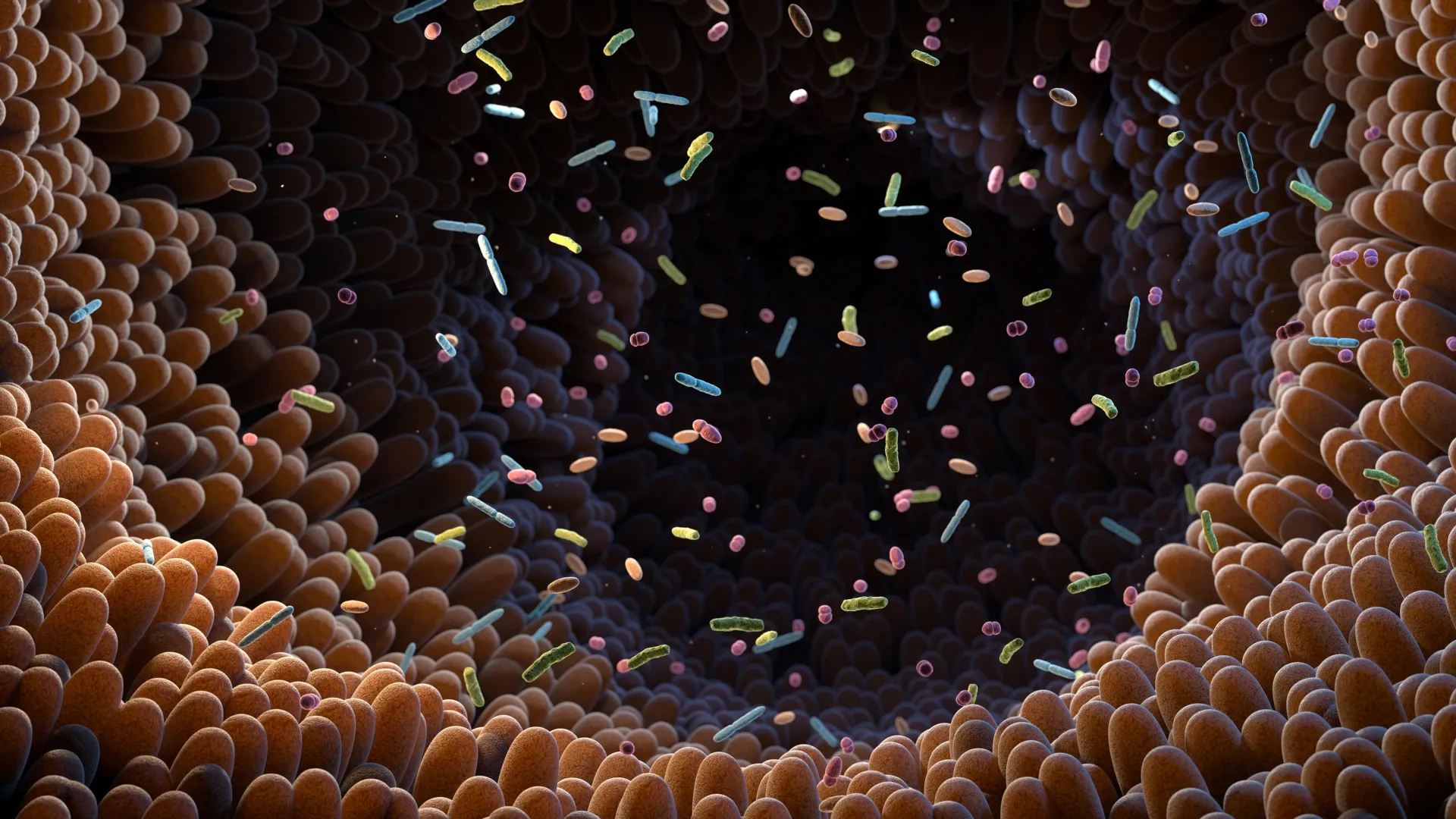
An international group of scientists led by Professor Marc-Emmanuel Dumas at Imperial College London & CNRS, along with Prof. Patrice Cani (Imperial & University of Louvain, UCLouvain), Dr. Dominique Gauguier (Imperial & INSERM, Paris) and Prof. Peter Liu (University of Ottawa Heart Institute), has identified an unexpected natural compound that helps counter insulin resistance and type 2 diabetes. The compound, trimethylamine (TMA), is a metabolite created by gut microbes from dietary choline. According to a study in Nature Metabolism, TMA can interrupt a key immune pathway and contribute to healthier blood sugar levels.
The discovery builds on work that began 20 years ago. During his postdoctoral research, Patrice Cani found that high-fat diets allow bacterial components to pass into the body, prompting the immune system to activate and ignite inflammation. This immune response was shown to play a direct role in insulin resistance among people with diabetes. Although this idea faced skepticism in 2005, it is now widely recognized and scientifically accepted.
In 2025, researchers at the University of Louvain and Imperial College London clarified how this harmful chain reaction might be counteracted. They reported that TMA, formed by gut microbes from dietary choline present in several foods, can support improved blood-sugar control.
TMA Blocks a Critical Immune Protein
The key lies in the molecule’s interaction with IRAK4, a protein that helps regulate immune activity. Under a high-fat diet, IRAK4 responds by triggering inflammation to signal that the body is experiencing dietary imbalance.
However, when the body is exposed to elevated fat intake for extended periods (as in type 2 diabetes), IRAK4 becomes overstimulated. This constant activation drives chronic inflammation, which contributes directly to insulin resistance.
Using a combination of human cell cultures, animal studies, and molecular screening tools, the research team demonstrated that TMA can attach to IRAK4 and reduce its activity. This interaction lowers inflammation caused by fatty foods and restores the body’s ability to respond to insulin. The findings suggest that TMA may help recalibrate harmful metabolic responses triggered by poor dietary habits. The molecule also showed an impressive ability to protect mice from sepsis-related death by weakening overwhelming inflammatory responses.
IRAK4 Targeting Offers New Therapeutic Possibilities
Further experiments confirmed that removing the IRAK4 gene or inhibiting it with drugs produced the same beneficial effects seen with TMA. Because IRAK4 is already a well-established target in drug development, the results point toward promising treatment strategies for diabetes.
“This flips the narrative,” said Prof. Dumas. “We’ve shown that a molecule from our gut microbes can actually protect against the harmful effects of a poor diet through a new mechanism. It’s a new way of thinking about how the microbiome influences our health.”
“This shows how nutrition and our gut microbes can work together by producing molecules that fight inflammation and improve metabolic health!” said Prof. Patrice Cani, co-senior author, University of Louvain, Belgium and visiting professor at Imperial College London.
Global Impact and Future Directions
With more than 500 million people worldwide living with diabetes, the identification of TMA as a microbial signal that shapes immune responses introduces a potential new avenue for treatment. Approaches that enhance TMA production, whether through diet or medication, could help reduce insulin resistance and improve long-term health outcomes.
“What we eat shapes our microbes and some of their molecules can protect us from diabetes. That’s nutrition in action!” said University of Louvain, Prof. Cani.
This work was supported by an extensive network of collaborators across Europe and North America, involving teams in Belgium, Canada, Australia, France, Italy, and Spain. Funding came from numerous European (ERC, FEDER) and national (MRC, Wellcome Trust, ANR, FNRS, EOS, WELRi, ARC) sources, highlighting the large-scale effort behind this breakthrough.
If ever you need proof of just how quickly time is slipping by… awards season for 2026 is officially underway.
Yes, while some of us are still only a quarter of the way through our Christmas shopping and putting together our New Year’s Eve “sorry I can’t come” excuses, Hollywood is already insisting that we look further into the future with the news that next year’s Golden Globes nominees have been announced.
Advertisement
Unsurprisingly, One Battle After Another is leading the way when it comes to the most-nominated films with nine nominations, ahead of Sentimental Value’s eight and Sinners’ seven.
In the TV categories, meanwhile, The White Lotus is the most-recognised TV show, with six nominations to Adolescence’s five.
While none of that comes as a huge shock, that’s not to say that the Golden Globe nominees for 2026 are without their surprises, whether that’s an unexpected addition to the shortlist, an outsider leapfrogging their more obvious competition or a frontrunner failing to make the cut for one reason or another.
Advertisement
Here are nine of the stand-out surprises and snubs…

Warner Bros
We’re starting off with one that really put a big smile on our face. Weapons is undoubtedly one of our favourite movies of 2025, and when you think Weapons, you can’t help but think of Amy Madigan as Aunt Gladys, can you?
Her performance was so striking and transformative that Gladys was completely kept out of the film’s promotional materials, while Amy didn’t start doing any interviews to talk about the movie until enough people had seen it that it wouldn’t constitute a spoiler.
Advertisement
It didn’t take long for fans of Weapons to begin loudly calling for Amy to get some recognition when awards season came around, although given the various bodies’ reluctance to show love to the horror genre, we weren’t sure quite how seriously to take it.
Amy’s Golden Globe nomination is further proof that horror films are worth considering alongside their mainstream peers – and we’re thrilled that she’s now one step further to that Oscar nomination (not to mention how excited we are at the prospect of what brooch she might sport on the red carpet).

Warner Bros
Advertisement
Moving on to something we’re a lot less pleased about…
The unanimous acclaim and inarguable box office success of Sinners meant that it was clear the part-horror, part-period drama, part-musical was going to be hard for the various powers-that-be to ignore it when awards season rolled around.
Our concern was always that because of its ensemble cast, the filmmakers and those behind-the-scenes would be the ones who got the recognition over the actors on screen.
Don’t get us wrong, we’re thrilled to see Michael B Jordan among the Best Actor In A Musical/Comedy nominees, particularly as he had the challenge of playing two distinct characters in the movie.
Advertisement
However, it’s a shame that Sinners’ supporting cast members aren’t up for any Golden Globes, and hopefully the immediate outcry over Wunmi Mosaku’s omission will be enough for future awards shows to realise how much people want her to get the flowers she so deserves for her performance as Annie.

Warner Bros
Similarly, aside from Michael B Jordan, it was Delroy Lindo that many movie fans considered the most likely candidate from Sinners’ ensemble cast for awards buzz after the movie came out.
Advertisement
For his performance as harmonica devotee Delta Slim, Delroy gave the movie some comic relief, adding even more strings to the bow of a film that was already so ambitious in its scope.
Like co-star Wunmi, Delroy’s work in Sinners hasn’t been acknowledged by the Golden Globes, but we’re very, very early into awards season, and there’s still plenty of time for other ceremonies to show him some love.

Advertisement
Marty Supreme marks Gwyneth Paltrow’s return to the big screen after six years away (and her first time appearing on screen in a movie that wasn’t under the Marvel umbrella in over a decade), during which time she’s mostly been focussed on her work with Goop and the occasional TV role.
In other words, there was a lot riding on the Oscar winner’s Hollywood comeback – and the reviews for her performance have already suggested that more awards love could be in her future.
With stiff competition this year, Gwyneth is not up for a Best Supporting award at the Golden Globes, but we definitely wouldn’t count her out for future awards shows later in the season just yet…
Advertisement
While we’re on the subject of Marty Supreme, many fans have been voicing their upset that filmmaker Josh Safdie has not been recognised in the Best Director category for his work on the movie.
Marty Supreme – released in the UK later this month – is up for three prizes in total, including an acting nod for leading man Timothée Chalamet, who has made no secret of his hopes to secure some new hardware this awards season.
Advertisement

Given all of the fuss around established international name Elle Fanning in Sentimental Value, we were somewhat resigned to the fact she could be overshadowing co-star Inga Ibsdotter Lilleaas in this year’s Best Supporting categories.
So, we’re thrilled to see that the Golden Globes has managed to make room for both of them, and we’re hoping that the likes of the SAG Awards, Baftas and, of course, Oscars follow suit, as Inga’s performance as Agnes adds so much to Sentimental Value, not least some of the tear-jerking moments that most stick in our head when we think about the film.
Advertisement
Knives Out and Glass Onion each enjoyed varying levels of success during their respective awards seasons, with Rian Johnson landing Oscar nominations for his work on both screenplays, and Daniel Craig being recognised by the Golden Globes for his first two outings as Benoit Blanc.
Film number three seems to have slipped through the cracks, though, with neither Josh O’Connor nor Glenn Close scooping any recognition from the Golden Globes for their supporting performances, despite their huge critical acclaim and the buzzy reception they’ve received.
Advertisement

Giles Keyte/Universal
It may not have received as much love as the first movie, but we’re surprised to see Wicked: For Good not getting nominated in the Best Picture (Musical Or Comedy) category.
We should stress that it’s not all bad news for the sequel, though, with Cynthia Erivo and Ariana Grande both getting acting nods, and the film also receiving three additional nominations in the Best Original Song and Best Cinematic Or Box Office Achievement categories.
Advertisement

Warner Bros
As we’ve already mentioned, One Battle After Another is, unsurprisingly, one of the big-hitters when it comes to movies at the 2026 Golden Globes, with nine nominations in total, including for cast members Chase Infiniti, Benicio Del Toro, Teyana Taylor, Sean Penn and, of course, Leonardo DiCaprio.
But many of those who loved the film felt that space should have been made for Regina Hall, whose performance as Deandra was hailed as a stand-out and has already received plenty of awards buzz of its own.
Advertisement
The 2026 Golden Globes will take place on Sunday 11 January.












Labour rebels believe they can defeat their own government’s controversial plans to scrap some jury trials, HuffPost UK has learned.
Justice secretary David Lammy provoked a major backlash when he unveiled the policy last week.
Under the reforms, jury trials will be scrapped for crimes that carry a likely sentence of less than three years.
Advertisement
Those cases will be heard by a lone judge in a newly-created Crown Court Bench Division.
The most serious offences such as murder and rape will continue to be dealt with by juries.
Lammy said the changes, which are backed by Keir Starmer, would help to clear the huge backlog of cases in the courts and deliver swifter justice for victims.
But critics say it would undermine the right of accused people to be tried in front of a jury, and will not clear the courts backlog either.
Labour rebels are confident that, when it comes to a vote in the House of Commons, they would be able to overturn the government’s majority of around 160.
Advertisement
One MP told HuffPost UK: “Even normally-loyal MPs are deeply uncomfortable with it.”
Another rebel said: “There’s no way this ridiculous policy will ever get on the statute book. The PLP (Parliamentary Labour Party) will not wear it.”
Former frontbencher Karl Turner, who is a lawyer, posted on X: “I’m confident there enough of us to stop this utterly ludicrous proposal. Numbers are growing from those that are not considered the ‘awkward squad’.”
Advertisement
Despite Labour’s landslide victory at last year’s election, Starmer has struggled to force through unpopular policies because of opposition from his own MPs.
The government was forced to ditch plans to slash £5 billion from the welfare bill in the face of a huge backbench rebellion.
Pressure from Labour MPs also forced No.10 to U-turn on the decision to axe winter fuel payments for 10 million pensioners, while Rachel Reeves announced in the Budget that the two-child benefit cap is being scrapped, despite previously claiming it was unaffordable.
Advertisement

It’s a mix of two major types of the virus, and has been found in someone who recently returned from Asia.
