Eating chili peppers may raise the risk of one deadly cancer

Could eating lots of chili peppers affect your cancer risk? Scientists have been debating that question for years, and the answer remains far from simple. While chili peppers contain compounds that have shown anti inflammatory and even anticancer effects in laboratory experiments, some human studies have linked very high consumption to a greater risk of certain cancers of the digestive tract.

A large review published in Frontiers in Nutrition examined the available evidence and found that people who consumed the most chili peppers were more likely to develop certain gastrointestinal cancers, especially esophageal cancer. At the same time, researchers emphasized that the evidence does not prove chili peppers cause cancer and that more rigorous studies are still needed.

A Closer Look at Chili Peppers and Cancer Risk

Gastrointestinal cancers include cancers of the esophagus, stomach, and colon or rectum. Together, they account for millions of new cancer diagnoses worldwide each year and remain among the leading causes of cancer related deaths. Because these cancers are often discovered after they have already advanced, scientists continue searching for dietary and lifestyle factors that might influence risk.

Chili peppers are eaten every day by billions of people and are an essential ingredient in cuisines across Asia, Latin America, Africa, and many other parts of the world. Their signature heat comes from capsaicin, a natural compound that activates heat and pain sensing nerve receptors.

Capsaicin has attracted considerable scientific interest. Laboratory studies have suggested it may reduce inflammation, influence metabolism, and even kill certain cancer cells under specific conditions. However, other experiments have found that under different circumstances it could promote tumor growth or contribute to tissue irritation. That conflicting evidence has made its overall effect on cancer difficult to pin down.

What the Analysis Found

To better understand the relationship, researchers combined data from 14 observational studies involving more than 11,000 participants, including over 5,000 people diagnosed with gastrointestinal cancers.

Compared with people who consumed the least chili peppers, those with the highest intake were about 64% more likely to develop gastrointestinal cancers overall.

The strongest association involved esophageal cancer. People in the highest consumption group were nearly three times more likely to develop this cancer than those in the lowest intake group.

The picture was less clear for other digestive cancers. Researchers did not find a statistically significant increase in the risk of stomach or colorectal cancer. Although stomach cancer showed a trend toward higher risk, about 77% higher among heavy chili pepper consumers, the difference did not reach statistical significance.

Based on their findings, the researchers concluded that the evidence “suggest that chili pepper is a risk factor for certain GI cancers (e.g., EC).”

Why Results Differ Around the World

The findings also varied by region.

Studies from Asia, Africa, and North America generally found higher cancer risks among people with the greatest chili pepper consumption. By contrast, studies from Europe and South America found either no increased risk or even lower risks.

Researchers believe several factors could explain these differences. Average chili pepper intake varies dramatically around the world, and cooking methods, pepper varieties, genetics, smoking, alcohol use, and other dietary habits may all influence the results. The researchers noted that “geographical regions influence the risk of GI cancers,” suggesting that regional differences should be considered when making dietary recommendations.

Why the Esophagus May Be Especially Vulnerable

Scientists have proposed several explanations for why the esophagus appears more strongly affected than other parts of the digestive tract.

Capsaicin activates receptors called TRPV1 receptors, producing the familiar burning sensation associated with spicy foods. Some researchers suspect that repeated exposure to extremely spicy foods could contribute to chronic irritation of the esophageal lining in susceptible individuals. Differences in how quickly cells are repaired and replaced throughout the digestive tract may also influence how tissues respond over time. These ideas remain hypotheses and have not been proven.

The Bigger Picture

Although these findings may sound concerning, they should be interpreted with caution.

Every study included in the review was observational. That means the researchers could identify associations, but they could not determine whether chili peppers themselves caused the higher cancer risk. Other factors, such as smoking, alcohol consumption, socioeconomic differences, infections, or overall dietary patterns, could also contribute.

Since the review was published, broader analyses have continued to paint a mixed picture. An umbrella review examining multiple systematic reviews concluded that spicy foods and capsaicin appear to have both potential health benefits and possible risks, depending on the disease being studied, the amount consumed, and the population involved. Some evidence links spicy food to lower risks of cardiovascular disease and premature death, while studies of digestive cancers remain inconsistent.

For now, researchers say one of the biggest unanswered questions is dose. It is still unclear whether moderate chili pepper consumption carries the same risks observed among the heaviest consumers, or whether there is a threshold above which risk begins to increase.

Future studies that follow people over many years will be needed to determine whether chili peppers themselves play a direct role in cancer development or whether the observed associations are driven by other lifestyle and environmental factors.

Share Button

Covid inquiry PPE report – key findings

What went wrong with the government’s planning and buying of vital items like gloves and gowns that cost taxpayers billions of pounds.

Share Button

UK wasted £10bn on PPE that left NHS staff poorly protected, Covid inquiry finds

Healthcare staff were unable to properly protect themselves, or those in their care, from dangerous infections, says the latest inquiry report.

Share Button

‘Don’t let blood be on your hands’, mother tells inquiry

The mum of Elise Sebastian, who died in a mental health unit, gives evidence to the Lampard Inquiry.

Share Button

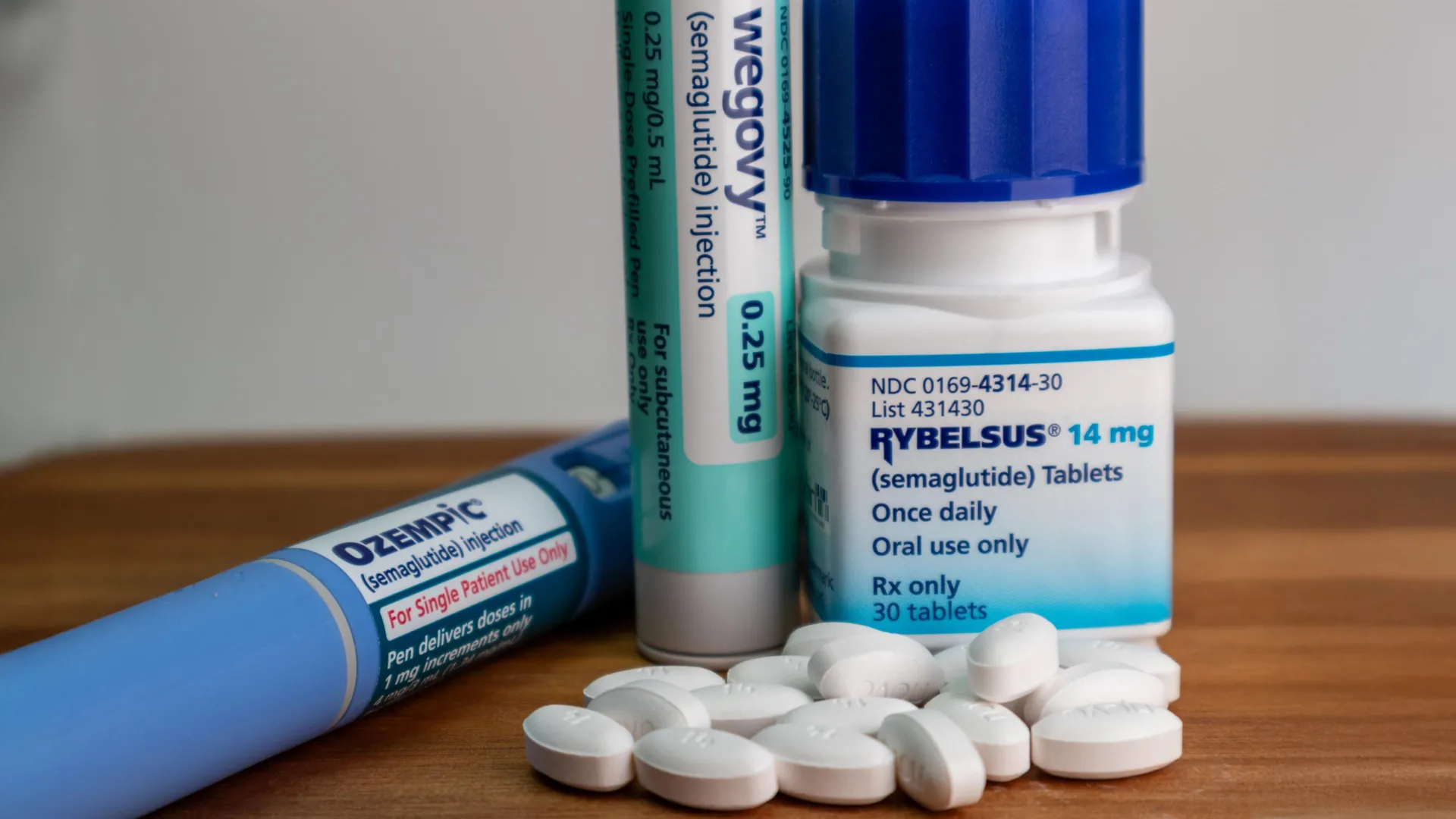
Popular weight-loss drugs Ozempic and Wegovy may slow biological aging

The growing popularity of GLP-1 medications such as Ozempic, Wegovy, and Rybelsus has largely been driven by their ability to help people lose weight, improve blood sugar control, and reduce the risk of cardiovascular disease. Now, researchers have uncovered another possible benefit. A new clinical trial suggests that semaglutide, the active ingredient in those medications, may also help slow some of the biological processes associated with aging.

Published in Nature Communications, the study provides the first randomized, placebo-controlled evidence in humans that semaglutide may slow the buildup of DNA markers linked to biological aging in adults living with HIV.

Semaglutide Slowed Biological Aging Markers

Scientists from the University of California San Diego and collaborating institutions examined data from an earlier clinical trial involving 108 adults with HIV-associated lipohypertrophy, a condition that causes excess fat to accumulate around the abdomen. Roughly half of the participants received weekly semaglutide injections, while the rest were given a placebo for comparison.

To evaluate aging, the researchers relied on several “epigenetic clocks.” These tools estimate biological age by measuring DNA methylation, a pattern of chemical tags that influences how genes are switched on or off without changing the DNA sequence itself. Changes in these markers can provide insight into whether the body’s cells appear to be aging faster or more slowly than expected.

People living with HIV often experience accelerated biological aging, even when the virus is well controlled with modern antiretroviral therapy, explained first author Michael Corley, PhD, an associate professor at the UC San Diego School of Medicine and the Stein Institute for Research on Aging.

Compared with participants who received placebo injections, those treated with semaglutide showed:

  • Slower biological aging across multiple epigenetic clocks tied to inflammation and the health of the blood, brain, heart, kidneys, liver, and metabolism.
  • A 9% slower pace of biological aging based on the DunedinPACE epigenetic clock.
  • A significant slowing of biological processes linked to age-related disease and all-cause mortality risk, as measured by the PCGrimAge epigenetic clock.

Why Could GLP-1 Drugs Affect Aging?

Researchers believe semaglutide may influence aging through several interconnected pathways.

GLP-1 medications reduce inflammation and improve metabolic health, which can decrease chronic immune activation, one of the major drivers of accelerated aging in people with HIV. They also reduce visceral fat, the fat stored deep around internal organs, as well as ectopic fat that accumulates in places where fat does not normally belong. Lower levels of these harmful fat deposits may reduce inflammatory signals that contribute to aging throughout the body.

“Emerging data also suggest that GLP-1 drugs may reprogram certain cells in different organs, which could help explain why we see effects across multiple aging clocks,” said Corley.

Findings Could Extend Beyond People With HIV

Although the research focused on people with HIV-associated lipohypertrophy, the investigators believe the findings could have broader implications.

“Many of the biological processes we study in HIV are also central to aging in the general population,” said Corley. “Because these processes can emerge earlier or be more pronounced in people with HIV, this community can help us identify interventions that may improve healthspan more broadly.”

Healthspan refers to the number of years a person remains healthy and free from major age-related disease, rather than simply how long they live.

Related Study Found More Signs of Slower Aging

The team also pointed to a pilot study published last month in npj Aging, which examined semaglutide treatment over 24 weeks in people with HIV and metabolic dysfunction-associated steatotic liver disease (MASLD), also known as fatty liver disease.

That study found:

  • Biological aging slowed in 42% of participants, based on the DunedinPACE epigenetic clock. Those individuals also experienced greater reductions in liver fat than participants whose biological aging accelerated.
  • Aging linked to all-cause mortality risk slowed in 34% of participants, according to the PCGrimAge epigenetic clock.
  • Nearly 49% of participants showed longer telomeres, the protective DNA caps at the ends of chromosomes, as measured by the PCDNAmTL epigenetic clock. Those participants also tended to walk faster after treatment, suggesting improvements in physical function.

Together, the two studies add to growing evidence that GLP-1 medications may affect biological pathways involved in aging.

Scientists Urge Caution

Despite the promising findings, the researchers emphasize that semaglutide is not an anti-aging drug.

“We are not saying that semaglutide reverses aging or makes people younger,” said Corley. “What we are seeing is a signal that it may slow some of the biological processes associated with aging. With newer GLP-1-based therapies now emerging, the field has an opportunity to test whether different drugs in this class have distinct effects on aging biology and to identify which patients may benefit most.”

Much larger clinical trials will be needed to confirm the results, determine how long any benefits last, and identify the most effective treatment schedules for both people with HIV and the broader population. Researchers also want to investigate whether combining GLP-1 medications with healthy habits such as diet, exercise, and quality sleep could produce even greater effects on biological aging.

Looking ahead, the Stein Institute for Research on Aging hopes to use these findings to develop personalized “aging dashboards” based on epigenetic clocks. The goal is to help clinicians monitor biological aging more precisely and design individualized treatments that target the underlying causes of age-related disease.

The Nature Communications study was funded in part by the National Institutes of Health (grants P30 AI036214, R01DK121619 and UM1TR004528) and the James B. Pendleton Charitable Trust. The related npj Aging study was also supported in part by the National Institutes of Health (grants P30 AI036214, UM1 AI068634, UM1 AI068636, UM1 AI106701) and the James B. Pendleton Charitable Trust.

Corley serves as a scientific advisor for TruDiagnostic.

Share Button

How deadly have the heatwaves in England and Wales been?

Experts suggest more than 2,700 people may have died from heat-related causes during the heatwaves.

Share Button

NASA’s Perseverance just completed a marathon on Mars

NASA’s Perseverance rover has reached a remarkable milestone on Mars, completing the equivalent of a full marathon (26.2 miles, or 42.195 kilometers) across the Red Planet. A new image captured on June 13, 2026, shows the rover as a tiny green speck against the Martian landscape, just one day before it officially reached the distance milestone.

Perseverance covered the marathon distance after five years and four months of driving, reaching the mark on the 1,890th Martian day, or sol, of its mission. That pace far surpassed NASA’s previous record holder, the Opportunity rover, which needed 11 years and two months to travel the same distance.

HiRISE Captures Perseverance From Orbit

The striking overhead image was taken by NASA’s Mars Reconnaissance Orbiter (MRO) using its High-Resolution Imaging Science Experiment (HiRISE) camera. Along with the rover itself, the image clearly reveals the winding tracks Perseverance has left behind as it explores the Martian surface.

At the time the image was captured, the rover was operating west of Jezero Crater in a region the mission’s science team has nicknamed “Arbot.”

The Teams Behind the Mission

NASA’s Jet Propulsion Laboratory (JPL) in Southern California, which is managed for NASA by Caltech, oversees operations for both Perseverance and the Mars Reconnaissance Orbiter on behalf of the agency’s Science Mission Directorate as part of the Mars Exploration Program.

Lockheed Martin Space in Denver built the Mars Reconnaissance Orbiter and continues to support its operations. The University of Arizona in Tucson operates the HiRISE camera, which was built by BAE Systems in Boulder, Colorado.

Share Button

How my period is supercharging my ADHD

A first-of-its-kind study by UK researchers is looking at the link between menstrual cycles and ADHD.

Share Button

Steven Spielberg Says Sam Neill Will ‘Never Be Forgotten’ In Beautiful Tribute

Steven Spielberg has paid a heartfelt tribute to the actor Sam Neill, who he directed in the first Jurassic Park movie.

On Monday, the Oscar-winning filmmaker was among the Hollywood stars to pay their respects to Sam, following his death at the age of 78.

In a statement to Variety, Spielberg shared how “saddened” he was by the loss, beginning by expressing his “gratitude” to filmmakers Roger Donaldson, Gilliam Armstrong, Graham Baker and Phillip Noyce “for casting Sam Neill in the roles in which he was so brilliant that brought him to my attention”, which led to him being cast in Jurassic Park.

Spielberg enthused: “Sam was exceptionally collaborative. It was a stretch for him to play a character who acted as though children were messy and smelly because this was the opposite of the loving father he was to his children.

“I adored making all the Jurassic movies with him. Along with Laura Dern and Jeff Goldblum, we will always have our Jurassic family and Sam will never be forgotten by us or his many millions of fans around the world.”

Laura Dern then shared her own tribute with the US outlet, which read: “Sam was my beloved lifetime friend.

“He showed me the depths of loyalty, protectiveness and love always with the driest of wit. He was a true and noble gentleman, wrapped up in my dream leading man.”

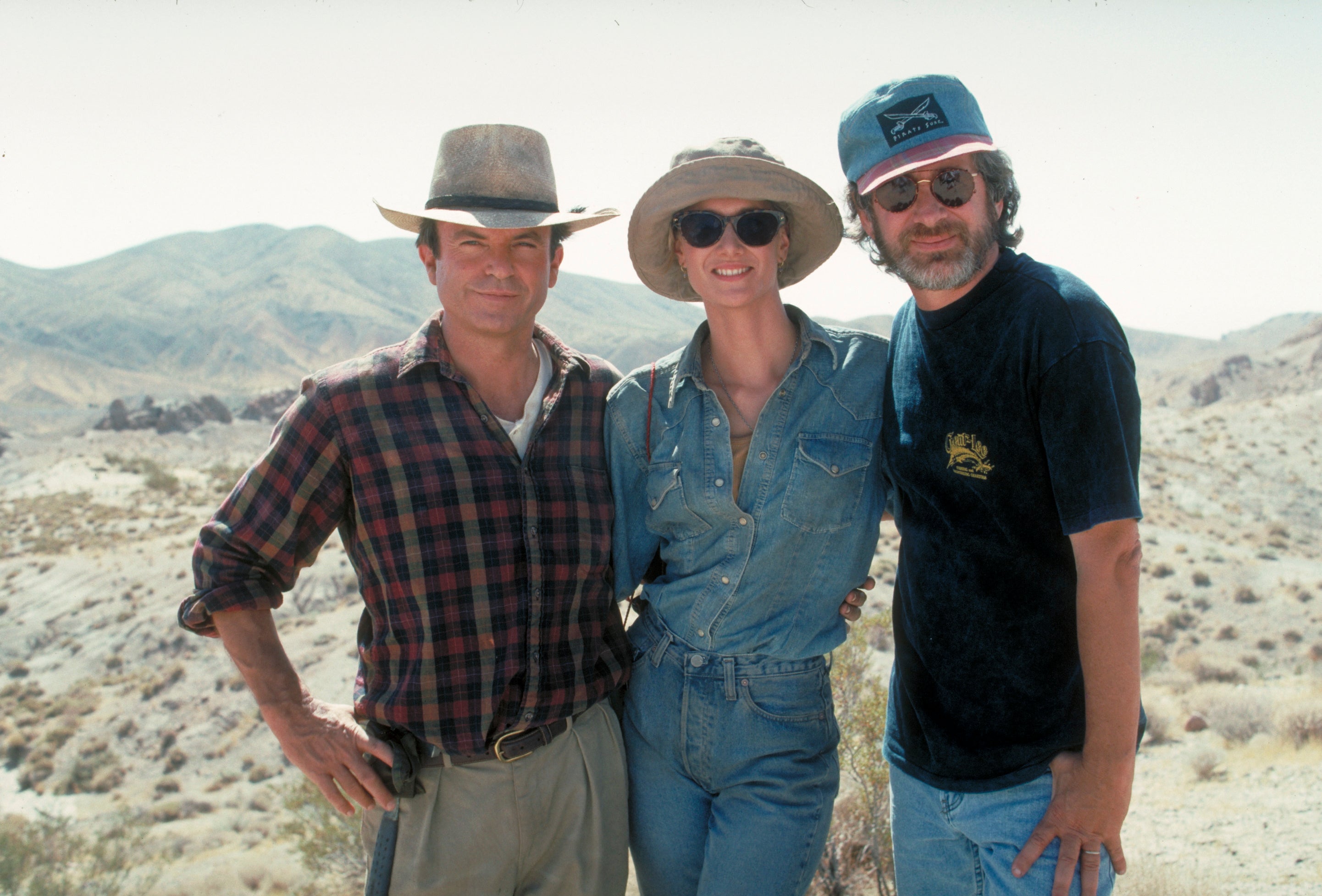
Laura Dern and Sam Neill played the leads in 1993's Jurassic Park
Laura Dern and Sam Neill played the leads in 1993’s Jurassic Park

Amblin/Universal/Kobal/Shutterstock

“I will love you forever, Dr. Alan Grant,” she concluded.

Following the news of Sam’s death on Monday morning, a number of his Hollywood peers and former co-stars have been paying their respects on social media…

Oscar winner Cillan Murphy, who starred alongside Sam in the first two seasons of Peaky Blinders, told Deadline: “Like everyone who knew and worked with Sam, I admired him and adored him in equal measure.

“He was one of the kindest, funniest and gentlest people, and one of the finest actors.”

New Zealand and Australia’s prime ministers, Christopher Luxon and Anthony Albanese, also posted tributes of their own.

“It is with immense sadness that the whānau of Sam Neill share the news of his passing on Monday 13 July, in Sydney Australia,” his family announced in a statement.

“Sam was surrounded by family and passed with the dignity that has characterised his whole life.”

The Emmy nominee’s death was described as “sudden and unexpected but blessed by the fact that Sam remained cancer-free”.

Share Button

Nigel Farage Says He Is Being Treated Like ‘A War Criminal’ By The Media

Nigel Farage has been criticised after claiming he is being “treated like a war criminal” by his critics.

The Reform UK made the astonishing remark while being interviewed by the party’s in-house podcast.

He was speaking after he shocked Westminster last week by quitting as MP for Clacton to trigger a by-election in the seat.

Farage claimed he was the victim of a “witch hunt” as he faces a parliamentary standards investigation over a £5 million gift from a Thailand-based crypto billionaire but did not declare.

He could also face separate probes over support he received from convicted fraudster George Cottrell and lobbying he has done on cryptocurrency.

On the podcast, he said calling the by-election was “the right thing to do”.

“I think effectively I’m being treated like a war criminal,” he said.

“It’s quite astonishing, and it’s like our mainstream media think we have to defer to them at all times, and I just don’t buy that.

“You look at today’s press and they say he doesn’t want scrutiny. I don’t mind scrutiny, but I do mind illegally obtained information, I do mind computer hacking. I genuinely mind those things, and the intimidation of my family.

“I just thought it had all reached such a frenzy that I had to do something.”

The decision to trigger the by-election has backfired, though, after Labour, the Tories, the Lib Dems, Greens and Restore Britain all said they would not stand candidates in the contest.

The Reform leader said: “I’ve done something positive. They wanted a by-election here. Well now they’ve got one and they don’t want to stand.”

A Labour Party spokesperson said: “Farage needs to wake up and realise that the public expect all politicians to be held to account for their actions.

“Farage is not a war criminal, but he is trying to dodge scrutiny over a secret £5 million ‘gift’ from a crypto billionaire and undeclared donations from a convicted fraudster, and it’s perfectly reasonable for people to ask him questions about it.

“Farage can keep trying to distract, but the public can increasingly see that he’s just in it for himself and he thinks the rules don’t apply to him.”

Listen to Commons People, the podcast that makes politics easy. Every week, Kevin Schofield and Kate Nicholson unpack the week’s biggest stories to keep you informed. Join us for straightforward analysis of what’s going on at Westminster.

Share Button