4 Bits Of News You May Have Missed Due To The Tory Civil War

It’s difficult to stay across all of the news at the best of times, never mind when a Tory civil war is unfolding.

Boris Johnson’s resignation and the battle for his place in No.10 has definitely dominated the news cycle for the last two weeks.

And while the appointment of the new prime minster is important, the government turmoil means other stories may have slipped under the radar.

So here are four other bits of news that you may have missed.

1. Russia makes progress in Ukraine

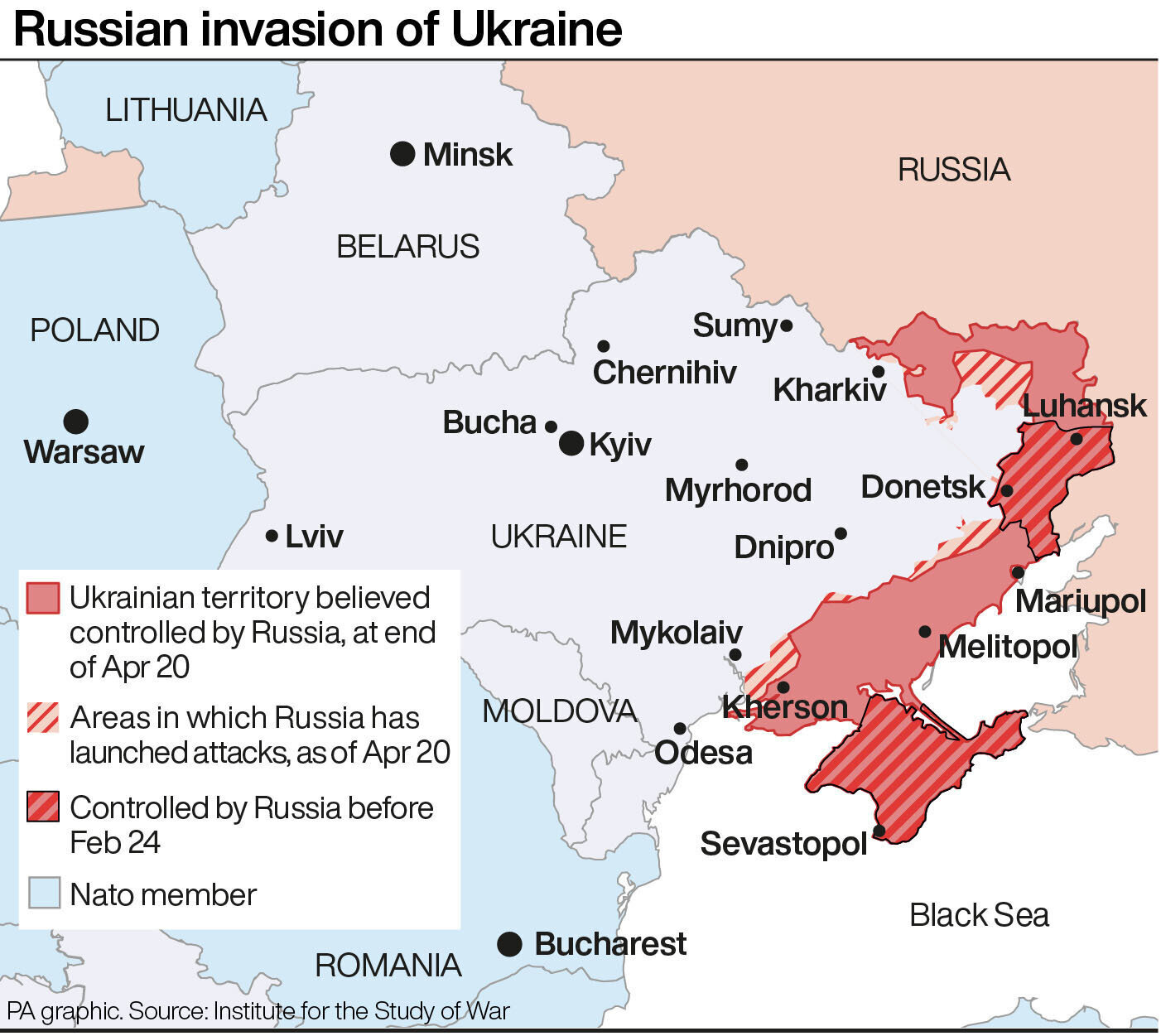
On Thursday, Russia targeted a densely populated area in Kharkiv, killing at least two people and injuring 21 more. It looks as though the shelling him a market, a bus stop, a gym and a residential building.

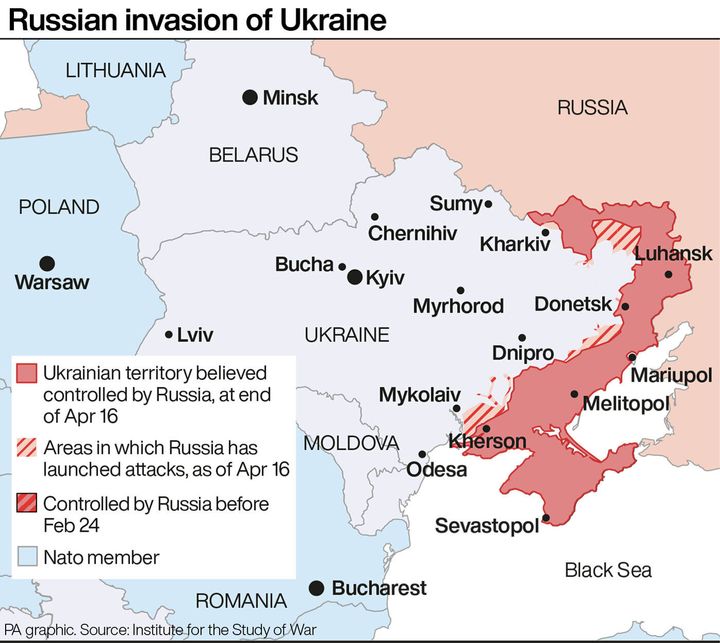
It comes after Moscow’s foreign minister Sergei Lavrov announced that Russia was expanding its military objectives in Ukraine on Wednesday.

This means it is essentially looking to take control of the entire southern regions of Ukraine, and that the Russian Armed Forces are moving beyond the so-called “People’s Republics” of Donestk and Luhansk in the east.

The invasion is now in its fifth month, and continues to take much longer than Russia initially predicted. But, despite the slow start and the strong resistance from Ukrainian forces and the repelling of Russian troops from other corners of the country (including the capital Kyiv), it seems Putin is not giving up.

Meanwhile, Ukrainian foreign minister Dmytro Kuleba tweeted in response to the expansion of the Kremlin’s military aims that “Russians want blood, not talks”, and called for more help from allies.

Lavrov has warned the West that the Kremlin will continue expanding its objectives if Nato allies continue supplying the country with long-range weapons.

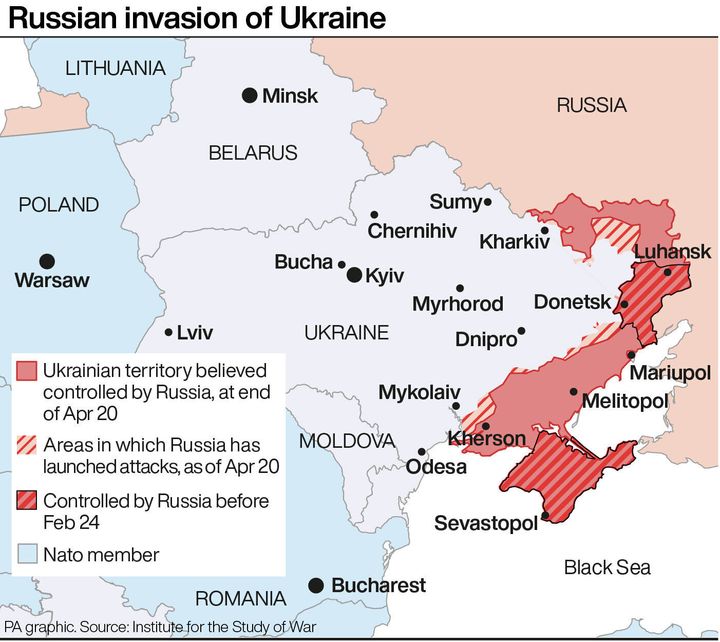
Russian invasion of Ukraine

PA Graphics via PA Graphics/Press Association Images

2. Worker strikes continue

The summer of discontent is still rolling on, with Royal Mail workers voting to go on strike over pay on Tuesday.

More than 115,000 employees who are part of the Communication Workers Union supported the action, which – if it goes ahead – could amount to the largest walkout ever by its members.

When Royal Mail tweeted that it was “disappointed” by the strike action, the CWU replied: “Dry your eyes mate.”

Disputes over pay are affecting industries across the UK, with railway workers and airport employees pushing back against their current salaries due to the cost of living crisis.

CWU is just one of many unions to ballot for strikes recently, as inflation climbs to highest rate in 40 years.

3. Annual grocery bills climb by £454

Shoppers across the UK will soon see their annual grocery bills for the year jump up by £454 due to food and drink inflation.

Grocery price inflation increased to 9.9% in the four weeks leading up to July 10, according to retail research firm Kantar, having been at 8.3% the previous month.

Fraser McKevitt, the head of retail and consumer insight at Kantar, told PA news agency that he expects the record for grocery inflation to be broken “come August”.

4. NHS not coping with Covid

While the worst of the heatwave has passed (for now), the health service is still having to grapple with Covid infections, more than two years on from the first lockdown.

Editor of the British Medical Journal, Dr Kamran Abbasi, and Health Service Journal editor, Alastair McLellan, wrote an alarming editorial on Monday, warning that the NHS might buckle under the ongoing Covid pressures.

This is down a range of factors, including periods of underfunding over the last decade, “lack of an adequate workforce plan” and “a cowardly and short-sighted failure to undertake social care reform”.

Now, it seems the government’s “living with Covid” strategy might be the final straw with yet another wave of infections washing across the UK.

Abbasi and McLellan claimed that the government is “pretending it is not happening or implying it is all under control”, and said the health service was actually “dying” from Covid.

They called for the government to “stop gaslighting the public” and be honest that the pandemic is still very much looming over the NHS.

Share Button

GB News Anchor Makes Don’t Look Up A Reality With Her Reaction To ‘Lethal Weather’

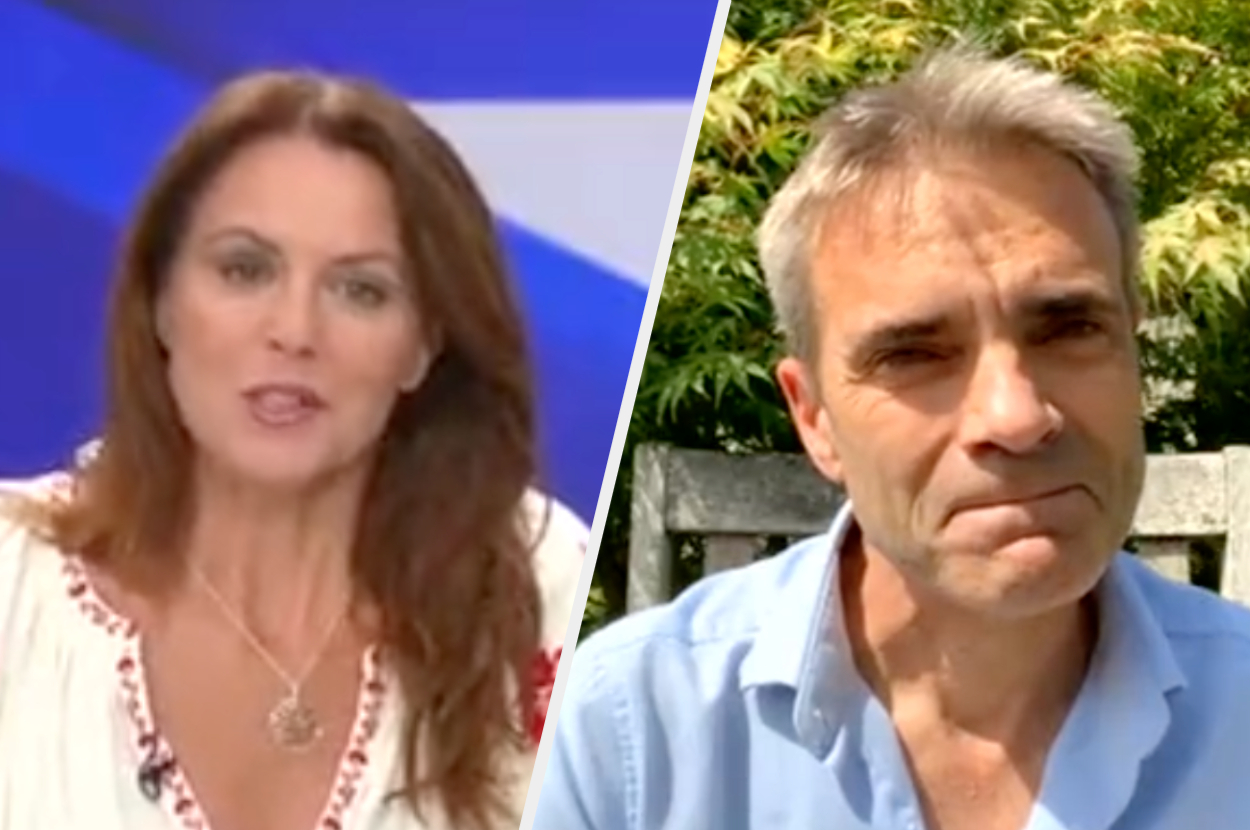
A GB News anchor appeared to channel the characters from the hit film Don’t Look Up in a bizarre exchange with an actual expert on Thursday.

Adam McKay’s stark sci-fi, starring Leonardo DiCaprio and Jennifer Lawrence, followed two scientists trying – and failing – to warn the world that a meteor was approach the Earth, soon to destroy it.

It was clearly a thinly-veiled reference to the warnings the world has had over the climate crisis.

One of the scenes then seemed to play out in real life on GB News, when anchor Bev Turner appeared to dismiss the serious implications of the heatwave which has already descended on the UK, and may hit highs of 40C next week.

Addressing John Hammond, a meteorologist, on Wednesday, she said: “See John, you’re outside enjoying the sunshine. It’s not too hot, is it?”

He replied that the weather was much more mild – before issuing a stark reminder that “by earliest next week, you could scrap 20C, as it could well be 40C”.

″I think there will be hundreds if not thousands of excess deaths early next week.”

He said the charts he could see in front of him are “frightening”, adding that this will not be “nice weather”.

“This will be potentially lethal weather for a couple of days. It will be brief but it will be brutal.

“Oh John,” the anchor cut across. “I want us to be happy about the weather!

“I don’t know if something has happened to meteorologists to make you all a little bit fatalistic and harbingers of doom, but broadcasters – particularly on the BBC – every time I’ve turned on, anyone is talking about the weather and they’re saying there’s going to be tons of fatalities.

“But haven’t we always had hot weather, John?

“Wasn’t the summer of 76 – that was as hot as this, wasn’t it?”

“Er, no,” the expert replied. “And we are seeing more and more records, more and more frequently, and more more severely, so yes some people always hark back to the summer of 1976, which was a freak event, over 40 years ago.

″But heatwaves are becoming more extreme, this is yet another one that is coming down the tracks towards us and I don’t think we should be too lighthearted over the fact that many are going to die over the next week because of the heat. Forty degrees [Celsius] – the sort of temperature, I’m afraid, that this country is just not geared up to cope with.”

He urged employers to consider their workers’ safety on the way to work, and for employees to think about their own commutes.

This clip was also released online a day before the the UKHSA confirmed that the UK was in a national heat emergency.

The highest temperature ever recorded in the UK is 38.7C in 2019 – and temperatures are set to surpass that next week.

Share Button

Scientists Find World’s Largest Plant In Australia And It’s 4,500 Years Old

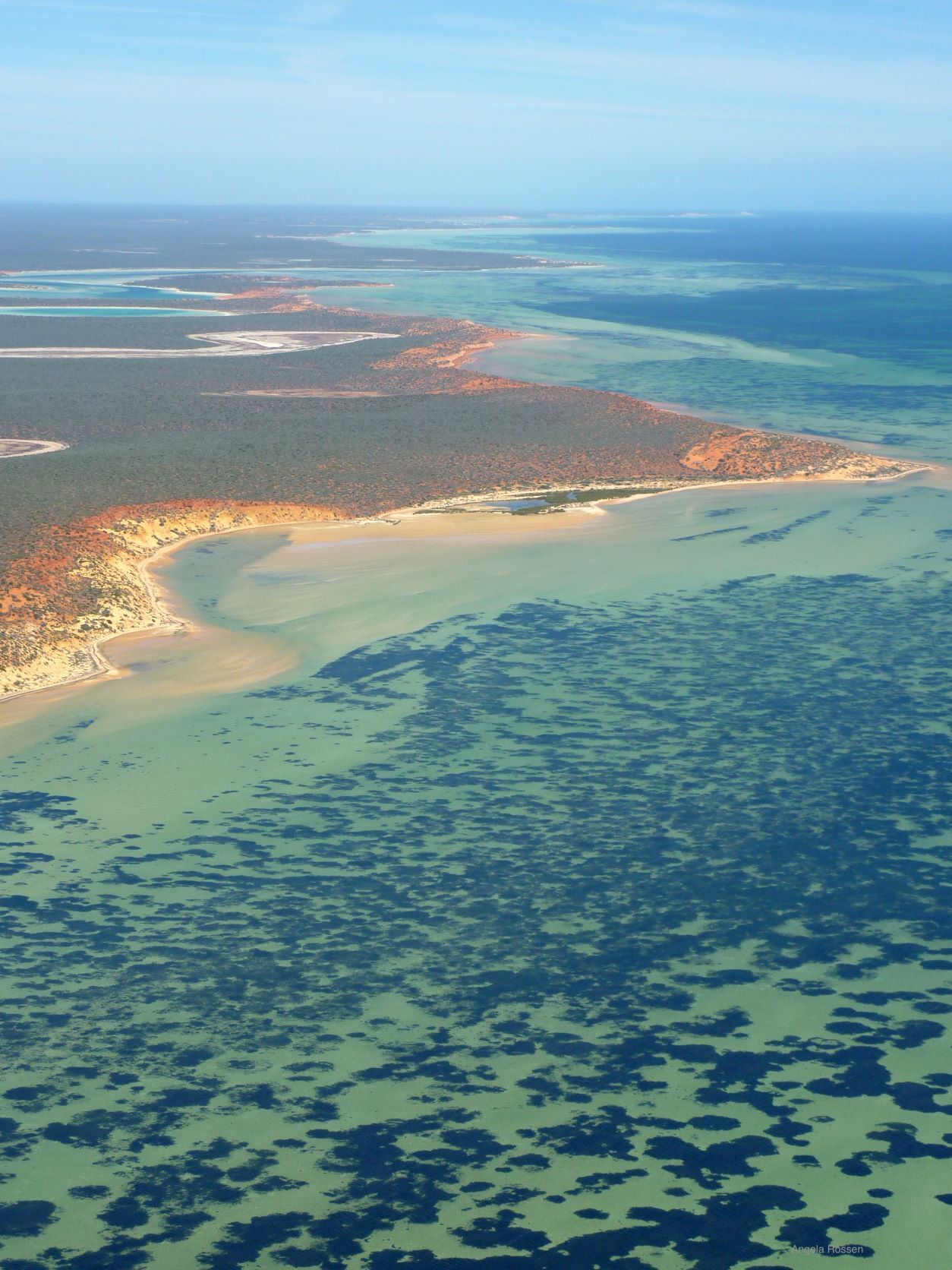
Researchers have made a startling discovery beneath the waters off Western Australia. A meadow of sea grass stretching more than 110 miles long was actually a single plant that had spent the past 4,500 years cloning itself to carpet an area three times larger than Manhattan.

The findings, published Wednesday in the Proceedings of the Royal Society B, make the colony of Posidonia australis, or ribbon weed, the largest known plant on Earth, scientists said.

Elizabeth Sinclair, a senior research fellow at the University of Western Australia and a lead author of the study, said her team has been testing seagrass meadows around Australia for genetic diversity for years to see how they respond to climate change. When her team visited an area known as Shark Bay, a relatively pristine landscape untouched by development, they went beneath the waves to collect samples of seagrass to see what types of plants were growing across the ocean floor.

The answer was one.

“It’s quite bizarre when you think about it, there’s this plant in one end of the bay and then you move 100 kilometres down to the other end and it’s the same plant,” Sinclair said.

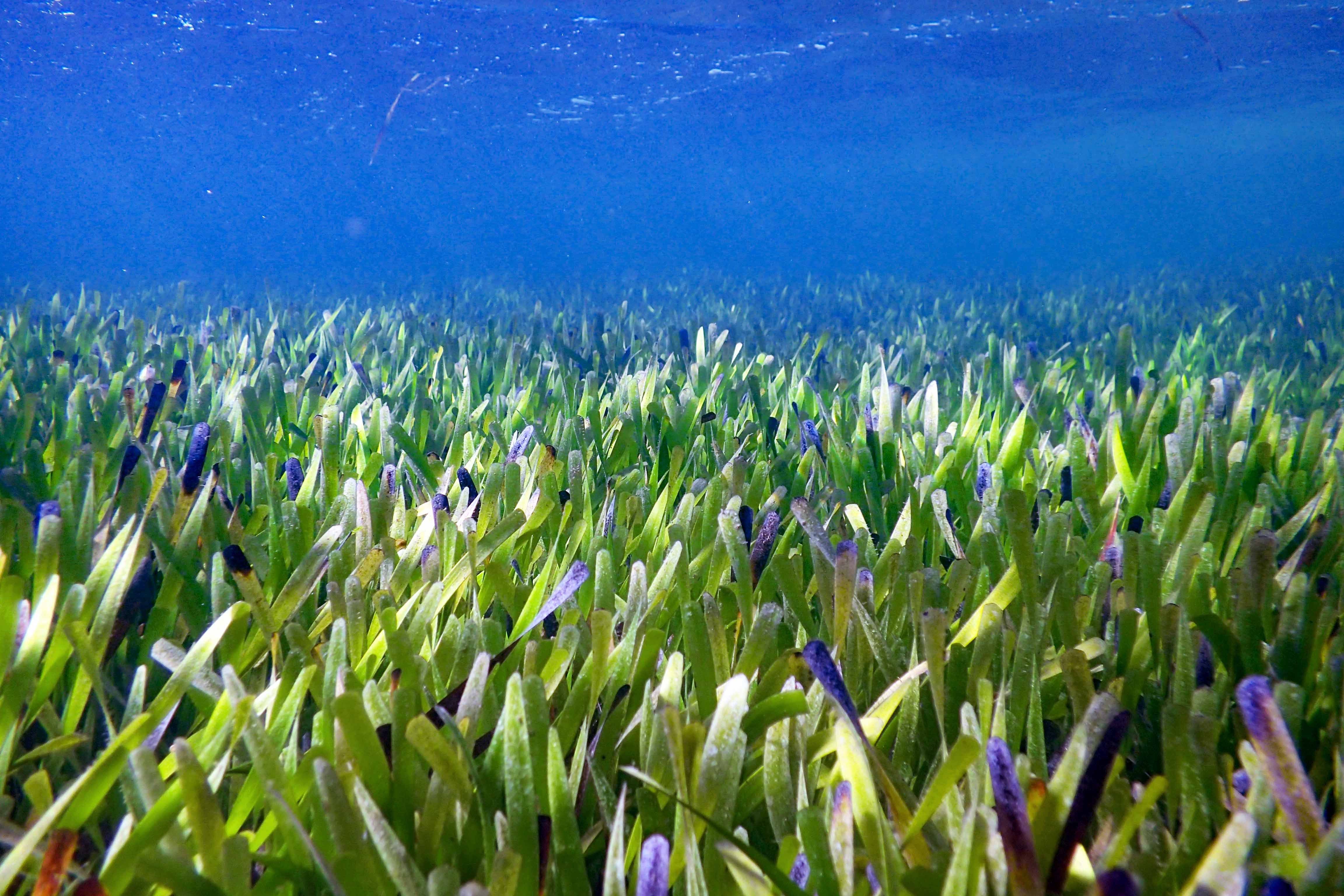
Scientists say the meadow of ribbon weed is all genetically identical after cloning itself to cover an area three times larger than Manhattan.

Rachel Austin/University of Western Australia

Her team hypothesised that thousands of years ago, a single seagrass seedling landed in the bay. It was particularly suited to survive in different oceanic environments due to its unusual genome.

Most comparable plant offspring contain 50% of each parent’s genes. But Posidonia australis has 100% from each parent, making it a polyploid, meaning it has double the usual number of chromosomes.

“Polyploid plants often reside in places with extreme environmental conditions, are often sterile, but can continue to grow if left undisturbed, and this giant seagrass has done just that,” Sinclair said in a statement. “Even without successful flowering and seed production, it appears to be really resilient, experiencing a wide range of temperatures and salinities plus extreme high light conditions, which together would typically be highly stressful for most plants.”

The ribbon weed has slowly grown through a series of runners — like a normal turf lawn — to stretch nearly 80 square miles. The researchers estimate its age at about 4,500 years, based on the species’ size and growth rate.

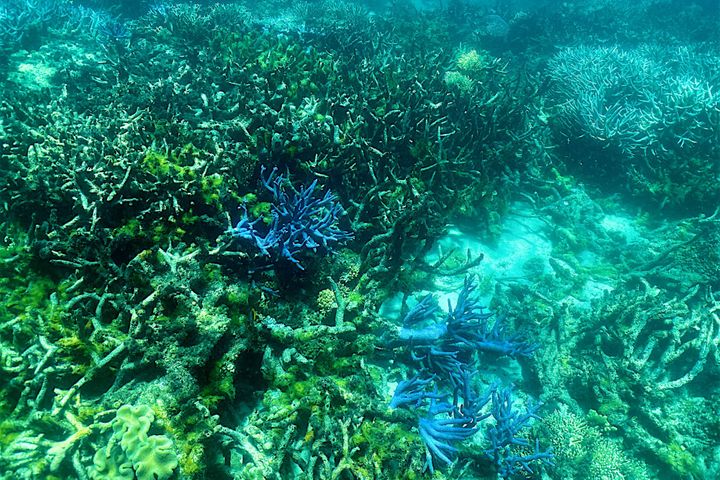
Like other delicate oceanic structures, namely corals, seagrass meadows are susceptible to climate change. A severe heat wave in 2010 and 2011 sparked widespread damage to the Shark Bay meadows, killing about a third of the seagrasses. Underwater meadows are also home to many different species and serve a key role in an area’s biodiversity.

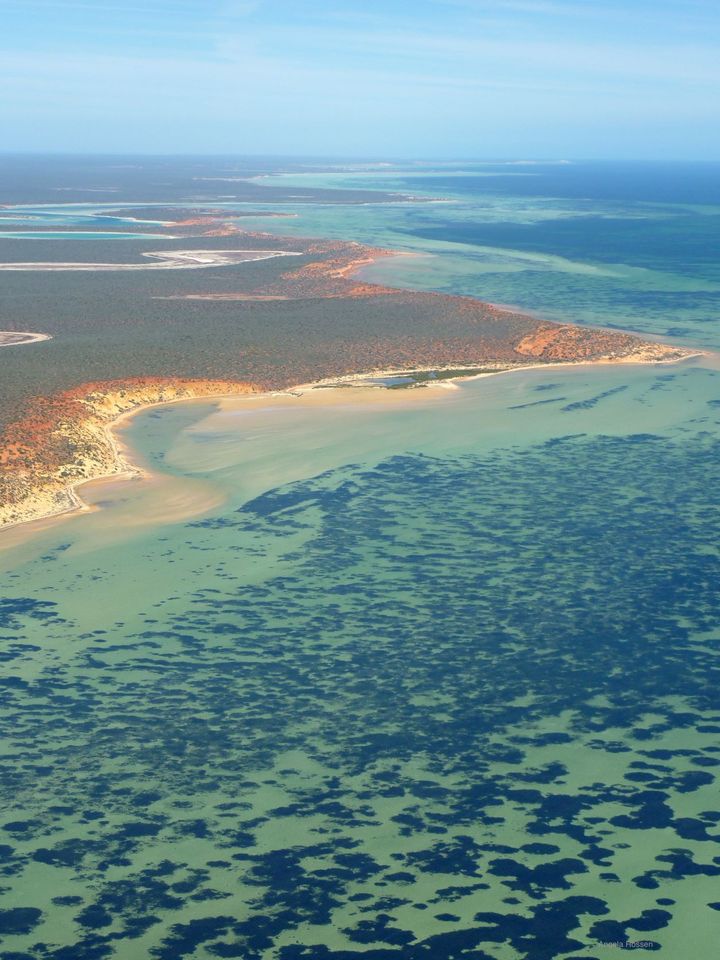
An aerial view of the seagrass meadow in Shark Bay.

Angela Rossen // University of Western Australia

“You lose a plant that creates this whole environment and you lose all the biodiversity that goes with it,” Sinclair said, adding that the 2010-2011 event had calamitous effects. “The turtles were going hungry, the dolphins weren’t getting enough fish, the whole network is connected.”

Although the ribbon weed has already begun to recover and spread since that event, Sinclair cautioned that climate change still poses a threat to region.

She also noted that it was “scary” how researchers had only just discovered the remarkable colony hiding beneath the waves, noting climate change could rip such species away before humans had a chance to discover them.

“It’s scary because we might lose it before we find out about it,” Sinclair said. “It might be gone before we even know.”

Share Button

The Battle For The Donbas: Why This Is A Significant New Phase Of The Russia-Ukraine War

A new phase of the war between Russia and Ukraine has begun, Ukrainian president Volodymyr Zelenskyy said on Monday night.

“Now we can already state that the Russian troops have begun the battle for the Donbas,” he said in a video address about the long-feared, full-scale offensive to take control of Ukraine’s east.

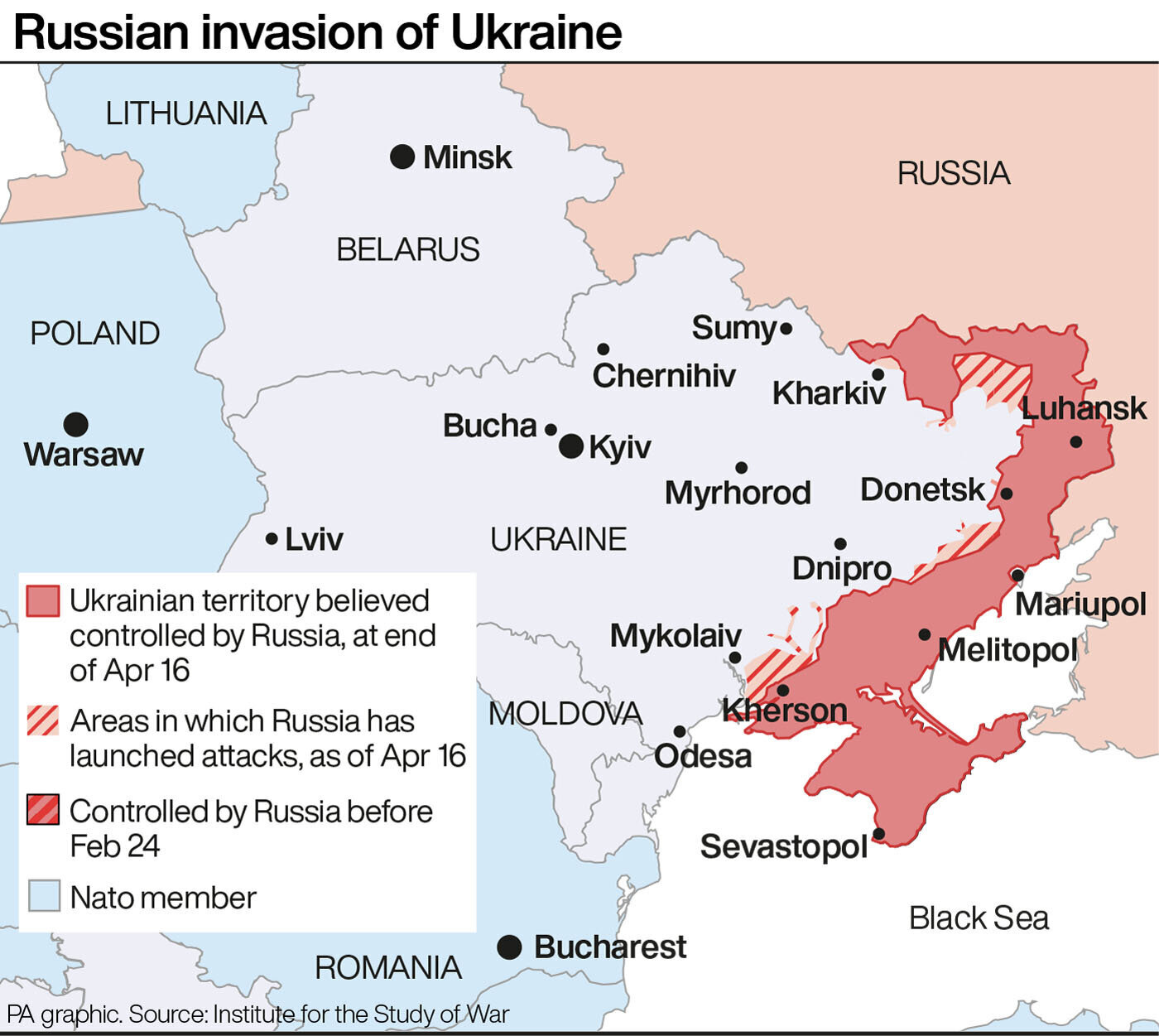
With a “significant part of the entire Russian army” now deployed in the region, according to Zelenskyy, here’s what you need to know about what could be a turning point in the conflict.

What has happened so far?

On February 24, Russia invaded neighbouring Ukraine. Tanks and soldiers streamed across the border, scenes more reminiscent of the Second World War than the remote cyber warfare that modern conflict was supposed to be dominated by.

Russia’s invasion has damaged or destroyed up to 30% of Ukraine’s infrastructure at a cost of $100 billion, Ukrainian officials have said, as the United Nations revealed the civilian death toll has now surpassed 2,000. About four million Ukrainians have fled the country.

But Russia’s swift march to victory did not materialise. Driven back by Ukrainian resistance in the north, Moscow has refocused its ground offensive in the two eastern provinces known as the Donbas, while launching long-distance strikes at other targets including the capital, Kyiv.

What does the Donbas matter?

The Donbas is Ukraine’s mostly Russian-speaking industrial heartland in the east, where Moscow-backed separatists have been fighting Ukrainian forces for the past eight years and have declared two independent republics that have been recognised by Russia.

In recent weeks, the Kremlin declared the capture of the Donbas its main goal of the war after its attempt to storm Kyiv failed. After withdrawing from the capital, it began regrouping and reinforcing its ground troops in the east for what could be a climactic battle.

On Monday, Ukraine military generals said Russian forces were increasing assaults in the Luhansk and Donetsk regions – both of which are part of the Donbas – as well as in the area of Zaporizhzhia.

They also said Russia was sending reinforcements to the Crimean peninsula – seized from Ukraine in 2014 – and to the Rostov-on-Don area, which borders Ukraine.

PA Graphics via PA Graphics/Press Association Images

Zelenskyy’s chief of staff Andriy Yermak called it “the second phase of the war” and assured Ukrainians that their forces could hold off the offensive. “Believe in our army, it is very strong,” he said.

The Associated Press reported a senior US defence official saying there are now 76 Russian combat units in eastern and southern Ukraine, up from 65 last week. That could translate to around 50,000 to 60,000 troops.

Russia’s stuttering campaign means control of eastern Ukraine has taken added significance, and may prompt the fiercest fighting yet. Russia needs some kind of “win” – recognising Russia’s claims in the Donbas and Crimea has also been the central plank of Vladamir Putin’s demands at failed peace talks – and following the sinking of its Black Sea lead ship, Putin will not be contemplating further embarrassment.

Wider attacks prepared the ground?

The new offensive in the east came as a Russian missile attack killed seven people in Lviv, the first civilian victims in the western city about 40 miles from Poland. It was one of a multitude of other targets across Ukraine in what appeared to be an intensified bid to grind down the country’s defences.

Lviv has seen only sporadic attacks during almost two months of war and has become a haven for civilians fleeing the fighting elsewhere.

In other developments, Ukrainian troops remained holed up at a mammoth steel mill in Mariupol, the last known pocket of resistance in the devastated southern port city.

The capture of Mariupol, where Ukraine estimates 21,000 people have been killed, is seen as key, and not just because it would deprive Ukraine of a vital port and complete a land bridge between Russia and the Crimean peninsula.

General Richard Dannatt, a former head of the British Army, told Sky News that Russia is waging a “softening-up” campaign ahead of the Donbas offensive.

The US defence official said that if Russian forces succeed in taking full control of Mariupol, that could free up nearly a dozen combat units for use elsewhere in the Donbas.

Is support from the West likely to grow?

Given the changing dynamics of the war, Ukraine is calling for an increasing supply of Western weapons.

Last week, US president Joe Biden announced an additional $800 million in military assistance to Ukraine, expanding the aid to include heavy artillery ahead of the wider Russian assault expected in eastern Ukraine.

The US military expects to start training Ukrainians on using howitzer artillery in coming days, with the training taking place outside Ukraine.

The Sun reported Boris Johnson is set to provide Ukraine with tank-mounted Stormer armoured missile launchers, another sign the West is prepared to offer as much military hardware as possible without triggering a wider Nato vs Russia conflict.

Share Button

Why Does Elon Musk Want To Buy Twitter?

Elon Musk, the richest person in the world, has offered to buy Twitter for more than 40 billion dollars (£30.5 billion) in a move that prompted the same question across the world: why?

The billionaire Tesla and SpaceX boss has proposed buying “100% of Twitter for $54.20 per share in cash”, valuing the company at $41.39 billion.

The 50-year-old, whose bid comes soon after he bought a 9% stake in Twitter and said he would join the board, believes changes are needed in order to help the site thrive and better support free speech.

In just ten days, Musk has gone from popular Twitter contributor to the company’s largest individual shareholder to a would-be owner of the social platform — a whirlwind of activity that could change the service dramatically given Musk’s self-identification as a “free speech absolutist”.

Who is Elon Musk?

Musk, 50, has an estimated $273.6 billion (£209.21 billion) fortune that makes him the wealthiest person in the world, worth $92.3 billion (£70.58 billion) more than runner-up Jeff Bezos. Musk was born in Pretoria, South Africa, to a Canadian mother and South African father and later attended the University of Pennsylvania, where he graduated in 1997.

With a stable of businesses ranging from electric cars to private rocket ships, Musk did not found Tesla, which he has led from 2008. But his insight that the firm’s electric cars should be high-performance machines with sophisticated, smartphone-style software revolutionised the global auto business, prompting established companies to try to catch up while spurring new, all-electric competitors. Wall Street values Tesla at more than $1 trillion – more than all three Detroit car makers, plus Toyota Motor Corp, combined.

At the same time, his company SpaceX, has upended the space launch industry by developing rockets capable of putting satellites into space and returning to Earth for re-use.

Perhaps more than any other person, Musk has helped bring bitcoin and other cryptocurrencies into the mainstream, with Tesla holding about $2 billion in bitcoin on its balance sheet and the company among the few to accept dogecoin as payment.

Musk and Twitter

Twitter helped Musk become a household name. He has 81 million followers and built a pop culture following large enough to help him earn a spot hosting the venerable US comedy TV show Saturday Night Live in 2021.

Musk has used Twitter to go after investors, and he posts on everything from Dad jokes to polls on what he should do with his gains from Tesla’s surging stock price.

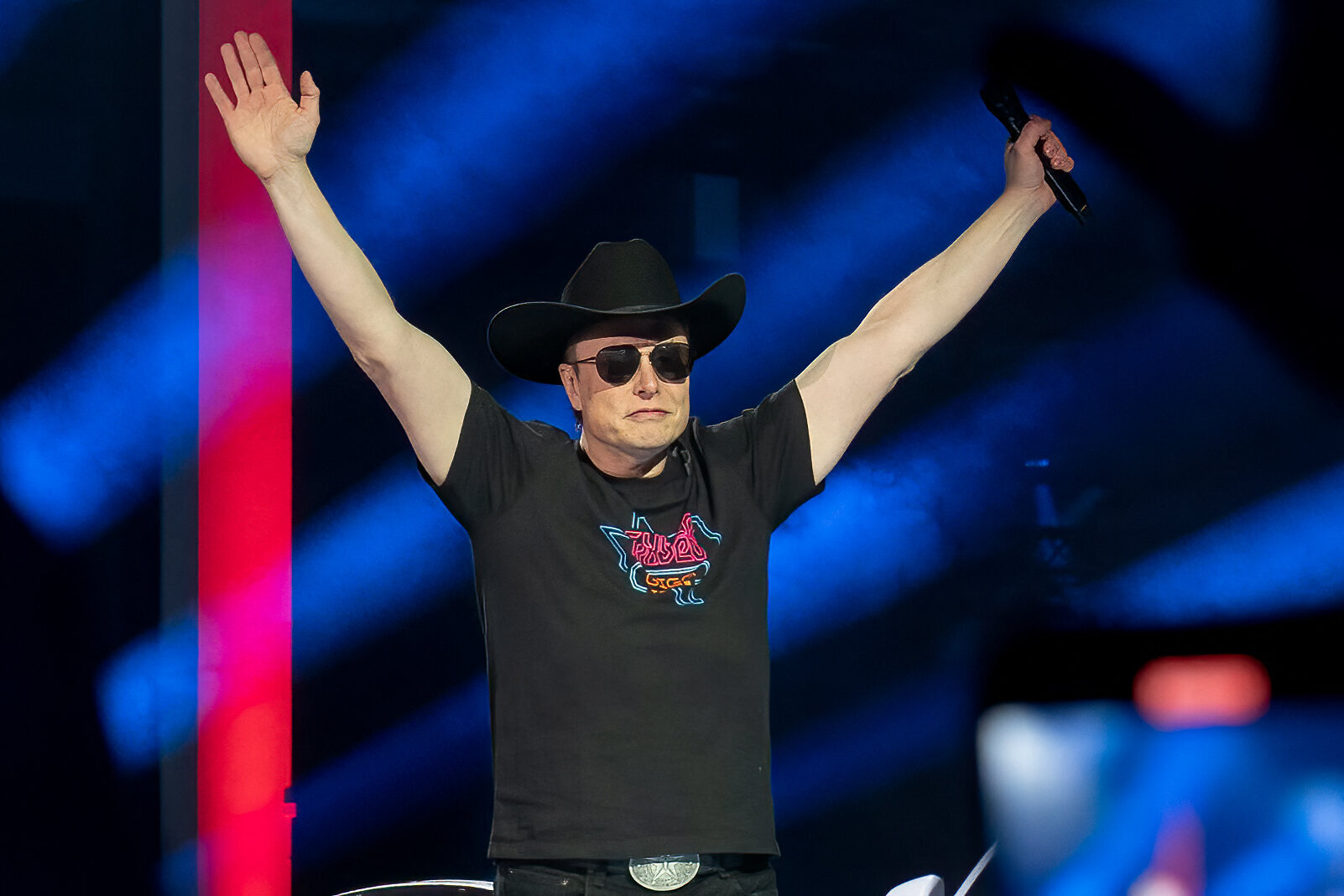
<img class="img-sized__img landscape" loading="lazy" alt="Elon Musk speaks at the Tesla Giga Texas manufacturing "Cyber Rodeo" grand opening party in Austin, Texas.” width=”720″ height=”480″ src=”https://www.wellnessmaster.com/wp-content/uploads/2022/04/why-does-elon-musk-want-to-buy-twitter-3.jpg”>
Elon Musk speaks at the Tesla Giga Texas manufacturing “Cyber Rodeo” grand opening party in Austin, Texas.

SUZANNE CORDEIRO via Getty Images

While Twitter’s user base remains much smaller than those of rivals such as Facebook and TikTok, the service is popular with celebrities, world leaders, journalists and intellectuals. Musk’s followers rival pop stars such as Ariana Grande and Lady Gaga.

What’s been going on?

Musk began buying Twitter stock in earnest only a few months ago.

Earlier this month, it was announced he had bought a 9% stake and would join the board, only for Twitter chief executive Parag Agrawal to confirm that Musk had changed his mind just days later.

Now the billionaire entrepreneur has offered to buy the company outright.

In his offer letter to Bret Taylor, chairman of the Twitter board, Musk said he had invested in the social media platform “as I believe in its potential to be the platform for free speech around the globe, and I believe free speech is a societal imperative for a functioning democracy”, but added “since making my investment I now realize the company will neither thrive nor serve this societal imperative in its current form”.

He said the move was his “best and final offer” and if not accepted the billionaire “would need to reconsider my position as a shareholder”.

Twitter has confirmed it has received the offer and said it will now consider it.

How could Twitter look?

Much of Musk’s vocal criticism of Twitter over recent weeks has centred around his belief that it falls short on free speech principles. The social media platform has angered followers of Donald Trump and other far-right political figures who’ve had their accounts suspended for violating its content standards on violence, hate or harmful misinformation.

Musk also has a history of his own tweets causing legal problems. He has previously run into problems with US regulators at the Securities and Exchange Commission (SEC) over his own tweets, having been accused of breaching trading rules when tweeting about his business interests.

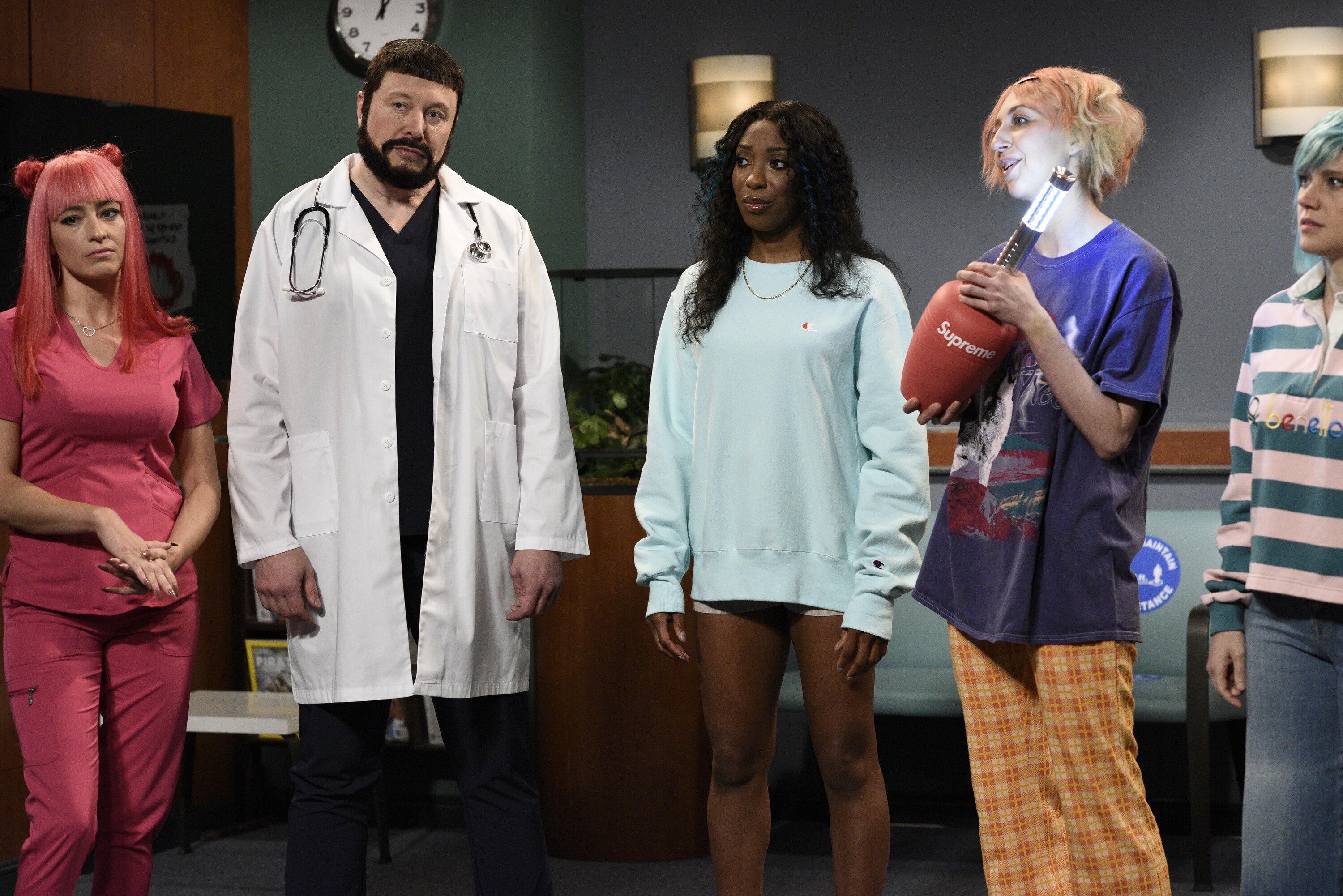
<img class="img-sized__img landscape" loading="lazy" alt="Elon Musk, second from left, on Saturday Night Live.” width=”720″ height=”480″ src=”https://www.wellnessmaster.com/wp-content/uploads/2022/04/why-does-elon-musk-want-to-buy-twitter-4.jpg”>
Elon Musk, second from left, on Saturday Night Live.

NBC via Getty Images

Musk has also been accused of tweeting misinformation about Covid-19 after posting in March 2020 that children were “essentially immune” to the disease.

The entrepreneur outlined some specific potential changes on Thursday — like favouring temporary rather than permanent bans — but has mostly described his aim in broad and abstract terms.

“I believe free speech is a societal imperative for a functioning democracy,” Musk said in the filing. “I now realise the company will neither thrive nor serve this societal imperative in its current form. Twitter needs to be transformed as a private company.”

Some believe a Musk takeover could mean a return to the platform for Trump and others, but reinstating those users would be a highly controversial move and could bring further scrutiny to the company and its approach to moderation, just as major new regulation for the sector is on the horizon.

Share Button

Zelenskyy: Russians Committing ‘Most Terrible War Crimes’ In Ukraine Since Second World War

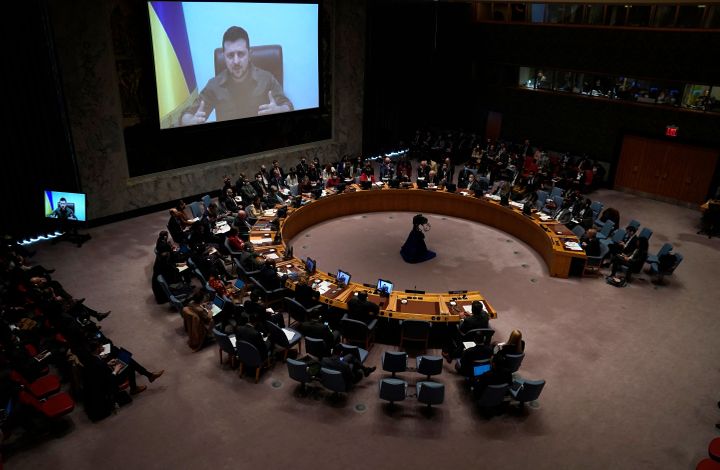
Addressing a meeting of the United Nations Security Council remotely on Tuesday, Ukrainian President Volodymyr Zelenskyy described the alleged atrocities uncovered in recent days as Russian troops moved out of areas in northern Ukraine.

“The most terrible war crimes we’ve seen since the end of World War II are being committed,” Zelenskyy told the council assembled in New York City, later arguing that “Russia wants to turn Ukraine into silent slaves.”

Zelenskyy proposed a tribunal for Russians who ordered or carried out war crimes similar to the Nuremberg trials in the years directly following the second world war.

Ukrainian authorities and journalists have seen evidence of widespread civilian casualties in Bucha, a suburban area northwest of Kyiv. U.S. Secretary of State Antony Blinken described the casualties as evidence of “a deliberate campaign to kill, to torture, to rape” ― not “the random act of a rogue unit.”

President Joe Biden on Monday called for Russian President Vladimir Putin to be held accountable for the violence, which he described as a war crime.

Russia has repeatedly asserted that the violence was committed after its forces left the region. Blinken, however, said Tuesday that reports of atrocities committed by the Russians are “more than credible.”

“I’m addressing you on behalf of the memory of the deceased,” Zelenskyy told the U.N. council. “They died suffering.”

He alleged that Russian troops searched for and killed “anyone who served our country,” including entire families, executing many people in the street. Other people were thrown in wells, Zelenskyy claimed, and some had their limbs or tongues removed. Photographs showed that some of the dead had their hands tied behind their backs.

The world has yet to see the full extent of the brutality, Zelenskyy added.

Ukrainian President Volodymyr Zelenskyy remotely addresses a meeting of the United Nations Security Council in New York City on April 5.

TIMOTHY A. CLARY via Getty Images

The Russians’ behavior is “no different than ISIS,” Zelenskyy said. “And here it is done by a member of the United Nations Security Council.”

The Ukrainian leader condemned the group, whose permanent members include the Russian Federation, for not doing more to end the conflict. He proposed three options: Remove Russia from the security council, reform the council, or dissolve it completely.

Citing what he called Ukraine’s “moral right” to propose reforms, Zelenskyy argued that Russia’s veto power makes the council worthless in fulfilling its main purpose of peacekeeping.

There is currently no process for removing a member of the security council.

“Accountability must be inevitable,” Zelenskyy said.

The Ukrainian delegation sent a video to be played following the president’s remarks, but technical issues prevented it from being shown immediately afterward.

U.S. Ambassador to the United Nations Linda Thomas-Greenfield subsequently announced that the U.S. would seek to suspend Russia from the United Nations Human Rights Council, noting that Russia has used false allegations of human rights abuses on the part of Ukraine to justify its invasion.

Share Button

What Is An NFT? Rishi Sunak Asks Royal Mint To Create A Non-Fungible Token

Chancellor Rishi Sunak has asked the Royal Mint to create a non-fungible token (NFT) which is to be issued by the summer, the Treasury said on Monday.

Critics immediately seized on the move towards a UK state-backed NFT as an example of the government being “out of touch” as the cost of living crisis puts the squeeze on households.

So what is an NFT, and why are they so controversial?

What is an NFT?

NFT stands for non-fungible token.

Things that are fungible can be swapped for an asset of the exact same type and value – traditional currencies such as the pound work like this.

When something is non-fungible, it cannot be changed this way because it is unique. Think of it like a famous painting – there will only be one original, no matter how many copies are made.

An NFT is a distinct cryptographic token that cannot be replicated, which acts as a certificate of ownership for virtual items.

What is the point?

Supporters view NFTs as the next phase in art collection, and they have exploded in popularity in recent years – with NFT artworks selling for millions of dollars.

Physical works of art and other rare memorabilia have long been sold for large sums of money but if you create something digitally it is hard to make gains.

So NFT offers a chance for artists in the internet age to make some money by selling ownership to anyone who wants it.

Selling a digital asset does not mean the original creator loses copyright either, unless it is explicitly stated as part of the sale.

Of course, this does not stop the image being easily copied by anyone online, but an NFT provides someone the honour of knowing they “own” the original image.

An NFT exists on a blockchain – a record of transactions kept on networked computers that serves as a public record allowing anyone to verify its authenticity and who owns it.

As with any blockchain system, records cannot be forged or divided, as they are logged on computers around the world that are part of the network.

What kind of NFTs exist?

All kinds of digital objects – images, videos, music, text and even tweets – can be bought and sold as NFTs.

Digital art has seen some of the most high-profile sales, while in sport, fans can collect and trade NFTs relating to a particular player or team.

NFTs can also be patches of land in virtual world environments, digital clothing, or exclusive use of a cryptocurrency wallet name.

Christie’s became the first major auction house to offer a purely digital work with NFT, selling artist Beeple’s creations for £50.5 million worth of Ether cryptocurrency.

The first tweet from Twitter boss Jack Dorsey – “just setting up my twttr” – sold for $2.9 million (£2.2 million) as an NFT in March last year.

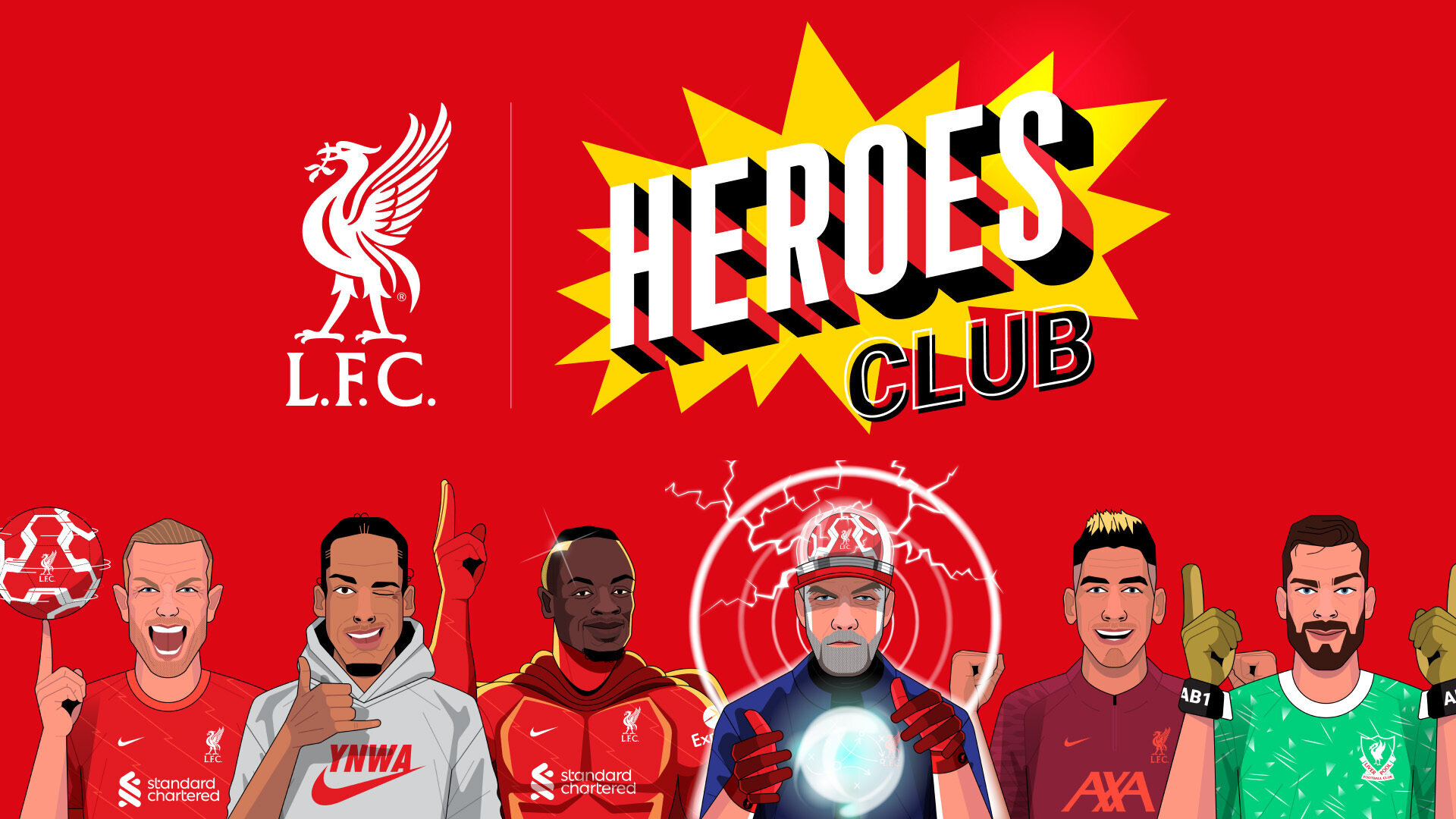
Last month, Liverpool FC became the latest high-profile sports team to get involved with digital assets – announcing the “LFC Heroes Club” will give fans the opportunity to purchase animated, cartoon-style digital artwork of 23 players and manager Jurgen Klopp. All 20 clubs in the Premier League are reportedly exploring the possibility of launching NFTs.

<img class="img-sized__img landscape" loading="lazy" alt="Undated digital artwork issued by Liverpool Football Club of The LFC Heroes Club collection, featuring llustrations of 24 of the male squad, bringing their "individual and superhero characteristics to life".” width=”720″ height=”405″ src=”https://www.wellnessmaster.com/wp-content/uploads/2022/04/what-is-an-nft-rishi-sunak-asks-royal-mint-to-create-a-non-fungible-token-2.jpg”>
Undated digital artwork issued by Liverpool Football Club of The LFC Heroes Club collection, featuring llustrations of 24 of the male squad, bringing their “individual and superhero characteristics to life”.

LFC via PA Media

Why have NFTs surged?

Some attribute the frenzy to lockdowns, which forced people to spend more time at home on the internet.

NFTs are seen as a way to have possessions in online and virtual environments, which can communicate social status and personal taste. For some people, it is the digital equivalent of buying an expensive pair of sneakers.

For others, the lure lies in rapidly rising prices and the prospect of big returns. Some buyers “flip” NFTs, selling them on within a few days or even hours for profit.

What do critics make of it?

Like cryptocurrencies, NFTs are largely unregulated. Anybody can create and sell an NFT and there is no guarantee of its value. Losses can stack up if the hype dies down.

In a market where many participants use pseudonyms, fraud and scams are also a risk.

Given the huge number of computers needed to continuously run for a blockchain to function, there is also the environmental cost to consider.

Share Button

England, Wales And Scotland: World Cup Group B Has Has Football Fans Talking

It’s the most eye-catching group in the most controversial men’s World Cup ever.

On Friday, the draw for the tournament in Qatar – plagued to corruption and human rights allegations and to be held in winter for the first time – delivered potential match-ups that satisfied social media’s appetite for the farcical.

And most of them were in Group B.

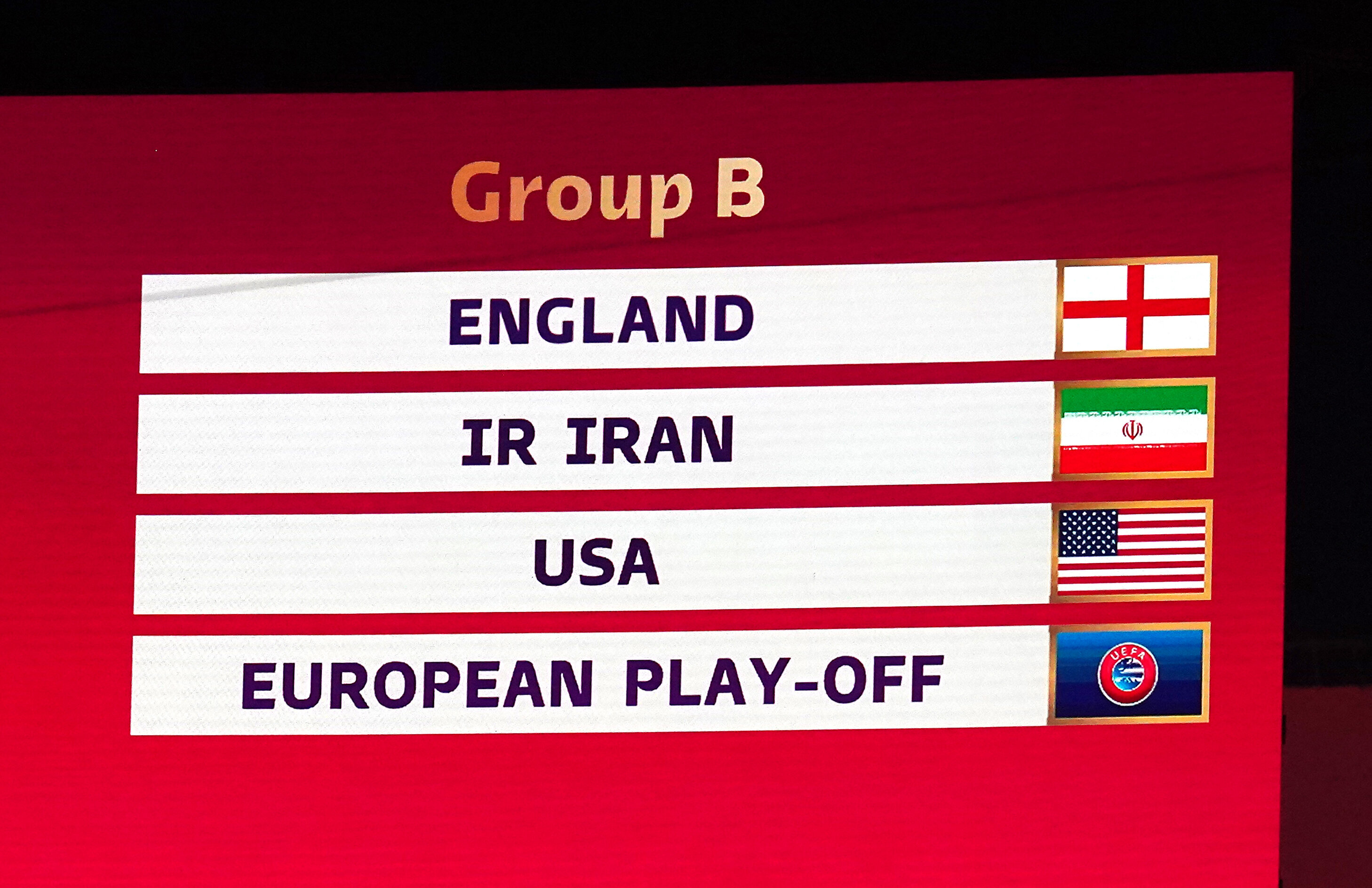
England, USA, Iran and one of Scotland, Wales or Ukraine will make take each other on in the opening stage of the finals, and Twitter quickly seized on the historical and political ramifications.

A battle of Britain?

If looking from a UK perspective, the prospect of a first-ever ‘Battle of Britain’ at a World Cup finals is a dream for the country’s newspaper editors.

England has never faced off against Scotland or Wales at this tournament, but they do have recent European Championship experience against both sides.

Scotland and England played out a goalless draw at Wembley in the group stage of Euro 2020 last June, while Wales and England came together at Euro 2016.

If either Scotland or Wales qualify, expect the contest to spark domestic grievances, references to everything from Braveheart to Offa’s Dyke, and petty one-upmanship driven by London-based tabloids.

.

The Meghan Markle derby

Gareth Southgate’s team will face the US in their second game. The teams have met twice in the World Cup finals – in 1950 and 2010 – and England won neither of them.

Apart from the underlying historical tensions – the revolutionary war, both country’s record of imperialism – the 1950 clash is infamous. The US beat England 1-0 at Belo Horizonte, Brazil, with Joe Gaetjens’ 38th-minute goal marking one of the great football upsets.

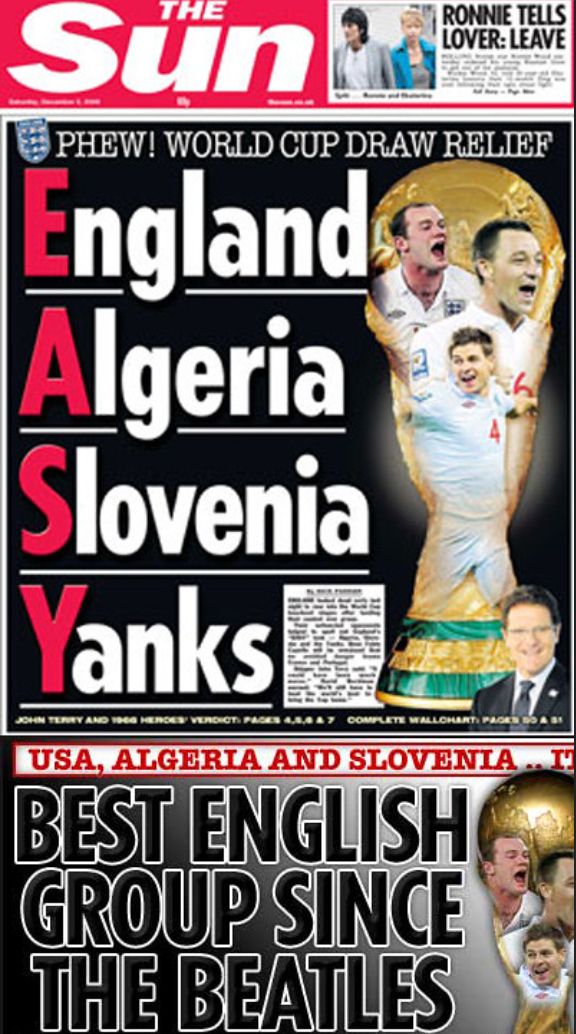
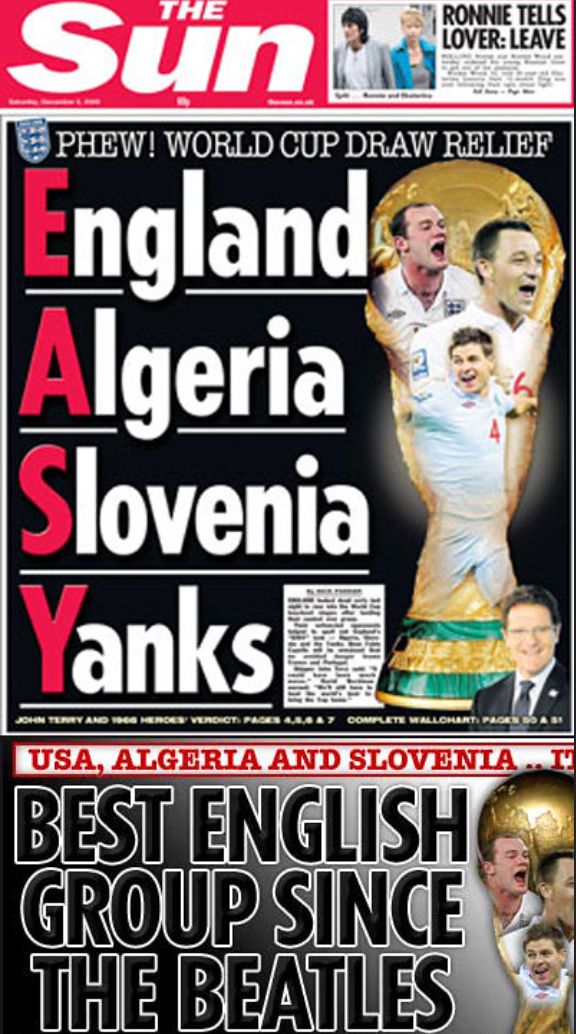
The last World Cup clash was also memorable. England’s “golden generation” were over-whelming favourites, as witnessed by The Sun newspaper’s hubristic front page when the group was drawn: “England, Algeria, Slovenia, Yanks’ (EASY)”.

.

In the event, the 1-1 helped both the US and England to advance to the knockout rounds – but with the unfavoured Americans topping the group. The Stateside tabloids appeared to have as much fun as their English counterparts pre-tournament.

Politically-charged US v Iran

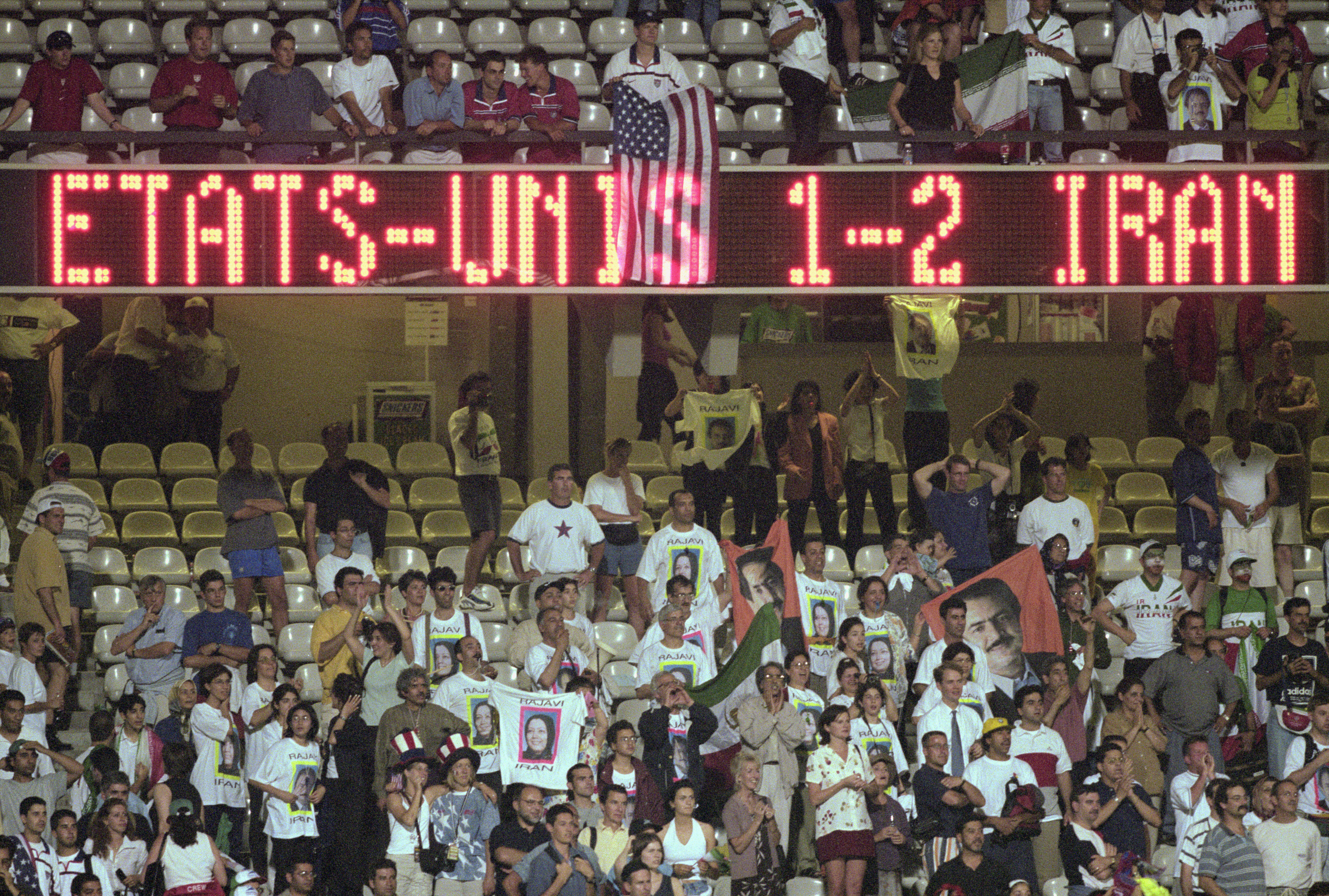
Just like in 1998, the US will play Iran with diplomatic relations yet to be restored between the nations. The Guardian called the game 24 years ago the “most politically charged match in World Cup history”, and the delicate geopolitics were underlined by a pre-game ceremony that saw Iranian players gifting white roses to the Americans as a symbol of peace.

On the pitch, Iran upset the US 2-1, eliminating the Americans after their second game of the tournament. It was Iran’s first-ever victory at a World Cup finals.

Tensions between England and Iran – note the British-Iranians recently released by Tehran after a historical debt was paid – are unlikely to be much better.

<img class="img-sized__img landscape" loading="lazy" alt="Iranian fans in the grandstand celebrate their 2-1 victory over the US in the 1998 World Cup.” width=”720″ height=”485″ src=”https://www.wellnessmaster.com/wp-content/uploads/2022/04/england-wales-and-scotland-world-cup-group-b-has-has-football-fans-talking-6.jpg”>
Iranian fans in the grandstand celebrate their 2-1 victory over the US in the 1998 World Cup.

Ben Radford via Getty Images

Will Ukraine play?

It is unclear whether it is Scotland, Wales or Ukraine who will make up the fourth team in the group.

The continued invasion of Ukraine means FIFA is yet to establish a date in June for their qualifier against Scotland, and the subsequent match against Wales.

Oleksandr Petrakov, the manager of Ukraine’s men’s national football team, said in an interview with Ukrainian TV station Football 1: “As long as people in my country continue to die, I cannot think about playing the game in Scotland.

“We still have April and May to come, and we will see what happens then, but we are supposed to playing Scotland in June as well as Nations League games.

“But we can’t think about them at the moment given the current situation.”

Share Button

Experts Tearing Their Hair Out Over Cost Of Living: ‘Country Needs More Help!’

Two household names known for their money-saving tips have revealed their frustration at Downing Street for its latest hike in energy bills, which will push people into poverty.

From April 1, the government has lifted the cap on energy bills which will increase the average household’s annual payments by £700. It’s set to hit 18 million households and is the largest increase since the regulating price cap was introduced.

The number of households in England in fuel poverty is subsequently set to double to five million people.

This is just one of several measures which have pushed the UK into a cost of living crisis where people will have to choose between eating and heating. Council tax, water bills and car tax costs are all rising this Friday too.

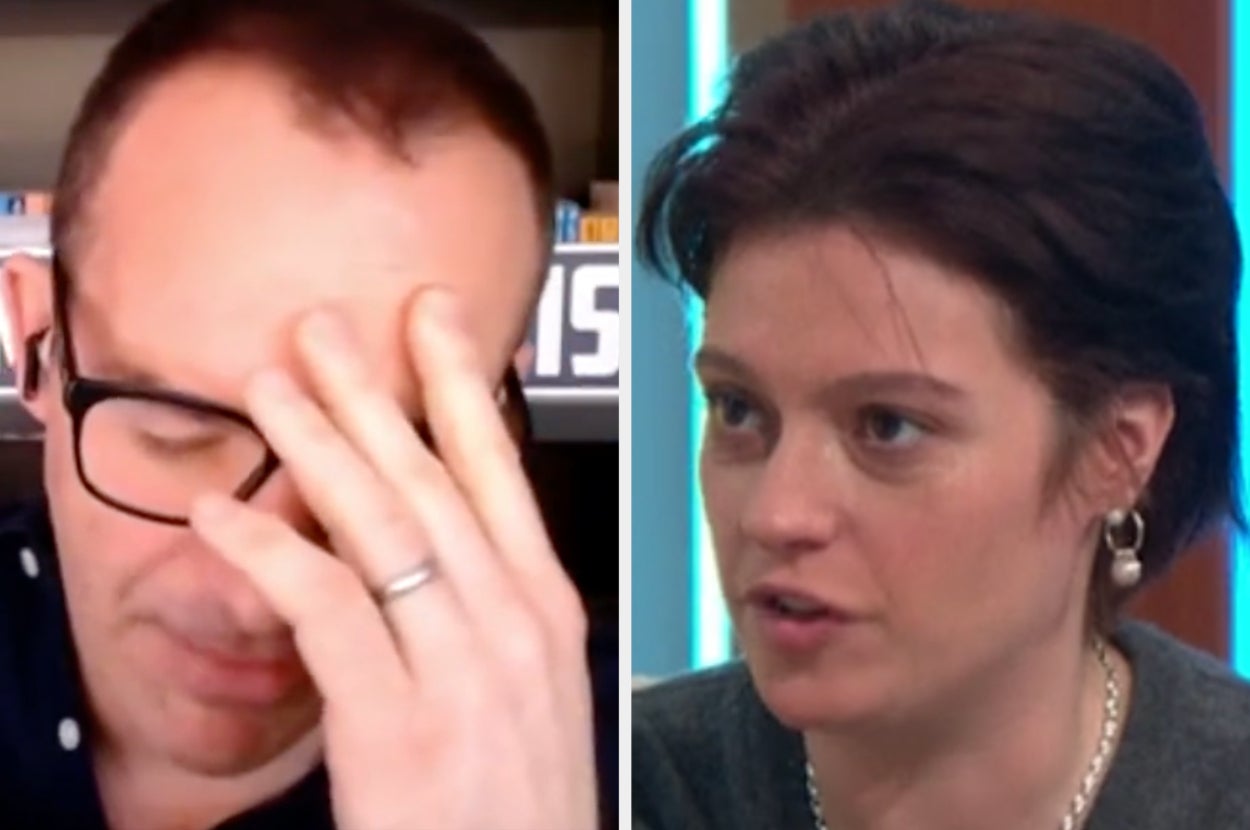
It’s now at the point where every the money-saving specialists, personal finance expert Martin Lewis and anti-poverty campaigner Jack Monroe, are at a loss.

People ‘already at the brink’

Monroe, known for calling out supermarkets over rising prices and sharing their affordable recipes, appeared deeply unsettled when they told ITV’s Lorraine that “people are at the brink” already on Friday.

They said: “It all boils down to the fact that people don’t have the basic income to meet their most basic and fundamental needs.”

The campaigner added that “it’s a crisis that has been building for the last decade”, and financial aid – rather than government platitudes – is needed.

Monroe sighed when asked what advice to give to people struggling and said: “It’s getting increasingly difficult to give tips and advice because people are at the brink.”

‘Lack of compassion’ from people in charge

The anti-poverty activist also shared why this crisis is particularly frustrating, explaining: “We’re one of the richest economies in the world, people shouldn’t have to be scrabbling around for these war-time tips in order to live a decent standard of living.”

Monroe later tweeted: “If I seemed a bit strung out on Lorraine this morning it’s because I am.”

They explained that across the last decade of campaigning against UK poverty, they “have never known the scale of sheer desperation and terror that is bombarding my inboxes daily from people worried they can’t survive this crisis”.

They added: “That’s not an exaggeration; people with disabilities, people on Universal Credit, people on low wages and zero hour contracts and underemployed in insecure part time jobs, people living alone, elderly people, all literally petrified about their immediate futures.”

This means it becomes “quite stressful” when trying to give people tips because “most people are doing everything they can think of”, they tweeted, including “the most absurdly unthinkable things”.

They pointed out that the main solution is just “urgent financial assistance from those that we elected to represent us”.

They added that they’re “almost out of hope”, explaining: “I’m beyond irritated at the lack of compassion and accountability shown by those who made this happen and have the power to stop it, but are choosing not to.”

Monroe pointed towards the elected MPs and called for action – and to “get the Tories out” – over the poverty crisis.

“Enough has to be enough,” they added.

‘Never experienced anything like this before’

Martin Lewis, founder of MoneySavingExpert.com, expressed his concerns about the cost of living crisis on Thursday and explained how it had negatively affected him.

Speaking to BBC Radio 5 Live, he said: “I think the anxiety and level of sick[ness] I feel in my stomach…no-one could have my mail bag and not feel sick at the moment.

“I think the only time I can remember is the week of the pandemic before furlough was announced. When we had no certainty and there was no help… that level of panic.

“And I feel that, for the lowest-earners in society, we’re back to that. The difference is I’m not sure where the help is coming from.

“We’ve certainly never experienced anything like this before.”

Not ‘party-political’ issue but a ‘humanitarian’ one

Lewis also explained that he tries to stay apolitical, but added: “I have to be blunt, the country needs more help.

“We are a first world, rich nation, and I am on [BBC] bloody radio station talking about how people are going to survive as to whether they choose to freeze or to starve, and I don’t feel that is right.”

The expert then took aim at those making the decisions, hitting out at chancellor Rishi Sunak’s controversial spring statement.

This included promises to raise the threshold for paying National Insurance, cut the basic rate of income tax (in 2024), cut fuel duty, up household support fund and drop VAT on green home improvements.

Lewis has already criticised this mini-budget for providing “nowhere near enough” support amid the cost-of-living crisis.

On Thursday, Lewis reiterated this message: “I have said this until I’m blue in the face – the spring statement, not enough help was given.

“And we need to protect our poorest, and we also need help for people with lower-to-middle incomes who are going to see their lifestyles curtailed very substantially by this.

“This is not a party political point. This is a humanitarian point.”

He said many people have tightened their belts to the point where it could not be tightened any more – and therefore political intervention was the only solution.

“I’m sorry the frustration is coming out, but I just wish the senior members of cabinet to have my mail bag,” the consumer journalist concluded.

Sunak’s self-defence

Sunak was forced to defend himself after he announced his mini-budget earlier this week. He has been criticised for not matching benefits to the 8% surge of inflation expected this spring, and for failing to help the worst-off.

But the chancellor disagreed with the claim that “government can or should” compensate everybody, especially when global factors – such as the rise in wholesale gas prices – are involved.

He also told MPs on Monday he wanted to keep borrowing down “at a time when we are worried about the macroeconomic outlook, particularly with regard to interest rates and inflation”.

“My job is to make the right long-term decisions and my view is that an excessive amount of borrowing now is not the responsible thing to do,” the cabinet minister said.

Share Button

Ukrainian Soldier Who Told Russian Warship To ‘Go F*** Yourself’ Given Medal

A Ukrainian soldier who defiantly told a Russian warship to “go fuck yourself” before being captured has been awarded a civic medal, his country’s ministry of defence said on Tuesday.

Roman Gribov, a Ukrainian border guard, was told to surrender while defending the tiny Snake Island in the Black Sea on the first day of Russia’s invasion into Ukraine in February.

A Ukrainian official at the time said 13 of the border guards had been killed defending the island south of the port of Odessa, on February 24, after losing contact with the garrison, which was targeted by the Russian military in an artillery attack.

In fact, the soldiers did surrender to the Russians and a few weeks later they were returned to Ukraine in a prisoner swap.

In footage published on Tuesday, Gribov was called a “hero” as he received the award from the head of Cherkasy regional administration, Reuters reported.

“I want to say a big thank you to the Ukrainian people for such support,” Gribov said. “We strongly feel this support, it inspires us.”

Share Button