As someone with endometriosis, fibroids and adenomyosis, I have a LOT of beef with my menstrual cycle. I don’t ever have a calm period and I usually am confined to the sofa until it’s over with. It’s grim.
This summer, however, it has been WILD. The one thing I can always rely on is my period being on around the same day every single month. It’s a small win but a significant one in terms of understanding where I am in my cycle, what to expect and when it’s safe to make plans. Until these past couple of months when that has gone OUT the window.
Advertisement
My periods this summer have been late. My last period was very, very light to the point that I wondered if it was implantation bleeding and I was actually pregnant. This month? It’s diabolical. I am getting through sanitary towels faster than I thought possible and my cramps are unbelievable. Energy levels? Depleted. RIP to feeling awake.
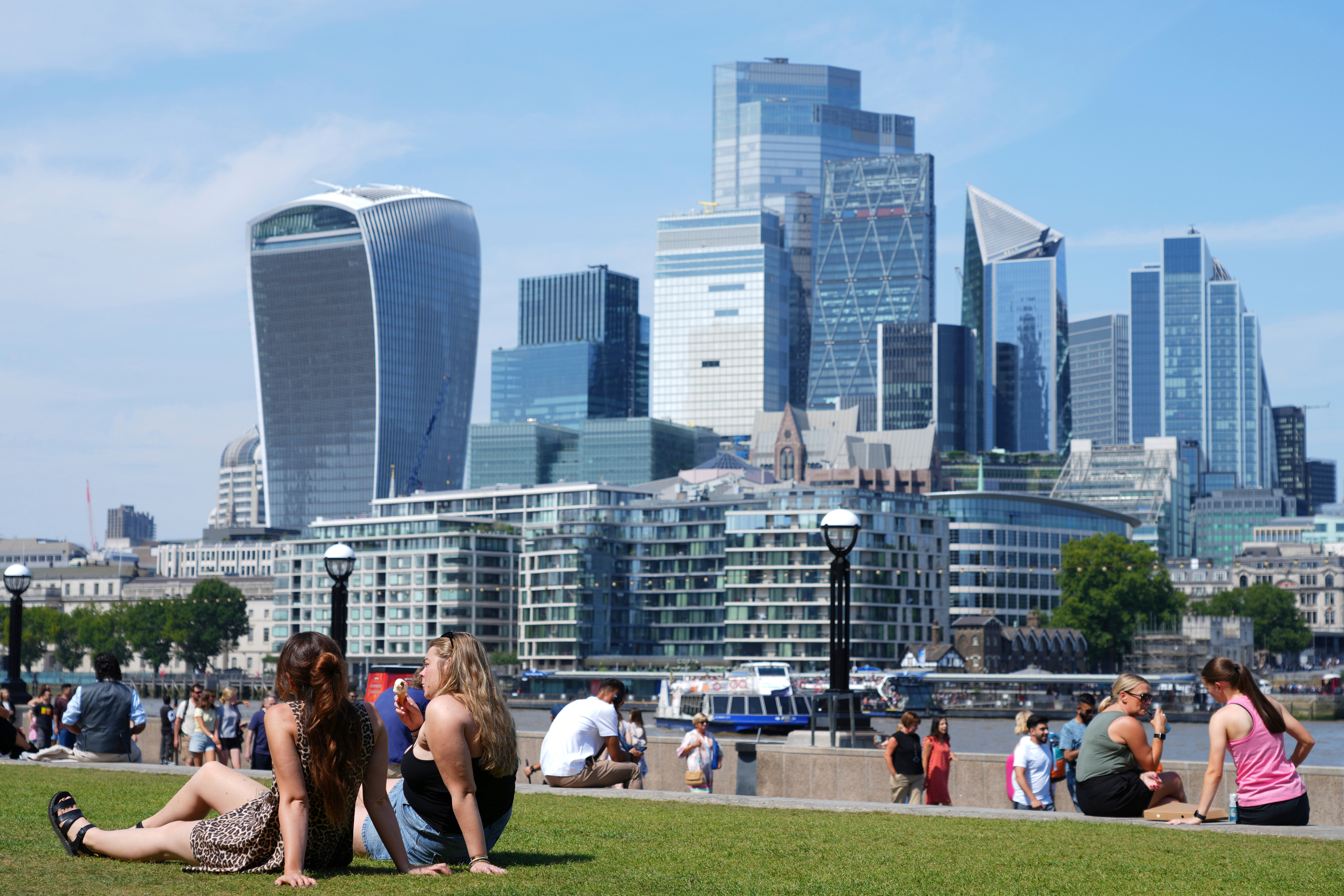
I wondered if this could have anything to do with the heatwaves we’ve been experiencing and while there is limited research on this matter, Dr Suzanne Wylie, GP and medical adviser for IQdoctor did have some insights for me.
How summer can impact menstrual cycles
Dr Wylie says: “When it comes to heatwaves and periods, the research is still relatively limited, but that doesn’t mean women’s experiences should be dismissed. We know that the reproductive hormone system is closely linked to the rest of the body, so anything that places additional stress on it, including prolonged periods of very hot weather, has the potential to influence the timing of ovulation and, in turn, the menstrual cycle.
Advertisement
“During a heatwave, people may become dehydrated, sleep less well, feel physically exhausted or experience higher levels of physiological stress, all of which could contribute to temporary changes in hormone regulation in some individuals. That means some women may notice their period arriving earlier than expected, later than usual, experiencing a lighter or heavier bleed, or even spotting between periods.”
She advised that while we don’t have strong evidence showing that heatwaves directly cause widespread menstrual disruption, “it is certainly plausible that extreme heat may affect some women more than others, particularly when combined with other factors such as stress, travel or illness, and this is an area where more research would undoubtedly be helpful.”
Honestly, this makes a lot of sense. I am definitely struggling with the temperatures this summer and have been well out of my usual routine as I am throwing myself into summer socialising. My body is likely completely out of whack and I’m not surprised on reflection that my periods have been impacted by this.
Advertisement
Dr Wylie urges, though, that if you’re concerned about your periods, you should speak to your GP, saying: “I would also advise seeking medical advice if several periods have been missed without an obvious explanation, if menstrual cycles suddenly become much more irregular than usual, if bleeding is unusually heavy, persistent or occurring between periods, or if there is a positive pregnancy test accompanied by pain or bleeding, as these are situations where we would want to investigate further to rule out any underlying medical concerns.”
During one of this year’s earlier heatwaves (and there have been many), the British Hedgehog Preservation Society (BHPS) issued an “urgent plea” for us to provide water for thirsty wildlife.
They noted that this is especially key given a 2022 report that found rural hedgehog populations have shrunk by somewhere between 30% and 75% since 2000.
Advertisement
Recently, a hedgehog rescue centre told the BBC they’d been “inundated” with baby hedgehogs following very dry and hot conditions in the south-east of the UK.
Speaking to HuffPost UK, Fay Vass, chief executive for BHPS, noted: “As our climate continues to change and become more extreme, it poses new dangers and challenges to our native wildlife.
“Scarcity of water sources is a common problem for wildlife and long spells of drought only serve to make this worse. Small mammals can easily become dehydrated and having access to fresh, clean water can mean the difference between life and death for hedgehogs.”
Advertisement
So what should we actually do to make their summers more bearable?
1) Place shallow dishes of water where hedgehogs can reach them
During very hot weather, hydration is key for hedgehogs and other wildlife.
“Placing shallow dishes of clean, fresh water around the garden is a simple, easy step we can all take that will provide a lifeline for hedgehogs and other wildlife during hot, dry spells,” Vass said.
This has been linked to greater biodiversity. And according to the Vass, the practice can help animals long past May too.
“Allowing sections of the garden to be wild and overgrown is important… as this can offer much-needed shade, shelter and a natural food source,” she said.
Advertisement
Additionally, “leaving log piles and leaf piles in quieter corners also offers valuable shelter and places to forage for grubs, worms and other natural food” year-round.
3) Put out some cat or high-meat dog food in a clean dish
It’s not just about water. “Hedgehogs can struggle to find enough food when the ground is hot and dry,” said the expert.
“Putting out some high-quality meaty hedgehog food, meaty cat or dog food or dry cat biscuits to supplement their natural diet can provide a vital lifeline for hungry hedgehogs during the hot summer months,” she added, stressing it’s important to make sure their feeding dishes and areas are kept clean.
Advertisement
4) Create a wildlife pond
Though its benefits might be felt especially keenly in summer, Vass said this is one of the best ways to support animals no matter the weather.
“Creating a wildlife-friendly garden with features such as a gently sloping pond provides a reliable year-round water source and encourages insect prey,” she advised.
5) Make sure hedgehogs have a way into your garden
Again, this is just as important in summer as it is in winter. “It’s vital to make sure hedgehogs can access your garden” said the expert.
Check with your neighbours if you share a fence, and if it’s OK with everyone concerned, consider creating “13x13cm gaps in fences or walls to allow them to move freely between gardens and green spaces”.
Still, though your first instinct might be to spring into action when you see your plants stressed, some gardening tasks are best left ’til after the hot spell. Watering your grass, for instance, might not be necessary, even if it’s browning – and it could go against your area’s current hosepipe rules.
Advertisement
Here are three activities to put on pause for now:
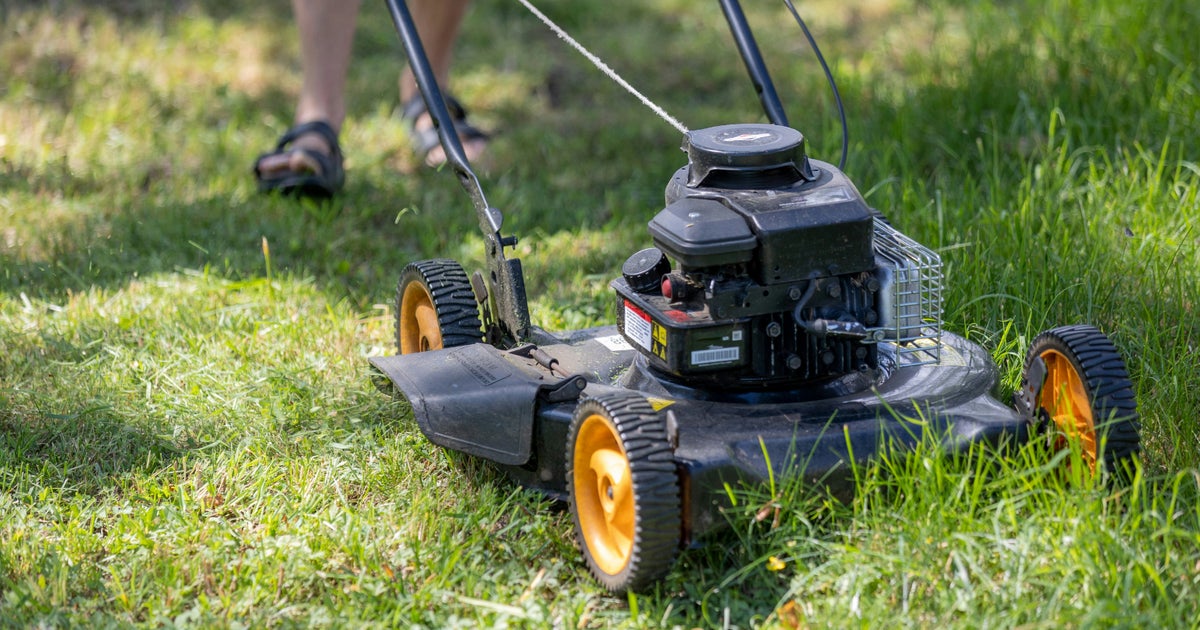
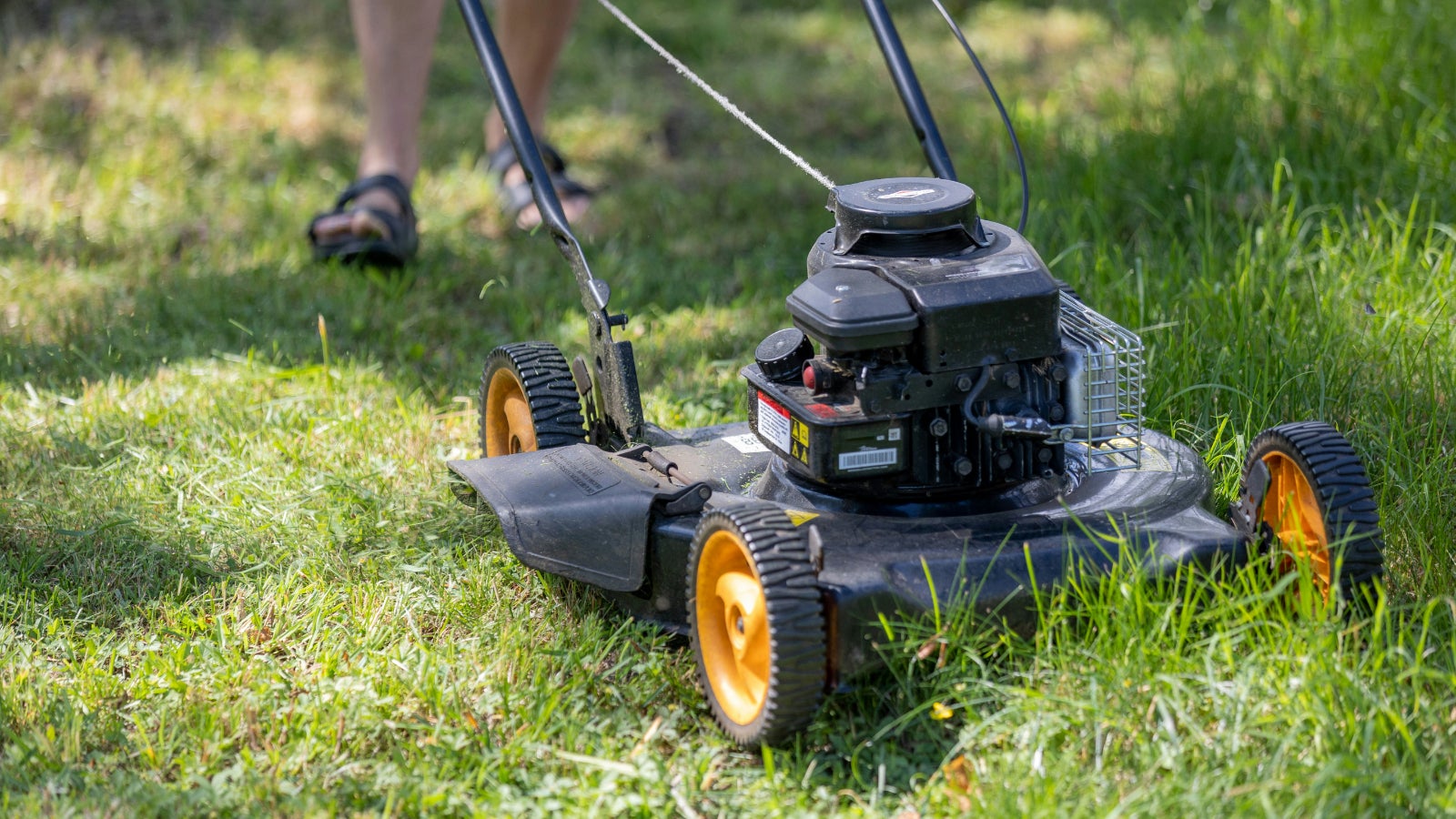
1) Mowing
Speaking to Gardening Etc., Chris Bonnett of GardeningExpress.co.uk said that it’s important to “avoid mowing the lawn during extreme heat, as the lawn will be trying to recover from the heat or a potential drought”.
But a heatwave is probably one of the worst times to do so.
“Your urge may be to whack off the dead parts and give the plant a shot of fertiliser. Hold on!” they said.
Advertisement
“The dead part can protect the living part from further burning. Refrain from fertilizing until temperatures drop below 90 [°F, or 32°C] during the daytime… Fertiliser pushes the plant to grow, stressing the plant even more.”
3) Aerating soil
Aerating soil every two to three years is generally a good idea – it can improve drainage and give roots access to more of those sweet, sweet nutrients.
But experts generally recommend waiting until autumn to do the job.
Luke Newnes, a gardening expert at Hillarys, told Ideal Home: “During a heatwave, your lawn is already working hard just to cope with the stress of high temperatures and dry conditions.
Advertisement
“Creating hundreds of small holes in the soil can increase moisture loss and make it even harder for the grass to recover when it’s already under pressure. Most lawns simply don’t have the energy reserves to bounce back properly in those conditions.”
As if you needed any more reason to hang your gardening gloves up in these punishing temps…
So is it right to say, as I’ve heard expressed in various online spaces and various publications, that this is “the coldest summer for the rest of our lives”?
But climate is different from weather – on a summer-by-summer basis, are we going to experience conditions worse than these every year? And what does it mean if we don’t?
We asked climate experts to share their thoughts.
“This is definitely the ‘least extreme weather’ we will experience”
","type":"video","meta":{"author":"The National Emergency Briefing","author_url":"https://www.youtube.com/channel/UCAB3X_5bLTJQO8sP1aBzvyg","cache_age":86400,"description":"On Thursday 27th November 2025 a National Emergency Briefing on Climate & Nature was held in Westminster Central Hall, London, UK. Nine experts presented an up-to-date summary of their specialist areas in front of an audience of MPs, peers and other influential figures in public life. Professor Hayley Fowler addressed the audience on the increasing frequency and intensity of weather extremes, how this will impact the UK, and the urgent need for action and adaptation as conditions become increasingly unstable\n\nSpeaker: Hayley Fowler, Professor of Climate Change Impacts at Newcastle University\n\n🟥 𝗣𝗹𝗲𝗮𝘀𝗲 𝘀𝗶𝗴𝗻 𝘁𝗵𝗲 𝗼𝗽𝗲𝗻 𝗹𝗲𝘁𝘁𝗲𝗿 𝘁𝗼 𝗞𝗲𝗶𝗿 𝗦𝘁𝗮𝗿𝗺𝗲𝗿 𝗮𝗻𝗱 𝘁𝗵𝗲 𝗻𝗮𝘁𝗶𝗼𝗻𝗮𝗹 𝗯𝗿𝗼𝗮𝗱𝗰𝗮𝘀𝘁𝗲𝗿𝘀 𝗰𝗮𝗹𝗹𝗶𝗻𝗴 𝗳𝗼𝗿 𝗮 𝘁𝗲𝗹𝗲𝘃𝗶𝘀𝗲𝗱 𝗲𝗺𝗲𝗿𝗴𝗲𝗻𝗰𝘆 𝗯𝗿𝗶𝗲𝗳𝗶𝗻𝗴: https://www.nebriefing.org/open-letter-keir\n\n#climatechange #nationalemergencybriefing #extremeweather \n\n🇬🇧 About the National Emergency Briefing: www.nebriefing.org\n\nTwitter/x: https://x.com/nebriefing\nInsta: https://www.instagram.com/nebriefing/\nTikTok: https://www.tiktok.com/@nebriefing?_r=1&_t=ZN-91JtydnBpSg\nLinkedIn: https://www.linkedin.com/company/national-emergency-briefing/?viewAsMember=true\nFacebook: https://www.facebook.com/nebriefing","options":{"_cc_load_policy":{"label":"Closed captions","value":false},"_end":{"label":"End on","placeholder":"ex.: 11, 1m10s","value":""},"_start":{"label":"Start from","placeholder":"ex.: 11, 1m10s","value":"61"}},"provider_name":"YouTube","thumbnail_height":720,"thumbnail_url":"https://i.ytimg.com/vi/9VUM-crZ4Eg/maxresdefault.jpg","thumbnail_width":1280,"title":"Extreme Weather – Professor Hayley Fowler | National Emergency Briefing","type":"video","url":"https://www.youtube.com/watch?v=9VUM-crZ4Eg","version":"1.0"},"flags":[],"enhancements":{},"fullBleed":false,"options":{"theme":"life","device":"desktop","editionInfo":{"id":"uk","name":"U.K.","link":"https://www.huffingtonpost.co.uk","locale":"en_GB"},"originalEdition":"uk","isMapi":false,"isAmp":false,"isMobile":false,"isAdsFree":false,"isVideoEntry":false,"isEntry":true,"isMt":false,"entryId":"6a4bacf7e4b094d71e6f5b75","entryPermalink":"https://www.huffingtonpost.co.uk/entry/is-2026-coldest-summer-of-rest-of-lives_uk_6a4bacf7e4b094d71e6f5b75","entryTagsList":"climate-change,weather,heatwave","sectionSlug":"lifestyle","deptSlug":null,"sectionRedirectUrl":null,"subcategories":"","isWide":false,"isShopping":false,"headerOverride":null,"noVideoAds":false,"disableFloat":false,"isNative":false,"commercialVideo":{"provider":"custom","site_and_category":"uk.lifestyle","package":null},"isHighline":false,"vidibleConfigValues":{"cid":"60afc140cf94592c45d7390c","disabledWithMapiEntries":false,"overrides":{"all":"60b8e525cdd90620331baaf4"},"whitelisted":["56c5f12ee4b03a39c93c9439","56c6056ee4b01f2b7e1b5f35","59bfee7f9e451049f87f550b","5acccbaac269d609ef44c529","570278d2e4b070ff77b98217","57027b4be4b070ff77b98d5c","56fe95c4e4b0041c4242016b","570279cfe4b06d08e3629954","5ba9e8821c2e65639162ccf1","5bcd9904821576674bc55ced","5d076ca127f25f504327c72e","5b35266b158f855373e28256","5ebac2e8abddfb04f877dff2","60b8e525cdd90620331baaf4","60b64354b171b7444beaff4d","60d0d8e09340d7032ad0fb1a","60d0d90f9340d7032ad0fbeb","60d0d9949340d7032ad0fed3","60d0d9f99340d7032ad10113","60d0daa69340d7032ad104cf","60d0de02b627221e9d819408"],"playlists":{"default":"57bc306888d2ff1a7f6b5579","news":"56c6dbcee4b04edee8beb49c","politics":"56c6dbcee4b04edee8beb49c","entertainment":"56c6e7f2e4b0983aa64c60fc","tech":"56c6f70ae4b043c5bdcaebf9","parents":"56cc65c2e4b0239099455b42","lifestyle":"56cc66a9e4b01f81ef94e98c"},"playerUpdates":{"56c6056ee4b01f2b7e1b5f35":"60b8e525cdd90620331baaf4","56c5f12ee4b03a39c93c9439":"60d0d8e09340d7032ad0fb1a","59bfee7f9e451049f87f550b":"60d0d90f9340d7032ad0fbeb","5acccbaac269d609ef44c529":"60d0d9949340d7032ad0fed3","5bcd9904821576674bc55ced":"60d0d9f99340d7032ad10113","5d076ca127f25f504327c72e":"60d0daa69340d7032ad104cf","5ebac2e8abddfb04f877dff2":"60d0de02b627221e9d819408"}},"connatixConfigValues":{"defaultPlayer":"16b0ecc6-802c-4120-845f-e90629812c4d","clickToPlayPlayer":"823ac03a-0f7e-4bcb-8521-a5b091ae948d","videoPagePlayer":"05041ada-93f7-4e86-9208-e03a5b19311b","defaultPlaylist":"2e062669-71b4-41df-b17a-df6b1616bc8f"},"topConnatixThumnbailSrc":"https://img.connatix.com/61fdf23e-3a87-41ea-8462-e61a29fd3f15/1_th.jpg?crop=629:354,smart&width=629&height=354&format=jpeg&quality=60&fit=crop","customAmpComponents":[],"ampAssetsUrl":"https://amp.assets.huffpost.com","videoTraits":null,"positionInUnitCounts":{"buzz_head":{"count":0},"buzz_body":{"count":0},"buzz_bottom":{"count":0}},"positionInSubUnitCounts":{"article_body":{"count":22},"blog_summary":{"count":0},"before_you_go_content":{"count":0}},"connatixCountsHelper":{"count":1},"buzzfeedTracking":{"context_page_id":"6a4bacf7e4b094d71e6f5b75","context_page_type":"buzz","destination":"huffpost","mode":"desktop","page_edition":"en-uk"},"tags":[{"name":"Climate Change","slug":"climate-change","links":{"relativeLink":"news/climate-change","permalink":"https://www.huffingtonpost.co.uk/news/climate-change","mobileWebLink":"https://www.huffingtonpost.co.uk/news/climate-change"},"relegenceSubjectId":978658,"section":{"title":"News","slug":"news"},"topic":{"title":"Climate Change","slug":"climate-change","overridesSectionLabel":false},"url":"https://www.huffingtonpost.co.uk/news/climate-change/"},{"name":"weather","slug":"weather","links":{"relativeLink":"news/weather","permalink":"https://www.huffingtonpost.co.uk/news/weather","mobileWebLink":"https://www.huffingtonpost.co.uk/news/weather"},"relegenceSubjectId":983981,"section":{"title":"News","slug":"news"},"topic":{"title":"Weather","slug":"weather","overridesSectionLabel":false},"url":"https://www.huffingtonpost.co.uk/news/weather/"},{"name":"heatwave","slug":"heatwave","links":{"relativeLink":"news/heatwave","permalink":"https://www.huffingtonpost.co.uk/news/heatwave","mobileWebLink":"https://www.huffingtonpost.co.uk/news/heatwave"},"url":"https://www.huffingtonpost.co.uk/news/heatwave/"}],"isLiveblogLive":null,"isLiveblog":false,"signInUrl":"https://login.huffpost.com/login?dest=https%3A%2F%2Fwww.huffpost.com%2Fentry%2Fis-2026-coldest-summer-of-rest-of-lives_uk_6a4bacf7e4b094d71e6f5b75%3Fhp_auth_done%3D1","cetUnit":"buzz_body","enableIncontentPlayer":false,"bodyAds":["
Still, Prof Whitmarsh added, “there’s no guarantee every year will see a hotter summer than the one before, but the general trend is certainly hotter over time”.
Advertisement
″‘This is the coldest year for the rest of our lives’ is very unlikely to be true”
HuffPost UK also spoke to climatologist Prof Friederike Otto, a Professor in Climate Science at the Centre for Environmental Policy at Imperial College London and the leader of World Weather Attribution (WWA).
She told us, “I think [the idea that] ‘this is the coldest year for the rest of our lives’ is very unlikely to be true, but what is certain is that unless we stop burning fossil fuels extremely rapidly and global mean temperatures are stabilised around 1.5°C, this is one of the cooler summers for the rest of our lives.”
While there may be cooler summers, and even colder overall years, ahead, in the bigger picture, 2026′s endless heatwaves might go down as a regular – even moderate – example of a “new normal”.
With record-breaking heat sweeping across the country and around the world, people are increasingly seeking ways to stay cool and turning to all kinds of tips, tricks and folk remedies to do it.
But how many of those heat-beating hacks are actually grounded in science?
HuffPost asked experts to weigh in on some of the most common old wives’ tales about surviving the heat, from damp sheets to cabbage leaves to yoghurt on windows.
Advertisement
The verdict? Some have truth to them, others don’t hold up to scrutiny, and a few could actually backfire depending on the conditions.
1. “Sleeping under a damp sheet cools you down.”
“The ‘Egyptian method’ involves sleeping under a damp sheet to cool down,” Dr. Swapnil Patel, vice chair of the department of medicine at Hackensack Meridian Jersey Shore University Medical Center, told HuffPost. “A damp towel can be used as an alternative.”
The cooling effect is the result of a simple evaporation process.
“A lightly damp sheet or cloth can cool through evaporation,” said Dr. Anthony T. Lagina, an associate professor in the department of emergency medicine at Wayne State University, Detroit Medical Center. “As water evaporates from the fabric, it pulls heat away from the skin. This works best in dry, well-ventilated conditions.”
Advertisement
Thus, the effectiveness of sleeping under a damp sheet is limited based on environment. And, the technique can in fact have the opposite effect in the wrong conditions.
“It works poorly in high humidity because water and sweat do not evaporate efficiently,” Lagina explained. “In humid conditions, a damp sheet may feel clammy, disrupt sleep or irritate skin.”
There are other ways to make your sleep environment safe in hot conditions, however.
“To deliver true peace of mind and comfort, I recommend focusing on proven environmental controls such as keeping your bedroom well-ventilated, utilizing lightweight, breathable bedding, taking a cool shower before bed and prioritizing consistent fluid replenishment throughout the day,” said Dr. Scott Braunstein, chief medical officer at Sollis Health.
Advertisement
2. “Smear yoghurt on your windows to keep the heat out.”
The idea behind putting yoghurt on windows – a tip that has circulated in the UK – is that the light-coloured yoghurt forms a thin film on the glass that reflects incoming solar radiation, so less heat passes through the window.
“Putting something reflective on your windows will help keep the sun out and cool your home,” said Anna Bershteyn, an associate professor in the department of population health at NYU Langone Health. “I would suggest a reflective window film, metallic foil or shades rather than yoghurt – that would be more effective and less messy.”
Lagina also advised against putting yoghurt on your windows to keep heat out in favour of more practical options. “It is not a reliable cooling strategy and creates sanitation concerns, including odor, bacterial or mold growth, insects and potential surface damage,” he said.
Advertisement
He also weighed in on a similar hack – putting wet towels or cloths on your windows.
“A wet towel or damp cloth over a window can provide only mild cooling if the air passing through it evaporates,” Lagina explained.
“In humid weather, this may simply add moisture indoors, making sweating less effective. Better home-cooling approaches include blocking direct sunlight with curtains or reflective shades, opening windows only when the outside air is cooler and using fans to move air across the skin.”
Ekaterina Goncharova via Getty Images
Weather authorities are warning of a “heat dome” across the U.S.
Advertisement
3. “Hot beverages cool you faster than cold ones.”
“Some studies have found that hot drinks and spicy foods increase sweating, which could be helpful in dry heat,” Bershteyn said. “Think deserts – where your sweat evaporates so fast that your skin is dry. If your sweat is dripping off of you – as it does in muggy, humid heat – more sweat won’t cool you any faster.”
When sweat evaporates, heat is removed from your body, but in humid conditions, drinking a hot beverage will instead probably just be uncomfortable and add heat initially.
“During heat stress, cool water or an electrolyte-containing drink is usually more practical,” Lagina said. “Moderate caffeine is generally acceptable for many adults, but excessive caffeine and alcohol should be avoided during extreme heat. Alcohol reduces judgment and can worsen dehydration and heat illness risk.”
Advertisement
Indeed, the type of beverage – hot or cold – that you consume makes a big difference.
“Cold water or targeted electrolyte solutions are consistently the better choice because they are refreshing, encourage people to consume a higher volume of fluids, and provide immediate physical relief from the heat,” Braunstein said.
“Also keep in mind that many hot drinks, such as coffee or tea, are caffeinated, and the caffeine both speeds up your metabolism increasing heat production, and acts as a diuretic contributing to fluid losses and dehydration.”
4. “Cooling your pulse points lowers your temperature more quickly.”
“Cooling the neck, armpits, groin, wrists and the backs of the knees can help, as major blood vessels are near the skin surface,” Lagina said. “Cool packs or wet towels can remove heat from blood and skin.”
Advertisement
Basically, you can quickly cool the body by cooling the parts where blood flows close to the skin.
“Applying cold can briefly cool circulating blood locally, which produces a perception of relief,” said dermatologist Dr. Brendan Camp. “However, this effect is modest and does not significantly lower overall core body temperature on its own. It is best understood as a sensory or comfort-based strategy rather than a true systemic cooling method. It works best when combined with airflow or general body cooling.”
Lagina similarly noted that this trick is “not magic,” as some situations require cooling across the fuller surface of the body.
“For serious overheating, broader cooling is better – a cool shower or bath; misting with a fan; cold, wet sheets; or cold-water immersion when safe and appropriate,” he said.
Advertisement
Pay attention to potential heatstroke symptoms, which require urgent medical attention.
“If you begin to experience symptoms such as dizziness, nausea, heavy sweating, muscle cramps or unusual fatigue, it is critically important to immediately seek medical care, most often at an urgent care or ER,” Braunstein said. “Heat-related illness is a spectrum that ranges from very mild to life-threatening, so time is truly of the essence.”
5. “Placing a cold cabbage leaf under your hat or on your body can cool you down.”
“Using cabbage leaves is a real folk remedy, for their cooling properties,” Patel said. “While more commonly studied for reducing pain and swelling in conditions like osteoarthritis, the cooling effect of the leaves, with their water content, is real.”
In the context of heat, cabbage leaves can provide a brief, localised cooling sensation, but experts say don’t get too excited about it.
Advertisement
“My mother has tried to treat quite a few of my childhood illnesses with cabbage leaves,” Bershteyn said. “Sadly, I’m not aware of any special cooling powers of cabbage leaves. But anything cold and wet on your head can feel nice.”
The effect is not long lasting, however. “It warms quickly, does not maintain consistent heat transfer and does not meaningfully affect core temperature,” Camp said. “It is not an effective or reliable cooling strategy from a physiologic standpoint.”
The cabbage leaf trick has historical precedent. Baseball legend Babe Ruth was known to place a cold cabbage leaf under his cap during games to stay cool in the sweltering summer heat.
Advertisement
“A cold cabbage leaf can cool by contact and moisture, just like any cold wet object,” Lagina said. “There is no special heat-related medical property in cabbage. A clean, damp cloth, a cooling towel, a chilled bandana or an ice pack wrapped in cloth is more practical and hygienic. Folk remedies should not delay standard cooling or emergency care.”
Uma Shankar sharma via Getty Images
No folk remedy can replace the importance of hydration.
6. “Placing a bowl of ice in front of a fan works like air conditioning.”
Placing a bowl of ice in front of a fan is a popular TikTok hack for cooling down a room, but experts say the effect is more limited than most people expect.
Advertisement
“This can create a small area of cooler air for someone sitting close by, but it is not an effective way to cool an entire room,” Lagina said. “The ice absorbs heat as it melts, and then the effect stops. It may be useful for short-term personal comfort, especially with good airflow, but it should be paired with hydration, reduced activity, shade and access to air conditioning when possible.”
Bershteyn also noted that a bowl of ice in front of a fan probably won’t meaningfully cool a room.
“In fact, if the ice was made in a freezer in the same room, the heat coming from the back of the freezer would offset the cooling from the ice,” she said. “But if you sit directly in front of the ice, you might get a personal, chilled breeze.”
Here’s what experts actually recommend for staying safe in the heat.
“Many folk cooling methods work only when they improve evaporation, conduction, shade or airflow,” Lagina said. “They are not substitutes for air conditioning, hydration, rest and urgent medical care when heat illness is suspected.”
Advertisement
There are other important facts and precautions to keep in mind as you try to stay safe and cool in extreme heat.
“It takes several weeks for a body to adjust to heat, which is why the U.S. sees more heat-related deaths in the spring than in the summer,” Bershteyn said. “While scientists don’t yet know the exact best way to condition yourself for heat, one thing is clear: Being in good physical shape is a huge benefit.”
She recommended trying to stay physically fit in the springtime and all year-round to make those heatwave days easier to get through. Still, don’t assume that healthy athletes can’t fall victim to heat-related illness.
Advertisement
“Fitness does not eliminate risk,” Lagina said. “Athletes, outdoor workers, children, older adults, pregnant people and people with chronic health conditions are all vulnerable.”
The wrong combination of conditions and exertion can affect even the healthiest people. “We see healthy young adults and children develop heat exhaustion after prolonged sun exposure, strenuous activity or dehydration,” Braunstein said.
He noted that the best prevention is much simpler than those interesting at-home remedies.
“Stay hydrated before you feel thirsty, wear lightweight clothing, seek shade during the hottest part of the day and take breaks in air-conditioned spaces whenever possible,” Braunstein said.
Advertisement
Loose, thin, light-coloured clothing and hats can provide helpful protection, as can periodic cool showers and baths, misting fans, ice packs and damp cloths.
When you reach the peak heat of the day, take advantage of air conditioning and avoid strenuous activity. Drink plenty of water and keep your electrolytes replenished if you’re exercising or otherwise sweating a lot.
“Never leave children, older adults, vulnerable people or pets in parked cars,” Lagina said. “Check on older adults, children, outdoor workers, people living alone and anyone with chronic medical conditions. High humidity, poor airflow, dehydration and prolonged heat exposure all increase risk.”
Advertisement
Knowing how to recognize heat illness and act quickly is also incredibly important. Signs of heat exhaustion include heavy sweating, weakness, dizziness, headache, nausea, muscle cramps, cool or clammy skin and feeling faint.
“If these occur, move to shade or air conditioning, stop activity, loosen clothing, sip cool fluids if alert, and use cool, wet cloths, misting, fanning or a cool shower,” Lagina said.
Heatstroke is a more serious medical emergency with warning signs that include confusion, altered behavior, fainting, seizure, slurred speech, severe weakness, a very hot body or an inability to cool down.
Advertisement
If you suspect heatstroke, immediately call 999 and begin cooling while waiting for help by moving to a cooler place, removing excess clothing and applying cool water, fan mist, ice packs and/or cold, wet towels to your neck, armpits and groin.
“If symptoms like dizziness, vomiting, confusion, fainting or difficulty breathing develop or don’t quickly improve after cooling down and rehydrating, don’t rely on home remedies,” said Braunstein. “Early treatment can prevent progression to the life-threatening conditions that are on the far end of the clinical spectrum.”
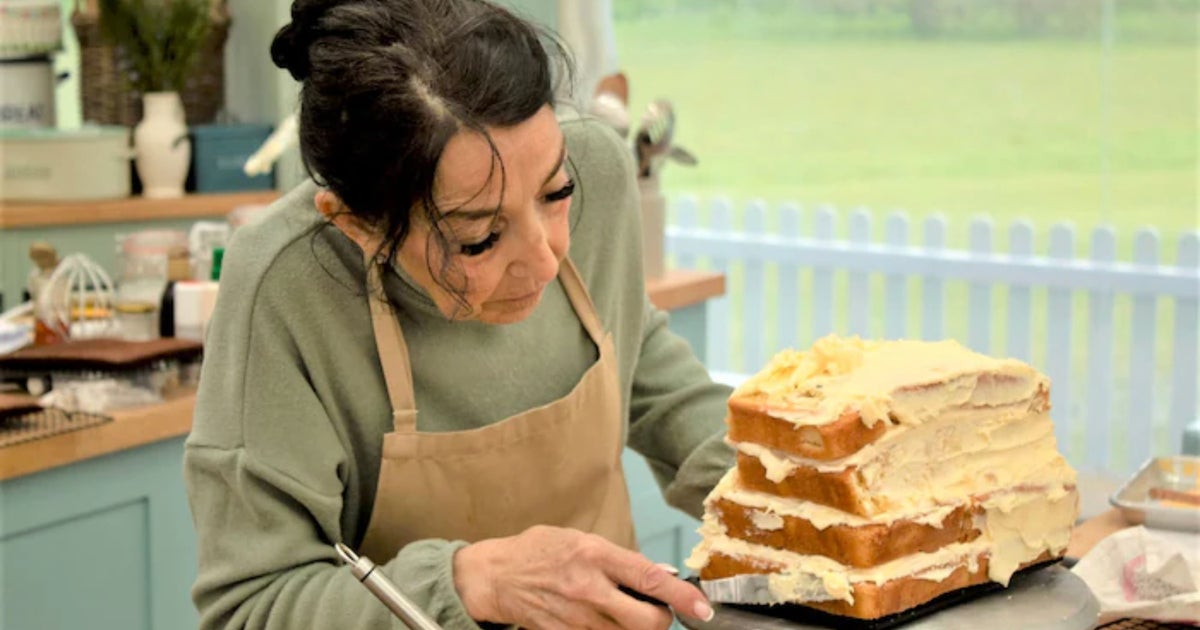
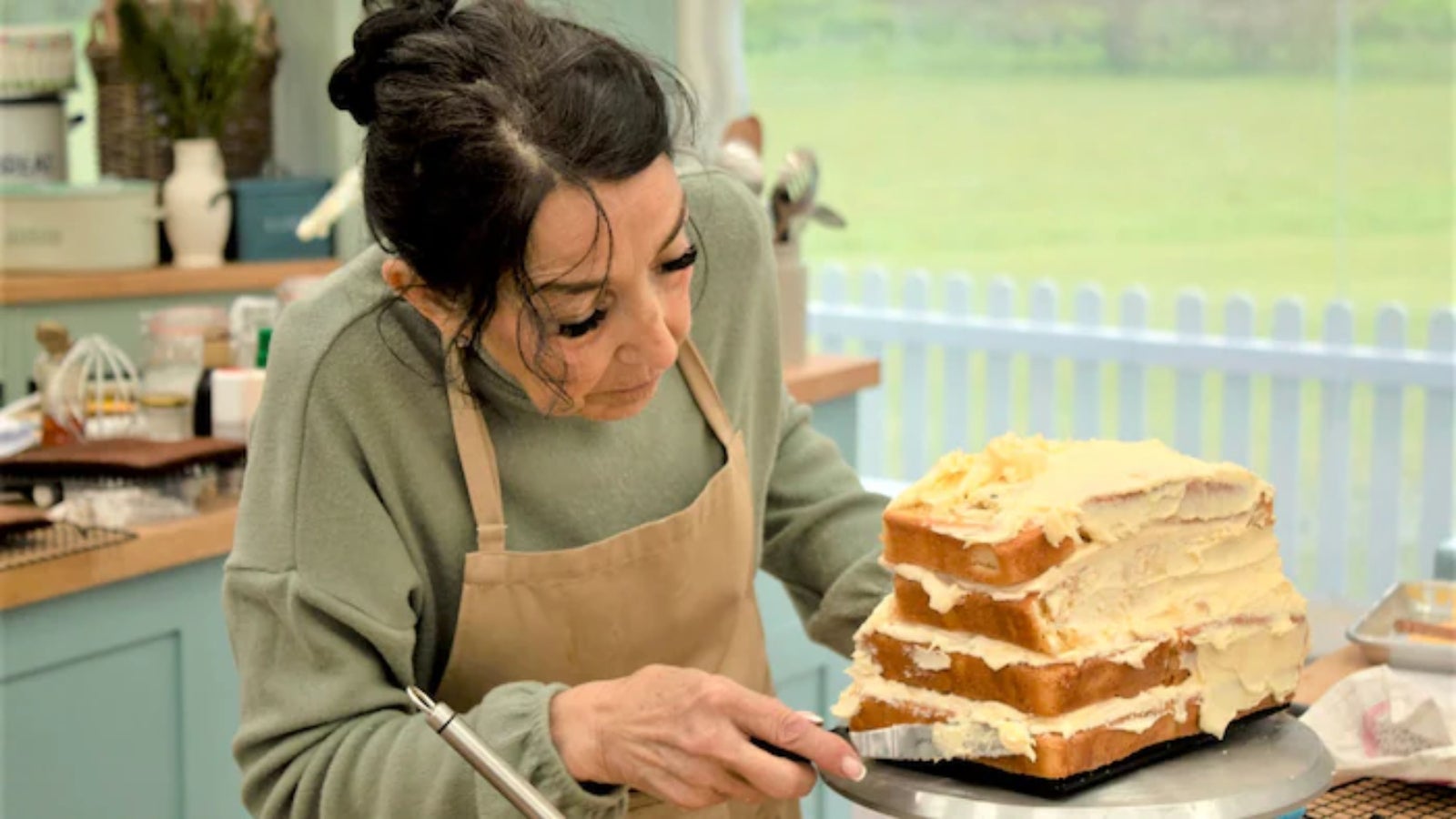
So perhaps it’s no surprise that fans have been wondering whether the most recent batch of bakers would be subjected to multiple record-breaking heatwaves.
You just know that Bake off is filming its chocolate week in this #heatwave
The show (partly) addressed the problem directly on its Instagram page on May 27, soon after we saw the hottest May day on record.
“Us filming chocolate week,” they wrote over a clip of the iconic GBBO tent. The video was overlaid with the sound of comedian Peter Kay’s famous bit: “I like it warm, but I don’t like it this warm!”
“It’s always chocolate week when we have a heatwave,” a commenter wrote.
The Mirror reported that the show’s filming is still “underway”, and that its cameras were rolling during the June heatwave, too.
Advertisement
That meant amateur bakers had to continue to work their culinary magic while schools had closed due to the heat, and travellers had been advised to avoid “non-essential” journeys.
Though some fans worried filming would have to stop, the publication confirmed the show went on.
A source from the show told The Mirror, “Every measure that could be taken has been, to make the bakers comfortable. The lighting gaffer from the crew who’s in first every morning, opens up the tent, takes down the sides and gets airflow moving before everyone arrives.
Advertisement
“Earlier in the run, when temperatures were the opposite and it was freezing, he was doing the same thing in reverse, arriving early to put the heaters on and warm the tent up before the bakers and crew got in.
“Production runners have also kept everyone going in the heat by handing out ice lollies to bakers and crew throughout the day.”
Advertisement
Another source reportedly told The Mirror that the tent’s location near a cooling river, and a “welcome” breeze in the final weekend of May, made filming possible.
Prue told Rolling Stone conditions were “Worse for the bakers than for us, because we just come in briefly and go out. They’re in there all the time,” while Paul added: “Yeah, chocolate week suffered a little bit. Caramel sugarwork suffered a little bit”.
Advertisement
Ironically, he added, bread week – when warm conditions would have made loaves rise faster – was a little cooler that year.
Hot weather is expected to “rise quickly” and stay high throughout the week.
That can ruin your sleep. One paper found that heatwaves are especially ruinous, causing us to lose crucial minutes of shut-eye.
Advertisement
But if you’ve been sleeping in the nip for a cooler night, Natalie Pennicotte-Collier, a resident sleep expert at MattressNextDay, says you might want to reconsider.
You might think that water wicks away faster when we’re naked. But the sleep expert said that’s not always true,
Advertisement
The move “feels logical, but without breathable natural fibre bedding to wick sweat away, moisture simply sits on the skin and creates a clammy humid ‘microclimate’ that is more likely to wake you up in the middle of the night.” Pennicotte-Collier explained.
The same logic applies to your bedsheets – we “should replace [our duvet] with a lightweight breathable layer instead of sleeping completely uncovered,” she said.
Research has her (pyjamaed) back. One paper from the University of Birmingham found that linen bedding was linked to fewer wake-ups among younger participants in hot weather.
Advertisement
How can I get to sleep in a heatwave?
Sleeping on a lower level in your home might help, the Red Cross said, as heat rises.
And paradoxical as it might sound, taking a warm shower might help, too.
Speaking to HuffPost UK previously, Dr Seeta Shah from PANDA London said: “Many take a cold shower before bed in hot weather, but a shockingly cold shower can actually raise core body temperature as your body works to counteract the sudden cold.
“A lukewarm to slightly cool shower is better. It gently reduces body temperature and triggers the parasympathetic nervous system, helping your body wind down and enter a sleep-conducive state.”
Soon after a 35°C May record-breaker, the Met Office said more heatwaves are likely in the UK this summer.
And it turns out they may be just days away from being proven right in London.
As of the time of writing (17 June), temperatures between 28°C and 30°C are expected in the capital this weekend.
Advertisement
Here’s what you need to know about: when that could happen, what it would take to count as an official heatwave, and why hot spells can be so insufferable in the city.
When could there be a heatwave in London this June?
The Met Office predicts our current miserable weather will take a sunnier turn on Friday, 19 June.
At that point, temperatures will rise to 29°C.
From then on, per the Met Office, Londoners can expect:
Friday 19 June: 29°C
Saturday 20 June: 28°C
Sunday 21 June: 30°C.
Even if the highest of those temperatures come to pass, however, an official heatwave may still not have taken place.
Because some parts of the UK are usually hotter than others, that upper limit changes depending on location.
As you head further North or West, that threshold is set a little lower than the warmer South-East – around 25°C and 26°C.
But in London, the threshold is 28°C.
That means that it’d need to reach at least 28°C on Tuesday after the predicted Sunday and Monday temperatures to officially count (or Saturday would have to be a degree hotter than currently anticipated).
Advertisement
Why does London feel so hot on sunny days?
As we mentioned before, London is already in the warmer South-East. Then, there’s the infrastructure to consider.
“Our towns and cities have a large urban heat island effect due to the amount of concrete, asphalt and such that absorbs heat and releases it slowly, making cities and towns feel hotter,” he shared.
On 1 June, the official start of summer, the Met Office released its three-month outlook for the UK.
The meteorological service explained on its site that this outlook is not an exact prediction or a guarantee of what will happen in the season. Instead, they say, it’s about broader trends; you can’t say for sure whether something like a heatwave will happen based on this information.
Advertisement
Nonetheless, they added, the most “notable” part of their most recent outlook is the expected hotter-than-usual UK summer temperatures.
“It follows that there is an increased chance of heatwave conditions developing at times,” they said.
We have already had an unusually hot start to the year, with temperatures reaching a record-breaking 35.1°C in Kew Gardens this May.
This outlook doesn’t aim to calculate exact dates, nor does it say there definitely will be heatwaves.
Advertisement
But it did mention that higher pressure, linked to hotter weather, is expected in the middle of June after a rainy start to the month.
“Towards the end of June, low pressure may begin to have more of an influence, especially across the south, where heavy showers and thunderstorms become more probable. It may also become hot in parts of the south,” the Met Office shared.
Why has this year been so hot?
Even for the UK, 2026′s weather has been especially volatile. We went from record-breaking heatwaves to floods in a matter of days.
Advertisement
The Met Office’s Dr Emily Carlisle previously said this is part of a broader warming trend.
“This spring highlights both the natural variability of the UK’s weather and the longer-term warming we are observing. While conditions varied through the season, all three months of meteorological spring recorded mean temperatures within the UK’s top ten warmest on record,” she stated.
“While we expect fluctuations from year to year, this spring shows some of the changes we’re seeing in our weather patterns, with more extreme conditions becoming more frequent. The fact that nine of the ten warmest springs in England have occurred since 2007 illustrates this ongoing shift in the UK’s climate.”
And even though no hosepipe bans have been announced in the UK, a peek at Google Trends shows that searches are significantly up from last week. It looks like gardeners are prepping, or at least checking, for sanctions.
Advertisement
But are those fears reasonable, and how can we get our gardens ready now for possible bans later on?
Will we have a hosepipe ban in 2026?
We can’t say for sure yet.
Speaking to HuffPost UK, the Royal Horticultural Society (RHS)′ Chief Horticulturist, Guy Barter, said: “Although we had a wet winter which filled reservoirs and aquifers and there is no indication of temporary use restrictions (as hosepipe bans are officially called), supply and demand problems in the intense recent heat have been reported in the press”.
Professor Emeritus of Geophysical and Climate Hazards at University College London, Prof Bill McGuire, previously told HuffPost UK that this extreme weather event could have “a huge impact on global weather, bringing drought, floods and other extreme weather right across the planet”.
How can I start to prepare now for possible hosepipe bans?
Barter told us that “Episodes like this [recent heatwave] remind gardeners why it is wise to have water butts for tiding the garden over dry periods. With luck, they will be refilled by summer rainstorms.”
Advertisement
Water butts divert rainfall from places like your gutter into a large barrel, which often has a tap on the bottom, so it’s smart to place it on a stand.
In that case, try mulching to keep whatever rain has fallen on your soil. Additionally, putting saucers under plants allows rain to collect in helpful puddles underneath pots.
Advertisement
During water shortages, the RHS added, “grey water” from e.g. your shower or washing-up bowl will do the job for a while.
“Waste water from the kitchen, bathroom basins, baths and showers can also be used in summer gardening. Plants seldom resent this and it ekes out mains water supplies,” Barter said.
Smart planting matters, too.
“Gardeners who have planted drought-tolerant borders and gardens have been rewarded by lovely flowers and plants with no need to water. Where watering has been needed, consider planting more drought-tolerant plants in autumn for next year,” the expert said.
Advertisement
“It is a bit late for planting now, but any containers or baskets that need restocking can be planted with angelonia, pelargoniums and salvia, all of which can get by with less water than most plants.”