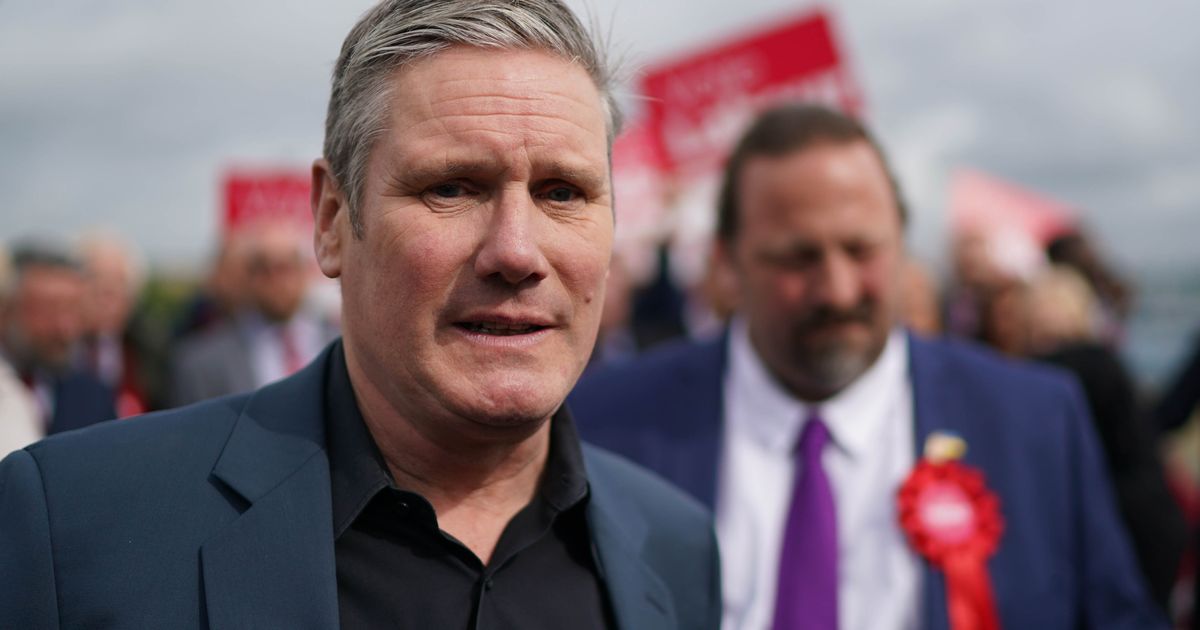
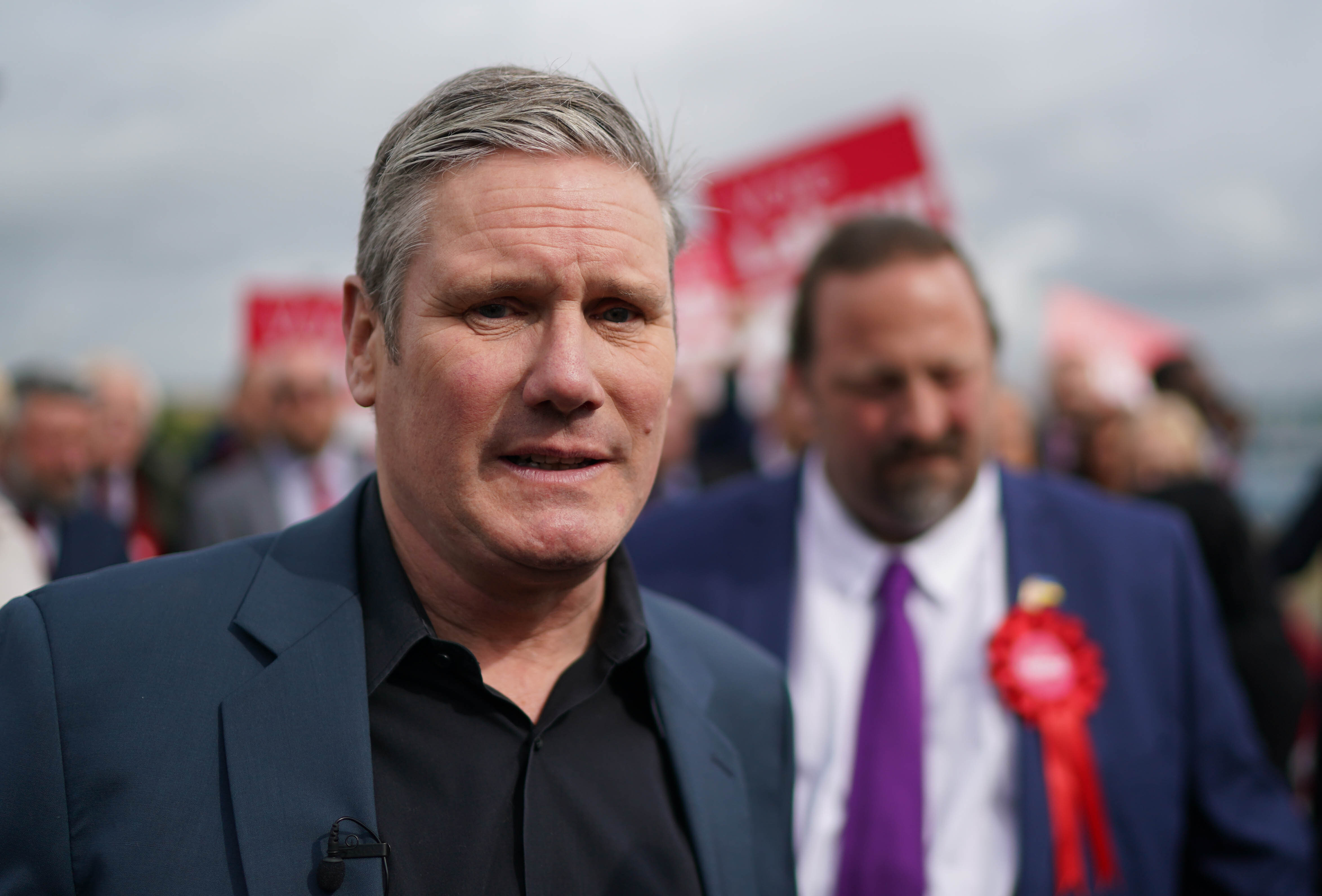
Keir Starmer has declared that “the NHS trumps woke” as he slammed the Tories for focusing on culture wars rather than public services.
The Labour leader will on Tuesday address his shadow cabinet for the first time since last week’s local elections, in which they gained more than 500 councillors and take control of 22 more local authorities.
Advertisement
At the same time, the Tories lost more than 1,000 seats and 48 councils on a disastrous night for Rishi Sunak.
However, polling experts said that if the results were replicated across the country at a general election, Labour would fall short of winning an overall majority.
Starmer will tell his frontbench colleagues that while the party has “started to earn back voters’ trust” after Jeremy Corbyn’s leadership, it still has more to do to convince the public that it deserves to be in government.
He will say: “The local elections showed that the country was desperate for change.
“The fact that Labour won in all parts of the country was a sign of the strides we have made. People who turned away from us during the Corbyn years and the Brexit years are coming back.
Advertisement
“But there is understandably a lot of scepticism about politics out there and now we need to go from reassurance to hope. We need to show that we will be a big reforming government bringing hope of a better life for working people.”
Starmer believes the Tories made a strategic blunder in believing that so-called “woke” issues like the trans debate were more important to voters than the cost of living crisis and the state of the NHS.
He will say: “Labour’s plan to rebuild the NHS will be at the heart of our offer to the British people. The Tories are doing too little, too late to repair the damage they have done to the NHS.
“The NHS trumps ‘woke’ every day of the week.”
His comments echo the views of many Tories, who have criticised the “non-existent” campaign by the party’s HQ.
One told HuffPost UK: “Nobody cares about all of the culture war stuff – what they really want is the potholes to be fixed.”
Advertisement
One local Conservative association chair also wrote to colleagues saying the local election results were “not a reflection on us, it was part of the national picture”.
The Metropolitan Police Service has faced criticism after more than 50 people were arrested for alleged affray, public nuisance and breach-of-the-peace offences.
The arrests were described by human rights organisations as a “dangerous precedent” for a democratic nation.
In a statement following his release, Smith said: “Yesterday, as we prepared for a peaceful and lawful protest, a number of Republic’s team were arrested and detained for the rest of the day.
“These arrests are a direct attack on our democracy and the fundamental rights of every person in the country.
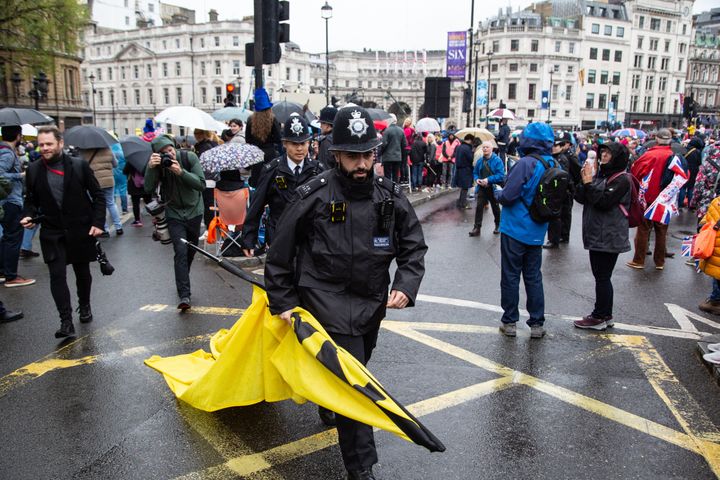
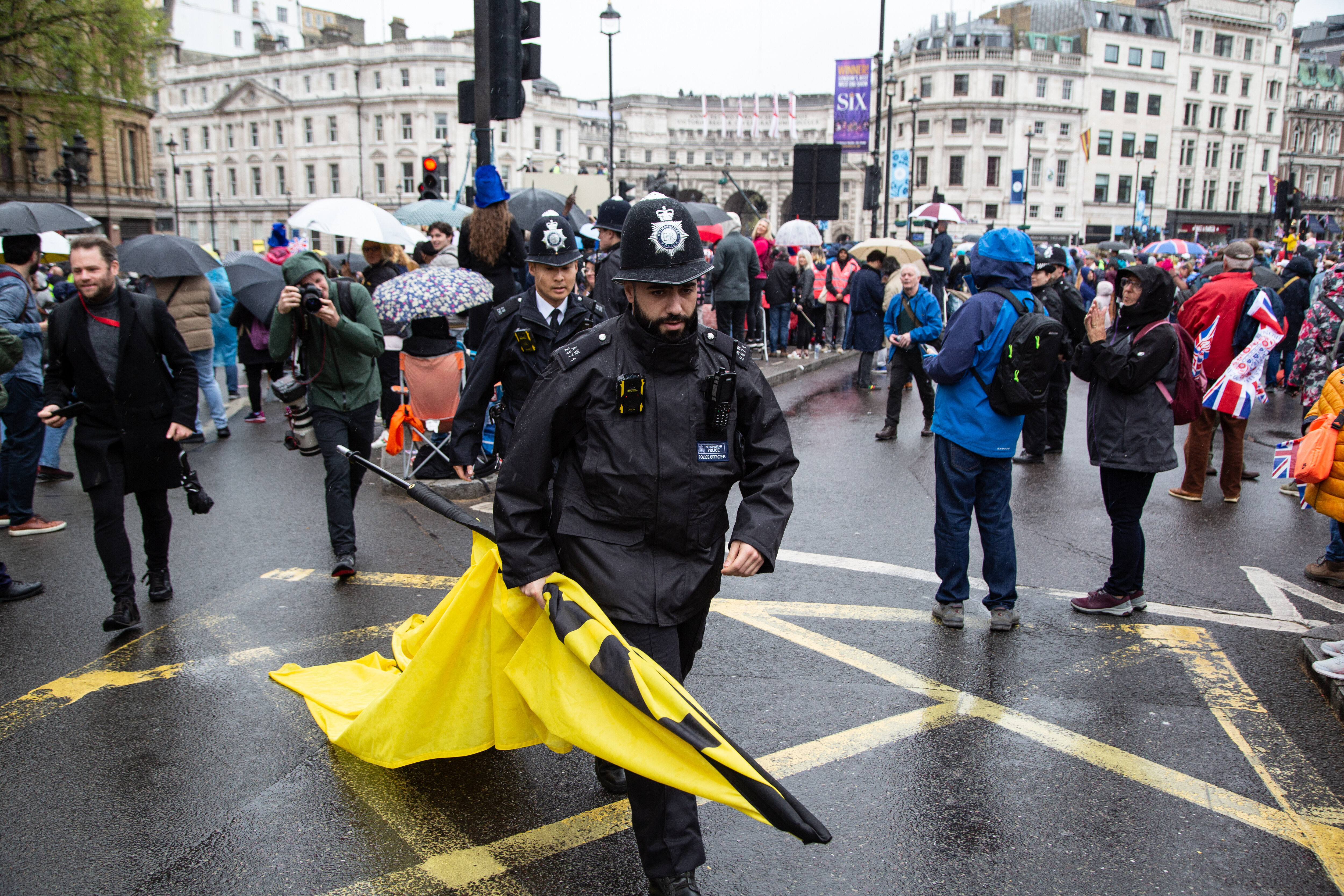
A policeman is seen carrying a banner taken away from protesters during an Anti-monarchist protest during King Charles III’s Coronation.
SOPA Images via Getty Images
Advertisement
“Each and every police officer involved on the ground should hang their heads in shame. They showed no judgement, no common sense and no basic decency.
“This was a heavy handed action which had the appearance of a pre-determined arrest that would have occurred regardless of the evidence or our actions.
“The right to protest peacefully in the UK no longer exists. Instead we have a freedom to protest that is contingent on political decisions made by ministers and senior police officers.”
Smith said the arrests had “destroyed” whatever trust might have existed between peaceful protesters and the Met Police.
He questioned what was the point in the protesters being “open and candid with the police, working with their liaison officers and meeting senior commanders” if this is what happens.
Advertisement
A protester holds a placard which states ‘This country is ours’ during the demonstration.
SOPA Images via Getty Images
The campaigner insisted they would not be deterred from further protest, adding: “We will continue to protest with one simple message: Charles is not our king, it is time to abolish the monarchy.”
However, culture secretary Lucy Frazer insisted the police got the “balance right” and denied that officers had gone too far.
She told Sky News’ Sophy Ridge: “I think, overall, they managed to get that balance right.”
Home secretary Suella Braverman also praised the police for their actions, tweeting: “I’m incredibly grateful to the police for all their hard work at today’s coronation celebration to ensure it was safe and passed without incident.”
Met Police commander Karen Findlay acknowledged concerns about the arrest of protesters but defended Scotland Yard’s actions, saying: “Our duty is to do so in a proportionate manner”.
Advertisement
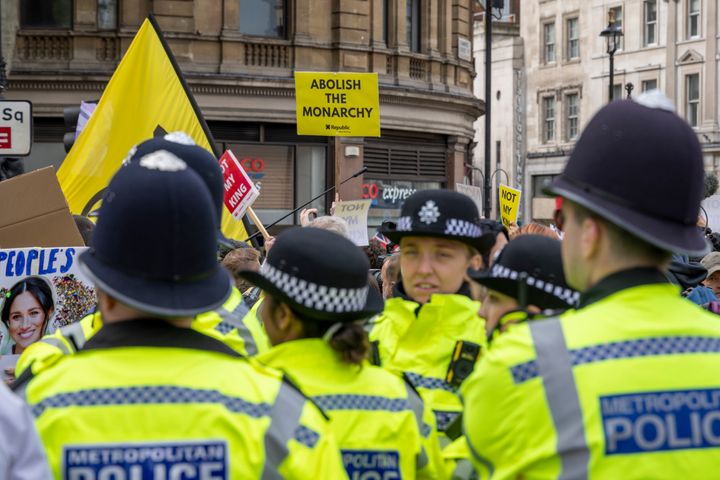
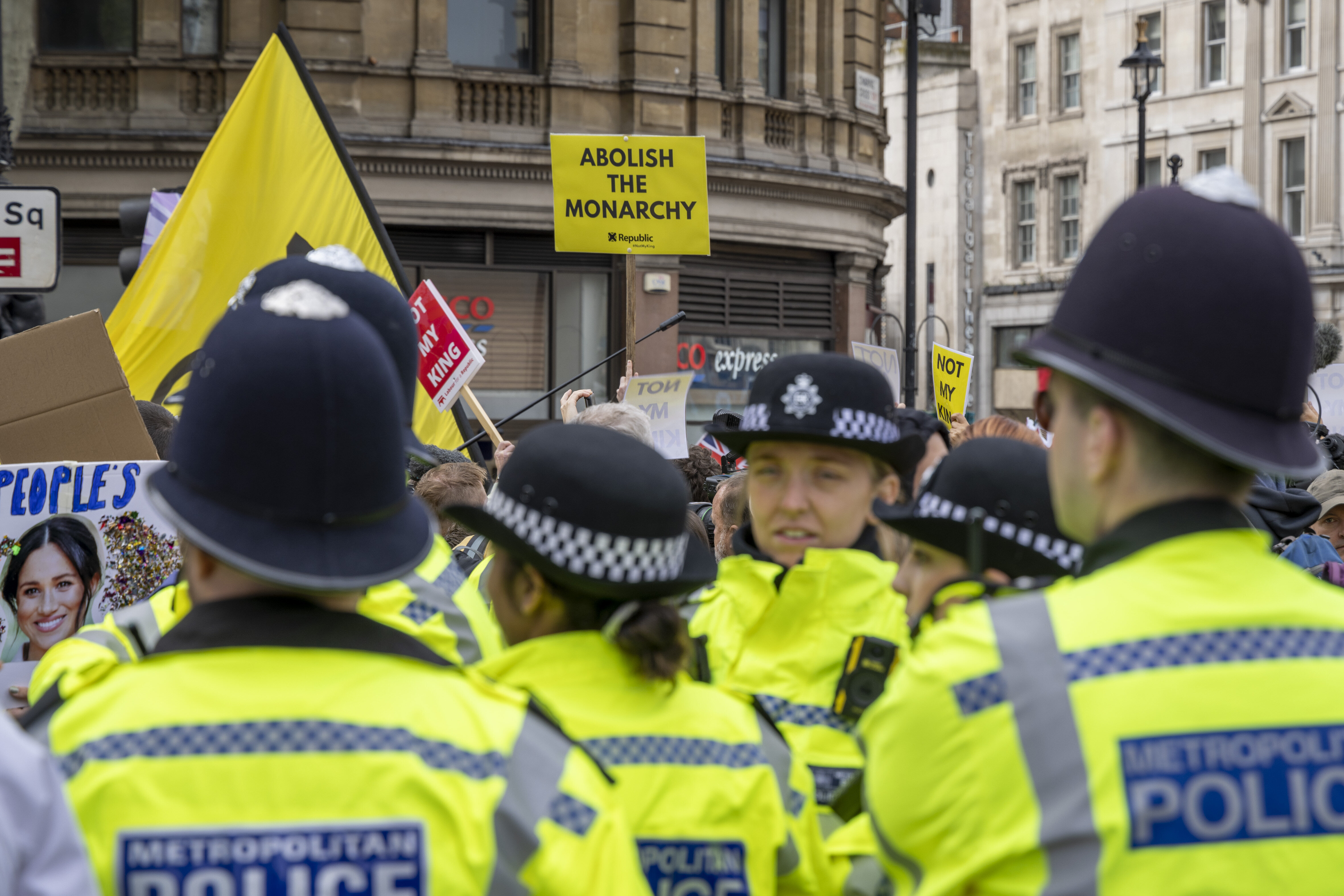
Protestors from the group Republic gather in their hundreds in Trafalgar square to say ‘Not My King’ in central London.
Andrew Aitchison via Getty Images
She said: “We absolutely understand public concern following the arrests we made [on Saturday morning].
“Protest is lawful and it can be disruptive. We have policed numerous protests without intervention in the build-up to the coronation, and during it.
“Our duty is to do so in a proportionate manner in line with relevant legislation. We also have a duty to intervene when protest becomes criminal and may cause serious disruption.
“This depends on the context. The coronation is a once in a generation event and that is a key consideration in our assessment.
Advertisement
“A protest involving large numbers has gone ahead today with police knowledge and no intervention.”
The Met said it received information that protesters were “determined to disrupt” the coronation – including defacing public monuments with paint, breaching barriers and disrupting official movements.
They confirmed 52 people were arrested for affray, public order offences, breach of the peace and conspiracy to cause a public nuisance around the coronation.
Under the controversial new Public Order Act, protesters who have an object with the intention of using it to “lock on” are liable to a fine, with those who block roads facing 12 months in prison.
Twitter users were quick to point out the irony of the hardline MP’s comments given he has previously railed against “cancel culture”.
One person commented: “Telling people who don’t agree with you to leave the country is about as ‘cancel culture’ as it gets.”
Advertisement
Jonathan Harris, a Lib Dem councillor in West Northamptonshire, tweeted: “30 p Lee – Idiot on display. You took the rights away for British people to live and work across the EU, and forget that great democracies are built on and absolutely allow the right to peaceful protest.”
Another described him as being a “liability” when being “this ludicrous” while one drily commented: “If you are leaving your country because you oppose its political system, Mr Anderson will, I’m sure, follow that logic and be the first to welcome you when you arrive at Dover.”
One pointed out: “Deputy chair of the Conservative party rejects freedom of speech.”
Meanwhile, one Twitter user told him: “I think you’re forgetting that the people protesting are the people of this country, they deserve to be able to freely express what they want for their country without being arrested.”
Ah. So once again you show that free speech is only speech you agree with?
— ((Paul Goldsmith)) (@PaulGoldsmith73) May 6, 2023
However, some did back Anderson’s view including fellow Tory MP Kevin Hollinrake who wrote: “Quite right Lee Anderson – time and a place for everything. Wrong time, wrong place.”
Advertisement
The Metropolitan Police Service has faced criticism after more than 50 people were arrested for alleged affray, public nuisance and breach-of-the-peace offences.
The arrests were described by human rights organisations as a “dangerous precedent” for a democratic nation.
It is not the first time Anderson has proved controversial, having previously called for the return of the death penalty and claiming people on Universal Credit were not in poverty.
Anderson is a former coal miner who was a Labour councillor in Ashfield before he defected to the Conservative Party in 2018 and went on to serve as a Tory councillor in Mansfield.
He has been dubbed “30p Lee” for claiming that meals could be prepared for that sum and suggesting people using food banks could not budget.
Advertisement
He recently clashed with Met Police commissioner Mark Rowley over the force’s handling of protests, telling him to “leave his ivory tower” to deal with demonstrators in Westminster.
Under the controversial new Public Order Act, protesters who have an object with the intention of using it to “lock on” are liable to a fine, with those who block roads facing 12 months in prison.
Labour’s Wes Streeting has insisted they are “not entertaining” the prospect of a coalition with the Liberal Democrats.
The shadow health secretary said he did not think it is the “scenario” the country will be in at the next general election.
Advertisement
However, he did not rule out a coalition with the Lib Dems when repeatedly pressed on the possibility in an interview with Sky’s Sophy Ridge.
In separate interview Lib Dem leader Ed Davey explicitly ruled out working with the Tories but did not rule out a coalition with Labour.
Last week’s council results point to a hung parliament at the next general election. They suggest Labour would be the largest party, but short of a majority.
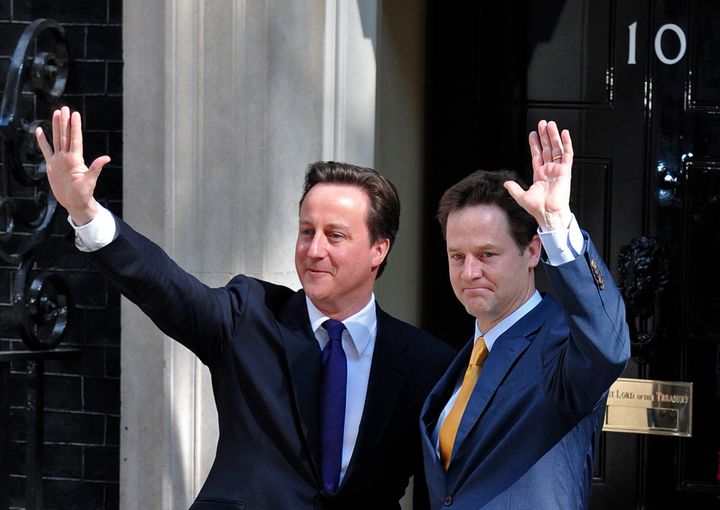
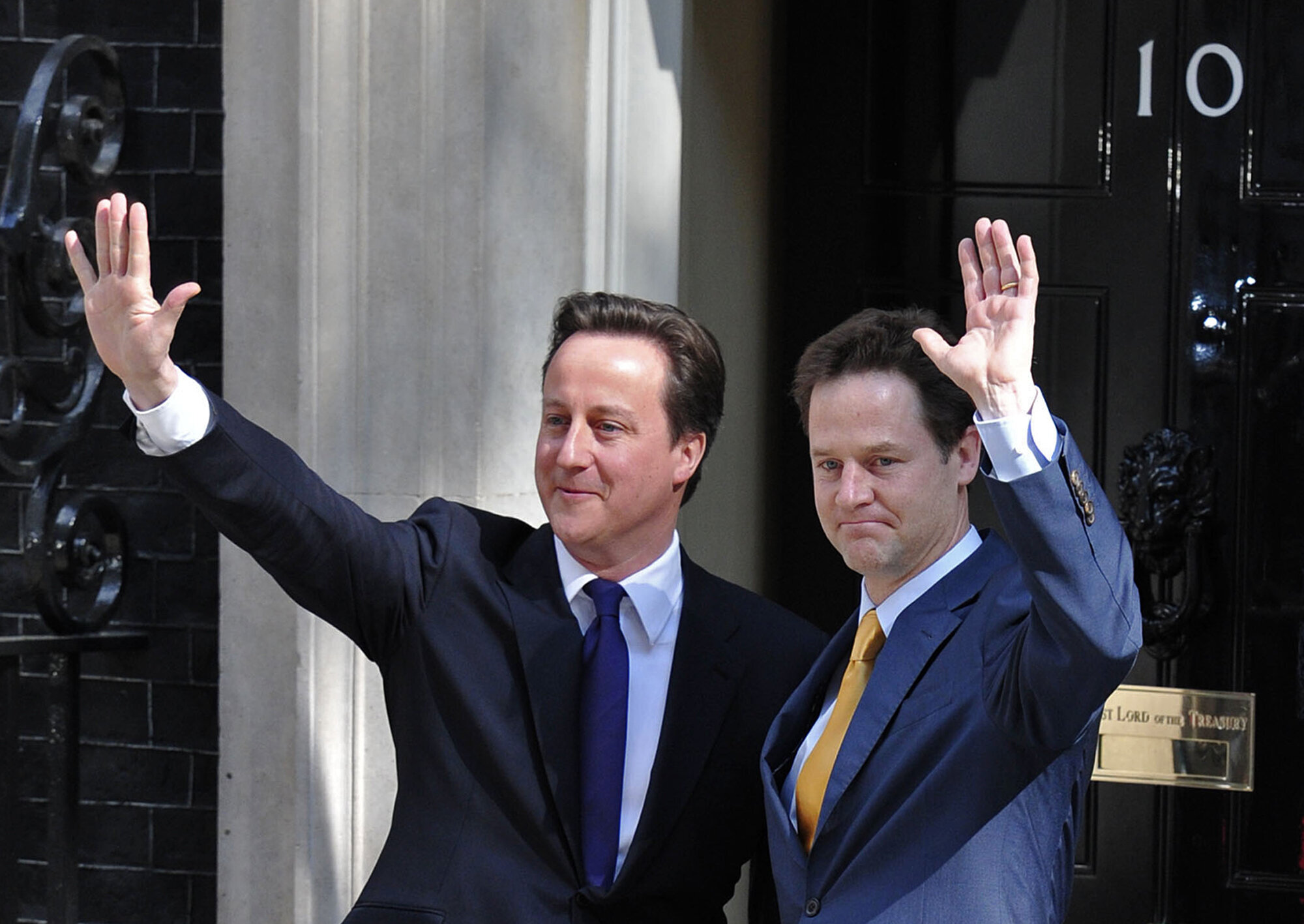
Former prime minister David Cameron and former deputy prime minister Nick Clegg outside 10 Downing Street in London, on May 12, 2010.
AFP via Getty Images
Advertisement
It could be similar to the situation the Tories found themselves in in 2010 when they formed a coalition government with the Lib Dems.
Asked whether Labour would be prepared to go into coalition with the Lib Dems, Streeting said: “We’re not even entertaining that prospect…
“I just don’t think that is the scenario that we are going to be in after the next general election.”
Asked a third time about local election results pointing towards a hung parliament, he said: “This is a process, not an event. We’re not at the final destination yet in terms of the general election.”
Put to him that he was not ruling it out, he gave examples of why “we shouldn’t read the local elections right across”.
Advertisement
He said: “Take Hull, where I saw through gritted teeth the Liberal Democrats did rather well.
“I heard the Lib Dem leader of Hull council the other night saying ‘well, look, locally, people have voted Lib Dem but at the general election people in this city vote Labour’.”
He added: “We’re not complacent about this and there’s so much more still to come.”
When leader Lib Dem leader Davey was asked on the BBC’s Sunday With Laura Kuenssberg show about a coalition with Labour, he said: “That is a hypothetical question because we don’t know what’s going to happen after the next election.”
Put to him that he was ruling out working with the Tories but not Labour, said: “The focus is on getting rid of Conservative MPs. I make no apology for that.”
Advertisement
His deputy leader Daisy Cooper similarly did not rule out a coalition with Labour when challenged.
She told Sky they had “ruled out” working with the Conservatives because of the “damage they are doing to the country”.
But pressed on a coalition with Labour, she replied: “Everything we do between now and the general election will be about focusing on getting Liberal Democrat MPs elected.”
Thursday’s results were disastrous for the Tories who lost some 1,050 seats and control of nearly 50 councils.
It means Labour is now the largest party of local government – overtaking the Conservatives for the first time since 2002.
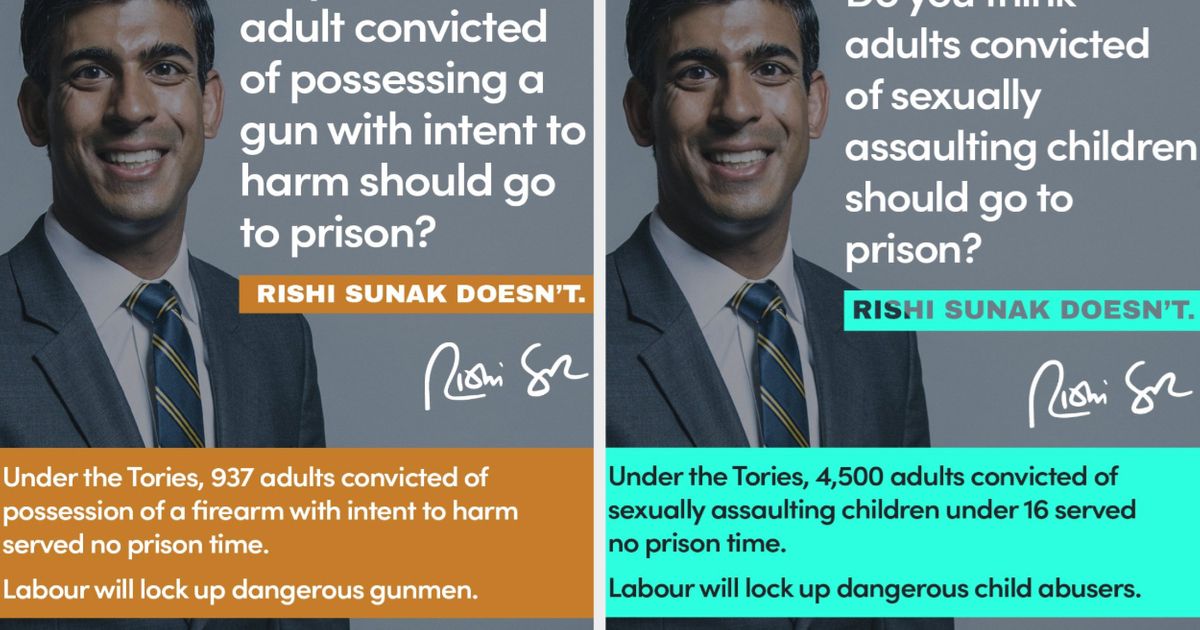
Labour is defying its critics by continuing to publish advertisements attacking the Tories despite a backlash even from one of its own MPs.
On Friday, a fresh post on Twitter suggested the Conservative Party is weak on firearms offences.
Using the same format as the heavily-criticised first poster, it asks: “Do you think an adult convicted of possessing a gun with intent to harm should go to prison?”
Advertisement
Before answering, “Rishi Sunak doesn’t”, and adding Sunak’s signature.
It includes the statistic: “Under the Tories 937 adults convicted of possession of a firearm with intent to harm served no prison time. Labour will lock up dangerous gunmen.”
Judges and magistrates, rather than the prime minister of the day, are responsible for handing out sentences and the figures Labour highlighted cover the period since 2010 – Sunak only entered parliament in 2015 and did not become prime minister until October last year.
The first poster – which was variously described as “gutter politics”, “idiotic” and “a new low in British political attack ads” – suggested Sunak did not support the jailing of child sex offenders.
The tweet has come in for a wave of criticism from across the political spectrum, including from former Labour shadow chancellor John McDonnell, who said: “We are better than this.”
Advertisement
In an excruciating interview on BBC Breakfast this morning, shadow culture secretary Lucy Powell repeatedly refused to say she personally supported the tweet.
HuffPost UK has reported the party was planning to step up its attacks – despite the furore – after holding talks with political allies in America and Australia over how to take the fight to the Conservatives in the run-up to the next election.
Labour was accused of a “vile and desperate” campaign strategy by Tory deputy chairman Lee Anderson and “cheapened and debased” politics by SNP MP John Nicolson after posting the advert on Twitter.
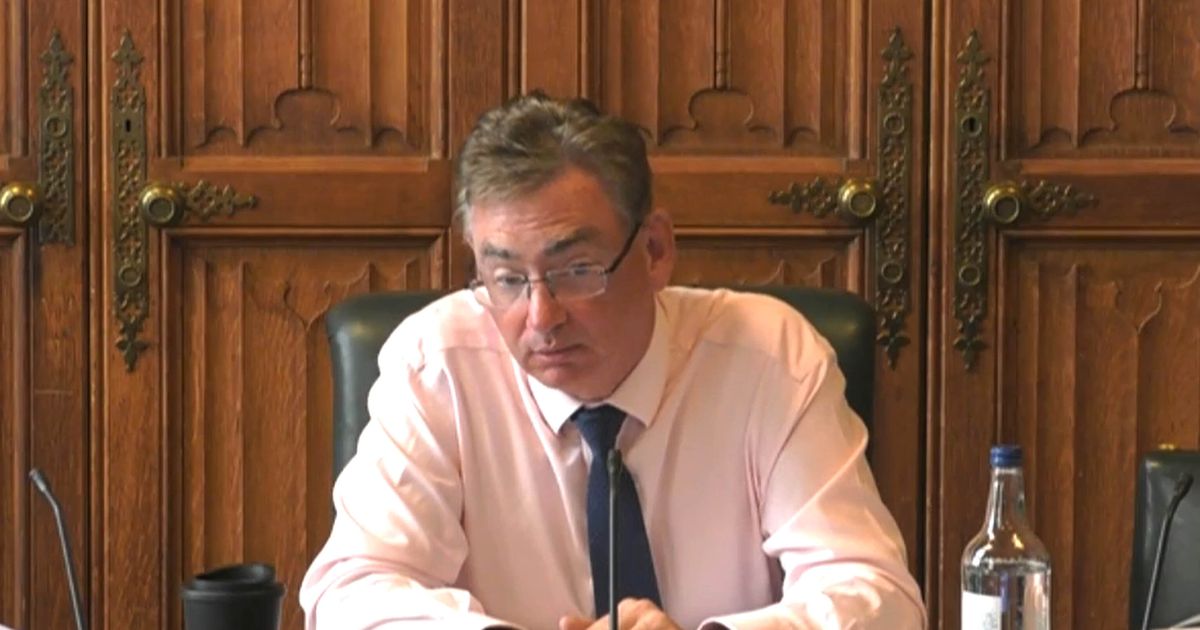
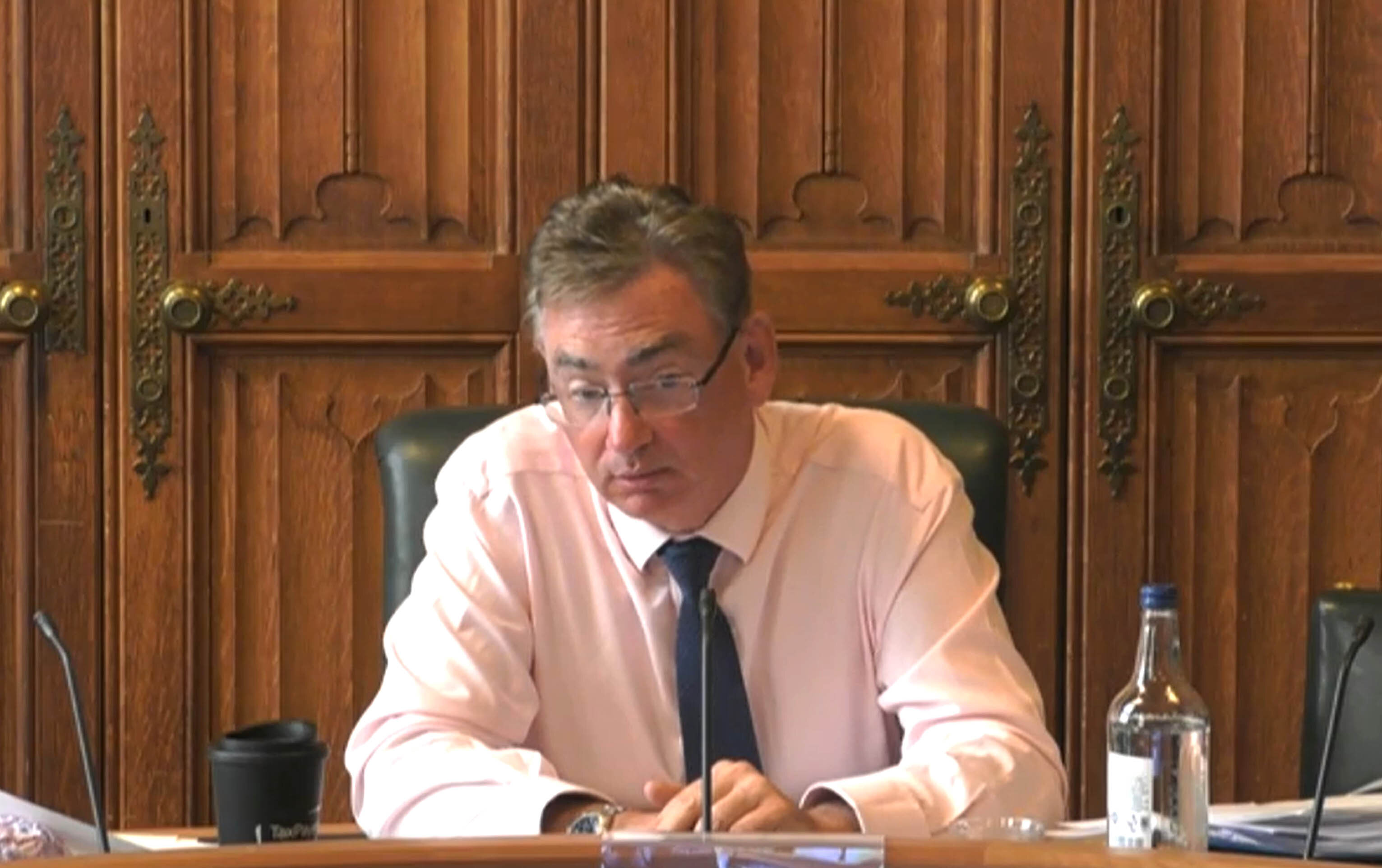
A senior MP has accused the Tories of conducting a “witch hunt” against him after his appeal to have the party whip restored was turned down.
Julian Knight said he should be welcomed back into the Conservative fold after being cleared by police of a sexual assault allegation.
Advertisement
But government chief whip Simon Hart rejected his appeal after “further complaints” were made against him.
“These complaints, if appropriate, will be referred to the relevant police force, or appropriate bodies,” Hart said.
Knight, who has been MP for Solihull since 2015, hit back: “This statement from the chief whip smacks of [a] desperate attempt to cover up the identities and motives of those in parliament who colluded for many months to bring the false allegation against me to the police.
“The police have confirmed today that there is no evidence to support that allegation and closed their investigation. They did not even need to interview me to do so.
Advertisement
“Yet the whips office now seems intent on continuing a witch hunt against me in an attempt to prevent my naming names.”
Knight, who is chairman of the Commons digital, culture, media and sport committee, recused himself from parliament last December.
Earlier this afternoon he hit out at the Tory whips for publicly naming him when the first allegation against him was made.
He said: “Their actions meant my name was dragged through the mud and my good reputation immeasurably damaged.
“The conduct of one person in the whips office, and the language used towards me, was particularly egregious.”
Advertisement
Knight also took aim at the police for the way they handled their investigation into him.
“Had the police taken the simple step at outset of interviewing me under caution, they would have seen that the allegation was false and scandalous,” he said.
“Instead, they waited four months, without ever talking to me, before deciding there was nothing for them to investigate.
“I have been left effectively to prove my innocence through my public statements and letters to the commissioner of the Metropolitan Police and the chief whip. That cannot be right.
“It is now my intention to use every legal route available to pursue those inside and outside parliament involved in having this allegation brought against me.”
In a damning report, Sir Laurie Magnus, Sunak’s ethics adviser, said Zahawi had failed “to be honest, open and an exemplary leader through his own behaviour”.
Although he was booted out of the government, he remains the Conservative MP for Stratford-in-Avon.
Lib Dem deputy leader Daisy Cooper has written to the prime minister urging him to remove the Tory whip from Zahawi if he refuses to quit the Commons.
She said: “Nadhim Zahawi failed to pay the taxes he owed, refused to come clean, and then threatened campaigners and journalists with legal action simply for trying to uncover the truth.
“It shows that Zahawi is simply not fit to represent his constituents in Parliament. If he refuses to stand down as an MP, Rishi Sunak surely has no choice but to withdraw the Conservative whip.
Advertisement
“Sunak dragged his feet for weeks over this scandal. He must now act swiftly if he’s serious about restoring integrity to this sleaze-ridden Conservative government.”
But a source in the Tory whips office pointed to the final paragraph of Sunak’s letter to Zahawi yesterday as proof that the PM plans to stand by his party colleague.
In it, the prime minister said: “I know I will be able to count on your support from the backbenches as you continue to passionately and determinedly serve your constituents of Stratford-on-Avon and represent the many issues and campaigns you are dedicated to.
“Thank you for your service to this and previous governments.”
In his reply, Zahawi also pledged his support to the government.
He said: “You can be assured of my support from the backbenches in the coming years. Your five priorities are the right priorities, and I will do whatever I can to help you deliver them.”
Rishi Sunak is facing a fresh Tory backbench rebellion over a law aimed at protecting children when they use the internet.
Nearly 40 Conservative MPs – including former cabinet ministers – have signed an amendment to the online safety bill which could see social media bosses jailed if their platforms publish harmful content.
Advertisement
The prime minister has already been forced to perform embarrassing U-turns over housebuilding targets and new onshore wind farms in the face of rebellions by Tory MPs.
Among the 36 Conservatives backing the rebel amendment are former party leader Iain Duncan Smith and Andrea Leadsom.
With Labour also backing it, Sunak is heading for his first parliamentary defeat as PM unless the government changes its position.
Culture secretary Michelle Donelan hinted that the government was preparing for a climbdown.
Speaking to the BBC’s Newscast podcast, she said: “I’m not ruling out any of those amendments because I’ve been working through them and they’ve been coming in today as well, looking at, you know, what colleagues are putting forward.
Advertisement
“I’m somebody that always takes a sensible approach to these things. If people have good ideas, just because I didn’t think of them, doesn’t mean that we’re not going to do them.”
Ian Russell and Ruth Moss, parents of children who killed themselves after viewing harmful content online, are among those campaigning for the government to accept the proposed change.
The prime minister’s official spokesperson said: “Our aim is to hold to account social media platforms for harmful content while also ensuring the UK remains a great place to invest and grow a tech business.
“We are confident we can achieve both of these things.
“We will carefully consider all the proposed amendments to the online safety bill and set out its position when report stage continues.”
Rishi Sunak’s net zero tsar has become the latest Tory MP to announce they will not be running again for parliament.
Chris Skidmore said he would not be fighting to find another constituency when expected boundary changes abolish his Kingswood seat.
Advertisement
The 41-year-old is the ninth Tory MP to confirm they will not stand at the next general election, which is expected in 2024.
His announcement came just 24 hours after levelling up minister Dehenna Davison and Gary Streeter announced that they were also joining the Conservative exodus.
Skidmore, who was first elected in 2010, said: “With no alternative seat, I have decided that I do not wish to fight another constituency elsewhere in the region or country, especially with a very young family who deserve to see more of their father in their lives.”
The former science minister said he now wants to focus on the UK reaching net zero carbon emissions by 2050 as he undertakes a review for Sunak.
Advertisement
“Rather than step aside, I hope that in the future I can step up to continue to play my own small part in helping to deliver on the energy transition that the world needs,” he said.
The relatively young ages of many of the Tories planning to quit has alarmed some within the party.
Davison, who became Bishop Auckland’s first Conservative MP in 2019, is 29, while Chloe Smith and William Wragg – who are also standing down – are 40 and 34 respectively.
The party is braced for a growing exodus as opinion polls suggest the Conservatives face an almighty challenge to recover their popularity.