Rishi Sunak Says He ‘Doesn’t Know David Cameron Well’ Despite Lobbying Texts

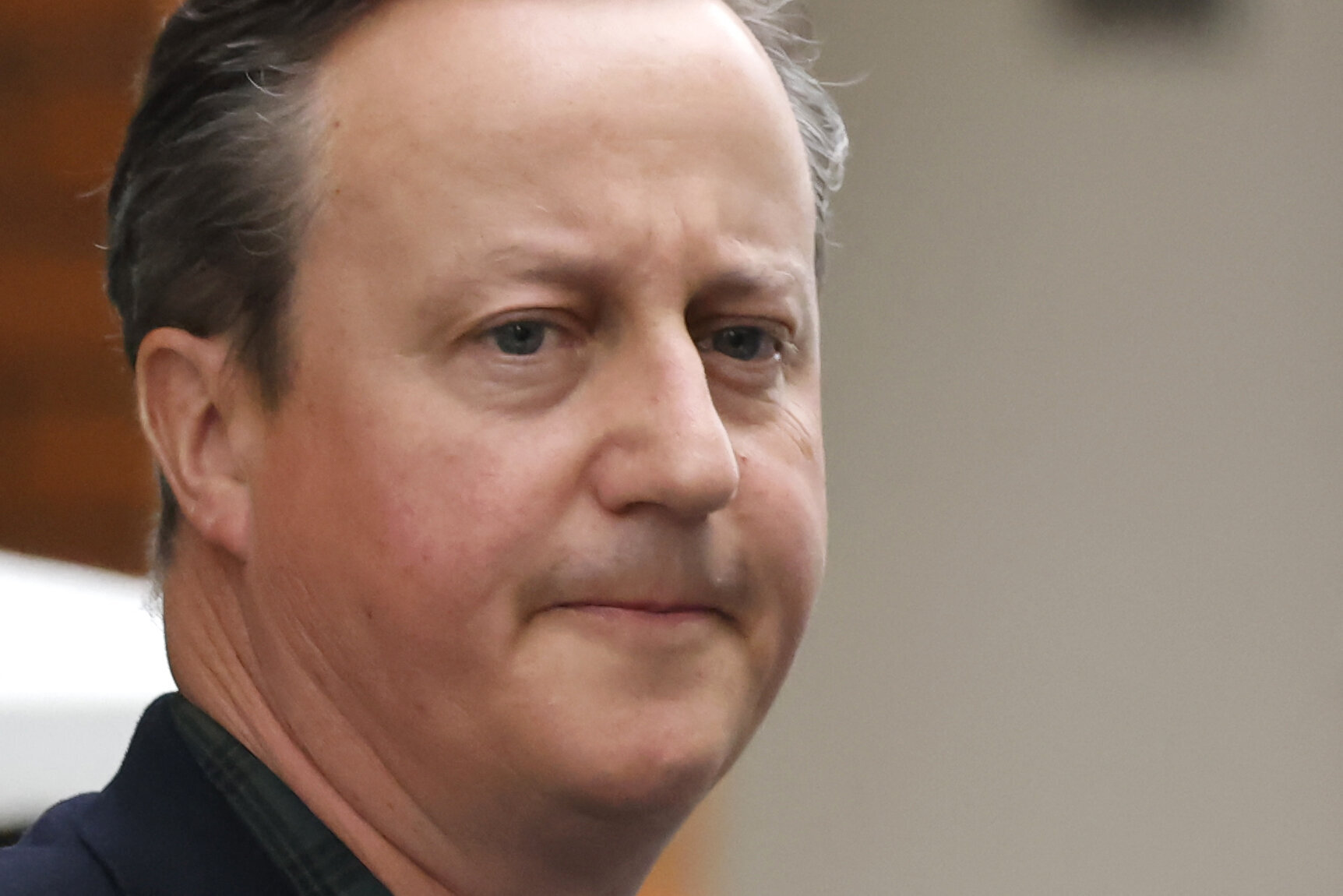
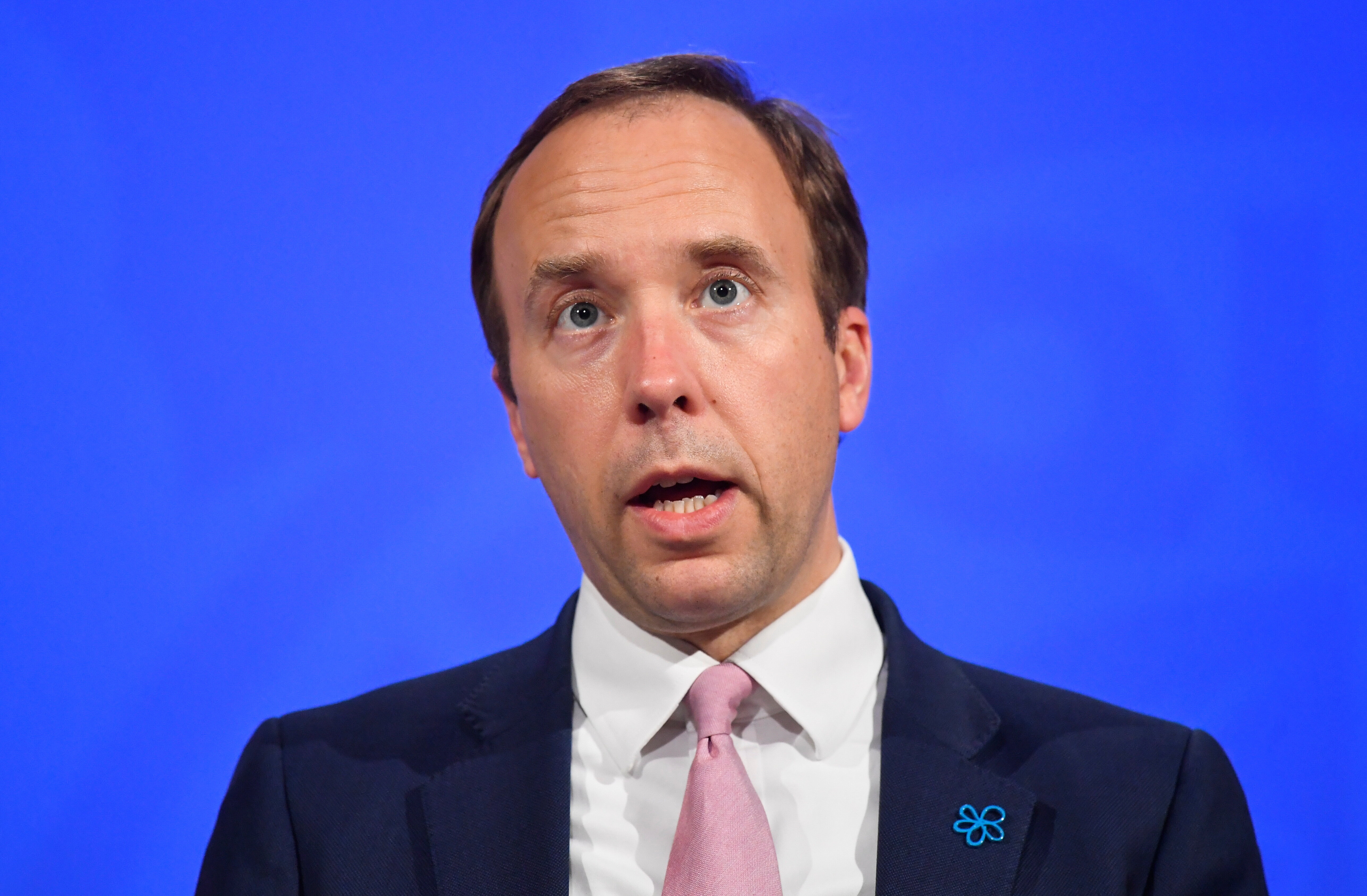
Rishi Sunak has said he did not know David Cameron “very well at all” when the former prime minister texted him to controversially lobby on behalf of Greensill Capital.

Cameron’s intensive lobbying of ministers and officials was laid bare earlier this month as MPs seek to understand the role the ex-PM played in securing Whitehall access for the company.

Greensill is now being investigated by the Financial Conduct Authority, which received allegations relating to the firm’s collapse that were “potentially criminal in nature”.

The firm’s demise has rendered Cameron’s reported tens of millions of share options worthless, and there has been criticism of how a former prime minister was able to exploit his personal contacts with ex-colleagues and officials in the pursuit of commercial gain.

Sunak and the Treasury were at the centre of Cameron’s lobbying efforts.

IN DEPTH David Cameron’s Most Cringeworthy Greensill Lobbying Texts Laid Bare

The PM texted Sunak last April after being rebuffed by Treasury officials as he tried to gain access for Greensill to the government’s Covid Corporate Financing Facility (CCFF).

After being told “no”, Cameron told Treasury permanent secretary Tom Scholar on April 3 that the refusal was “bonkers” and that he was now going to call “[the chancellor], [Michael] Gove, everyone”.

Just eight minutes later, Cameron texted Sunak: “Rishi, David Cameron here. Can I have a quick word at some point?”, before going on to explain Greensill’s request.

Several messages and phone calls between the pair followed.

But Sunak suggested that if Cameron was trying to exploit personal contacts, the pair had not actually spoken since summer 2016 or before.

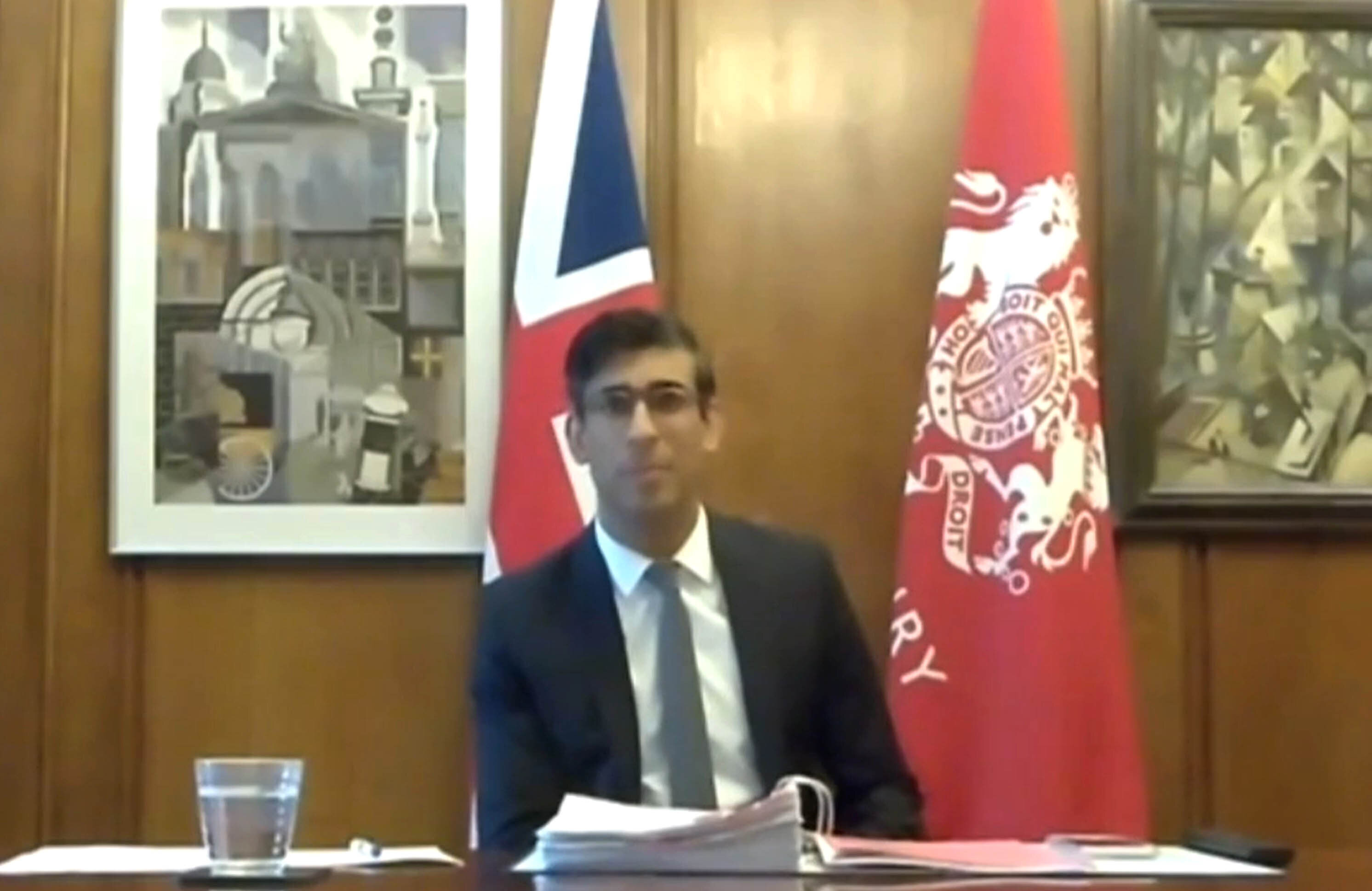
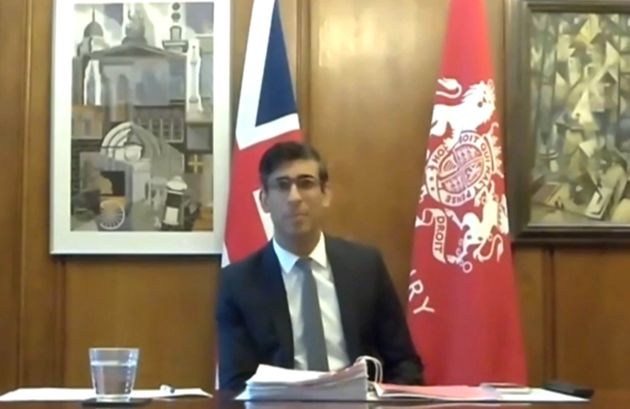
“I don’t know David Cameron very well at all and I don’t think I’ve spoken to him since I was a backbench MP and he was prime minister,” Sunak told the Commons Treasury committee.

“It was a surprise to receive the message.” 

House of Commons – PA Images via Getty Images

Sunak giving evidence to the Commons Treasury committee

Following a barrage of texts, calls, messages and emails across the government, Cameron’s lobbying efforts ultimately failed.

Sunak insisted that he would not have done anything differently in his approach to Greensill and that Cameron’s role was not important to how much time officials in the Treasury spent on the firm’s request.

“I looked at the issue on the merits of it, so the identity of the person talking about it was not relevant to the amount of attention and proper due diligence that the issue got and required,” Sunak said.

“This was one of many strands of work, and in fact probably the one we spent the least time on during this period.”

Earlier this month, Cameron stressed that he was unaware of any financial difficulty at Greensill until December 2020, when he was told that an attempt to raise funds had not gone as well as hoped.

According to founder Lex Greensill, the rug was finally pulled out from underneath the company when its biggest insurer, Tokio Marine, refused to renew its policies with Greensill.

Treasury official Charles Roxburgh said on Thursday that the firm’s collapse would directly cost around £8m to the taxpayer, including taxes that Greensill owed.

But he did not accept the cost of up to £5bn that former City minister Lord Myners estimated the taxpayer could indirectly be on the hook for.

Greensill provided so-called supply chain finance to businesses, which meant the firm would pay a company’s invoice immediately after it was sent, therefore cutting out the usual delay which can restrict companies’ cash flows.

Top lawyer Nigel Boardman has been tasked by prime minister Boris Johnson to look into the Greensill scandal.

Share Button

Indian Variant 75% Of All New UK Covid Cases, Says Matt Hancock

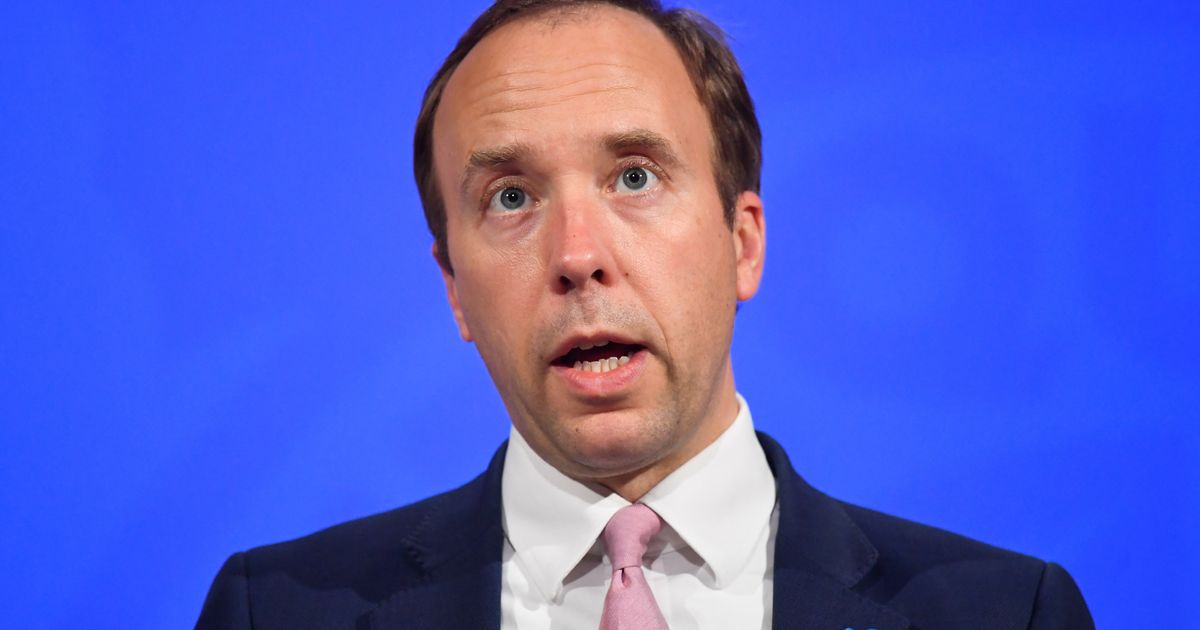
Matt Hancock said that up to three-quarters of new coronavirus cases in he uK were the Indian variant.

A total of 6,959 cases of the variant have now been confirmed in the UK, Public Health England said.

The figures are up to May 26, and represent a rise of 3,535 on the previous week.

In England 6,180 cases have now been confirmed, along with 702 in Scotland, 58 in Wales and 19 in Northern Ireland.

Speaking at a Downing Street press conference on Thursday, Hancock said the increase in cases of the variant remained focused in “hotspots” where surge testing and vaccinations were taking place.

The health secretary said “more than half and potentially as many as three-quarters of all new cases” are of the variant.

“As we set out our road map we always expected cases to rise, we must remain vigilant,” he sad.

“The aim, of course, is to break the link to hospitalisations and deaths so that cases alone no longer require stringent restrictions on people’s lives.”

Hancock said the vaccination programme was having the effect of “severing” that link.

He said “in total” 13,200 deaths and 39,700 hospitalisations had so far been prevented by the vaccine.   

The local areas most affected by the Indian variant of coronavirus continue to be Bolton, Bedford and Blackburn with Darwen.

Seven further areas in England have more than 100 confirmed cases of the variant: Leicester, Sefton, Nottingham, Wigan, Central Bedfordshire, Manchester and Hillingdon.

In England on May 24, there were 98 hospital admissions for Covid, slightly above the seven-day average (88) but down 98% from the second-wave peak.

Share Button

Five Lessons Learned From Dominic Cummings’ Covid Testimony

You’re reading The Waugh Zone, our daily politics briefing. Sign up now to get it by email in the evening.


1 No.10 was a Covid chaos zone

The whole point of Dominic Cummings’ evidence was to provide the first draft of the history of the government’s handling of the pandemic. While his personal opinions on what went wrong can be dismissed, his eye-witness testimony cannot be easily shrugged off. And on that score, he didn’t disappoint, giving vivid accounts of the chaos in Downing Street as Covid hit landfall in March 2020.

His description of the events of over two key days allowed the public a glimpse of just how Boris Johnson runs, or doesn’t run, his government. On the “insane day” of March 12, while the PM clearly had no choice but to deal with Trump’s plea to join a bombing raid on Iraq, Cummings implied that his boss allowed partner Carrie Symonds’ to waste valuable press office time with complaints about a story about their dog Dilyn.

But it was the following day that was more telling and more worrying. First, a senior department of health official confided there was no plan for a pandemic. Then deputy cabinet secretary Helen McNamara allegedly said “I think we are absolutely fucked, I think this country is heading for a disaster. I think we are going to kill thousands of people.” Those words are sure to be pored over in any public inquiry.

Just as concerning was the picture painted by Cummings of the lack of data available, with him having to scribble on a whiteboard and an iPad a rough model of how many hospitalisations were happening, based on snippets of early info from NHS chief Simon Stevens. So too was the revelation that the Cabinet secretary Mark Sedwill so misunderstood Covid that he suggested the PM go on TV to tell people to have ‘chickenpox parties’.

2 Hancock was to blame for virtually everything

In what felt like a Whitehall version of the Assassin’s Creed video game, Cummings spent a lot of his time trying to eviscerate Matt Hancock’s reputation. The allegations were hugely serious, from lying about PPE stocks and testing in care homes to his decision to announce a 100,000 daily test target while the PM was “on his deathbed”. Yet the relentless nature of the onslaught (who cares how many times Cummings called for him to be sacked?) tipped from public interest to private vendetta.

What also furthered the impression that this was about personalities was his huge praise for Rishi Sunak and Dominic Raab (who both happened to be Brexiteers, while Hancock was a Remainer). Cummings’ curious memory loss about discussions of the EatOutToHelpOut scheme, plus his failure to criticise any decisions by old boss Michael Gove, suggested chairman Greg Clark was right when he asked if this was about ‘settling scores’.

Cummings also failed to fully credit Hancock for his strong push for a second lockdown in the autumn, while at the same time playing down the chancellor’s concerns about the idea. The lens was so skewed that he even said Sunak’s real worry was that the department of health could impose a circuit breaker but had no plan for what happened next. Most curiously, for a man who blogged at length about systems and processes, his real focus was on the central role of “brilliant” individuals, be they officials or ministers.

3 Boris Johnson was off his trolley

The vituperative attacks on Hancock felt like a sideshow compared to Cummings’ cold, matter of fact descriptions of Boris Johnson as being “unfit” to be prime minister. This was the PM’s former chief adviser saying he was never really upto the job, but he was at least better than Jeremy Corbyn. Johnson changed his mind so much, on everything from Covid to free school meals, that he looked “just like a shopping trolley smashing from one side of the aisle to the other.” Sunak was at his wits end about the trolley too, we learned.

Funnily enough the trolley analogy was first used by former Cameron spinner Craig Oliver to describe how Johnson wrote two different Telegraph columns for and against Brexit. But Cummings’s more damning charge was that the PM was fundamentally unserious about Covid policy. Perhaps his most telling line was this: “There is a great misunderstanding people have, that because it [Covid] nearly killed him, therefore he must have taken it seriously.” Narrator: he didn’t.

We heard of Johnson’s talk of injecting himself with Covid on live TV, his regret that he didn’t behave like the Mayor in Jaws and keep the beaches/shops/pubs open, his glib lines about letting ‘the bodies pile high’ and that the virus was “only killing 80-year-olds” (a charge pointedly not denied in PMQs). All felt like jokes that curdled quickly into a cold contempt for the very public he was meant to serve.

Add the claim Johnson “changes his mind 10 times a day” and disappears on holiday at key moments, and that’s a withering verdict on any politician, let alone a PM in a pandemic. No Wonder Johnson looked distinctly rattled when Keir Starmer quoted Cummings central admission: “When the public needed us most, the government failed”.

4 Cummings sounded as unserious as Johnson

Having learned from his Rose Garden press conference disaster, Cummings at least tried to open with an apology for his failures, including not hitting the “panic button” for lockdown earlier. Yet it felt like a strange humblebrag, that somehow he was a genius who spotted the problem but failed to convey that genius. It reminded me of the job interviewees who say their only flaw is that they are a perfectionist.

In a similar vein, his line that it was ”completely crazy that I should have been in such a senior position…I’m not smart” was a laughable attempt at self-effacement. In the next breath he expressed frustration that he wasn’t running the country instead of the elected PM, saying he tried to “create a structure around him..to push things through against his wishes”. Yet this was a man who stuck to his ludicrous specsavers defence for his trip to Barnard Castle.

Cummings’ line that Covid needed a “kind of dictator”, a scientist with “kingly authority”, just also proved how unserious he really is. So too were his references to Spider-Man memes and the film Independence Day (which the bereaved families group felt belittled the gravity of their loss). When he kept saying he felt like he was in a movie, he came across someone as woefully out of his depth as the boss he ridiculed. Asked if he too was unfit for No.10, he just sidestepped the question like a politician. And his charge that it was “crackers” that Johnson was in power suffered from the slight problem of his enthusiastic work to keep him there.

5 Governing properly is really hard, isn’t it?

The lessons learned about Cummings’ own character were possibly just as telling as lessons learned about the pandemic. His own credibility as a witness may already be fatally undermined by his Durham drive. But his testimony had some clear contradictions too. Criticising Carrie Symonds’ “unethical” interference in No.10 appointments may have provoked a hollow laugh from Sonia Khan, whom he had frogmarched by a policeman out of Downing Street without due process.

Most of all, when the crunch came, this would-be iconoclast, the arch-disrupter also revealed a telling lack of nerve in the real world: he revealed he didn’t push for lockdown earlier because he was “frightened” he would get it wrong. That in itself was a rare admission that running a government really is very different from running a referendum campaign. The stakes are all too real.

Cummings’ most serious charge was left for the latter part of his nearly seven hours testimony: “Tens of thousands of people died, who didn’t need to die.” The irony is that Johnson seems to have finally learned the lesson of hard lockdowns and slow releases only since January – after his chief adviser left office. Cummings today got his blame game retaliation in first ahead of the public inquiry. As the PM copes with the new Indian variant, his best answer to the criticism would be to get the current unlockdown right.

Share Button

8 News Stories You May Have Missed Because Of Dominic Cummings

JUSTIN TALLIS via Getty Images

Former number 10 special advisor Dominic Cummings leaves Parliament after giving evidence to a Parliamentary committee hearing in London on May 26, 2021. –

Boris Johnson has been left licking his wounds after Dominic Cummings dropped bombshell upon bombshell on the prime minister over his handling of Covid. 

The former aide sent shockwaves through Westminster at his long-awaited Commons committee hearing, in which he called for health secretary Matt Hancock to be sacked over alleged lies and said the PM was “unfit” for office. 

In a frankly bizarre turn, the PM’s ex-adviser also claimed that in the early days of the pandemic, Johnson considered having Covid injected into him live on television by chief medical officer Chris Whitty. 

Amidst all this, you may have missed some other important news.

Let’s get you caught up with some of today’s other headlines. 

1, The Hillsborough trial collapsed 

AFP Contributor via Getty Images

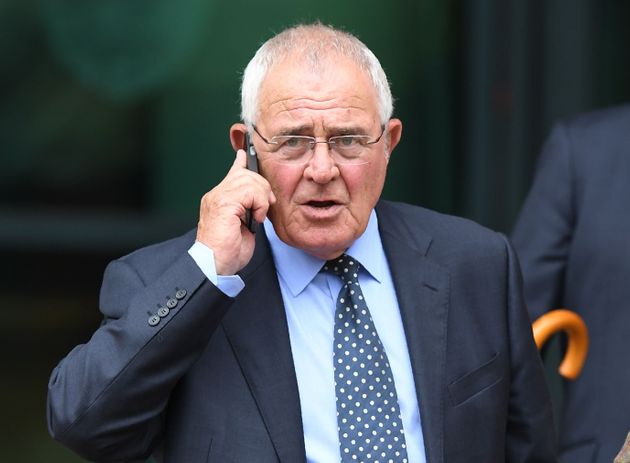
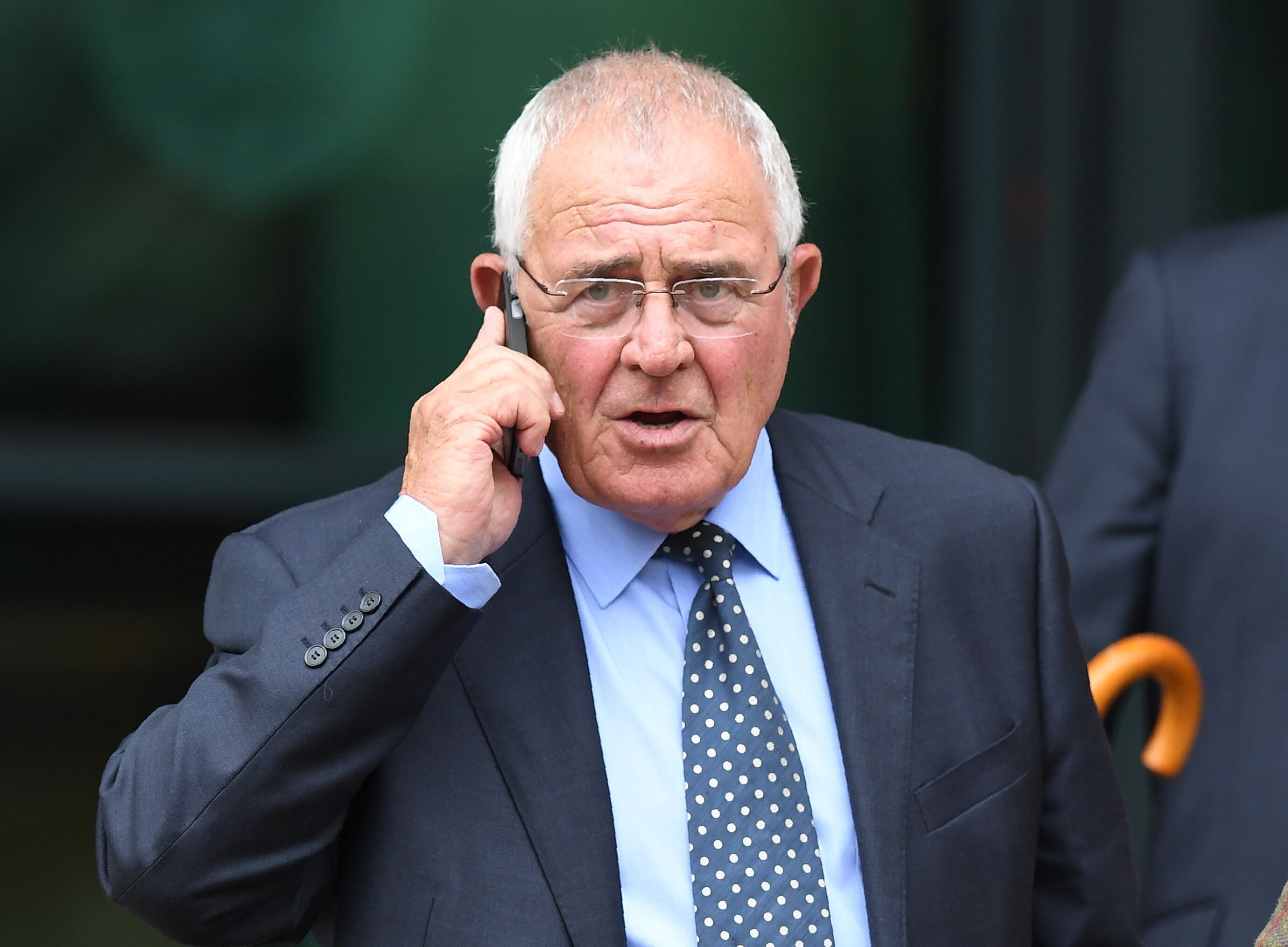
Retired police officer Donald Denton leaves court

Two retired police officers and an ex-solicitor accused of altering police statements after the Hillsborough disaster have been acquitted. 

The trial against Donald Denton, 83, retired detective chief inspector Alan Foster, 74, and solicitor Peter Metcalf, 71, collapsed on Wednesday after a judge ruled there was no case to answer. 

The three men denied charges of perverting the course of justice after it was alleged they tried to minimise the blame on South Yorkshire Police.

Mr Justice William Davis said the amended statements were intended for a public inquiry into safety at sports grounds, however, and that as such it was not a course of public justice.

Ninety-six Liverpool fans died as a result of the crush at the FA Cup semi-final match at Sheffield Wednesday’s ground on 15 April 1989.

Margaret Aspinall, whose son James was among them, said the ruling was “an absolute mockery” and a “shambles”.

“We’re always the losers no matter what the outcome today,” she said.

2, Raab met Israeli and Palestinian leaders for peace talks

Dominic Raab met with Israeli prime minister Benjamin Netanyahu and Palestinian president Mahmoud Abbas as he reiterated the UK supports a two-state solution in the Israel-Gaza conflict. 

The foreign secretary called for a “lasting peace” on Wednesday and visited both Israel and the occupied Palestinian territories following last week’s ceasefire.

The ceasefire was declared on Friday after 11 days of fighting killed more than 250 people, the vast majority in Gaza, in what was the worst violence in the conflict since 2014. 

Raab tweeted: “Vital we make progress towards a more positive future for Israelis and Palestinians.”

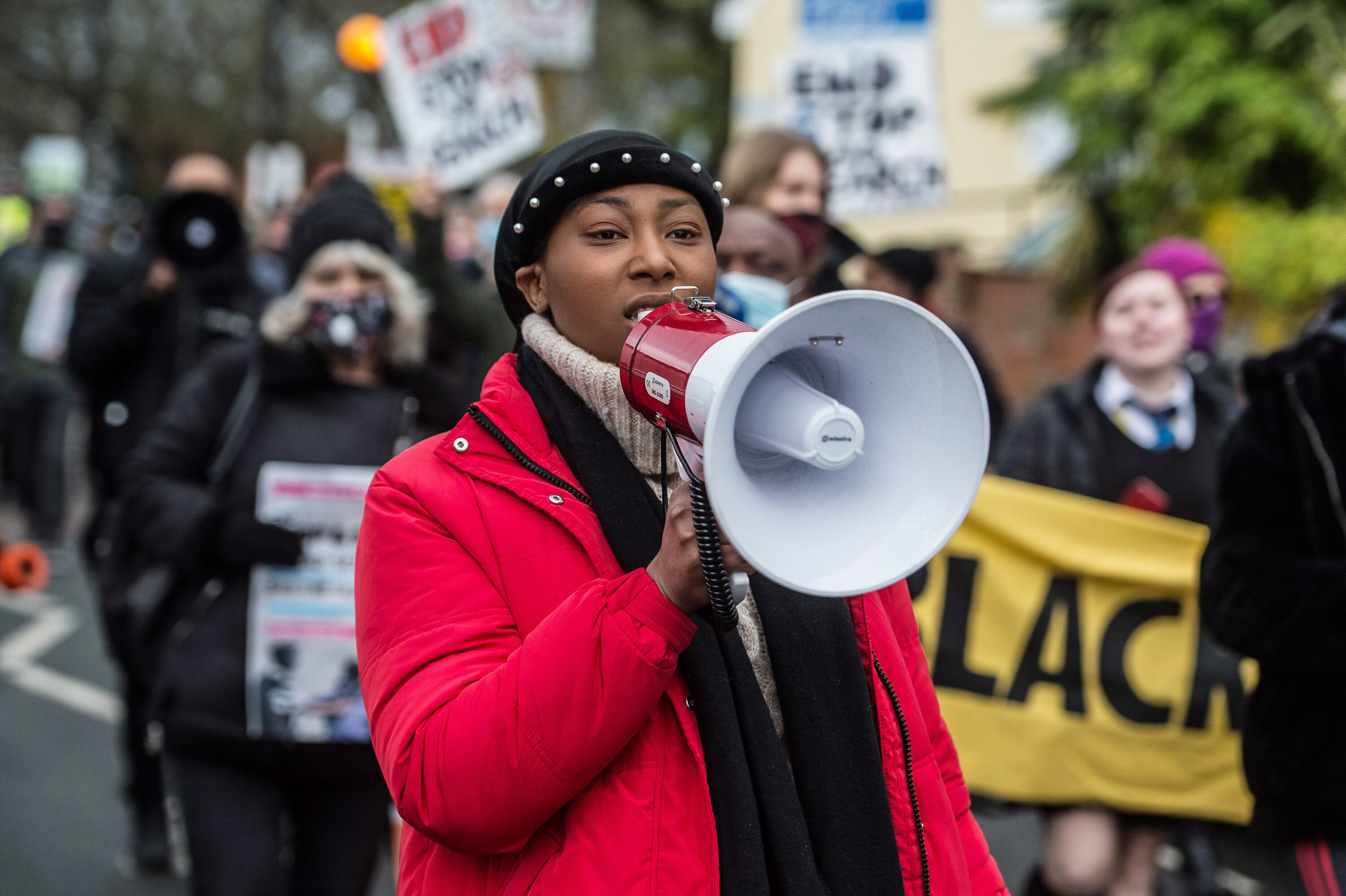
3, Five arrested after Black Lives Matter activist shot

Guy Smallman via Getty Images

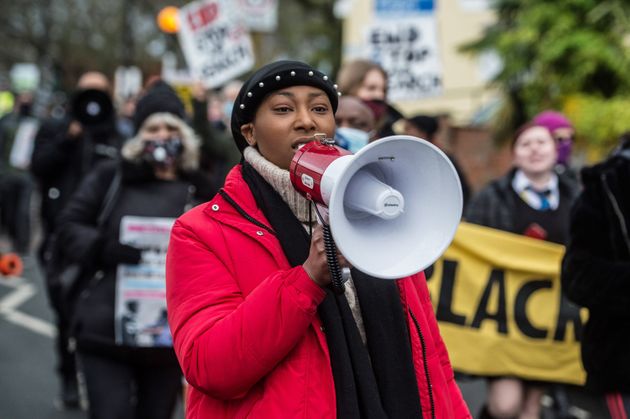
 Black Lives Matter activist Sasha Johnson

Five men have been arrested on suspicion of attempted murder over the shooting of black equal rights activist Sasha Johnson.

The 27-year-old Oxford graduate is fighting for her life in hospital after being injured at a party in Peckham, south-east London in the early hours of Sunday.

The Metropolitan Police said that officers detained three teenagers and two older men on suspicion of other offences, before they were all also arrested on suspicion of attempted murder.

The first suspect, a 17-year-old boy, was held on suspicion of possession of an offensive weapon and drug dealing on Tuesday afternoon.

Police then raided an address in Peckham where they arrested three men – aged 18, 19 and 28 – on suspicion of affray and possession with intent to supply class B drugs.

A fifth man, aged 25, was arrested later that evening following a car chase, also in Peckham, on suspicion of affray and failing to stop for police.

All five have also since been arrested on suspicion of attempted murder.

4, Disgraced MP Rob Roberts avoids by-election 

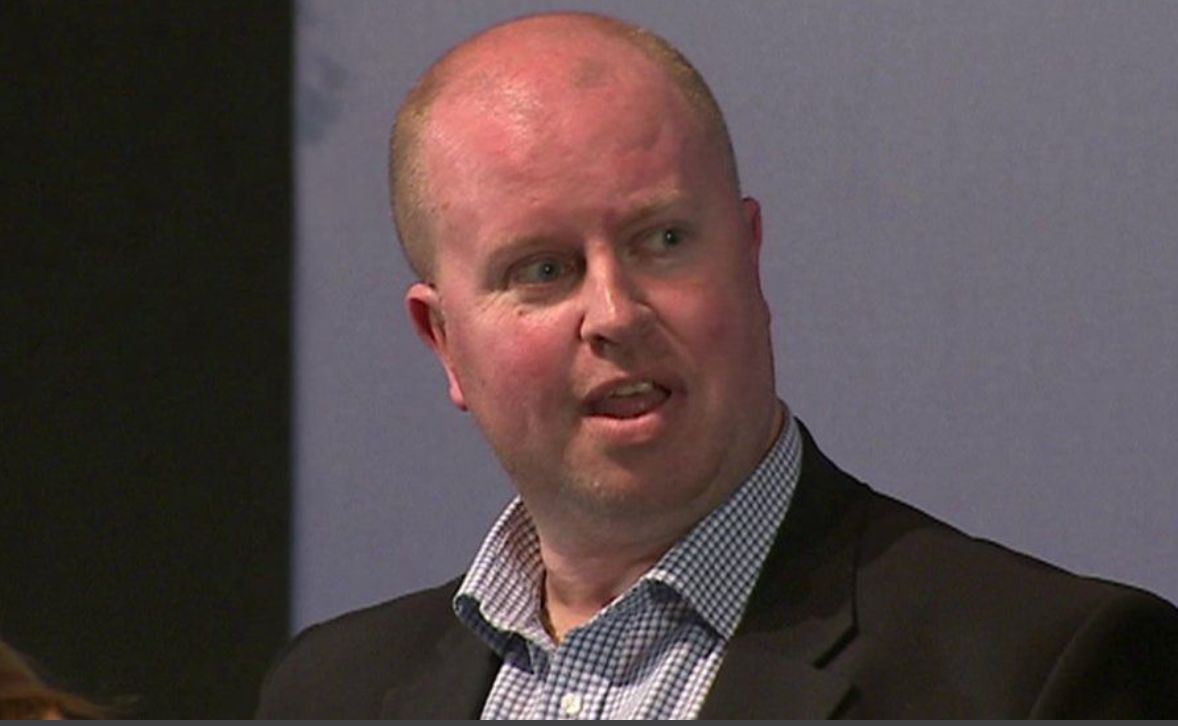
MP Rob Roberts

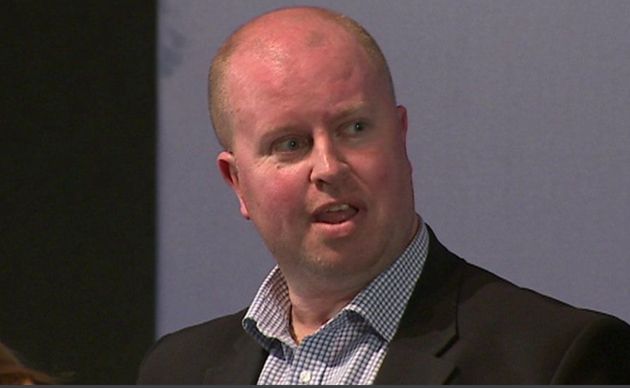
MP Rob Roberts

Disgraced MP Rob Roberts may escape a by-election despite breaching sexual misconduct rules. 

The MP for Delyn faces being suspended from the Commons for six weeks after repeated unwanted advances to a member of staff during which asked him to be “less alluring”. 

Roberts has been stripped of the Tory whip but the way recall laws are drawn up means he cannot face the prospect of losing his seat.

The sanction was proposed by the panel set up in 2020 to deal with cases raised under the Independent Complaints and Grievance Scheme.

But the Recall of Parliament Act was passed in 2015 and only allows the prospect of a by-election for sanctions imposed on the recommendation of the Commons Committee on Standards.

House of Commons leader Jacob Rees-Mogg will invite the “relevant bodies” to consider whether the laws need to be changed to enable the recall process to be triggered.

MPs need to approve the six-week suspension.

5, SNP in talks with Scottish Greens over ‘formal’ government 

WPA Pool via Getty Images

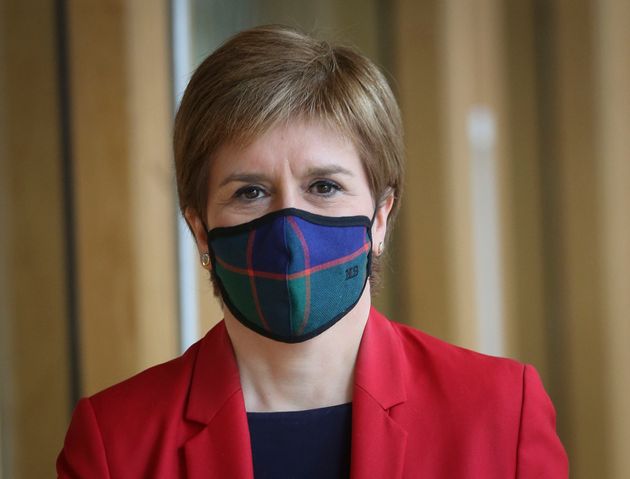
Scottish First Minister Nicola Sturgeon 

Nicola Sturgeon has revealed her SNP government is in talks with the Scottish Greens over a formal co-operation agreement. 

The first minister has said that by working together the two parties “can help build a better future for Scotland” as she set out her priorities following the SNP victory in the Holyrood election earlier this month.

She stressed discussions between the two parties – which are being supported by the civil service – will continue over the coming weeks, and said it is “not inconceivable” that they could see Green MSPs joining the SNP in the Scottish Government.

Both parties support the case for Scottish independence. 

6, ‘Super mutant’ virus fears

fotograzia via Getty Images

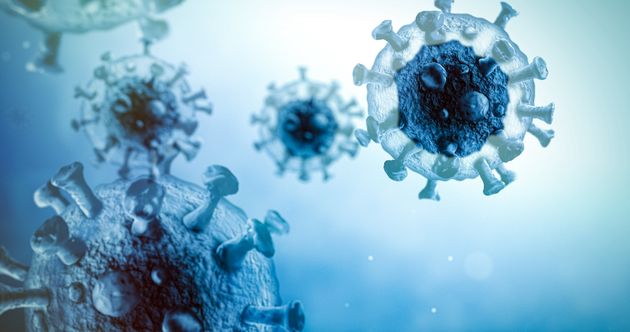
Semi Transparent Viruses

Coronavirus is going to do “weird” things going forward, and “super mutant viruses” may emerge, an expert has warned.

Professor Ravi Gupta, professor of clinical microbiology at the University of Cambridge, said that while this would not necessarily be a bad thing, the virus would try to become more efficient at transmission as more people are protected.

He added that coronavirus is unpredictable and we should not be overconfident at any stage.

Asked about how to prepare for future variants, Gupta told a press briefing: “I think that we have good vaccines, now we need to keep the pressure on vaccine designers, manufacturers to adapt vaccines.” 

He added: “Secondly, the virus is going to do some weird things. I mean, this is just the beginning.

“I think it’s going to recombine, you’re going to get super mutant viruses, I believe.

“But that’s not not necessarily a terrible thing, but the virus is going to do very unexpected things because the amount of pressure on it is going to be severe, so it will adapt.

7, Chris Grayling makes plea over ‘tragic’ decline of hedgehogs 

picture alliance via Getty Images

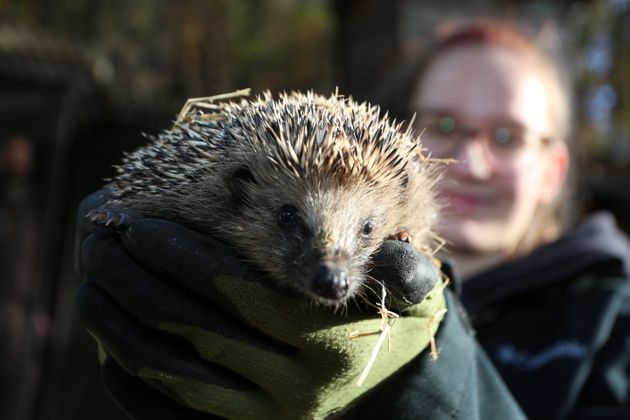
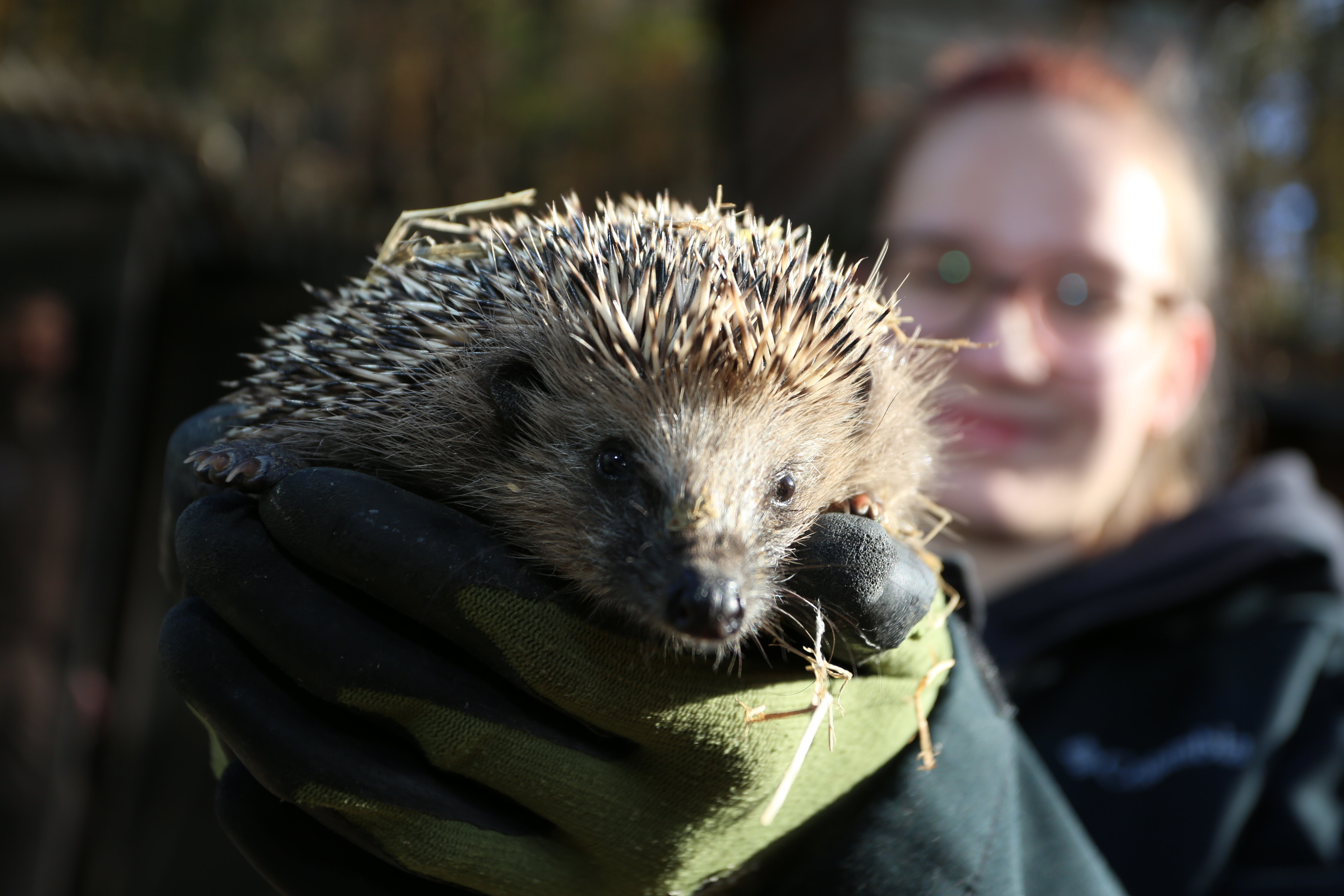
A hedgehog 

Former Tory cabinet minister Christ Grayling has urged the government to do more to stop the decline of hedgehogs

The Epsom and Ewell MP said the “catastrophic loss” of the small, spiky mammals was due to a mixture of habitat loss, the reduction of wildlife and protections available.

Speaking in a Commons debate on the Environment Bill, he said: “It is tragic, back in the 1950s there was something like 30 million hedgehogs in this country, now it’s estimated to be about 1.5 million, that is a catastrophic loss.”

“When I was a child, hedgehogs were around in the garden all the time, I have never as an adult seen a hedgehog in my garden or anywhere near it, this is a tragic loss and one we have to work to reverse.”

Too many species he said had declined in numbers, adding “we should be protecting them all”.

Saying hedgehog numbers had declined by 95% in recent years, he asked the government to address “shortcomings” in current legislation, adding: “I hope we’ll all be hedgehog champions going forwards and I’d say to the minister we’re going to be holding her feet to the fire to make sure her department delivers.”

8, It’s Jeremy Corbyn’s birthday

NurPhoto via Getty Images

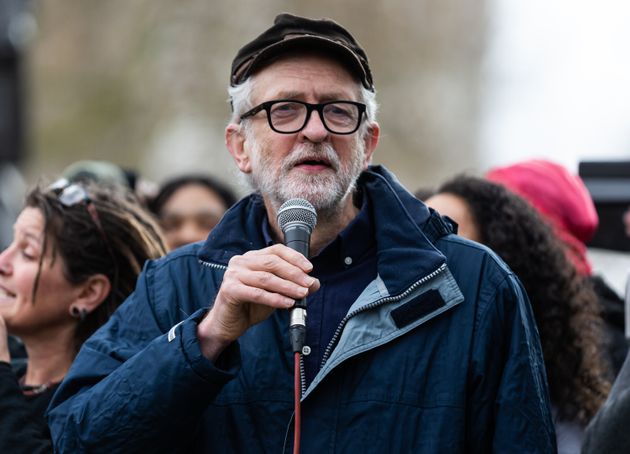
Jeremy Corbyn 

And finally … Jeremy Corbyn is celebrating his 72th birthday. 

The former Labour leader shows no sign of slowing down campaigning, however, as he plans on celebrating the milestone with an online event entitled ‘Happy Birthday Jeremy – Restore the Whip’. 

Corbyn sits as an independent MP after his successor Keir Starmer suspended him from the Parliamentary Labour Party following his claim that anti-Semitism in the party on his watch had been “overstated” by his opponents. 

He remains a member of the Labour Party, however. 

At the event will be comedian Alexei Sayle, as well as a number of left-wing MPs, including Richard Burgon and Zarah Saltana.  

There were no well wishes from Dominic Cummings, however, who told MPs as part of his marathon evidence session: “There’s a very profound question in the nature of our political system, any system that leaves people with the choice between Boris Johnson and Jeremy Corbyn is obviously a system that’s gone extremely badly wrong.” 

Share Button

Boris Johnson Forced To Ditch Travel Advice For Covid Hotspots

Hollie Adams via Getty Images

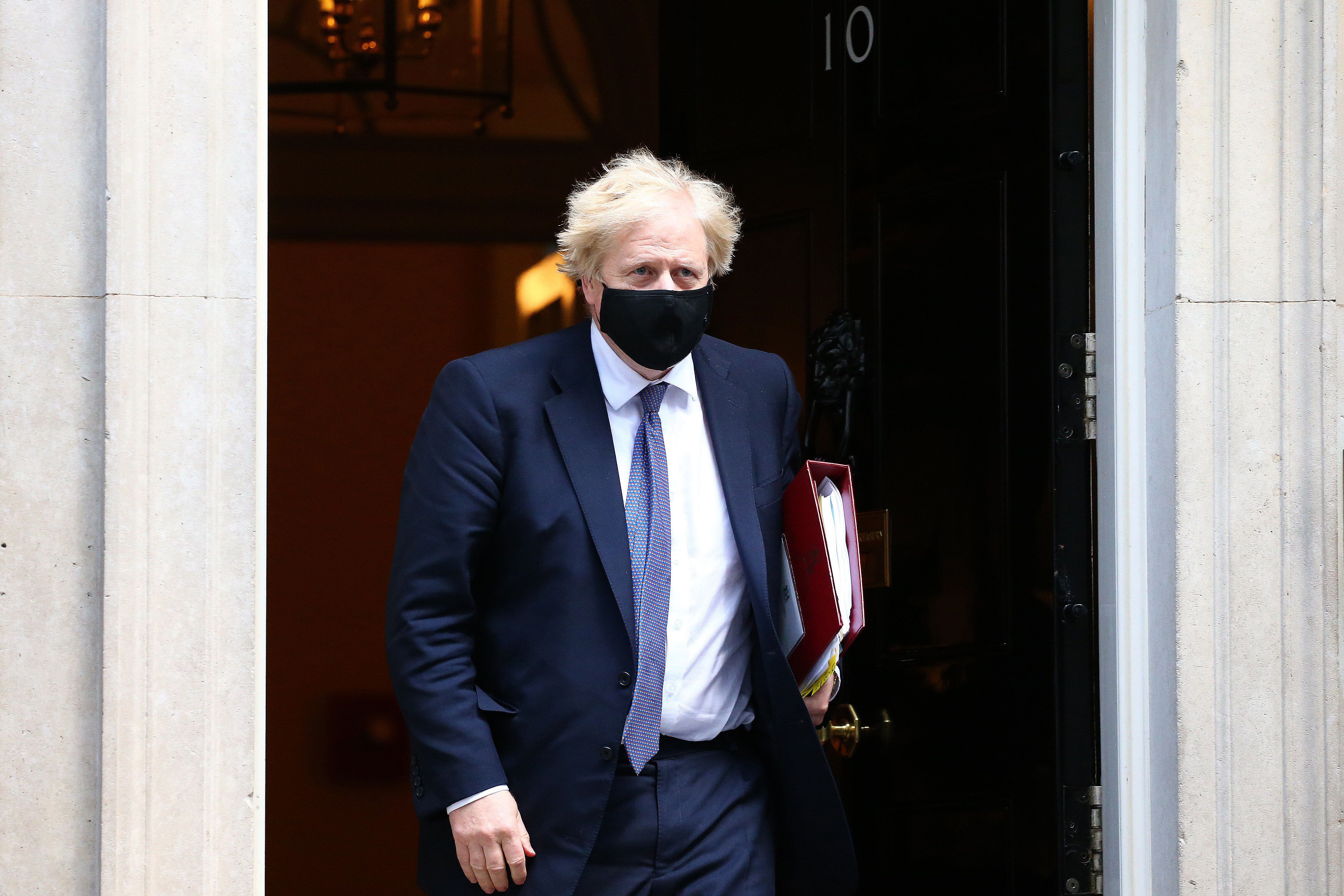
Prime Minister Boris Johnson departs 10 Downing Street

Boris Johnson has been forced into a climbdown over travel restrictions for England’s Covid hotspots after councils revolted over the move. 

On Monday evening it emerged the government had quietly updated advice for eight places hit by the India variant, telling people they should not travel in or out of the area or meet others indoors.  

Local authority leaders in Burnley, Bedford, Blackburn, Darwen, Bolton, Kirklees, Leicester, Hounslow and North Tyneside said ministers failed to notify them of the move, taken last week, and began rejecting local lockdowns “by stealth”. 

Confusion then reigned when a statement by local public health teams said town halls were assured no travel restrictions were in place, but Downing Street insisted the advice applied. 

Now, the Department of Health and Social Care has said guidance will be updated to make clear no new restrictions are in place and that people are advised to “minimise travel”. 

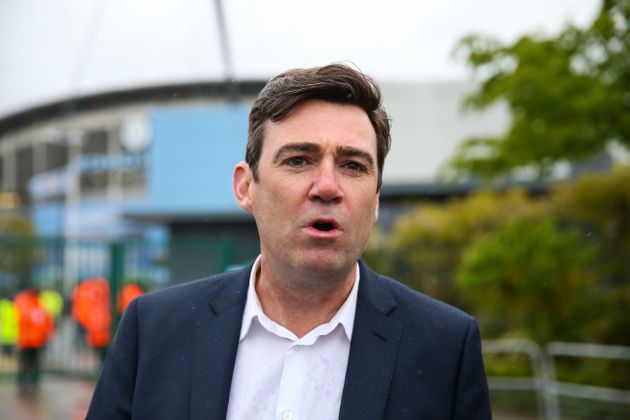
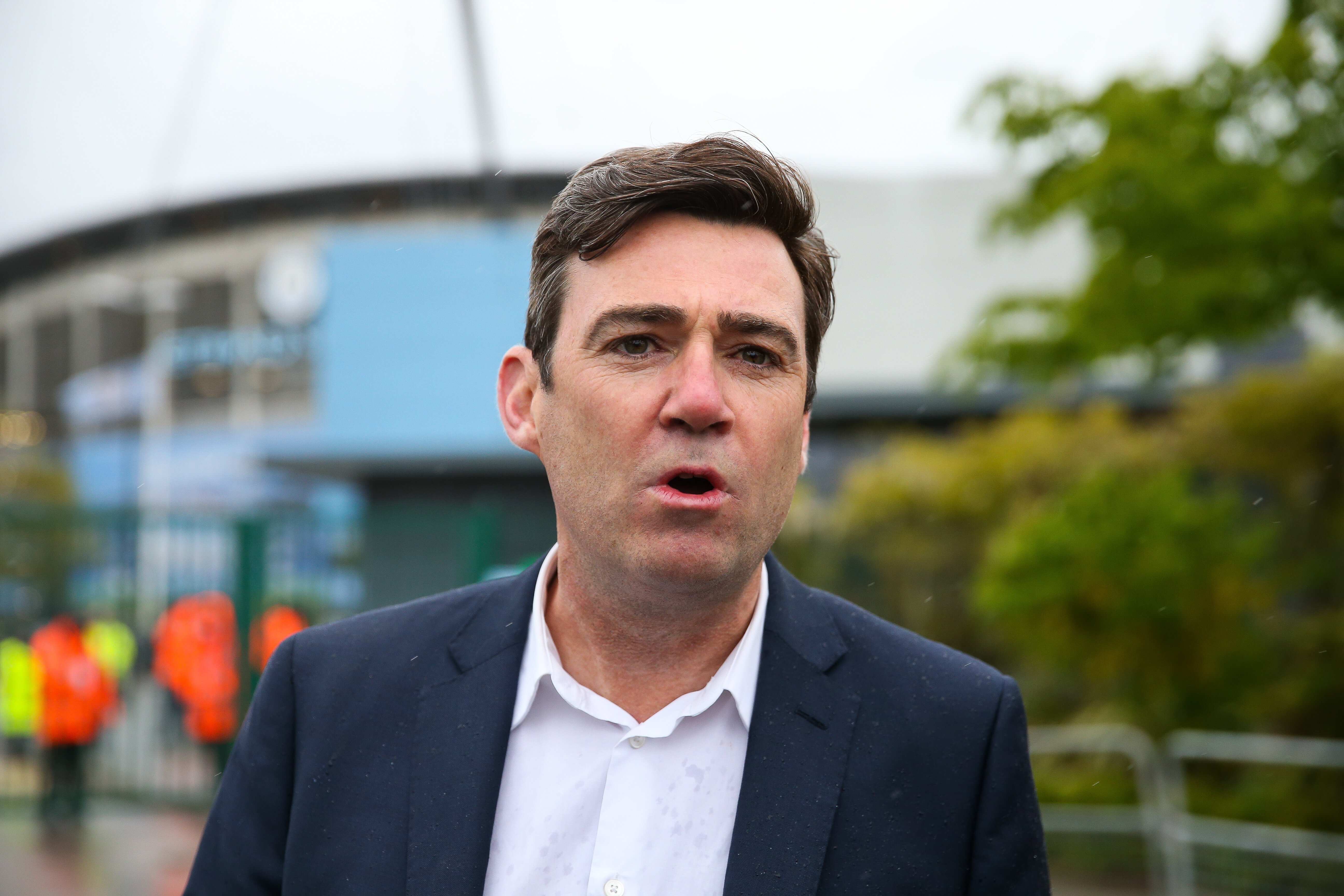
The prime minister was accused of presiding over an “utter shambles” by Labour, with local leaders such as Greater Manchester mayor Andy Burnham criticising the PM. 

Following outcry,  a government spokesperson said: “We will be updating the guidance for areas where the new Covid-19 variant is spreading to make it clearer we are not imposing local restrictions.

Barrington Coombs – PA Images via Getty Images

Mayor of Greater Manchester Andy Burnham 

“Instead, we are providing advice on the additional precautions people can take to protect themselves and others in those areas where the new variant is prevalent.

“This includes, wherever possible, trying to meet outdoors rather than indoors, keeping two metres apart from anyone you don’t live with and minimising travel in and out the area.

“These are not new regulations but they are some of the ways everyone can help bring the variant under control in their local area.”

North Tyneside’s Labour mayor Norma Redfearn was among those angry at the government. 

She said: “After a day of confusion the government have clarified there are no restrictions on travel in or out of North Tyneside.”

She added: “We have seen throughout the pandemic that clear communications are vital and this confusion has caused stress and anxiety for many people in North Tyneside and the region.

“There was no consultation on this advice, which was wrong.” 

A joint statement issued by directors of public health in Burnley, Bedford, Blackburn with Darwen, Bolton, Kirklees, Leicester, Hounslow and North Tyneside said: “Following the national coverage of recently revised guidance we have met with national officials and confirmed there are no restrictions on travel in or out of each of our areas: There are no local lockdowns.

“In areas where the new Covid variant is spreading we are all working together to boost testing and vaccination and to support self-isolation.

“There are sensible public health precautions people can take as individuals
in line with the sorts of advice we have all been following throughout the
pandemic.

“We will keep sharing that and working with national officials to make sure
people understand what they need to think about as they go about their daily
lives.”

Share Button

Force Universities To Collect Data On Sex Harassment, Labour Tells Government

Hollie Adams via Getty Images

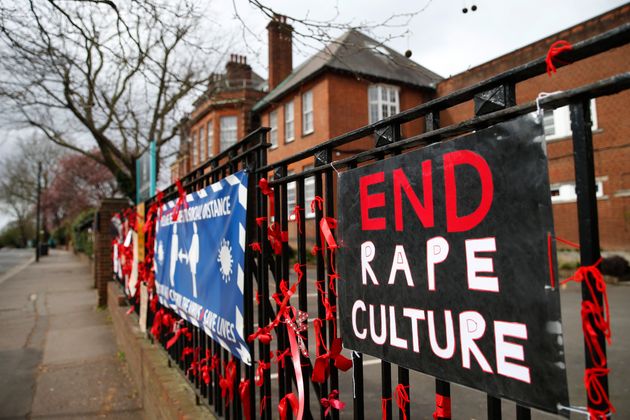
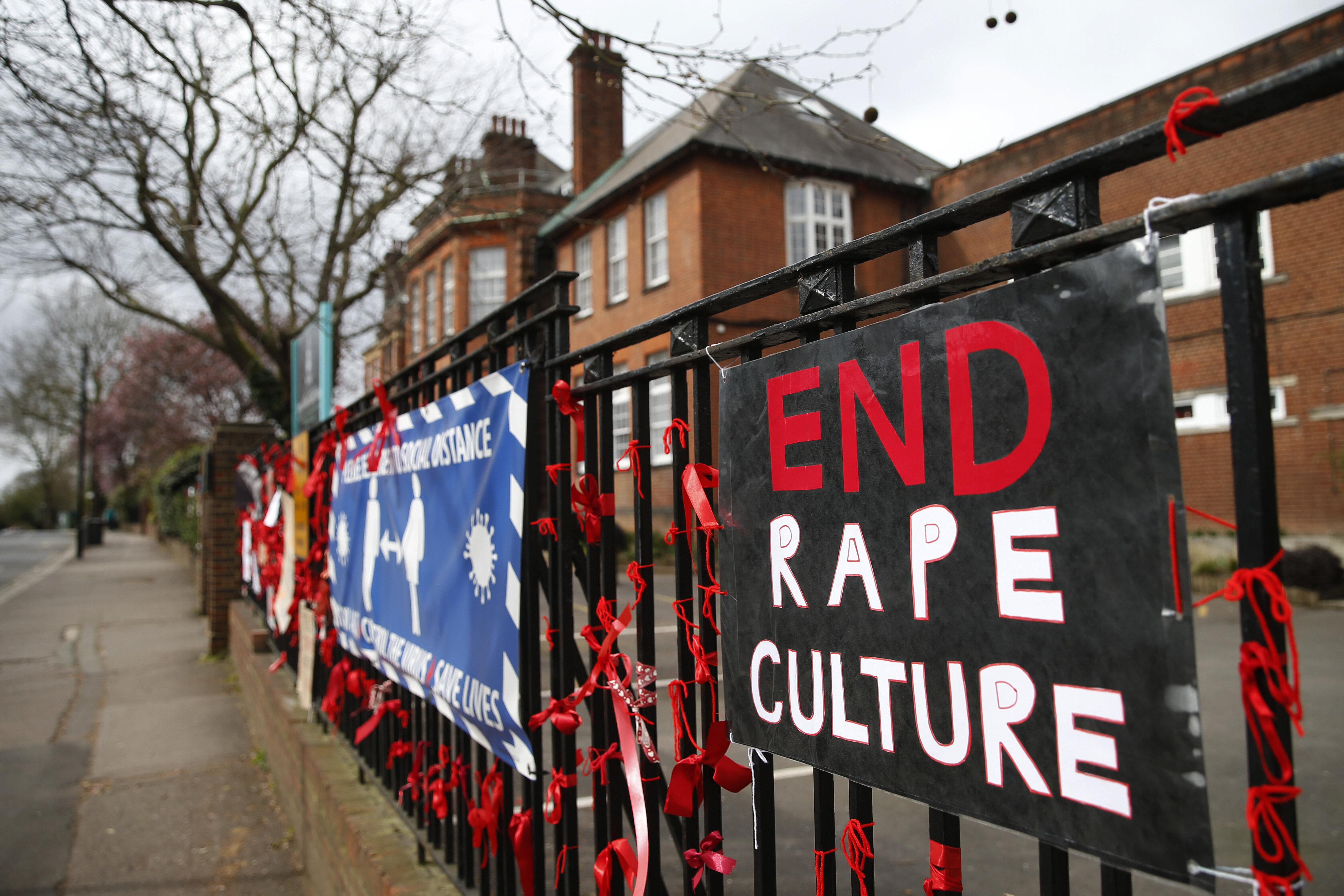
 A placard saying ‘End Rape Culture’ attached to the fence outside James Allen’s Girls’ School (JAGS) on March 28, 2021 in London, England. 

Universities should be forced to collect data on sex harassment complaints by students, Labour has said. 

Shadow minister Matt Western told HuffPost UK a review by the independent regulator, the Office for Students, setting out “expectations” of higher education institutions fell “woefully short” of protecting young people on campus. 

It comes after the Everyone’s Invited project allowed thousands of students to give personal testimonies in confidence, and exposed widespread sex harassment, abuse and assault on campuses. 

The website’s research estimated as many as 50,000 incidents of sexual harassment have been taking place at universities every year. 

The Office for Students review called on all English higher education institutions to review their policies, systems and procedures before the next academic year. 

But Western said education secretary Gavin Williamson should act now to order universities to collect data – something the opposition believes is vital to ensure the sector and government can be held to account. 

The party also urged the regulator to engage directly with experts in violence against women and girls in order to better support victims. 

After a year of lockdown, students have begun to return to in-person learning and activities on campus. 

Western said: “Despite much talk about tackling ‘rape culture’ on campuses, the Conservatives have failed to take steps to secure students’ safety.

“These so called ‘expectations’ fall woefully short. They carry no force and provide no support for universities to actually deliver the desired outcomes.  

“Labour is taking action to tackle violence against women and girls because the government are failing to. Higher education providers must be given support now to end the sexual harassment women are facing across university campuses.”

Office for Students’ chief executive Nicola Dandridge did not rule out mandatory data collection at universities after education chiefs reviewed policies. 

JOHN SIBLEY via Getty Images

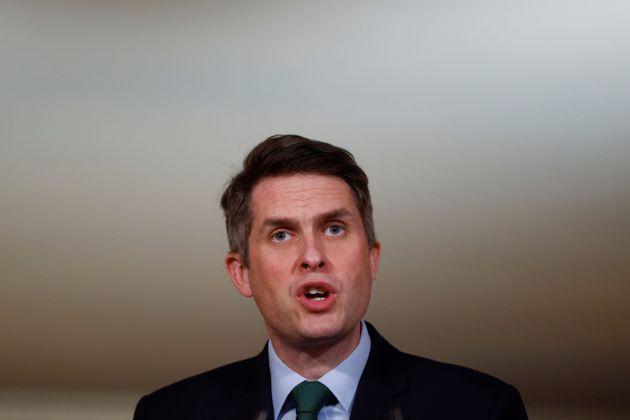
Education secretary Gavin Williamson

She said: “Our new statement of expectations outlines the practical steps universities and colleges can take to prevent and respond to incidents of sexual harassment and assault. We have called on universities and colleges to review their policies and procedures now, ahead of the new academic year.

“We will then examine how universities and colleges respond, listen to feedback from students’ and their representatives, and consider options for connecting the statement directly to our conditions of registration.”

Ministers have been under pressure to step up efforts to ensure women’s safety following the killing of Sarah Everard. 

Everard’s kidnap and murder took place as the 33-year-old was walking home from a friend’s flat in March. It sparked an outpouring of anger and fresh demands for action.  

Labour has published its own strategy on tackling violence against women and girls and has accused Boris Johnson of ignoring an “epidemic of misogyny” after no specific bill on violence against women was set out in the Queen’s Speech.

The strategy includes proposals to create a specific offence of street harassment, making misogyny a hate crime and whole life sentences for people who rape, abduct and murder strangers.

The government is expected to publish proposals later this year. 

Justice secretary Robert Buckland, meanwhile, is expected to introduce a new penalty of up to two years in jail for those who identify rape victims online. 

Share Button

Herd Immunity Against Current Variants Could Be Close, Sage Member Suggests

Around 80% of the population would need to have immunity to coronavirus for the country to achieve “herd immunity” against current dominant variants, a leading scientist advising the government has said.

Professor Peter Openshaw, who sits on the Scientific Advisory Group for Emergencies (Sage), said that level of population immunity would protect against the significant spreading of the current dominant Covid variants.

It raises the question of whether of England can reach herd immunity against the Kent and India variants soon.

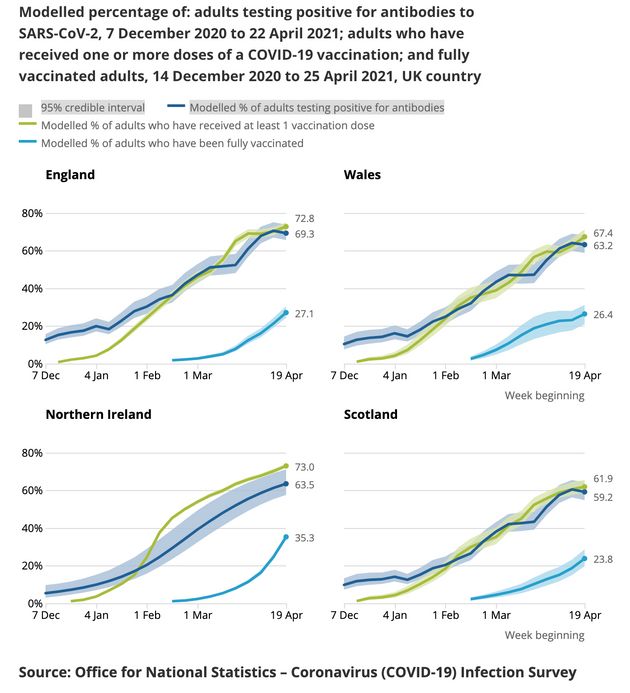
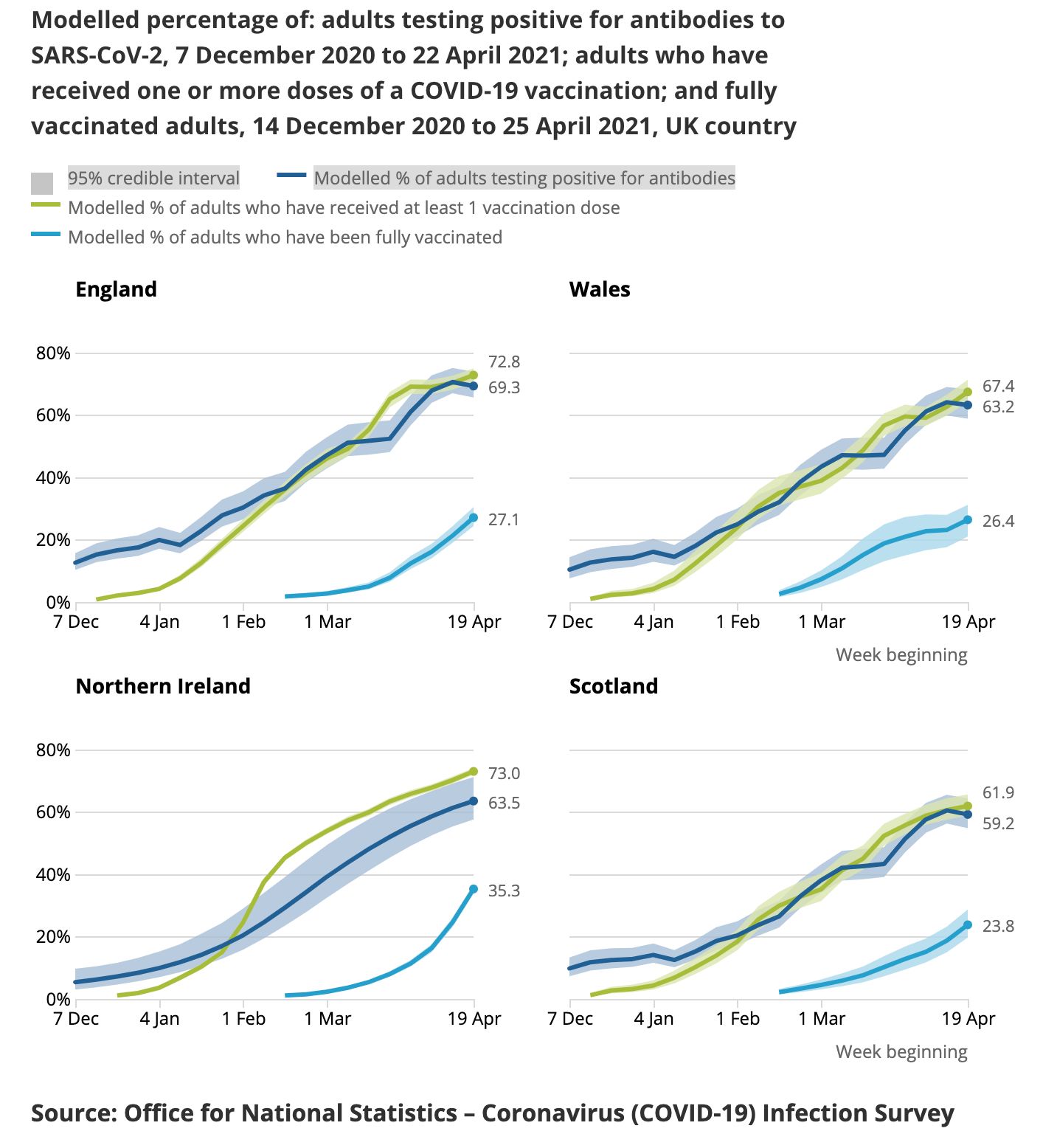
Official data last month estimated 69.3% of the population in England would have tested positive for Covid antibodies, suggesting they have either been vaccinated or previously infected.

In Wales, the figure is 63.2%, Northern Ireland 63.5% and Scotland 59.2%. 

All the figures are based on the latest Office for National Statistics infection survey, carried out in the week beginning April 19.

With the ongoing success of the vaccination programme, it suggests the UK may be approaching a tipping point towards herd immunity.

But the ONS stressed that detecting antibodies alone is not a precise measure of immunity protection given by vaccines, which all have different efficacies against different variants.

The arrival of new variants could also change the calculation.

Office for National Statistics

Openshaw, a respiratory expert at Imperial College London, was asked by MPs at the Commons public administration committee what level of population immunity would allow the UK to achieve herd immunity against Covid.

He replied: “There is an approximate relationship between the amount of transmissibility of the pathogen and the level of immunity that is required in order to prevent its circulation in the community.

“So with a very, very infectious virus, say measles, you need a very high level of immunity in the population in order to prevent onward spread.

“Whereas with a less infectious virus, even reduced levels of immunity are capable of reducing circulation.

“So we were initially expecting with the Wuhan strain that immunity of something like 60-65% was probably going to be enough to prevent onward transmission.

“With the increment in transmissibility of the 117 [variant] that was originally isolated in Kent or the 617.2, one of the Indian variants, each of those represents an increase in transmissibility which translates into a requirement for greater levels of immunity in the population in order to prevent spread.

“So I would say that in the face of these increased transmissible variants, we are probably looking to achieve something closer to 80% immunity in order to prevent onward transmission.”

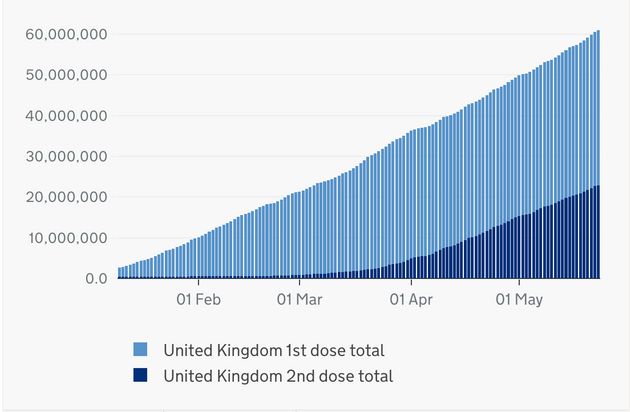
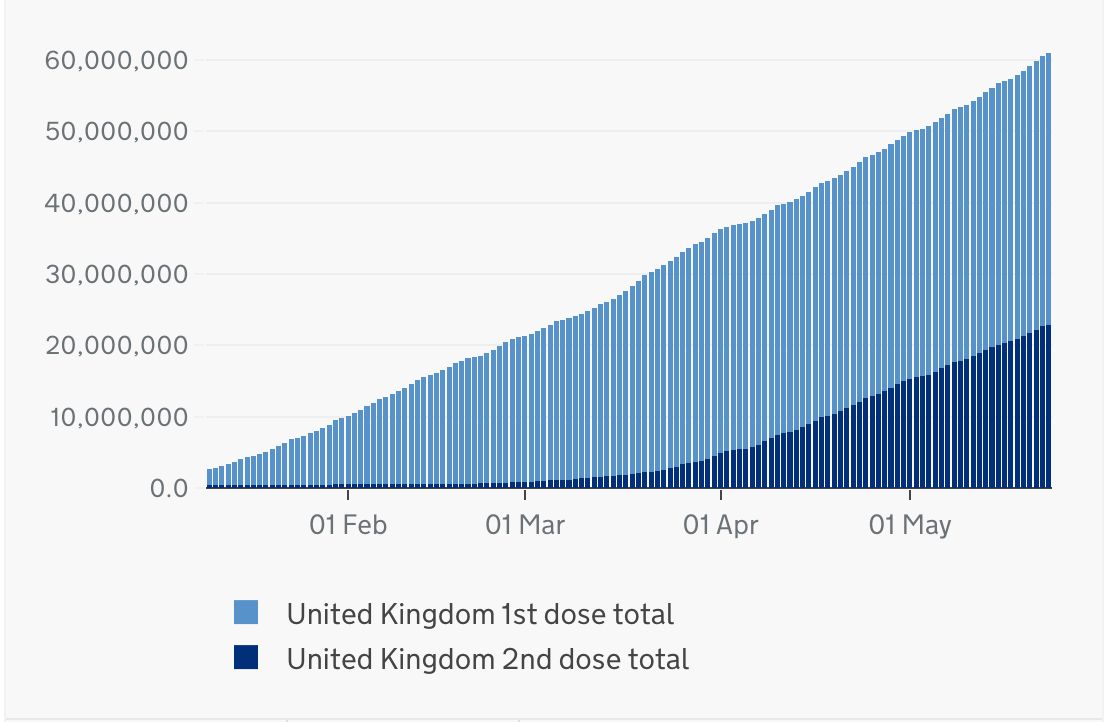
Since the last ONS infection survey was carried out in the week beginning April 19, an additional five million more people have received the first dose of the vaccine, according to the government’s Covid data dashboard.

This suggests the figures for people testing positive for antibodies should rise when the latest infection survey figures come out in two days.

Furthermore, an extra 12m or so people have received their second dose since April 19, which will help build up levels of protection and immunity.

UK government Covid data dashboard

The number of Covid vaccinations given in the UK

But appearing at the same committee as Openshaw, virology professor Judith Breuer stressed that as long as Covid keeps mutating with new variants either arising in or entering the country, herd immunity may never be achieved.

She stressed that governments around the world should therefore focus on keeping infection rates low.

“It’s very, very hard to have herd immunity without restricting the import of variants or without it [immunity] being universal,” the University College London director of infection and immunity said.

“As prof Openshaw said, the variants we’re now dealing with are more transmissible than the variants we started with and therefore the herd immunity estimates have to go up.

“And then if we get even higher transmissible variants then the herd immunity estimates will have to go up even further.

“That’s only if you’re only in a closed community as well – if it’s being transmitted all over the world, every time a new variant comes in or a new virus is introduced then you still get outbreaks.

“Herd immunity is a nice concept but it’s going to be a long time before we can actually use it for public health planning.”

Share Button

UK Bans Belarus Airline In Response To ‘Hijack’ Of Ryanair Flight

PETRAS MALUKAS via Getty Images

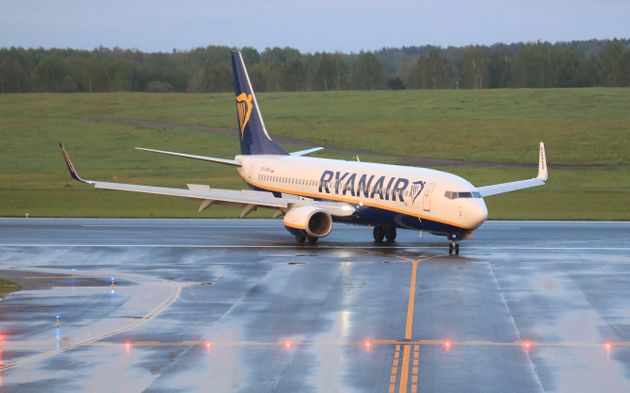
The UK has banned Belarus’ national airline from its airspace, in response to the diversion of a Ryanair flight to enable the arrest of an opponent of the country’s regime.

Transport Secretary Grant Shapps has also instructed the Civil Aviation Authority to request UK airlines avoid Belarusian airspace in order to keep passengers safe.

Dominic Raab, the foreign secretary, told MPs the Belarus government “must be held to account for such reckless and dangerous behaviour”.

On Sunday a Ryanair flight from Athens, Greece, to the Lithuanian capital of Vilnius was ordered to change course to head for the Belarusian capital of Minsk.

The opposition in Belarus and western officials have denounced the incident on Sunday, which led to the arrest of journalist Raman Pratasevich.

Pratasevich is a prominent opponent of Belarus’ authoritarian president Alexander Lukashenko and could face 15 years in jail if convicted of several charges.

Ryanair boss Michael O’Leary said it was a “state-sponsored hijacking” and claimed agents from Russia’s KGB were also on board the flight.
Ireland’s foreign affairs minister Simon Coveney has said the forced landing of the Ryanair flight was state-sponsored “aviation piracy”.

Raab also said further sanctions were being considered against the Lukashenko administration and Belarus’ ambassador in London had been summoned for a dressing down.

“We are urgently seeking full details of precisely what took place in relation to Flight FR4978 but the scenario as reported is a shocking assault on civil aviation and an assault on international law,” he said.

“It represents a danger to civilian flights everywhere and it is an egregious and extraordinary departure from the international law and the international practice that guides international civil aviation under the Chicago Convention.”

Mr Raab called for the release of Mr Protasevich from the “spurious charges” he faces.

“Mr Lukashenko’s regime must be held to account for such reckless and dangerous behaviour,” he added.

The UK was working to explore “every potential diplomatic option” and was “actively considering and co-ordinating with our allies on further sanctions on those responsible for this outlandish conduct”.

Share Button

Labour Plans Vote On Joe Biden’s Global Corporation Tax Rate Plan

NICHOLAS KAMM via Getty Images

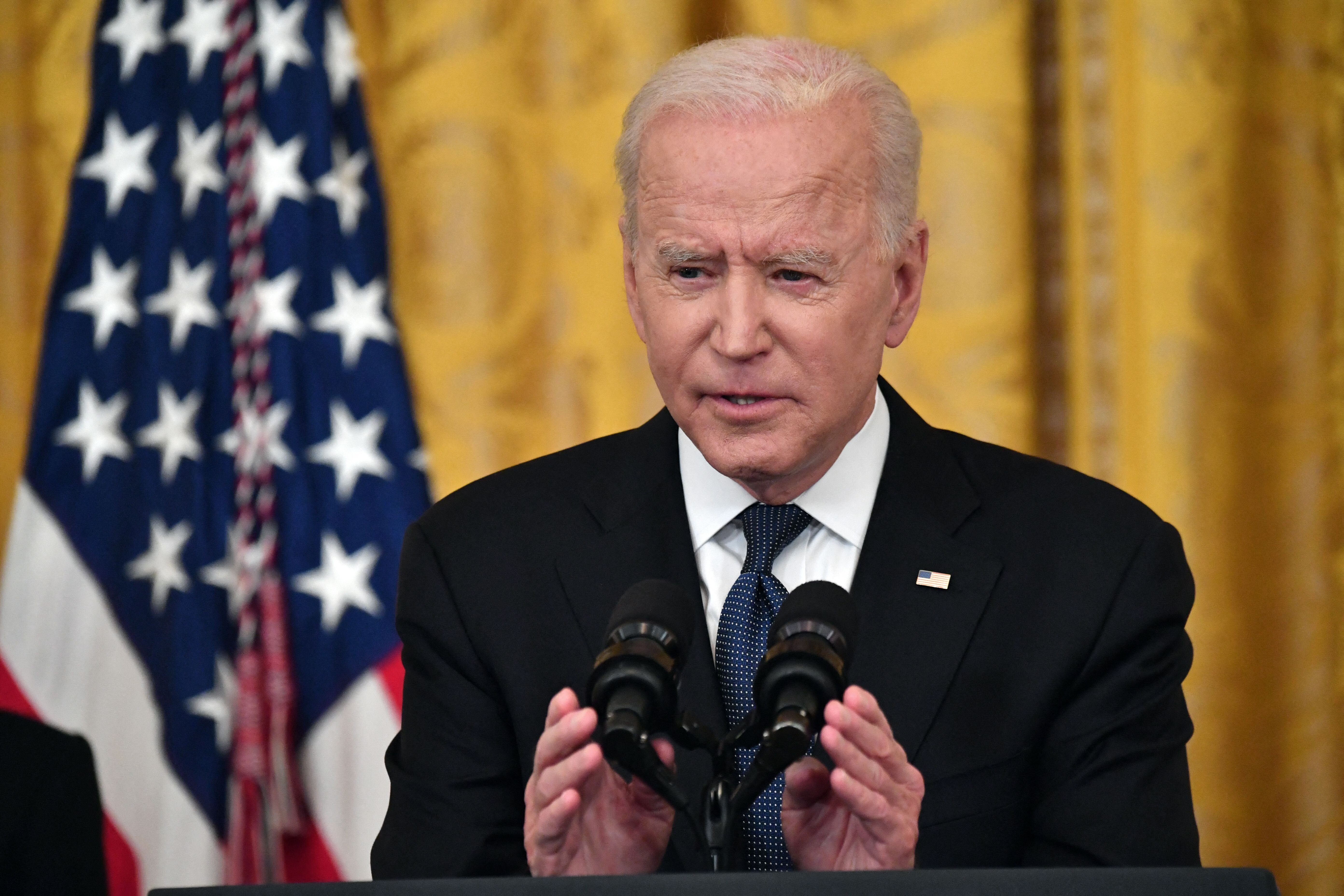
Labour will trigger a Commons vote on Monday designed to force the government to back Joe Biden’s plan for a global minimum rate of corporation tax.

Rachel Reeves, the shadow chancellor, said the the global pact proposed by the US president would “bring in extra tax benefitting Britain”.

But the UK has not agreed to the plan, which is likely to be discussed at the G7 summit in Cornwall next month.

Biden initially proposed a minimum global rate of 21%. The US has now put forward a plan for a “floor” of 15%.

And has called for discussions to continue to “push that rate higher”.

Labour has tabled an amendment to the Finance Bill which backs the plan. 

The government has insisted that it wants an international solution to the “tax challenges” posed by the rise of the tech giants and the digital economy.

But it has argued that reform should focus on making multinationals pay more tax in the countries where they make sales and operate.

Reeves said: “The Conservatives have a choice: they can join Labour in tackling large-scale tax avoidance or they can allow billions of pounds to leave Britain.

This global pact will bring in extra tax benefitting Britain, while stopping huge multinationals and online giants from undercutting our businesses.

“By making sure they pay their fair share in Britain, we can level the playing field for our brilliant businesses, and build an economic recovery with thriving industries, strong public services and good, secure jobs for all.”

Labour pointed out Germany, France, Canada, Italy and Japan have all expressed support for Biden’s proposal. 

Share Button

Kim Leadbeater Selected As Labour’s Candidate For Batley And Spen

Jane Barlow – PA Images via Getty Images

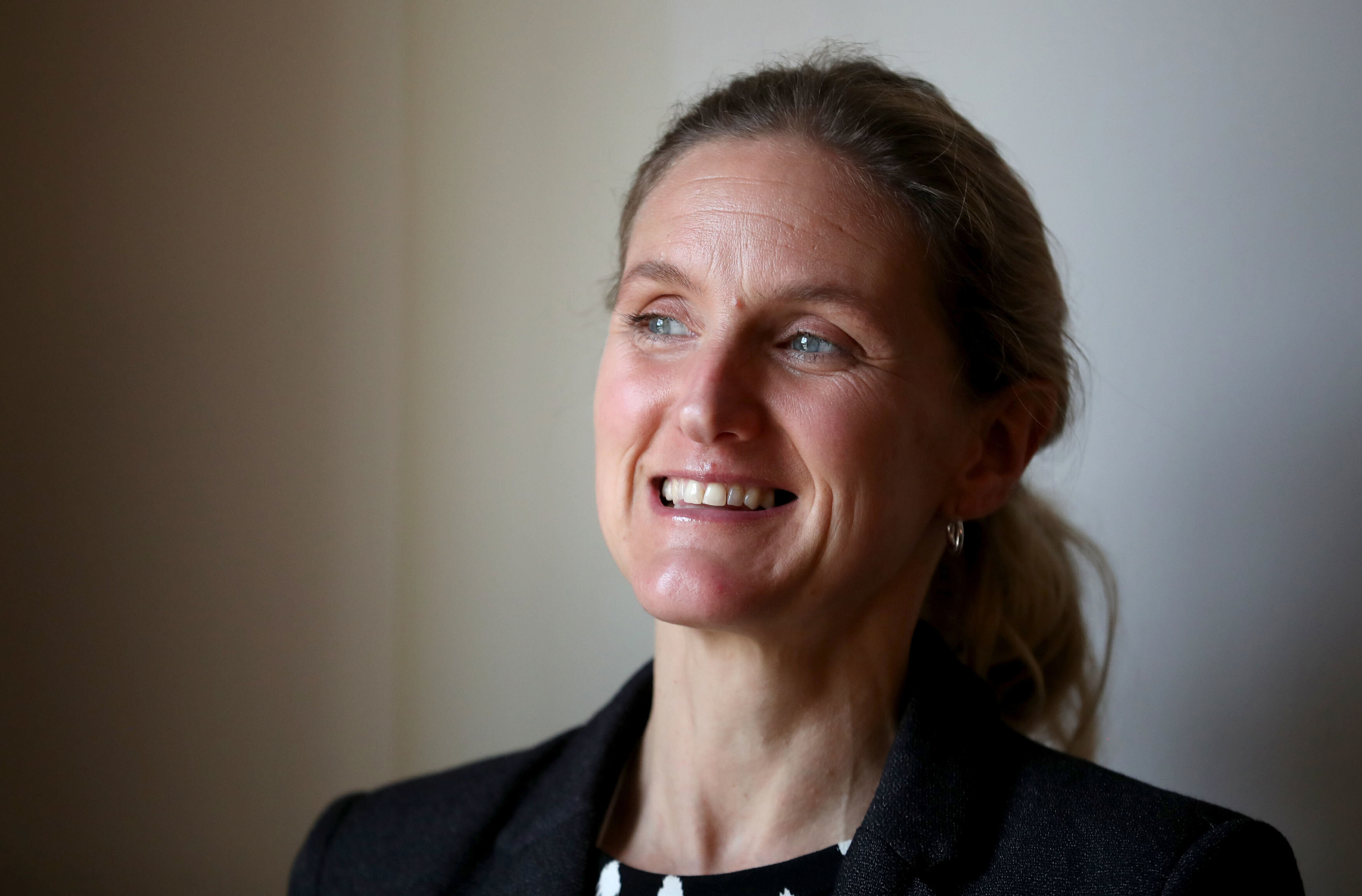
Kim Leadbeater, the sister of murdered former MP Jo Cox, has been selected as Labour’s candidate for the Batley and Spen by-election.

Cox represented the seat until she was shot and stabbed by a far-right extremist in June 2016.

A by-election was triggered earlier this month by the decision of Tracey Brabin, who succeeded Cox, to step down as an MP following her election as the first mayor of West Yorkshire.

Her selection was welcomed by Keir Starmer who said her roots in the community would make her a “fantastic champion” for the constituency.

“Batley and Spen holds an important place in the Labour Party’s heart. And Kim’s work to bring people together, just as her sister Jo Cox did, has inspired us all,” he said.
Labour is desperate to hold on to the seat following the party’s crushing defeat in another “red wall” by-election in Hartlepool earlier this month.

The result triggered a bitter round of recriminations, with the Labour left – marginalised under Starmer – gunning for the party leader.

Former shadow home secretary Diane Abbott – a close ally of ex-leader Jeremy Corbyn – said it could be “curtains” for Starmer if they lose again.

No date has been been set for the contest. Labour is defending a majority of 3,525 from the 2019 general election. 

Share Button