I’ve Now Officially Outlived My Mother. That’s Why I Won’t Fight Aging.

The bottle of Oil of Olay lotion sat on my dresser for months. My mom had given it to me when I was just 8 years old, saying it was a free sample she didn’t want. From a young age, I got used to my mom gifting me belongings she no longer needed or never cared for in the first place — free makeup samples, old costume jewelry, time-worn purses.

I usually loved playing dress-up with these hand-me-downs, but I was afraid of the lotion.

The label on the back of the bottle advised me to “smooth it on twice each day,” with the promise of making my skin “soft, smooth, and younger looking.” I wanted to look older, like a big kid, and feared I’d look even younger if I followed the bottle’s directions. At the time, I couldn’t understand why youth was desirable.

That changed in the years that followed. Not long after my mother gave me the lotion, she was diagnosed with breast cancer. It later spread to her liver, bone marrow and brain, aging my mother to the point where I barely recognized her. I secretly wished I could give her back the lotion. Maybe if she smoothed it on her own face, I thought, she would look more like her old self. I longed for the way things used to be.

After three years of sickness, my mother died. She was 40, and I was 11. The more time that passed, the more I found myself wanting to stay young. If growing up meant living without my mother, then I wanted to stay little forever.
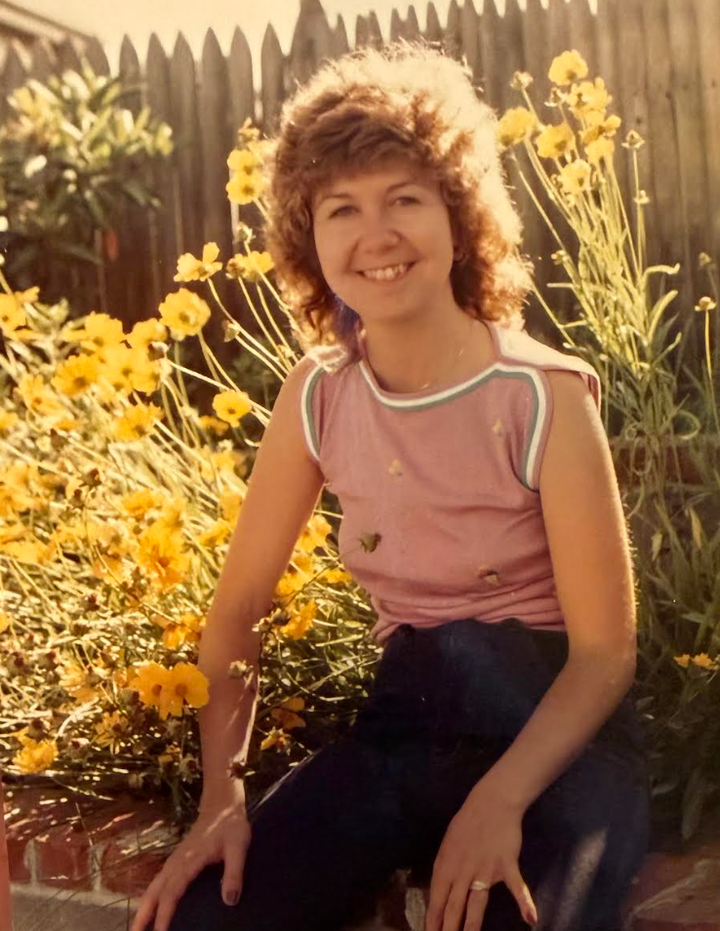
The author's mother, Robin Jo Tenore, when she was in her 20s.
The author’s mother, Robin Jo Tenore, when she was in her 20s.

Courtesy of Mallary Tenore Tarpley

Just a few weeks after her passing, I took the Oil of Olay bottle off my dresser and applied the lotion all over my face. I used every last drop of it over the coming week, hoping it would work.

But the lotion broke its promise.

In search of other efforts to stay little, I started restricting my food intake — first slowly, then drastically. By age 12, I developed anorexia nervosa, a life-threatening disorder that led to numerous hospitalizations. The sicker I got, the more I believed I needed to be skinny in order to be lovable and worthy of care.

I fell for diet culture, and looking back, I can see the many ways in which it fueled my eating disorder. Now, as a woman in ongoing recovery, I’m trying to protect myself from falling for another harmful norm: anti-aging culture.

It’s challenging, though, when I see people my age turning to Botox, fillers, serums, wands and red-light masks. Advertisements for anti-aging cosmetic interventions flood my social media feeds. Nearly every day, I’m lured into buying “dermatologist-approved,” “science-backed” products that will remove my fine lines, diminish my wrinkles, and reduce my inflammation.

One ad, which I’ve now seen multiple times, shows a woman wearing a red-light mask that renders her faceless and resembles Kylo Ren (if he were deeply committed to boosting his collagen production).

The messaging in these ads is rooted in removal — it suggests that women need to erase parts of themselves if they want to even come close to achieving society’s unrealistic beauty standards, which prize youth and the thin ideal.

For years, cosmetic intervention ads have illustrated what scholar Laura Hurd Clarke calls “the moral imperative to modify the aging face.” They’ve conditioned women into believing that any wrinkle is a degradation, any flab a disgrace. They encourage women to fight for the attainment of beauty rather than acknowledge the beauty they already behold.

A classic example is a 1980s Oil of Olay commercial for the same anti-aging lotion my mother gave me. In the ad, a flawless actor lathers the lotion onto her face, then declares in a velvety voice, “I don’t intend to grow old gracefully. I’m fighting it every step of the way.”

The ad reminds me of something my mother told me after she accidentally burned my scalp with a curling iron.

“It hurts to be beautiful,” she said while styling my hair for school picture day. “Beauty is pain.”

As a child, I didn’t understand what she meant, but I never forgot what she said.

The author and her mother in the mid-1990s.

Courtesy of Mallary Tenore Tarpley

Beauty shouldn’t be painful, but the pursuit of it often is; when products don’t work as intended or wear off too quickly, feelings of inadequacy surface. This sense of inadequacy is so prevalent it has a name: “normative discontent.”

The term, which emerged in 1984, stems from research showing that most women in the U.S. have some level of discontent with their body to the point where it’s more the norm than the exception. More recent research suggests this discontent is pervasive among men, too.

Ruth Striegel Weissman, the scholar who coined the term normative discontent, told me, “There are all these industries that profit from the discontent. In other businesses, if the product doesn’t work, we blame the product. But in the beauty business, if you don’t become beautiful, we blame you. It’s not the cream or the diet or the exercise equipment; it’s you. We internalize this so readily rather than pushing back.”

It’s hard to push back when cosmetic intervention and surgical procedures are becoming increasingly normalized. According to the American Society of Plastic Surgeons’ latest annual report, over 10 million Americans opted for Botox-like injections in 2024, while over 5.3 million turned to fillers.

I don’t disparage anyone for undergoing anti-aging cosmetic interventions. Everyone must make the choice that feels right for them. I know some people consider them a form of self-care or even self-preservation. Such interventions have become so revered that women who opt out of them can feel even more susceptible to criticism.

Providence College professor Abigail Brooks speaks to this in her book “The Ways Women Age,” in which she writes: “As more women practice age avoidance by taking advantage of an ever-growing stockpile of new cosmetic anti-aging products and procedures, women who are aging naturally are increasingly penalized for looking old and for failing to do anything about it.”

I’m sure some may read this and pity me for not recognizing the value in anti-aging interventions. Some may say I’m too young to understand. I know the older I get, the more pronounced my wrinkles will be and the more they may perturb me.

The author and her two children, Madelyn and Tucker.

Courtesy of Mallary Tenore Tarpley

I’d be lying if I said I didn’t care about looking youthful and attractive, and I’m not above buying beauty products. I wear makeup almost every day, and, in recent years, I’ve transitioned to face moisturizers that contain hyaluronic acid and retinol. This may seem hypocritical for me to admit as someone who purports to resist anti-aging culture, but it shows how hard it is to avoid it completely.

I limit myself to makeup and moisturizers because I know that anything more could undermine the body-acceptance work I’ve done in eating disorder recovery. For me, acceptance isn’t about loving the way my body looks; it’s about accepting it as is, wrinkles and all, and recognizing that my looks don’t determine my worth.

I was reminded of this recently when talking to Deb Benfield, a registered dietitian nutritionist who wrote the book “Unapologetic Aging.” Aging, she told me, is “a collision point with a culture that profits from our fear of becoming less visible, less valued and never ‘enough.’”

“You don’t have to opt out of every beauty practice to resist that culture; what matters is staying rooted in a relationship with your body that isn’t contingent on fixing it,” she continued.

She encourages women to ask, “Is this choice expanding my life or narrowing it? Is it allowing me to grow and evolve, or keeping me attached to a body from my past?”

As I enter the early stages of midlife, I want to expand my life in honor of my mother. I just turned 41, and I’ve now officially outlived her. Entering this next phase of life that she never got to experience has forced me to grapple with the kinds of questions that arise when you start thinking about how the past has shaped your aging self.
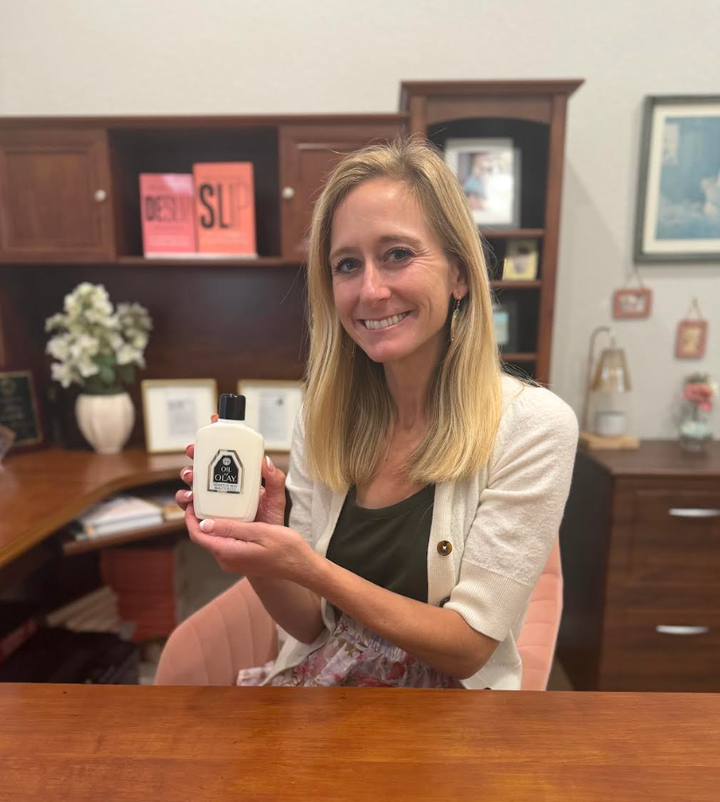
"I bought this bottle of Oil of Olay on eBay," the author writes. "It's from the same time period as the one my mother gave me when I was a child."
“I bought this bottle of Oil of Olay on eBay,” the author writes. “It’s from the same time period as the one my mother gave me when I was a child.”

Courtesy of Mallary Tenore Tarpley

Lately I’ve wondered, Why was my mother so quick to give me that Oil of Olay? And why didn’t she want to keep it for herself?

I like to think that, as someone who didn’t follow any fad diets, she similarly didn’t feel the need to engage in anti-aging trends. It’s possible my mom instinctively knew what I’m now learning: Aging into midlife is a privilege not afforded to everyone. If we’re lucky enough to experience it, maybe we should stop trying to prevent it.

Mallary Tenore Tarpley is a journalism professor at the University of Texas at Austin and author of the memoir “SLIP: Life in the Middle of Eating Disorder Recovery,” which offers a groundbreaking framework for understanding eating disorder recovery and interweaves poignant personal stories, immersive reporting, and cutting-edge science. “SLIP” won the Association of American Publishers’ 2026 PROSE Award for Excellence in Biological and Life Sciences. Her writing has appeared in major publications, including The New York Times, The Washington Post, The Wall Street Journal, and Time magazine. She maintains a weekly newsletter featuring writing-related tips, and she can be found on Instagram at @mallarytenoretarpley. Check out her new book project here.

Do you have a compelling personal story you’d like to see published on HuffPost? Find out what we’re looking for here and send us a pitch at pitch@huffpost.com.

Share Button

England set to eliminate hepatitis C

England is on track to become one of the first countries in the world to eliminate hepatitis C, a dangerous virus that attacks the liver, figures show.

Share Button

‘As A 53-Year-Old Menopausal, GLP-1-Using Woman, I Was Losing Hair By The Handful’ — Until This $22 Buy

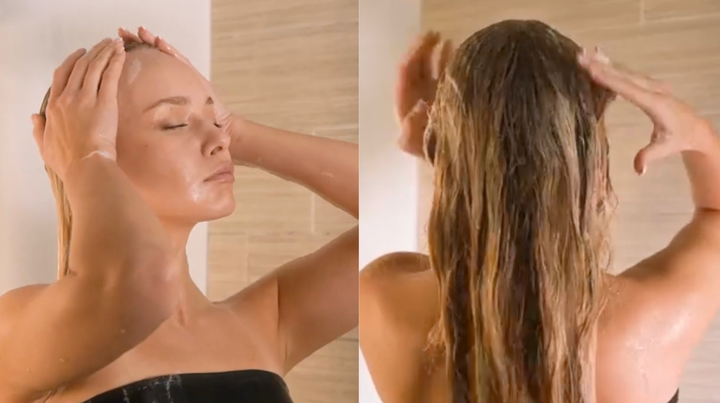
It’s no secret that hair changes with age, be it in color, texture, thickness or sheer amount. Recent HuffPost reporting shared another factor that could contribute to losing or thinning hair: GLP-1 medications. Whether you’re dealing with hair loss as a GLP-1 side effect, menopause, general aging or even all of the above, we spotted a $22 shampoo and conditioner set reviewers finally say makes them “not afraid” to wash or brush their hair anymore. Reviewers say the set gives that “just stepped out of the salon” type hair, boosting their confidence with every use. For under $23? Sounds like a solid deal to us.

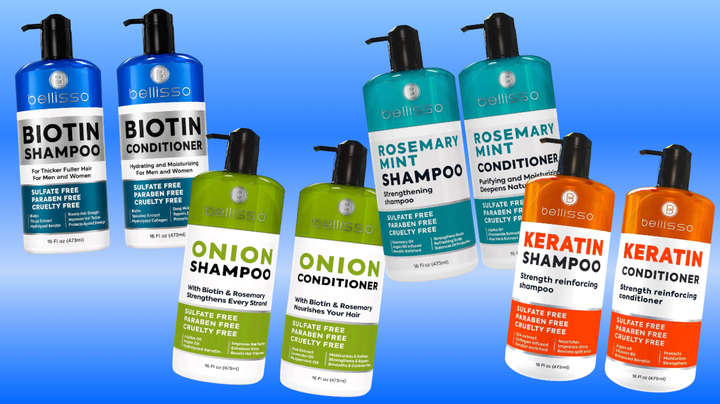
While the sets come in dozens of versions, fans call out the onion, keratin, rosemary mint and biotin options for helping their hair grow “fuller, thicker, soft and looking healthy again.”

According to UCLA Health, hair changes are primarily related to things like hormones, genetics, lifestyle habits and general evolution, as over time, human hair follicles naturally produce less melanin (color pigment) and sebum (protective oil). In recent HuffPost GLP-1 reporting, experts told HuffPost that rapid weight loss and potential under-eating put extra stress on the body, which can also lead to increased hair fall-out.

Though it’s hardly a magic potion for Rapunzel locks (and with serious hair loss, we recommend seeing your doctor), reviewers going through menopause, aging, health challenges or taking GLP-1 meds credit this affordable duo for keeping their strands strong and smooth. With ingredients ranging from biotin and keratin to argan and jojoba oils, aloe vera, glycerin, citric acid and vitamin E, this set is designed to repair and nourish your strands and stimulate the scalp to replenish and revitalize your hair.

“As a 53-year-old menopausal, GLP-using woman, I was losing hair by the handful…Seriously, I was panicking that I would go bald before 55,” a fan of the onion set wrote. “After hearing how the sulfur in onions can help with hair loss, I picked up this duo. I only wash my hair 2-3 times a week, so I’m about 1/3 of the way through the bottles. Unreal!! The amount of hair I’m losing every day is back to normal shedding amount!… If you’re losing a ton of hair, I’d highly recommend this duo!”

“I’m a 63-year-old person who is suffering from hormonal changes, and wow!! A big difference in my dry, thin hair,” another wrote of the onion set. “I spent over $200 on the Amika brand, and no difference in my hair! Buying others from this company!! For sure.”

Another shopper writes that the biotin set “worked wonders,” after medical treatments had their hair “coming out by the handfuls.”

“I’m not afraid to wash my hair or run my hands through it anymore,” they said. “It also smells amazing!” Other shoppers who were initially skeptical say the biotin set has made them a believer.

“I was so surprised after I started using this product. My hair felt thicker and seemed to be filling in the balding spots,” a reviewer “over 50” wrote. “I have continued to reorder and [am] very satisfied with this shampoo and conditioner. It also smells nice and left my hair light, not heavy.”

Experts have previously told HuffPost that rosemary oil has been studied to “potentially accelerate hair growth by improving blood circulation in the scalp” to stimulate hair follicles. Shopper Peggzz writes that the rosemary mint set “works great on grey thinning hair” —so much, they have this on a recurring delivery schedule. “After using this shampoo and conditioner for a couple months, I have noticed a big change,” they said. “I have more hair and the condition of my grey hair looks so much healthier…I don’t want to run out of this stuff!”

And of course, reviewers say the keratin set feels “just like a salon treatment,” helping tame frizz and breakage from the first wash.

“After using this product just once, I noticed a significant difference,” one wrote. “…I woke up with zero morning frizz, which is rare for me. I also deal with very hard water, and this set truly helped my hair.”

“I have gray hair, and it is becoming more coarse with age,” another said. “I thought I would give this a try and within a week I could tell the difference. I think this is going to be my new shampoo and conditioner.”

Reviewers love this shampoo and conditioner set for helping “tame the changes” of their hair. Read more 5-star reviews and grab a set for yourself.

“I was not paid for this review, and I did not receive this product for free. As a 53 year old menopausal, GLP using woman, I was losing hair by the handful…seriously, I was panicking that I would go bald before 55! After hearing how the sulfur in onions can help with hair loss, I picked up this duo. I only wash my hair 2-3 times a week, so I’m about 1/3 of the way through the bottles. Unreal!! The amount of hair I’m losing every day is back to normal shedding amount! The shampoo doesn’t lather as well as I would like so I use a little more than other shampoos (10 pumps for me, mid back length hair) but the conditioner smooths it out (also 10 pumps) and makes it nice and soft. Styles the same, no changes there! If you’re losing a ton of hair, I’d highly recommend this duo!”Amazon customer

“This is incredible!! I’m a 63-year-old person who is suffering from hormonal changes, and wow!! A big difference in my dry, thin hair! I spent over 200 $on the Amika brand, and no difference in my hair! buying others from this company!! for sure” — ablasor

“I had thinning hair do to aging and menopause. I noticed it most in the front of the hair at the part. After using this shampoo and conditioner for a couple months, I have noticed a big change. I have more hair and the condition of my grey hair looks so much healthier. I subscribed and glad I did, I don’t want to run out of this stuff!” — Peggzz

“Initially had some doubts if this would actually assist in my problem of hair loss. I am over 50 and started losing my hair to to stress I suppose or menopause. I was so surprised after I started using this product My hair felt thicker and seemed to be filling in in the balding spots. I have continued to reorder and very satisfied with this shampoo and conditioner. It also smells nice and left my hair light not heavy.”Darla

“This has worked wonders in my hair! I got really sick last fall and after treatment I started noticing my hair coming out by the handfuls. It was so bad that it got to the point that I was afraid to wash, brush or even run my hands through my hair. My floor, sink and bath rug had to be cleaned daily. Even worse was how visible it was that my hair was thinning out and at such a rapid pace I had bald spots. It kept me stressed out and crying. After reading reviews on this product I decided to try it. It has been great! My hair is growing back and it is getting fuller, thicker, soft and looking healthy again. I’m not afraid to wash my hair or run my hands through it anymore. It also smells amazing! I will continue to keep using this product. I also used their hair serum. The only issue I have had is they put the pumps on so tight that you almost can’t open then, they actually broke on the round but it didn’t affect my using it, just how I used it. I would highly recommend this product!!” — Laura McGough

Looking for more OTC products to combat thinning hair? Check out these dermatologist recommendations, courtesy of HuffPost Shopping.

Amazon

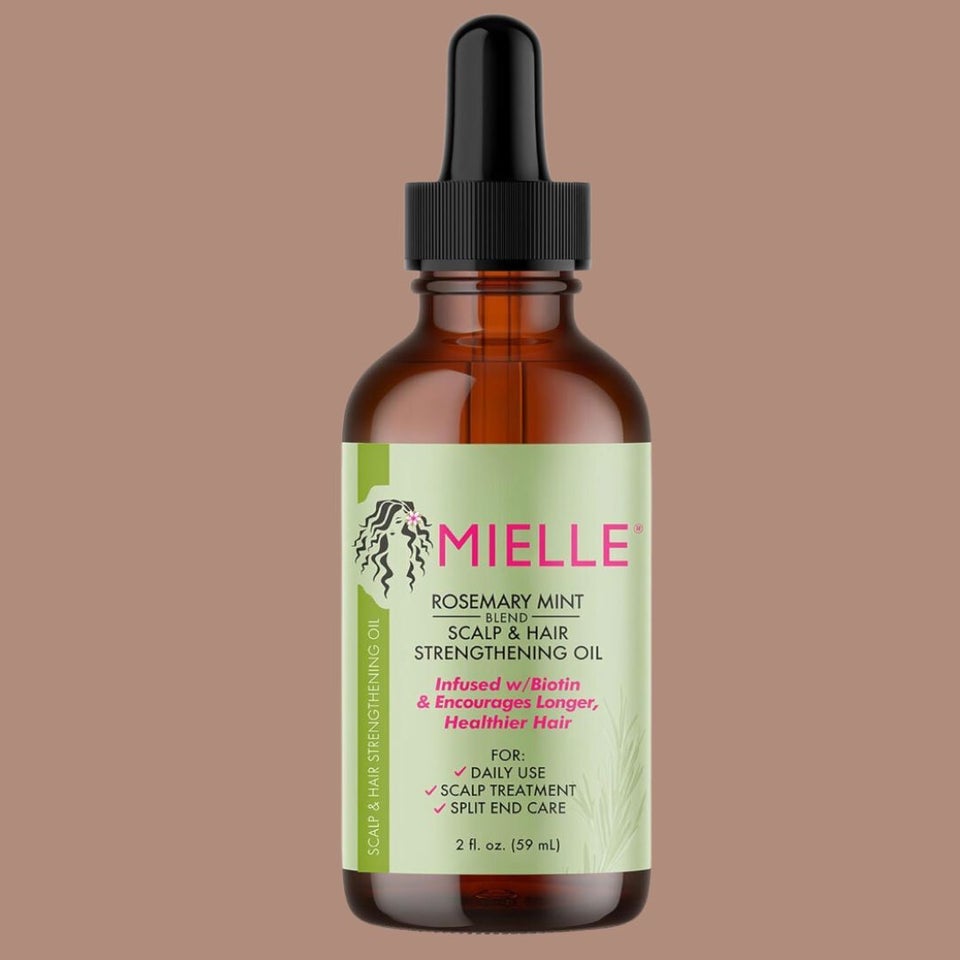
A rosemary hair strengthening oil

Dr. Marisa Garshick, a board-certified dermatologist with MDCS Dermatology in New York City, said that rosemary oil not only conditions and strengthens hair, but also helps reduce damage and breakage, thereby contributing to a stronger hair appearance. “Research has also indicated that rosemary oil can potentially accelerate hair growth by improving blood circulation in the scalp, which stimulates hair follicles,” Garshick added.

With this in mind, we selected the viral Mielle oil, a rosemary mint scalp and hair strengthening treatment that has become TikTok-famous for its anecdotal claims surrounding improved hair health and growth. The biotin-infused formula contains nutrient oils including jojoba, grape seed and evening primrose, all of which can address dryness and brittle-feeling hair along with other scalp health factors that can affect hair retention.

Soultanicals

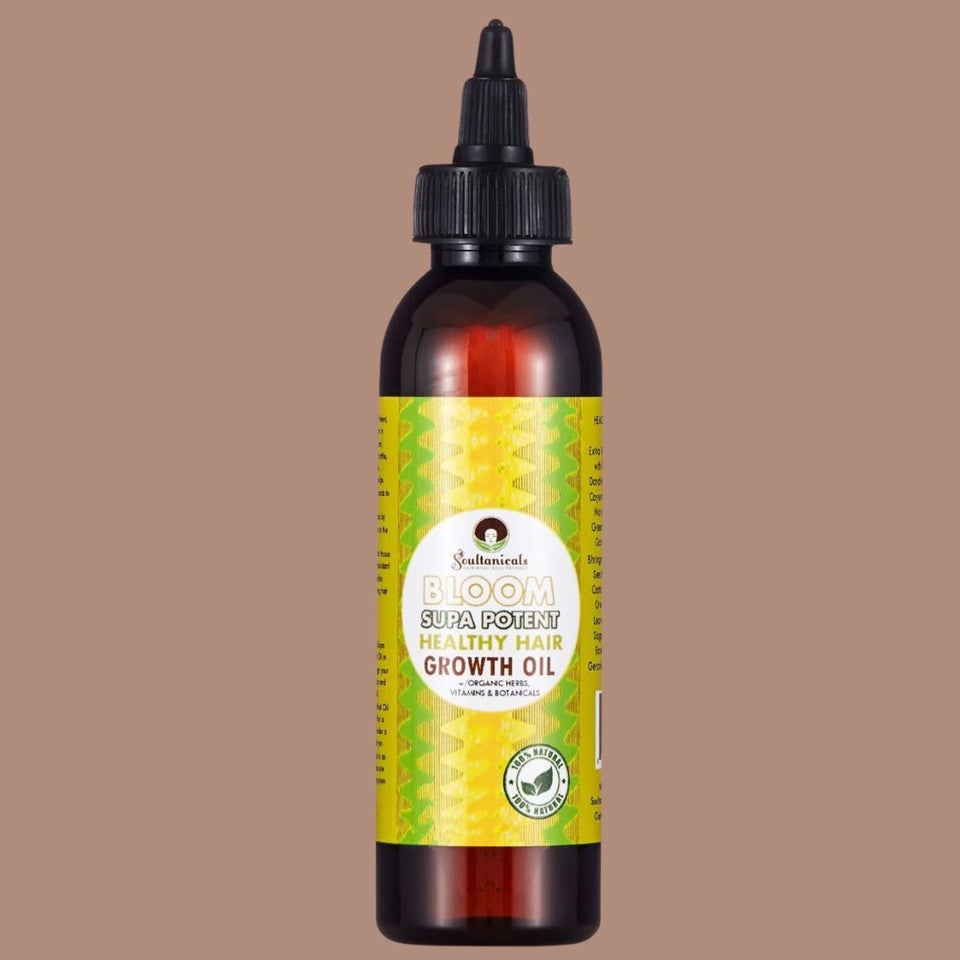
A natural hair oil with a variety of herbal infusions

Board-certified dermatologist Dr. Brendan Camp also mentioned that the inclusion of rosemary oil in your hair care routine may prove to be beneficial for managing excessive shedding. This is because “rosemary oil is a source of carnosic acid that is thought to help reduce inflammation and stimulate hair growth,” Camp said.

He suggested this natural and herbal-infused treatment featuring a nourishing blend of several oils from olive to rosemary to castor. It uses green tea, an ingredient containing the antioxidant EGCG which some research suggests can enhance hair growth and follicle elongation.

Amazon

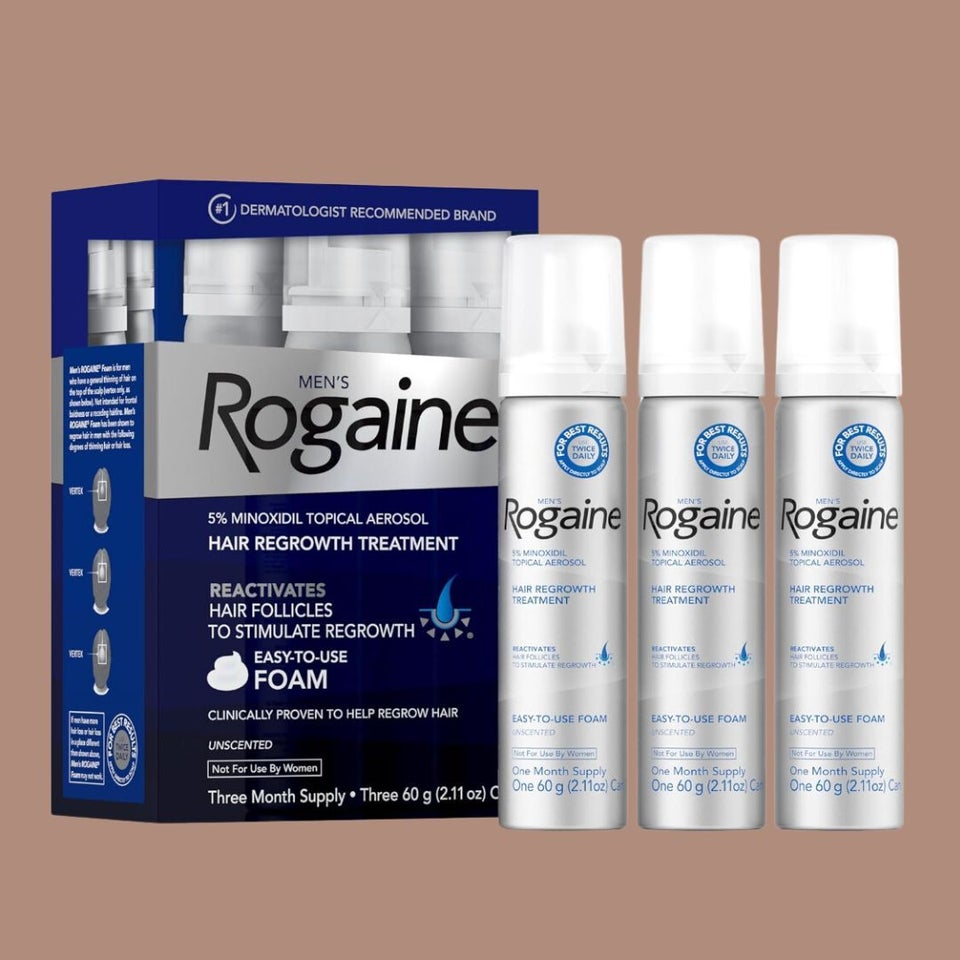
A classic minoxidil treatment

Both Camp and Dr. Blair Murphy-Rose had Rogaine at the tops of their lists of goods with hair-growing potential.

Minoxidil is the active ingredient in Rogaine and it is thought that minoxidil helps hair remain in the growing phase of its growth cycle,” Camp explained of this well-known treatment, available in formulas for both men and women.

It features a 5% concentration of this active ingredient along with a variety of botanical extracts and humectants which can draw moisture into the hair. The once-a-day treatment is also in the form of a foam, an important requirement according to Camp so the product won’t drip down to other areas of the face, thus risking unwanted hair growth.

Minoxidil belongs to a class of drugs known as vasodilators, so be sure to read the list of side effects and speak to your doctor before using.

The Real Deal: We use deal trackers and commerce experience to sift through “fake” hike-and-drop deals and other deceptive sales tactics. Products will usually be rated at least 4 stars with a minimum 15% discount. (And when there’s an exception, we’ll tell you why.)

Share Button

This SPF 50 Sunscreen ‘Smooths Wrinkles’ And Leaves A ‘Beautiful Matte Finish’

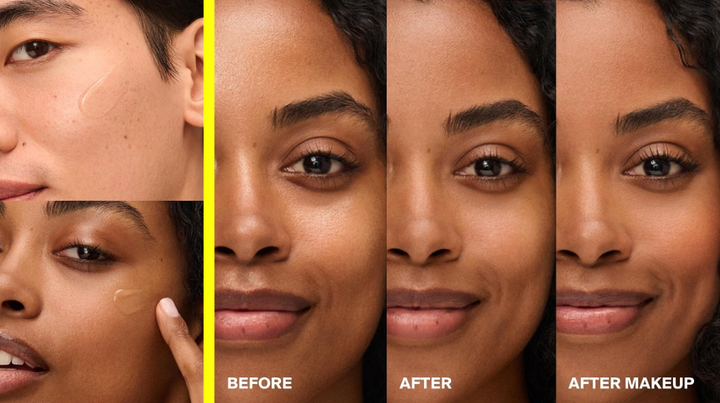
Skin experts have told HuffPost before: the “best” facial sunscreen is the one you’re happy to put on. While you want to meet the American Academy of Dermatology (AAD) requirements — broad spectrum, SPF 30+ and water-resistance — you also want something you enjoy wearing. Per the CDC, you should be wearing it every damn day. Lucky for you, Supergoop’s SPF 50, Unseen Sunscreen” and makeup primer checks all of these boxes, especially for mature skin. Reviewers call it “sorcery in a bottle” that “works great as a primer for wrinkles and gives great sun protection.” It’s currently 20% off at Amazon — if you’re fast enough to grab it.

Clear, scentless, oil-free & non-sticky, reviewers say it “smooths out my wrinkles” and “minimizes the appearance of pores” — while fighting off harmful UV rays.

Say goodbye to white casts, burning eyes, weird smells and tacky residue. With no added colors or scents, this “weightless” sunscreen offers broad-spectrum protection, SPF 50 and up to 40 minutes of water resistance — meaning it hits the AAD requirements, without turning you into a sticky ghost.

“It glides on exactly like a makeup primer with a silky, weightless feel that smooths my skin without feeling greasy,” Tiffany wrote. “…Even better, it doesn’t run into my eyes or feel messy when I sweat, making it great for everyday wear and outdoor activities.”

Aptly named the “Unseen Sunscreen,” this baby is designed to look invisible and feel like nothing on your face — while still making a huge impact. “It made my skin look so much smoother than my usual primer,” shopper Jb wrote. “Not just pores either, it smoothed out my wrinkles.”

“It goes on totally smooth with a beautiful matte finish,” another wrote, noting “everything else makes me look greasy and shiny.”

Whether worn under makeup or alone, reviewers call it “just what I was looking for,” and the exact thing to buy “if you hate wearing sunscreen.”

The brand says the formula was made with sensitive and acne-prone skin in mind, crafted to be non-irritating, non-greasy and not heavy or pore-clogging. Plus, fans say it helps your makeup go on smoothly and look great all day long. “Excellent alone or as a sunscreen and primer combo before makeup-exactly what I was looking for! FINALLY,” a 51-year-old reviewer said.

A reviewer with “extremely dry, sensitive skin due to Hashimoto’s” calls the gel the “most critical step in my skin routine,” saying it “provides solid sun protection, doesn’t irritate my skin, and still looks perfect under makeup or without.” “My skin literally gobbles it up, they wrote. “Dries in seconds and provides this beautiful matte finish. Is it pricey? Yes! But for what it is the I feel it’s worth the $!”

“This stuff is magic,” shopper Emily wrote. “It looks and feels like a makeup primer, has zero smell, and basically disappears when you put it on. It leaves my skin feeling slightly softer and I don’t feel like there’s anything on my face. Definitely try this if you hate sunscreen.”

A reviewer with “mature skin with crow’s feet” credits the gel for providing a “healthy-looking blur” that withstands heat *far* better than cheaper alternatives.

These days, there’s no shortage of facial sunscreens on the market. Yet, fans say once you’ve tried Supergoop! it’s hard to go back to anything else. One shopper with “mature skin with crow’s feet” tested the gel against e.l.f.’s Suntouchable Invisible in “the heat of August in Arizona. […]The Supergoop Unseen held up much better – no melting, no sliding, and my crow’s feet didn’t intensify,” they wrote. “The E.l.f. is really good, but the Unseen is amazing. You’ll have to pry your makeup out of the Unseen’s cold dead hand, if you will! :)”

“I’ve tried the Trader Joe duper. I did not repurchase,” another wrote. “It sat heavier on my skin and burned my eyes,” calling Supergoop! “my go-to sunscreen for everyday wear.”

Reviewers love Supergoop’s Unseen Sunscreen for offering them sun protection and a smooth finish. Read more 5-star reviews and grab some for yourself for 20% off.

“I have extremely dry, sensitive skin due to Hashimoto’s. And at almost 40 I also have sun damage, fine lines and wrinkles that I’m wishing away with Tretinoin and Hydroquinone. So to that I was in desperate need of an awesome sunscreen that really provides solid sun protection, doesn’t irritate my skin, and still looks perfect under makeup or without. I’ve tried a lot, I mean a butt load of sunscreens. And this is my new #1! This is it. My new sorcery in a bottle. My skin literally gobbles it up. Dries in seconds and provides this beautiful matte finish. Is it pricey yes! But for what is the most critical step in my skin routine I feel it’s worth the $!” — Lala

“I love this super goop for under makeup. Works great as a primer for wrinkles and gives great sun protection. Sometimes can make skin look a bit more oily so only use it for daytime wear.” — MLH

“Wow! I love this sunscreen/primer. It made my skin look so much smoother than my usual primer. Not just pores either it smoothed out my wrinkles. Lightweight and moisturizing. Goes on smooth and doesn’t interact with my serum or moisturizer. Can reapply over makeup too. I will be buying again. I wish it was a little less expensive but its a good, clean product and its not tested on animals. And a little does go a long way.” — Jb

“I have mature skin with crow’s feet, and own both the E.l.f. and the Supergoop Unseen. I expected the E.l.f. to be best as my makeup primer. I hoped! Both feel good and give you a healthy-looking blur. In the heat of August in Arizona, the E.l.f. kind of softened and melted with my powder foundation on top, settling into my crow’s feet. A lot of my makeup disappeared – not much left on my towel. But the Supergoop Unseen held up much better – no melting, no sliding, and my crow’s feet didn’t intensify. The E.l.f. is really good, but the Unseen is amazing. You’ll have to pry your makeup out of the Unseen’s cold dead hand, if you will! :)” — Amazon customer

This is my favorite sunscreen. I have mature skin and I’m very fair. I also have oily skin. When I put it on my face, it makes it feel so much softer and it dries to a matte finish. It also does not burn my eyes.” — Esmeralda Veik

Looking for more beloved SPFs? Check out these dermatologist-recommended favs, courtesy of HuffPost Shopping.

Dermstore

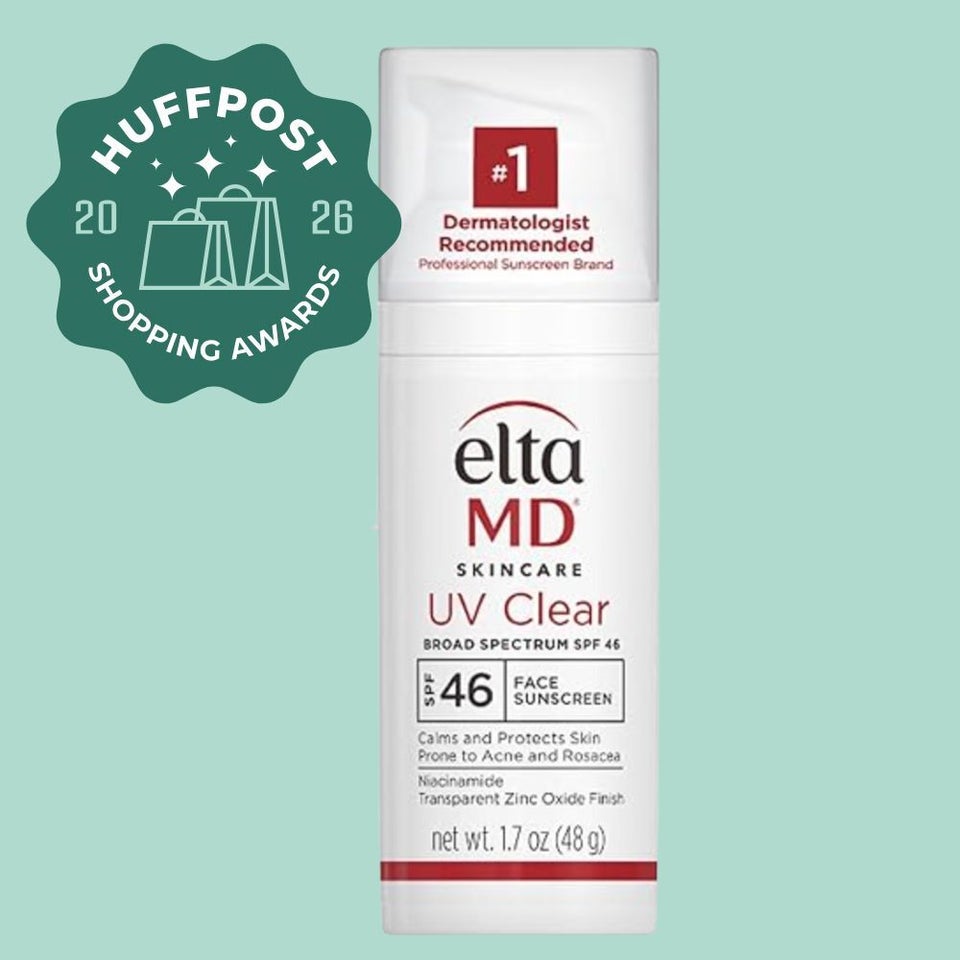
EltaMD UV Clear SPF 46

Dr. Sonia Badreshia-Bansal, MD, board-certified dermatologist, echoed the saying that “the best SPF for daily use is one that you’ll actually wear — lightweight, invisible and comfortable under makeup.” She recommends a mineral SPF with low irritation potential, like this cult-fave SPF that is beloved by both HuffPost readers and editors alike. It’s formulated with hyaluronic acid to deeply moisturize skin while the inclusion of lactic acid lightly exfoliates skin and can help to reduce hyperpigmentation and shine. It’s a great option for people like me with sensitive and acne-prone skin. I turn to it anytime I’m going to be spending a lot of time in the sun, or when I’m post-procedure and want to protect my skin without irritating it.

Amazon

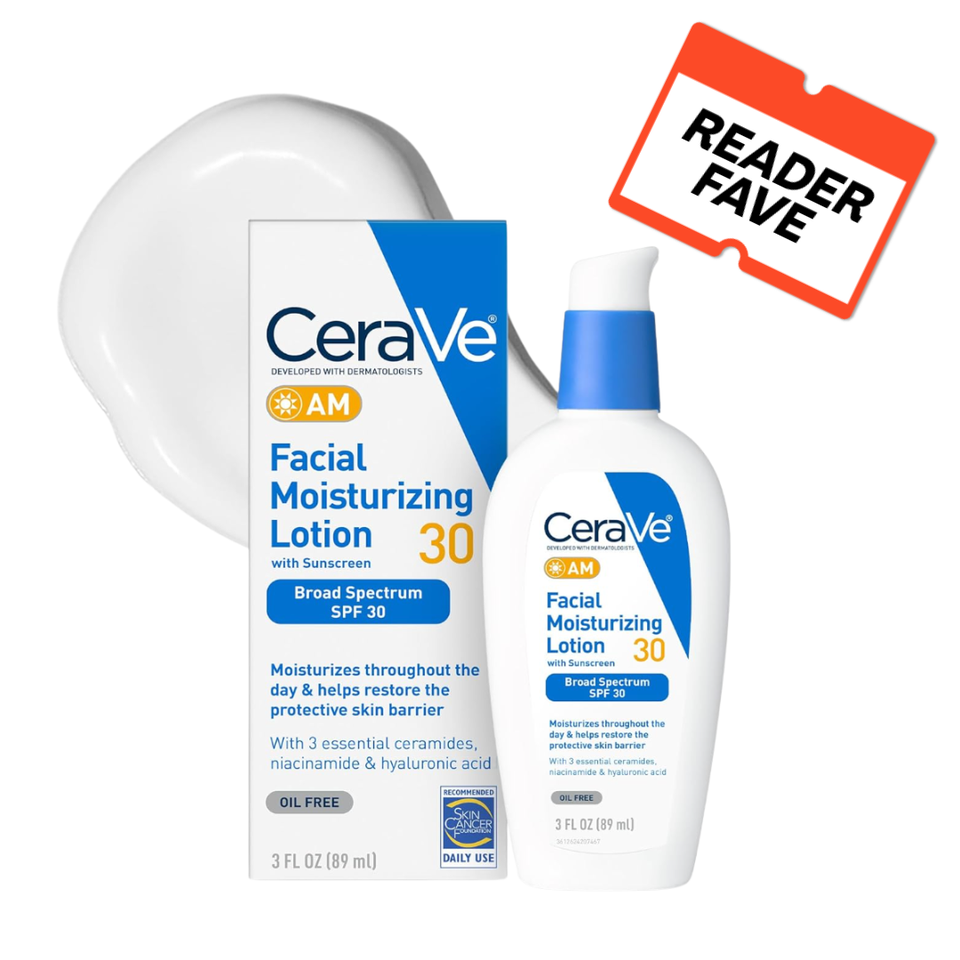
CeraVe AM Facial Moisturizing Lotion with SPF 30

According to Dr. Alexander Witkowski, MD, PhD, board-certified dermatologist and Melanoma Research Alliance Dermatology Advisor,, this CeraVe lotion with SPF 30 is “an excellent, affordable and widely accessible option for a daily morning routine.” It provides sun protection while doubling as a moisturizer, and is formulated with ceramides, hyaluronic acid and niacinamide to support skin barrier health and hydration while also soothing irritation. He also pointed out that it’s non-comedogenic and fragrance-free, making it appropriate for sensitive and acne-prone skin.

Ulta

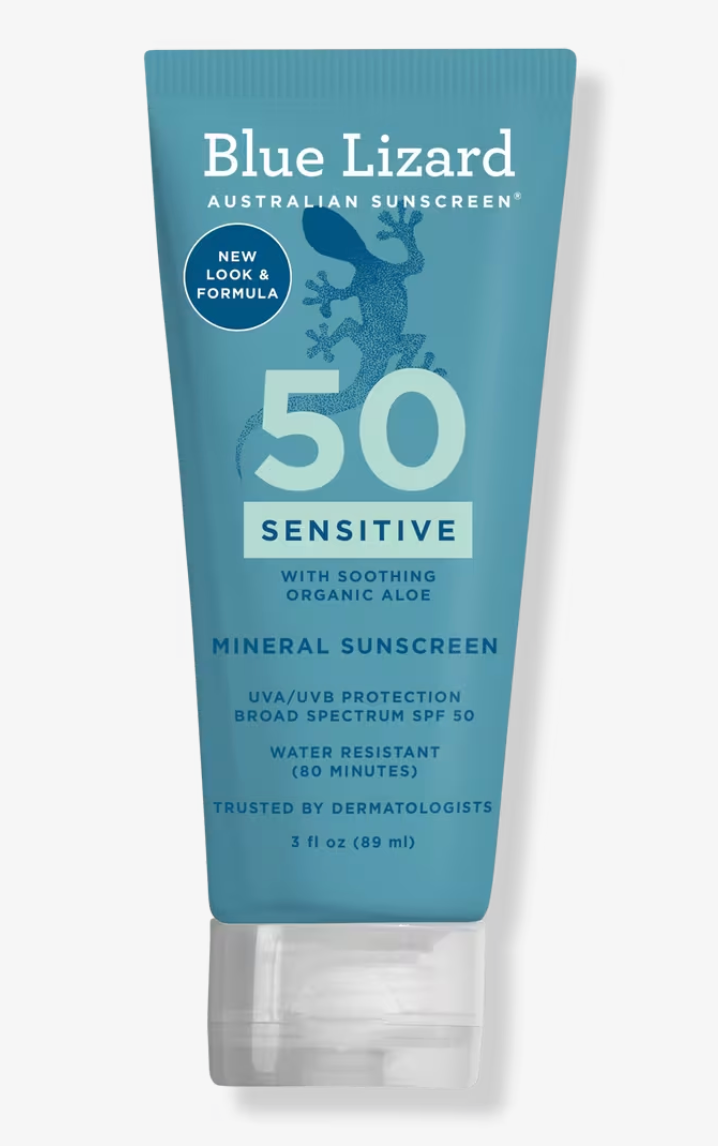
Blue Lizard Sensitive mineral sunscreen SPF 50+

Another Badreshia-Bansal recommendation for days spent outdoors, this reef-safe mineral sunscreen from Australia contains no active chemicals and is suitable for use on sensitive skin. It’s also sweat- and water-resistant for up to 80 minutes so you can enjoy all types of outdoor activities without worry.

The Real Deal: We use deal trackers and commerce experience to sift through “fake” hike-and-drop deals and other deceptive sales tactics. Products will usually be rated at least 4 stars with a minimum 15% discount. (And when there’s an exception, we’ll tell you why.)

Share Button

Even A Self-Described ‘Grumpy Old Man’ Loves This Resistance Band Set — And It’s Just $10 Today

Physical therapists have long emphasized the importance of strength training, especially for older adults. According to experts, strength training isn’t just for working out; it can also help build independence by keeping older folks safe and stable in their daily activities. If you’re looking for an easy (and affordable) way to strength train at home, this set of five resistance bands may be it. While the pink and blue packs go for close to $17, the multicolor set is just $12, making it 33% off.

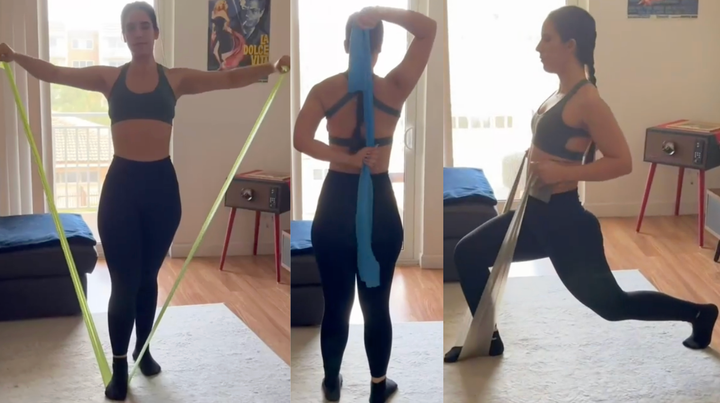
The set includes five color-coded bands with varying resistances and is loved by older users for its extra length and width.

Each color band offers a different level of resistance, from three to 20 pounds. The bands are made of thermoplastic elastomer (TPE), a stretchy, latex-free material that blends qualities of rubber and plastic. Each band measures 59 inches long and 6 inches wide, making them extra accessible to hold and use. Reviewers who have tried many bands compliment the durability and quality of this set, with many saying it’s the best set they’ve tried.

“What I really like is that these are both wide and long. What that means is that they are long enough to give you the stretch necessary for physical therapy and wide enough that you can hold them tightly,” one user wrote. “These are far superior to the ones that the PT facility I went to uses.”

“Wide, long and easy for an elderly woman with arthritic hands to use,” another user says. The bands are even “grumpy old man” approved for making strength-building easy and fun.

Because the bands are light and are easy to hold, they’re loved by older reviewers for making movement more accessible. A 69-year-old reviewer says the bands are “good even when I’m watching TV to work out with them,” joking that he’s a enjoying them as a “grumpy old man!”

“I bought these for my elderly mother to add a bit of resistance for her exercises,” one reviewer wrote. “…Being in her mid 70s she is work on stabilizing herself and adding some upper body strength, too. While anyone could get benefit from these, I believe this is the perfect end user for this type (beginner and elderly).”

Many reviewers who bought the bands for their older parents say they ended up buying a set for themselves. “I bought these for my mother. They are super easy for her to use. She is 88 years old and she loves them,” Jeff wrote. “They are super awesome and we really loved them.”

Shopper Newton calls the bands “incredibly helpful” for both building strength and “recovering safely” at home. “They’ve allowed me to start my muscle recovery process at home, progressing step by step at my own pace,” Newton says. “…I also like that they can be adjusted to fit different needs and levels.”

Reviewers love these resistance bands for helping build strength at home. Read more 5-star reviews and grab a set for yourself for $10.

“Fast delivery, love the package that tells you the strength of each one, individually packaged. Just started with them, but you could tell the durability. My age it’s good even when I’m watching TV to work out with them. 69-year-old army veteran. Enjoying grumpy old man!” — Roy

“I wanted a set of resistance bands that I could use at home without taking up much space, and these have been a great addition to my routine. They’re lightweight, easy to carry, and give just the right amount of resistance for stretching, strength exercises, and mobility work.
One thing I really like is that they’re latex-free. The material feels smooth and comfortable against my skin, and I haven’t noticed any unpleasant odor when using them. They’ve stretched consistently without feeling like they’re losing tension, even after regular workouts.
I’ve used them for everything from warm-ups to light strength training, and they’ve also been helpful on days when I just want to loosen up after sitting at a desk for hours. Overall, this is a practical, well-made set that’s suitable for beginners and experienced users alike. I’m very happy with the quality and would definitely recommend them.” — E tm

“Bought for mom to increase muscle strength. YouTube exercises and daily stretching so far she made a big improvement in strength and mobility.” — Amazon Customer

I use Resistance Bands as part of my warm-up routine at the gym, and they’ve become an essential part of my workouts—even when I’m not lifting weights. These bands are latex-free, which is a huge plus for anyone with sensitivities, and their durability has held up even after nearly a month of 5 days a week of consistent use.What I love most is their versatility. They come in different resistance levels, so whether I’m doing warm-ups or more intense exercises, these bands deliver a solid workout. I use them for everything from mobility stretches to targeting specific muscle groups, and they’ve helped me stay active on lighter workout days without needing any weights.

If you’re looking for a high-quality, easy-to-use set of bands for stretching, strength building, or physical therapy, these are a perfect choice.” — Tried By Gie

Looking for more tools to get moving from the comfort of your home? Check out these three recent reader favs (psst: some may be on sale).

Amazon

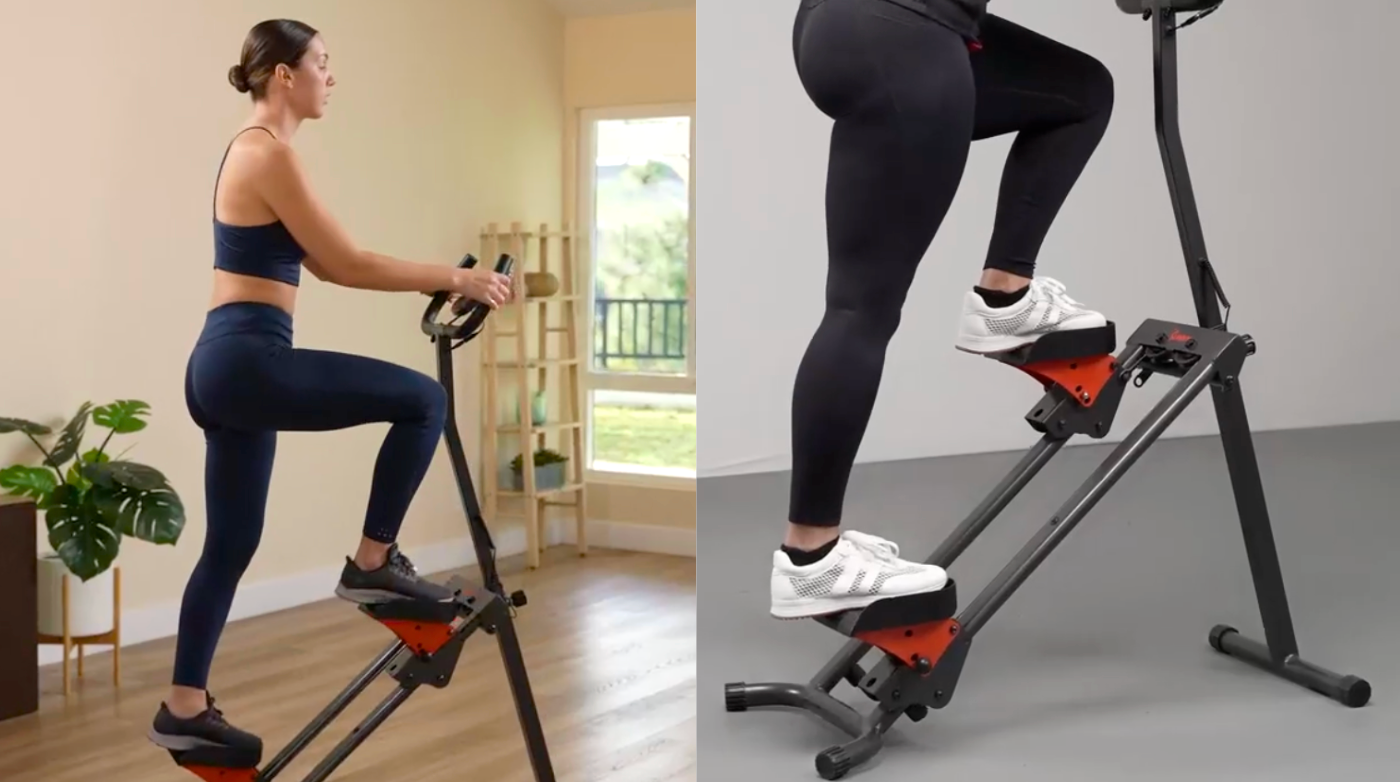
A foldable stair stepper (15% off)

Amazon

,

Amazon

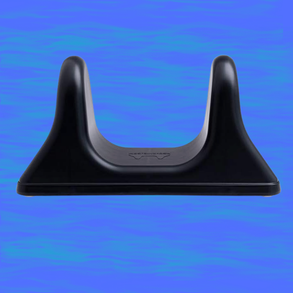
A muscle release tool for pain relief

HuffPost contributor Megan Lasher swears by Pso-Rite’s muscle release tool for releasing back pain after long days on their feet. “You simply lie faced-down on the tool, situating it so the points of the U sit right above your hip joints, and wait as the muscle slowly begins to release,” they wrote. “In my experience, using the tool creates the type of cathartic pain you’d experience with a deep tissue massage. There’s a pinch as you settle into place, and a slow release the longer you lay on the prongs of the U. The full effect sets in after about a minute for me personally, and lasts for a few days (but I rarely go so long between sessions.)”

Amazon

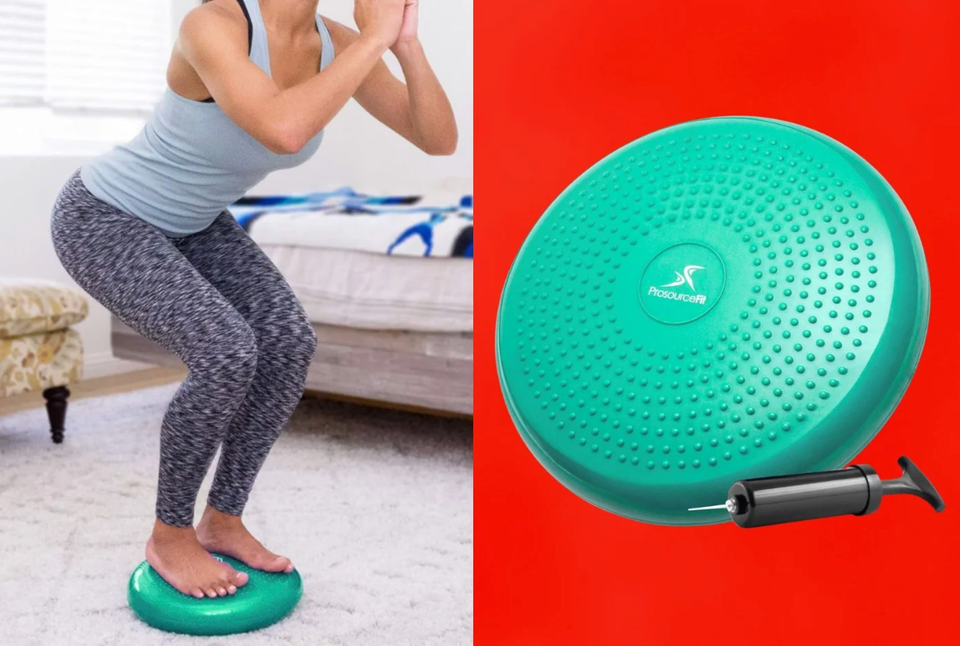
A ProsourceFit balancing disc

“These discs can be helpful when used in the right context,” Annalise Calo, physical therapist at WAVE Physical Therapy & Pilates in Ohio said of balancing tools like the ProsourceFit disc. It’s a 15-inch inflatable cushion that can be used to perform a number of balancing and core-strengthening exercises. ”[They] move as your weight shifts, helping to improve proprioception (awareness of your position in space) and reaction time,” Calo said.

The Real Deal: We use deal trackers and commerce experience to sift through “fake” hike-and-drop deals and other deceptive sales tactics. Products will usually be rated at least 4 stars with a minimum 15% discount. (And when there’s an exception, we’ll tell you why.)

Share Button

Gillian Anderson Speaks For The First Time About ‘Unfortunate’ Salt Path Controversy

Gillian Anderson has spoken for the first time about the controversy surrounding the source material for her 2024 film The Salt Path.

The Emmy winner starred opposite The White Lotus actor Jason Isaacs in the big-screen adaptation of Raynor Winn’s book of the same name.

However, last year, Winn’s book – which was marketed as a memoir upon its release in 2018 – found itself at the centre of scrutiny when The Observer published a lengthy report which cast doubt on the legitimacy of some of the claims outlined within it.

Reflecting on the situation in a new interview with Radio Times, Gillian branded it “very unfortunate”.

“The film was doing really well in the UK – beyond my expectations,” she recalled. “I think we were about to sign with Sony Classics for the United States the week when the article came out, so it sucked, and continues to suck.”

Gillian Anderson and Jason Isaacs in The Salt Path

Black Bear

Gillian continued: “A lot of people were enjoying it, regardless, and it is special in its own right. I hope people are able to experience it as its own entity, separate from what may or may not be true or whatever controversy there is.”

In Winn’s writing, she spoke of how she and her husband Moth walked the 600-mile length of the South West Coast Path after being made homeless.

She also wrote about Moth’s struggles with the neurodegenerative disease corticobasal degeneration (CBD), which he was diagnosed with shortly before the couple lost their home.

However, The Observer’s piece raised questions about a number of parts in the book, including exactly what led to the couple being made homeless, and specific parts of Moth’s illness.

A statement provided by Winn’s legal team to The Observer at the time said: “The Salt Path lays bare the physical and spiritual journey Moth and I shared, an experience that transformed us completely and altered the course of our lives. This is the true story of our journey.”

The Telegraph also published a more detailed version of this statement last year, which said: “[The] Observer article is highly misleading. We are taking legal advice and won’t be making any further comment at this time.”

Share Button

Madonna Has Yet Another Reason To Celebrate After Kylie Minogue Duet Chart Update

Madonna’s Confessions II era is truly the gift that keeps on giving.

Released last week, the duet marks the singer’s first official collaboration after sharing the stage during the Queen of Pop’s Celebration tour back in 2024.

And speaking of celebrations, the Official Charts Company revealed in its “first-look” preview on Sunday evening that the new version of Love Sensation is currently on track to peak at number eight in this week’s chart.

Now, admittedly, we have to assume that this is based on physical pre-sales of the single’s CD format, meaning that unless it can keep up streams in the days ahead, this position is likely to drop before the chart is announced.

Kylie, of course, has been enjoying a chart resurgence of her own in the last few years.

Share Button

Firefighters Warn To Keep ‘Unconsidered’ Items Off Windowsills This Summer

Parts of the UK seem set for their fifth heatwave of the year, with no significant rainfall set to take place in parts of the south this month.

Claire Belcher, an Exeter University professor, told the BBC the risk of wildfires has “never been so high”. And firefighters warn that the risk of house fires rises in drier, sunnier conditions, too.

Speaking to the MK Citizen after a run of “near disasters” in Milton Keynes, a spokesperson for Bucks Fire and Rescue said: “As the bright weather continues, we’d like to remind everyone of an often unconsidered fire risk within homes.”

Watch out for glass items on windowsills

Multiple windowsill fires have broken out over the years due to glass items left in direct sunlight.

They’ve created blazes in places like Essex, Northamptonshire, Dorset and Wiltshire, Norfolk, Merseyside, Milton Keynes, and more.

The Bucks Fire and Rescue spokesperson said: “Recent incidents have highlighted that reflected sunlight can become concentrated enough to generate significant heat, resulting in marks, smouldering materials and, in some cases, fire.”

Which items should I keep out of sunlight?

Northamptonshire Fire and Rescue Service said to keep crystals; mirrors, especially magnifying ones; and glass ornaments off windowsills and out of direct sunlight in the summer.

The firefighters added you shouldn’t keep them near curtains or bedsheets in the heat either.

Other risky items include:

In general, Dorset and Wiltshire Fire and Rescue explained, any glass ornament or object that’s curved can work as a lens, intensifying the sun’s heat.

“The principle is the same as using a magnifying glass to start a fire. It does depend on the angle of the sun, but any mirror or glass ornament with a curve in it should never be left on a windowsill or by a window,” their site reads.

A Bucks Fire and Rescue spokesperson added: “If you notice a bright spot of reflected sunlight inside your home, move the object immediately or close curtains or blinds.

“Check around windows regularly to ensure decorative items are not creating focused beams of light.”

Share Button

New weight-loss pill approved for use in UK

Foundayo is made by Eli Lilly, the drug firm behind the Mounjaro jab.

Share Button

New GLP-1 pill delivers up to 12% weight loss in 36 weeks

A new oral approach to GLP-1 treatment helped adults with obesity or overweight lose as much as 12 percent of their body weight over 36 weeks, according to a randomized phase II clinical trial published in Nature Medicine.

Robert Kushner, MD, ’82 GME, professor emeritus of Medicine in the Division of Endocrinology, Metabolism and Molecular Medicine, was a co-author of the study.

A GLP-1 Drug That Comes as a Pill

Aleniglipron differs from currently available GLP-1 drugs (glucagon-like peptide 1) such as semaglutide, which is sold as Ozempic and Wegovy. Instead of being a peptide-based injectable medication, aleniglipron is a small-molecule drug taken by mouth and is being developed as a treatment for obesity.

GLP-1 drugs work by mimicking the naturally occurring GLP-1 hormone. Their effects include stimulating insulin secretion, reducing appetite and increasing feelings of fullness, which can support weight loss.

Although existing peptide-based GLP-1 medications can be highly effective, access remains limited for many patients. These drugs require injections, creating an additional barrier for some people. They also pose storage challenges (refrigeration) and can be difficult and costly to manufacture at the scale needed to meet demand.

Small-molecule GLP-1 drugs could address some of those limitations because they can be taken orally and may be easier to manufacture in large quantities, Kushner said.

“The difference with aleniglipron is it’s a small molecule, which means it’s chemically made and could be taken with or without food. Most medications we take, whether it’s aspirin or blood pressure medicine, are small molecules. They’re chemicals that you make structurally, and because of that you can potentially combine them with other medications,” Kushner said.

Testing Aleniglipron in 230 Adults

For the placebo-controlled, double-blind clinical trial, researchers evaluated the safety of aleniglipron in 230 adults (average age of 50 years) with obesity or overweight at 38 U.S. medical centers.

Participants were randomly assigned to one of three dose groups: 45, 90 or 120 milligrams. They took aleniglipron orally once each day, with doses increased every four weeks, or received placebo. Treatment continued for a total of 36 weeks.

By week 36, average body-weight change from baseline reached −9.0 percent in the 45 milligrams group, -10.7 percent in the 90 milligrams group and -12.1 percent in the 120 milligrams group. The placebo group had a -0.5 percent change.

Side Effects and Next Steps

Gastrointestinal side effects were generally mild to moderate across the treatment groups and became less frequent as the study progressed. Overall, 10.4 percent of participants discontinued treatment, and researchers reported no cases of drug-induced liver injury.

Kushner said the results support continued development of alenglipron as an obesity treatment and further evaluation of its effectiveness in an upcoming phase III trial.

“We didn’t find any concerns; no new safety signals. We found a dose that seems to be effective, and the dose escalation will be slowed down further as we go into phase III trial to increase tolerability,” Kushner said.

This work was supported by Structure Therapeutics.

Share Button