Kwasi Kwarteng Reveals What He Got ‘Wrong’ In His Mini-Budget

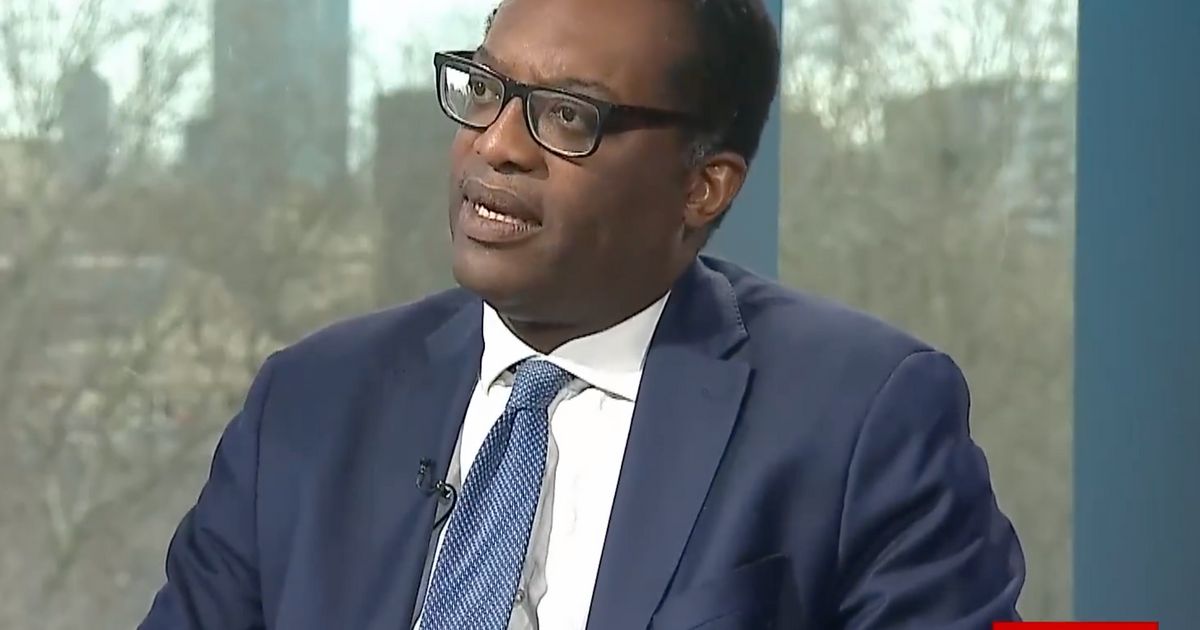
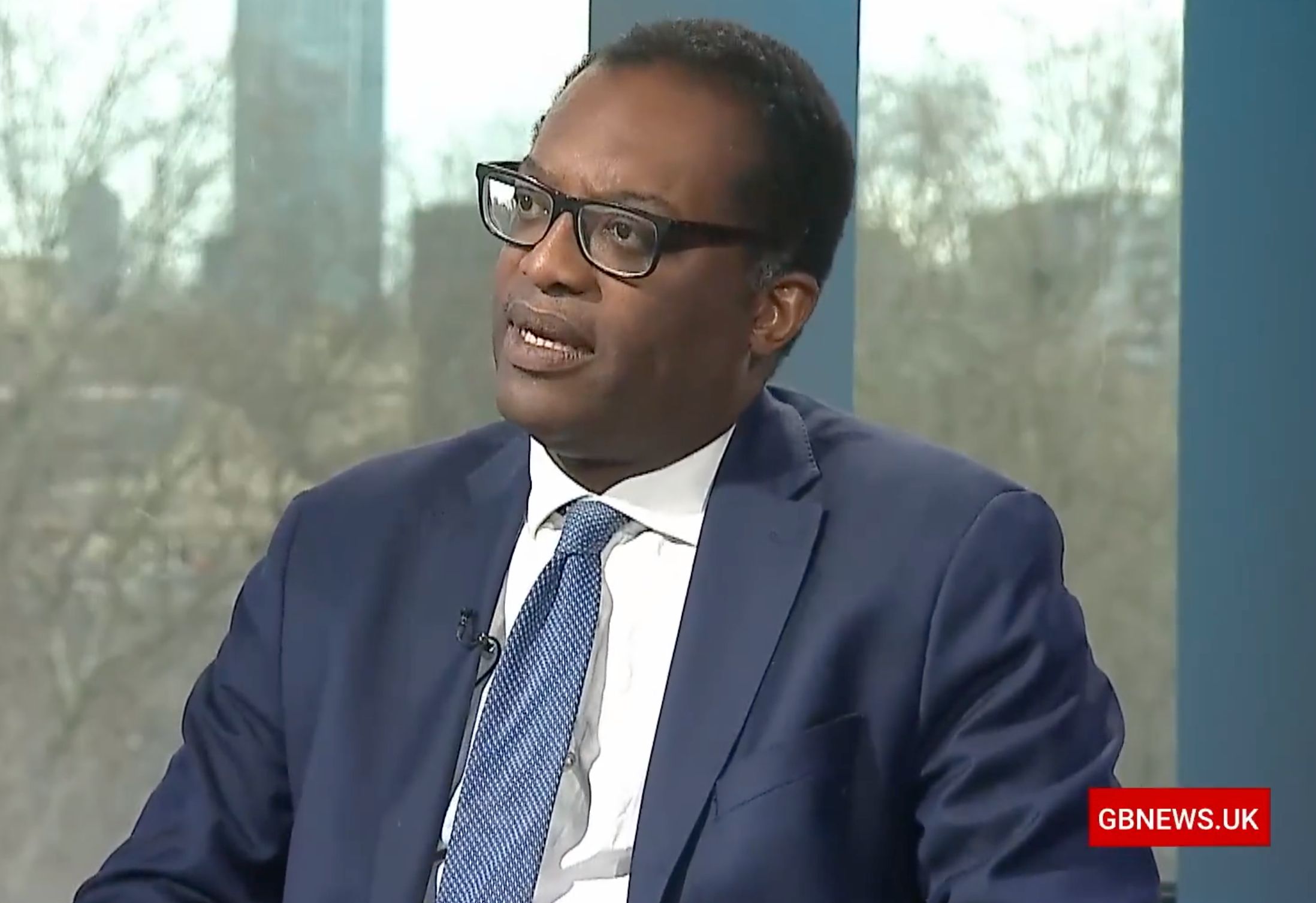
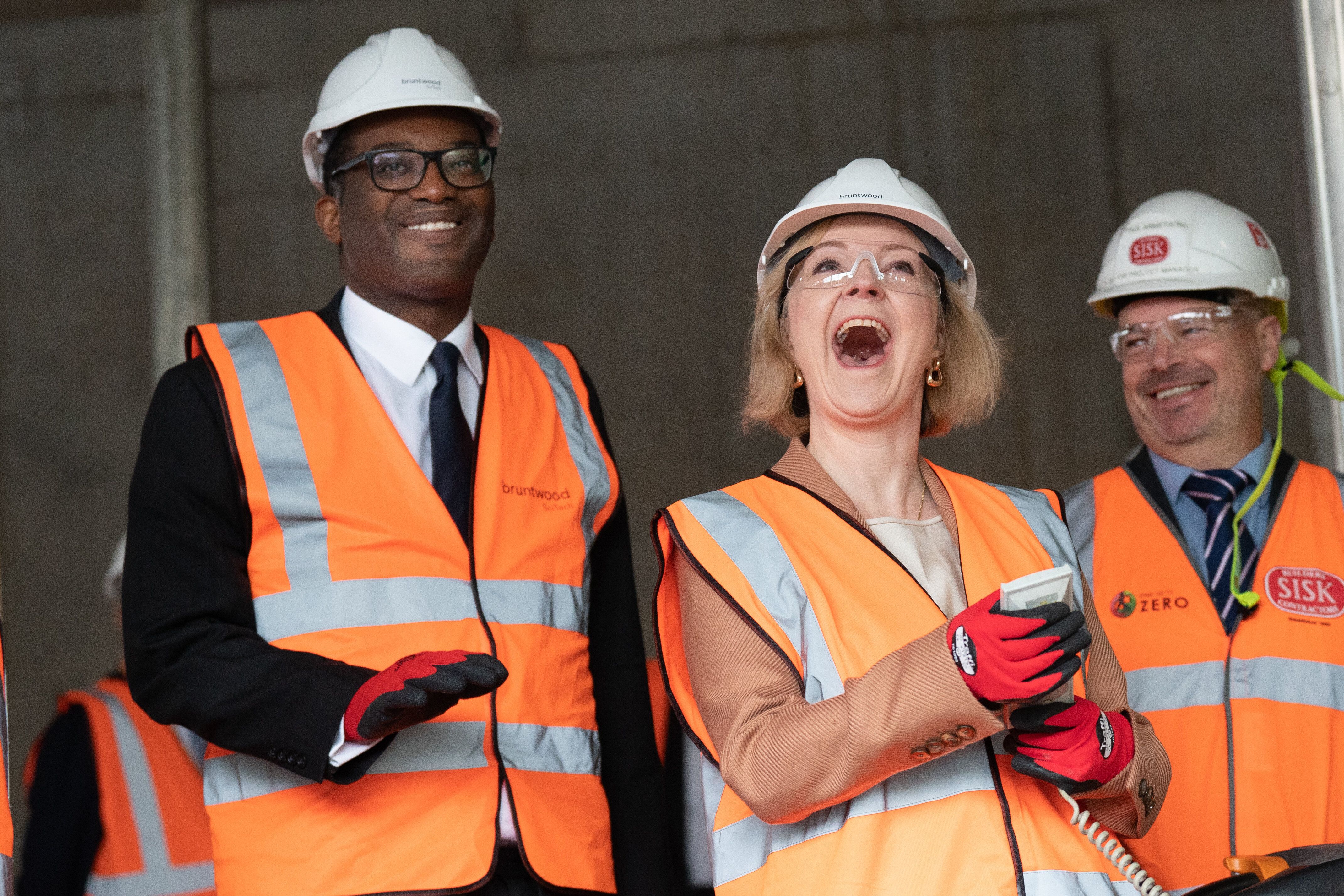
Kwasi Kwarteng has said what he got “wrong” in his mini-Budget that triggered market chaos and led to the downfall of Liz Truss’ government was not being “methodical” enough.

The former chancellor said his successor Jeremy Hunt had delivered a “good Budget” last week.

Hunt was appointed chancellor by Truss after she fired Kwarteng, her closest political ally, in a last ditch attempt to save her failing premiership.

Speaking to GB News on Sunday morning, Kwarteng said Hunt had “rightly perhaps” adopted a more “cautious” approach than he had.

“What we can’t do is pretend that last October didn’t happen, last September didn’t happen,” he said.

“I don’t understand what it means to be a Conservative if you don’t believe, ultimately, in lower taxes, broadly. That’s a strategic goal.

“There is a question about how you get there and there are different approaches.

“Now, I’d like to see things maybe done more quickly. But you do have to be methodical, you have to carry institutions with you, and I think that’s what they’re trying to do.”

He added: “That’s where I think I and Liz got it wrong. I think we should have had a more methodical and more process-driven way of getting to that strategic goal, which is lower taxes and incentivising economic activity.”

Kwarteng also acknowledged there was “too much” in his mini-Budget and it was “very bold” not to have Office for Budget Responsibility (OBR) forecasts or measures on spending restraint at the same time.

He also said that suggesting more tax cuts could come in the aftermath of his statement “probably was a mistake”.

Kwarteng’s decision to tell BBC One’s Sunday with Laura Kuenssberg programme that even more taxes could be cut, shortly after he axed the 45p top rate, was widely seen to have been a big factor in spooking the markets.

Share Button

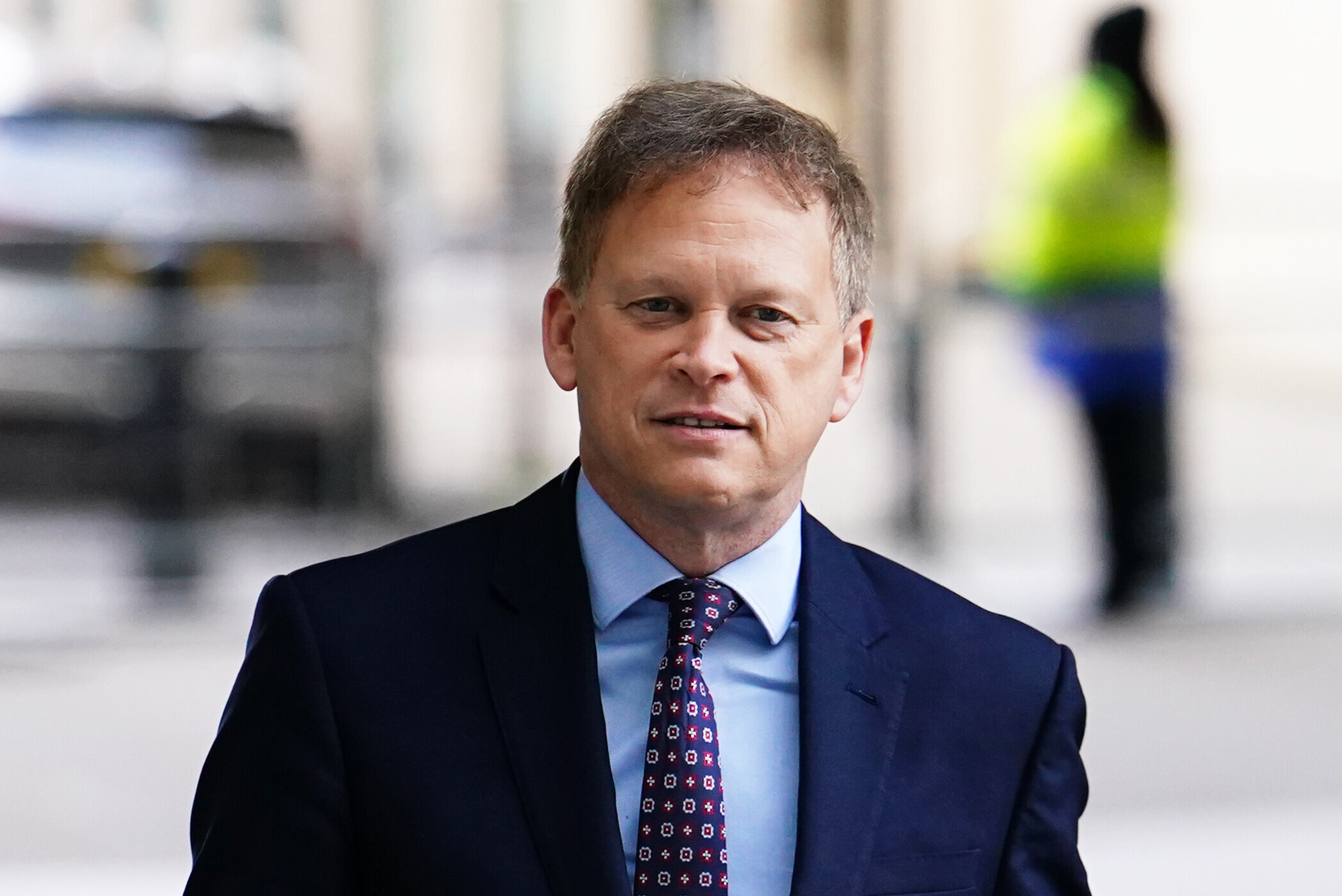
Grant Shapps Says Liz Truss’s Economic Approach ‘Clearly Wasn’t Right’

Business secretary Grant Shapps has said Liz Truss’s approach to tackling low economic growth “clearly wasn’t” the right one.

Shapps said that while he agreed with the former prime minister that the UK should have a lower-tax economy, that could not happen without “laying out the groundwork” first by tackling inflation and controlling debt.

The Cabinet minister, who served as Truss’s home secretary for just six days, was speaking in response to a 4,000-word article penned by Truss in the Telegraph on Saturday.

In the article, Truss claimed she was not given a “realistic chance” to enact her policies to cut taxes and boost growth, which she argued were correct.

Truss’s 49 days in office ended following the market turmoil caused by her chancellor Kwasi Kwarteng’s mini-budget, which unveiled £45 billion-worth of unfunded tax cuts.

It caused the value of the pound to plunge, interest rates to soar and led to the Bank of England having to bail out the UK’s pensions industry.

Truss said that while she was not “blameless” about the market turmoil that ensued, she was nevertheless held back by a “very powerful economic establishment” and a “lack of political support”.

Taking aim at her own party, she said she had “underestimated the resistance… to move to a lower-tax, less-regulated economy”.

Her intervention — her first since standing down in October — has reignited a debate in the Conservative Party about how it grapples with high taxes and sluggish economic growth.

A recent bleak forecast from the International Monetary Fund (IMF) stated that the UK economy will perform worse than every other major country in 2023 — including sanctions-hit Russia.

Asked whether he thought Truss’s approach to the economy was right, Shapps replied: “Clearly it wasn’t.”

Shapps also defended the Conservative Party from Truss’s criticisms, saying: “No-one wants to pay higher levels of taxes but I think you have to set this in an international context.

“Every Western government has been hit by Putin’s illegal invasion of Ukraine and experienced through-the-roof energy costs, and has then experienced high levels of inflation.

“People might mistakenly think this is something happening in Britain and Britain alone. In fact if you look at the international comparisons, it is happening around the world. Every government is struggling with this.”

Truss has kept a low profile ever since she was ousted from the top job after just 49 days in office —until now.

Her intervention represents another headache for Rishi Sunak, who is already battling with the resurgence of Boris Johnson.

The former prime minister has also put pressure on Sunak over the economy, calling on him to cut taxes before the next election.

The prime minister has repeatedly said that inflation must be brought under control but the government can contemplate slashing taxes.

Johnson also criticised Sunak’s decision not to send British fighter jets to Ukraine following a plea from Kyiv to Western allies.

Downing Street has said it would not be “practical” to send jets to Ukraine. The UK has, however, sent 14 Challenger 2 tanks to assist with the war effort against Russia.

Share Button

Just What Is Really Going On With Rishi Sunak’s Speaking Style?

Rishi Sunak’s speaking style has attacted some attention since he became the UK’s third (and final) prime minister of 2022.

While he hasn’t received quite the level of criticism aimed at his predecessor Liz Truss and her famously stilted manner, there have been some comparisons to the cringey Will MacKenzie from The Inbetweeners.

As the actor behind the character, Simon Bird, joked to The Times: “I’m absolutely baffled why anyone would see any similarities at all between this privately educated, socially awkward, out-of-touch caricature and … ah. Scrap that.”

Sunak’s first speech of 2023, where he made five promises to rejuvenate the nation, was also subject to some ridicule over its delivery.

Here’s a sneak peek…

The Guardian’s John Crace said Sunak spoke “breathlessly and earnestly. And vacuously”, while The Times’ Quentin Letts dubbed it a “wonderfully terrible” talk where Sunak spoke acted as “wide-eyed as a Girl Guide talking about badges”.

The Telegraph’s Madeleine Grant even said it was like “painting by numbers but with words” or “Count von Count from Sesame Street was moonlight as PM”.

Twitter has also frequently pointed out that Sunak would be the ideal children’s presenter.

But is there a reason why Sunak has such a particular delivery?

Speaking to HuffPost UK, Ges Ray, who teaches people how to speak in public for a living, suggests that Sunak might have deliberately chosen to have more of a “low profile” compared to his predecessors.

Ray notes that Truss adopted the voice of Margaret Thatcher, with her voice dropping in tone and timbre when she took up her place in No.10.

He adds: “Those who watched Boris Johnson noted his ability to adopt the bumbling orator style as a chosen persona, part of his high profile.”

By comparison, he says that Sunak uses an “encourage tone” with “relatively simple and straightforward language”, which allows his critics to categorise him as “primary school teacher, reaching above the noise of the classroom with warm encouragement”.

“Which is the audience that matters? His immediate critics, or the population at large, perhaps more open to the contrast with recent PMs?”

– Ges Ray, speech coach

If the PM wants to change his delivery, Ray suggests he needs to work on “voice tones, gravitas, his physical stature” to improve as a speaker.

But he also asks: “Which is the audience that matters? His immediate critics, or the population at large, perhaps more open to the contrast with recent PMs?

“Could it be – and this is simply personal conjecture! – that with the enormous demands of the greatest of Great Offices of State he has eschewed, and indeed distanced himself from the path of his two immediate predecessors, deliberately choosing not to develop a new speaking style?”

When analysing Truss’s speech during her time in the spotlight, journalist Viv Groskop of the How To Own A Room podcast, explained that there are advantages to being a less conventional speaker.

She told HuffPost UK: “In previous decades we have been used to speakers ― and politicians in particular ― who look and sound more confident than most of us. But often that approach now comes across as stuffy and old-fashioned.

“Now that we are surrounded by TikTok content, TED talks, YouTube and we constantly have people talking at us and trying to get our attention, our perception of what is authentic and worth our time is changing fast.”

But then, we should consider Sunak’s very privileged background, son-in-law to a billionaire and the richest PM ever to take up a seat in No.10.

Some sketch-writers did picked up on Sunak’s slight tone-switch when he started answering journalists’ questions during his speech this week.

Letts noted that a “sparkier, more commanding, combative Sunak” emerged when challenged by the media on his vision.

“He dropped that dreadful Timmy-the-Hamster voice and sounded more like a corporate high-flyer grasping supply-chain problems,” Letts commented.

Does this mean Sunak is still playing with his speaking style? Only time will tell if we’ll ever experience another gem to rival Truss’s “pork markets” again.

Share Button

2022 Review: A Look Back At A Year When Politics Went Mad

Every year in British politics is now almost always weirder than the last. But surely 2022 – which saw the country rattle through three prime ministers – will be peak stupid?

Below is a quick rundown of some, if not all, of the bonkers moments of the last year. May it rest in peace.

January

At the start of the year, Boris Johnson was prime minister and under intense pressure over the partygate scandal. On January 12, he admitted had actually attended a No.10 garden event during lockdown. Having previously insisted no rules were broken in Downing Street.

February – Jimmy Savile smear

Johnson spent the first few days of February doubling down on a discredited smear that Keir Starmer failed to prosecute Jimmy Savile. The then prime minister made the allegation during heated Commons debate over the Sue Gray report into partygate. The false claim led Munira Mirza, his policy chief, to resign.

March – Boris’ Russia links

Russia’s invasion of Ukraine saw the British government rollout sanctions on people close to Vladimir Putin’s regime. Johnson himself came under pressure to explain his links to prominent Russians including former KGB agent Alexander Lebedev and Lubov Chernukhin, the wealthy Tory donor and wife of a former Russian minister. Dominic Raab explained it away as the PM simply being “very social”.

April – Partygate fines

On April 12, Johnson was handed a fixed penalty notice by the police for breaking his own Covid lockdown rules. It was the first time a sitting prime minister was found to have broken the law. Despite this, he did not resign.

May – Tractorgate

Tory Neil Parish formally resigned from parliament after he admitted watching porn on his phone in the Commons. Twice. The Tiverton and Honiton MP said it had been a “moment of madness” as he initially was innocently looking at pictures of tractors. Easy mixup.

June – Blue wall blues

On June 23 by-elections were held in the Tory seats of Tiverton and Honiton and Wakefield. The party lost the former to the Lib Dems and the latter to Labour. Ed Davey celebrated his party’s victory with a classically stupid stunt. The double by-election loss did little to settle the nerves of Tory MPs about Johnson’s leadership.

July – Bye bye Boris

After a wave of resignations finally triggered by the Chris Pincher scandal, Johnson resigned as prime minister on July 7. Yet the previous day he had been determined to cling on. The farce was captured live on TV as he was told a delegation of cabinet ministers was at that very moment in No.10 waiting to tell him to quit. The group included very loyal Nadhim Zahawi, who Johnson had promoted to chancellor 24-hours earlier.

Johnson’s resignation triggered a months long Tory leadership contest which included so many idiotic moments it has its own list here.

August – The lady’s not for turning

Perhaps the, highlight, of the contest was Liz Truss announcing plans to pay workers living in cheaper areas of the country less than their counterparts in places like London and the South East.

Tory MPs were livid, with one describing it as “austerity on steroids”. Truss complained there had been a “wilful misrepresentation” of the plan by the media. There had not. Quickly U-turning on the proposal, Truss said it showed she was “honest and decisive”. Perhaps the signs were there all along.

September – Trussonomics

Truss hit the ground as prime minister on September 6. Her tenure lasted 49 days, during which time the Queen died, her mini-Budget caused the markets to have a panic attack and Tory poll ratings cratered. In a boost for Global Britain, the race for survival between her and the Daily Star’s lettuce became international news.

October – Rishi v Boris

Rishi Sunak succeeded Truss as prime minister on October 26, having lost out to her in the contest to takeover from Johnson. But over the course of a crazy weekend at the start of the month, Johnson flew home from his Caribbean holiday to try and stage a dramatic comeback as PM. Before then dropping out of the race in the face over overwhelming opposition from Tory MPs.

November – Hancock in the jungle

As health secretary Matt Hancock helped lead the country through its biggest crisis since WWII. In November 2022 he decided it was a good idea to join ITV’s I’m A Celebrity… Get Me Out Of Here. He promptly had the party whip withdrawn and everyone else had to listen to constant jokes about him eating testicles.

December – normal service resumed?

The final month of 2022 in Westminster was somewhat stable when it came to nonsense, as the government grappled with strikes, inflation and the war in Ukraine. This could signal 2023 will be more serious if not calmer. But let’s not count on it.

Share Button

Fresh Blow For Rishi Sunak As Alok Sharma Joins Tory Wind Farm Rebellion

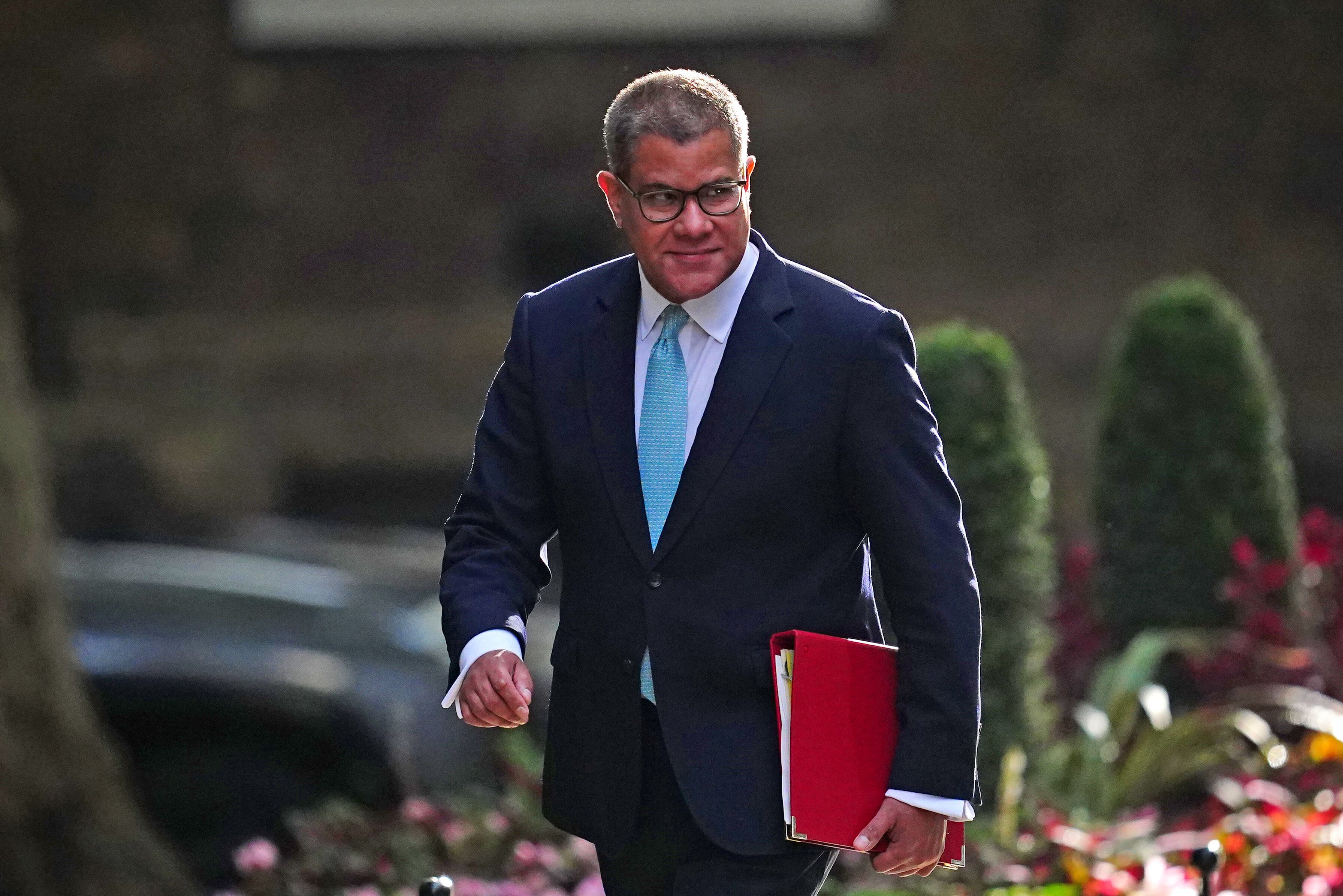
Alok Sharma has become the latest senior Tory MP to join a growing rebellion against the government’s position on onshore windfarms.

The Cop 26 president has signed an amendment to the regeneration and levelling up bill calling for the current ban on the developments to be lifted.

He joins former prime ministers Boris Johnson and Liz Truss in backing the amendment, which has been tabled by former levelling up secretary Simon Clarke.

Announcing his decision on Twitter, Sharma said: “Onshore wind is one of the cheapest forms of renewable power and will help to bolster the UK’s energy security.

“I said in Parliament in July, that where communities are positively welcoming of onshore in return for reduced bills, onshore should be kept on the table So I will support Simon Clarke’s Levelling Up Bill amendment to lift the ban on onshore & let local communities decide.”

The move is a further blow for Rishi Sunak, who has already been forced to back down over a separate amendment to the levelling up and regeneration bill following another Tory rebellion.

More than 50 Conservative MPs have put their names to an amendment which would mean councils would no longer have to follow Whitehall housebuilding targets.

A vote on the amendment was due to take place on Monday, but it was pulled by the government to avoid an embarrassing rebellion.

Labour accused Sunak of “running scared of your own backbenchers”.

Welcoming Sharma’s support, Simon Clarke said: “As a former secretary of state for business and Cop president, Alok Sharma has huge authority on why we should end the ban on onshore wind.

Share Button

Johnson And Truss Join Tory Wind Farm Rebellion In Challenge To Rishi Sunak

The former prime ministers have put their names to an amendment in the name of former cabinet minister Simon Clarke calling for an end to the ban on new onshore wind farm developments.

It is the pair’s first major political interventions since they both left Downing Street over the summer.

Clarke, who was sacked as levelling up secretary by Sunak when he became PM last month, said in a tweet that he was “delighted” to have Truss and Johnson’s support.

He said allowing new onshore wind farms was “a pro growth, pro green policy at a time when we need both”.

Sunak has already been forced to back down over a separate amendment to the levelling up and regeneration bill following another Tory rebellion.

More than 50 Conservative MPs have put their names to an amendment which would mean councils would no longer have to follow Whitehall housebuilding targets.

A vote on the amendment was due to take place on Monday, but it was pulled by the government to avoid an embarrassing rebellion.

Labour accused Sunak of “running scared of your own backbenchers”.

Share Button

Labour MP Perfectly Sums Up The Chaos Caused By The Tories This Year

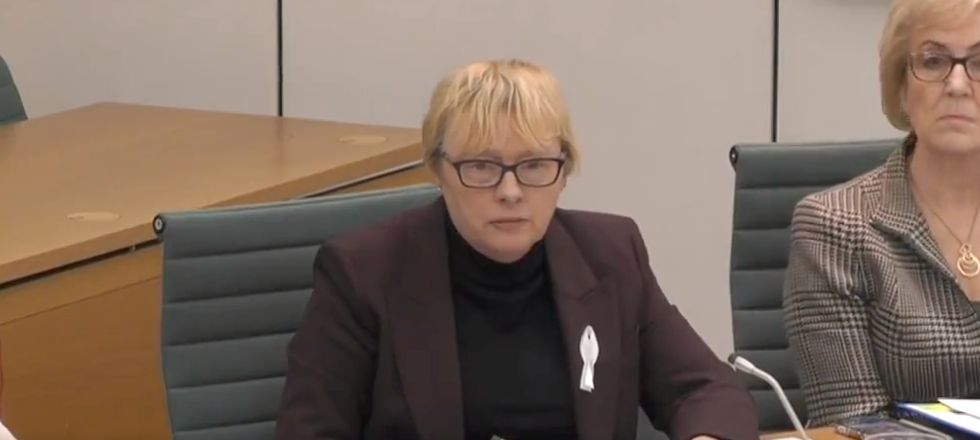
A Labour MP perfectly summed up the chaos caused by the Tories this year as she grilled Jeremy Hunt.

The chancellor was left squirming as Angela Eagle ran through the astonishing political events of the last 12 months.

Hunt was appearing in front of the Treasury select committee to face questions on last week’s autumn statement, which came just weeks after his predecessor Kwasi Kwarteng’s disastrous mini-budget.

Hunt unveiled £55 billion of tax rises and spending cuts as he tried to undo the damage caused in part by Kwarteng’s unfunded spending spree, which sent the value of the pound plummeting and interest rates soaring.

Kwarteng was only in the job for six weeks, having been appointed by Liz Truss after she succeeded Boris Johnson as prime minister in September.

Eagle told Hunt: “Chancellor, this year alone your party has given us three prime ministers, four chancellors, four different versions of the Conservative government and six fiscal events.

“One hundred and forty-seven members of the government, including 32 cabinet ministers, have resigned or been sacked.

“What effect do you think this chaos has had on our economic prospects and our international reputation.”

In response, the chancellor insisted the UK’s economic woes had been “primarily” caused by the war in Ukraine and the global rise in energy prices.

He said: “I wish we hadn’t had that level of instability, but I produced an autumn statement that is designed to restore economic stability and consistency of economic policymaking and I hope we can turn the page on all that instability.”

Share Button

Former Minister Admits UK’s Post-Brexit Trade Deal With Australia Is ‘Not Very Good’

Former environment secretary George Eustice has admitted the UK’s post-Brexit trade deal with Australia is “not very good” in a barely disguised attack on Liz Truss’s time as international trade secretary.

Eustice served in the cabinet under Boris Johnson, but was sent to the backbenches when Truss became prime minister.

Speaking during a general debate on the Australia and New Zealand deals in the Commons, Eustice said he is enjoying “the freedom of the backbenches”, particularly as “I no longer have to put such a positive gloss on what was agreed”.

Eustice blamed Truss, who served as international trade secretary from 2019 until 2021, for setting an arbitrary target.

He warned that “unless we recognise the failures that the Department for International Trade made during the Australia negotiations, we won’t be able to learn the lessons for future negotiations”.

The first step, he said, is “to recognise that the Australia trade deal is not actually a very good deal for the UK”, adding: “It wasn’t for lack of trying on my part.”

Eustice went on: “The UK went into this negotiation holding the strongest hand, holding all of the best cards, but at some point in early summer 2021, the then trade secretary (Truss) took a decision to set an arbitrary target to conclude heads of terms by the time of the G7 summit, and from that moment the UK was on the back foot repeatedly.

“In fact, at one point that then trade secretary asked her opposite number from Australia what he would need in order to be able to conclude an agreement by G7, and of course the Australian negotiator very kindly set out the Australian terms, which then shaped eventually the deal.”

Truss became notorious for the photoshoots during her overseas trips when trying to forge new trading partnerships. Perhaps the most infamous came when she posed with a Union Jack umbrella atop a London-made Brompton bicycle in front of Australia’s iconic Sydney Harbour Bridge. “Get on your bike and look for exports,” Truss tweeted.

Eustice also has called for the resignation of the interim permanent secretary for the Department for International Trade, Crawford Falconer, after telling the Commons he “resented” people who understood technical trade issues better than he did.

The ex-cabinet minister said Falconer’s approach during the negotiations was to “internalise” Australian demands even if they were against UK interests, and that his advice was “invariably to retreat and make fresh concessions”.

Eustice insisted on having always been a “huge fan” of the British civil service, but added: “I do want to make comment about personnel within the Department for International Trade, because Crawford Falconer, who is currently the interim permanent secretary, is not fit for that position, in my experience.

“His approach always was to internalise Australian demands, often when they were against UK interests, his advice was invariably to retreat and make fresh concessions and all the while he resented people who understood technical issues greater than he did.

“He has now done that job for several years. I think it would be a good opportunity for him to move on and to get a different type of negotiator in place, somebody who understands British interests better than I think he’s been able to.”

Share Button

Kwasi Kwarteng Says He Told Liz Truss To ‘Slow Down’ On Economic Reforms That Crashed The Markets

Kwasi Kwarteng has revealed he told Liz Truss to “slow down” with her radical economic agenda as the ex-prime minister was moving at “breakneck speed” after the disastrous mini-budget.

In his first interview since his ousting, the ex-chancellor says he warned her of being out of No 10 within “two months”.

The “slow down” claim is likely to raise eyebrows as two days after the mini-budget – which included plans to scrap the 45p income tax rate paid by the highest earners, cut stamp duty, reverse the rise in national insurance and cancel a planned rise in corporation tax – he told the BBC there was “more to come”.

Kwarteng also criticised the then-prime minister’s “mad” decision to sack him for implementing her tax-cutting agenda.

Truss ended up resigning after only 44 days in office, with her economic measures swiftly ripped up by new chancellor Jeremy Hunt and her successor in No 10, Rishi Sunak.

Kwarteng refused to apologise for the financial turmoil unleashed by his and Truss’s disastrous mini-budget, but acknowledged “there was turbulence and I regret that”.

He said the “strategic goal was right”, but “I think we should have had a much more measured approach”.

He said he bore “some responsibility” for the timetable of the mini-budget, but that Truss “was very much of the view that we needed to move things fast”.

“But I think it was too quick,” he added.

“Even after the mini budget we were going at breakneck speed. And I said, ‘You know, we should slow down, slow down’.”

“She said, ‘Well, I’ve only got two years’ and I said, ‘You will have two months if you carry on like this’. And I’m afraid that’s what happened.”

On September 23, Kwarteng announced the biggest raft of tax cuts for half a century.

The mini-budget triggered turbulence in the financial markets, sending the pound tumbling and forcing the Bank of England’s intervention.

Asked if he wanted to say sorry to the people facing extra costs in re-mortgaging, Kwarteng said: “I don’t want to relive the past.”

He added: “I do feel sorry, actually, for the people who are going through this difficult time in terms of re-mortgaging.

“I’m not going to wash my hands of what we did, I think the strategic goals (were) the right thing, but as it said, the delivery and implementation, there was no real tactical plan, there was no real timetable for it and I think we should have done that.”

The ex-chancellor said he first learned of his firing via a tweet as he travelled to a meeting with Truss in Downing Street.

“I can’t remember whether she was actually shedding tears but she was very emotional,” he said.

Describing his thinking at that moment, he said: “This is mad. Prime ministers don’t get rid of chancellors.

“I think I said to her at the time, ‘This is going to last three or four weeks’.

“Little did I know it was only going to be six days.”

Kwarteng added: “She can’t fire me for just implementing what she campaigned on. And, you know, we had a conversation.

“And I think it was very much the view that somehow she would survive if I took the fall on that.”

Share Button

Sacked Tory Chairman Accuses Braverman Of ‘Multiple’ Breaches Of Ministerial Code

Former Tory chairman Jake Berry has alleged Suella Braverman made “multiple breaches of the ministerial code” when she was sacked as home secretary, before being dramatically re-installed by Rishi Sunak less than a week later.

Braverman admitted to a “technical infringement” of the rules as she was forced out prior to the downfall of Liz Truss, making her then the shortest-serving home secretary in history.

But Berry, who was sacked by the new prime minister on Tuesday, told Talk TV that there had been “multiple breaches” of the code, which sets out how members of the government must behave – or face punishment.

He said: “From my own knowledge, there were multiple breaches of the ministerial code.”

On Wednesday, Sunak told MPs that Braverman’s behaviour was just “an error of judgment”. Berry’s comments will raise questions over Sunak’s claims that his premiership would lead to “stability and unity”.

Braverman left her role in Truss’s cabinet after she was caught sending veteran backbench Tory John Hayes, a fellow right-winger, an official document from a personal email account.

She accidentally copied in someone she believed was Hayes’s wife, but was in fact an aide to Conservative MP Andrew Percy, who raised the alarm.

Braverman argued it was merely a draft written ministerial statement on immigration which had been due for publication imminently.

Allies said she sent it after going on a 4am immigration raid before coming clean about her “mistake”.

But officials said the file was sent much later and that the cabinet papers had first been forwarded from her ministerial account to a private Gmail account before going elsewhere.

Berry told TalkTV: “It was sent from a private email address to another member of parliament. She then sought to copy in that individual’s wife and accidentally sent it to a staffer in parliament.

“To me that seems a really serious breach, especially when it was documents relating to cybersecurity, as I believe.

“That seems a really serious breach. The cabinet secretary had his say at the time. I doubt he’s changed his mind in the last six days, but that’s a matter for the new prime minister.”

Braverman said she “rapidly reported” her “mistake” through official channels, and informed cabinet secretary Simon Case, as soon as she realised it.

But Berry said: “As I understand it, the evidence was put to her and she accepted the evidence, rather than the other way round.”

Labour has demanded that Case, who is reportedly “livid” over her swift return and “very concerned” about the breach, launch an investigation “into the extent of this and other possible security breaches”.

Keir Starmer has accused Sunak of doing a “grubby deal” to reappoint Braverman as home secretary.

During the brief leadership contest Braverman swung behind Sunak in what was seen as a blow to Boris Johnson’s hopes of staging a comeback to No.10

Share Button