Sex swap in seconds: The fish that takes charge and changes gender

Ōtākou Whakaihu Waka scientists have discovered that it takes mere minutes for a species of sex-changing fish to develop dominant behavior after a change in the pecking order.

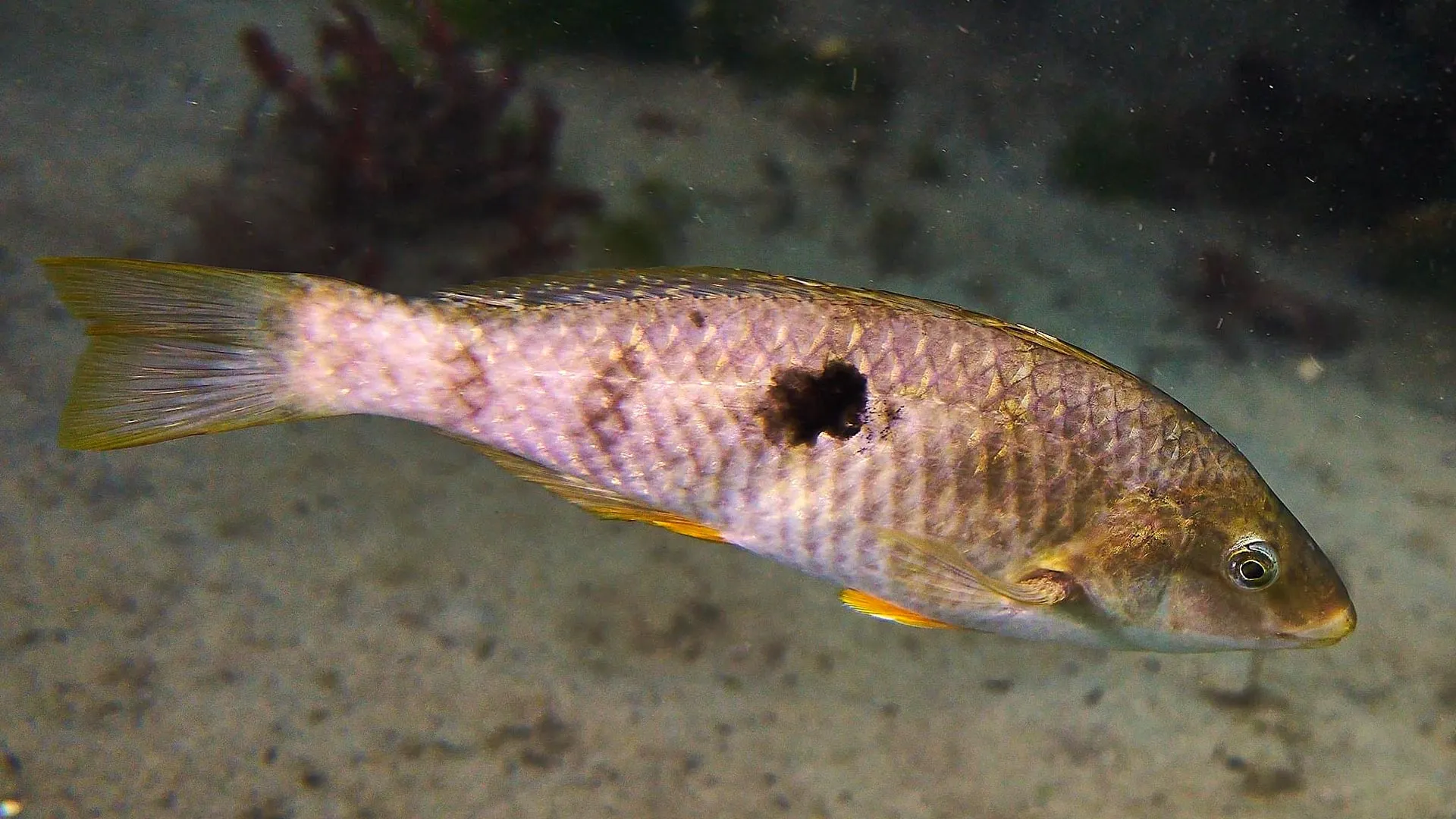
The new study led by the Department of Anatomy and published on Proceedings of the Royal Society B, examines the New Zealand spotty, or paketi, a fish that can change from female to male during adulthood in response to a change in social hierarchy.

It found that the sex change process begins almost immediately when a dominant spotty is removed from a group.

Lead author Haylee Quertermous, a PhD Candidate in the Department of Anatomy, says although the full sex change process takes weeks, it only takes minutes for a second-ranked fish to take advantage of the power vacuum and assert dominant behaviors.

“The aggressive behaviors (called ‘rushes’) involved the dominant fish swimming rapidly towards subordinate individuals,” she says.

“Sometimes the dominant fish will make physical contact with the subordinates, including taking bites at them, usually around their tail and fins. These aggressive behaviors are usually accompanied by the subordinate quickly swimming away (‘escaping’) from the dominant fish.”

While she expected to be able to see behavior changes within an hour of removing the dominant fish, she was surprised by just how rapid the change could be.

“In many of the tanks, second-ranked fish increased their aggression within just a few minutes after removal of the dominant fish.”

She cautions the dominant behavior that accompanies a female to male sex change in spotties does not indicate a change from typically ‘female’ to ‘male’ behavior, as other sex-changing fish species such as clownfish for example, change from male to more dominant female fish.

The researchers observed that spotties form linear dominance hierarchies based on size, with larger individuals dominating smaller ones.

They sought to determine which fish in the hierarchy were more likely to change sex when the opportunity arose.

Results show dominant, larger fish are more likely to change sex, and when social hierarchies are disrupted, less dominant fish can quickly change their behavior to seize new opportunities.

The study also delved into the neural mechanisms underlying spotties’ social interactions, finding that the social decision-making network in the fish brain is highly involved in establishing dominance.

Fish that attained dominant positions showed significant differences in this network compared to fish of all other ranks.

Dr Kaj Kamstra, who led the neurobiological aspects of the research, says the findings provide valuable insights into the complex interplay between social behavior and neural processes in these fish.

“They also highlight the importance of social context in shaping individual behavior, shedding light on the evolution of social behavior and the flexibility of brain mechanisms in adapting to changing social environments.

“The research has broader implications for understanding social dynamics in other species, even humans.”

The findings can be applied to other species of sex-changing fish where social dominance appears to be the most common trigger for sex change, and could prove beneficial for aquaculture and open water fisheries, with many commercial valuable fisheries dependent on fishes that change sex, for example, New Zealand’s blue cod.

Share Button

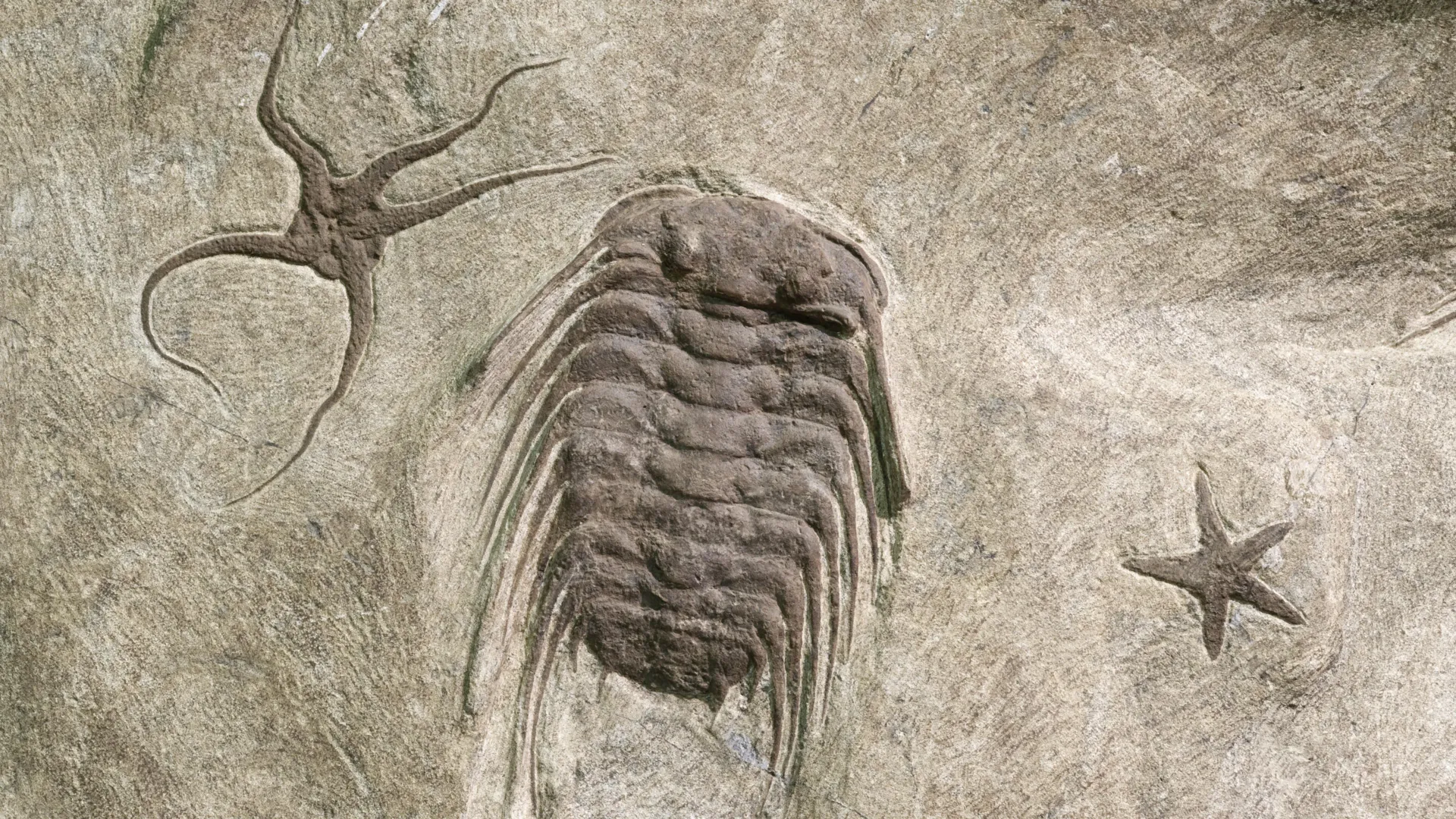
These 545-million-year-old fossil trails just rewrote the story of evolution

The Cambrian explosion was an extraordinary phenomenon in the evolution of life on the planet that led to the emergence of many animal phyla and the diversification of species. During this period, some 530 million years ago, most of the basic body plans of organisms that have survived to the present day emerged. However, this great explosion of life that changed the evolutionary landscape on Earth may have occurred millions of years earlier than previously thought, a hypothesis now reinforced in a study published in the journal Geology.

This is a main conclusion of a new study that analyses the body profiles of organisms — symmetry, segmented bodies, exoskeletons, etc. — from around 545 million years ago by analyzing trace fossils, which are the fossilized marks in rocks and sediments left by the activity of organisms in the past.

The authors of the article are the experts Olmo Miguez Salas, from the Faculty of Earth Sciences at the University of Barcelona, and Zekun Wang, from the Natural History Museum in London (United Kingdom).

Fossil traces of extinct animals

The Cambrian explosion is a unique period in the history of life that poses many unanswered questions. To delve into the biodiversity of this period, most studies in paleontology tend to focus on the study of organisms that had hard parts. However, the study of trace fossils (or ichnofossils) opens up the possibility of discovering what the activity of hard-bodied, soft-bodied or skeletally deficient organisms preserved in the stratigraphic record was like.

“The trace fossil record provides valuable information about evolutionary periods when soft-bodied fauna were dominant,” says Olmo Miguez Salas, a Beatriu de Pinós postdoctoral researcher at the UB’s Department of Earth and Ocean Dynamics. “Fossil traces reflect the behavior of the organism that generates them, which is determined by habitat and responses to environmental stimuli. Therefore, they are an indicator of the paleoecological conditions in which the organisms that generated them lived.”

The authors have focused on the study of trace fossils in the Ediacaran-Cambrian transition, “a period of recognized paleoevolutionary interest that was a turning point in the evolution of complex life on Earth,” says Miguez Salas.

In this transition, there was a radical change in biodiversity and in the structure of organisms and ecosystems. “The Ediacaran fauna was dominated by complex, multicellular soft-bodied organisms. The transition to the Cambrian involved the extinction of much of the Ediacara fauna, and a rapid diversification of complex multicellular life forms with hard parts (e.g. exoskeletons). This is the evolutionary core from which most modern animal phyla emerged: what is known as the Cambrian explosion,” notes the researcher.

The Cambrian explosion may have happened much earlier

The study published in Geology quantitatively indicates that organisms with slender body profiles thrived around 545 million years ago. “These organisms probably possessed coelomic hydrostatic bodies, with an anteroposterior axis, muscles and possibly segmentation,” the expert says.

“Furthermore, these organisms could move in a specific direction (directional locomotion) and probably possessed sensory capabilities to move and feed on heterogeneous substrates in a habitat dominated by microbial mats. Therefore, the so-called Cambrian explosion and its evolutionary implications may have occurred much earlier than estimated.”

These adaptations in body profile and mobility allowed these early animals to thrive in increasingly dynamic and complex environments, an ecological engineering that could promote evolutionary innovations. The methodology of the study was based on the analysis of the linear proportionality exhibited by the trace trajectories of modern and fossilized animals. Subsequently, this scaling law has been applied to locomotor traces of Ediacaran-Cambrian fossils (e.g. Archaeonassa, Gordia, Helminthopsis and Parapsammichnites).

Although some previous studies had described trace fossils associated with mobile benthic bilateral organisms in the Ediacara fauna, detailed quantitative approaches were lacking and there were still many unknowns about the body shape of these organisms (length, width, cephalization, etc.). The findings of the new study establish an innovative quantitative approach to analysing the fossil locomotion traces from ancient times, early animal anatomy and paleoecological dynamics.

“This new discovery opens the door to quantitatively study future Ediacara trace fossils discovered in the coming years and to corroborate that the Cambrian explosion did not happen in the Cambrian, but many millions of years earlier. Moreover, the scaling laws obtained in this study enable the study of the morphological evolution of different faunal phyla generating fossil locomotion traces, not only during this evolutionary period, but also during other evolutionary periods of similar importance, such as the great diversification event of the Ordovician,” concludes Olmo Miguez Salas. ​​​​​​​

Share Button

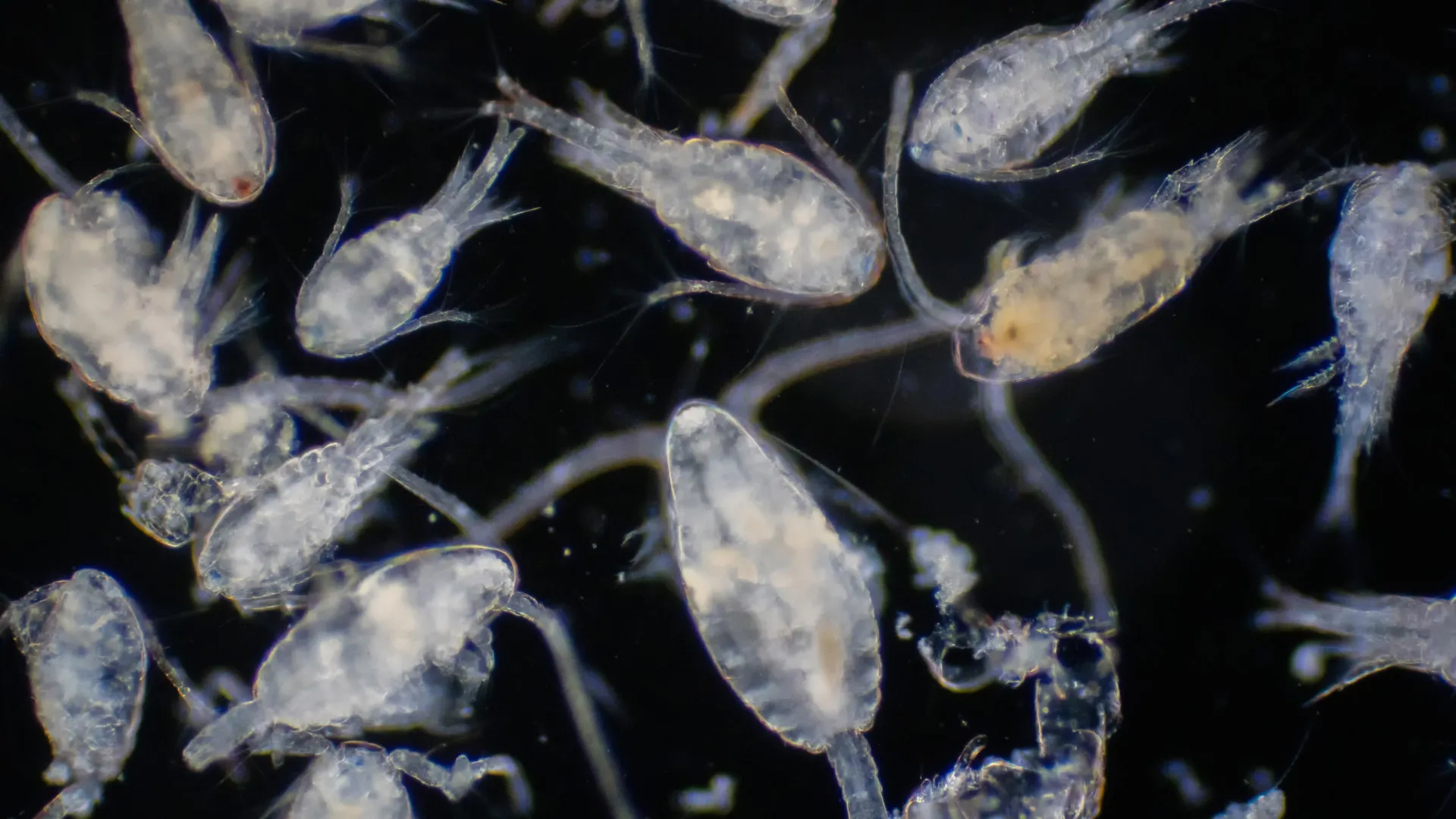
Tiny creatures, massive impact: How zooplankton store 65 million tonnes of carbon annually

A groundbreaking study has revealed that small but mighty zooplankton — including copepods, krill, and salps — are key players in the Southern Ocean’s ability to absorb and store carbon.

Led by an international team of researchers, and published in Limnology and Oceanography, the study quantifies for the first time how these tiny creatures collectively enhance carbon sequestration through their seasonal, vertical migrations.

The Southern Ocean is a key region for carbon storage. Traditional thinking is that the carbon storage in the Southern Ocean is dominated by gravitational sinking of detritus produced by large zooplankton grazers, such as krill.

This new research concerns another more recently described process called the ‘seasonal migrant pump’. This process sees zooplankton migrate each year from surface waters to depths below 500m, storing carbon via their respiration and mortality during this deep overwintering phase.

This figure shows the traditional view of how zooplankton transport carbon to depth (left panel) by eating phytoplankton in surface waters in summer, whereby their waste material (Particulate Organic Carbon, POC) sinks passively to great depth, thereby storing the carbon for thousands of years. This new study shows that a winter process known as the ‘seasonal migrant pump’ also leads to a substantial deep carbon storage (right panel). The zooplankton migrate downwards in autumn to overwinter below 500m where their respiration and death directly inject around 65 million tonnes of carbon annually into the deep ocean.

The team first built a big database of zooplankton collected in thousands of net hauls from around the Southern Ocean, dating from the 1920s to the present day. From these they quantified the extent of the zooplankton’s annual descent to overwinter at great depths, where they respire CO2 — directly and efficiently injecting carbon into the deep ocean.

Key Findings:

  • 65 Million Tonnes of Carbon Stored Annually: The seasonal, vertical migration of zooplankton transports roughly 65 million tonnes of carbon to depths below 500 meters.
  • Copepods Dominate the ‘Seasonal Migrant Pump’: Mesozooplankton (mainly small crustaceans called copepods) account for 80% of this carbon flux, while krill and salps contribute 14% and 6%, respectively.
  • Climate Implications: The Southern Ocean is a critical carbon sink, but current Earth System Models overlook this zooplankton-driven process. As warming shifts species distributions (e.g., declining krill, increasing copepods, changing food sources), the carbon storage dynamics may change dramatically.

Why does the ‘Seasonal Migrant Pump’ matter:

The Southern Ocean absorbs approximately 40% of all human-made CO2 taken up by oceans, yet the role of zooplankton has been underestimated. Unlike sinking detritus, which removes both carbon and essential nutrients like iron, migrating zooplankton efficiently inject carbon into the deep ocean while recycling nutrients near the surface. This ‘Seasonal Migrant Pump’ could become even more important as marine ecosystems respond to climate change.

Dr Guang Yang, first author and Marine Ecologist from Institute of Oceanology, Chinese Academy of Sciences, said: “Our work shows that zooplankton are unsung heroes of carbon sequestration. Their seasonal migrations create a massive, previously unquantified carbon flux — one that models must now incorporate.”

Prof. Angus Atkinson MBE, co-author and Senior Marine Ecologist at Plymouth Marine Laboratory, added: “This study is the first to estimate the total magnitude of this carbon storage mechanism. It shows the value of large data compilations to unlock new insights and to get an overview of the relative importance of carbon storage mechanisms.”

Dr Katrin Schmidt, co-author and Marine Ecologist at the University of Plymouth, said: “The study shows the ‘seasonal migrant pump’ as an important pathway of natural carbon sequestration in polar regions. Protecting these migrants and their habitats will help to mitigate climate change.”

Dr Jen Freer, co-author and Ecological Modeller at the British Antarctic Survey (BAS), added: “Krill are famous for their role in the Antarctic food web, but we find that copepods significantly dominate carbon storage overwinter. This has big implications as the ocean warms and their habitats may shift.”

This research stresses the urgent need for updates to climate models to include zooplankton-driven carbon fluxes. It also highlights the necessity to manage and protect Southern Ocean ecosystems, where industrial fishing and warming threaten krill populations — a key species that supports both carbon export and Antarctica’s unique biodiversity.

This international study was a collaboration among scientists from China, UK, and Canada, and leverages a century’s worth of data on zooplankton biomass, distribution, respiration and mortality across the Southern Ocean.

Share Button

Parkinson’s may begin decades earlier — and your immune system might know first

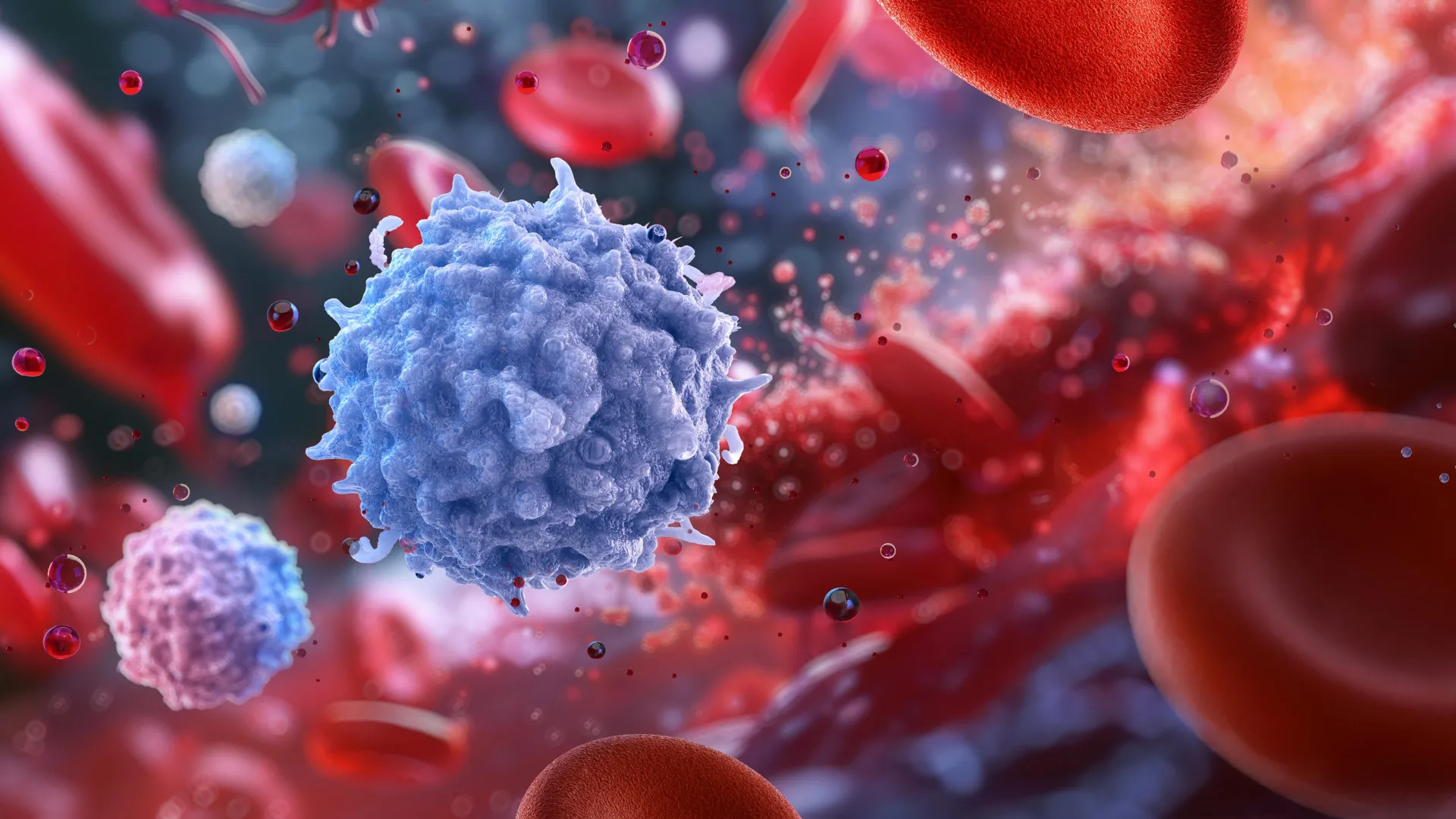
Your T cells work hard to fight disease. Unfortunately, “friendly fire” from T cells can sometimes harm the body’s healthy tissues.

For people with autoimmune disease, T cell reactivity is a big problem. Haywire T cell responses lead to autoimmune diseases such as type 1 diabetes, rheumatoid arthritis, and inflammatory bowel disease.

In recent years, scientists at La Jolla Institute for Immunology (LJI) have discovered that T cells may also contribute to the development of Parkinson’s disease. Researchers in the laboratory of LJI Professor Alessandro Sette, Dr.Biol.Sci., have found that many people with Parkinson’s disease have T cells that target key proteins, called alpha-synuclein and PINK1, on vulnerable brain cells.

Earlier this year, Sette and his colleagues published a study in npj Parkinson’s Disease that sheds light on exactly which subtypes of T cells target alpha-synuclein. Their findings offered further clues that T cell reactivity plays a role in Parkinson’s disease. Still, the scientists didn’t have a timeline to show when T cells might contribute to disease development.

“We can see these reactive T cells in people after they develop Parkinson’s, but what happens before that?” says LJI Visiting Scientist Emil Johansson, Ph.D., a researcher in the Sette Lab and co-author of the study.

Now we have answers. In a new npj Parkinson’s Disease paper, Sette and his colleagues show that potentially harmful T cell reactivity is highest during the “prodromal” period in Parkinson’s — the years before patients receive a diagnosis.

“This T cell immunity could be a marker for early Parkinson’s treatment, even before people show symptoms,” says Sette, who was senior author on the new paper. “And there’s reason to think that treating Parkinson’s in the very early stages can lead to a better outcome.”

How the study worked

The prodromal period in Parkinson’s disease can last for decades before a person develops noticeable symptoms such as tremors and cognitive impairments.

Because prodromal Parkinson’s disease is very difficult to detect, the LJI team studied T cell reactivity in research volunteers at high risk of developing Parkinson’s disease. These volunteers had genetic risk factors for Parkinson’s and some had symptoms such as disrupted REM sleep cycles and loss of sense of smell, which can be early signs of Parkinson’s disease development.

The researchers used a technique called Fluorospot to learn more about T cells found in blood samples from these study volunteers. This technique revealed which volunteers had high levels of T cells that reacted to alpha-synuclein or PINK1 — and when those T cell numbers were highest.

Sette and his colleagues found that potentially harmful T cells show up early on, well before the onset of noticeable motor symptoms, such as tremors. “You can see that T cell reactivity before diagnosis,” says Sette.

In fact, T cell reactivity to PINK1 was at an all-time high before diagnosis.

Sette warns against jumping to conclusions. Parkinson’s is a complex disease, and the new research doesn’t prove that T cells are actually driving the inflammation associated with Parkinson’s disease.

“Parkinson’s disease is associated with the destruction of nervous system cells. Does that destruction cause autoimmunity — or is the autoimmunity the cause of the disease? That’s the chicken-and-the-egg of inflammation in Parkinson’s disease,” says Sette.

“Certainly, the fact that this T cell reactivity is highest when patients are closest to a diagnosis is intriguing,” Sette adds. “The finding suggests T cells could have something to do with it.”

Next steps for helping patients

The new research may guide the development of early diagnostic tools. In the meantime, LJI scientists are looking for ways to block inflammation and protect brain cells.

As Johansson explains, some T cells actually help dial back inflammation to protect our tissues. “We want to see if there are specific T cells that are protective,” says Johansson. “Could they interfere in inflammation and maybe reduce the number of autoimmune T cells?”

Sette and his colleagues are also working to understand the role of T cells in other neurodegenerative diseases.

“We are very interested in diseases such as Alzheimer’s, for example, where a lot of progress has been made toward identifying people in very early stages of the disease progression,” says Sette.

Additional authors of the study, “T cell responses towards PINK1 and α-synuclein are elevated in prodromal Parkinson’s disease,” included first author Antoine Freuchet, Gregory P. Williams, Tanner Michealis, April Frazier, Irene Litvan, Jennifer G. Goldman, Roy N. Alcalay, David G. Standaert, Amy W. Amara, Natividad Stover, Edward A. Fon, Ronald B. Postuma, John Sidney, David Sulzer, and Cecilia S. Lindestam Arlehamn.

This study was supported by LJI & Kyowa Kirin, Inc. (KKNA- Kyowa Kirin North America), the Swedish Research Council (grant references 2024-00175), Aligning Science Across Parkinson’s (ASAP-000375), and the Michael J. Fox Foundation.

Share Button

AI sees what doctors miss: Fatty liver disease hidden in chest x-rays

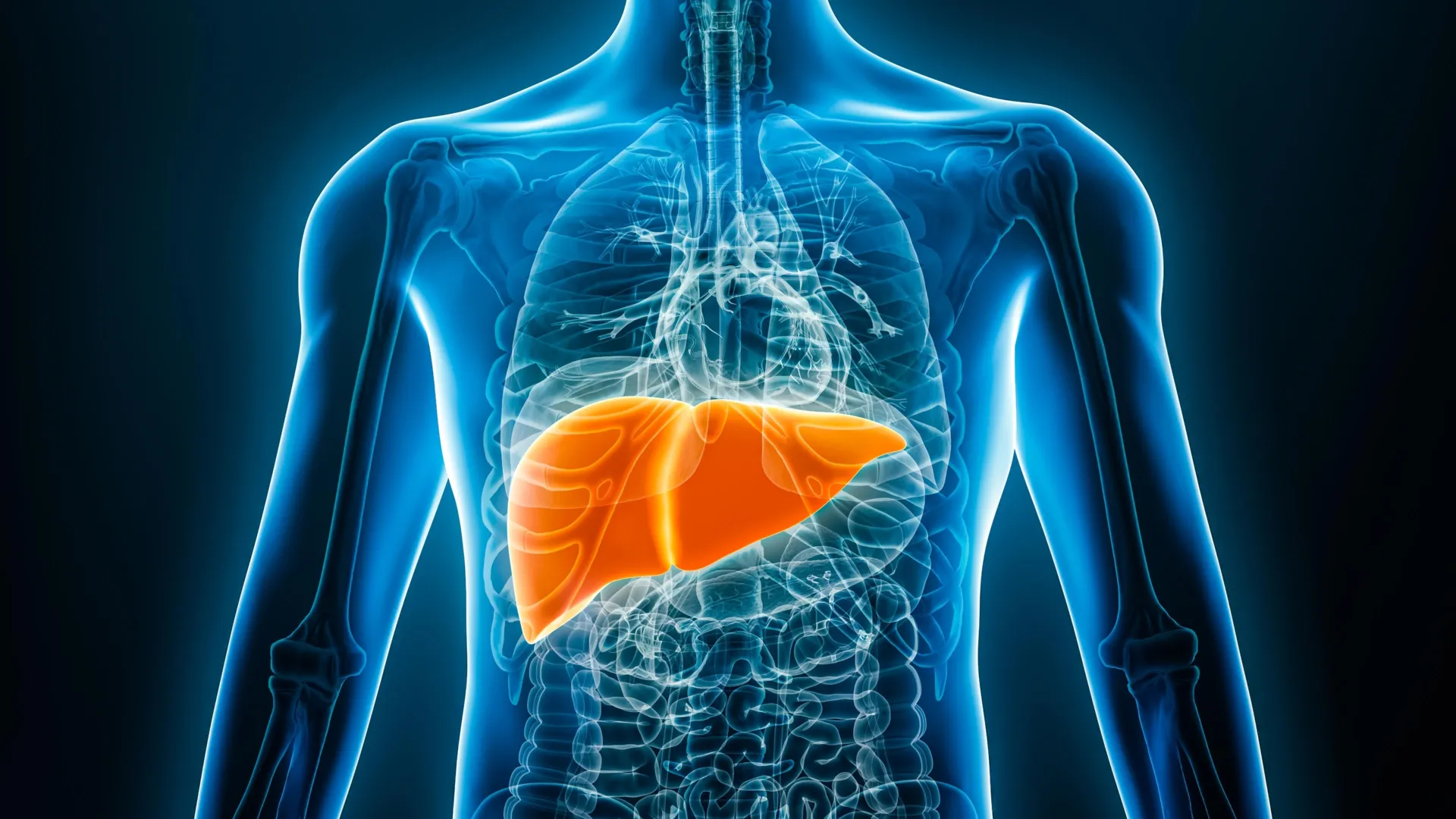
Fatty liver disease, caused by the accumulation of fat in the liver, is estimated to affect one in four people worldwide. If left untreated, it can lead to serious complications, such as cirrhosis and liver cancer, making it crucial to detect early and initiate treatment.

Currently, standard tests for diagnosing fatty liver disease include ultrasounds, CTs, and MRIs, which require costly specialized equipment and facilities. In contrast, chest X-rays are performed more frequently, are relatively inexpensive, and involve low radiation exposure. Although this test is primarily used to examine the condition of the lungs and heart, it also captures part of the liver, making it possible to detect signs of fatty liver disease. However, the relationship between chest X-rays and fatty liver disease has rarely been a subject of in-depth study.

Therefore, a research group led by Associate Professor Sawako Uchida-Kobayashi and Associate Professor Daiju Ueda at Osaka Metropolitan University’s Graduate School of Medicine developed an AI model that can detect the presence of fatty liver disease from chest X-ray images.

In this retrospective study, a total of 6,599 chest X-ray images containing data from 4,414 patients were used to develop an AI model utilizing controlled attenuation parameter (CAP) scores. The AI model was verified to be highly accurate, with the area under the receiver operating characteristic curve (AUC) ranging from 0.82 to 0.83.

“The development of diagnostic methods using easily obtainable and inexpensive chest X-rays has the potential to improve fatty liver detection. We hope it can be put into practical use in the future,” stated Professor Uchida-Kobayashi.

Share Button

How is your hospital doing as NHS battles to bring down waiting times?

Use our interactive tracker to see if treatment waits are getting better at your local hospital

Share Button

Drug for rare disease brings ‘joy and hope’

A teenage patient who helped discover a rare condition is the first to benefit from a new treatment.

Share Button

Keir Starmer Agrees Deal With Rebel Labour MPs In Huge Climbdown On Welfare Cuts

Keir Starmer has agreed to climb down on his planned welfare cuts after reaching a deal with Labour MPs in an attempt to avoid a humiliating Commons defeat.

The prime minister was locked in talks with his rebel backbenchers for most of the day after more than 120 of them threatened to vote down the government’s controversial reforms.

Although No.10 will be relieved that they appear to have done enough to avoid losing next week’s vote, the outcome is still a massive blow to the prime minister’s authority which will also make it harder for Rachel Reeves to balance the nation’s books.

Under the initial plans, the government wanted to make it harder to claim personal independence payments (PIP) and cut the health-related element of Universal Credit.

The changes would have cut the overall welfare bill by £5 billion.

Starmer has now agreed that the changes will not affect current claimants, only those who receive the benefits in future.

In addition, the PM has also agreed that the government will spend more on employment support and consult on any future changes to PIP.

Those concessions are expected to cost the Treasury up to £2 billion, piling pressure on Reeves to find the cash.

The deal was struck between Starmer and senior Labour MPs Meg Hillier and Debbie Abrahams, who organised a wrecking amendment which could have killed off the welfare reforms.

It remains to be seen whether they will be enough to convince enough of the rebel MPs to vote with the government next week.

However, some left-wing MPs have already made clear that they will still oppose the government’s plans next Tuesday.

Clive Lewis posted on X: “Every MP will have to weigh up the deal for themselves.

“Alas, this smacks of a face saving exercise more than it does doing right by my sick and disabled constituents. No impact assessment. No co-production with disabled groups. No deal. I’ll still be voting against.”

<div class="js-react-hydrator" data-component-name="Twitter" data-component-id="8513" data-component-props="{"itemType":"rich","index":18,"contentIndexByType":1,"contentListType":"embed","code":"

Every MP will have to weigh up the deal for themselves.

Alas, this smacks of a face saving exercise more than it does doing right by my sick & disabled constituents.

No impact assessment.

No co-production with disabled groups.

No deal.

I’ll still be voting against. https://t.co/j9RdzSAU94

— Clive Lewis MP (@labourlewis) June 26, 2025

","type":"rich","meta":{"author":"Clive Lewis MP","author_url":"https://twitter.com/labourlewis","cache_age":86400,"description":"Every MP will have to weigh up the deal for themselves.Alas, this smacks of a face saving exercise more than it does doing right by my sick & disabled constituents. No impact assessment. No co-production with disabled groups.No deal.I’ll still be voting against. https://t.co/j9RdzSAU94— Clive Lewis MP (@labourlewis) June 26, 2025\n\n\n","options":{"_hide_media":{"label":"Hide photos, videos, and cards","value":false},"_maxwidth":{"label":"Adjust width","placeholder":"220-550, in px","value":""},"_theme":{"value":"","values":{"dark":"Use dark theme"}}},"provider_name":"Twitter","title":"Clive Lewis MP on Twitter / X","type":"rich","url":"https://twitter.com/labourlewis/status/1938339328091955273","version":"1.0"},"flags":[],"enhancements":{},"fullBleed":false,"options":{"theme":"news","device":"desktop","editionInfo":{"id":"uk","name":"U.K.","link":"https://www.huffingtonpost.co.uk","locale":"en_GB"},"originalEdition":"uk","isMapi":false,"isAmp":false,"isAdsFree":false,"isVideoEntry":false,"isEntry":true,"isMt":false,"entryId":"685dafc8e4b00f68e51bc8f0","entryPermalink":"https://www.huffingtonpost.co.uk/entry/keir-starmer-agrees-deal-with-rebel-labour-mps-in-huge-climbdown-on-welfare-cuts_uk_685dafc8e4b00f68e51bc8f0","entryTagsList":"labour-party,keir-starmer,welfare-cuts,@ai_seo_headline","sectionSlug":"politics","deptSlug":null,"sectionRedirectUrl":null,"subcategories":"","isWide":false,"isShopping":false,"headerOverride":null,"noVideoAds":false,"disableFloat":false,"isNative":false,"commercialVideo":{"provider":"custom","site_and_category":"uk.politics","package":null},"isHighline":false,"vidibleConfigValues":{"cid":"60afc140cf94592c45d7390c","disabledWithMapiEntries":false,"overrides":{"all":"60b8e525cdd90620331baaf4"},"whitelisted":["56c5f12ee4b03a39c93c9439","56c6056ee4b01f2b7e1b5f35","59bfee7f9e451049f87f550b","5acccbaac269d609ef44c529","570278d2e4b070ff77b98217","57027b4be4b070ff77b98d5c","56fe95c4e4b0041c4242016b","570279cfe4b06d08e3629954","5ba9e8821c2e65639162ccf1","5bcd9904821576674bc55ced","5d076ca127f25f504327c72e","5b35266b158f855373e28256","5ebac2e8abddfb04f877dff2","60b8e525cdd90620331baaf4","60b64354b171b7444beaff4d","60d0d8e09340d7032ad0fb1a","60d0d90f9340d7032ad0fbeb","60d0d9949340d7032ad0fed3","60d0d9f99340d7032ad10113","60d0daa69340d7032ad104cf","60d0de02b627221e9d819408"],"playlists":{"default":"57bc306888d2ff1a7f6b5579","news":"56c6dbcee4b04edee8beb49c","politics":"56c6dbcee4b04edee8beb49c","entertainment":"56c6e7f2e4b0983aa64c60fc","tech":"56c6f70ae4b043c5bdcaebf9","parents":"56cc65c2e4b0239099455b42","lifestyle":"56cc66a9e4b01f81ef94e98c"},"playerUpdates":{"56c6056ee4b01f2b7e1b5f35":"60b8e525cdd90620331baaf4","56c5f12ee4b03a39c93c9439":"60d0d8e09340d7032ad0fb1a","59bfee7f9e451049f87f550b":"60d0d90f9340d7032ad0fbeb","5acccbaac269d609ef44c529":"60d0d9949340d7032ad0fed3","5bcd9904821576674bc55ced":"60d0d9f99340d7032ad10113","5d076ca127f25f504327c72e":"60d0daa69340d7032ad104cf","5ebac2e8abddfb04f877dff2":"60d0de02b627221e9d819408"}},"connatixConfigValues":{"defaultPlayer":"16b0ecc6-802c-4120-845f-e90629812c4d","clickToPlayPlayer":"823ac03a-0f7e-4bcb-8521-a5b091ae948d","videoPagePlayer":"05041ada-93f7-4e86-9208-e03a5b19311b","defaultPlaylist":"2e062669-71b4-41df-b17a-df6b1616bc8f"},"topConnatixThumnbailSrc":"data:image/png;base64,iVBORw0KGgoAAAANSUhEUgAAAAEAAAABCAQAAAC1HAwCAAAAC0lEQVR42mNkYAAAAAYAAjCB0C8AAAAASUVORK5CYII=","customAmpComponents":[],"ampAssetsUrl":"https://amp.assets.huffpost.com","videoTraits":null,"positionInUnitCounts":{"buzz_head":{"count":0},"buzz_body":{"count":0},"buzz_bottom":{"count":0}},"positionInSubUnitCounts":{"article_body":{"count":3},"blog_summary":{"count":0},"before_you_go_content":{"count":0}},"connatixCountsHelper":{"count":0},"buzzfeedTracking":{"context_page_id":"685dafc8e4b00f68e51bc8f0","context_page_type":"buzz","destination":"huffpost","mode":"desktop","page_edition":"en-uk"},"tags":[{"name":"labour party","slug":"labour-party","links":{"relativeLink":"news/labour-party","permalink":"https://www.huffingtonpost.co.uk/news/labour-party","mobileWebLink":"https://www.huffingtonpost.co.uk/news/labour-party"},"section":{"title":"Politics","slug":"politics"},"topic":{"title":"Labour Party","slug":"labour-party","overridesSectionLabel":false},"url":"https://www.huffingtonpost.co.uk/news/labour-party/"},{"name":"keir starmer","slug":"keir-starmer","links":{"relativeLink":"news/keir-starmer","permalink":"https://www.huffingtonpost.co.uk/news/keir-starmer","mobileWebLink":"https://www.huffingtonpost.co.uk/news/keir-starmer"},"url":"https://www.huffingtonpost.co.uk/news/keir-starmer/"},{"name":"welfare cuts","slug":"welfare-cuts","links":{"relativeLink":"news/welfare-cuts","permalink":"https://www.huffingtonpost.co.uk/news/welfare-cuts","mobileWebLink":"https://www.huffingtonpost.co.uk/news/welfare-cuts"},"url":"https://www.huffingtonpost.co.uk/news/welfare-cuts/"}],"isLiveblogLive":null,"isLiveblog":false,"cetUnit":"buzz_body","enableIncontentPlayer":false,"bodyAds":["

\r\n\r\n HPGam.cmd.push(function(){\r\n\t\treturn HPGam.render(\"inline-1\", \"entry_paragraph_1\", false, false);\r\n });\r\n\r\n","

\r\n\r\n HPGam.cmd.push(function(){\r\n\t\treturn HPGam.render(\"inline\", \"entry_paragraph_2\", false, false);\r\n });\r\n\r\n","

\r\n\r\n HPGam.cmd.push(function(){\r\n\t\treturn HPGam.render(\"inline-2\", \"entry_paragraph_3\", false, false);\r\n });\r\n\r\n","

\r\n\r\n HPGam.cmd.push(function(){\r\n\t\treturn HPGam.render(\"inline-infinite\", \"repeating_dynamic_display\", false, false);\r\n });\r\n\r\n"],"adCount":0},"isCollectionEmbed":false}”>

Every MP will have to weigh up the deal for themselves.

Alas, this smacks of a face saving exercise more than it does doing right by my sick & disabled constituents.

No impact assessment.

No co-production with disabled groups.

No deal.

I’ll still be voting against. https://t.co/j9RdzSAU94

— Clive Lewis MP (@labourlewis) June 26, 2025

Richard Burgon said: “These changes may make a very bad bill less awful. But the vast majority of cuts remain and it still forces hundreds of thousands into poverty. Nowhere near good enough.

“I’ll vote against the bill. The government shouldn’t be balancing the books on the backs of disabled people.”

<div class="js-react-hydrator" data-component-name="Twitter" data-component-id="6762" data-component-props="{"itemType":"rich","index":22,"contentIndexByType":2,"contentListType":"embed","code":"

These changes may make a very bad Bill less awful.

But the vast majority of cuts remain and it still forces hundreds of thousands into poverty. Nowhere near good enough.

I’ll vote against the Bill. The Government shouldn’t be balancing the books on the backs of disabled people. https://t.co/G6Auox8jdl

— Richard Burgon MP (@RichardBurgon) June 26, 2025

","type":"rich","meta":{"author":"Richard Burgon MP","author_url":"https://twitter.com/RichardBurgon","cache_age":86400,"description":"These changes may make a very bad Bill less awful.But the vast majority of cuts remain and it still forces hundreds of thousands into poverty. Nowhere near good enough.I’ll vote against the Bill. The Government shouldn’t be balancing the books on the backs of disabled people. https://t.co/G6Auox8jdl— Richard Burgon MP (@RichardBurgon) June 26, 2025\n\n\n","options":{"_hide_media":{"label":"Hide photos, videos, and cards","value":false},"_maxwidth":{"label":"Adjust width","placeholder":"220-550, in px","value":""},"_theme":{"value":"","values":{"dark":"Use dark theme"}}},"provider_name":"Twitter","title":"Richard Burgon MP on Twitter / X","type":"rich","url":"https://twitter.com/RichardBurgon/status/1938327621416194178","version":"1.0"},"flags":[],"enhancements":{},"fullBleed":false,"options":{"theme":"news","device":"desktop","editionInfo":{"id":"uk","name":"U.K.","link":"https://www.huffingtonpost.co.uk","locale":"en_GB"},"originalEdition":"uk","isMapi":false,"isAmp":false,"isAdsFree":false,"isVideoEntry":false,"isEntry":true,"isMt":false,"entryId":"685dafc8e4b00f68e51bc8f0","entryPermalink":"https://www.huffingtonpost.co.uk/entry/keir-starmer-agrees-deal-with-rebel-labour-mps-in-huge-climbdown-on-welfare-cuts_uk_685dafc8e4b00f68e51bc8f0","entryTagsList":"labour-party,keir-starmer,welfare-cuts,@ai_seo_headline","sectionSlug":"politics","deptSlug":null,"sectionRedirectUrl":null,"subcategories":"","isWide":false,"isShopping":false,"headerOverride":null,"noVideoAds":false,"disableFloat":false,"isNative":false,"commercialVideo":{"provider":"custom","site_and_category":"uk.politics","package":null},"isHighline":false,"vidibleConfigValues":{"cid":"60afc140cf94592c45d7390c","disabledWithMapiEntries":false,"overrides":{"all":"60b8e525cdd90620331baaf4"},"whitelisted":["56c5f12ee4b03a39c93c9439","56c6056ee4b01f2b7e1b5f35","59bfee7f9e451049f87f550b","5acccbaac269d609ef44c529","570278d2e4b070ff77b98217","57027b4be4b070ff77b98d5c","56fe95c4e4b0041c4242016b","570279cfe4b06d08e3629954","5ba9e8821c2e65639162ccf1","5bcd9904821576674bc55ced","5d076ca127f25f504327c72e","5b35266b158f855373e28256","5ebac2e8abddfb04f877dff2","60b8e525cdd90620331baaf4","60b64354b171b7444beaff4d","60d0d8e09340d7032ad0fb1a","60d0d90f9340d7032ad0fbeb","60d0d9949340d7032ad0fed3","60d0d9f99340d7032ad10113","60d0daa69340d7032ad104cf","60d0de02b627221e9d819408"],"playlists":{"default":"57bc306888d2ff1a7f6b5579","news":"56c6dbcee4b04edee8beb49c","politics":"56c6dbcee4b04edee8beb49c","entertainment":"56c6e7f2e4b0983aa64c60fc","tech":"56c6f70ae4b043c5bdcaebf9","parents":"56cc65c2e4b0239099455b42","lifestyle":"56cc66a9e4b01f81ef94e98c"},"playerUpdates":{"56c6056ee4b01f2b7e1b5f35":"60b8e525cdd90620331baaf4","56c5f12ee4b03a39c93c9439":"60d0d8e09340d7032ad0fb1a","59bfee7f9e451049f87f550b":"60d0d90f9340d7032ad0fbeb","5acccbaac269d609ef44c529":"60d0d9949340d7032ad0fed3","5bcd9904821576674bc55ced":"60d0d9f99340d7032ad10113","5d076ca127f25f504327c72e":"60d0daa69340d7032ad104cf","5ebac2e8abddfb04f877dff2":"60d0de02b627221e9d819408"}},"connatixConfigValues":{"defaultPlayer":"16b0ecc6-802c-4120-845f-e90629812c4d","clickToPlayPlayer":"823ac03a-0f7e-4bcb-8521-a5b091ae948d","videoPagePlayer":"05041ada-93f7-4e86-9208-e03a5b19311b","defaultPlaylist":"2e062669-71b4-41df-b17a-df6b1616bc8f"},"topConnatixThumnbailSrc":"data:image/png;base64,iVBORw0KGgoAAAANSUhEUgAAAAEAAAABCAQAAAC1HAwCAAAAC0lEQVR42mNkYAAAAAYAAjCB0C8AAAAASUVORK5CYII=","customAmpComponents":[],"ampAssetsUrl":"https://amp.assets.huffpost.com","videoTraits":null,"positionInUnitCounts":{"buzz_head":{"count":0},"buzz_body":{"count":0},"buzz_bottom":{"count":0}},"positionInSubUnitCounts":{"article_body":{"count":3},"blog_summary":{"count":0},"before_you_go_content":{"count":0}},"connatixCountsHelper":{"count":0},"buzzfeedTracking":{"context_page_id":"685dafc8e4b00f68e51bc8f0","context_page_type":"buzz","destination":"huffpost","mode":"desktop","page_edition":"en-uk"},"tags":[{"name":"labour party","slug":"labour-party","links":{"relativeLink":"news/labour-party","permalink":"https://www.huffingtonpost.co.uk/news/labour-party","mobileWebLink":"https://www.huffingtonpost.co.uk/news/labour-party"},"section":{"title":"Politics","slug":"politics"},"topic":{"title":"Labour Party","slug":"labour-party","overridesSectionLabel":false},"url":"https://www.huffingtonpost.co.uk/news/labour-party/"},{"name":"keir starmer","slug":"keir-starmer","links":{"relativeLink":"news/keir-starmer","permalink":"https://www.huffingtonpost.co.uk/news/keir-starmer","mobileWebLink":"https://www.huffingtonpost.co.uk/news/keir-starmer"},"url":"https://www.huffingtonpost.co.uk/news/keir-starmer/"},{"name":"welfare cuts","slug":"welfare-cuts","links":{"relativeLink":"news/welfare-cuts","permalink":"https://www.huffingtonpost.co.uk/news/welfare-cuts","mobileWebLink":"https://www.huffingtonpost.co.uk/news/welfare-cuts"},"url":"https://www.huffingtonpost.co.uk/news/welfare-cuts/"}],"isLiveblogLive":null,"isLiveblog":false,"cetUnit":"buzz_body","enableIncontentPlayer":false,"bodyAds":["

\r\n\r\n HPGam.cmd.push(function(){\r\n\t\treturn HPGam.render(\"inline-1\", \"entry_paragraph_1\", false, false);\r\n });\r\n\r\n","

\r\n\r\n HPGam.cmd.push(function(){\r\n\t\treturn HPGam.render(\"inline\", \"entry_paragraph_2\", false, false);\r\n });\r\n\r\n","

\r\n\r\n HPGam.cmd.push(function(){\r\n\t\treturn HPGam.render(\"inline-2\", \"entry_paragraph_3\", false, false);\r\n });\r\n\r\n","

\r\n\r\n HPGam.cmd.push(function(){\r\n\t\treturn HPGam.render(\"inline-infinite\", \"repeating_dynamic_display\", false, false);\r\n });\r\n\r\n"],"adCount":0},"isCollectionEmbed":false}”>

These changes may make a very bad Bill less awful.

But the vast majority of cuts remain and it still forces hundreds of thousands into poverty. Nowhere near good enough.

I’ll vote against the Bill. The Government shouldn’t be balancing the books on the backs of disabled people. https://t.co/G6Auox8jdl

— Richard Burgon MP (@RichardBurgon) June 26, 2025