Complex impact of large wildfires on ozone layer dynamics

In a revelation highlighting the fragile balance of our planet’s atmosphere, scientists from China, Germany, and the USA have uncovered an unexpected link between massive wildfire events and the chemistry of the ozone layer. Using satellite data and numerical modelling, the team discovered that an enormous smoke-charged vortex nearly doubles the southern hemispheric aerosol burden in the middle stratosphere of the Earth and reorders ozone depletion at different heights. Published in Science Advances, this study reveals how wildfires, such as the catastrophic 2019/20 Australian bushfires, impact the stratosphere in previously unseen ways.

The ozone layer, a crucial shield protecting life on Earth from harmful ultraviolet (UV) radiation, has been on a path to recovery thanks to the Montreal Protocol. This landmark international treaty, adopted in 1987, successfully led to phasing out the production of numerous substances responsible for ozone depletion. Over the past decades, the ozone layer has shown significant signs of healing, a testament to global cooperation and environmental policy.

However, the stability of this vital atmospheric layer is now facing a new and unexpected challenge. During the 2019/20 Australian wildfires, researchers observed a dramatic increase in stratospheric aerosols — tiny particles that can influence climate, health, and atmospheric chemistry.

Smoke-charged vortex transports aerosol up to 35 kilometers

Utilizing new satellite data and numerical modeling, the research team successfully demonstrated the impact of wildfires through a novel phenomenon: the smoke-charged vortex (SCV).

“The SCV is a powerful, smoke-laden whirlpool that transports wildfire smoke into the middle stratosphere, reaching altitudes of up to 35 kilometers,” explained Prof. Hang Su from the Institute of Atmospheric Physics at the Chinese Academy of Sciences, one of the corresponding authors of the study. “This process led to at least a doubling of the aerosol burden in the southern hemisphere’s middle stratosphere. Once reaching such high altitudes, these aerosols initiated a series of chemical reactions at their surface that impacted ozone concentrations.”

The international team discovered that these wildfire-induced aerosols facilitated heterogeneous chemical reactions in the stratosphere, which paradoxically led to both ozone depletion and ozone increase at different atmospheric layers.

While the lower stratosphere experienced significant ozone depletion, the new study shows that the increase of smoke aerosol particles in the middle stratosphere enhances the heterogeneous uptake and hydrolysis of N2O5, which leads to a decrease of reactive nitrogen gases, e.g., NOx, and an increase of ozone. In Southern Mid-Latitudes, the complex interplay managed to buffer approximately 40% (up to 70%) of the ozone depletion observed in the lower stratosphere in the following months of the mega-bushfire events.

So why does this matter?

“Our study uncovers an unexpected and crucial mechanism by which the absorbing aerosols in wildfire smoke, such as black carbon, can induce and sustain enormous smoke-charged vortices spanning thousands of kilometers, fundamentally changing the stratospheric circulation. The vortices can persist for months, carrying aerosols deeply into the stratosphere and affecting the ozone layer in distinct ways at different altitudes. This highlights the need for continued vigilance and research as climate change progresses,” said Prof. Yafang Cheng, another leading author from the Max Planck Institute for Chemistry.

“We’ve made a significant step forward in simulating the SCV as a new effective pathway for wildfires to modify stratospheric dynamics and chemistry, especially the ozone layer. I love this study because it once again demonstrates how closely different parts of the Earth system are connected. Smoke from a forest fire can significantly change the wind and circulation tens of kilometers above the ground, which allows the smoke to modify the ozone layer, influencing life on our planet,” said Dr. Chaoqun Ma, the first author of the study and postdoc researcher in Cheng’s team at the MPIC.

The ozone layer’s role in filtering UV radiation is crucial for protecting all life forms on Earth. The Montreal Protocol’s success in reducing ozone-depleting substances was a monumental achievement. Still, the new findings highlight that natural events, exacerbated by climate change, pose additional risks to this fragile atmospheric layer. With the increasing frequency and intensity of wildfires driven by global warming, the formation of SCVs and their impact on the stratosphere could become more common, posing a threat to the ozone layer.

Share Button

‘A Conservative Chernobyl’: Can The Tories Survive Their Election Disaster?

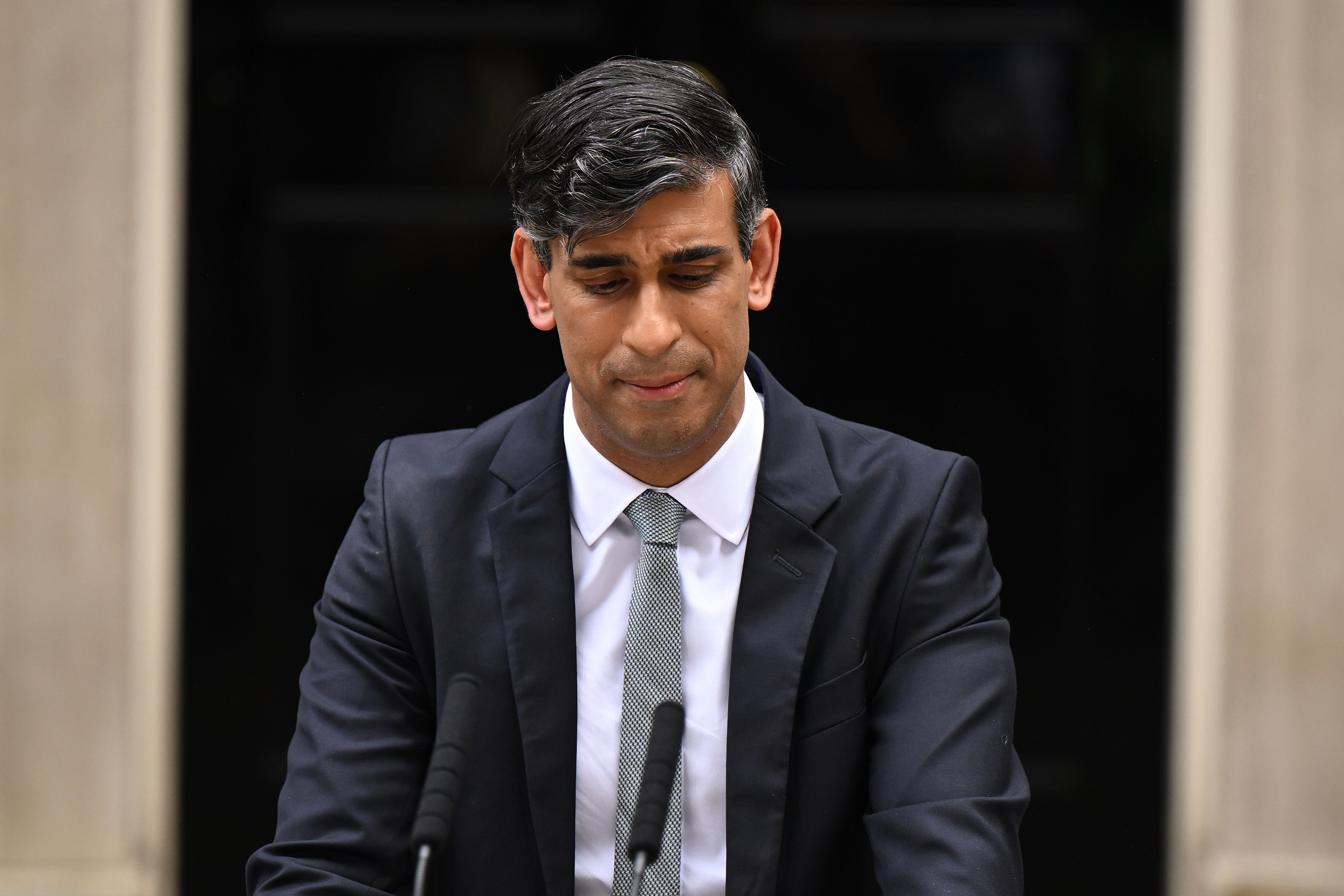
It’s just as well Rishi Sunak and his wife are richer than the King, because his next phone bill will be enormous.

The former prime minister spent last weekend phoning round the 175 former Tory MPs who lost their seats at the election.

“He felt it was the right thing to do,” one Sunak ally told HuffPost UK. “He feels a personal responsibility for all those who lost their seats.

“They committed their lives to public service and he wants to make sure they are supported in this difficult moment.”

Sunak made clear his remorse for his party’s worst ever election result when he made his first Commons appearance as leader of the opposition on Tuesday.

“For those of us in my party, let me begin with a message for those who are no longer sitting behind me: I am sorry,” he said.

“We have lost too many diligent, community-spirited representatives whose wisdom and expertise will be missed in the debates and the discussions ahead.”

But the former PM’s warm words have cut little ice with many in the party, who blame him for the disaster which befell them on July 4 as Keir Starmer’s Labour Party secured a 174-seat landslide majority.

Some of his most trenchant critics attended the Popular Conservatism conference in Westminster earlier this week, where the likes of Jacob Rees-Mogg and Suella Braverman set out their prognosis of where it all went wrong for their party.

“It was a terrible result,” former Tory MEP David Campbell-Bannerman, told those present. “I call it a ‘Conservative Chernobyl’, a kind of meltdown for the Conservatives.”

Criticism of the former PM is not just confined to those on the Tory right, however.

One former cabinet minister on the party’s moderate wing said Sunak’s decision to call a summer election was a mistake.

“The best time to have it would have been to coincide with the local elections in May,” the MP said. “Tying it in with that campaign would have given us a better chance of saving more MPs and councillors. Calling it when he did made no sense.”

The improving economic picture, confirmed by higher than expected growth figures on Thursday, has led some Conservatives to conclude that Sunak would have been better to wait until the end of the year to go to the country, thereby giving voters more time to feel the benefit in their pockets.

That was disputed by one Sunak adviser, who said the calculation inside No.10 was that, to paraphrase D:Ream’s New Labour anthem, things could only get worse the longer he hung on.

“All the data we were seeing showed that hundreds of thousands of people were coming off their fixed rate mortgages every month and suddenly seeing their bills go up by hundreds of pounds because interest rates are much higher than they were,” they told HuffPost UK.

“Even if the Bank of England knocked half a per cent off the base rate, it would have made no difference to them. The longer we waited, more people were becoming poorer and inevitably blaming the government. That’s why he decided to go for July.”

The Tory Party is now in a state of limbo until a new leader is found, but that may not be until the end of the year as the party picks over the bones of what happened last week.

Sunak has said he will stay on until the mechanism for choosing his successor is decided, which suggests that an interim leader may have to be appointed to mind the shop until a permanent one is elected.

However, some believe Sunak owes it to his party to hang around until his replacement is known.

“After leading us to our worst defeat ever, the least he can day is stay on as leader for a few more months to help steady the ship,” said one MP.

“All he would really need to do is ask six questions a week at PMQs. Surely that’s not too much to ask.”

Sunak faced his remaining MPs at a meeting of the party’s 1922 Committee of Tory backbenchers on Wednesday, urging them to unite to ensure they hold the new Labour government to account.

It was, by all accounts, a relatively harmonious affair, with none of those present taking the opportunity to criticise the former PM to his face for the disastrous election campaign he ran.

Outside the room, however, party grandee Sir Edward Leigh – newly installed as the Father of the House of Commons as its longest-serving male MP – was clear about the direction he believed the party should be heading in.

“We have to be a proper Conservative Party,” he said. “We have to stand for something, otherwise we’re going nowhere. Because all these people who voted for Reform will simply go on voting Reform.

“If the right-wing vote is divided, we will never win again. These people are not going to go away. We need to bring back the people who voted Reform, who want a proper Conservative Party.

“We need to have a proper leadership election now, and whoever becomes leader must articulate this point of view. Unless we bring back those Reform people we are doomed to failure.”

But another Tory MP told HuffPost UK that the party’s problems could not simply be solved by a leap to the right.

“If you look at those who voted Reform, about half of them can never be won over because they’re the ones who used to vote Ukip and the Brexit Party,” he said. “We can never be right-wing enough for them.

“But the rest are traditional Tory voters who just wanted to give us a kicking this time around and are in play next time. We can get them back by being a competent, sensible Conservative Party – not by veering off to the right.”

The fallout from the Chernobyl disaster lasted for decades. The result of the fight for the soul of the Tory Party will determine how long it is before they are ready to govern again.

Share Button

‘A Conservative Chernobyl’: Tories Begin Their Slow March Back From Election Disaster

It’s just as well Rishi Sunak and his wife are richer than the King, because his next phone bill will be enormous.

The former prime minister spent last weekend phoning round the 175 former Tory MPs who lost their seats at the election.

“He felt it was the right thing to do,” one Sunak ally told HuffPost UK. “He feels a personal responsibility for all those who lost their seats.

“They committed their lives to public service and he wants to make sure they are supported in this difficult moment.”

Sunak made clear his remorse for his party’s worst ever election result when he made his first Commons appearance as leader of the opposition on Tuesday.

“For those of us in my party, let me begin with a message for those who are no longer sitting behind me: I am sorry,” he said.

“We have lost too many diligent, community-spirited representatives whose wisdom and expertise will be missed in the debates and the discussions ahead.”

But the former PM’s warm words have cut little ice with many in the party, who blame him for the disaster which befell them on July 4 as Keir Starmer’s Labour Party secured a 174-seat landslide majority.

Some of his most trenchant critics attended the Popular Conservatism conference in Westminster earlier this week, where the likes of Jacob Rees-Mogg and Suella Braverman set out their prognosis of where it all went wrong for their party.

“It was a terrible result,” former Tory MEP David Campbell-Bannerman, told those present. “I call it a ‘Conservative Chernobyl’, a kind of meltdown for the Conservatives.”

Criticism of the former PM is not just confined to those on the Tory right, however.

One former cabinet minister on the party’s moderate wing said Sunak’s decision to call a summer election was a mistake.

“The best time to have it would have been to coincide with the local elections in May,” the MP said. “Tying it in with that campaign would have given us a better chance of saving more MPs and councillors. Calling it when he did made no sense.”

The improving economic picture, confirmed by higher than expected growth figures on Thursday, has led some Conservatives to conclude that Sunak would have been better to wait until the end of the year to go to the country, thereby giving voters more time to feel the benefit in their pockets.

That was disputed by one Sunak adviser, who said the calculation inside No.10 was that, to paraphrase D:Ream’s New Labour anthem, things could only get worse the longer he hung on.

“All the data we were seeing showed that hundreds of thousands of people were coming off their fixed rate mortgages every month and suddenly seeing their bills go up by hundreds of pounds because interest rates are much higher than they were,” they told HuffPost UK.

“Even if the Bank of England knocked half a per cent off the base rate, it would have made no difference to them. The longer we waited, more people were becoming poorer and inevitably blaming the government. That’s why he decided to go for July.”

The Tory Party is now in a state of limbo until a new leader is found, but that may not be until the end of the year as the party picks over the bones of what happened last week.

Sunak has said he will stay on until the mechanism for choosing his successor is decided, which suggests that an interim leader may have to be appointed to mind the shop until a permanent one is elected.

However, some believe Sunak owes it to his party to hang around until his replacement is known.

“After leading us to our worst defeat ever, the least he can day is stay on as leader for a few more months to help steady the ship,” said one MP.

“All he would really need to do is ask six questions a week at PMQs. Surely that’s not too much to ask.”

Sunak faced his remaining MPs at a meeting of the party’s 1922 Committee of Tory backbenchers on Wednesday, urging them to unite to ensure they hold the new Labour government to account.

It was, by all accounts, a relatively harmonious affair, with none of those present taking the opportunity to criticise the former PM to his face for the disastrous election campaign he ran.

Outside the room, however, party grandee Sir Edward Leigh – newly installed as the Father of the House of Commons as its longest-serving male MP – was clear about the direction he believed the party should be heading in.

“We have to be a proper Conservative Party,” he said. “We have to stand for something, otherwise we’re going nowhere. Because all these people who voted for Reform will simply go on voting Reform.

“If the right-wing vote is divided, we will never win again. These people are not going to go away. We need to bring back the people who voted Reform, who want a proper Conservative Party.

“We need to have a proper leadership election now, and whoever becomes leader must articulate this point of view. Unless we bring back those Reform people we are doomed to failure.”

But another Tory MP told HuffPost UK that the party’s problems could not simply be solved by a leap to the right.

“If you look at those who voted Reform, about half of them can never be won over because they’re the ones who used to vote Ukip and the Brexit Party,” he said. “We can never be right-wing enough for them.

“But the rest are traditional Tory voters who just wanted to give us a kicking this time around and are in play next time. We can get them back by being a competent, sensible Conservative Party – not by veering off to the right.”

The fallout from the Chernobyl disaster lasted for decades. The result of the fight for the soul of the Tory Party will determine how long it is before they are ready to govern again.

Share Button

Michael Douglas Is ‘Deeply Concerned’ About Joe Biden Staying In The US Presidential Race

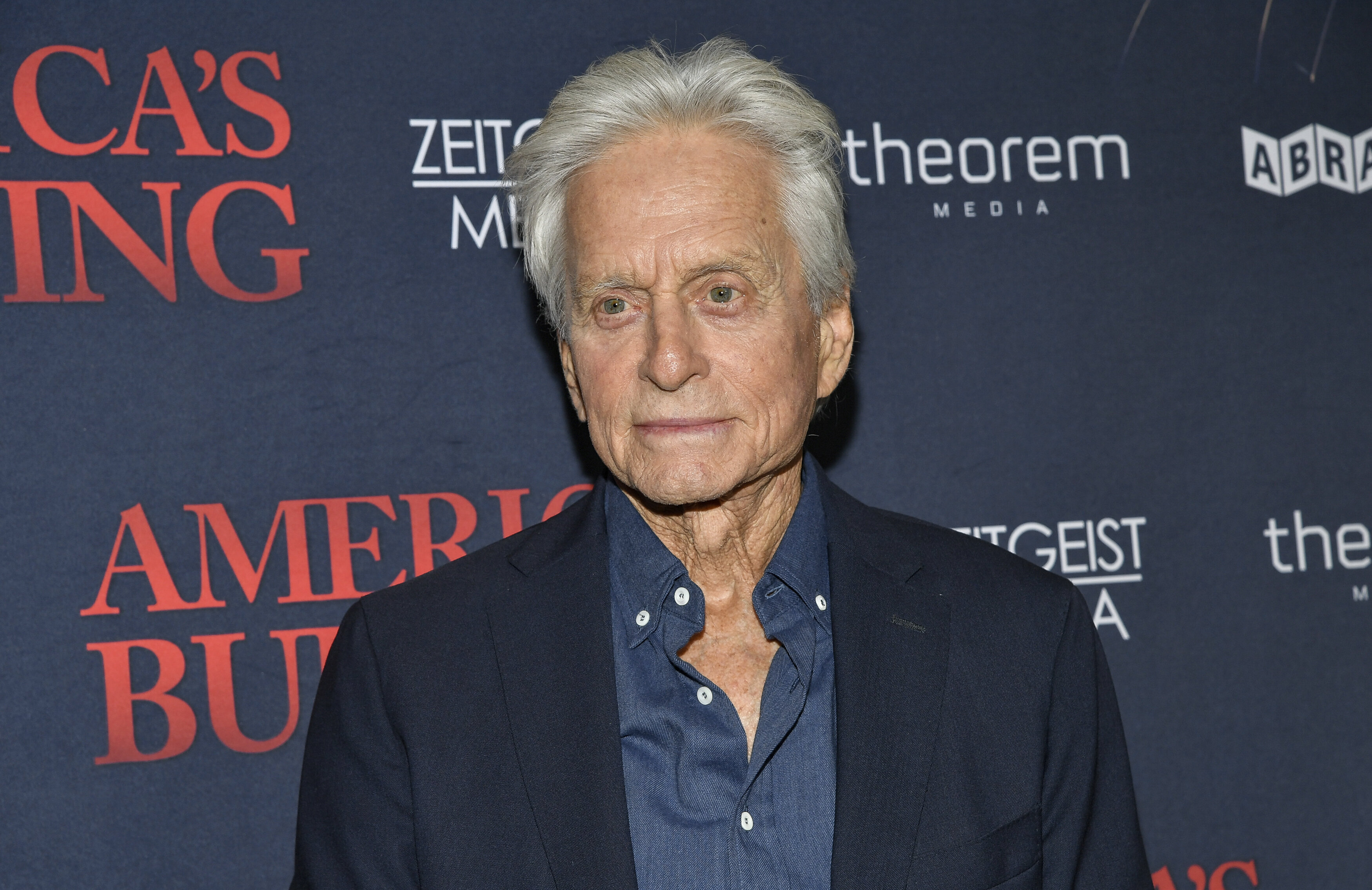
Michael Douglas isn’t convinced that Joe Biden can beat Donald Trump in the upcoming US election.

The Wall Street star joined a growing chorus of Democrats on Wednesday when, during an appearance on The View, he said the mounting question about whether Biden should drop out of the race is “a tough one” — before admitting to feeling “deeply, deeply concerned”.

“I adore the guy,” Douglas, who held a fundraiser in his home for Biden in April, told the panel. “Fifty years of public service, a wonderful guy, and this just happens to be one of these elections that is just so crucial, and it’s really hard.

“I don’t worry necessarily today or tomorrow, but a year down the line, I worry. I am concerned.”

Douglas said he had been “looking at some politicians who spoke about Biden dropping out last week and all of a sudden, this week, now they’re hedging their bets”.

He added that “we need some courage” in the matter from “both parties.”

Biden’s disastrous performance against Trump in the presidential debate last month has spurred five Democratic members of Congress, as well as longtime strategists like James Carville, to urge Biden to bow out — and invigorate voters with a new presidential nominee.

Former House Speaker Nancy Pelosi (D-Calif.), meanwhile, left the door to Biden’s exit open.

Even George Clooney has joined the fray. He extolled the president’s character, career and morals in an op-ed for The New York Times before revealing that “the Joe Biden” he met in 2010 and 2020 was not “the same man we all witnessed at the debate”.

Douglas agreed with his fellow Oscar winner on Wednesday — and said the Gravity star had made “a valid point”.

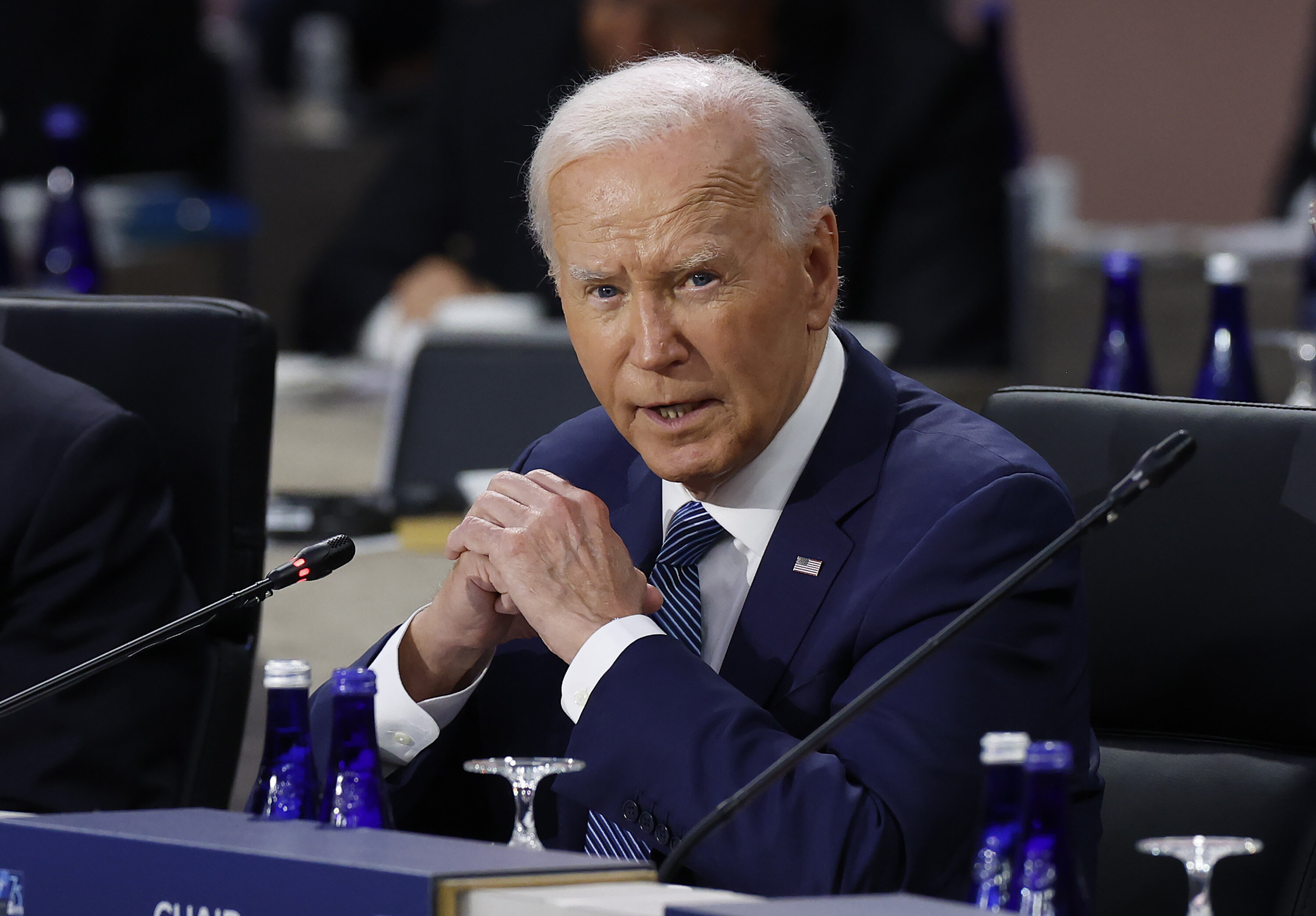
President Biden, seen here delivering remarks at the 2024 NATO Summit on Wednesday.

Kevin Dietsch via Getty Images

“I’m deeply, deeply concerned,” he continued on the show. “I mean, especially it’s difficult because the Democrats have a big bench, they’ve got a lot of heavy hitters, a lot of talent. And I do worry because with the debate … I mean, it was relatively simple.”

“First of all, they should have just told the president to stand up, put a little makeup on for the debate … and then where to look, and call the other guy [a convicted felon],” he continued. “And just don’t deal with all of your facts — just deal with [Trump’s] lies.”

A post-debate CNN poll showed 67% percent of viewers felt Trump performed better than Biden, who recently attempted to reassure voters he’s up for the job with an interview on ABC News. The president maintained on Monday that he is “not going anywhere”.

Share Button

NHS rolls out ‘speedy’ MS injection

NHS chiefs say the injection form of the medicine can help save patients’ and clinicians’ time.

Share Button

Scientists start human testing of Marburg virus vaccine

University of Oxford researchers start in-human vaccine trial to treat highly fatal Marburg virus.

Share Button

Narcissists mellow with age, study suggests

They do not fully grow out of a sense of self-importance, the survey of more than 37,000 people suggests.

Share Button

Health secretary ‘stunned’ by NHS failings

Wes Streeting says there is “worse to come” as he orders a review into the health service.

Share Button

Researchers uncover brain region’s role in hearing and learning

Have you ever noticed how you can suddenly hear your refrigerator humming in the background when you focus on it? Or how the sound of your name instantly catches your attention even in a noisy crowd?

The human brain is remarkably adept at adjusting what we hear based on contexts, like our current environment or priorities, but it’s still unknown how exactly the brain helps us detect, filter and react to sounds.

Now, biologists at the University of Maryland are a step closer to solving that mystery. Using an animal model, the researchers found that the orbitofrontal cortex (OFC), a brain region associated with decision-making but not typically linked to hearing, plays a central role in helping the auditory cortex (a primary hearing center of the brain) adapt to changing contexts or situations. The team’s findings were published in the journal Current Biology on July 11, 2024.

“Our hearing doesn’t just depend on the sounds around us. It also relies heavily on what we’re doing and what’s important to us at that moment,” explained UMD Biology Assistant Professor Melissa Caras, the paper’s senior author. “Understanding the neural mechanisms responsible for these adjustments can also lead to a better understanding of and potential treatments for neurodevelopmental disorders like autism, dyslexia or schizophrenia — conditions where sensory regulation goes awry.”

To closely examine the brain circuitry involved in the hearing process, the researchers turned to gerbils, small mammals whose basic hearing system is similar to that of humans. The animals were exposed to sound patterns in two different contexts. In one context, the animals listened to sounds passively without needing to do anything. In the other, the animals had to perform a specific action in response to the sounds they heard. By recording and manipulating the brain activity of the animals, the team discovered that the OFC helped the animals switch between passive and active listening.

“In short, the OFC sends signals to the auditory cortex when it’s time to pay closer attention to sounds,” Caras said. “It’s not certain whether the signals are sent directly or indirectly via an intermediary brain region, but we do know that activity in the OFC is essential to how the gerbils behaved in our experiments.”

When the OFC was silenced, the animals’ auditory cortex did not switch between passive and active listening, impairing their ability to pay attention to and react to a behaviorally relevant sound.

“In terms of a more human-oriented analogy, it would be as if I told you to suddenly pay attention to your refrigerator humming in the background,” Caras explained. “If your OFC was silenced and unable to send a signal to your auditory cortex, you might have difficulty doing so because the ability to rapidly alter your sound perception would be impaired.”

While this study was conducted in animals, Caras says the findings may have notable implications for human health and well-being. The ability to quickly shift attention to important sounds is essential for many day-to-day activities including communicating with others and navigating busy or dangerous environments.

“We’re just beginning to understand how the brain fine tunes hearing sensitivity in response to sudden shifts in behavioral contexts. We plan to explore exactly how the OFC communicates with the auditory cortex and see whether it’s possible to strengthen the connection and improve hearing ability,” Caras said. “This work is paving the way for researchers and health care professionals to develop better strategies for improving hearing in both healthy individuals and those with sensory impairments.”

This research was supported by the National Institutes of Health (Award Nos. R00DC016046 and R01DC020742).

Share Button

Screen Legend Shelley Duvall Has Died, Aged 75

Hollywood star Shelley Duvall has died at the age of 75.

Shelley will be best remembered for her work with the director Robert Altman, which included Nashville, Thieves Like Us, 3 Women and Popeye, as well as her legendary performance in the horror film The Shining.

Her life partner Dan Gilroy confirmed to The Hollywood Reporter that the Bafta and Emmy nominee died in her sleep on Wednesday night at her home in Texas, due to complicatons from diabetes.

Dan said in a statement: “My dear, sweet, wonderful life partner and friend left us. Too much suffering lately, now she’s free. Fly away, beautiful Shelley.”

Shelley’s big-screen debut came in 1970 when she first collaborated with Robert Altman on the dark comedy Brewster McCloud.

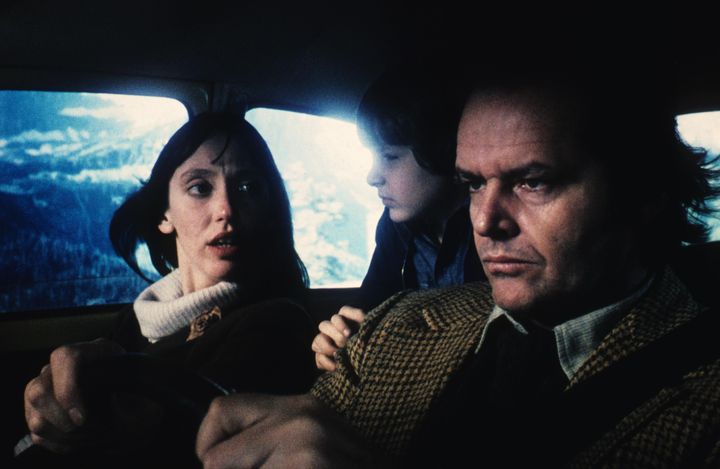
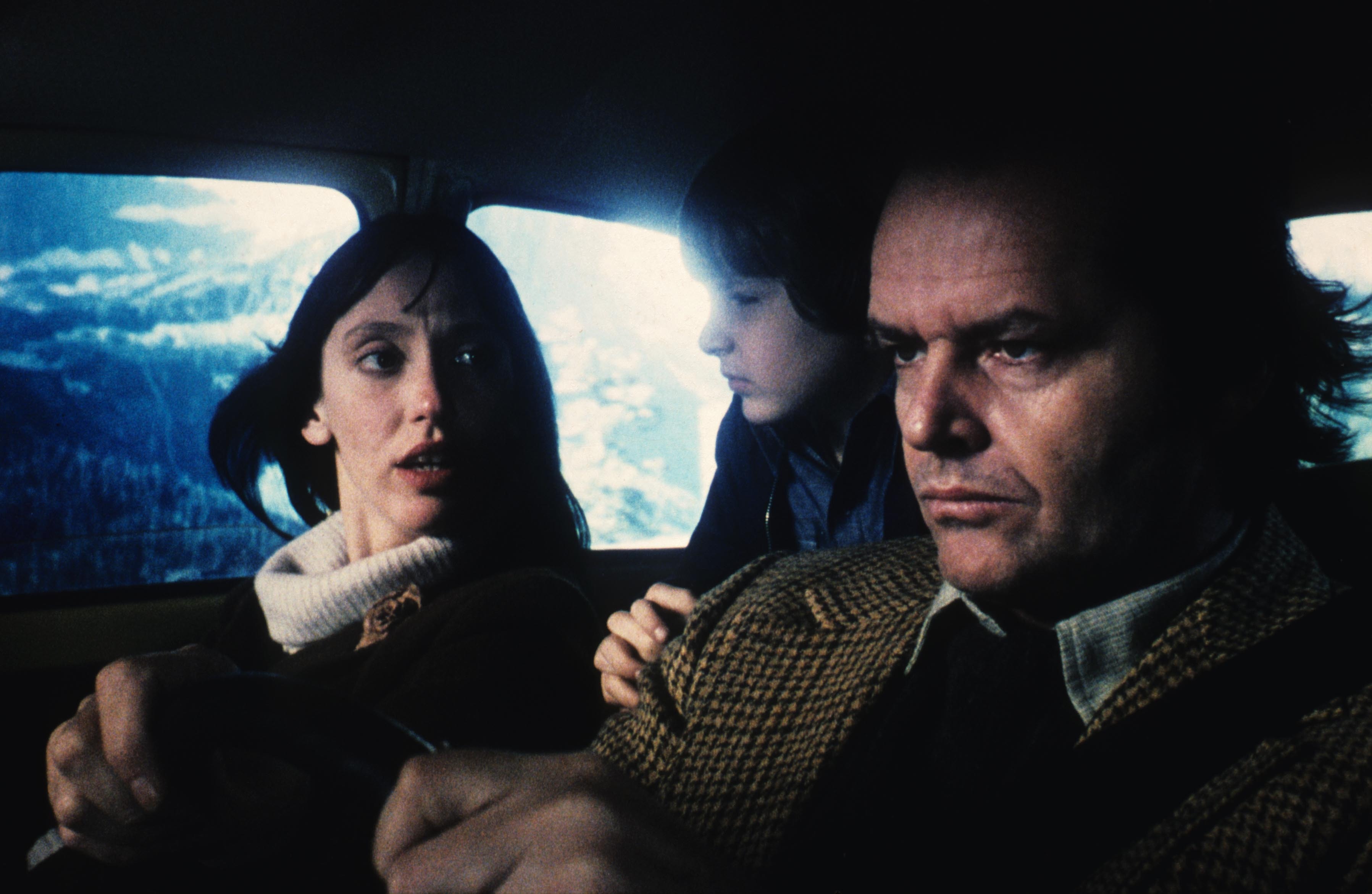
The pair worked together numerous times throughout the 1970s, before she was cast as Wendy Torrance in Stanley Kubrick’s adaptation of The Shining.

Shelley with co-stars Danny Lloyd and Jack Nicholson in the 1980 movie The Shining

Warner Bros/Hawk Films/Kobal/Shutterstock

In the years that followed, she made no secret of the difficulties she experienced working on the iconic horror film, reportedly being made to shoot one memorable scene more than 170 times in a row.

Her other work included Woody Allen’s Annie Hall and Jane Campion’s The Portrait Of A Lady.

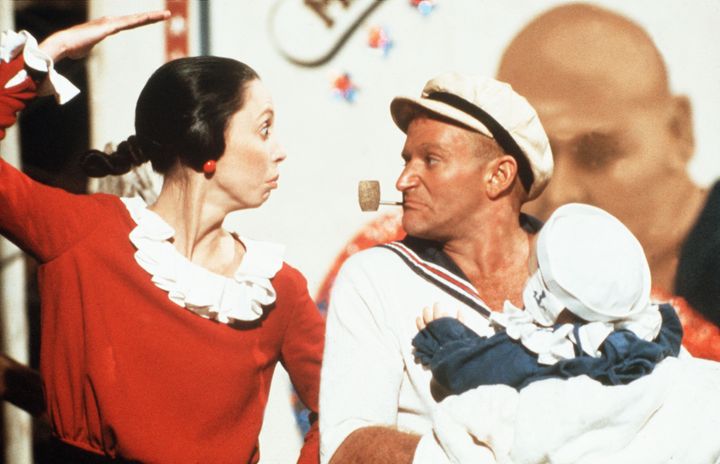
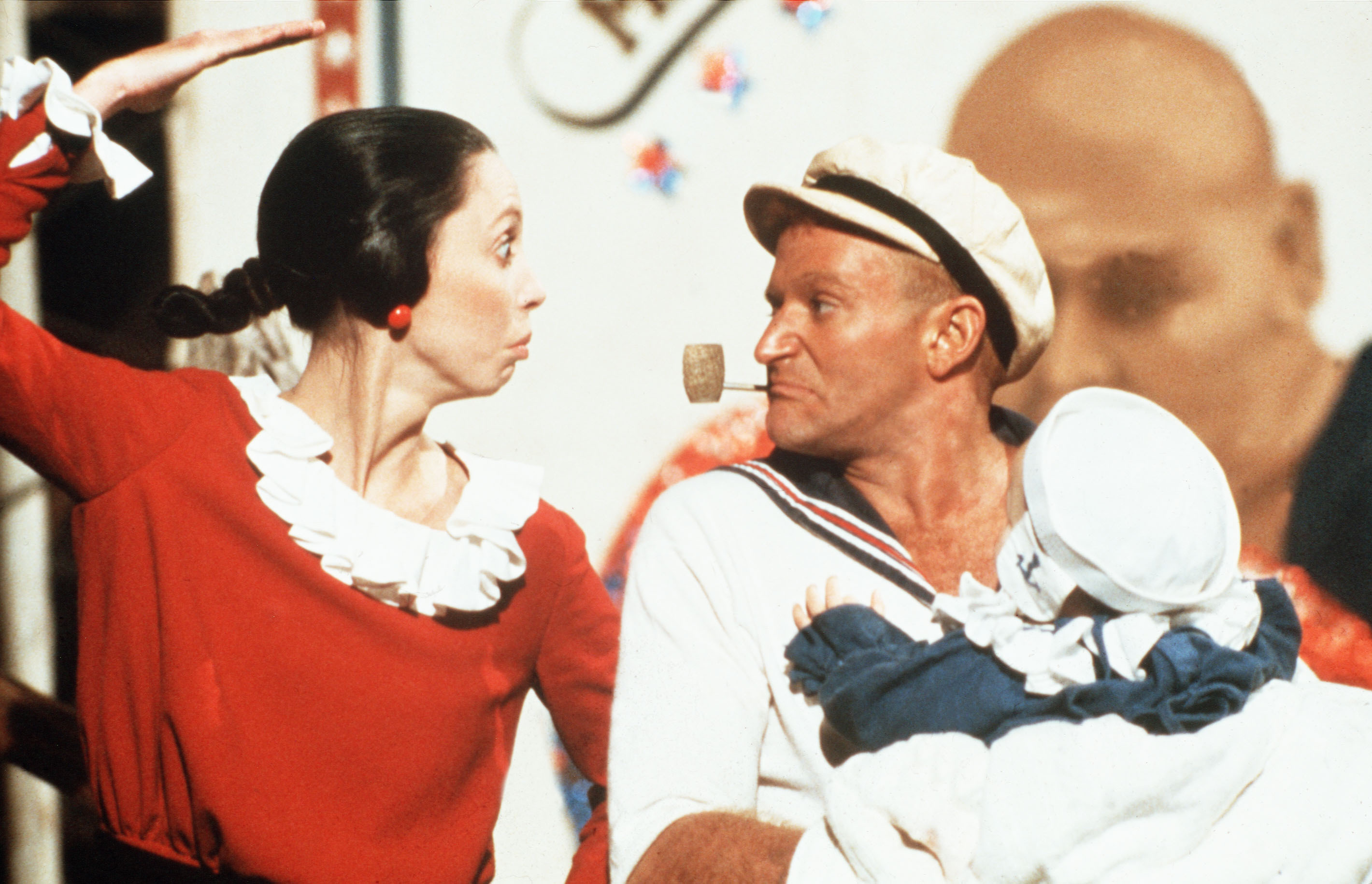
Shelley played Olive Oly to Robin Williams' Popeye in 1980
Shelley played Olive Oly to Robin Williams’ Popeye in 1980

Walt Disney/Paramount/Kobal/Shutterstock

Shelley continued to work on screen throughout the 1990s and 2000s, before taking an extended break from the spotlight after 2002’s Manna from Heaven.

During her hiatus, she made a heavily-criticised appearance on the US daytime talk show Dr Phil, during which she spoke candidly about her own struggles with her mental health.

Last year, she made her return to the big screen in Scott Goldberg’s The Forest Hills, which marked her final performing credit.

Share Button