Shortly after Labour secured a landslide victory and the Conservatives endured a historic loss, the BBC’s Russia editor, Steve Rosenberg asked one of Putin’s top aides what this could mean for international relations between the two countries.
Advertisement
“Ah, it’s you!” Lavrov said with a chuckle upon seeing the famous BBC journalist.
Rosenberg replied: “It’s me, yes… Do you think anything will change in UK-Russian relations?”
“Diplomacy is not an art of guessing,” Lavrov said, staring back at the reporter.
There was a pause while Rosenberg waited for further explanation, before he said: “What is it?”
Lavrov replied: “You know the saying about the pudding? You understand that this is a pudding when you eat it.”
The UK has been resolutely on Ukraine’s side ever since Putin chose to invade the country back in 2022.
And, like many Western countries, it has tried to hit Russia’s economy by weaning itself off Russian oil and gas exports, and imposing sanctions.
Advertisement
Lavrov’s comments come after Putin’s press secretary, Dmitry Peskov, said he does not think Labour’s victory will alter anything between the two countries.
He told Sky News: “This is domestic affairs for Great Britain, so as far as we understand it, it can hardly influence the Russian-Britain relationship.”
Asked if thought Putin would ever “welcome” Keir Starmer to the Kremlin, Peskov said: “It is very much unlikely.”
Pressed over what it would take for Starmer to get an invitation, Peskov said: “Putin is open to contact. This is Britain, this is London, that insists there shouldn’t be any continuation of dialogue.”
Peskov said he did not think the Russian president would be phoning Starmer to congratulate him on his win any time soon, saying: “Britain is quite hostile towards our country. Why should we do it?”
The shadow culture secretary Thangam Debbonaire also lost her seat to the Greens in Bristol Central, meaning Starmer was on the hunt to replace her.
Political pundits were keenly watching to see who would take on these two roles – and wondering if Starmer would have any shock appointments up his sleeve…
Here’s what the UK’s new cabinet looks like so far.
1. Angela Rayner
The deputy party leader since Starmer was elected in 2020, Rayner was the first to find out her new role today – she was appointed as the deputy PM.
She also became the levelling up, housing and communities secretary – a job she previously held in the shadow cabinet.
Advertisement
2. Rachel Reeves
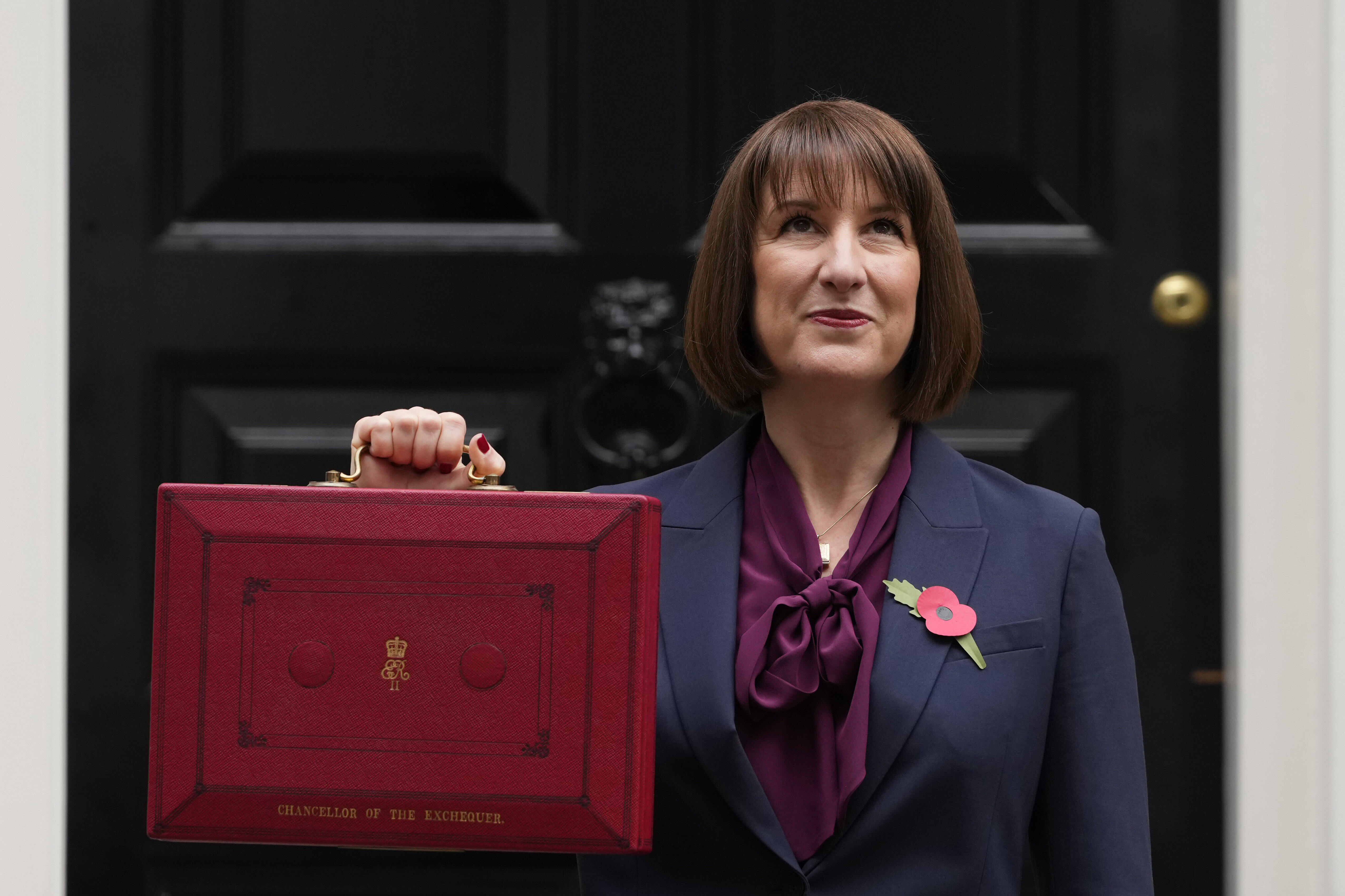
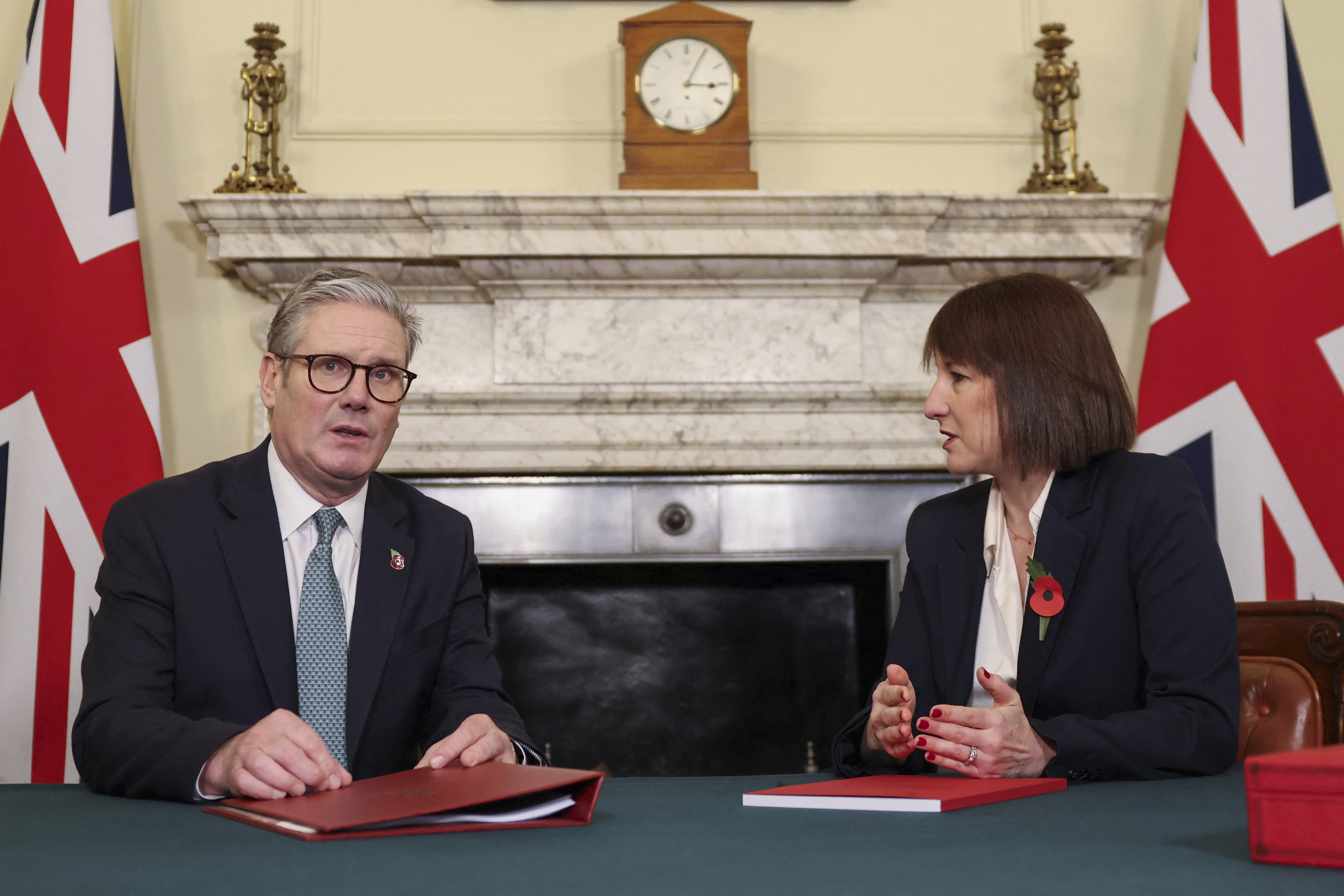
Having been shadow chancellor since 2021, Reeves has just become the first woman to officially head up the Treasury as the chancellor in its 803-year history.
3. Pat McFadden
McFadden is now the chancellor of the Duchy of Lancaster, having held the same role in opposition.
4. David Lammy
Lammy has become the new foreign secretary, despite brief speculation he could be moved away from the brief.
5. Yvette Cooper
Now the home secretary, she has retained her brief after serving as the shadow home secretary before the election.
6. John Healey
After four years acting as the shadow counterpart, Healey has now officially become the defence secretary.
7. Shabana Mahmood
Mahmood now holds the same role she had in the shadow cabinet – the Lord chancellor and Justice secretary.
Labour won by a landslide while the Tories had some of their worst ever results – but this election also painted a very complex picture for Westminster.
Five independents were elected, while the rise of the Liberal Democrats, Reform UK and the Green Party show that last night was not just a tale of two parties.
Advertisement
Here’s a look at all the main stories from overnight.
1. Huge Labour victory
With a couple more seats still to be counted, the party took a whopping 412 seats, only six fewer than it did when Tony Blair was the helm in his famous landslide of 1997.
That works out to a gain of at least 211 seats compared to the 2019 general election.
It means a comfortable majority is ahead for Keir Starmer, as Labour were the largest party in England, Scotland and Wales.
The so-called “red wall” in the North of England was completely restored, too.
However, it’s not all plain sailing – Starmer comes to office on the smallest share of the vote of any winning party in UK history as the votes were widespread across many constituencies but not particularly high in number in any seats.
Only 33.7% of voters backed the supposedly reformed Labour, just 1.6% higher than his predecessor Jeremy Corbyn secured in 2019 when he famously lost.
Advertisement
That seems to reflect the general sentiment that support for Labour was more of an anti-Tory tactic rather than an endorsement of Starmer and his party.
Labour leader and incoming Prime Minister Sir Keir Starmer and wife Victoria enter 10 Downing Street
Carl Court via Getty Images
2. Drop in Muslim support for Labour
The party’s flip-flopping over the Israel-Hamas war in Gaza has had a profound effect on its Muslim supporters.
In constituencies with a large Muslim demographic, support declined by around 23 points to 39%.
But this gave way to the rise of the independents, like ousted Labour leader Jeremy Corbyn who was re-elected into his constituency of Islington North.
In fact five pro-Gaza independent candidates were elected in total, outnumbering the total Reform UK candidates.
Advertisement
3. Worst Tory defeat in history
Rishi Sunak may have comfortably held onto his seat in North Yorkshire, but he was easily the biggest loser of the night.
He led the Conservative Party into its worst electoral defeat ever seen, losing 250 seats.
The Tories secured just 121 constituencies as the party’s vote share fell by 19.9 percentage points to 23.7%.
For comparison, John Major’s Conservatives won 30% of the vote share when they endured a huge defeat in 1997.
They will now have zero seats in Wales, and only one in the North East of England and one in the North West.
Many previously “safe” Tory seats were lost overnight, including four of the five constituencies were the last five Conservative leaders were elected.
The share of the vote particularly fell in areas where high numbers backed leaving the EU.
The dramatic night means there’s likely to be a brutal battle to shape the party now, as Tories struggle to decide whether to pull it further right or into the centre.
Outgoing Conservative Prime Minister Rishi Sunal
Christopher Furlong via Getty Images
4. Best Lib Dem result since 1923
The party has secured 71 seats – a whopping increase compared to the 2019 election, where they had only eight, and beating their 2005 record of 62.
Advertisement
They’ve won both new seats and old constituencies back – and ousted four cabinet ministers – albeit on just 12% of the vote share.
The Lib Dems also secured constituencies once held by former PMs David Cameron and Theresa May in their campaign where they targeted Tory areas.
It’s a far cry from the 2019 result when the party leader Jo Swinson unexpectedly lost her seat.
Liberal Democrat leader Sir Ed Davey is greeted by supporters
Gareth Fuller – PA Images via Getty Images
5. SNP in chaos
The Nationalists, who have completely dominated Scottish politics since 2014, secured just nine seats in a major blow to the project for independence.
That’s a drop of 38 representatives in Westminster, with many of their seats going to Labour and a handful going to both the Lib Dems and the Tories.
Advertisement
The SNP’s share of the vote has therefore fallen by 15 points – while Labour’s has increased by 17 in Scotland.
But it’s not a complete wipeout, considering the party still commanding a minority government in the Scottish parliament in Holyrood.
Yet, those seats could soon be at risk in the 2026 devolved election, depending on how Labour’s first few years in parliament goes.
Labour will also have to grapple with the increase of independence supporters among their voters.
6. Reform get a foothold in the Commons
The populist party took votes from the collapse of the Conservative support in many places, secured its first four elected MPs ever.
Party leader Nigel Farage won a seat for the first time (after seven failed attempts over the years) and Tory defector Lee Anderson – the party’s first ever representative in the Commons – was re-elected.
Advertisement
Reform chair Richard Tice and Rupert Lowe were elected, too.
Considering how quickly Reform has managed to gather support – Farage only entered the race two weeks after the election was called – the populists claim they will be able to put serious pressure on Labour in the next five years.
Farage has previously said he wants his party to be the main opposition to Keir Starmer’s party by the time of the next election, and last night said: “We’re coming for Labour, be in no doubt about that.”
7. Green Party get most MPs ever
With four MPs in Bristol Central, Waveney Valley, North Herefordshire and Brighton Pavilion, the Greens had their best set of results ever.
Until now, the party has only ever held the East Sussex constituency of Brighton Pavilion, giving them just one seat in parliament.
But last night, the party’s co-leader Carla Denyer overturned Labour’s shadow culture secretary Thangam Debbonaire with a 10,000 majority.
Advertisement
The other co-leader Adrian Ramsay defeated a 22,000 Tory majority in Waveney Valley, with a swing to the Greens of 32.1%.
Overall, it is expected to take 7% of the overall vote share – more than double what it secured in the 2019 election.
Green Party co-leader Carla Denyer after casting her vote in the 2024 General Election at Redland Park United Reformed Church in Bristol.
Jonathan Brady – PA Images via Getty Images
8. Sinn Fein hold on
The Republican party held onto its seven seats in Westminster, although it does not take them in protest to Northern Ireland being part of the UK.
It means most of the NI seats in Westminster will remain empty.
Sinn Fein is already the largest in local government and in the devolved government of Stormont.
And while the Democratic Unionist Party lost three of its eight seats, with supporters moving to other unionist parties, there was not a noteworthy shift in the vote share between Unionists and Nationalists.
Advertisement
9. Fall in overall voter turnout
This was the second lowest turnout ever recorded with only 60% of the electorate turning up, rivalled only by the 59% seen in 2001.
That suggests apathy and frustration may be more prevalent among the electorate than politicians realise.
Newly-elected MP Nigel Farage was interrupted by several different hecklers at his first rally since getting into parliament this afternoon.
The Reform UK leader, who won the seat of Clacton last night after previously failing on seven different occasions, was accused of bigotry and racism by protesters at the central London event.
Advertisement
A handful of furious attendees shouted “you’re a racist” and “you don’t represent the working class” to the new MP.
But Farage hit back, accusing one heckler of being “absolutely steaming” asking: “Are you down wind of a couple already?”
He then called the protester “boring” and joked: “Well, this is good preparation for the House of Commons, I suppose.”
Most of the hecklers appeared to be escorted from the venue amid boos from the audience and jubilant waving from Farage.
Advertisement
Despite facing a period of intense chaos with its candidates selection over the last few weeks – with two even defecting over the Conservatives while accusing the party of not responding strongly enough to racism – Reform now has four seats in the Commons.
The exit poll predicted the populist party would return 13 new MPs in total, but actually only Farage, Tory defector Lee Anderson, party chair Richard Tice and Rupert Lowe made it into parliament.
Farage alluded to the difficulties Reform had faced with its candidates in his speech, saying: “Those few bad apples that have crept in will be gone, will be long gone, and we will never have any of their type back in our organisation.”
Banksy has issued a response to home secretary James Cleverly’s claim that his recent stunt at Glastonbury was “vile and unacceptable”.
During a performance by Idles at the music event on Friday night, an inflatable boat filled with dummies wearing orange life jackets, intended to represent refugees trying to pass through treacherous seas, was passed out to the crowd.
Advertisement
The band had initially been unaware of the stunt that was carried out during their song Danny Nedelko, which opens with the lines: “My blood brother is an immigrant. A beautiful immigrant.”
An Idles spokesperson later confirmed the boat was, indeed, a Banksy piece.
According to a photo shared on X by Glastonbury Live, the boat also returned to the crowd for Little Simz’s set on the Pyramid Stage the following day.
The stunt was met with condemnation from the Home Secretary, who told Sky News: “People die in the Mediterranean, they die on the Channel. This is not funny. It is vile. This is a celebration of the loss of life in the Channel.”
Advertisement
He added: “To joke about it, to celebrate it at a pop festival when there have been children dying in the Channel, is completely unacceptable.”
James Cleverly
Wiktor Szymanowicz via Getty Images
Now, the anonymous street artist has responded to Cleverly’s comments on Instagram.
“The home secretary called my Glastonbury boat vile and unacceptable’ which seemed a bit over the top,” Banksy wrote.
“The real boat I fund, the MV Louise Michel rescued 17 unaccompanied children from the central Med on Monday night.
“As punishment the Italian authorities have detained it – which seems vile and unacceptable to me.”
Advertisement
The MV Louise Michel, provides life-saving support to those in distress crossing the Mediterranean, and was purchased with the proceeds from the sale of Banksy artwork.
The Sun newspaper has officially endorsed the Labour Party just one day before the public head to the polls in a major victory for Keir Starmer.
The best-selling tabloid, owned by media mogul Rupert Murdoch, announced “it’s time for a change” in an editorial published online.
Advertisement
This afternoon, the newspaper shared an early version of Thursday’s front page, complete with the headline: “As Britain goes to the polls, it’s time for a new manager (and we don’t mean Southgate).”
The paper has a track record of backing election winners.
It famously claimed to have swayed 10 million readers to vote for Tory John Major in 1992, leading to its well-known headline: “It was the Sun wot won it.”
It later supported Labour shortly before Tony Blair took the party into three election victories, only to move away from the party in 2009.
Advertisement
It stayed loyal to the Conservatives over the next 15 years – which is why today’s switch is a major win for Starmer.
The editorial admitted that PM Rishi Sunak “has many policies which we can support” such as the Rwanda deportation plan, and the pledge to drop National Insurance contributions for workers.
It also praised the “ban on teaching harmful gender ideology in schools”, “putting the brakes on the headlong rush towards Net Zero” and Sunak’s commitment to “our Brexit freedoms”.
However, the pro-Brexit newspaper said the party has become “a divided rabble, more interested in fighting themselves than running the country”.
The Sun said the party needs to be in Opposition to unite “around a common set of principles”.
It also stopped short of endorsing Nigel Farage’s populist party Reform, saying those his manifesto “has struck a chord with millions” it is “a one-man band” – and swiftly described the Liberal Democrats as “a joke”.
Advertisement
The editorial seems to come around to Labour through a process of elimination, saying while it was “still a work in progress” and there are “plenty of concerns” remaining, Starmer has pulled his “party back to the centre ground of British politics for the first time since Tony Blair was in No.10”.
The endorsement comes as all signs point to a landslide victory for Labour.
A party canvasser, Andrew Parker, was filmed saying: “I’ve always been a Tory voter, but what annoys me is that fucking P*** we’ve got in.
“What good is he? You tell me, you know. He’s just wet. Fucking useless.”
He was also heard advocating shooting people arriving in the UK by small boats across the England Channel, saying,“fucking just shoot them”, and suggested Reform should “kick Muslims out of mosques and turn them into Wetherspoons”.
A senior Farage aide was also seen in the footage looking at a police car with a Pride flag displayed. They said: “What are the old bill doing promoting that crap? They should be out catching nonces not promoting the fuckers.”
The investigation prompted the local police force to announce they were “urgently assessing” the material.
Advertisement
But on Wednesday, Essex Police said they had reviewed the footage and found no evidence of a crime.
In a statement, the force said: “Having assessed the comments made during a Channel 4 news programme, and all other information available to us, we have concluded that no criminal offences have taken place.”
PM Rishi Sunak responded to the racist term used about him last Friday by saying “it makes me angry” and said Farage “has some questions to answer”.
The Reform leader then released a statement saying he was ’dismayed by the reported comments of a handful of people associated with my local campaign” and said they would no longer be with the campaign.
Channel 4 and Parker both had to deny last week that the activist was an actor who was paid to be in the video, after Farage stoked the conspiracy.
He claimed on X: “Andrew Parker was the man that made the astonishing racist comments that have given us so much negative coverage. We now learn that he is an actor by profession.”
Advertisement
Channel 4 said it stood by “our rigorous and duly impartial journalism which speaks for itself”, and explained its reporters first met Parker at Reform UK headquarters when he was a party canvasser.
Parker himself apologised to Press Association for his remarks, saying: “Of course I’m sorry. They were off-the-cuff things that everyone says.”
Reform confirmed Parker was a volunteer for the party but said he was longer part of the campaign.
Less than a week after those comments were first publicised, two Reform candidates officially defected to the Conservatives.
Georgie David said she believed the “vast majority” of those standing for the party are “racist, misogynistic and bigoted”, while Liam Booth-Isherwood accused the leadership of not taking racism within Reform seriously.
Concerns that postal ballots are not arriving at some voters’ doors have triggered a blame game between the Royal Mail and the government.
Here’s what happened, why it matters for Thursday’s general election – and what to do if you are yet to receive your own postal ballot.
Advertisement
What’s happened?
There have been widespread reports that thousands of postal ballots have not being delivered in time by their local councils.
According to The Telegraph, more than 90 constituencies across England and Scotland – including seats where cabinet ministers are standing for re-election – have expressed fears that ballots have still not been delivered.
Why does this matter?
Postal voters have until Wednesday to cast their ballot by mail, otherwise they can take their ballot to the address on their postal voting pack during office hours before 5pm on polling day.
There were 1.3m postal vote applications made between May 22 and June 19, according to the Local Government Association, which represents councils.
It said: “This unprecedented increase adds more pressure to an already complex process and overburdened system.
“Councils and electoral staff across the country have been doing their utmost to ensure the smooth running of this election and that people can vote.
“We are aware of reports of incidents where delays have happened.
“The postal vote system could benefit from review and more could be done to support Royal Mail and printers to be ready to deliver elections.”
This delay with the postal votes is a particular issue in Scotland because school summer holidays have already begun – and some families have already left the country.
Advertisement
The SNP’s Westminster leader Stephen Flynn said his party had warned the government this could happen if an election was held in July.
He told BBC Breakfast: “If their postal vote didn’t land in time then they’re now disenfranchised in this election.”
On Tuesday, Conservative minister Maria Caulfield told Sky News the government is “urgently” looking into why some voters are still waiting to receive their postal ballots.
She said postal affairs minister Kevin Hollinrake is taking this “very seriously” and speaking to Royal Mail.
Caulfield added: “I know there’s extra resources going into this to try and do a sweep of all the sorting offices and make sure they’re out there.”
Advertisement
Hollinrake has publicly pressed Royal Mail to “do all they can” to ensure postal votes get to voters on time, while warning of a “resourcing issue”.
He told the Telegraph: “They have recruited extra people and I welcome that but they’ve got to make sure they’ve got the right number of people to deliver the mail at busy times like this.”
Meanwhile, a spokesperson for the Electoral Commission – which oversees UK elections – said there were pressures on the postal voting system due to the holiday season”.
It said it intends to carry out a review after the election, adding: “The vast majority of postal votes have been delivered, with tens of thousands landing on doorsteps over the weekend. We are not aware of any outstanding large-scale issues.”
What does Royal Mail say?
The organisation says it is delivering the postal ballots as soon as they can, and said where specific concerns have been raised, their investigations have confirmed they are “being delivered as soon as they arrive in our network”.
Advertisement
A Royal Mail spokesperson said: “We have no backlog of postal votes and, whilst we are not complacent, we remain confident that postal votes handed to us on time will be delivered prior to polling day.”
It is now calling for a review into the timetable of how the printing and administration of the ballots are handled before they are given to Royal Mail for distribution.
PM Rishi Sunak praised the organisation’s approach, saying: “It’s right that the Royal Mail have said that they will look at any concerns where they’re raised, because obviously we want to make sure everyone can vote because this is an important election.”
What happens if you receive your postal vote late?
If you have not yet received your postal ballot, you are advised to contact your local authority for a replacement.
You can take your postal vote to your local polling station on Thursday if you receive it late.
It is no longer possible to apply for a proxy vote – where someone else votes for you – as that deadline has passed.
Advertisement
Some Scottish councils have set up emergency voting centres for those going on holiday who are yet to receive a postal ballot.
Reform UK has also gone to war with Channel 4 after it broadcast secretly recorded footage showing one of the party’s canvassers, Andrew Parker, advocating shooting people arriving in the UK on small boats across the Channel.
Farage has insisted it was a “set-up” because Parker is an actor – claims denied by the broadcaster.
On Sunday Morning With Trevor Philips, the presenter asked him: “Do you ever ask yourself this question, in the words of the immortal Mrs Merton, what was it about you, Nigel Farage, that first attracted these racists and homophobes and anti-Semites to your party?”
But Philips hit back: “Come on, Reform is your party, you own it, they knew it’s your party. So answer my question, what is it about you that attracted them?”
Farage said: “Ironically, destroying the BNP, means people who are minded that way don’t any longer have a home to go to, and some will gravitate in our direction. When we find out who they are they’ll be gone.”
The presenter then asked: “Why do you think that is? Why do they think that you are the person that’s going to give them a home?”
But Farage pointed out that at a Reform UK election rally in Birmingham later today, the “star of the show” will be Zia Yusuf, who he described as “a practicing Muslim who is going to say things about the growth of Islamic extremism”.
He added: “I can assure you that anybody who has a racist point of view, I don’t want to know.”
Rishi Sunak has insisted has insisted he is “proud” of the Tories’ disastrous general election campaign.
The prime minister made the surprising comment during an ill-tempered interview with Laura Kuenssberg this morning.
Advertisement
With just four days to go until the country goes to the polls, the Conservatives remain as far behind Labour as they were when Sunak called the election nearly six weeks ago.
Since then, the PM has been hit by a string of gaffes, controversy and scandal.
Despite this, Sunak said: “This campaign is something that I am proud of, and that’s what I’m here to talk about.”
An incredulous Kuenssberg replied: “Really? After everything, you’re proud of the campaign.”
The PM said: “Yes, I am.”
Sunak’s troubles began on the very first day of the campaign, when he was soaked to the skin while announcing the election date outside the front door of No.10.
The last two weeks of the campaign have also been overshadowed by the Tory gambling scandal, which saw Sunak eventually dump two candidates accused of betting on the date of the election.
Two senior party official have also taken leaves of absence over the controversy, while one of Sunak’s close protection team has been arrested.
Dozens of opinion polls throughout the campaign have also confirmed that the Tories are on course for their worst ever election result, with predictions that they could even end up with fewer than 100 seats.