Draconian Stop And Search Powers To Be Made Permanent In Crime Crackdown

CHARLOTTE GRAHAM via Getty Images

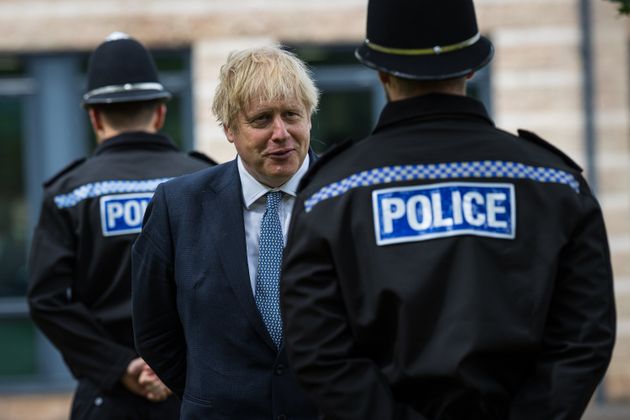
Draconian stop and search powers are to be made permanent under Boris Johnson’s latest crime crackdown.

So-called “Section 60” powers, which allow police to search in an area without having reasonable grounds for suspicion against an individual, will be made easier as part of the “Beating Crime” plan unveiled on Tuesday.

The powers have long been controversial because they have had a disproportionate impact on black communities, but the prime minister has decided to ramp up their use to combat knife crime.

The usual pre-conditions for such searches have been temporarily watered down in recent years and now Johnson wants to make permanent police forces’ ability to deploy them with fewer checks.

The major shift, which finally buries Theresa May’s policy as home secretary to cut the number of stop and searches, is part of a wider package of policies aimed at making the Tories look tougher on crime.

Other plans include:

  • expanding the use of 24-hour electronic tags for all burglars and thieves who leave prison
  • trialling “alcohol tags”, which detect alcohol in the sweat of offenders guilty of drink-fuelled crime
  • getting more offenders to clean up streets and open spaces
  • every neighbourhood having contactable, named police officers
  • league tables for 101 and 999 call answering times to be introduced for each police force

When Johnson was Mayor of London, his use of stop and search was curtailed by May as she drove through reforms aimed at boosting community relations with the police.

Backers of the tougher powers say they are a useful deterrent in response to incidents involving knives in a defined area and stress that safeguards are built into the system to ensure they are not based on race or ethnicity.

But critics argue that “no suspicion” stop and search powers are abused by police officers, with black people nine times more likely to be searched overall than white people.

Campaigners also point out there is little evidence to suggest that “draconian” stop and search provides an effective deterrent to offending, and most searches result in officers finding nothing.

Only around 20% of searches in 2019/20 resulted in a criminal justice outcome – an arrest and an out of court solution – linked to the purpose of the search.

Most stop and searches are used under ‘Section One’ powers, which require officers to have “reasonable grounds” to conduct the search.

Around 5% of searches are ‘Section 60’, often where police had no grounds for  suspicion but used them in a blanket fashion in a particular area for a limited time.
House of Commons – PA Images via Getty Images

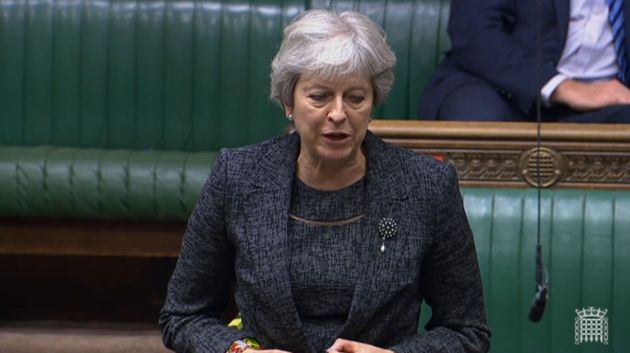
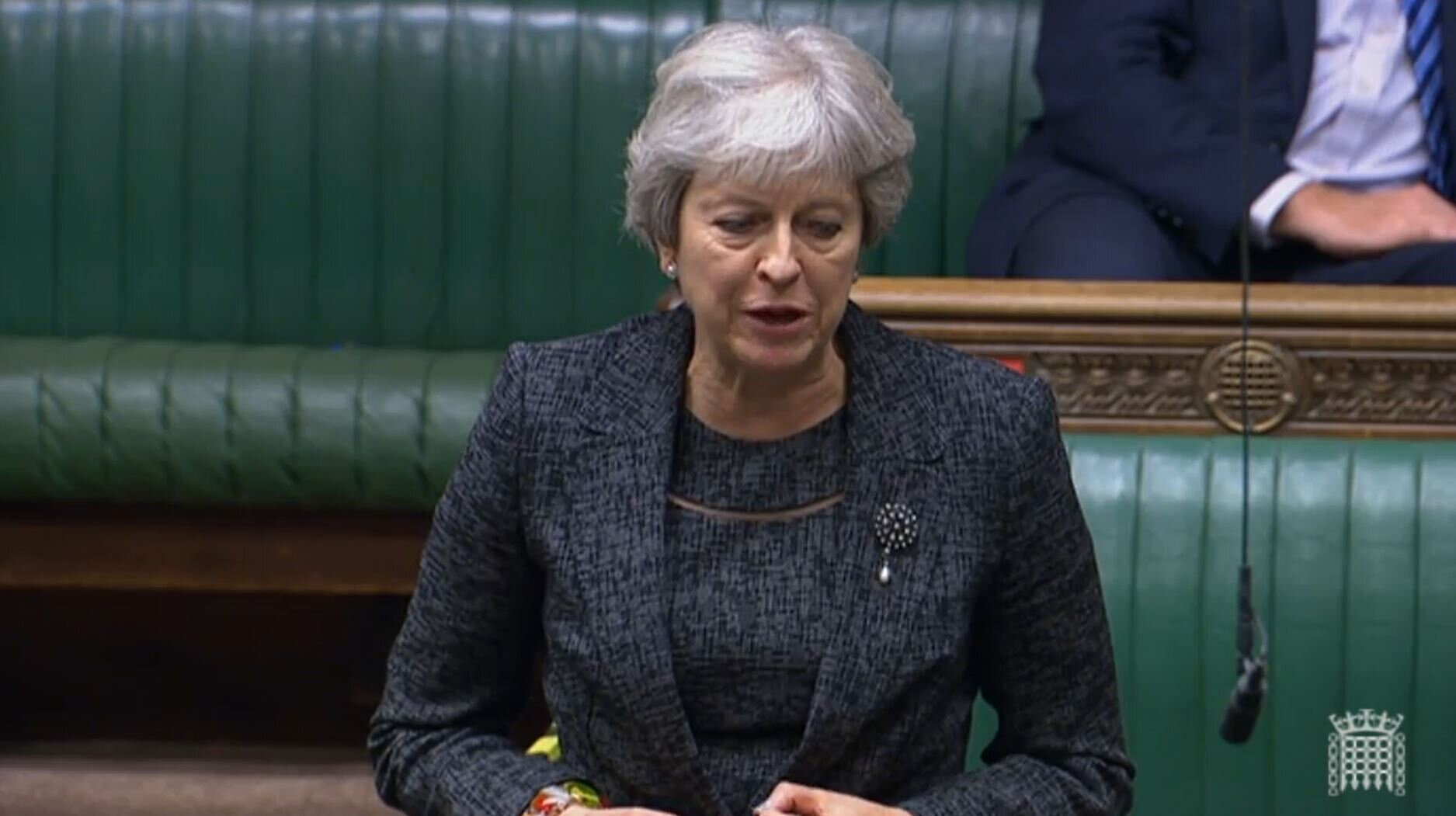
Theresa May reduced stop and searches as home secretary

In recent months, police forces in Wales and in London have used such “Section 60” powers to search an entire area after a particular violent incident or disturbance.

In London there were 11,412 searches under Section 60 by the Metropolitan Police in the year ending March 2020, government data shows.

A total of 530 people arrested following these searches, which is an arrest rate of 4.6%. This is compared to an arrest rate of 12.3% for other forms of stop and search.

Shadow home secretary Nick Thomas-Symonds told HuffPost UK: “The government must be transparent about any potential for disproportionality with these measures.

“It’s vital with any new powers comes proper oversight, especially as building community trust is so vital to tackling crime.

“They must also get on with implementing recommendations from the Lammy review and also look to learn from innovative work being done to improve trust in policing.”

Johnson said: “When I first stood on the steps of Downing Street as prime minister I promised to back the police and make people safer, because we cannot level up the country when crime hits the poorest hardest and draws the most vulnerable into violence.

“That is why my government has remained unstinting in its efforts to protect the British public and this plan delivers a fresh commitment, as we emerge from the impacts of the pandemic, to have less crime, fewer victims and a safer society.”

The Home Office said that it was important to remember that data showed that young black men are disproportionately more likely to be the victims of knife crime.

A spokesperson said: “Stop and search is a vital tool for tackling violence and saving lives.

“The Beating Crime Plan shows we are taking a twin-track approach which combines tough enforcement to get knives off our streets together with early intervention programmes that steer young people onto better paths for the future.

“An assessment of the pilot relaxing conditions on the use of section 60 stop and search showed it gave police officers greater confidence to make use of the power, better reflected the realities and uncertainties officers face on the ground around predicting serious violence, and acted as a deterrent.

“The government is giving the police these powers but ultimately it is an operational decision to use them and we expect officers to use their discretion.”

The pilot scheme assessment – which has yet to be published – covered both qualitative interviews with police officers and community scrutiny leads, and a bespoke data collection from forces including outcomes, authorisation rationale and geographical data.

Analysis of the geography of authorisations in London found “some correlation” between areas with high levels of hospital admissions for assault with a sharp object and section 60 authorisations.

Officers felt there was a deterrent effect of the use of section 60 as they communicate the authorisation to would-be offenders. 

Among safeguards to prevent disproportionate impact on minority groups are statutory codes of practice, the use of body worn video and College of Policing guidance ensuring accountability and guidance on fair use.

Share Button

Dustbin Collectors And Prison Officers To Get Daily Covid Tests To Avoid Staff Shortages

Yui Mok – PA Images via Getty Images

Dustbin collectors, prison officers and the armed forces will be able to use daily Covid tests to avoid isolation under a dramatic expansion in workplace testing sites.

All those who have been doubled jabbed in the critical services sectors will be exempted from rules requiring home quarantine following close contact with people with the virus.

Some 2,000 testing sites will be created across the country in total, building on the 800 sites lined up for the food industry, transport workers, Border Force staff, frontline police and fire services.

The decision to provide special test sites for refuse collectors followed pleas from council chiefs, and followed fears that household waste could pile up due to a shortage of staff.

In addition, people working in energy, pharmaceuticals, telecoms, chemicals, communications, water, space, fish, veterinary medicine and HM Revenue and Customs will also be prioritised for the extra 1,200 new daily contact testing sites.

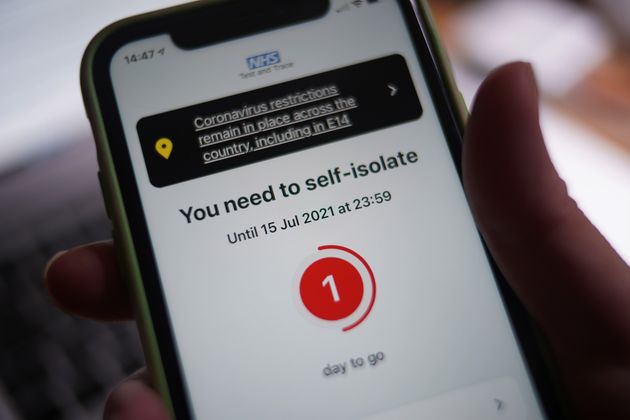
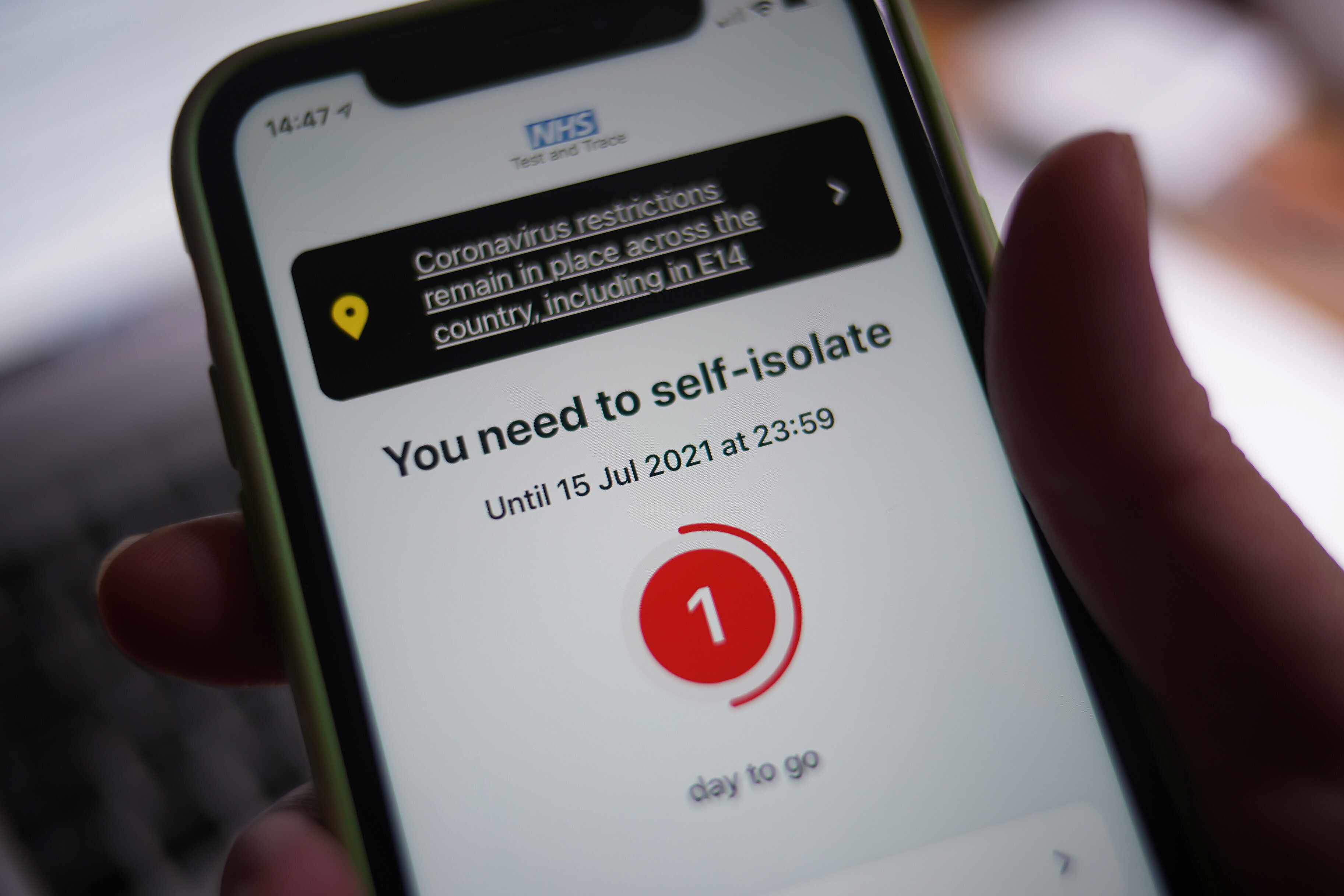
Daily testing using rapid lateral flow tests will enable eligible workers who have received alerts from the NHS Covid 19 app or have been called by Test and Trace and told they are a contact and to isolate, to continue working if they test negative each day.

Key NHS staff are already allowed to exempt themselves from the isolation rules, as long as they are double jabbed and can show that their absence would affect clinical care.

The move follows the latest meeting of the “Covid-O” operations committee which oversees key policy responses to the pandemic.

Ministers acted after Oxford University research for the department of health and social care (DHSC) found that in schools, daily contact testing was just as effective at controlling transmission as the current 10-day self-isolation policy.

Organisations are being contacted by the DHSC so they can mobilise sites this week to ensure critical workers can continue their vital roles safely, although it is understood that less than 50 have so far been set up.

The workplace testing scheme is separate from another government programme to allow individuals to apply for exemptions in key industries.

Health secretary Sajid Javid said: “Whether it’s prison guards reporting for duty, waste collectors keeping our streets clean or workers in our energy sector keeping the lights on, critical workers have been there for us at every stage of this global pandemic.”

Communities secretary Robert Jenrick said: “Critical workers up and down the country have repeatedly stepped up to the challenge of making sure our key services are delivered and communities are supported.

“We all owe them a huge debt of gratitude and will continue to support them to do their jobs safely and securely. This expansion of the daily contact testing centres is vital and hugely welcome.”

Defence Secretary Ben Wallace added: “Our Armed Forces have worked tirelessly throughout this pandemic, ensuring operations and training at home and abroad continue while at the same time providing round the clock support to the nation’s response to Covid.

“Expanding the daily contact testing scheme is hugely welcome, allowing our personnel to continue that vital work across the UK and abroad.”

Share Button

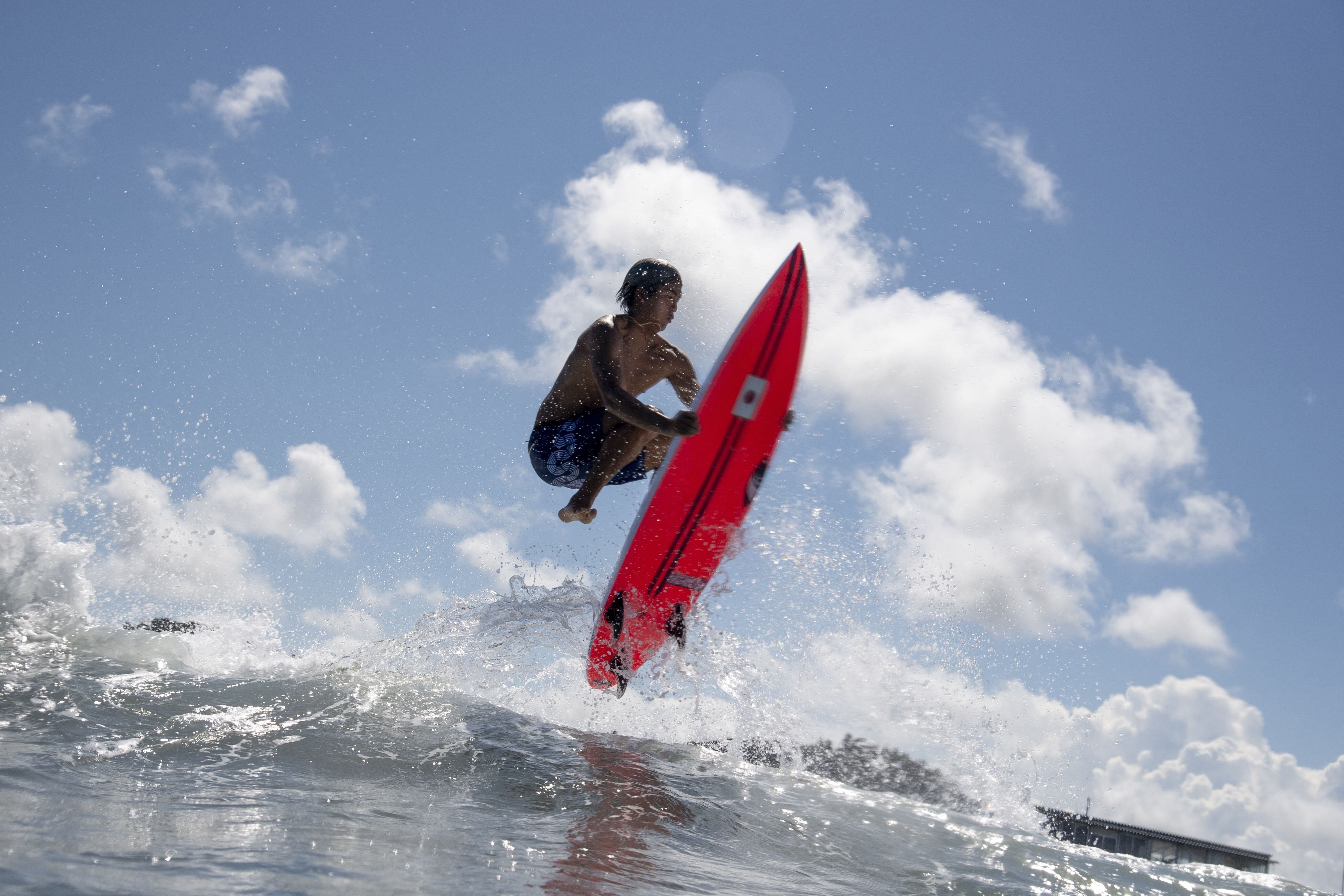
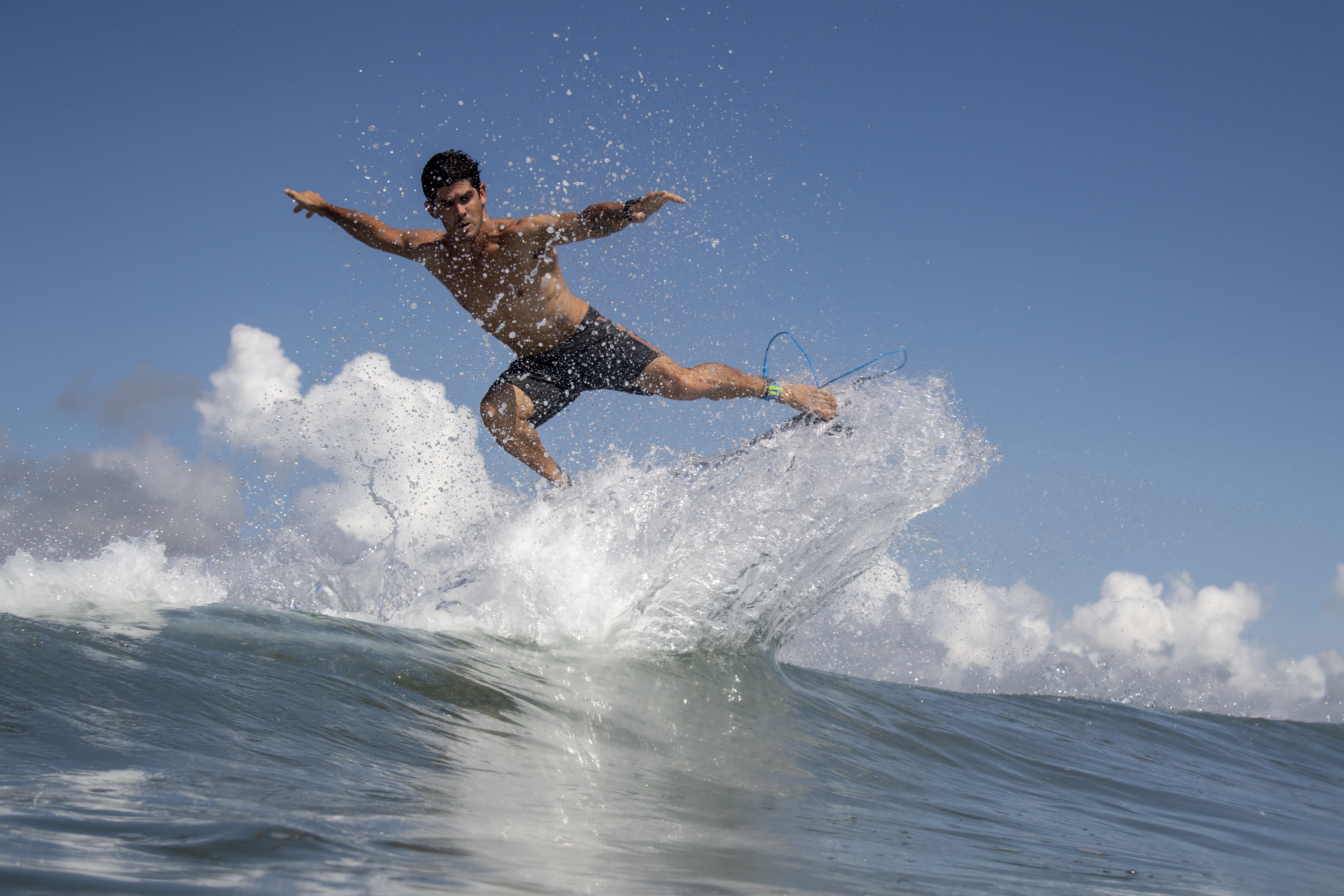
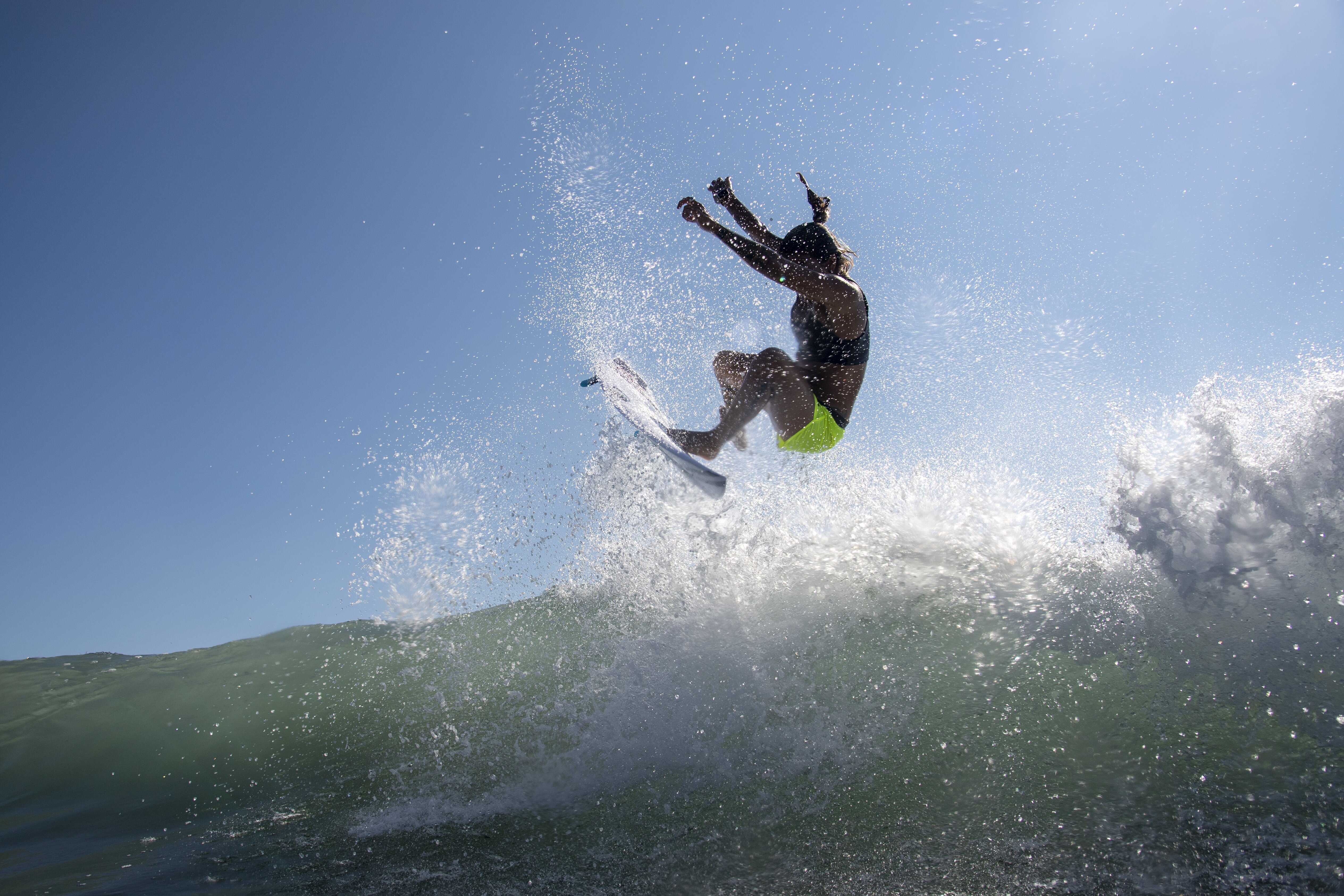
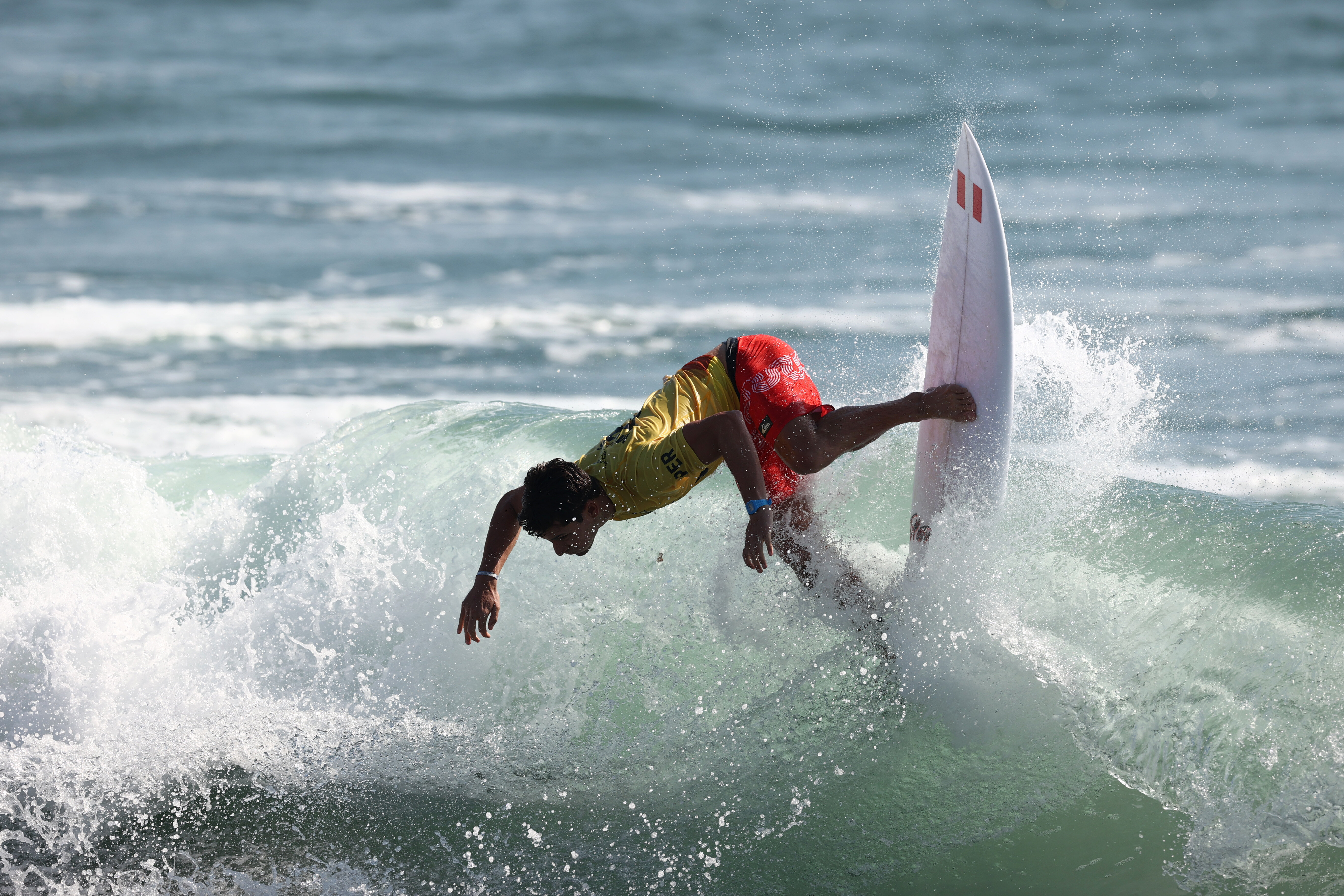
The Most Incredible Photos Of Surfing’s Olympic Debut

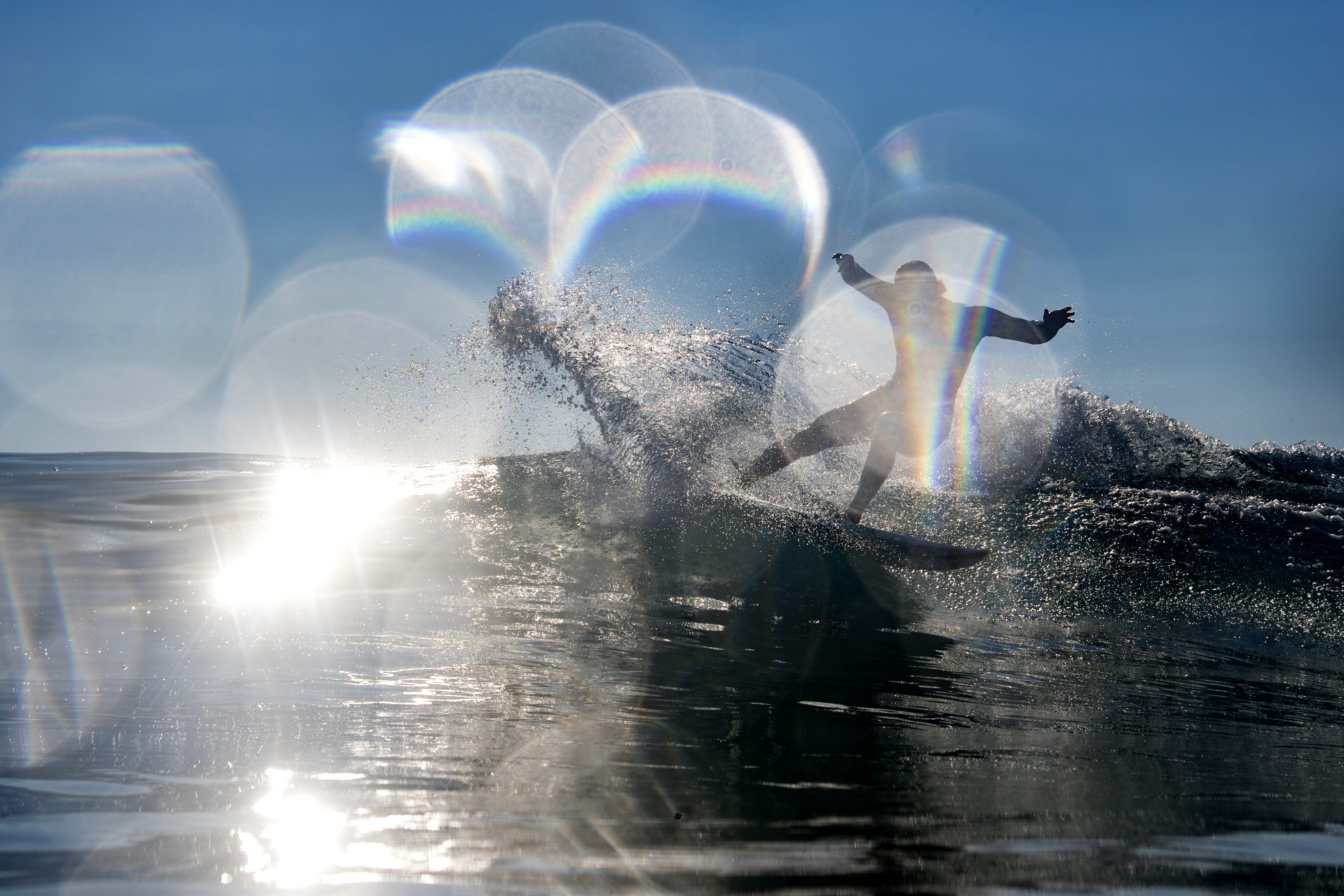
For the first time in Olympic history, 40 surfers will compete for a spot on the winners’ podium.

Each surfer competes in a 30 minute heat, trying to catch as many waves as possible. Their top two scoring waves at Tsurigasaki beach are combined for their final total.

See the athleticism, grit and each drop of water in these amazing photos from the first two days of training and competition.

OLIVIER MORIN via Getty Images

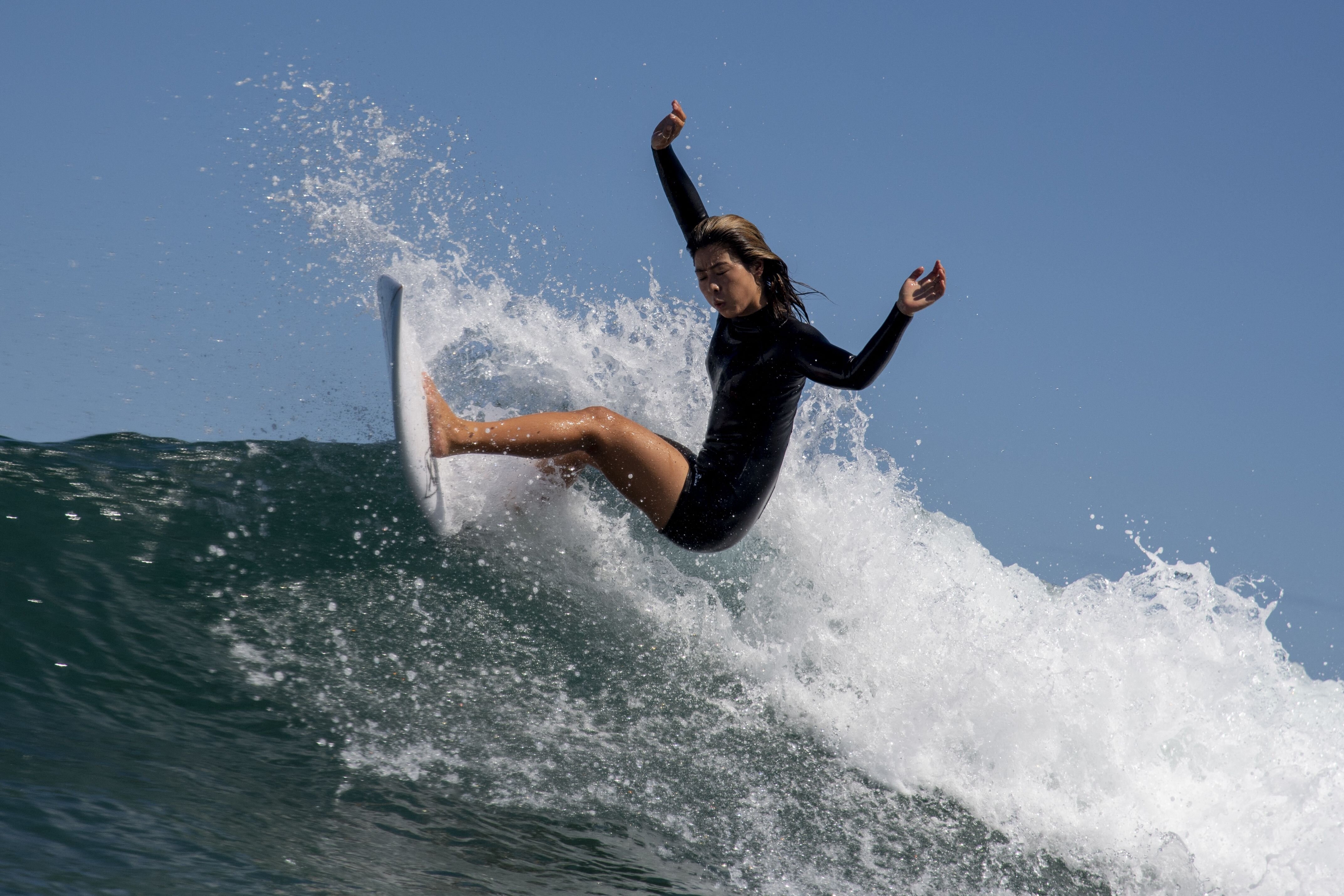
Japan’s Mahina Maedagoes rides a wave during a free training session at the Tsurigasaki Surfing Beach, in Chiba, on July 24, 2021 during the Tokyo 2020 Olympic Games. 

It has taken a century of advocacy to get surfing into the Olympics. Hawaiian surfer and Olympic swimmer Duke Kahanamoku started the push in 1912 when he first asked the International Olympic Committee to include the sport. 

OLIVIER MORIN via Getty Images

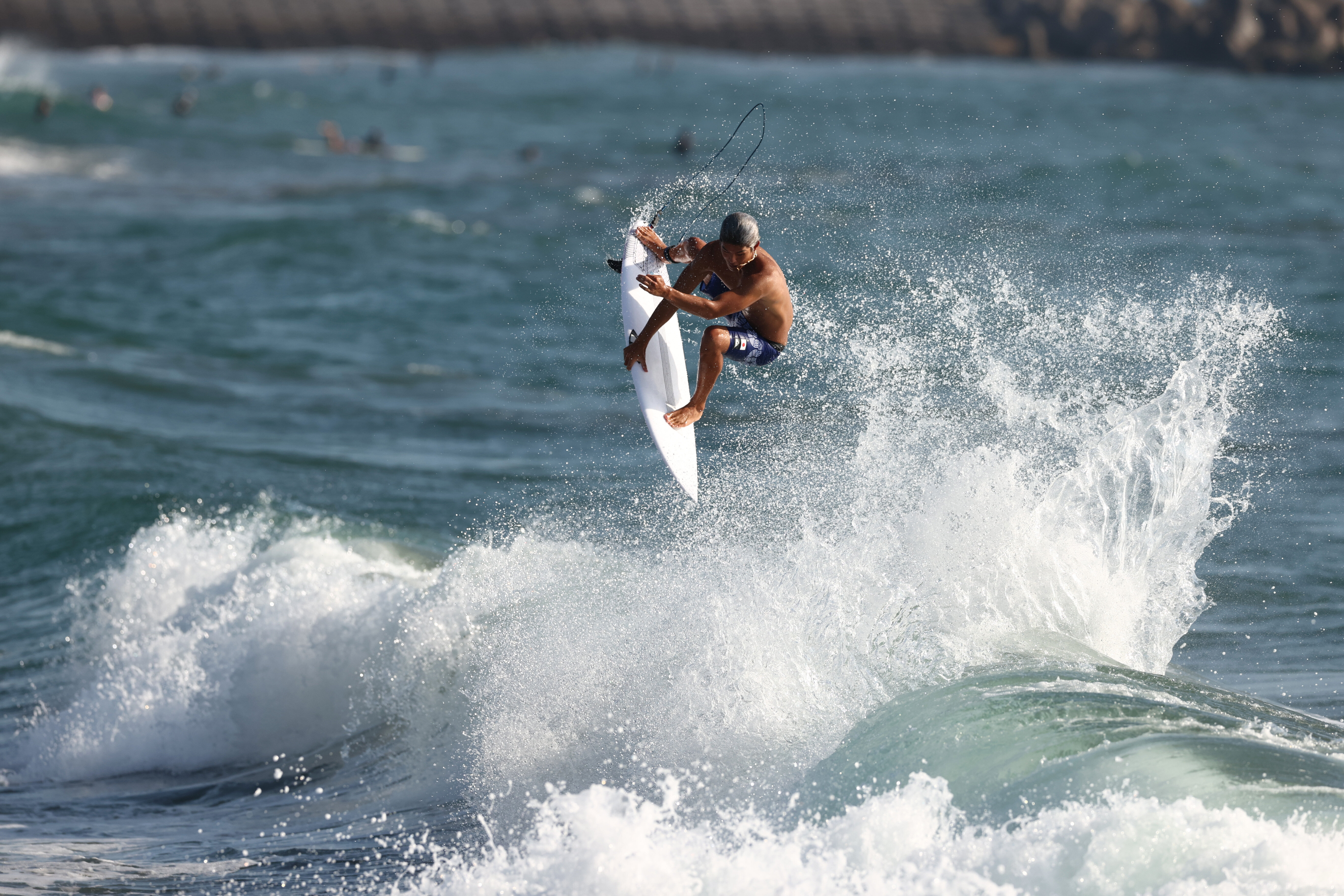
Japan’s Kanoa Igarashi rides a wave during a free training session at the Tsurigasaki Surfing Beach.

OLIVIER MORIN via Getty Images

Chile’s Manuel Selman rides a wave during a free training session.

Pool via Getty Images

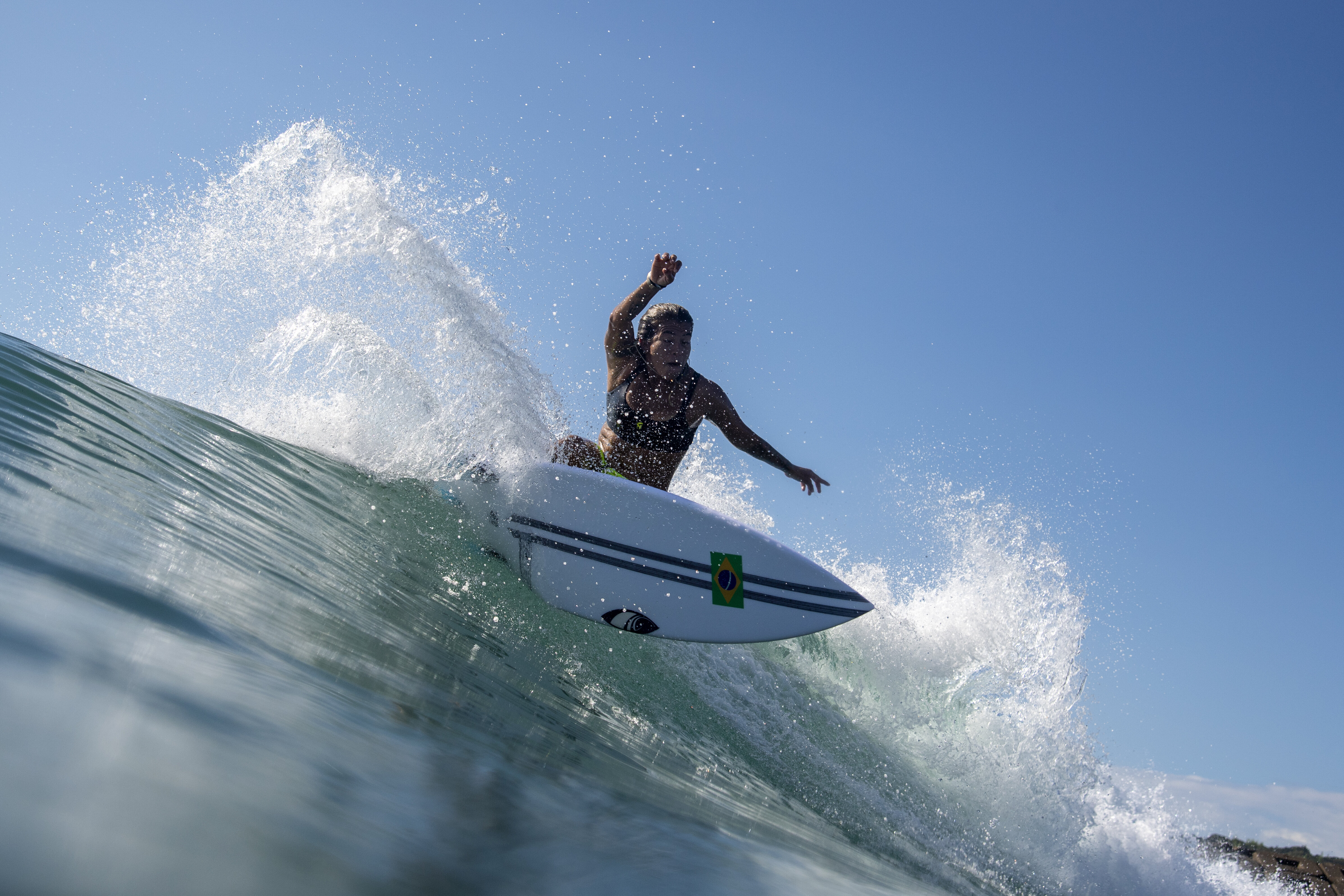
Silvana Lima of Team Brazil

Ryan Pierse via Getty Images

Lucca Mesinas of Team Peru surfs during the Men’s Round 1 heat on day two of on July 25, 2021 in Ichinomiya, Chiba, Japan.

Ryan Pierse via Getty Images

 Kanoa Igarashi of Team Japan warms up before competition on day two of the Tokyo 2020 Olympic Games.

Pool via Getty Images

Carissa Moore of Team United States

Share Button

TV Network Admits It Covered Olympic Opening Ceremony In ‘Inappropriate’ Way

South Korean TV network MBC’s coverage of the Tokyo Olympics opening ceremony on Friday went awry when it used what it has now admitted were “inappropriate” photos and captions to refer to countries competing in the games.

The broadcaster drew the most ire on Twitter after it showed a photograph of Chernobyl — the site of the 1986 nuclear power plant disaster ― as Ukraine’s athletes entered the National Stadium, reported Agence France-Presse.
MBC also used pictures of pizza when Italy’s representatives arrived, salmon for Norway, sushi for Japan, a scene of unrest for Haiti, and a depiction of the fictional Dracula for Romania, according to Reuters.

Critics called out the network for propagating national stereotypes with its choice of images.

The Chernobyl image prompted the most anger.

“In today’s Opening Ceremony broadcast, inappropriate photos were used when introducing countries like Ukraine and Haiti,” MBC said in a statement, per the New Zealand Herald. “Also, inappropriate photos and subtitles were used for other countries. We apologise to the viewers of Ukraine and other countries.”

Share Button

The Aerials, Slides And Wipeouts Of Skateboarding’s First Olympics

Skateboarders have their first-ever chance for an Olympic gold.

The men’s street competition began Saturday, giving audiences their first taste of the rebel “anti-sport” on the global athletics stage. Women’s street begins Sunday, and the park competition for women and men debuts August 3 and 4.
Two of the Olympic’s youngest stars will participate in park — Team GB’s 13-year-old Sky Brown and Kokona Hiraki of Japan, who is 12.

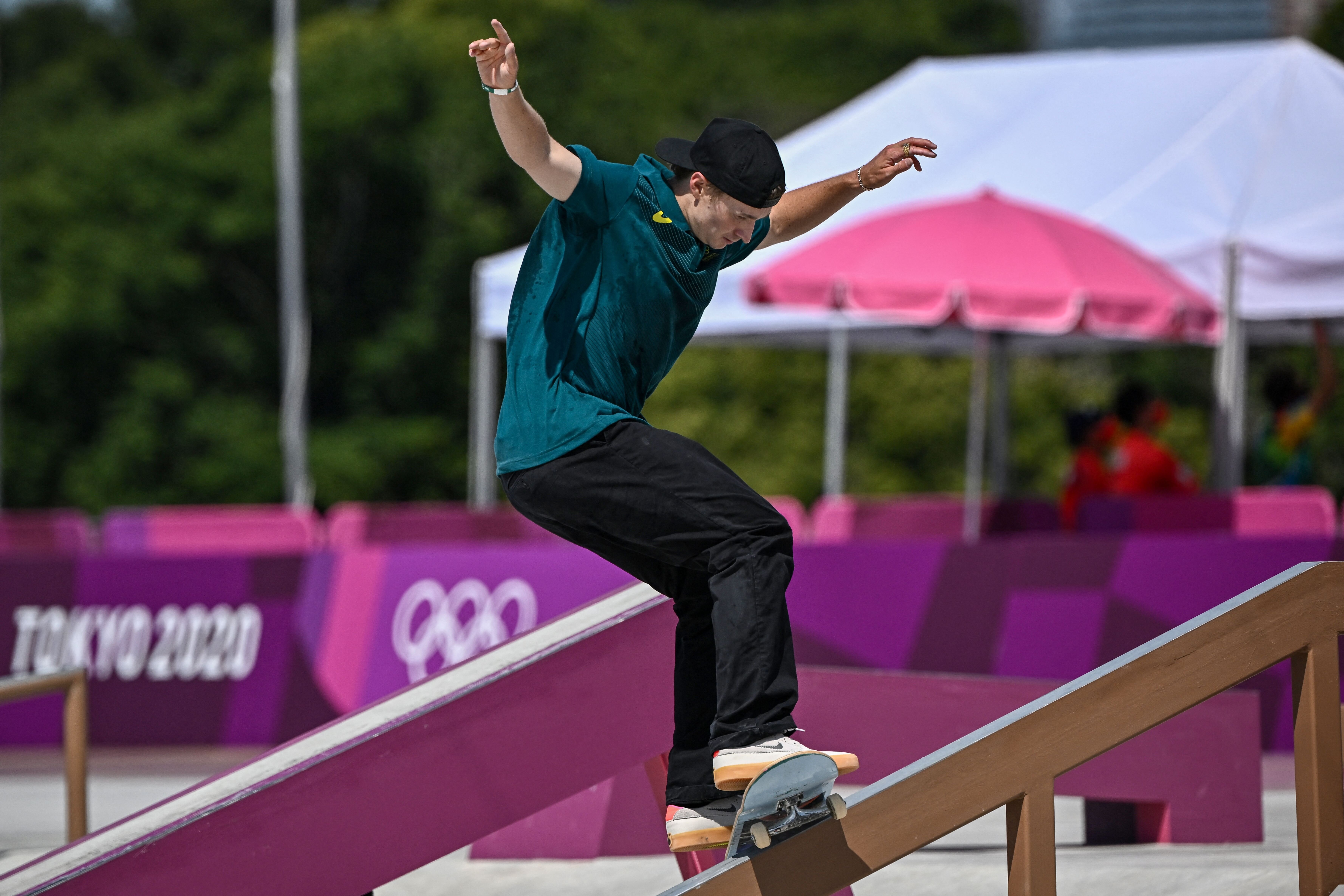
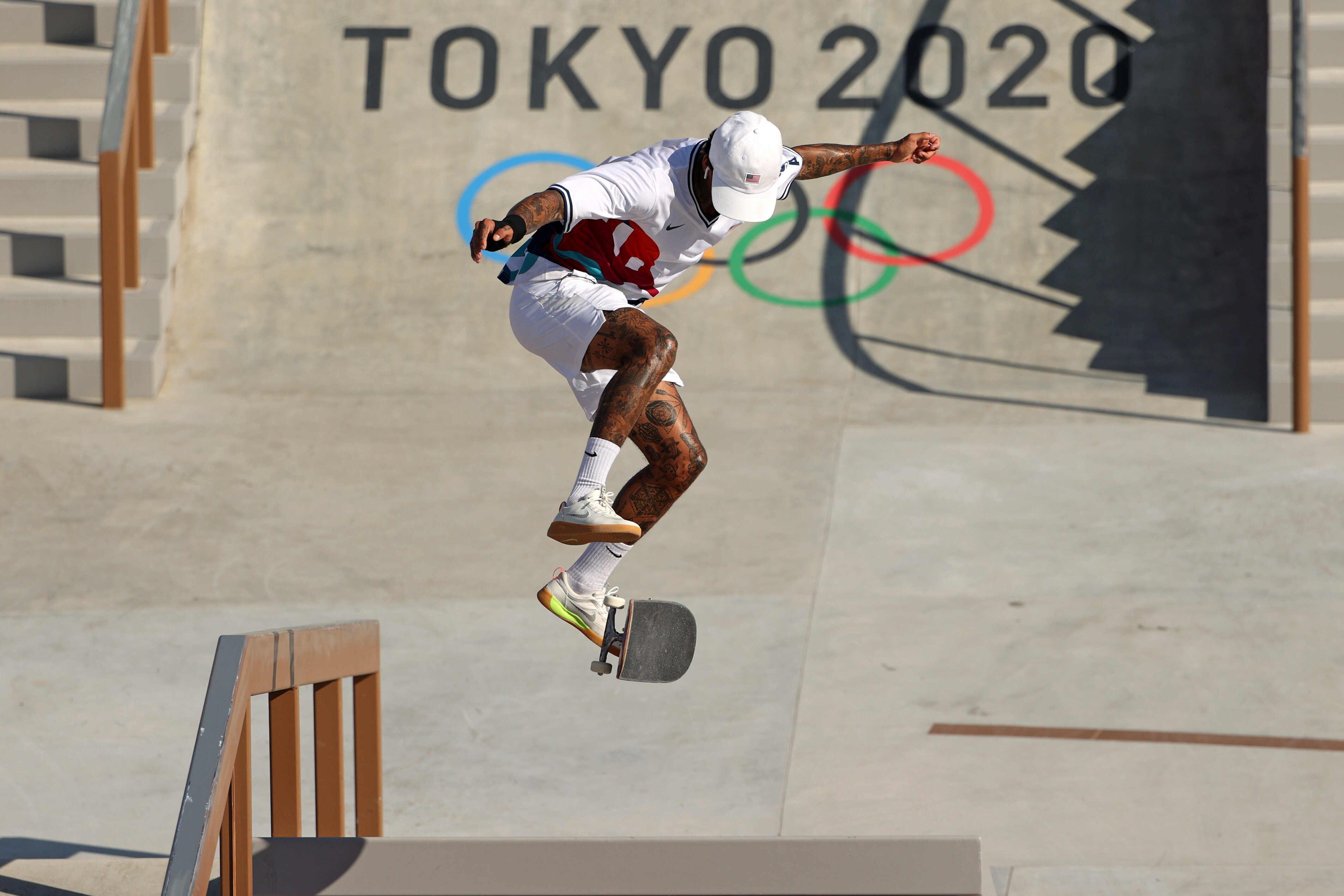
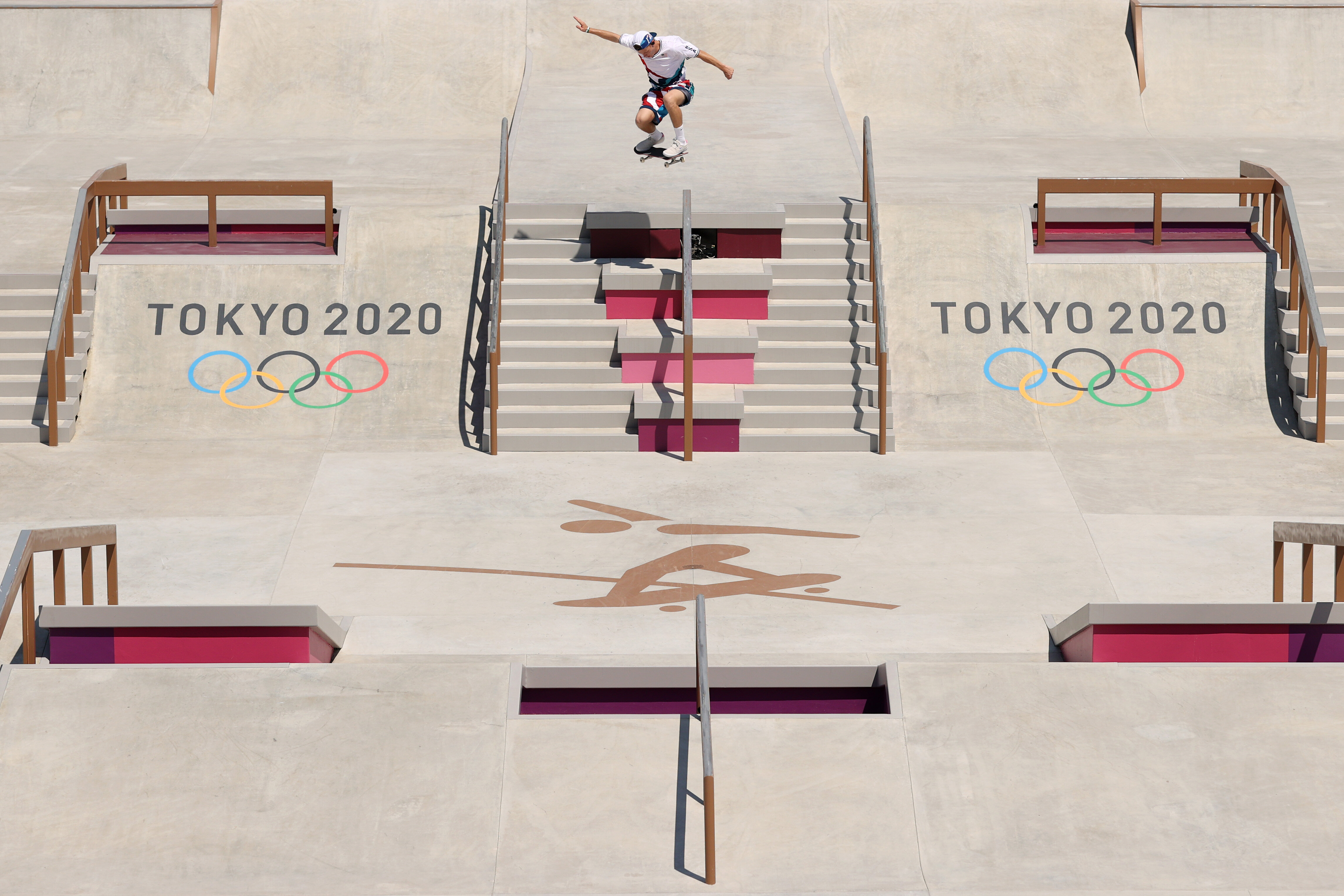
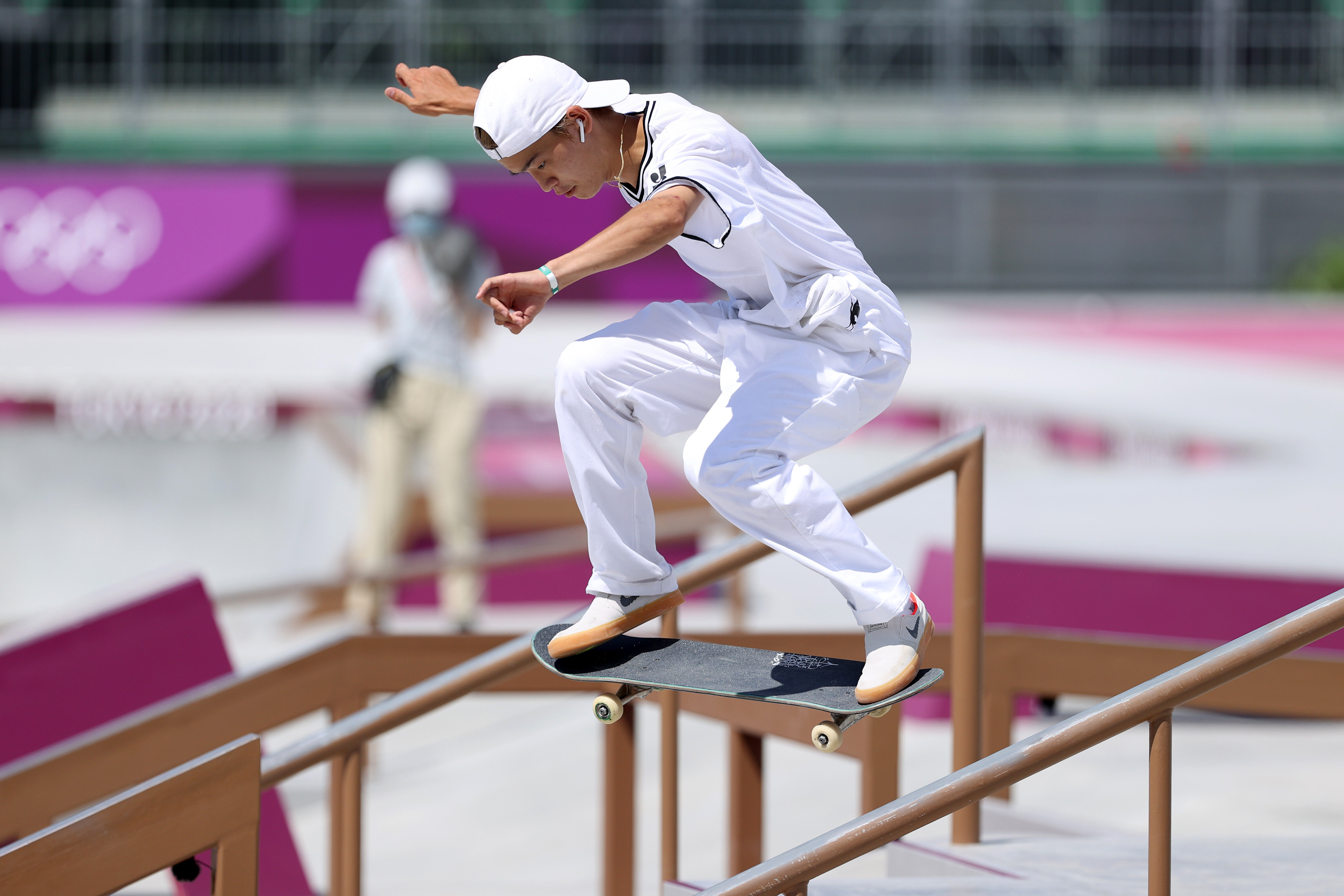
The street course was created to model real-world obstacles like stair cases and railings. The park course has the giant bowls and half-pipes seen in skateparks. Check out these incredible images of Olympic Street Skateboarding’s debut.

Ezra Shaw via Getty Images

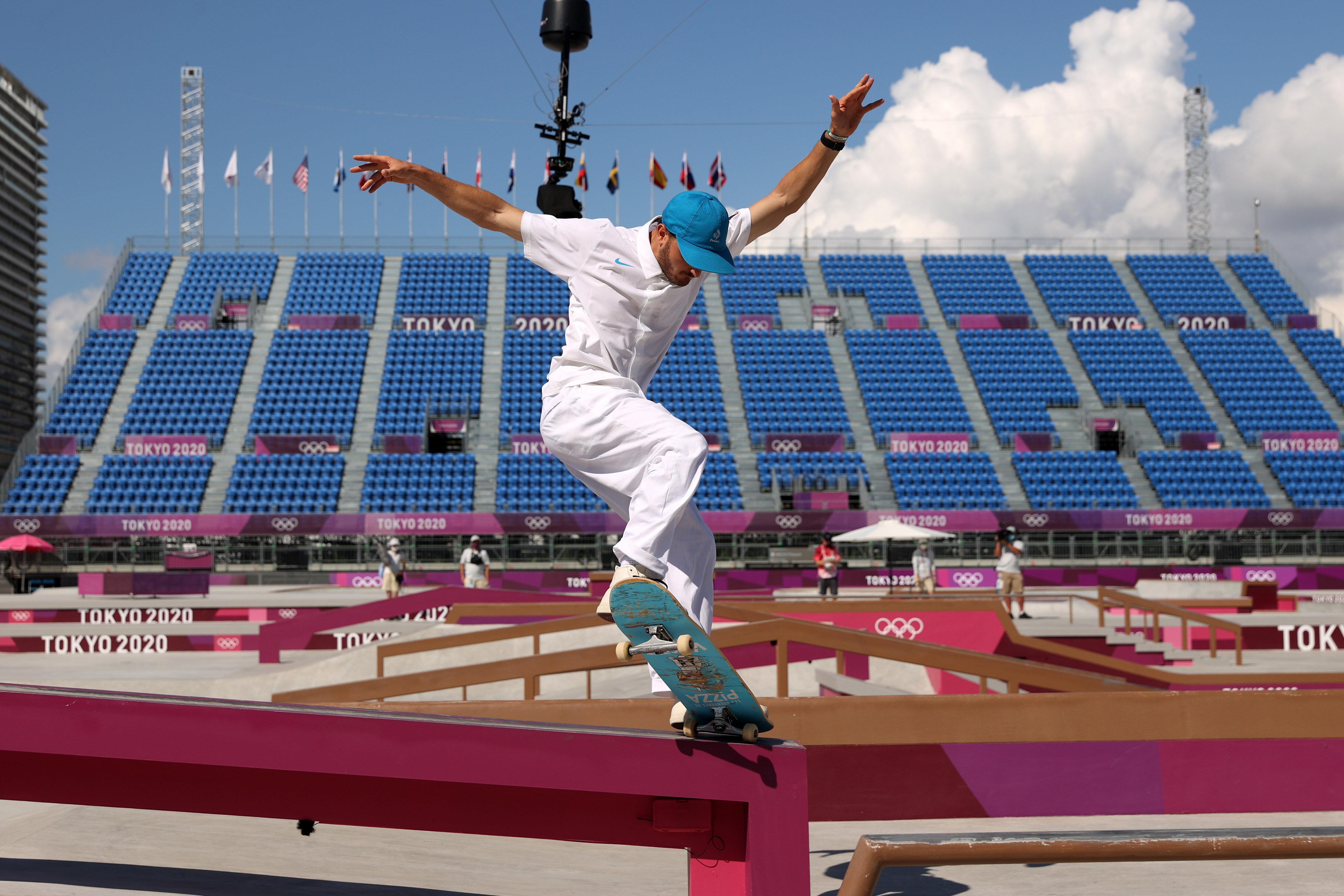
Vincent Milou of Team France competes at the Skateboarding Men’s Street Prelims on day two of the Tokyo 2020 Olympic Games at Ariake Urban Sports Park.

Ezra Shaw via Getty Images

Nyjah Huston of Team USA practises prior the Skateboarding Men’s Street Prelims on day two of the Tokyo 2020 Olympic Games.

Ezra Shaw via Getty Images

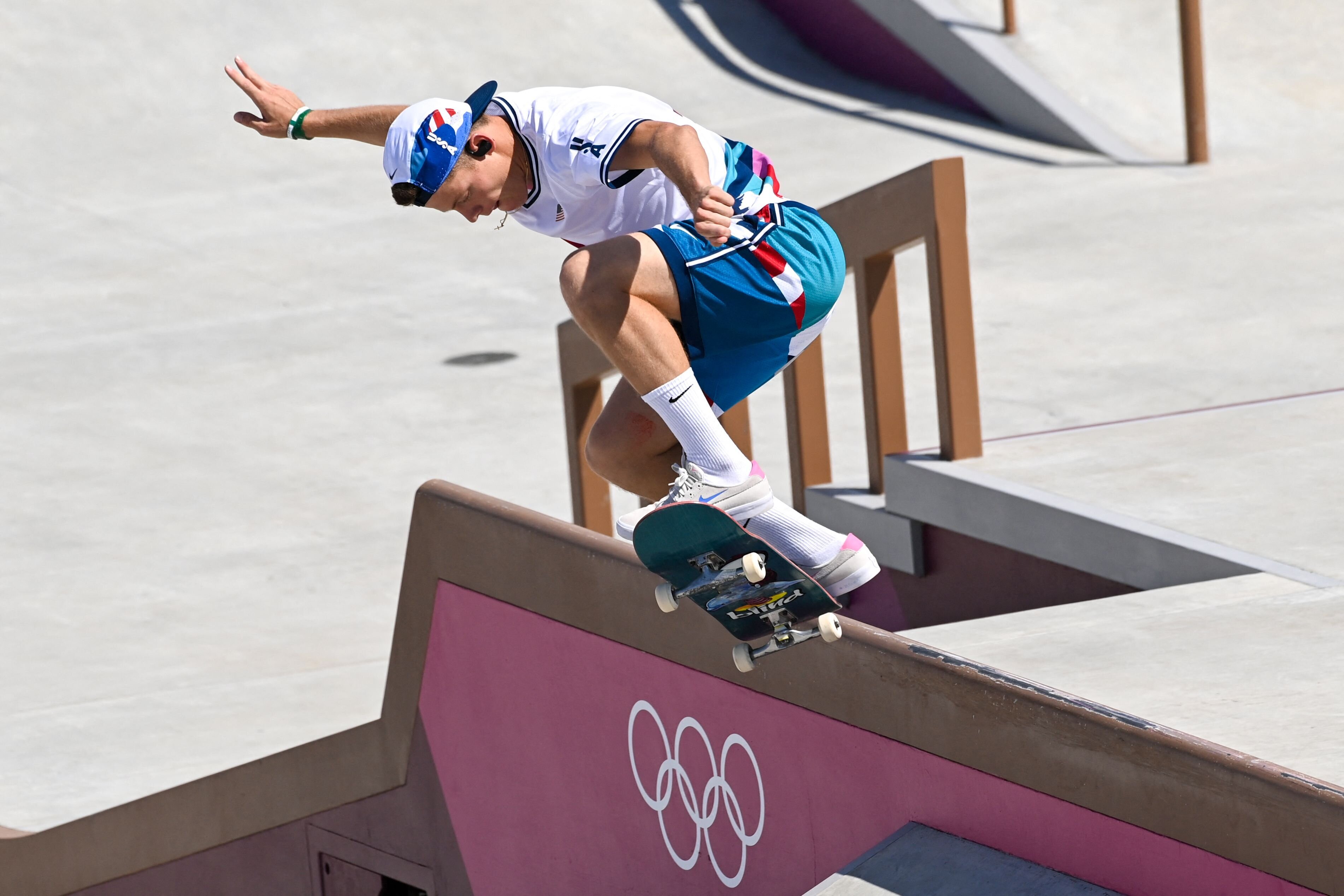
Jake Ilardi of Team USA competes at the Skateboarding Men’s Street Prelims.

Dan Mullan via Getty Images

Sora Shirai of Team Japan competes at the Skateboarding Men’s Street Prelims.

Dan Mullan via Getty Images

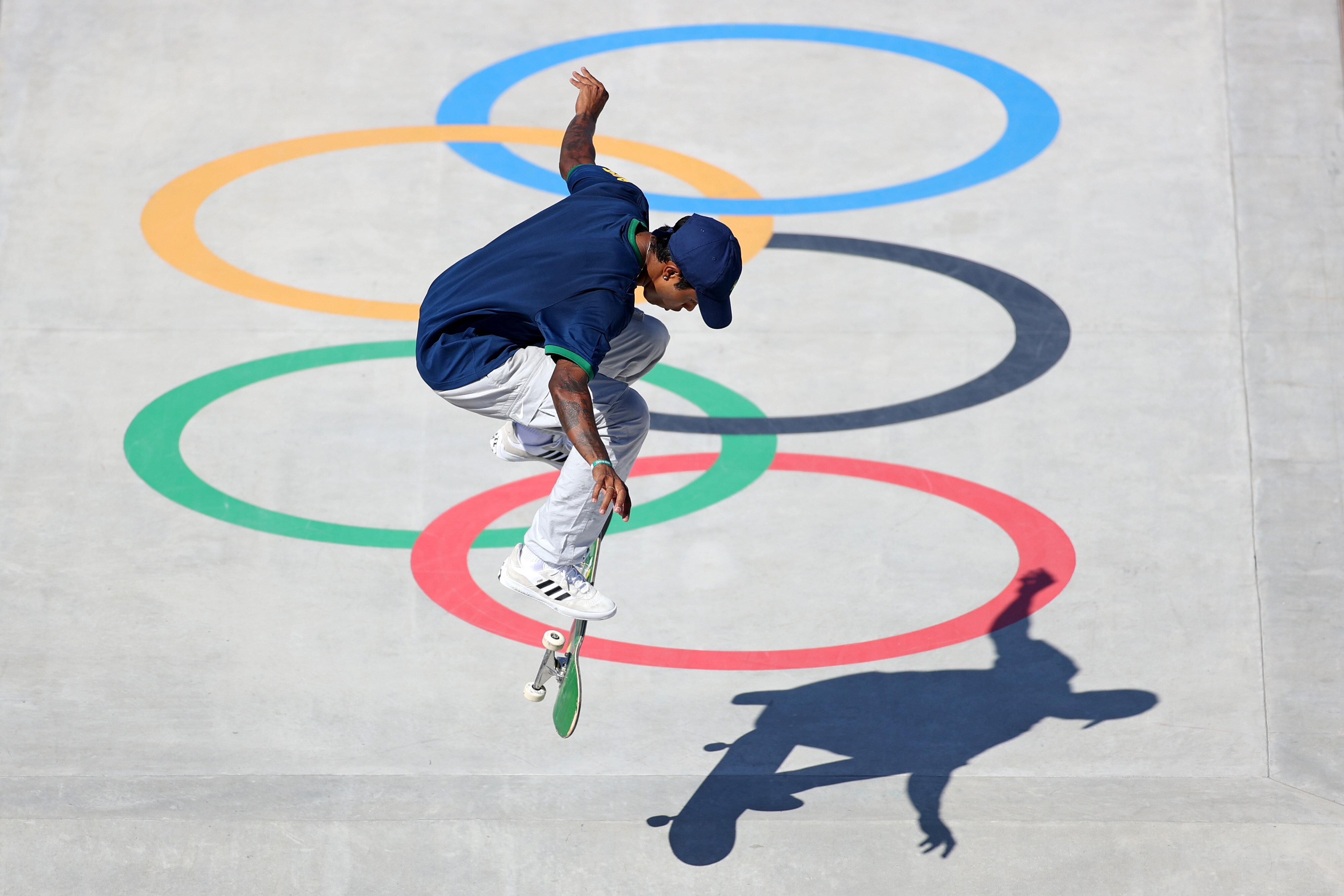
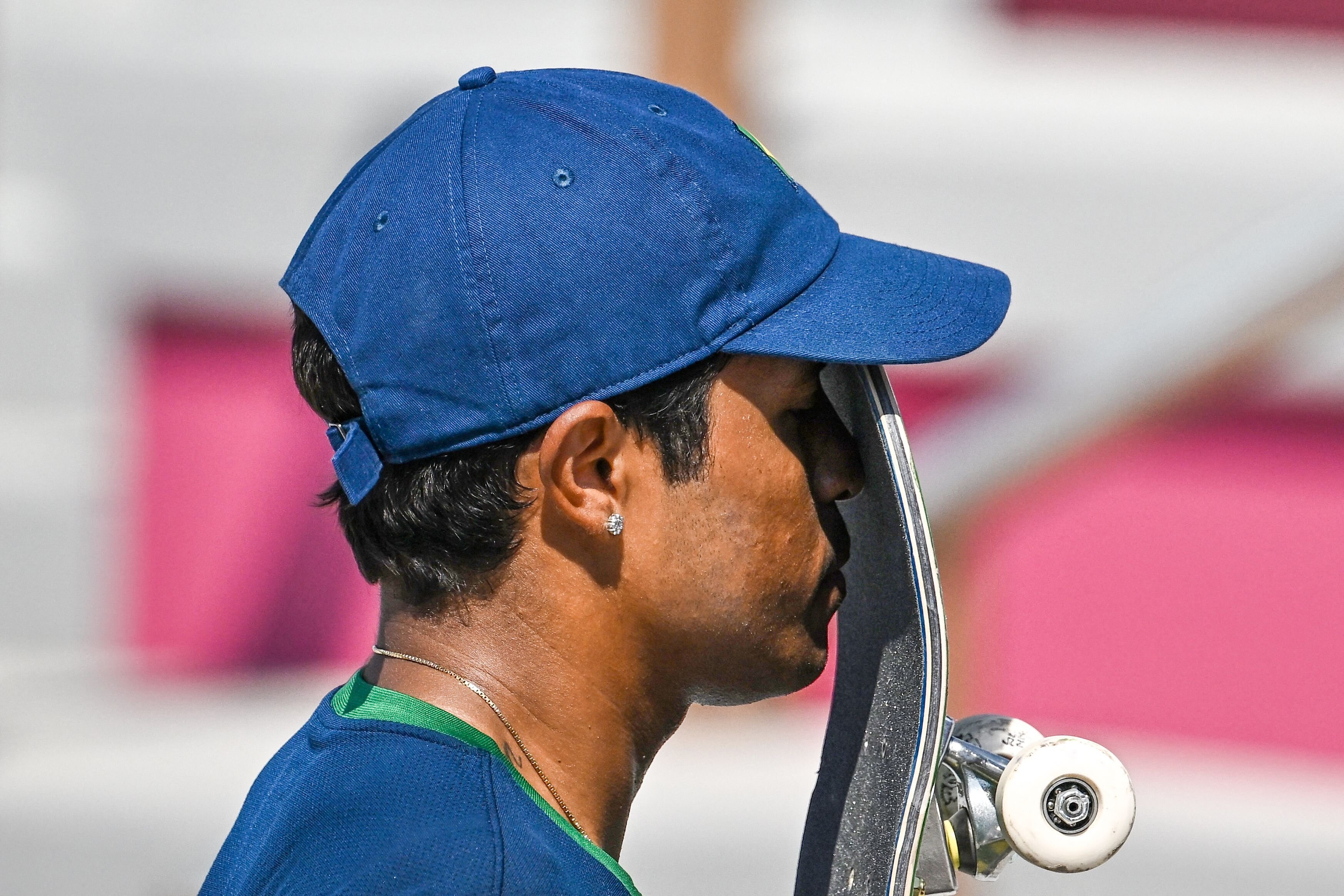
Gustavo Felipe of Team Brazil competes at the Skateboarding Men’s Street Prelims Heat 1.

MARTIN BERNETTI via Getty Images

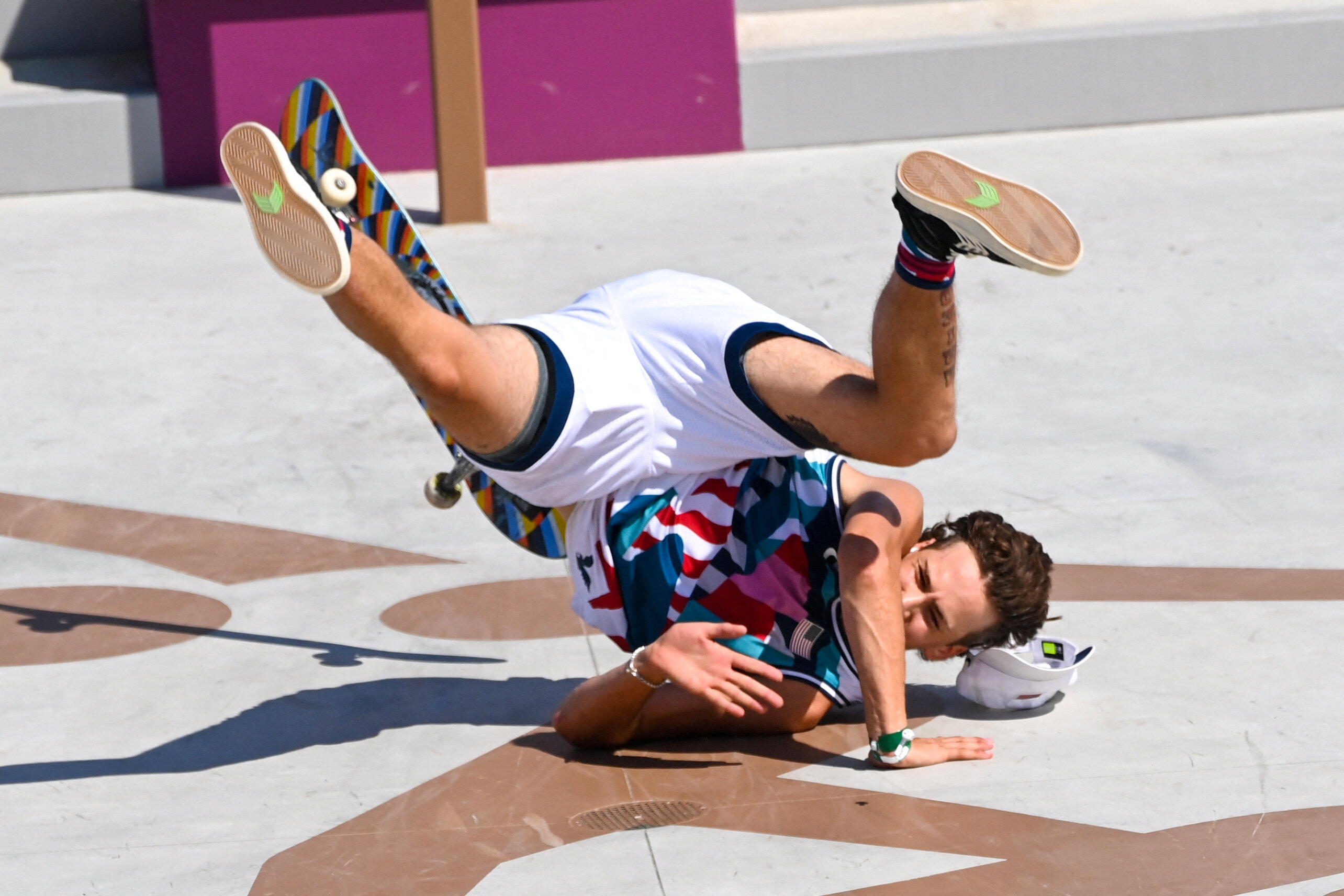
Jagger Eaton of the US takes a fall as he competes in the men’s street prelims heat 1.

Ezra Shaw via Getty Images

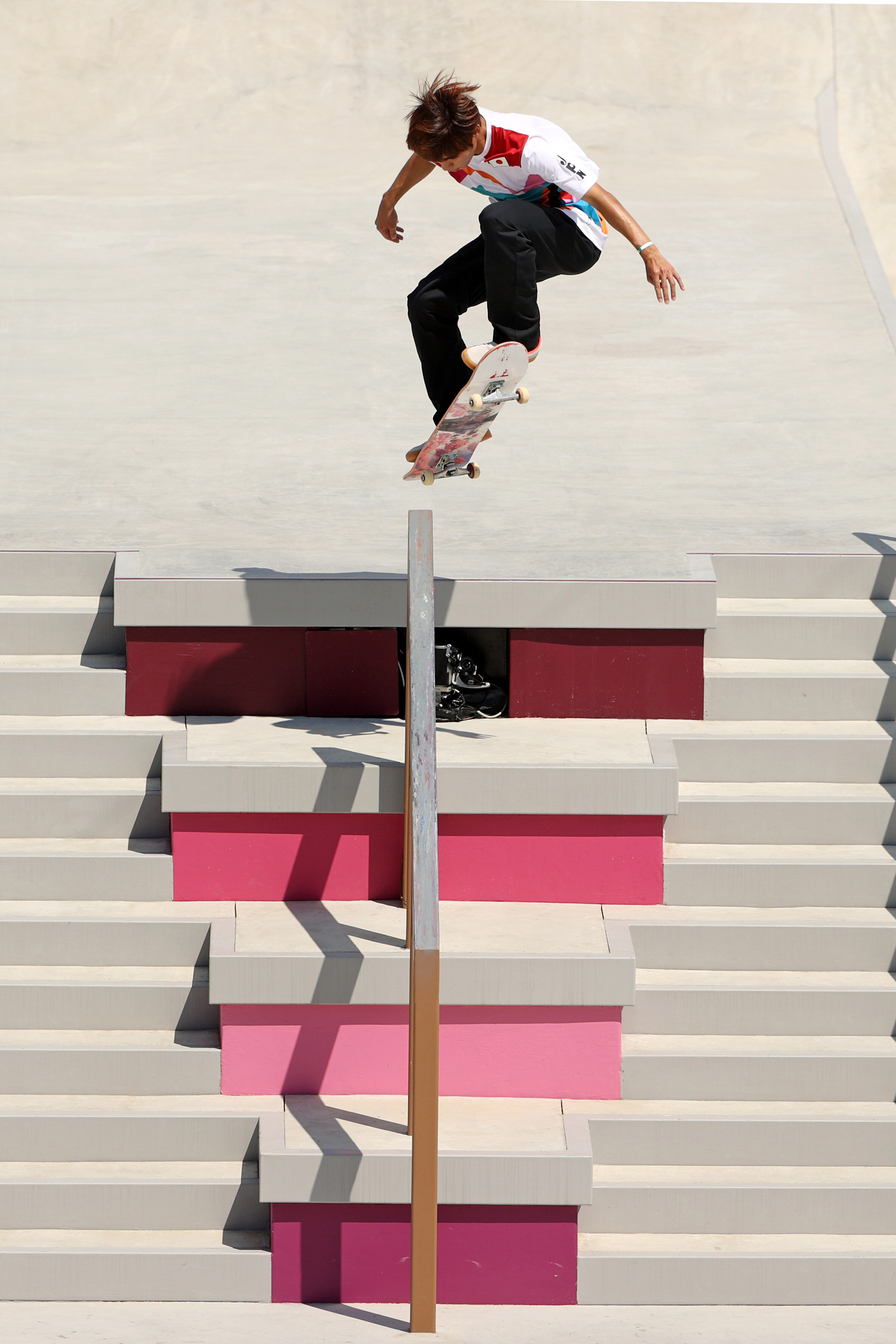
Yuto Horigome of Team Japan competes at the Skateboarding Men’s Street Prelims.

MARTIN BERNETTI via Getty Images

Jake Ilardi of the US competes in the men’s street prelims heat 2.

MARTIN BERNETTI via Getty Images

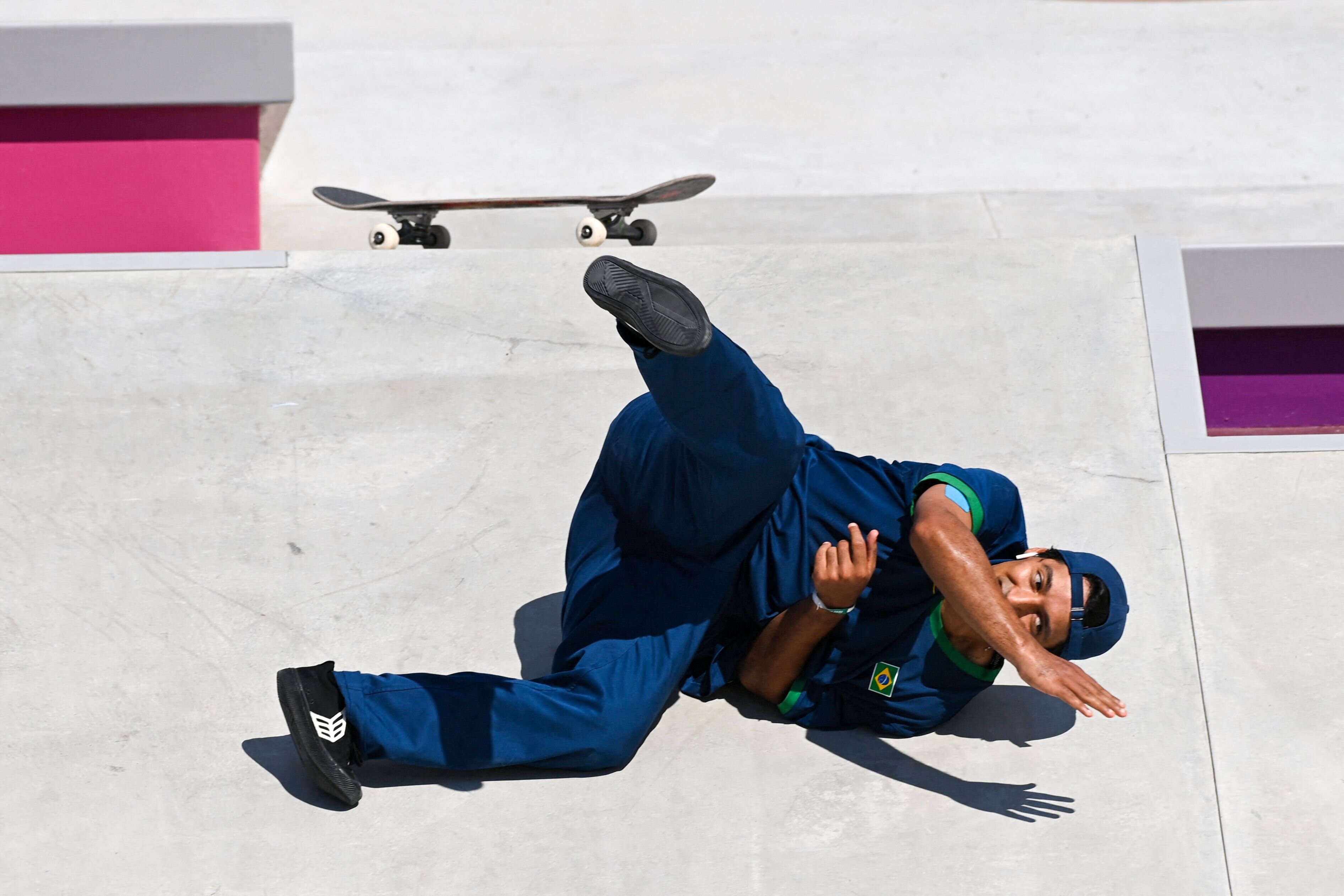
Brazil’s Kelvin Hoefler takes a fall as he competes in the men’s street prelims heat 2.

JEFF PACHOUD via Getty Images

Australia’s Shane O’Neill competes in the men’s street prelims heat 2.

JEFF PACHOUD via Getty Images

Brazil’s Gustavo Felipe reacts as he competes in the men’s street prelims heat 1 during the Tokyo 2020 Olympic Games.

Share Button

Piers Morgan Reveals He Caught Coronavirus Watching Euros Final At Wembley

Piers Morgan has revealed he thinks he caught coronavirus while watching England play in the Euro 2020 final at Wembley.

The journalist and television presenter told the Mail on Sunday he contracted Covid despite being double vaccinated.

In a post on Twitter, he said it has been “a long ten days”.

He added: “Yes, it’s certainly been one of the more interesting (and unnerving…) experiences of my life, but it gave my a new perspective on covid, vaccines & where we are.”

MWE via Getty Images

Piers Morgan

Writing in his column for the newspaper, Morgan said he thinks he caught the virus during England’s Euro 2020 final defeat to Italy.

“My confidence that the event would be ‘covid safe’ had disintegrated,” he said.

“It was turning into an unregulated free-for-all.”

According to the newspaper, he began to feel unwell two days after the match and subsequently tested positive for the virus.

“As I’m sure everyone who gets it feels, it’s a strange, disquieting moment to know I have this killer virus inside me,” he said.

The former Good Morning Britain presenter added that coronavirus is “definitely the roughest I’ve felt from any illness in my adult life”.

“I’m still here – unlike so many millions around the world who’ve lost their lives to Covid in this pandemic,” Morgan said.

“For that, I owe a heartfelt debt of thanks to the brilliant scientists up in Oxford who created the Astra-Zeneca vaccine with such astonishing speed.”

Share Button

British Olympic Pole Vaulter Harry Coppell’s Painful Accident Reveals Danger Even After Safe Landing

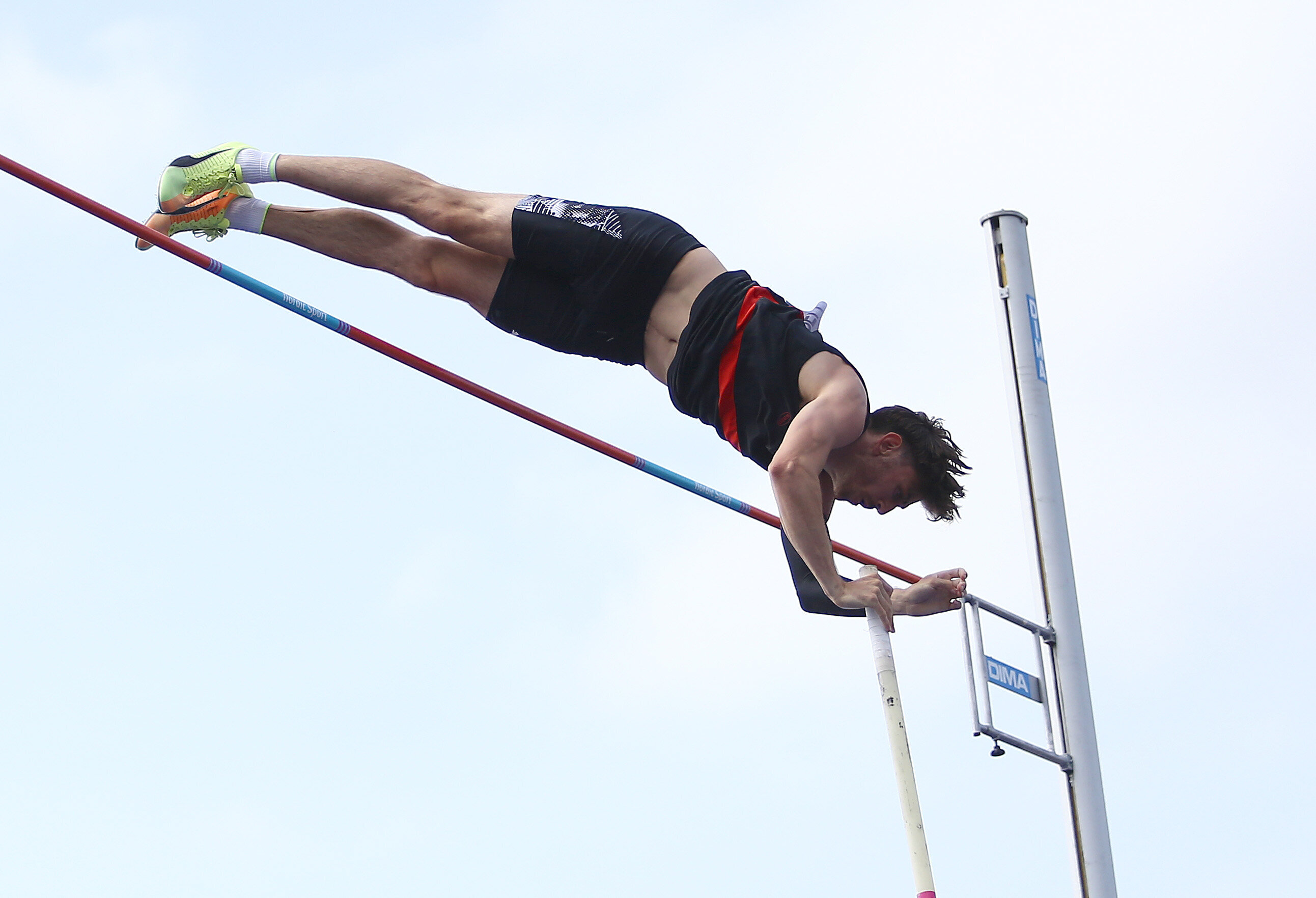
Good thing pole vaulters don’t need their teeth to compete, because Harry Coppell just smashed a few at the Tokyo Olympics.

The British athlete posted video on Instagram of the accident in which he lands safely in the practice attempt but cannot stop the bar from crashing onto his mouth.

“I hope @tokyo2020 has a good dentist around,” he wrote.

Harry, the 22nd ranked pole vaulter in the world, eventually did see a dentist.

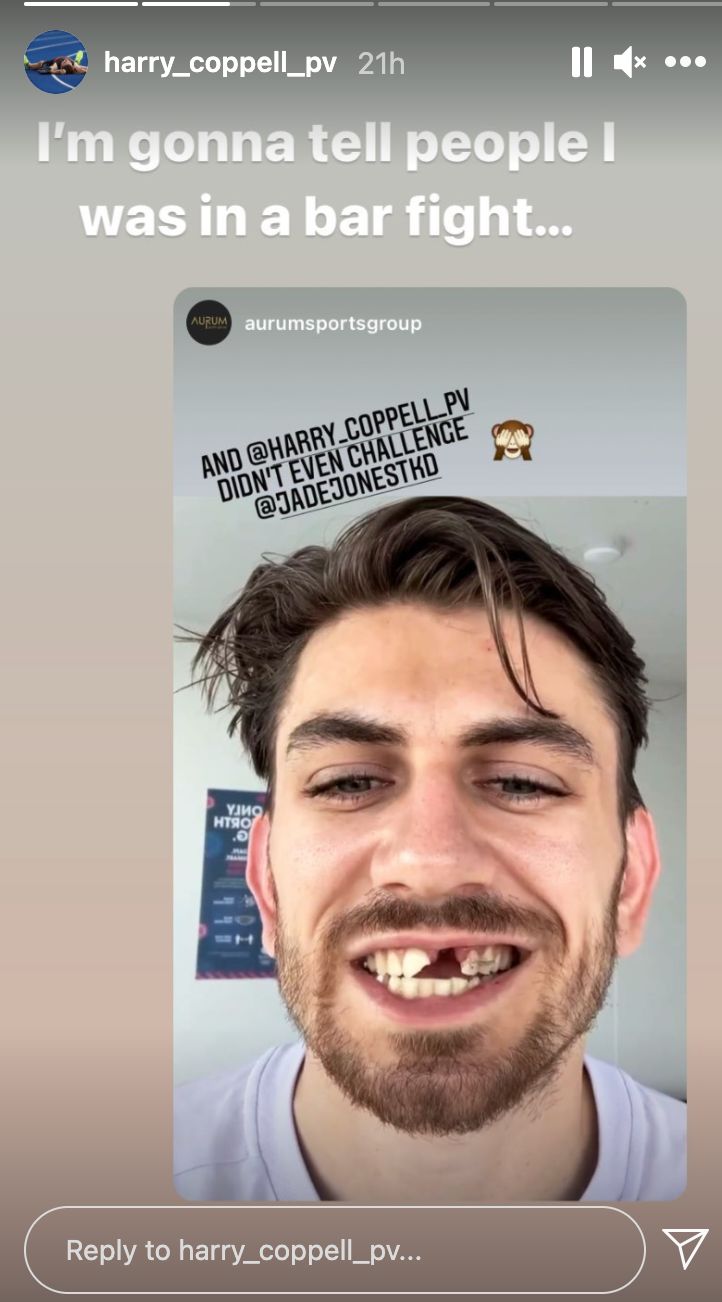
The visit turned into an all-night ordeal and left him without a tooth and part of another one ― but with his sense of humour intact.

“I’m gonna tell people I was in a bar fight….” he wrote on his story with a photo of the results.

Share Button

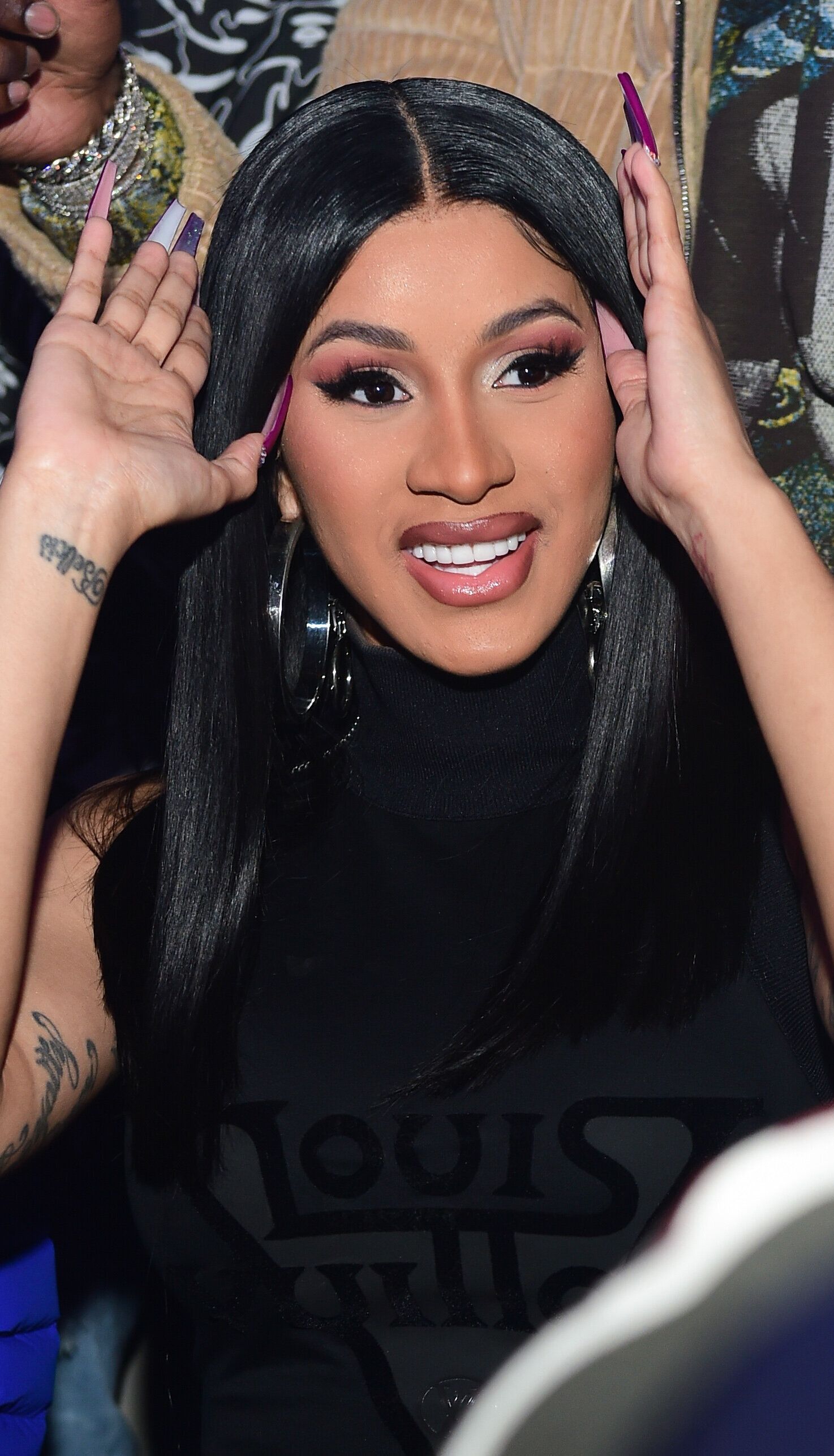
Cardi B Hits Back At Accusations Of Queerbaiting: ‘I Don’t Like This New Word’

Cardi B has hit back at accusations of “queerbaiting” in her latest music video.

The term is often used to describe straight performers who hint at non-heterosexual encounters, without actually depicting them, to attract LGBT fans.

A Rolling Stone article on the subject included a reference to Cardi B’s Wild Side video with singer Normani, noting a social media user had accused them of queerbaiting.

The video features the pair naked and dancing together.

Prince Williams via Getty Images

Cardi B

The rapper, who is expecting her second child with husband Offset, said the term could pressure artists into divulging details about their private lives.

“I don’t like this new ‘queer baiting’ word,” she tweeted. “I feel like it pressure artist to talk about their sexuality or their experiences that they don’t feel comfortable speaking about.

“If a artist kiss a girl on a video does that means she gotta show videos & text wit wit other women?”

Addressing the Rolling Stone article, 28-year-old Cardi B said: “You do know we was trying to hide a whole baby bump right?”

She added: “Also I’m married to a man but I have express soo much about my bisexuality and my experiences wit girls. All of a sudden “queer baiting” is the new word & people use it to the ground!”

Queerbaiting is not a new subject in pop music.

Rita Ora was criticised in 2018 for her song Girls, which featured Cardi B, Charli XCX and Bebe Rexha.

Rita claims she intended the song to be a celebration of bisexuality but was accused of being exploitative.

She later released a statement apologising and said: “I would never intentionally cause harm to other LGBTQ+ people or anyone.”

Madonna was recently accused of queerbaiting over her famous kiss at the 2003 MTV Video Music Awards with Britney Spears and Christina Aguilera.

Share Button

Unvaccinated Man Hospitalised With COVID-19 Still Refuses To Get The Vaccine

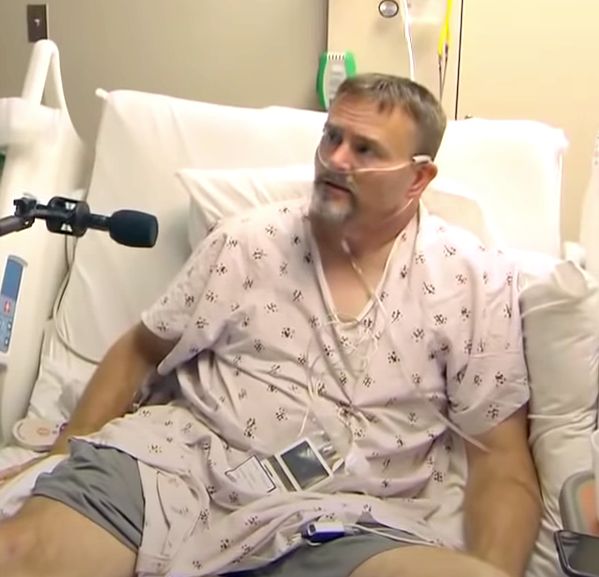
An unvaccinated man who was hospitalised in Baton Rouge, Louisiana, after he contracted Covid-19 and developed severe pneumonia said he still won’t get the vaccine.

“Before you got sick, if you would have had a chance to get the vaccine and prevent this, would you have taken the vaccine?” CBS News’ David Begnaud asked Scott Roe on his hospital bed at Our Lady of the Lake Medical Center in an interview this week.

“No,” Roe, a Republican, responded.

“So, you’d have gone through this?” asked Begnaud.

“I’d have gone through this. Yes, sir. Don’t shove it down my throat. That’s what local, state, federal administration is trying to do,” Roe replied.

“What are they shoving, the science?” asked Begnaud.

“No, they’re shoving the fact that it’s their agenda. Their agenda is to get you vaccinated,” Roe said, claiming there were “too many issues” with the shots. Millions of Americans have received the shots, which have proven remarkably effective at preventing infection and severe illness. 

Watch the interview here:

In the same segment, pharmaceutical researcher Paula Johnson expressed regret at putting off getting the vaccine.

She ended up in hospital.

“I honest to God thought I walked my last day on this earth. I could not breathe. I just, all of a sudden, my lungs just didn’t work,” Johnson told Begnaud.

“I have no comorbidities, nothing, never had a lung problem. Don’t smoke, nothing,” Johnson explained. “And it took my lungs and just … I don’t even know how to explain it. It’s like trying to breathe in and hitting a wall in like a second.”

Her warning came as the highly transmissible delta variant continues to spread across the country. It echoes those delivered this week by other unvaccinated people (who now make up 99.5% of American deaths from COVID-19) who were hospitalized with the disease and are now urging others to take the shot.

William Hughes, from Arkansas, told CNN’s Erin Burnett on Thursday that he wished he’d had the jab.

“I mean, the vaccine may not have kept me from getting COVID, but it may have decreased greatly the pain and suffering I had to go through to get to the point where I am now,” he said.

Watch the video here:

Donald McAvoy, an unvaccinated 33-year-old gym manager from Jacksonville, Florida, said he was initially “skeptical” about the shot.

“I was like, ‘Eh don’t get it, I don’t need it. I’m healthy. I’m young. I’m good. I’m OK,’” McAvoy told Action News Jax. “If there’s one thing I could say to the public and everyone out there is get vaccinated now.”

Share Button

Japanese Video Game Music Gets Big Moment At Olympic Opening Ceremony

Fans of Japanese video games couldn’t believe their ears as Olympic athletes paraded into Tokyo’s National Stadium during the opening ceremony for the 2020 Games on Friday: the orchestra was playing tunes from some of their favourite games.

In a celebration of Japanese popular culture that is appreciated worldwide, the entry parade was set to tunes from games developed by Sega, Capcom and Square Enix. 

It kicked off with “Overture: Roto’s Theme” from Dragon Quest. Next up was “Victory Fanfare” from Final Fantasy. The parade featured more tunes from Monster Hunter, Soulcaliber and Sonic the Hedgehog. (Check out the original list in Japanese from Nikkan Sports, or in English from Polygon.) 

According to Classic FM, the music from Kingdom Hearts was composed by Yoko Shimomura, who is responsible for the music for some of the biggest video games ever made. Fans were delighted to hear her work being incorporated into the ceremony.

While the list didn’t feature widely recognised tunes from cultural juggernauts like Mario Bros. or The Legend of Zelda, the music helped give a sense of atmosphere to the ceremony, which was held in almost an empty stadium due to coronavirus restrictions.

Olympians waved mostly for the cameras in the made-for-TV ceremony, which only had about 1,000 people in attendance at the 68,000-capacity stadium ― VIPs like Japanese Emperor Naruhito, first lady Jill Biden, members of the International Olympic Committee and journalists. 

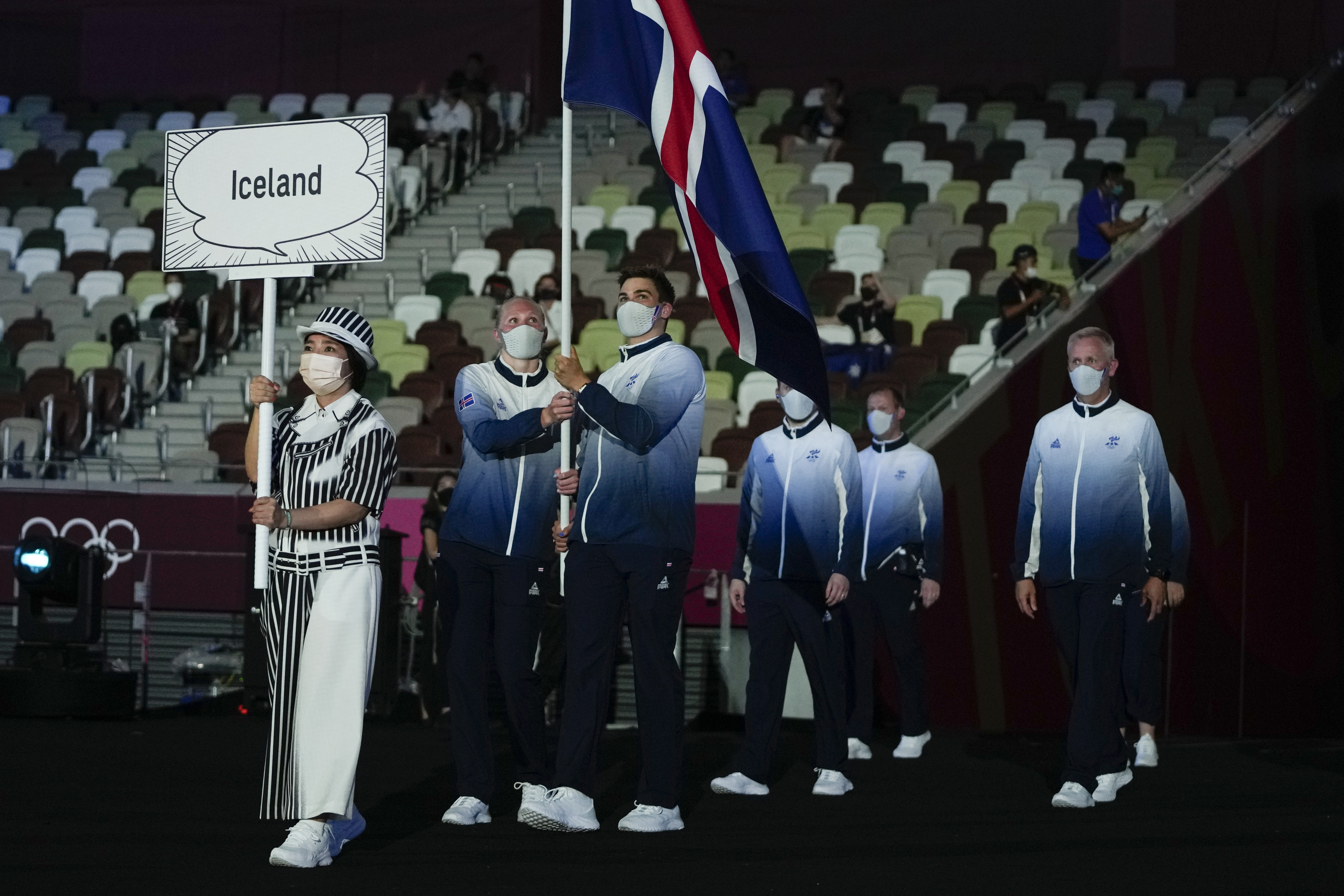
In another nod to Japanese pop culture, the placard for each country’s delegation was in the style of a speech bubble from manga, which is Japanese comics and graphic novels. The signs had the country’s name in English on one side and Japanese on another.

Natacha Pisarenko via AP

Snaefridur Sol Jorunnardottir and Anton Mckee, of Iceland, carry their country’s flag during the opening ceremony.

And in another tribute to Japanese pop culture, the Google Doodle, which is accessed by going to the google.com home page, also starts out with an anime-inspired theme, then moves to an incredibly elaborate ’80s-style arcade game.

The exposure to anime and manga from the Tokyo Games may serve to make the art forms even more popular worldwide, said Susan Napier, a professor of rhetoric and Japanese studies at Tufts University, according to The Washington Post.

Share Button