HuffPost is part of Verizon Media. Verizon Media and our partners need your consent to access your device and use your data (including location) to understand your interests, and provide and measure personalised ads. Verizon Media will also provide you with personalised ads on partner products. Learn more.
How Verizon Media and our partners bring you better ad experiences
To give you a better overall experience, we want to provide relevant ads that are more useful to you. For example, when you search for a film, we use your search information and location to show the most relevant cinemas near you. We also use this information to show you ads for similar films you may like in the future. Like Verizon Media, our partners may also show you ads that they think match your interests.
HuffPost is part of Verizon Media. Verizon Media and our partners need your consent to access your device and use your data (including location) to understand your interests, and provide and measure personalised ads. Verizon Media will also provide you with personalised ads on partner products. Learn more.
How Verizon Media and our partners bring you better ad experiences
To give you a better overall experience, we want to provide relevant ads that are more useful to you. For example, when you search for a film, we use your search information and location to show the most relevant cinemas near you. We also use this information to show you ads for similar films you may like in the future. Like Verizon Media, our partners may also show you ads that they think match your interests.
HuffPost is part of Verizon Media. Verizon Media and our partners need your consent to access your device and use your data (including location) to understand your interests, and provide and measure personalised ads. Verizon Media will also provide you with personalised ads on partner products. Learn more.
How Verizon Media and our partners bring you better ad experiences
To give you a better overall experience, we want to provide relevant ads that are more useful to you. For example, when you search for a film, we use your search information and location to show the most relevant cinemas near you. We also use this information to show you ads for similar films you may like in the future. Like Verizon Media, our partners may also show you ads that they think match your interests.
HuffPost is part of Verizon Media. Verizon Media and our partners need your consent to access your device and use your data (including location) to understand your interests, and provide and measure personalised ads. Verizon Media will also provide you with personalised ads on partner products. Learn more.
How Verizon Media and our partners bring you better ad experiences
To give you a better overall experience, we want to provide relevant ads that are more useful to you. For example, when you search for a film, we use your search information and location to show the most relevant cinemas near you. We also use this information to show you ads for similar films you may like in the future. Like Verizon Media, our partners may also show you ads that they think match your interests.
HuffPost is part of Verizon Media. Verizon Media and our partners need your consent to access your device and use your data (including location) to understand your interests, and provide and measure personalised ads. Verizon Media will also provide you with personalised ads on partner products. Learn more.
How Verizon Media and our partners bring you better ad experiences
To give you a better overall experience, we want to provide relevant ads that are more useful to you. For example, when you search for a film, we use your search information and location to show the most relevant cinemas near you. We also use this information to show you ads for similar films you may like in the future. Like Verizon Media, our partners may also show you ads that they think match your interests.
HuffPost is part of Verizon Media. Verizon Media and our partners need your consent to access your device and use your data (including location) to understand your interests, and provide and measure personalised ads. Verizon Media will also provide you with personalised ads on partner products. Learn more.
How Verizon Media and our partners bring you better ad experiences
To give you a better overall experience, we want to provide relevant ads that are more useful to you. For example, when you search for a film, we use your search information and location to show the most relevant cinemas near you. We also use this information to show you ads for similar films you may like in the future. Like Verizon Media, our partners may also show you ads that they think match your interests.
HuffPost is part of Verizon Media. Verizon Media and our partners need your consent to access your device and use your data (including location) to understand your interests, and provide and measure personalised ads. Verizon Media will also provide you with personalised ads on partner products. Learn more.
How Verizon Media and our partners bring you better ad experiences
To give you a better overall experience, we want to provide relevant ads that are more useful to you. For example, when you search for a film, we use your search information and location to show the most relevant cinemas near you. We also use this information to show you ads for similar films you may like in the future. Like Verizon Media, our partners may also show you ads that they think match your interests.
If you buy something through a link on this page, we may earn a small commission. How this works.
Sulfates are a class of chemicals that manufacturers use as cleansing or foaming agents. Many household products, such as foaming cleansers, toothpaste, and shampoos, contain sulfates.
Sulfates provide the foamy texture that occurs when a person mixes a product, such as a shampoo, with water.
Some people have concerns about the inclusion of sulfates in their cleansing products and shampoos. When people use them correctly in normal quantities, sulfates are generally safe.
However, some people may be more sensitive to specific products, and there are times when a person should avoid sulfates.
Keep reading to find out more about sulfates, why products contain them, and who should avoid them.
Sulfates are types of chemicals called surfactants that play an important role in the effectiveness of shampoos. Surfactants lower the surface tension of the liquid they are in, which makes the liquid easier to mix with water and work up into a good foam.
Share on PinterestA shampoo may contain surfactants to make the liquid easier to mix with water.
The foaming action means that a person can spread the shampoo over a greater area of their head. It may also help any active ingredients in the shampoo work deeper into the hair to remove dirt and excess oil. Of course, this may also mean that the person uses less shampoo.
The most common sulfates found in store-bought shampoos include sodium lauryl sulfate, sodium laureth sulfate, and ammonium laureth sulfate. Other products may contain slight variations of these compounds, as well. These are not true sulfates, but they carry out the same role.
There may be some downsides to including sulfates in shampoo.
One downside is that sulfates may be too effective at cleaning. Sulfates help a shampoo to strip oil and dirt away from the hair. However, the hair needs to retain a bit of its natural moisture and oils to stay healthy.
Sulfates may strip away too much moisture, leaving the hair dry and unhealthy. They may also make the scalp dry and prone to irritation.
Aside from the possible drying effects, there is little risk to a person’s health from using sulfates correctly.
A review in Environmental Health Insights looked at the possible toxicity of sodium lauryl sulfate. The researchers noted that much of the negative public view of sulfates might be due to how people have interpreted the scientific reviews.
One of the most common myths surrounding sulfates is that they cause cancer. However, there is no scientific evidence to support this claim or that sulfates cause any harm to health.
Sodium lauryl sulfate might carry some minor risks, such as eye irritation, skin irritation, and general toxicity if a person drinks the product. However, most people should experience little or no side effects when using sulfates.
For the most part, the effects of sulfates are mild, and many people benefit from the effectiveness of shampoos that contain them. People with especially greasy hair or dandruff may notice that shampoos containing sulfates are the only products that clean their hair effectively.
However, some people should avoid sulfates and choose sulfate-free options. These people include:
People with sensitive skin or skin conditions
A person with a sensitive scalp or sensitive hair may experience strong drying effects from sulfates. Those with a skin condition such as eczema or psoriasis who use shampoo containing sulfates may also experience itching, redness, and cracking in their scalp after use. These people could consider using sulfate-free shampoos.
People with dry, frizzy hair
People with naturally dry, curly, or frizzy hair may want to avoid sulfates. Sulfates could increase the dryness and frizziness of hair due to increased friction caused by the stripping of the natural oils and moisture.
People with dyed and chemically altered hair
People who color their hair or regularly straighten or curl it may want to avoid sulfates as these processes can damage the hair. Finding ways to prevent any additional stress or dryness in the hair can help keep it healthy.
Shampoo containing sulfates may also strip the color from dyed hair more quickly.
People with sensitive skin and hair who experience side effects from using sulfate shampoos may want to try a sulfate-free product to see whether their symptoms persist or clear up.
While there is a variety of sulfate-free shampoos available, it is important to note that many of these products still contain chemical compounds that are similar to sulfates.
People with particularly sensitive skin and hair should look for the most natural, truly sulfate-free options to help prevent side effects.
Sulfate-free shampoos may feel different at first. They will likely take longer to create suds, and people may have to use more of the shampoo to clean their hair thoroughly. A person may also have to use extra water to rinse these shampoos from the hair.
However, sulfate-free shampoos will generally clean the hair just as effectively as those that contain sulfates.
For the most part, sulfates in shampoos are safe. They help the shampoo strip dirt and oil from the hair.
For people with sensitive hair and skin, shampoos containing sulfates may cause some mild side effects, such as dry, brittle hair, and dryness or redness of the scalp.
Anyone experiencing these symptoms may want to switch to a sulfate-free shampoo to see how it affects their symptoms.
Anyone uncertain about their symptoms or the effects of a product should speak to a doctor or dermatologist.
We picked linked items based on the quality of products, and list the pros and cons of each to help you determine which will work best for you. We partner with some of the companies that sell these products, which means Healthline UK and our partners may receive a portion of revenues if you make a purchase using a link(s) above.
If you buy something through a link on this page, we may earn a small commission. How this works.
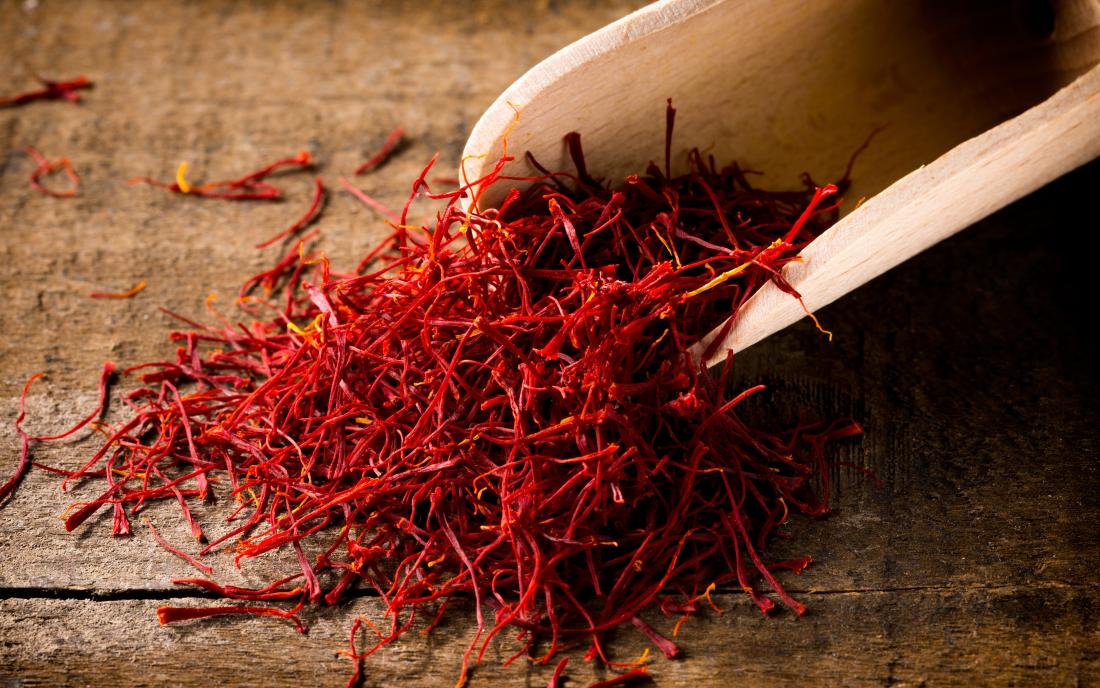
Saffron is a spice with a strong fragrance and distinctive color. The spice is also rich in antioxidants, which may have many health benefits.
Early evidence suggests that saffron may boost mood, increase libido, and fight oxidative stress. Saffron is generally safe for most people to consume, and it is very simple to add it to the diet.
In this article, learn more about the possible health benefits of saffron.
Share on PinterestThe antioxidants in saffron may help fight against oxidative stress.
Saffron is a spice from the Crocus sativus flower, which is a cousin of the lily. The saffron derives from the stigma and styles — called threads — within the flower itself.
Saffron is very expensive due to the difficulty of harvesting it. Farmers must harvest the delicate threads from each flower by hand.
They then heat and cure the threads to bring out the flavor of the saffron. This extra labor makes saffron one of the most expensive spices in the world.
The benefits of saffron may include:
Providing antioxidants
The majority of the health claims surrounding saffron relate to its high levels of specific antioxidants.
These antioxidants help fight against oxidative stress and free radicals in the body.
As oxidative stress and free radicals play a role in the development of many health conditions, including cancer and heart disease, antioxidants such as these may help protect a person’s health.
Preventing nervous system disorders
The antioxidants in saffron may play a role in protecting the body from disorders affecting the nervous system.
Research from 2015 notes that compounds in saffron, such as crocin, appear to reduce inflammation and oxidative damage in the brain, which may lead to beneficial effects.
A study in the journal Antioxidants noted that saffron might theoretically help with Alzheimer’s symptoms due to both its memory-enhancing properties and its antioxidant and anti-inflammatory effects.
People with mild-to-moderate Alzheimer’s who took saffron for 22 weeks had cognitive improvements that were comparable with those of people who took the drug donepezil, and they also experienced fewer side effects.
While this is early evidence to support the medicinal use of saffron, researchers suggested that future clinical trials could help back up these claims.
Boosting mood
There is also growing evidence that saffron may help improve mood and be a useful addition to treatment for depression.
A study in the Journal of Behavioral and Brain Science found that a saffron extract increased dopamine levels in the brain without changing the levels of other brain hormones, such as serotonin.
Other research suggests that taking 30 milligrams (mg) of saffron each day could cause similar effects as drugs that treat mild-to-moderate depression, such as imipramine and fluoxetine.
Although some people recommend using saffron as a complementary therapy for improving mood, it is too early to recommend it for treating depression symptoms.
Promoting libido
Saffron may also increase sex drive and sexual function in both males and females.
Researchers reviewed the effects of saffron on male infertility problems and noted that while it had a positive effect on erectile dysfunction and overall sex drive, it did not change the viability of the semen.
An older study from 2012 looked at the effects in women who had reported experiencing sexual dysfunction due to taking the antidepressant fluoxetine.
Women who took 30 mg of saffron each day for 4 weeks had increased sexual desire and vaginal lubrication compared with those who took a placebo instead.
The authors of a 2015 review looked at the research on saffron and symptoms of PMS. Women between the ages of 20 and 45 years who took 30 mg of saffron each day had fewer symptoms than those who took a placebo.
Additionally, women who simply smelled saffron for 20 minutes had lower levels of the stress hormone cortisol in their system, which may also contribute to a reduction in PMS symptoms.
Promoting weight loss
There is also some evidence to suggest that saffron may help promote weight loss and curb the appetite.
People who took the supplement also had a reduced appetite compared with those in the placebo group.
In general, the consumption of saffron carries little risk. Cooking with saffron is a great way to add it to the diet without the risk of consuming too much of this spice.
Taking up to 1.5 grams of saffron each day is generally safe, but eating too much can be toxic. Researchers consider 5 g to be a toxic dose.
Very high dosages may be more dangerous for certain groups of people. For instance, the authors of one study note that pregnant women should avoid having more than 5 g per day of saffron as it has a stimulating effect on the uterus.
Allergic reactions are a possibility. Anyone who experiences symptoms of an allergic reaction after taking saffron should see a doctor.
One simple way to supplement a meal with saffron is to add a few strands to a cup of hot water. Doing this pulls most of the flavor from the saffron. A person can then add both the water and saffron to a savory dish at the end of cooking.
Saffron is also becoming more available as a supplement, generally in the form of powdered stigmas in capsules. It is important to read the instructions on the packaging and speak to a doctor before taking any new supplements.
Saffron is an ancient and expensive herb. It contains some antioxidant compounds, which may help reduce the risk of certain chronic conditions that have an association with oxidative stress.
There is little evidence to suggest that these antioxidants are any more beneficial to the body than the ones that a person can get simply by eating plenty of fruits and vegetables.
Although more research on these effects is necessary, saffron may also help improve the mood, boost sexual function, and reduce PMS symptoms in some people.
SHOP FOR SAFFRON
Saffron is available as a spice or supplement or in the form of bulbs to grow at home. Look for them in health food stores or online:
We picked linked items based on the quality of products, and list the pros and cons of each to help you determine which will work best for you. We partner with some of the companies that sell these products, which means Healthline UK and our partners may receive a portion of revenues if you make a purchase using a link(s) above.
Homeopathy for anxiety uses mixtures of herbal, mineral, and other natural products to relieve anxiety symptoms. These very dilute homeopathic concoctions would sometimes be toxic in high doses.
While many people experience relief from therapy, others find that therapy alone is not enough. Anti-anxiety medications may work for some people but can also trigger unpleasant side effects. While there is little scientific evidence to support it, some people find homeopathy helpful.
The Food and Drug Administration (FDA) do not regulate homeopathic treatments, so the ingredients in these treatments may be less consistent and, in some cases, dangerous. It is essential to speak to a doctor before trying homeopathic approaches.
Share on PinterestA person should speak to their doctor before trying any homeopathy product.
If a person has an illness, a practitioner may recommend that they take very low doses of a substance that would cause the same symptoms as their illness in high doses.
Homeopaths believe that lower doses of the same ingredient might reverse symptoms. There is no conclusive scientific evidence to suggest that these homeopathic remedies work.
Aconite: Some people believe this can help treat acute anxiety attacks.
Argentum nitricum: Practitioners may suggest this for individuals who have anxiety about small spaces, heights, bridges, and personal health.
Lycopodium: This may help those who have anxiety due to responsibilities, which may become a fear of failure.
Silica: Some people think silica can help those who have a lack of self-confidence and fear of public speaking.
Stramonium: Advocates believe this may help people whose anxiety is causing night terrors.
The limited available recent research on these remedies has mostly been in animal studies. For example, one 2012 study found that ignatia might relieve anxiety in mice. The mice who received this remedy displayed reduced physical signs of anxiety.
However, the authors of a 2017 systematic review and meta-analysis looked at 75 trials of homeopathic remedies. They found that “reliable evidence is lacking” and that the quality of the existing evidence was low.
Some other natural treatments with more robust research supporting their use include:
Lavender
Lavender is a popular ingredient in many natural products because of its pleasant aroma.
Some research suggests that lavender aromatherapy may improve a wide range of anxiety symptoms, including symptoms of generalized anxiety and phobias.
A 2010 study compared people with dental anxiety using lavender aromatherapy to those who received no treatment. Only the lavender group reported that their level of anxiety had decreased.
Another 2010 study compared people with generalized anxiety who used a lavender essential oil preparation called silexan to those who took the anti-anxiety drug lorazepam.
Both groups had similar improvements in sleep and anxiety. However, the lavender oil group was less likely to experience grogginess.
Valerian root
Valerian root, which is available in capsule form, may help relieve anxiety in some people. It is a popular home remedy for insomnia.
Some research in animal models, including a 2010 study, suggests that Valerian may help relieve anxiety symptoms. In the study, rats that received valerian displayed a reduction in anxious behaviors.
According to a 2012 study, magnesium deficiency may cause anxiety. This suggests that magnesium supplementation may reverse anxiety in people who do not get enough of this vital nutrient.
A 2017 systematic review assessed the effects of magnesium supplementation on feelings of stress and anxiety. Researchers found that magnesium did improve symptoms of anxiety. However, the quality of the evidence was low, pointing to the need for more data.
Passionflower has a long history of use as a sedative and may help relieve anxiety. The authors of a 2017 review found good evidence for its effectiveness in helping treat anxiety and nervousness.
safety issues that researchers have not studied or documented
The Food and Drug Administration (FDA) do not evaluate the claims that homeopathic supplement manufacturers make. This means there is no certainty that the products work even when the manufacturers claim they do.
A person using homeopathic treatment for anxiety may also be at risk of allergic reactions or negative side effects.
Having anxiety does not necessarily mean a person needs to take medication. In fact, therapy, meditation, diet changes, exercise, and other lifestyle changes can be highly effective.
People can speak to a doctor or specialist, such as a therapist or psychiatrist, for help choosing the right treatment.
Anxiety is highly treatable with the right combination of therapy, lifestyle changes, and, in some cases, medication.
While some natural remedies can make good complementary treatments for people with anxiety, there is little scientific evidence that homeopathy is safe or effective.