
Mayo Clinic does not endorse companies or products. Advertising revenue supports our not-for-profit mission.
Advertising & Sponsorship
Mayo Clinic Marketplace
Check out these best-sellers and special offers on books and newsletters from Mayo Clinic.


Mayo Clinic does not endorse companies or products. Advertising revenue supports our not-for-profit mission.
Advertising & Sponsorship
Check out these best-sellers and special offers on books and newsletters from Mayo Clinic.
HuffPost is part of Oath. Oath and our partners need your consent to access your device and use your data (including location) to understand your interests, and provide and measure personalised ads. Oath will also provide you with personalised ads on partner products. Learn more.
Select ‘OK’ to continue and allow Oath and our partners to use your data, or select ‘Manage options’ to view your choices.
HuffPost is part of Oath. Oath and our partners need your consent to access your device and use your data (including location) to understand your interests, and provide and measure personalised ads. Oath will also provide you with personalised ads on partner products. Learn more.
Select ‘OK’ to continue and allow Oath and our partners to use your data, or select ‘Manage options’ to view your choices.
HuffPost is part of Oath. Oath and our partners need your consent to access your device and use your data (including location) to understand your interests, and provide and measure personalised ads. Oath will also provide you with personalised ads on partner products. Learn more.
Select ‘OK’ to continue and allow Oath and our partners to use your data, or select ‘Manage options’ to view your choices.
Many people use colloidal silver to cleanse the gut, boost the immune system, and combat inflammation.
However, official bodies, such as the National Centre for Complementary and Integrative Health (NCCIH), state that colloidal silver can cause serious side effects and that there is no strong scientific evidence for its effectiveness as a home remedy.
Silver is antimicrobial, meaning that it can kill harmful microbes. This is why manufacturers use silver in bandages. However, no scientific findings suggest that it can kill microbes when swallowed.
This article gives an overview of colloidal silver, including its potential risks and how people use it as a homeopathic remedy.
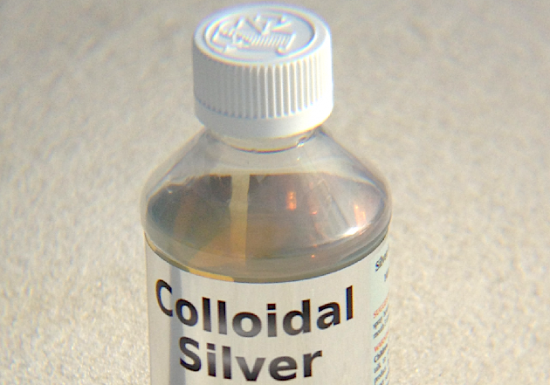
Colloidal silver is a solution that consists of very small silver particles suspended in a liquid. A “colloid” is a liquid that evenly distributes certain particles within it.
Some people take colloidal silver by mouth as a dietary supplement. Many internet-based sources claim that colloidal silver has a range of health benefits.
However, there is little scientific evidence to support these claims, and ingesting silver may have mild to severe health consequences.
According to the NCCIH, regularly taking colloidal silver can cause severe side effects, including the following:
The Handbook on the Toxicology of Metals reports that animals repeatedly exposed to silver may develop anemia, which is an iron deficiency. The authors note that the animals also experienced enlargement of the heart, stunted growth, and harmful changes to the liver.
Scientists have conducted very little research into colloidal silver, which means that there may be additional risks. Also, humans may experience different effects from animals.
Without conducting further research, scientists are unable to determine the safety of regular exposure to colloidal silver. Researchers also do not know whether it interacts with any medications.
People should take the established risks seriously. Anyone interested in taking colloidal silver should speak to a doctor first. It is always a good idea to consult a healthcare professional before taking a natural remedy for the first time.
Many websites and news outlets claim that colloidal silver has a range of health benefits, including the ability to prevent certain diseases.
However, because there has been so little research, it is not clear whether it has these effects.
Some people use colloidal silver as a natural remedy. The purported benefits include:
Because of the lack of evidence, in 1999 the Food and Drug Administration (FDA) ruled that products containing colloidal silver could not claim to be safe or effective.
According to the NCCIH, there are no known benefits to taking silver orally, and it is not an essential nutrient for the body.
Silver does have some medical uses. It is an effective antimicrobial when applied to a person’s skin, meaning that it can kill harmful microbes. This is why some manufacturers use silver in their bandages.
However, little evidence suggests that taking it orally has any benefit to humans.
Silver can kill microorganisms by binding to their cells, without necessarily damaging human cells. Researchers are still looking into the mechanisms behind silver’s antimicrobial properties.
However, there is no evidence that colloidal silver has beneficial antimicrobial effects when ingested by mouth.
Very little evidence supports claims about the health benefits of colloidal silver. Taking large doses may carry significant risks.
Until researchers have conducted more tests, a person should take other medications, ensuring that they are backed by substantial evidence.

Mayo Clinic does not endorse companies or products. Advertising revenue supports our not-for-profit mission.
Advertising & Sponsorship
Check out these best-sellers and special offers on books and newsletters from Mayo Clinic.
In this article, learn about a variety of ways to help reduce the appearance of acne scars and promote healthy skin.
Various remedies are available over the counter, many of which can help people manage their acne and reduce the appearance of scars.
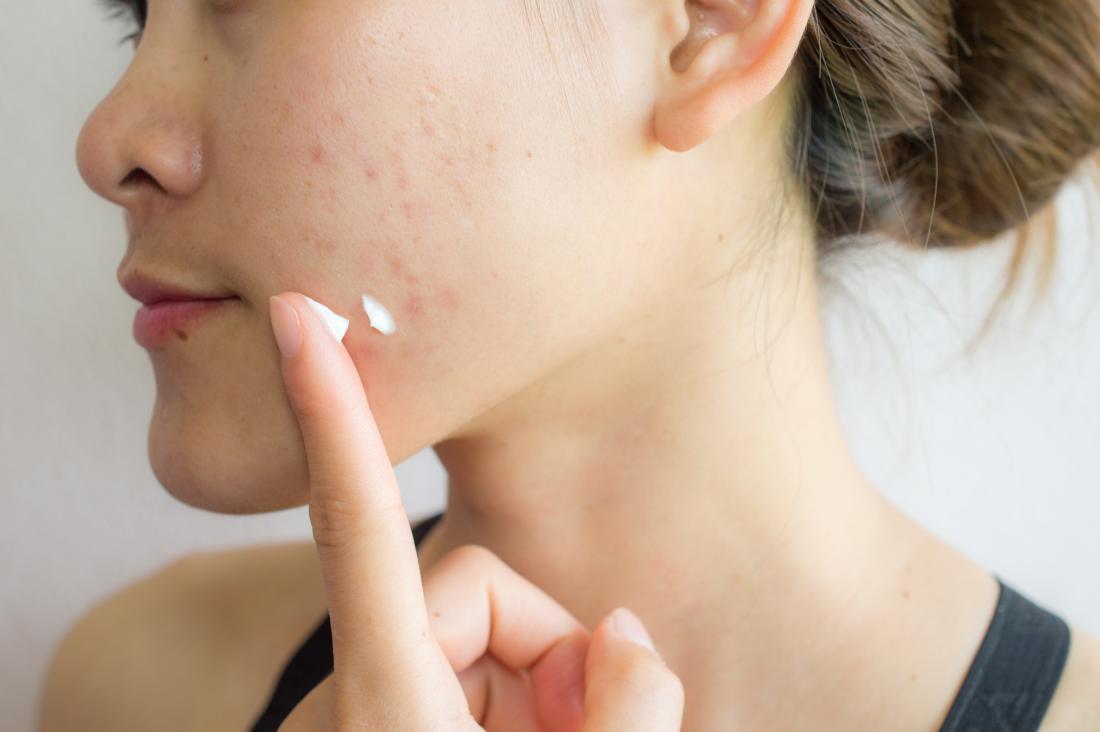
Salicylic acid is a naturally occurring compound that is often an ingredient in acne skin care products. Salicylic acid helps clear dirt, skin cells, and other debris that leads to acne from the pores of the skin.
It also helps reduce swelling and redness in the area, which may minimize the appearance of scarring.
Salicylic acid is beneficial for all scar types. It makes a good addition to a daily skin care routine for most people who live with acne.
People with sensitive skin may need to test a product containing this acid on a small area of skin before using it on their entire face, as it may cause dryness or irritation.
Some topical retinoids may help get rid of acne scars. As the authors of a review in the journal Dermatology and Therapy note, topical retinoids block inflammation, reduce acne lesions, and speed up cell regeneration.
The authors also state that retinoids could help lighten hyperpigmented acne scars, including those in people with darker skin tones.
It is important to note that retinoids can make the skin sensitive to the sun. Anyone using retinoids for acne or scar treatment should wear sunscreen when going outdoors.
Alpha hydroxy acids (AHAs) can help get rid of dead skin cells and prevent clogged pores. Doctors may recommend AHAs for treating acne and reducing the appearance of acne scars.
AHAs are a mild form of acid that scrapes away the outer layer of skin to reveal fresh, new skin underneath. This process may help with discoloration due to scarring.
Lactic acid can act as a gentle peel to pull away dead skin cells. It may help reduce the appearance of scars and smooth the overall texture of the skin.
Lactic acid may also help lighten dark scar tissue, although it sometimes causes hyperpigmentation. Due to this possible adverse effect, it is best to test products that contain lactic acid on a small patch of skin before using them to treat acne scarring.
Many products for acne contain lactic acid. It is also present in diluted apple cider vinegar, which makes for a more natural, cost-effective treatment.
Many people use natural remedies to help clear up acne scars, but the science behind them is unclear. Some may cause further irritation or other problems so people should use them with caution.
Home remedies that people have traditionally used to treat acne scars include:
Several medical treatments are available to help reduce acne scars. A dermatologist may recommend different procedures depending on a person’s skin type and the extent of the scarring.
Medical treatments for acne scars include:

A dermatologist can recommend a type of peel that is suitable for a person’s skin type, acne severity, and scarring.
The authors of a 2017 review on treatments for acne scarring note a study that found that six of 10 participants using a specific type of chemical peel called trichloroacetic acid (TCA) had at least a 70-percent improvement in their acne scarring.
Other chemical peels may be less effective. For instance, 25 percent of those who used glycolic acid did not see any reduction in the appearance of scars.
A person may need to try different types of peel to determine which one works for them.
Injections of corticosteroids may help with the treatment of raised acne scar tissue if a person has either hypertrophic or keloid scars.
The treatment typically consists of a series of injections. A dermatologist can do these injections in their office once every few weeks, monitoring the results.
In some cases, dermatologists may recommend using soft tissue fillers to reduce the appearance of scars.
Dermatologists may choose a filler that consists of a collagen-based product, which may require allergy testing. Alternatively, removing fat from another part of the body to use may be an option. They can also use other commercial fillers, such as polymethylmethacrylate (PMMA), hyaluronic acid (HA), and poly-L-lactic acid (PLLA).
Dermal fillers work best for atrophic scars, but many are temporary. Treatment typically lasts between 6 and 18 months.
There are some permanent options, however, that a person can discuss with their dermatologist.
Microneedling is the process of inserting tiny needles into the skin surrounding the scar to stimulate the body to make more collagen. This collagen may reduce the appearance of acne scars by smoothing out the skin.
In a 2017 review, microneedling provided an improvement of 31 to 62 percent in the appearance of acne scars.
However, microneedling can cause side effects. Many people experience redness, pain, and inflammation after the treatment, but these effects subside over time.
Laser treatment resurfaces the skin without the use of chemicals or scrubs. It removes the uppermost layer of skin to reveal the younger skin cells underneath, which can help reduce the appearance of scarring.
Laser treatment is not suitable for everyone, however, as its success is mostly dependent on the acne scarring that a person has and their skin type. The treatment may also cause a reaction in some people, especially those with sensitive skin.
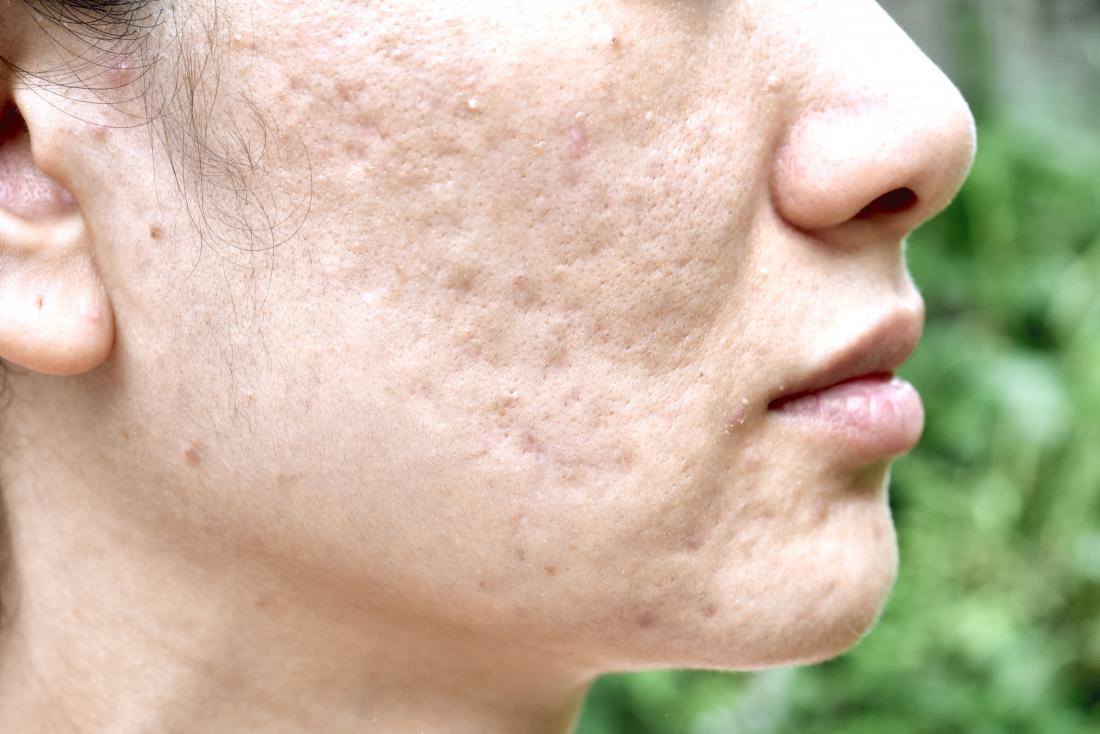
Suitable treatment options may vary slightly depending on the type of scarring that acne has caused. There are three types of acne scars:
Acne scars can be an unwanted reminder of acne and may reduce self-esteem in some people, but they do not have to be permanent.
Many people have success using one or more home remedies. In cases of stubborn scarring, receiving medical treatments in the dermatologist’s office can also help get rid of acne scars.
The home remedies that we list in this article are available for purchase online:
Scientific research has shown that people can help regulate an irregular menstrual cycle with home remedies and lifestyle changes, such as altering their diet and exercise regimens.
People can also try other natural remedies, such as eating turmeric or pineapple, though there is no scientific evidence that these methods work.
This article explores which home remedies can help regular irregular periods, which ones have no evidence to back them up, and how to use them.
A menstrual cycle is the number of days between the first day of each period. On average, this is 28 days. Some people have a longer menstrual cycle, and others have a shorter one. A typical range is between 21 and 35 days.
Irregular periods are when periods happen more or less often than every 21 to 35 days, or when a period is very variable or unpredictable. When a person has irregular periods, the time between each period may vary each month.
The following sections discuss six home remedies and lifestyle changes that evidence suggests can improve irregular periods.

Researchers suggest that high levels of emotional stress have links to irregular periods.
Finding ways to reduce stress may help a person regulate their menstrual cycle. Avoiding stressful situations and managing family or workplace expectations may help.
When it is not possible to avoid stress, try doing activities that limit the impact it has on the body.
Meditation is a simple and free way to reduce stress at home or work. As stress and irregular periods are linked, reducing stress may make periods more regular.
Researchers suggest that meditation may improve multiple adverse effects of psychological stress. To try meditation:
At first, try meditating for just a few minutes and increase the time by a minute each day.
Yoga is a physical form of meditation that most people can try at home. Many people across the world use this ancient practice daily to improve their well-being.
Practicing yoga may be an effective way to regulate periods. A small-scale 2013 study found that a daily yoga practice helped to balance hormones linked with irregular periods.
Yoga with Adriene offers simple yoga videos that are suitable for beginners.
Changes in body weightcan affect a person’s menstrual cycle.
Having a low body weight may mean a person’s periods become irregular or even stop. The body needs some fat to produce the hormones of the menstrual cycle, so gaining weight may help regulate their periods.
Similarly, having obesity or being overweight may cause menstrual irregularities. Losing weight may make a person’s periods more regular.
Maintaining a healthy weight is essential for reproductive health. Eating a healthful, calorie-controlled diet and exercising regularly may help a person manage their weight.

Exercise is vital for a person’s mental and physical health. Research suggests that regular aerobic exercise may improve menstrual cramps.
Exercise is an effective way to maintain a healthy weight. Because being overweight can cause irregular periods, reducing weight may make periods more regular.
However, when it comes to exercise and periods, balance is important. Exercising too much may interrupt the menstrual cycle. Extreme exercise may even cause a person’s periods to stop.
The Department of Health and Human Services recommend that adults do at least 2.5 to 5 hours of moderate-intensity exercise or half this amount of vigorous-intensity activity every week.
Vitamin D aids calcium absorption in the gut, which is essential for healthy bones.
Research shows that vitamin D may also help regulate ovulation. A 2015 study found links between low levels of vitamin D and irregular periods.
Irregular periods are a common symptom of polycystic ovary syndrome (PCOS). A small-scale 2014 clinical trial suggests that taking supplements of vitamin D and calcium, alongside metformin, may help regulate periods for people with PCOS.
Sunlight causes a person’s body to produce vitamin D. So to top up on vitamin D, spend time outside in the sunshine.
People can also get vitamin D from fatty fish, such as salmon and tuna. Some manufacturers add vitamin D to fortified plant milk and cereals. Taking supplements is another way to make sure the body gets enough vitamin D.
Some scientific evidence backs up the six ideas in the section above. Although the home remedies in the following section have less research to back them up, some people may find them helpful.
Initial research suggests that drinking apple cider vinegar may regulate ovulation for people with PCOS. Scientists need to carry out more research to prove this benefit, however. The study in question had only seven participants, making it too small to be conclusive.
Pineapple contains an enzyme called bromelain which may reduce inflammation. Some causes of irregular menstruation involve inflammation.
Some people believe that eating pineapple may help regulate periods, though research has not found a link between the two. Researchers need to carry out more studies to see if pineapple can improve irregular periods.
Pineapple juice, like other fruit juices, is high in sugar and not a good choice for people with diabetes.
Turmeric is a popular home remedy for a range of health conditions, including irregular periods. However, its ability to regulate periods is unproven.
The main benefit of turmeric that scientists have found is its ability to reduce inflammation. Research suggests that curcumin, an active ingredient found in turmeric, has anti-inflammatory effects.
Irregular periods have many causes. Making lifestyle changes to reduce or manage stress and maintain a healthy body weight may help regulate periods.
Meditation and yoga are effective stress management methods. Regular exercise and a healthful diet can help people manage their weight. Getting enough vitamin D may also support a healthy menstrual cycle.
Eating turmeric or pineapple and drinking apple cider vinegar are other possible home remedies, but more research is needed before doctors can recommend them as effective treatments.
Guavas are tropical fruits with yellowish-green skin, and they grow on trees in Central America. The Latin name for the common guava tree is Psidium guajava.
People use guava leaf tea as a treatment for diarrhea in several countries, including India and China. In other countries, such as Mexico, people have traditionally used the flesh of the fruit to heal wounds.
In this article, we explore some potential health benefits and uses of guava. We also describe nutritional information, risks, and how to incorporate guava into the diet.
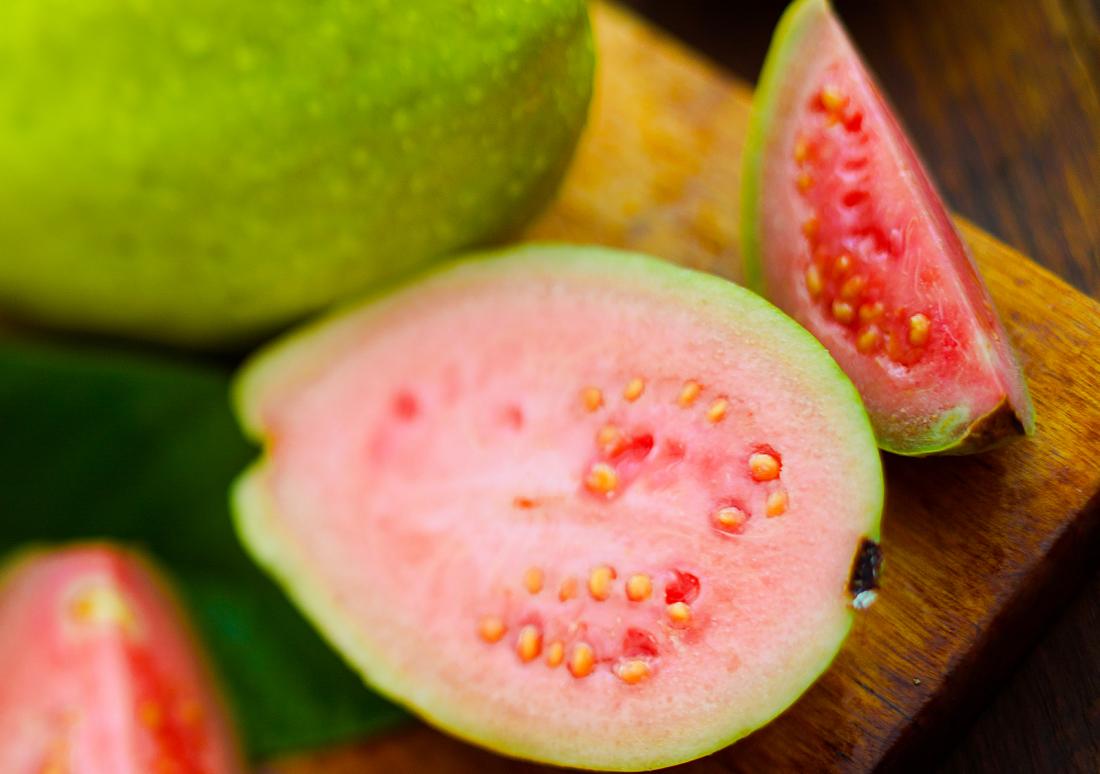
Guava leaf tea may help prevent spikes in blood sugar and improve symptoms in people with type 2 diabetes.
A 2010 review of evidence from clinical trials and animal studies suggests that guava leaf tea may help improve insulin resistance and lower blood sugar levels.
These benefits may result from compounds in guava leaf extract helping to moderate glucose absorption after a person eats a meal.
Taking supplements containing guava leaf extract may reduce menstrual cramps.
The results of a study from 2007 suggest that taking guava leaf extract supplements may relieve menstrual pain in women with primary dysmenorrhea.
Participants who took 6 milligrams (mg) of the extract each day experienced less menstrual pain than those taking ibuprofen or a placebo.
Guava leaf tea is a traditional remedy for diarrhea in many parts of the world.
Evidence from animal studies suggests that the leaf extract may have the potential to treat infectious diarrhea.
A 2015 study investigated the use of this extract in mice with infectious diarrhea. The infection cleared more quickly in the mice who consumed guava leaf extract than in those who did not. The researchers noted that guava leaf extract shows promise as a treatment for this illness.
Another study from 2015 found that guava leaf extract helped control diarrhea in chickens with Escherichia coli infections.
However, scientists need to carry out more research to confirm these findings in humans.

Drinking guava leaf tea may help people fight off the flu.
In a 2012 test tube study, guava leaf tea showed promise as an antiviral agent for flu treatment. The researchers found that the tea inhibited the growth of the virus that causes the flu.
The antiviral effect of the tea may result from the leaf’s flavanols, which are a natural antioxidant.
Confirming the effects in humans will require further research.
Consuming guava leaf extract may help lower high blood pressure.
A 2016 test tube study found that the extract had an antihypertensive effect in rat tissues, which means that it may have the potential to reduce blood pressure.
This effect may be due to the leaf extract’s antioxidant properties. Antioxidants may lower blood pressure by helping to expand blood vessels.
However, scientists need to carry out more studies to determine whether guava leaf extract can reduce high blood pressure in humans.
Some research in animals suggests that guava leaf extract may benefit people with osteoarthritis.
A 2018 study found that consuming the extract protected against cartilage destruction in rats with induced osteoarthritis. However, researchers have yet to confirm this effect in humans.
Guava leaf extract may eventually play a role in cancer treatment.
Results of a 2014 test tube, animal, and computer study suggest that compounds in the extract may inhibit the growth of cancer cells.
The researchers believe that the effect may occur because guava leaf compounds act like selective estrogen receptor modulators (SERMs).
SERMs are a class of drugs that doctors use to treat cancer. They work by preventing cancer cells from multiplying.
However, scientists need to conduct clinical trials in humans to better understand the potential for these compounds to combat cancer.

Guava fruit is a nutritious and healthful food that is rich in several important nutrients.
According to the United States Department of Agriculture, 100 grams (g) of raw guava fruit contain:
A 2017 review of research into guava did not highlight any notable adverse effects of eating guava fruit, consuming guava leaf tea, or taking guava leaf extract supplements.
However, there is not enough evidence to rule out the possibility. Any remedies or supplements that do not have Food and Drug Administration (FDA) approval may cause adverse effects.
Anyone who is pregnant or breastfeeding should consult a doctor before taking guava leaf extract.
It is not clear whether this extract can interact with medications. Anyone using medicines on an ongoing basis should speak to a doctor before trying a new remedy.
Some people enjoy sliced guava, either on its own or with yogurt. Others use the fruit in smoothies or add guava leaves to boiled water to create an herbal tea.
Some recipe ideas for guava include:
Many health stores sell dietary supplements that contain guava leaf extract. A person usually takes these daily, but it is important to follow the manufacturer’s instructions.
It is also advisable to speak to a doctor before taking any new dietary supplement, especially when trying to treat a specific health issue.
Various guava dietary supplements are available to purchase online.
Guava is a traditional remedy for a number of ailments.
Preliminary research suggests that compounds in guava leaf extract may have a positive effect on a range of illnesses and symptoms, including menstrual cramps, diarrhea, the flu, type 2 diabetes, and cancer.
However, scientists need to carry out further studies in humans to confirm and better understand these findings.
Causes of dandruff include:
There are many over-the-counter (OTC) topical medications and special shampoos that treat dandruff. However, people can also help eliminate dandruff at home using the natural remedies below.
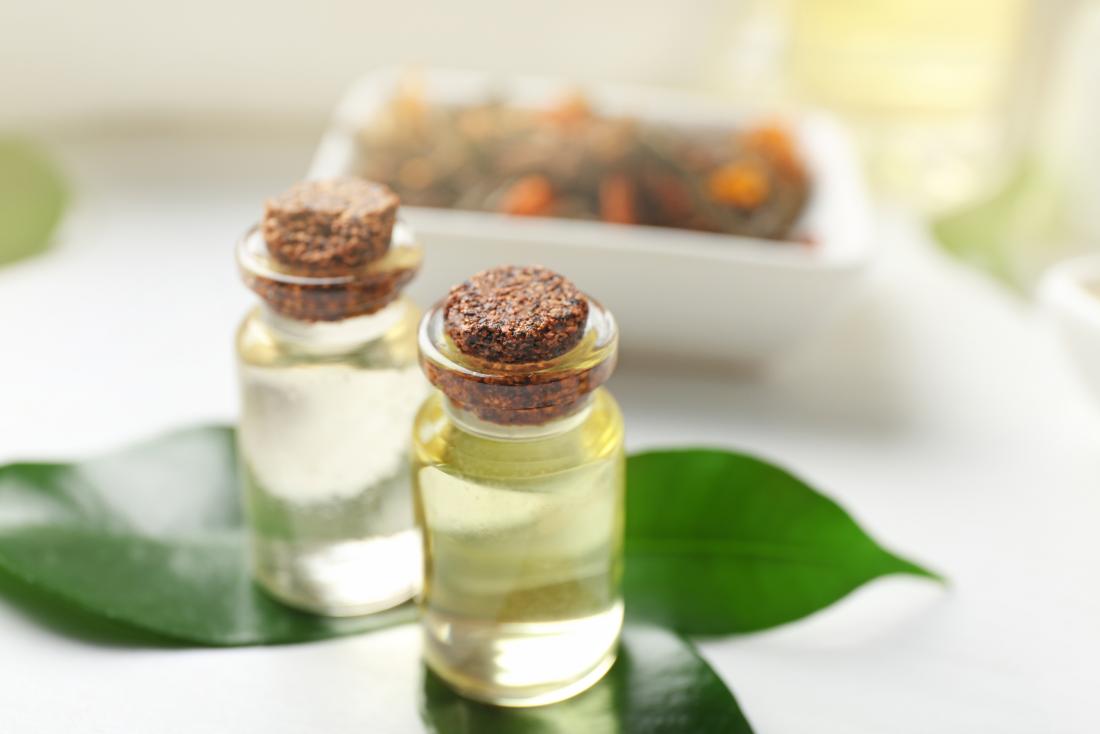
Tea tree oil is an essential oil that comes from the Melaleuca alternifolia plant. Historically, people have used tea tree oil to treat a variety of conditions, such as acne, athlete’s foot, and dermatitis.
Tea tree oil contains a compound called terpinen-4-ol, which possesses powerful antimicrobial properties. Tea tree oils containing high concentrations of terpinen-4-ol may help reduce dandruff by suppressing the growth of fungi and bacteria on the scalp.
The authors of a 2018 study examined the bacterial composition of 140 Indian women’s scalps and discovered that women with dandruff tended to have more Staphylococcus epidermidis (S. epidermidis) bacteria than those without dandruff.
A review from 2017 examined the antimicrobial effects of various essential oils. The authors suggested that the compounds in tea tree oil may effectively control S. epidermidis bacteria.
Applying tea tree oil directly on the scalp can cause inflammation or rashes, so people interested in using tea tree oil to treat dandruff can start by adding a few drops to their regular shampoo.
Alternatively, shampoos containing tea tree oil are available in some drug stores and online.
Traditionally, people have used lemongrass and lemongrass oil to treat digestive issues, lower blood pressure, and reduce stress.
Lemongrass oil has antimicrobial and anti-inflammatory properties that may help reduce dandruff symptoms.
According to the findings of a small study published in 2015, hair tonics containing 10 percent lemongrass oil reduced dandruff by 81 percent after two weeks.
Like tea tree oil, lemongrass oil may cause irritation or allergic reactions if a person applies it directly to the skin. People can dilute lemongrass oil with water or mix a few drops into their regular shampoo or conditioner.
People can purchase lemongrass oil at health food stores and online.
Aloe vera is a succulent plant known for its healing properties. The gel in its leaves contains several bioactive compounds, such as amino acids and antioxidants, that may reduce dandruff.
Authors of a 2019 review examined 23 clinical trials involving Aloe vera. The findings of these studies suggest that aloe vera gel may improve moisture retention in the skin and promote wound healing. Aloe vera may also reduce inflammation, which can help people with dandruff symptoms, such as itchiness.
Research from 2015 suggests that the antifungal and antibacterial properties of Aloe vera may prevent dandruff.
The authors of a small study involving 25 people concluded that a new topical gel containing Aloe vera was effective in treating a form of dandruff called seborrheic dermatitis.
People can use aloe vera gel directly from the plant, or purchase the gel online.
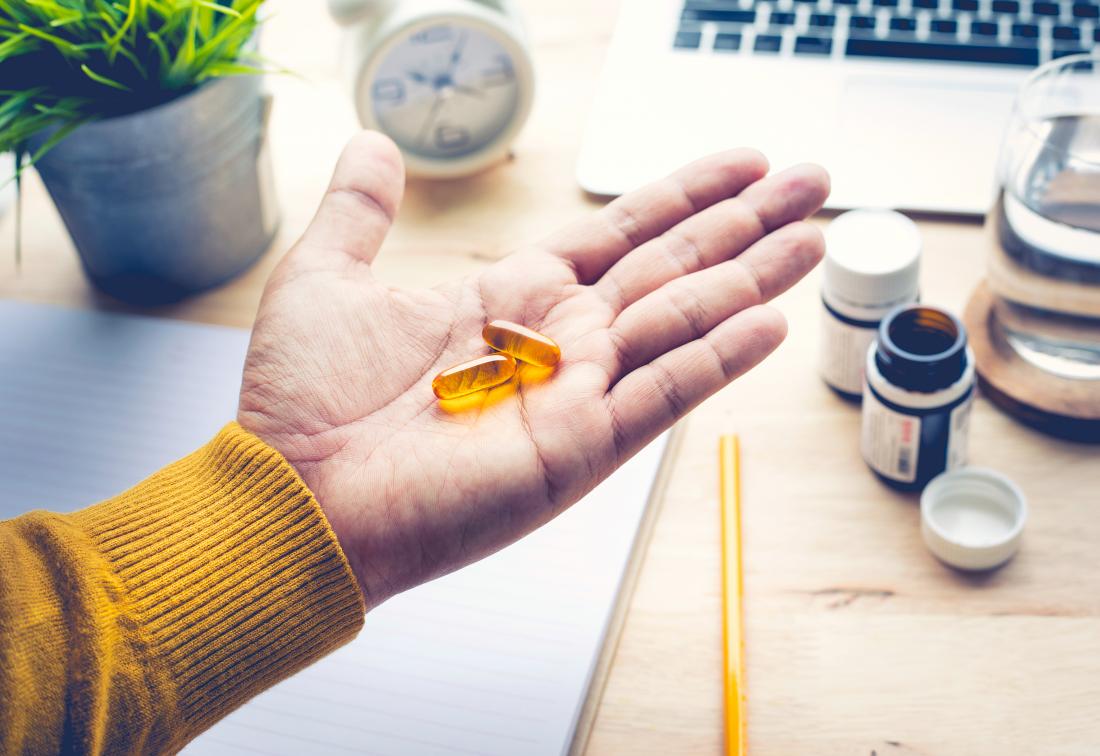
Omega-3 fatty acids may lower blood pressure, increase “good” HDL cholesterol levels, and support heart and brain health. A deficiency in this fatty acid can result in adverse symptoms, such as dandruff, brittle nails, and dry skin.
Omega-3s provide several skin benefits, such as
Foods containing large quantities of omega-3s include salmon, mackerel, and walnuts. People can also take omega-3 supplements.
The National Institutes of Health (NIH) recommend that most adults consume 1.1 to 1.6 grams of omega-3 fatty acids per day.
Omega-3 fatty acids are available in pharmacies, health food stores, and online.
Aspirin is an OTC pain reliever that could potentially reduce dandruff symptoms. Aspirin contains salicylic acid, an active ingredient commonly used in dandruff shampoos.
Salicylic acid can help exfoliate excess dandruff flakes, prevent oil buildup, and reduce inflammation on the scalp.
To use salicylic acid on dandruff, try crushing one or two uncoated aspirin tablets into a fine powder and mixing the power with a dollop of regular shampoo.
In the shower, apply the mixture to the hair and leave it there for a few minutes before rinsing it out.
People can buy aspirin in pharmacies and online.
Sodium bicarbonate, which many people know as baking soda, may help reduce dandruff. Baking soda is an exfoliant that can remove excess skin cells and oil on the scalp.
Baking soda also possesses antifungal properties that may help fight the fungus responsible for dandruff.
Baking soda has a very high pH level, which can damage the scalp if a person uses it too frequently. Using too much baking soda can strip the hair of its natural oils, which can cause dryness or irritation, so people should use it in moderation.
Baking soda is available in most grocery stores, health food stores, and online.
Zinc is a mineral that supports the body’s immune system and promotes cell growth. People can get zinc from animal proteins, nuts, and whole grains.
According to the NIH, severe zinc deficiencies have been associated with hair loss, diarrhea, impotence, and skin lesions.
A comprehensive review from 2016 lists zinc deficiency as a potential contributing factor for seborrheic dermatitis and dandruff.
Many dandruff shampoos contain zinc pyrithione because it prevents fungal growth and removes excess skin cells from the scalp.
People can purchase zinc supplements in drug stores and online.
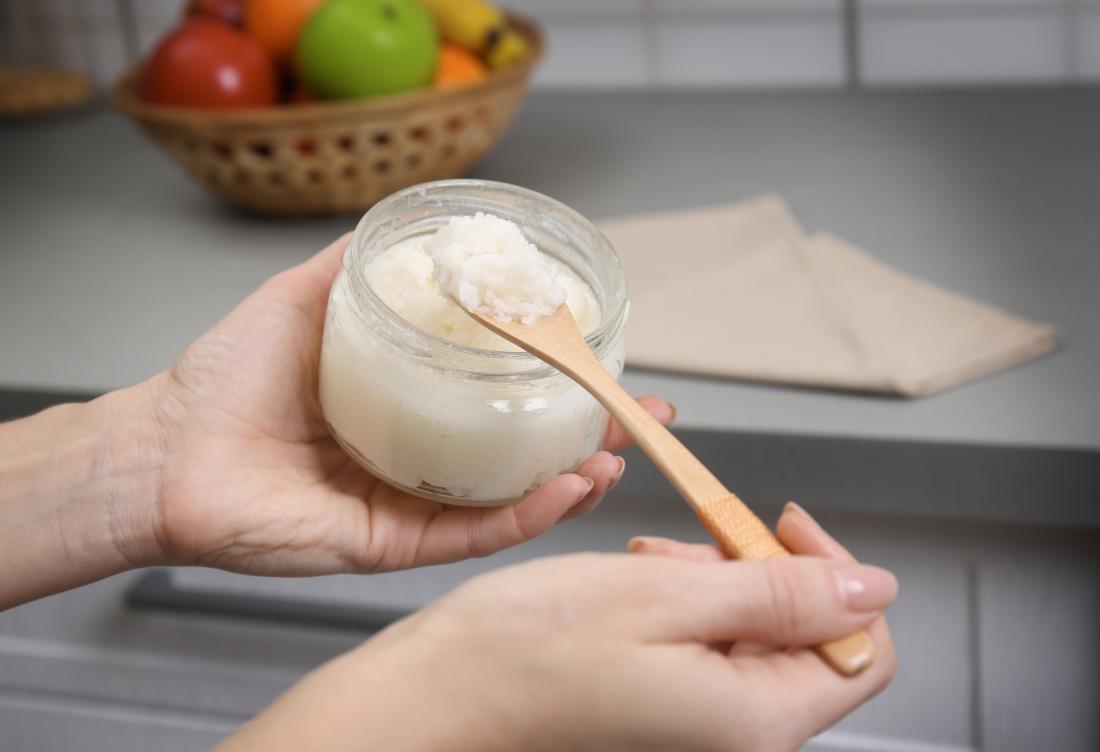
Coconut oil may help improve hydration, reduce irritation, and prevent fungal growth on the scalp.
Findings from a test tube study found that cultured coconut extract lowered inflammatory markers in human skin samples. Another study observed similar anti-inflammatory properties after applying virgin coconut oil to artificial skin samples.
According to the findings of one clinical trial, applying virgin coconut oil to the skin led to a 68.23 percent decrease in atopic dermatitis symptoms in a group of 117 children aged 1 to 13 years old.
These preliminary studies show promising results, but researchers need to carry out more investigations to evaluate the role of coconut oil in treating dandruff.
People can try applying coconut oil directly to the scalp before washing it out or find a shampoo that contains coconut oil.
Coconut oil is available for purchase in grocery stores, health food, and online.
Food can have dramatic effects on the body. Food may not be the root cause of dandruff, but it may make symptoms worse.
There is currently little research on how food affects dandruff. However, a growing body of research suggests an association between diet and inflammatory skin disorders, such as seborrheic dermatitis.
Fruits and vegetables contain many essential vitamins, minerals, and antioxidants that may help reduce inflammation.
The results of a recent observational study involving 4,379 people showed that individuals who reported eating more fruits were less likely to have seborrheic dermatitis.
The results also suggest that typical Western diets may increase the risk of seborrheic dermatitis in females.
A 2018 review showed that a biotin deficiency could lead to several skin disorders, including seborrheic dermatitis. Biotin, also known as vitamin B7, plays a role in supporting healthy hair, nails, and skin. Biotin-rich foods include:
Stress plays a significant role in a person’s overall health. Prolonged stress can cause increases in blood pressure, heart rate, and inflammation.
Although stress may not directly cause skin disorders, it can worsen or trigger existing ones.
A Japanese study published in 2014 examined the relationship between anxiety-induced stress and atopic dermatitis. The participants with atopic dermatitis reported higher levels of anxiety than those without the condition.
Dandruff is a skin condition that causes itchy, flaky skin on the scalp. This condition can impact a person’s self-esteem and overall quality of life.
While few research studies have specifically examined the effects of natural remedies for dandruff, many of these remedies have positive anecdotal evidence.
Not all home remedies will work for everyone. Anyone with an underlying skin condition, such as eczema or psoriasis, may wish to speak to a doctor before trying a new natural remedy.
