Exclusive: Charities Demand Urgent Government Action On Cost Of Living Crisis

Leading charities have demanded the government take immediate action to help people struggling with the cost of living crisis.

It comes after Boris Johnson was criticised for unveiling 38 new bills in the Queen’s Speech, with none of them designed to immediately alleviate the financial pain being suffered right now by millions across the UK.

The prime minister insisted the government’s plans would grow the economy and create thousands of new jobs, thereby bringing down living costs in the longer term.

But charities and think tanks contacted by HuffPost UK said ministers needed to take steps straight away as the public deal with soaring energy bills, rising inflation, higher council tax and increasing interest rates.

They warn that unless they do, minis risk turning a crisis into “a national emergency”.

What has the government announced so far?

In Ferbruary, Rishi Sunak unveiled a £9bn package of measures to help bring down energy and council tax bills.

Under the plan, energy bills will be reduced by £200, with the money being repaid in charges over the next four years. In addition, households in bands A-D are seeing £150 knocked off their council tax bills.

This is in addition to other measures including a 5p reduction in fuel duty, reducing the Universal Credit taper rate to allow people to keep more of the money they earn, increasing the national minimum wage, £25 extra a week in cold weather payments and raising the national insurance thresholds.

According to the Treasury, the total cost of the support already announced is £22bn.

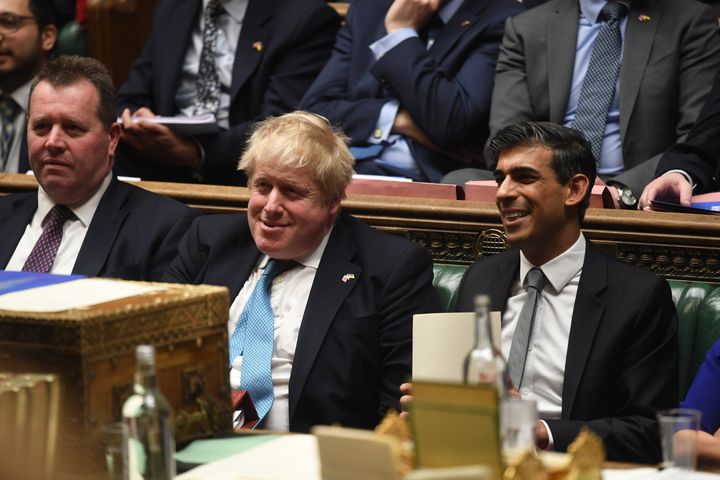
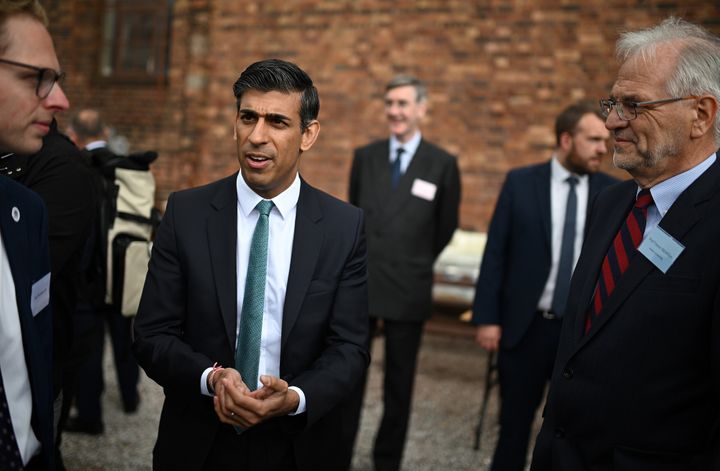
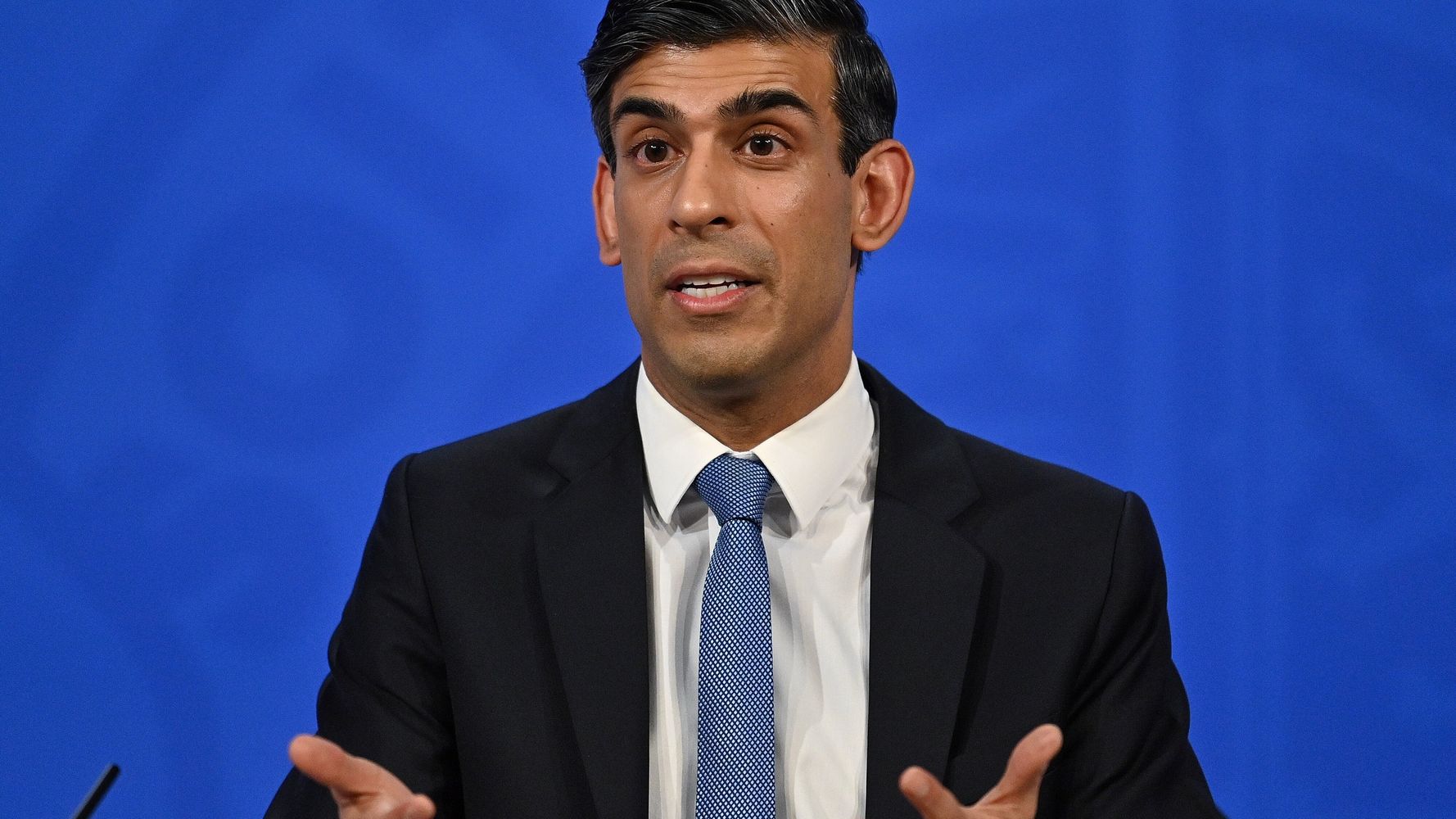
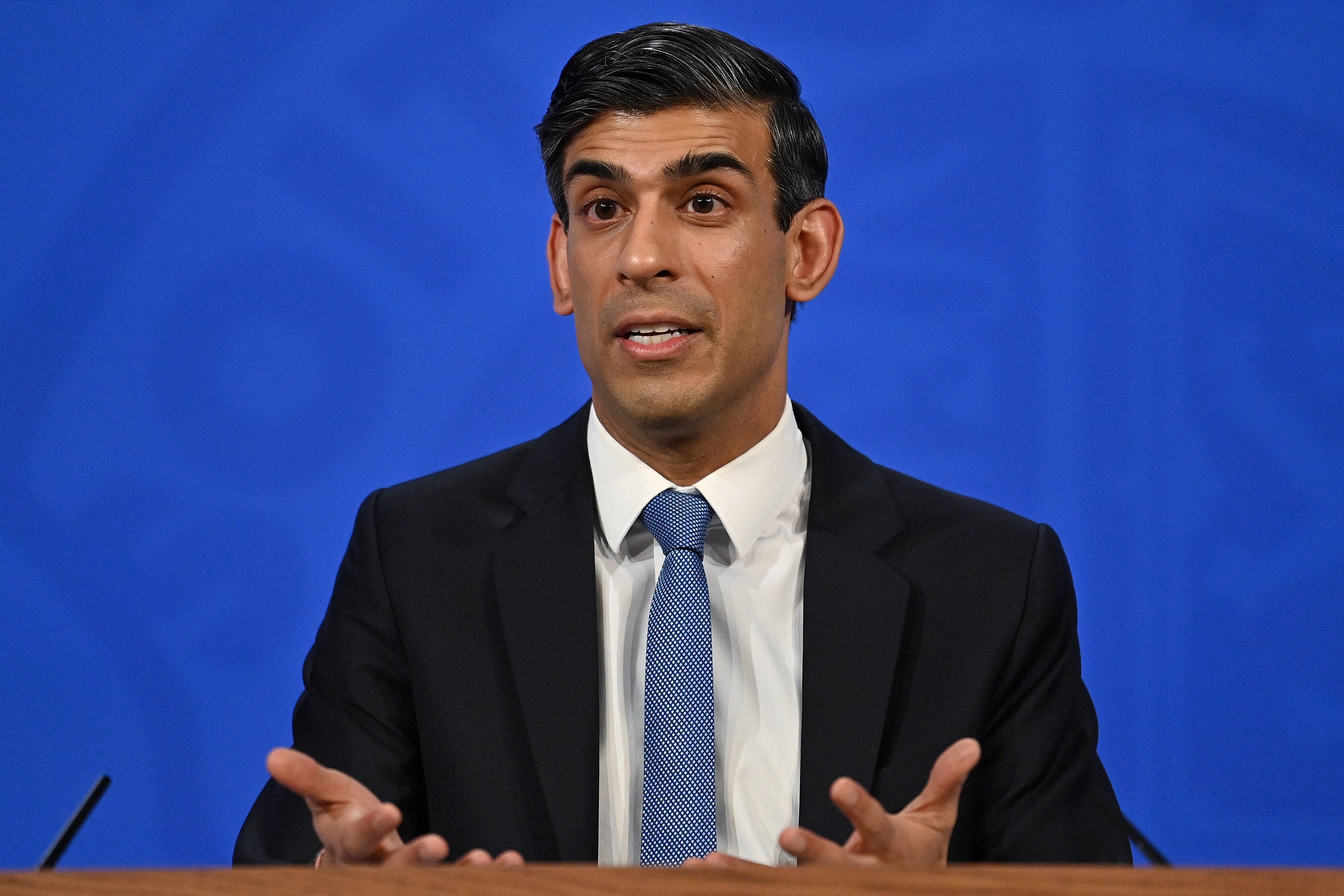
Rishi Sunak is under pressure to do more to help with the cost of living.

Oli Scarff via PA Wire/PA Images

Why was the Queen’s Speech such a let-down?

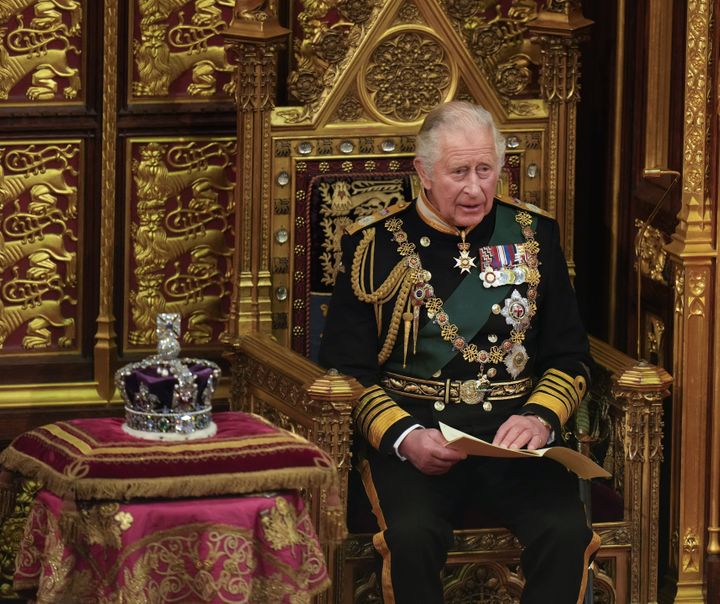
The Queen’s Speech setting out the government’s legislative plans for the next 12 months – delivered by Prince Charles after Her Majesty withdrew over health concerns – contained a total of 38 bills.

However, Boris Johnson was at pains to stress that there was no new money to help people feeling the pinch.

The prime minister said: “We must remember that for every pound of taxpayer’s money we spend on reducing bills now, it is a pound we are not investing in bringing down bills and prices over the longer term.

“And that if anything, this moment makes clear our best remedy lies in urgently
delivering on our mission to turbo charge the economy, create jobs and spread
opportunity across the country.”

The Prince of Wales delivers the Queen's Speech during the State Opening of Parliament in the House of Lords.
The Prince of Wales delivers the Queen’s Speech during the State Opening of Parliament in the House of Lords.

Alastair Grant via PA Wire/PA Images

Does Boris Johnson get it?

As an unapologetic populist, the prime minister’s instinct will be to make a major announcement on an extra package of financial measures to help struggling voters. But as a fiscal conservative, the chancellor will be resisting any such moves at this time.

This probably explains the bizarre mix-up between Number 10 and the Treasury on the same day the Queen’s Speech was announced.

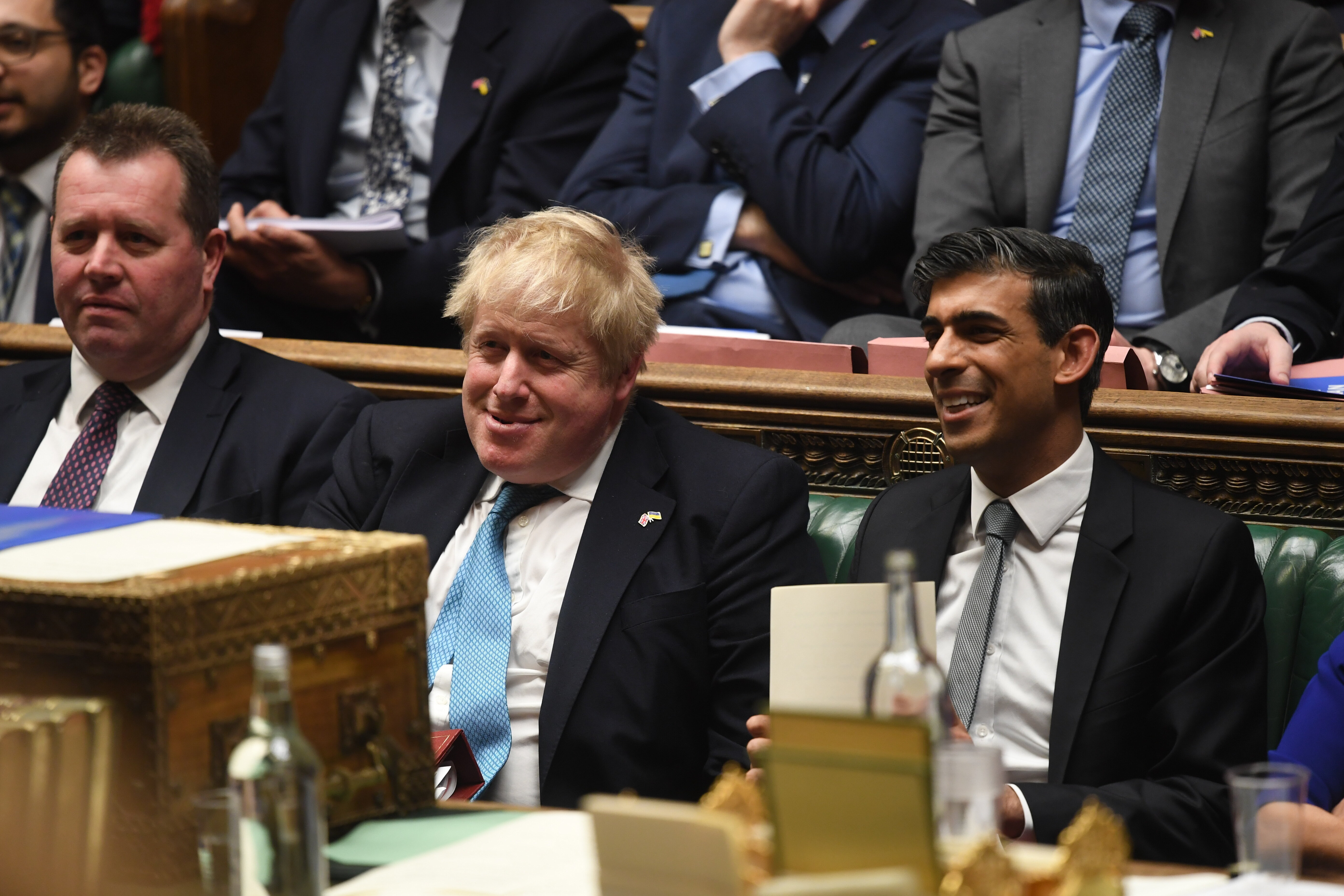
Johnson told the House of Commons that he and Sunak would say more on the cost of living “in the days to come”, immediately increasing speculation of an emergency budget.

But sources close to Sunak quickly made clear that they knew nothing about it, and insisted no new measures were due before the autumn.

One ally of the Chancellor told HuffPost UK there were “no announcements as far as we are aware”.

They added: “Rishi has always been clear that we would set out plans for support on energy bills for autumn when we know what the [energy] price cap is going to be – but we’re not there yet.”

Does the government have any plan at all?

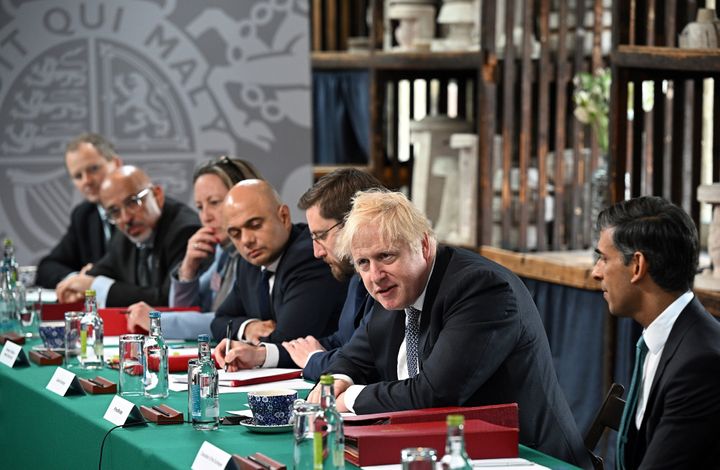
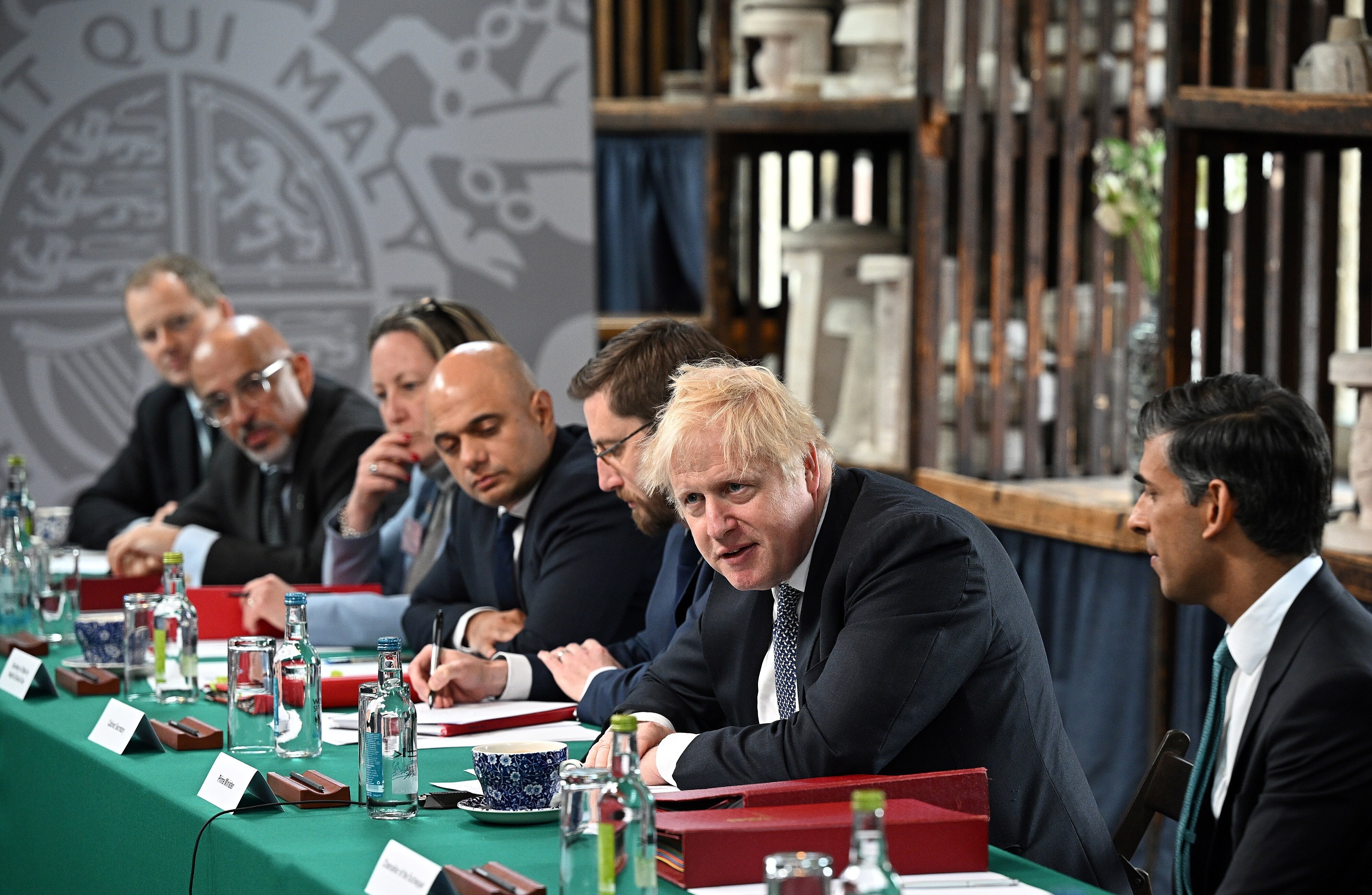
Johnson chaired a special cabinet meeting at an away day in Stoke with his top team on Thursday, where the government’s response to the cost of living crisis was top of the agenda.

Although no new announcements were made afterwards, it is understood that the PM and chancellor are eyeing a potential tax cut before MPs depart for the summer recess.

Talk of a windfall tax on energy firms’ profits – as demanded by Labour – is also increasing, despite both Johnson and Sunak repeatedly voicing their scepticism about such a move, arguing that it could hamper investment.

We also know that the chancellor will unveil a further package of financial support in the autumn, when the energy price cap is expected to rise significantly once again.

But critics say those on those on the lowest incomes, many of whom are regularly forced to choose between heating their homes and feeding their children, cannot wait several months for the government to step in.

Boris Johnson chairs a cabinet meeting in Stoke-on-Trent

Oli Scarff via PA Wire/PA Images

What should the government be doing right now?

HuffPost UK contacted a range of charities to get their take on the crisis and ask what they believe Johnson and co should do without delay to alleviate the suffering of so many people across the country.

The universal view was that the government should be using the benefits system to urgently target support at those who need it most.

Katie Schmuecker, principal policy adviser at the Joseph Rowntree Foundation, said: “The widening gap between the incomes of the poorest and what they need to afford the essentials is not just something that happens naturally – it is a political choice.

“The chancellor could have used the Spring Statement to ensure that benefits were uprated in line with this year’s very high inflation, and it is not too late to act to protect people from the worst of this crisis. It just needs a political will and speedy action.”

Tom Marsland, policy manager at disability equality charity Scope, said disabled people were already dealing with the increased cost of electric wheelchairs, ventilators or adapted vehicles, before factoring in soaring energy bills.

“The Queen’s Speech was an opportunity to help disabled people, but this didn’t happen,” he said.

“The government must urgently provide increased financial support to disabled people direct through the welfare system.

“Disabled people have seen a real terms cut to their cut to benefits as they rise less than inflation. The government has said it will uprate disability benefits again next April, but what are disabled people supposed to do for the next 12 months if they can’t afford basic essentials like food and heating? We need to see benefits rise in line with inflation now.”

Polly Neate chief executive of Shelter, said: “Housing is at the root of the cost-of-living crisis. Private rents are higher than ever, bills are skyrocketing, and housing benefit is lagging dangerously behind. We’ve heard from renters whose landlords have said unless they agree to a hike in their rent they will be kicked out.

“As a priority, the government needs to end the freeze on housing benefit so people can still pay their rent. It must also scrap no-fault evictions as quickly as possible to prevent more people from losing their homes unnecessarily, and the additional financial hardship that brings.”

Peter Grigg, chief Executive of Home-Start UK, said: “As a minimum, the government should ensure benefits rise in line with the cost of living. Benefits are rising by 3.1 per cent, but inflation is around 8 per cent and prices and energy bills rising even higher.

“So for low-income families this all means an income drop. If we can’t find ways to reduce bills and increase financial support for families, it will be pushing even more parents and children into poverty. Our children deserve better.”

Emma Revie, chief executive of the Trussell Trust, said: “We are calling on the UK government to bring benefits in line with the true cost of living. As an urgent first step benefits should be increased by at least 7 per cent.

“In the longer term, we need the government to introduce a commitment in the benefits system to ensure that everyone has enough money in their pockets to be prevented from falling into destitution. By failing to make benefits payments realistic for the times we face, the government now risks turning the cost of living crisis into a national emergency.”

Isabel Hughes of the Food Foundation said: “A commitment to a new Food Bill would have demonstrated that the government was serious about tackling the problems in the food system and making sustainable long-term action to reduce spiralling food insecurity levels a priority. Families need and deserve more support.”

The economist’s view

HuffPost UK also asked the highly-respected Resolution Foundation for its view on what the government could be doing, but is currently failing to.

Mike Brewer, the think tank’s chief economist, agreed with the charities that the benefits system must be mobilised to help the poorest in the country before it’s too late.

He said: “With average incomes on course to fall by around £1,200 this year – the tightest squeeze in half a century – new support will need to be bold.

“Another big rise in the energy price cap this October means that further help with energy bills is inevitable. And while further universal support will be welcome, the Government must also target support at the low-and-middle income families who are at the sharp end of rising cost pressures.

“The most effective way to do this is to bring forward the big increase in benefits due next spring to this autumn, or even sooner if possible. This would deliver significant cash support to millions of hard-hit households, hold back rising poverty levels and would carry no long-term cost to the Treasury.”

Share Button

No Emergency Budget For Cost Of Living Crisis, Michael Gove Says

However, sources close to Sunak quickly made clear that they knew nothing about it, and insisted no new measures were due before the autumn.

Gove suggested commentators were “chasing their own tails” and told Sky News: “There won’t be an emergency budget. It is sometimes the case that the words from a prime minister or minister are overinterpreted.

“The prime minister is right. We will be saying more and doing more in order to help people with the cost-of-living challenge we face at the moment, but that doesn’t amount to an emergency budget. It is part of the work of government.

“Last night the prime minister convened a group of ministers – we have all done work on some of the things we could do to help. Those policy initiatives will be announced by individual departments in due course as they are worked up.

“It is part of the process for a government that is always and everywhere thinking of how we can help and how we can provide support, both short term and long term.”

Lib Dem Treasury spokesperson Christine Jardine described the issue as a “complete shambles.”

She added: “Millions of families and pensioners are struggling to get by. They need more help now before things get even worse in the autumn.

“Instead all we get from this Conservative government is chaos and confusion.

“An emergency budget is needed now to cut taxes for ordinary families while taxing the super profits of oil and gas companies. That would be the fair and right thing to do.”

Johnson made his comments in a debate on the Queen’s Speech, which contained 38 bills but no immediate plans for dealing with the cost of living crisis.

He said: “My right honourable friend the Chancellor and I will be saying more about this in the days to come.

“But at the same time as we help people, we need the legislative firepower to fix the underlying problems in energy supply, in housing, in infrastructure and in skills which are driving up costs for families across the country.

“And this Queen’s Speech takes those issues head on. And above all, we are tackling the economic challenges with the best solution of all and that is an ever growing number of high wage, high skill jobs. Jobs, jobs, jobs.”

An ally of the Chancellor told HuffPost UK there were “no announcements as far as we are aware”.

They added: “Rishi has always been clear that we would set out plans for support on energy bills for autumn when we know what the [energy] price cap is going to be – but we’re not there yet.”

Share Button

‘Buy Value Brands,’ Minister Tells Families Struggling With Cost Of Living

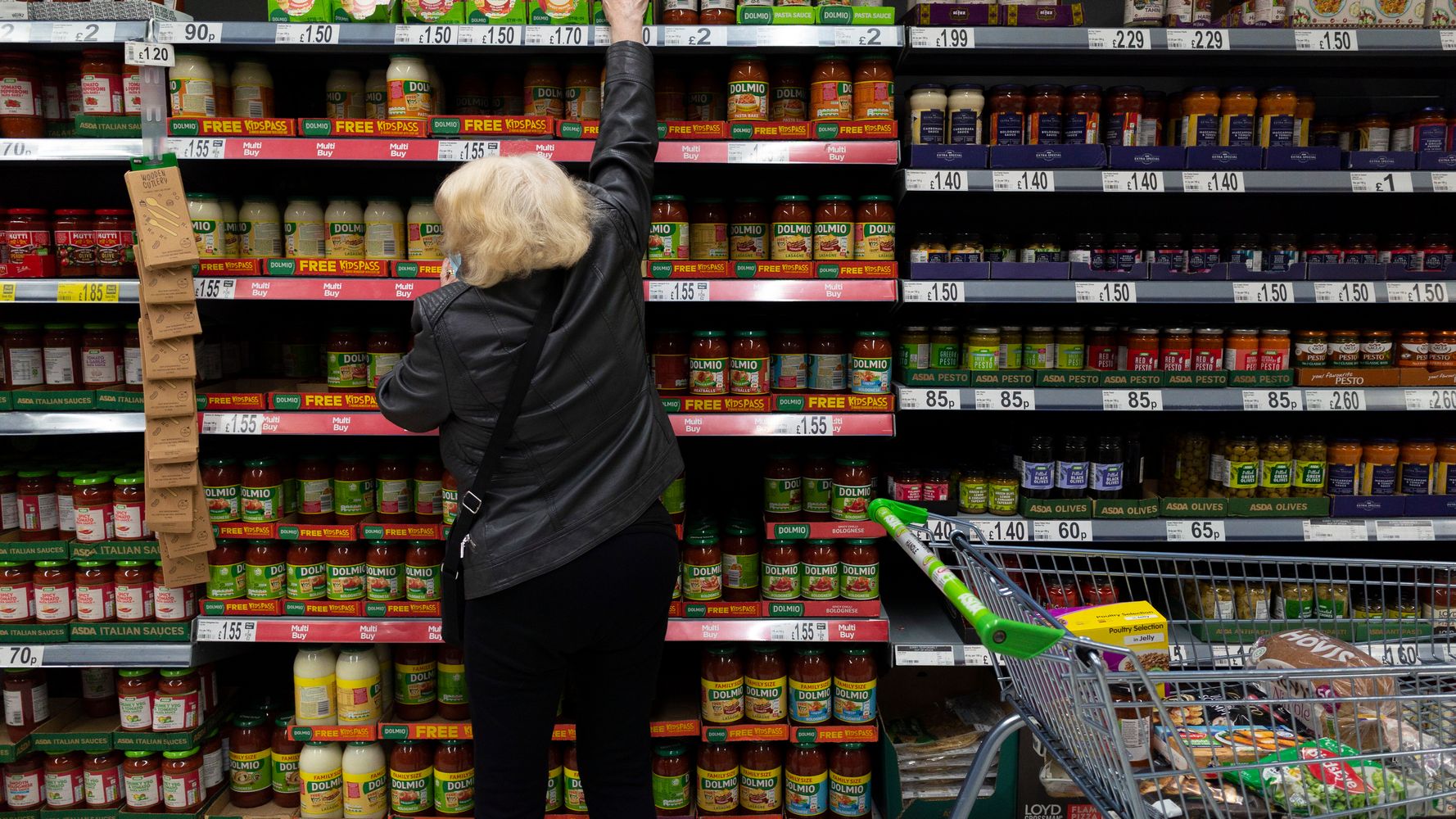
Families struggling with the cost of living crisis should consider buying value products, a cabinet minister said today.

George Eustice said that by going for cheaper “value” goods, families can “contain and manage their household budget”.

The environment secretary said household spending on food in the UK was “the lowest in Europe” but sharp rises in other costs “adds to household pressures”.

He made the comments as shop prices increased at their fastest rate in more than a decade last month, according to the British Retail Consortium.

Asked what his advice was to people who want a Sunday roast with a chicken but cannot afford it, Eustice told Sky News: “Generally speaking, what people find is by going for some of the value brands rather than own-branded products – they can actually contain and manage their household budget.

“It will undoubtedly put a pressure on household budgets and, of course, it comes on top of those high gas prices as well.”

He said rising fertiliser and feed costs had hit the farming industry, partly as a result of soaring energy prices.

Eustice said the better news was that the UK has a “very competitive” retail market with 10 big supermarkets and the four main ones competing “very aggressively”.

He said this meant they competed to keep costs down on everyday value items such as spaghetti.

Eustice added: “Where it gets harder is on things like chicken and poultry, and some fresh produce, where those increased feed costs do end up getting passed through the system because these people work on wafer-thin margins and they have to pass that cost through.”

Shop prices are up 2.7 per cent on last year marking their highest rate of inflation since September 2011, figures show.

The impact of rising energy prices and the conflict in Ukraine continued to feed through into April’s retail prices, with no sign of them abating, according to the BRC-NielsenIQ Shop Price Index.

Global food prices have also reached record highs, seeing a 13 per cent rise on last month alone, and even higher for cooking oils and cereals amid warnings that they will place further upward pressure on UK food prices as they filter through the supply chain over coming months.

Non-food products, particularly furniture, electricals and books, have seen the highest rate of inflation since records began in 2006, accelerating to 2.2 per cent in April from 1.5 per cent in March, exacerbated by disruption at the world’s largest seaport, following Shanghai’s recent lockdown.

British Retail Consortium chief executive Helen Dickinson said: “Retailers will continue to do all they can to keep prices down and deliver value for their customers by limiting price rises and expanding their value ranges, but this will put pressure on them to find cost-savings elsewhere.

“Unfortunately, customers should brace themselves for further price rises and a bumpy road ahead.”

Share Button

People Are Muting Their Favourite Influencers. They Tell Us Why

Instagram and influencers – it’s difficult to imagine one without the other. I’ve happily followed fashion influencers on Instagram since I first downloaded the app in 2014. And there’s no doubt the limited representation of Black women in mainstream media made me feel connected to Black influencers specifically.

These were the people I ran to for makeup recommendations, to ogle their clothing choices and tap up their lifestyle content, from food to travel. I’ve kept up with everything my favourite influencers are wearing and buying for years.

That is, until the pandemic.

It was during lockdown when I started feeling less inclined to scroll influencer content. This was partly because my own life, like many others at the time, wasn’t where I wanted it to be. I was job-hunting, while freelancing through a pandemic. It was difficult and I wanted social media to be a form of escapism.

But the content I’d once found aspirational began to feel out of touch. Seeing people the same age as me buying things I couldn’t afford didn’t want to make me want to work harder – it made me feel like I was doing something wrong.

I knew the influencers weren’t really the problem, but I had to control how they were leaving me feeling. As someone who spends a lot of time on social media, it was up to me to decide which content I wanted to consume.

So I started to unfollow or mute some of their accounts.

Like me, Toju, a 21-year old student from Glasgow, also noticed a shift during the Covid lockdowns in how she felt about the influencers she followed.

These were the weeks and months when it was easy to think other people had more space, more time, were being more productive or having more fun than you, despite the challenges we were all facing. Remember when it seemed like every past Love Island contestant ever was in Dubai over Christmas 2021?

“During that time, a lot of influencers were travelling or just living very different lives to me,” she says. “I’ve also recently felt a shift again this year as more influencers have moved towards luxury or designer items in their content.”

More influencers that ever seem to be publishing elevated content, from showcasing their designer clothes and bags to eating out at expensive restaurants and generally living a life of luxury.

Of course, this content can be seen variously as aspirational or a form of escapism. It can also make you feel wholly inadequate in the here and now.

The cost of living crisis is playing out in real time. It’s hardly surprising Toju and many other social media users no longer feel inspired by influencer accounts.

“I can’t even be ‘influenced’ because these items are simply entirely out of my reach and budget, so I gain nothing but feelings of inadequacy from them,” she says.

“I’m seeing more things that would like to have but can’t afford on a daily basis, something I probably wouldn’t see if I wasn’t on social media.”

But the answer isn’t necessarily coming off social media entirely. It could just be changing who you do follow or which platforms you use and for what.

Data analyst, Hena J. Bryan, 25, a content creator herself, says that she’s put many of the influencers she used to follow on mute for over a year now.

“They just don’t align with a lot of the things I find important,” she says. “I think relatability, for me anyways, goes beyond finances, especially as I can afford the things they’re advertising. I want to discover more influencers who offer more than pretty pictures, and I’ve found a few who speak to my interests.”

Bryan creates content about the books she is reading and enjoys engaging with others doing the same. She adds: “I think people should curate their feed. You literally have to be militant and protect your digital footprint/experience.”

If you want to follow influencers, seek out those who genuinely speak to your interests.

SDI Productions via Getty Images

If you want to follow influencers, seek out those who genuinely speak to your interests.

It’s also worth being aware that how you engage with social media shifts over time. Akachi Priscilla Mbakwe, 32, a marketer from south London has lived online since her early teens. “I’ve been following influencers since I was on Tumblr,” she tells HuffPost UK. “People like Justine Skye who at the time were influencers, but the term wasn’t invented yet.”

When she was younger, Mbakwe says she followed people “for aspirational reasons”, and for their fashion and make-up content.

“I started to feel different in the pandemic especially during the resurgence of Black Lives Matter. I saw influencers uploading pictures of themselves whist the caption was about George Floyd – they just looked silly to me.”

There’s self-preservation at play here, too. “I started to unfollow influencers because I realised subconsciously that I was constantly comparing myself to them,” says Mbakwe. “Now I have such a better relationship with myself and how I look and I don’t want to compromise.

“I still look at them from time to time but not like I used to. Also, now I feel that most influencers make the same content. They’re all following the same formula. If you follow one it feels like you follow all of them.”

So, where does ultimate responsibility lie: with the followed or their followers?

Though the life of an influencer looks perfect, influencers themselves will tell you that sometimes it’s far from that. A lot of work goes on behind the scenes and many posters rely on rented or gifted products to project the image they do, some earning little more than the followers who aspire to their lifestyle.

“I don’t feel like influencers should change their content to suit us,” weighs in Mbakwe. “I think we (the consumers) should curate and have better boundaries with our feed if the content you’re viewing is making you feel bad.”

Bryan echoes this: “I believe we should all have social responsibility, but we shouldn’t have to force influencers to do/say things they don’t want to. You’re responsible for what you consume and I think TikTok has created a wave of new influencers who don’t lend themselves to perfectionism and are more relatable.”

With living costs only set to increase, it might be time for be more conscious about the content we choose to see. Arguably Influencers aren’t the ones to blame, just a byproduct of a capitalist society that rewards people for flaunting their wealth.

You have the power to choose who and what you engage with, so be honest about how your Instagram feed leaves you feeling – and make the changes you need.

Share Button

‘He’s In Trouble’: Have Rishi Sunak’s Tax Controversies Ended His Leadership Hopes?

At his peak, Rishi Sunak was the most popular politician in the country.

It was a reputation forged after the “crisis chancellor” rose to the challenge of the Covid pandemic — splashing billions on furlough and business support and later the “eat out to help out” scheme to keep the hospitality sector afloat.

Now, the image of Sunak as a sympathetic chancellor who is in touch with the needs of ordinary people appears to be in tatters — and the same could be said of his ambitions to succeed Boris Johnson as prime minister.

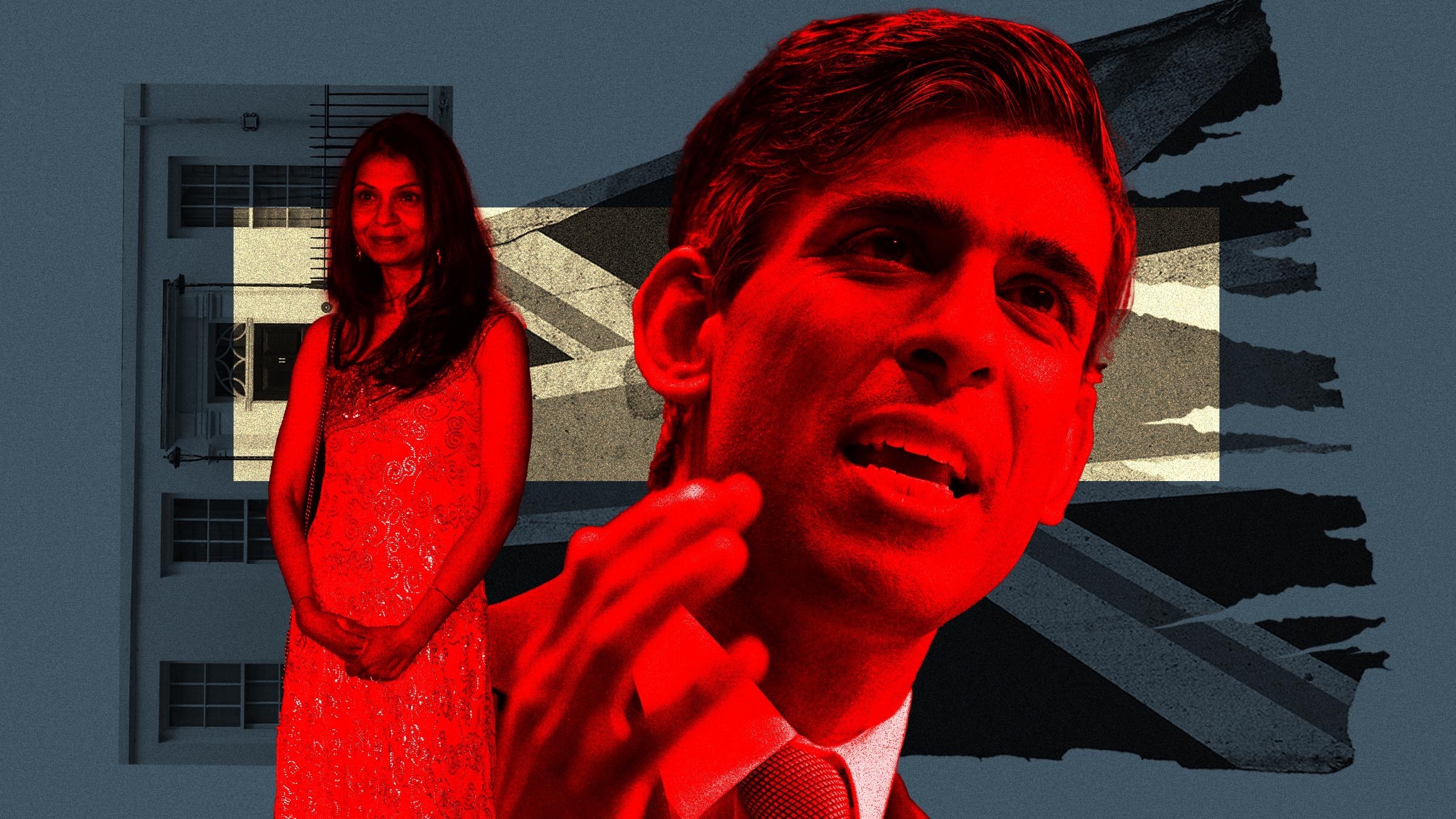
Although she was forced into a screeching U-turn on Friday night, the damage to her husband’s reputation was already done.

Meanwhile, the chancellor himself was also hit by claims in the Independent that he has been listed as a beneficiary of tax haven trusts linked to Murty in the British Virgin Islands and Cayman Islands.

Pat McFadden, Labour’s shadow chief secretary to the Treasury, said the allegations were “extremely serious”.

“We need full transparency about this and the other stories about the chancellor emerging over the past 24 hours,” he said.

Murty always paid UK tax on any income she earned here, but under the non-dom arrangement, domestic rates did not apply to the vast majority of her foreign wealth, derived from her stake in her father’s Indian company Infosys.

It reinforced the already damaging perception that it’s “one rule for them, one for the rest of us”.

Reports suggest that Murty’s non-dom status, which is perfectly legal, may have allowed her to avoid millions in tax.

Given the fact that her husband has just increased national insurance contributions for working people during the worst cost-of-living crisis in decades, the timing of the revelations could hardly have been worse.

Following Murty’s U-turn, one Labour insider said: “Rishi Sunak has realised that being a total hypocrite doesn’t wash with the British public.”

One former minister admitted to HuffPost UK that the stories emerging about Sunak had put him in “a lot of trouble”.

“It looks like a coordinated campaign and that there will be more to come. Also, there’s not much support being expressed for him publicly.”

Discussing the chancellor’s leadership prospects a few weeks ago, one senior Tory backbencher said that while they liked Sunak, he was not a “political operator” like the foreign secretary, Liz Truss, and questioned whether he had any allies in the Conservative party.

“Who are his allies? I don’t know who they are.”

<img class="img-sized__img landscape" loading="lazy" alt="Chancellor of the Exchequer Rishi Sunak alongside his wife Akshata Murthy.” width=”720″ height=”553″ src=”https://www.wellnessmaster.com/wp-content/uploads/2022/04/hes-in-trouble-have-rishi-sunaks-tax-controversies-ended-his-leadership-hopes-3.jpg”>
Chancellor of the Exchequer Rishi Sunak alongside his wife Akshata Murthy.

Ian West via PA Wire/PA Images

Another Conservative said that while the chancellor may be feeling the pain now, it was only just the beginning.

“Everyone is talking about the cost of living,” one Labour source said.

“It’s a massive issue. Rising bills, rising taxes, the cost of food and fuel — the cost of petrol is in the minds of most people you speak to. They can tell you the price they last paid to the half penny.

“The Tories are of course making the chancellor the scapegoat: rule number one in the current Tory party is protect Johnson.

“But voters don’t seem to blame Sunak when you speak to them. They blame the government.

“They know there’s a stink but it’s from a steady and constant flow not from one single burst pipe.”

Sunak was quick to defend Murty’s tax’s affairs, launching a spirited defence of his wife in an interview with the Sun on Thursday evening.

He claimed the couple were the victim of “unpleasant smears” and that those responsible were wrong to target her as a “private citizen”.

“She has had her own career,” he said. “She has her own investments and is paying the taxes that she owes in the UK.

“She is 100 per cent doing everything this country asks of her.”

Some of Sunak’s colleagues rallied to his defence, also suspecting he is the victim of an orchestrated campaign to undermine his credibility.

Alec Shelbrooke, who represents a constituency in Yorkshire, said it was “disgraceful that the chancellor’s wife should change her life, just because of her husband’s job”.

“She hasn’t done anything illegal, she has followed the law, but people are trying to say she should be subservient to her husband’s choices — any feminist attacking her, needs to find a dictionary.

“It’s nasty politics at all levels and its fundamentally sexist. The people attacking are, at best, confused on feminism and inconsistent on tax policy.

“Good smear campaign for them, but vacuous politics.

“Rishi has my full support.”

Another backbencher said: “I think this is quite smeary — Labour looked at non-dom when they were in power and decided to keep it with a fee, which we then jacked up when we were in charge.

But they added: “Notwithstanding that, it’s still politically damaging for him.”

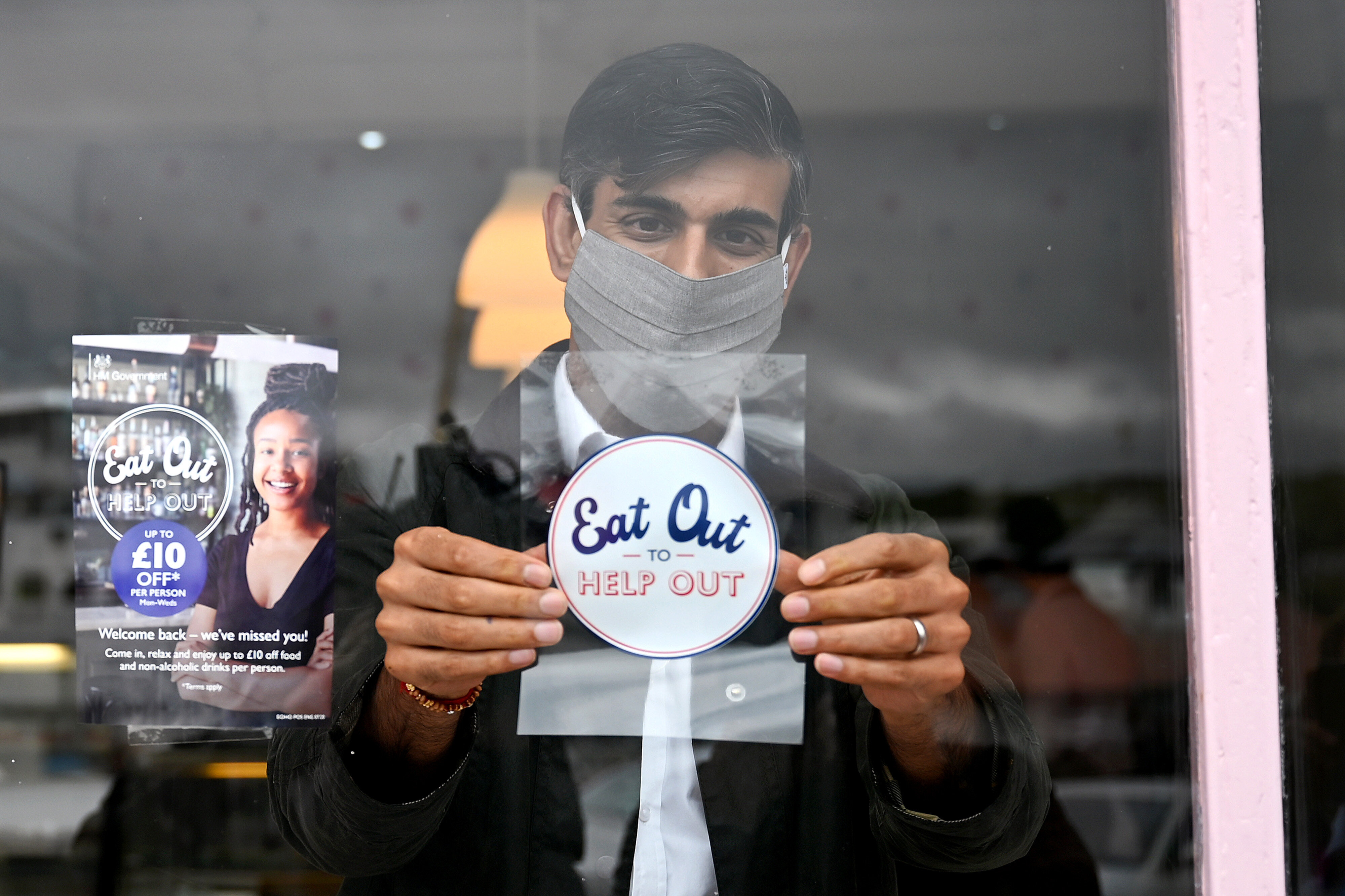
<img class="img-sized__img landscape" loading="lazy" alt="Rishi Sunak places an "eat out to help out" sticker in the window of a business during a visit to Rothesay on the Isle of Bute, Scotland.” width=”720″ height=”479″ src=”https://www.wellnessmaster.com/wp-content/uploads/2022/04/hes-in-trouble-have-rishi-sunaks-tax-controversies-ended-his-leadership-hopes-4.jpg”>
Rishi Sunak places an “eat out to help out” sticker in the window of a business during a visit to Rothesay on the Isle of Bute, Scotland.

Jeff J Mitchell – PA Images via Getty Images

What is also worrying for Sunak is the confirmation that he held a US green card for the first 18 months of his role as chancellor.

Green card holders must pay US tax on their worldwide income and declare the US as their permanent residence.

The Liberal Democrats have demanded that the cabinet secretary, Simon Case, open an investigation into the claims and whether Sunak broke the ministerial code.

Sunak’s spokeswoman said: “Upon his first trip to the US in a government capacity as chancellor, he discussed the appropriate course of action with the US authorities,” she said.

“At that point it was considered best to return his green card, which he did immediately.

“All laws and rules have been followed and full taxes have been paid where required in the duration he held his green card.”

For some Tories this is where the real danger lies.

Asked whether the constant drip of revelations meant it was all over for Sunak, one former Cabinet minister said: “For his leadership ambitions, certainly, and probably for his current job. The green card stuff is incredible.”

A backbencher added: “Not over non-dom, but if this green card stuff is true, then I expect it is over for him. Probably even as an MP.”

At a press conference on Friday, the prime minister was repeatedly dogged by questions on Sunak’s tax affairs.

Asked whether he was behind the briefings, the prime minister said: “If there are such briefings they are not coming from us in No 10 and heaven knows where they are coming from.”

“I think that Rishi is doing an absolutely outstanding job.”

The question now is whether Sunak can make that case himself to a weary, cash-strapped public who are feeling the pinch like never before.

Share Button

Rishi Sunak Hints At Fuel Duty Cut To Ease Cost Of Living Crisis

Rishi Sunak has dropped a heavy hint that he will announce a cut in fuel duty in Wednesday’s spring statement.

The chancellor is under pressure from his own MPs to introduce measures to help the public cope with soaring bills.

According to data firm Experian Catalist, the average cost of a litre of petrol at as of last Tuesday was £1.65, while the average cost of a litre of diesel was £1.76.

Meanwhile, energy bills are set to rocket by £693 a year for the average household from April 1, when Ofgem increases its price cap.

Inflation, interest rates and council tax bills are also going up, adding to the pressure on household budgets.

Sunak has been warned that millions of households could be forced into fuel poverty and has been urged to bring in mitigating measures in his spring statement next week.

Asked on Sky News’s Sophy Ridge on Sunday whether he could cut fuel duty, the chancellor said he understood people’s concerns.

“Obviously I can’t comment on specific things, but what I would say, I understand that, I have a rural constituency, people are incredibly reliant on their cars and this is one of the biggest bills that people face, watching it go up, right, we’re all seeing that, when we’re filling up our cars,” he said.

“I get that, that’s why we’ve frozen fuel duty already, I announced that in autumn, it’s the 11th consecutive year of fuel duty freezes and that really helps people, I know that.”

Asked on the BBC’s Sunday Morning programme whether he was considering a 5p cut in fuel duty — as some campaigners are calling for — Sunak replied: “Again, I know this is frustrating for you frustrating and for people watching, I’m not able to comment on on tax policy, particularly in advance of the fiscal event.

“We’re the party that has frozen fuel duty for over a decade because we recognise the importance of people being able to fill their cars up and it not be prohibitively expensive.

“We understand that and that’s why we’ve acted for years already on this issue.”

In response, Labour has said it would not vote against moves to cut fuel duty if the chancellor does decide to slash the tax in his spring statement.

Shadow chancellor Rachel Reeves told Sky News’ Sophy Ridge On Sunday programme that her party would “not stand in his way” if Sunak did go ahead with the measure.

But she said cutting fuel duty by 5p would only reduce filling up a car with petrol by £2.

Instead she said the government should consider Labour’s proposal to introduce a windfall tax on the profits made by North Sea oil and gas companies.

“When I first said there should be a windfall tax back in January, we thought it would raise about £1.2 billion, but since then oil and gas prices have increased substantially and that surcharge, that windfall tax would now bring in about £3.7 billion,” she said,

“Instead of carrying on down the path this chancellor is going on, he should look again at Labour’s proposals for a windfall tax and use that to keep bills low for everybody else.”

Conservative MP Robert Halfon said it was “absolutely vital” the government cut fuel duty, saying there is “real fear out there”.

“People are really terrified about the literal triple whammy that they are facing, whether it is petrol and diesel costs at the pumps, the high energy bills and also general household bills as well, and that’s why it’s absolutely vital the government cuts fuel duty or VAT on fuel because it’s unsustainable for millions of people up and down the country.”

Share Button