Experts Explain Why You Sneeze When You Walk Outside

I don’t have hay fever, but based on how I react to walking outside on a hot day, I’d forgive you for believing I do.

For some reason, getting off the train into the sun, opening my door onto a ray-soaked street, and even leaving a tree’s shadow into a bright spot triggers a huge, eye-watering sneeze – and until now, I had no idea why.

But it turns out it might be my genes, per the Cleveland Clinic.

It sounds like I’m experiencing a “photic sneeze reflex,” also known as “autosomal dominant compelling helio-ophthalmic outburst syndrome” (ACHOO syndrome – teehee).

What is a “photic sneeze reflex” or ACHOO syndrome?

An extract from Medical Genetics Summaries says that “Affected individuals report a ‘prickling sensation’ or sneezing in response to a bright light.”

It’s elicited by going from a darker area to an area of brighter light (like stepping into sunlight from indoors), or simply having a bright light shown to you.

This can be “uncontrollable.”

How common is it to sneeze at bright lights?

“About one in four individuals who already have a prickling sensation in their nose will sneeze in response to sunlight, but ‘pure’ photic sneezing is far less common,” Medical Genetics Summaries shared.

If one parent has the condition, their child has a 50% chance of developing it.

But the Cleveland Clinic says we don’t know exactly how many people have the condition.

On average, they add, it seems to be about 15-30% of us: white people, especially white women, may be more likely to have the trait.

What causes sneezing on exposure to bright lights?

It’s a genetic issue, but we don’t know yet which genes are responsible.

It happens because of a misfiring in a facial nerve that goes from your eyes to your nose. The constriction of your pupils as your eyes adjust to the light triggers the sneeze.

Is sneezing at bright lights dangerous?

It can be if you’re operating heavy machinery or driving: “for example, exiting a road tunnel on a bright day.”

Pilots might need to be more cautious, too.

How can I stop sneezing at bright lights?

There’s no cure for ACHOO syndrome, but you can make the journey from darker spots into lighter areas easier on the eyes.

Shielding your eyes with a hat or sunglasses might help.

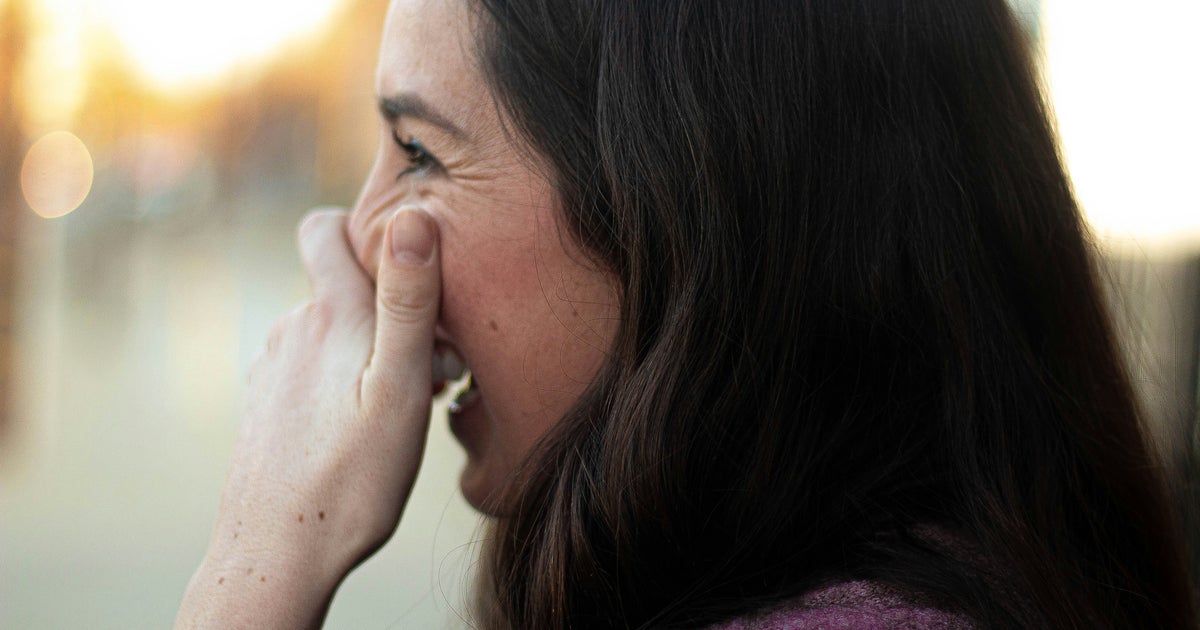
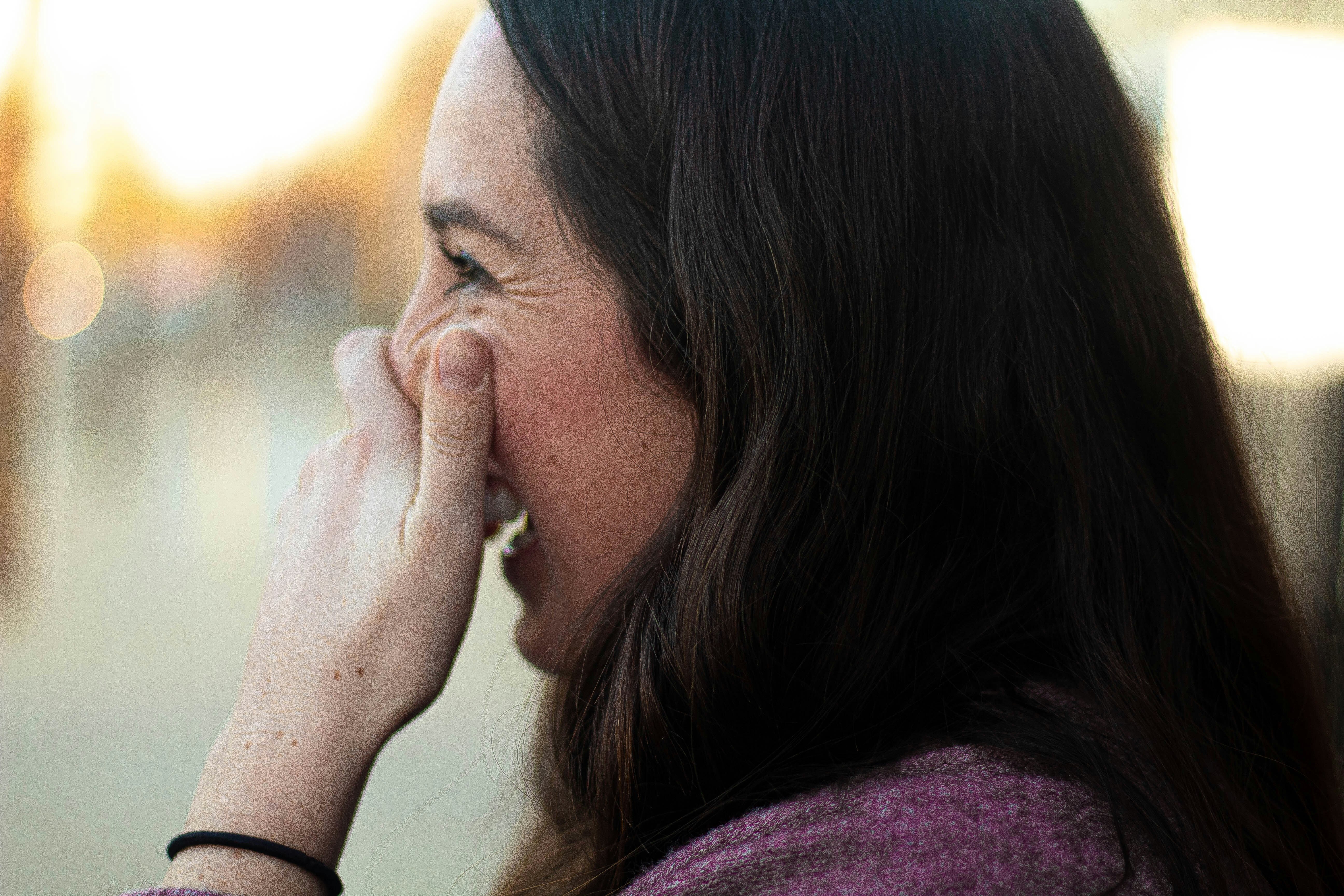
And the Cleveland Clinic recommends we “Use the ‘transverse philtral pressure technique,’ which involves applying pressure to the area between your nose and your lips.

“If you’re doing it right, it should look like you’re giving yourself a moustache with your finger,” they said. This may interrupt the sneezing signal.

I’m learning so much more about myself than I expected today…
Share Button

Oh Good – Your Inheritance May Include UTIs

I’ve always thought UTIs were a bit like period pain; they just seem to be the luck of the draw.

The NHS explains that they’re more likely to happen to women, as: “Women have a shorter urethra than men. This means bacteria are more likely to reach the bladder or kidneys and cause an infection.”

Having sex, pregnancy, not drinking enough fluids, a weakened immune system, and “not keeping the genital area clean and dry” can increase your risk, they say, though they add that some people are simply more susceptible to chronic UTIs than others.

But according to Harvard Health, if you get UTI after UTI, “You may be surprised to learn that family history may also play a role.”

How?

It’s down to genetics, which experts think can make you more or less likely to get the condition many times over.

“Having a first-degree female relative (parent, sister, or child) with a history of more than five UTIs means you may be at higher risk for recurrent UTIs,” Harvard shared.

A 2010 study found that “six out of 14 genes investigated in humans may be associated with susceptibility to recurrent UTI in humans.”

Harvard adds that “recurrent” UTIs are defined by someone having three infections or more in any 12-month period, or two infections in any six-month period.

They add that “abnormalities in the urinary tract or trouble completely emptying the bladder may make a person more vulnerable to frequent UTIs.”

The NHS says chronic UTIs may not show up in urine tests and “can have a big impact on your quality of life.”

How can I protect myself against UTIs?

If you have recurrent UTIs, it can be helpful to see your doctor.

For one-offs or less serious cases, the NHS advises we:

  • do not use scented soap

  • do not hold your pee in if you feel the urge to go

  • do not rush when going for a pee – try to fully empty your bladder

  • do not wear tight synthetic underwear, such as nylon

  • do not drink lots of alcoholic drinks, as they may irritate your bladder

  • do not have lots of sugary food or drinks, as they may encourage bacteria to grow

  • do not use condoms or a diaphragm or cap with spermicidal lube on them – try non-spermicidal lube or a different type of contraception.

Instead they say we should:

  • wipe from front to back when you go to the toilet

  • keep the genital area clean and dry

  • drink plenty of fluids, particularly water – so that you regularly pee during the day and do not feel thirsty

  • wash the skin around the vagina with water before and after sex

  • pee as soon as possible after sex

  • promptly change nappies or incontinence pads if they’re soiled.

Participating pharmacists are able to prescribe antibiotics for UTIs ― you don’t need to go to your doctor.

Share Button