However big you think the universe is, it’s almost certainly bigger.
Our galaxy, the Milky Way, is 100,000 light-years across (one light-year is about six trillion miles).
And according to some estimates, there could be one to two billion galaxies in the universe. So perhaps it’s no wonder scientists have long wondered whether we can really be alone in that endlessness.
In fact, our intergalactic solitude seems so unlikely to some that a puzzle – the Fermi paradox – centres on its improbability. Given how statistically likely other life seems to be, it asks: where are all the aliens?
Advertisement
Of course, we’ve only been looking for other extraterrestrial beings since about the ’60s, and the very vastness that makes alien life so probable might also make our likelihood of meeting them next to impossible.
But a paper published in Nature Astronomy shows that most scientists agree they’re probably out there, somewhere.
What did the study show?
This research involved four surveys, all sent out to scientists like astrobiologists (those who study life outside our planet), biologists, and physicists.
Advertisement
These were all about “the likely existence of basic, complex, and intelligent extraterrestrial life”. That means they wanted to know whether experts thought anything from bacteria to plants or even conscious beings were probable.
When the results came back, 86.6% of astrobiologists said they “agree” or “strongly agree” that this was likely.
While 12% were more neutral on the topic, only 2% outright disagreed.
Among non-astrobiologists, meanwhile, the response was even more strongly positive. A whopping 88.4% reckoned there probably is life out there somewhere.
Advertisement
What about aliens, though?
“Extraterrestrial life” does not mean ET, or any other thinking, communicating being you might imagine when you hear the word “alien”. It could be as simple as a single-celled amoeba.
So it’s a good thing researchers also asked scientists how probable they thought “complex” and “intelligent” forms of life were, too.
67.4% of astrobiologists agreed this is likely, compared to 58.2% of other scientists.
Only 10.2% of astrobiologists outright disagreed that this was plausible.
These results, the study reads, “offer a snapshot of community opinion and reveal a significant degree of consensus that extraterrestrial life is likely to exist”.
If someone called you “awful” today, you’d probably be offended. But travel back a few hundred years and that same word would have been high praise.
Awful has one of the more dramatic reversals in the English language. It began as something genuinely admiring and ended up as something quite negative in everyday use.
Advertisement
“The word ‘awful’ traces back to the Old English root ege, meaning dread, reverence or profound respect,” Sophie Vignoles, a linguist and head of learning content at the language learning app Babbel, told HuffPost. “That origin shows in its early use. It originally meant something that filled you with awe, describing anything that inspired wonder or terror, often tied to the power of God or nature, and it was a compliment. A mountain range or a storm could be called awful, and that was high praise.”
The word awful goes back to Old English, with experts pointing to a ninth-century citation attributed to Alfred the Great. The Oxford English Dictionary has many examples of “awful” in texts from the subsequent centuries – generally meaning things like “inspiring respect, mixed with wonder or reverential fear.”
Basically, awful was the sort of word people reached for when ordinary language failed to describe things so powerful, majestic and grand that they inspired deep reverence – like the divine.
Advertisement
So, how did it evolve to mean something simply negative?
“The shift happened gradually through the 19th century,” Vignoles said. “Awe itself is a mixed emotion. It carries wonder but also fear and sometimes a sense of insignificance, and over time, English speakers leaned into the fearful side rather than the reverent one. Awful stopped meaning inspiring and started meaning overwhelming in a bad way.”
bgblue via Getty Images
“Awful” was a much more complex word than its modern “very bad” definition would suggest.
For a long time, awful captured the complexity of awe and its connection to the sacred and sublime. But language tends to simplify over time, and people gradually started emphasising the dread over the wonder. Eventually “awful” became a weaker, more casual word.
Advertisement
The slide was gradual enough that it drew complaints along the way. Welsh writer Hester Lynch Piozzi asserted in 1794 that the word should “be used with caution and a due sense of its importance”.
“I have heard even well-bred ladies now and then attribute that term too lightly in their common conversation, connecting it with substances beneath its dignity,” she wrote.
Over the next century, the word came into its more modern meaning of unpleasant, not desirable or just very bad.
Advertisement
This kind of drift where a word sheds one meaning and picks up another is known as semantic shift, and it’s one of the most reliable patterns in the history of any language. Just as “nice” shifted from something negative to something positive, awful also completely reversed course – but in the opposite direction of positive to negative.
Thus, a word that once described the sublime now describes the merely terrible. Awful’s close cousin “awesome” makes the reversal even more striking.
Interestingly, the word awful actually predates awesome by centuries, though the two had similar meanings for a stretch. As both words weakened in meaning over time, awesome shifted to a more positive connotation of “good” or “cool” while awful came to mean “very bad.”
Advertisement
“Awesome comes from the exact same root but took the opposite path, which shows how unpredictable this kind of drift can be,” Vignoles noted.
The awful/awesome split isn’t even unique within English. “Terrific” and “terrible” come from the same Latin root and once shared the same basic meaning: inspiring terror or dread. Today, terrible has kept that negative sense while terrific has traveled so far in the opposite direction that it’s essentially a synonym for wonderful. Thus we have another pair of sibling words that started in the same place and ended up miles apart.
“It shows that meaning is never fixed. It is negotiated by whoever is using the word at the time,” Vignoles said, pointing to Babbel’s research on the way American English has evolved in honor of the United States’ 250th anniversary this year.
Advertisement
“Awful is a useful reminder that English often trades one meaning for another,” she added. “This kind of reversal is not unique to English either. In Russian, the word grozny once carried a sense of majesty and awe-inspiring power. Ivan Grozny, usually translated into English as Ivan the Terrible, was not originally meant as a purely negative title. Over time, the word narrowed toward its harsher, more fearsome sense, much like awful did in English.”
So, the next time something is so bad it’s almost impressive, you should feel comfortable calling it awful, in keeping with the word’s original meaning. But if you find something so good it inspires awe, you should probably opt for a different word so as not to offend.
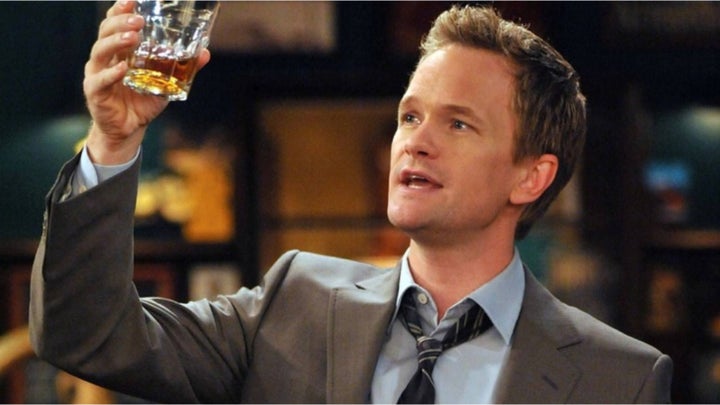
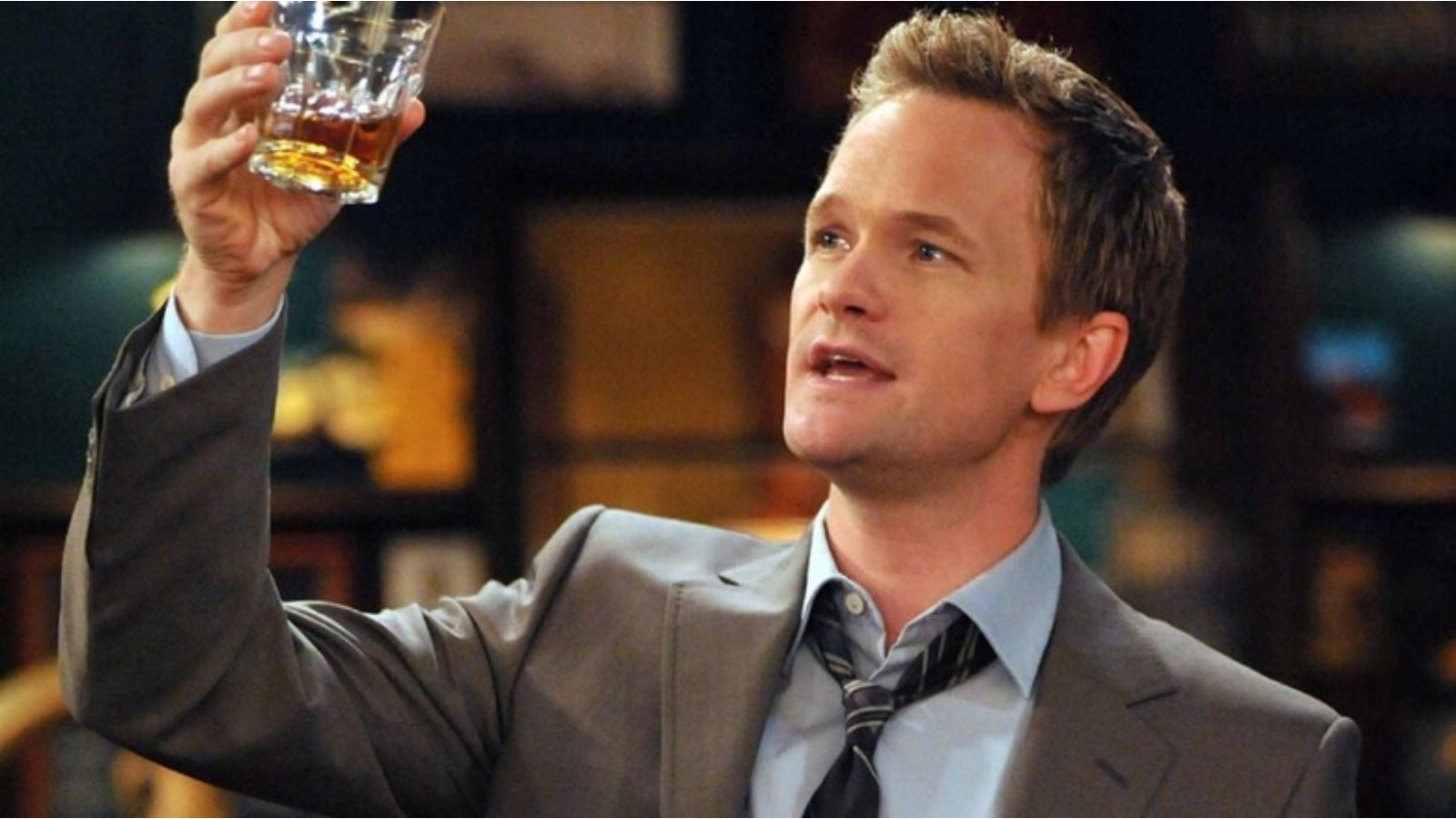
The 53-year-old became a household name after playing a rich womaniser in the CBS show, which was nominated for 28 Emmy Awards during its 2005-2014 run.
Advertisement
Fans have gone so far as to call his on-screen persona “an extreme womaniser, chronic liar and toxic manipulator”.
Speaking to The Times, Harris was asked about the “toxic” traits of his character.
Pointing out that the show’s entire story is narrated by the show’s protagonist Ted Mosby (played by Josh Radnor and Bob Saget), the sometime magician said: “None of the behaviours [in the show] are, you know, certified, or even true.
Advertisement
“So I had the freedom to be much more lascivious, much more ridiculous and overt than I imagine Barney probably actually was.”
He added that Barney “was always the devil on Ted’s shoulder”.
Barney in How I Met Your Mother
Earlier this year, Harris said in an episode of the behind-the-scenes podcast How We Made Your Mother that he’d often felt “insecure” playing the swaggering part and was worried he didn’t “nail” his scenes.
Advertisement
But, he added, “that insecurity absolutely played into the bravado” required.
“I’ve always felt Barney was kind of broken,” he explained.
“He wore armour. The suit was armour. He hid sincerity and vulnerability behind bravado because that’s how he survived.”
Neil also previously discussed reprising his role with Hilary Duff, who starred in spinoff How I Met Your Father, suggesting he wouldn’t play Barney again unless he seriously changed his ways.
“Barney’s antics, his overt delusions of grandeur, would likely get everyone in trouble. So, unless he’s changed his ways or joined a nunnery (insert an insert joke here), not sure if it’s in anyone’s best interest,” he said in his Wondercade newsletter, to which Hilary replied: “I’m pretty sure Barney would… be in jail in 2022.”
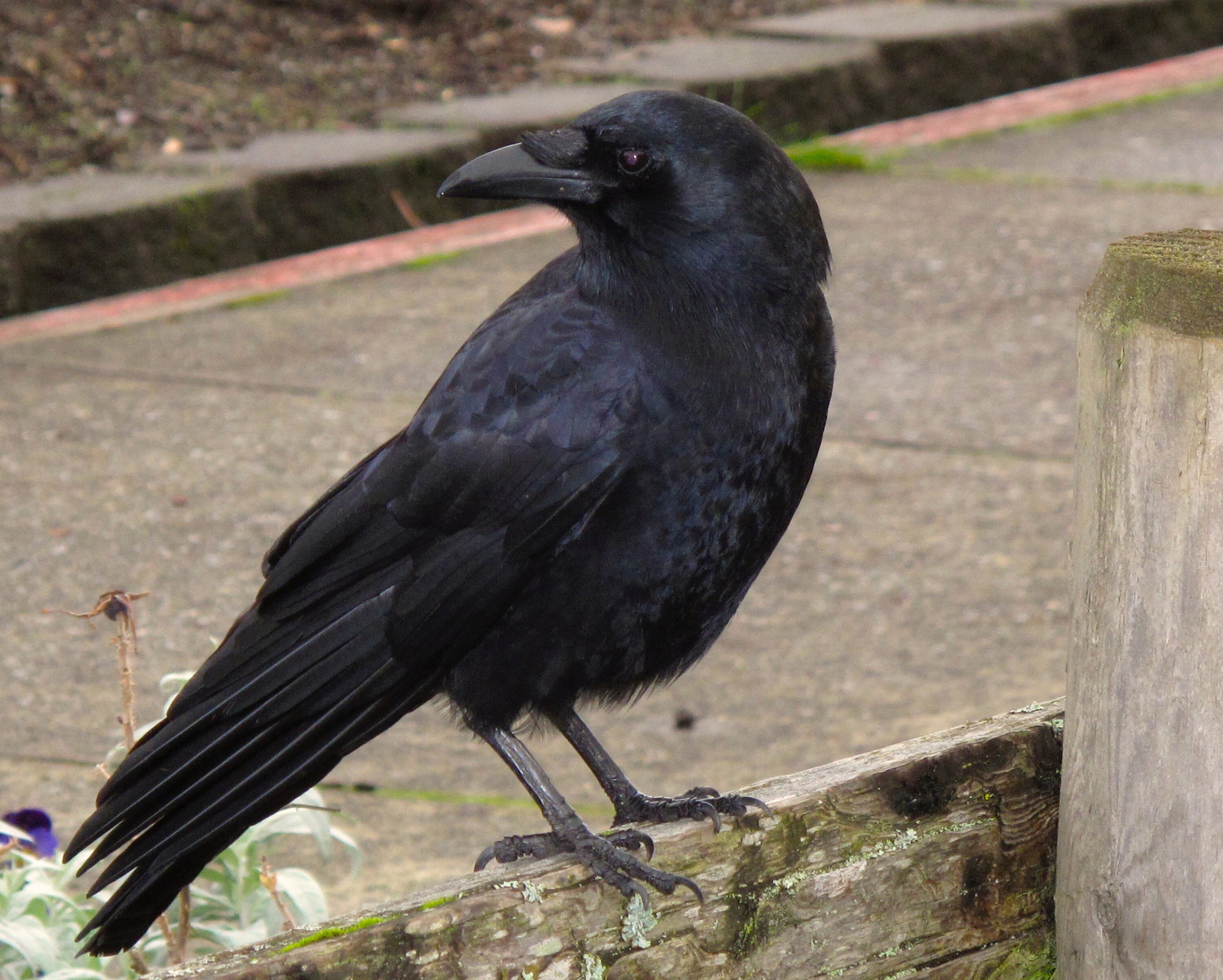
According to National Geographic, crows are some of the most intelligent birds in the world. They have also always been held in incredibly high esteem and are considered to be symbols of prophecy, transformation, change, and freedom.
However, as majestic and revered as these birds are, they are also not to be messed with.
According to Science World: “Crows are incredibly territorial during May and June. They are known to dive and strike humans not just once, but repetitively until the human in question has moved a good distance away from the nest.”
Advertisement
In fact… you may actually want to be a little more friendly with crows and even befriend one. Yes, really.
Why you should befriend a crow
So, maybe you don’t need to specifically befriend a crow but you definitely need to stay on their good side.
This is because a five-year study by scientists at the University of Washington has found they possess an unusually good memory for human faces linked to a stressful event.
Advertisement
Not only do crows remember the faces of humans for five years, but these clever corvids can also warn their friends and family about you, too. I don’t know about you but being the target of a murder of local crows sounds bloody terrifying.
However, if you do choose to buddy up with a crow, they’ll actually bring you gifts. They may be fiercely protective and hold a hell of a grudge but they are generous souls, too!
John Marzluff, conservation ecologist at the University of Washington said that crows take part in “gifting” by leaving behind keys, lost earrings, bones, or rocks, for the people who feed them.
Advertisement
How to befriend a crow
According to Pet Helpful, following these steps can help you to become friends with a crow:
Find food that the crows seem to like and keep it in stock. Crows tend to like nuts and seeds
Establish a regular feeding schedule so they know when to expect you and can create a rhythm with them
Don’t overdo it — you don’t need to feed them meals, just enough for them to know that you care and want to befriend them
Don’t overdo it. Don’t feed them so much or so often that they become dependent—just a handful of something to show you care.
Don’t just throw the food out there and walk away. Stay at a respectful distance to watch them eat. You may see them eat it on the spot, or they might choose carefully and fly off to cache it for later
Don’t get too close to them as they prefer to be standoffish and may feel threatened
You’ve probably sent and opened thousands of PDFs over the years. But if someone asked you right now what PDF actually stands for, would you know the answer?
You’re not alone if you don’t. The word has become so embedded in everyday language that most people use it the way they use terms like “Wi-Fi” and “pm” ― automatically and without any particular thought about what the letters mean.
Advertisement
But it’s never too late to learn the answer to that mystery, as well as the interesting history behind those three letters. (And no, it doesn’t stand for “Please Download Fast” or “Pretty Delightful File.”)
“PDF stands for ‘portable document format,’ though I’m not sure anyone knows or cares anymore,” said Lisa Gitelman, a media historian and professor at New York University. “’PDF’ stands as the name of a digital file format on its own.”
“The keyword is ‘portable’ because the format was designed to keep a document looking exactly the same, no matter which computer, operating system or device it was opened on,” said Madeline Enos, a language trends expert at the language learning app Preply.
“Before PDFs became widespread, sharing documents could be frustrating because fonts, images and layouts often changed depending on the software being used. The PDF solved that problem by preserving the original formatting, which is why it’s still one of the most trusted file formats over 30 years later.”
The origins of the PDF go back to 1991, when Adobe Systems co-founder John Warnock proposed a project called “Camelot” with the goal of developing a simplified way to view and print any document across devices and platforms, regardless of the software or hardware used to create it.
Advertisement
“At the time, the web was far less standardised than it is today, so creating a document that looked identical everywhere was revolutionary,” Enos noted.
Warnock’s Camelot project culminated two years after his original proposal, with the release of PDF 1.0, bundled with the first version of Adobe Acrobat.
merovingian via Getty Images
The origins of the PDF go back to the early 1990s.
Advertisement
“PDF first appeared in the marketplace in 1993,” said Duff Johnson, CEO of the PDF Association. “Adobe, which invented PDF, continued its development until 2007, at which point the specification for PDF was handed to ISO for international standardization as a vendor-neutral technology.”
As the online environment has evolved significantly since the ’90s, so too has the PDF, Gitelman noted. Still, the file format remains an important standard.
“I once wrote an essay laying out four reasons for its enormous success,” Gitelman said. “First, PDFs offer page images – like facsimiles, like xeroxes, like microfilm, unlike word processing files or most proprietary eBook formats. This means they feel stable. They retain layout as well as content. Second, as page images, they are handy in publication workflows. Every book, every analog publication, has been a PDF somewhere in its life history. Third, they are easily transmissible across digital networks, even in low-bandwidth environments.”
Advertisement
The fourth and final reason: PDFs are searchable, she added.
Today, people still use the term PDF in everyday conversation, particularly in the context of work.
“We’ve certainly noticed that ‘PDF’ is used synonymously with ‘document’ and ‘file,’ as in ‘I sent him a PDF’ and ‘The email includes three PDFs,’” Johnson noted. “But the industry accepts such usage as the price of ubiquity.”
Many people also say “PDF file,” which is not quite redundant, as in the case of “PIN number” or “ATM machine.” But the term PDF does stand alone.
“Most people don’t stop to mentally unpack what the letters stand for, so adding ‘file’ simply makes the meaning clearer,” Enos said.
Advertisement
Still, the meaning is quite clear to most people these days.
“Most acronyms stay within specialist industries, but PDF made the rare jump into everyday language. Today, people don’t just recognise the letters – they also use ‘PDF’ as a verb,” Enos said. “It’s increasingly common to hear someone say ‘Can you PDF it?’ or ‘Just PDF that document,’ showing how technical abbreviations can become everyday words over time.”
This is a process known as lexicalisation, as the abbreviation became so familiar that it was accepted as a normal standalone word in the English language.
“While countless digital buzzwords have come and gone over the past three decades, ‘PDF’ has remained relevant because it describes a format rather than a trend,” Enos said.
Advertisement
The meaning of PDF has hardly changed over time, and it has gone international as well.
“PDF is one of the few digital abbreviations that has become almost completely language-independent,” Enos said. “Whether you’re in the UK, Japan, Brazil or Germany, the acronym ‘PDF’ is almost always recognised and rarely translated.”
Thus, PDF has essentially become a universal language in some ways.
“It’s a good example of how technology creates a shared international vocabulary,” Enos said. “Even people who don’t speak the same language often understand terms like PDF, Wi-Fi, USB and GPS, making them some of the closest things we have to truly global words.”
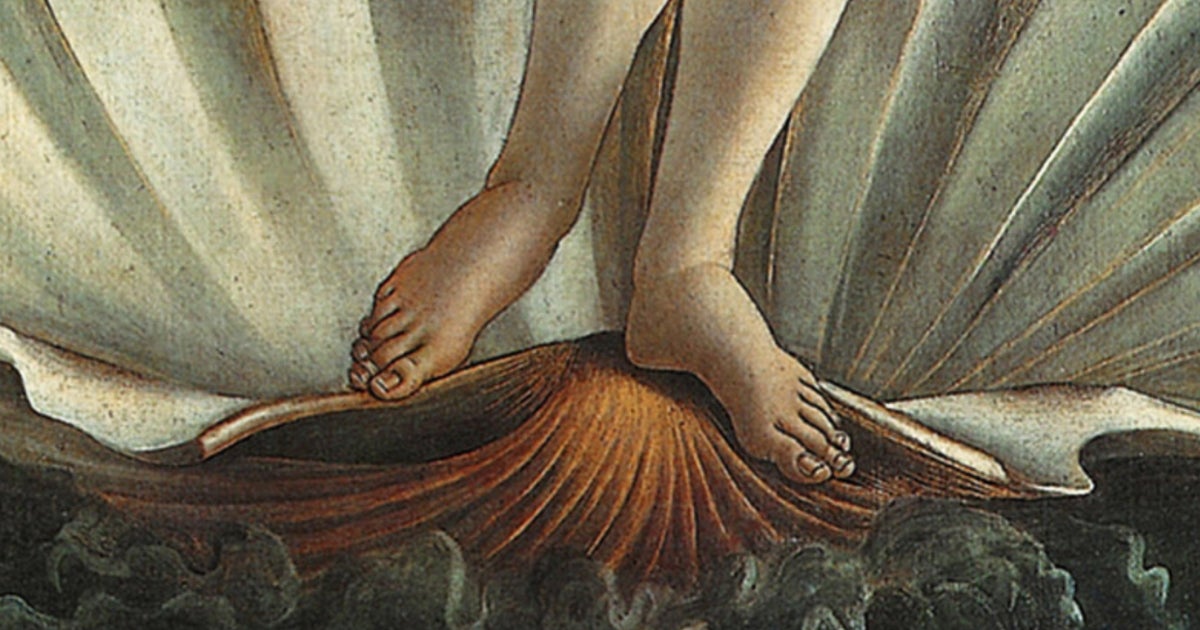
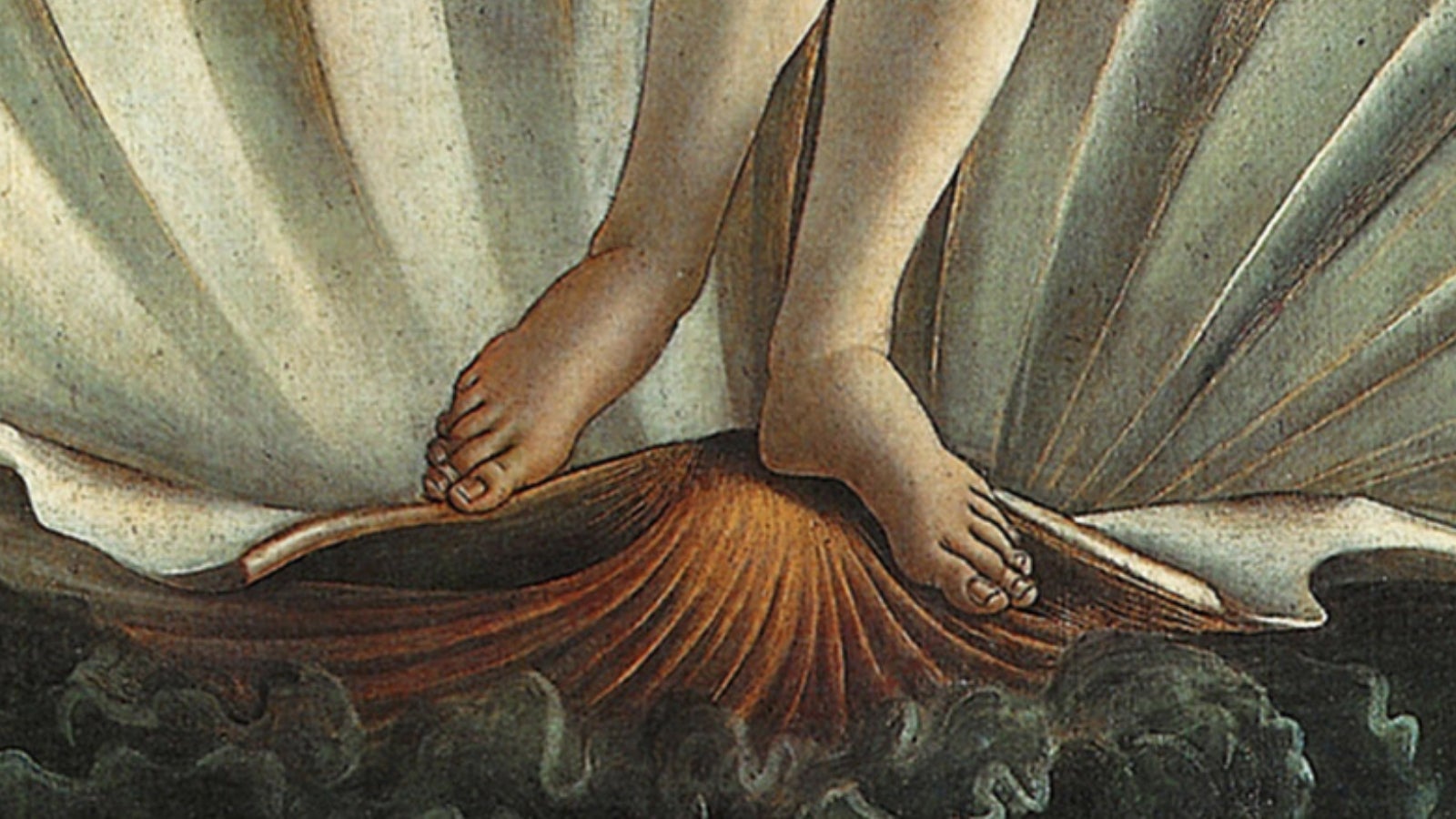
In all of these iconic works of art, the characters depicted have second toes longer than their big toe – a phenomenon sometimes called “Morton’s toe”. The feature is also seen in Botticelli’s The Birth of Venus and da Vinci’s famous Vitruvian Man.
Advertisement
It’s a quirk that’s been noted as far back as 1897, when a writer for the Boston Medical and Surgical Journal noted that in “early Greek art, where there is any attempt at careful modelling of the toes, the first toe is separated from the second, and in most instances the second toe is represented as somewhat longer than the first”.
Morton’s toe wasn’t really a “thing” in Ancient Egyptian art, though, Atlas Obscura added. That suggests it became a trend that stuck in the West.
Advertisement
So what’s going on?
Why might “Morton’s toe” be so present in ancient art?
Hands up: the short answer is, we don’t know for sure. But theories abound.
“Morton’s toe” affects anywhere from 4-30% of the global population.
The condition is sometimes called “Greek foot”, because over time, it’s become associated with Greek people.
That might explain its presence in predominantly Ancient Greek art – except that evolutionary geneticist Dr John H McDonald told USA Today, “I haven’t seen any evidence that so-called ‘Greek foot’ is more common in Greece than anywhere else”.
Another theory is that a longer second toe better fitted Greek ideals of beauty because it was more closely aligned with the mathematical rules of the Golden Ratio.
Advertisement
But not everyone thinks those numbers quite run, including in Da Vinci’s Vitruvian Man, where the famous fella’s second toe on his upper right leg extends to perfectly touch the curve of the surrounding circle.
Then, there’s the copycat theory
There’s another option, too: simple repetition.
Whether some influential artists thought the feature was especially pleasing or just happened to use a model with Morton’s toe, there’s the chance that it was adopted by some of the greats and then endlessly aped.
Advertisement
“Many Roman statues have Greek feet, simply because the artists drew inspiration from one another,” Atlas Obscura posited.
A document from the US National Parks Service (NPS) seems to say the same thing: “As Roman statues sometimes are copies of the Greek originals, the Roman statues often have ‘Greek’ feet.”
Indeed, the person who created the Statue of Liberty, whose second toe is longer than her first, was pretty open about his Ancient Greek, Egyptian, and Roman inspiration.
Advertisement
“On her Greek/Roman feet, open sandals… define [the Statue of Liberty’s] heritage from the earliest days of civilization – we see her Morton’s toes,” the NPS added.
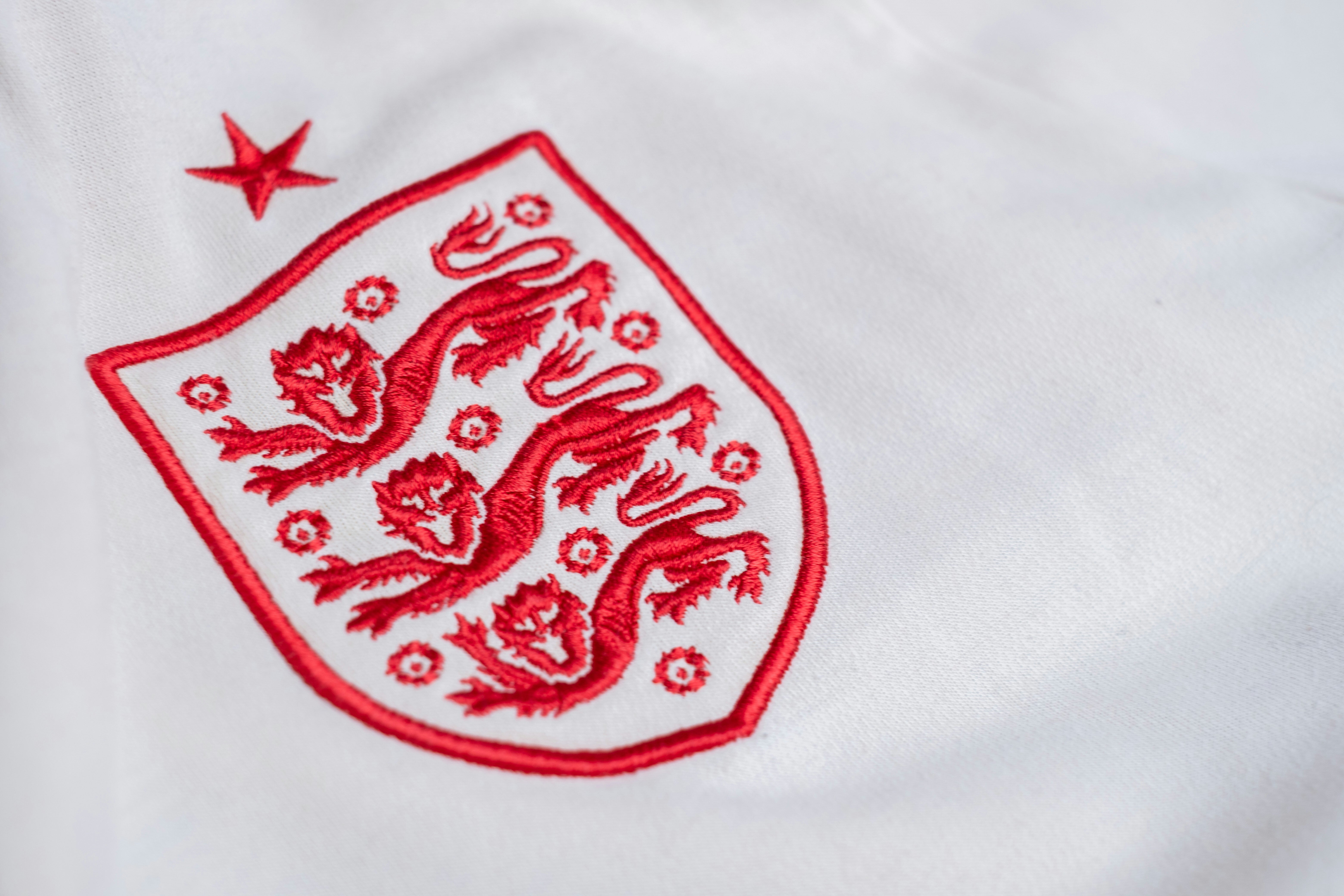
The three lions on the shirts of England’s football gear have become so strongly associated with the men’s national team that they’re nicknamed The Three Lions.
But why three – and why doesn’t the England team’s emblem match England’s non-football coat of arms exactly?
Why does the England football team’s shirt have three lions?
As we’ve said before, the crest was adopted by the Football Association when it was first founded.
But that’s because of a long, royal history of lions in England’s heraldry.
King Henry I had a lion on a red background on his coat of arms way back in the 12th century.
And when he married Adeliza of Louvain, whose father, Godfrey I, Count of Louvain, had a lion on his coat of arms, too, he added a second. That happened in 1121.
That meant King Henry I’s grandson, Henry II, was born with two lions on his coat of arms. But then he, too, married into a big-cat-coat-of-arms family: Eleanor of Aquitaine’s heraldic badge also contained a lion.
Advertisement
But, per the i Paper, it took Eleanor and Henry’s son, Richard the Lionheart, to combine the three lions into a single emblem.
That flag – three lions on a red background, or Gules, three lions passant guardant in pale or – was used by every Plantagenet king until the ascension of Edward III in 1327.
Advertisement
How is England’s football emblem different from the royal one?
The Football Association would have had to ask for permission to use the Three Lions emblem due to its royal associations. But it doesn’t exactly match the royal version.
Firstly, the colours are different – England’s football badge is blue and white, while the historic version was red and gold.
And the England football badge has 10 Tudor roses on it. “The reason for the specific amount of roses is unknown,” the BBC said.
Advertisement
England’s football badge also used to have a crown on top. But in 1949, that was removed so as to distinguish it from the England cricket team’s emblem.
The star above the lions is a relatively new addition, representing England’s 1966 World Cup win.
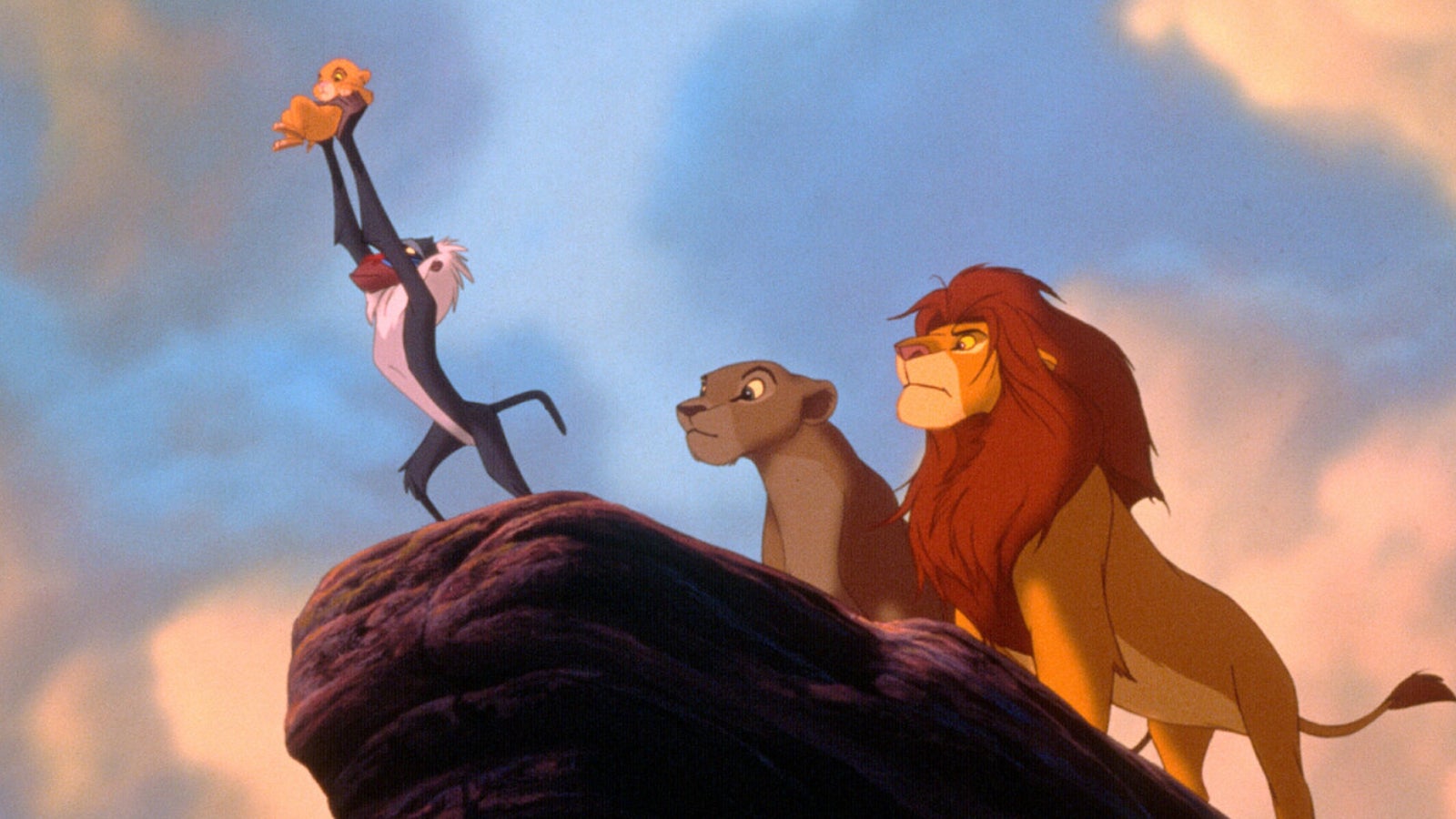
Not only did he work on the 1994 classic, but he actually won an Academy Award for Best Original Score (alongside two Grammies and a Golden Globe) for his contribution.
Advertisement
Still, he shared on Classic FM that he had been reluctant to take the role at first.
“I didn’t want to do Lion King, you know, cartoons – why am I doing cartoons?” he recalled.
“And, oh my God, they might turn [the songs] into musicals. I don’t really like musicals,” the film legend said he thought at the time.
Advertisement
However, Zimmer changed his mind because his daughter, who was six at the time, had never been able to go with him to the premiere of any of the movies he’d worked on, because “all the movies with Ridley Scott are not necessarily child-friendly”.
So he agreed to make the film – but when he sat down to write, more family matters came up for Zimmer.
Advertisement
“My dad died when I was six years old, and here I am sitting in front of this cartoon, and it’s about the death of a father – with fart jokes, admittedly,” he revealed.
“And I realise… it’s a complete lie that children get over this stuff. They don’t get over it, they just find out really clever ways of hiding this stuff.”
The composer shared he couldn’t “hide” his feelings anymore, and “I basically wrote a requiem for my dad, and it became a really serious piece.”
Advertisement
That made it “deeper than your normal cartoon,” both for him and The Lion King’s viewers.
I don’t have hay fever, but based on how I react to walking outside on a hot day, I’d forgive you for believing I do.
For some reason, getting off the train into the sun, opening my door onto a ray-soaked street, and even leaving a tree’s shadow into a bright spot triggers a huge, eye-watering sneeze – and until now, I had no idea why.
It sounds like I’m experiencing a “photic sneeze reflex,” also known as “autosomal dominant compelling helio-ophthalmic outburst syndrome” (ACHOO syndrome – teehee).
What is a “photic sneeze reflex” or ACHOO syndrome?
An extract from Medical Genetics Summaries says that “Affected individuals report a ‘prickling sensation’ or sneezing in response to a bright light.”
It’s elicited by going from a darker area to an area of brighter light (like stepping into sunlight from indoors), or simply having a bright light shown to you.
Advertisement
This can be “uncontrollable.”
How common is it to sneeze at bright lights?
“About one in four individuals who already have a prickling sensation in their nose will sneeze in response to sunlight, but ‘pure’ photic sneezing is far less common,” Medical Genetics Summaries shared.
If one parent has the condition, their child has a 50% chance of developing it.
It happens because of a misfiring in a facial nerve that goes from your eyes to your nose. The constriction of your pupils as your eyes adjust to the light triggers the sneeze.
Advertisement
Is sneezing at bright lights dangerous?
It can be if you’re operating heavy machinery or driving: “for example, exiting a road tunnel on a bright day.”
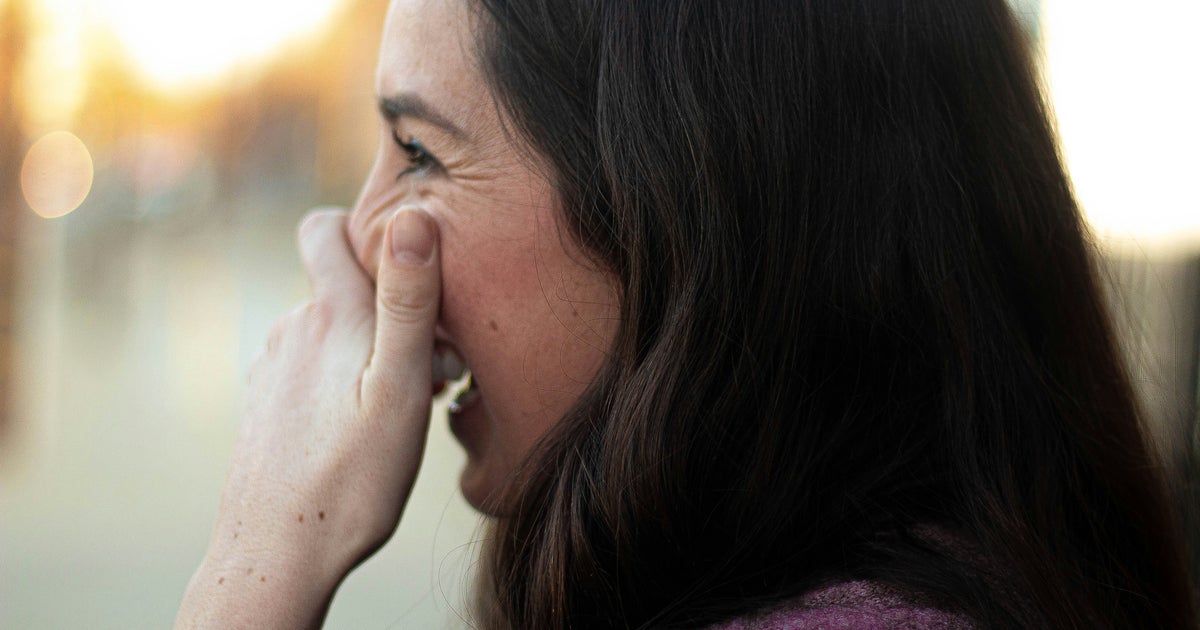
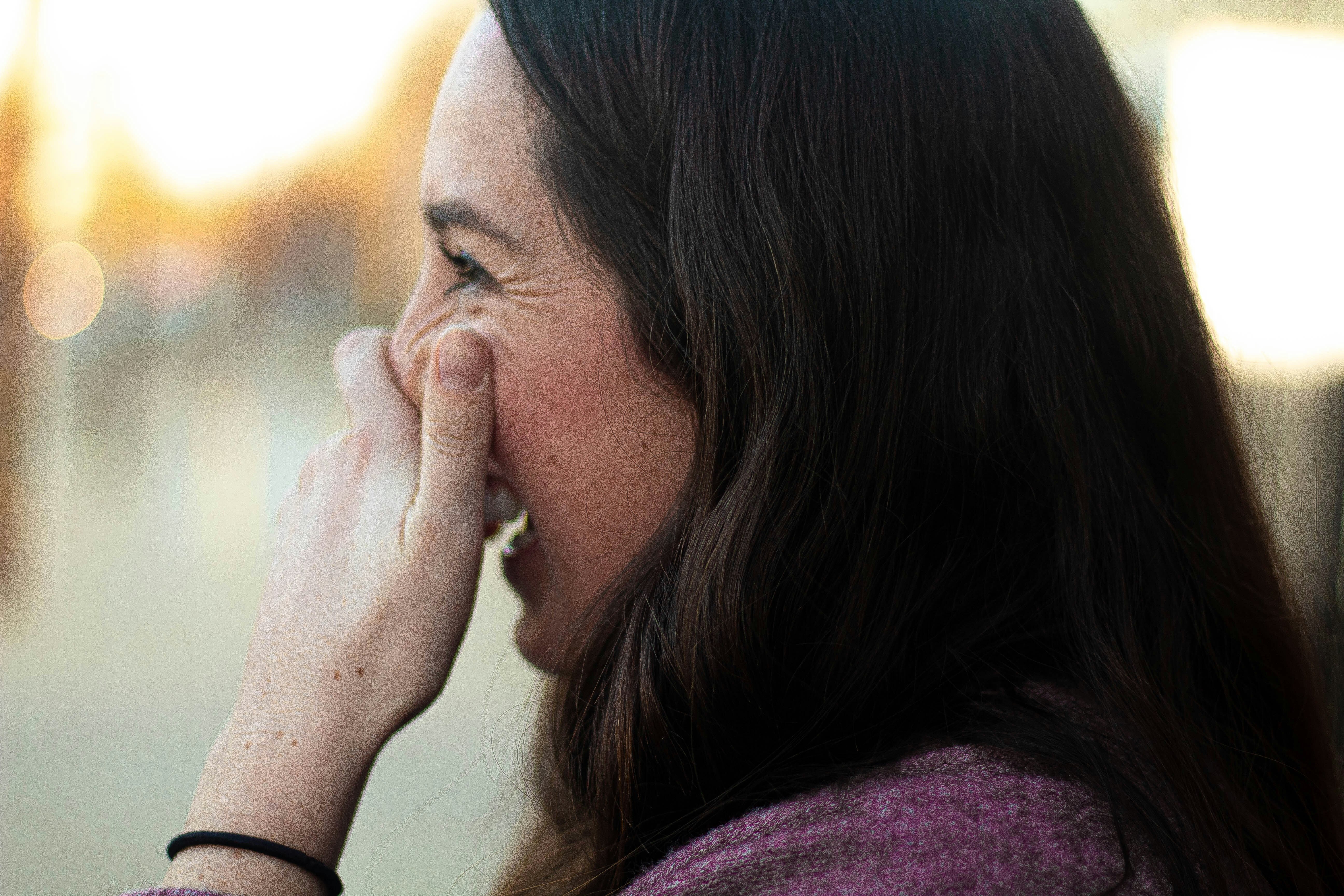
And the Cleveland Clinic recommends we “Use the ‘transverse philtral pressure technique,’ which involves applying pressure to the area between your nose and your lips.
Advertisement
“If you’re doing it right, it should look like you’re giving yourself a moustache with your finger,” they said. This may interrupt the sneezing signal.
I’m learning so much more about myself than I expected today…
And as ScreenRant pointed out, the movie should satisfy long-standing viewers on another front too: it addressed a decades-long plot hole.
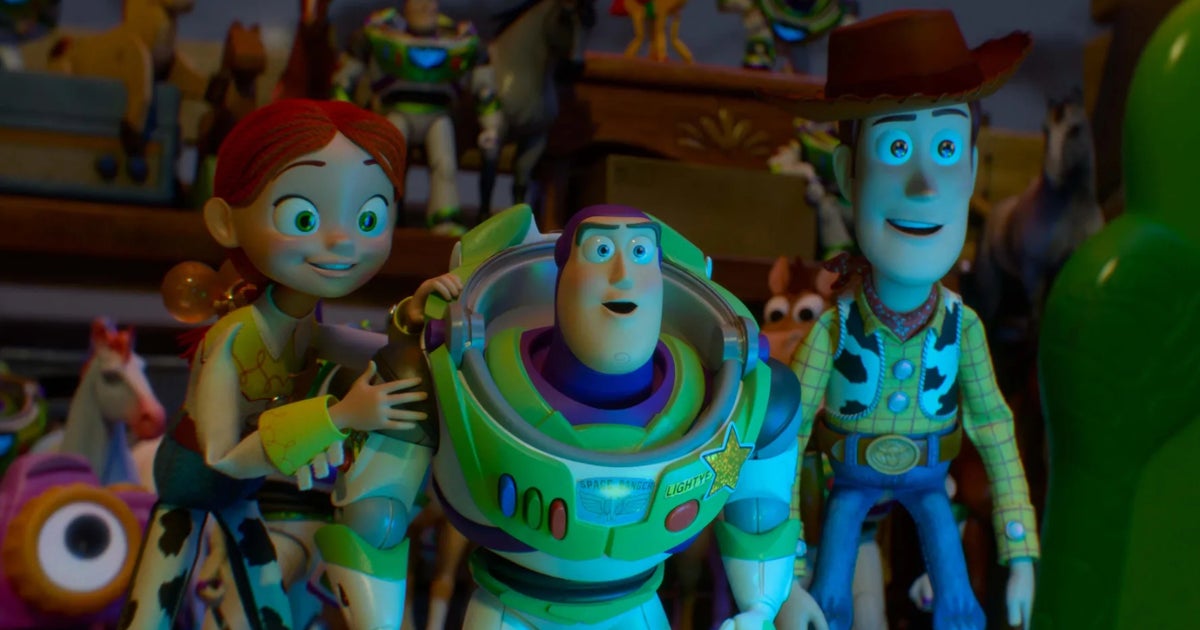
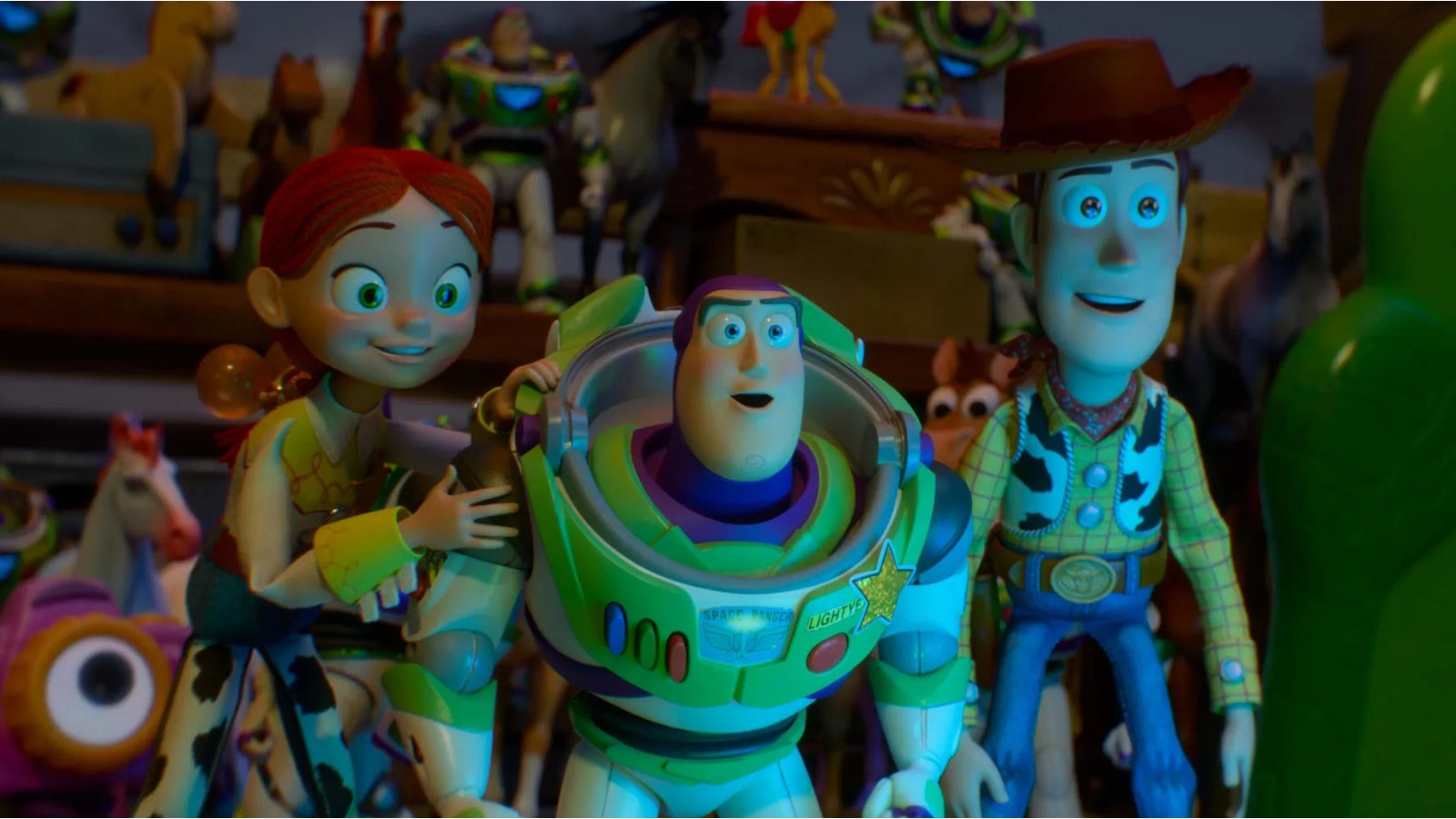
Buzz Lightyear doesn’t know he’s a toy for much of the first 1995 Toy Story movie. He truly believes he’s a Space Ranger and tries to contact his Space Command.
Advertisement
But that leaves a problem fans have previously pointed out on sites like Reddit: if Buzz doesn’t think he’s a toy, why does he freeze when Andy (the human owner of the toys) enters a room he’s also in?
All the other toys stop moving and talking whenever a person can see them, presumably so they can keep up their secret activity unnoticed.
But, some fans have argued, if Buzz saw himself as another human, it didn’t make sense for him to maintain the illusion of inanimacy.
The new movie begins with a batch of Buzz Lightyear toys, all of which (though they’d probably prefer “of whom”) think they’re real Rangers.
Like Andy’s Buzz Lightyear, they try to contact their Space Command and can’t get through. Instead, they end up in a shipping crate in a shipyard.
Advertisement
When a worker gets close to them, all of the toys freeze.
And once they come back to life, one of them asks: “Why did we freeeze?”
Nobody has an answer, though one Buzz muses: “fascinating”.
It doesn’t fully explain the plot hole. But it does address it, and it shows that freezing isn’t a conscious choice for the toys – meaning Buzz probably froxe because he didn’t have any other option.