Labour Is Promising To Reduce Sewage Leaks – But Haven’t We Heard All This Before?

Steve Reed tried to make a splash this morning by promising to halve unauthorised sewage leaks in waterways within five years – or offering to resign.

“I’m making an absolute commitment and I’m committed to delivering it,” he said, arguing his job as environment secretary “should” be on the line.

He claimed this is halfway towards Labour’s goal to eliminate them altogether within a decade and announced £104 billion of private investment to help tackle the problem.

The government say this is the first time ministers have set a clear target to reduce sewage pollution, which has skyrocketed in recent years despite public outrage.

Labour also wants to cut phosphorus, which causes harmful algae blooms, in half by 2028.

So Reed stuck by his pledge to leave the role if he doesn’t meet this self-imposed targets.

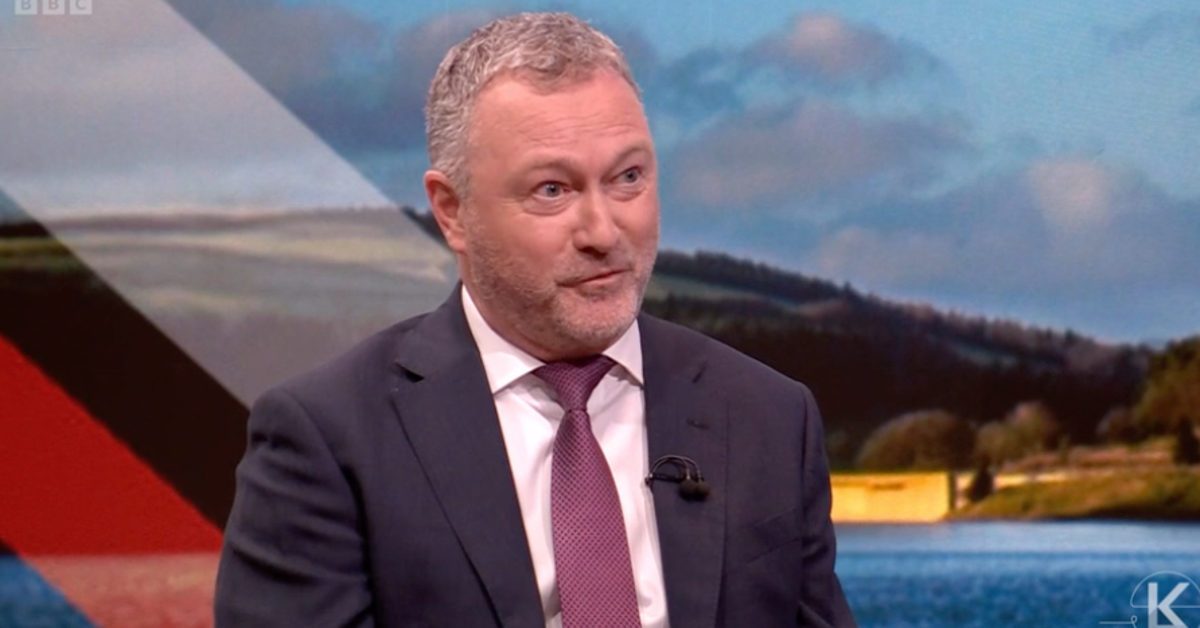
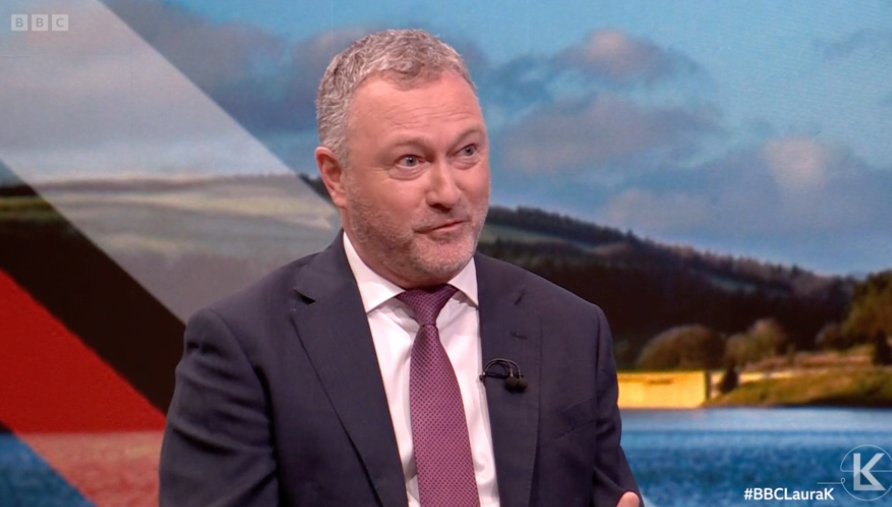
“Politicians come here and say we are going to do things. Of course our jobs should be on the line if we don’t,” Reed told the BBC.

That sounded like a major commitment from a senior minister offering to finally fix the problem polluting our waterways.

But, as BBC presenter Laura Kuenssberg pointed out, ministers have been promising to address the problem for years – and Reed’s promise to halve the leaks also only takes the number down to the levels seen in 2019.

The Guardian found water companies in England had discharged raw sewage into rivers on more than 200,000 occasions that year.

There have also been six different environment secretaries in the last six years (which rather diminishes Reed’s offer to step down, considering the turnover).

While five of those ministers were Conservative MPs, Labour have been in power for a year now – and the Environment Agency found serious water pollution incidents rose by 60% last year in England.

Successive ministers keep promising to reduce waste in our waterways, but those vows are clearly yet to have any kind of impact as sewage spills just keep rising.

So it’s no wonder Lib Dem leader Ed Davey called Labour’s latest vows to implement change “empty promises”.

He said: “We need to see far more ambition from this government with an end to all sewage dumping in bathing waters by 2030.”

Reed’s pledge also came shortly before the publication of the Independent Water Commission, which will be released on Monday – and which may advise the government scrap water regulator Ofwat altogether.

But Davey warned: “This report must not be used as an excuse to kick the can down the road on immediate reforms.

“We need to see action now including replacing Ofwat with a tough new regulator to end this national scandal.

“For years water companies have paid out millions in dividends and bonuses. It would be deeply unfair if customers are now made to pick up the tab for this scandal through higher bills.”

Meanwhile, the Tory shadow secretary for levelling up, Kevin Hollinrake, welcomed Reed’s plans, but compared them to “shuffling deck chairs on the Titanic”.

“It’s really important the regulation is effective,” he said. “We put in a lot of measures to give Ofwat more powers to regulate the water industry. And the lot of those things were very effective, nevertheless, there’s a lot more to do.

“I welcome what’s been announced today, ‘halve the number of sewage outflows by 2030.’

“All those things are possible because the measures we put in place. But clearly more needs to be done.”

Leader of Reform UK Nigel Farage had a more radical suggestion, saying Labour should let the water companies “go bust” so the shareholders “lose all their money”.

He told Sky News: “We need fresh investment in, complete re-capitalisation of it and we’re going to have to accept that bills are going to go up. I don’t see any other way around it.”

Either way, it’s clear patience is running out for Labour to take action – and our rivers are only getting more polluted by the day…
Share Button

Britain’s Raw Sewage Dumping Scandal Leaves Fish ‘Full Of Cocaine’

The dumping of raw sewage into British waterways has left fish being “full of cocaine”, a marine expert has said.

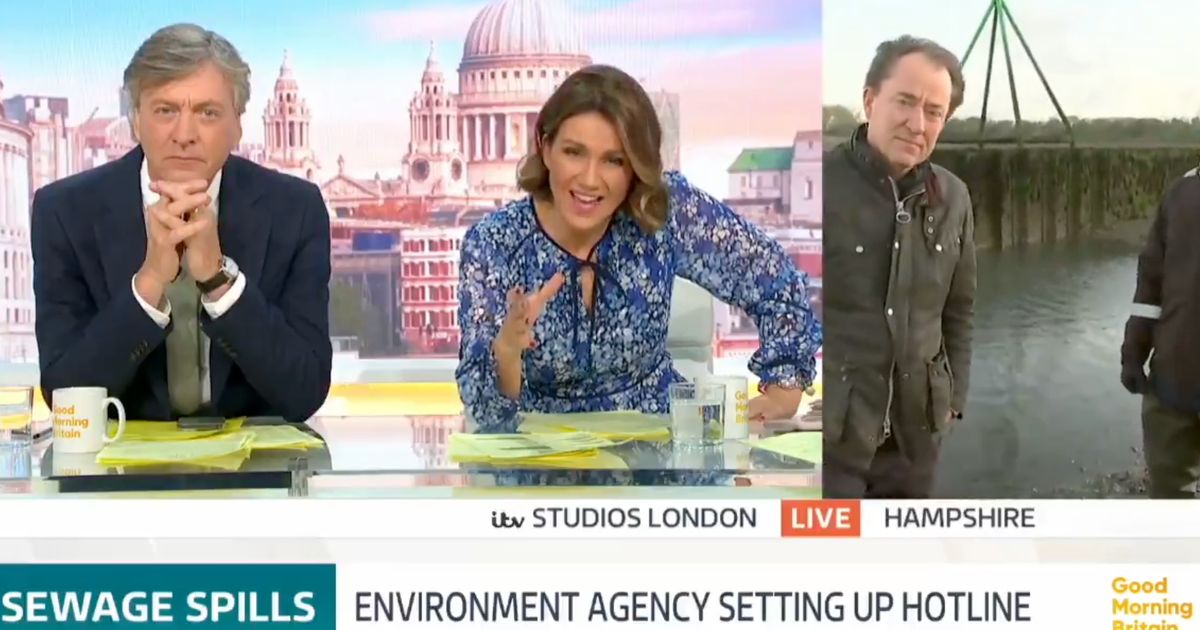
Professor Alex Ford, a marine biologist at Portsmouth University, told Good Morning Britain that the waters he analysed off the Hampshire coast contained drugs, contraceptive pills and antidepressants.


It comes as new figures fuelled more public anger over untreated sewage being discharged into the sea and rivers when the Victorian-era infrastructure cannot cope with heavy rain.

According to the Environment Agency, the number of sewage spills in England’s rivers and seas more than doubled in a year: there were 3.6 million hours of spills in 2023, compared to 1.75 million in 2022.

Ford told the broadcaster from Langstone Harbour, Hampshire: “The sewage treatment plant behind us takes in the waste of half a million people and when it can’t cope with it, it chucks it straight out here.

“In the marine life just beneath our feet, we’re actually finding they’re full of drugs. They’re full of the contraceptive pills, anti-depressants, anti-anxiety medication. Every single marine species that we’ve looked at so far is full of cocaine.”

GMB presenter Susanna Reid couldn’t quite believe what she was hearing, and asked the reporter to clarify: “Every marine species is full of cocaine, did he say?”

Water companies are permitted to discharge untreated sewage into waterways in exceptional circumstances, such as during the heavy rainfall seen this week.

The overflow systems are used to protect homes and businesses from flooding, and the water companies say only a small percentage of the discharge is wastewater.

Water UK, the industry body for sewerage companies, blamed heavy rainfall for the rising problem, but campaigners and opposition parties accused the Tory government of failing to get to grips with the problem.

On social media, the reaction was as you would expect …

Share Button

Why Fears Over Thames Water’s Collapse Have Sparked A Debate About Nationalising Water Again

Thames Water, Britain’s biggest water supplier, could be placed in temporary state ownership if it fails to secure extra funding to pay-off huge debts, it has been reported.

Fears over the collapse of the utility that supplies about a quarter of Britain’s population is the latest controversy to beset the industry, and has prompted a debate over whether the sector should be nationalised again after being sold-off in the 1980s.

What’s the problem?

Put simply, Thames Water is struggling with a £14 billion debt pile and rising interest rates – and needs to raise money to service it. The company said it was “continuing to work constructively” with its shareholders to help raise the £1 billion of fresh equity it says it needs to operate.

Thames Water is owned by a consortium of institutional investors that includes a Canadian pension fund. Around £1 billion of its debt is due to be repaid by the end of 2024, on top of other loans.

In a sign of the pressure the company is under, chief executive Sarah Bentley stepped down with immediate effect on Tuesday after two years trying to revive its fortunes.

What is the government doing to help?

The government has held talks with the regulator Ofwat about the situation, while water minister Rebecca Pow said it would act to ensure water keeps flowing regardless of the company’s financial situation. She told MPs it was not her place to comment on the financial position of a company, but said water firms were “considered resilient”.

Sky News reported earlier that, under contingency plans being drawn up, Thames Water could be placed into a “special administration regime”, effectively state ownership.

That happened in 2021 in the energy supply sector, which like water is also a privatised regulated industry, when the government rescued energy supplier Bulb after it collapsed, in a deal which cost taxpayers hundreds of millions of pounds.

Ofwat said it had been in ongoing talks with Thames Water about the need for a credible plan to turn the business around.

What about re-nationalisation?

The industry was privatised by Margaret Thatcher’s Conservatives in 1989. Most water systems are in the public sector, including in Scotland and Northern Ireland.

The idea was the private sector was better placed to improve drinking water and keep rivers and beaches clean than the government, which would always prioritise areas such as schools and the NHS.

But the rationale has come under scrutiny in recent years amid a public outcry over the release of sewage into rivers and seas.

Such releases of sewage are only supposed to happen during exceptional rainfall to stop it backing up into homes, but campaigners say water companies are discharging sewage much more often than they should.

In 2022, water companies in England alone released raw sewage into rivers and the sea 301,091 times, an average of 825 times a day, according to data from the Environment Agency.

Public anger has been further stoked by the payment of dividends to investors and large salaries and bonuses to water industry executives.

Thames Water said in its annual report in October that it had not paid a dividend to its shareholders for the last five years. Previous owners Australia’s Macquarie, however, was paid a dividend of £1.6 billion pounds over the decade to 2016, according to the Financial Times.

Labour’s shadow climate and net zero secretary Ed Miliband has said that the feared collapse of Thames Water is a “total scandal” but has insisted that the party are “cautious about nationalisation of water companies”.

He told Andrew Marr on LBC nationalising the water companies “would involve… billions of pounds of public money being given to the water companies’ shareholders”.

But Cat Hobbs, of the campaign group We Own It, said England’s privatised water companies “treat our rivers and seas like a sewer and their customers (who have no choice) like an ATM” – and the costs of re-nationalisation should not be off-putting.

She told The Guardian: “We, the public, should own them but we don’t, so they work for their shareholders around the world, not for us. That’s why our water bills prop up a profiteering racket instead of being invested to clean up the raw sewage in our rivers.

“That means buying back the assets because Thatcher sold them off wholesale but in return we’ll get assets. Bringing water into public ownership pays for itself in around six years.”

Share Button

Water Companies Start To Admit You Will Be Charged More To Stop Sewage Dumping

Britain’s privatised water and sewage companies secured some favourable headlines after it was announced they would oversee the biggest modernisation of English sewers “since the Victorian era”.

Against the backdrop of growing public anger over raw sewage being dumped into the sea and rivers when the system cannot cope with heavy rain, the industry said shareholders will make a £10 billion investment in sewerage infrastructure.

And then came the fine print.

Ruth Kelly, chair of the trade body Water UK, admitted the public will have to pay towards upgrading storm overflows – and could be doing so for up to a century.

To be clear, the upfront payment by the water companies will be recuperated from consumers by gradually raising their bills over time.

Kelly said: “Over time, the way the system works is that there will be modest upward pressure on customer bills over the full lifetime of the asset, so over 50 years or perhaps even longer, maybe up to 100 years, customers do contribute.”

So how much is “modest upward pressure”?

Anglian Water, which covers a long stretch of the east of England coast, became the first firm to a price on it. It suggested customers could face an increase on their bills of £91 a year – including £12 to help pay for investment in sewerage infrastructure.

Speaking on BBC Radio 4’s World At One programme, Anglian Water’s head of public relations, Regan Harris, said: “The initial investment will be put forward by our shareholders and the way we’re financed is that they put up that investment and Ofwat allows us to recover a proportion of that from bills.

“What we’re looking at is a fairly small increase of probably a few percent a year between now and 2030.”

It’s hard to gauge how much a household will pay, since it will be determined by individual regional water companies – and the longer the stretch of coastline to keep clean, the higher the bill is likely to be.

The regulator Ofwat said water companies will submit their National Overflows Plan by October 2 which will include any bill increases for the period 2025-30.

The regulator will analyse the plans, giving a final announcement in December 2024, so any bill increases related to the storm overflows plan will not be felt until 2025.

Households have already seen the largest increase to water bills in almost 20 years this year when they soared to £448 a year. Meanwhile, as the Financial Times reported, water and sewage companies paid £1.4 billion in dividends in 2022, an increase from £540 million the previous year.

“This is nothing to celebrate whatsoever.”

And the backlash has begun, with the Metro’s front page screaming ”£10 Billion Dirty Trick”.

Musician and clean river campaigner Feargal Sharkey criticised the water companies for making customers pay “a second time”.

He told BBC Radio 4’s Today Programme: “They are now suggesting that we should pay them a second time for a service we haven’t had.

“We should have an apology for the suggestion they are going to put bills up by £10 billion for their incompetence and their greed.

“This is nothing to celebrate whatsoever. What they should be saying is, ‘we messed this up, we’re terribly sorry, we’re going to compensate you all, £10 billion, it is the least we could do for our customers, give you a refund’.

“That we could all get behind. This is just another outbreak of moral panic due to the pressure and scrutiny they are coming under.”

Share Button

‘Disruption’, Roaming Charges And Expensive Health Insurance – What To Expect In Our New Year Brexit Reality

HuffPost is part of Verizon Media. We and our partners will store and/or access information on your device through the use of cookies and similar technologies, to display personalised ads and content, for ad and content measurement, audience insights and product development.

Your personal data that may be used

  • Information about your device and internet connection, including your IP address
  • Browsing and search activity while using Verizon Media websites and apps
  • Precise location

Find out more about how we use your information in our Privacy Policy and Cookie Policy.

To enable Verizon Media and our partners to process your personal data select ‘I agree‘, or select ‘Manage settings‘ for more information and to manage your choices. You can change your choices at any time by visiting Your Privacy Controls.

Share Button