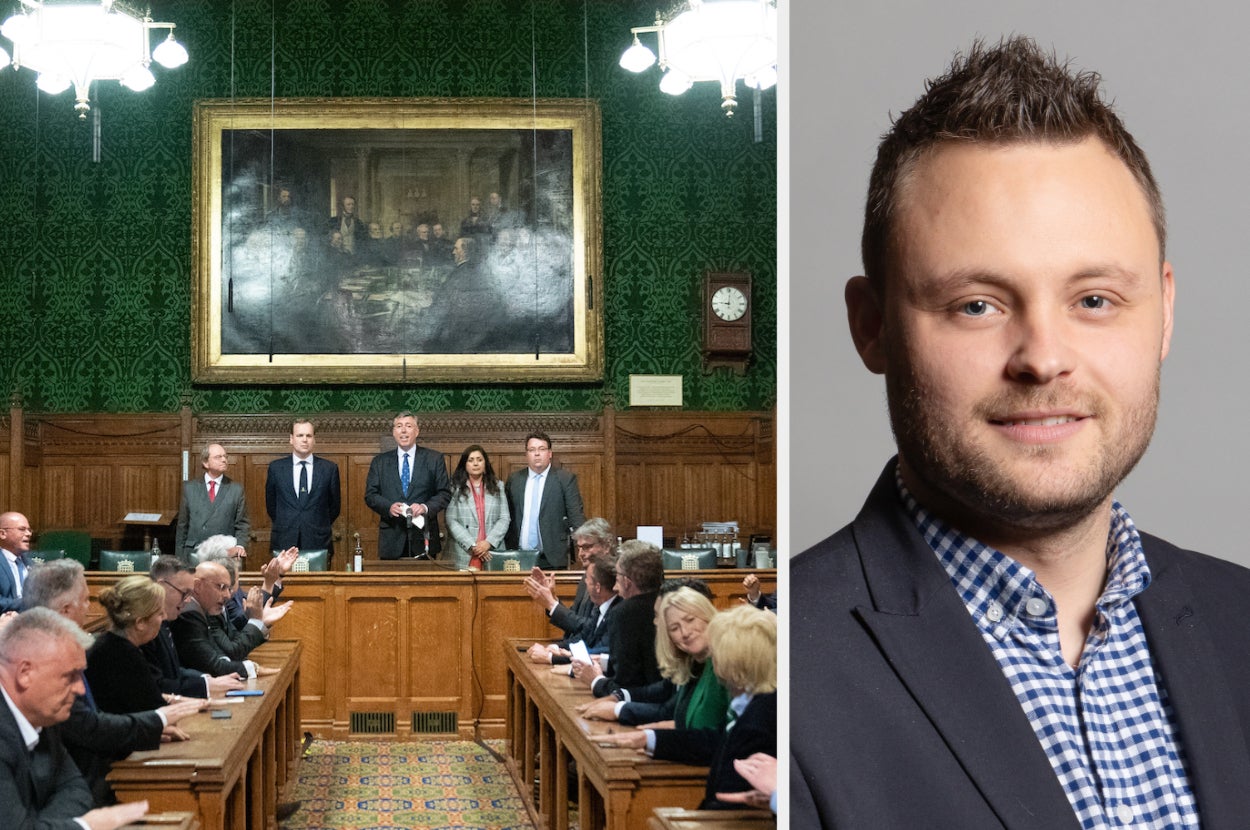
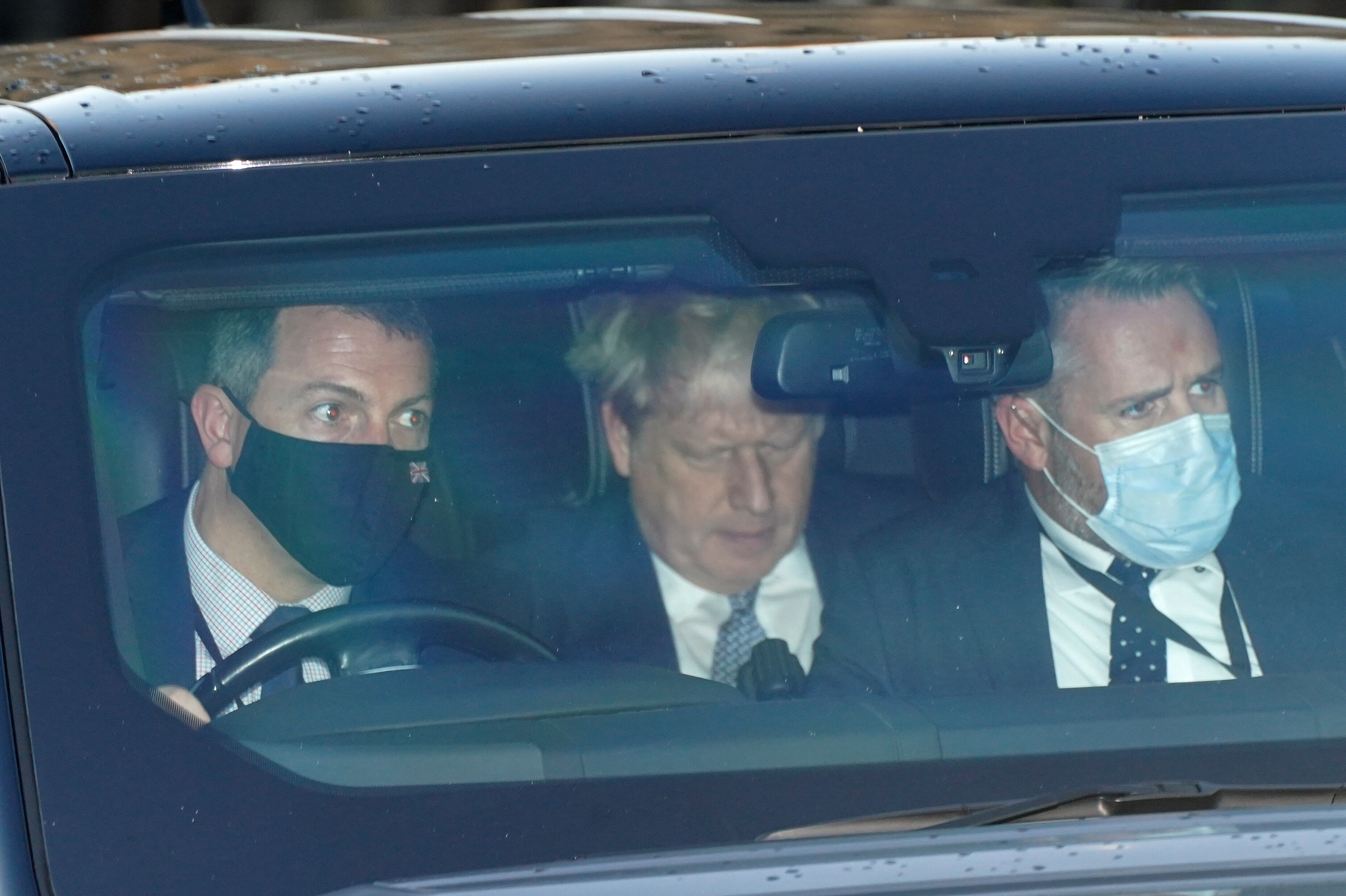
A Tory MP today admitted it was “inevitable” that some ministers voted against Boris Johnson in last night’s confidence vote.
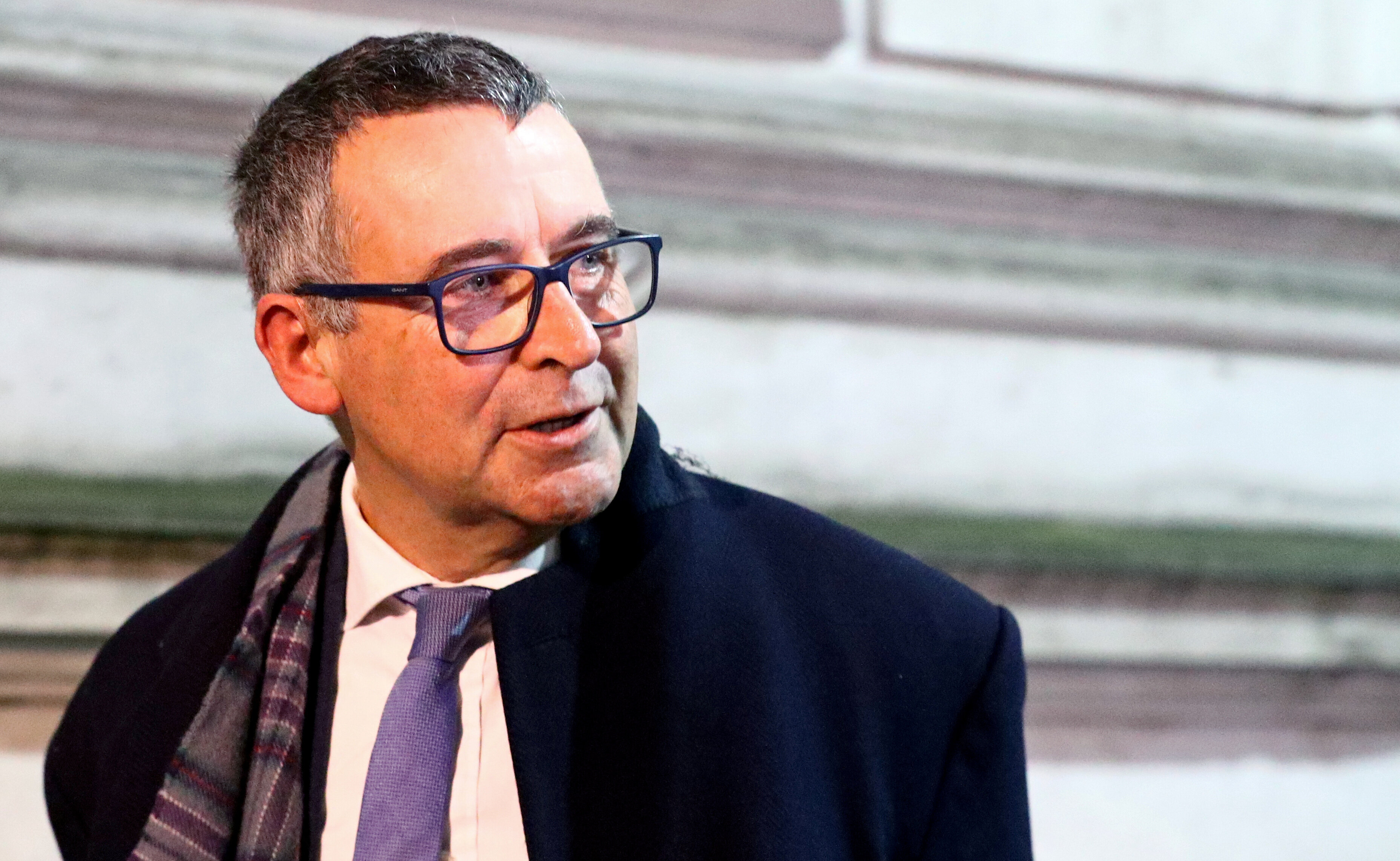
Ben Bradley, Conservative MP for Mansfield, said the result suggested some MPs on the government payroll voted to oust the prime minister.
The PM won a confidence vote in his leadership by 211 to 148 but it means more than 40 per cent of his MPs want him gone.
Bradley, who backs the PM, said Johnson knew he never had the “unanimous support” of Tory MPs because that is the nature of broad church political parties.
When it was put to him that 75 per cent of Tory backbenchers did not vote for the PM, Bradley told Sky News: “That’s guesswork really, it’s impossible to know who – payroll or non-payroll – voted in which particular way.”
Asked if he thought some ministers or cabinet members would have voted to get rid of the prime minister, he replied: “I think when you look at the numbers, that’s inevitable, in reality.
“But obviously it’s a secret ballot and we’ll probably never know the exact kind of divide there.”
Badly wounded, Johnson used a cabinet meeting on Tuesday morning to insist the government was getting “on with the job”.
Allies have rallied round him, but former Tory leader Lord Hague said “the damage done to his premiership is severe” and he should quit rather than prolong the agony.
The scale of the opposition was greater than that seen in 2018 when Theresa May faced a confidence vote. She was ultimately forced out within months.
Labour will try to heap further pressure on Johnson by asking MPs to vote on Tuesday to adopt a package of recommendations put forward by a sleaze watchdog aimed at improving standards in Westminster.
Meanwhile, the Lib Dems are pushing for a Commons confidence vote in the PM as a whole after Johnson survived the Tory process, although there is no date fixed for the move and it is unlikely to be successful.
So what next for Johnson? Having repeatedly defied the odds in the past, pundits believe he’s unlikely to step down now.
Despite the exceptionally narrow win, he hailed the result as “decisive” and said it allowed the government to “move on” – although that is improbable, too.
Here’s a breakdown of what could follow as the Tory turmoil rumbles on.
Another vote
Advertisement
The current party rules don’t allow for more than one effort to oust a leader in the space of 12 months.
When Tory MPs botched an attempt to get rid of Theresa May in December 2018, they ultimately had to wait until she quit June 2019.
However, the rules can be changed at the stroke of a pen by the 1922 committee – and there have been two recent, if unsuccessful, attempts to give Tory MPs another shot sooner.
In April 2019, MPs demanded the party cuts the one-year rule to six months, and a similar attempt in January – as confidence in Johnson was draining – was also thwarted. Under the plans the threshold for triggering a second ballot would have doubled.
Speaking to reporters on Monday, leader of the 1922 committee Sir Graham Brady did admit that it was “technically” possible for the one-year grace period rule to be altered.
Advertisement
Government reshuffle
Johnson could attempt to reassert himself by rewarding his loyal allies with new jobs and punishing those suspected of voting against him.
Advertisement
A No.10 source hinted that this could be an option when speaking to POLITICO’s Playbook, but admitted: “We haven’t had that conversation yet.”
Further reports even suggest MPs who were on the fence were promised roles in government to seal the deal, and that a rejig could come within a matter of days with the less enthusiastic ministers being cut out.
Alternatively, ministers who no longer back Johnson could choose to get out of the job themselves by resigning, especially as the chorus of top Tories – such as former Conservative leader William Hague – wanting the PM out is only getting louder.
Leader of the Lib Dems Sir Ed Davey even called for Tory MPs who “care about integrity and decency” to resign the whip and sit as an independent, although no-one in the Tory ranks has hinted at doing such just yet.
Advertisement
By-elections
The next date for the diary is June 23, which will see two by-elections on the same day. Wakefield in Yorkshire and Tiverton and Honiton in Devon. Both are currently held by the Conservatives, but the party risks losing Tiverton to the Lib Dems and Wakefield to Labour.
A loss in Wakefield would not be ideal given its position in the red wall, but it is probably expected. However, losing Tiverton, which has a Tory majority of 24,239, to the Lib Dems, could scare a critical mass of Conservative MPs into acting against the PM.
Double trouble on June 23 – and a sense from the electorate that the next general would be disastrous for the Tories – could be the trigger for Cabinet ministers to move. This is what did for Thatcher when “big beast” Michael Heseltine launched another leadership challenge in November 1990.
It’s worth remembering that the disastrous May local elections were not enough to shake Johnson from his post, even though the Tories lost around 500 council seats in total.
MPs on the Commons privileges committee are still investigating whether Johnson misled parliament during his explanations of rule-breaking parties during lockdown.
Despite defying calls to quit after the Sue Gray report and denying that he misled the Commons, if the committee finds him in contempt of parliament, it could recommend he is forced to apologise, suspended from the Commons, or even expelled. Any sanction would need to be approved in a vote by all MPs.
But Johnson has changed the rules so ministers will not automatically lose their jobs if they breach the ministerial code, including himself.
Advertisement
A refreshed government policy statement – published just two days after the Gray report – said it was “disproportionate” to expect ministers to resign or face the sack for “minor” violations of the code’s provisions.
An early general election
A snap vote is unlikely, but still an option if Johnson feels he can get a fresh mandate from the country. It may his last roll of the dice if Tory pressure builds and senior ministers start to call for him to go.
The next general election does not have to happen until January 2025.
Johnson insisted in the immediate aftermath of the vote that he is “certainly not interested in snap elections”, and pushed instead for the government to “move on”.
But bizarrely, the prime minister also claimed that he now had “a far bigger mandate from my own parliamentary colleagues than I had in 2019”.
The snap general election he called two and a half years ago to consolidate his new position in No.10 saw 365 Tories elected.
This was a landslide majority – and a far cry from the 211 MPs (59% of the total parliamentary party) who voted in favour of keeping him in Downing Street on Monday.
Boris Johnson is on the verge of being ousted as Conservative Party leader and prime minister, after the number of Tory MPs demanding he resign reached the threshold for a vote of no confidence.
Chairman of the backbench 1922 Committee Sir Graham Brady has announced that 54 or more Tory MPs have requested a vote of confidence in the PM, triggering a leadership vote.
Advertisement
Tory MPs will vote this evening between 6pm and 8pm on whether they want Johnson to remain.
While plenty of Westminster insiders predict Johnson will survive the vote, the fact it has been called is damaging for the prime minister.
Advertisement
Brady said in a statement: “The threshold of 15 per cent of the parliamentary party seeking a vote of confidence in the leader of the Conservative Party has been exceeded.
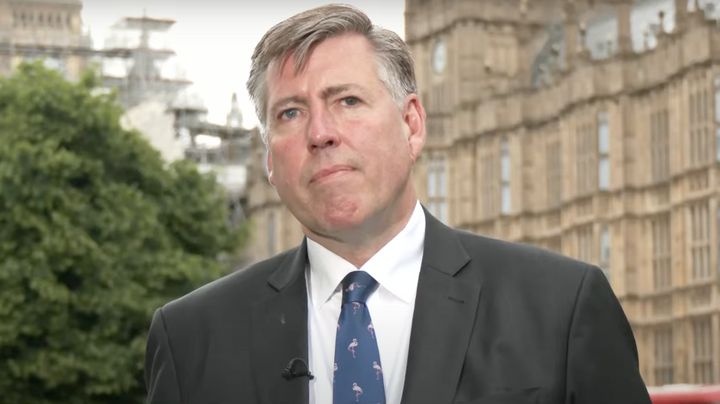
Sir Graham Brady making the announcement to camera
“In accordance with the rules, a ballot will be held between 6pm and 8pm today Monday June 6 — details to be confirmed.
Advertisement
“The votes will be counted immediately afterwards. An announcement will be made at a time to be advised. Arrangements for the announcement will be released later today.”
Speaking to journalists, Brady suggested some MPs had post dated their letters so the vote did not overshadow the Queen’s jubilee celebrations.
It comes after former minister Jesse Norman became the latest Tory MP to announce that he has submitted a letter calling for a confidence vote in Johnson.
Norman, the MP for Hereford and South Herefordshire, said Johnson had presided over “a culture of casual law-breaking” in No.10 and that his claim to be vindicated by the Sue Gray report was “grotesque”.
Advertisement
I have supported Boris Johnson for 15 years, for the London Mayoralty and for PM. Very sadly, I have written to him to say I can no longer do so, for the reasons set out below. pic.twitter.com/0Mjs4hjeSF
In order to oust him, 180 MPs would have to vote against Johnson in the confidence vote.
However, the odds are in the PM’s favour with around 140 MPs on the “payroll” alone including ministers and aides.
Cabinet ministers have been lining up to declare their support for the prime minister.
Foreign secretary Liz Truss tweeted: “The prime minister has my 100 per cent backing in today’s vote and I strongly encourage colleagues to support him.
“He has delivered on covid recovery and supporting Ukraine in the face of Russian aggression. He has apologised for mistakes made. We must now focus on economic growth.”
Levelling up secretary Michael Gove added: “I’ll be voting for Boris this evening. The PM got the big decisions right on Brexit and Covid.
“We need to focus now on defending Ukraine, driving levelling-up and generating growth. We need to move past this moment and unite behind Boris to meet these challenges.”
Conservative MP Michael Fabricant said he thinks Johnson will win the vote no of confidence on Monday evening.
He told Times Radio: “I think he is going to win. I think that something like two-thirds of the party will vote to support him and I really do wonder why it’s happening at this time.”
Chairman of the Conservative 1922 committee Sir Graham Brady says the 54-letter threshold has been passed and a vote of confidence in Boris Johnson will take place this evening.
A No.10 spokesperson said:“Tonight is a chance to end months of speculation and allow the government to draw a line and move on, delivering on the people’s priorities.
Advertisement
“The PM welcomes the opportunity to make his case to MPs and will remind them that when they’re united and focused on the issues that matter to voters there is no more formidable political force.”
The government has confirmed that a consultation which could pave the way for greater use of imperial measurements in post-Brexit Britain will be launched on Friday.
Plans to review “overbearing EU rules” will restore “common sense” to the statute book, according to the Department for Business, Energy and Industrial Strategy (BEIS).
Advertisement
The EU weights and measures directive came into force in 2000, with traders legally required to use metric units for sale-by-weight or the measure of fresh produce.
It remains legal to price goods in pounds and ounces, but they have to be displayed alongside the price in grammes and kilogrammes, except in a limited number of cases.
Advertisement
The 12-week consultation will look at how to change those stipulations, giving traders more freedom to choose how they price fresh items.
It will assist the government in considering, for example, allowing vegetables to be sold in pounds only, or in pounds with a less prominent metric equivalent.
Advertisement
BEIS said this will help inform plans to legislate to give businesses greater choice over the units they use.
The department insisted the move would not inflict further costs on businesses as there was no intention to require them to make a change.
A range of stakeholders are being invited to contribute to the consultation, including businesses, trade associations, enforcement bodies and consumer organisations.
The government announced its intention to review the rules on imperial measurements in September last year, as part of a range of post-Brexit regulatory reforms.
Advertisement
Business minister Paul Scully said: “While we think of our fruit and veg by the pound, the legacy of EU rules means we legally have to sell them by the kilo.
“Our consultation today will help shops to serve customers in the way their customers want.”
The move has come in for criticism, with Tory peer and supermarket boss Lord Rose of Monewden arguing that the idea of returning to imperial weights and measures is “complete and utter nonsense” and would “add cost” for those making the transition.
The Asda chairman said on Thursday that the change would only please “a small minority who hark for the past”.
New government guidance published on Friday will also help businesses apply the Crown symbol to pint glasses, in what BEIS said will serve as a “tribute” to the Queen’s Platinum Jubilee.
British pint glasses intended for measuring and serving beer used to be marked with a Crown stamp as a declaration that the measure was accurate.
But on the implementation of an EU directive in 2006, they were required to display an EU-wide “CE” marking to show they were conforming with the union’s regulations in the UK.
Glasses already bearing the Crown stamp did not have to be removed from circulation, and those with the EU-wide marking were technically allowed to display the Crown too, as long as it did not obscure the new symbol.
From 2023, glasses entering the market in England, Scotland and Wales will have to carry the new UKCA marking to show they are conforming with legal requirements.
Businesses can decide whether to apply the Crown symbol, which would be purely decorative.
Advertisement
Scully said: “This Platinum Jubilee weekend we’re raising a toast to Her Majesty the Queen’s health and service to this country.
“It’s a fitting tribute that we’re now helping businesses to restore the Crown symbol to pint glasses.”
Scottish Conservative leader Douglas Ross has become the first Tory MP to call on Boris Johnson to quit as prime minister following his “partygate” apology.
Ross told Sky News: “Regrettably, I have to say his position is no longer tenable. I spoke to the prime minister this afternoon and I set out my reasons and I explained to him my position.”
Ross said he will write to the 1922 Committee of backbench Tory MPs to express no confidence in Johnson’s leadership.
Advertisement
Tory MPs William Wragg and Sir Roger Gale later joined Ross in suggesting Johnson should exit No.10.
Other Scottish Tories followed Ross’s lead and joined the chorus calling for a resignation.
Advertisement
What Tory MPs are saying
Asked if he thought the PM should resign Douglas Ross told STV News: “I made that clear. There was one simple question to answer yesterday, indeed from Monday night when we saw this invitation which was to more than 100 people asking them to join others in the Downing Street garden and bring their own booze.
“If the prime minister was there, and he accepted today that he was then I felt he could not continue.
“What we also heard from the prime minister today was an apology and he said with hindsight he would have done things differently, which for me is an acceptance from the prime minister that it was wrong and therefore, I don’t want to be in this position, but I am in this position now, where I don’t think he can continue as leader of the Conservatives.”
He added: “I spoke to the prime minister this afternoon and I set down my reasons and I explained to him my position.”
Chairman of the public affairs and constitutional affairs committee and Tory MP for Hazel Grove, William Wragg, has said the prime minister’s position is “untenable”.
He told BBC Radio 4’s PM programme that: “A series of unforced errors are deeply damaging to the perception of the party.
“The prime minister’s position is untenable.”
Veteran Tory MP Sir Roger Gale said the PM “misled the House” about rule-breaking parties and should resign.
“I think the time has come for either the PM to go with dignity as his choice, or for the 1922 committee to intervene.”
The powerful backbench Tory 1922 Committee was holding a regular meeting on Wednesday, with the prime minister’s future hanging in the balance.
The Scottish Conservatives’ Covid recovery spokesman at Holyrood, Murdo Fraser, has joined the calls. After Ross stated that Johnson should resign, Fraser tweeted: “I fully support @Douglas4Moray in this call.
“I’m afraid the prime minister’s position is no longer tenable, he has lost public trust, and in the interests of the country and the Conservative Party he should step down.”
Scottish Conservative finance spokeswoman Liz Smith also tweeted: “I note that the media believe @Douglas4Moray Ross has made a brave call. He has also made the right call.”
Advertisement
In the Commons, Johnson said that he attended the May 20 2020 gathering for around 25 minutes to “thank groups of staff” but “with hindsight I should have sent everyone back inside”.
The prime minister acknowledged public anger, saying: “I know the rage they feel with me and with the government I lead when they think in Downing Street itself the rules are not being properly followed by the people who make the rules.”
He said an inquiry was examining the situation but accepted “there were things we simply did not get right and I must take responsibility”.
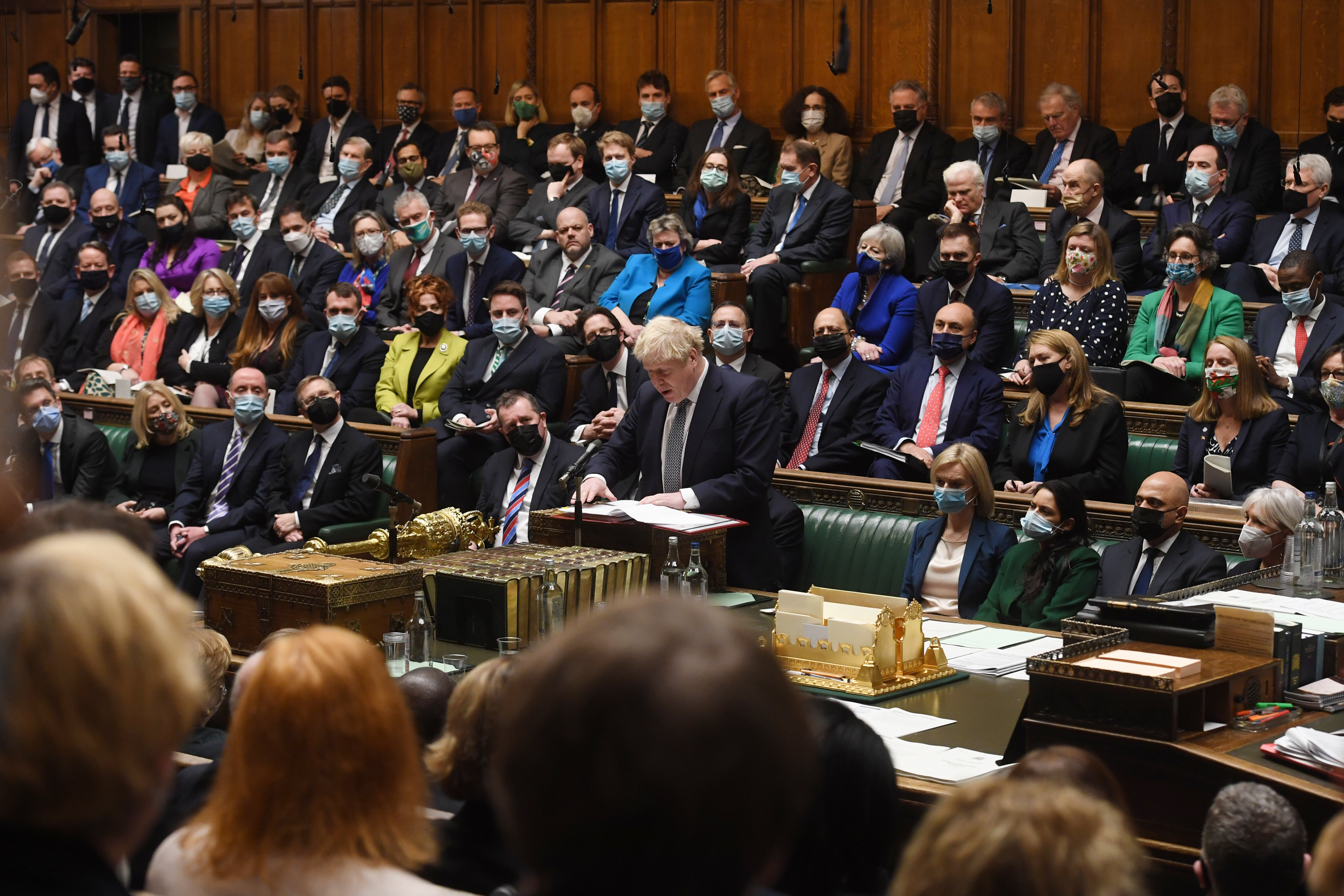
<img class="img-sized__img landscape" loading="lazy" alt="Boris Johnson during Prime Minister’s Questions in the House of Commons.” width=”720″ height=”480″ src=”https://www.wellnessmaster.com/wp-content/uploads/2022/01/three-tory-mps-call-on-boris-johnson-to-quit-2.jpg”>
Boris Johnson during Prime Minister’s Questions in the House of Commons.
UK Parliament/Jessica Taylor via PA Media
Downing Street refused to say whether his then fiancee Carrie Symonds had attended the gathering, if Johnson had noticed tables laden with food and drink or if he had brought a bottle of his own into the garden.
All such questions were a matter for senior official Sue Gray’s inquiry, the prime minister’s press secretary told reporters.
But she insisted Johnson had not been sent the invitation email from his principal private secretary Martin Reynolds encouraging colleagues to “bring your own booze” to the garden.
At just after 6pm on the day of the event, the time the invitation had specified for people to gather to “make the most of the lovely weather”, Johnson went into the garden to thank staff for their efforts and stayed for 25 minutes.
“I believed implicitly that this was a work event,” he said.
“With hindsight I should have sent everyone back inside.
“I should have found some other way to thank them.
Advertisement
“I should have recognised that even if it could be said technically to fall within the guidance, there are millions and millions of people who simply would not see it that way, people who have suffered terribly, people who were forbidden for meeting loved ones at all inside or outside, and to them and to this House I offer my heartfelt apologies.”
Johnson’s press secretary insisted that he was not a liar and “he is not resigning”.
Labour leader Sir Keir Starmer also called on the prime minister to resign.
He added: “The party’s over, prime minister.
“The only question is will the British public kick him out, will his party kick him out, or will he do the decent thing and resign?”
The embattled prime minister also faced calls to quit from the SNP’s Westminster leader Ian Blackford and Liberal Democrat leader Sir Ed Davey.
Hannah Brady, from the campaign group Covid-19 Bereaved Families for Justice, said that, if Johnson does not step down, then his MPs have a “moral duty” to remove him.
Her father Shaun Brady, 55, died just a few days before the “bring your own booze” event and his death certificate was signed on the day it was held.
The Commons chamber was packed in anticipation of Johnson’s first public response to the leaked email about the May 20 2020 event although Chancellor Rishi Sunak, viewed as a potential successor as Tory leader, was notably absent on a visit to Devon.
This is a breaking news story and will be updated. Follow HuffPost UK on Twitter, Facebook and Instagram.
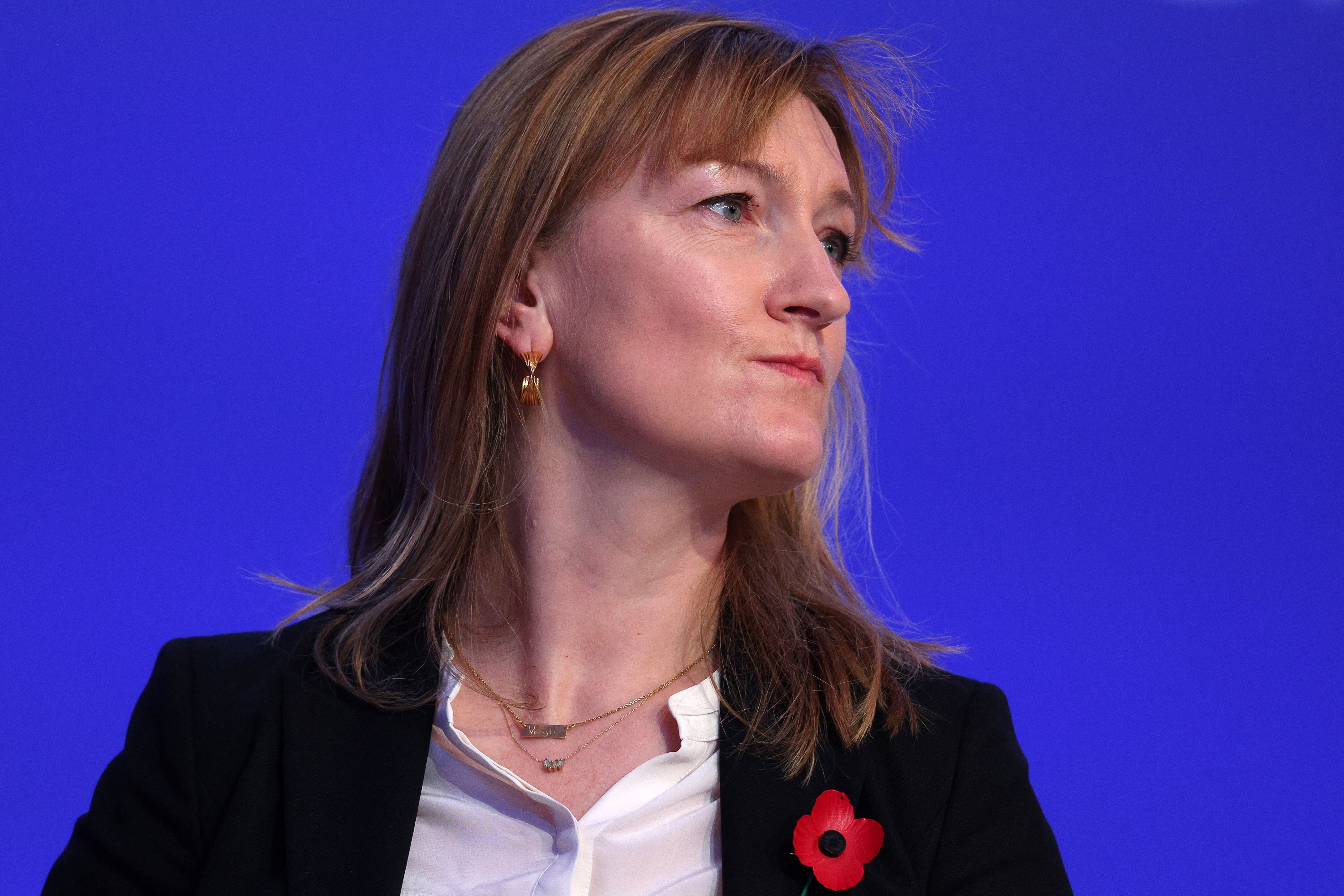
Downing Street is standing by Allegra Stratton despite Boris Johnson’s claim he was furious at leaked footage that shows her laughing about a No.10 staff Christmas party with colleagues.
No.10 today confirmed that Stratton was still employed by government and that the prime minister had full confidence in her, despite her role in an exchange that showed staff making light of lockdown rules the public was asked to follow.
Johnson told an angry and hostile House of Commons he had ordered an investigation in light of the video, which he said had made him personally “furious”.
He told MPs he had asked Cabinet Secretary Simon Case “to establish all the facts and to report back as soon as possible – and it goes without saying that if those rules were broken then there will be disciplinary action for all those involved”.
However, he insisted he had been “repeatedly assured” since the allegations emerged that there was “no party and that no Covid rules were broken”.
The government has been engulfed in a scandal overnight by the emergence of the video, which has strengthened allegations that aides flouted lockdown rules by attending a Christmas party on December 18 during last year’s lockdown.
The leaked footage shows senior members of staff joking about whether the event broke lockdown rules at the time.
Labour leader Keir Starmer said Johnson’s apology “raises more questions than answers”.
“The prime minister, the government, spent the week telling the British public there was no party. All guidance was followed completely.
“Millions of people now think the prime minister was taking them for fools, that they were lied to. They are right aren’t they?”
Johnson repeated his apology, adding that he was “sickened”.
Downing Street said it hoped the cabinet secretary’s investigation would be finalised “as soon as possible” but is facing questions over whether the public can have any confidence in the probe.
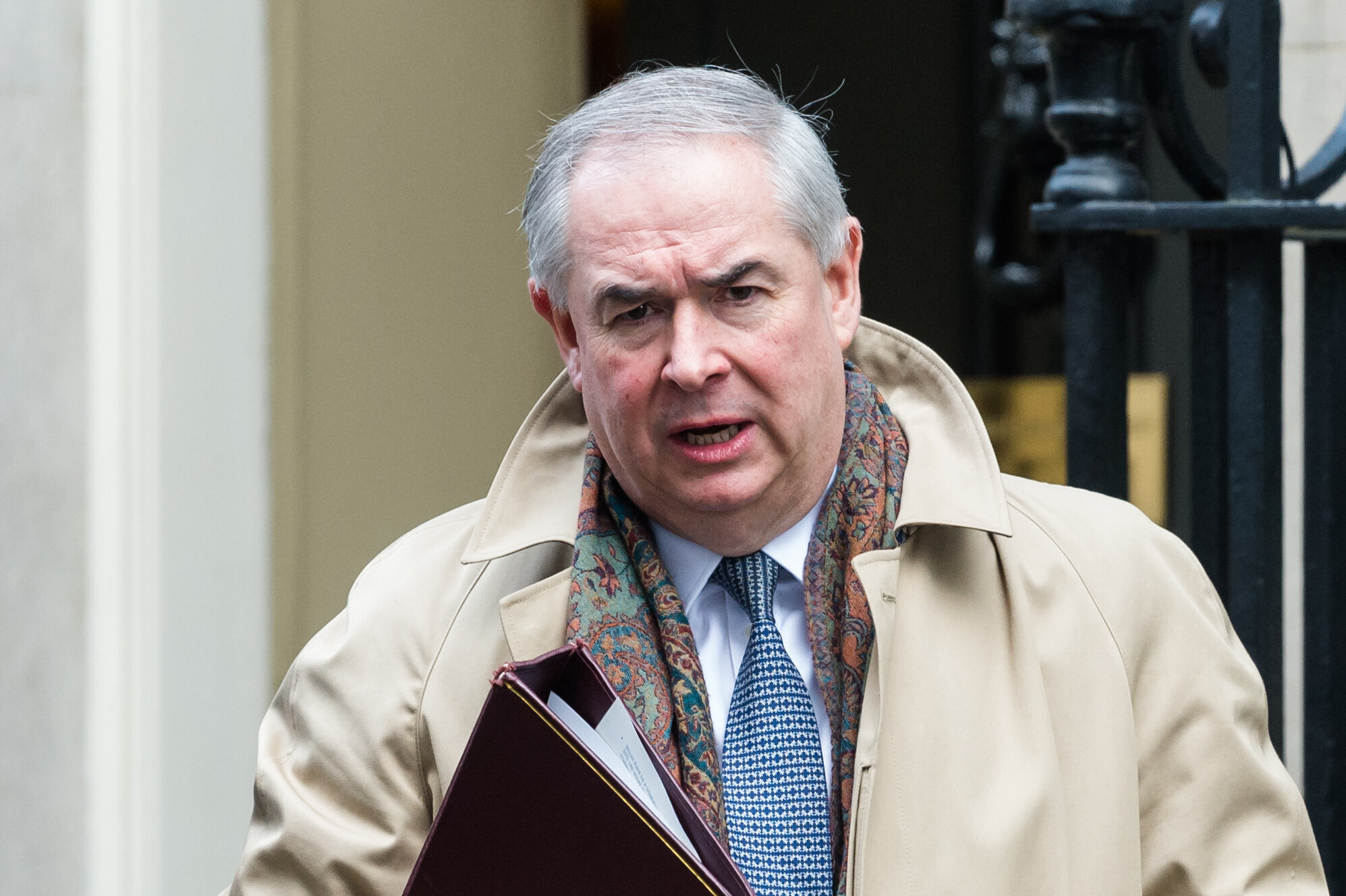
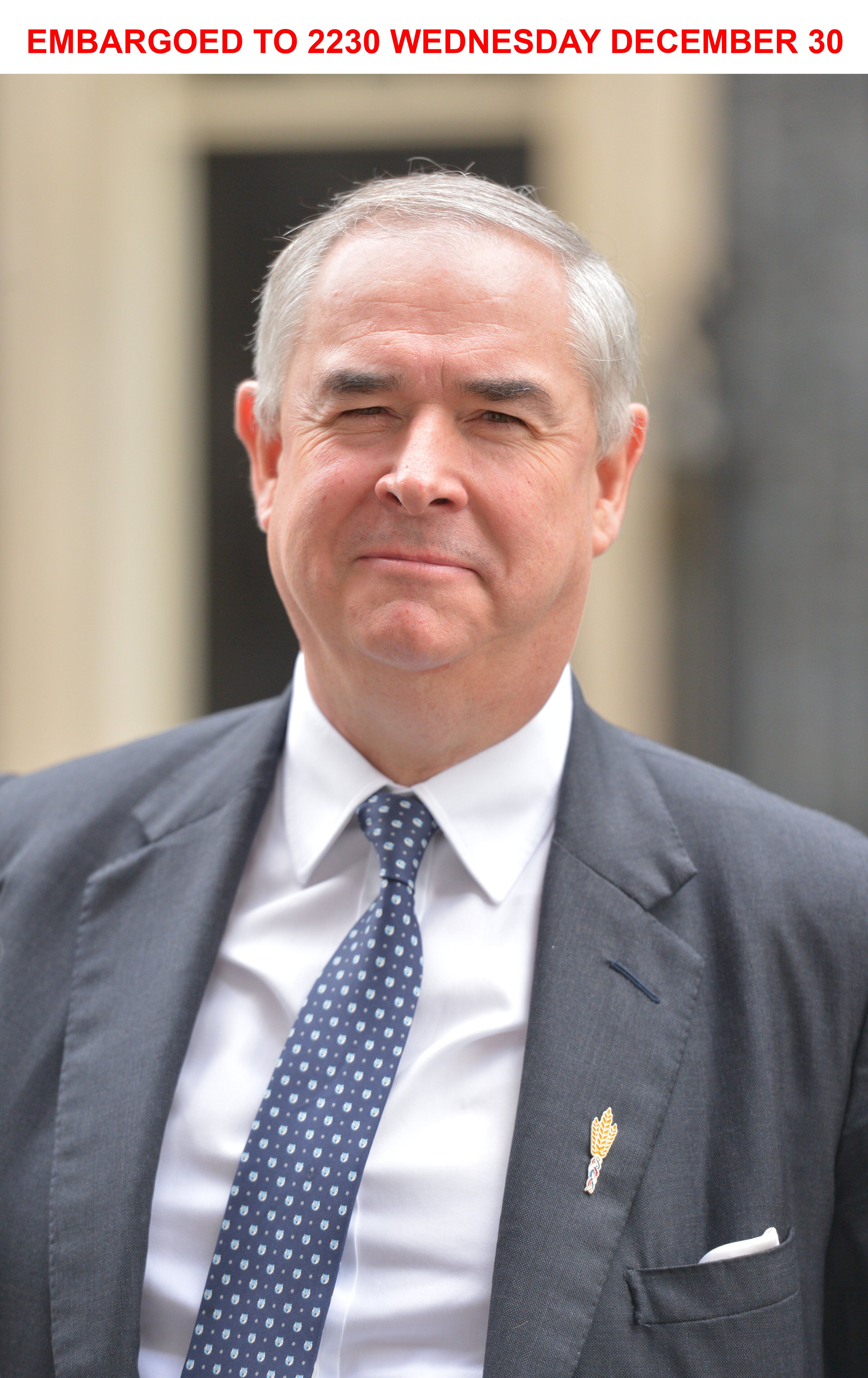
Geoffrey Cox’s local Conservative association has vowed to stand by him despite accusations he breached parliament’s anti-sleaze rules.
Cox, the Tory MP for Torridge and West Devon, is under fire for earning £1million over the past 12 months to work as a lawyer for clients including the British Virgin Islands (BVI), which is subject to a corruption inquiry started by the Foreign Office.
Advertisement
The former attorney general has been criticised for travelling to the Caribbean to advise the BVI while being able to cast votes in the Commons by proxy during the coronavirus pandemic — leading to charges that he has not been focused on his constituents back home.
Further pressure has built on the high-profile barrister after The Times released a video of him appearing to use his office in Westminster to participate remotely in a legal hearing in September, in a possible breach of parliament’s rules.
Advertisement
Despite the backlash, John Gray, chair of the Torridge and West Devon Conservatives, told HuffPost UK that Cox had his “full support”.
He said Cox was a “superb constituency MP” with an “astonishing work ethic and valuable legal expertise”.
Advertisement
“The proof is in the pudding: when Geoffrey first came to this constituency it was a Liberal Democrat seat,” he said.
“Since winning the seat in 2005 Geoffrey has built an increased majority of 3,000 to almost 25,000 with a remarkable 60% vote share in 2019.
“This happened because of Geoffrey’s dogged commitment to serving his constituents. Time and again, constituents attending Geoffrey’s Saturday surgeries have found him a dedicated and powerful advocate.”
He continued: “His independent thinking, underpinned by his successful legal career, was very much to the country’s benefit during the challenging period surrounding the Brexit negotiations.
Advertisement
“I understand completely why people don’t want to see machine politicians and in Geoffrey Cox we have an MP who brings far wider expertise to the House.
“Sir Geoffrey has my full support.”
According to the code of conduct for MPs, members must use their taxpayer-funded offices and other resources “in support of their parliamentary duties”.
“It should not confer any undue personal or financial benefit on themselves or anyone else,” it states.
Deputy Labour leader Angela Rayner has written to Standards Commissioner Kathryn Stone asking her to investigate. Cox has said he will co-operate with any possible investigation.
In her letter, Rayner said: “This appears to be an egregious, brazen breach of the rules. A Conservative MP using a taxpayer funded office in Parliament to work for a tax haven facing allegations of corruption is a slap in the face and an insult to British taxpayers.
“You can be an MP serving your constituents or a barrister working for a tax haven – you can’t be both and Boris Johnson needs to make his mind up as to which one Geoffrey Cox will be.”
A statement on behalf of Cox said: “Sir Geoffrey’s view is that it is up to the electors of Torridge and West Devon whether or not they vote for someone who is a senior and distinguished professional in his field and who still practices that profession.
“That has been the consistent view of the local conservative association and although at every election his political opponents have sought to make a prominent issue of his professional practice, it has so far been the consistent view of the voters of Torridge and West Devon. Sir Geoffrey is very content to abide by their decision.
“As for the allegation that he breached the parliamentary code of conduct on one occasion, on 14 September 2021, by being in his office while participating in an online hearing in the public inquiry and voting in the House of Commons, he understands that the matter has been referred to the parliamentary commissioner and he will fully cooperate with her investigation.
“He does not believe that he breached the rules but will of course accept the judgment of the parliamentary commissioner or of the committee on the matter.”
Nick Ansell via PA MediaGeoffrey Cox, the former attorney general, is under pressure over his second jobs.
Boris Johnson has rejected imposing a ban on MPs holding second jobs, despite the backlash over Westminster sleaze.
It was revealed on Tuesday that Tory MP Geoffrey Cox earned hundreds of thousands of pounds giving legal advice the British Virgin Islands.
He was hired to defend the islands in an inquiry launched by the UK Foreign Office.
According to the Daily Mail, the former attorney general took part in Commons votes by proxy while working from the Caribbean during the pandemic.
The ability of MPs to hold second jobs on top of their work in parliament came under scrutiny after Owen Paterson was found to have broken sleaze rules by lobbying ministers on behalf of two companies he worked for.
But No.10 said the prime minister “doesn’t back an outright ban on second jobs”.
“A ban on second jobs will catch those who still work in roles such as doctors and nurses,” the PM’s spokesperson said.
Downing Street added parliament “can and historically has” benefited from MPs having second jobs but that parliamentary duties should “take priority”.
“MP’s primary job is and must be to serve their constituents and to represent their interests in parliament”.
“If they’re not doing that, they’re not doing their job and will rightly be judged on that by their constituents.”
Labour meanwhile has called on Johnson to launch an urgent investigation into Cox’s activities.
In a letter to the prime minister, Anneliese Dodds, Labour’s chair, said: “It appears that your former attorney general is profiting from advising an administration accused of corruption and tax avoidance.
“The people of Torridge and West Devon must be wondering if Geoffrey Cox is a Caribbean-based barrister or a Conservative MP.”
Deputy prime minister Dominic Raab told BBC Breakfast that were “very strict rules” surrounding MPs’ second jobs and that it is “respectable and legitimate” for them to carry them out.
Conservative MP Sir Bernard Jenkin claimed the Brexit deal was signed with the government was in a “constitutional crisis” – even though Tories actually had an 80-seat majority at the time.
Suggesting the deal should be altered, the Tory backbencher claimed: “The Brexit deal was signed at a time when government was weak and gripped by a political and constitutional crisis, the EU took advantage.”
The deal, signed in December 2020, came just a year after prime minister Boris Johnson had secured a huge landmark majority of 80 seats in the Commons.
While there was some tension within the Tory party over how closely aligned post-Brexit Britain should be to the EU, the Conservatives all won on a manifesto to “get Brexit done”.
BBC Newsnight presenter Emily Maitlis probed: “So you think it’s a terrible deal?”
Jenkin replied: “I personally would have been happy to vote against it. The only reason I voted for it is because there didn’t seem to be an alternative.”
He then cut Maitlis off and said: “We can go on talking about the past, but the point is about the future. Is this agreement working?
“I think even now the EU agrees that there are aspects of this deal which are not working.
“That’s a big shift. That’s a big change.”
The BBC presenter interjected: “So when the prime minister came back and he hailed it as a great deal, a breakthrough, and it was all signed by Christmas, were you sitting there and thinking, ‘I don’t know what you’re talking about, this is a terrible deal’?
“Were you thinking that all along?”
He replied: “I thought I suppose he’s got to sell the deal, but it’s not a great deal, but you know, we could live with it.”
He added that the Tories have tried to make it “work”.
Bernard Jenkin #Newsnight “Brexit Deal was signed at a time when Gov was weak & gripped by a constitutional crisis, the EU took advantage”
EU trade agreement was signed *year* after his party won a maj 80 seats in election to *get Brexit done* Shamelesspic.twitter.com/czfAkqpZ9B
Irish senator Lisa Chambers then criticised Jenkin on Newsnight and said the EU did not take advantage of the UK during the negotiations.
She continued: “It’s not unreasonable to suggest that we would expect that deal to be honoured – to the letter.
“It was signed eyes wide open, everyone knew what they were signing. I don’t think anyone could suggest we didn’t talk about it enough or that we didn’t understand all elements of it.”
More schools should be able to run Asian-style isolation systems for Covid contacts to ensure fewer people are sent home, a senior Tory has said.
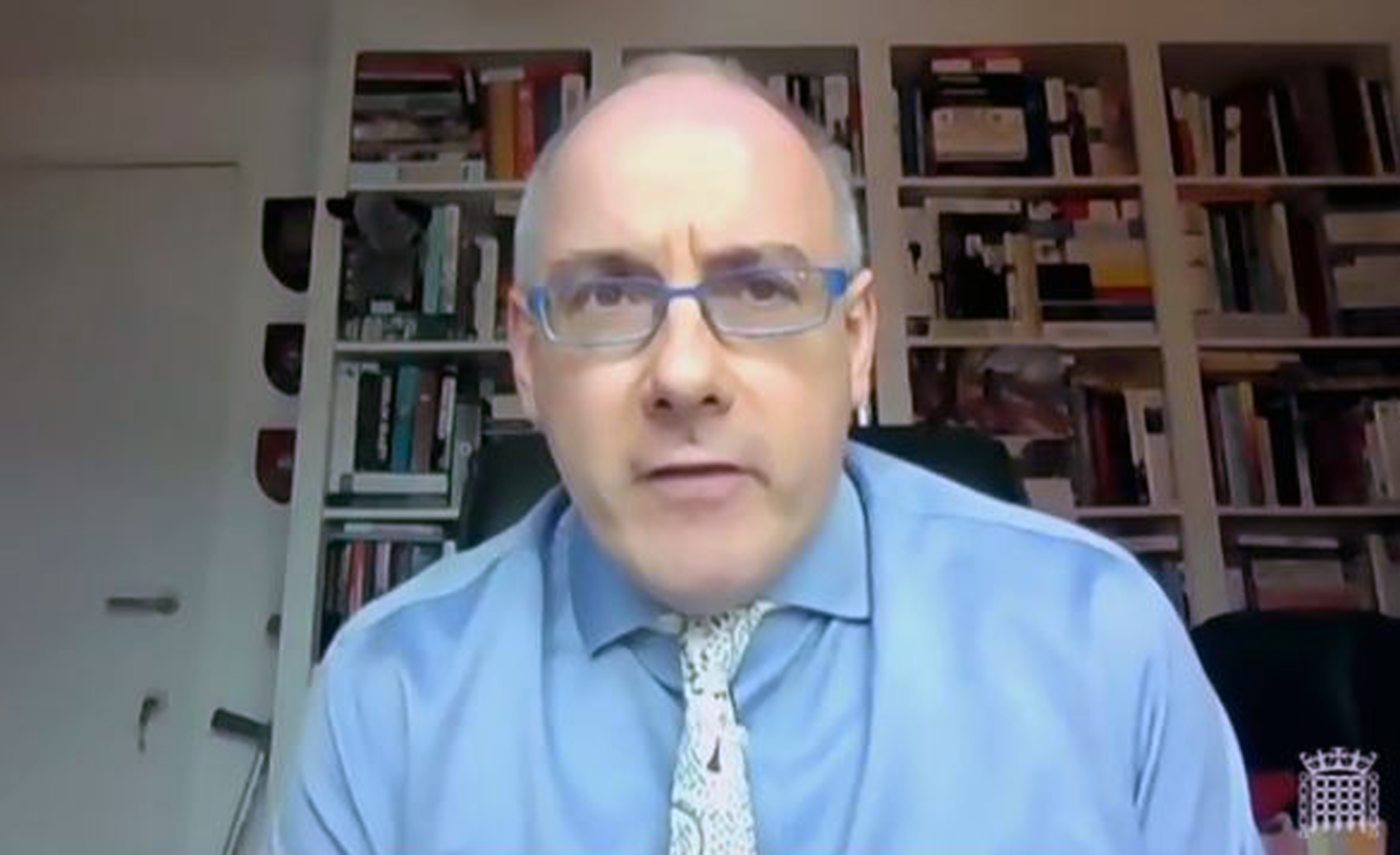
Rob Halfon, who chairs the Commons education committee, suggested that official guidance for schools could be cleared up to allow targeted approaches, rather than forcing whole school “bubbles” to go into isolation if there is a virus case.
With around 385,000 pupils in England absent from school as a result of Covid, Halfon stressed: “We are damaging their mental health”.
The government has suggested it will scrap so-called “bubbles” of schoolchildren, who often all have to isolate if one catches Covid, from autumn.
But Boris Johnson is resisting pressure to move quicker, insisting summer holidays would act as a “natural firebreak” to infections.
Halfon spoke to HuffPost UK’s Commons People podcast during a visit to the Ashcroft Technology Academy in south London, which he said was running a much more targeted Asian style model of isolation.
“When they have a Covid outbreak they do not send the whole school year groups or whole bubbles home,” Halfon said.
“They microtarget the students who have been affected, so they only send a few [home] at a time, a bit like the Asian model in some ways, what goes on in South Korea and so on.
“When I asked them how come you do this, they said they speak to Public Health England, they speak to the Department for Education every time there is such an outbreak and they are advised that they are able to do this.
“So if they are, why are 385,000 kids being sent home?
“I appreciate of course it is very difficult for teachers and support staff absolutely and they are doing a remarkable job considering.
“But clearly the guidance is confusing and schools may be being told different things by different arms of PHE or the DfE.”
House of Commons/PARob Halfon, Conservative chair of the Commons education committee
Halfon acknowledged that it would be difficult to roll out a similar system across the whole country.
But he said it would be beneficial if more pupils could benefit from the approach.
“Obviously there’s very different circumstances in some schools, the outbreaks may be greater, they may have many staff off sick for Covid or for Covid-related reasons or shielding, so I get that it’s not possible to replicate it.
“But if one school can do it, there must be others who can do it.
“It doesn’t mean every school can do it, but just because every school can’t do it doesn’t mean that… even if five more schools did it.
“It’s got to stop, sending kids home.
“We are damaging their mental health.”
Halfon added: “We are damaging these children by [them] being at home because inevitably they are not learning as much as they would do at school.
“But their wellbeing and mental health is really suffering and it’s putting huge pressure on the parents.
“This has just got to stop, we need our kids back into school.
“People have been vaccinated now, I’m not a lockdown-sceptic, I’m a ‘schooldown-sceptic’.”
Asked why the government did not just scrap the bubble system now, the prime minister told reporters on Thursday: “I understand people’s frustration when whole classes, whole bubbles, are sent home and people are asked to isolate.
“So what’s happening now is Public Health England and the scientists are looking at the advantages, the possibilities, of going to testing rather than isolation.
“They haven’t concluded yet so what I want to do is just to be cautious as we go forward to that natural firebreak of the summer holidays when the risk in schools will greatly diminish and just ask people to be a little bit patient.”