Government Must Seize Unprecedented Chance To Halt Economic Decline Triggered By Brexit, MP Warns

Imagine checking your watch every hour to find the country a million pounds poorer.

This isn’t some distant economics lesson; it’s real families stretched by higher bills, businesses crippled by red tape, and young people denied the chance to study and work across Europe.

With the upcoming UK-EU summit on May 19, the government has an unprecedented opportunity to halt this decline. It’s not enough to tweak the edges of our broken arrangements—we need a bold reset that rebuilds the partnership we lost. Britain needs real action, not another round of half-measures masquerading as breakthroughs.

First, the summit must set in motion negotiations for the closest possible trading relationship with the EU, with re-entry to the Customs Union as a vital first step. Frictionless trade would rescue our factories, farms, and workers from the suffocating barriers that have driven up costs, delayed deliveries, and pushed investment overseas. It would restore the supply chains that once kept our industries competitive, and give businesses the certainty they need to innovate and export goods.

“We were sold a pup with Brexit, and we can’t pretend otherwise”

Equally vital is restoring freedom of movement, starting with youth mobility. Re-joining the Erasmus programme and establishing a youth visa system similar to that already in place for Aussies will allow students and young people to live, learn, and launch their careers across Europe. These are not luxuries; they are lifelines for ambition, cultural exchange, and shared prosperity that will shape Britain’s future and strengthen ties between neighbours.

The government must also push for realignment of our defence and security cooperation. From cyber-attacks to pandemics to regional flashpoints such as recent tensions between India and Pakistan, we know that conflicts hundreds or thousands of miles away can have immediate repercussions here at home. Our safety depends on shared intelligence, coordinated diplomacy, and joint development efforts.

Defence is not just about bombs and guns; it’s about human security, conflict prevention and the reconstruction that follows. Strengthening security cooperation with Europe means standing shoulder to shoulder to face current and future challenges; not only Putin’s war on Europe’s border, but also biosecurity threats, cyber-warfare, and climate change.

Talking of climate change, there’s an obvious quick win we need to see from the summit. The EU’s Carbon Border Adjustment Mechanism began combatting carbon leakage in 2023, with full implementation planned for 2026, while our own scheme doesn’t come into effect until 2027, and with far greater exemptions than the EU’s scheme to boot. If we continue to lag behind, British businesses will face unfair competition, and our world-leading climate commitments will unravel. Aligning with Europe on these carbon tariffs is essential for protecting jobs, fostering clean-tech innovation and safeguarding the planet for future generations.

These goals are practical and achievable right now if the government chooses to make them key priorities. But even if all are agreed, we will still be worse off than we were before Brexit.

The Green Party’s policy is that the UK should re-join the EU as soon as the domestic political situation is favourable. And it’s clear that a majority of Brits feel the same. For two years, every poll has shown that more than half of Britons believe leaving the EU was a mistake. We were sold a pup with Brexit, and we can’t pretend otherwise.

“We can choose cooperation over isolation, ambition over decline, and hope over fear”

As a former Member of the European Parliament, I’ve seen Europe’s collaborative institutions deliver stability, opportunity and shared progress. At this summit, we should have the guts to admit that leaving was a mistake, and our best future lies together with Europe.

It’s clear that others – Trump, anyone? – are no substitute for the closest possible relationship with our next-door neighbours and biggest trading partners. So let’s shout it from the rooftops: the question is not whether we should rejoin, it’s when. I call on the Prime Minister to seize this moment to kick-start discussions on what rejoining the EU would involve – recognising that the world has changed significantly since Brexit, and that there is a consistent public majority in the UK in support of EU membership. Britain’s future belongs in Europe, and our ambition should be as boundless as the opportunities we once embraced together.

Rejoining the EU will demand political courage and a clear roadmap: forging new alliances, meeting accession criteria, and rallying member-state support. But leadership has never been about playing it safe. It’s about confronting harsh truths, delivering for ordinary people, and envisioning a future that reflects our highest ideals.

This summit can be the pivot from regret to renewal. We can choose cooperation over isolation, ambition over decline, and hope over fear. We can harness the power of collective progress to tackle climate breakdown, defend democracy, and build economies that work for all.

Britain deserves better than economic contraction, trade barriers, and broken promises. Our best days lie not in standing apart, but in standing shoulder to shoulder with our European neighbours. This is the moment to renew, rebuild, and set out a path to rejoining—the public is ready, and the time is now.

Share Button

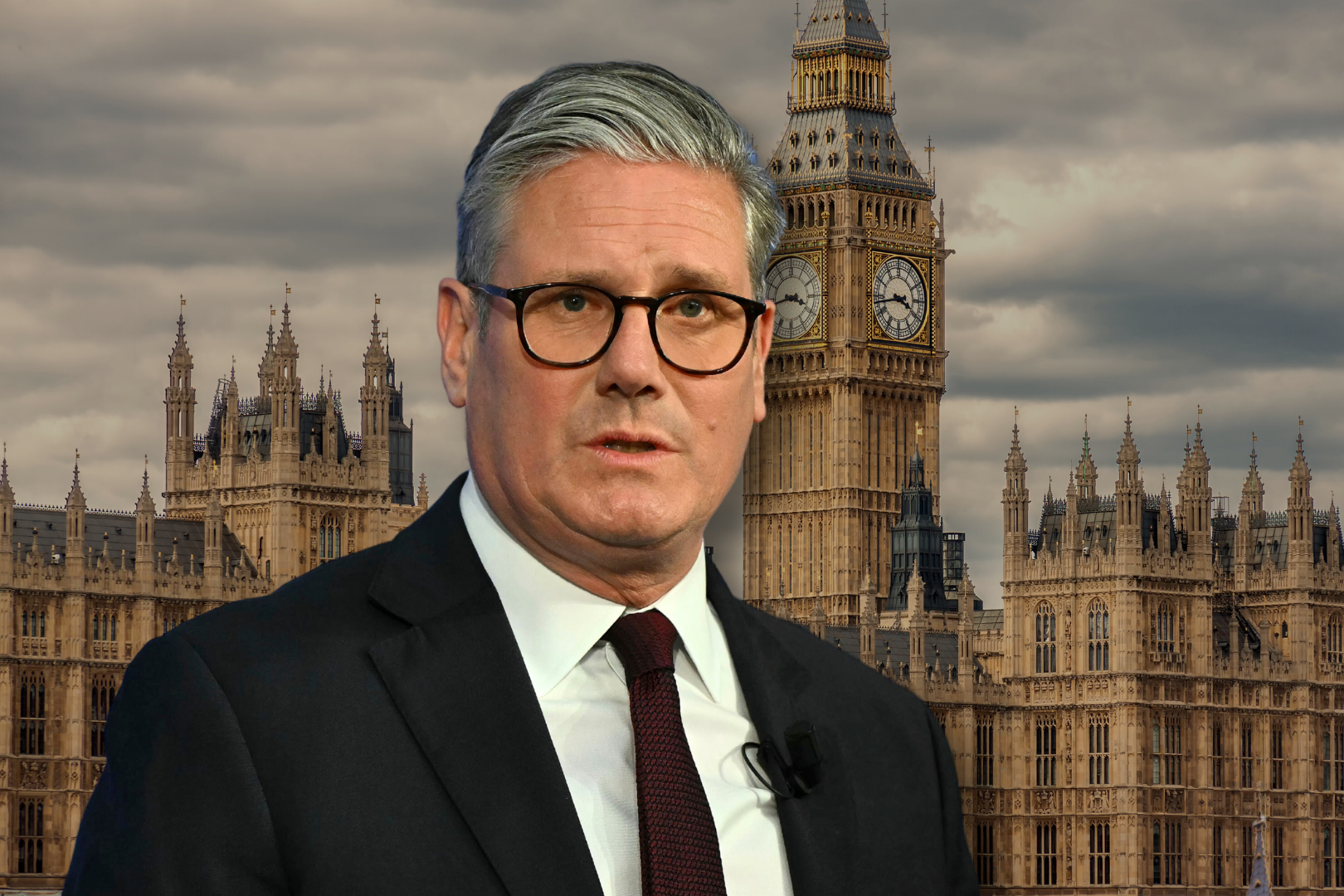
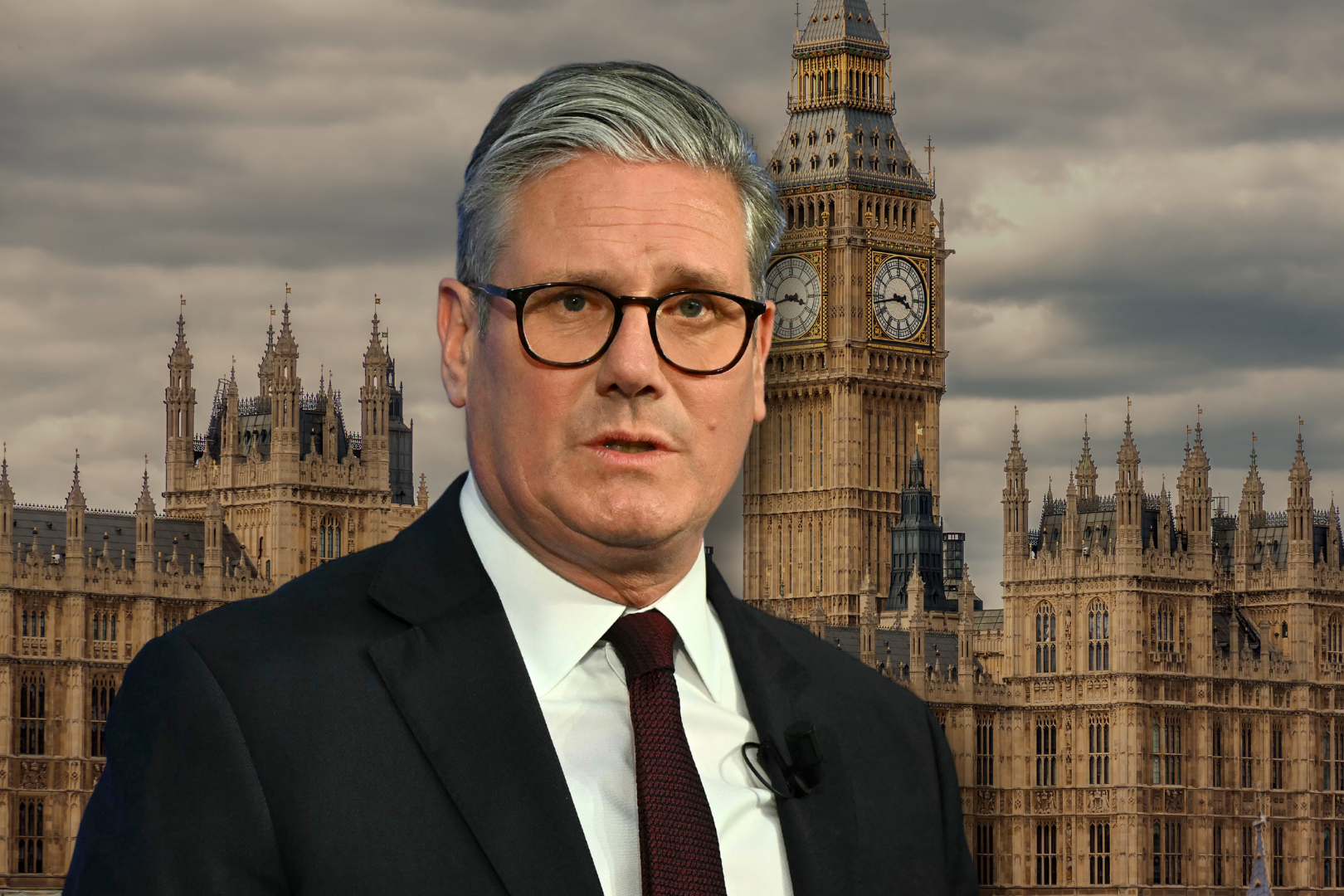
Starmer Faces A Case Of The Monday Blues As EU Deal And Labour Rebellion Loom

Bob Geldof sang about not liking Mondays more than 40 years ago. Come Tuesday morning, there is a decent chance that Keir Starmer will know how he felt.

The prime minister faces a date with destiny on two fronts at the beginning of next week.

First up on his agenda is a UK-EU summit in London where, he hopes, the details of his “reset” with Brussels will be unveiled.

Later in the day, Starmer will run the gauntlet when he faces a Parliamentary Labour Party (PLP) that is growing more fractious by the week.

Government sources say negotiations on the EU deal will go to the wire and that, inevitably, “nothing is agreed until everything is agreed”, but there is little doubt that a deal of some kind will emerge.

It will include an agreement on the movement of agri-foods between the UK and the bloc, a key demand of British businesses left frustrated by the trade barriers which have resulted from Brexit.

A youth mobility scheme making it much easier for 18 to 30-year-olds to travel between the UK and the EU will also form part of the deal, although Downing Street is keen to emphasise that this does not mean a return to freedom of movement.

Those entering this country will be able to stay for a limited time only, while the Home Office is pushing for a cap on numbers as they try to bring down immigration.

“We already have similar youth mobility agreements with the likes of India, Uruguay and Australia, and any scheme will be smart and controlled,” one senior government figure pointed out.

An agreement on closer security and defence co-operation between London and Brussels will also be struck, with the UK giving the French greater access to British fishing waters in return.

Starmer is ready for hardened Brexiteers to cry betrayal, while those on the other side of the debate will accuse him of not going far enough by ruling out a return to the EU customs union and single market.

But he believes that the vast majority of voters will welcome his attempts to improve relations with the UK’s closest trading partner.

One insider told HuffPost UK: “The Tories took us out of the EU without a plan for growth or on things like asylum.

“The British public know that the current deal isn’t working, which is why we are negotiating a better one.”

The agreement on agri-foods – Sanitary and Phytosanitary (SPS) products in the EU jargon – will “remove barriers to trade to stop all those lorries getting backed up at Dover while also making food will be cheaper in the shops”, No.10 says.

“We know that the opposition will say it’s a Brexit betrayal, but that’s a silly argument because that’s saying we don’t want any deal with the EU,” a government source said.

“That means they’re happy for all that red tape to continue and for British businesses to be hamstrung. The Tories have already criticised the India and US trade deals, so who do they expect British businesses to go and trade with?.

“We’re in a strong place to show the country that we’re delivering for workers.”

New polling by Ipsos shows that the British public are increasingly of the view that the UK needs closer ties with Europe, even if it comes at the expense of our relationship with America. Just over half (51%) are of that opinion, up from 42% in March.

Naomi Smith, chief executive of the pro-EU campaign group Best for Britain, said: “Removing trade barriers with the EU will deliver significant economic growth in every region of our country – more than any other policy idea in the government’s arsenal – and Starmer must urgently secure a common sense deal with Europe to make this happen.”

Happily for the PM, the vast majority of Labour MPs appear to be backing his EU strategy.

Bolton West MP Phil Brickell told HuffPost UK: “This isn’t about going over old Brexit battles, but ensuring we can address the issues that matter so much to my constituents – tackling cross-border crime, building a stronger defence industry, preventing irregular migration and supporting British firms wanting to do business in Europe. All of these matter at a time of increasing global insecurity.”

Starmer would be advised to focus on his EU deal when he addresses the PLP in Committee Room 14 at 6pm on Monday.

In the wake of Labour’s local elections disaster, and the by-election defeat in Runcorn and Helsby, it isn’t difficult to find an MP with an axe to grind.

The most common complaint is about the decision to means test the winter fuel payments, at a stroke removing it from 10 million pensioners.

In Hamilton, Lanarkshire, where Labour is battling to beat Reform UK to second place behind the SNP in a Holyrood by-election, voters are registering their disapproval of that policy before slamming the door on anyone who comes calling wearing a red rosette.

“Winter fuel has the potential to do as much damage to us as increasing tuition fees did to the Lib Dems,” said one Labour MP.

“The people in No.10 need to take off their lanyards and get out and meet some voters.”

HuffPost UK understands that Rachel Reeves is now convinced of the need to at least water down the policy so that more pensioners qualify for the payment, making a U-turn far more likely.

A third place finish for Labour in Hamilton would certainly register in Downing Street. The local MP is Imogen Walker, the wife of Starmer’s chief of staff, Morgan McSweeney.

One Conservative MP who has been canvassing in the constituency even suggested that the prime minister is as unpopular north of the border as Margaret Thatcher. In Scottish political terms, there is no harsher criticism.

Meanwhile, more than 100 Labour MPs have signed a letter to the government chief whip warning that they cannot, without some concessions from Downing Street, vote for planned cuts to disability benefits.

Starmer’s speech last Monday’s speech unveiling the government’s plans to slash immigration – which drew comparisons with Enoch Powell – has also enraged many of his backbenchers.

While the PM’s own position is not currently up for debate, he quickly needs his EU deal, alongside those with India and the US, to translate into an increase in support among the country at large.

A YouGov poll showed that his favourability rating is now the lowest its ever been, with even Labour voters turning against him in alarming numbers.

With the next election potentially still four years away, and with politics in a seemingly permanent state of flux, Starmer has plenty of time to turn things around.

On Monday night, he will be left in no doubt that he needs to up his game, and soon.

Share Button

Tory MP Seems To Forget The Facts And Calls His Own Government Weak On Brexit

Hannah Mckay via Reuters

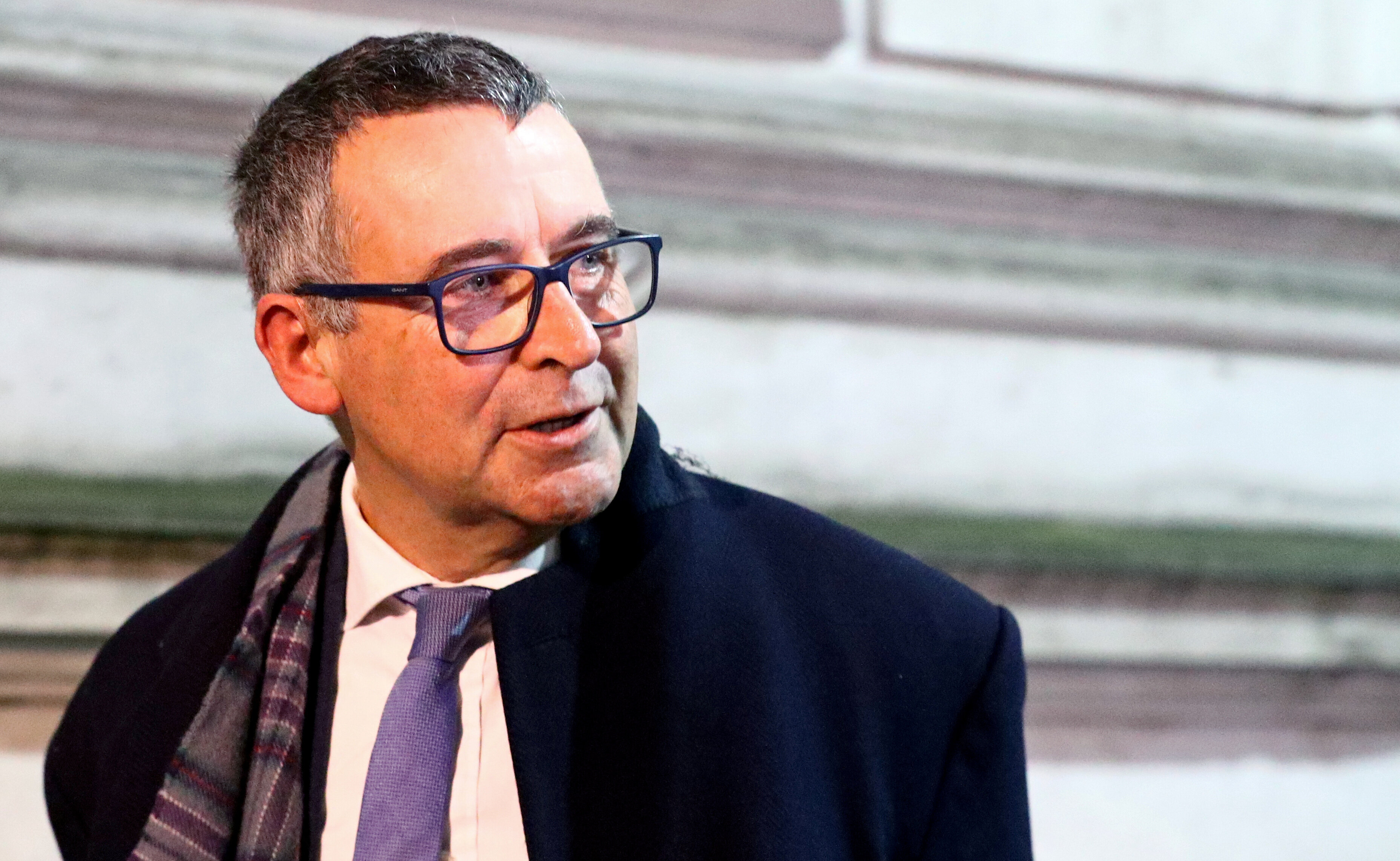
Tory MP Bernard Jenkin

Conservative MP Sir Bernard Jenkin claimed the Brexit deal was signed with the government was in a “constitutional crisis” – even though Tories actually had an 80-seat majority at the time.

Speaking to BBC Newsnight on Monday, Jenkin addressed the growing scrutiny facing the Brexit deal which has been blamed for the ongoing supply and distribution issues in the UK.

Suggesting the deal should be altered, the Tory backbencher claimed: “The Brexit deal was signed at a time when government was weak and gripped by a political and constitutional crisis, the EU took advantage.”

The deal, signed in December 2020, came just a year after prime minister Boris Johnson had secured a huge landmark majority of 80 seats in the Commons.

While there was some tension within the Tory party over how closely aligned post-Brexit Britain should be to the EU, the Conservatives all won on a manifesto to “get Brexit done”.

BBC Newsnight presenter Emily Maitlis probed: “So you think it’s a terrible deal?”

Jenkin replied: “I personally would have been happy to vote against it. The only reason I voted for it is because there didn’t seem to be an alternative.”

He then cut Maitlis off and said: “We can go on talking about the past, but the point is about the future. Is this agreement working? 

“I think even now the EU agrees that there are aspects of this deal which are not working.

“That’s a big shift. That’s a big change.”

The BBC presenter interjected: “So when the prime minister came back and he hailed it as a great deal, a breakthrough, and it was all signed by Christmas, were you sitting there and thinking, ‘I don’t know what you’re talking about, this is a terrible deal’?

“Were you thinking that all along?”

He replied: “I thought I suppose he’s got to sell the deal, but it’s not a great deal, but you know, we could live with it.”

He added that the Tories have tried to make it “work”.

Irish senator Lisa Chambers then criticised Jenkin on Newsnight and said the EU did not take advantage of the UK during the negotiations.

She continued: “It’s not unreasonable to suggest that we would expect that deal to be honoured – to the letter.

“It was signed eyes wide open, everyone knew what they were signing. I don’t think anyone could suggest we didn’t talk about it enough or that we didn’t understand all elements of it.”

Share Button

Tommy Robinson Election Result Sees Activist Receive 38,908 Votes

HuffPost is part of Oath. Oath and our partners need your consent to access your device and use your data (including location) to understand your interests, and provide and measure personalised ads. Oath will also provide you with personalised ads on partner products. Learn more.

Select ‘OK’ to continue and allow Oath and our partners to use your data, or select ‘Manage options’ to view your choices.

Share Button

Theresa May Will Remain PM Until Brexit Is Delivered, Says Philip Hammond

HuffPost is part of Oath. Oath and our partners need your consent to access your device and use your data (including location) to understand your interests, and provide and measure personalised ads. Oath will also provide you with personalised ads on partner products. Learn more.

Select ‘OK’ to continue and allow Oath and our partners to use your data, or select ‘Manage options’ to view your choices.

Share Button

British Passports Without ‘European Union’ Issued Despite Brexit Delay

HuffPost is part of Oath. Oath and our partners need your consent to access your device and use your data (including location) to understand your interests, and provide and measure personalised ads. Oath will also provide you with personalised ads on partner products. Learn more.

Select ‘OK’ to continue and allow Oath and our partners to use your data, or select ‘Manage options’ to view your choices.

Share Button