The government said deaths in hospital and young people’s care would be examined, among other issues.


The government said deaths in hospital and young people’s care would be examined, among other issues.
Probe launched after emergency services across the UK reported 999 calls were failing to connect on Sunday.
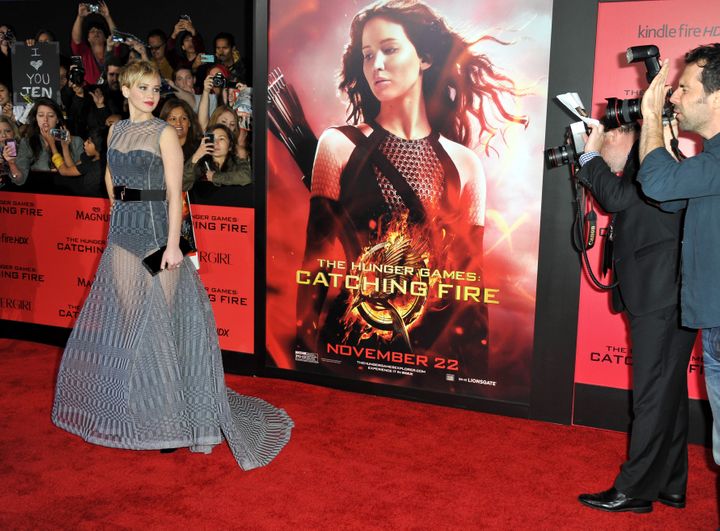
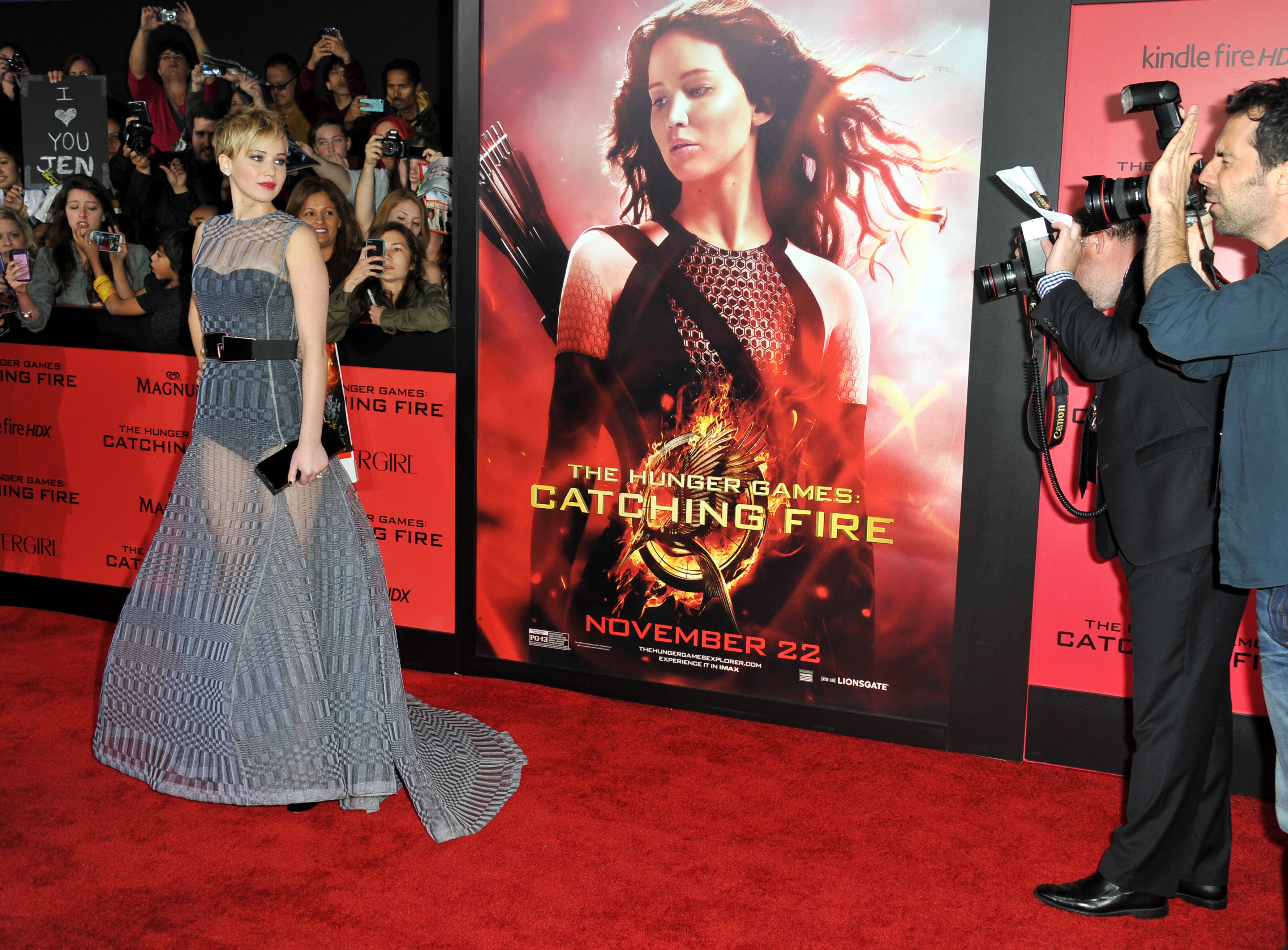
Jennifer Lawrence rose to fame as Katniss Everdeen in the Hunger Games film franchise, but her career could have taken a different path had she landed one big audition.
The Oscar winner recently revealed during an appearance on Spotify’s The Rewatchables”= podcast that she had auditioned for a role in Twilight.
Advertisement
“I auditioned for Twilight,” she said in the interview earlier this month. “They turned me down immediately. I didn’t even get a callback. But my life would’ve been totally different. I got Hunger Games, I think, like, a year later.”
But Lawrence said she almost didn’t accept the offer to play Katniss after witnessing the level of “fandom” surrounding the Twilight movies and its stars Kristen Stewart, Robert Pattinson and Taylor Lautner.
The first Twilight film premiered in 2008, and the final installment, The Twilight Saga: Breaking Dawn — Part 2, was released in 2012. The first Hunger Games movie premiered in 2012.
“I almost didn’t do Hunger Games because Twilight had come out and that fandom had happened,” she said, adding that she was concerned that Hunger Games would bring a similar “level of fame.”
Advertisement
“I just assumed it was going to be like Twilight— the Twilight level of fame, and that was just never something I had in mind,” she said. “I wanted to do indies, I wanted to do good films, but I didn’t want to be the most famous person on the planet. That’s a very different life than what I pictured for myself.”
Lawrence added that she would have been “miserable” had she endured the media frenzy and tabloid fodder the Twilight actors dealt with while making the vampire film saga.
via Associated Press
Clearly, Lawrence’s casting in The Hunger Games film franchise was meant to be.
The No Hard Feelings actor told Variety in an article published earlier this month that she would “totally” return to the film franchise if given an opportunity.
“If Katniss ever could ever come back into my life, 100 percent,” she said.
Lawrence starred in all four Hunger Games installments from 2012 to 2015. She will not appear in an upcoming sequel for the franchise, The Hunger Games: The Ballad of Songbirds & Snakes.
Advertisement

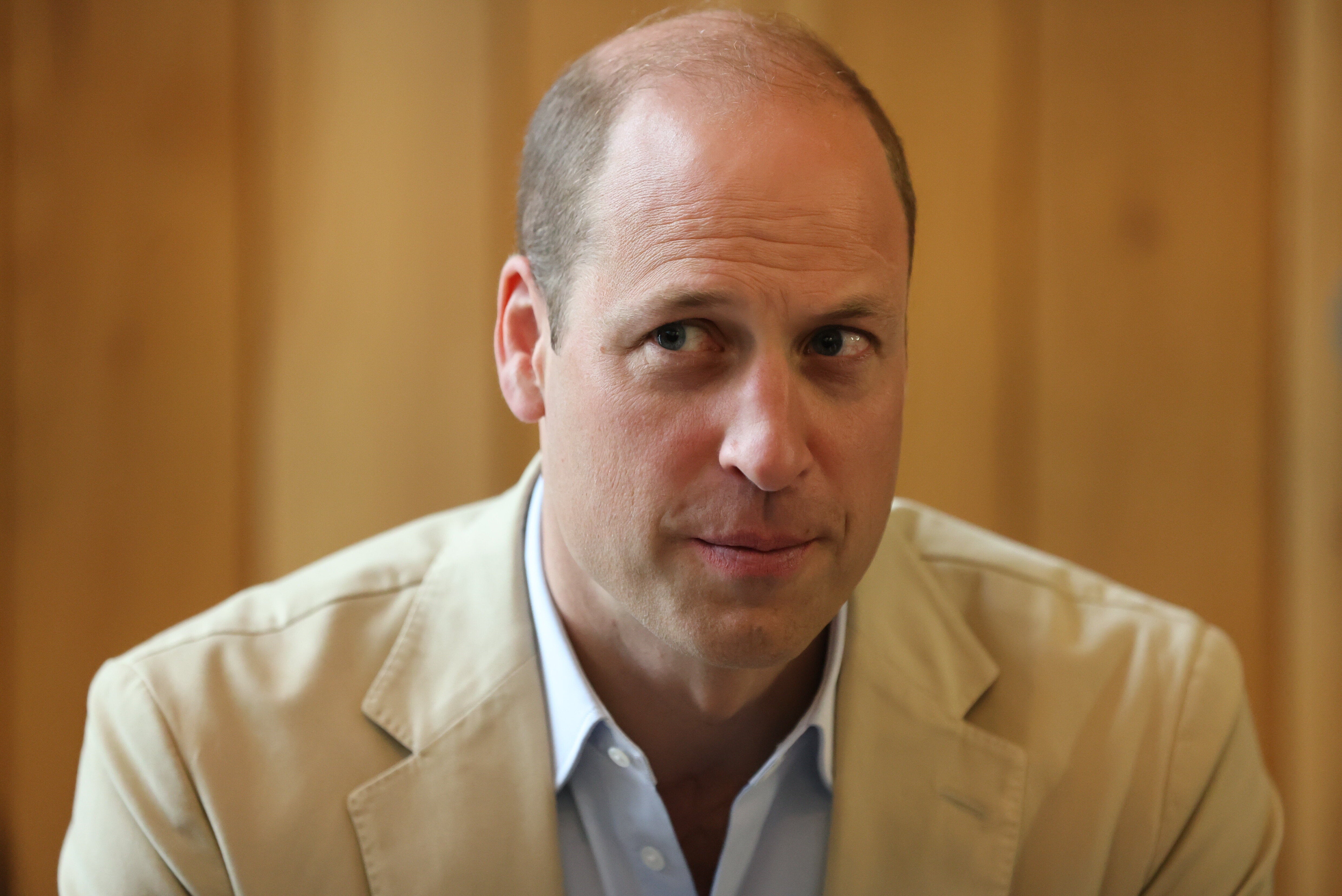
Prince William has just started a campaign to end homelessness in the UK – but it’s been met with some scepticism from critics.
The Prince of Wales’ new five-year initiative, called Homewards, aims to eradicate rough sleeping, where organisations and individuals are encouraged to develop “bespoke” action plans to tackle homelessness with up to £500,000 of funding available to six locations across the UK.
Advertisement
His charitable foundation is offering up to £3 million in total, meant to help make homelessness “rare, brief and unrepeated”, because “everyone should have a safe and secure home”.
William has explained that he’s particularly passionate because his mother Princess Diana regularly took him on visits to meet those in need, including those who were homeless.
He is a patron of homelessness charities Centrepoint and The Passage, too.
Yet, this particular initiative risks overstepping the apolitical nature demanded of the constitutional monarchy because it is a subject which is often debated within the Commons as part of the Levelling Up schemes.
His father, now King Charles, was often accused of “meddling” with politics when he was first-in-line to the throne, like his son is now – although Charles appears to have withdrawn from any divisive issues since inheriting the crown.
Advertisement
As historian Sir Anthony Seldon told the BBC, “this is as significant an intervention as any single intervention made by his father when Prince of Wales”, and it is a topic “normally reserved just for elected politicians”.
Then, there’s the practical issues that come with resolving this major issue.
As Ligia Teixeira, chief executive of the Centre for Homelessness Impact, also told the broadcaster: “Ending homelessness for good is not rocket science. The evidence shows it’s harder than that.”
She pointed out that homelessness is linked to many complicated factors like a lack of affordable housing, economic inequality and migration.
There are more than 300,000 people homeless in the UK right now – that includes people who are in temporary accommodation and rough sleepers.
The funds he has put aside for this project also pales in comparison to the £369 million restoration bill for Buckingham Palace which is being partly funded by the taxpayer.
Advertisement
The issue of homelessness is particularly contentious right now too, as the housing crisis looks more precarious than ever. The cost of living crisis has seen rents soar, along with steep interest rates for mortgages which means homeowners are now worrying, too.
William – like all of the royals – is also a wealthy landowner in his own right.
He owns several homes; a Grade-II listed four-bedroom house, Adelaide Cottage near Windsor Castle; an apartment in London’s Kensington Palace; and Anmer Hall in Norfolk.
He told The Sunday Times he planned to have social housing on his land in the Duchy of Cornwall (13,000 acres he inherited, worth approximately £1 billion), but said he wanted to “start small” and that he would reveal more about this when “it’s ready”.
The Duchy offers an annual income of £21 million used to support his family, and his philanthropic work. William voluntarily pays income tax on all revenue from the estate.
But, the Duchy of Cornwall currently advertises luxury holiday cottages for a hefty price tag – a jarring comparison when he’s trying to campaign to end homelessness.
Advertisement
Graham Smith, chief executive of the anti-monarchy group Republic, said it was “crass and hypocritical of William to get involved in this issue, given the excessive wealth we gift him”.
The Guardian’s columnist Zoe Williams also pointed out that this is a huge, systemic issue.
She wrote: ”It’s such an intricate phantasm, collectively constructed, of an old world in which individuals can solve all their own problems, and if they can’t, Prince William can help.”
However, William’s team have argued that he is using his privileged to help the greater good.
A Kensington Palace spokesman said: “This isn’t about a PR stunt. This is about trying to change the way we as a society think about homelessness.”

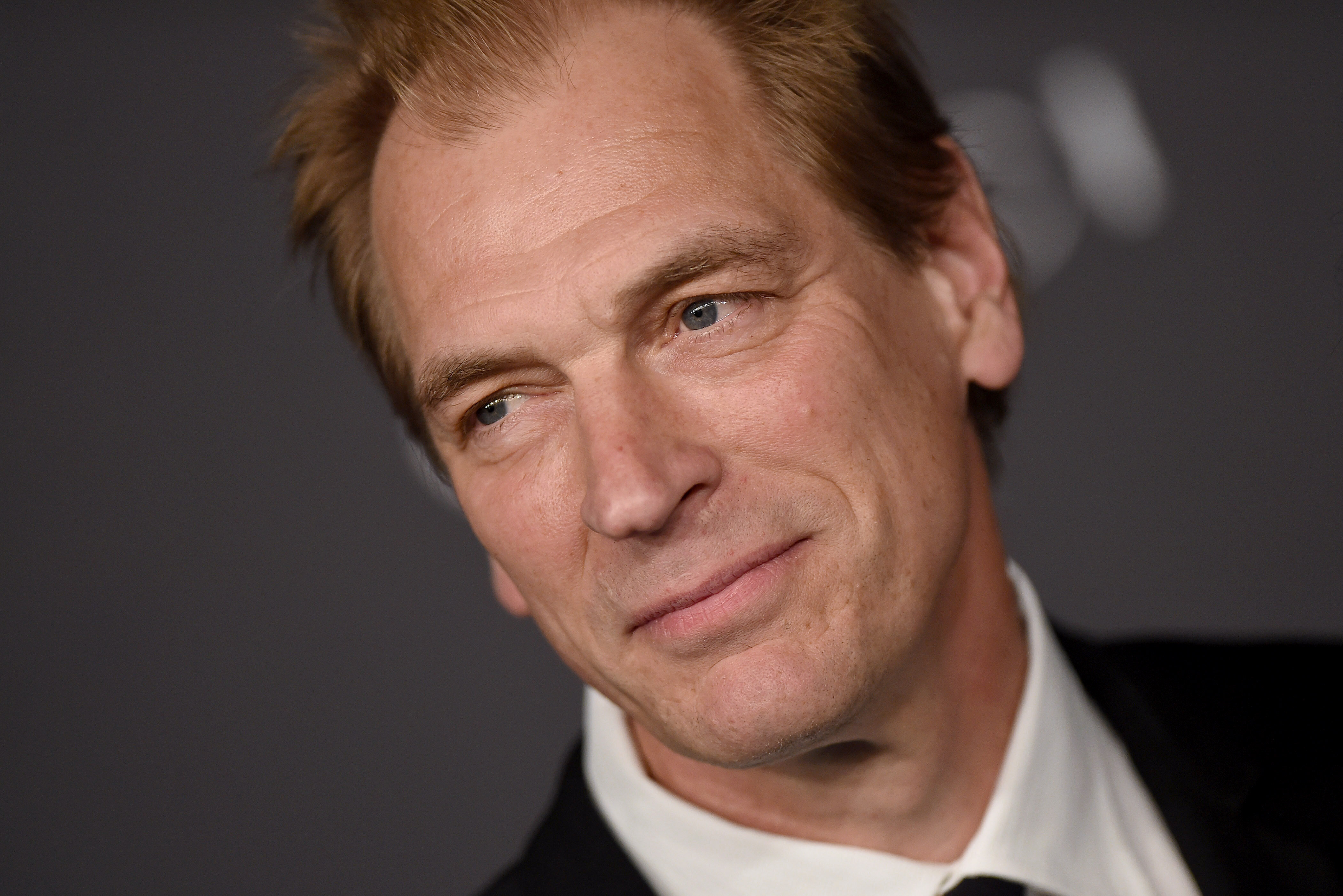
Authorities have confirmed actor Julian Sands as dead after his remains were discovered in a Southern California forest area, according to an update from the San Bernardino County Sheriff on Tuesday.
The cause of death for Sands, who had been missing since January, is still under investigation. His remains were discovered by hikers on Saturday morning in the Mount Baldy Area. The hikers then contacted the Fontana Sheriff’s Station.
Advertisement
More than 80 volunteers and authorities searched for Sands for over 500 hours between January and earlier this month, when the search became more limited.
“We would like to extend our gratitude to all the volunteers that worked tirelessly to locate Mr Sands,” the San Bernardino County Sheriff’s said in a statement on Tuesday.
Born in Yorkshire, England, in 1958, Sands played roles in various films including A Room With a View, Oceans Thirteen, The Killing Fields and Arachnophobia. He’d also been on shows such as 24 and Smallville.
“We continue to hold Julian in our hearts with bright memories of him as a wonderful father, husband, explorer, lover of the natural world and the arts, and as an original and collaborative performer,” Sands’ family said in a statement, according to The Guardian.
Advertisement
Sands is survived by his three children and his wife, journalist Evgenia Citkowitz.
In January, Sands’ brother, Nick, told The Guardian that the Mt Baldy area was his “favourite.”
“I know in my heart that he has gone. However, sibling rivalry being what it is, it would be just like him to walk out of there and prove me wrong,” he added.
Sands also has three other brothers: Robin, Jeremy and Quentin.
A representative for Sands did not immediately respond to HuffPost’s request for comment.
This is a breaking news story and will be updated. Follow HuffPost UK on Twitter, Facebook and Instagram.

For the first two weeks of life, mice with a hereditary form of deafness have nearly normal neural activity in the auditory system, according to a new study by Johns Hopkins Medicine scientists. Their previous studies indicate that this early auditory activity — before the onset of hearing — provides a kind of training to prepare the brain to process sound when hearing begins.
The findings are published June 27 in PLOS Biology.
Mutations in Gjb2 cause more than a quarter of all hereditary forms of hearing loss at birth in people, according to some estimates. The connexin 26 protein coded by the gene is in a family of proteins known as GAP junctions, because these proteins span the tiny gap between cells and form a kind of tube that connects two cells to trade ions, metabolites and other molecules that communicate or maintain an equilibrium.
This unexpected finding, according to investigators, suggests a molecular mechanism for the observation that people with this hereditary mutation respond well to cochlear implants, the electronic devices that are designed to mimic sound conduction in the inner ear and can improve hearing in those with severe hearing loss. According to the National Institutes of Health, about 118,100 cochlear implants were implanted in adults and 65,000 in children between December 2019 and March 2021.
The connexin 26 protein in the cochlea, the spiral-like structure in the inner ear, is highly enriched in supportive cells, which, like their name implies, provide structural and nutritional help to surrounding hair cells and auditory neurons.
Previous studies have shown that, without connexin 26, the cochlea fails to develop its normal shape and is incapable of amplifying sound-induced vibrations necessary for efficient sound detection. Despite this disruption to the cochlear structure, this research shows the cochlea is still capable of producing the “spontaneous” activity needed to shape brain development.
“Supportive cells are extremely important for tissues and organs,” says neuroscientist Dwight Bergles, Ph.D., the Diana Sylvestre and Charles Homcy Professor at the Johns Hopkins University School of Medicine. “The new study shows how critical they are for training the auditory system and getting it ready to process sound.”
For the study, Bergles and Calvin Kersbergen, an M.D./Ph.D. candidate in Johns Hopkins’ Medical Scientist Training Program, created a mouse model that lacked connexin 26 specifically in supportive cells in the cochlea.
By using external electrodes to measure electrical responses in the auditory nerve in response to tones or clicks, they found that mice lacking connexin 26 only in supportive cells of the cochlea were, indeed, deaf, demonstrating the crucial role of these intercellular channels in hearing.
However, Bergles and Kersbergen wondered if this change in supportive cells and shape of the cochlea would also disrupt spontaneous activity in younger mice, less than 2 weeks old, before their ear canal opens.
The researchers found that mice without connexin 26 still exhibit bursts of electrical activity in auditory neurons at nearly the same levels as young mice with intact connexin 26. Further investigation revealed that spontaneous activity in supportive cells was able to activate sensory hair cells in the inner ear, leading to normal neuronal activity in sound-processing areas of the brain.
“Even in the absence of connexin 26, we still find robust spontaneous activity in the cochlea in these young mice,” says Bergles.
Bergles says there is now evidence that the role of supportive cells in this early period is to “train” the auditory system to respond to sound at certain frequencies. Since the ear canal isn’t open yet, supportive cells generate their own activity spontaneously to stimulate the mechanically sensitive hair cells in the fluid-filled cochlea.
“It’s as if the cochlea is producing its own ‘sounds’ at this stage of development,” Bergles says. “This practice may help the auditory neurons and circuits in the brain mature before the ear canal opens.”
“It’s like a baseball player in a batting cage, learning the basics of their swing and preparing to face the unpredictability of a real pitcher,” says Bergles.
Finally, the researchers found that spontaneous activity in supportive cells of deaf mice halts once the ear canal opens. At the same time, because the mice can’t process sound, their auditory neurons actually increase their sensitivity to sound.
This hypersensitivity to sound is similar to the phenomenon of hyperacusis, in which normal levels of sound can be painful. In humans, this hearing loss-induced hypersensitivity can also lead to constant ringing of the ears, called tinnitus.
Bergles says the research also suggests a molecular mechanism for why people with this hereditary mutation who receive cochlear implants early on tend to do better than those who receive them later.
“Spontaneous activity in supportive cells in the cochlea may provide the molecular evidence for empirical data showing better outcomes among people who have cochlear implants placed earlier in life,” says Bergles.
The research team plans to study whether they can tap into the spontaneous activity pathway in supportive cells to treat tinnitus and other auditory conditions.
Scientists Travis Babola and Patrick Kanold also contributed to this research.
Funding was provided by the National Institutes of Health (F30DC018711, F32DC019842, U19NS107464, R01DC009607, R01DC008860, P30NS050274).
A 48-hour walkout by consultants will follow five-day strike by junior doctors in England.
Ex-health secretary says planning focused more on burying the dead rather than averting disaster.

A Cretaceous origin for placental mammals, the group that includes humans, dogs and bats, has been revealed by in-depth analysis of the fossil record, showing they co-existed with dinosaurs for a short time before the dinosaurs went extinct.
The catastrophic destruction triggered by the asteroid hitting the Earth resulted in the death of all non-avian dinosaurs in an event termed the Cretaceous-Paleogene (K-Pg) mass extinction. Debate has long raged among researchers over whether placental mammals were present alongside the dinosaurs before the mass extinction, or whether they only evolved after the dinosaurs were done away with. Fossils of placental mammals are only found in rocks younger than 66 million years old, which is when the asteroid hit Earth, suggesting that the group evolved after the mass extinction. However, molecular data has long suggested an older age for placental mammals.
In a new paper published in the journal Current Biology, a team of palaeobiologists from the University of Bristol and the University of Fribourg used statistical analysis of the fossil record to determine that placental mammals originated before the mass extinction, meaning they co-existed with dinosaurs for a short time. However, it was only after the asteroid impact that modern lineages of placental mammals began to evolve, suggesting that they were better able to diversify once the dinosaurs were gone.
The researchers collected extensive fossil data from placental mammal groups extending all the way back to the mass extinction 66 million years ago.
Lead author Emily Carlisle of Bristol’s School of Earth Sciences said: “We pulled together thousands of fossils of placental mammals and were able to see the patterns of origination and extinction of the different groups. Based on this, we could estimate when placental mammals evolved.”
Co-author Daniele Silvestro (University of Fribourg) explained: “The model we used estimates origination ages based on when lineages first appear in the fossil record and the pattern of species diversity through time for the lineage. It can also estimate extinction ages based on last appearances when the group is extinct.”
Co-author Professor Phil Donoghue, also from Bristol, added: “By examining both origins and extinctions, we can more clearly see the impact of events such as the K-Pg mass extinction or the Paleocene-Eocene Thermal Maximum (PETM).”
Primates, the group that includes the human lineage, as well as Lagomorpha (rabbits and hares) and Carnivora (dogs and cats) were shown to have evolved just before the K-Pg mass extinction, which means their ancestors were mingling with dinosaurs. After they survived the asteroid impact, placental mammals rapidly diversified, perhaps spurred on by the loss of competition from the dinosaurs.

Cambridge scientists have created a stem cell-derived model of the human embryo in the lab by reprogramming human stem cells. The breakthrough could help research into genetic disorders and in understanding why and how pregnancies fail.
Published today in the journal Nature, this embryo model is an organised three-dimensional structure derived from pluripotent stem cells that replicate some developmental processes that occur in early human embryos.
Use of such models allows experimental modelling of embryonic development during the second week of pregnancy. They can help researchers gain basic knowledge of the developmental origins of organs and specialised cells such as sperm and eggs, and facilitate understanding of early pregnancy loss.
“Our human embryo-like model, created entirely from human stem cells, gives us access to the developing structure at a stage that is normally hidden from us due to the implantation of the tiny embryo into the mother’s womb,” said Professor Magdalena Zernicka-Goetz in the University of Cambridge’s Department of Physiology, Development and Neuroscience, who led the work.
She added: “This exciting development allows us to manipulate genes to understand their developmental roles in a model system. This will let us test the function of specific factors, which is difficult to do in the natural embryo.”
In natural human development, the second week of development is an important time when the embryo implants into the uterus. This is the time when many pregnancies are lost.
The new advance enables scientists to peer into the mysterious ‘black box’ period of human development — usually following implantation of the embryo in the uterus — to observe processes never directly observed before.
Understanding these early developmental processes holds the potential to reveal some of the causes of human birth defects and diseases, and to develop tests for these in pregnant women.
Until now, the processes could only be observed in animal models, using cells from zebrafish and mice, for example.
Legal restrictions in the UK currently prevent the culture of natural human embryos in the lab beyond day 14 of development: this time limit was set to correspond to the stage where the embryo can no longer form a twin.
Until now, scientists have only been able to study this period of human development using donated human embryos. This advance could reduce the need for donated human embryos in research.
Zernicka-Goetz says the while these models can mimic aspects of the development of human embryos, they cannot and will not develop to the equivalent of postnatal stage humans.
Over the past decade, Zernicka-Goetz’s group in Cambridge has been studying the earliest stages of pregnancy, in order to understand why some pregnancies fail and some succeed.
In 2021 and then in 2022 her team announced in Developmental Cell, Nature and Cell Stem Cell journals that they had finally created model embryos from mouse stem cells that can develop to form a brain-like structure, a beating heart, and the foundations of all other organs of the body.
The new models derived from human stem cells do not have a brain or beating heart, but they include cells that would typically go on to form the embryo, placenta and yolk sac, and develop to form the precursors of germ cells (that will form sperm and eggs).
Many pregnancies fail at the point when these three types of cells orchestrate implantation into the uterus begin to send mechanical and chemical signals to each other, which tell the embryo how to develop properly.
There are clear regulations governing stem cell-based models of human embryos and all researchers doing embryo modelling work must first be approved by ethics committees. Journals require proof of this ethics review before they accept scientific papers for publication. Zernicka-Goetz’s laboratory holds these approvals.
“It is against the law and FDA regulations to transfer any embryo-like models into a woman for reproductive aims. These are highly manipulated human cells and their attempted reproductive use would be extremely dangerous,” said Dr Insoo Hyun, Director of the Center for Life Sciences and Public Learning at Boston’s Museum of Science and a member of Harvard Medical School’s Center for Bioethics.
Zernicka-Goetz also holds position at the California Institute of Technology and is NOMIS Distinguished Scientist and Scholar Awardee.
The research was funded by the Wellcome Trust and Open Philanthropy.
