It’s Your Last Chance To Catch 8 Netflix Titles Leaving This June

Who doesn’t love a good Netflix binge of a weekend – even one as sunny as this one?

Whether it’s the just-dropped Harlan Coben drama critics say is “maddeningly watchable” or one of the suggestions from our list of the streamer’s brand-new June titles, there’s plenty of options to work through.

But if you’re finding it hard to choose, why not pick the movies and shows leaving the subscription service soon? After all, you won’t have a chance to do so again any time soon.

Here’s what’s on its way out in June 2026 from today on in the UK, per The Independent:

Leaving Saturday, 20 June

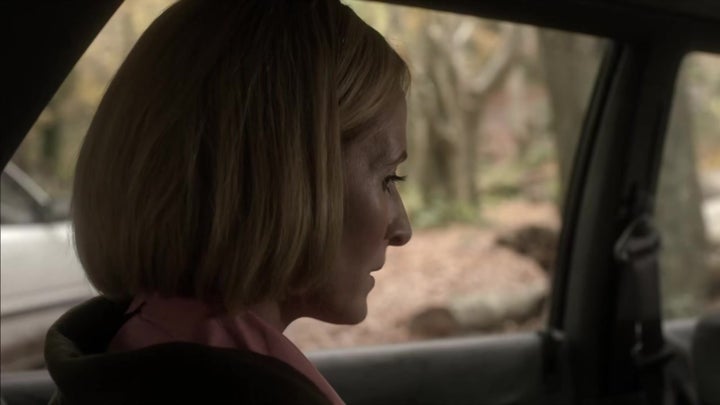
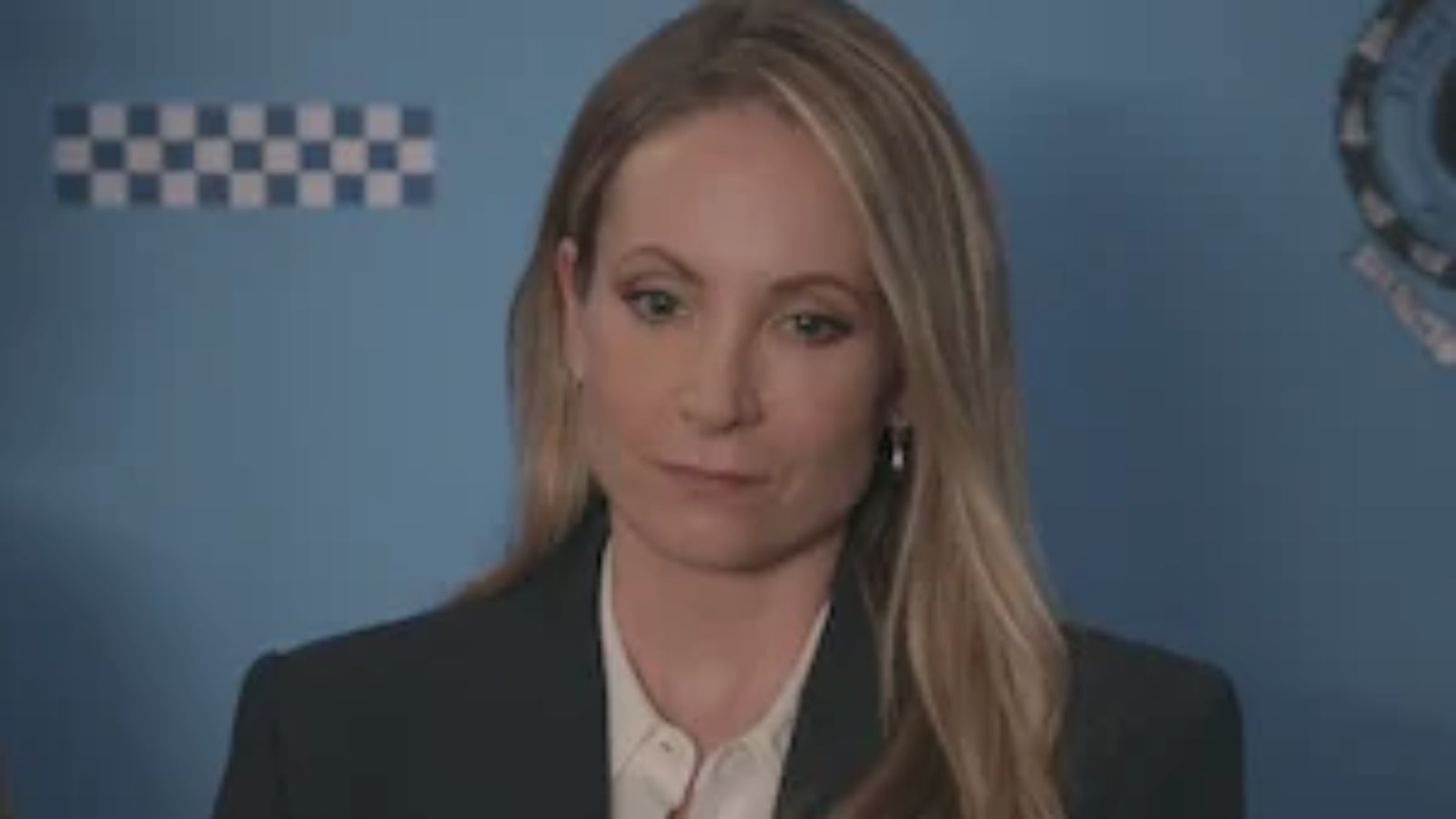
1) North Shore

Netflix's North Shore
Netflix’s North Shore

Netflix / ITV

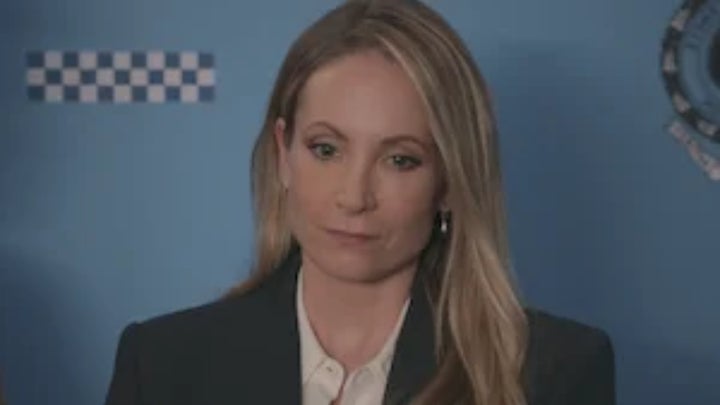
Starring Game of Thrones star John Bradley alongside Downtown Abbey’s Joanne Froggatt, the six-episode show’s synopsis reads: “When a UK minister’s daughter dies mysteriously in Sydney, a London detective must team up with his Australian counterpart to unravel the mystery.”

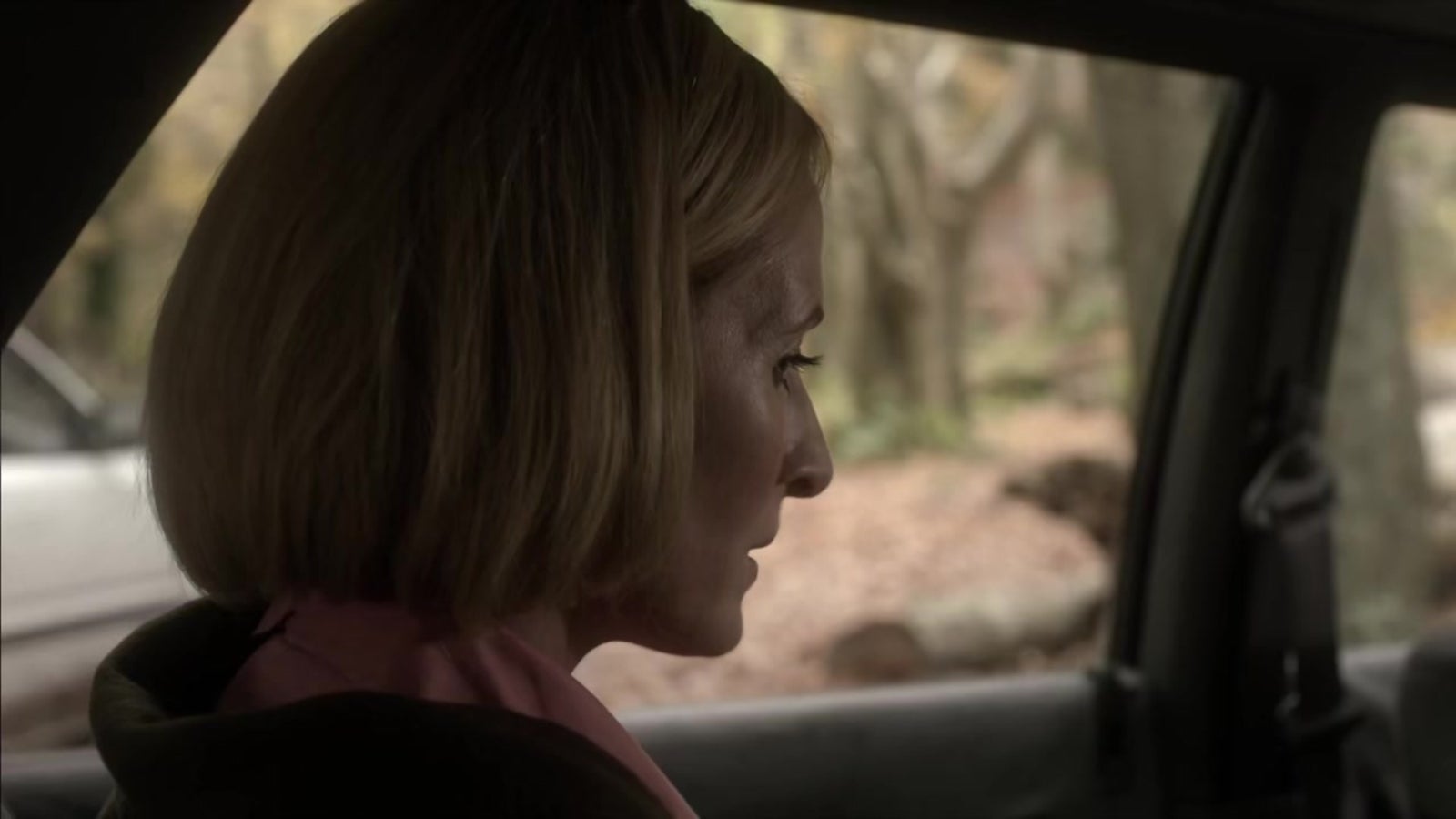
2) The Secret Agent

The Secret Agent
The Secret Agent

Netflix / BBC

Toby Jones (Detectorists, The Hack), Vicky McClure (Line of Duty), and Stephen Graham (Adolescence, Boiling Point) lead this four-episode gem, which is set in Victorian London. “A shopkeeper who doubles as a spy for the Russian Embassy comes under pressure to commit an act of politically-motivated terrorism,” Netflix summarises the show.

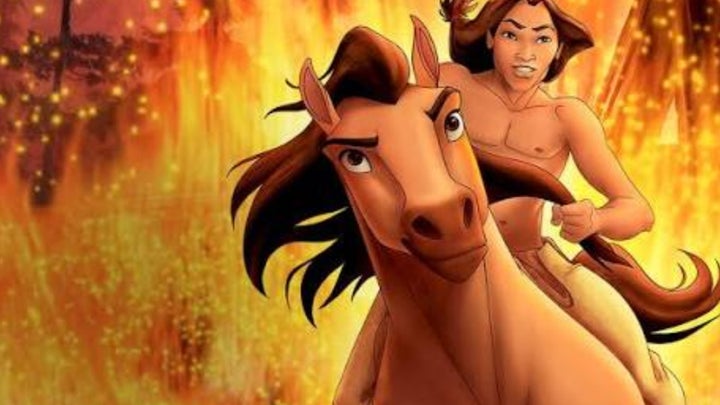
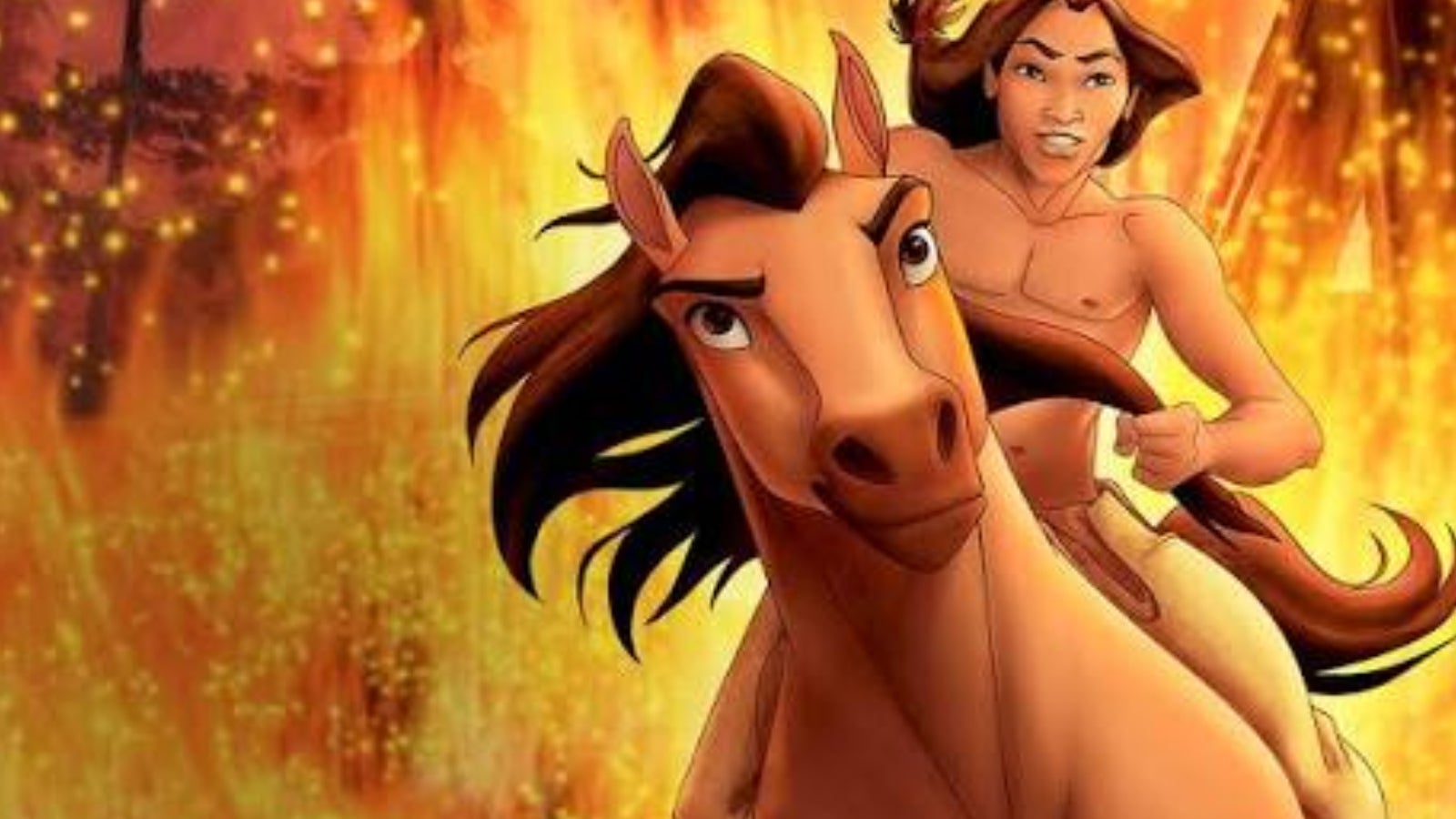
3) Spirit: Stallion of the Cimmaron

Spirit: Stallion of the Cimmaron

Dreamworks / Netflix

Yes, that is *the* DreamWorks horse flick from your childhood we’re talking about. Its stellar cast includes Good Will Hunting’s Matt Damon and Succession’s James Cromwell.

Leaving Sunday, June 21

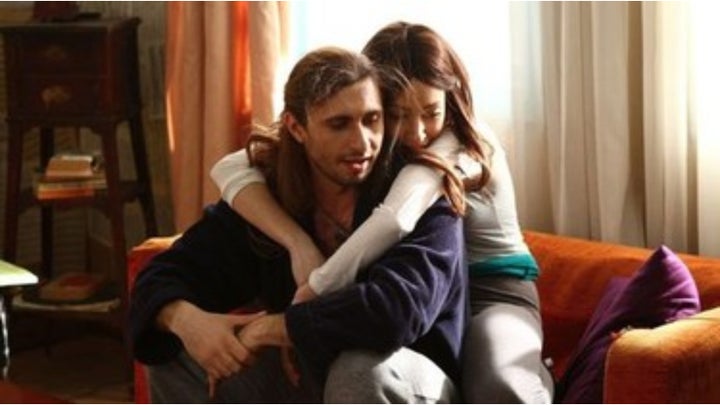
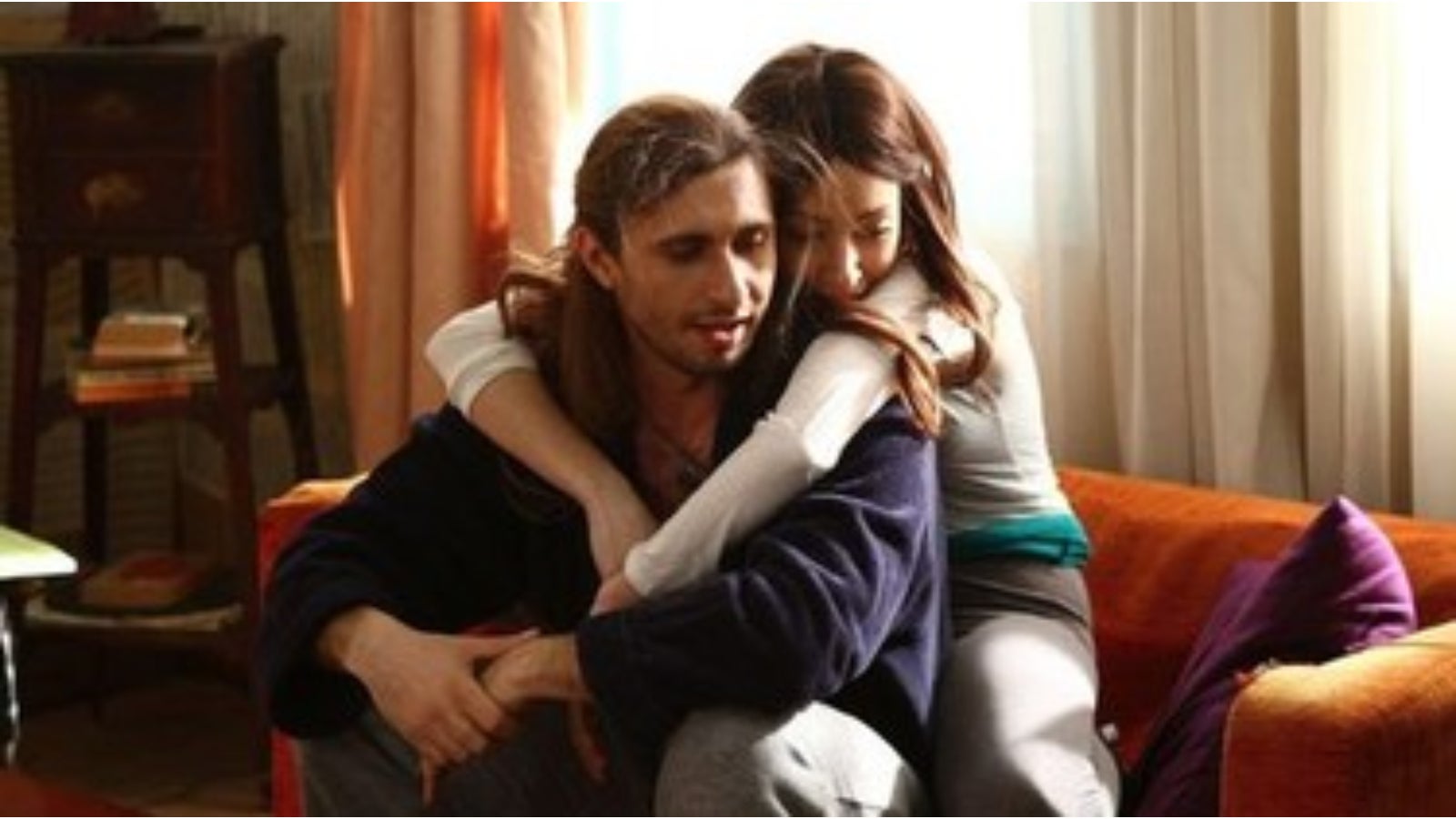
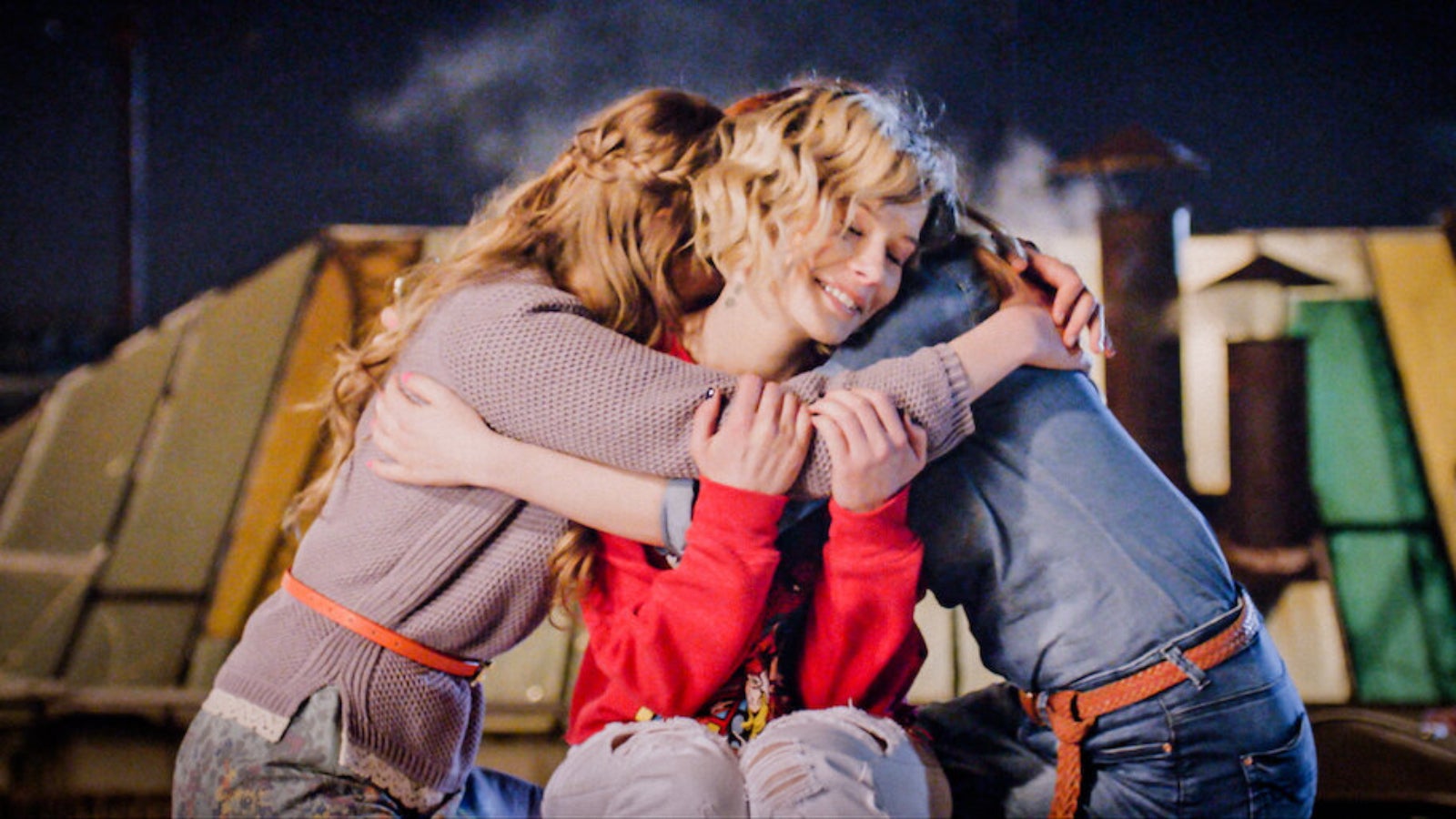
4) Love Is a Story

Love Is A Story
Love Is A Story

Netflix / Zazu Film

This Romanian rom-com focuses on “two young artists, a violin player and an actress, [who] fight to achieve their dreams and keep their relationship together during Christmastime.” It stars Raluca Aprodu, Dragoș Bucur, and Ducu Darie.

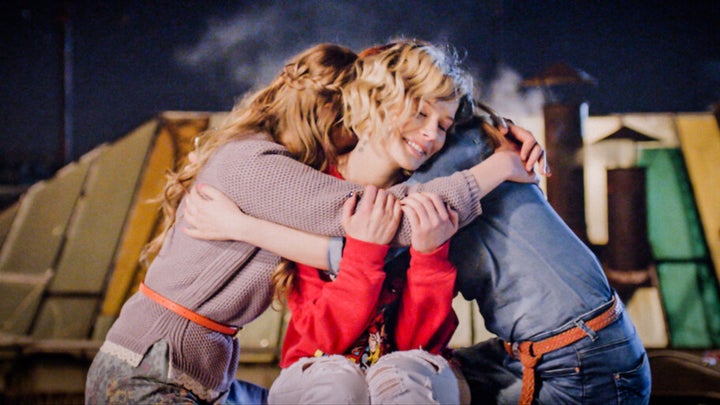
5) #Selfie

#Selfie
#Selfie

Netflix / Zazu Film

The Romanian coming-of age flick follows a group of teenage girls (Flavia Hojda, Crina Semciuc, Olimpia Melinte, and more) who flee pre-exam stress by going on a seaside adventure.

6) #Selfie 69

#Selfie69
#Selfie69

Netflix / Zazu Film

Another of the Romanian movie series is set to leave on the same day. This comedy is a sequel to #Seflie, with some familiar names in the cast list. It focuses on “a trio of party-loving friends [who] make a bet: who can get married in three days” after a breakup?

7) The Secret

The Secret
The Secret

ITV / Netflix

Based on a true story, this drama has a pretty juicy description: “A dentist and a Sunday school teacher begin a torrid extramarital affair that leads them to make a murderous pact.” Stars include James Nesbitt (Cold Feet), Genevieve O’Reilly (Andor), and Laura Pyper (Emma).

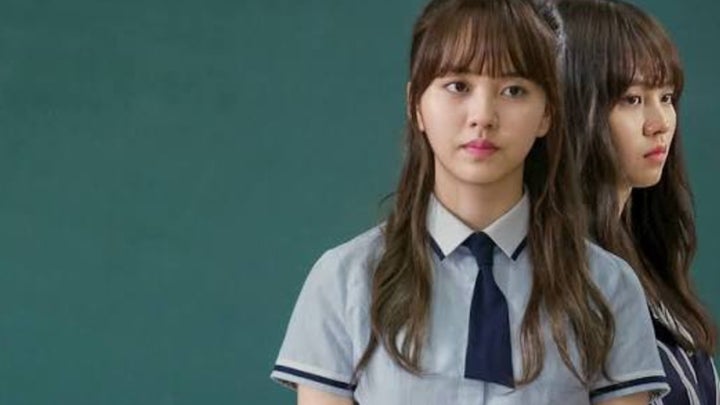
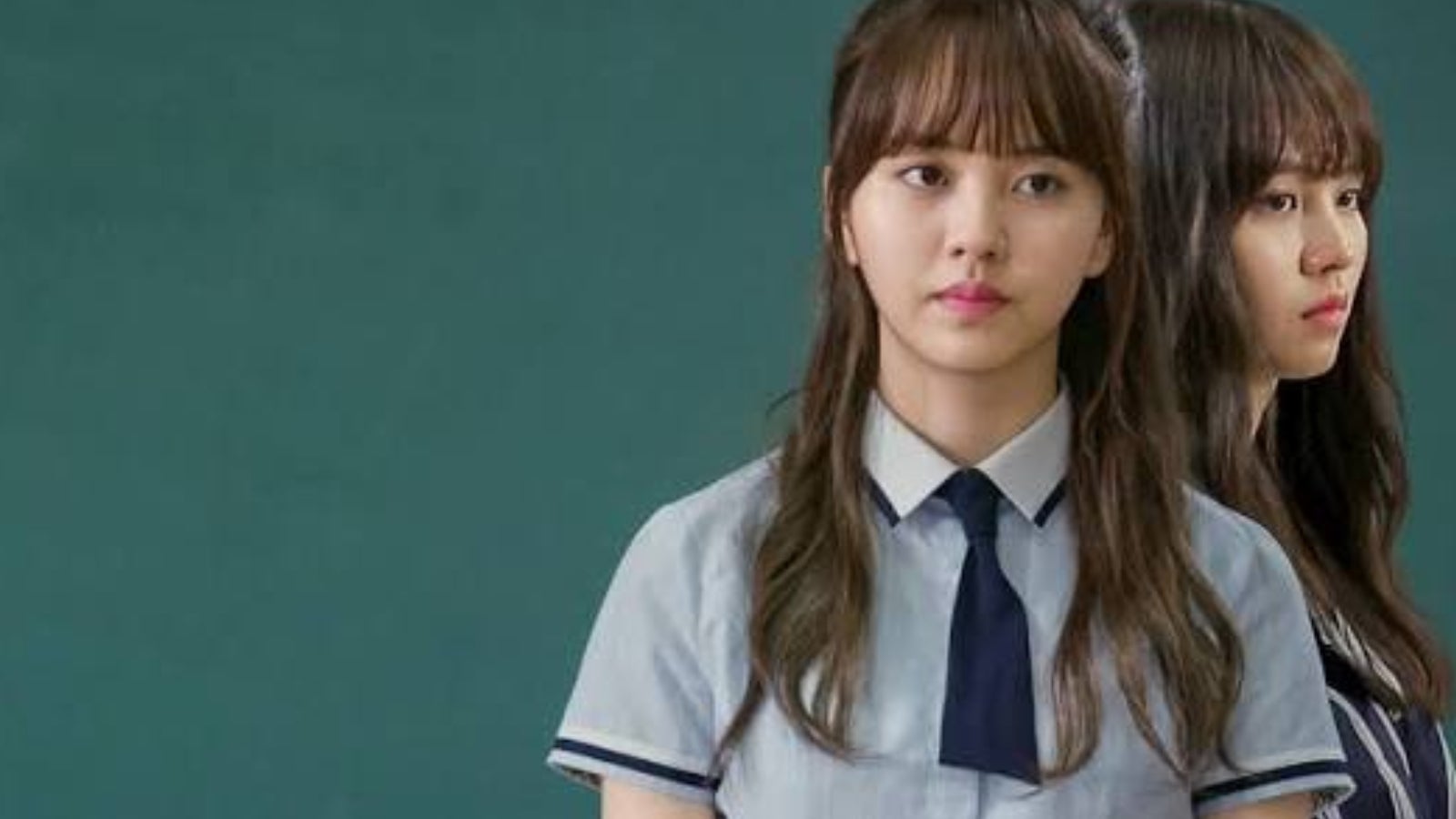
8) Who Are You: School 2015

Who Are You
Who Are You

KBS2 / Netflix

This 16-episode Korean school drama involves “a bullied high school orphan [who] finds herself in the place of an identical-looking girl who’s gone missing” after losing her memory. Cast members include Yook Sung-jae (The Golden Spoon) and Nam Joo-hyuk (The Great Battle).

Share Button

How to keep children cool in the heat

How to keep children cool in the heat

Share Button

Minimum age of 11 set for UK puberty blocker trial

Gender-questioning children will have to be at least 11 years old to take part in a clinical trial of puberty-blocking drugs.

Share Button

Think you’re eating healthy? You may be missing this heart-protecting nutrient

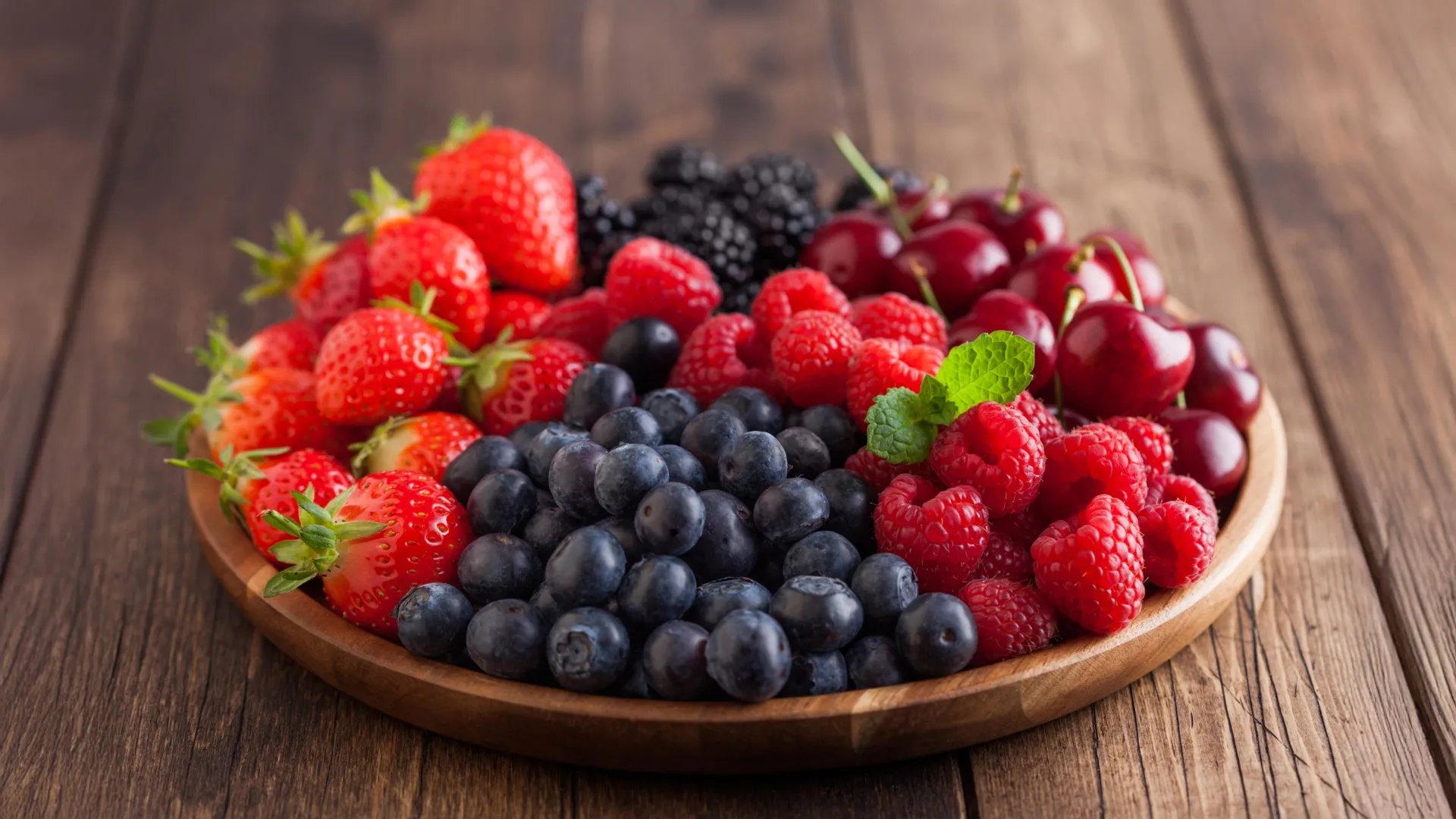
Adding foods like blueberries, plums, blackberries, broad beans, and cherries to your daily diet, especially when paired with green tea, could be a simple way to support heart health, according to new research.

A large international study led by scientists from the University of Reading, Harvard Medical School, the University of California Davis, and Mars, Inc., found that most people are not consuming enough flavanols, natural compounds linked to a lower risk of heart disease.

The researchers discovered that fewer than 20% of people reached the flavanol intake level associated with heart health benefits. Even many individuals who regularly ate the recommended five daily servings of fruits and vegetables failed to meet that target.

Published on June 8, 2026, in the journal Food and Function, the study analyzed dietary data from more than 30,000 people in the United Kingdom and the United States using biomarker measurements to assess flavanol intake.

Most People Fall Short on Flavanols

Dr. Javier Ottaviani, the study’s lead author, said: “Flavanols can significantly reduce the risk of dying from cardiovascular disease, but only if you consume enough of them. Most people assume that eating plenty of fruit and vegetables covers this, but what this research shows is that the specific choices you make matter far more than the total amount. Including a handful of blackberries, a whole apple or having a cup of green tea alongside your meal could make a real difference to how much of these beneficial compounds you actually consume and absorb from the diet.”

The findings suggest that simply increasing fruit and vegetable intake may not be enough. The specific foods people choose appear to play an important role in determining how many flavanols they actually consume.

Foods Highest in Heart Healthy Flavanols

Earlier research, including the COSMOS study, the largest clinical trial to examine flavanols, found that consuming 500 milligrams of flavanols per day significantly lowered the risk of death from heart disease.

The new study indicates that most people remain well below that level, even when following standard healthy eating recommendations such as the NHS Eatwell Guide.

Researchers identified the following foods as some of the richest dietary sources of flavanols per serving:

  • Plums (500g, roughly one punnet): ~450mg of flavanols
  • Cranberries (250g, roughly one punnet): ~300mg of flavanols
  • Blackberries (200g, roughly one punnet): ~250mg of flavanols
  • Green tea (one 250ml cup): ~200mg of flavanols
  • Broad beans/fava beans (80g, a small handful): ~140mg of flavanols
  • Cherries (400g, roughly one punnet): ~130mg of flavanols
  • Apples with skin (200g, one medium apple): ~110mg of flavanols
  • Strawberries (200g, roughly one punnet): ~90mg of flavanols
  • Blueberries (150g, roughly one punnet): ~80mg of flavanols
  • Pinto beans (40g, two tablespoons dry): ~70mg of flavanols

Could Dietary Guidelines Be Improved?

The results also raise questions about whether current nutrition recommendations could do a better job of helping people obtain beneficial compounds such as flavanols.

Professor Gunter Kuhnle of the University of Reading said: “Five-a-day is the right message, but we may need to think more carefully about which five. Different fruits and vegetables offer very different nutritional benefits beyond vitamins and minerals, and as our understanding of these compounds grows, there is a real opportunity to make dietary guidance more specific and more effective. This research is a step towards understanding what that might look like in practice.”

The researchers say the findings highlight an important point. While eating plenty of fruits and vegetables remains a cornerstone of a healthy diet, the types of produce chosen may have a significant impact on heart health benefits.

Share Button

Can sunlight make you sneeze?

Do you suffer from Achoo syndrome? Sarah Keith-Lucas explains this unusual condition.

Share Button

Scientists expected a black hole but found a neutrino factory powered by stars

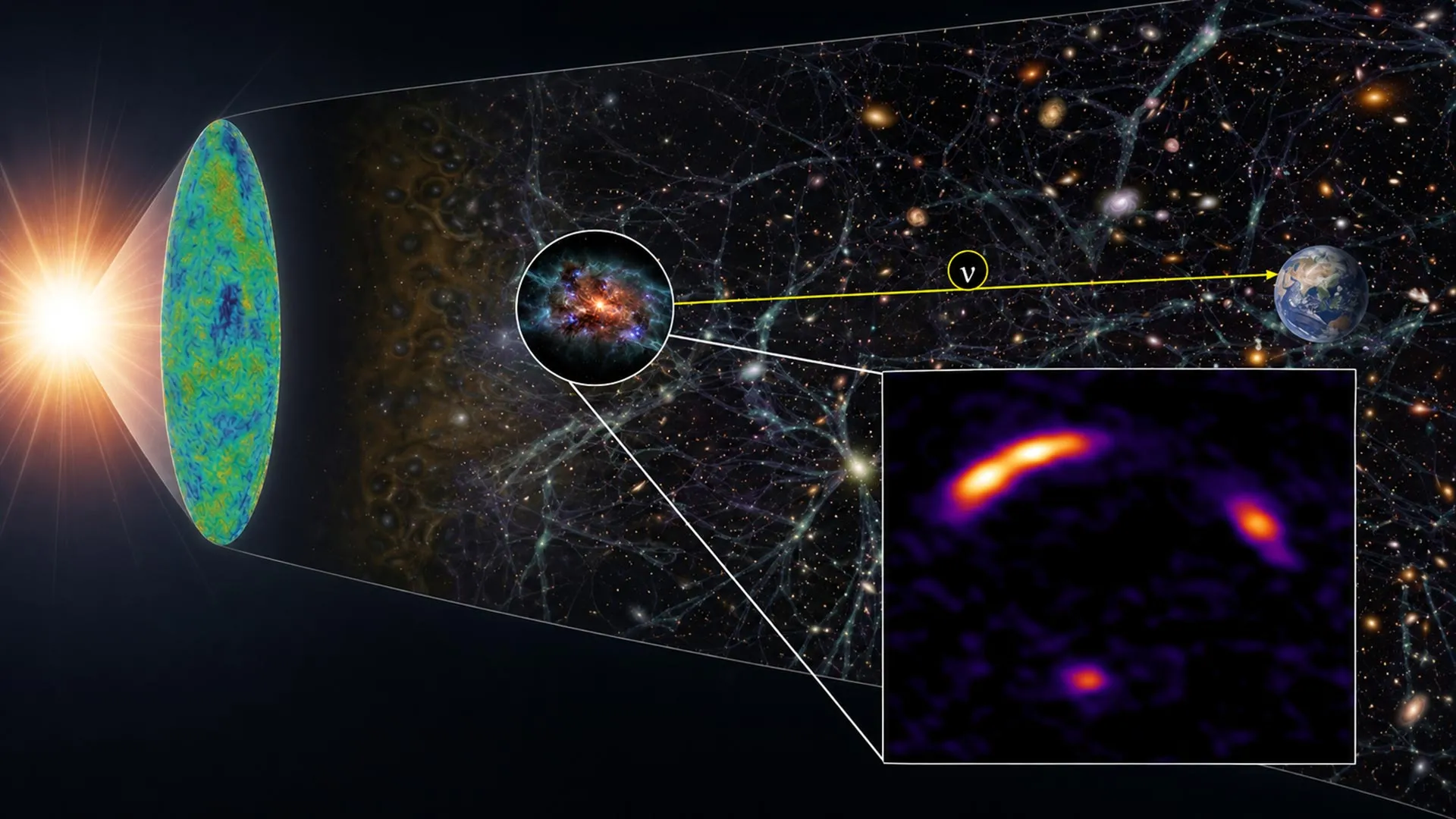
Astronomers using the Atacama Large Millimeter/submillimeter Array (ALMA) have tracked down the source of a powerful neutrino burst with the help of a remarkable cosmic phenomenon that acted like a natural telescope. What they discovered challenged expectations.

Researchers initially suspected that a supermassive black hole was powering an extraordinarily bright distant galaxy linked to the neutrino signal. Instead, observations revealed that the galaxy’s energy comes from intense star formation. The finding provides important evidence that could help explain where many of the Universe’s mysterious high-energy neutrinos originate.

Tracking One of the Universe’s Most Elusive Particles

Neutrinos are among the most puzzling particles known to science. Vast numbers of them pass through space, and even through Earth, with very little interaction with matter. Although astronomers have identified a handful of galaxies capable of producing neutrinos, those known sources are not enough to account for the large population of high-energy neutrinos detected so far.

To investigate the origin of one such particle, an international team of researchers from MITOS Science Co., LTD., National Central University, Chung Yuan Christian University, Tohoku University, Fukui University of Technology, and the National Astronomical Observatory of Japan conducted follow-up observations using ALMA and several other telescopes.

Their target was the high-energy neutrino event IC 210922A, which was detected by the IceCube Neutrino Observatory at the South Pole. The search led them to an exceptionally luminous galaxy known as JCMT0402−0424, located roughly 11 billion light-years from Earth.

The Mystery of Shadow Blaster

Previously identified neutrino-producing galaxies have typically been powered by supermassive black holes. However, when the researchers examined JCMT0402−0424, they found no evidence of the energetic emissions normally associated with such a black hole.

The galaxy is heavily veiled by dust, making it difficult to see in visible light. At submillimeter wavelengths, however, it shines intensely. Because of its hidden nature and extreme brightness at those wavelengths, the team gave it the nickname ‘Shadow Blaster.’

A Natural Telescope Reveals the Galaxy’s Core

Astronomers were able to look deep inside Shadow Blaster thanks to a fortunate alignment with another galaxy positioned between it and Earth. The foreground galaxy’s gravity bent and amplified radio waves coming from Shadow Blaster, effectively creating a natural telescope.

This gravitational lensing effect produced brighter and enlarged images that allowed ALMA to examine the distant galaxy in far greater detail.

The radio observations again showed no sign of a powerful black hole. Instead, the data pointed toward another source of energy. The gas and dust throughout the galaxy appear to be heated primarily by vigorous star formation.

Researchers also identified a dense “compact core” at the center of Shadow Blaster. Large quantities of gas and dust are packed into a region only about 1,500 light-years across. Such an extreme environment is capable of generating neutrinos.

A New Explanation for High-Energy Neutrinos

The results suggest that intense star-forming galaxies may represent an important and previously underappreciated source of high-energy neutrinos.

According to the team, compact, dust-rich starburst galaxies undergoing rapid star formation could contribute a substantial share of the high-energy neutrino background. Their analysis indicates that these galaxies may account for as much as 20% of the total population of high-energy neutrinos observed across the Universe.

If confirmed by future studies, the discovery could significantly reshape scientists’ understanding of how some of the Universe’s most elusive particles are produced.

Share Button

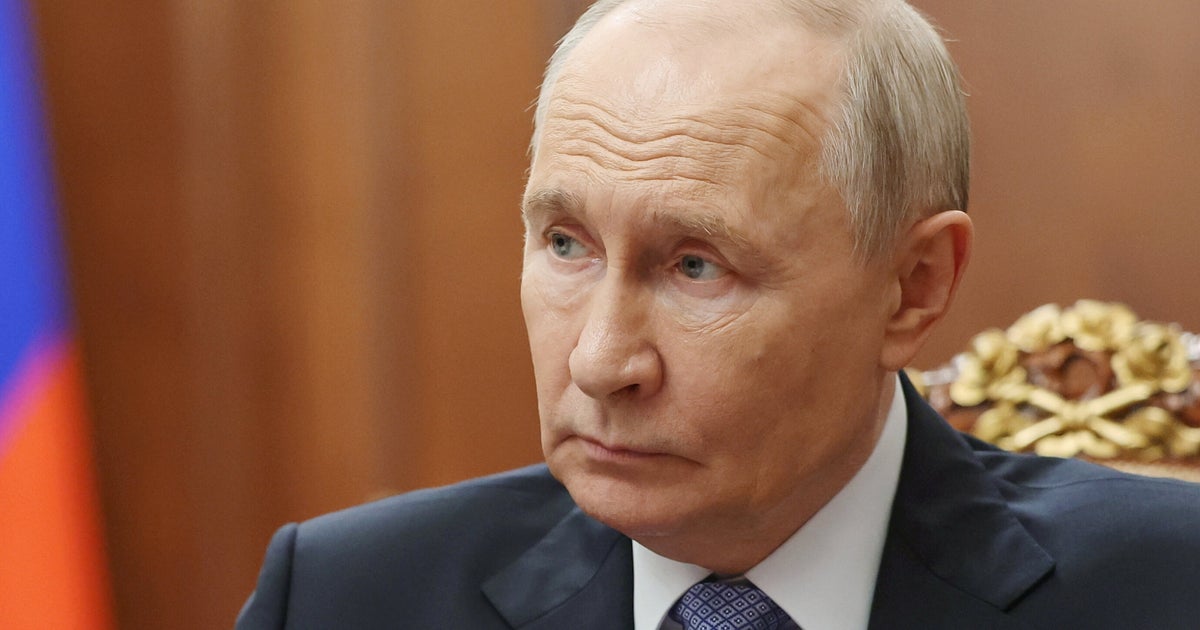
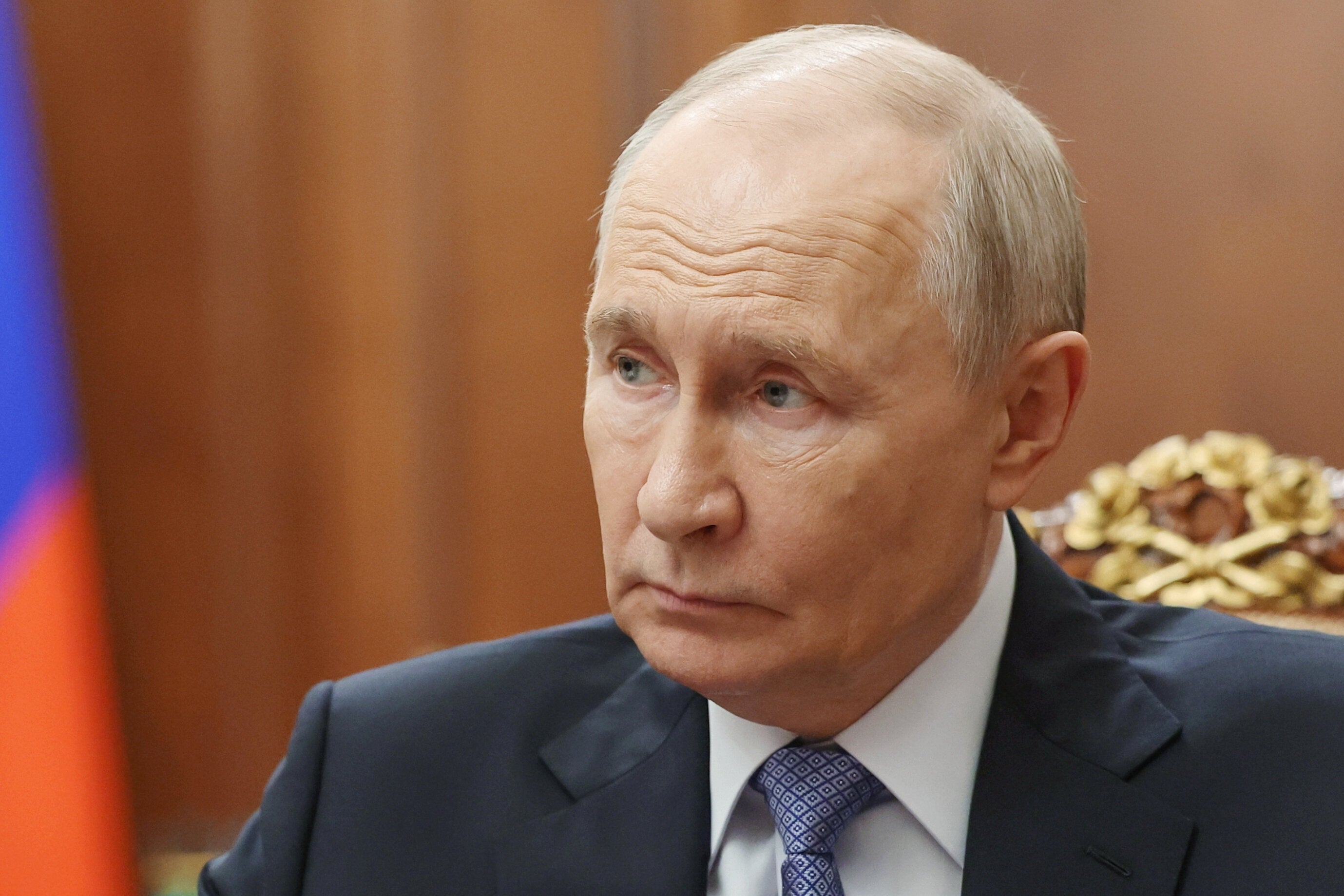
Putin ‘Physically Afraid Of His Own Army’ Returning Home If He Does Not Secure A Ukraine Victory

Vladimir Putin fears his own soldiers returning home if Russia does not manage to secure a victory against Ukraine, according to Volodymyr Zelenskyy.

The Ukrainian president claimed his Russian counterpart is “physically afraid of his own army” in a new post on X after the largest Ukrainian attack on Moscow since the start of the war in February 2022.

It comes amid reports Donald Trump may be looking to adopt a harder approach against Putin once again following a friendly G7 summit earlier this week.

Writing on X, Zelenskyy said: “There’s no doubt that Putin fears the return of his army home.

“That is why he is so afraid of the war ending without victory.

“And there will be no victory. He is physically afraid of his own army.”

The Russian president has repeatedly dragged his feet over peace negotiations to end his land grab in Ukraine, even when Trump forced Kyiv into making major concessions to the aggressor.

Now the US president has signalled that he will increase sanctions on the Russian oil trade again, a move which will hit the country’s economy.

That’s terrible news for Putin, who has forced his army on in Ukraine despite accumulating more than 1.2 million casualties – many more than Ukraine has endured.

Zelenskyy also said: “That is why, if there is no ceasefire backed by specific security guarantees, he will return to war. And this time, others may be the ones under attack.”

“Today, Ukraine is de facto the second army of Nato – one that is not inferior to the second army in the world,” he added.

“And that is why Nato needs us – specifically us – de jure. This is already a fact recognised by all leaders.

“Putin will remain in the Kremlin until his death, and he has one goal: the restoration of the Soviet Union.

“Without Ukraine, this is impossible, and that is why things are so difficult for us.”

Speaking after meeting senior EU leaders in Brussels, Zelenskyy said the bloc was looking to step up sanctions on Russia again.

He said: “Putin doesn’t want to stop, and all his talk about seeking peace is nothing but lies. All partners, all Europeans, feel this. But everyone is confident that together we will stop him.”

Listen to Commons People, the podcast that makes politics easy. Every week, Kevin Schofield and Kate Nicholson unpack the week’s biggest stories to keep you informed. Join us for straightforward analysis of what’s going on at Westminster.

Share Button

Richard Gadd Calls Half Man Scene The Best Thing He’s Ever Written

This article contains spoilers for Half Man.

It might have seemed like an impossible feat to top the award-winning Baby Reindeer, but Richard Gadd believes he’s done it with Half Man.

Speaking to the Radio Times in the lead-up to the release of his latest TV offering earlier this year, Richard was asked what he thought was the best scene he’d ever written.

Initially, he admitted that due to his “self flagellating” personality, his instinct is to praise the “scenes that had to be cut”.

“I sometimes go to them because I think I’ve convinced myself that they were sort of ‘the one’,” he claimed.

But, out of everything that did make the final cut, he settled on one scene in particular as his favourite.

“Potentially the best one I’ve ever written, although it’s so hard to say that, because it’s all kind of speculative and contextual, is maybe the final scene between the two of them when they’re talking face to face,” he explained.

In Half Man, Richard plays the violent yet loyal Ruben, a man who has a toxic relationship with his “brother”, the meek and mild-mannered Niall, played by Jamie Bell.

In a brutal final scene between the two pseudo-brothers, Niall visits Ruben in jail, and finally comes out to him.

Niall visiting Ruben in prison in the sixth episode of Half Man

BBC/Mam Tor Productions/Anne Binckenbank

Ruben is surprisingly accepting of the revelation, admitting he had been anticipating the conversation.

“You’ve wasted your whole life dancing to other people’s tunes, but you’ve never had the rhythm,” Richard’s character says.

The moment is notable because it finally lets Niall see Ruben for who he really is, beneath his anger, and helps Niall realise that much of the homophobia in his life had been internal, and not due to his surroundings.

Last month, Richard broke the scene down to Time magazine, claiming: “What Ruben essentially says to him there is, ‘you’ve always been an individual, and you should have been proud of that. You’ve wasted your whole life trying to be a sheep, trying to blend in with the nine-to-fivers, the straight guys, and the heterosexual couples, but you’ve never had the rhythm. You’ve always been separate from that’.”

During that emotional final showdown between the two men, Ruben also discloses that he had been sexually abused as a child by his father, telling Niall that “in a lot of ways, it’s the closest I’ve ever been with someone”.

Richard told Time: “That line speaks to the way he felt he was too innocent to know any better, and ever since that moment, he’s built this kind of prison of defensiveness around himself.

“There was a freedom taken from him in that moment, and his life changed.”

He added: “Until he breaks down with Niall, he’d never allowed himself to feel vulnerable. His best form of defence is always attack. He’s built a life around trying to make up for this thing that happened to him, which he sees, wrongly, as a dent to his character.”

Elsewhere in his Radio Times interview, Richard also revealed he came up with the idea for Half Man before making Baby Reindeer, admitting he couldn’t “shake” off the concept.

“It stayed with me,” he recalled. “And it stayed with me all the way through Baby Reindeer and I would always be, ‘Oh, please, can it still be there the other side?’ Because I knew the BBC was interested, and I really wanted to do it with the Beeb. And I just would always hope and pray it was still there. And, luckily, it was.”

Half Man is available to watch on BBC iPlayer now.

Share Button

New cancer care centres set to be built

The centres run by charity Maggie’s will open in Coventry and Birmingham within the next two years.

Share Button

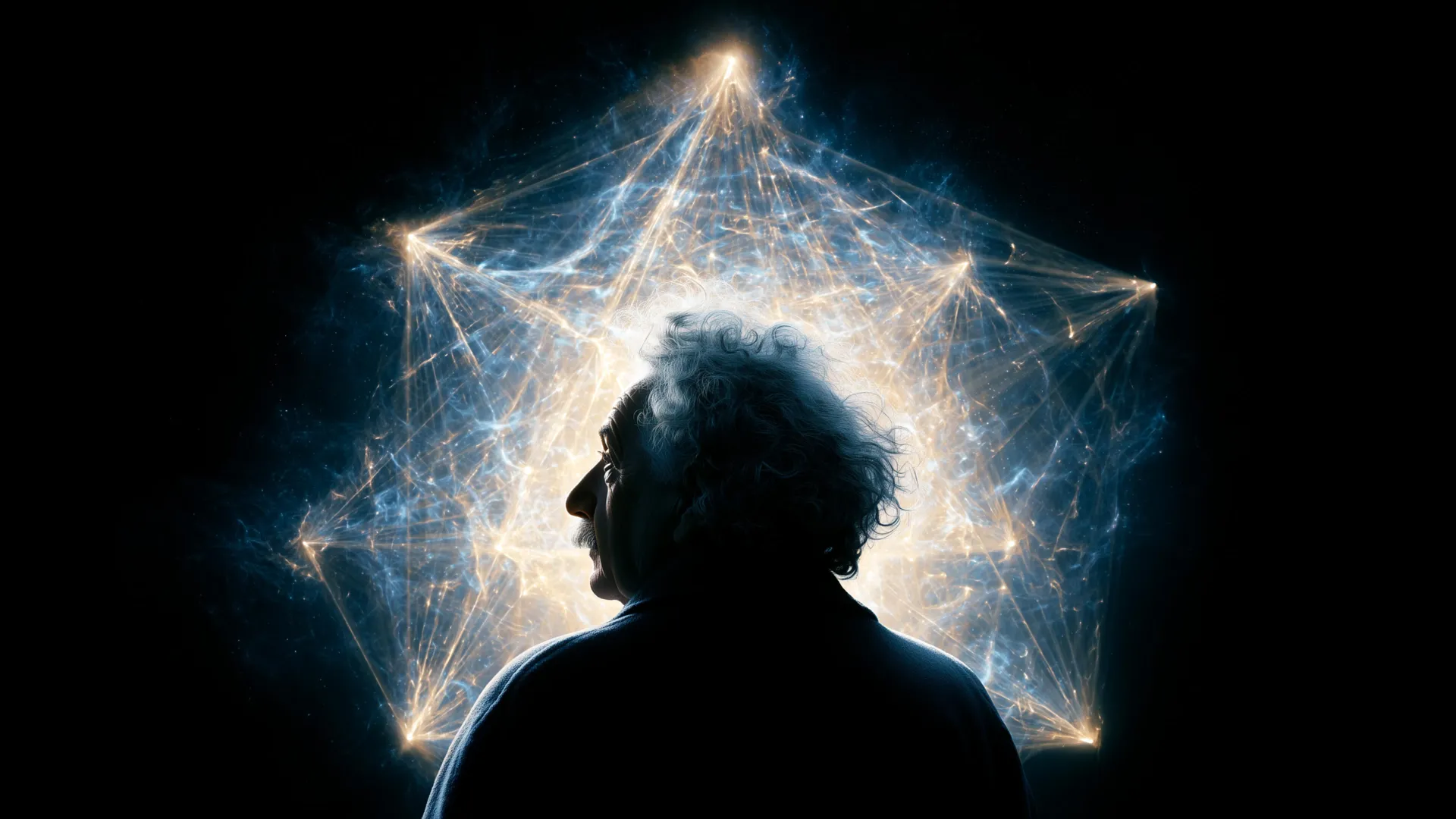
Einstein’s “biggest blunder” may finally have an explanation

One of the biggest unsolved problems in physics centers on a number known as the cosmological constant. This value describes the energy responsible for the universe’s accelerating expansion. It also sits at the heart of a major conflict between two of science’s most successful theories.

According to quantum field theory (QFT), the framework that describes elementary particles and their interactions, empty space should be filled with quantum fluctuations that contribute an enormous amount of energy. In fact, calculations suggest the cosmological constant should be extraordinarily large, effectively approaching infinity.

Yet observations show something very different. The actual value of the cosmological constant is incredibly small compared with what theory predicts.

Now, researchers at Brown University have proposed a possible explanation.

Their work suggests that a mathematical feature of space-time itself may prevent the cosmological constant from ballooning to the huge values expected from quantum physics. The idea draws on an unexpected connection between quantum gravity and the quantum Hall effect, a remarkable phenomenon in condensed matter physics.

A Surprising Link Between Quantum Gravity and the Quantum Hall Effect

The team found that the mathematics behind a simple approach to quantum gravity closely resembles the mathematics that describes the quantum Hall effect, an unusual state of matter in which electrical conductance takes on highly precise values.

In the quantum Hall effect, those values remain fixed even when the conducting material contains imperfections. The stability comes from topology, a branch of mathematics concerned with the underlying “shape” or structure of a system.

The researchers argue that a similar type of topology appears in the Chern-Simons-Kodama state, a proposed ground state of quantum gravity.

“What we’ve shown is that if space-time has this non-trivial topology, then it resolves one of the deadliest problems of the cosmological constant,” said study co-author Stephon Alexander, a professor of physics at Brown. “All the quantum perturbations that should blow up the value of the cosmological constant are rendered inert by this topology, which keeps the constant’s value stable.”

The study, co-authored by Alexander and Brown Theoretical Physics Center colleagues Aaron Hui and Heliudson Bernardo, was published in Physical Review Letters.

Einstein’s “Ugly” Cosmological Constant

The cosmological constant first appeared in Albert Einstein’s equations of general relativity, his theory of space, time, and gravity.

At the time, Einstein believed the universe was static. To keep his equations from predicting a collapsing universe, he introduced the cosmological constant as a kind of repulsive effect in empty space that counterbalanced gravity.

That idea seemed unnecessary after Edwin Hubble discovered in 1929 that the universe was expanding. Since the cosmos was not static after all, Einstein removed the term from his equations. He reportedly disliked the constant and later referred to it as his “biggest blunder.”

For decades, the cosmological constant largely faded from prominence.

Then, in 1998, astronomers discovered something surprising: the expansion of the universe is speeding up. Rather than disappearing from the story, the cosmological constant suddenly became essential again because it could account for this accelerating expansion.

The Cosmological Constant Problem

The revival of the cosmological constant created a serious problem.

During the years when the constant had fallen out of favor, quantum field theory had become one of the most successful theories in science and a cornerstone of the Standard Model of particle physics.

QFT describes empty space as anything but empty. Instead, it is filled with particles constantly appearing and disappearing through quantum fluctuations.

All of this activity should contribute a vast amount of vacuum energy. That vacuum energy is associated with the cosmological constant, which means the constant should be extraordinarily large.

But observations show that it is not.

If the cosmological constant were as large as QFT predicts, the universe would have expanded so rapidly that galaxies, stars, planets, and ultimately life could never have formed.

The mismatch between theory and observation remains one of the most perplexing problems in modern physics. The puzzle is made even more striking because experiments have repeatedly confirmed the extraordinary accuracy of quantum field theory in other contexts.

A Topological Solution

Alexander has spent years studying Chern-Simons-Kodama (CSK) theory, a proposed quantum gravity state that emerges from quantum field theory.

Physicists still lack a complete quantum theory of gravity that describes gravity at the smallest scales. According to Alexander, the CSK approach is among the more straightforward possibilities.

“It’s a really conservative approach to quantizing gravity,” he said. “This is the approach used by people like Dirac, Schrödinger and Wheeler. It’s just good, old-fashioned quantization.”

Alexander had long noticed similarities between CSK theory and the mathematics of the quantum Hall effect. To better understand those connections, he collaborated with Hui, an assistant professor at Brown who studies topological systems.

“This is the beauty of the Brown Theoretical Physics Center,” Alexander said. “We want to be a place where there’s a mixing of lots of perspectives, and this is us practicing what we preach — a cosmologist working closely with a condensed matter theorist.”

How Topology Creates Stability

The researchers found that the cosmological constant in the CSK framework appears to benefit from the same kind of topological protection seen in the quantum Hall effect.

The quantum Hall effect occurs when electricity flows through extremely thin materials exposed to a magnetic field.

Imagine a thin rectangular strip of metal carrying an electric current. When a magnetic field is applied, a second voltage develops at right angles to the current. This effect produces what is known as a Hall voltage (named after Edwin Hall, who discovered it).

Under ordinary conditions, the Hall voltage changes smoothly as the magnetic field increases.

Under extremely cold temperatures and very strong magnetic fields, however, the behavior changes dramatically. Instead of varying smoothly, the Hall voltage increases in distinct steps and plateaus. Remarkably, those values remain identical regardless of the material being used or any imperfections it contains.

That reliability comes from topology.

In these extreme conditions, electrons behave collectively and enter a highly correlated quantum state. The topology of that state fixes the values of the steps and plateaus, making them resistant to disturbances and defects.

The Brown researchers argue that an analogous process occurs in the CSK description of quantum gravity.

Just as topology locks the Hall voltage into specific values, the topology of space-time could lock the cosmological constant into stable values, protecting it from the quantum fluctuations that would otherwise drive it much higher.

“What we find is that this quantization of the electrical conductance in quantum Hall has an analog with the cosmological constant,” Hui said. “It also ends up becoming quantized for topological reasons. There turn out to be constraints in the theory that force the cosmological constant to take certain allowed quantized values.”

A New Direction for Quantum Gravity

Alexander emphasizes that much more work is needed before a topological explanation of the cosmological constant can be fully established.

Still, he believes the findings represent an important step toward solving the gravitational side of the problem. The work also strengthens the case for the CSK state as a serious candidate for a future theory of quantum gravity.

“We took something old, which is this conservative, canonical approach to quantum gravity, and discovered something new that had been there all along,” Alexander said. “Now we’re working on a bigger picture of how this phenomenon works.”

Share Button