Twitter Responds To Nicki Minaj’s Claims Her Infamous Vaccine Posts Landed Her In ‘Twitter Jail’

Nicki Minaj has claimed she’s in “Twitter jail” after she posted a string of infamous posts about the Covid-19 vaccine – and the social media site has something to say about it.

Earlier this week, the rapper raised eyebrows when she claimed that she would not be attending the Met Gala as organisers were requiring guests to be vaccinated.

In a tweet that has since been widely debunked, she wrote: “My cousin in Trinidad won’t get the vaccine cuz his friend got it & became impotent. His testicles became swollen.

“His friend was weeks away from getting married, now the girl called off the wedding. So just pray on it & make sure you’re comfortable with ur decision, not bullied.”

Since then, Nicki has doubled down on her views, particularly after she was criticised by prime minister Boris Johnson and chief medical officer Chris Whitty during a press conference earlier this week.

However, on Wednesday night, Nicki claimed she was in “Twitter jail” as a result of her tweets.

Dimitrios Kambouris via Getty Images

Nicki Minaj in 2017

“I’m in Twitter jail y’all,” she wrote on her Instagram story. “They didn’t like what I was saying over there on that block, I guess.”

She added that she’d planned to post a Twitter poll with the options “asking questions is OK” and “I like being fking dumb” only to find “boom – can’t tweet”.

A spokesperson for Twitter has denied taking action on Nicki’s account, saying (via The Daily Beast): “Twitter did not take any enforcement action on the account referenced.”

Prior to this, Nicki also claimed she’d been invited to discuss her views at the White House, tweeting: “The White House has invited me & I think it’s a step in the right direction. Yes, I’m going.

“I’ll be dressed in all pink like Legally Blonde so they know I mean business. I’ll ask questions on behalf of the ppl who have been made fun of for simply being human.”

A White House spokesperson later insisted they’d actually only offered Nicki the chance to speak to their medical officials over the phone.

“As we have with others, we offered a call with Nicki Minaj and one of our doctors to answer questions she has about the safety and effectiveness of the vaccine,” they added.

Before her Twitter exit, Nicki came under fire when she shared a clip of Fox News presenter Tucker Carlson praising her vaccine stance, alongside a bullseye emoji.

Earlier this week, she got into a Twitter row with Piers Morgan, after he branded her a “rude little madame” following her posts about the Covid vaccine.

Share Button

Gogglebox Confirms Five Show Favourites Have Left The Channel 4 Series

Gogglebox producers have confirmed that five of the show’s most-loved stars have left the popular Channel 4 series.

Their departure comes after three of the show’s stars died in recent months.

In June, Pete McGarry, who appeared on the show with his wife Linda, died at the age of 71.

Then last month, Mary Cook, who appeared alongside her best friend Marina, passed away at the age of 91.

Channel 4

Mary Cook and Pete McGarry

Shortly after the news of Mary’s death was confirmed, it was announced that Andy Michael had also died following a short illness at the age of 61.

Andy had appeared on the show since the very first series, alongside his wife Carolyne and their children Alex and Louis, with their two other children Katy and Pascal also making occasional appearances over the years.

It’s now been confirmed that Carolyne, Alex, Louis, Marina and Linda have all decided not to return to Gogglebox.

Channel 4

Andy Michael with his family on Gogglebox

Executive producer Victoria Ray told The Sun: “We have had people from the show pass away recently.

“We lost Mary and Andy, and a little while ago we lost Pete. Their loved ones won’t be taking part in the show for the moment. Understandably, they want their privacy.”

She added to Daily Star that all five of the stars have the option to return to Gogglebox in the future if they would like to.

Last week, Gogglebox triumphed at the National Television Awards in the Factual category, the fifth time the show has won the award.

Collecting the award on behalf of the hit show were the Malone and Sandiford families, who have been presenting their commentary on Gogglebox for the past seven and four years, respectively.

During the Malones’ acceptance speech, mum Julie took a moment to pay her respects to members of the Gogglebox family who had recently died.

“On a sad note, I’d like to [dedicate] this award to all the people we’ve lost in the past 18 months,” she said.

The new series of Gogglebox kicks off on Channel 4 at 9pm on Friday 17 September.

Share Button

Alex Echo: Artist reveals ‘shock’ over Parkinson’s diagnosis

Alex Echo has been forced to give up most of his painting work, but is now championing digital art.

Share Button

Call for investigation of menstrual changes after Covid jabs

There is no evidence of any impact on fertility – but research will help to counter false claims.

Share Button

New study challenges understanding of pandemic preparedness and resilience in Africa

Countries in Africa assessed as being least vulnerable to an epidemic were the worst affected by Covid-19, new research suggests.

Nations with more urban populations and strong international travel links were worst affected by the pandemic, the study shows.

Mortality rates and levels of restrictions — such as lockdowns and travel bans — were found to be lowest in countries previously thought to be at greatest risk from Covid-19.

A team of researchers from the NIHR Global Health Research Unit Tackling Infections to Benefit Africa (TIBA) from the University of Edinburgh worked with the World Health Organization (WHO) African Region to identify factors affecting mortality rates during Africa’s first two Covid-19 waves and the timing of the first reported cases.

Professor Mark Woolhouse, TIBA Director, who co-led the study, said: “Our study shows very clearly that multiple factors influence the extent to which African countries are affected by Covid-19. These findings challenge our understanding of vulnerability to pandemics.

“Our results show that we should not equate high levels of preparedness and resilience with low vulnerability.

“That seemingly well-prepared, resilient countries have fared worst during the pandemic is not only true in Africa; the result is consistent with a global trend that more developed countries have often been particularly hard hit by Covid-19.”

Among 44 countries of the WHO African Region with available data, South Africa had the highest mortality rate during the first wave between May and August 2020, at 33.3 deaths recorded per 100,000 people. Cape Verde and Eswatini had the next highest rates at 17.5 and 8.6 deaths per 100,000, respectively. At 0.26 deaths recorded per 100,000, the lowest mortality rate was in Uganda.

South Africa also recorded the highest mortality rate during the second wave between December 2020 and February 2021, at 55.4 deaths per 100,000. Eswatini and Botswana recorded rates of 39.8 and 17.7 deaths per 100,000, respectively. The lowest rate was in Mauritius, which recorded no deaths during the second wave.

“The early models which predicted how Covid-19 would lead to a massive number of cases in Africa were largely the work of institutions not from our continent. This collaboration between researchers in Africa and Europe underlines the importance of anchoring analysis on Africa’s epidemics firmly here,” said Dr. Matshidiso Moeti, WHO Regional Director for Africa and co-author. We can no longer focus our understanding of disease transmission purely on the characteristics of a virus — Covid-19 operates within a social context which has a major impact on its spread.”

As well as those with large urban populations and strong international travel links, countries with high rates of HIV were also more likely to have higher mortality rates. This may be because people with HIV often have other health conditions that put them at greater risk from Covid-19, the team suggests.

The weak link between mortality rate and the timing or severity of government-imposed restrictions on day-to-day activities is shows the impact of the wide range of application and enforcement of these restrictions across the region, making a consistent impact pattern difficult to discern. Restrictions during peaks of infection are well documented to have interrupted transmission in the region.

The findings show that the earliest recorded cases of Covid-19 were in counties where most people live in urban areas, with strong international travel links and greater testing capacity. Algeria was the first of 47 African countries to report a case, on 25 February 2020. Most countries had recorded cases by late March 2020, with Lesotho the last to report one, on 14 May 2020.

Researchers document higher deaths during the second wave, as compared to the first. The peak of infections during the second wave was also higher, with 675 deaths across the continent on 18 January 2021 compared with 323 during the first wave peak on 5 August 2020. Potential under-reporting was accounted for in the analysis.

Dr Sarah Puddicombe, NIHR’s Assistant Director for Global Health Research, said: “This study offers compelling results which challenge accepted views of epidemic preparedness and resilience in Africa. It is one of a series of important contributions that the TIBA partnership, working with governments and the WHO Regional Office has made to inform local, national and pan-African responses to the Covid-19 pandemic.”

The study, published in the journal Nature Medicine, was supported by the UK National Institute for Health Research and the Darwin Trust of Edinburgh. It also involved researchers from the Universities of Nairobi, Ghana and Hong Kong.

Share Button

Older age, chronic co-morbidities associated with more severe COVID disease in children

Over the course of the pandemic, researchers nationwide noticed differences in COVID-19 disease between children and adults.

While risk factors for hospitalization and poor outcomes are well documented in adults, less is known about the clinical factors associated with COVID disease severity in children.

In an effort to aid mitigation strategies for children who are at high risk of developing severe COVID disease, a group of physicians at Monroe Carell Jr. Children’s Hospital at Vanderbilt studied data from 45 children’s hospitals around the country — 20,000 patients were included.

“This is one of the largest multicenter studies of children with COVID-19 in the United States,” said James Antoon, MD, PhD, FAAP, assistant professor of Pediatrics at Children’s Hospital and lead author of the study.

“And given the recent, concerning increases in COVID cases nationwide and the fact that the vast majority of children remain unvaccinated and susceptible, these findings should be taken into account when considering preventive strategies in schools and planning vaccinations when available for children less than 12 years of age,” he said.

The study, “Factors Associated with COVID-19 Disease Severity in U.S. Children,” published in the Journal of Hospital Medicine, determined the factors associated with severe disease and poor health outcomes among children presenting to the hospital with COVID. These included older age and chronic co-morbidities such as obesity, diabetes and neurologic conditions, among others.

“These factors help identify vulnerable children who are most likely to require hospitalization or develop severe COVID-19 disease,” said Antoon. “Our findings also highlight children who should be prioritized for COVID-19 vaccines when approved by the FDA.”

The retrospective cohort study noted that approximately 1 out of every 4 children admitted to the hospital with COVID developed severe disease and required ICU care during April and September, 2020.

“Across the country there is a raging debate on how best to protect children and schools from COVID-19,” said Antoon. “Some children are at increased risk for more severe disease and many of them are not yet eligible for vaccination against COVID.

“With schools opening and some already in session, these children need to be protected by vaccinating as many people as possible while also using practical strategies to limit spread, such as masking, distancing and ventilation.”

Study investigators hope that the findings will buoy mitigation efforts that proved most beneficial for children and adolescents during the pandemic, including remote learning, social distancing, hand-washing and mask-wearing both for students and teachers.

Story Source:

Materials provided by Vanderbilt University Medical Center. Original written by Jessica Pasley. Note: Content may be edited for style and length.

Share Button

Making musical performances safer in the era of COVID-19

One of the many aspects of “normal” life that SARS-CoV-2 took away was the enjoyment of live musical performances. With the easing of lockdowns and restrictions in many parts of the world, performers can entertain audiences once again, but concerns about spreading the virus remain. Now, researchers reporting in ACS Environmental Au have studied aerosol production from playing wind instruments, singing and acting, allowing them to develop recommendations to minimize COVID transmission.

Early in the pandemic, COVID-19 outbreaks from choir performances indicated that singing carries a potential infection risk, but less is known about the risks of airborne infection from wind instruments. To help keep performers, audiences and music students safe, Tehya Stockman, Shelly Miller and colleagues wanted to examine aerosol production and flow from various musical activities, as well as test different mitigation strategies.

The researchers examined the extent and velocity of air jets, or plumes, coming from singers’ and actors’ mouths and from wind instruments, such as the flute, clarinet, trumpet and saxophone. They also measured airborne respiratory particles, or aerosols, and carbon dioxide levels emanating from the performers. They found that aerosol concentrations coming from the bell of a clarinet were comparable to singing. Placing a surgical mask over a singer’s face or over the clarinet bell substantially reduced plume velocities and lengths and decreased aerosol concentrations in front of the masks. The team then used these measurements to model viral transmission in indoor and outdoor environments, finding that the lowest risk of airborne COVID-19 infection occurred at less than 30 minutes of exposure indoors and less than 60 minutes outdoors. These findings could help musical rehearsals and performances resume in a safer manner for musicians and audiences, the researchers say.

The authors acknowledge funding from an international coalition of more than 95 musical organizations.

Story Source:

Materials provided by American Chemical Society. Note: Content may be edited for style and length.

Share Button

Covid: Plan B would be triggered by NHS pressure, Sajid Javid says

Government scientists are warning of a jump in Covid hospital admissions if rules are not tightened soon.

Share Button

Britney Spears Reassures Concerned Fans After Her Instagram Page Is Deleted

Britney Spears has put fans’ minds at ease when many grew concerned after her Instagram page had seemingly been deactivated.

On Tuesday night, many Britney fans noticed that her Instagram page had been wiped, which swiftly generated a lot of conversation online.

The fact that the chart-topping singer’s Instagram has been the primary way she’s communicated with fans during her recent legal battles added to people’s worries, but a post on her Twitter page has reassured her followers that it was Britney’s decision to remove the page.

In fact, she has apparently only disabled her Instagram page on a temporary basis so she can fully celebrate her engagement to her partner of five years, Sam Asghari.

Jeff Kravitz via Getty Images

Britney at the 2015 VMAs

The tweet on Britney’s page insisted: “Don’t worry folks… just taking a little break from social media to celebrate my engagement.”

She added: “I’ll be back soon.” 

Britney and Sam announced their engagement last week, which the singer later teased him about on Instagram, suggesting his proposal was “way overdue”.

In response for calls for the Everytime star to make her new fiancé sign a prenuptial agreement, Sam later joked: “Thank you everyone who is concerned about the prenup.

“Of course we’re getting an iron clad prenup to protect my jeep and shoe collection in case she dumps me one day.”

Share Button

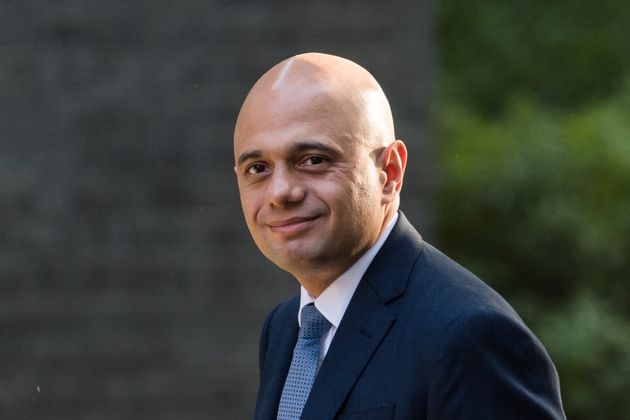
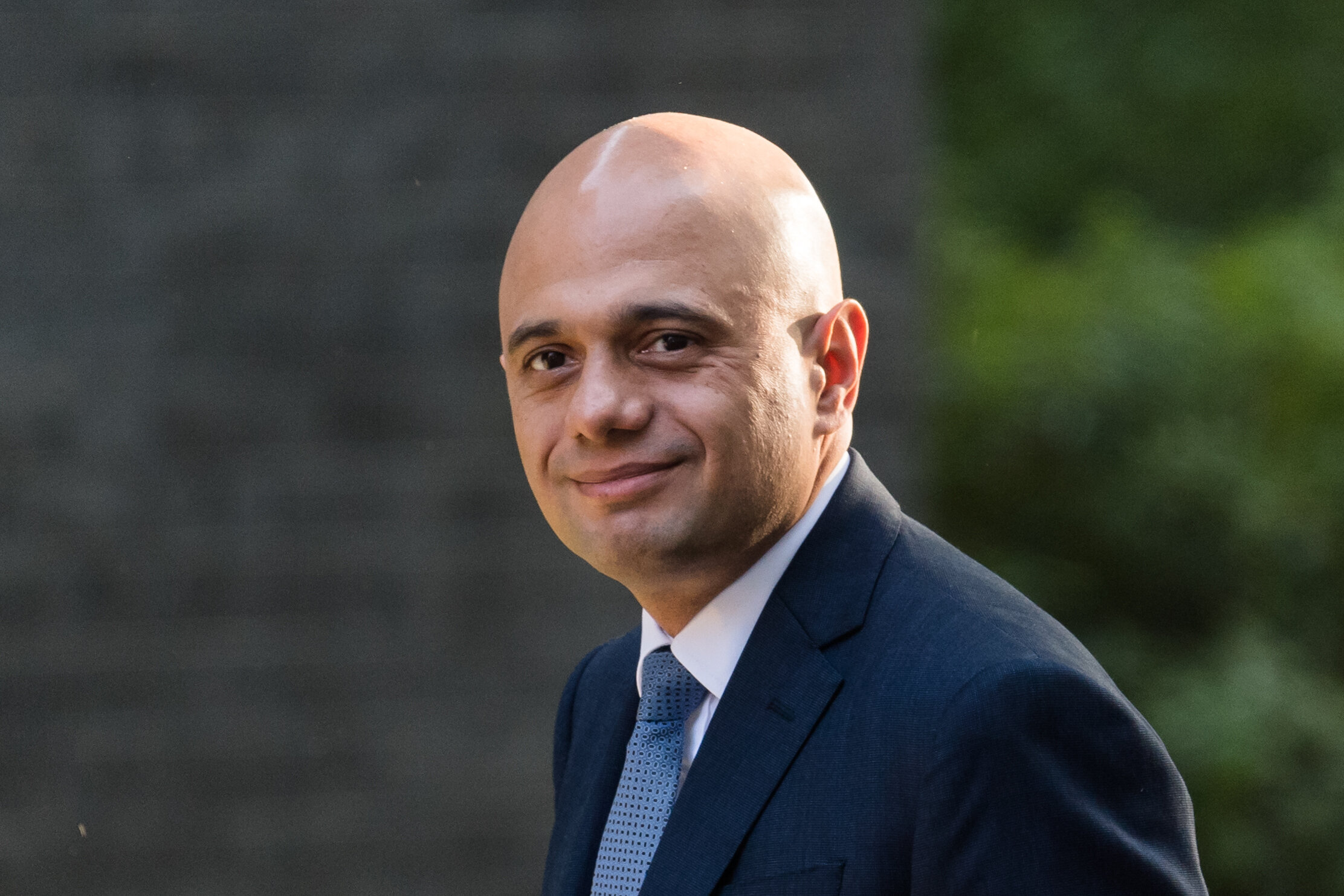
Sajid Javid Defends Government’s Winter Covid Plan

Barcroft Media via Getty Images

Sajid Javid has defended that government’s Covid winter plan after scientists warned of a potential new wave of hospital admissions.

Scientists advising the Scientific Advisory Group for Emergencies (Sage) warned the burden on the NHS could rise “very quickly” as people returned to their offices after working from home.

But speaking on Sky News, the health secretary said there were no “risk-free” options.

“It is right that experts are looking at what is happening and come up with their best guess of where things might go based on certain assumptions,” he said.

“We have to listen to them but eventually make what we think is the right decision. There is no risk-free decision but I think what we have announced in terms of this plan, is well thought through.”

Javid said increasing hospital admissions could trigger the government’s Plan B for tackling Covid as he refused to rule out another lockdown.

“What happens in the NHS is going to be hugely important to me, to the whole country, making sure that we don’t get to a position again where the NHS becomes unsustainable,” he said.

“If the situation – and it is an ‘if’ – gets out of control, if for example there was a new vaccine-escape variant which no-one can predict, whether it happens or not, we will of course have to act and take new measures.”

But he declined to put a number on how many cases or admissions would trigger Plan B.

Under the blueprint set out by the Government on Tuesday, Plan B includes measures such as vaccine passports, mandatory face masks and advice to work from home.

Boris Johnson was yesterday also urged by his chief scientific adviser on Tuesday to go hard and early if the pandemic significantly worsens.

Patrick Vallance said the nation is at a “pivot point” and told ministers to react swiftly if cases quickly rise, warning “you can’t wait until it’s late because you’ve got to do more”.

Share Button