From late September, 9,000 babies and vulnerable infants in the UK will have a long-lasting injection.


From late September, 9,000 babies and vulnerable infants in the UK will have a long-lasting injection.
Health security body UKSHA urges vigilance after 38 cases of botulism recorded in the east and north-east of England.
President Donald Trump is wasting no time in celebrating the news that CBS is officially cancelling Stephen Colbert’s “The Late Show,” and wrote Friday on social media that vocal Trump critic and comedian Jimmy Kimmel might be “next” to lose his job on ABC.
“I absolutely love that Colbert’ got fired,” Trump wrote Friday on his Truth Social platform.
“His talent was even less than his ratings,” the president continued. “I hear Jimmy Kimmel is next. Has even less talent than Colbert! Greg Gutfeld is better than all of them combined, including the Moron on NBC who ruined the once great Tonight Show.”
Kimmel famously roasted Trump on one of the biggest stages of all, at the 2024 Oscars.
CBS announced in a statement Thursday that the move is “purely a financial decision against a challenging backdrop in late night,” and said the cancellation is not related “in any way to the show’s performance, content or other matters happening at Paramount.”
Advertisement
The “Late Show” cancellation does arrive mere days after Colbert torched CBS parent company Paramount Global, however, for settling a lawsuit with Trump for $16 million over a “60 Minutes” interview with former Vice President Kamala Harris.
The agreement reportedly included a “side deal” for CBS to run at least $15 million worth of public service ads that promote causes Trump personally supports, which has raised huge concerns from press freedom advocates — which seemed to include Colbert.
“As someone who has always been a proud employee of this network, I am offended,” the comedian and political pundit said during Monday’s monologue, his first after a vacation. “I don’t know if anything — anything — will repair my trust in this company.”
Advertisement
Colbert went on to directly call the settlement a “big fat bribe,” presumably because the pending and highly publicised merger between Paramount and Skydance Media requires legal approval from the pro-Trump chair of the Federal Communications Commission.

Alex Brandon/Associated Press
Colbert then slammed Paramount with a mock statement announcing that its “dignity” could be bought “for the low, low price of $16 million.” While it remains unsubstantiated that he was ousted specifically for this monologue, many are confident that’s the case.
Advertisement
“CBS canceled Colbert’s show just THREE DAYS after Colbert called out CBS parent company Paramount for its $16M settlement with Trump – a deal that looks like bribery,” Sen. Elizabeth Warren (D-Mass.) wrote Friday on X, formerly Twitter.
“America deserves to know if his show was canceled for political reasons,” she continued.


Donald Trump on Friday lashed out at Rupert Murdoch, the owner of The Wall Street Journal, saying he can’t wait to fight him in court over the newspaper’s decision to publish a report alleging that the president wrote a “bawdy” message to Jeffrey Epstein in 2003 as part of a birthday surprise for the disgraced financier.
“I look forward to getting Rupert Murdoch to testify in my lawsuit against him and his ‘pile of garbage’ newspaper, the WSJ,” Trump wrote on his Truth Social platform. “That will be an interesting experience!!!”
Advertisement
The Journal published its story on Thursday, alleging that Trump was among the people who wrote letters to Epstein as part of an album put together by Ghislaine Maxwell, Epstein’s girlfriend and associate, for his 50th birthday.
The letter attributed to Trump that the Journal reviewed featured “several lines of typewritten text framed by the outline of a naked woman, which appears to be hand-drawn with a heavy marker,” the article states.
“Happy Birthday — and may every day be another wonderful secret,” the message concluded, according to the Journal.
Advertisement
The newspaper added that pages from the album have been examined by Justice Department investigators in the past, while noting that it was unclear whether the letter was among the materials reviewed in the most recent probe.
Trump, who disputed the authenticity of the letter, slammed the newspaper and threatened to sue both the outlet and Murdoch over its publication.
“The Wall Street Journal printed a FAKE letter, supposedly to Epstein,” Trump wrote. “These are not my words, not the way I talk. Also, I don’t draw pictures. I told Rupert Murdoch it was a Scam, that he shouldn’t print this Fake Story. But he did, and now I’m going to sue his ass off, and that of his third rate newspaper.”
Advertisement
The president had previously said he also tried to get the Journal’s editor-in-chief, Emma Tucker, to kill the story.
“Mr. Murdoch stated that he would take care of it but, obviously, did not have the power to do so,” Trump said.
Tucker “was told directly by [White House press secretary] Karoline Leavitt, and by President Trump, that the letter was a FAKE, but Emma Tucker didn’t want to hear that. Instead, they are going with a false, malicious, and defamatory story anyway,” he added.
Advertisement
Epstein died in federal prison one month after being arrested on charges of sex-trafficking minors in 2019, during Trump’s first term. While the president has tried to distance himself from Epstein, the two men had a well-documented friendship.
A recent memo by the Trump administration stating that there was no evidence to suggest he was murdered or that he held a client list to blackmail people contradicted Attorney General Pam Bondi’s earlier comments that the client list was “sitting on [her] desk” for review under a directive from Trump.
Trump on Thursday ordered Bondi to release grand jury transcripts on the case “subject to Court approval,” but one Democrat has already remarked that the request covers just a fraction of the documents at the DOJ’s disposal.
Advertisement


Keir Starmer’s speechwriters experienced mixed emotions at last week’s Cabinet away day.
They had prepared a carefully-crafted message for the prime minister to deliver to his senior ministers as he welcomed them to Chequers.
But the PM surprised – and impressed – them by not using the words they had prepared for him, choosing instead to make a “freeforming”, 20-minute speech setting out his thoughts on Labour’s first year in power and where he believes his government needs to go next.
Advertisement
“It was very good,” said one of those present. “He spoke from the heart about whose side we’re on. You could feel in the room that it went down well.”
Lucy Powell, leader of the House of Commons, told Starmer: “Your speechwriters are great, but it’s better when you speak from the heart.”
The PM told the assembled gathering that while Labour had undoubtedly made mistakes since last year’s landslide election win, they had also done things like introducing free school meals, breakfast clubs and 4.5 million NHS appointments.
Advertisement
“He said lots of people in Westminster won’t appreciate how those policies make a massive difference to ordinary people across the country,” said one eyewitness.
“After a year in government, he said he realised that the Tories get 96% of things wrong and focus on the 4% of things they get right, whereas Labour gets 96% of things right but agonise over the 4% we get wrong.
“We have a tendency to beat ourselves up about the things we get wrong, but he said we need to focus on the things we do that are improving the lives of the people who put us here.”
Advertisement
Starmer spoke about his own upbringing, about his brother who died on Boxing Day last year and his sister who is a carer.
“It makes me feel incredibly privileged to do this job, but I never lose sight of the fact that we are here to make life better for ordinary people,” the PM said.
The overall message was that while the first year in office had been necessarily tough, Labour is now entering the next phase of its time in government.
Advertisement
“We’ve done a lot and we need to shout about that more, but there’s lots more to do before the next election,” said one No.10 source.
“It was about building towards the message that we’ll have at party conference in September. We were elected on a promise of change, we did the tough stuff in the first year and now is the time to set out the positive change people are going to feel over the next four years.”
Although Downing Street officials deny the two things were linked, removing the whip from four Labour MPs on Wednesday afternoon also felt like an attempt by Starmer to draw a line under his first year in power and look to the future.
Advertisement
Many Labour MPs were stunned by the swift brutality of it, but others were delighted to see perennial rebels like Brian Leishman and Neil Duncan-Jordan made an example of.
“There are lots of loyal MPs who were absolutely spitting feathers at the behaviour of some of the members of the Parliamentary Labour Party (PLP) , so there was quite a lot of pressure from them for us to do something,” said one insider.
Others, however, were baffled by the move, with one Labour source bemoaning the “randomness, the odd timing and the lack of any accompanying strategy” behind the decision.
Advertisement
Some point the finger at Claire Reynolds, Downing Street’s political director, who encouraged the government whips to threaten rebel MPs with suspension if they voted against the welfare cuts bill last week.
Despite Starmer gutting the legislation of many of its key measures in order to placate the rebels, 47 of them still trooped through the No lobbies.
One No.10 insider said of the disciplinary action: “We couldn’t do it during the welfare stuff, we had to wait for the dust to settle on that.
Advertisement
“But if you are actively organising against the government then there has to be consequences.”
But a Labour source said: “Presumably they internally have been saying ‘we need to take this action, otherwise we look ridiculous at not being able to follow through on the threats we made before the vote’.
“So a bad strategy for persuading the PLP ends up with a bad strategy for disciplining the PLP.
“If Claire Reynolds is making threats to people and demanding they be sacked to fulfil her threats, I’m not sure any of that is being instigated by [No.10 chief of staff] Morgan McSweeney, Keir or [chief whip] Alan Campbell, even if they’re going along with it.”
An already-tumultuous week then saw Diane Abbott lose the Labour whip for a second time after she doubled down on the comments about anti-semitism which led to her original suspension from the party.
Advertisement
It was a timely reminder for Starmer that for all his talk about a brighter future, the present has the unfortunate habit of delivering a sharp dose of political reality.
As MPs prepare to leave Westminster for the summer next week, the prime minister will hope that his second year in power is better than his first.
But all the evidence of the past 12 month suggests he and his cabinet should buckle up for another bumpy ride.
Advertisement

Use our interactive tracker to see if treatment waits are getting better at your local hospital.
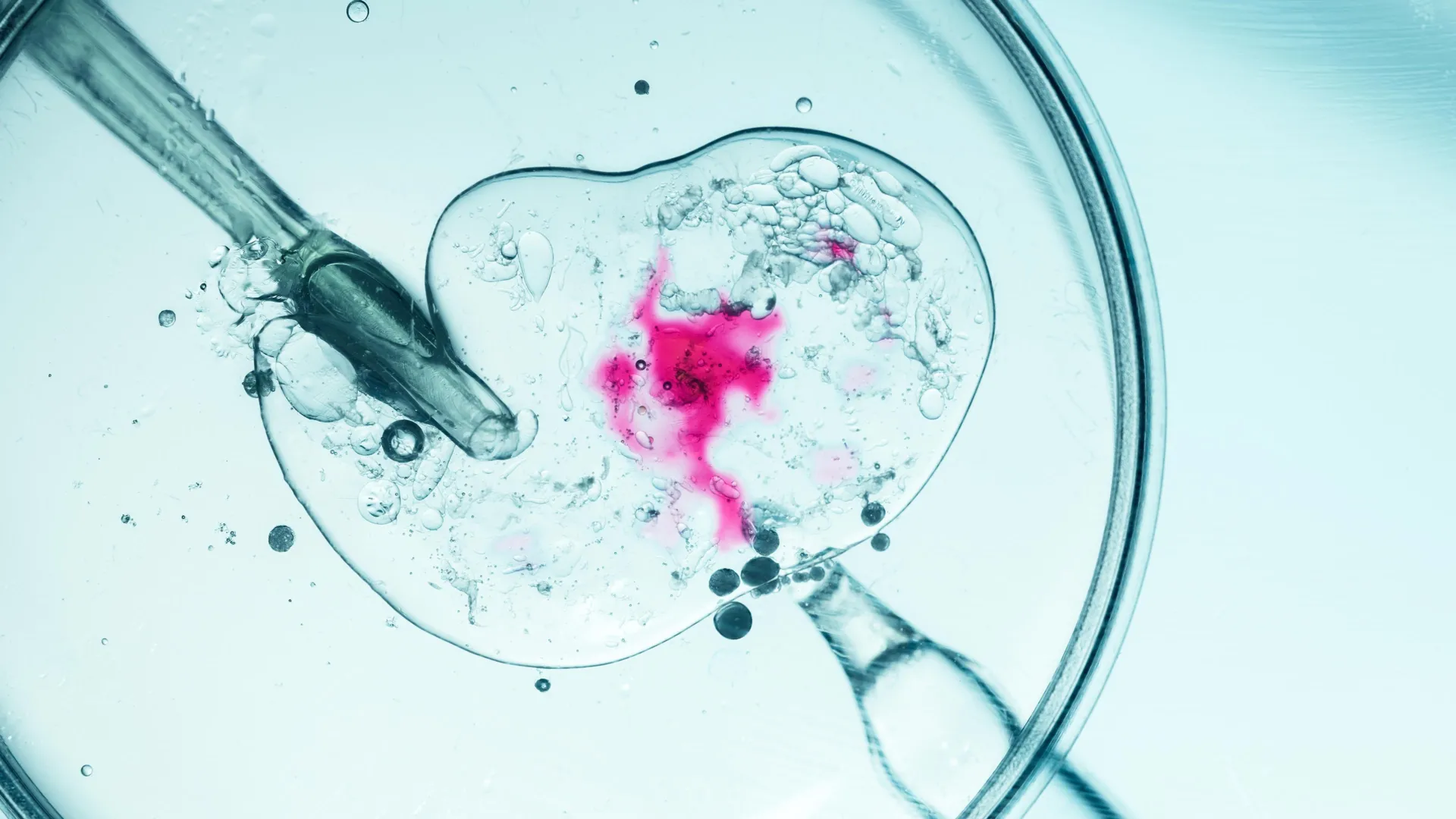
The UK’s pioneering licensed IVF technique to reduce the risk of mitochondrial diseases carried out in Newcastle has seen eight babies born, published research shows.
All eight babies show no signs of having mitochondrial DNA disease. The babies, four girls and four boys, including one set of identical twins, were born to seven women at high risk of transmitting serious disease caused by mutations in mitochondrial DNA. The findings, reported on July 16 by the Newcastle team who pioneered mitochondrial donation using fertilized human eggs, indicate that the new treatment, known as pronuclear transfer, is effective in reducing the risk of otherwise incurable mitochondrial DNA diseases.
Published in two papers in The New England Journal of Medicine (NEJM), the findings describe the reproductive and clinical outcomes of pronuclear transfer treatments performed to date. All babies were healthy at birth, meeting their developmental milestones, and the mother’s disease-causing mitochondrial DNA mutations were either undetectable or present at levels that are very unlikely to cause disease.
The technique was pioneered in human eggs by a team based at Newcastle University, UK and the Newcastle upon Tyne Hospitals NHS Foundation Trust in work funded by Wellcome and NHS England.
The mother of a baby girl born following mitochondrial donation said: “As parents, all we ever wanted was to give our child a healthy start in life. Mitochondrial donation IVF made that possible. After years of uncertainty this treatment gave us hope—and then it gave us our baby. We look at them now, full of life and possibility, and we’re overwhelmed with gratitude. Science gave us a chance.”
The mother of a baby boy added: “We are now proud parents to a healthy baby—a true mitochondrial replacement success. This breakthrough has lifted the heavy cloud of fear that once loomed over us.
“Thanks to this incredible advancement and the support we received, our little family is complete. The emotional burden of mitochondrial disease has been lifted, and in its place is hope, joy, and deep gratitude.”
The NHS Mitochondrial Reproductive Care Pathway offers mitochondrial donation, through a research study, in addition to other reproductive options for women with mitochondrial disease.
Professor Sir Doug Turnbull, Newcastle University part of the Newcastle team said: “Mitochondrial disease can have a devastating impact on families. Today’s news offers fresh hope to many more women at risk of passing on this condition who now have the chance to have children growing up without this terrible disease. Within the framework of the NHS in a well-regulated environment, we are able to offer mitochondrial donation as part of a research study to affected women in the UK.“
Mitochondrial DNA disease
Every year, around one in 5,000 children is born with mitochondrial DNA mutations that can cause devastating disease. Mitochondria produce the energy required for life and contain a small piece of DNA that only encodes some of the instructions required for energy production. Harmful mutations in mitochondrial DNA can result in reduced availability of energy, particularly affecting tissues that have high energy demands – for example heart, muscle and brain. Mitochondrial DNA is maternally inherited, and these diseases are therefore passed from mother to child. Although males can be affected, they do not pass on the disease. Despite years of research there is still no cure for people with mitochondrial DNA disease.
In the absence of a cure for mitochondrial DNA diseases, attention has focused on IVF-based technologies to reduce the risk of disease by limiting transmission of disease-causing mitochondrial DNA mutations from mother to child. The new IVF-based mitochondrial donation technology, pronuclear transfer, which was legalized in the UK in 2015, is designed to reduce the risk of mitochondrial DNA disease in children born to women who carry high levels of disease-causing mitochondrial DNA mutations.
The Newcastle team now include pronuclear transfer as part of a research study along with a range of reproductive options offered to women at risk of transmitting mitochondrial disease to their children.
Pronuclear transfer
The technique, known as pronuclear transfer is performed after the egg is fertilized. It involves transplanting the nuclear genome (which contains all the genes essential for our individual characteristics, for example, hair color and height) from an egg carrying a mitochondrial DNA mutation to an egg donated by an unaffected woman that has had its nuclear genome removed. The resulting embryo inherits its parents’ nuclear DNA, but the mitochondrial DNA is inherited predominantly from the donated egg.
The reproductive outcomes paper
The UK-based Newcastle team who developed and optimized pronuclear transfer for use in fertilized human eggs now report on outcomes of pronuclear-transfer treatment to reduce the risk of mitochondrial DNA disease.
Levels of disease-causing mitochondrial DNA detected in babies born after pronuclear transfer treatment ranged from undetectable to 16% in neonatal blood. The presence of mitochondrial DNA mutations in babies born after pronuclear transfer treatment results from carryover of maternal mitochondria surrounding the nuclear DNA at the time of transplantation. Carryover of maternal mitochondrial DNA is a known limitation of mitochondrial donation technologies.
The team is seeking to better understand and address this issue as part of an underpinning research program.
Professor Mary Herbert, lead author of the reproductive outcomes paper who carried out the research at Newcastle University said: “The findings give grounds for optimism. However, research to better understand the limitations of mitochondrial donation technologies, will be essential to further improve treatment outcomes.
“Mitochondrial donation technologies are currently regarded as risk reduction treatments owing to carryover of maternal mitochondrial DNA during the mitochondrial donation procedure. Our ongoing research seeks to bridge the gap between risk reduction and prevention of mitochondrial DNA disease by addressing this problem.”
Pronuclear-transfer treatment is offered as part of an integrated program that includes preimplantation genetic testing (PGT) for reducing the risk of mitochondrial DNA disease. In accordance with HFEA regulations, pronuclear transfer is offered only to those women who are unlikely to benefit from PGT treatment.
At the time of reporting the integrated program of PGT and pronuclear transfer, clinical pregnancies were confirmed in 8 of 22 (36%) patients who underwent pronuclear transfer and 16 of 39 (41%) of patients who underwent PGT. Pronuclear transfer has resulted in eight births and one further pregnancy. PGT has resulted in 18 births. In the children from pronuclear transfer, levels of disease-causing mitochondrial DNA mutations were either undetectable or well below the levels at which disease symptoms are observed.
The clinical outcomes paper
The Newcastle team describe the pathway developed to provide the best possible care for women with pathogenic mitochondrial DNA mutations. It describes in detail how the mothers of the first children born with the technique were monitored and supported in pregnancy, and their babies closely followed from birth.
Some of the mothers already had symptoms of mitochondrial disease including vision loss and heart problems. Others had family members with the disease and remain at risk of developing symptoms and passing it on.
All eight babies, including a set of identical twins, were healthy at birth and are described as developing normally – five have had no medical problems since. In the paper, the team note that three babies overcame some early health issues that they believe they are not able to attribute directly to mitochondrial donation.
The Newcastle team offers advice and treatment to women with harmful mitochondrial DNA mutations in the UK. They are carefully monitored during pregnancy and after mitochondrial donation, six of seven progressed without incident. One woman developed a rare complication of pregnancy with a high level of fats detected in her blood (hyperlipidaemia) which responded well to a reduced fat diet.
All eight babies, including the set of twins, were born by normal vaginal delivery or elective caesarean section. All babies had normal weight for gestational age. The level of disease-causing mitochondrial DNA mutation was measured in blood and urine cells and was undetectable in five babies. Three babies had low levels of disease-causing mitochondrial DNA mutations – 5 and 9%, 12 and 13%, 16 and 20% in blood and urine respectively. These levels are well below the 80% level required for clinical disease for these mutations. The researchers note that at follow-up at 18 months, the level of the disease-causing mutation in the child with 5 and 9% was undetectable in blood and urine.
All children are enrolled in an 18-month developmental study and at the date of reporting all the babies were meeting their relevant developmental milestones.
One child developed some brief startles (involving neck flexion and eye blinking) at age 7 months, which resolved without treatment after 3 months. Another, a breast-fed baby, developed high blood fats (hyperlipidaemia) which had also affected the mother during pregnancy, and was successfully treated through a low-fat diet. This child was also diagnosed with an abnormal heart rhythm (cardiac arrhythmia) which is being successfully treated with a reducing amount of anti-arrhythmic medication. (Although the children born following PGT are not routinely followed-up, the team note that a cardiac anomaly was detected in one child.) A third child had a urinary tract infection that responded quickly to antibiotic treatment.
The authors say that the children’s health conditions are not thought to be related to the maternal mitochondrial DNA mutations as the low levels detected in these babies would not be expected to cause disease symptoms. Symptoms for these mutations are only seen with levels above 80%. Any effect of the pronuclear transfer procedure itself would be expected to have a more uniform clinical manifestation, that is, to affect children in the same way. However, follow-up studies will be of paramount importance in detecting any patterns in childhood conditions.
The team emphasize that follow-up studies are essential for detecting any patterns in childhood conditions and say they will continue to offer assessments up to the age of 5 years.
Professor Bobby McFarland, Director of the NHS Highly Specialised Service for Rare Mitochondrial Disorders (Newcastle Hospitals NHS Foundation Trust) and Professor of Paediatric Mitochondrial Medicine at Newcastle University is first author of one of the papers. He said: “While longer term follow-up of children born following mitochondrial donation is of paramount importance, these early results are very encouraging. Seeing the joy and relief these children have brought to their parents is such a privilege.
“We believe the follow-up process we have put in place is thorough, since it allows us to detect and review even minor health conditions in children born after pronuclear transfer such as a urinary tract infection.”
The Lily Foundation, a charity dedicated to fighting mitochondrial disease has supported the Newcastle work. “We’re absolutely delighted with the results of these published papers,” said Liz Curtis, Lily founder and CEO. “We fought long and hard for this change so that families could have choices. After years of waiting, we now know that eight babies have been born using this technique, all showing no signs of mito. For many affected families, it’s the first real hope of breaking the cycle of this inherited condition.”
FACT FILE
Law – In a first worldwide and following extensive public debate and scientific and ethical review, UK legalization was <a href="https://www.ncl.ac.uk/press/articles/archive/2015/10/worldfirstledbynewcastleuniversity/”>approved in 2015 to enable the Human Fertilisation and Embryology Authority (HFEA) to allow mitochondrial donation treatments for women at high risk of transmitting serious mitochondrial DNA disease to their children. Following this, the law has now changed in Australia.
Licence – Licences are regulated and granted by the HFEA. Newcastle Fertility Centre part of Newcastle Hospitals NHS Foundation Trust was granted the <a href="https://www.ncl.ac.uk/press/articles/archive/2017/03/mitochondrialicence/”>first license to perform clinical mitochondrial donation by pronuclear transfer in 2017. A clinical pathway was established with mitochondrial clinicians as part of NHS England’s Highly Specialised Service.
Mitochondrial disease refers to a group of genetic conditions that disrupt how our mitochondria – the energy producers in our cells – function.
Pre-implantation genetic testing (PGT) is a procedure that helps couples avoid passing on genetic conditions to their children. This extra step tests embryos for genetic conditions.
Pronuclear transfer (PNT) involves transferring the nuclear DNA of a fertilized egg into a fertilized donor egg to prevent the transmission of mitochondrial DNA (mtDNA) disease.
Funding
The team acknowledge that the Mitochondrial Reproductive Care Pathway is supported by the NHS at The Newcastle upon Tyne Hospitals NHS Foundation Trust (NUTH). Support was provided by Wellcome. Infrastructural support was provided by Newcastle University, a National Institute for Health and Care Research (NIHR) Biomedical Research Centre award to NUTH. The NHS Highly Specialised Services for Rare Mitochondrial Disorders is supported by NHS England and a career development award was made to Dr Hyslop from Health Education England and the NIHR.
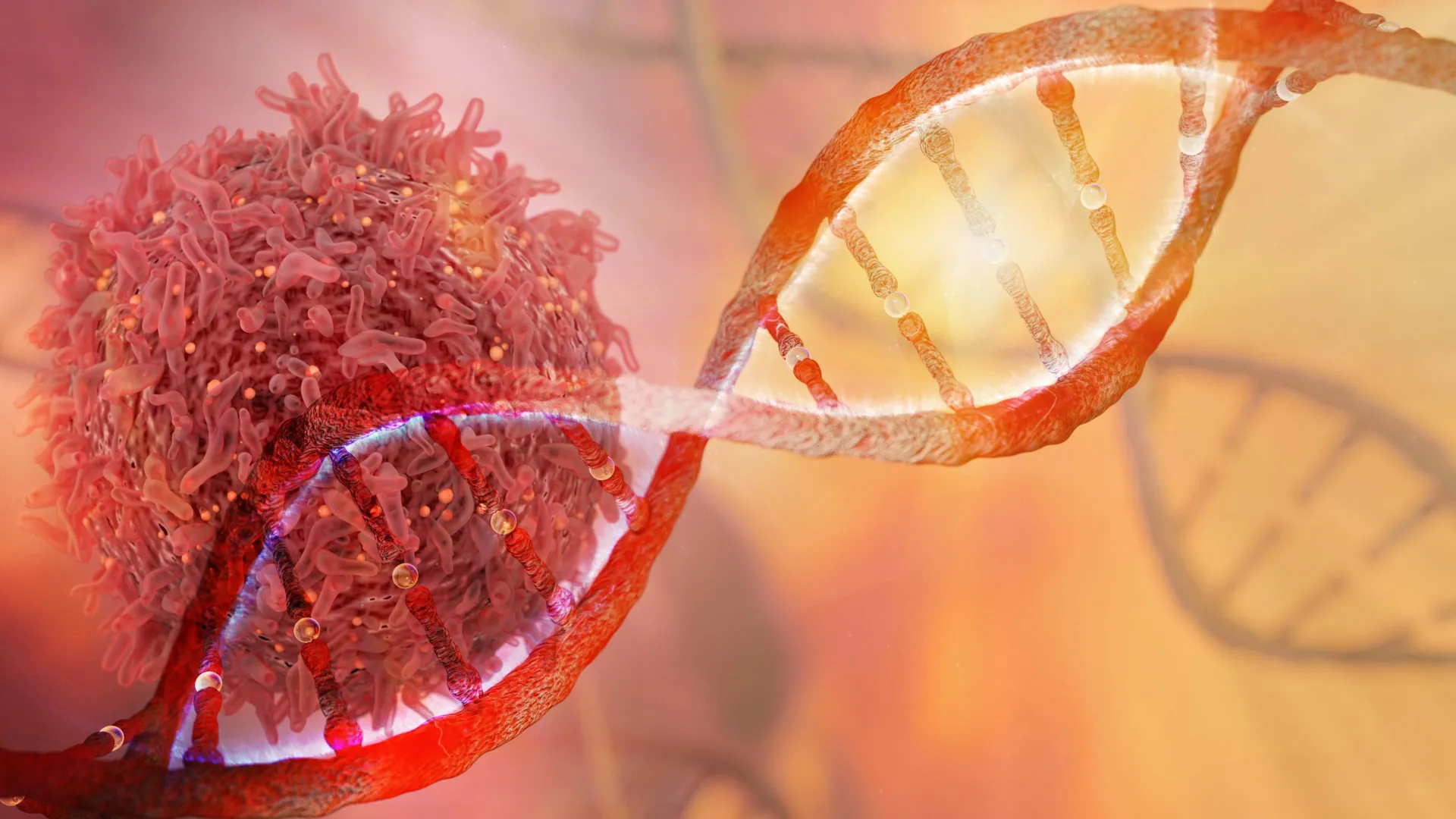
Vitamin D is not only an essential nutrient, but also the precursor of the hormone calcitriol, indispensable for health: it regulates the uptake of phosphate and calcium necessary for bones by the intestines, as well as cell growth and the proper function of muscles, nerve cells, and the immune system.
Now, researchers have shown for the first time in Frontiers in Endocrinology that a particular gene, called SDR42E1, is crucial for taking up vitamin D from the gut and further metabolizing it – a discovery with many possible applications in precision medicine, including cancer therapy.
“Here we show that blocking or inhibiting SDR42E1 may selectively stop the growth of cancer cells,” said Dr Georges Nemer, a professor and associate dean for research at the University of College of Health and Life Sciences at Hamad Bin Khalifa University in Qatar, and the study’s corresponding author.
Faulty copy
Nemer and colleagues were inspired by earlier research that had found a specific mutation in the SDR42E1 gene on chromosome 16 to be associated with vitamin D deficiency. The mutation caused the protein to be cut short, rendering it inactive.
The researchers used CRISPR/Cas9 gene editing to transform the active form of SDR42E1 in a line of cells from a patient with colorectal cancer, called HCT116, into its inactive form. In HCT116 cells, the expression of SDR42E1 is usually abundant, suggesting that the protein is essential for their survival.
Once the faulty SDR42E1 copy had been introduced, the viability of the cancer cells plummeted by 53%. No fewer than 4,663 ‘downstream’ genes changed their expression levels, suggesting that SDR42E1 is a crucial molecular switch in many reactions necessary for the health of cells. Many of these genes are normally involved in cancer-related cell signaling and the absorption and metabolism of cholesterol-like molecules – consistent with the central role of SDR42E1 in calcitriol synthesis.
These results suggest that inhibiting the gene can selectively kill cancer cells, while leaving neighboring cells unharmed.
Cuts two ways
“Our results open new potential avenues in precision oncology, though clinical translation still requires considerable validation and long-term development,” said Dr Nagham Nafiz Hendi, a professor at Middle East University in Amman, Jordan, and the study’s first author.
But starving selected cells of vitamin D is not the only possible application that immediately sprang to the mind of the researchers. The present results suggest that SDR42E1 cuts two ways: artificially ‘dialing up’ levels of SDR42E1 in local tissues through gene technology might likewise be beneficial, leveraging the many known health effects of calcitriol.
“Because SDR42E1 is involved in vitamin D metabolism, we could also target it in any of the many diseases where vitamin D plays a regulatory role,” said Nemer.
“For example, nutrition studies have indicated that the hormone can lower the risk of cancer, kidney disease, and autoimmune and metabolic disorders.”
“But such broader applications must be done with caution, as long-term effects of SDR42E1 on vitamin D balance remain to be fully understood,” warned Hendi.
A study led by a scientist at the University of California San Diego offers new warnings on the dangers of human interactions with wildlife.
Assistant Professor Shermin de Silva of the School of Biological Sciences studies endangered Asian elephants and has reported on their shrinking habitats, a downturn that has resulted in territorial conflicts between people and elephants.
Along with her study coauthors, de Silva now provides fresh evidence in the journal Ecological Solutions and Evidence on the serious consequences of humans supplying food to wild animals. The report indicates that such provisioning can lead wildlife to become habituated to people, causing the animals to become bolder and more prone to causing problems. Even for those who live in areas without native elephant populations, the new study provides cautionary information about interactions with any wildlife species living among us.
Wild elephants are a prime attraction in Asia, with Sri Lanka and India featuring some of the world’s last abundant populations of Asian elephants.
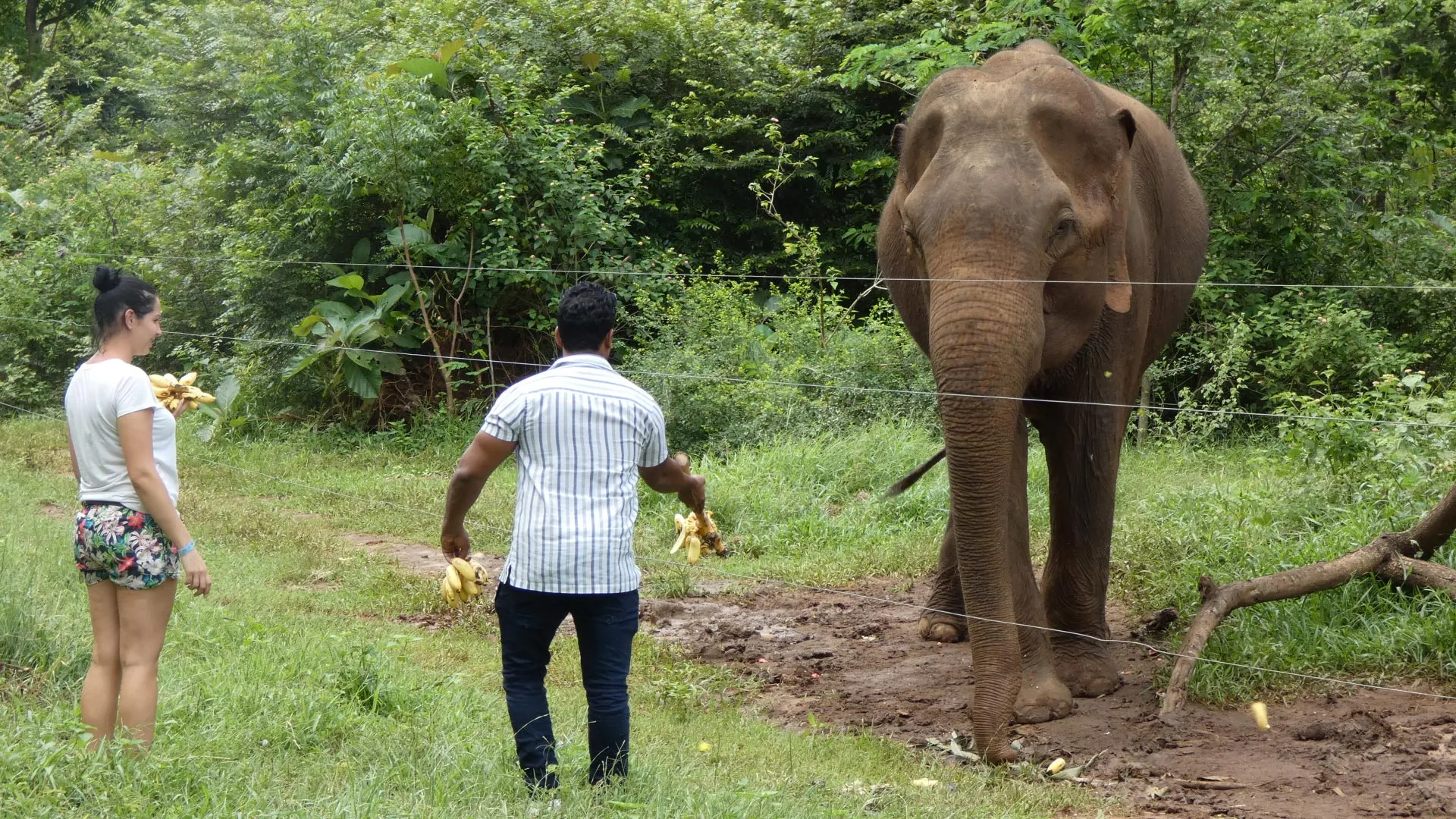
In Sri Lanka, de Silva studied 18 years of elephant-tourist interactions at Udawalawe National Park. She found that the elephants congregating near tourists at the park’s southern boundary have developed “begging” behavior and have become habituated to sugary foods, sometimes breaking through fences to continue being fed. As a result of elephants being drawn to the fence, several people have been killed or injured, and at least three elephants have been killed, while others have ingested plastic food bags and other contaminants. Such close human-wildlife encounters, including tourists feeding animals from sightseeing vehicles, also increases the risk of disease transmission to animals.
In India’s Sigur region, study coauthors Priya Davidar and Jean-Philippe Puyravaud of the Sigur Nature Trust observed feeding interactions with 11 male Asian elephants, four of which died from suspected human causes. One elephant was successfully rehabilitated and returned to natural foraging behavior.
“Many people, especially foreign tourists, think Asian elephants are tame and docile, like domestic pets,” said de Silva, a faculty member in the Department of Ecology, Behavior and Evolution and founder of the non-profit conservation organization Trunks & Leaves. “They don’t realize these are formidable wild animals and try to get too close in order to take photographs or selfies, which can end badly for both parties.”
Of the 800 to 1,200 elephants estimated living in Udawalawe National Park, the study found that 66 male elephants, or nine to 15% of the local male population of Asian elephants, were observed begging for food. Some elephants, including a popular male named Rambo, became local celebrities as they solicited food from tourists over several years.
“Food-conditioned animals can become dangerous, resulting in the injury and death of wildlife, people or both,” the researchers note in their paper. “These negative impacts counteract potential benefits.”
Since wild elephant feeding cannot be adequately regulated as an ongoing activity, the authors of the study recommend that feeding bans should be strictly enforced.
The researchers recognize that tourists are for the most part acting with good intentions, like people in many areas around the world who feed or leave food for wild animals in their regions. They can act from a motivation that they are helping friends in nature and take gratification from such interactions. “But this encourages wild animals to seek food from people, attracting them to areas that can put themselves or people at risk,” said de Silva. “It can be a conduit for disease transfer between species. Such feeding can also cause animals to lose their ability to forage for themselves if the behavior becomes prevalent, especially with young animals.”
Such interactions, de Silva says, can change animals’ movement patterns and possibly force them to lose knowledge of natural food sources if they become too dependent on handouts.
With rare exceptions, people should avoid feeding wild animals, de Silva urges, and encourages people to engage in responsible tourism.
Resident doctors will walk out for five consecutive days from 25 July over a dispute about pay.
