Statins may help almost everyone with type 2 diabetes live longer

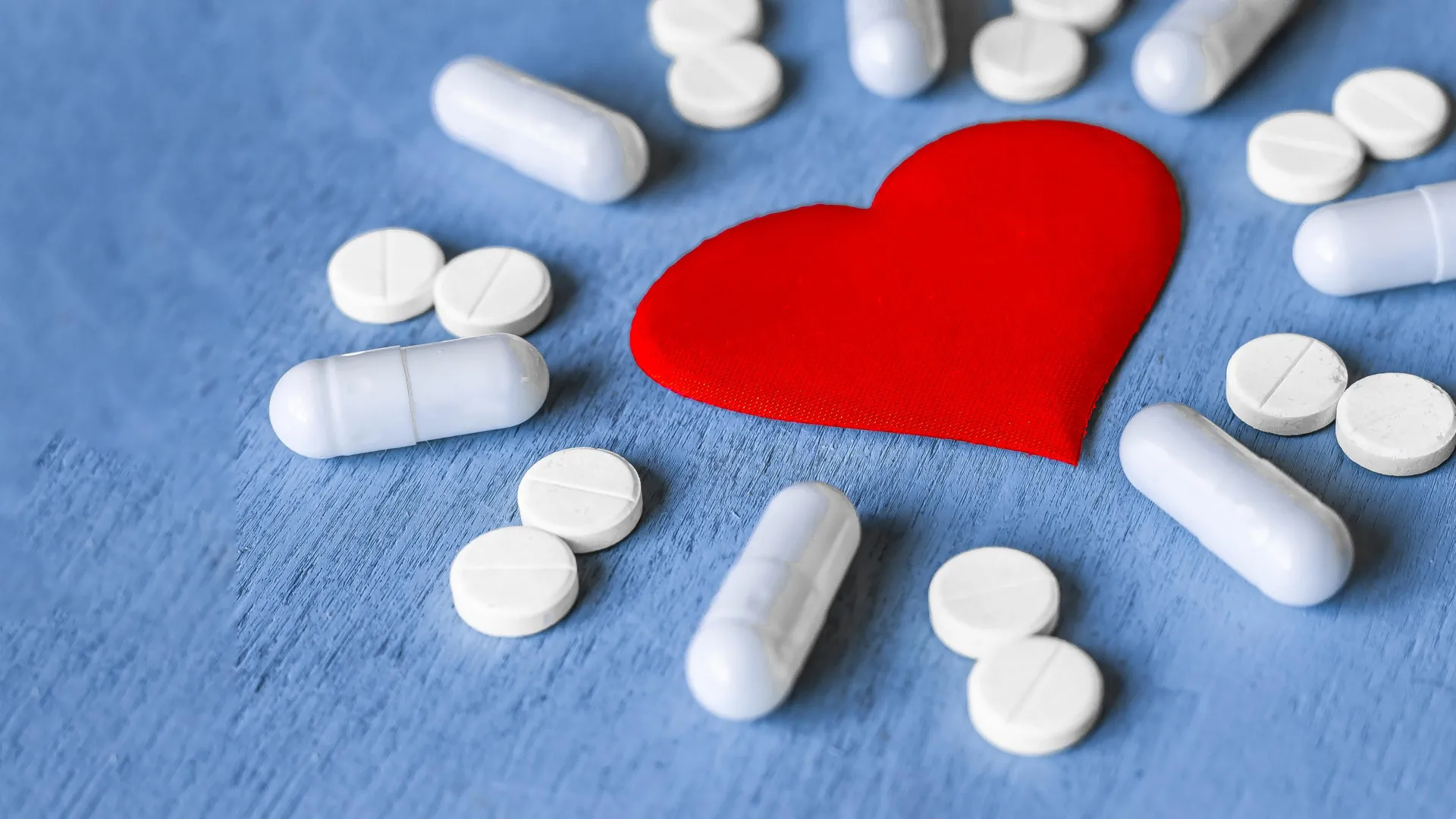
A large long-term study has found that statins, a widely used class of cholesterol-lowering medications, significantly reduce the risk of death and serious heart-related problems in adults with type 2 diabetes. Importantly, these benefits were seen even in people who were considered to have a low chance of developing heart disease within the next 10 years. This challenges a long-standing debate over whether preventive statin treatment is worthwhile for patients who appear to be at lower cardiovascular risk.

Statins are commonly prescribed to lower LDL cholesterol, what many people know as bad cholesterol. High LDL levels are linked to clogged arteries, heart attacks, and strokes. People with type 2 diabetes already face a higher risk of cardiovascular disease, but doctors have not always agreed on whether statins are necessary for those whose short-term heart risk appears minimal. The new findings suggest that statins may offer protective effects for a much wider group of diabetes patients than previously believed. The study was published in Annals of Internal Medicine.

The research team, led by scientists from the University of Hong Kong, examined health records from the IQVIA Medical Research Data (IMRD)-UK database. Their goal was to assess both the effectiveness and safety of starting statin therapy for primary prevention. Primary prevention refers to preventing a first heart attack or stroke before any such event has occurred.

The study focused on adults in the United Kingdom with type 2 diabetes between the ages of 25 and 84. Participants were followed for as long as 10 years. At the start of the study, none of the individuals had serious heart disease or significant liver problems, allowing researchers to more clearly assess the effects of statins without interference from existing severe conditions.

Statins Reduced Death and Heart Events at Every Risk Level

Researchers compared people who began taking statins with those who did not, grouping them based on their predicted 10-year risk of developing cardiovascular disease. This risk estimate is commonly used in clinical practice to guide treatment decisions.

Across all risk categories, statin use was linked to lower rates of death from any cause and fewer major cardiovascular events such as heart attacks and strokes. Even participants classified as low risk experienced measurable benefits, which directly challenges the assumption that statins only help people already at high risk of heart disease.

Safety Findings and What They Mean for Patients

In terms of safety, the researchers observed a very small increase in myopathy in one risk group. Myopathy refers to muscle-related side effects, which can include weakness or soreness and are a known but uncommon concern with statin use. No increase in liver-related problems was found, addressing another common worry among patients and clinicians.

Based on these results, the authors concluded that doctors should carefully consider the advantages of statin therapy for all adults with type 2 diabetes, even when a person’s short-term predicted risk of cardiovascular disease is low. The findings suggest that relying solely on short-term risk estimates may cause some patients to miss out on treatments that could help them live longer and avoid serious heart complications.

Share Button

Electrons stop acting like particles—and physics still works

Quantum physics shows that particles do not behave like solid objects with fixed locations. Instead, they act more like waves, which means their exact position in space cannot be precisely known. Even so, in many everyday situations, scientists can still describe particles in a familiar, classical way. They picture them as tiny objects moving through space with a specific speed.

This approach works well when explaining how electricity flows through metals. Physicists often describe electric current as electrons speeding through a material, pushed or redirected by electromagnetic forces as they move.

Why the Particle Picture Usually Works

Many modern theories also rely on this particle-based view, including the idea of topological states of matter. These states are so important that their discovery was recognized with the Nobel Prize in Physics in 2016. Despite their advanced mathematics, these theories still assume electrons behave like particles with defined motion.

However, researchers have found that this picture does not apply to every material (see publication below). In some cases, electrons no longer behave like individual particles with a clear position or a single, well-defined velocity.

Topology Without Particles

Scientists at TU Wien have now demonstrated that even when the particle picture fails, materials can still display topological properties. Until now, these properties were thought to depend on particle-like behavior.

This finding reveals something unexpected. Topological states are not limited to systems where electrons act like particles. Instead, these states turn out to be far more universal, bringing together ideas that once seemed incompatible.

When the Particle Picture No Longer Makes Sense

“The classical picture of electrons as small particles that suffer collisions as they flow through a material as an electric current is surprisingly robust,” says Prof. Silke Bühler-Paschen from the Institute of Solid State Physics at TU Wien. “With certain refinements, it works even in complex materials where electrons interact strongly with one another.”

There are, however, extreme cases where this description breaks down entirely. In these situations, the charge carriers lose their particle-like nature. This behavior appears in a compound made of cerium, ruthenium and tin (CeRu₄Sn₆), which researchers at TU Wien studied at extremely low temperatures.

“Near absolute zero, it exhibits a specific type of quantum-critical behavior,” says Diana Kirschbaum, first author of the current publication. “The material fluctuates between two different states, as if it cannot decide which one it wants to adopt. In this fluctuating regime, the quasiparticle picture is thought to lose its meaning.”

Topology Explained With Rolls and Donuts

At the same time, theoretical work suggested that this same material should host topological states. “The term topology comes from mathematics, where it is used to distinguish certain geometric structures,” explains Silke Bühler-Paschen.

“For example, an apple is topologically equivalent to a bread roll, because the roll can be continuously deformed into the shape of an apple. A roll is topologically different from a donut, however, because the donut has a hole that cannot be created by continuous deformation.”

Physicists use similar ideas to describe states of matter. Properties such as particle energy, velocity, and even the orientation of spin relative to motion can follow strict geometric patterns. These patterns are remarkably stable. Minor imperfections in a material do not erase them, just as small changes in shape cannot transform a donut into an apple.

This stability makes topological effects especially appealing for technologies like quantum data storage, advanced sensors, and methods of guiding electric currents without using magnetic fields.

A Theory That Should Not Have Worked

Although topology may sound abstract, past theories still depended on the assumption that particles have well-defined motion. “These theories assume that one is describing something with well-defined velocities and energies,” explains Diana Kirschbaum.

“But such well-defined velocities and energies do not seem to exist in our material, because it exhibits a form of quantum-critical behavior that is considered to be incompatible with a particle picture. Nevertheless, simple theoretical approaches that ignore these non-particle-like properties had previously predicted that the material should show topological characteristics.”

This created a puzzling contradiction between theory and physical behavior.

Curiosity Leads to a Breakthrough

Because of this conflict, Bühler-Paschen’s team was initially reluctant to pursue the theoretical prediction further. Over time, curiosity won out, and Diana Kirschbaum began looking for experimental signs of topology.

At temperatures less than one degree above absolute zero, she observed a clear signal. The material displayed a spontaneous (anomalous) Hall effect, a phenomenon normally caused when charge carriers are deflected by a magnetic field.

In this case, however, the deflection appeared without any external magnetic field at all. Instead, it arose from the material’s topological properties. Even more striking, the charge carriers behaved as if they were particles, despite strong evidence that the particle picture should not apply.

“This was the key insight that allowed us to demonstrate beyond doubt that the prevailing view must be revised,” says Silke Bühler-Paschen.

“And there is more,” adds Diana Kirschbaum. “The topological effect is strongest precisely where the material exhibits the largest fluctuations. When these fluctuations are suppressed by pressure or magnetic fields, the topological properties disappear.”

A Broader View of Topological Matter

“This was a huge surprise,” says Silke Bühler-Paschen. “It shows that topological states should be defined in generalized terms.”

The researchers describe the newly identified phase as an emergent topological semimetal. They worked with collaborators at Rice University in Texas, where Lei Chen (co-first author of the publication), part of Prof. Qimiao Si’s research group, developed a theoretical model that successfully links quantum criticality with topology.

“In fact, it turns out that a particle picture is not required to generate topological properties,” says Bühler-Paschen. “The concept can indeed be generalized — the topological distinctions then emerge in a more abstract, mathematical way. And more than that: our experiments suggest that topological properties can even arise because particle-like states are absent.”

New Paths to Discover Quantum Materials

The discovery also has practical importance. It suggests a new way to search for topological materials by focusing on systems that exhibit quantum-critical behavior.

“We now know that it is worthwhile — perhaps even particularly worthwhile — to search for topological properties in quantum-critical materials,” Bühler-Paschen says. “Because quantum-critical behavior occurs in many classes of materials and can be reliably identified, this connection may allow many new ’emergent’ topological materials to be discovered.”

Share Button

This after-meal blood sugar spike may raise Alzheimer’s risk

A research team from the University of Liverpool has reported new evidence suggesting that sharp increases in blood sugar following meals may raise the risk of Alzheimer’s disease. The findings point to after-meal glucose levels as a potential factor in long-term brain health.

For years, studies have shown that conditions such as hyperglycemia, diagnosed type 2 diabetes mellitus, and insulin resistance are linked to poorer brain health. These metabolic problems have been associated with higher chances of cognitive decline and various forms of dementia. However, exactly how blood sugar disruptions contribute to these brain changes has remained unclear.

Large Genetic Study Using UK Biobank Data

To explore this connection, researchers examined genetic and health information from more than 350,000 UK Biobank participants between the ages of 40 and 69. The analysis focused on key indicators of how the body manages sugar, including fasting glucose levels, insulin levels, and blood sugar measured two hours after eating.

The team used Mendelian randomization, a genetic method that helps researchers assess whether certain biological traits are likely to play a direct role in disease risk. This approach allowed them to test whether different measures of blood sugar regulation could be linked to the development of dementia.

Post-Meal Blood Sugar Linked to Alzheimer’s Risk

The analysis showed that individuals with higher blood sugar levels after meals had a 69% higher risk of developing Alzheimer’s disease. This specific pattern of elevated glucose, known as (postprandial hyperglycemia), stood out as a key factor.

Importantly, the increased risk was not explained by overall brain shrinkage or damage to white matter. This suggests that elevated after-meal blood sugar may affect the brain through more subtle biological processes that are not yet fully understood.

Implications for Prevention and Future Research

Dr. Andrew Mason, lead author said: “This finding could help shape future prevention strategies, highlighting the importance of managing blood sugar not just overall, but specifically after meals.”

Dr. Vicky Garfield, senior author commented: “We first need to replicate these results in other populations and ancestries to confirm the link and better understand the underlying biology. If validated, the study could pave the way for new approaches to reduce dementia risk in people with diabetes.”

Share Button

One in 10 patients spent over 12 hours in A&E in 2025

Nurses union says long waits and corridor care having a devastating impact on paitents.

Share Button

Woman hospitalised over dessert containing nuts

West Yorkshire Trading Standards says it receives a “high number of allergen complaints”.

Share Button

‘Every hospital corridor I saw had people in beds’

Lucy Buckle says she was told by NHS 111 to attend A&E and says the hospital was “very chaotic”.

Share Button

Hospital alert after fake doctor-endorsed videos

Guy’s and St Thomas’ NHS Trust says online videos falsely show clinicians promoting weight loss patches.

Share Button

Engage 19: How to Finish What You Start (Without Killing Your Spark)

Lesson 19 explores how to finish what you start without killing your creative spark. You’ll learn how to work with different energy phases – inspiration, staging, and completion – so projects flow forward naturally instead of stalling or burning out.

This approach helps you move projects across the finish line while preserving enthusiasm, clarity, and momentum, so you can enjoy a richer and more consistent flow of completed projects and treasured experiences in your life.

You’ll find the rest of the Engage course videos in the Video section.

Join the Engage Email List

Join the Engage notification list to get an email whenever a new Engage lesson is published. I also encourage you to subscribe to my YouTube channel to follow the course there.

Enjoy!

Share Button

‘People Are Livid’: Labour MPs In Despair As Starmer’s Latest U-Turn Sparks Fresh Crisis

2026 wasn’t supposed to be like this for Keir Starmer.

Downing Street had planned, according to the prime minister’s top spin doctor Tim Allan, a “strong start” to the New Year.

A series of announcements on how the government was going to tackle the cost of living were meant to get the embattled PM onto the front foot.

Unbeknown to No.10, of course, Donald Trump had plans of his own that would blow everyone off course.

Not content with bombing Venezuela and kidnapping the country’s president, Nicolas Maduro, and his wife, the US president has also ramped up the rhetoric on Greenland.

America will take control of the Arctic island “one way or the other”, according to Trump, to the horror of European leaders, including Starmer.

Throw in the uprising in Iran and it’s easy to see why the prime minister has struggled to seize the political initiative.

He did finally make some headlines on Tuesday night – but not in the way he had hoped.

To general bewilderment at Westminster, it was confirmed that the government was ditching its plans to make it compulsory to carry state-sanctioned digital ID cards.

That’s despite Starmer himself announcing the policy just four months ago with great fanfare.

For those understandably struggling to keep count, it was the 13th major policy U-turn the government has performed since being elected in July, 2024.

For MPs who were already sceptical about Starmer’s ability to improve Labour’s miserable poll numbers, it could prove to be the final straw.

“People who are not normally as bothered by this issue are livid,” one MP told HuffPost UK. “It’s another case of them being made to look like utter fools.”

A backbencher added: “We’re just running through the motions. The lights are on but no one is home.”

Other MPs are just glad they no longer have to pretend to support the policy.

“I never made a big deal of going out and defending it,” said one. “A lot of us just feel relief that we don’t have to flog it on the doorsteps.”

Supporters of digital ID cards on the Labour benches are also frustrated by how the latest climbdown has been handled.

One senior MP said: “It has ended up in the place that most MPs and the public advised it should start from.

“I hope the damage hasn’t been done as it’s a very positive initiative that will help us to transform public services, give the public more control over their data, and make the user interaction with government better.

“It doesn’t need to be mandatory as I’d be confident that the public will see huge benefits to having it so take up will be large.”

No.10 officials are desperately trying to put a positive spin on Starmer’s latest calamity, insisting it is part of a strategy of ditching unpopular policies to focus on putting more money in voters’ pockets.

They compare it to former Tory election guru Lynton Crosby’s infamous “get the barnacles off the boat” policy.

However, critics point out that only works if the prime minister isn’t the one responsible for putting the barnacles there in the first place.

The new year is only 14 days old, and Starmer once again finds himself fighting for his political life as a result of a wholly self-inflicted mistake.

Share Button

Scientists finally uncover why statins cause muscle pain

Many people who are prescribed statins to lower cholesterol end up stopping the medication because of muscle pain, weakness, or ongoing fatigue. These symptoms are among the most common reasons patients abandon the drugs.

New research from Columbia University suggests a possible explanation for why this happens in some individuals. The study indicates that certain statins can attach to a protein inside muscle cells, triggering a leak of calcium ions that disrupts normal muscle function.

“It is unlikely that this explanation applies to everyone who experiences muscular side effects with statins, but even if it explains a small subset, that’s a lot of people we could help if we can resolve the issue,” says Andrew Marks, chair of the Department of Physiology and Cellular Biophysics at the Vagelos College of Physicians and Surgeons.

Statins are widely used in the United States. Roughly 40 million adults take them to control cholesterol levels, and about 10 percent develop muscle related side effects.

“I’ve had patients who’ve been prescribed statins, and they refused to take them because of the side effects. It’s the most common reason patients quit statins, and it’s a very real problem that needs a solution,” Marks says.

A Longstanding Puzzle Around Statin Muscle Pain

Scientists have been trying to understand statin related muscle problems since the drugs first became available in the late 1980s. Statins work by binding to an enzyme involved in cholesterol production, but they can also attach to other unintended targets in the body.

Earlier research hinted that muscle side effects might occur when statins interact with a specific protein in muscle tissue. Until now, the details of that interaction were unclear.

Using cryo-electron microscopy, a powerful imaging method that allows researchers to see structures down to individual atoms, the Columbia team was able to directly observe how a statin interacts with muscle cells.

Calcium Leaks Inside Muscle Cells

The images showed that a commonly prescribed statin, simvastatin, binds to two specific sites on a muscle protein known as the ryanodine receptor. This binding opens a channel in the protein, allowing calcium to leak into areas of the cell where it does not normally flow.

According to Marks, this calcium leak may explain muscle pain and weakness linked to statins. The excess calcium can weaken muscle fibers directly or activate enzymes that gradually break down muscle tissue.

Toward Safer Cholesterol Drugs

The findings point to new possibilities for reducing statin side effects. One approach would be to redesign statins so they continue to lower cholesterol but no longer bind to the ryanodine receptor in muscle cells.

Marks is currently working with chemists to develop statins that avoid this unwanted interaction.

Another potential strategy focuses on stopping the calcium leak itself. The researchers showed that in mice, statin related calcium leaks can be closed using an experimental drug created in the Marks laboratory for other disorders involving abnormal calcium flow.

“These drugs are currently being tested in people with rare muscle diseases. If it shows efficacy in those patients, we can test it in statin-induced myopathies,” Marks says

Study Details and Disclosures

Andrew Marks is also the Clyde and Helen Wu Professor of Medicine at Columbia University Vagelos College of Physicians and Surgeons, a professor of biomedical engineering, and director of the Wu Center for Molecular Cardiology.

The study was published Dec. 15 in “Structural basis for simvastatin-induced skeletal muscle weakness associated with RyR1 T4709M mutation,” in the Journal of Clinical Investigation.

The full author list includes Gunnar Weninger, Haikel Dridi, Steven Reiken, Qi Yuan, Nan Zhao (University of Rochester), Linda Groom (University of Rochester), Jennifer Leigh (University of Rochester), Yang Liu, Carl Tchagou, Jiayi Kang, Alexander Chang, Estefania Luna-Figueroa, Marco C. Miotto, Anetta Wronska, Robert T. Dirksen (University of Rochester), and Andrew R. Marks.

Funding for the research came from the NIH (R01HL145473, R01DK118240, R01HL142903, R01HL140934, R01NS114570, R01AR070194, R01AR078000 , R25HL156002, R25NS076445, P01HL164319, and T32HL120826.

Marks owns stock in RyCarma Therapeutics Inc., which is developing compounds that target the ryanodine receptor, and is a coinventor on U.S. patent nos. US8022058 and US8710045. Gunnar Weninger, Haikel Dridi, Marco Miotto, and Marks are also inventors on the patent application titled “STATIN INNOVATION FOR MUSCLE-FRIENDLY CHOLESTEROL MANAGEMENT” [Invention Report (IR) #CU24350], which will be filed by Columbia University.

Share Button