Labour Doubles Down On Tory Attacks With Second Advert Targetting Sunak

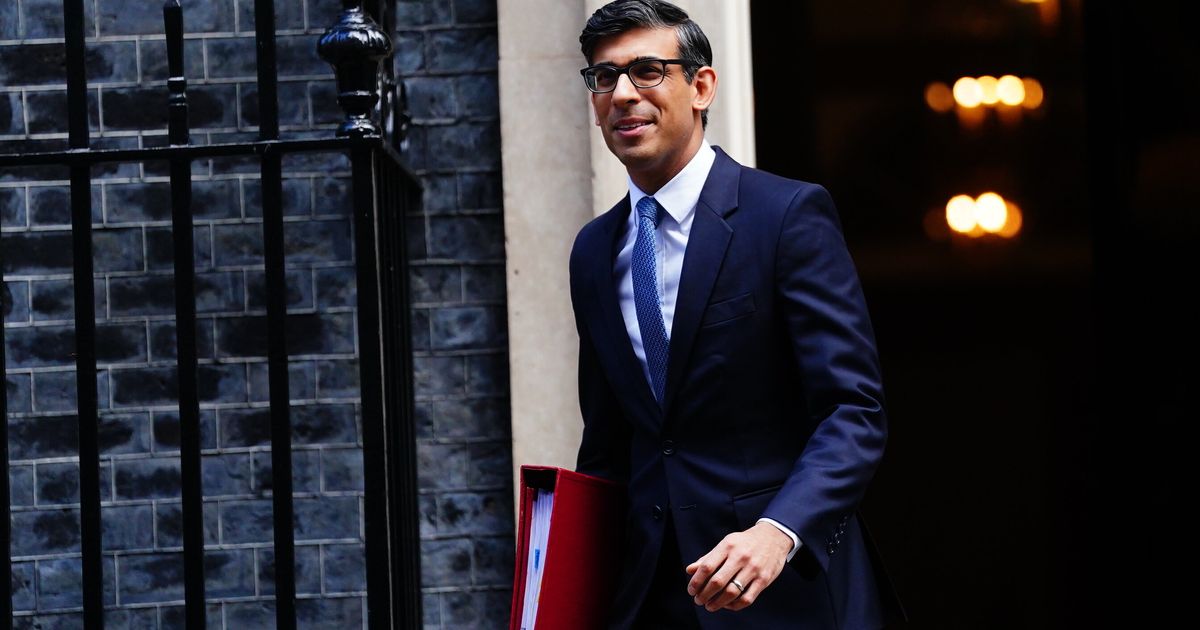
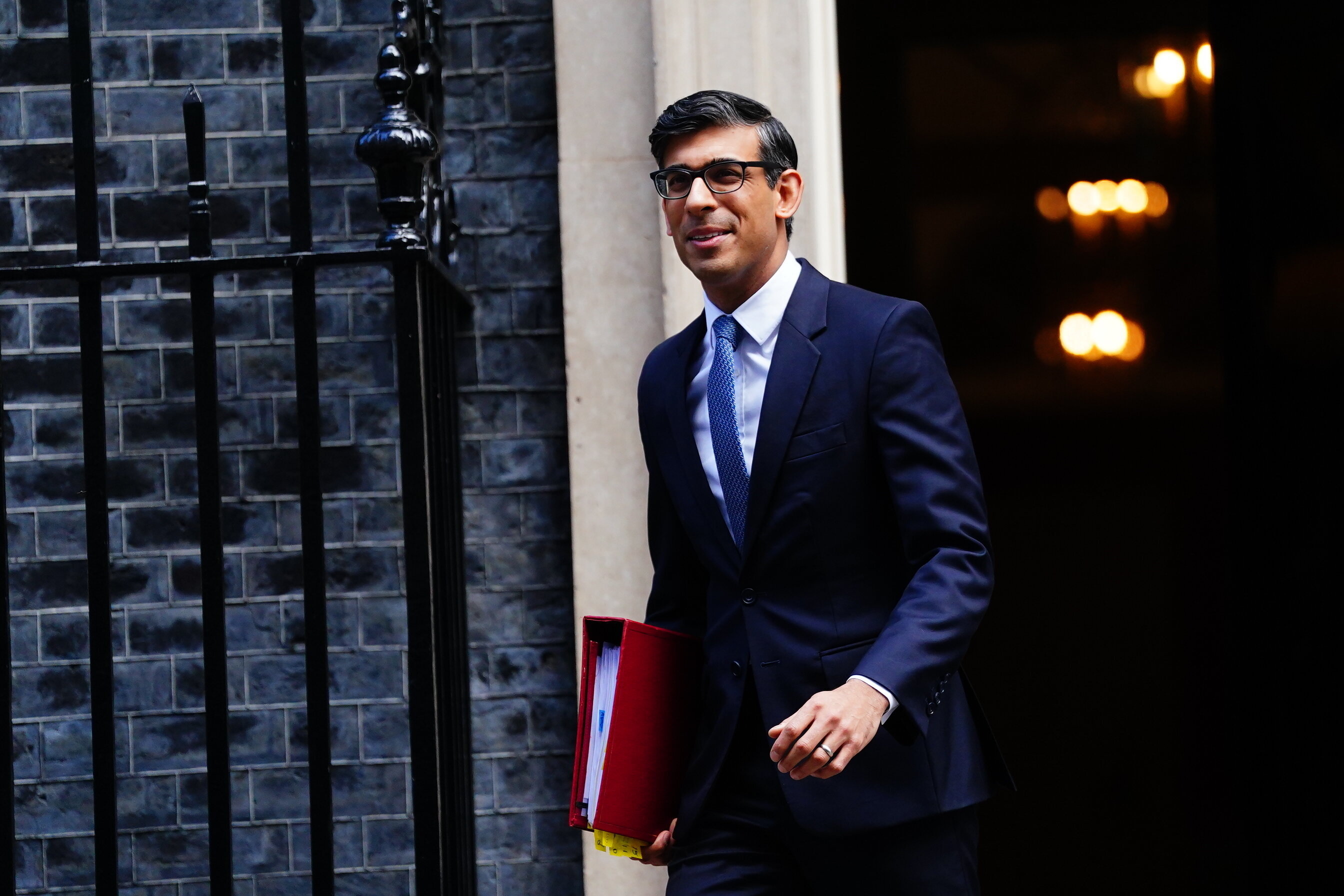
Labour is defying its critics by continuing to publish advertisements attacking the Tories despite a backlash even from one of its own MPs.

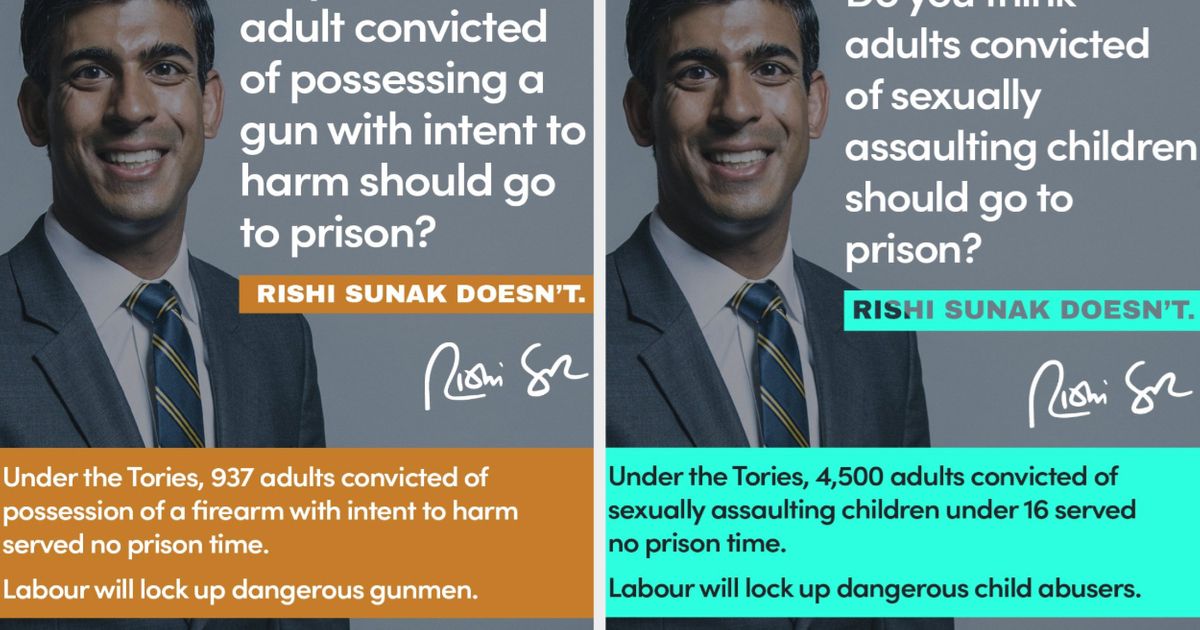
On Friday, a fresh post on Twitter suggested the Conservative Party is weak on firearms offences.

Using the same format as the heavily-criticised first poster, it asks: “Do you think an adult convicted of possessing a gun with intent to harm should go to prison?”

Before answering, “Rishi Sunak doesn’t”, and adding Sunak’s signature.

It includes the statistic: “Under the Tories 937 adults convicted of possession of a firearm with intent to harm served no prison time. Labour will lock up dangerous gunmen.”

Judges and magistrates, rather than the prime minister of the day, are responsible for handing out sentences and the figures Labour highlighted cover the period since 2010 – Sunak only entered parliament in 2015 and did not become prime minister until October last year.

The first poster – which was variously described as “gutter politics”, “idiotic” and “a new low in British political attack ads” – suggested Sunak did not support the jailing of child sex offenders.

The tweet has come in for a wave of criticism from across the political spectrum, including from former Labour shadow chancellor John McDonnell, who said: “We are better than this.”

In an excruciating interview on BBC Breakfast this morning, shadow culture secretary Lucy Powell repeatedly refused to say she personally supported the tweet.

HuffPost UK has reported the party was planning to step up its attacks – despite the furore – after holding talks with political allies in America and Australia over how to take the fight to the Conservatives in the run-up to the next election.

Labour was accused of a “vile and desperate” campaign strategy by Tory deputy chairman Lee Anderson and “cheapened and debased” politics by SNP MP John Nicolson after posting the advert on Twitter.

Share Button

Pressure Builds On Keir Starmer As Crunch Local Elections Loom

Shabana Mahmood, Labour’s elections co-ordinator, had a simple message for the shadow cabinet last Tuesday.

“The polls have tightened and so discipline is key,” she told them in her latest presentation ahead of the local elections on May 4.

With Rishi Sunak having enjoyed the best month of his premiership following the passing of his Brexit deal, a disaster-free Budget and the introduction of his plan to stop small boats crossing the Channel, the pressure is suddenly on Keir Starmer to respond.

Mahmood told her frontbench colleagues that Labour will focus relentlessly on three areas in the run-up to polling day – the cost of living, crime and the NHS.

“We must have confidence to stick to the issues we want to talk about, confidence that they are the issues the voters want to hear about and resist being led away by the Tory pied piper,” she said.

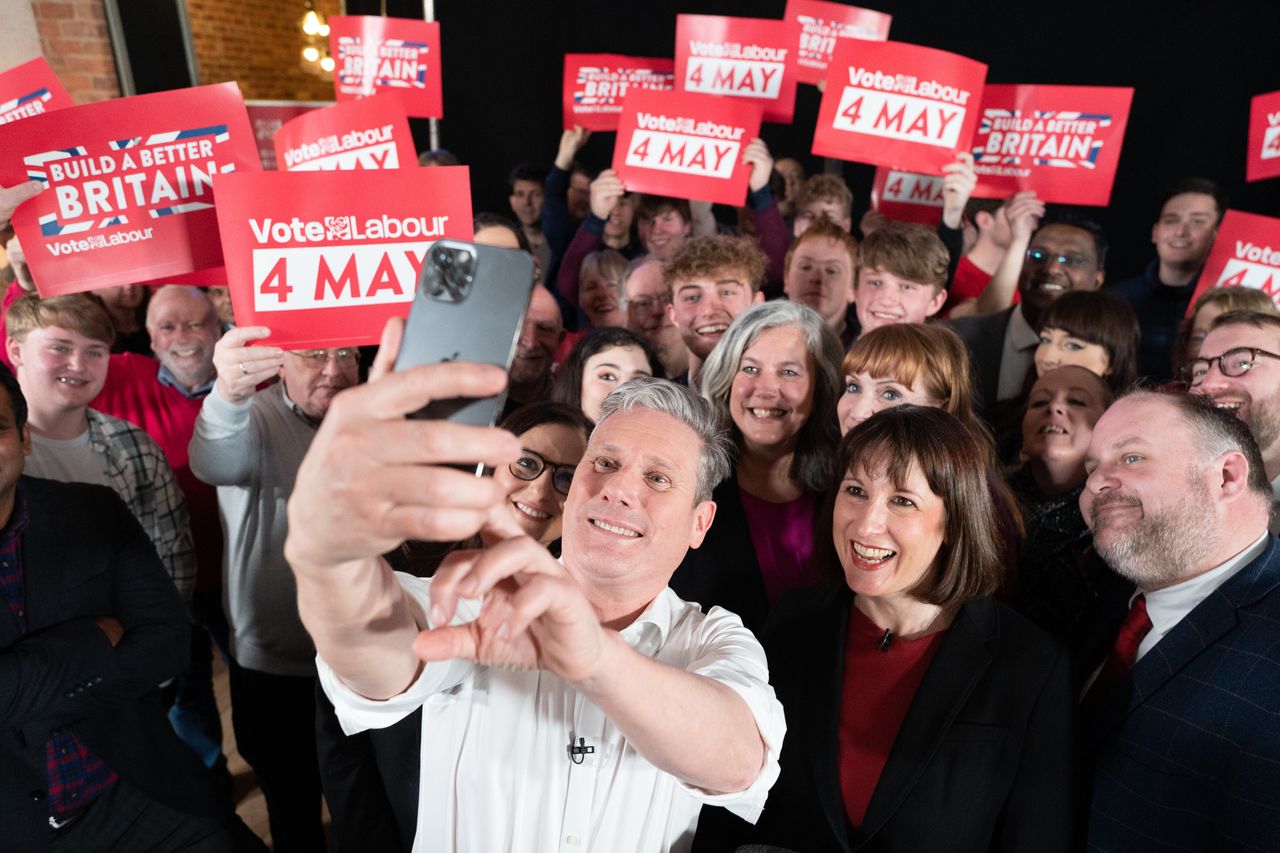
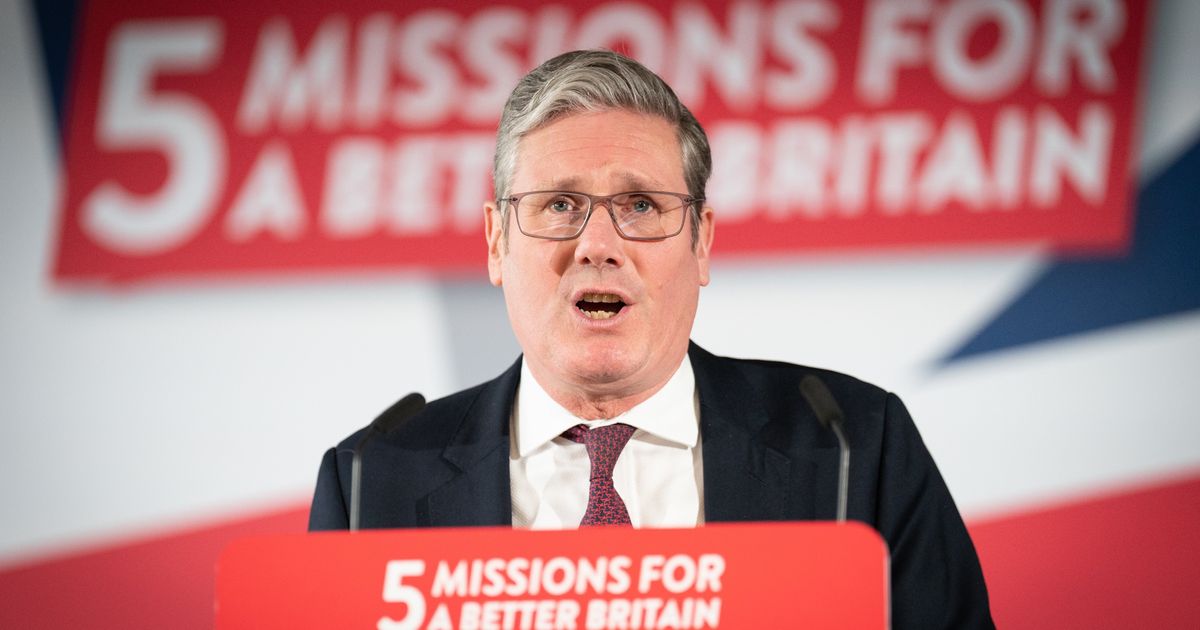
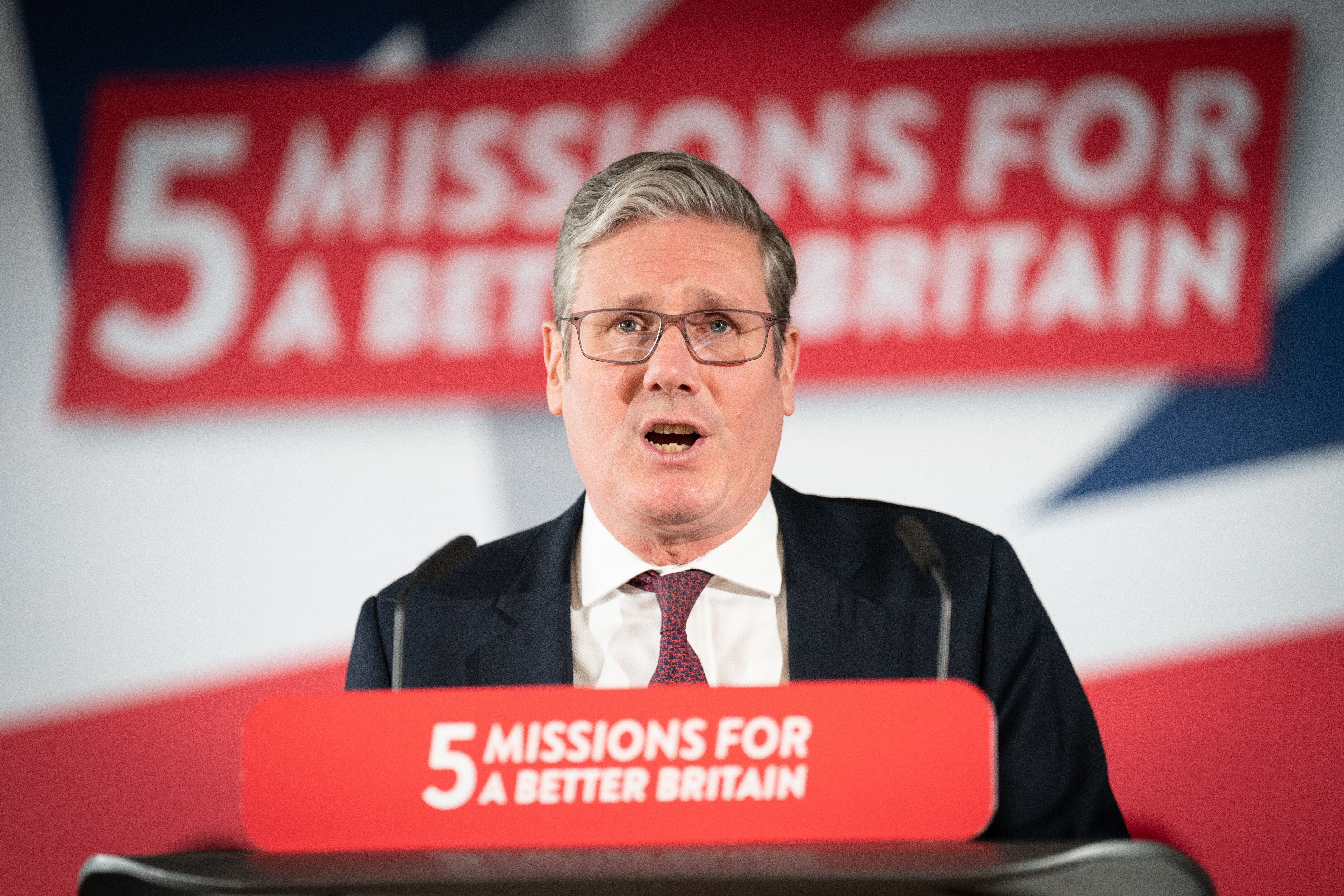
Two days later, Starmer was in Swindon to formally launch Labour’s election campaign.

The choice of location was significant. Although Labour has never controlled the local council, its two parliamentary seats are key targets for next year’s general election.

It is further evidence that May 4 is being seen by party bosses as a dry run for 2024.

“Two months ago, those around Keir were saying that Swindon will be the barometer,” one senior Labour insider told HuffPost UK. “I think we’re looking good there, but they’re not leaving anything to chance.”

In all, 8,141 seats and 230 councils in England, Wales and Northern Ireland are up for grabs next month.

The Tories currently hold 3,290 of them, with Labour on 2,062 and the Lib Dems on 1,205. Independents and others make up the remaining 1,600 seats.

One source said: “People probably have their expectations in the wrong places. They expect this to be a complete bloodbath for the Tories, with Labour hoovering up hundreds of seats.

“But the key thing to look out for is where Labour is winning and what our vote share is compared to the 2019 general election.”

No Labour supporter will need reminding of what happened in 2019, when Jeremy Corbyn led the party to its worst defeat since 1935.

With Corbyn now blocked from standing as a Labour candidate next year, Starmer wants to convince voters that it will be a very different party next time round.

Keir Starmer takes a selfie with shadow cabinet members and Labour members at the party's local election launch in Swindon.
Keir Starmer takes a selfie with shadow cabinet members and Labour members at the party’s local election launch in Swindon.

Stefan Rousseau via PA Wire/PA Images

One shadow cabinet member pointed out that the last time these council seats were contested four years ago, the Tories did so badly that it cost Theresa May her job.

“A lot of Tories went independent in 2019 and the chances are they will switch back this time,” he said.

“The narrative for us has to be what Labour does nationally and how we perform in they key seats we need to win next year. We’re concentrating our resources there.

“If we wake up on May 5 and the BBC story is ‘Tories lose 100 seats and Labour win 200 so the general election is too close to call’ we’ll have done a bad job of managing people’s expectations.”

Morgan McSweeney, Labour’s campaign director, reinforced that message in his own address to the shadow cabinet.

“He said that the Tories and us are going to be campaigning in different places,” a source told HuffPost UK. “So just because the response we get on the door will feel good, the Tories will be relentlessly working the areas they lost in 2019 and will win some of them back.”

Nevertheless, the mood among Tory MPs remains gloomy. One minister, having seen the returns from Conservative canvassers around the country, recently told a Labour colleague: “You’ll have my job next year – we are fucked.”

Starmer hopes that the local elections are indeed a stepping stone on his road to 10 Downing Street.

Share Button

Is It Finally All Over For Boris Johnson?

As political barometers go, it was pretty stark.

Asked if they believed Boris Johnson told the truth when he appeared before MPs this week, not a single member of the Question Time audience put their hand up.

Even more worryingly for the former prime minister, the programme was being broadcast from Newcastle-under-Lyme, part of the famous Red Wall of seats where he is still said to be popular with voters.

It was a fitting denouement to a miserable week for a man who was still in Downing Street less than a year ago.

Johnson suffered two major blows to his hopes of a political comeback within a few hours on Wednesday afternoon.

His irascible performance in front of parliament’s privileges committee, which is investigating claims he misled the Commons over partygate, left few in any doubt that he will be found guilty.

Should the committee decide to impose a suspension of more than 10 days, and parliament votes for it, he could face a by-election in his Uxbridge seat.

On the same day, Johnson’s hopes of leading a wide-scale Tory revolt against his arch-nemesis Rishi Sunak’s Brexit deal ended in failure when only 21 of his colleagues followed him into the No lobby.

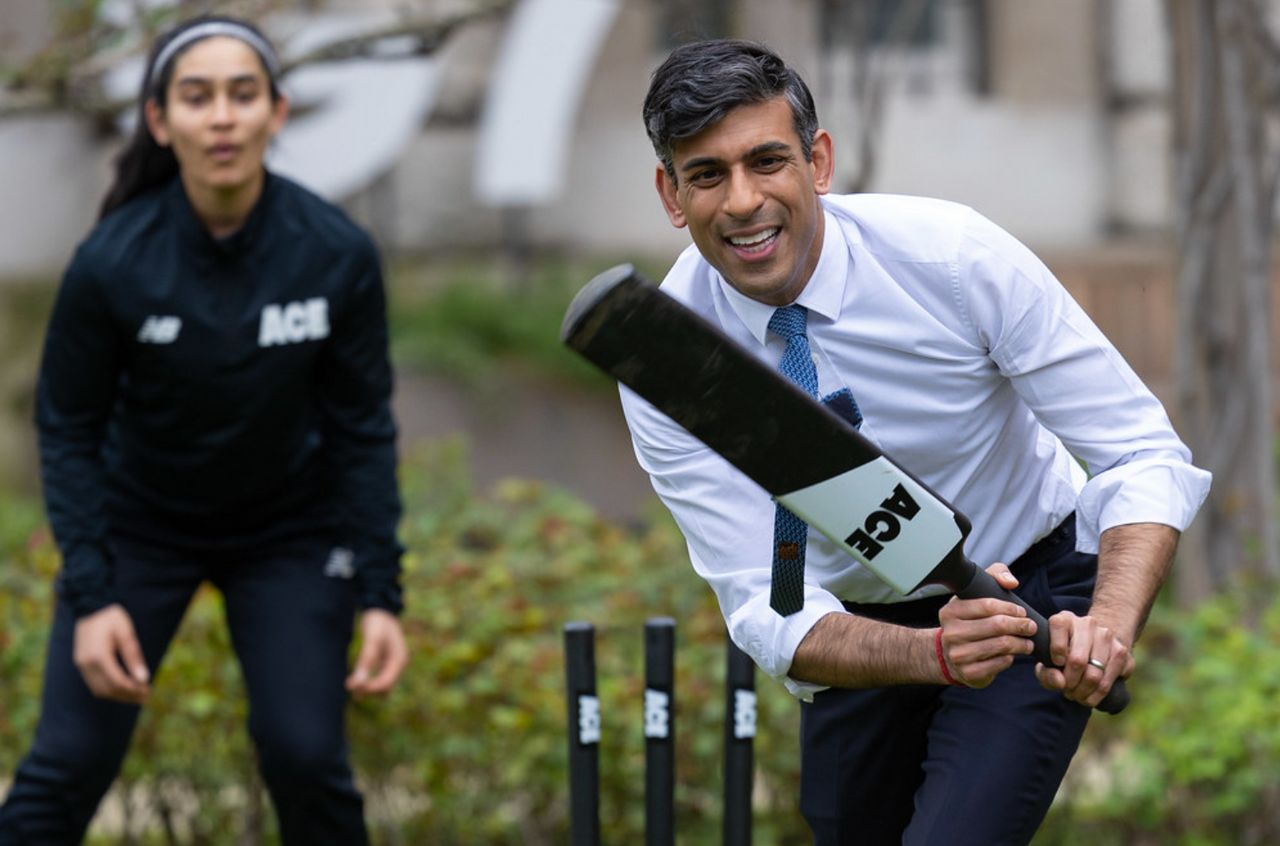
Meanwhile, while all this was going on, Rishi Sunak enjoyed a game of cricket in the Downing Street garden with England’s T20 world cup-winning team.

Rishi Sunak enjoyed a game of cricket in the No10 garden with England's T20 World Cup winning and children from the ACE cricket programme on Wednesday.
Rishi Sunak enjoyed a game of cricket in the No10 garden with England’s T20 World Cup winning and children from the ACE cricket programme on Wednesday.

Simon Walker/10 Downing Street

As he surveys the political scene this weekend, Johnson will surely be contemplating the very real possibility that his ambition of a triumphant return to No.10 will be unfulfilled.

Many experienced observers of Westminster believe that the game is up for the former PM.

One senior Tory told HuffPost UK: “He’s just like that drunk uncle at the wedding who is there at the reception but you don’t really know why.”

Others believe that even Johnson’s media cheerleaders have decided to move on and throw their weight behind Sunak as the next election draws nearer.

“I thought it was very telling there was a front page of the Telegraph was very negative about him after his committee appearance,” said one former cabinet member. “I think that’s a weathervane.

“I think it’s a cocktail of the partygate stuff and the Brexit vote. It could have gone the other way – he could have had a major triumph in the committee and there could have been a big rebellion, but in the end it was just the usual suspects who voted with him.

“A line has been drawn and people just want to move on.”

One Tory MP told HuffPost UK: “His defence at the committee was basically ‘I’m an idiot’. Some people might accept that, but I think it just reaffirmed that him coming back is just not a realistic possibility.

“Even if Rishi falls under a bus, literally or politically, it’s not going to Boris who steps in to the breach. A significant enough number of MPs just wouldn’t wear it. Most of them realise he’s not an asset to them any more.”

Tory peer and election guru Lord Hayward told Sky News: “His support is diminishing and his impact on the party is diminishing the longer Rishi Sunak is prime minister.”

Former minister Caroline Nokes was even more forthright, declaring that Johnson is “finished”.

“I think there was a very clear message from his own ministers back in the summer that they didn’t want him to carry on,” she told ITV’s Peston show.

“He didn’t choose to stand against Rishi Sunak back in the autumn when we had the second leadership challenge.

“As far as I’m concerned, Boris Johnson is not coming back as prime minister.”

Johnson still does have his hardcore supporters who will defend him to the bitter end.

Jacob Rees-Mogg told Channel 4 News “he’s winning in the court of public opinion”, while Nadine Dorries said the privileges committee is “a kangaroo court” determined to find him guilty regardless of the evidence.

One Johnson ally said that if the partygate inquiry had been properly dealt with a year ago, he would probably still be PM.

“It would have helped restore perspective and pedestrianise what was portrayed as sinister and dramatic at the time,” they told HuffPost UK.

“The world now knows that police looked at the legality and found the PM and Rishi at fault for one event that the public would totally understand.

“People were working hard in No.10 and were there for long and endless hours – they weren’t heading in for a party. And the bad stuff unveiled by the Sue Gray report was a shock to Boris as much as anyone.

“We all lost the plot getting obsessed with partygate when we should have been looking at things like the anaemic economic growth, high inflation, the delays to HS2 and the fact that corporation tax is too high.”

However, the ally did agree with Johnson’s detractors that there is no chance of him returning to Downing Street.

They said: “There is no vacancy. Period.”

Share Button

Keir Starmer Earned £275,000 In The Last Two Years And Paid £118,000 In Tax

Keir Starmer earned £360,000 in the last two years and paid £118,000 in tax, it has been revealed.

The Labour leader published his returns for 2020/21 and 2021/22 a day after Rishi Sunak became the first prime minister since David Cameron to do so.

They show that in 202/21, Starmer earned £125,695 as an MP and leader of the opposition.

He also received £21,925 in book royalties and £13 in bank interest, making a total of £147,633.

In that year, he paid £51,547 in income tax.

In 2021/22, he earned £126,154 as an MP and Labour leader, £453 in royalties, £14 in bank interest and £85,466 in capital gains after his sister sold a house they had bought together for her and her children to live in.

He paid £43,103 in income tax, plus £23,930 in capital gains tax, making a total of £67,033.

It means that over the two years he earned a total of £359,720 and paid £118,580 to the tax man. That means his tax rate was 33%.

Sunak’s returns showed that he paid HMRC just over £1 million between 2019 and 2022.

Tax returns dating back to Sunak’s time as chancellor show that between 2019/20 and 2021/22, he received £1,006,374 in income, plus £3,760,588 in capital gains – a total of £4,766,962.

On that, he paid income tax and capital gains tax totalling £1,053,060.

A Labour source said: “While Sunak was jacking up everyone else’s tax, he was paying a tax rate of about 22% on millions of pounds of income.”

Share Button

Rishi Sunak Has Earned More Than £4.7 Million In The Last Three Years

Rishi Sunak earned just under £5 million over the last three years, it has been revealed.

Tax returns dating back to his time as chancellor show that between 2019/20 and 2021/22, he received £1,006,374 in income, plus £3,760,588 in capital gains.

That makes a total of £4,766,962.

On that, he paid income tax and capital gains tax totalling £1,053,060.

A Labour source said: “So while Sunak was jacking up everyone else’s tax, he was paying a tax rate of about 22% on millions of pounds of income.”

Downing Street has been promising to release the PM’s tax returns for months, but eventually chose to do so on the same day that Boris Johnson was giving evidence to the privileges committee and MPs were voting on the Windsor Framework.

That led to suggestions that Number 10 were trying to ensure that it got less media coverage that would ordinarily have been the case.

Share Button

Rishi Sunak’s Own Net Zero Tsar Says He Will Not Vote For Immigration Bill As Revolt Grows

Rishi Sunak is facing a growing Tory revolt over his plans to crack down on asylum seekers arriving in small boats after another senior MP announced that they will not vote for it.

Chris Skidmore – who also currently serves as the PM’s net zero tsar – said he was “not prepared to break international law or the human rights conventions” by backing the Illegal Migration Bill, which MPs will vote on tonight.

He follows former immigration minister Caroline Nokes, the Tory chair of the equalities committee, who yesterday branded the Bill an “absolute horror”.

“I can’t vote for this,” she told Times Radio on Sunday. “I think we have an absolute duty to treat people humanely to keep people safe.”

Nokes warned the bill was “removing protections for pregnant women, removing protections for families”.

Skidmore, who is standing down at the next election, announced his position in a tweet.

George Osborne, the former chancellor, has also said some of the language used by Tories on immigration has been “unacceptable”.

Monday’s vote comes amid a huge row over the bill which saw Gary Lineker removed from his BBC job over the weekend for criticising the government.

The Match of the Day presenter accused home secretary Suella Braverman of using language used was “not dissimilar to that used by Germany in the ’30s”.

The government’s plans would see migrants who arrive through unauthorised means deported and given a lifetime ban from returning.

Anyone who crosses the Channel in a small boat would only be eligible for asylum in a “safe” third country, such as Rwanda.

Braverman has admitted her legislation might not even be legal as it could breach existing human rights laws.

Yvette Cooper, Labour’ shadow home secretary, has said the Bill is a “con which will make our broken asylum system worse”.

“Not only will it fail to tackle dangerous boat crossings, but it shows the repeated false claims and promises that both the Prime Minister and Home Secretary have made,” she said.

Share Button

Chinese Car Maker Rules Out UK Factory ‘Because Of Brexit’

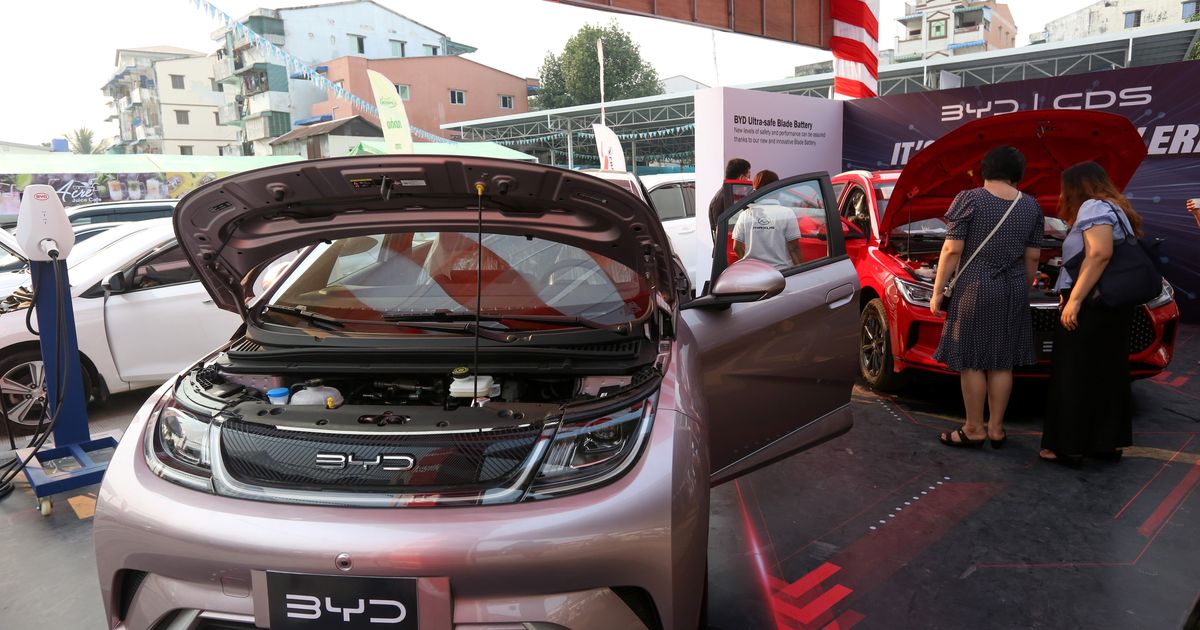
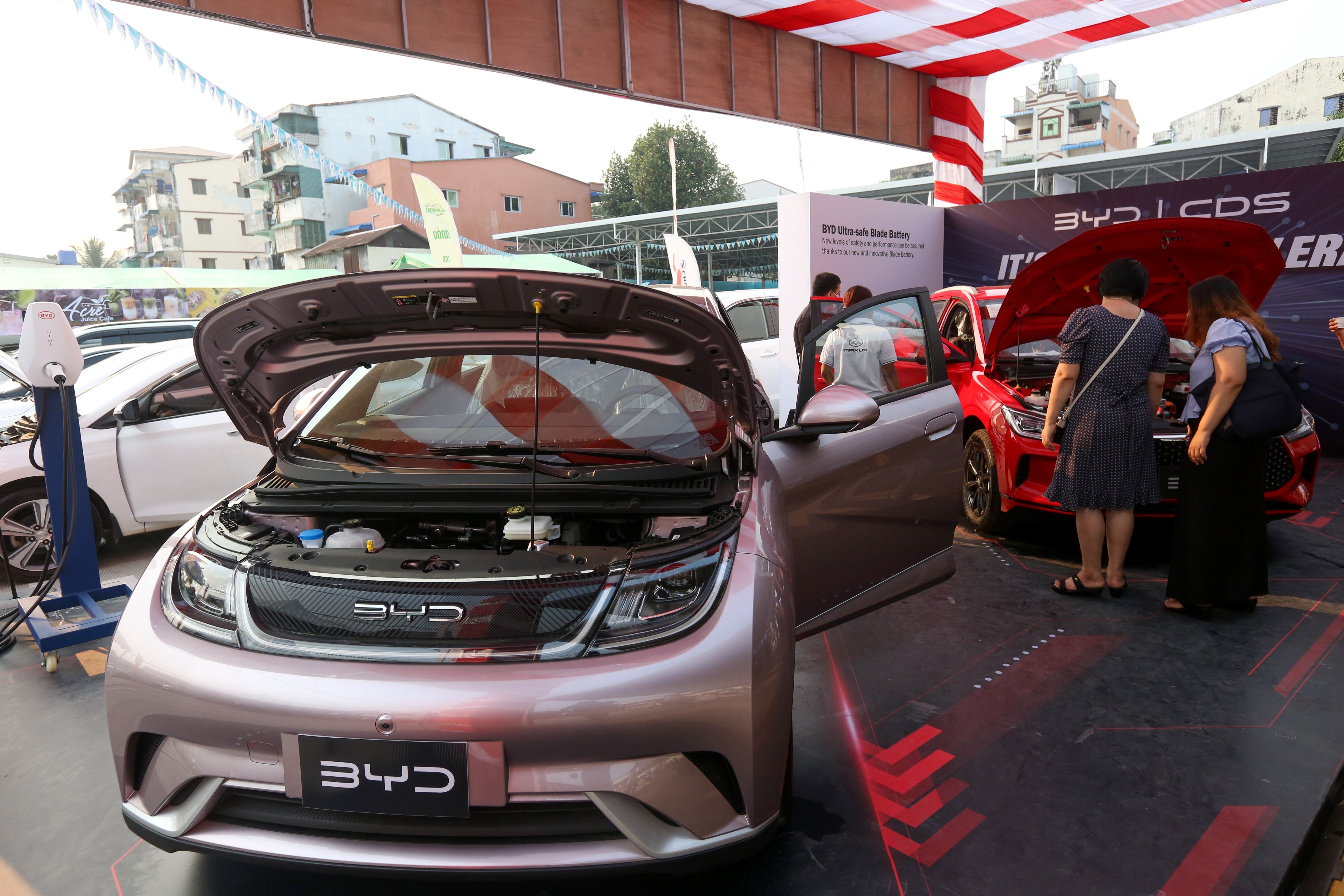
The world’s biggest seller of electric and hybrid cars has ruled out building its first European factory in the UK because of the uncertainty caused by Brexit.

Michael Shu, the European president of Chinese firm BYD, said Britain hadn’t even made it onto the long list of potential sites.

He told the Financial Times: “As an investor we want a country to be stable. To open a factory . . . is a decision for decades.

“Without Brexit, maybe. But after Brexit, we don’t understand what happened.

“The UK doesn’t have a very good solution. Even on the long list we didn’t have the UK.”

Instead, BYD are looking to build a factory in Germany, France, Spain, Poland or Hungary.

Shu’s comments come after French president Emmanuel Macron hit out at the “consequences of Brexit” at a summit with Rishi Sunak.

He also said the effects of quitting the EU had been “under-estimated” before the 2016 referendum.

The decision to quit the EU has also been blamed for a labour shortage which has forced the government to relax visa rules for foreign workers.

Ministers to plug huge gaps in the job market by starting with looser rules for the building industry, according to the Financial Times.

A number of occupations will be added to the “shortage occupation list” which eases recruitment from abroad.

The list allows companies to obtain visas for staff paid on a lower threshold of £20,480 a year because the salary currently needed to obtain a “skilled worker” visa is £25,600.

Labour MP Stella Creasy told HuffPost UK: “British workers are losing jobs and opportunities hand over fist not being able to work in the EU or for companies that want to work with the EU because of the post Brexit visa situation, whilst the UK’s inability to build a functioning immigration and asylum system is holding back our economy at a time when vacancies are at over a million.

“We need urgent reform of the whole visa system to ensure we tackle not just shortages in the UK labour market but also opportunities for all as part of kickstarting growth in our economy.”

Share Button

New Law Just One Part Of Action To ‘Stop The Boats’, Says Minister

New legislation pledged by Rishi Sunak to tackle illegal migration will form only one part of the government’s response to the issue, a senior minister has said.

It comes as Home Secretary Suella Braverman is set to publish long-promised legislation as soon as Tuesday that would make asylum claims inadmissible from those who travel to the UK on small boats.

Sunak on Sunday vowed to put an end to “immoral” illegal migration, while Braverman said “enough is enough”.

But while details are still scarce on the legislation, critics have already questioned whether the government’s solution will make any difference to small boat arrivals on Britain’s shores.

The legislation would see a duty placed on the Home Secretary to remove “as soon as reasonably practicable” anyone who arrives on a small boat, either to Rwanda or a “safe third country”.

Arrivals will also be prevented from claiming asylum while in the UK, with plans also to ban them from returning once removed.

During an appearance on BBC One’s Sunday With Laura Kuenssberg, Northern Ireland Secretary Chris Heaton-Harris was shown a graph displaying a fall in asylum seeker returns since 2010 as he insisted that legislation is just one aspect of the Government’s “arsenal” on the issue.

“We need a full range of things in our arsenal to try and stop both people trafficking and illegal migration across the Channel,” he said.

“That involves proper conversations, that are ongoing, with our French counterparts, and indeed other European counterparts, to try and ensure that people are held in the first safe country that they come to. That also includes international development aid.”

He insisted a tightening of the law is required “because the law has been challenged on pretty much all those occasions and equally when we announced the Rwanda scheme, it was challenged immediately”.

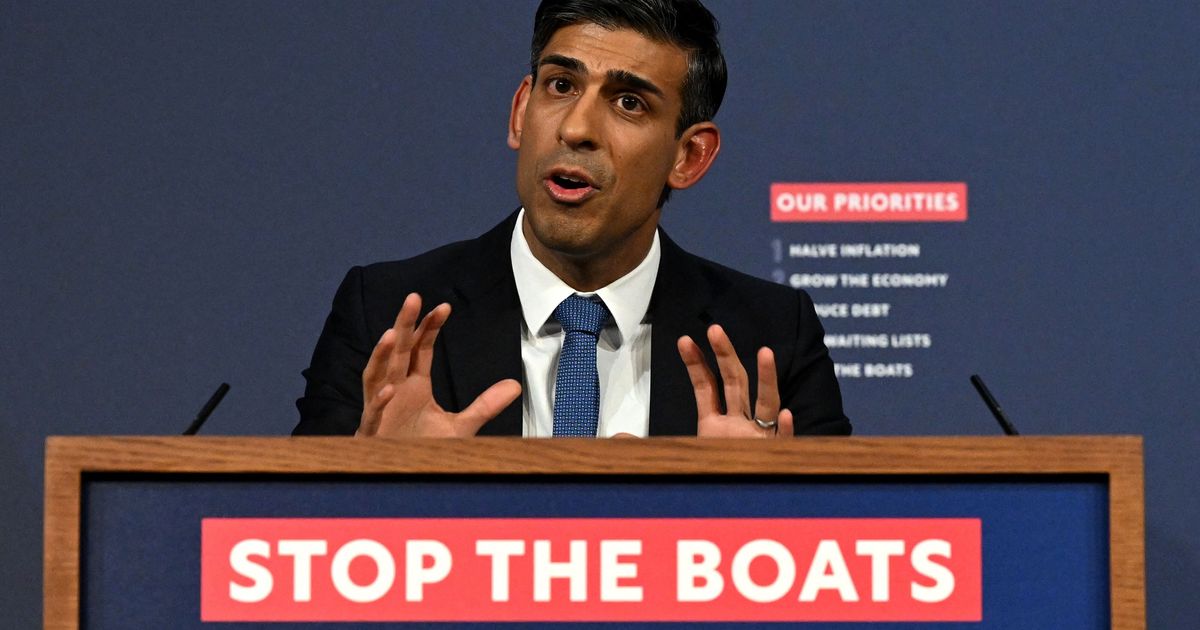
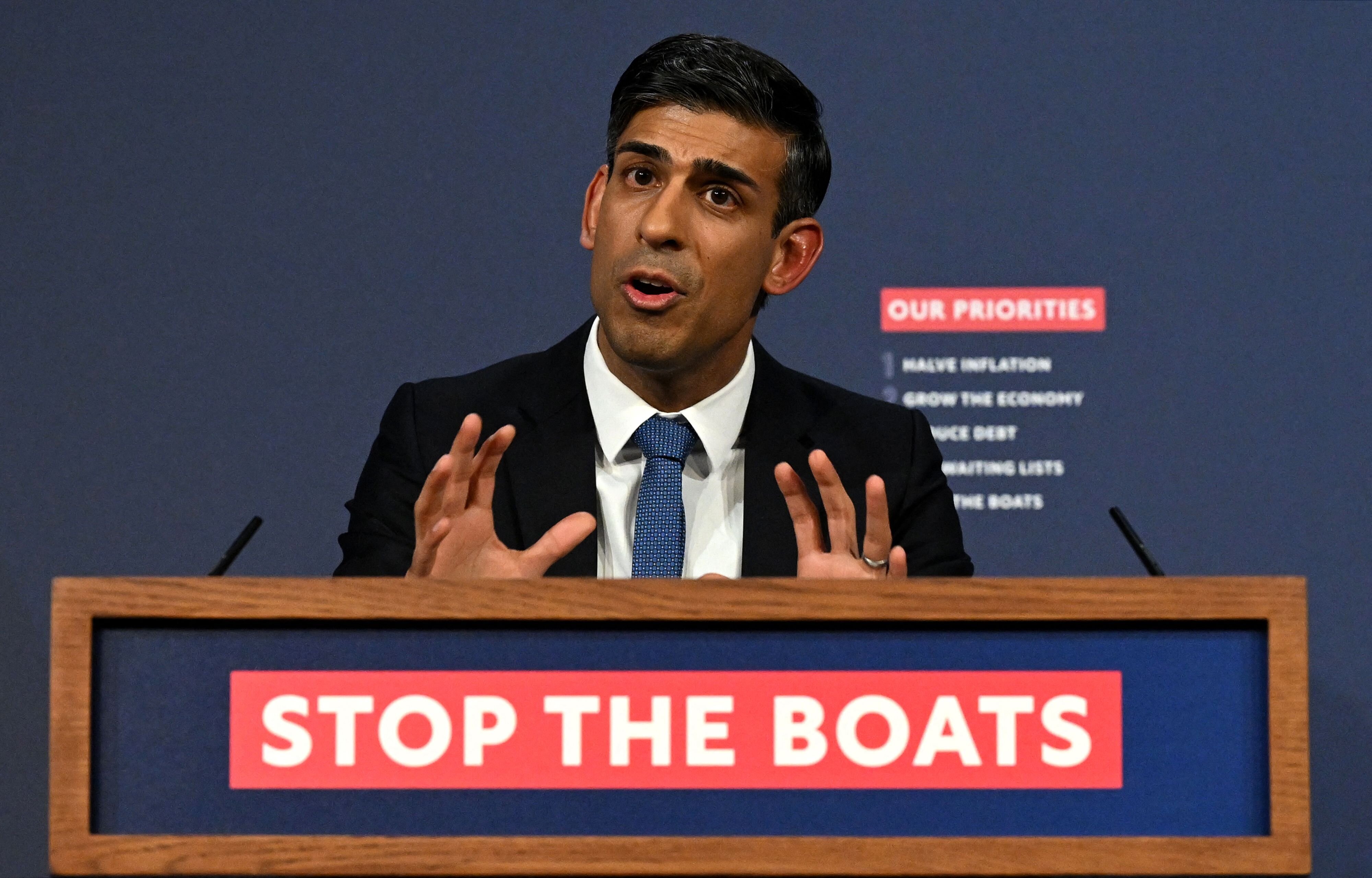
The Prime Minister, who has made “stopping the boats” one of his five priorities, told the Mail on Sunday that he is “determined to deliver” on his promise.

But the Government’s plans have been criticised by campaigners, with concerns too about whether some of the policies are compatible with the European Convention on Human Rights.

The Rwanda scheme has been mired in legal challenges, and so far no flights carrying migrants to the Rwandan capital Kigali have departed.

The latest Home Office figures show 2,950 migrants have crossed the Channel already this year.

Heaton-Harris, speaking to Sophy Ridge On Sunday on Sky News, signalled that the Government may look at opening more “safe and legal routes” for asylum seekers in the future.

“I’m quite sure there’ll be more safe and legal routes and that’s why we have them,” he said. “They’ve been proven to work.”

Labour’s Jonathan Ashworth, speaking on Sky News, said his party would “study” the legislation carefully to see if it addresses the current issues, including processing backlogs.

Pressed on whether his party supports the “broad principle” behind the legislation, the shadow work and pensions secretary said: “The broad principle is that refugees who arrive in this country, we have always welcomed them.

“People whose asylum applications have been turned down, then of course they should be returned, that is a principle that we have always accepted.

“The problem is, of course, that the Conservatives will come out here and they will get headlines and they will say they are going to do this, that and the other, but they never deliver, do they?”

The Liberal Democrats called it “another half-baked plan”. The party’s home affairs spokesman Alistair Carmichael said it is “immoral, ineffective and incredibly costly for taxpayers”.

Share Button

Boris Johnson Goads Rishi Sunak Over Poor Tory Poll Ratings

Boris Johnson has goaded Rishi Sunak over the prime minister’s poll ratings, as he delivered his first public speech in the UK after being forced out of No.10.

Speaking in Westminster on Thursday afternoon, Johnson said it was “very unlikely” he would “need to do anything big in politics again”.

But he indicated he would continue to speak out on issues including Brexit, the need to level up the north of England and to help Ukraine.

And the former PM said: “When I stepped down we were only a handful of points behind the Labour Party.”

When Johnson announced his resignation on July 7, 2022, YouGov polling showed Labour on 40% and the Tories on 29% — an 11 point lead.

The latest survey from YouGov has put Labour on 46% and the Tories on 23% — 23 points ahead.

On September 29, 2022, YouGov released a shock poll that showed Labour had surged to a 33-point lead over the Conservatives amid the market turmoil caused by Liz Truss’ mini-Budget.

When Truss quit as prime minister, Johnson mounted a dramatic challenge to Sunak in a bid to return to No.10.

In the end he pulled out of the contest after deciding he did not have enough support from Tory MPs to lead a stable government.

But rumours in Westminster that Johnson still hopes to make a comeback have not gone away, stoked by allies who want him to return.

Asked today about his future plans, Johnson said: “I think it very, very unlikely that I will need to do anything big in politics again.”

He also devoted a large section of his speech to trashing Sunak’s new Brexit deal, which he said would be “very difficult” for him to vote for.

Share Button

Why Is The DUP Hesitant About Rishi Sunak’s Brexit Deal?

Rishi Sunak has won praise after chasing the hard yards to get the EU to redraw the controversial Northern Ireland protocol. Now, he has to convince his party to fall behind it.

It may well be an opportunity he relishes, given that so far, the noises coming from Tory MPs about the “Windsor Framework” agreed with European Commission president Ursula von der Leyen seem to be broadly positive.

However, the road ahead is not entirely hurdle-free.

The prime minister will be looking to secure the approval of arguably one of the most important voices in the Brexit debate — Northern Ireland’s Democratic Unionist Party (DUP), which remains concerned about aspects of the deal.

The DUP has close ties with the Brexiteers of the Tory backbench European Research Group (ERG), some of whom are waiting for their judgment before casting their own verdict.

Here, HuffPost UK explains what the DUP’s position on the deal is and why it matters.

What Is The Windsor Framework?

It is a new deal struck by Rishi Sunak and the EU that will replace the Northern Ireland protocol.

At the heart of the arrangement is the idea of green lanes and red lanes. British goods staying in NI will use the green lane at ports, meaning they face minimal paperwork.

Goods travelling into Ireland will use the red lane, meaning they face customs processes and other checks at Northern Ireland ports.

A key part of the deal is an emergency “Stormont brake” on changes to EU goods rules that can be pulled by the NI Assembly.

Time and Space

The DUP has repeatedly said it will take time to consider the substance of the deal before deciding whether to back it.

That process could take weeks, or even months, the party has warned.

However, there is an incentive to come to a conclusion quickly.

The DUP is a joint partner with Sinn Fein in Stormont’s power-sharing execruive that is crucial to the functioning of the Northern Ireland Assembly.

Since February last year, the DUP has boycotted the assembly in protest at the previous Northern Ireland protocol, which Sunak has now replaced to address concerns around sovereignty, disrupted trade and the application of EU law.

Without the DUP’s participation, Stormont cannot function and people in Northern Ireland have effectively been left without a government.

While Sunak has said the DUP should be given “time and space” to consider the agreement, he made it clear that restoring Stormont was of vital importance.

Sunak told an audience in Northern Ireland earlier this week: “The framework is a fantastic agreement that delivers on all the things people care about. So now I hope that they do see it and see that and they can find a way to come back together.”

“It’s what you deserve.”

What are the DUP’s concerns?

The so-called “Stormont brake” has been hailed as the “rabbit in the hat” in the Windsor Framework.

With it, the UK says the Northern Ireland Assembly will effectively be allowed to “block” new EU laws from applying in the country without cross-community support — a key demand of unionists.

Sunak lauded the brake as an “incredibly powerful” mechanism that would allow the people of Northern Ireland to have “control of their own destiny”.

If Assembly members, called MLAs, dislike changes to EU goods laws then 30 of them can sign a petition to trigger a vote to stop the rules from taking effect.

If the vote passes with a majority of nationalist and unionists, the brake will be pulled and the UK government will have the power to veto any new or amended EU law.

But there are some concerns about potential discrepancies in how the UK and EU interpret the brake, after the EU described it as an “emergency mechanism” that could be used “in the most exceptional circumstances, as a last resort”.

Sammy Wilson, the DUP’s chief whip, told Times Radio that the Stormont brake “is not really a brake at all” and that it was just a “delaying mechanism”.

He said the UK government would have the final say over whether to veto a law, which he said it would be reluctant to do due to being “fearful of the consequences of trade for the rest of the United Kingdom”.

“The price of that would be that the EU would take retaliatory action,” he said, adding that he suspects the Stormont brake would therefore be “fairly ineffective”.

Splits in the DUP

According to the Times, division is emerging between the DUPs’ members in Stormont — who are keen to get the assembly back up and running — and the party’s MPs in Westminster, who are taking a harder and more sceptical line against the deal.

Although he said that changes may need to be made to the deal and that “key issues of concern remain”, the DUP’s leader, Jeffrey Donaldson did also hail the “significant progress” that Sunak had achieved.

But other key players have spoken out against the deal, with Ian Paisley Junior saying it did not “cut the mustard” and was likely to be rejected.

The DUP will also be conscious of the threat it faces from Jim Allister, the founder and leader of Traditional Unionist Voice in the lead up to the local elections in May.

Allister, a former member of the DUP, will be looking to brand any talk of compromise as a sell out and a betrayal.

What has the ERG said?

Mark Francois, the chairman of ERG, said the group’s “star chamber” of lawyers were now poring over the deal and that it would aim to come to a conclusion “within a fortnight”.

He said he had sought assurances that he “won’t find any nasty surprises” when analysing the deal.

Does Sunak need the DUP to get the deal through parliament?

Technically Sunak does not need the support of the DUP, or even the ERG, to get the deal through the Commons after Labour confirmed it would vote with the government.

However, the prime minister will want to get the DUP on board as that will reduce any potential Tory rebellion. If he does not, the party could use its powerful voice to undermine the deal at every opportunity — something he will want to avoid at all costs.

Share Button