What Is An NFT? Rishi Sunak Asks Royal Mint To Create A Non-Fungible Token

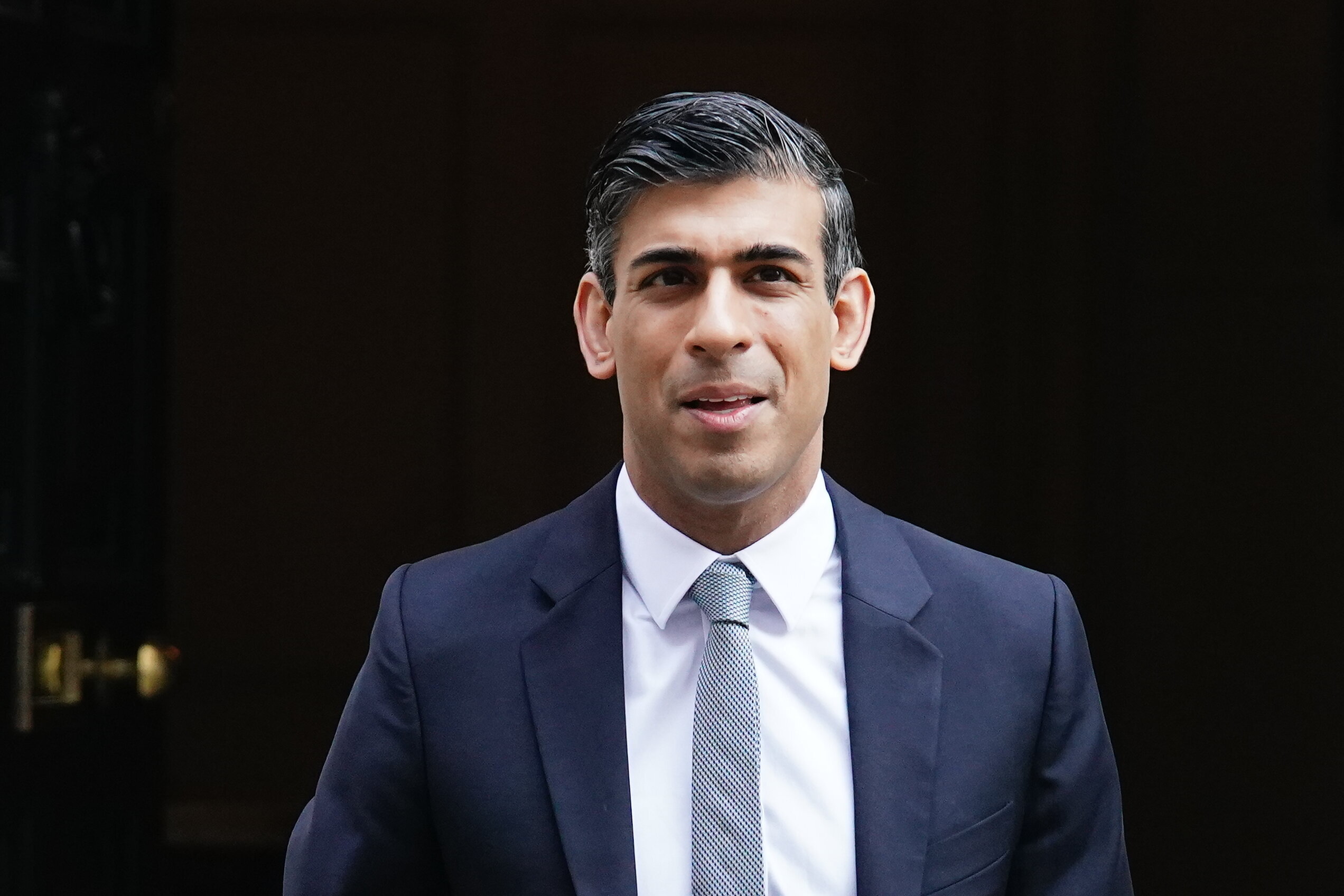
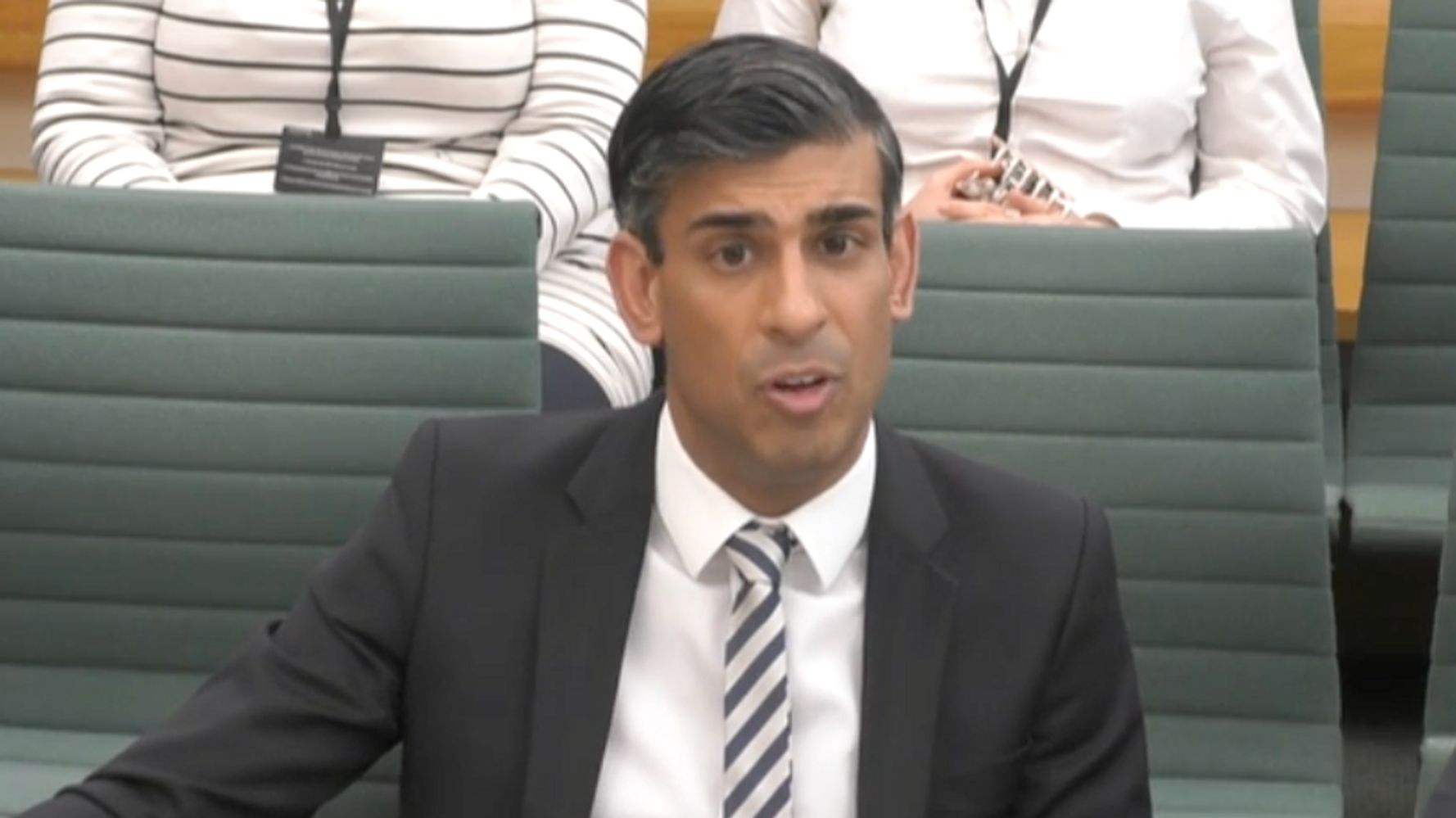
Chancellor Rishi Sunak has asked the Royal Mint to create a non-fungible token (NFT) which is to be issued by the summer, the Treasury said on Monday.

Critics immediately seized on the move towards a UK state-backed NFT as an example of the government being “out of touch” as the cost of living crisis puts the squeeze on households.

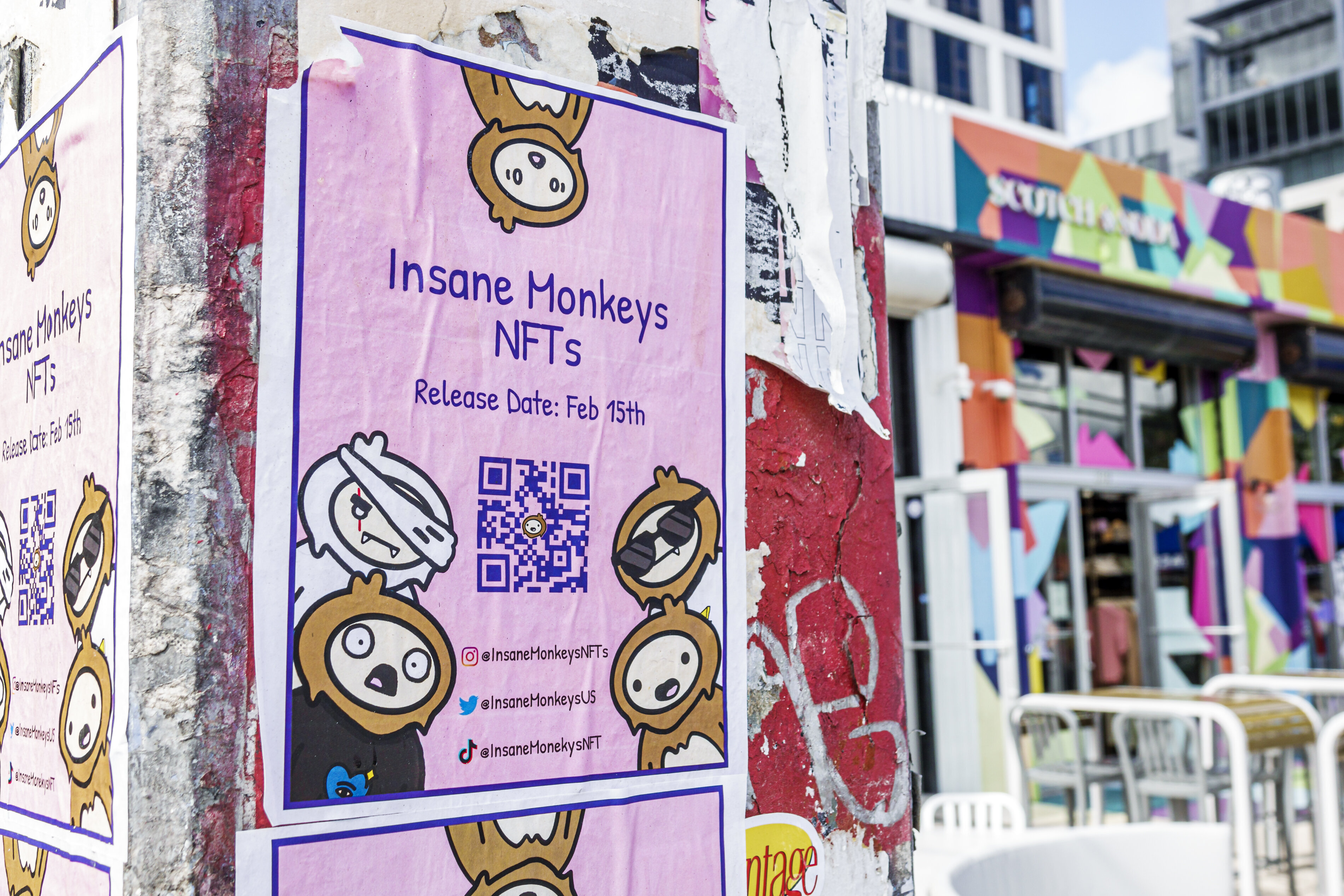
So what is an NFT, and why are they so controversial?

What is an NFT?

NFT stands for non-fungible token.

Things that are fungible can be swapped for an asset of the exact same type and value – traditional currencies such as the pound work like this.

When something is non-fungible, it cannot be changed this way because it is unique. Think of it like a famous painting – there will only be one original, no matter how many copies are made.

An NFT is a distinct cryptographic token that cannot be replicated, which acts as a certificate of ownership for virtual items.

What is the point?

Supporters view NFTs as the next phase in art collection, and they have exploded in popularity in recent years – with NFT artworks selling for millions of dollars.

Physical works of art and other rare memorabilia have long been sold for large sums of money but if you create something digitally it is hard to make gains.

So NFT offers a chance for artists in the internet age to make some money by selling ownership to anyone who wants it.

Selling a digital asset does not mean the original creator loses copyright either, unless it is explicitly stated as part of the sale.

Of course, this does not stop the image being easily copied by anyone online, but an NFT provides someone the honour of knowing they “own” the original image.

An NFT exists on a blockchain – a record of transactions kept on networked computers that serves as a public record allowing anyone to verify its authenticity and who owns it.

As with any blockchain system, records cannot be forged or divided, as they are logged on computers around the world that are part of the network.

What kind of NFTs exist?

All kinds of digital objects – images, videos, music, text and even tweets – can be bought and sold as NFTs.

Digital art has seen some of the most high-profile sales, while in sport, fans can collect and trade NFTs relating to a particular player or team.

NFTs can also be patches of land in virtual world environments, digital clothing, or exclusive use of a cryptocurrency wallet name.

Christie’s became the first major auction house to offer a purely digital work with NFT, selling artist Beeple’s creations for £50.5 million worth of Ether cryptocurrency.

The first tweet from Twitter boss Jack Dorsey – “just setting up my twttr” – sold for $2.9 million (£2.2 million) as an NFT in March last year.

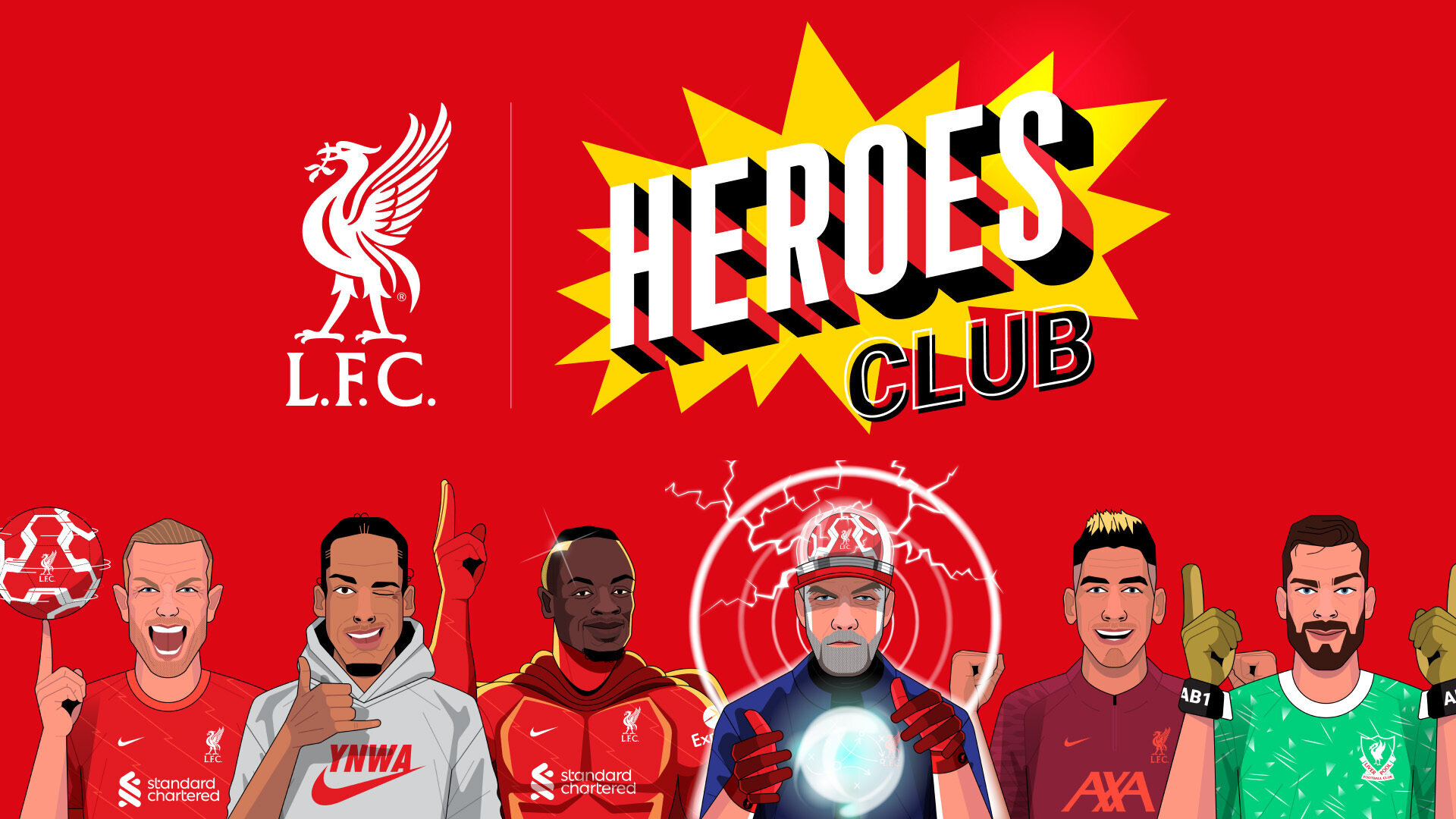
Last month, Liverpool FC became the latest high-profile sports team to get involved with digital assets – announcing the “LFC Heroes Club” will give fans the opportunity to purchase animated, cartoon-style digital artwork of 23 players and manager Jurgen Klopp. All 20 clubs in the Premier League are reportedly exploring the possibility of launching NFTs.

<img class="img-sized__img landscape" loading="lazy" alt="Undated digital artwork issued by Liverpool Football Club of The LFC Heroes Club collection, featuring llustrations of 24 of the male squad, bringing their "individual and superhero characteristics to life".” width=”720″ height=”405″ src=”https://www.wellnessmaster.com/wp-content/uploads/2022/04/what-is-an-nft-rishi-sunak-asks-royal-mint-to-create-a-non-fungible-token-2.jpg”>
Undated digital artwork issued by Liverpool Football Club of The LFC Heroes Club collection, featuring llustrations of 24 of the male squad, bringing their “individual and superhero characteristics to life”.

LFC via PA Media

Why have NFTs surged?

Some attribute the frenzy to lockdowns, which forced people to spend more time at home on the internet.

NFTs are seen as a way to have possessions in online and virtual environments, which can communicate social status and personal taste. For some people, it is the digital equivalent of buying an expensive pair of sneakers.

For others, the lure lies in rapidly rising prices and the prospect of big returns. Some buyers “flip” NFTs, selling them on within a few days or even hours for profit.

What do critics make of it?

Like cryptocurrencies, NFTs are largely unregulated. Anybody can create and sell an NFT and there is no guarantee of its value. Losses can stack up if the hype dies down.

In a market where many participants use pseudonyms, fraud and scams are also a risk.

Given the huge number of computers needed to continuously run for a blockchain to function, there is also the environmental cost to consider.
Share Button

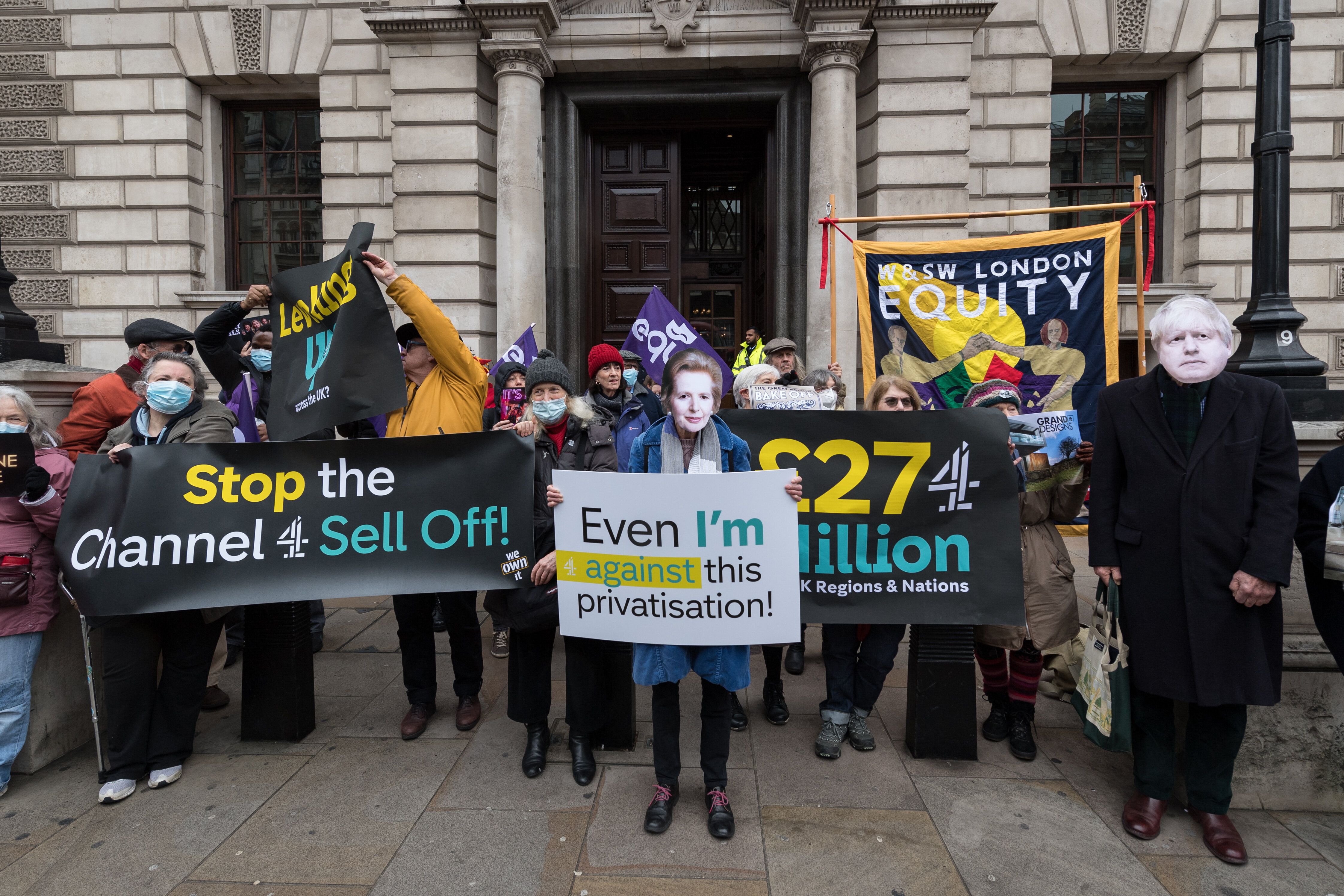
‘Cultural Vandalism’: Government Condemned As Channel 4 To Be Privatised

The government’s decision to press ahead with plans to privatise Channel 4 has been condemned as “very unconservative” by a senior Tory MP.

The channel was launched in 1982 as a publicly-owned, commercially-funded public service broadcaster with a remit to deliver content to under-served audiences.

It does not receive public funding but is ultimately owned by the government, with all money going back into the broadcaster, which commissions all of its programmes from independent producers.

On Monday, a statement by the Department for Digital, Culture, Media & Sport said the sell-off would allow the channel to “thrive in the face of a rapidly-changing media landscape” while a government source said the move would “remove Channel 4’s straitjacket”.

A spokesperson for Channel 4 said it was “disappointed” with the decision, but would “continue to engage” with ministers on the process to “ensure that Channel 4 continues to play its unique part in Britain’s creative ecology and national life”.

The move represents Boris Johnson’s government’s latest broadcasting shake-up after signalling it wants to find a new funding model for the BBC after the licence fee funding deal expires in 2027. Ministers have previously indicated Channel 4 could be sold off by the end of the current parliament in 2024.

The announcement faced an immediate backlash, with Labour calling it a “shameful decision” and even Conservative MPs joining the criticism.

Damian Green, Tory MP and a former Cabinet minister, said: “The sale of Channel 4 is politicians and civil servants thinking they know more about how to run a business than the people who run it. Very unconservative. Mrs Thatcher, who created it, never made that mistake.”

Conservative MP Sir Peter Bottomley said he opposes the privatisation as he feels it is “bad for the diversity of television, bad for viewers and bad for independent producers”.

Labour’s shadow culture secretary Lucy Powell described the move as “cultural vandalism”.

She said: “Selling off Channel 4, which doesn’t cost the tax-payer a penny anyway, to what is likely to be a foreign company, is cultural vandalism. It will cost jobs and opportunities in the North and Yorkshire, and hit the wider British creative economy.

“This shows that the Conservatives have run out of ideas and run out of road. Of all the issues the public wants action on, the governance of Channel 4 isn’t one.”

No price tag has been set by the government yet, but reports suggest the channel could be sold for as much as £1 billion in a process that could take several months, with the proposals needing to pass through both the House of Commons and Lords.

The government has been consulting on plans to privatise the broadcaster following concerns for its survival in the streaming era.

Culture secretary Nadine Dorries said in a tweet that she wanted the broadcaster to remain a “cherished place in British life”, but felt that government ownership was “holding Channel 4 back from competing against streaming giants like Netflix and Amazon”.

She added: “I will seek to reinvest the proceeds of the sale into levelling up the creative sector, putting money into independent production and creative skills in priority parts of the country – delivering a creative dividend for all.”

Channel 4 chief executive Alex Mahon has previously questioned the “logic” behind such a move and whether privatising the broadcaster would help with efforts to “level up” outside of London.

In an internal email to staff on Monday, Mahon said her priority was to “look after all of you and the wonderful Channel 4 spirit” following the announcement.

A spokesperson for Channel 4 said: “With over 60,000 submissions to the government’s public consultation, it is disappointing that today’s announcement has been made without formally recognising the significant public interest concerns which have been raised.

“Channel 4 has engaged in good faith with the government throughout the consultation process, demonstrating how it can continue to commission much-loved programmes from the independent sector across the UK that represent and celebrate every aspect of British life as well as increase its contribution to society, while maintaining ownership by the public.

“Recently, Channel 4 presented DCMS (the Department for Digital, Culture, Media & Sport) a real alternative to privatisation that would safeguard its future financial stability, allowing it to do significantly more for the British public, the creative industries and the economy, particularly outside London.

“This is particularly important given that the organisation is only two years into a significant commitment to drive up its impact in the UK’s nations and regions.”

The statement continued: “Channel 4 remains legally committed to its unique public service remit. The focus for the organisation will be on how we can ensure we deliver the remit to both our viewers and the British creative economy across the whole of the UK.

“The proposal to privatise Channel 4 will require a lengthy legislative process and political debate. We will of course continue to engage with DCMS, government and parliament, and do everything we can to ensure that Channel 4 continues to play its unique part in Britain’s creative ecology and national life.”

Share Button

Rishi Sunak Faces Backlash For Dabbling In Fashionable NFTs During Cost Of Living Crisis

Chancellor Rishi Sunak has faced criticism for joining the controversial NFT trend as the UK faces the biggest cost of living crisis in generations.

On Monday, the Treasury announced the Royal Mint had been asked to create an NFT – a non-fungible token – by the summer as part of a drive to make the UK a “global crypto asset hub”.

An NFT is a digital asset that exists on a blockchain – a record of transactions kept on networked computers that serves as a public record allowing anyone to verify its authenticity and who owns it.

While most digital items can be endlessly reproduced, each NFT has a unique digital signature – meaning it is one of a kind.

Anyone can view the NFT, but only the buyer has the status of being the official owner – a kind of digital bragging rights.

EXPLAINED: WHAT IS AN NFT?

The “Bored Ape” collection of digital images is perhaps the most well-known, having been bought and traded by celebrities for tens of thousands of dollars.

Critics point to the lack of regulation of the NFT market, where many participants use pseudonyms and fraud and scams are a big risk.

The move into state-backed NFTs comes as Sunak is facing criticism for not doing enough to help British households who are facing the biggest fall in living standards since the 1950s, and spiralling energy bills that mean many people are having to choose between heating and eating.

Sunak’s reputation – a Tory leadership favourite when handing out furlough cash, now flagging amid questions about, among other things, his wife’s business links to Russia – has also been tarnished by reports he is set to spend the easter parliamentary recess in California.

Unsurprisingly, the reaction on social media was not especially positive.

Share Button

Zelenskyy Removes 2 Ukrainian Generals After Accusing Them Of Being ‘Traitors’

Ukrainian President Volodymyr Zelenskyy announced Thursday he is sacking two Ukrainian military generals for allegedly being “traitors.”

“Those servicemen among senior officers who have not decided where their homeland is, who violate the military oath of allegiance to the Ukrainian people as regards the protection of our state, its freedom and independence, will inevitably be deprived of senior military ranks,” Zelenskyy said during his nighttime address to the nation posted on Telegram, according to the English translation included in the video.

Zelenskyy named the two individuals as Naumov Andriy Olehovych, ex-chief of the Main Department of International Security of the Security Service of Ukraine, and Kryvoruchko Serhiy Oleksandrovych, former head of the Office of the Security Service of Ukraine in the Kherson region.

The Ukrainian president did not spell out what actions prompted the generals’ dismissal, but pledged to root out any more “antiheroes” in the future.

“Now I do not have time to deal with all the traitors,” he said. “But gradually they will all be punished.”

Over recent months, Zelenskyy has taken steps to tighten his control in Ukraine and steer the country away from Russia. In early February, before the war, he decided to shut down three TV channels owned by Viktor Medvedchuk, an ally to Russian President Vladimir Putin, claiming they aired “propaganda.” Following the invasion, he declared martial law, which he recently extended until late April, and eliminated 11 political parties with ties to the Kremlin.

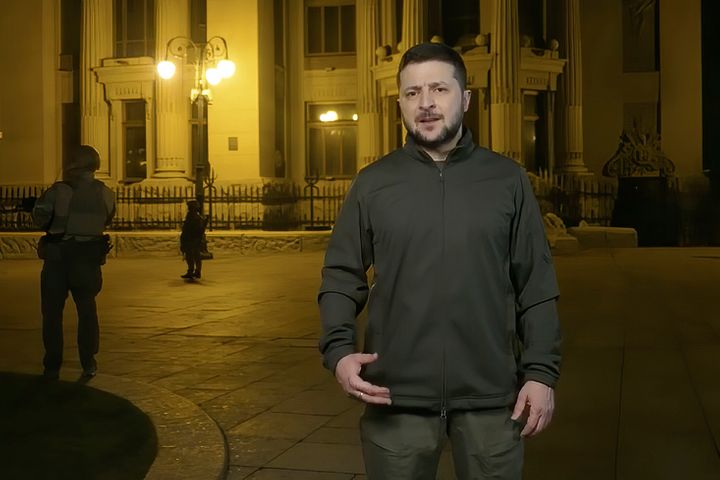
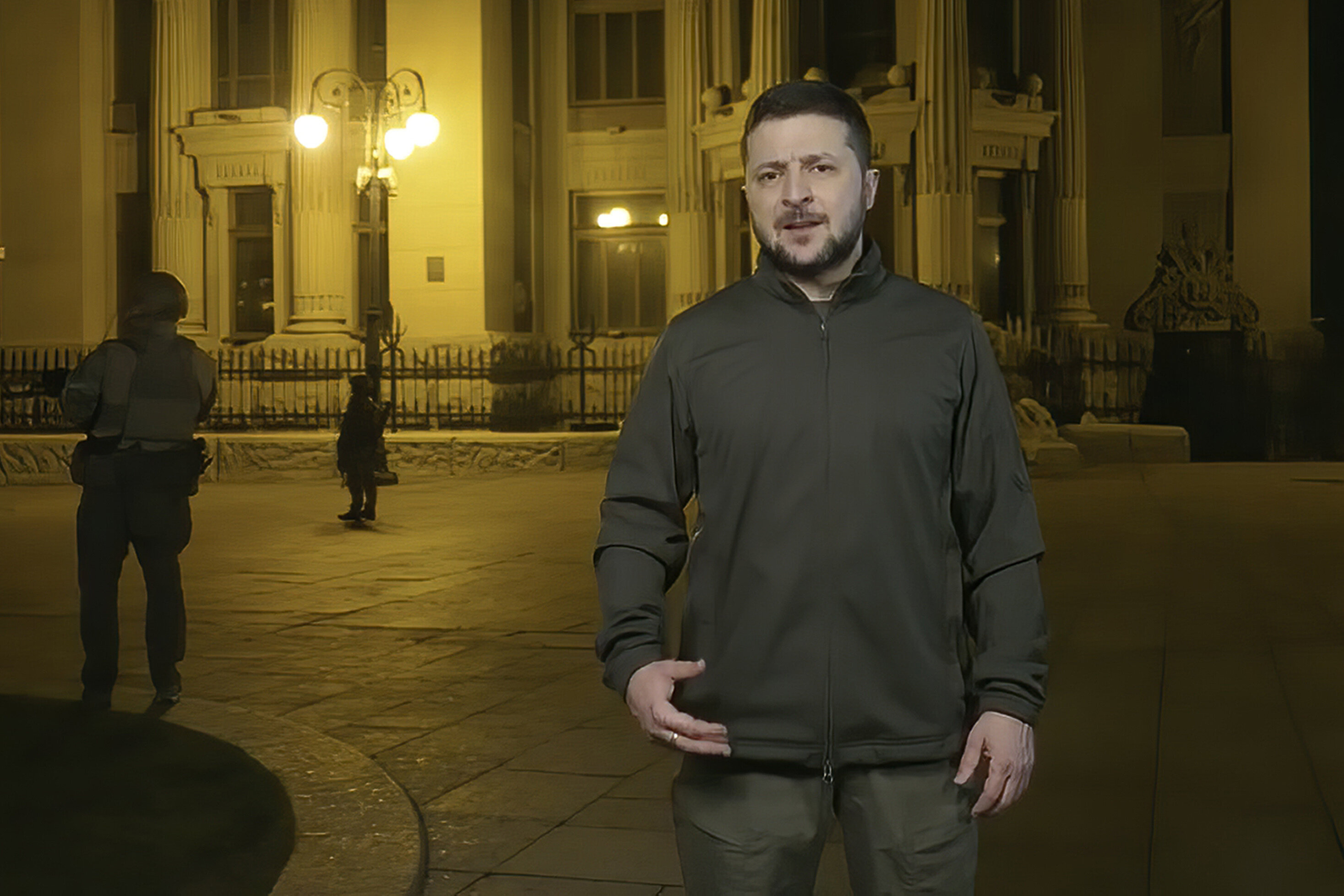
Ukrainian President Volodymyr Zelenskyy speaks from Kyiv, Ukraine, on March 31.

Ukrainian Presidential Press Office via Associated Press

Ukraine and the West have been warning that Russia is regrouping its forces despite promising to scale back to “increase trust” in peace talks, which are set to resume Friday.

Russia’s defense minister told military officials Tuesday the country was now turning its attention to the “main goal — the liberation of Donbas,” according to The Associated Press .

“What we don’t believe is that [Putin’s] planning to send them home,” John Kirby, Pentagon’s press secretary told MSNBC on Thursday. “What we think he’s going to do is refit these troops, resupply them and put them back into Ukraine for offensive operations somewhere else.”

Young Russian men of draft age are also worried that Putin will send them to fight on the front lines in Ukraine as annual spring conscription is set to start Friday, despite officials ruling that out.

Jeremy Fleming, the head of British intelligence agency GCHQ, echoed U.S. intelligence warnings Thursday that Putin is “misinformed” on Russia’s military failings in Ukraine, adding that at one point the Russians accidentally shot down one of their own aircraft.

“Even though we believe Putin’s advisers are afraid to tell him the truth, what’s going on and the extent of these misjudgements must be crystal clear to the regime,” Fleming said.

Share Button

Ukraine War: Putin’s ‘Massively Misjudged’ Invasion Plagued By Blunders, Says UK Spy Chief

Vladimir Putin has made a “strategic miscalculation” over his assault on Ukraine, the head of Britain’s GCHQ spy agency said as he claimed demoralised Russian troops are in such disarray they are even shooting down their own aircraft.

In a rare public address during a visit to Australia, Sir Jeremy Fleming will say the Russian president has “massively misjudged” the situation in Ukraine, from the impact of sanctions to the strength of the resistance and the ability of his forces to deliver a rapid victory.

And he will paint a picture of a faltering military campaign plagued by blunders.

“We’ve seen Russian soldiers – short of weapons and morale – refusing to carry out orders, sabotaging their own equipment and even accidentally shooting down their own aircraft,” he will say.

“And even though we believe Putin’s advisers are afraid to tell him the truth, what’s going on and the extent of these misjudgments must be crystal clear to the regime.

“It all adds up to the strategic miscalculation that Western leaders warned Putin it would be. It’s become his personal war, with the cost being paid by innocent people in Ukraine and, increasingly, by ordinary Russians too.”

Earlier on Wednesday, British intelligence suggested Russian forces appear to have conceded that its strategy to overwhelm the Ukrainian capital of Kyiv has so far failed.

The ministry of defence tweeted: “Russian units suffering heavy losses have been forced to return to Belarus and Russia to reorganise and resupply.

“Such activity is placing further pressure on Russia’s already strained logistics and demonstrates the difficulties Russia is having reorganising its units in forward areas within Ukraine.

“Russia will likely continue to compensate for its reduced ground manoeuvre capability through mass artillery and missile strikes.

“Russia’s stated focus on an offensive in Donetsk and Luhansk is likely a tacit admission that it is struggling to sustain more than one significant axis of advance.”

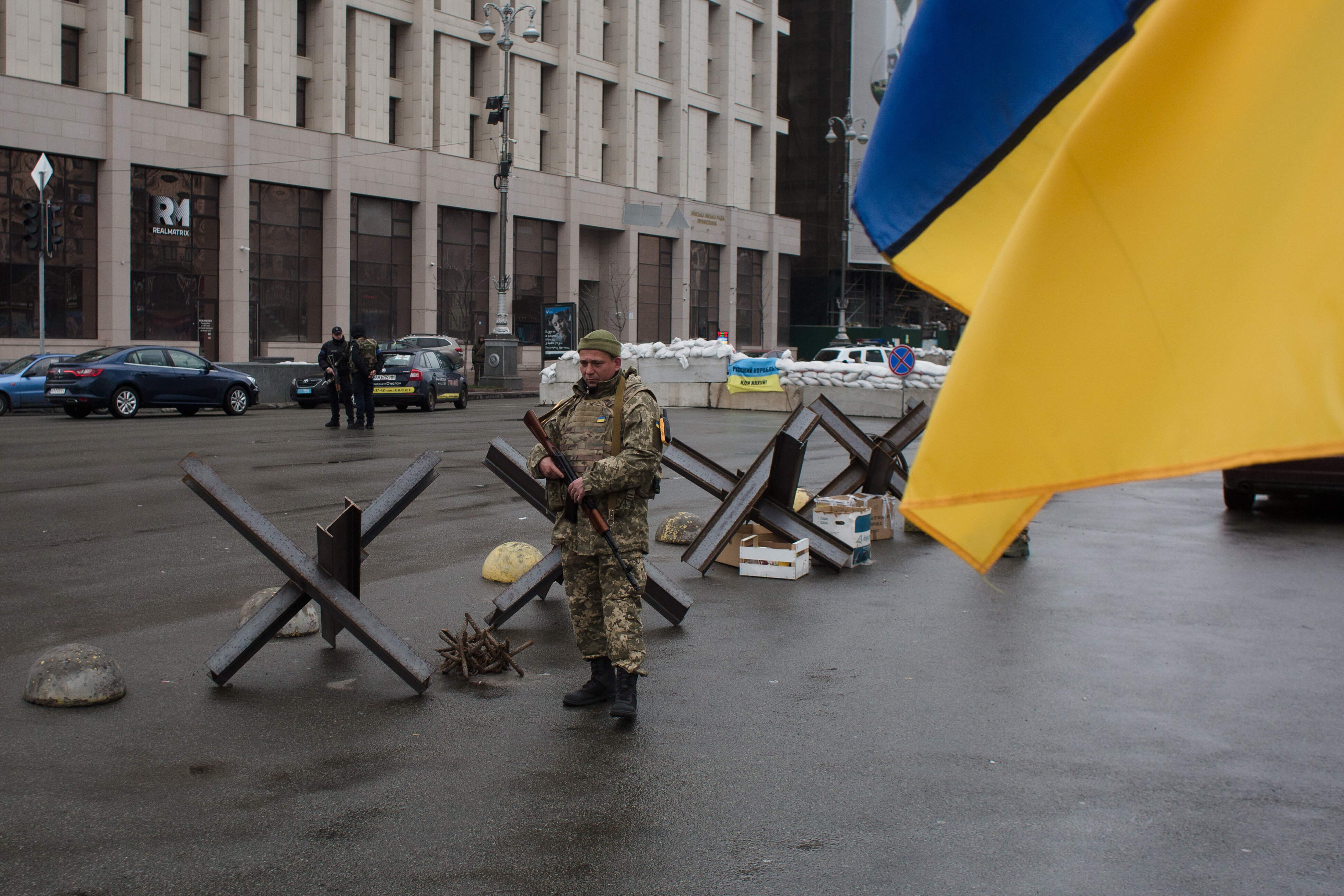
<img class="img-sized__img landscape" loading="lazy" alt="Ukrainian serviceman as seen on the checkpoint in the Independence Square in Kyiv, Ukraine.” width=”720″ height=”479″ src=”https://www.wellnessmaster.com/wp-content/uploads/2022/03/ukraine-war-putins-massively-misjudged-invasion-plagued-by-blunders-says-uk-spy-chief-3.jpg”>
Ukrainian serviceman as seen on the checkpoint in the Independence Square in Kyiv, Ukraine.

Anastasia Vlasova via Getty Images

Fleming is also warning China not to become “too closely aligned” with Russia as it continues to pursue its path of aggression against Ukraine.

And he will say that China’s long-term interests are not well served by an alliance with a country that “wilfully and illegally” ignores the international “rules of the road”.

His intervention comes after Prime Minister Boris Johnson last week directly confronted President Xi Jinping over Beijing’s stance on the conflict in Ukraine in what was described as a “frank and candid” discussion.

Speaking at the Australian National University in Canberra, Fleming will say that Putin has made a clear “strategic choice” to align with China as it grows more powerful in direct opposition to the United States.

From the Kremlin’s point of view, it regards China in the current crisis as a supplier of weapons, a provider of technology, a market for its oil and gas and a means to circumvent sanctions.

However, Fleming will say President Xi – who has not publicly condemned the invasion – has a “more nuanced” view of the relationship.

With “an eye on retaking Taiwan”, he would not want to do anything which might constrain his actions in future, while he may calculate that it actually helps him oppose the US.

At the same time, Beijing is taking the opportunity to purchase cheap Russian hydrocarbons while Moscow provides additional impetus and support to its digital markets and technology plans.

Fleming will however argue that there are risks for both sides – but particularly China – in becoming “too closely aligned”.

“Russia understands that, long term, China will become increasingly strong militarily and economically. Some of their interests conflict; Russia could be squeezed out of the equation,” he will say.

“And it is equally clear that a China that wants to set the rules of the road – the norms for a new global governance – is not well served by close alliance with a regime that wilfully and illegally ignores them all.”

On Ukraine, Fleming will say GCHQ’s National Cyber Security Centre has seen “sustained intent” from Russia to disrupt Ukrainian government and military systems.

He will say there is the potential for a spillover into neighbouring countries, suggesting Russia’s “cyber actors” are looking for targets in states that oppose their actions.

Share Button

Tories Heckled As MPs Flock To Boris Johnson-Hosted Dinner On Day Partygate Fines Issued

Tory ministers arriving at Boris Johnson-hosted dinner were heckled by bereaved Covid families – on the same day police confirmed 20 fines will be issued over gatherings held across Whitehall.

Shouts of “shame on you” and “off to another party are we?” were reportedly heard amid as Conservative MPs arrived at a luxury central London hotel for what was billed as a “team-building” event.

Chancellor Rishi Sunak, levelling up secretary Michael Gove and opportunities minister Jacob Rees-Mogg were among those to arrive at the Park Plaza near Westminster Bridge shortly before 8pm on Tuesday.

Dozens of grief-stricken relatives who lost loved ones during the pandemic lined up outside the entrance to boo guests as they arrived in cars and on foot.

Labour MP Chris Bryant, who chairs parliament’s committee on standards, said: “The more I think about the PM hosting a Westminster party for MPs on the anniversary of the Covid memorial and in the face of the 20 partygate fines for breaking the law at No 10, the more I realise the Tories are laughing at us all. They must think we’re stupid.”

Earlier, the Metropolitan Police confirmed ‘partygate’ investigators will begin handing out 20 fines over gatherings held across Whitehall during Covid measures.

There was a heavy police presence surrounding the hotel and the prime minister is thought to have gained access to the building through a different entrance.

No.10 said on Tuesday if Johnson is among those to receive a fine for attending parties in Downing Street it will let voters know.

June Newbon, who lost her husband to the virus, branded the evening “disgusting” in light of the Met’s conclusion that it believes laws were broken at the heart of government.

She said holding a lavish dinner was especially inappropriate given the cost-of-living crisis hitting millions of people and the war in Ukraine.

“I think it’s disgusting,” she told the PA news agency outside the hotel.

“No-one else can afford to do this given the prices going up, and the war as well.”

Newbon and her daughter Ellie said Conservative politicians would be better placed attending the candlelit procession to mark the first anniversary of the National Covid Memorial Wall, a planned event near the hotel on Westminster Bridge.

Hundreds of bereaved relatives turned up to the walk on Tuesday to commemorate their loved ones and call for the mural to be made permanent.

“I think someone should make their presence known down at the bridge today instead,” Newbon said.

“I think that’s the respect they owe us,” her daughter added.

“We haven’t had an apology from Boris and I don’t feel we’re going to have one tonight.”

Downing Street has denied Johnson misled parliament over the goings-on in Whitehall during the pandemic.

Share Button

Ukrainian Soldier Who Told Russian Warship To ‘Go F*** Yourself’ Given Medal

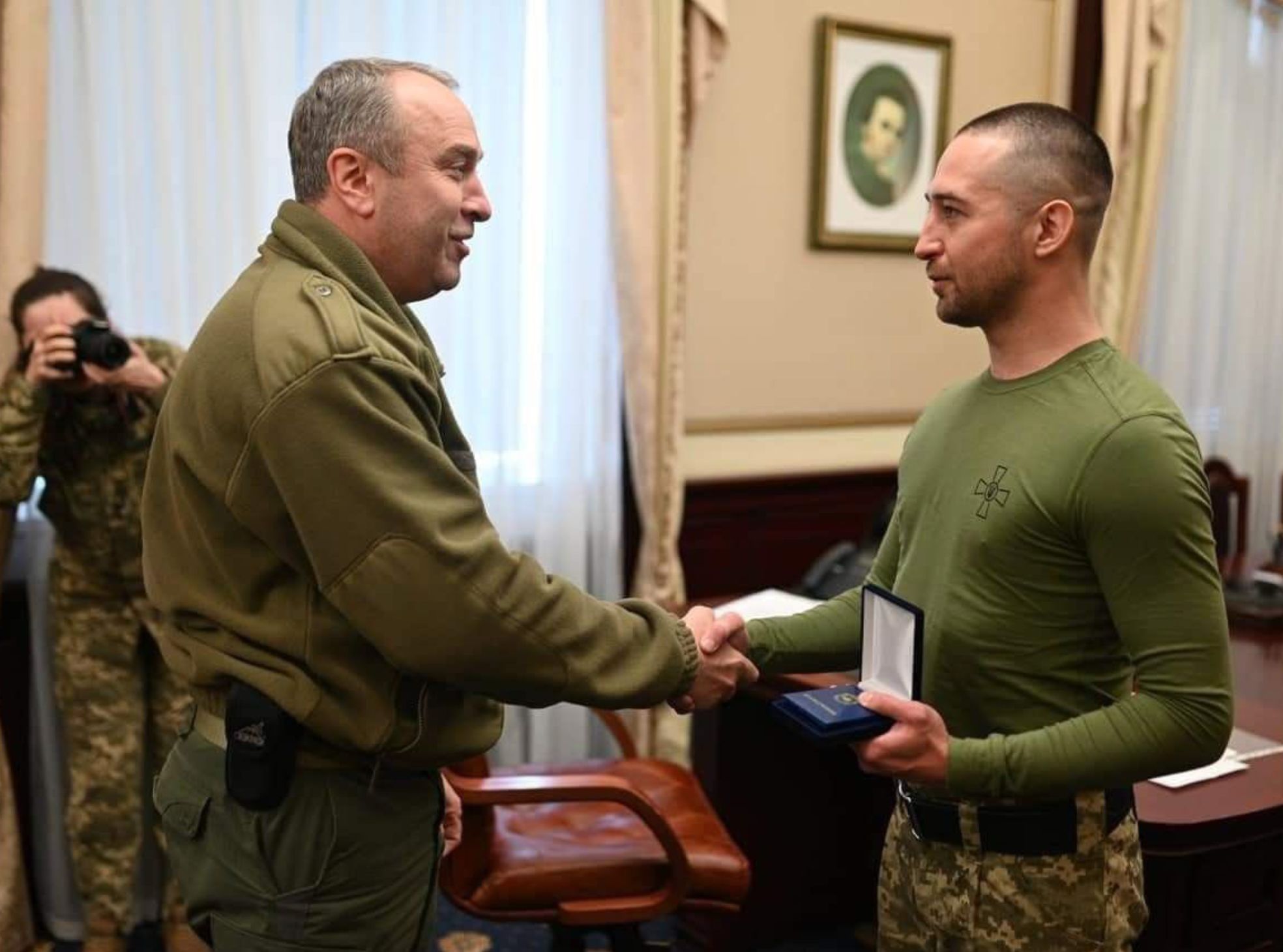
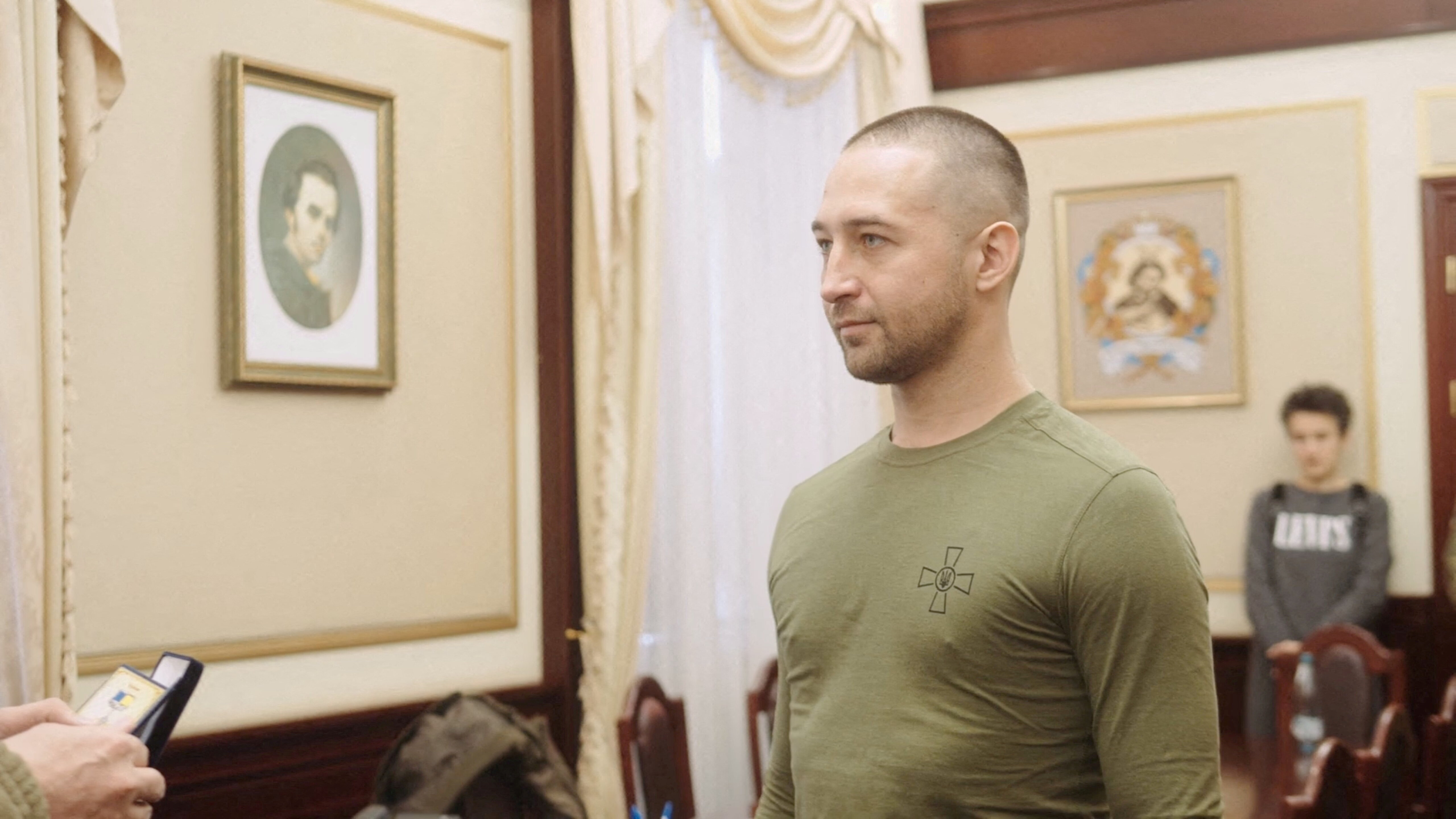
A Ukrainian soldier who defiantly told a Russian warship to “go fuck yourself” before being captured has been awarded a civic medal, his country’s ministry of defence said on Tuesday.

Roman Gribov, a Ukrainian border guard, was told to surrender while defending the tiny Snake Island in the Black Sea on the first day of Russia’s invasion into Ukraine in February.

A Ukrainian official at the time said 13 of the border guards had been killed defending the island south of the port of Odessa, on February 24, after losing contact with the garrison, which was targeted by the Russian military in an artillery attack.

In fact, the soldiers did surrender to the Russians and a few weeks later they were returned to Ukraine in a prisoner swap.

In footage published on Tuesday, Gribov was called a “hero” as he received the award from the head of Cherkasy regional administration, Reuters reported.

“I want to say a big thank you to the Ukrainian people for such support,” Gribov said. “We strongly feel this support, it inspires us.”

Share Button

Brexit Is Largely To Blame For UK Exports Lagging Other Countries, Rishi Sunak Admits

Brexit is largely to blame for UK exports lagging behind other countries, Rishi Sunak has admitted.

The chancellor was responding to data showing the amount of goods British companies are selling abroad has fallen since 2019 when compared to other advanced economies.

Asked about the worrying trend while appearing in front of the Treasury select committee, Sunak said it was “always inevitable that if you change the exact nature of your trading relationship with the EU, that was going to have an impact on trade flows”.

Committee chairman Mel Stride asked the chancellor whether he was concerned the UK was becoming “more of a closed economy post-Brexit”.

He added: “Why have we got the significant reduction in trade intensity that’s stayed low whereas other have come back?”

Sunak, who backed Brexit in the 2016 referendum, said: “Without a doubt we’re changing our trading relationship with the EU and that means a different set of controls and things that people will have to do and that will obviously have an impact and that, I’m sure, is a big part of the reason why this is happening.”

He added: “The benefit of new trading relationships take time, they don’t happen all overnight.”

Earlier, the chancellor had been forced to defend his widely-criticised spring statement, which failed to provide any extra help for those on benefits.

He said it would have been “irresponsible” for the government to have borrowed more to increase the welfare bill in the face of rising inflation.

Mel Stride said the chancellor had done “very little” for those who were out of work and relying on benefits.

But Sunak said: “If someone’s view is government can or should make everybody whole for inflation – particularly inflation at these levels caused by global supply factors – then that’s something that I don’t think is doable.”

He said that raising benefits by the current rate of inflation – which is forecast to rise to more than eight per cent – rather than what it was last September, would have added £25 billion to Government borrowing in the period up to 2026-27.

He said that “irresponsible” borrowing levels risked stoking inflation even further, adding to the pressure on living standards.

“We are already forecast to borrow in this coming year about 60% more as a percentage of GDP than our post-war average, 20% more as a percentage of GDP than we were forecast to borrow in October, so it is already a significant amount of borrowing,” he said.

“My view is an excessive amount of borrowing now is not the responsible thing to do.”

Sunak said his decision to announce he intended to cut the basic rate of income tax by a penny from 2024 would inject “discipline” into the debate about public spending levels.

“Now having something to aim for means that hopefully we can have a more disciplined conversation about incremental public spending at this point, which is already at very high levels,” he said.

“My priority at this point forward is to keep cutting taxes, not increased public spending.”

Share Button

Tory MP Suggests Cutting Energy Bills Will Encourage People To ‘Burn More Energy’

A Conservative MP has suggested the government helping people with the upfront costs of heating their homes could cause them to “burn more energy”.

Under Rishi Sunak’s plan to help with the cost of living crisis, households will receive a £200 rebate on their energy bills which will need to be repaid at a later date.

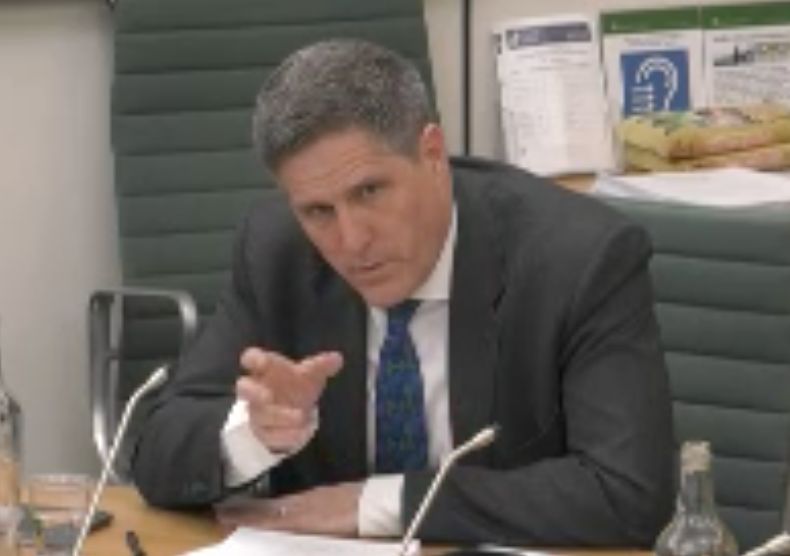
But quizzing the chancellor at the Commons Treasury committee on Monday, South Cambridgeshire MP Anthony Browne asked why the government had not instead cut taxes.

“Do you think it’s better to increase disposable incomes or to reduce energy bills?” he said.

“The risk of reducing energy bills obviously is you encourage people to burn more energy.”

Browne was heckled by one Labour MP on the committee who told him another impact of helping people pay for energy would be to “prevent hypothermia”.

Sunak defended his policy, which has been sharply criticised by opposition parties for not going far enough, as the best way to help.

“I think its right we have a targeted response. There’s one specific factor which is causing the bulk in the increase in people’s costs. I think having a direct response to that is sensible,” he said.

It comes after the Office for Budget Responsibility warned living standards face their biggest fall in a single year since records began in the mid-1950s.

Sunak is under pressure to do more to help struggling people coping with a spike in prices following his spring statement mini-budget last week.

The Resolution Foundation think tank has warned 1.3 million people – including 500,000 children – will be pushed into absolute poverty as soaring inflation outstrips increases in pay and benefits.

Share Button

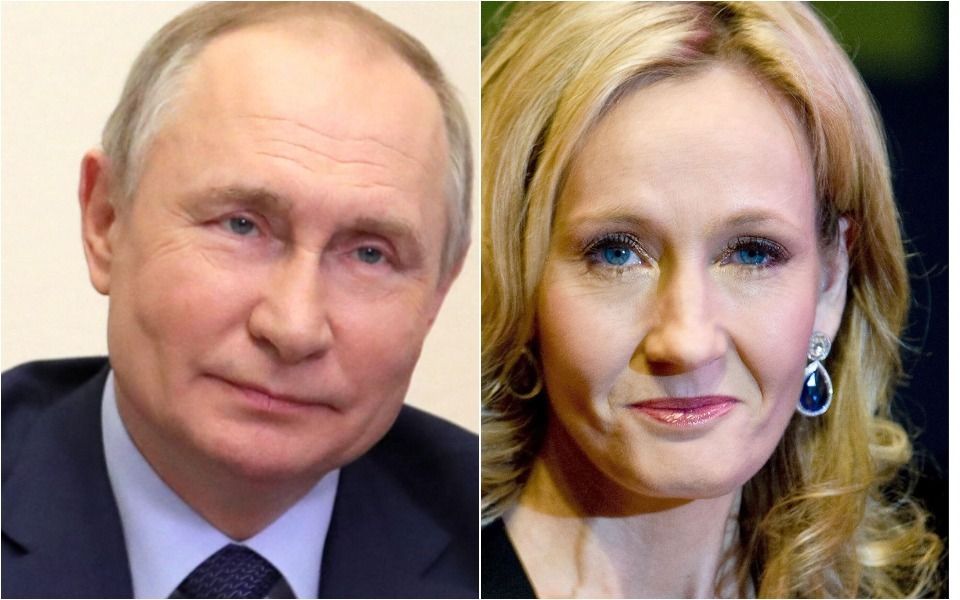
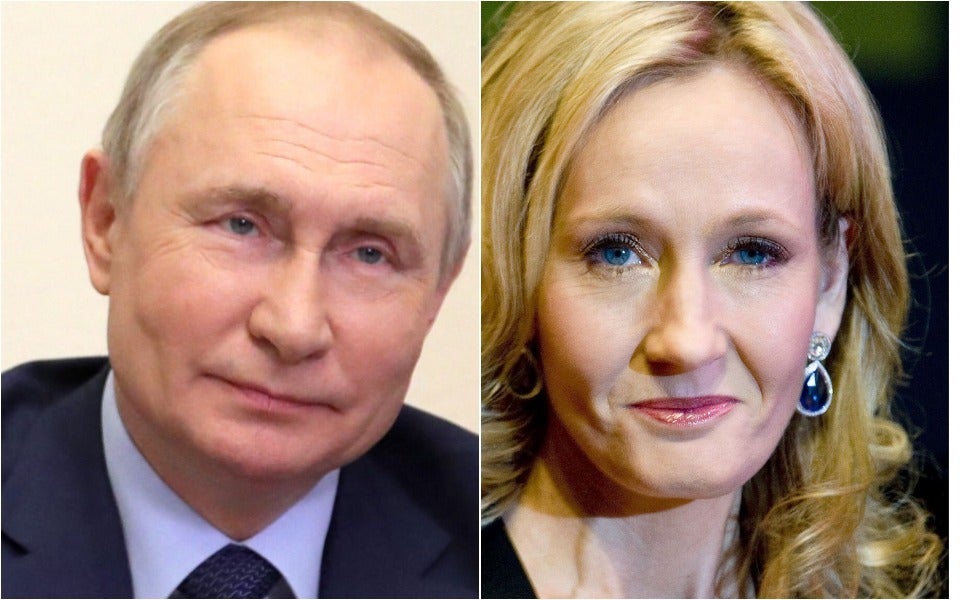
Putin Tries To Stoke Culture Wars By Citing JK Rowling Being ‘Cancelled’

Russian president Vladimir Putin has been accused of a thinly-veiled attempt to divide the West by claiming his country was being victimised by “cancel culture” after its invasion of Ukraine.

Putin likened the world’s condemnation of Russia to the backlash that Harry Potter author JK Rowling received for controversial comments about the transgender community. Rowling was “cancelled”, Putin said, “just because she didn’t satisfy the demands of gender rights”, according to an interpreter’s translation.

He also claimed Western countries were trying to cancel the works of composers Tchaikovsky, Shostakovich and Rachmaninoff.

On Twitter, Rowling responded to Putin’s suggestion, and shared an article about incarcerated Kremlin critic Alexei Navalny.

She wrote: “Critiques of Western cancel culture are possibly not best made by those currently slaughtering civilians for the crime of resistance, or who jail and poison their critics.”

The writer also shared the hashtag #IStandWithUkraine.

Liberal Deocrat MP and ex-leader Tim Farron led the chorus urging people to avoid “amplifying (Russian) propaganda just because they affirm things that you already think”.

In a subsequent tweet, Rowling detailed the work her Lumos charity is doing in Ukraine.

“Children trapped in orphanages and other institutions are exceptionally vulnerable right now,” she said.

“Thank you so, so much to everyone who has already donated to Lumos’s Ukraine appeal.”

Rowling said she was personally matching all donations to the Lumos emergency appeal up to £1 million.

Putin is reported as saying: “They cancelled Joanne Rowling recently, the children’s author.

“Her books are published all over the world. Just because she did not satisfy the demands of gender rights.

“They are trying to cancel our country. I am talking about the progressive discrimination of everything to do with Russia – this trend that is unfolding in a number of Western states.”

Rowling in June 2020 wrote an essay explaining how she was partly motivated to speak about transgender issues because of her experience of domestic abuse and sexual assault.

Critics have accused the writer of being transphobic, an allegation she strongly denies.

Her critics have included Harry Potter stars Daniel Radcliffe, Emma Watson and Rupert Grint.

But other commentators, including journalist Owen Jones, argued Putin was not be especially sophisticated.

Share Button