Chances Of Covid Restrictions Ending In England On June 21 ‘Looking Good’

The possibility of all coronavirus restrictions being lifted next month is “looking good”, the chief executive of the UK Health Security Agency has said.

Under the Government’s road map, the final stage of the unlocking is due to take place on June 21 at the earliest.

However, Jenny Harries urged the public to be cautious to avoid another lockdown, warning that the new Indian variant has become the “dominant strain” in some parts of the country.

She told BBC One’s The Andrew Marr Show: “It’s looking good if people are continuing to observe all of the safety signals, so we should not stop doing what we’re doing, particularly in areas where we have that variant of concern, the B1617.2, in the north-west and around London.

“It’s really important that people continue to do hands, face, space and work from home, have their jabs and go for tests as well.

“The cases of the B1617.2 variant are rising, they have risen very steeply and much of the media have reported a 160% rise in cases over the week period but they seem to be slightly levelling at the moment.

“It’s still very early days.”

Harries added: “We all need to be very cautious and I think we all don’t want to go back to the sort of lockdowns that we’ve had, it doesn’t matter whether you’re on Sage or out in the public, none of us want to return to that sort of restriction.”

From June 21 at the earliest, nightclubs are due to reopen and restrictions on large events such as festivals are to be lifted, as are restrictions on the number of people at weddings.

Harries warned that caution should be taken as the new Indian strain is creating a “mixed picture” across the UK.

She added: “If you look at areas such as Bolton and Bedford, for example, in the north-west particularly, it’s starting to become the dominant strain and has taken over from the Kent variant, which has been our predominant one over the winter months.

“But that’s not the case right across the country, actually if you’re in the south-west that’s still not the case.”

The words of caution were echoed by Home Secretary Priti Patel, who said there would not be a “green light all the way” to unlocking restrictions.

Patel said: “We all have to be conscientious. All of us that are out and about now, we are distancing, wearing masks, following all the rules.

“That is part of our normal life now and that will continue, and that, of course, will help us to that unlocking on June 21.”

Professor Adam Finn, from the Joint Committee on Vaccination and Immunisation, told BBC Breakfast: “I think there are uncertainties around the situation at the moment. I think, in a way, there’s been uncertainties all the way along.

“It’s always been a sort of provisional timetable and it has to be, or may have to be, adjusted according to events as they occur.

“When we get to June, whatever happens on that date, this global pandemic will not be over. It will still be going on.

“There’ll still be cases going on in this country, through Europe and around the world, so life is not suddenly going to go back to normal in June, because life won’t be really normal until this is brought under control.

“Life’s going towards normal but it’s not normal yet.”
Share Button

Vaccinate Children Over 12 And Boost Self-Isolation Pay, Jeremy Hunt Urges Ministers

IAN FORSYTH via Getty Images

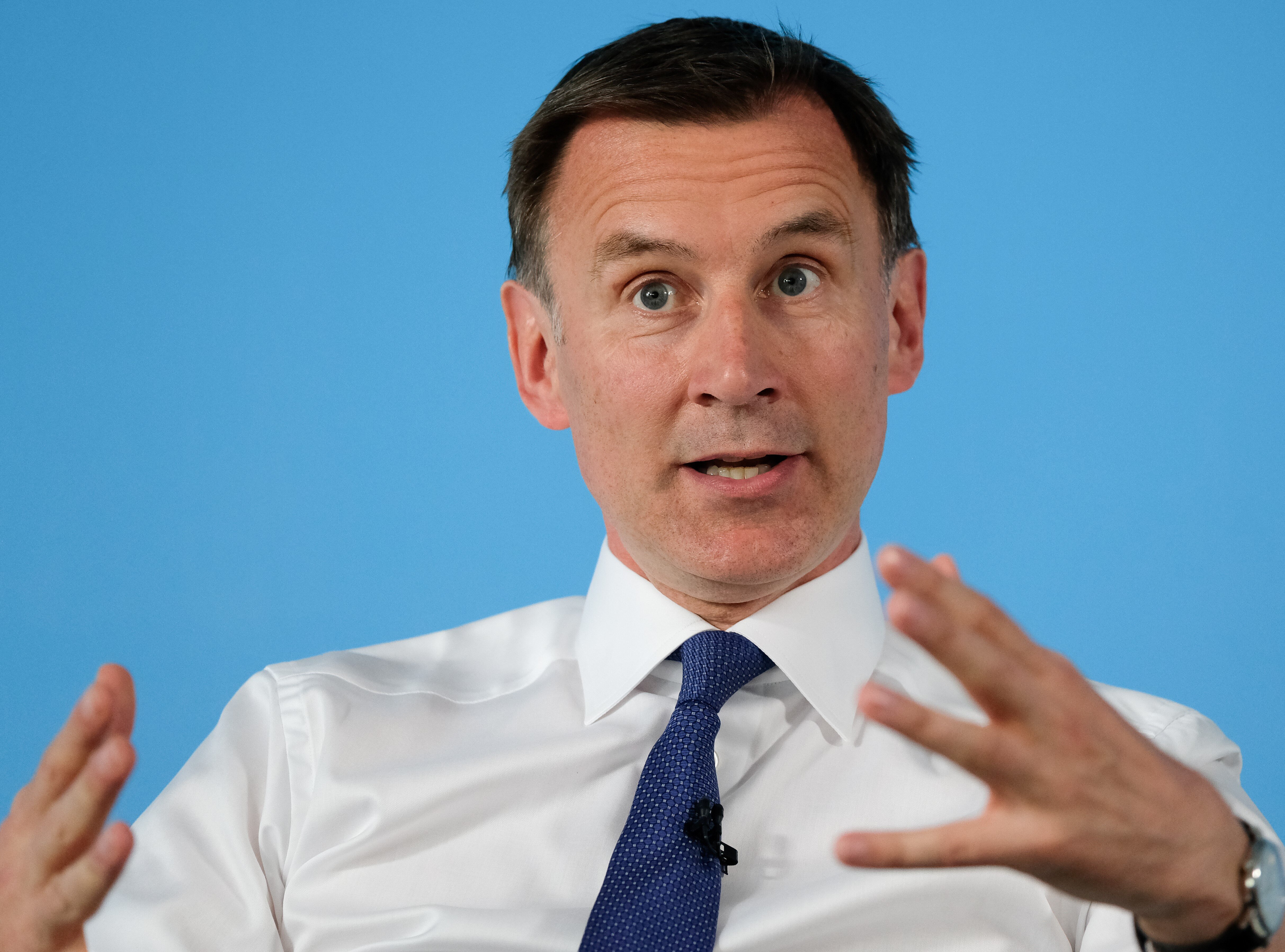
Vaccinating children over 12 for Covid and boosting self-isolation payments could both prevent fresh spikes in the pandemic, former health secretary Jeremy Hunt has said.

The chairman of the Commons health select committee told BBC Radio 4’s The Week in Westminster that he believed the UK would soon follow the United States in allowing under-18s to get the jab.

In a wide-ranging interview, he also said it was not right that the UK continued to recruit nurses from India and other countries where they were desperately needed, arguing the NHS should further increase numbers trained domestically.

He called for action to tackle the 40% of Covid deaths caused by picking up the virus in hospital and suggested an independent watchdog should set targets for NHS and care staffing.

Ahead of a hotly anticipated evidence session with former No.10 adviser Dominic Cummings, Hunt said he didn’t want the hearing to be dominated by political “dirty washing” or score-settling and that it should instead be focused on lessons learned from any failures to date.

The Pfizer vaccine is currently approved for use in over-16s in the UK, while AstraZeneca and Moderna vaccines are authorised for over-18s.

Health Secretary Matt Hancock has said the UK has secured enough Pfizer doses for children to be vaccinated, if licences are granted.

In the interview to be broadcast on Saturday, Hunt said: “Vaccinating children is something we definitely need to look into and I’m sure we will because they can transmit the virus across generations even if they are not badly affected themselves.

“I think it’s encouraging the US has approved the use of the Pfizer vaccine for the over-12. I would expect something similar here too.”

Earlier this week, Hancock said the government had “a couple of months” before it needed to make a decision on under-18s jabs.

But Welsh First Minister Mark Drakeford recently said it was likely the Welsh government would want to roll out jabs for children if licences were granted.

Hunt hinted that with upto 50% of people failing to isolate for money reasons, the “lessons learned” inquiry may recommend both a big boost in state payments in future and a more localised test and trace system.

“I think it’s likely that a much simpler financial proposition would have helped. Something like we will make up any money that you lose out on if you’re asked to isolate, because if you’re taxi driver or whatever it is, no questions asked.

“I think the second thing is more localised contact tracing capability would have helped. I think people are more likely to isolate if they were asked to do so by their local council or someone working for their local council than from someone in a call centre 300 miles away.”

TOLGA AKMEN via Getty Images

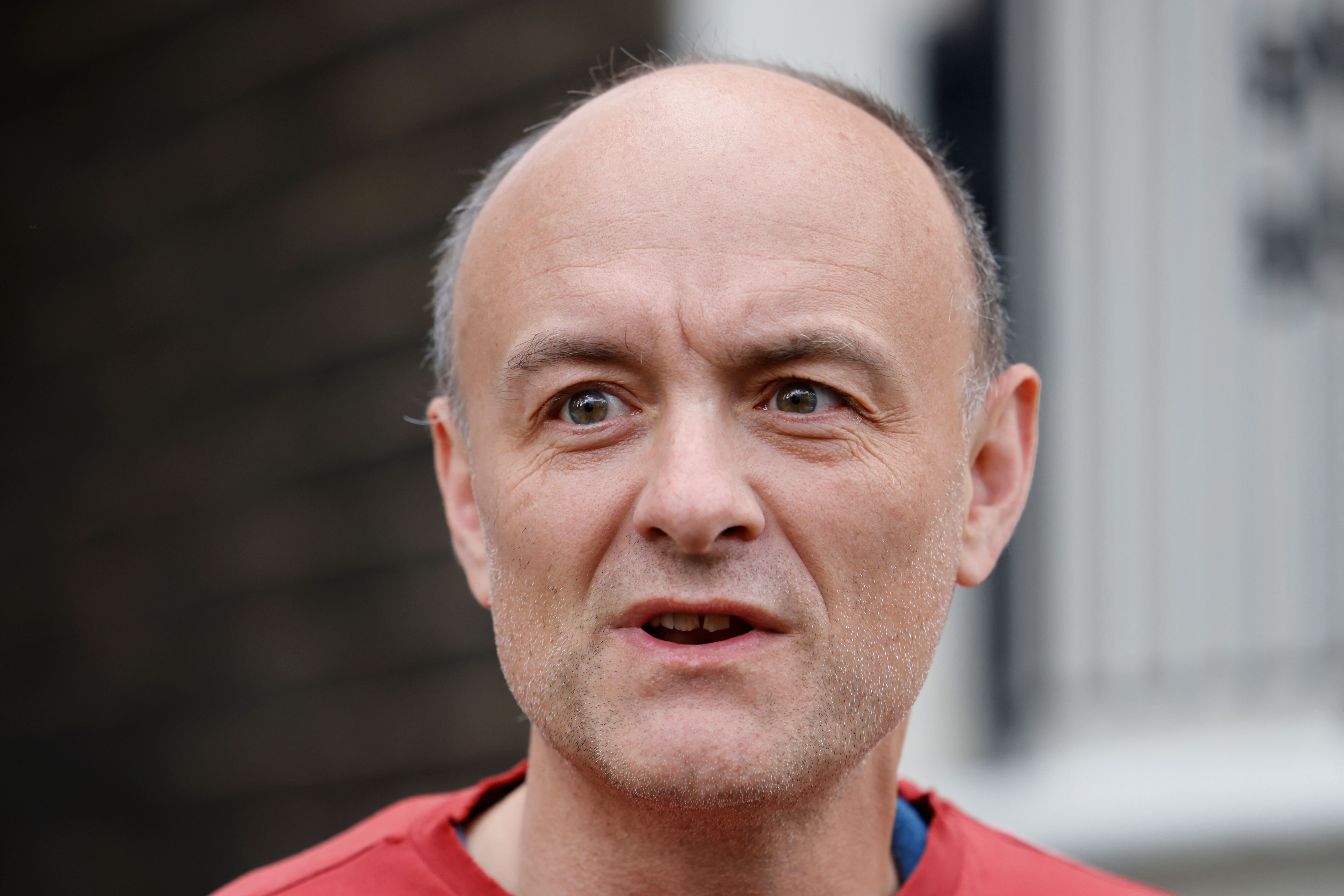
Dominic Cummings

The Commons inquiry into the pandemic is being jointly held by the health and social care committee and the science and technology committee, with its conclusions due this summer. A wider public inquiry isn’t expected to report until after the next election.

With Cummings due to give evidence next week, Hunt said he was happy to give the former adviser enough time to answer questions but warned he could not be allowed to use if for any personal agenda.

“Select committees are cross party. So what this is not, is a moment for the dirty washing of political laundry. Because what we want to do is to get to the bottom of what we did well and what we did not do well, and what lessons we need to learn.

“But it is a very unusual thing in a select committee inquiry to take evidence from someone who is actually in the room when the big decisions were made, both at the start of the pandemic, and in the run up to second lockdown in November. So we’ll be asking, what were the pressures on decision makers, why certain decisions were taken. And I think that will be incredibly helpful.

“If he’s got a lot to say we’ll give him the space to say it, but we only want to hear things that are relevant to our inquiry which is lessons that can be learned for the future in terms of our country’s pandemic handling.”

With India currently going through its worst wave of the virus, Hunt said that the UK had to now rethink its recruitment of NHS staff from places where they were needed locally.

Asked if it was right that the NHS recruited nurses from countries like India, he replied: “I don’t think so. I think that we have undertrained the numbers of doctors and nurses we need over many decades, because we’ve been confident that we could import them from other countries, if we needed to.

“But for the NHS to have doctors or nurses from places like Sudan and Somalia and India, brilliant professionals though they are, I think poses some very difficult ethical questions.

“I think the NHS should be training the numbers of doctors and nurses that we need for ourselves, and then have all the international exchanges that mean that we are benefiting from contact with the brightest best from all over the world, but not fundamentally depending on other countries to do our training for us.”

The former health secretary said hospital acquired Covid was a big issue that failed to get the attention it deserved.

“One of the things I think is not being talked about enough has been the high proportion of people who caught Coronavirus in a hospital, and died because of an infection that they caught in a health care setting, we think between 20 and 40% of all deaths were from people who actually caught Coronavirus in a hospital setting. And we’ve got to do better.

“ I think there are lots of lessons but it looks like hospitals when they overcame their PPE issues early on, didn’t have any guidance about social distancing and things they should take care of outside the COVID wards, outside the ICU.

“So people were really careful inside intensive care units but in the dementia wards, the elderly care ward, other parts of hospitals where doctors and nurses have teas and coffees, we didn’t do enough early on and there needed to be some national guidance to help people do that.

“I think we also will look at ventilation systems in hospitals because we know with an airborne virus it’s not just surfaces, it’s what’s carried in the air.”

Hunt said that the NHS 1% pay rise offer was “badly handled”, but said the need to recruit many more nurses and doctors was just as important.

He called for an independent watchdog like the Office for Budget Responsibility to publish the levels of staffing needed by both health and social care over the next 10 years “as a way of creating a discipline on the government to make sure we are actually training enough people”.

The Week in Westminster will be broadcast on BBC Radio 4 on Saturday May 22 at 11am

Share Button

Cabinet Reshuffle? Here’s Who Could Be In Or Out

Like the rain this May, rumours about a Cabinet reshuffle never really go away, but they do at times intensify.

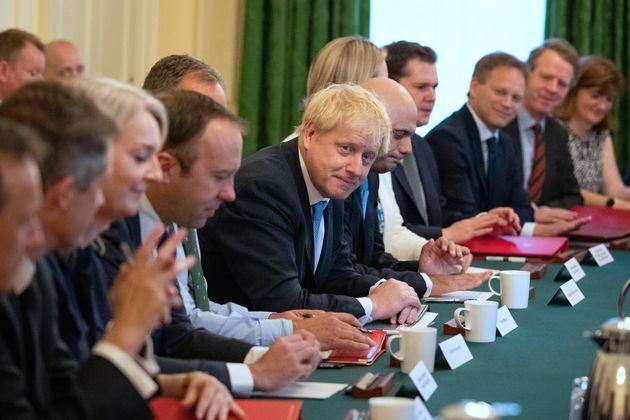
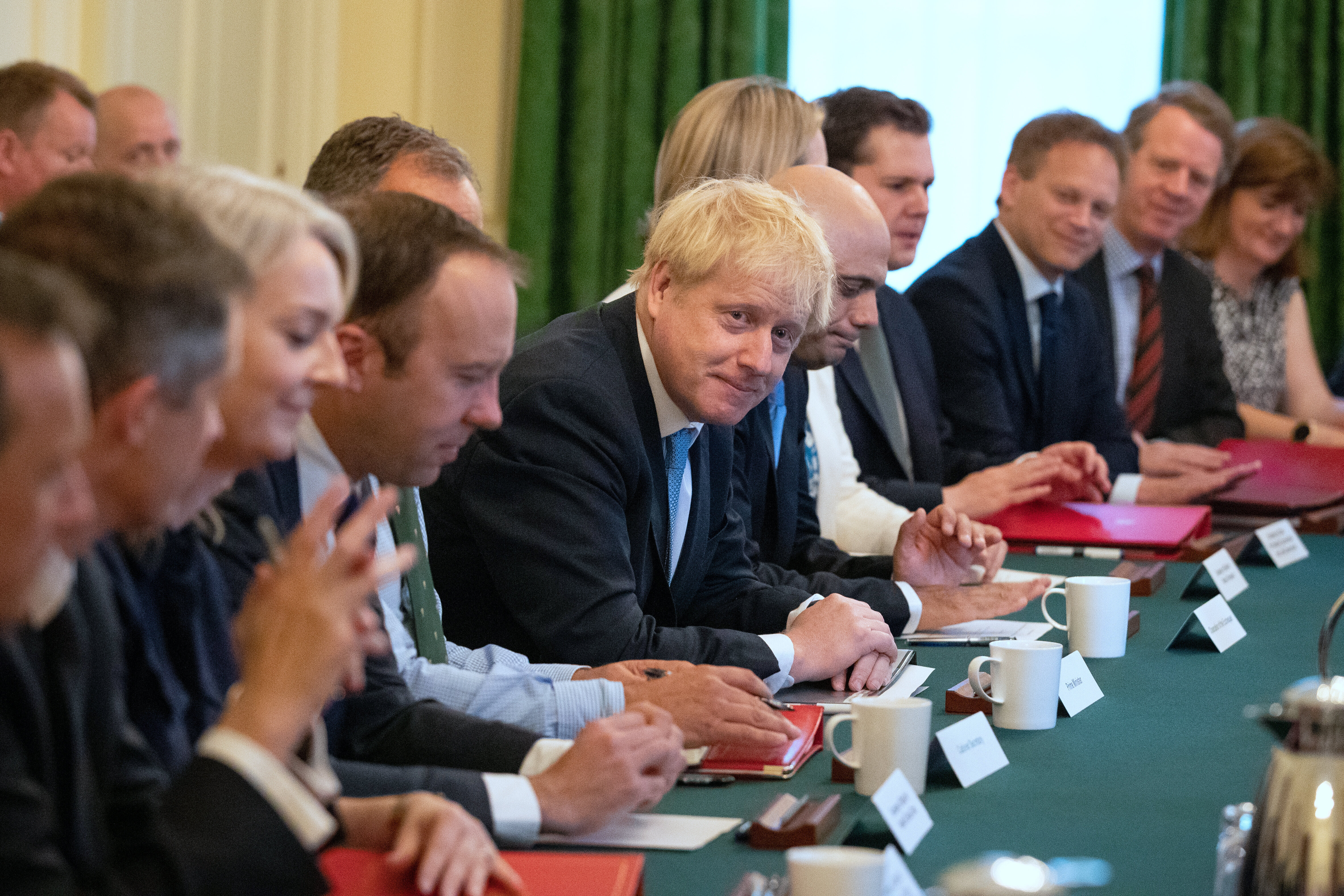
This appears to be one of those times, as HuffPost UK understands that officials are on alert for Boris Johnson changing his top team as early as next week.

The BBC and Sky News heard similar on Friday morning, prompting No.10 to strongly play down suggestions of a reshuffle to distract from Dominic Cummings’ appearance before a committee of MPs next Wednesday.

Johnson’s former top aide is threatening to steal the headlines with some bombshell revelations on the government’s handling of the pandemic.

But the prime minister’s press secretary has stressed: “There are no plans for a reshuffle”.

However, like outdoor drinkers caught out without a brolly, Westminster hacks cannot avoid the sudden storm of speculation.

So at the risk of looking like a pedestrian drenched by a car speeding through a puddle, i.e. silly, here’s what might happen when Johnson does decide to rejig his team.

Aaron Chown – PA Images via Getty Images

While there may be “no plans” for a reshuffle next week, Times Radio’s Tom Newton Dunn reported this week that environment secretary George Eustice was digging in so hard against tariff-free meat imports from Australia that it risked becoming a resignation matter for him.

That said, the PM appears to be leaning towards Eustice’s opponent in the Cabinet row, trade secretary Liz Truss, and Eustice has not yet quit.

However, if he does, that could be the catalyst for a wider shake-up of Johnson’s team.

And even if Eustice does not resign, he is seen as “quite an easy person to get rid of” and “not on the green agenda” the government is now pushing, according to one source.

If the reshuffle does go ahead, it appears that the great offices of state will not change with chancellor Rishi Sunak, foreign secretary Dominic Raab and home secretary Priti Patel all widely seen as safe in their positions.

Patel seems likely to keep her job despite becoming embroiled in a scandal over her alleged bullying of officials, as she is a useful figure to shore up the Tories’ right wing.

As one insider puts it: “That woman has staying power and she knows what her brand is, and do you want to piss off Iain Duncan Smith and all that crowd?

“Who else is Boris going to put there, if it’s all about the red wall?”

That is likely to make the central figures of any upcoming reshuffle Michael Gove and Matt Hancock.

Not the most popular in No.10 or among Tory lockdown-sceptics, Hancock has long been seen as under threat, although backbench MPs tell me they appreciate how much he makes himself available to answer their questions, or record video messages for their constituents.

But if the health secretary is moved, many insiders are tipping Gove to take over, believing his problem-solving policy brain is perfectly suited to finally tackling the thorny issue of social care reform.

One Tory source also insists that Gove has moved on from the education secretary who battled “the blob” alongside Cummings to become a more consensual figure who got onside with lawyers as justice secretary and farmers as environment secretary – a skill that will be vital if he is given the task of driving through huge changes to social care.

Barcroft Media via Getty Images

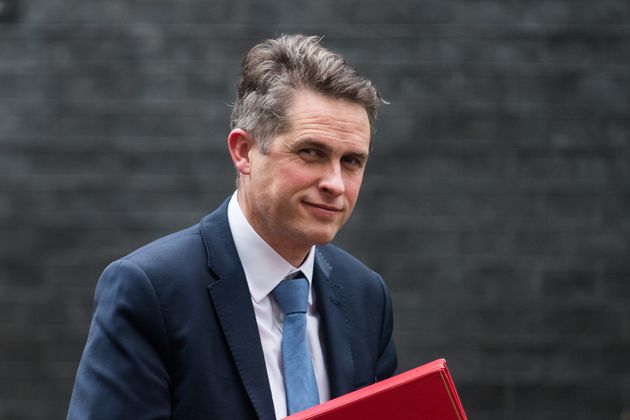
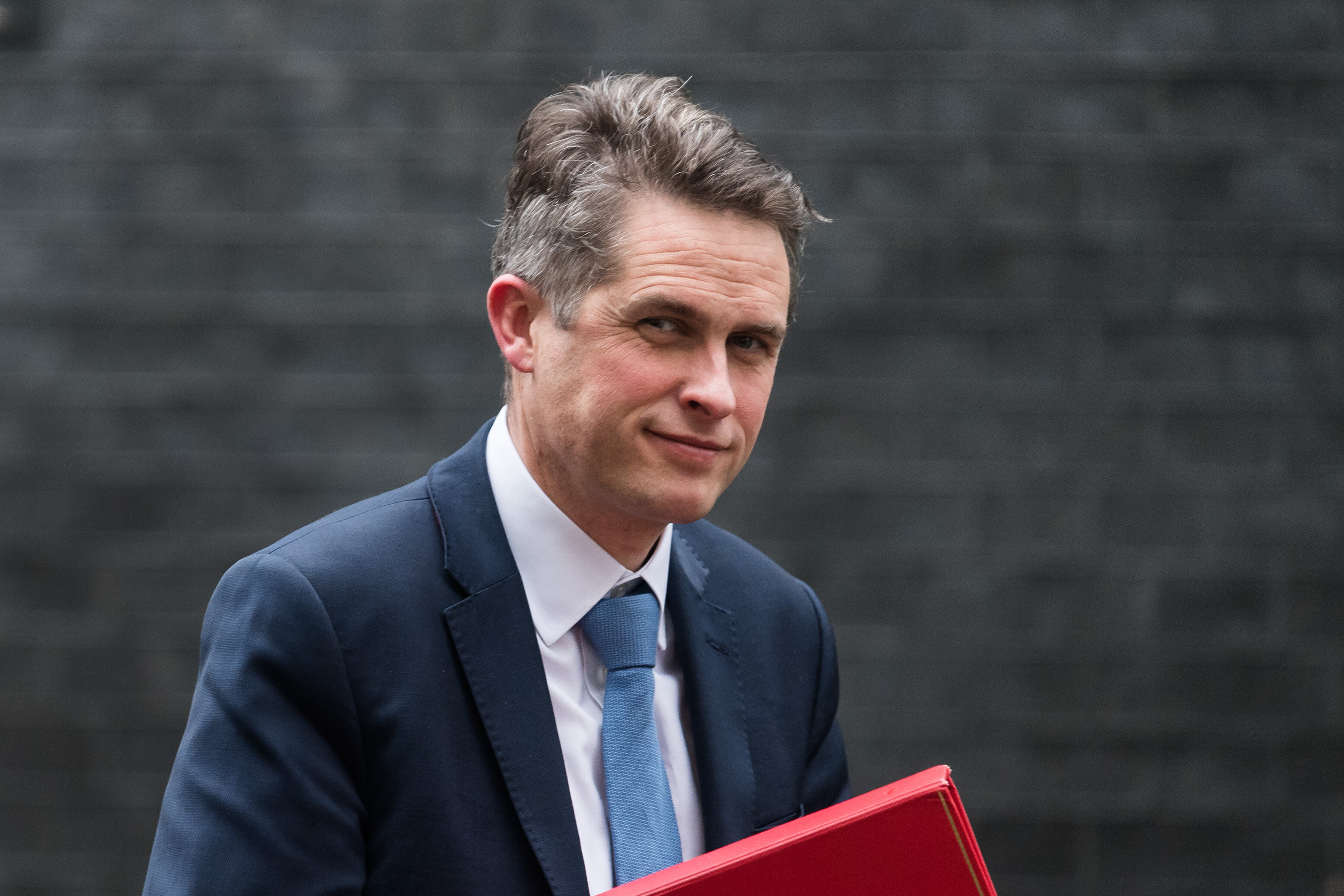
Education secretary Gavin Williamson is likely to be moved

Gavin Williamson meanwhile is almost certain to be moved from his education secretary job following the exams fiasco and other mis-steps.

But Johnson is still said to be “pretty loyal to Gavin” due to the key role he played in his Tory leadership campaign and has been telling people inside No.10 that “Gavin is not leaving Cabinet”.

“This implication of that is: even the PM seems to be saying he’s probably leaving his post,” a source said.

“I just don’t know how you do a reshuffle that seems to anyone fair unless Gavin is gone.”

He could go back to chief whip, a role he performed successfully in the past, replacing Mark Spencer who could be in line for a promotion.

Controversial communities secretary Robert Jenrick could be saved by virtue of being an ally of Sunak.

But Scotland secretary Alister Jack is thought to be at risk, with Andrew Bowie potentially in line for the job as a younger, more dynamic figure to take the independence fight to the SNP.

Sajid Javid is meanwhile tipped for a comeback, although Johnson may struggle to find a role senior enough for the former chancellor, who quit the government last year in a row with Downing Street over sharing a team of special advisers.

Kit Malthouse, a long-time ally of Johnson who worked under him at London City Hall, is also being widely tipped for a promotion.

And Anne-Marie Trevelyan could return to the Cabinet after she was effectively made redundant when her department for international development was subsumed by the Foreign Office, with Johnson thought to be keen to boost the number of women in Cabinet.

The reshuffle could be most interesting in the junior roles where Johnson will be looking to improve and diversify the pipeline of talent to the Cabinet.

Tory figures mention new MPs Laura Trott, Clare Coutinho and Saqib Bhatti as “the shining stars” of the 2019 intake who could be brought on the payroll.

But several sources question the wisdom of carrying out a reshuffle next week, with July seen as a more likely date, while the traditional wargaming whiteboard has not yet been erected on the walls inside Downing Street.

“If you do it at the beginning of holidays then you send everyone away and they’ve got the chance to feel better in Tuscany don’t they?’ one MP says.
“I don’t get why you’d do it before the end of July, I can’t see an incentive.” 

Whatever happens next week, at some point sooner rather than later Johnson is going to have to decide which of his ministers to leave high and dry.

Share Button

Jeremy Corbyn ‘Should Be Honest’ About Covid Jab, Starmer Aide Says

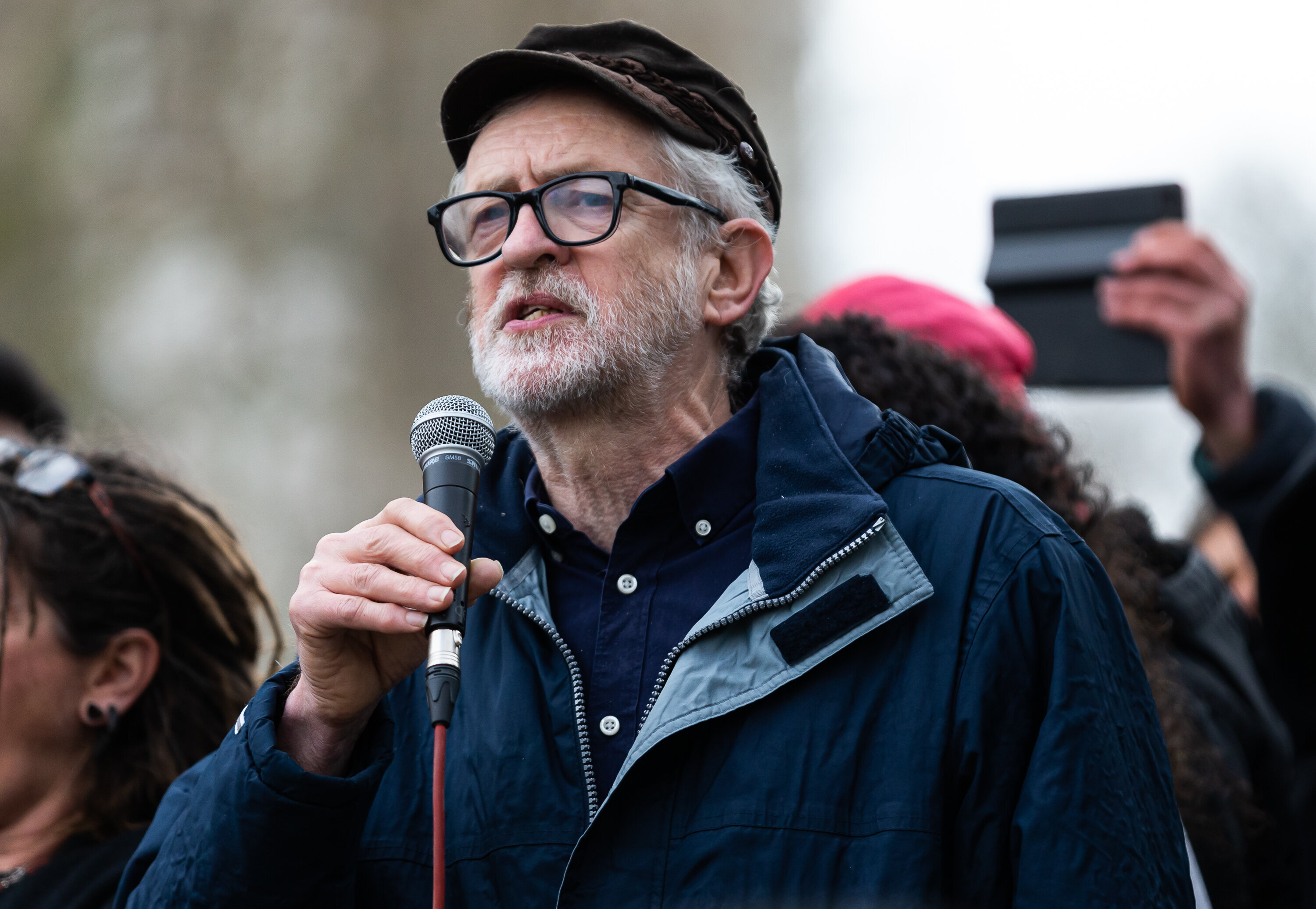
Jeremy Corbyn should be “honest” about whether he has had his coronavirus vaccination or not, an aide to Keir Starmer has said.

Sharon Hodgson told HuffPost UK’s Commons People podcast the ex-Labour leader should not have any privacy concerns around telling people he has had the jab.

Corbyn is 71 years old, so has been eligible for a vaccine since January.

But his office has failed to respond to requests from HuffPost UK asking if he had had the vaccine, although his parliamentary office told the Guido Fawkes website this week that Corbyn “doesn’t normally comment on personal health matters”.

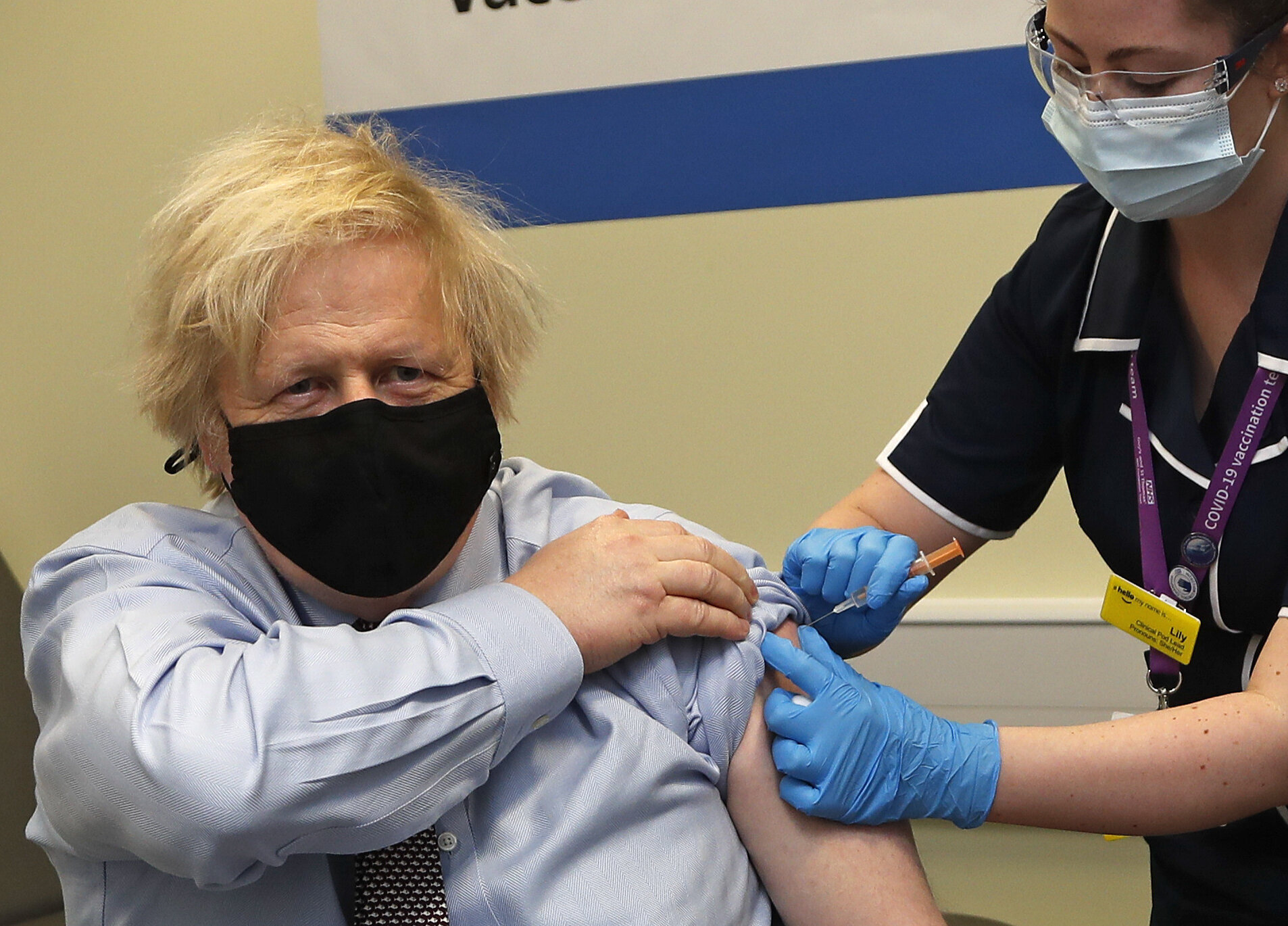
Boris Johnson in March invited photographers to London’s St Thomas’ hospital when he received his first dose of the Oxford/AstraZeneca vaccine.

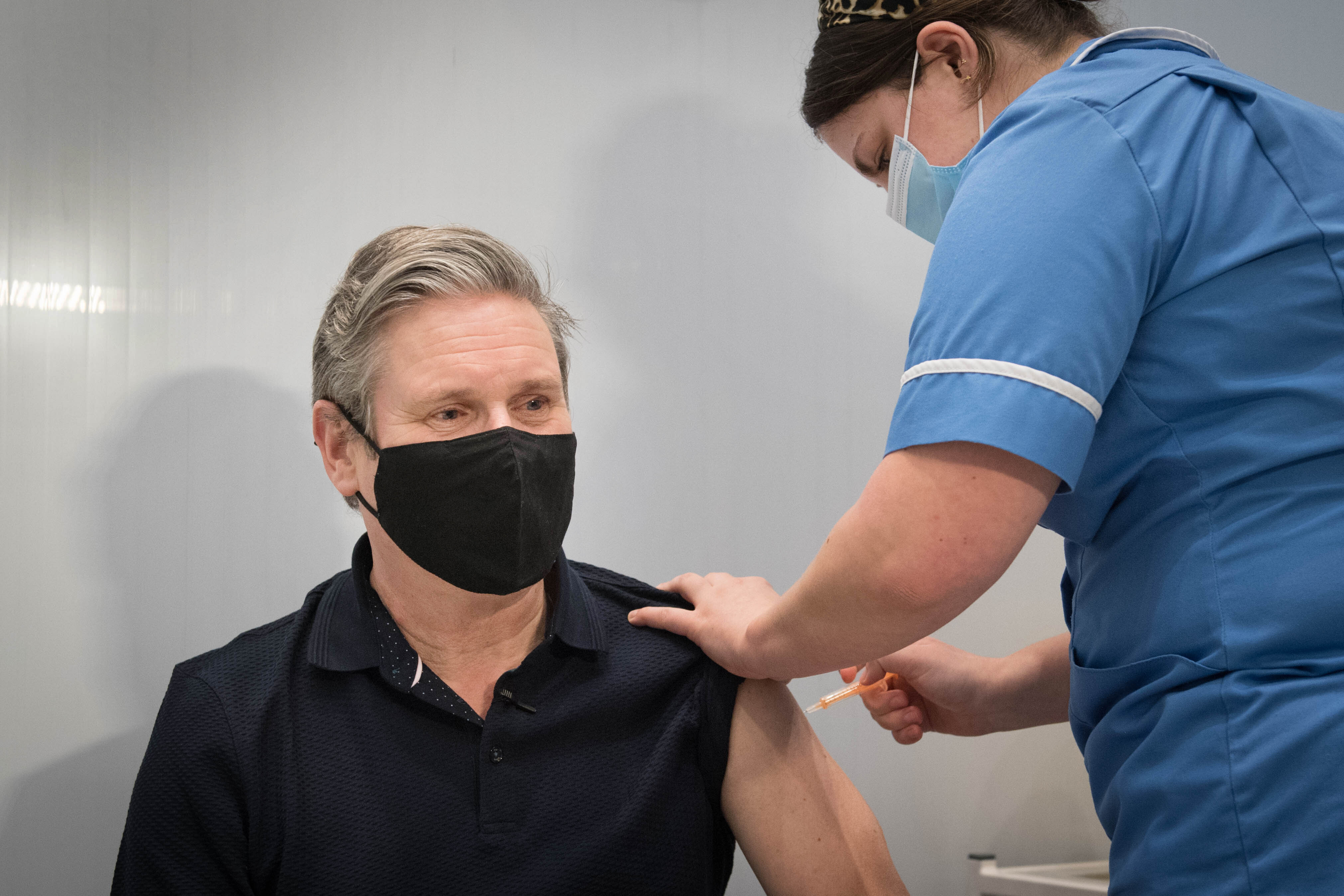
Starmer was also photographed getting the jab at the Francis Crick Institute in his Holborn and St Pancras constituency in March.

Both used the opportunities to encourage others to get vaccinated.

WPA Pool via Getty Images

Boris Johnson receives the first dose of the AstraZeneca vaccine administered by nurse and clinical pod lead, Lily Harrington at St.Thomas’ Hospital on March 19

Stefan Rousseau – PA Images via Getty Images

Keir Starmer receives his first dose of the AstraZeneca coronavirus vaccine from midwife, Emily Malden at the Francis Crick Institute in his Holborn and St Pancras seat, in March

Hodgson, a Labour MP who is Starmer’s new parliamentary private secretary, said Corbyn should follow other MPs in being open about whether he has had the jab as she was asked whether it could help boost take-up.

She told Commons People: “It’s not a privacy thing.

“I can’t imagine why anybody would want to say that’s a private matter between me and my jab.

“It’s not, it’s either you’ve had the jab or you haven’t.

“So yeah, if you’ve had the jab you should say and if he hasn’t then he needs to sort of be honest I suppose about that.”

It comes after Downing Street urged people who are refusing to get vaccinated to “think of others” and get the jab to help protect over-50s and vulnerable patients with immunity problems, amid localised spikes in the India Covid variant.

The prime minister has warned that the variant could delay England’s final exit from lockdown restrictions on June 21, prompting criticism from Tory MPs like Conor Burns, who said that it would not be right to keep the country in partial lockdown simply because vaccine hesitant people were refusing the jab.

Share Button

UK Covid Vaccine Booster Trial Launched, Announces Matt Hancock

WPA Pool via Getty Images

Thousands of volunteers will receive a Covid vaccine booster in a new “world-first” clinical trial, Matt Hancock has announced.

The health secretary said seven vaccines will be tested to see the impact of a third dose on patients’ immune responses.

It will include a total of 2,886 patients and participants are to begin being vaccinated from early June. The initial findings are expected in September.

“The UK vaccination programme has been a phenomenal national effort, with seven in 10 UK adults now having had their first Covid-19 jab,” Hancock said.

“We will do everything we can to future-proof this country from pandemics and other threats to our health security, and the data from this world-first clinical trial will help shape the plans for our booster programme later this year.”

It comes as Boris Johnson said the government had “increasing confidence” that Covid vaccines are effective against “all variants” of the illness. 

But the prime minister admitted the spread of the Indian variant was “one of the issues” that could stop the June 21 unlocking date being met.

Vaccines being trialled include Oxford/AstraZeneca, Pfizer/BioNTech, Moderna, Novavax, Valneva, Janssen and Curevac.

The Cov-Boost study, led by University Hospital Southampton NHS Foundation Trust and backed by £19.3 million of government funding

Professor Saul Faust, the chief investigator and director of the NIHR Southampton clinical research facility, said it would give Joint Committee on Vaccination and Immunisation (JCVI) data on “how to protect the population against any future wave”.

“It is fantastic that so many people across the country have taken part in vaccine trials up to now so that we can be in a position to study the effects of boosters,” he said.

“We hope that as many people as possible over the age of 30 who received their first dose early in the NHS programme will be able to take part.”

Three of the vaccines will also be tested at a half dose, with experts expecting an adequate immune response at this level.

The half doses will inform whether side-effects are reduced at a lower dose, and could offer useful information to countries where vaccine supply may be more scarce.

Share Button

Will Boris Johnson’s Covid Caution Finally Snap This Summer?

You’re reading The Waugh Zone, our daily politics briefing. Sign up now to get it by email in the evening.

In politics, as with the British summer, it never rains but it pours. Just under a fortnight since his stunning local elections success in England, Boris Johnson is finding out just how the political weather can change pretty quickly. And in true 2021 style, lots of problems are coming at once.

First, we had Jenny McGee, the NHS nurse who looked after the PM when he was in intensive care last year. McGee has told a Channel 4 documentary that she has quit her job because of the government’s 1% pay offer and the lack of respect it entailed. “I’m just sick of it,” she said.

Her remarks should act like an ice-bucket challenge to the government, jolting MPs out of their complacency and reminding ministers of just how horrific life has been on the front line for NHS staff this past year. Many are still dealing with post-traumatic stress from the helplessness of combatting this awful virus and its knock-on effects on other healthcare. Many are exhausted.

Yet as the caravan moved on and debate turned to summer holidays, staff in England will never forget they weren’t even given a Christmas bonus (unlike counterparts in Scotland and Wales), let alone a real terms pay rise offer. McGee revealed she couldn’t bring herself to take part in a ‘clap for carers’ photocall alongside the PM, not least as there was little cash for carers.

The second problem came in the shape of Dominic Cummings, who once more hit the Twittersphere to resume his ominous attacks on Johnson’s handling of the pandemic. Ahead of his potentially explosive evidence before MPs next week, the former adviser signalled he had argued for hard and fast lockdowns last year but was ignored.

Cummings also said the UK had a “joke” border policy to deal with Covid, a point heartily seized on by Labour, which is highlighting the rising cases of the Indian variant of the virus and calling for much tougher controls on travellers. Although we know that almost all cases of the Indian variant in London were caused by travel or linked to those who had travelled, there is a strange silence from the government on the breakdown of cases across the UK.

Add to all that the sheer confusion on travel policy. In the morning, cabinet minister George Eustice said ‘amber list’ countries were open to those who wanted to visit family or friends. At lunchtime, No.10 firmly contradicted that, saying all travel to such states was banned other than for a few exceptions. The PM himself said these countries [France, Spain, Italy and so on] were “not somewhere you should go on holiday”.

Even though it is legal to visit such countries and no longer punishable by a £5,000 fine, by the evening another minister had gone much further in the war on travel. Lord Bethell said that any overseas trips were “dangerous”, adding “travelling is not for this year, please stay in this country”. For good measure, he even praised as “creative” the idea of putting electronic tags on anyone quarantining on return from abroad.

No one should underestimate the PM’s houdini-like ability to wriggle out of his political woes. He could arrive at PMQs on Wednesday armed with his strongest hint yet that money had been put aside for a real terms pay rise for NHS nurses, should the independent review body suggest it. Cummings’ own rule-breaking and tarnished credibility in the eyes of the public may blunt his political assassination attempt. Holiday chaos may not really hit home until July.

Instead, it may be travel within the UK, rather outside it, that becomes the PM’s most pressing problem. Eustice went on record to admit local lockdowns were now an “option” for dealing with the Indian variant. Under one hardline option, that could mean travel restrictions into and out of areas like Bolton and Bedford where B.1617.2 is rising in clusters.

The problem is that such local lockdowns have their real potential to cause deep divisions. The Guardian reports today that Bolton council’s Tory leader warned Hancock on Friday that a new local lockdown would cause “civil unrest”.

As well as being potentially toxic to community cohesion, given differing rates of vaccine hesitancy in different ethnic groups, such a plan may simply not work. Even with vaccines, the variant may still escape a tiered system. The Kent variant certainly did when it ripped through the country in December.

On the other hand, if the PM delays the full exit from lockdown for the rest of the country, effectively tying the whole of England to the variant clusters, he faces a sizeable backbench revolt from areas where there is zero Covid. After months of their local businesses living on life support, MPs’ patience could snap and so could Johnson’s.

Still, a national delay may be his least worst policy option. Most of the big changes took place yesterday, and a few weeks more wearing masks and pre-planning pub trips may be more palatable than a fourth wave. There is also a case for saying that in fact the real final unlockdown date should be linked to the government’s own target date for the whole English adult population getting jabbed – the end of July. Any earlier, and unlockdown could be earlier.

But as Johnson tries to justify any delays to his roadmap, the need to ‘protect’ the battered NHS will again become his defence shield. Imagine how much stronger that defence would be if he had thousands of NHS nurses, properly paid and respected, backing his case.

Share Button

Now Health Minister Says Holidays Abroad Are ‘Dangerous’

A health minister has added to the confusion over coronavirus travel rules after saying going abroad is “dangerous” and “not for this year”.

Lord Bethell’s comments come after environment secretary George Eustice was slapped down by No.10 for suggesting people could travel to so-called “amber list” countries to visit friends.

Boris Johnson also later stressed that amber list countries were “not somewhere you should be going on holiday”.

But Bethell went much further than government rules, which allows people to travel to Portugal, Iceland and nine other countries without having to quarantine on their return, opening the door to summer holidays.

The peer’s comments are the latest example of chaotic messaging on foreign travel from the government, and are likely to fuel confusion following the lifting of the ban on foreign holidays on Monday.

He made his remarks amid continuing concern over the rise in cases of the potentially more transmissible variant that originated in India in parts of England.

Labour said the confusion had created “dangerous chaos” and called for “a pause on international travel”, while Johnson’s former aide Dominic Cummings has labelled the UK’s border policy a “joke”.

Going much further than the government position, Bethell said: “Travelling is dangerous. That is not news to us or to the people who get on those planes in the first place.

“We do ask people, particularly as we go into the summer, travelling is not for this year, please stay in this country.”

Gareth Fuller – PA Images via Getty Images

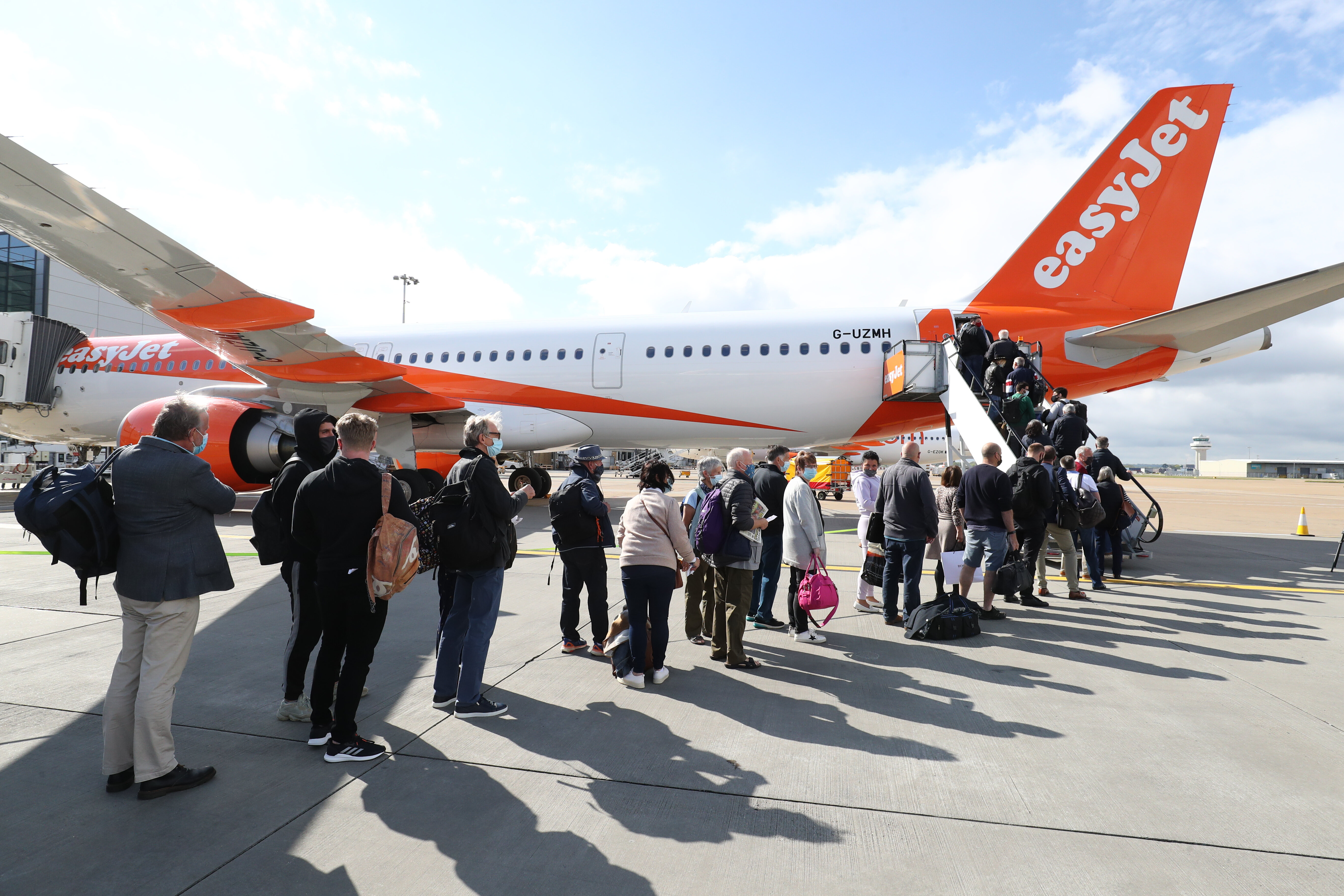
Passengers prepare to board an easyJet flight to Faro, Portugal, at Gatwick Airport on Monday

Earlier, Eustice struck a markedly different tone, suggesting people could travel to even amber list countries if they “feel the need” to visit family or friends.

But the prime minister’s official spokesperson said travel to amber list countries was only permitted for a very limited number of reasons.

“The position remains that people should not travel to amber list countries and that is to protect public health,” they said.

“We recognise that the restrictions that have been placed are difficult for the public. 

“There may be essential reasons for which people still have to travel to amber list countries but of course strict quarantine and testing measures will apply.

“There are some limited reasons why it might be acceptable to travel – for work purposes, protecting essential services or compassionate reasons such as a funeral or care of a family member but otherwise people should not be travelling to these countries.”

Shadow home secretary Nick Thomas-Symonds said: “The Conservatives’ border policies have unravelled into dangerous chaos within a matter of hours since international travel was opened up.

 “There is a lack of strategy, which has meant the UK government, and their own ministers, are giving out conflicting and confused advice about whether people are allowed to travel, especially between ‘amber list’ countries.

“Labour has been clear that there should be a pause on international travel, to guard against further importing of dangerous strains, setting back hopes for ending restrictions.”

Share Button

UK-EU Trade May Never Return To ‘Normal’, Brexit Minister Admits

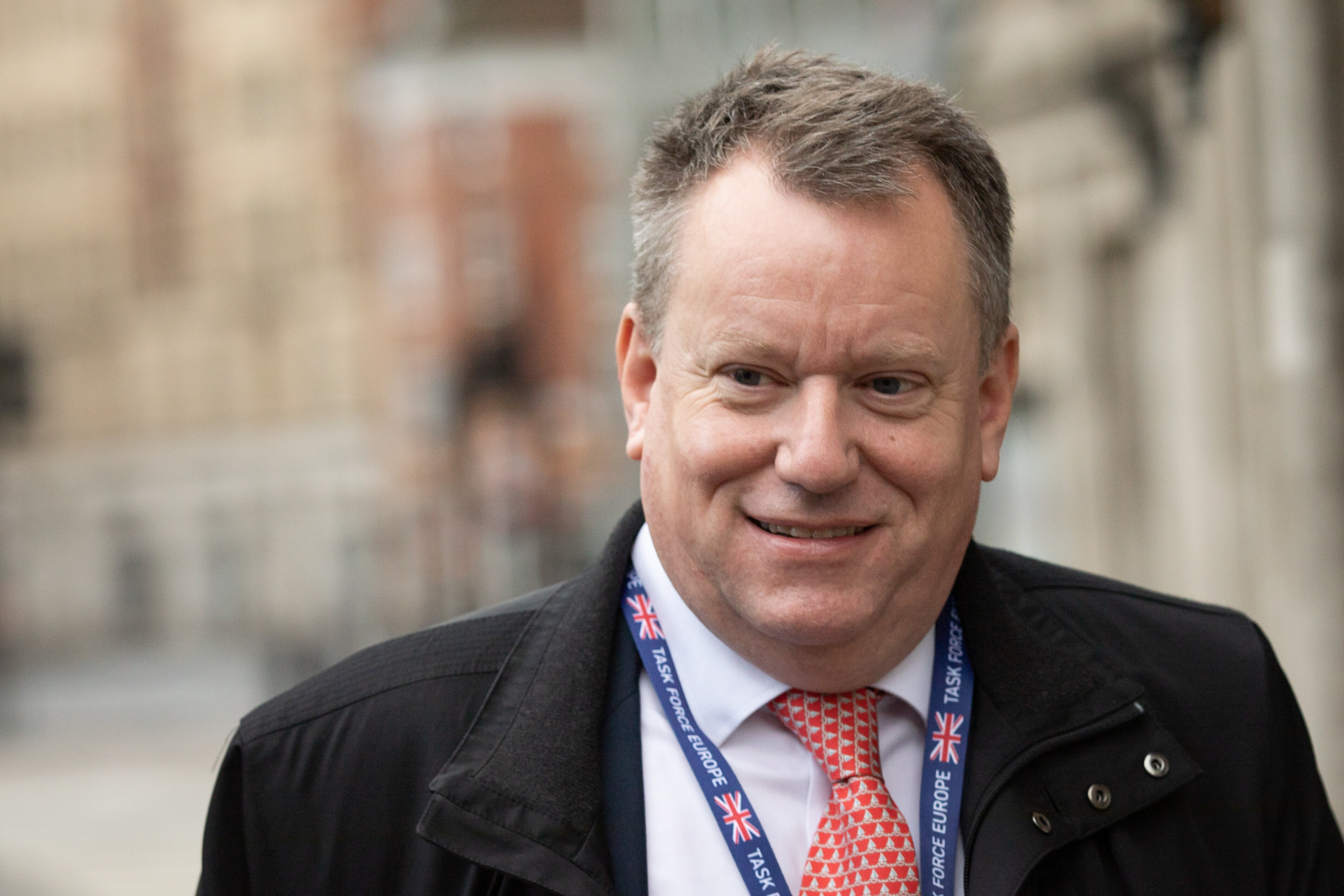
Trade between the UK and the EU may never return to “normal”, a senior Brexit minister has admitted.

Lord Frost appeared to blame Brussels for the barriers many firms are facing to trading with the EU, despite negotiating the trade deal that took the UK out of the single market, which used to guarantee free flowing business with the continent.

It came after Brexiteer Tory MP Richard Drax said he had heard from businesses having difficulties with “red tape, the colour of your pen, problems at the border” as a result of the UK leaving the single market.

Earlier this month, Boris Johnson deployed gunboats to Jersey amid a post-Brexit fishing dispute with France.

Recent official statistics showed that in the first quarter of the year when the UK and EU traded on post-Brexit terms for the first time, exports to the EU were down 18% with imports down 21%, compared to the last quarter of 2020.

Particular sectors such as food and drink have been particularly hard hit by the new export requirements, and for the first time on record EU imports were outstripped by non-EU goods in March.

Frost said there were “teething problems” in seafood exports and said government support for the industry was having “some effect” in making exports easier.

He said there were “isolated incidents” of EU officials complaining about “the wrong colour stamp or pen” but said largely the Brussels side had been “pretty pragmatic”.

At the Commons European scrutiny committee, Drax then asked Frost if he was confident that in months and years ahead business can resume “as normal as it possibly can”.

House of Commons – PA Images via Getty Images

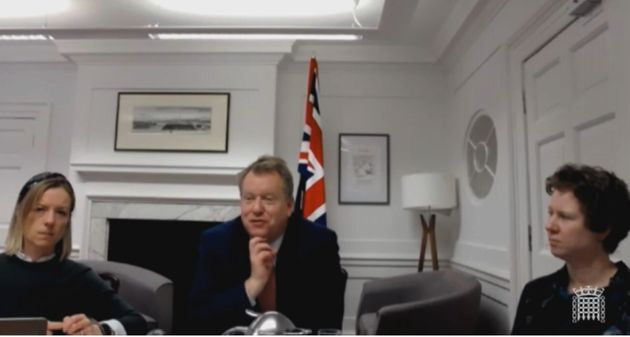
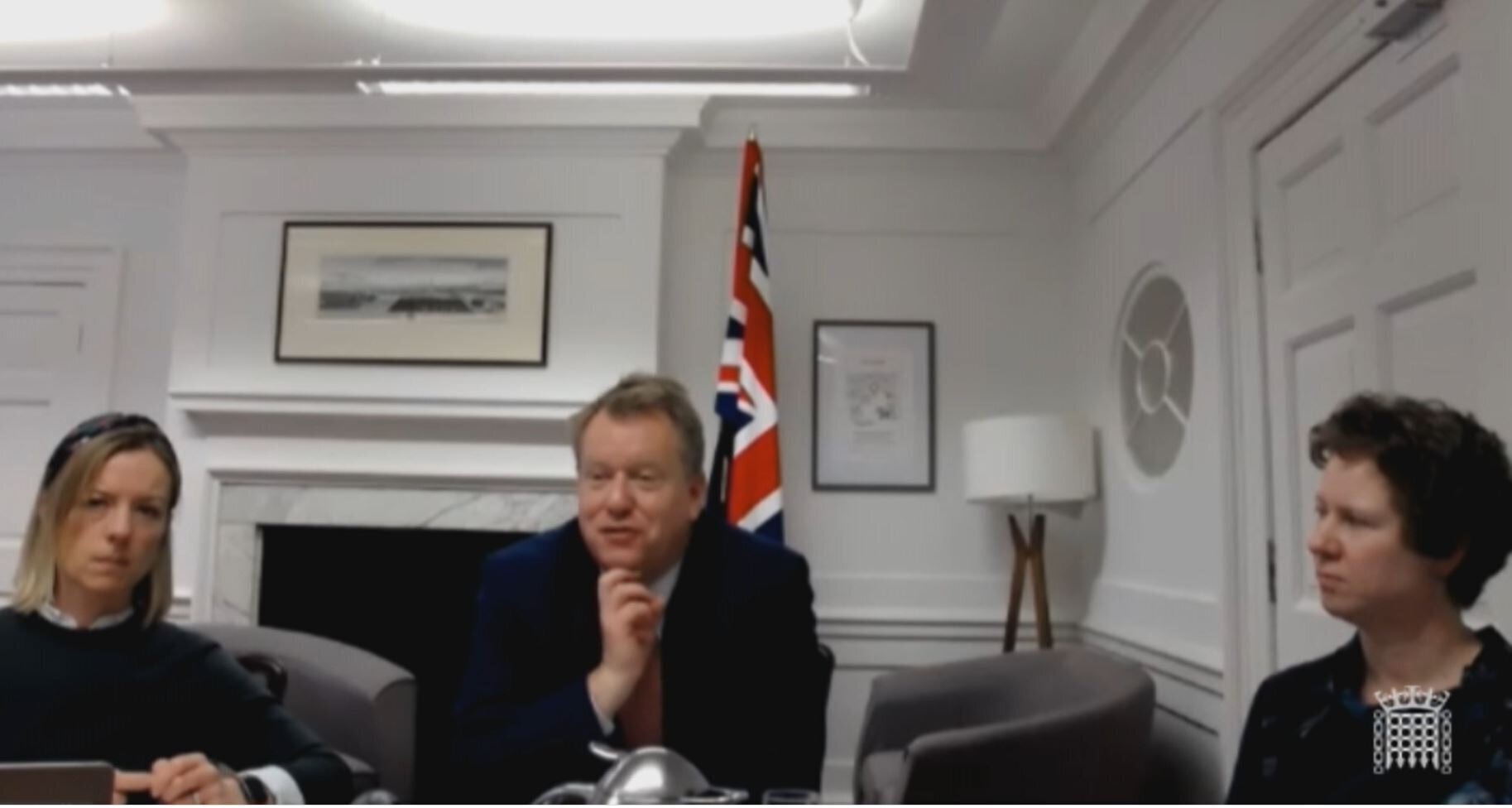
Brexit minister Lord Frost with officials giving evidence to the European Scrutiny Committee

Frost replied: “I don’t know whether it will happen, I think it definitely can happen.

“There is a lot of pragmatism, everybody wants trade to continue in as free flowing a way as we possibly can in the new arrangements.

“There is definitely a large current of opinion in the EU and member states that want that to happen.

“I think there are people who see Brexit as a bit of a zero-sum game and want us to face difficulties.

“But I like to think those won’t be the dominant opinions and things will settle down in a fairly pragmatic way as we move forward.

“We’ll see.”

Frost also admitted that checks at the Northern Irish border that he and the prime minister negotiated were causing more problems for businesses in the rest of the UK than they had anticipated.

The minister is currently trying to renegotiate the terms of trade for Northern Ireland to improve the situation amid growing tensions in the region.

But he rejected the EU’s call for the UK to adopt Brussels regulations on plant and animal-based trade as a way through the row.

Frost said: “I think the broader question is that the processes around the boundary between GB [Great Britain] and Northern Ireland are significant.

“They probably have a bigger chilling effect than we thought on GB businesses wanting to move goods into Northern Ireland and that is one of the problems that’s underlying some of the unrest and political developments we’re seeing in Northern Ireland.”

He added: “Obviously, from the EU’s point of view the easiest solution to any border problem is that we should just operate the same rules and laws as they do, and that solves the problem, obviously that doesn’t work for us and that isn’t going to be the solution.

“That was obviously one of the big problems with the original backstop and everything that went with it, so we’re not going back there.”

Share Button

Len McCluskey Acted ‘With Integrity’ Over £98m Hotel Project, Union Chief Says

Google

The Unite union complex in Birmingham

A leading contender in the race to succeed Len McCluskey has declared there was “no wrongdoing” in the handling of Unite’s controversial new £98m hotel complex.

Assistant general secretary Steve Turner said that McCluskey and the union’s executive council had acted with “integrity” and with “a sense of responsibility for members’ money” when they monitored and approved the project.

In a message to the executive, Turner said that his enemies had misrepresented his recent interview with HuffPost UK, in which he said he would order an independent, QC-led review “if I was genuinely concerned” about the hotel and conference centre complex in Birmingham.

The new building, which will house Unite’s regional headquarters as well as a four-star, 170 bed Aloft hotel and 1,000-seat conference centre, has been dogged by criticism as its costs soared by more than £40m.

The union insists the extra costs were caused by high standards of unionised labour, the need to strip cladding related to Grenfell changes and the addition of an extra floor onto the hotel.

But Unite’s handling of the project has been seized on by Gerard Coyne, the “moderate” contender in the election to succeed McCluskey as general secretary.

The race for general secretary was hit by a fresh row in recent days when Howard Beckett, backed by some on the Left, was suspended by the Labour party for calling for home secretary Priti Patel to be “deported”.

In his interview with HuffPost UK last month, Turner said that if there was any evidence of “anything untoward” in the project “then absolutely I would have an independent investigation into it because this is our members money”.

While stressing that the hotel complex was a “world class” venue likely to bring in revenue, he added that there should have been greater cost transparency throughout the project and said that if he became general secretary he would improve financial oversight by the executive.

“We’re all as guilty as anybody else because we’ve all been in the executive [council] meetings where things have been raised and the cost implications have not perhaps been discussed in the way in which they should have been discussed,” he said.

Hollie Adams – PA Images via Getty Images

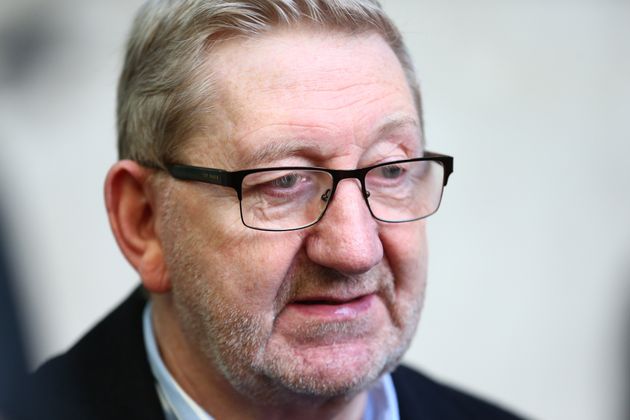
Len McCluskey

It is understood that Turner’s remarks caused intense irritation among senior figures in the union and in a new written message to the executive, he appeared to apologise for giving any impression of criticism of the hotel project.

In his email, circulated to all regional secretaries and passed to HuffPost UK, he said he wanted “to clear up some misrepresentation” of his comments “by some of our enemies”.

“It is…regrettable that comments made by myself about lessons I have personally learned from the process, and would inform my future thinking on projects, are being used by others in a negative way to raise issues that have been already been the subject of detailed reports, addressed and closed by the executive,” he wrote.

“As I have always said, there was no wrong-doing on this matter, in fact quite to the contrary. Learning lessons from our experiences and examining ways we can improve is something I think we all do regularly, and I have, as I’m sure have you.

“I am very clear that our executive council, officers, staff and general secretary have always been committed to acting in the best interests of our members and do so with integrity and a sense of responsibility for members’ money. In doing so they have always had, and always will have, my full backing.”

Turner – who is seen as the favourite to succeed McCluskey because of his endorsement by the union’s dominant United Left grouping – also stressed that he had intended no criticism of the “lay members” of the union’s executive. He ended his message with the words “in solidarity”.

Beckett, who had sat on Labour’s ruling national executive committee on behalf of Unite, has been suspended following his remarks about Patel on Twitter. He deleted the tweet and apologised for its offensive nature.

The other contender in the contest is national organiser Sharon Graham, another leftwinger who has led the union’s push to expose working conditions at employers like Amazon.

Coyne said: “The current election for general secretary is a crucial moment of decision for Unite members, and the £98m Birmingham project is a test of judgement and leadership for all four of the candidates.

“My position has been consistent throughout: I will hold an independent, published inquiry so we can learn the lessons and move on. I haven’t said one thing in public and another thing in private, or ducked the issue. It is now clear that I am the only candidate who stands for real change.”

Turner’s letter in full:

From: EC Admin <EC.Admin@unitetheunion.org>
Subject: TO MEMBERS OF THE EXECUTIVE COUNCIL FROM AGS STEVE TURNER

To Members of the Executive Council
Cc: Regional Secretaries
From: AGS, Steve Turner

Dear colleagues

I’m writing to you directly following the publication of an article in the Huffington Post concerning our Birmingham conference facility. The article, one of two, followed an hour-long interview concerning my being a candidate in the upcoming election for general secretary.

I want to clear up some misrepresentation of comments I made within it by some of our enemies.

Firstly, I am and always have been throughout my 39 years in our union, a champion of lay member democracy, control and leadership of our union and would never do anything to bring that into question. Nothing in my comments could be construed to being anything but supportive of this.

Secondly, neither was it in any way an attempt to undermine the statement agreed at our executive in January concerning the facility, which I support whole-heartedly. I’ve visited the centre. It’s a world class facility for our members, a great investment for our union and a long-term asset we can be very proud of.

It is however, regrettable that comments made by myself about lessons I have personally learned from the process, and would inform my future thinking on projects, are being used by others in a negative way to raise issues that have been already been the subject of detailed reports, addressed and closed by the executive.

As I have always said, there was no wrong-doing on this matter, in-fact quite to the contrary. Learning lessons from our experiences and examining ways we can improve is something I think we all do regularly, and I have, as I’m sure have you.

I am very clear that our executive council, officers, staff and general secretary have always been committed to acting in the best interests of our members and do so with integrity and a sense of responsibility for members’ money. In doing so they have always had, and always will have, my full backing.

In solidarity

Steve Turner

Share Button

People 35 And Over To Be Offered Covid Jab, Matt Hancock Says

Ian Forsyth via Getty Images

Matt Hancock MP, secretary of state for health

People aged 35 and over will be invited for a Covid jab this week, Matt Hancock has said. 

Speaking on Sunday, the health secretary also said new evidence had shown a “high degree of confidence” jabs work against the more transmissible Indian variant, which has said was now “relatively widespread, but in small numbers”. 

He also said it was “appropriate” to push on with the major easing of lockdown in England on Monday, despite warnings from scientists and medics.

Warning the India variant could “spread like wildfire among the unvaccinated groups”, he ruled out making jabs mandatory, adding it could disrupt a successful vaccines programme that had been “positive” and “cheerful”: “We don’t think that is the right approach.”

Hancock was also forced to defend the government against criticism it acted too late in imposing heightened border restrictions for travel from India.

He told the BBC’s Andrew Marr Show: “Throughout the pandemic I’ve had these ‘Captain Hindsight’ questions, and what I am telling you is how we took decisions at the time based on the evidence we had at the time.”

Hancock said there are now more than 1,300 cases of the variant in total and it was becoming taking hold in areas including Bolton and Blackburn in the North West.

He adde it was “quite likely” the Indian variant of Covid-19 to become the dominant variant in the UK.

“I think it’s quite likely this will become the dominant variant. We don’t know exactly how much more transmissible it is but I think it is likely it will become the dominant variant here,” he said. 

“What that reinforces is the importance of people coming forward for testing and being careful because this isn’t over yet.” 
“But the good news is because we have increasing confidence that the vaccine works against the variant, the strategy is on track – it’s just the virus has just gained a bit of pace and we’ve therefore all got to be that bit much more careful and cautious.”

He was unable to rule out regional lockdowns and said the government would use surge vaccinations to tackle a localised rise in cases. 

Hancock said five people who have had a single jab have been hospitalised with the Indian variant in Bolton, and one who had received both.

He told Marr: “We think that there are five people who have ended up in hospital having had one jab.”

Asked about people who have received two jabs, he said: “We think there’s one person, but that person was frail.

“A small number have had one jab and then there’s one case where they’ve had two jabs and they’ve ended up in hospital and they were frail.”

Asked if anyone had died with the Indian variant after receiving two jabs,  Hancock said: “Not that we’re aware of.”

Offering good news to plans to ease restrictions without unleashing a fresh wave of infections and deaths, Hancock said there is “new very early data” from Oxford University giving confidence that existing vaccines work against the variant.

“That means that we can stay on course with our strategy of using the vaccine to deal with the pandemic and opening up carefully and cautiously but we do need to be really very vigilant to the spread of the disease,” he told Sky’s Sophy Ridge On Sunday.

“We have a high degree of confidence that the vaccine will overcome.”

Hancock said the government will decide on June 14 whether all legal restrictions can be ended in the final step of the road map out of lockdown on June 21.

He did not rule out the possibility that Monday’s easing may have to be reversed if the variant pushed up case numbers, but said the hope is the “cautious and irreversible approach” can continue.

Share Button